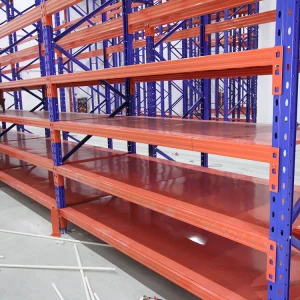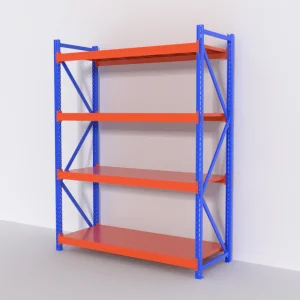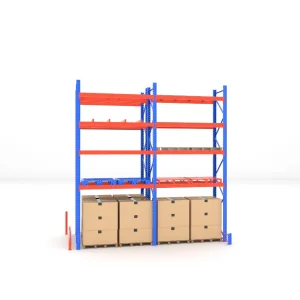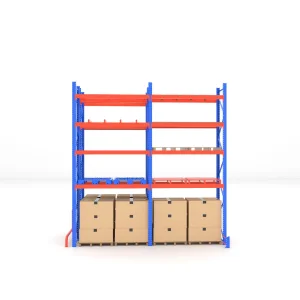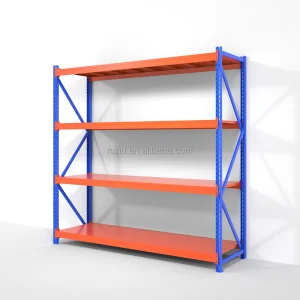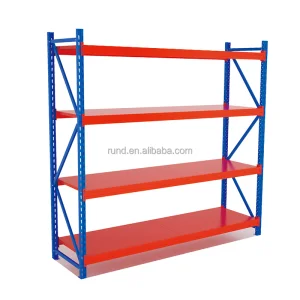
The logistics, cold storage, and manufacturing sectors in Metro Manila and neighboring economic hubs like Calabarzon (Cavite, Laguna, Batangas, Rizal, and Quezon) and Central Luzon are undergoing rapid modernization. In 2024, the surge of e-commerce, FMCG distribution networks, and pharmaceutical cold chain facilities has spurred unprecedented demand for high-capacity warehouse storage equipment. High-density structures (>500KG per layer) are now crucial for optimizing expensive real estate near the Port of Manila and along the South Luzon Expressway (SLEX) and North Luzon Expressway (NLEX).
Operating in the Philippines poses distinct engineering challenges. Manila is located in a high-seismic active zone (Zone 4) and faces extreme ambient humidity. Regular racking systems designed for temperate zones fail prematurely due to micro-crack propagation caused by minor tectonic tremors and rapid oxidation from saltwater proximity. Nanjing Fortis addresses these problems by fabricating racking systems with high-yield Q235B and Q355B steel, implementing robust structural design calculations in strict accordance with the RMI (Rack Manufacturers Institute) guidelines and local Philippine structural building codes.
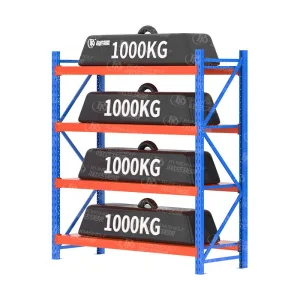
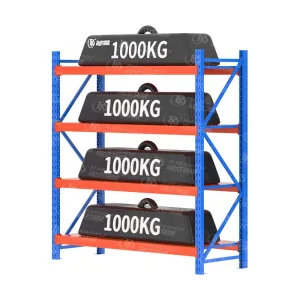
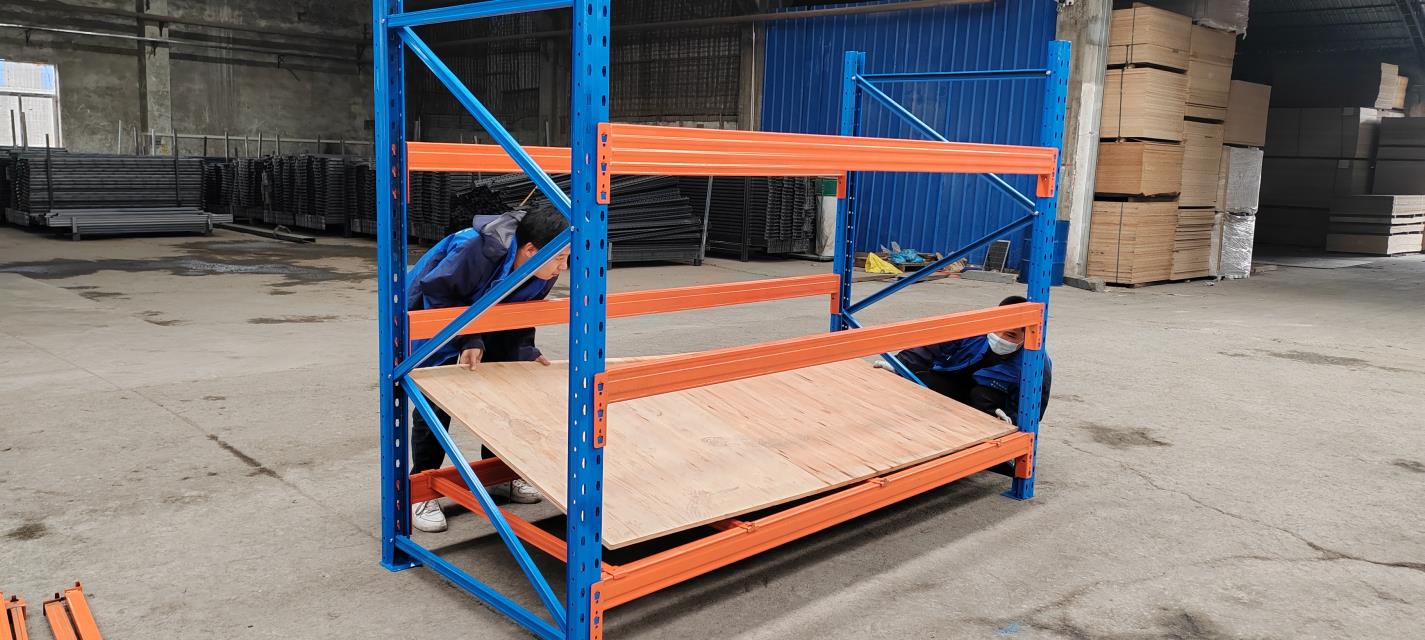
All heavy-duty racks supplied to the Manila market undergo rigorous Finite Element Analysis (FEA) to confirm performance under seismic acceleration loads. Our thicker base plates, heavy-duty upright profiles, and dual-anchoring mechanisms ensure high load stability (>1000KG to 3000KG per tier) during tectonic activities, minimizing risk to personnel and stored inventory.
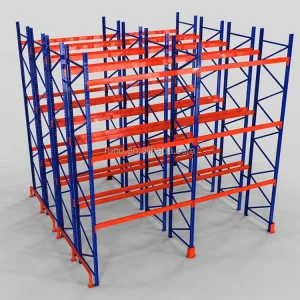
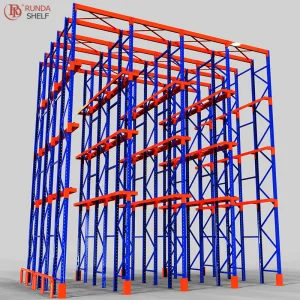
Global warehouse real estate costs have escalated by up to 35% over the past three years. Industrial developers are shifting from traditional horizontal floor configurations to vertical storage configurations. High-density systems such as Drive-In, VNA (Very Narrow Aisle), and automated Radio Shuttle racks are now standard across modern distribution centers.
Anti-corrosion technology has evolved significantly. Advanced epoxy powder-coat finishes and hot-dip galvanization are standard protocols for storage systems located in high-humidity coastal ports, extending operational lifespans up to 15 years with minimal maintenance.
Modern high-capacity racks must seamlessly interface with automated storage and retrieval systems (AS/RS). Frame tolerances must be kept within sub-millimeter limits to prevent alignment issues during robotic retrieval cycles.
Established in 2016, Nanjing Fortis Storage Equipment Manufacturing Co., Ltd. commands a modern industrial plant covering 48,000 m². Driven by 10 years of deep industry expertise and 7 years of global trade experience, our annual export turnover reaches $35 million. We uphold strict quality control through ISO14001 and TUV standards, performing automated CMM dimensional inspections and salt spray corrosion testing with 62 full-time QA personnel. As a direct factory exporter, our key commercial footprints span Western Europe, South America, and the Middle East, integrated with a network of over 1,400 supply chain partners. Our client base mainly includes mega-warehouse developers, cold chain storage operators, and global retail chains. Our robust R&D team of 80 engineers specializes in bespoke structural adaptations, special surface coating treatments, and high-density racking configurations, introducing 350 innovative products to the global market last year.
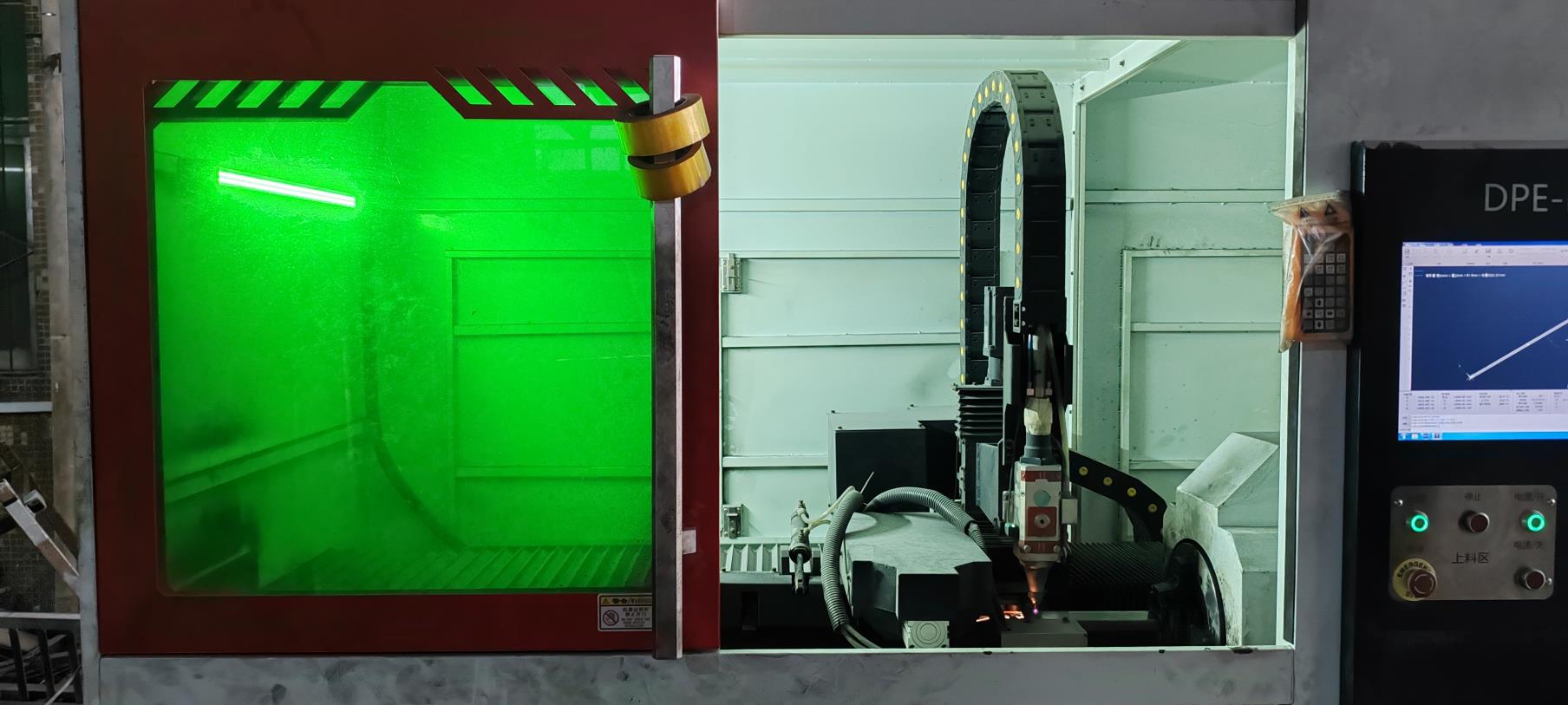
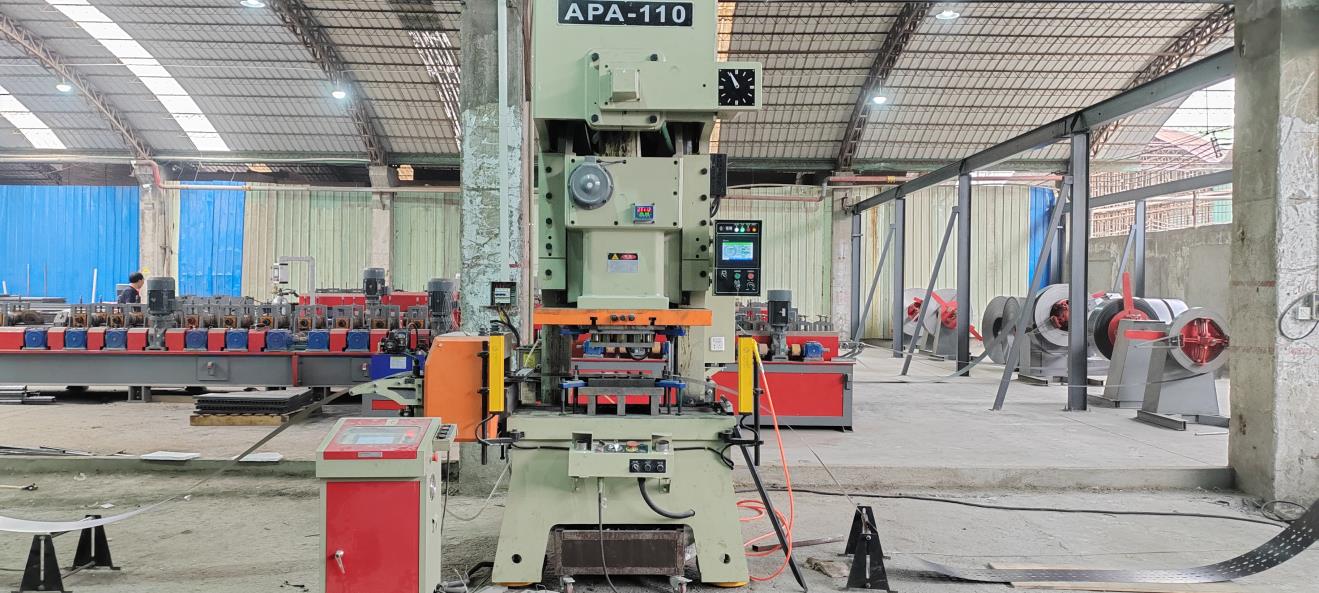
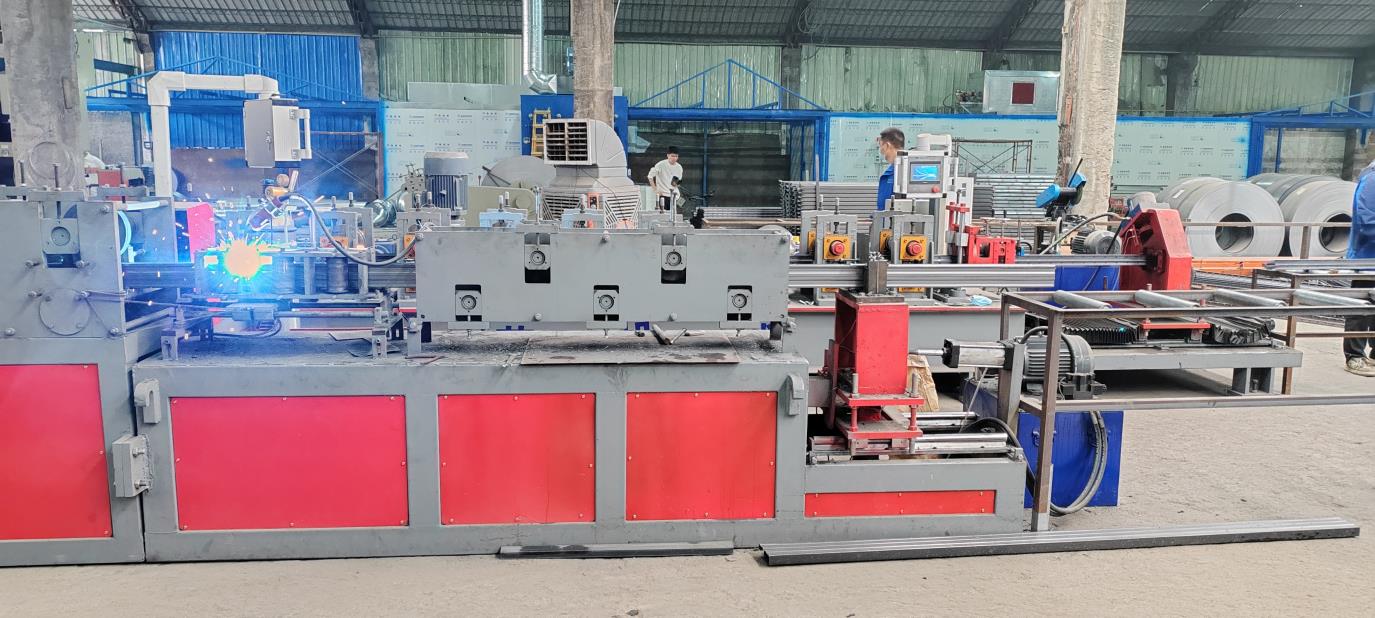
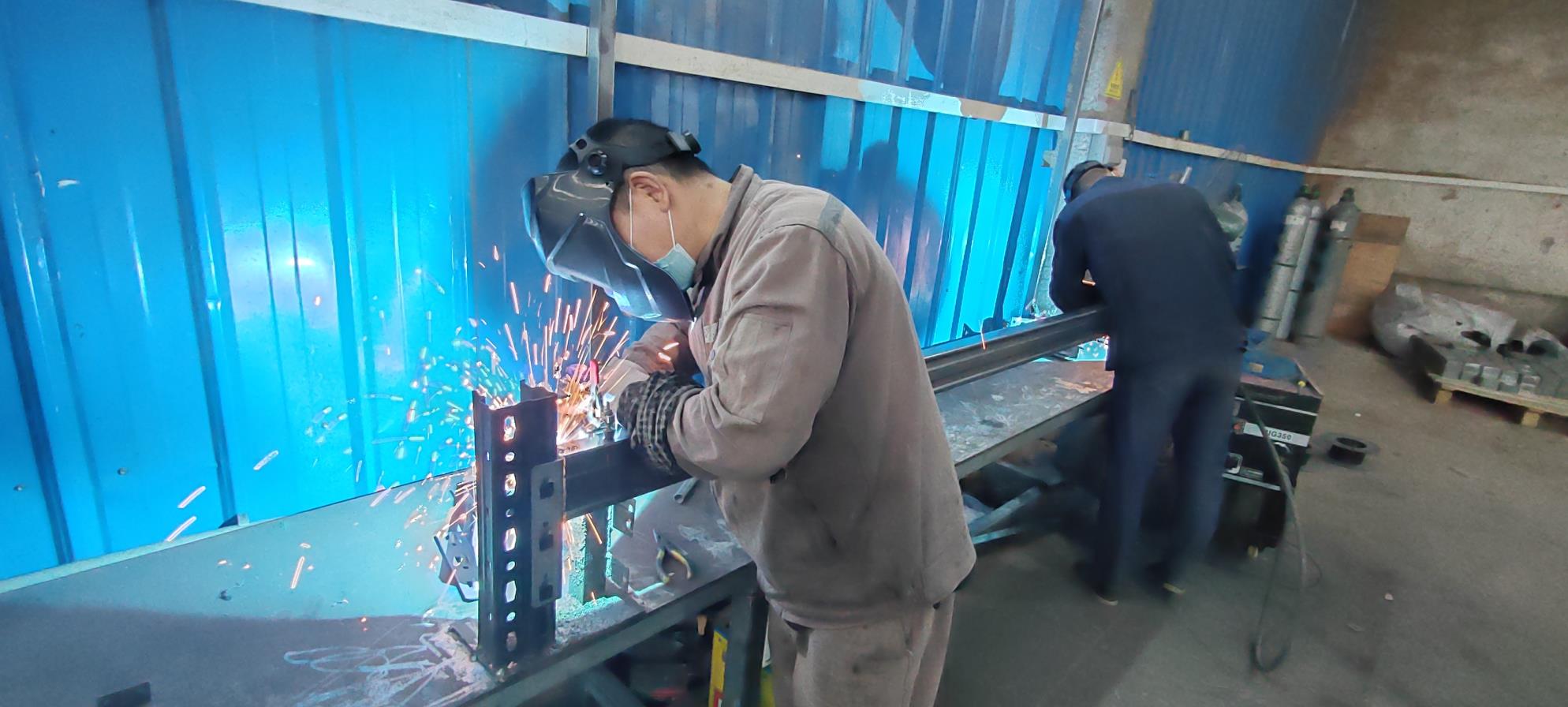
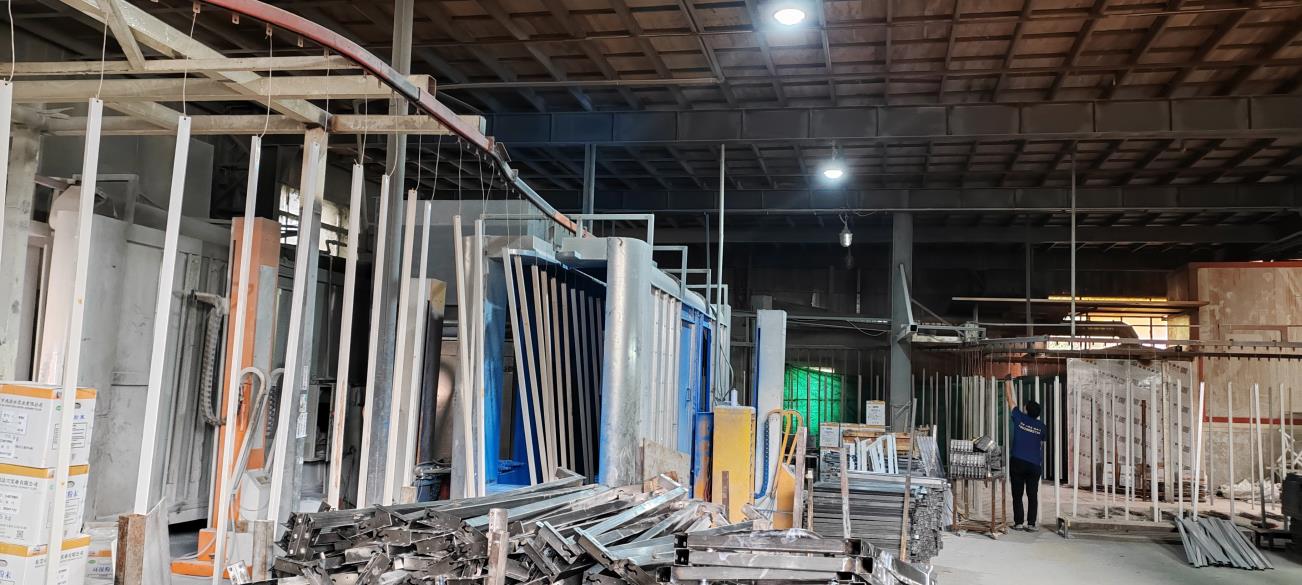
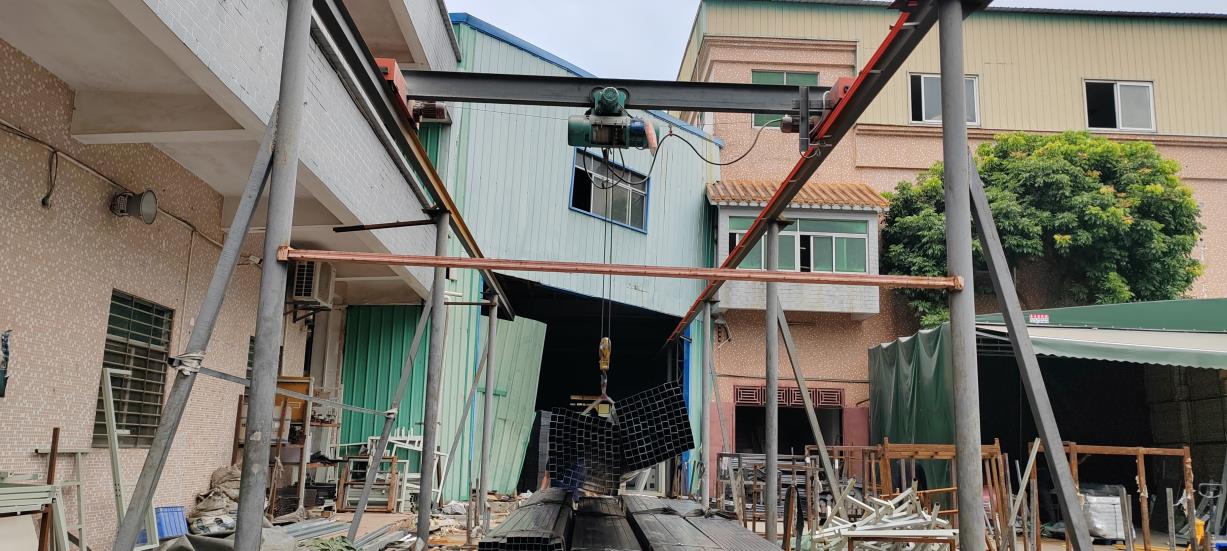
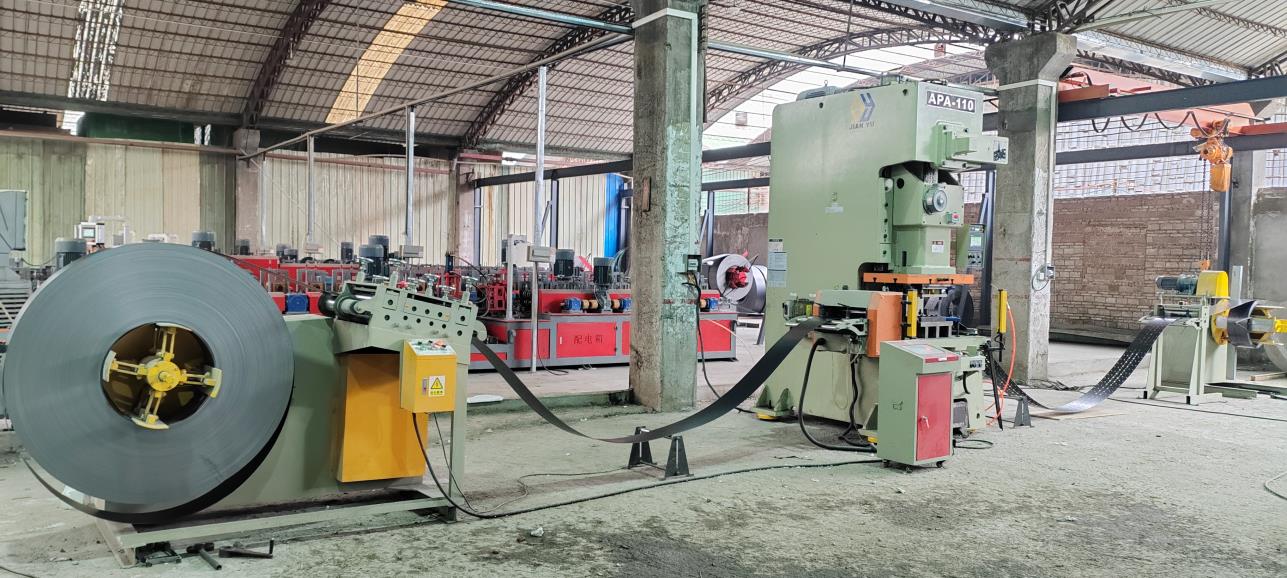
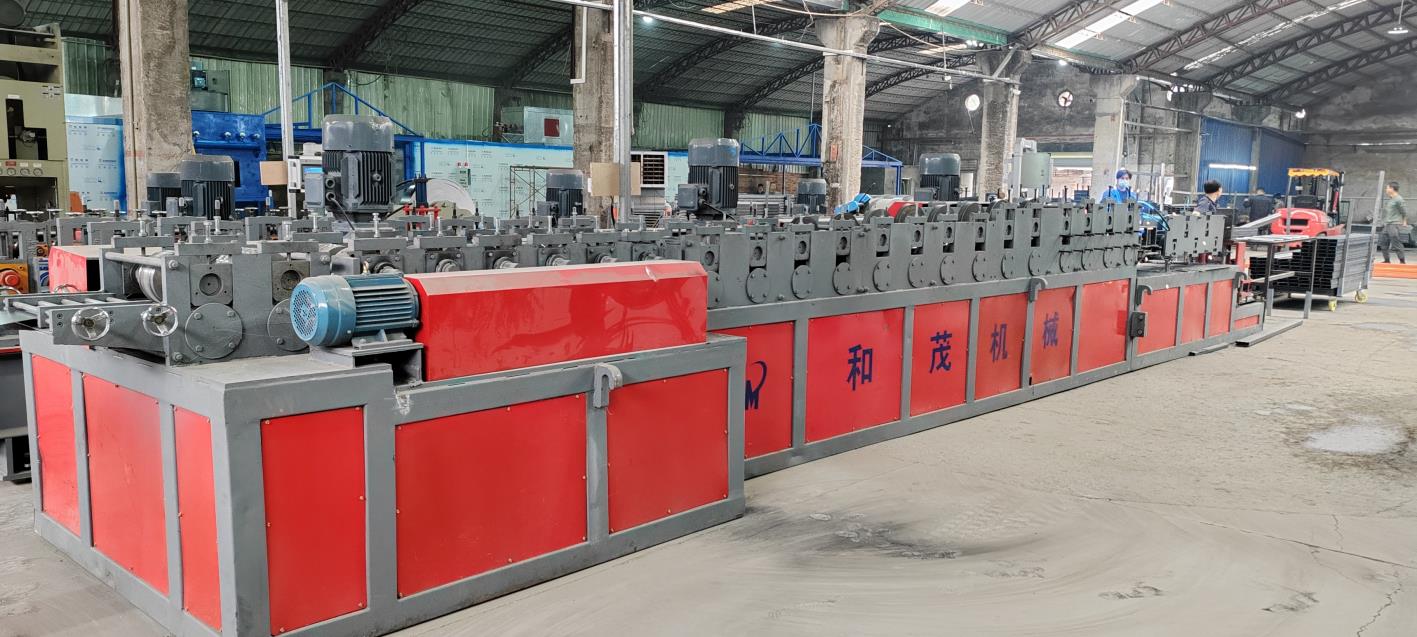
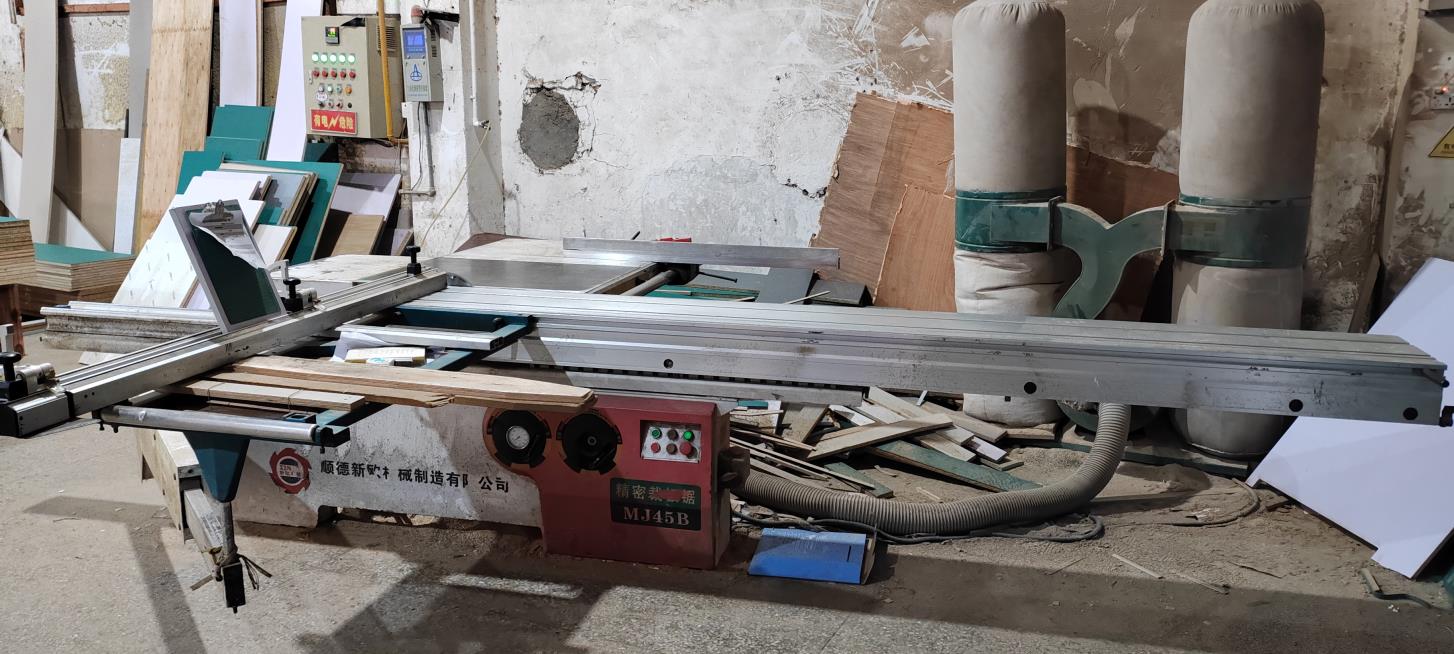
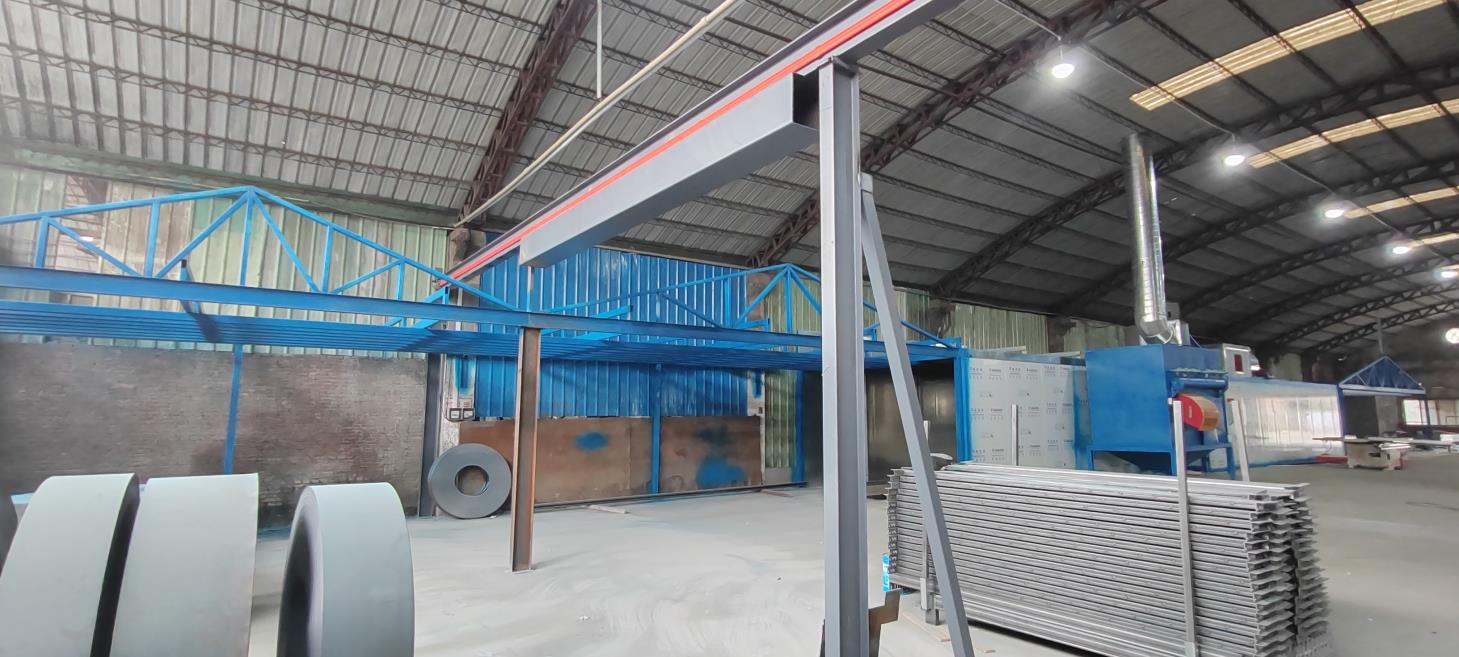
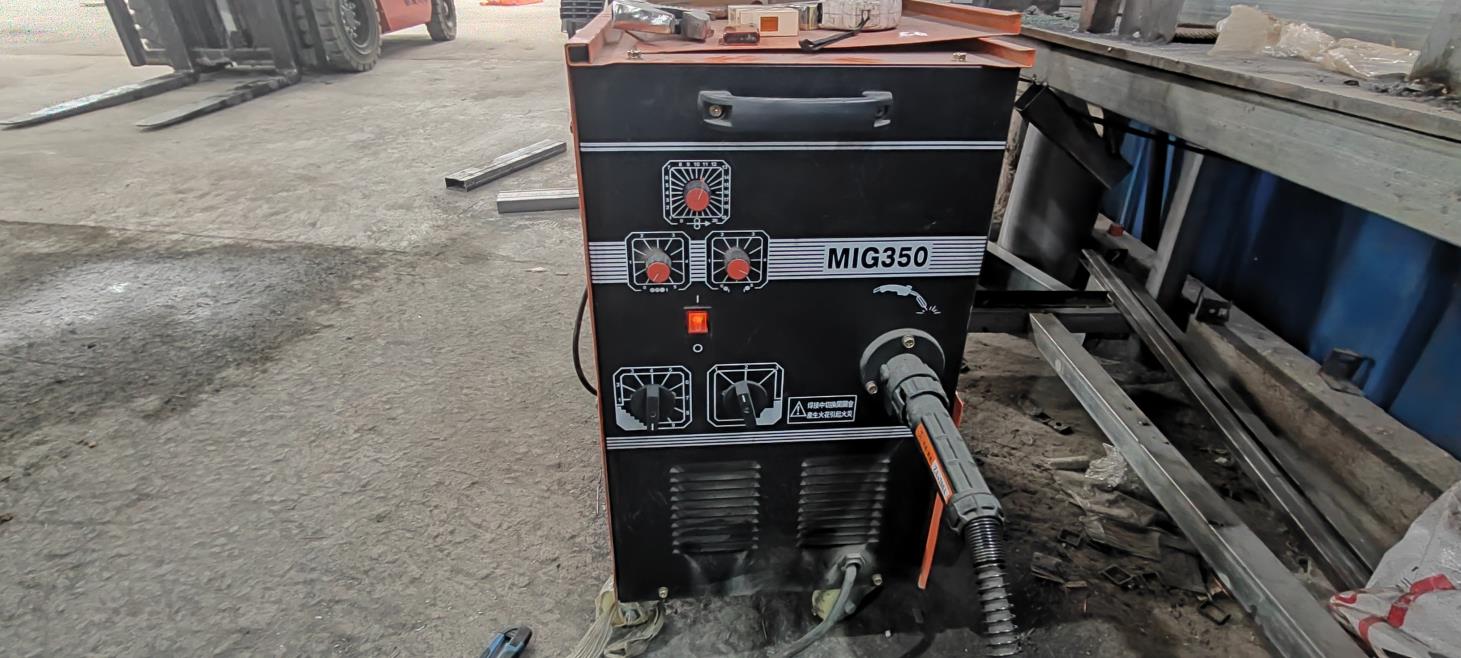
The Chinese industrial racking sector benefit from fully integrated steel supply chains and advanced automation. Nanjing Fortis leverages structural steel from premium domestic mills, utilizing automated multi-station roll-forming lines, high-precision robotic welding arms, and electrostatic powder coating operations. This level of automated production delivers consistent dimensions, superior surface quality, and competitive manufacturing timelines that local fabrication shops in Southeast Asia cannot replicate.
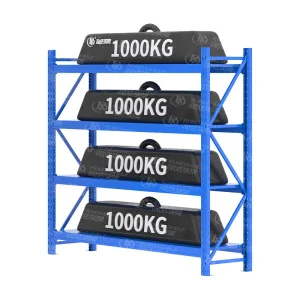
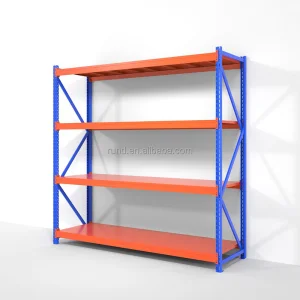
With major food hubs expanding across Metro Manila, cold storage demand is at an all-time high. Storage systems must handle deep-freeze environments (-25°C to -40°C) without losing ductility. Our hot-dip galvanized coating systems and specialized low-temperature carbon steel options prevent hydrogen embrittlement and steel crystallization, ensuring structural stability.
For steel mills, automotive parts warehouses, and plastics factories in Cavite and Laguna, cantilever racking is essential. Systems engineered with load limits exceeding 1000KG per arm allow secure, horizontal storage of long bars, pipes, and metal components, ensuring safe overhead clearances.
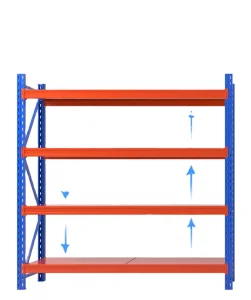
To optimize fast picking profiles, structural mezzanines and multi-level shelving are integrated into modern logistics platforms. Engineered with integrated handrails, fire sprinkler paths, and wire-mesh decks, our designs meet strict local zoning standards and international building requirements.
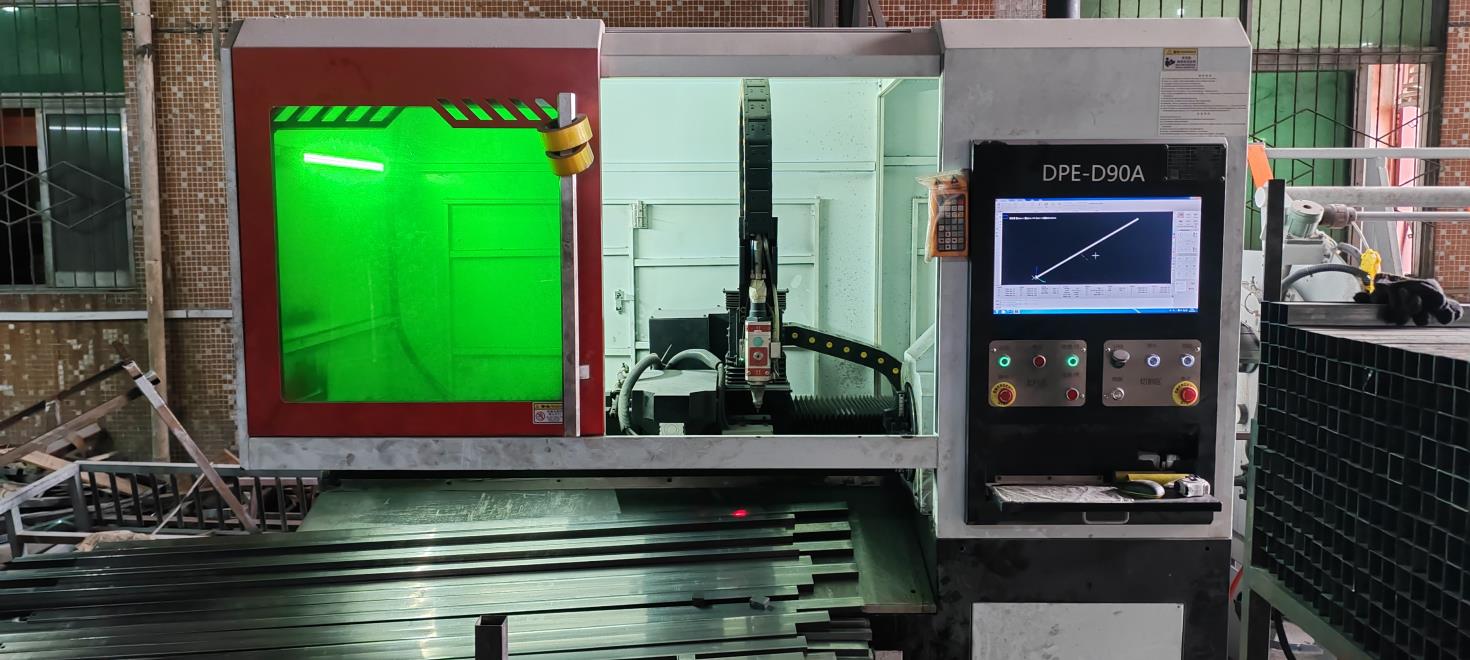
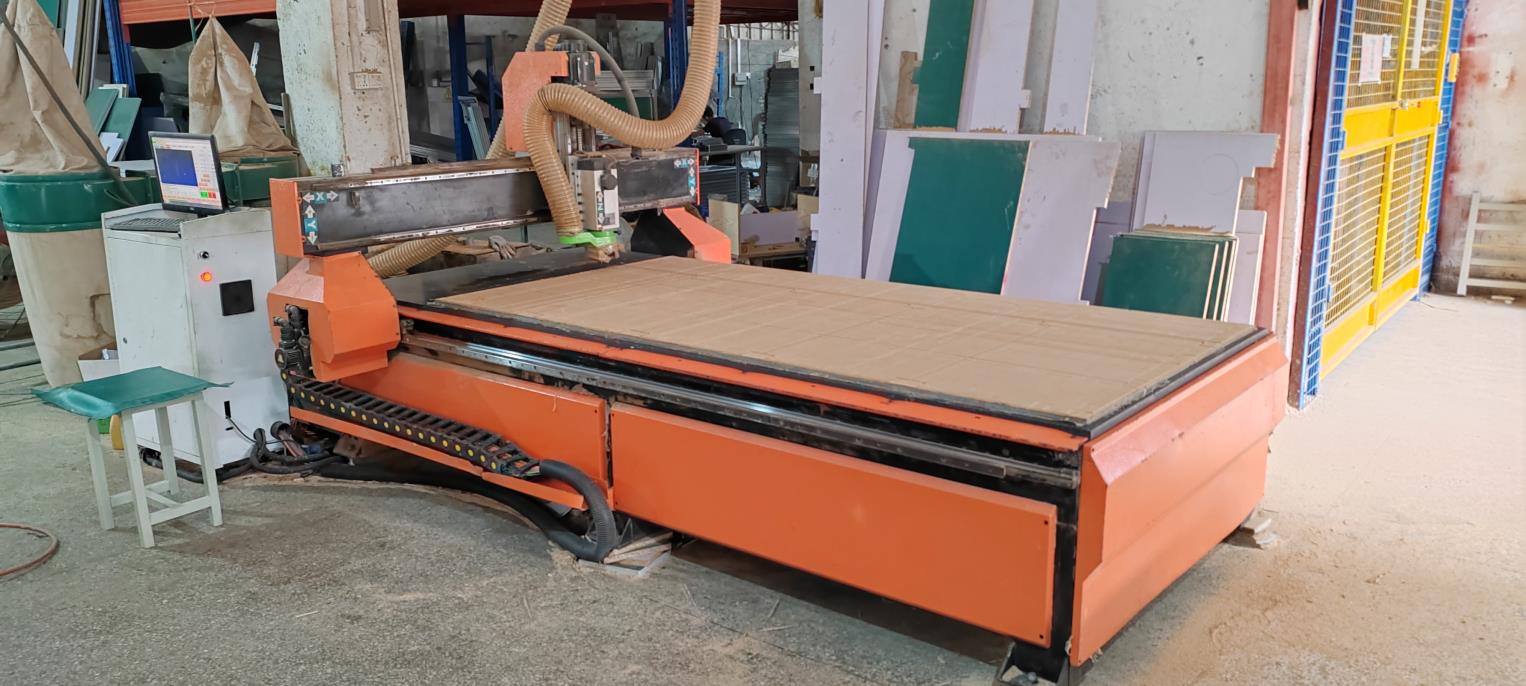
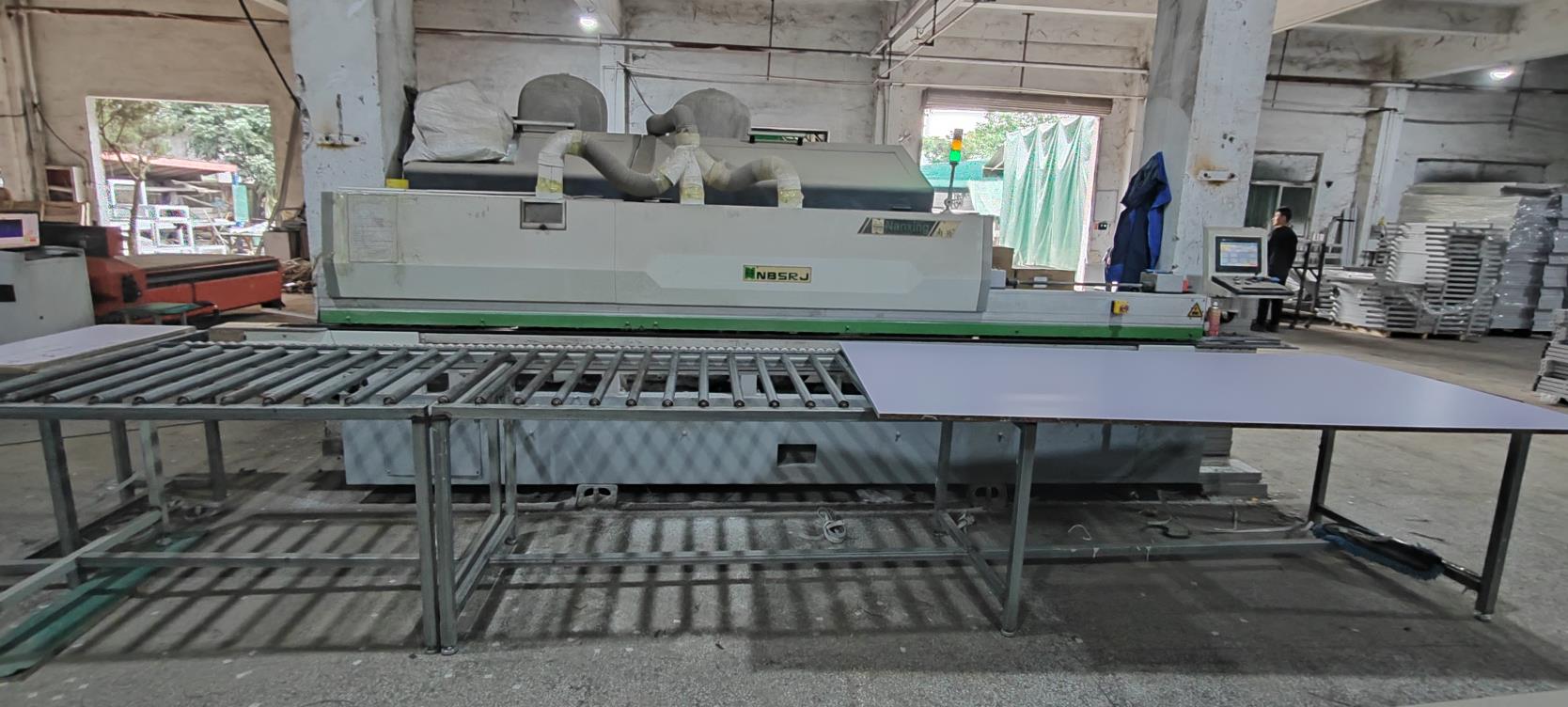
Our ISO14001 and TUV-certified manufacturing pipeline integrates advanced metallurgy, automated roll-forming, and strict dimensional quality control metrics.
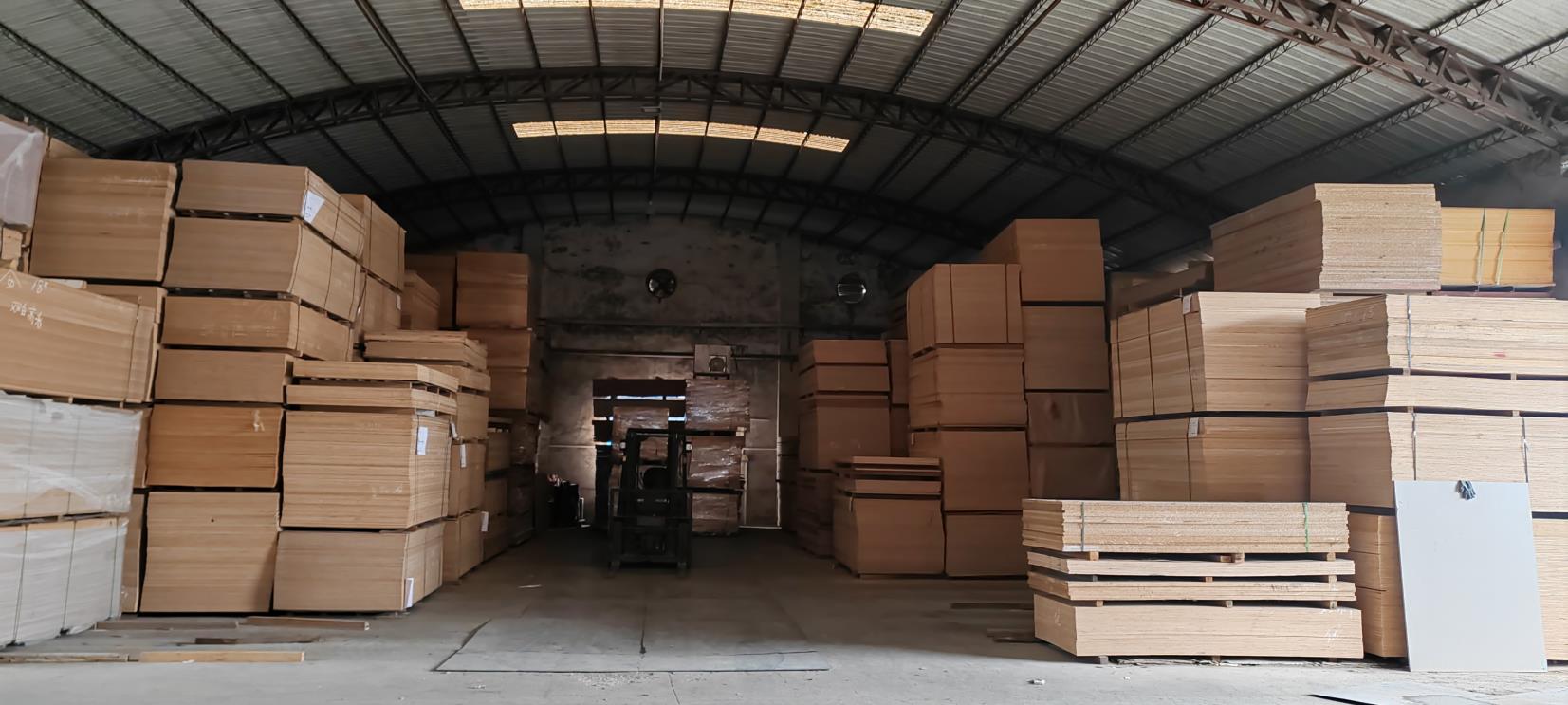
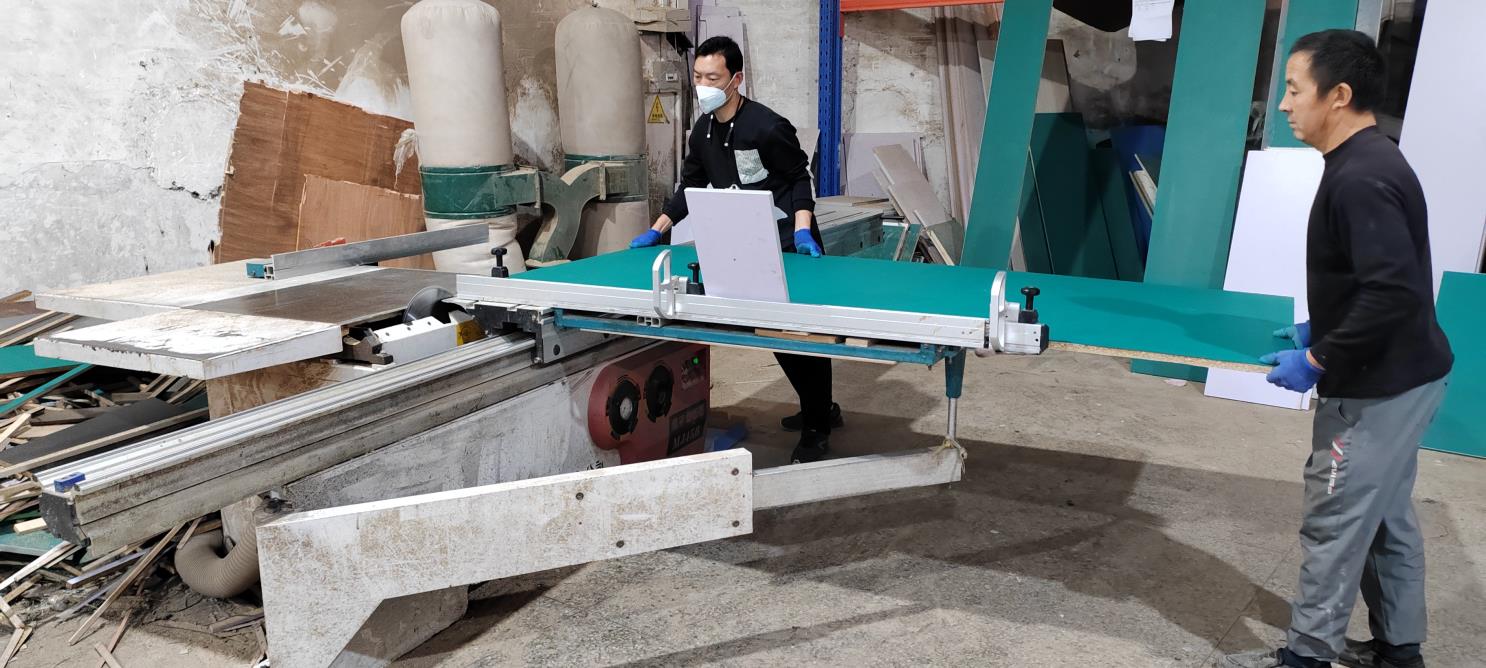
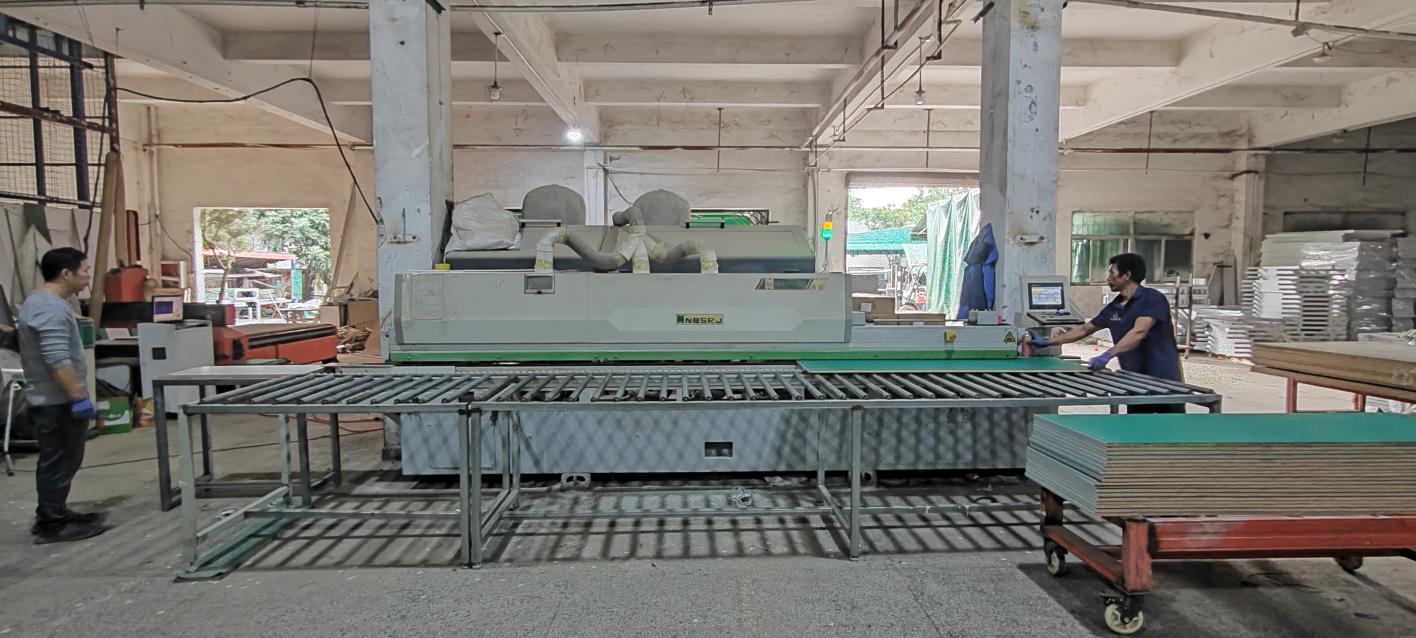
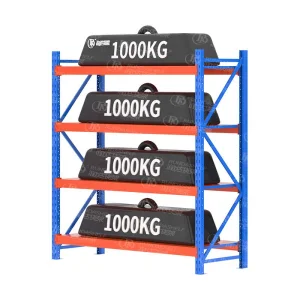
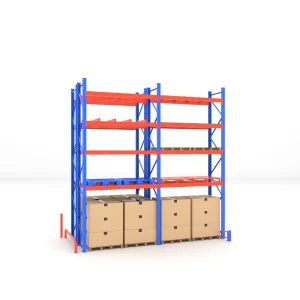
Demand certified structural steel (e.g., Q235B or Q355B). Avoid suppliers that use recycled sheet metal, which compromises yield strength under heavy load stresses.
For operations in humid Metro Manila coastal zones, specify powder coatings tested to 500+ hours of salt spray exposure, or opt for hot-dip galvanized finishes.
Verify that your racking supplier provides detailed structural designs calculated for Manila's Zone 4 seismic ratings, complete with appropriate anchor configurations.
Confirm the product has passed international validation tests, such as TUV Rheinland certification or ISO 9001 quality system standards.
Our engineering team performs localized finite element calculations to address the high seismic activity (Zone 4) in the Philippines. We specify wider and thicker base plates, heavy-duty upright profiles, and dual-anchoring methods. We also implement custom cross-bracing configurations that effectively distribute dynamic lateral forces to the concrete slab during seismic events.
We process all raw steel through an advanced automated pretreatment process, including hot wash, acid pickling, and phosphating. We then apply an electrostatic powder-coating layer followed by high-temperature baking. For aggressive environments such as ports or open structures, we offer hot-dip galvanized (HDG) components that resist corrosion for over 15 years.
Standard fabrication takes 20 to 25 days depending on project scale and configuration. Ocean transit from Nanjing or Shanghai port to Manila takes between 7 to 12 days. Including customs clearing preparation, customers in Metro Manila can expect onsite delivery within 35 to 45 days from order confirmation.
Yes. Nanjing Fortis collaborates with experienced local mechanical installation teams in Manila, Cavite, and Cebu. We supply full layout drawings, load calculations, and step-by-step installation manuals, and can dispatch engineers to supervise large-scale industrial projects.
Yes. Our heavy-duty racking systems, including our Radio Shuttle Racks, are designed with close manufacturing tolerances suitable for automation. Our high-precision laser-cutting and roll-forming processes ensure structural alignment, allowing automated shuttles and cranes to operate smoothly.
 FortisRack