Direct supply line configurations designed for high-capacity workflows, long cycles, and localized retail environments.
The global retail ecosystem relies heavily on physical cart mechanics to support bulk purchasing behaviors and drive transactional efficiency. Often viewed as simple hardware, the modern supermarket shopping cart is actually a heavily engineered commercial asset. It directly impacts consumer dwell times, basket values, and overall operational efficiency. From warehouse hypermarkets to compact urban convenience stores, shopping trolley configurations must meet rigorous physical requirements to support daily store workflows.
Recent studies in retail asset management show that shopping cart volume, wheel responsiveness, and ergonomic comfort directly influence Average Order Value (AOV). Customers who navigate store aisles with high-capacity, smooth-gliding carts tend to stay longer and buy more than those using misaligned or noisy metal alternatives. In addition, the retail industry's focus on sustainability has driven demand for highly recyclable hybrid composites and advanced corrosion-resistant coatings, ensuring equipment lasts through years of intensive use.
SEO Insight & Semantic Value: Enterprise supermarket chains must prioritize total cost of ownership (TCO). A cart that breaks down early or corrodes after light weather exposure leads to replacement costs and operational friction. Leading global procurement teams focus on material quality, long-lasting surface treatments, and advanced wheel bearing designs when selecting supplier partners.
In mature markets like Europe and North America, strict safety regulations govern cart designs, specifically regarding children's seating areas and mechanical nesting systems. As smart retail develops, shopping carts are increasingly fitted with digital components, such as RFID scanning brackets, customer navigation displays, and automated wheel-locking mechanisms to prevent theft. Working with an agile manufacturer capable of customizing base metal frames for smart upgrades has become a key competitive advantage.
Nanjing Fortis Storage Equipment Manufacturing Co., Ltd. demonstrates how modern Chinese production centers integrate advanced materials science with end-to-end supply chain control. China's manufacturing advantages extend beyond raw production capacity to include rapid prototyping, local raw material sourcing, and specialized coating facilities.
Nanjing Fortis utilizes high-grade structural steel and polymer blends directly from domestic mills. This ensures consistent wire diameter, tensile strength, and impact resistance before manufacturing even begins.
By using multi-axis CNC wire-bending and robotic spot-welding systems, we maintain precise tolerances. This ensures that nested carts line up correctly and minimizes shipping damage caused by structural misalignments.
Our surface finishing lines combine zinc plating, protective sealants, and thermoset organic powder coatings. This triple-layer barrier keeps carts looking clean and prevents rust, even in humid coastal areas.
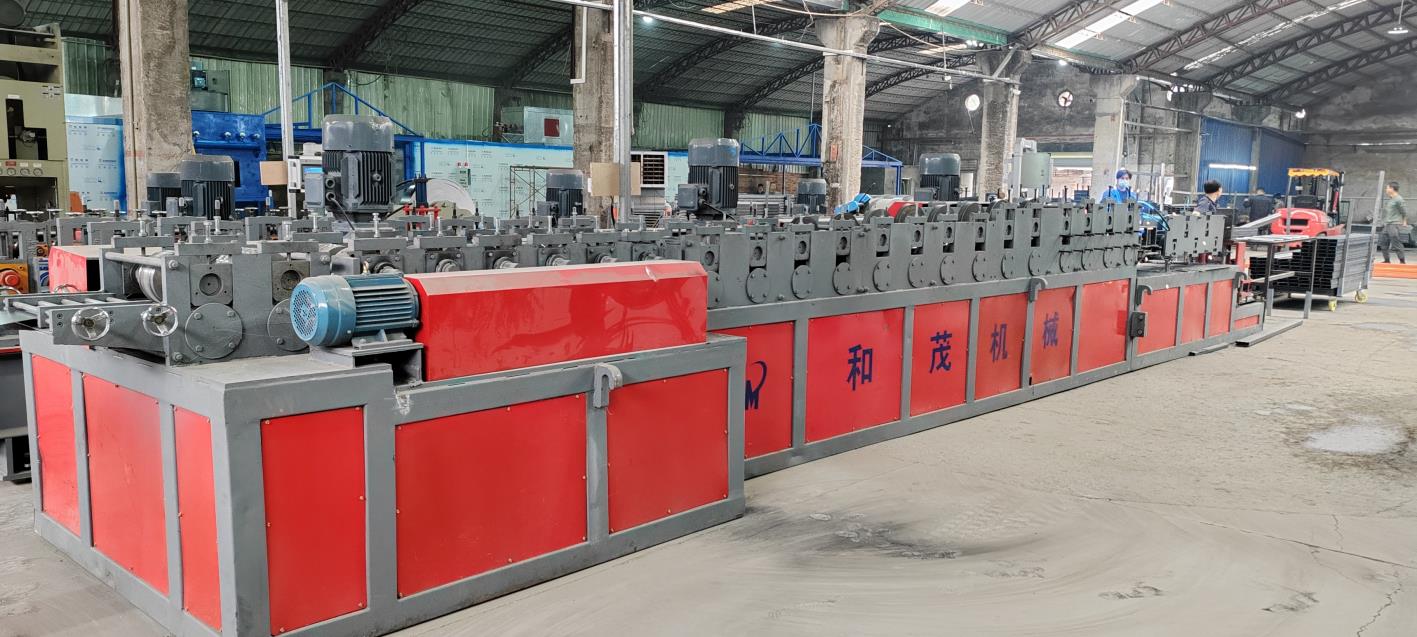
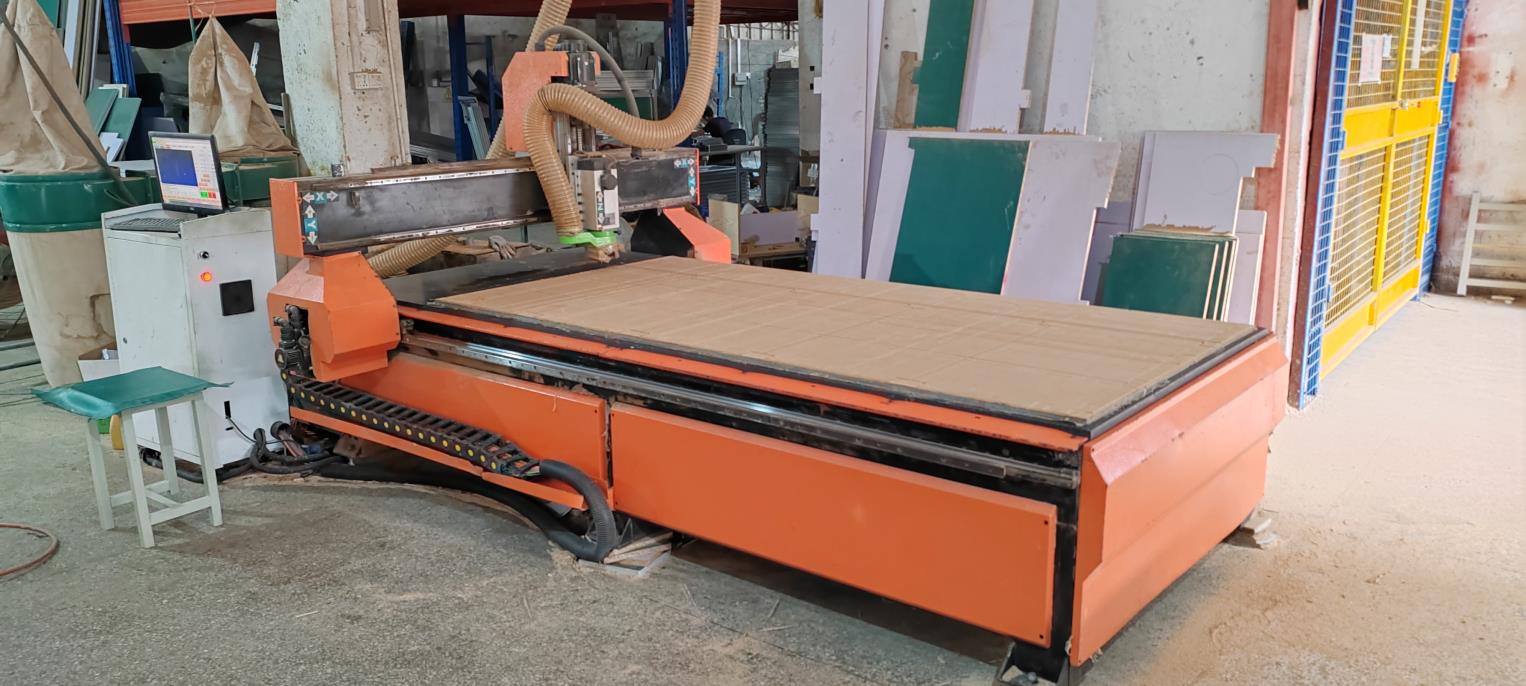
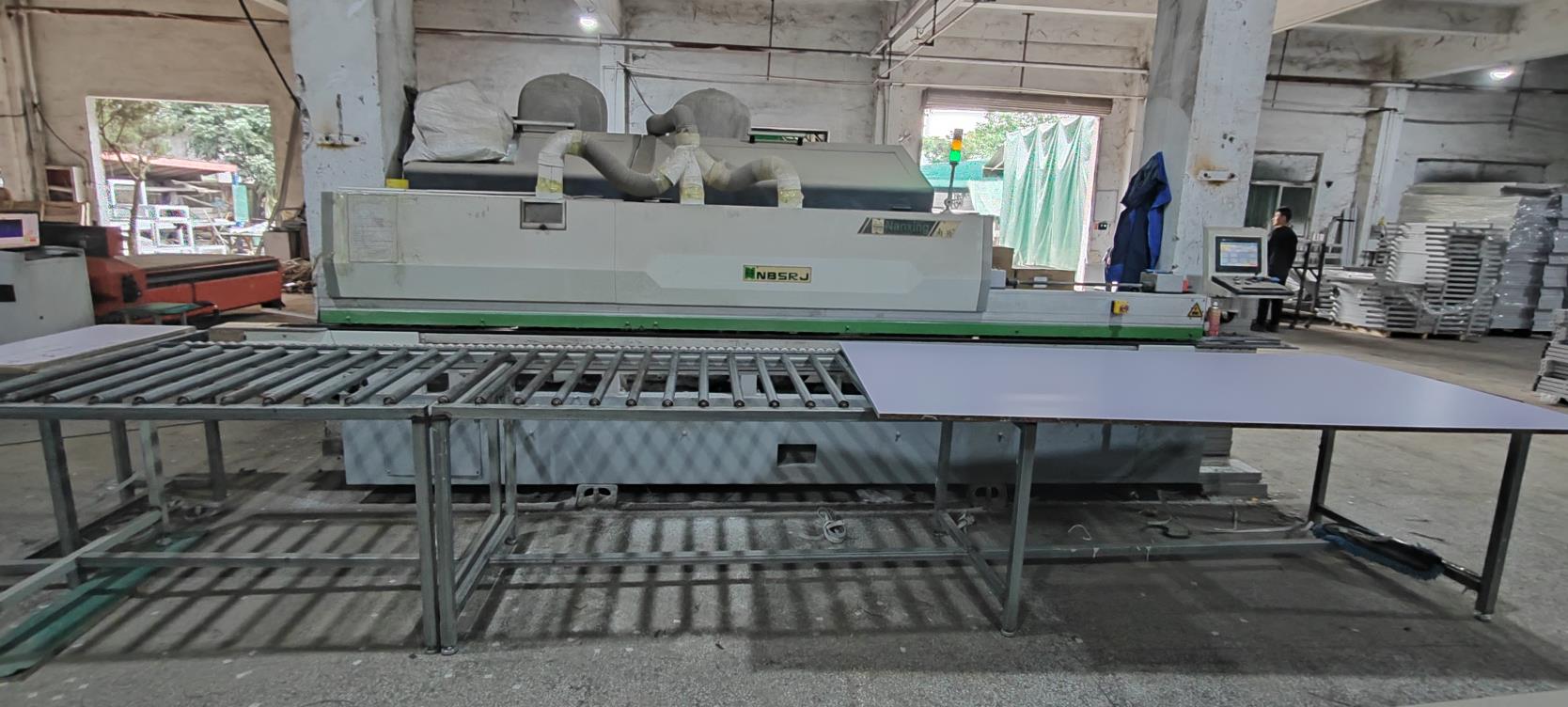
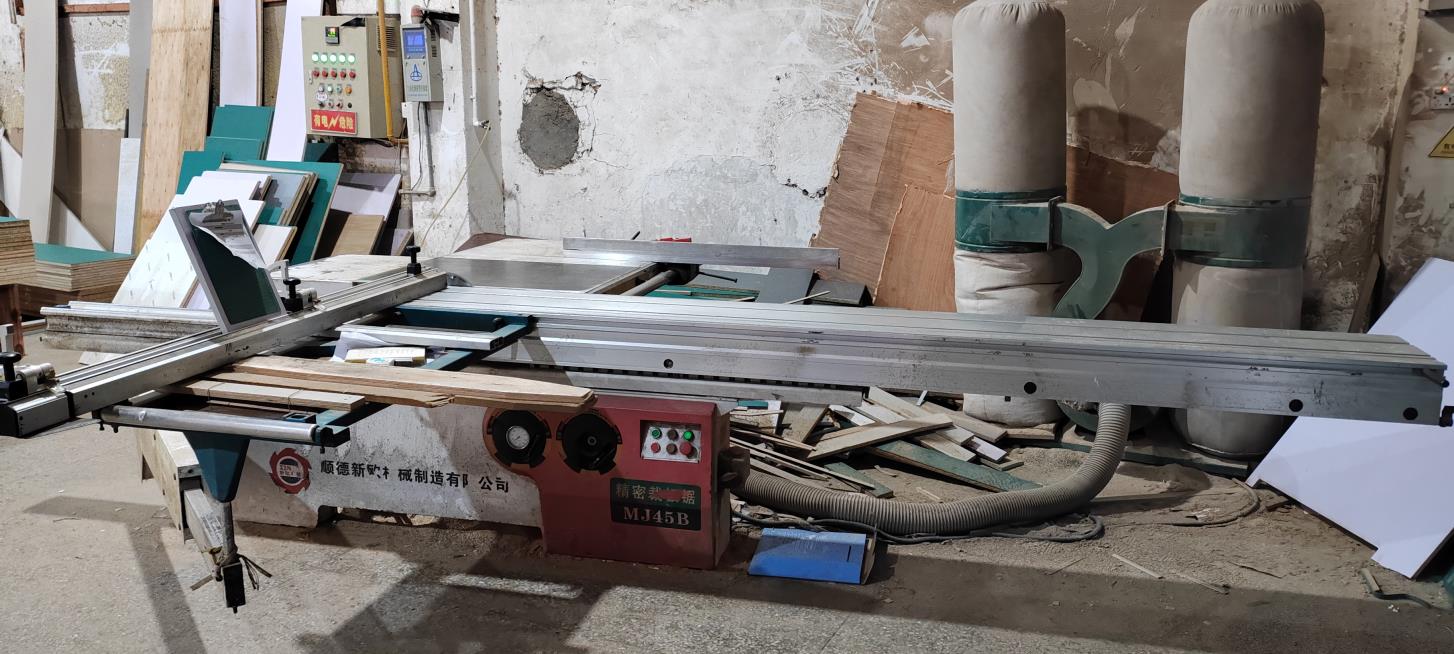
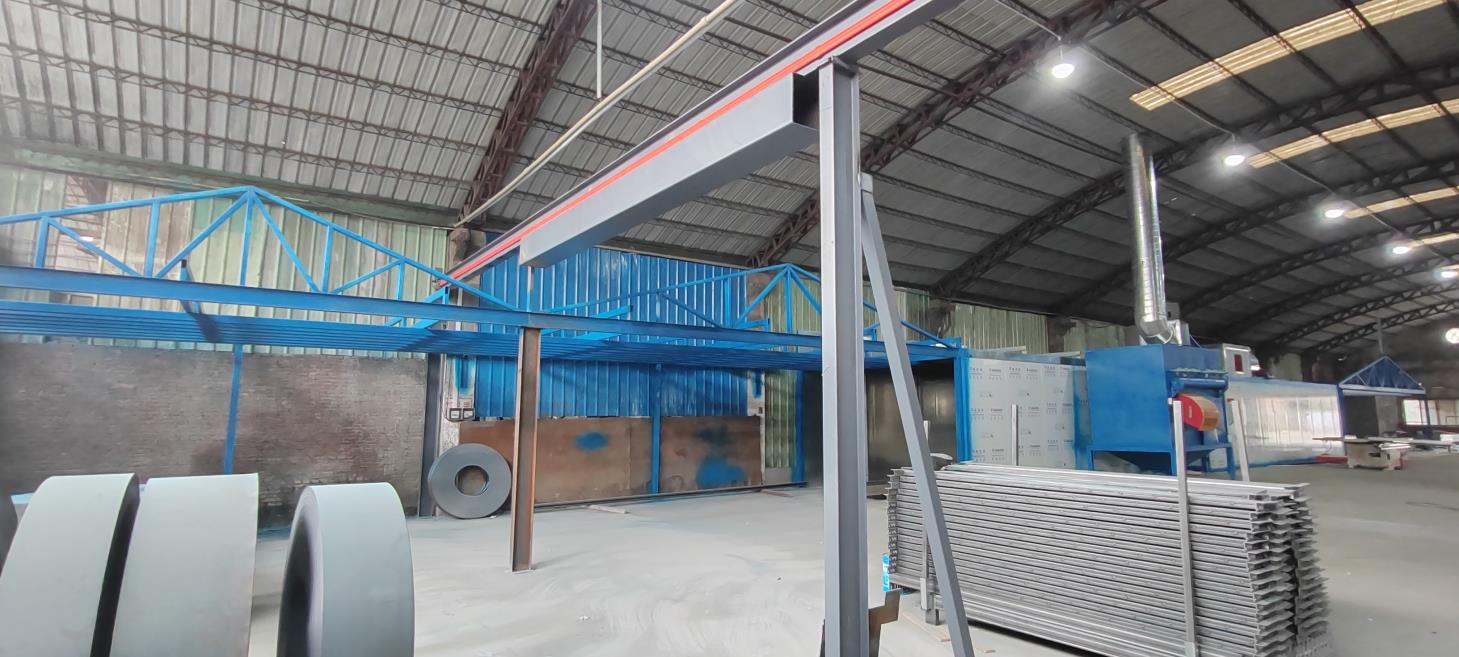
Nanjing Fortis operates a 48,000 m² industrial facility staffed by 80 engineers and 62 QA specialists. We manage the entire manufacturing cycle in-house. Below is an overview of our raw material preparation, component fabrication, and final assembly processes.
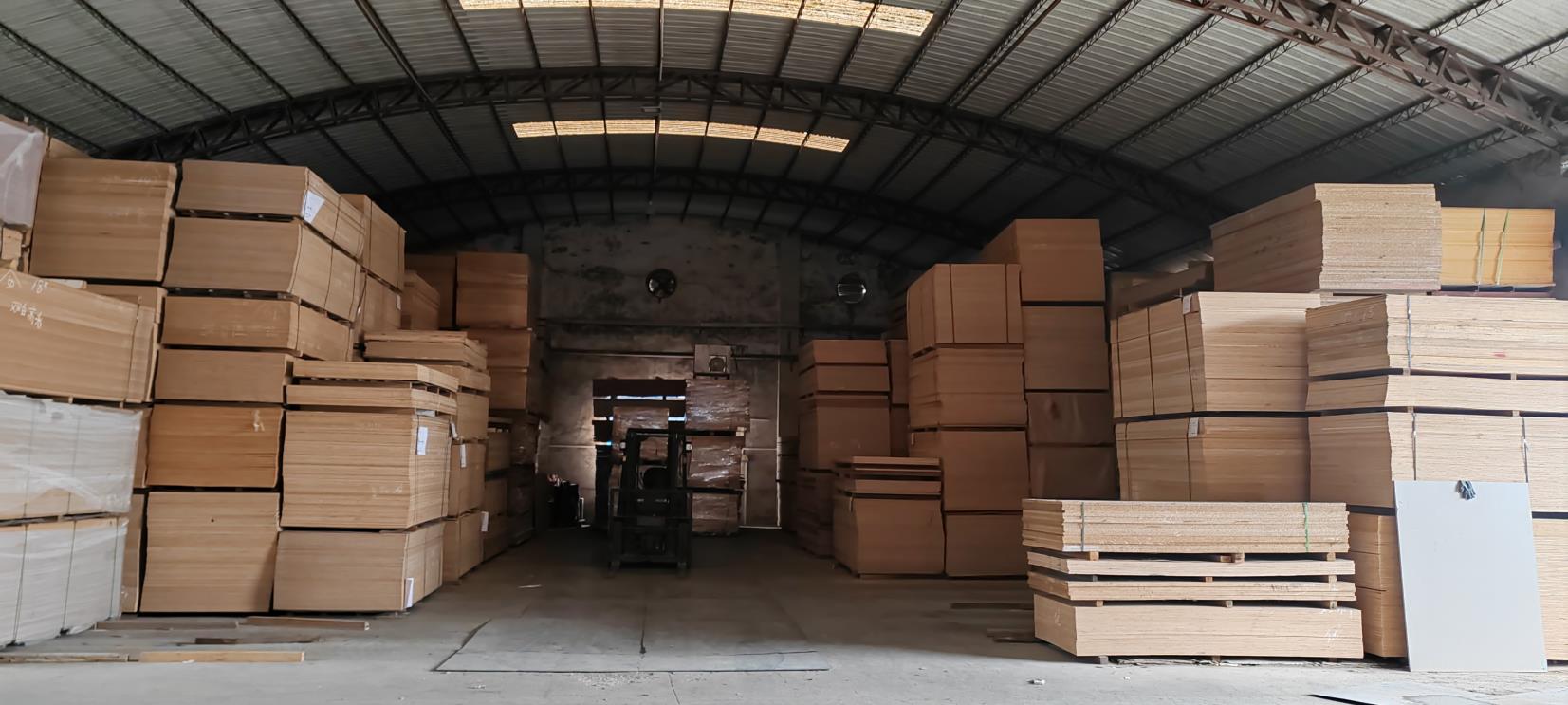
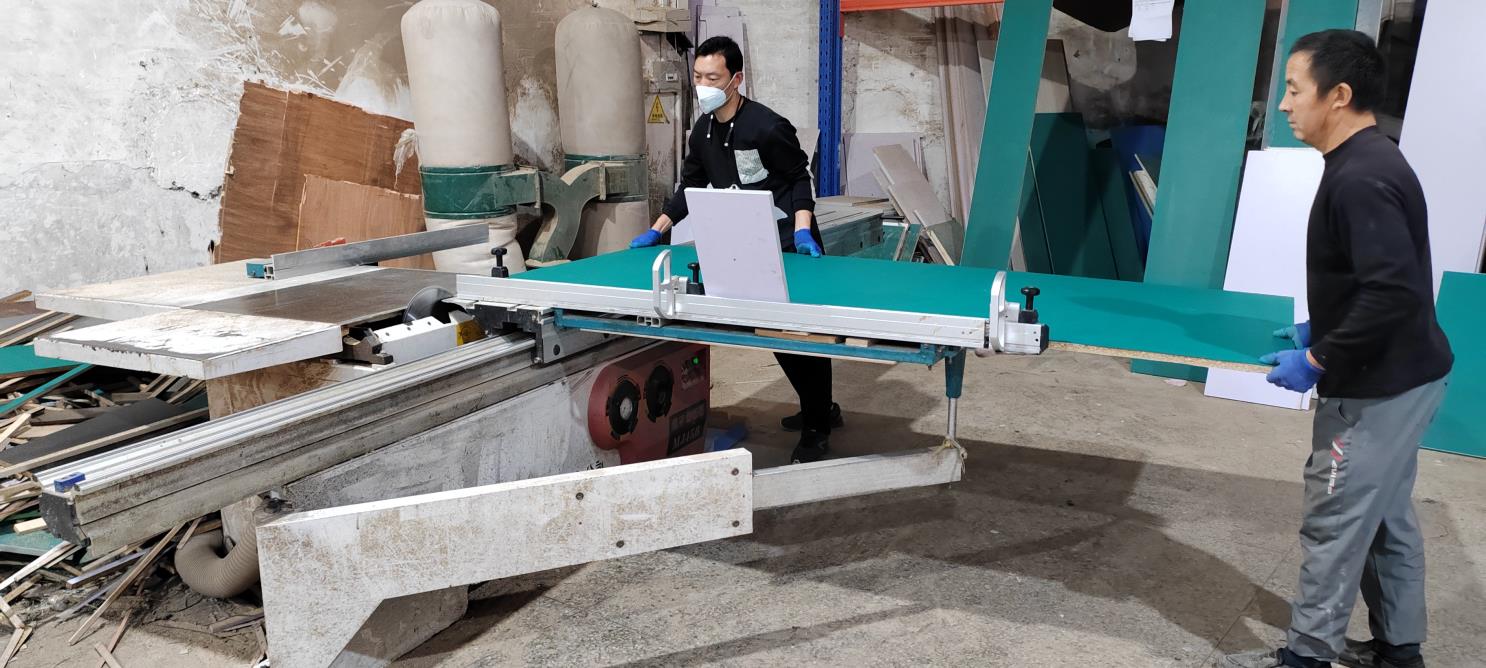
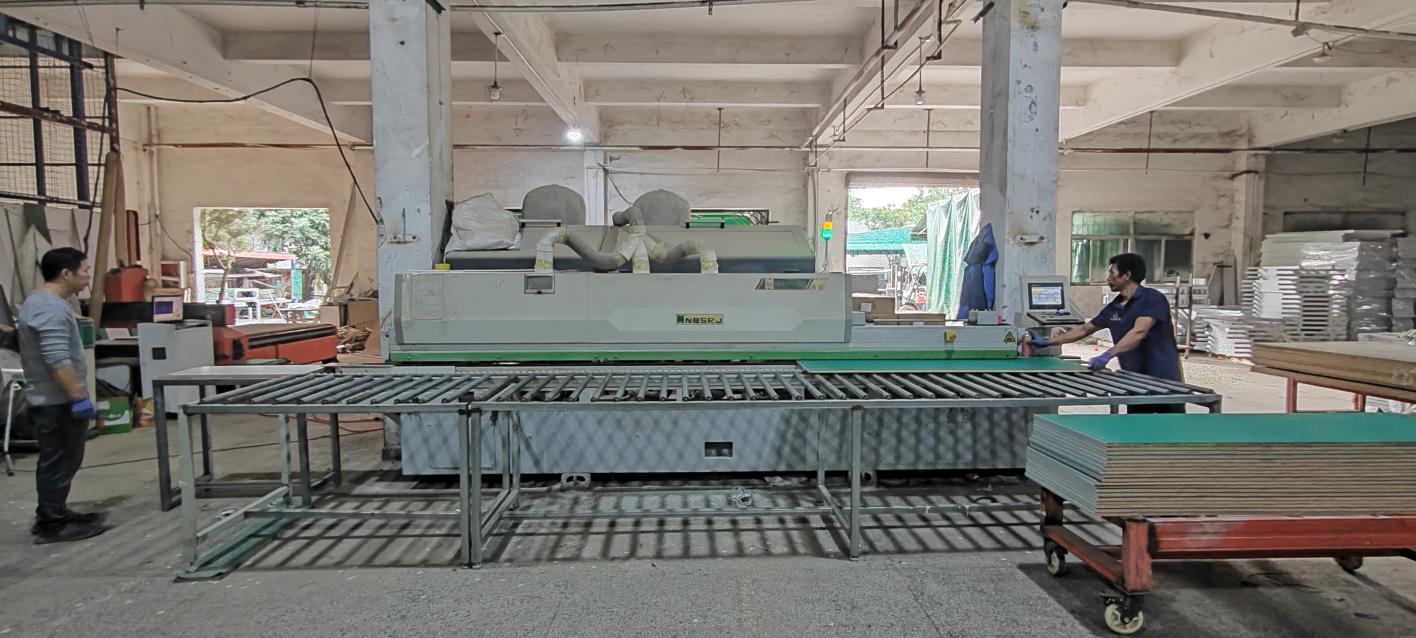
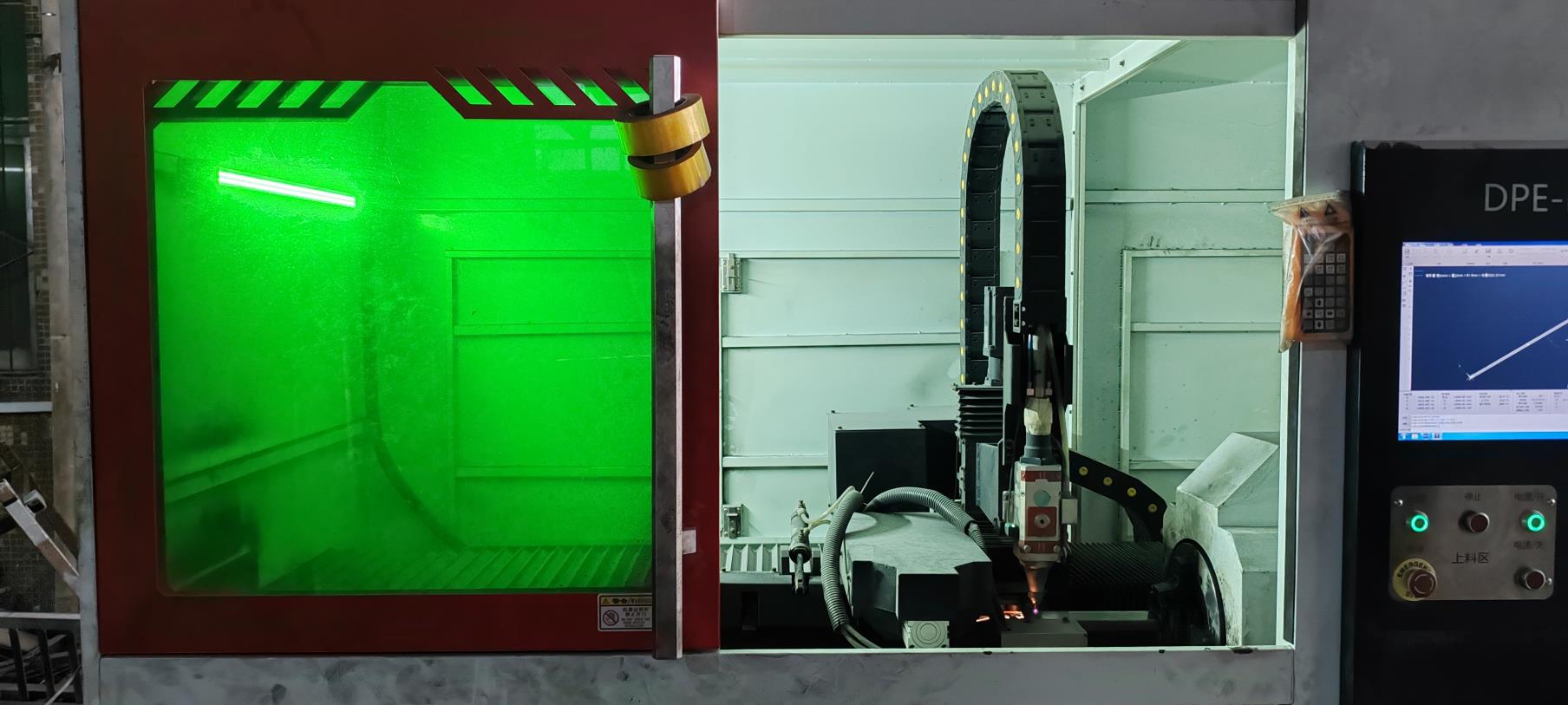
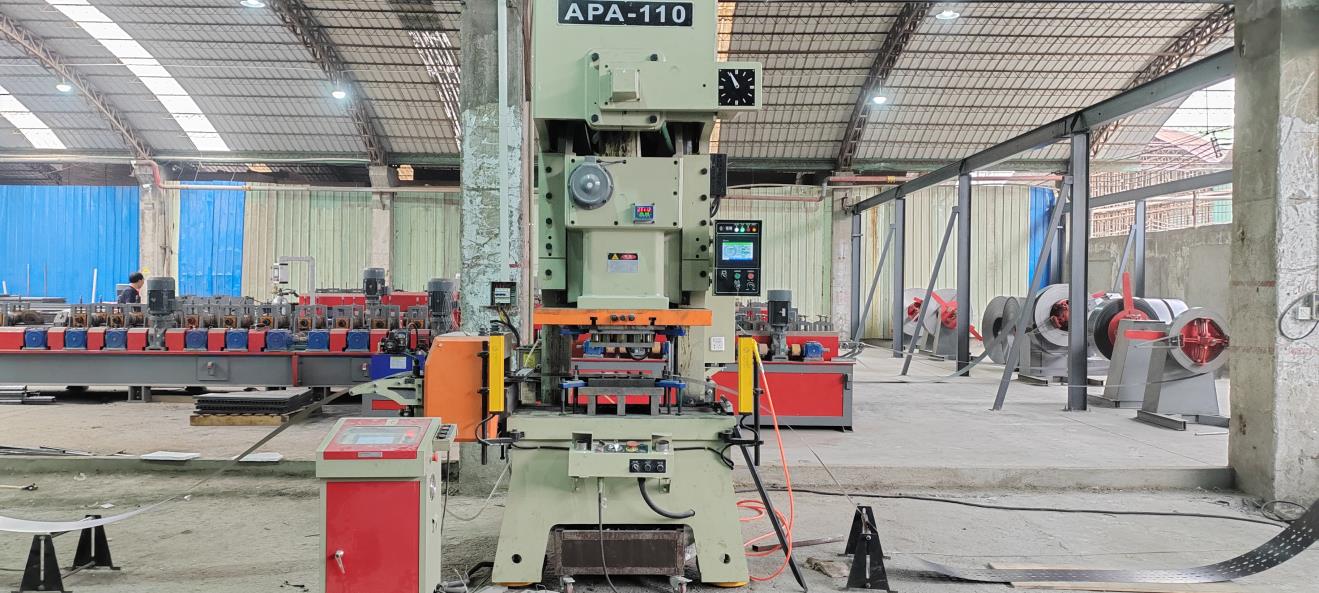
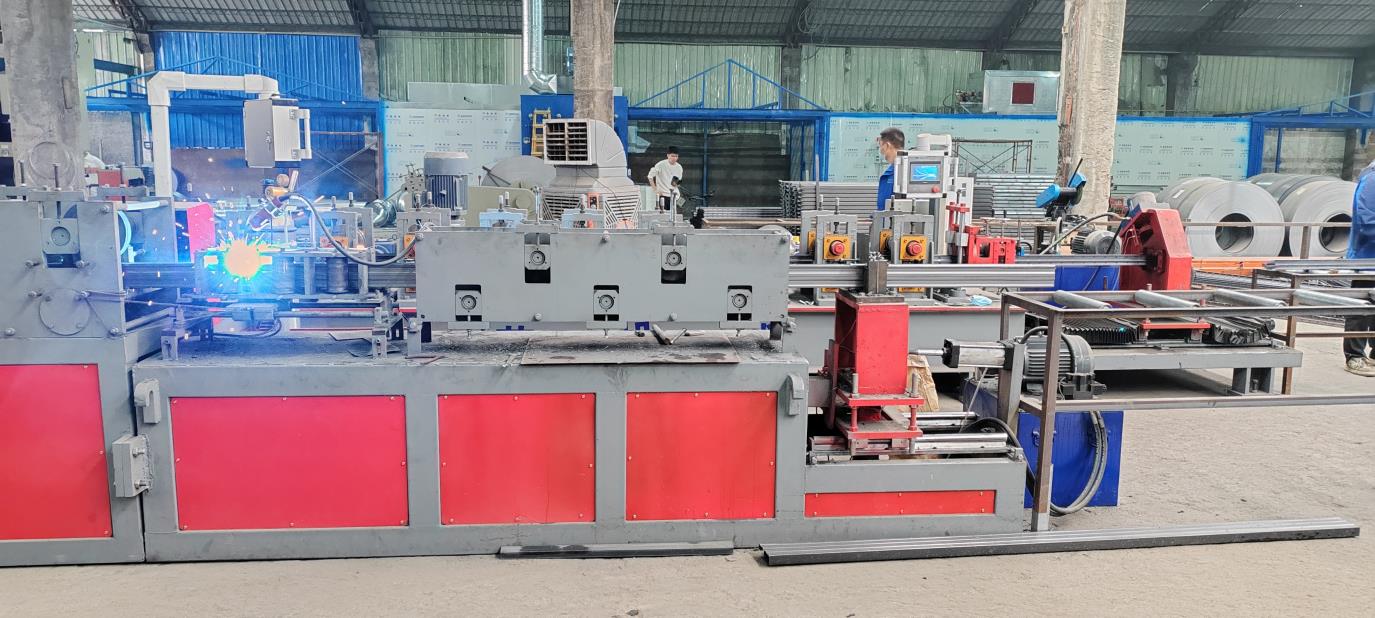
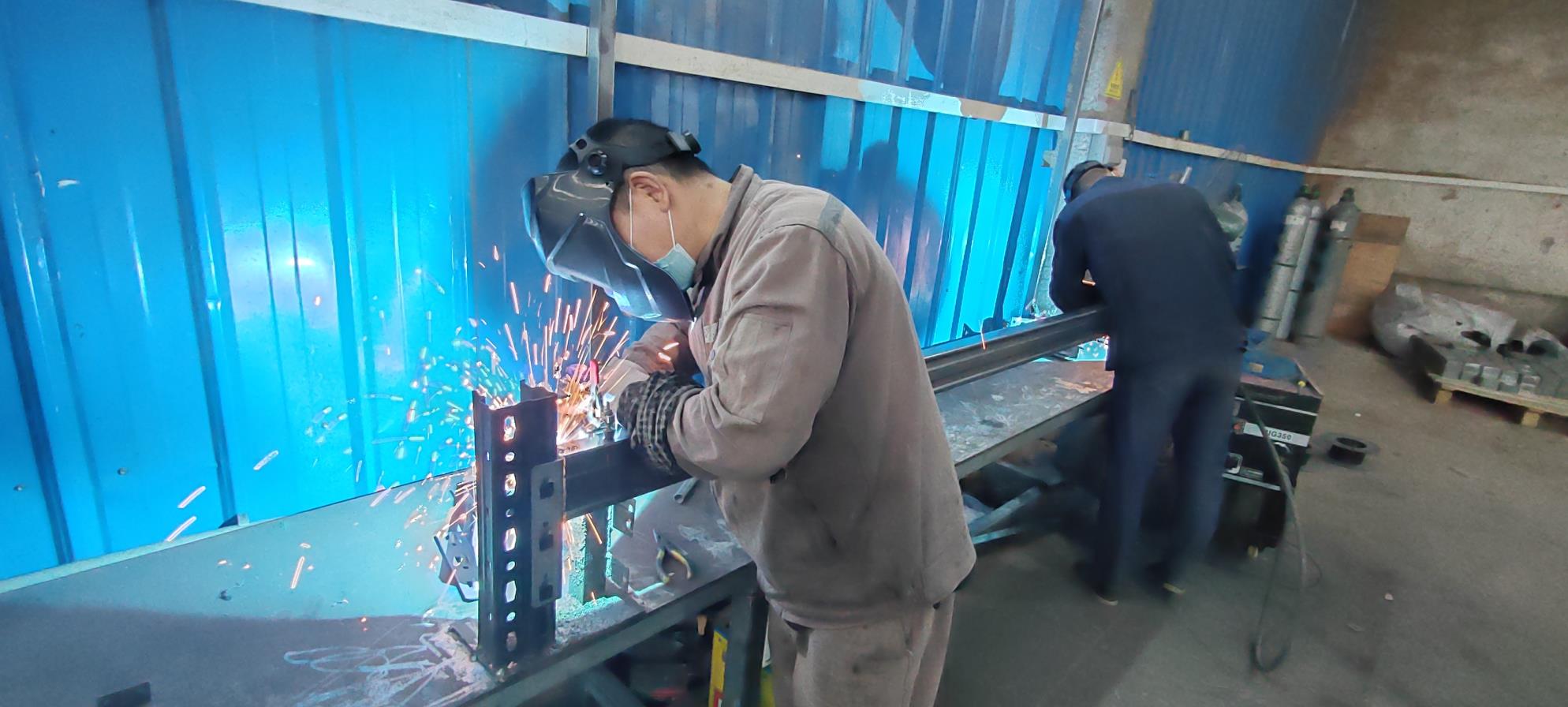
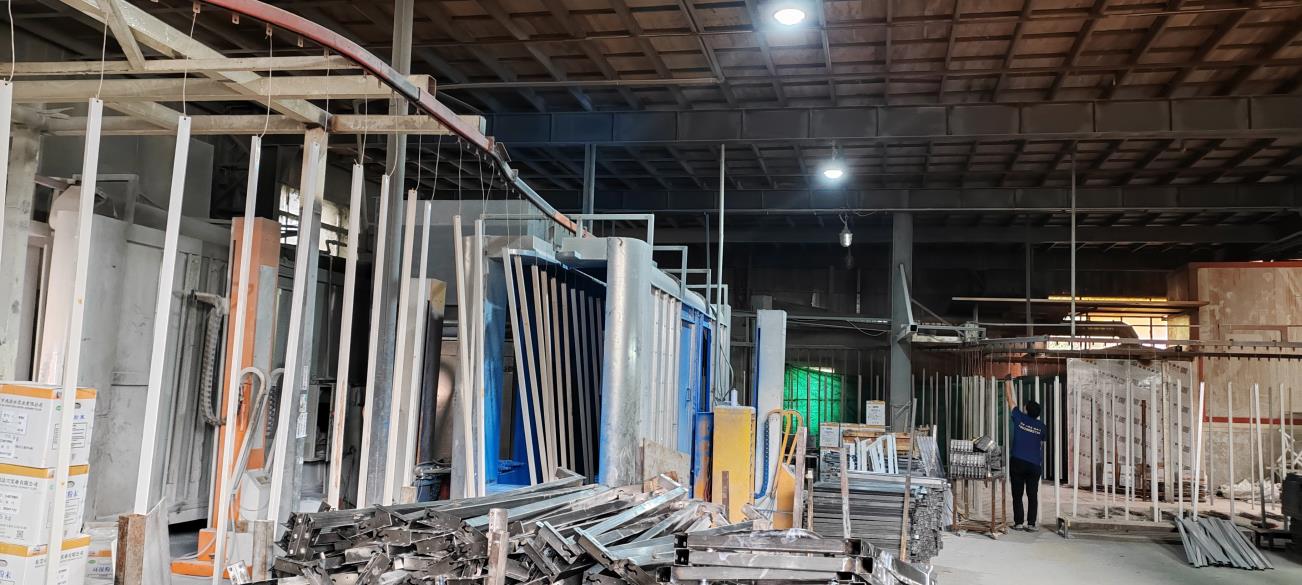
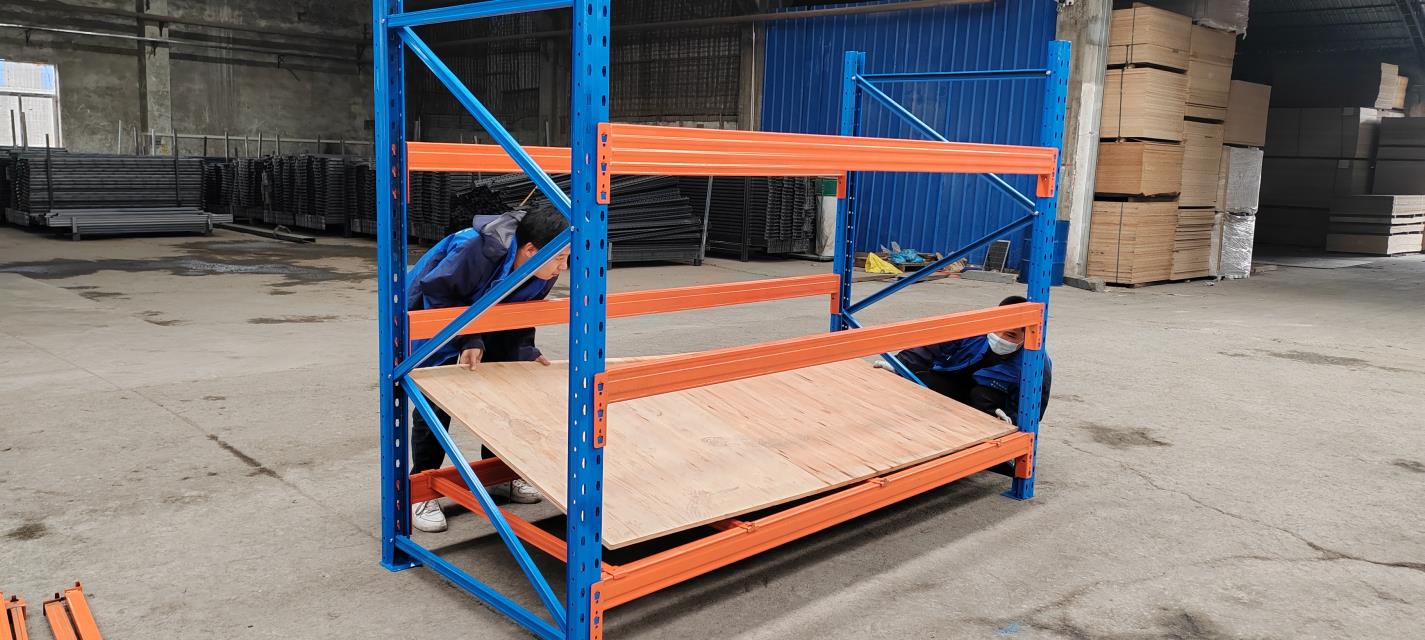
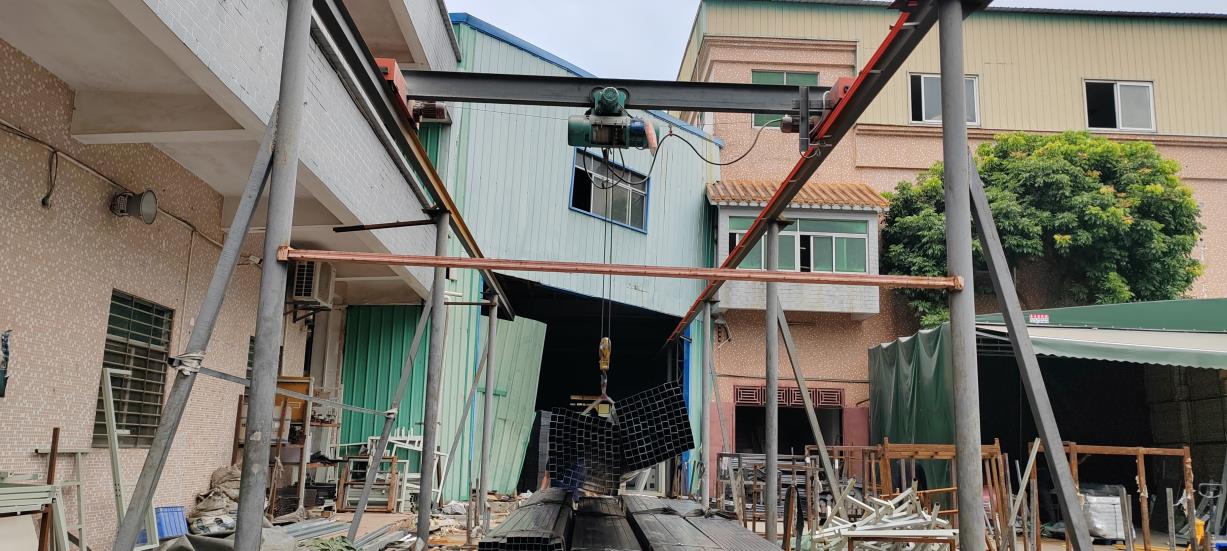
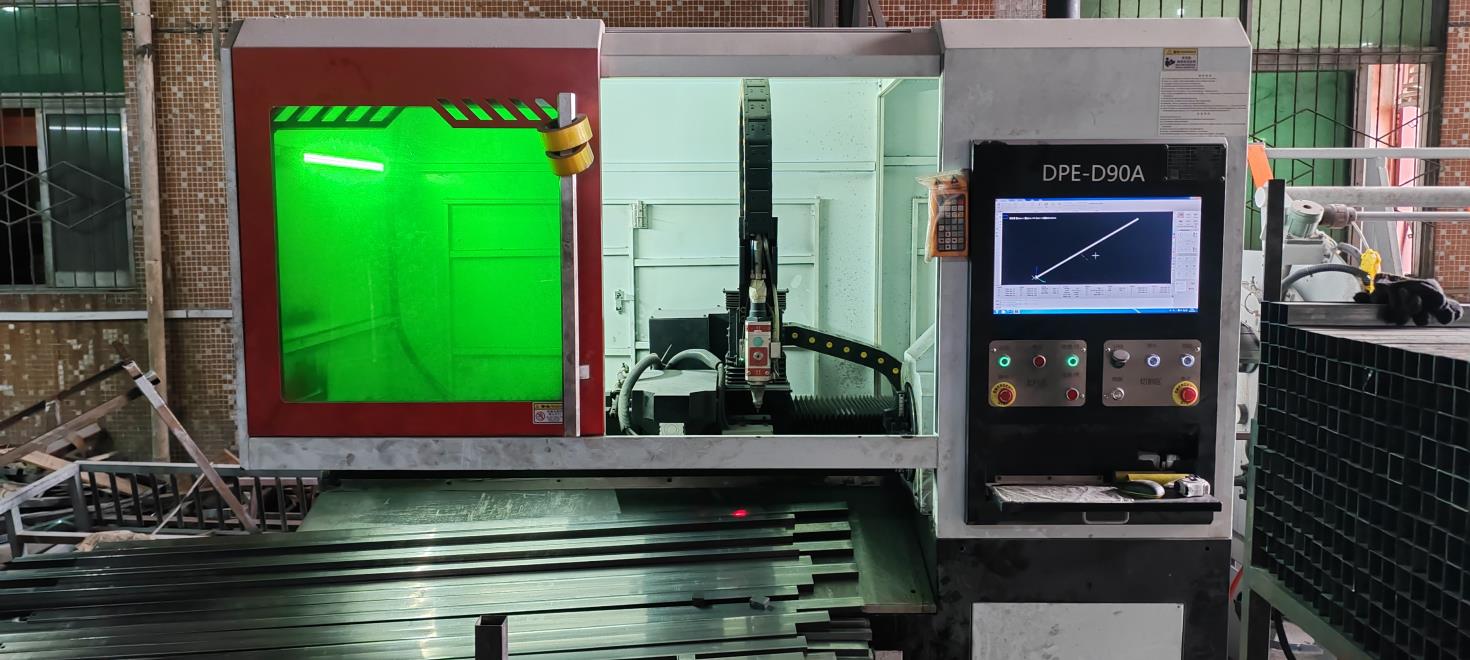
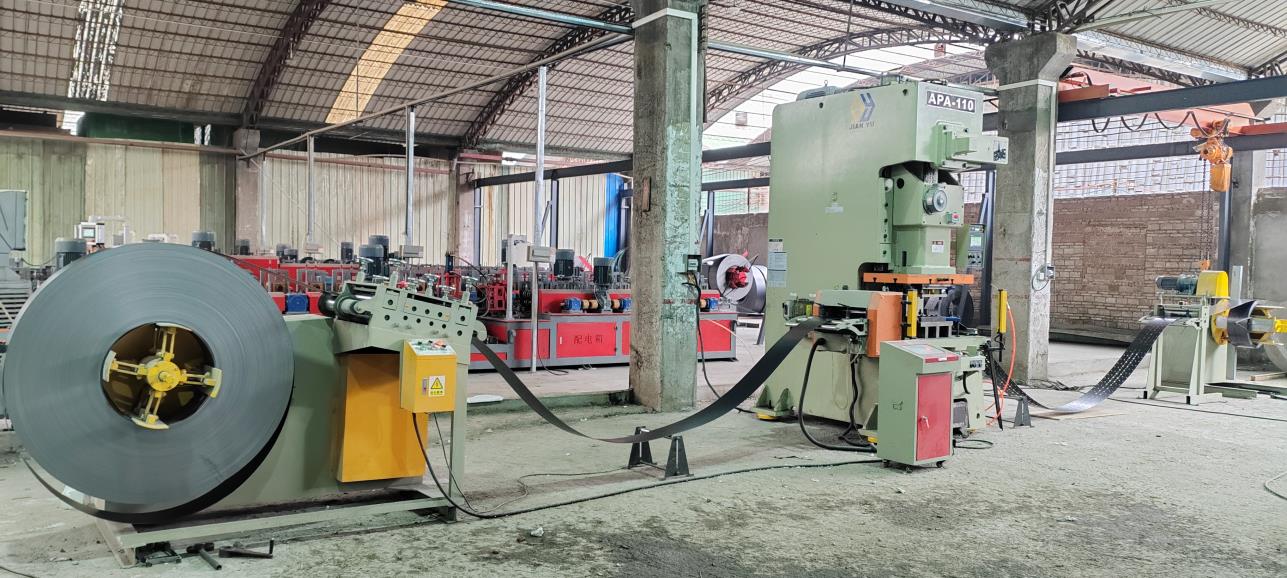
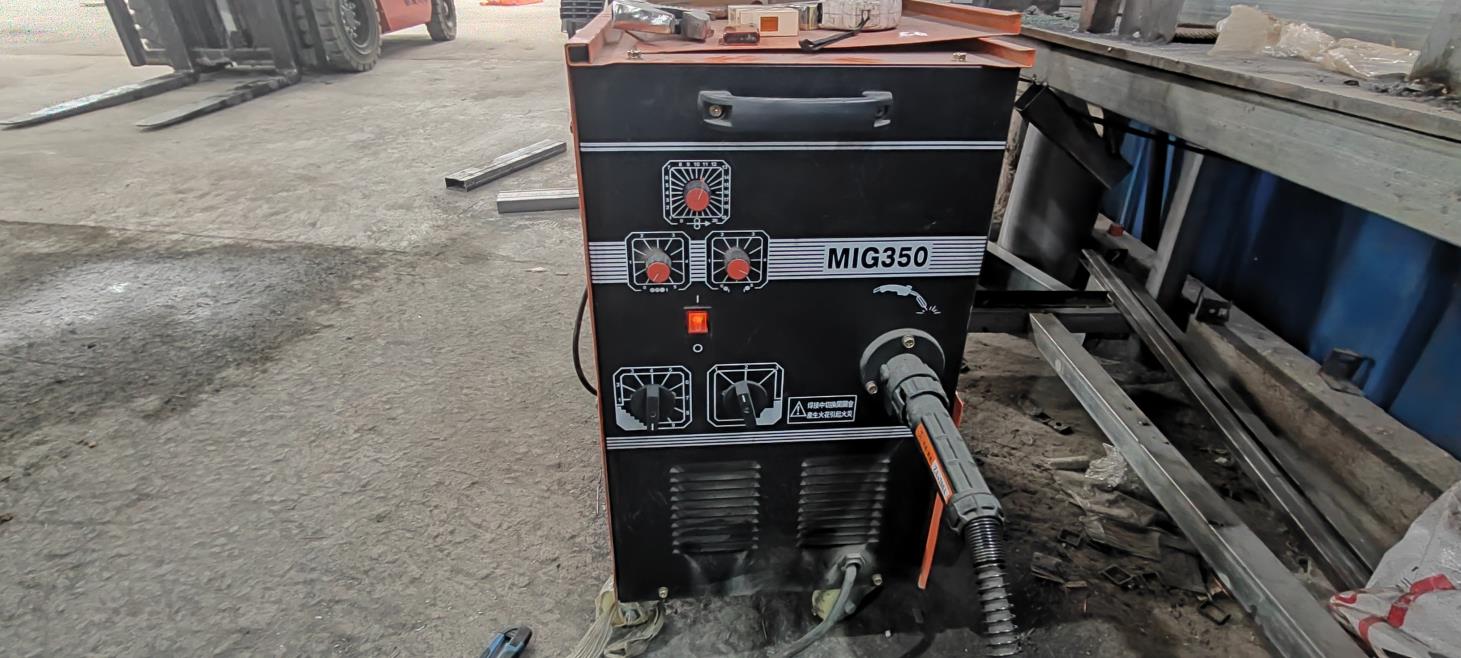
Precision manufacturing requires advanced machinery. Nanjing Fortis invests in high-speed, automated equipment to maintain dimensional accuracy across large-scale production runs.
Shopping cart requirements vary by region due to different consumer habits, store layouts, and safety standards. Manufacturers must adapt to these specific regional preferences.
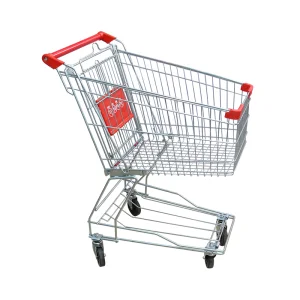
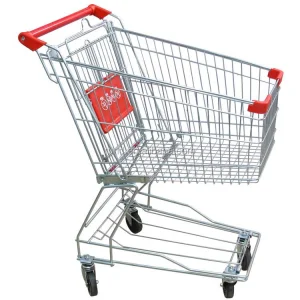
Australia-style trolleys are characterized by deep wire baskets, powder-coated finishes, and integrated child safety features. They frequently use mechanical unfolding designs and secondary baskets to maximize space. Toy-cart variations keep younger children engaged, creating a family-friendly shopping experience and helping retailers increase consumer dwell time.
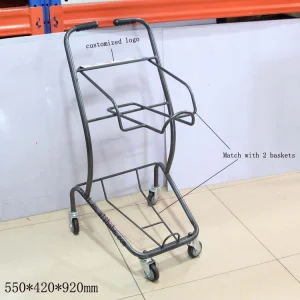
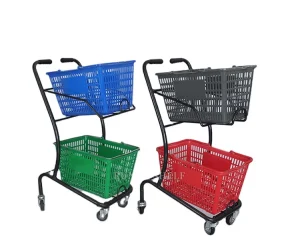
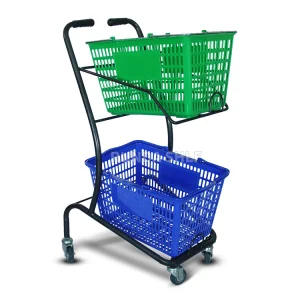
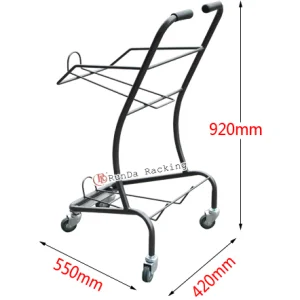
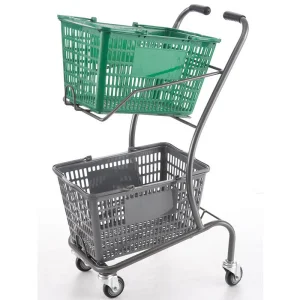
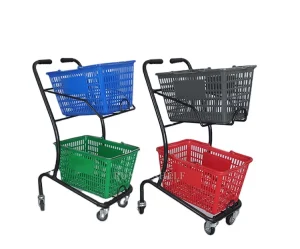
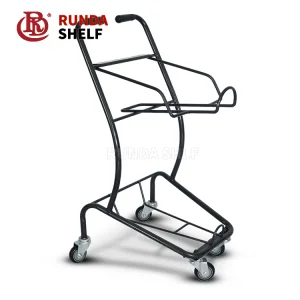
In high-density urban areas like Tokyo, Seoul, or Singapore, aisle space is limited. Retailers prefer light, compact, multi-level hand trolleys. These units hold two separate, removable plastic shopping baskets. This design lets customers separate fragile items while keeping the cart easy to maneuver in tight store layouts.
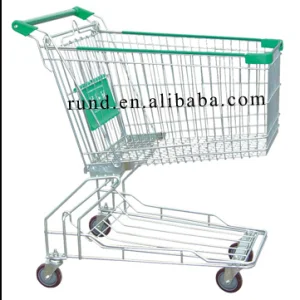
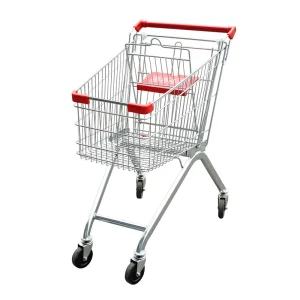
Additionally, large warehouse clubs in North America and Western Europe require deep-nesting, high-volume wire carts (often 200L to 300L capacity). These heavy-duty carts need thick steel frames and high-performance caster wheels to support heavy loads without bending or veering off course.
Nanjing Fortis applies strict testing standards to ensure every cart meets global commercial requirements. Our quality assurance process uses specialized testing equipment to simulate long-term store use.
We test our plating and powder coatings in specialized chambers. This process speeds up corrosion testing to confirm the carts can withstand wet vestibules, cleaning chemicals, and outdoor storage.
Hydraulic presses test the structural strength of our wire baskets and frames under heavy loads. We also run roll tests on rough surfaces to check wheel wear and chassis alignment.
We use Coordinate Measuring Machines (CMM) to verify basket dimensions and nesting parameters. This ensures smooth nesting, saving floor space and preventing stuck carts in store entrance lanes.
Compliance & Standards: Nanjing Fortis operates under ISO14001 environmental management and TUV safety standards. We employ 62 full-time QA personnel to inspect every production batch, ensuring reliable performance in high-volume retail environments.
Answers to common questions from procurement managers, supply chain directors, and retail operations teams.
Zinc-plated finishes with an organic clear coat offer strong corrosion protection and cost efficiency, making them a popular choice for standard supermarkets. Chrome plating provides a bright, reflective finish suitable for indoor department stores but is more vulnerable to scratches and moisture. Thermoset powder coating adds a thick layer of color and corrosion protection, making it ideal for coastal stores, outdoor cart corrals, and branding customization.
Casters and wheels are the most common points of wear. Using low-grade plastic wheels or cheap bearings leads to tracking problems and flat spots. Nanjing Fortis uses polyurethane (PU) or thermoplastic rubber (TPR) treads with sealed precision ball bearings. This configuration resists debris buildup, rolls quietly, and reduces the need for frequent replacements.
We use automated CNC wire forming and robotic welding jigs to keep production tolerances within ±1mm. This consistency ensures that nested carts fit together smoothly without jamming, helping to maximize storage space at store entrances.
We customize frame configurations to support smart retail accessories. This includes adding structural mounts for tablet displays, RFID scanner brackets, and anti-theft smart lock casters that stop wheels at store boundaries.
Nesting distance determines how many carts can fit in a store's vestibule. Our engineering team designs tapered frames to minimize the nesting gap. This compact profile allows stores to store more carts in smaller entrance areas, leaving more space open for retail merchandising.
Explore our heavy-capacity models, space-saving designs, and storage solutions built for industrial retail and logistics operations.
 FortisRack