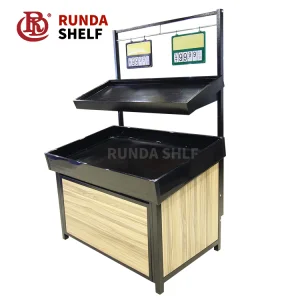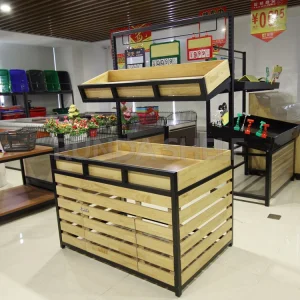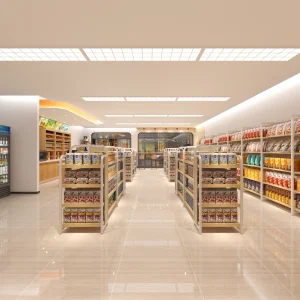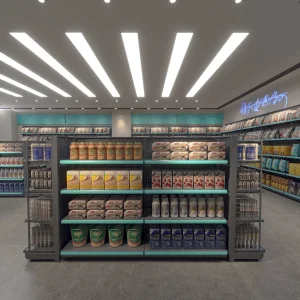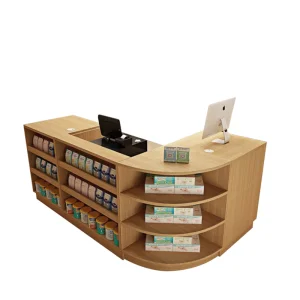
Modern supermarket layouts are no longer just places where goods are placed; they are highly optimized architectural spaces designed to influence consumer purchasing choices and maximize fresh food preservation. Within fresh food retail, the fruit and vegetable section stands out as the ultimate anchor department. Fresh items set the standard for a store's overall quality and reliability. As a result, the engineering behind supermarket accessories, grocery racks, and agricultural display systems has evolved from simple shelving units into sophisticated solutions focused on preserving product freshness and optimizing supply chain operations.
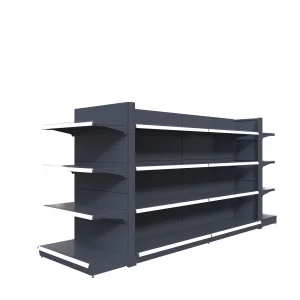
Traditional display systems often suffered from poor air circulation, resulting in localized heat build-up and accelerated decay of sensitive produce like leafy greens and soft berries. Today, leading manufacturers prioritize fluid dynamics and aerated designs. Modern shelving units use high-grade perforated steel backing, adjustable wire deck configurations, and integrated organic wooden cladding. These components work together to optimize cooling flows from HVAC systems while preventing bruising and structural crushing of delicate items.
Global supply chain managers, retail developers, and food storage operators face structural challenges when sourcing supermarket display equipment and warehouse racks. The core challenge is balancing durability, modular flexibility, hygienic design compliance, and shipping cost efficiency. Equipment used in fresh food sections must withstand high humidity, direct exposure to fruit acids, and frequent chemical sanitation routines.
Exposure to moisture from misting systems requires advanced surface treatments. Sourcing standards now demand certified non-toxic coatings, food-grade powder coatings, and hot-dip galvanized finishes that prevent rust and bacteria accumulation.
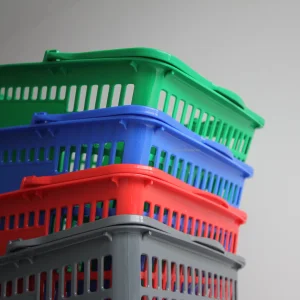
Retail plans change frequently. Flexible shelves allow staff to quickly switch between sloped layouts for small fruit baskets and flat platforms for large root vegetable bins, minimizing store downtime.
Heavy loads of root vegetables require robust structural support. Premium shelving systems feature reinforced steel uprights and double-welded support brackets to prevent structural failure under load.
In addition, global supply chains require modular designs that can be flat-packed. This design approach maximizes container capacity, reduces international freight costs per unit, and simplifies installation on site.
Established in 2016, Nanjing Fortis Storage Equipment Manufacturing Co., Ltd. is a leading developer and manufacturer of storage and display infrastructure. Based in Nanjing, China, the company operates a state-of-the-art 48,000 m² industrial plant. Combining ten years of manufacturing experience with seven years of global trade expertise, Nanjing Fortis exports high-performance warehouse racking systems and retail accessories to leading companies worldwide.
Nanjing Fortis utilizes a rigorous quality assurance program managed by 62 full-time QA professionals. The company uses automated coordinate measuring machines (CMM) for dimensional verification, alongside salt-spray testing chambers to verify rust resistance. Certified to ISO14001 and TUV quality standards, Nanjing Fortis serves clients in Western Europe, South America, and the Middle East, including major supermarket chains, cold storage operators, and third-party logistics firms.
Our manufacturing facility utilizes advanced production technology to ensure consistent dimensional accuracy and high load capacity. Our production processes are designed to handle custom requests from retail clients while maintaining rapid lead times.
From sourcing raw steel coils to the final packaging stage, every production step is monitored to meet ISO and TUV standards.
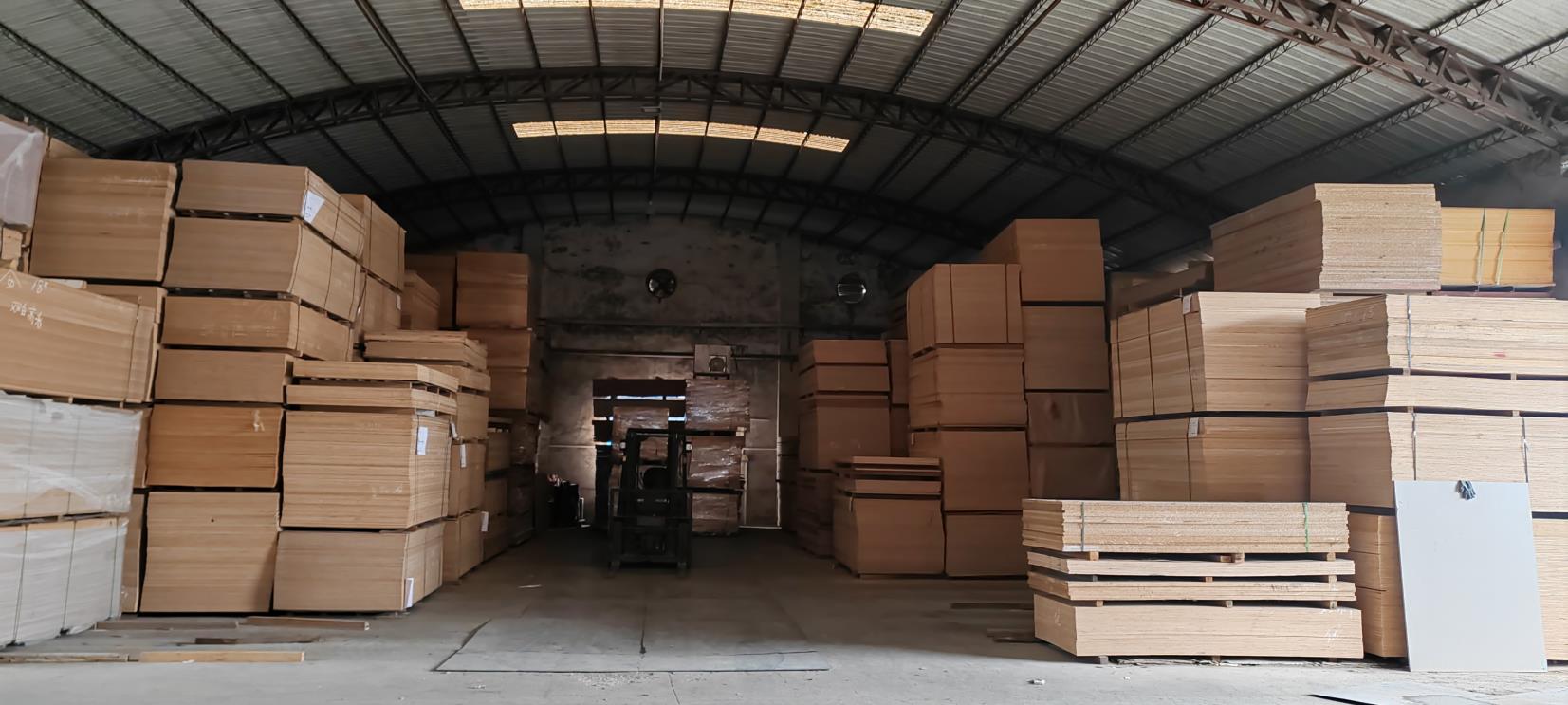
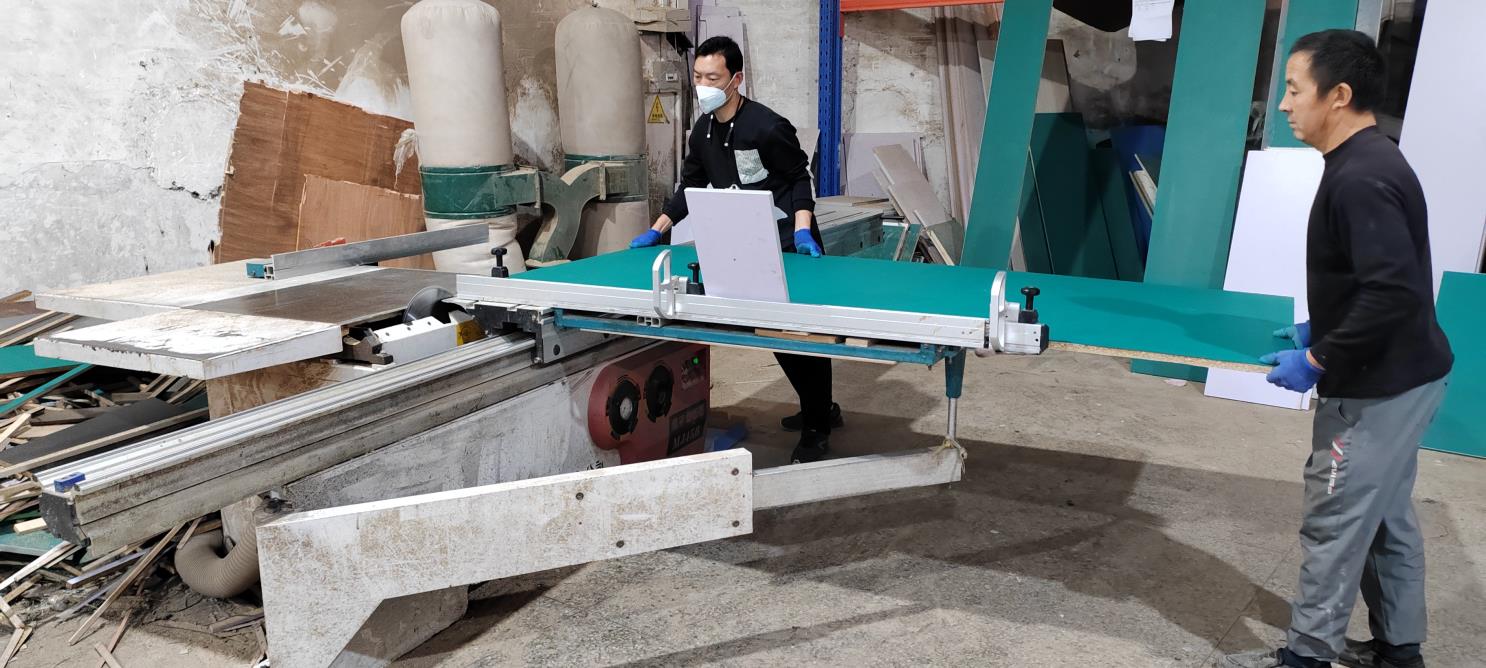
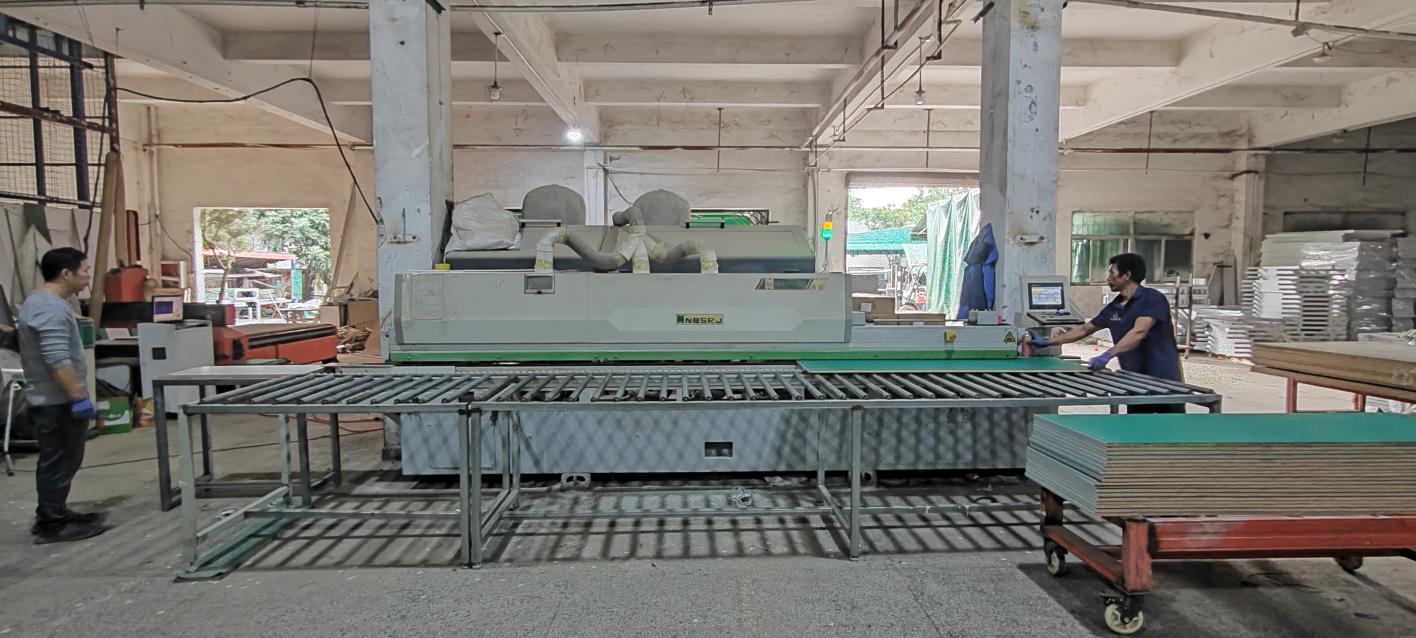
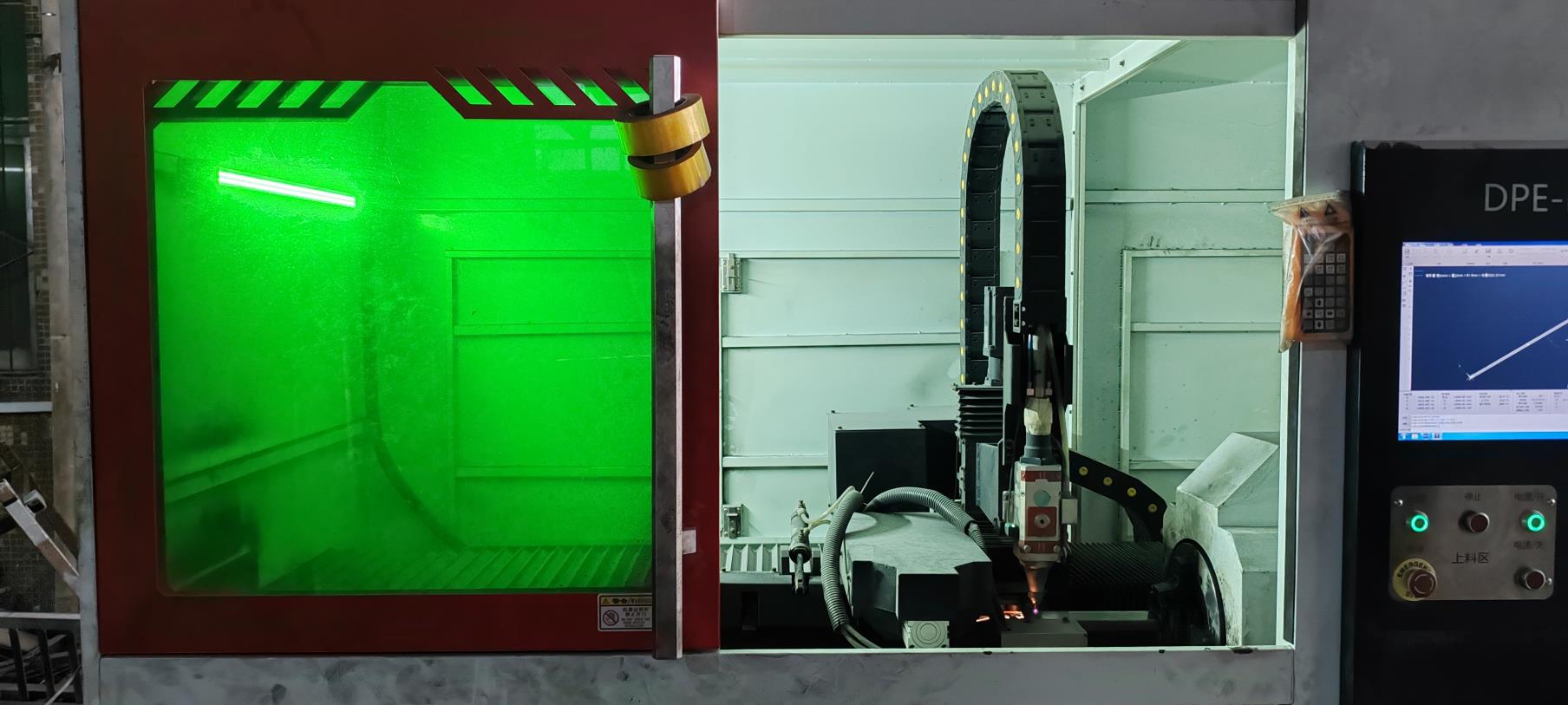
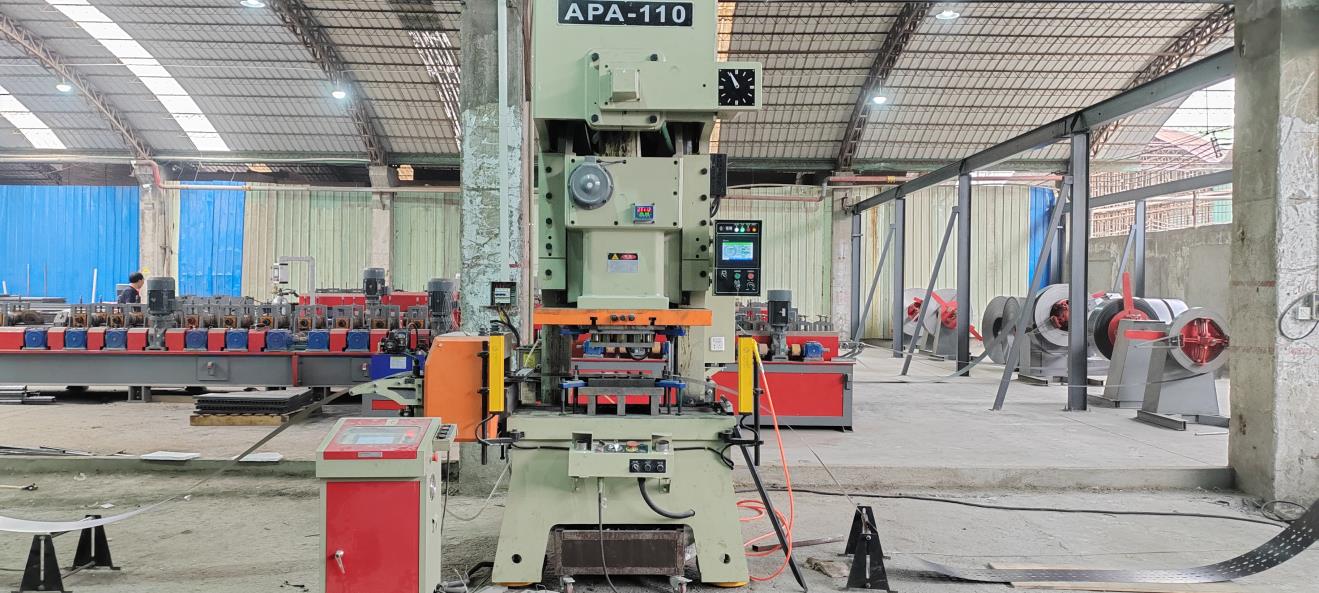
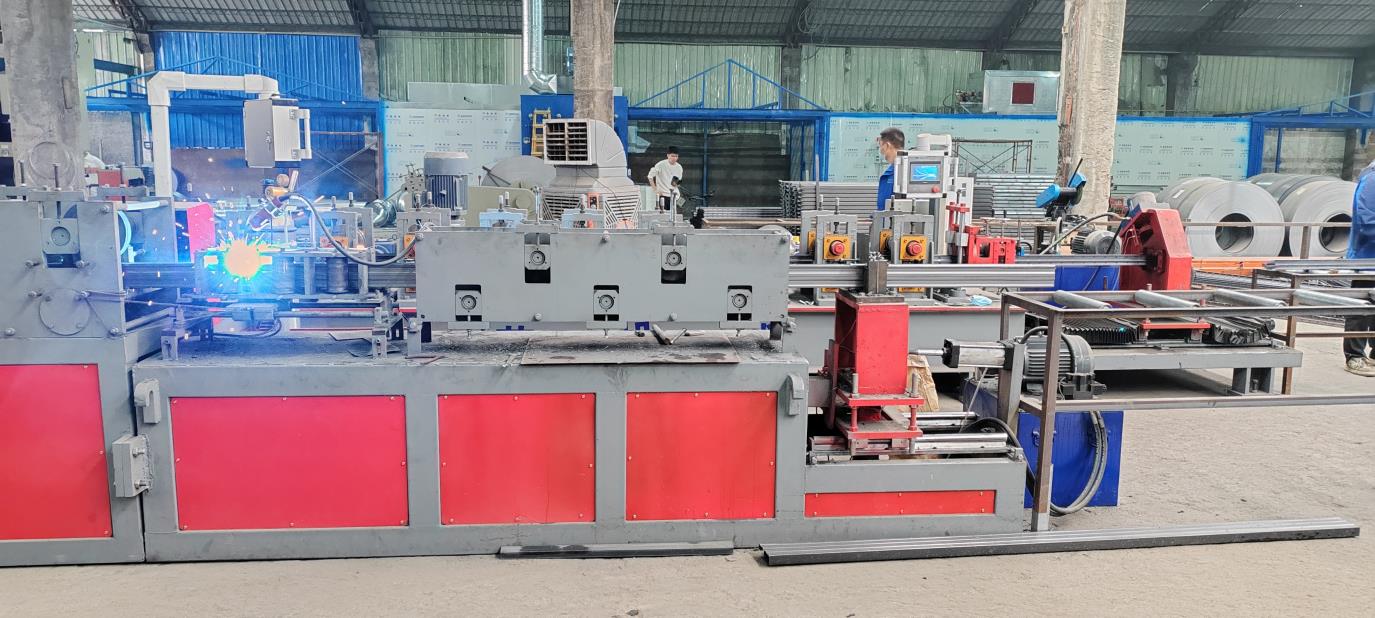
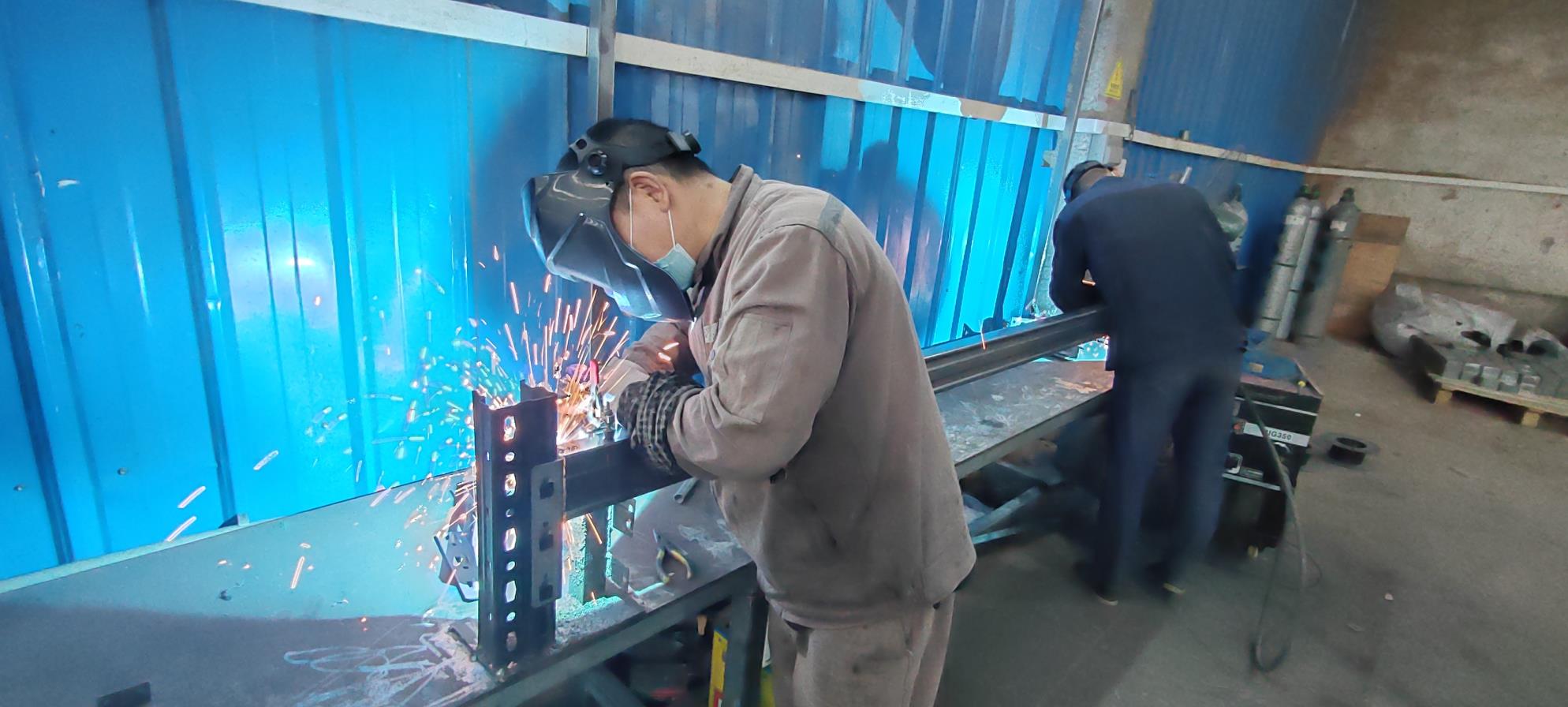
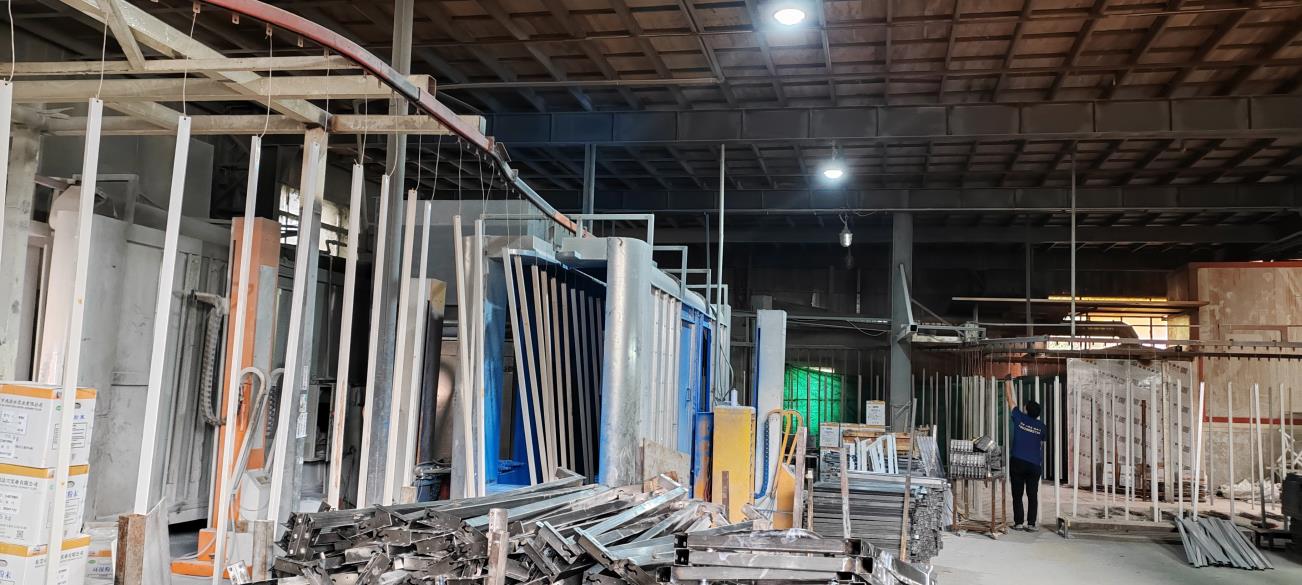
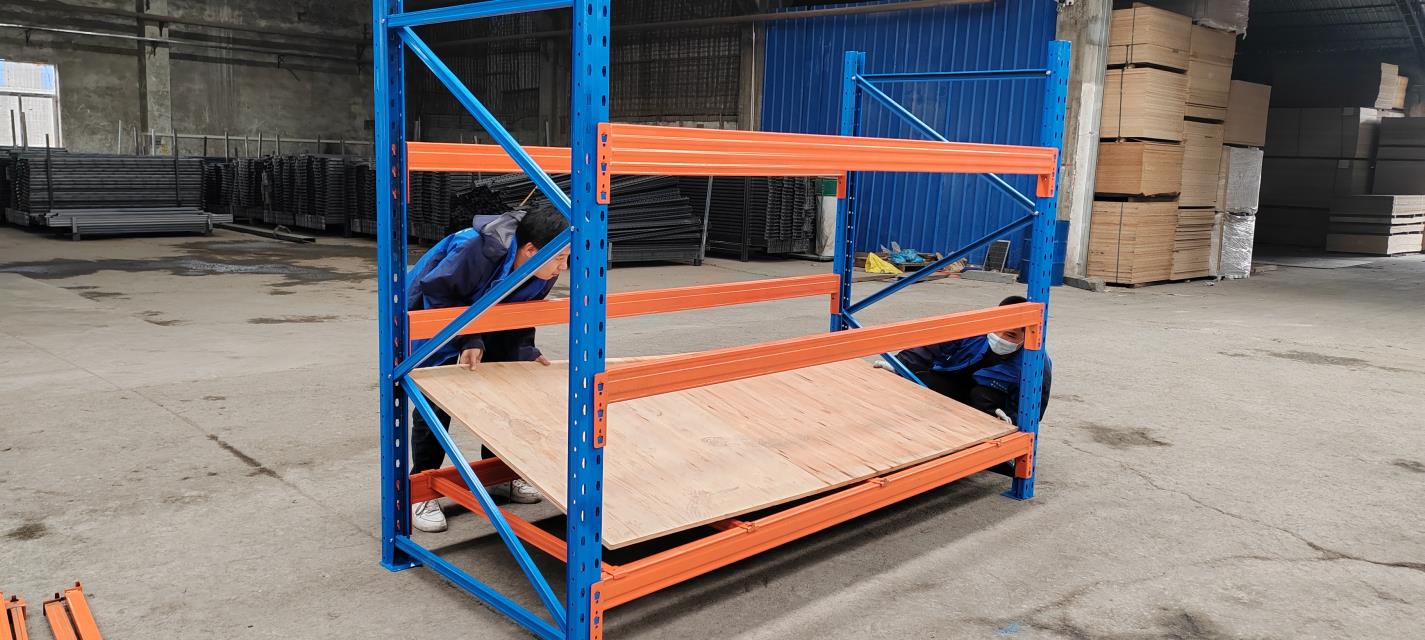
Our facility features a range of precision metalworking and woodworking machinery, ensuring high-quality fabrication for both metal components and composite panels.
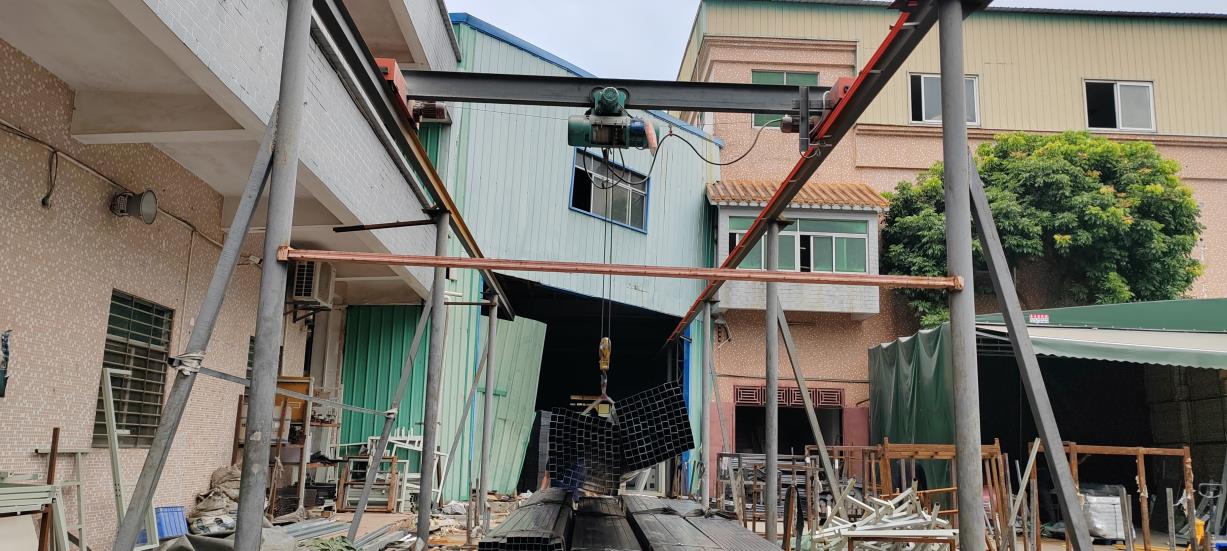
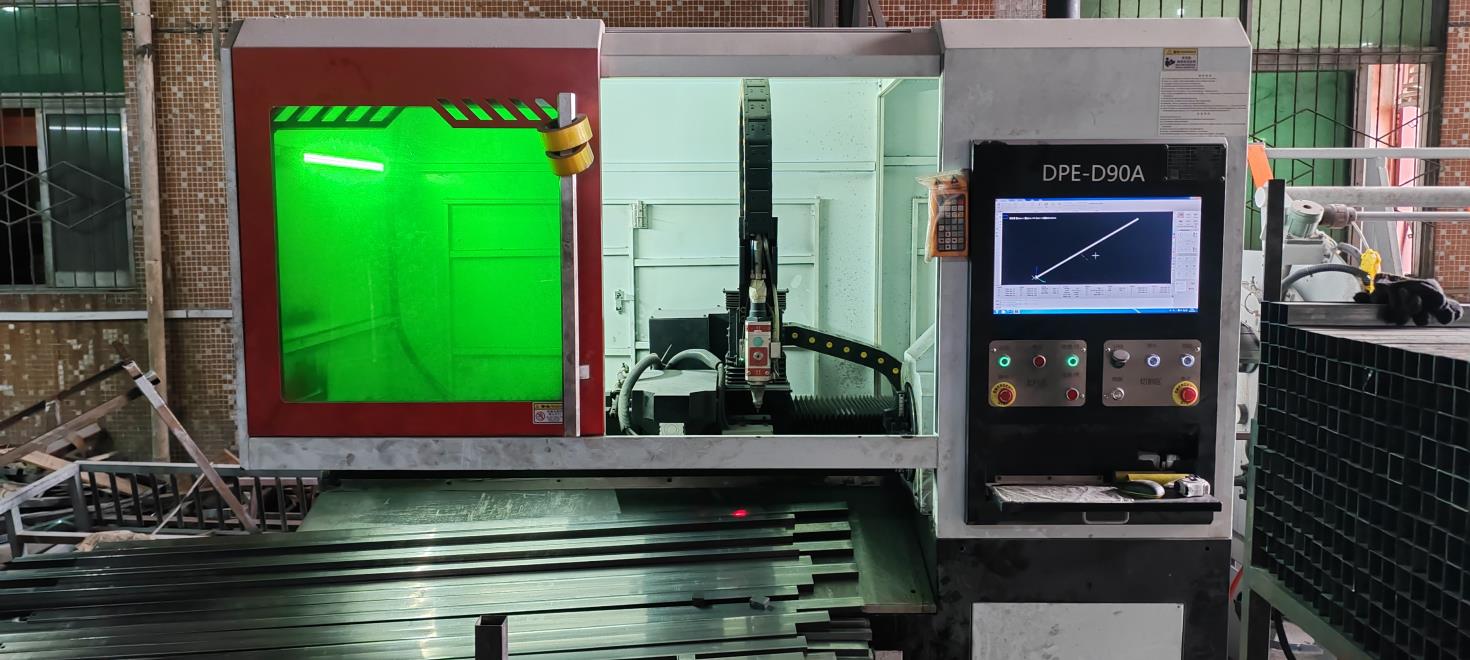
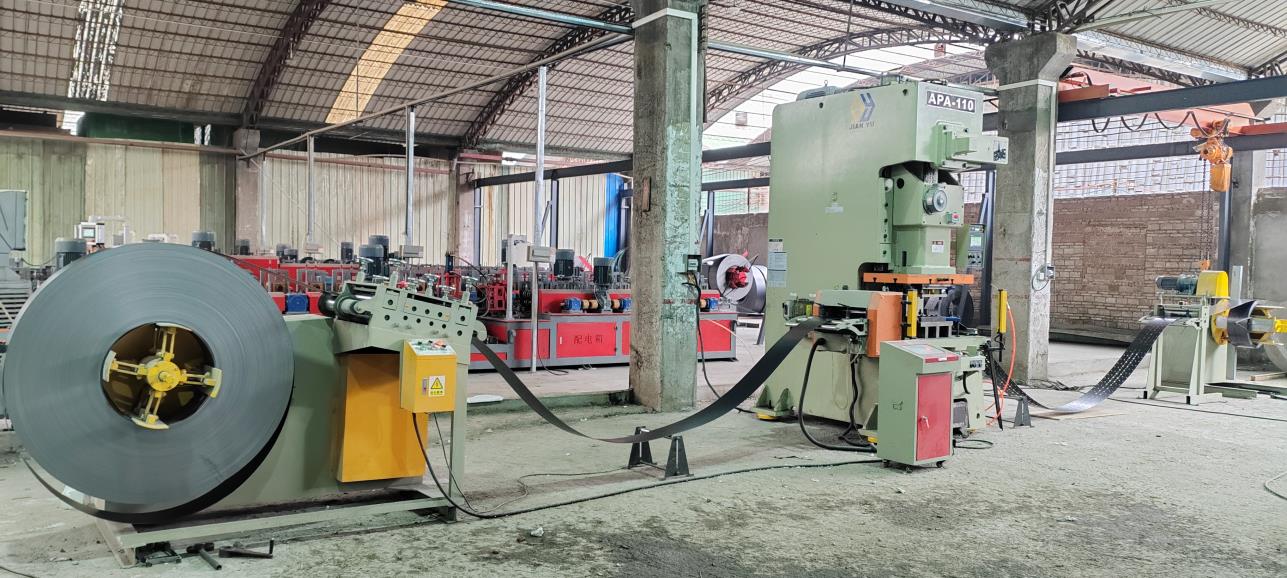
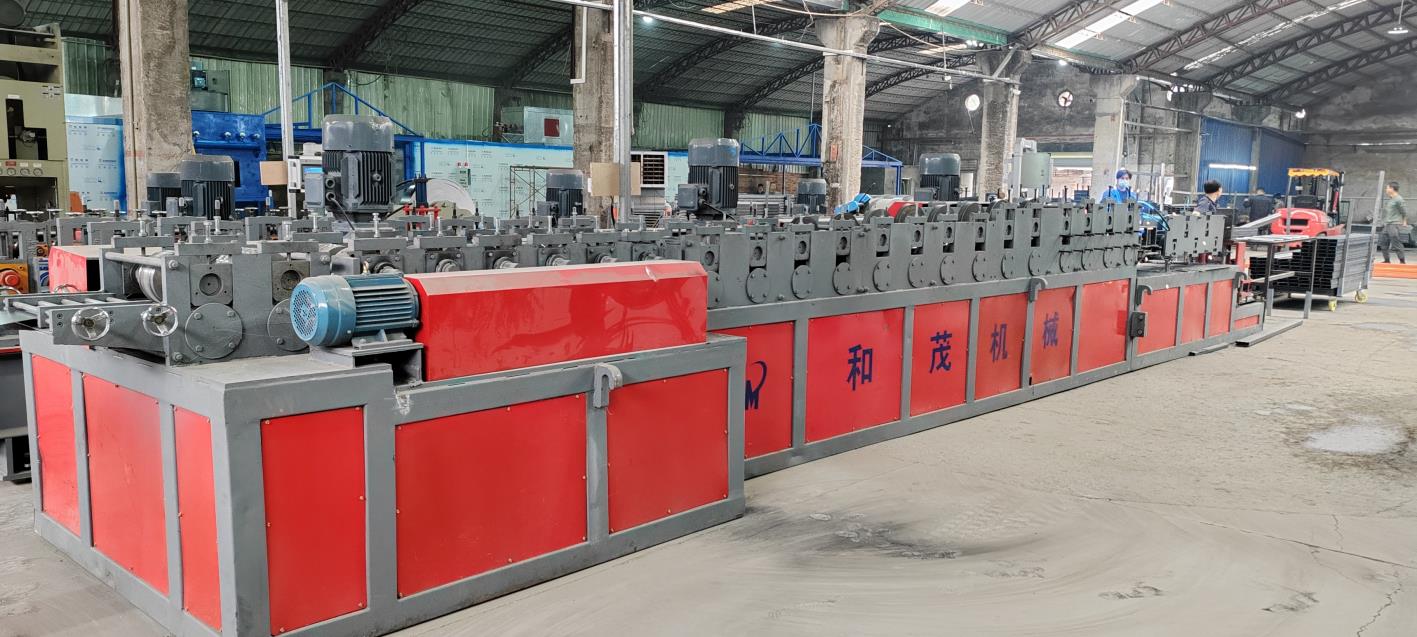
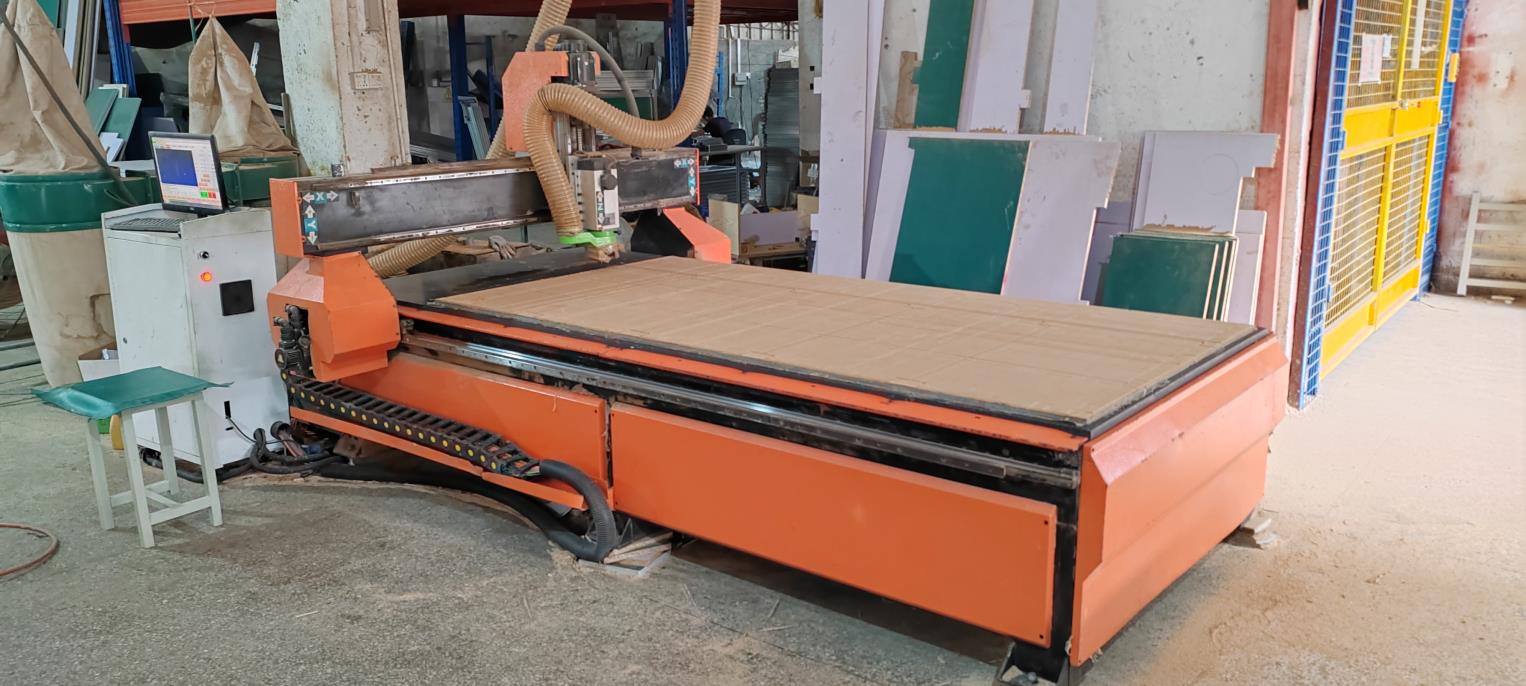
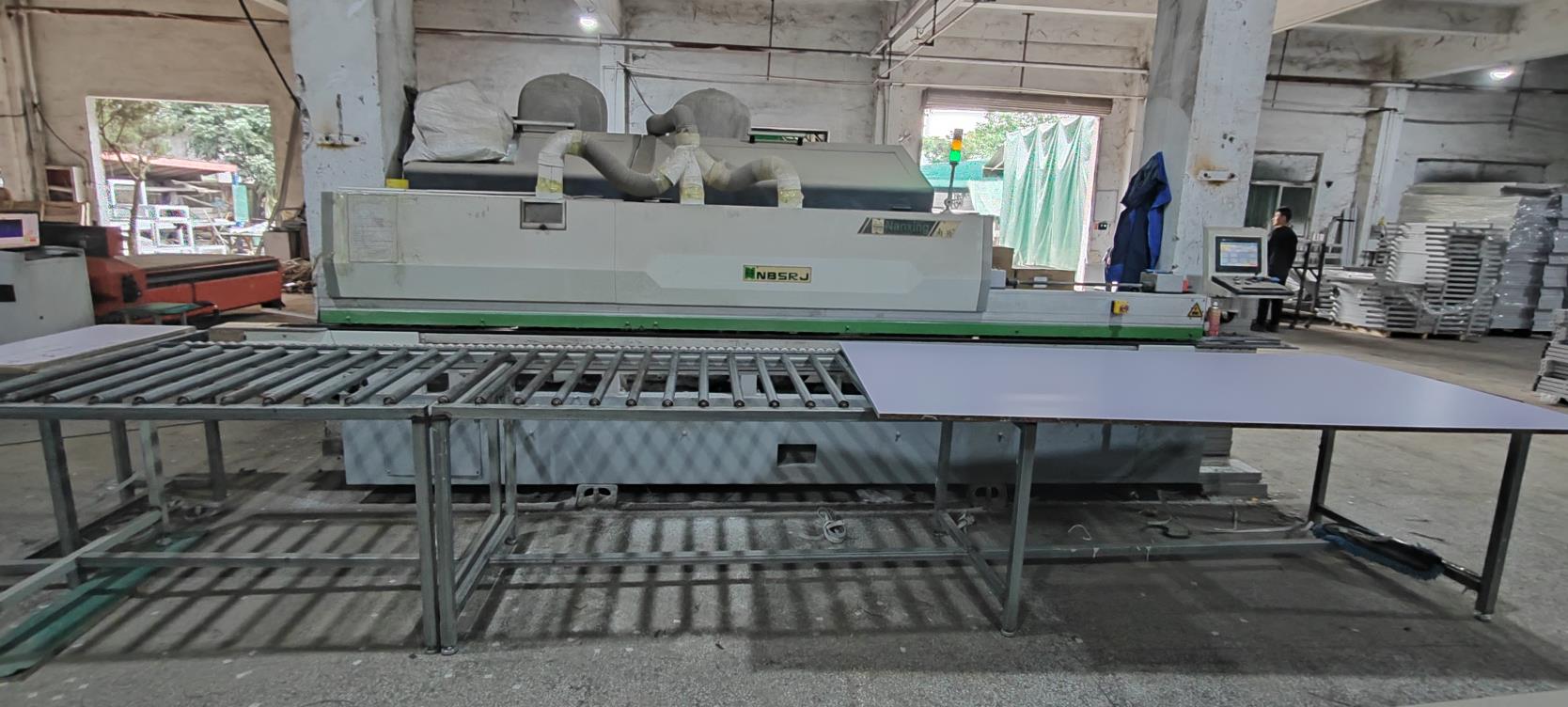
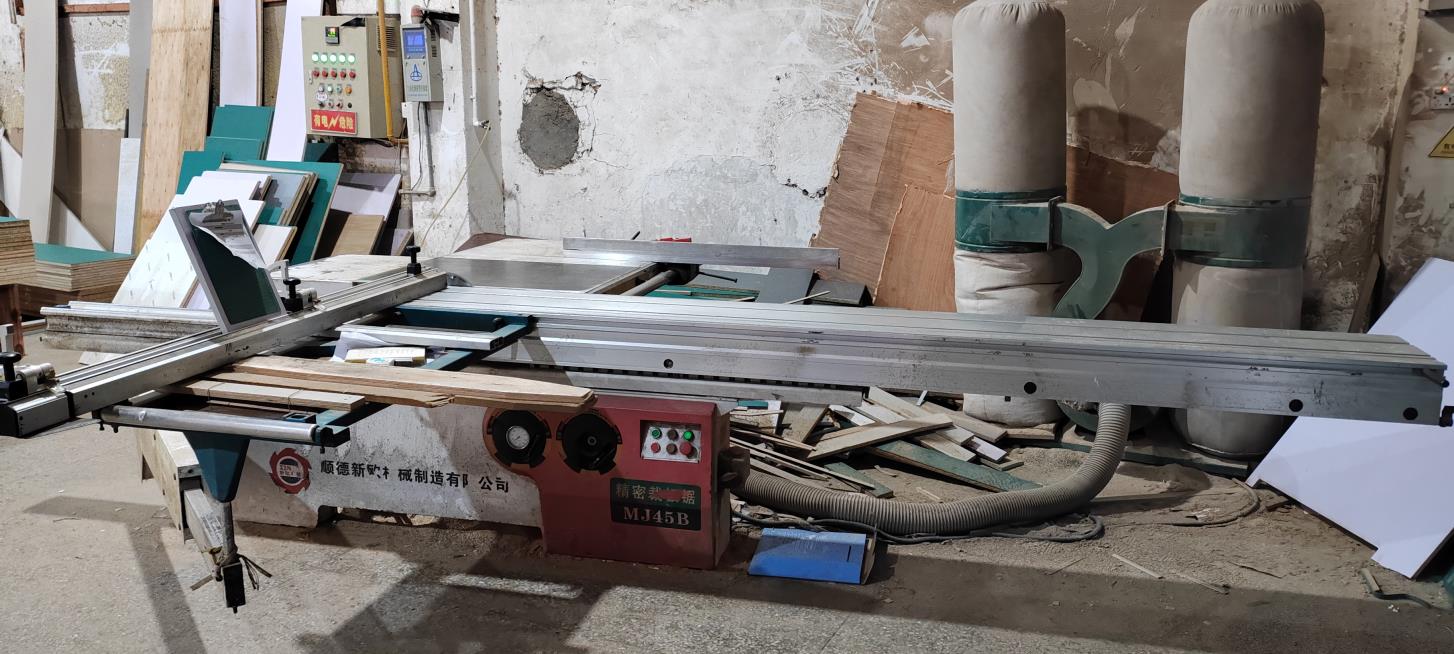
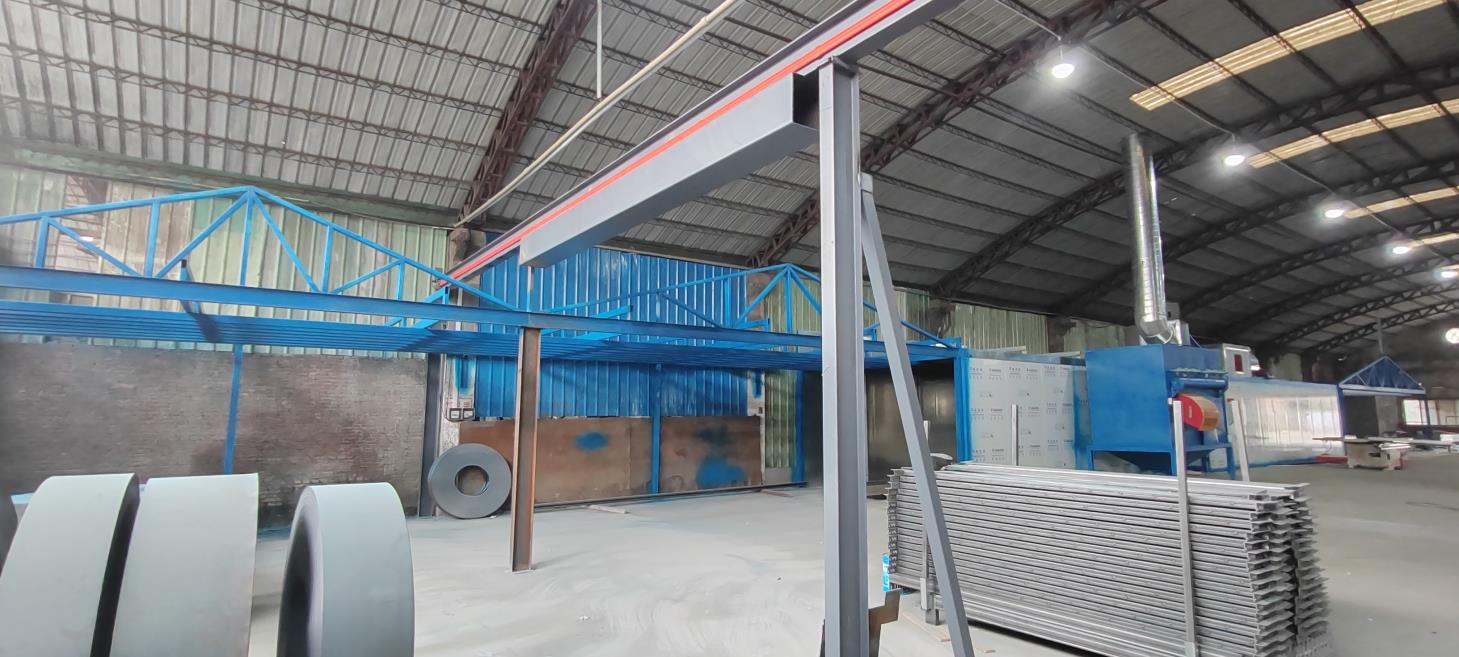
Our engineering team works closely with retail designers and logistics leads to develop storage solutions that optimize floor space. For high-volume supermarket environments, structural durability is a key requirement. We fabricate upright frames from high-tensile steel, which are then finished with specialized organic polymer powder coatings. This finish creates a resilient shield that protects the steel from acids, moisture, and impact damage.
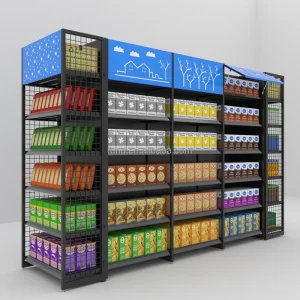
Our shelving units feature micro-adjustable shelf increments. This allows merchandising teams to modify display configurations on demand, catering to seasonal fluctuations in produce size and packaging types. Shelves can be angled up to 30 degrees to improve visibility and accessibility for shoppers. To ensure stability and safety, the modular connections are reinforced with heavy-duty locking safety pins, preventing accidental dislodgement from store equipment or hand trucks.
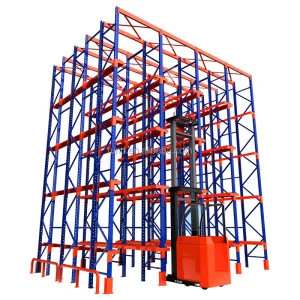
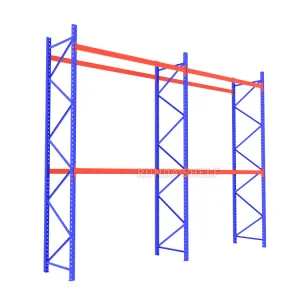
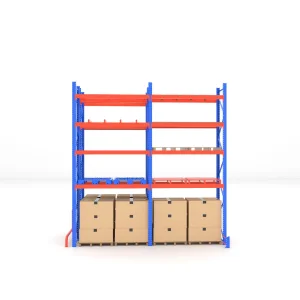
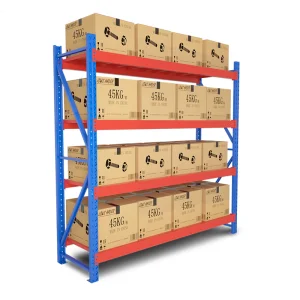
In back-of-house warehouse zones and cold-storage environments, we implement dense pallet racking systems. By using heavy-duty galvanized structural frames, these racks remain stable down to -30°C, ensuring dependable performance in demanding cold-chain applications.
Different regions have distinct merchandising styles and operational demands. We customize our retail systems to align with regional consumer preferences and compliance standards.
Designed for large warehouse stores and hypermarkets, these configurations focus on high weight capacities and bulk display bins, allowing rapid restocking via pallet jacks.
Designed with slim metal frames and natural wood integrations, these systems maximize limited retail floor space while emphasizing premium organic produce displays.
Engineered with corrosion-resistant galvanized finishes, these shelving systems are built to withstand high temperatures and high-humidity wholesale operations.
Our display racks use high-density perforated wire decks and open backing options, allowing cool air to circulate evenly around the produce. This design prevents heat buildup and moisture accumulation, reducing spoilage rates in fresh produce departments.
We fabricate components using high-grade structural carbon steel, followed by multi-stage pickling, iron phosphating, and powder coating finishes. For high-humidity or misted zones, we offer galvanized steel options to prevent rust and surface corrosion.
Yes. Our engineering team of 80+ designers regularly collaborates with retail brands to customize shelf dimensions, finish colors, panel materials, and integrate brand signage or lighting.
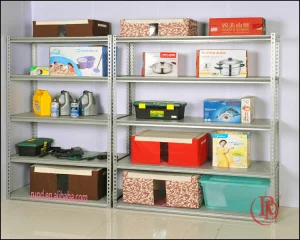
Our light-duty retail racks support up to 120kg per layer. For back-of-house storage and distribution centers, our heavy-duty warehouse racking systems support from 500kg up to over 4,000kg per level, depending on configuration.
We maintain ISO14001, TUV, and GS certifications. Our 62 full-time QA professionals verify manufacturing tolerances using CMM dimensional testing, salt-spray chambers, and destructive load testing to guarantee quality and safety.
 FortisRack