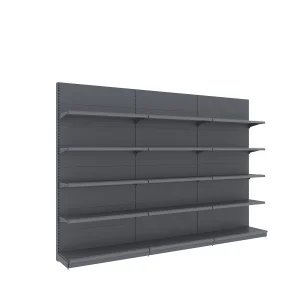
Engineered high-capacity racking products. Premium build parameters designed for logistics complexes, material suppliers, and global distribution operations.
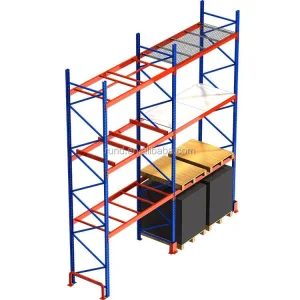
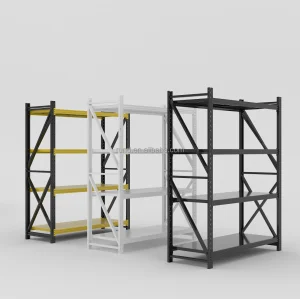
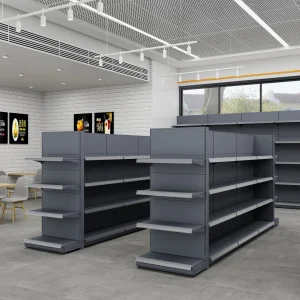
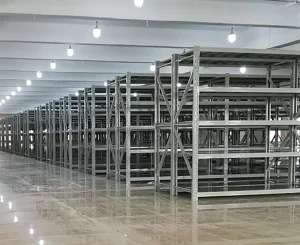
Underpinned by verified manufacturing capacity, technical design resources, and rigorous quality systems, Nanjing Fortis delivers absolute reliability for heavy storage projects.
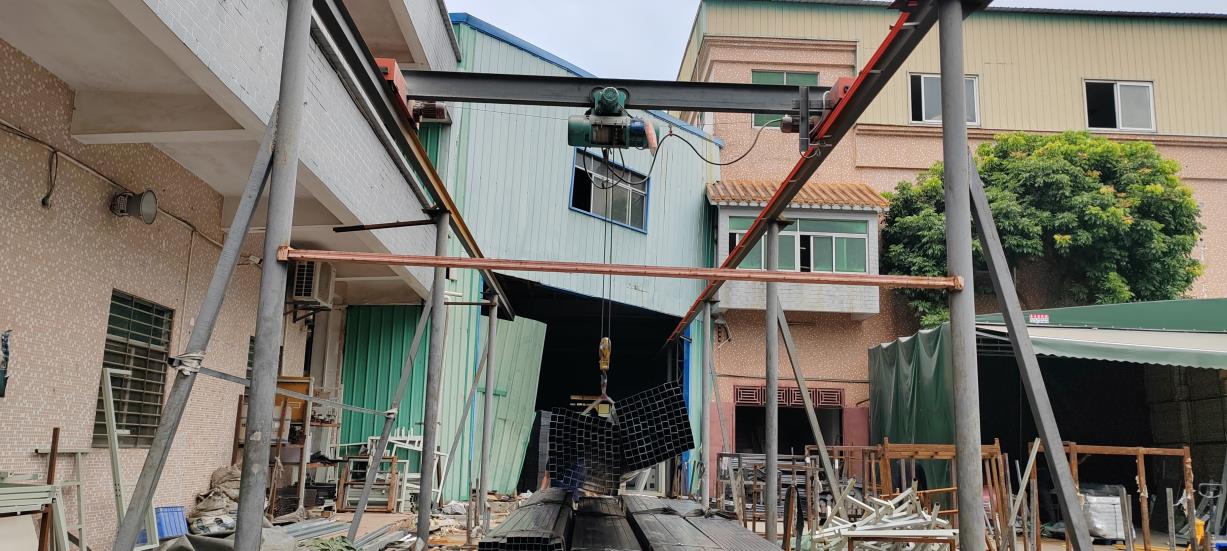
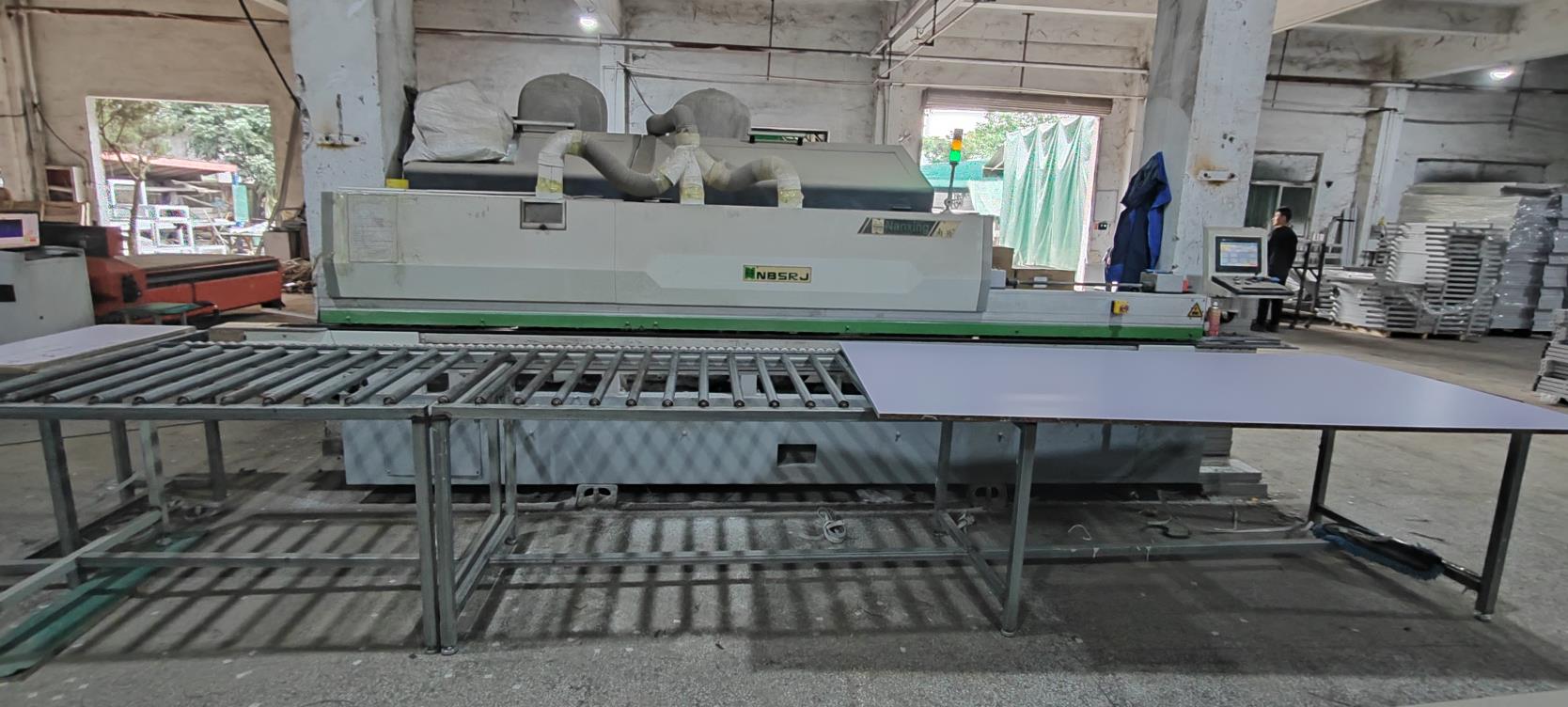
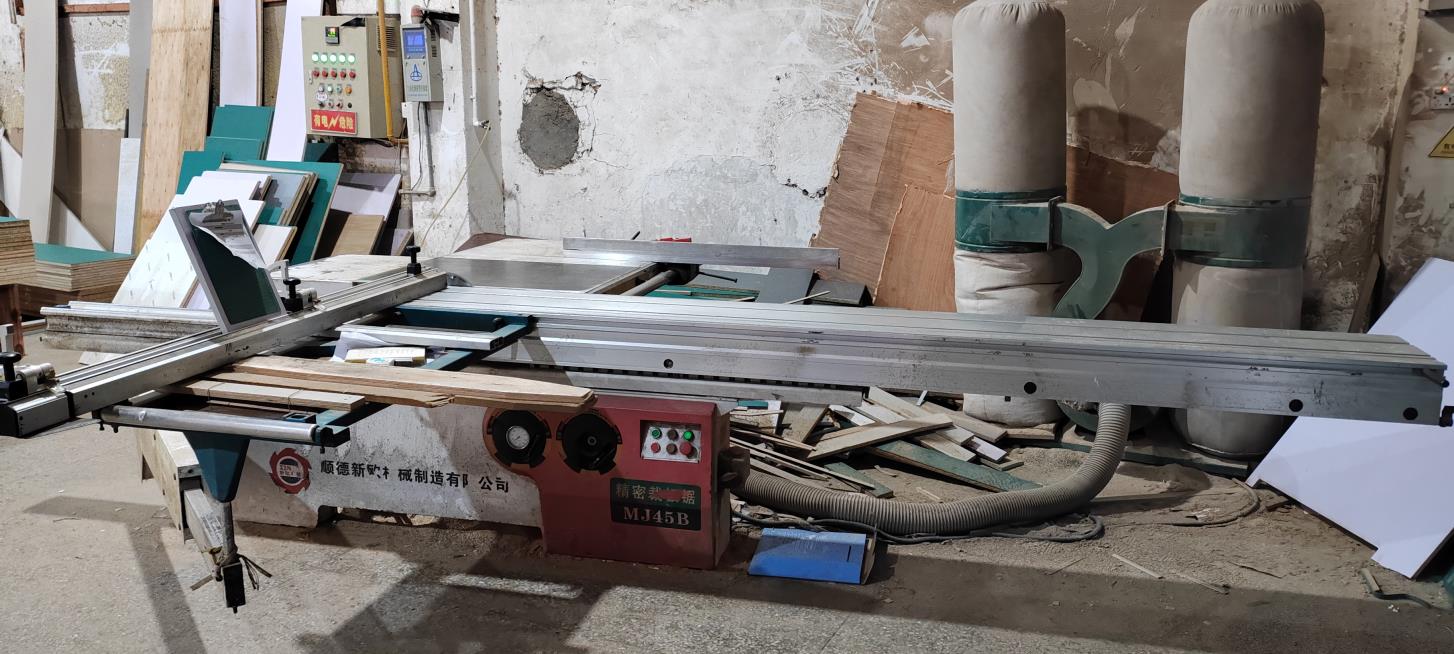
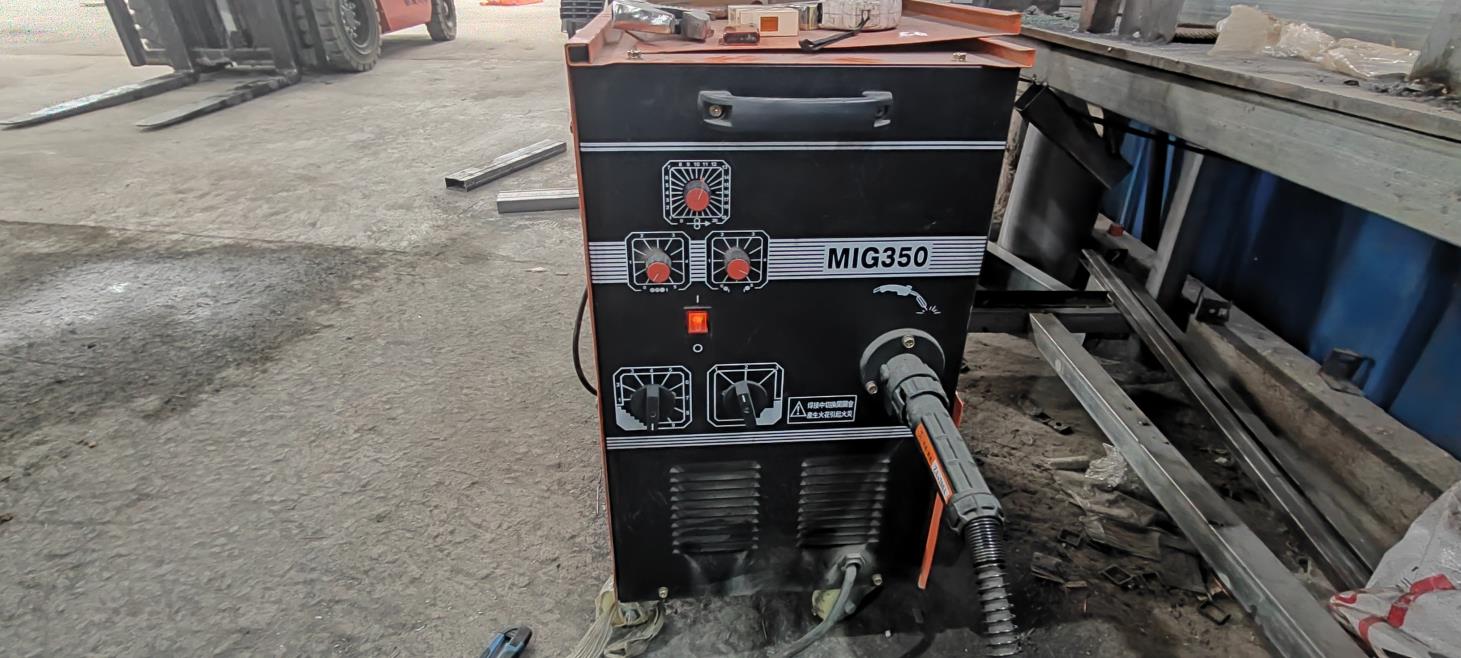
Established in 2016, Nanjing Fortis Storage Equipment Manufacturing Co., Ltd. operates a advanced manufacturing complex covering 48,000 m². Backed by 10 years of structural engineering design experience and 7 years of global supply chain logistics, we generate an annual export turnover of $35 million. Our manufacturing operation complies with ISO14001 environmental frameworks and TUV safety guidelines. With a full-time inspection team of 62 quality control personnel, we perform automated CMM dimensional checks, structural weld testing, and salt spray testing. This ensures that every racking batch meets international safety criteria. We have shipped systems to Western Europe, South America, and the Middle East, supported by a partner network of over 1,400 supply chain companies. Our clients include automated warehouse developers, cold chain facilities, and global retail brands.
Our engineering team consists of 80 structural and mechanical design engineers. They focus on custom structural designs, special powder coating formulas (including anti-static, anti-microbial, and low-temperature cold-storage coatings), and high-density pallet storage configurations. Last year alone, our R&D group designed and brought to market 350 custom products, solving storage efficiency and seismic load challenges for our clients.
Technical parameters, material sciences, structural integrity principles, and international standards compliance.
Industrial heavy-duty storage racks rely on high-grade structural steel. Nanjing Fortis uses high-strength hot-rolled coils, primarily Q235B and Q345B grade carbon steel (equivalent to ASTM A36 and ASTM A572 Grade 50). Q235B steel offers balanced tensile strength, ductility, and welding characteristics, making it suitable for standard ambient temperature warehouses. For cold-chain environments, high-bay automated warehouses, and high-load zones, we use Q345B steel. Its higher yield point (345 MPa) allows for slimmer profiles that support greater structural loads, maximizing space utility and maintaining safety margins.
Our raw material undergoes physical and chemical testing upon receipt. We verify carbon and manganese levels to ensure fracture resistance under low temperatures and cyclic loads. We also inspect steel coil thickness tolerances, maintaining variation within 0.05 mm. This precision prevents structural weakness in roll-formed upright columns and box beams.
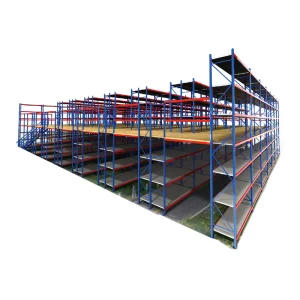
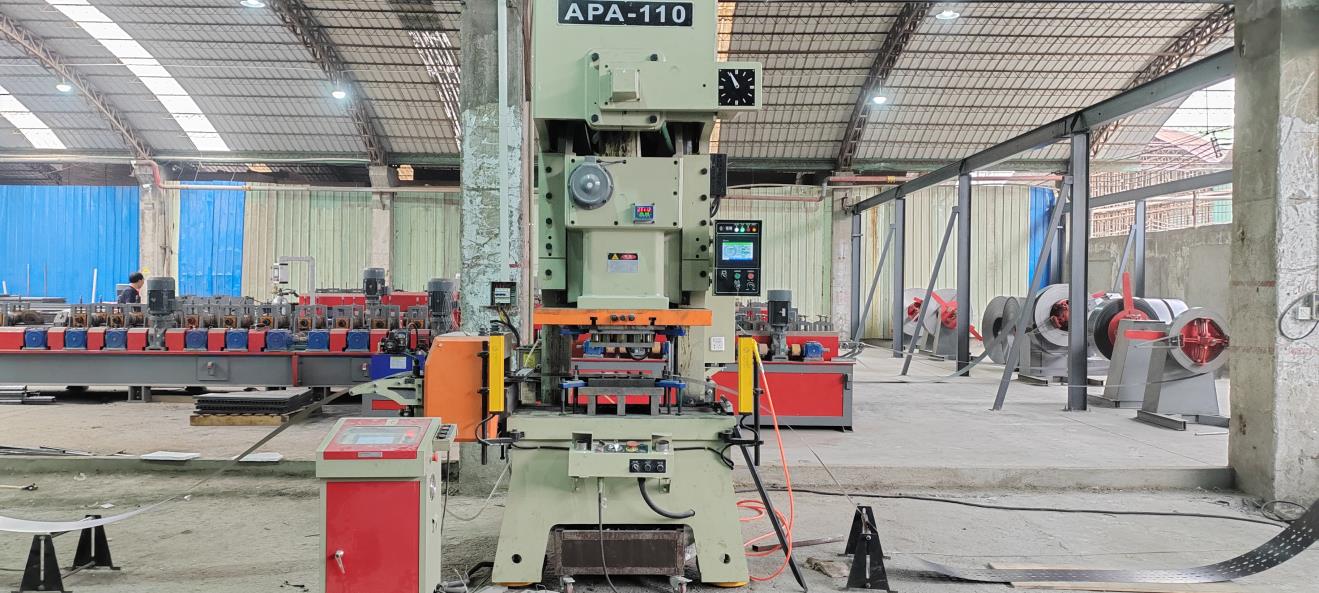
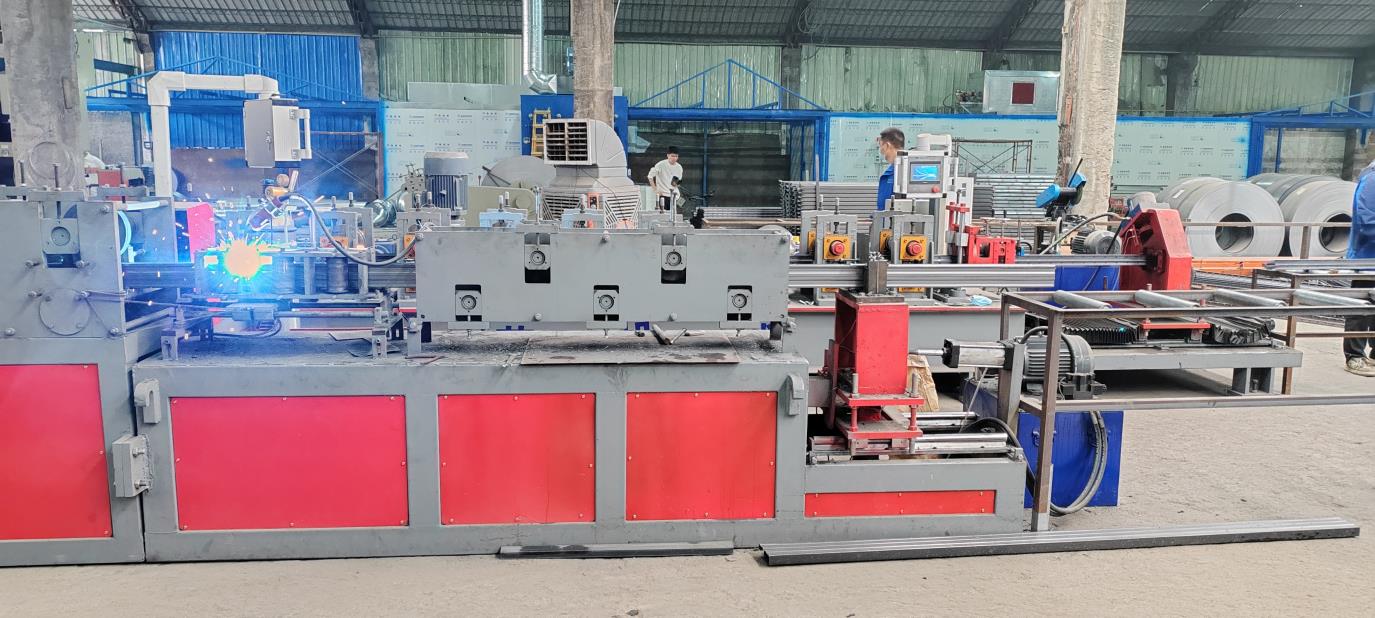
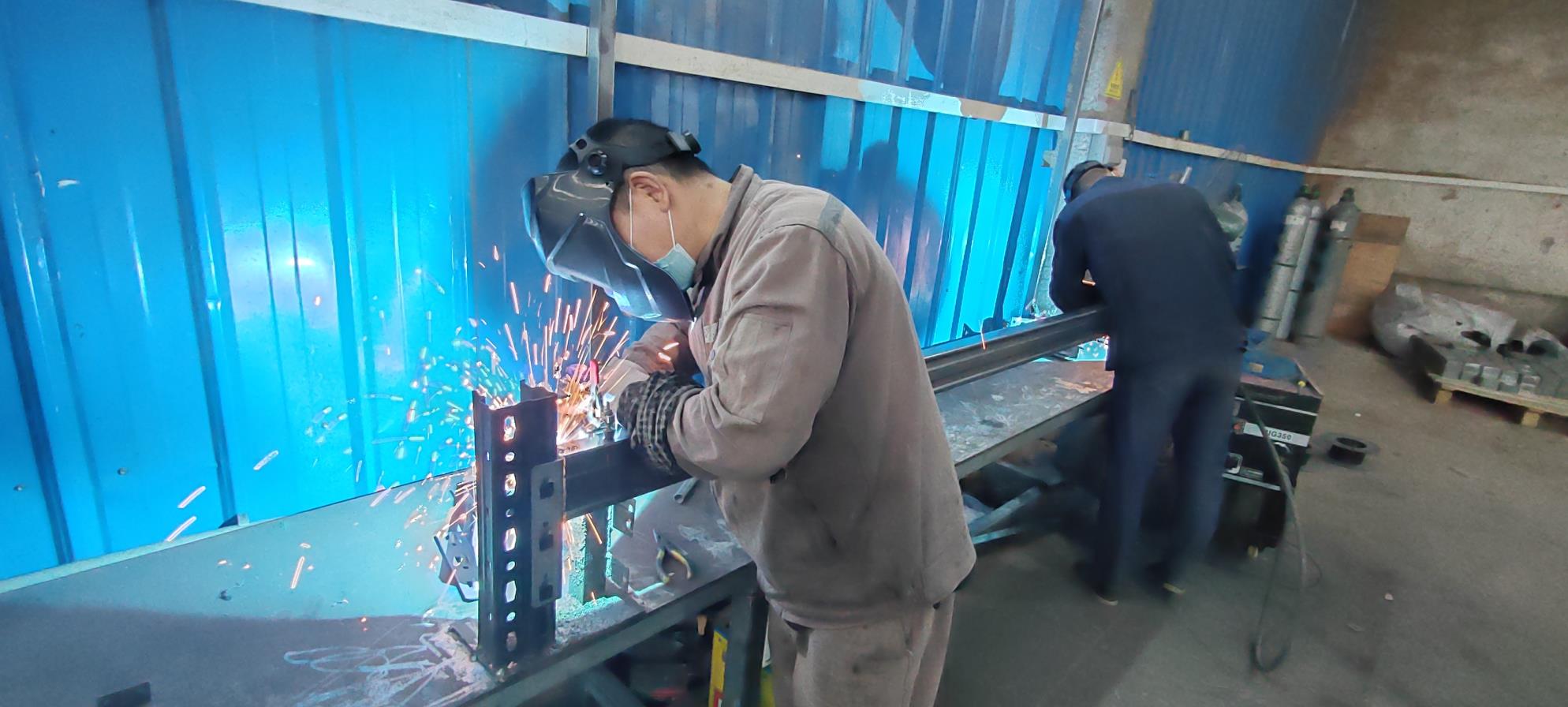
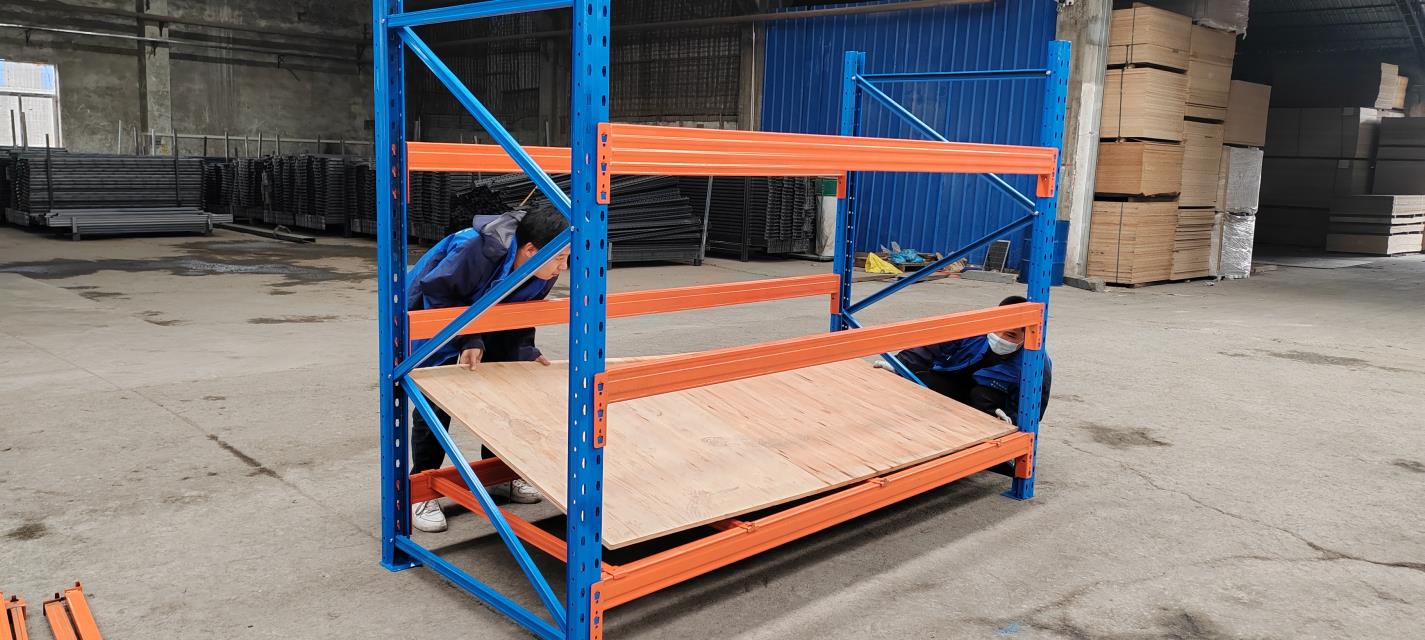
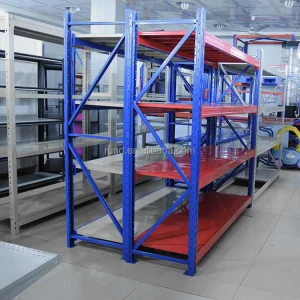
The durability of a beam shelf system depends on its cold-rolled profile geometry. Nanjing Fortis upright frames use a multi-bend profile with 9 to 13 folding points. This design increases torsional rigidity and resistance to lateral buckling. Upright profiles range from 80mm to 140mm in width and 1.8mm to 3.0mm in thickness, accommodating loads up to 30 metric tons per frame. The column faces feature teardrop or diamond punching at 50mm or 75mm pitches, allowing precise vertical adjustment of beam levels to match changing pallet heights.
Our interlocking box beams feature a dual-C profile structure welded along the neutral axis. This design offers high resistance to deflection under load. For specialized storage needs, we produce step beams that hold wire decking, steel panels, or wood overlays. Connectors use a multi-claw design (3, 4, or 5 hooks) made from high-strength forged plate. These connect to upright columns via a friction lock system, supported by physical safety pins that prevent accidental beam displacement by forklifts.
Industrial storage requires strict adherence to regional safety standards. Nanjing Fortis structures are calculated and verified using 3D finite element analysis (FEA) to confirm performance under static, dynamic, and seismic conditions. We ensure compliance with the following international frameworks:
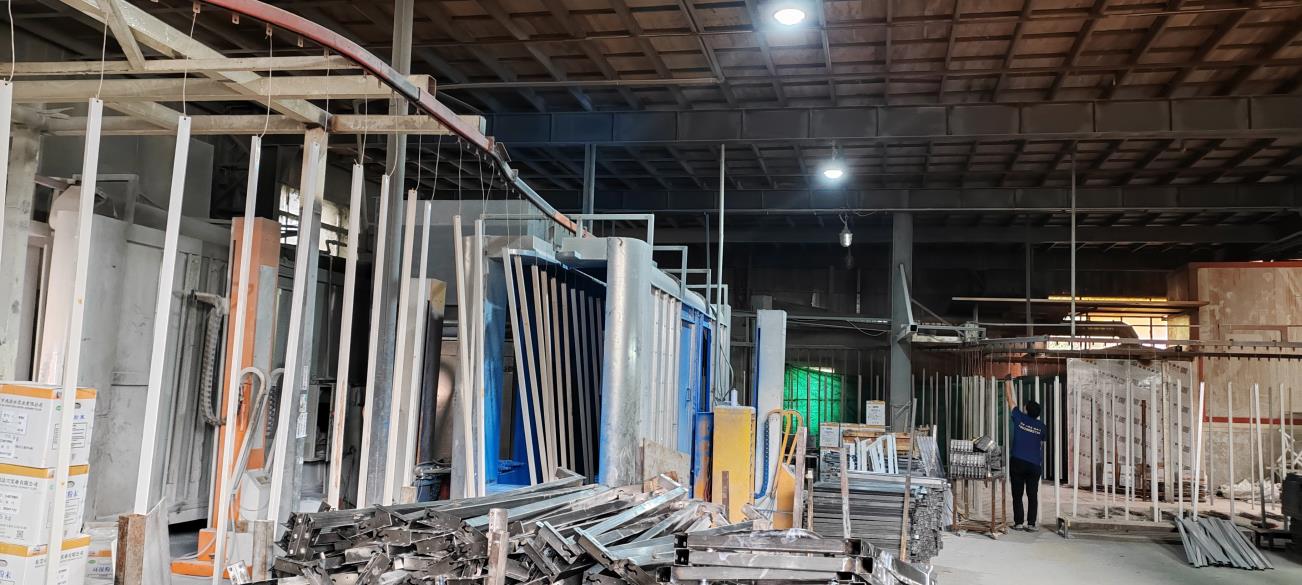
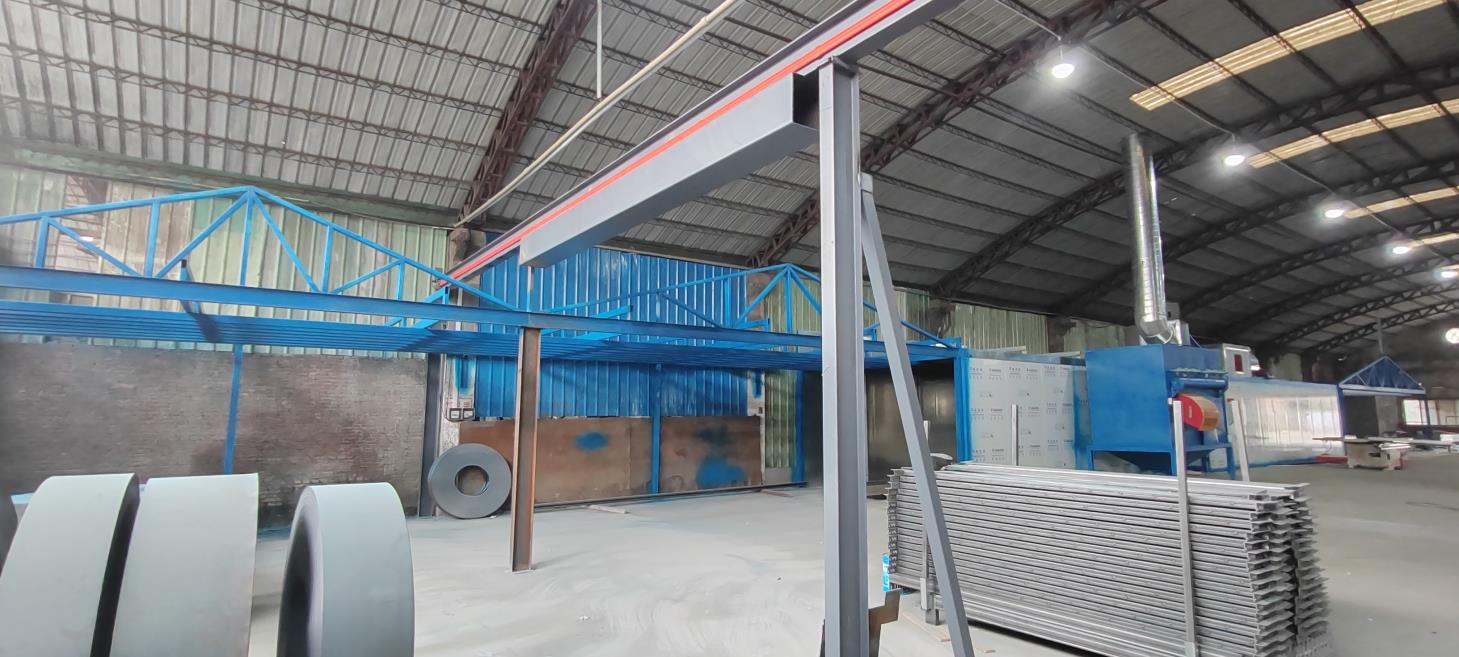
To ensure a service life exceeding 15 years, Nanjing Fortis structures undergo a multi-stage automated pretreatment and powder coating process. Our line includes cleaning, acid pickling to remove oxides, phosphate conversion coating to improve adhesion, and multiple rinses with deionized water. The dry parts are then coated in our electrostatic powder booths.
We use cured epoxy-polyester thermosetting powders to form a protective layer with a thickness between 60 and 90 microns. This finish resists impact, abrasion, and chemical cleaning agents. For specialized cold chain storage operating down to -30°C, we apply specialized formulations that prevent paint brittleness and micro-cracking, preserving the steel core from humidity and oxidation.
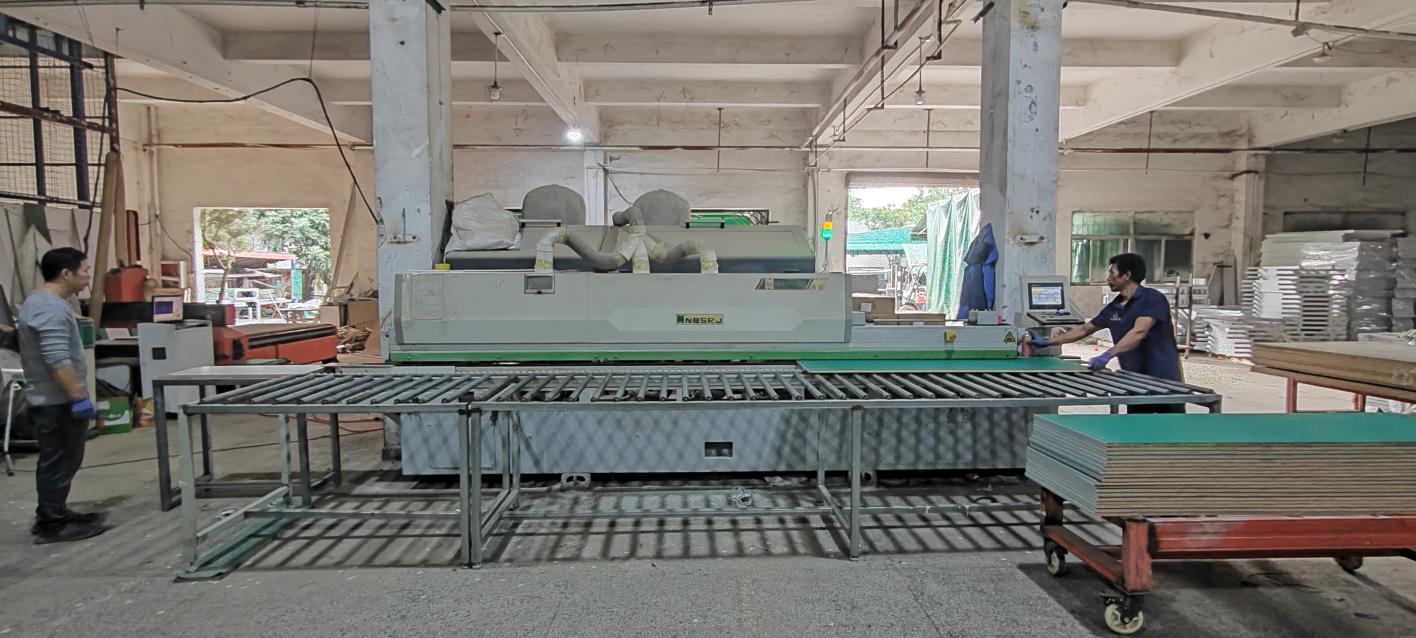
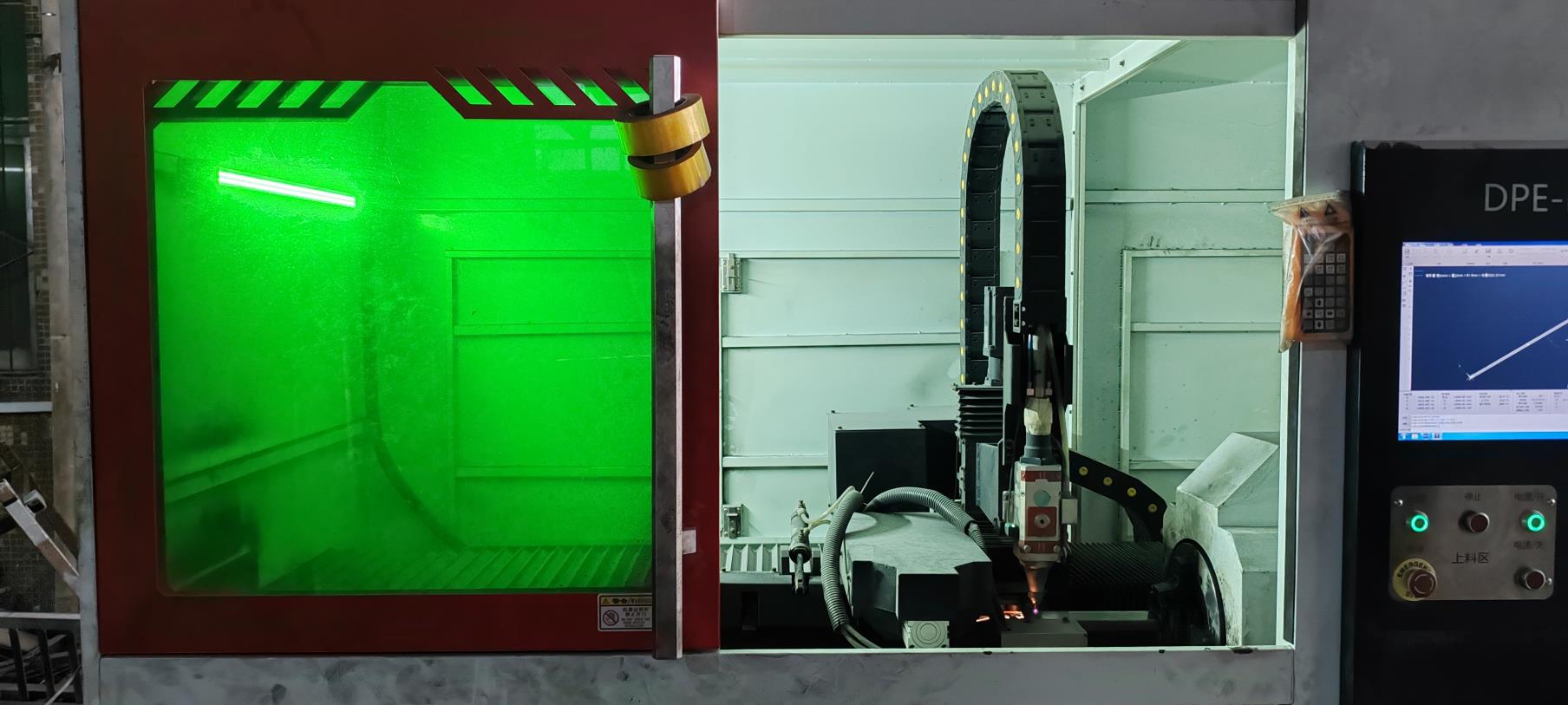
Every production step—from raw coil preparation to final automated surface finishing—is managed in-house to maintain structural quality control.
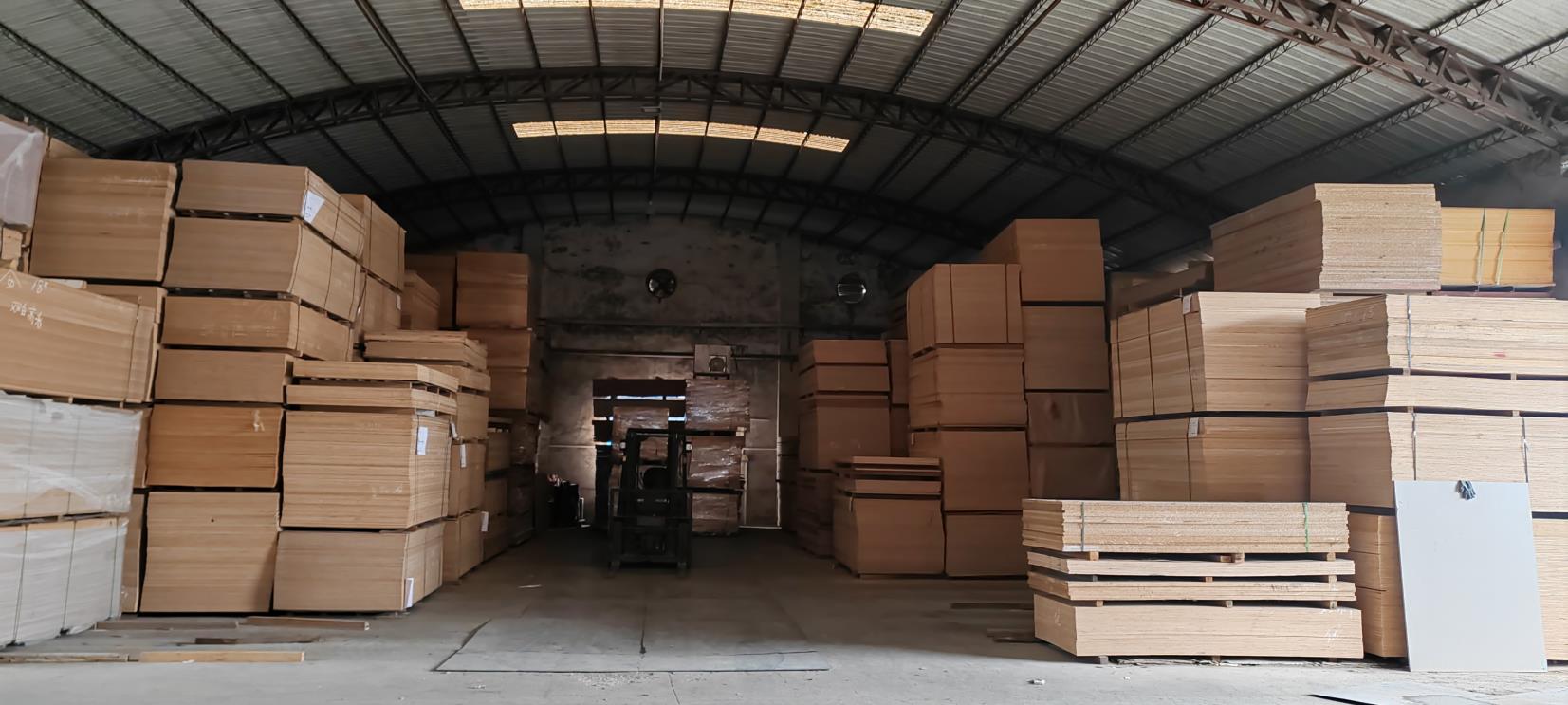
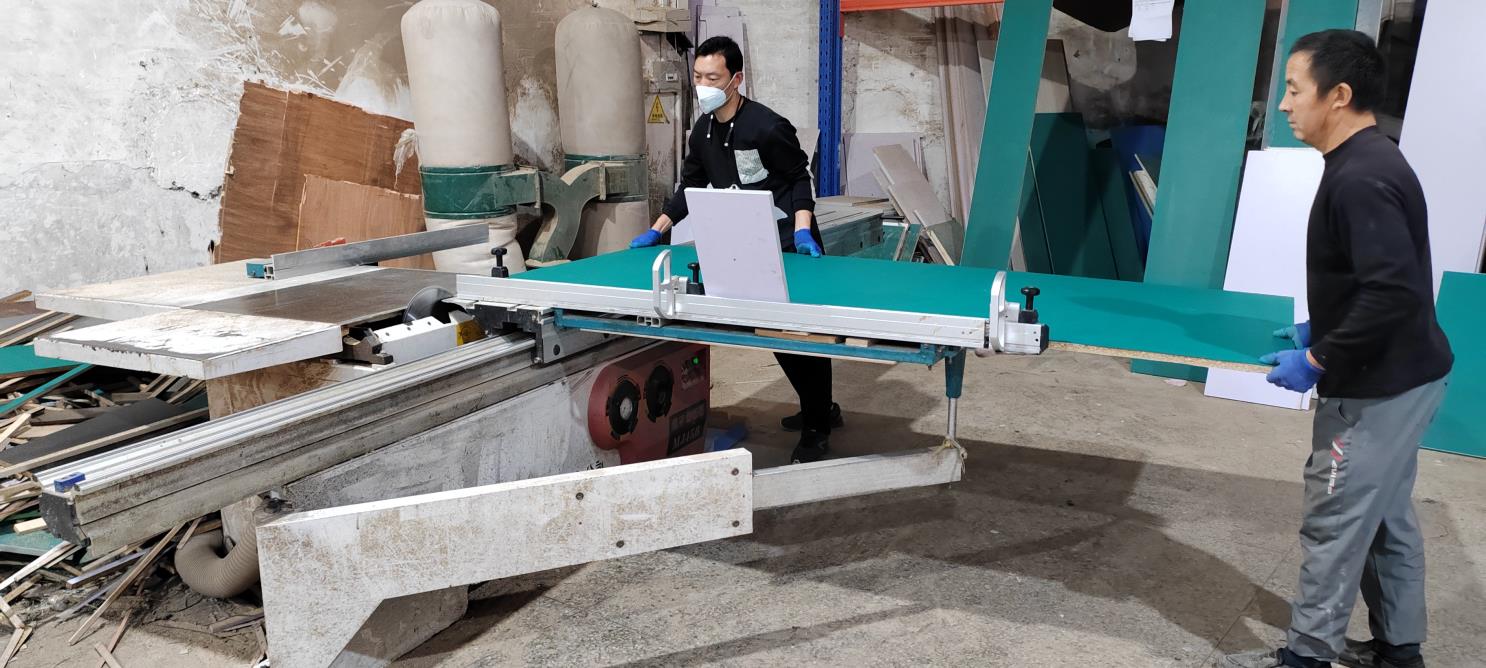
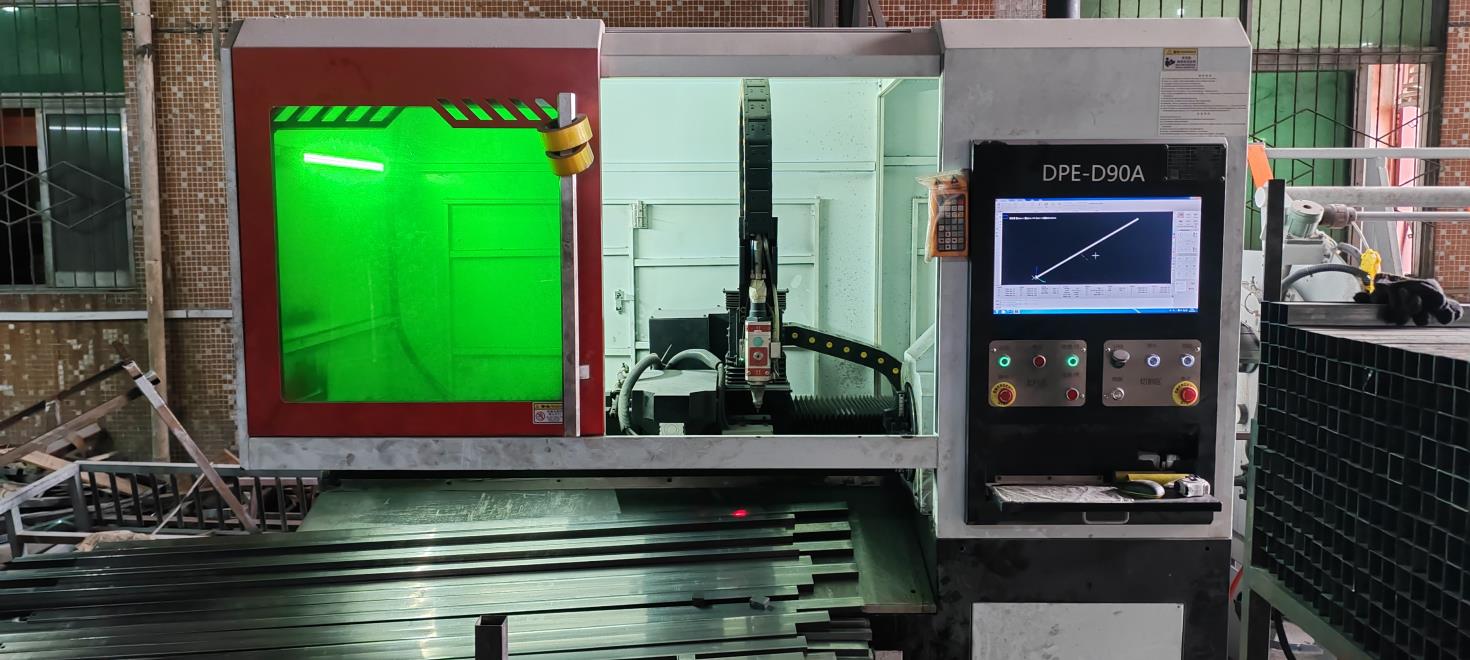
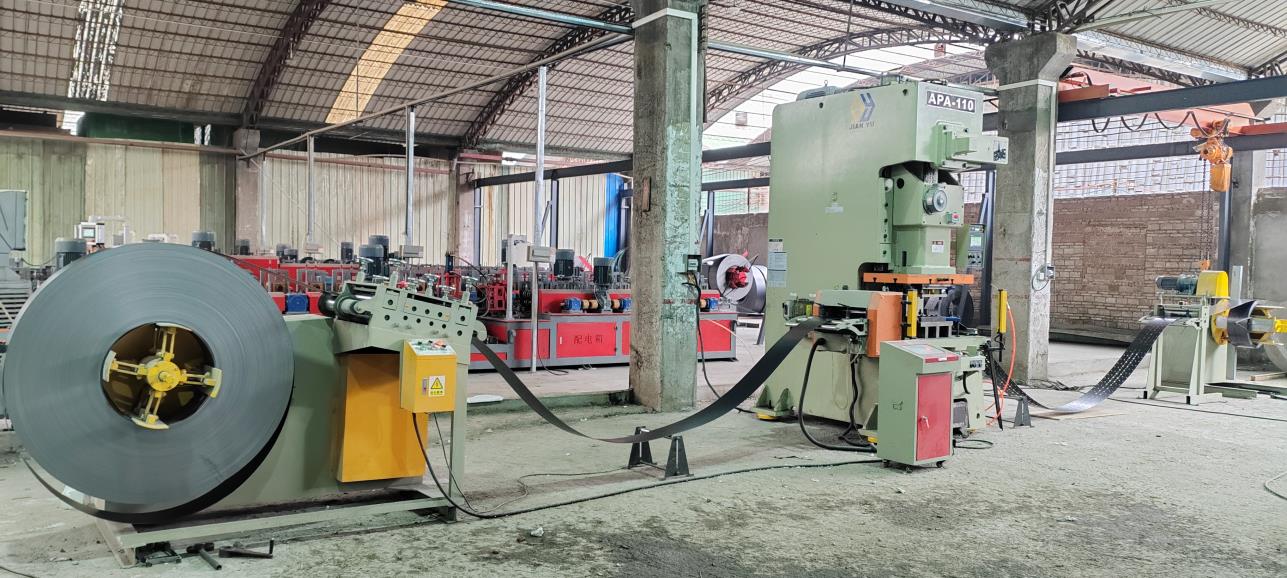
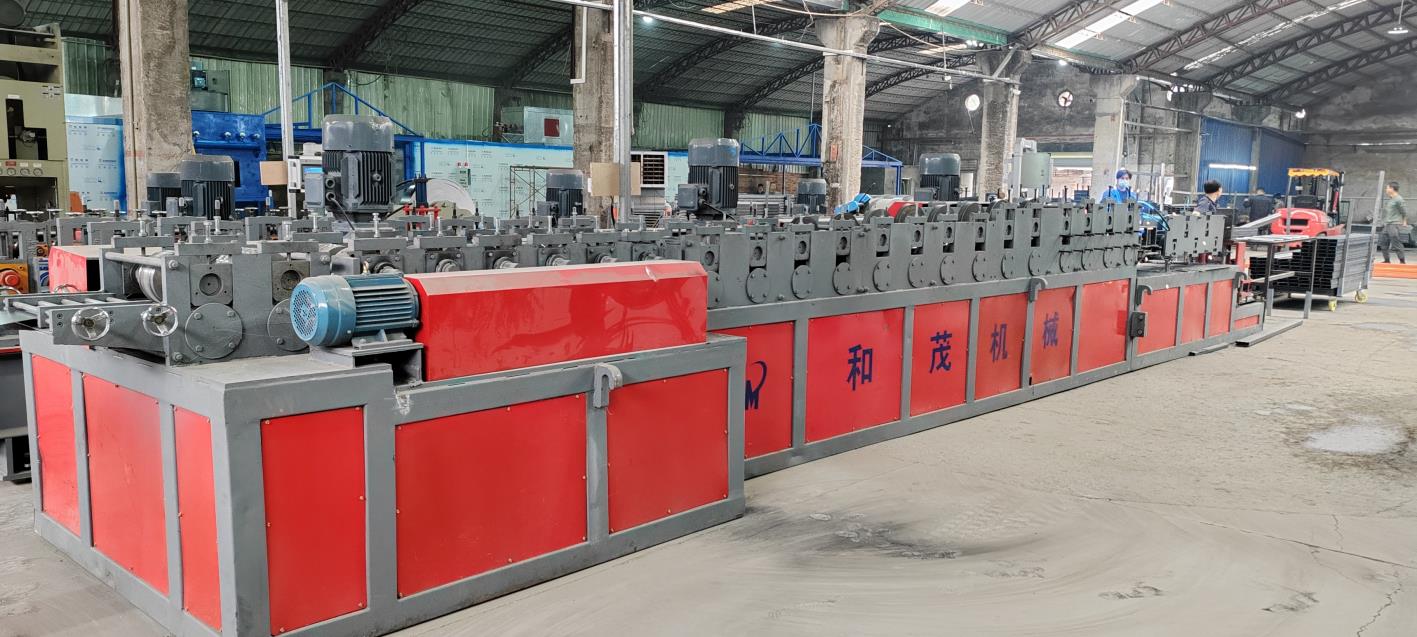
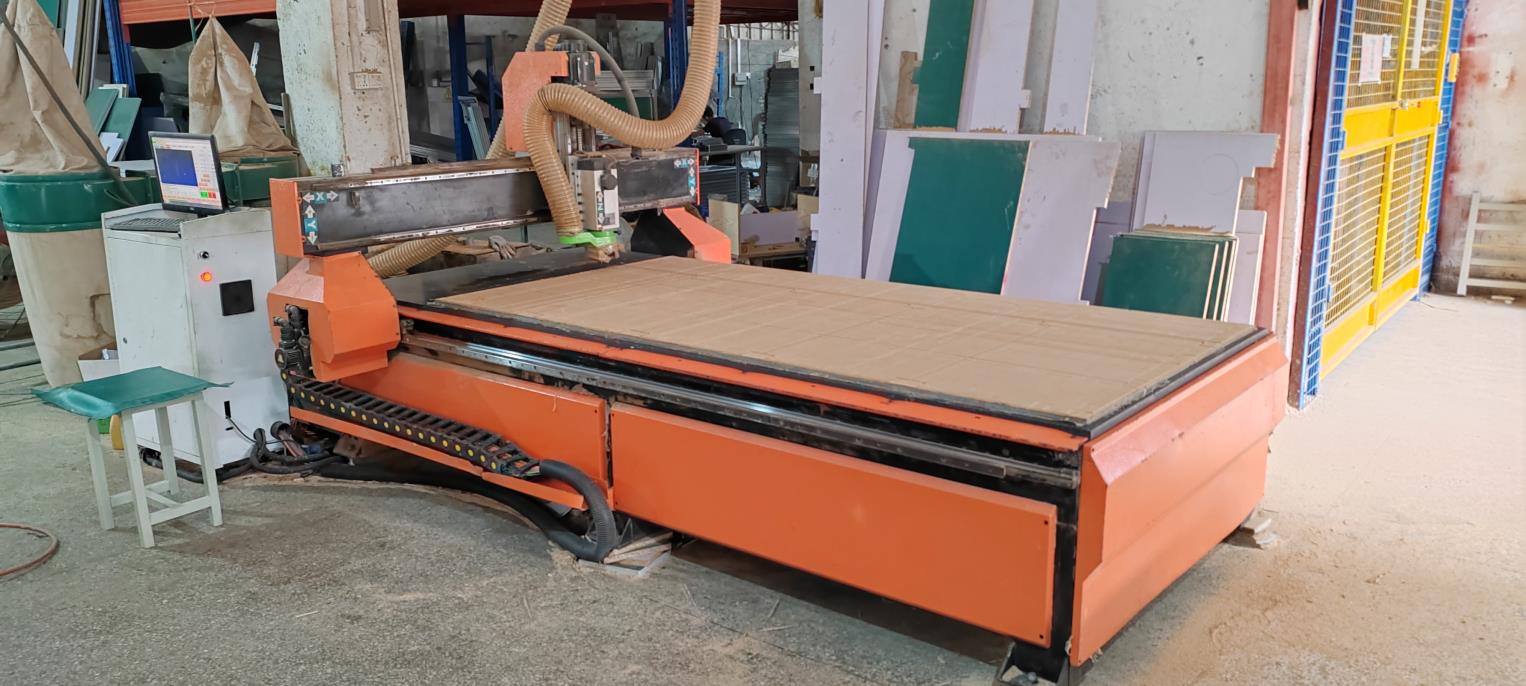
Aligning storage infrastructure with automation, green energy mandates, and smart supply chain technologies.
Modern warehouse layouts are shifting toward Automated Storage and Retrieval Systems (AS/RS).南京Fortis designs storage frames with tolerances within +/- 1.0mm, allowing automated cranes to navigate without path interference.
We analyze historical regional seismic data to engineer custom structural configurations. Thick floor plates, structural frame bracing, and heavy anchor bolts ensure stability in high-seismic active zones.
Our commitment to green logistics includes minimizing emissions across our raw materials supply chain, reducing our carbon footprint, and using eco-friendly, lead-free powder coatings.
Answers to common structural design questions from warehouse developers, facility managers, and safety compliance officers.
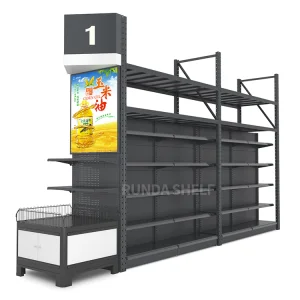
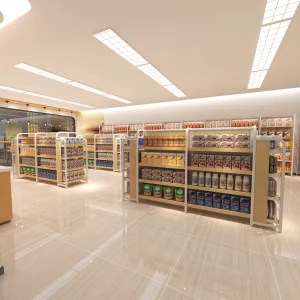
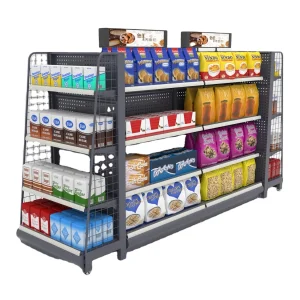
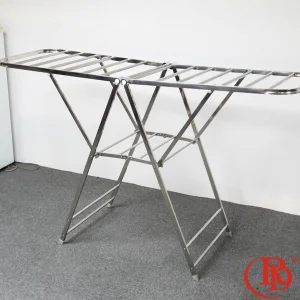
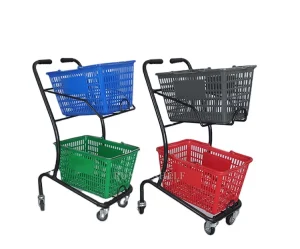
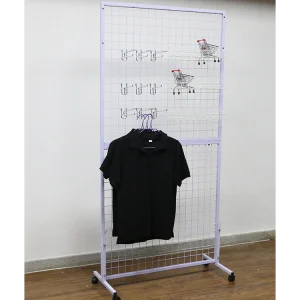
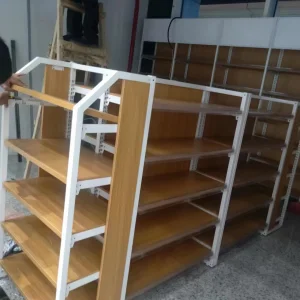
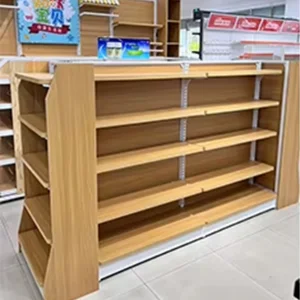
Versatile, light-to-medium capacity display and logistics structures. Engineered to optimize retail, grocery, and light commercial inventories.
 FortisRack