Explore our highly-requested high-load capacity warehouse and retail storage solutions engineered for operational efficiency.
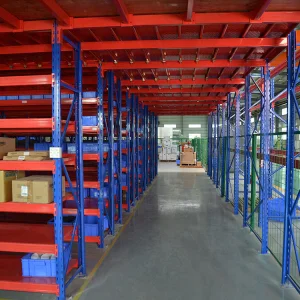
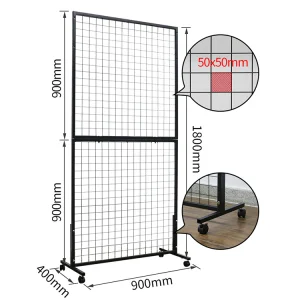
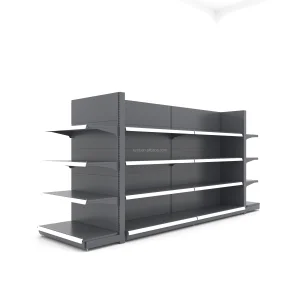
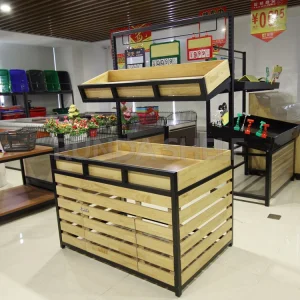
A statistical summary of Nanjing Fortis Storage Equipment Manufacturing Co., Ltd.'s operations, facilities, and market reach.
Industrial logistics has transitioned from static storage methodologies to dynamic, structural space-optimization systems. Stacking racks and high-density shelving solutions represent the core architecture of this change. Designed to utilize vertical facility height while protecting structural integrity, these systems eliminate the requirement for permanent aisles when storing high-volume, seasonal, or uniform SKUs.
By consolidating floor space, modern storage units allow manufacturers to accommodate changes in raw materials and finished products. Unlike fixed storage solutions, modular stacking racks can be moved with standard forklift machinery. This configuration supports lean manufacturing methods, allowing floor layouts to change dynamically according to shifting manufacturing schedules and seasonal storage demands.
From a metallurgical perspective, modern stacking racks utilize cold-formed steel and structural tubing. These materials balance self-weight against load capacities, achieving optimal load-to-weight ratios. The integration of structural safety accessories—such as positive stacking posts, target guide rails, and heavy-duty wire mesh inserts—minimizes risk, preventing column buckling under demanding operations.
A comprehensive overview of material grades, compliance structures, and design methodologies required by procurement teams worldwide.
We source certified structural steels like Q235B and Q355. This structural grade steel provides high yield strength and ductility, ensuring racking profiles absorb mechanical loads and withstand low-temperature operations without structural cracking.
Global systems demand adherence to ISO 9001:2015, ISO 14001:2015, and European EN 15512 or AS4084 standards. Compliance guarantees vertical alignment tolerances, weld strength integrity, and dynamic safety margins of at least 1.5 to 2.0.
Outdoor or cold-chain operations require hot-dip galvanization or electrostatic powder coatings. Our structural steel goes through a multi-stage pretreatment including shot blasting to ensure strong coating adhesion and corrosion resistance.
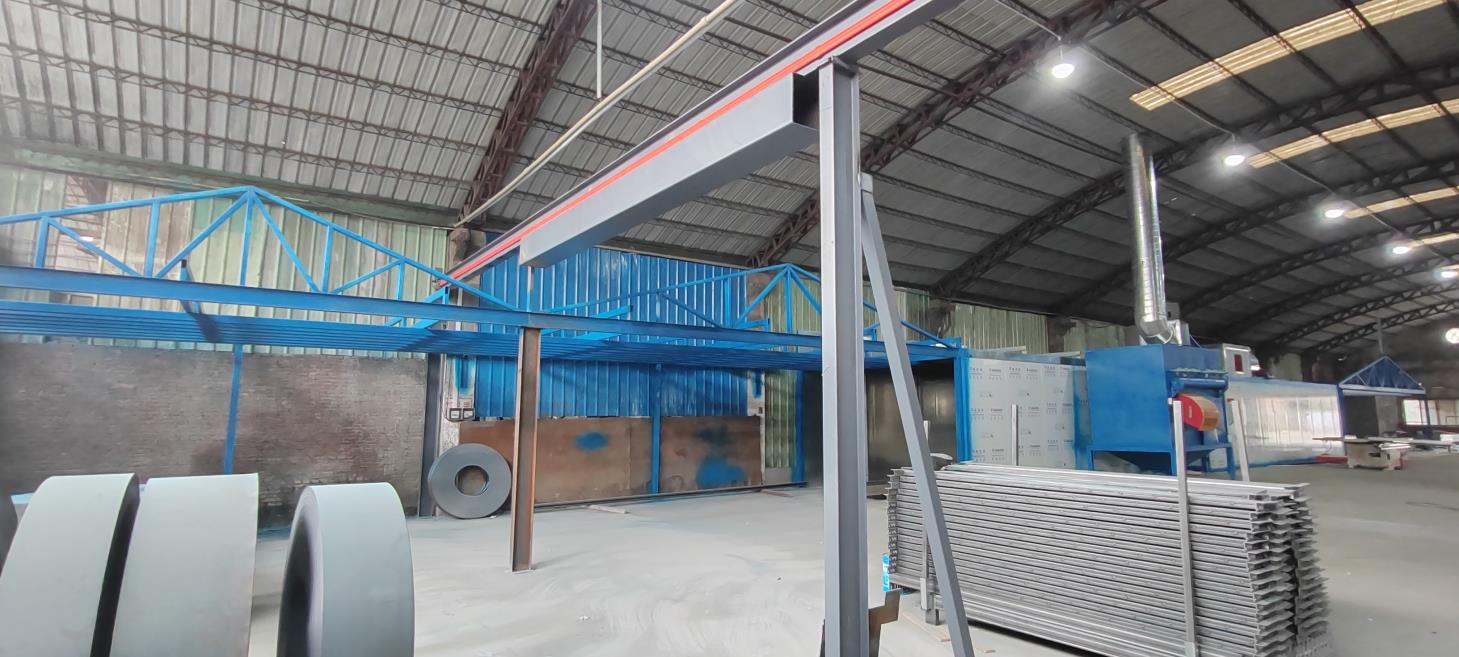
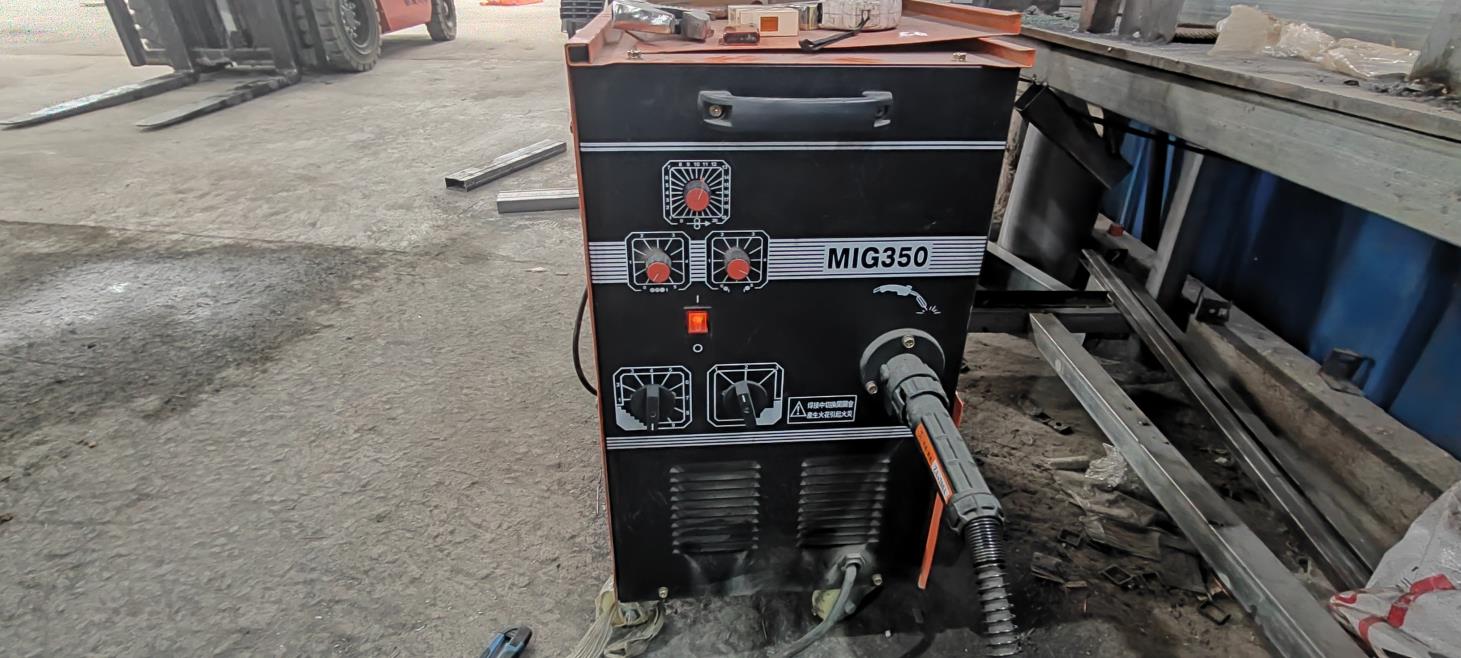
A detailed view of our automated manufacturing line, converting raw structural steel into engineered industrial shelving systems.
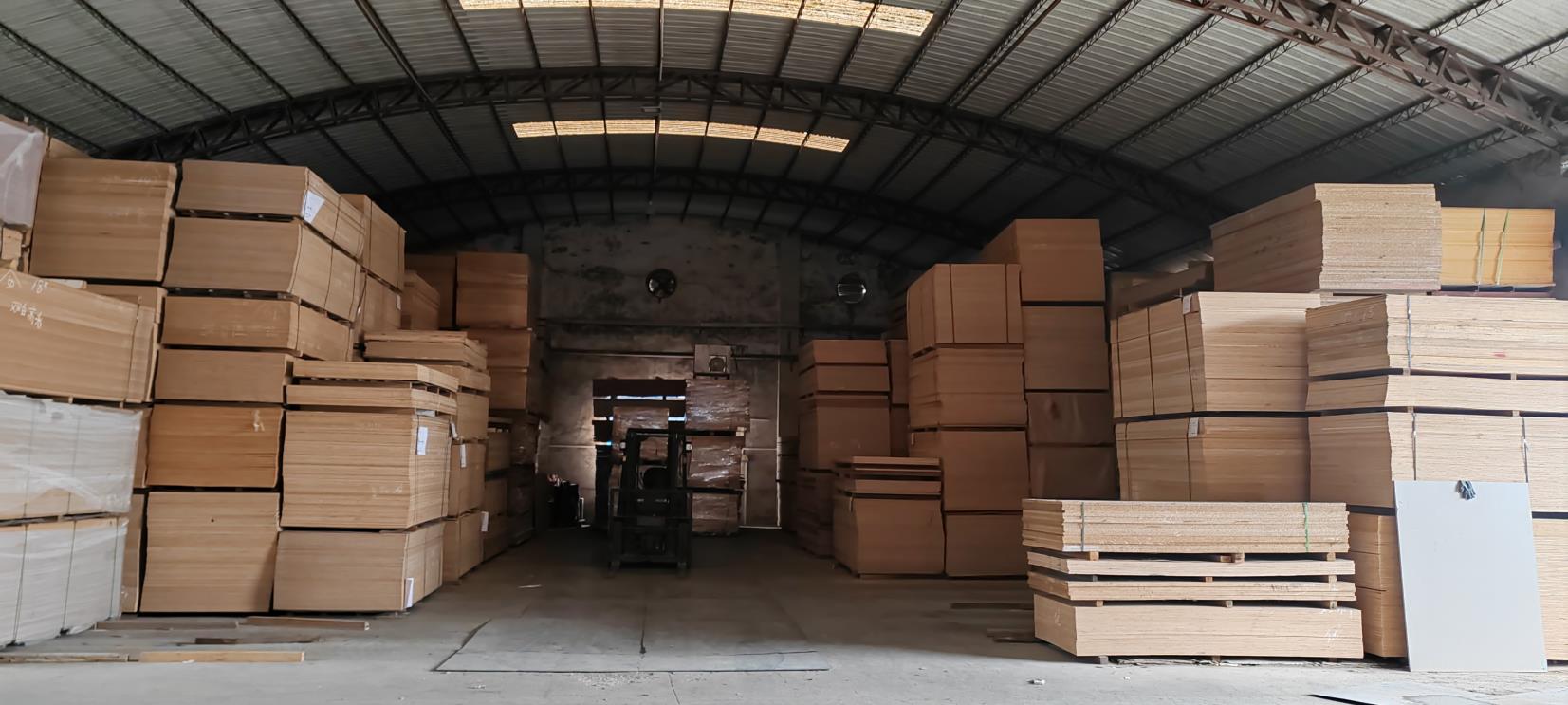
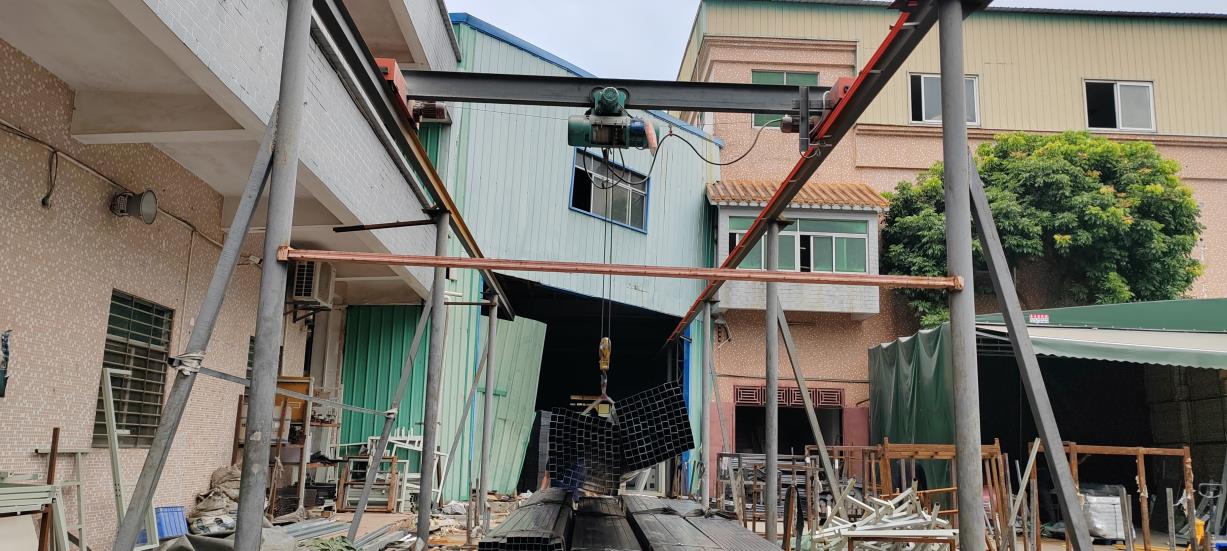
High-tensile structural carbon steel coils and tubes are inspected for structural dimensions, yield strength, and surface defects before manufacturing begins.
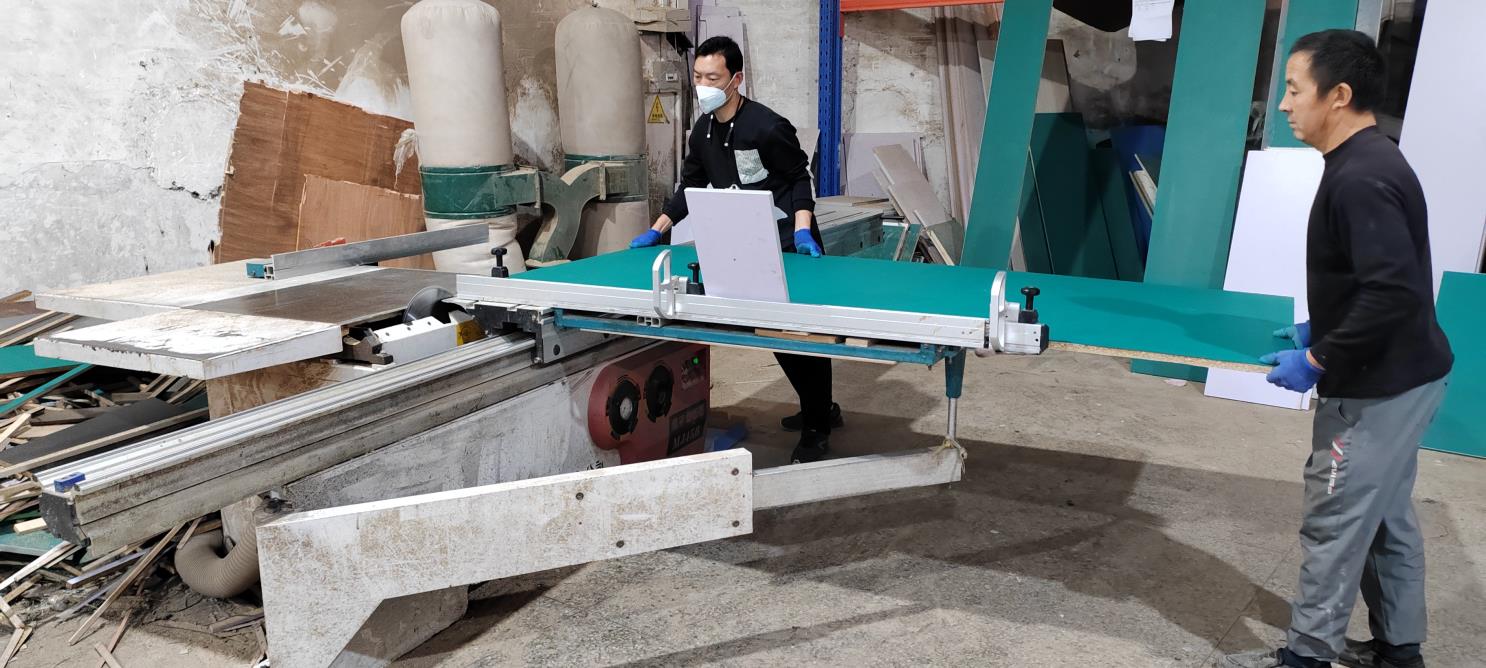
High-precision circular saws and automatic shear lines cut panels and profiles to specifications, maintaining cross-cut dimensional tolerances within ±0.5mm.
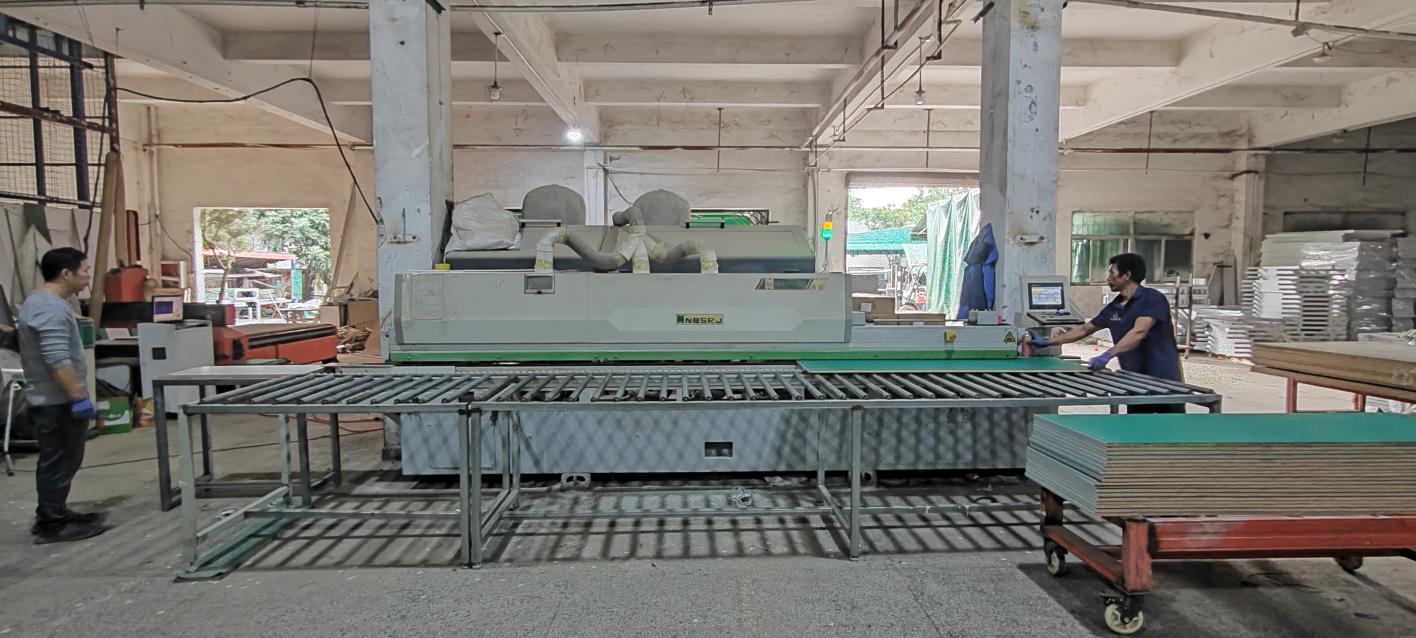
Automatic edge banding machines seal structural composite boards, protecting raw edges from humidity, chemicals, and industrial wear.
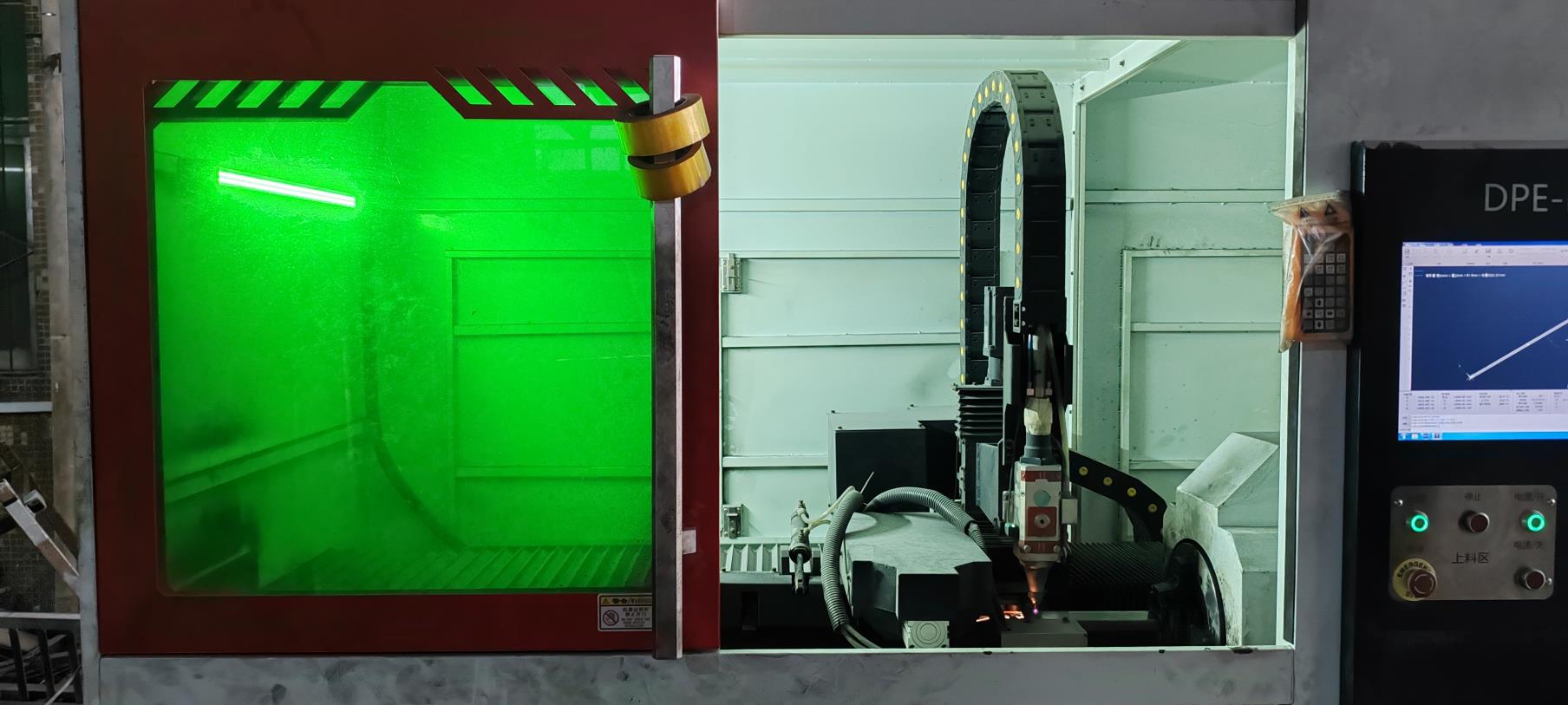
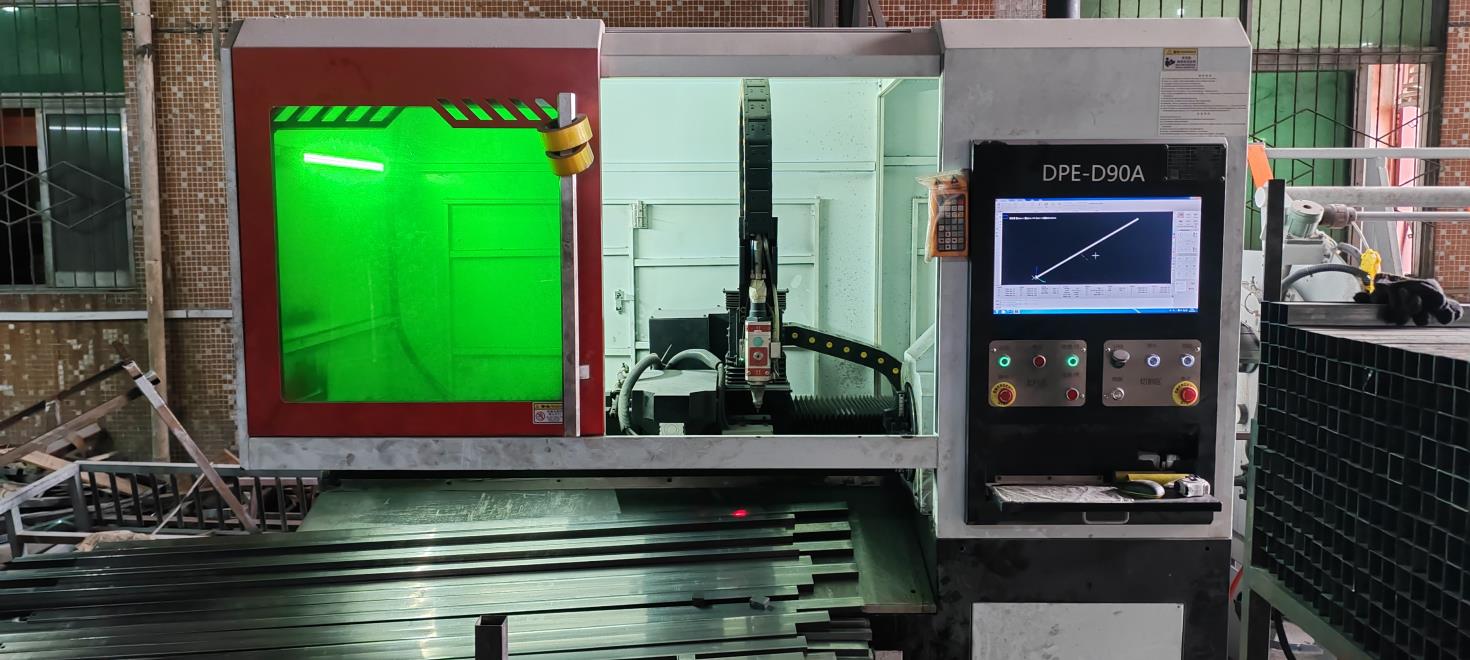
Multi-axis CNC fiber laser systems cut complex shapes, custom shapes, and connector joints with clean edges, preventing thermal deformation of the steel.
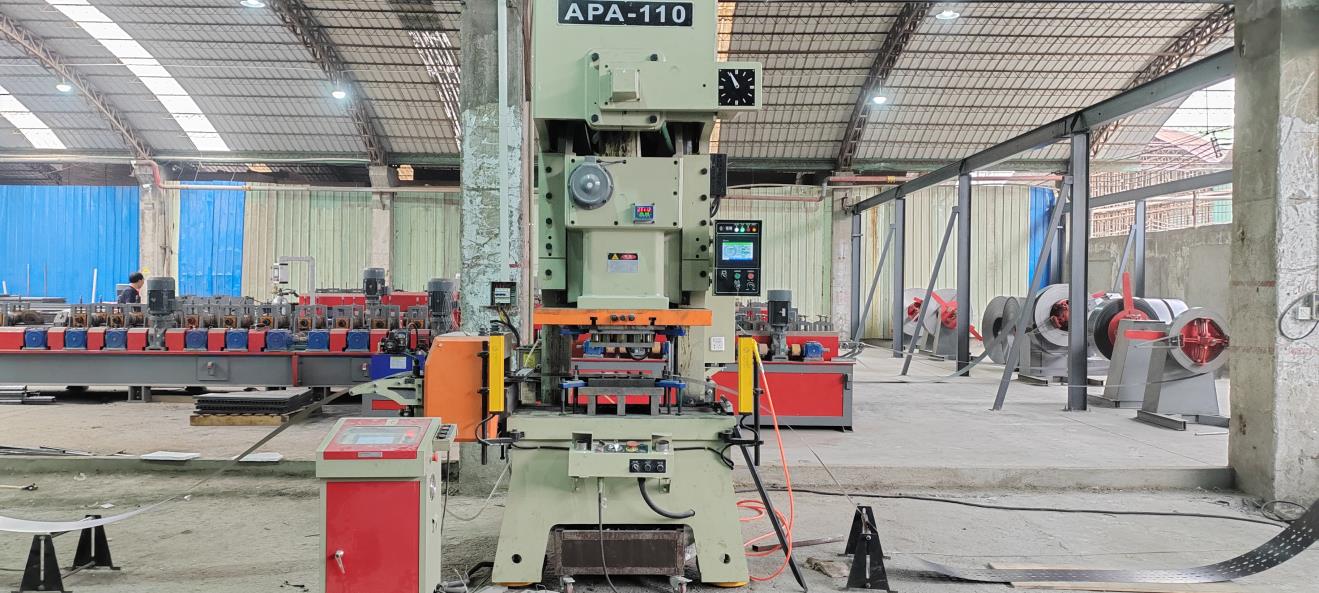
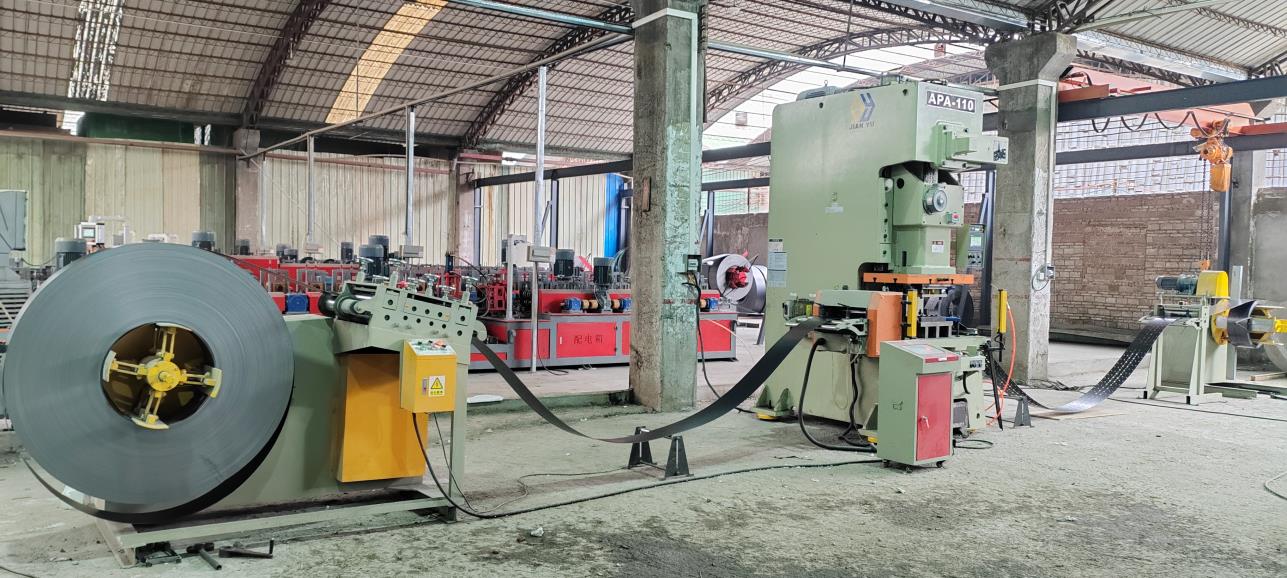
Automated high-speed stamping presses punch mounting and adjustment holes into structural profiles, ensuring alignment across the system.
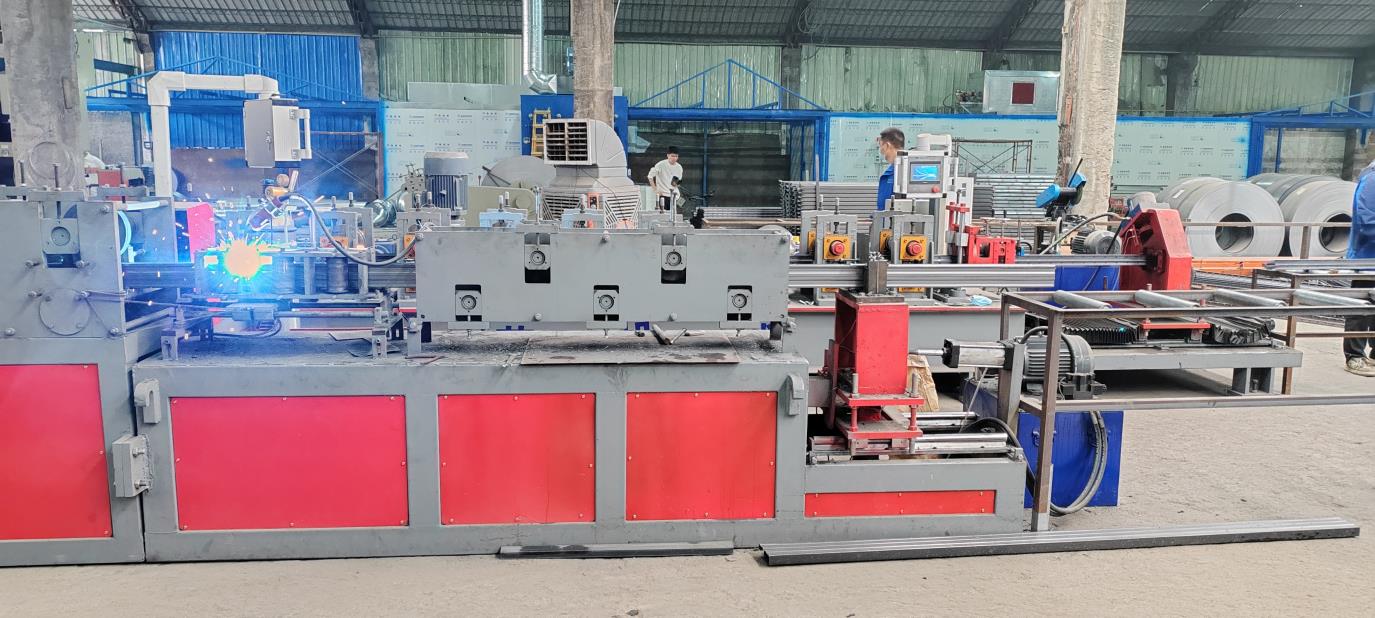
Continuous roll-forming machines shape structural uprights and horizontal beams, creating multiple bends to optimize structural load capacity.
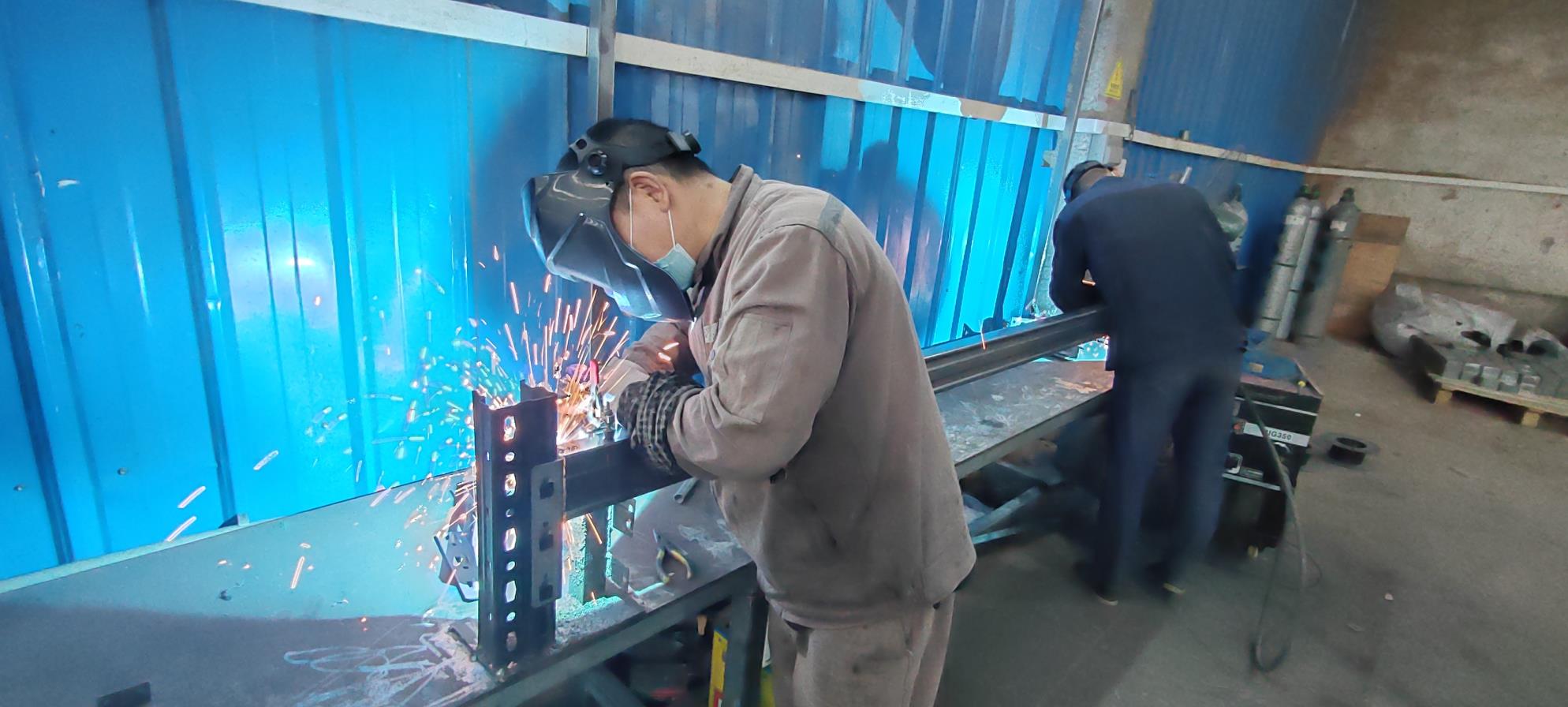
Robotic welding stations execute clean, high-penetration gas metal arc welds (GMAW) for baseplates, posts, and dynamic load-bearing structures.
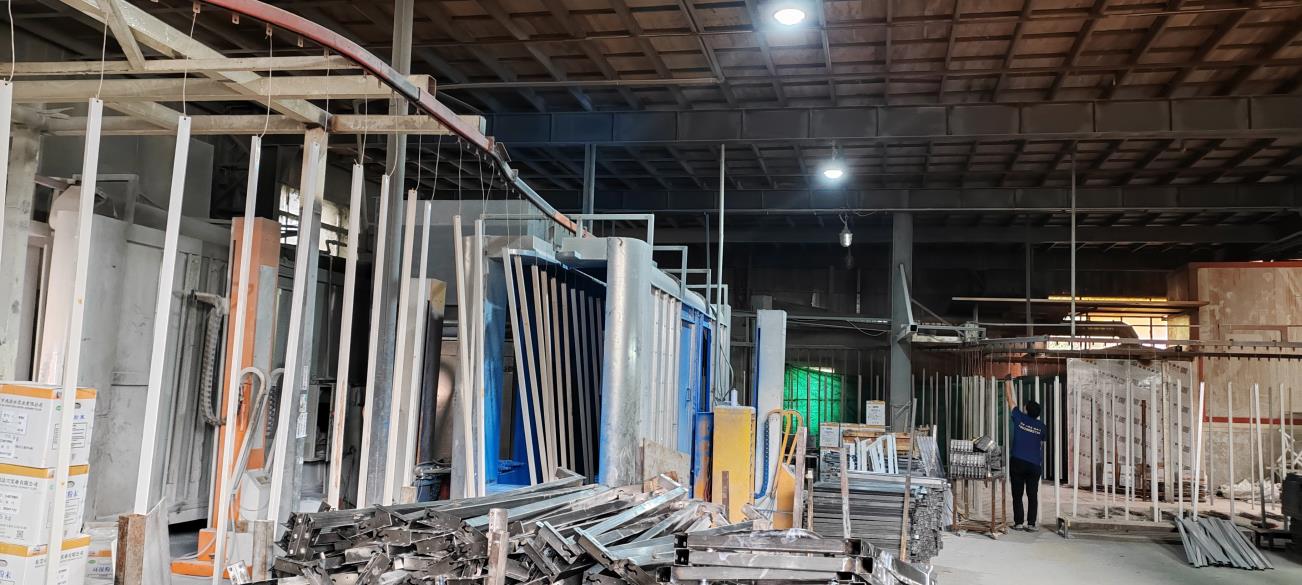
Coated steel components undergo oven curing at 180°C to 200°C to cross-link the powder, creating a durable finish resistant to mechanical impact.
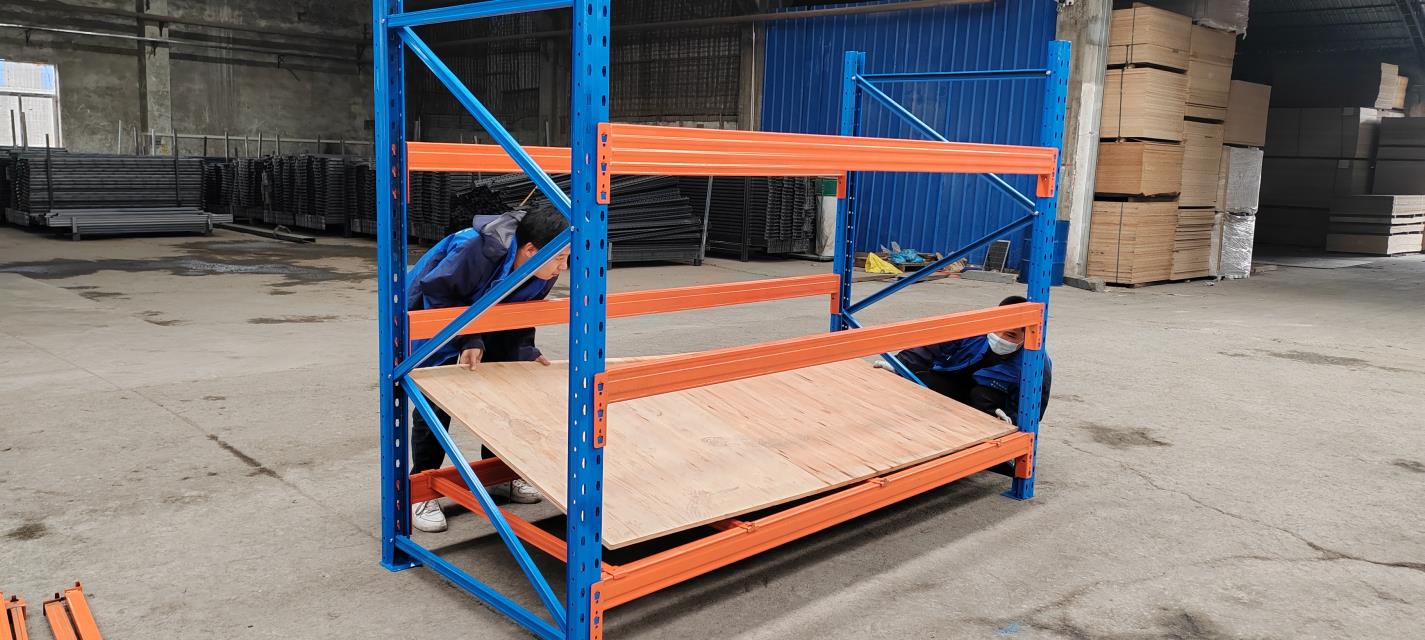
Pre-assembly QA inspection checks structural alignment, connector engagement, and surface finishes before components are packed for shipment.
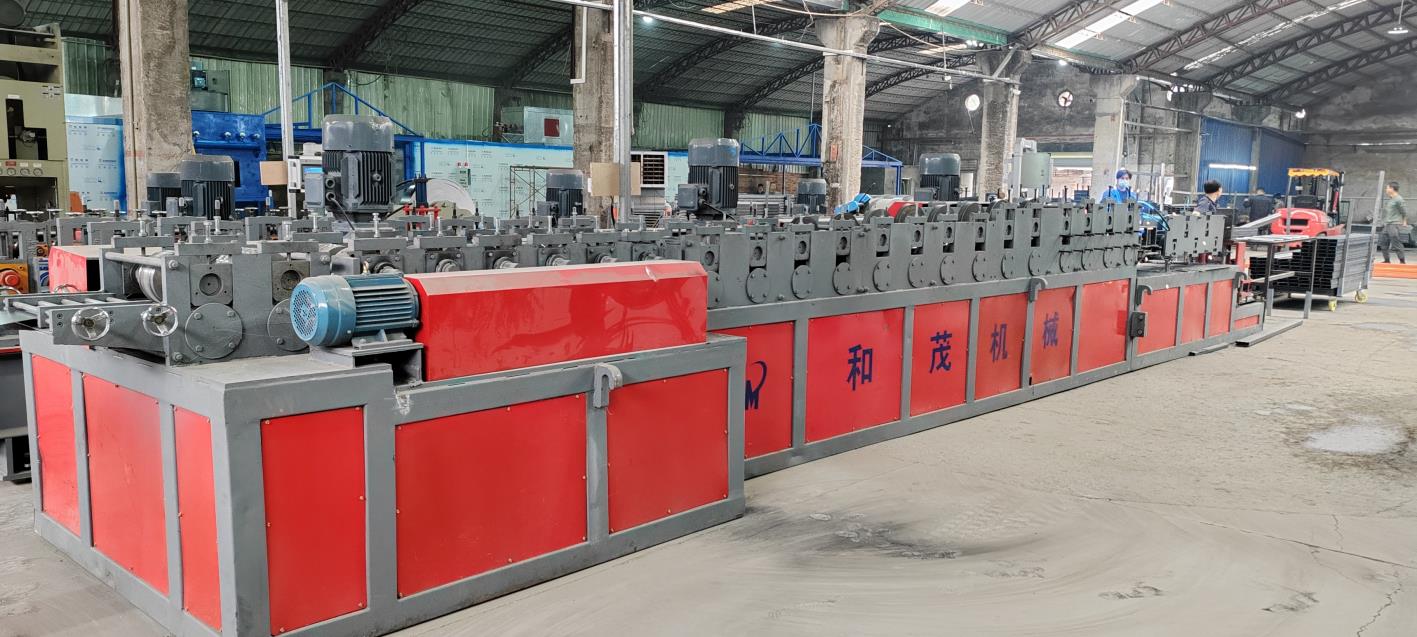
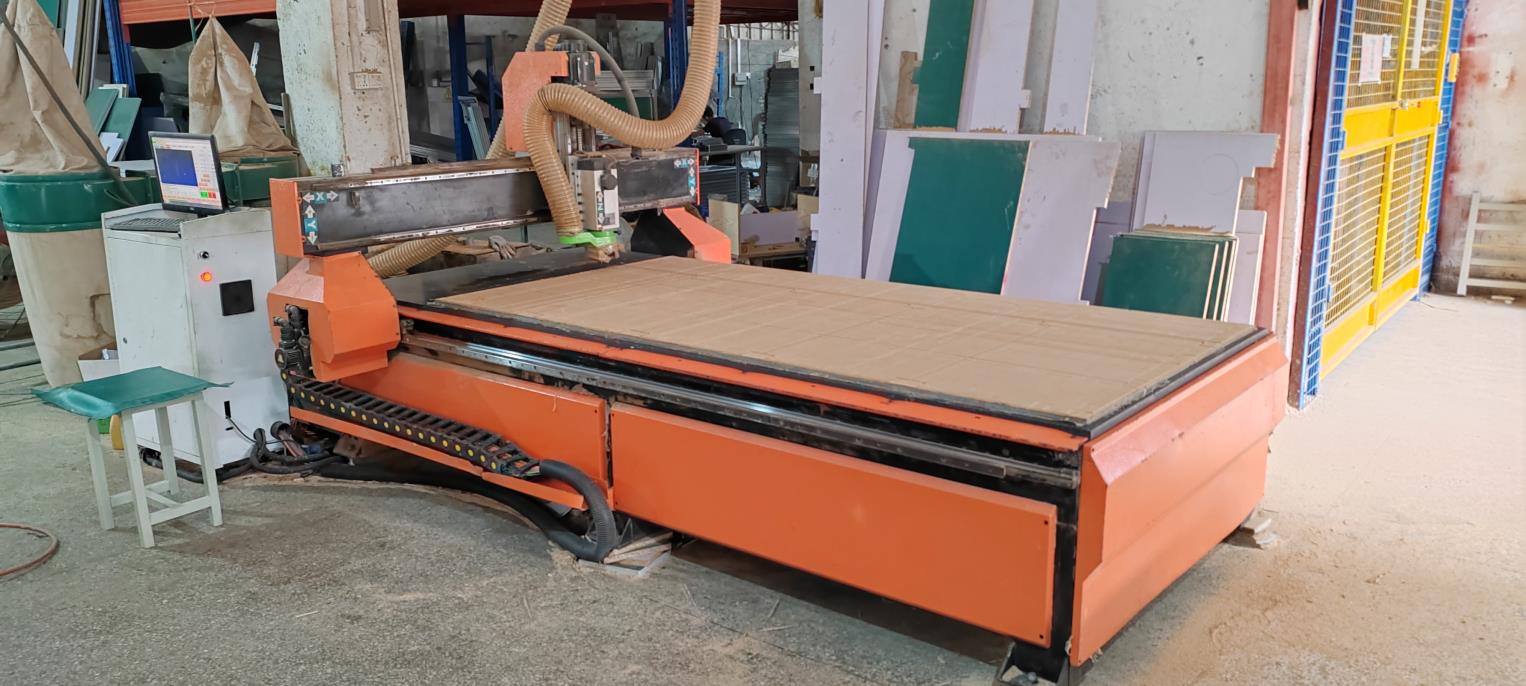
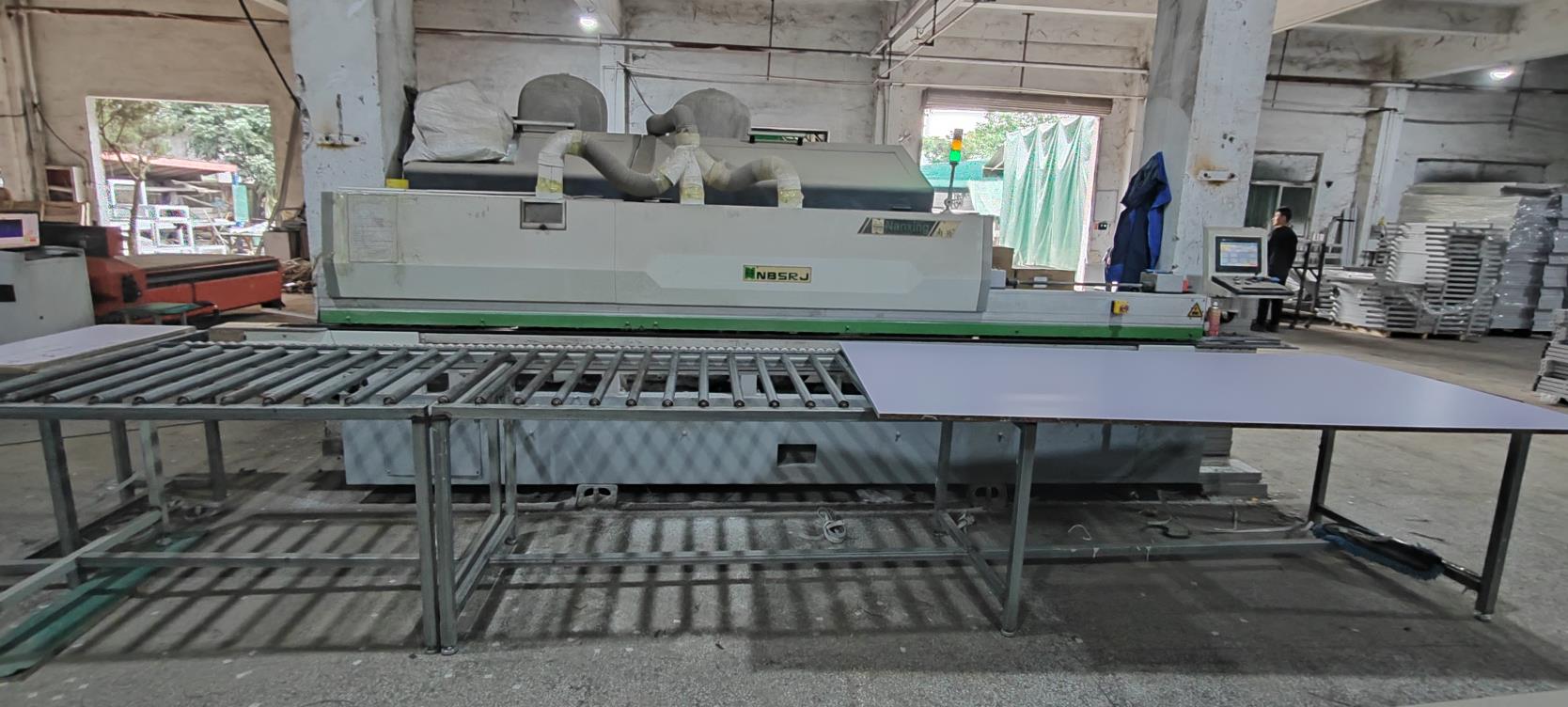
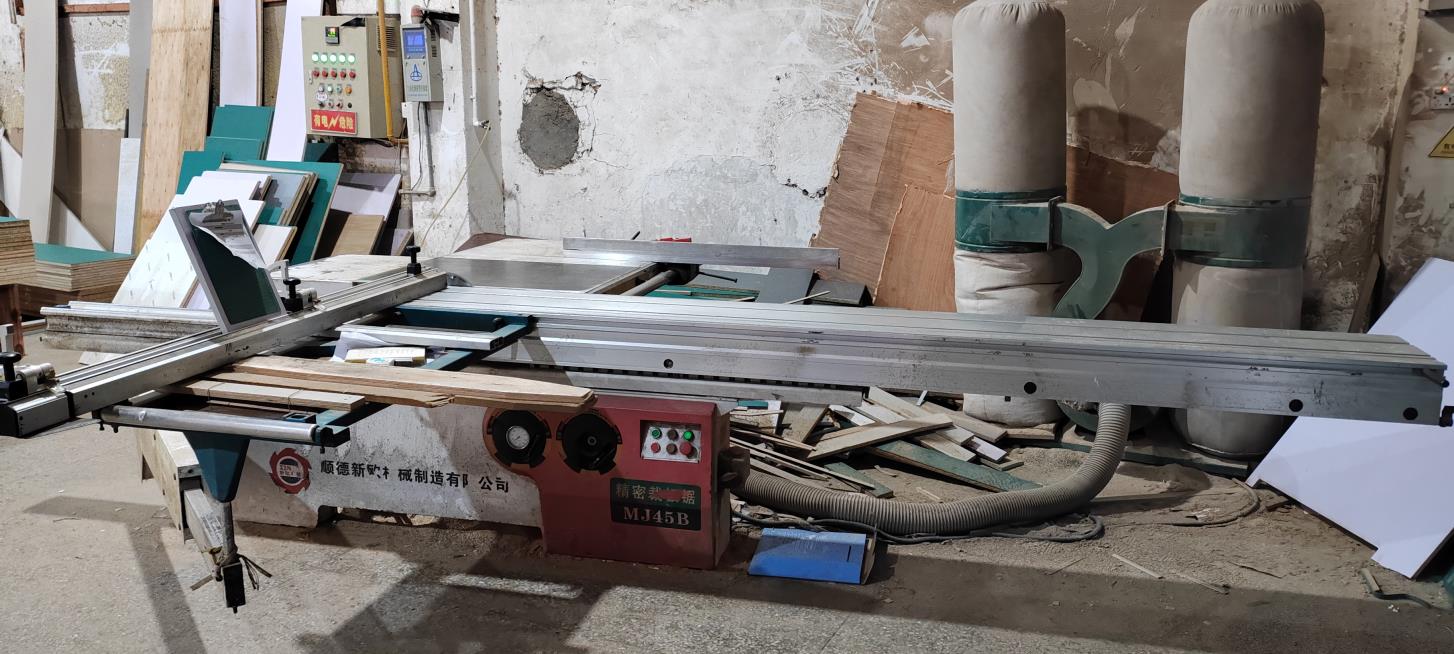
Designing structures for specialized cold storage, large-scale fulfillment centers, and intensive retail applications.
Operating in sub-zero environments presents metallurgical challenges. Standard carbon steel can experience low-temperature embrittlement, increasing the risk of structural failure under load. Our specialized cold storage structural racks utilize low-temperature impact resistant steels, such as Q345D/E, and protective hot-dip galvanized finishes.
These engineering measures prevent structural oxidation in environments with high humidity and temperature variations. Furthermore, the high-density layout configurations of our stacking racks optimize airflow circulation in blast freezers, reducing energy consumption while maintaining uniform temperatures across stored products.
| Temp Range: | -40°C to +5°C |
| Zinc Thickness: | ≥ 85 μm (Galvanized) |
| Design Code: | EN 15635 & FEM 10.2.02 |
Fast-moving logistics hubs require rapid turnover rates and robust impact-resistant structures. Our heavy-duty industrial shelving integrates upright protections and deflector rails to shield structures from forklift collisions. Using finite element analysis (FEA), we model stress distributions to ensure stability under dynamic loads.
Our modular rack systems support high-density configurations, allowing integration with Automated Storage and Retrieval Systems (AS/RS). Our high dimensional accuracy prevents mechanical jamming during robotic picking and replenishment cycles.
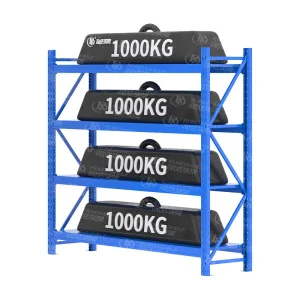
| Standard Load: | 500kg - 1500kg per level |
| Structural Testing: | FEM load deflection tests |
| Deflection Limit: | L / 200 of span distance |
Our commitment to engineering advancement, sustainability, and automated material handling compatibility.
We are phasing out zinc phosphate prep lines in favor of zirconium conversion coatings, reducing hazardous waste discharge by 92% and improving adhesion strength for powder coatings.
Designing pallet guides and structural bases that accommodate Autonomous Guided Vehicles (AGVs) and Autonomous Mobile Robots (AMRs), enabling automated pallet detection and handling.
Evaluating micro-alloyed structural steels that offer equivalent load capacities with reduced material thicknesses, decreasing structural weight and carbon emissions during transport.
Operating as an exporter to Western Europe, South America, and the Middle East requires adherence to local engineering regulations. From the European EN 15512 standard to the American RMI (Rack Manufacturers Institute) specifications, our designs are calculated using localized load combinations and wind load parameters.
We manage logistic steps including structural packing, seawater corrosion protection, and heavy container utilization. Working alongside our network of 1,400+ logistics and supply chain partners, we ensure all components arrive at your site on time, complete, and with the required customs documentation.
Furthermore, our 62 dedicated quality assurance professionals perform regular CMM dimensional testing, welding tests, and salt spray testing. These processes ensure that every production batch meets international quality standards.
Direct technical answers from our R&D and QA engineering team regarding design, installation, and capabilities.
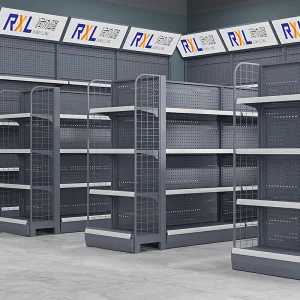
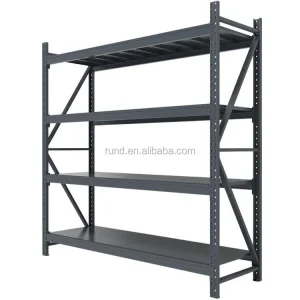
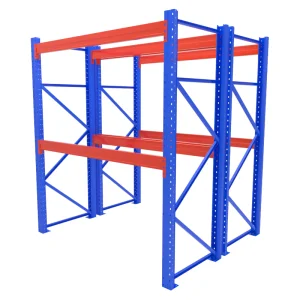
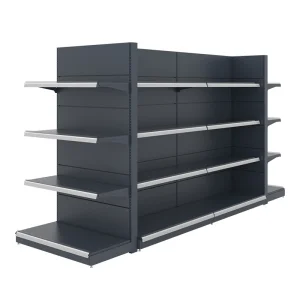
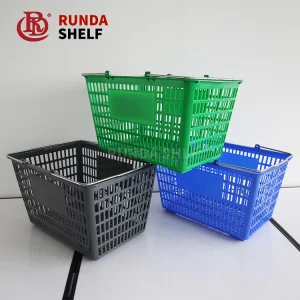
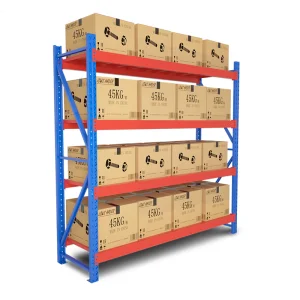
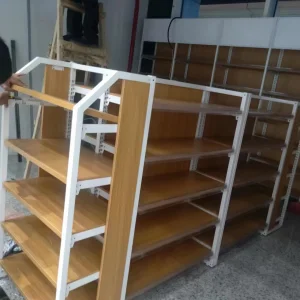
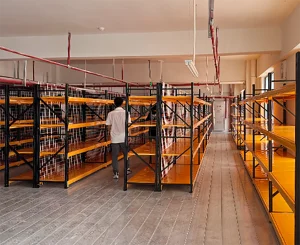
Discover our complete portfolio of heavy-duty industrial storage racks and specialized commercial shelving.
 FortisRack