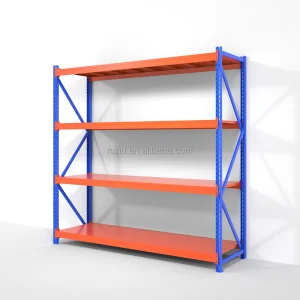
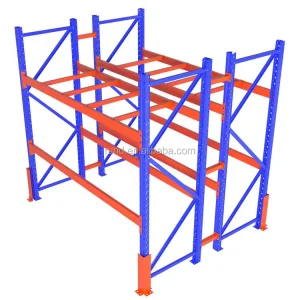
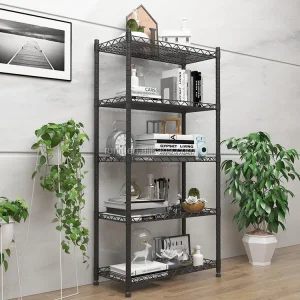
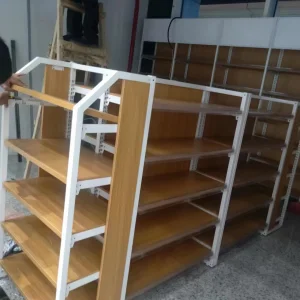
In modern industrial logistics, standard palletized racking systems fail when faced with non-standard, long-span, or ultra-heavy payloads. Storing steel bars, copper tubing, PVC piping, timber lumber, and structural sheets requires a specialized load-bearing configuration. This is where Heavy storage shelf cantilever racks establish their dominance.
Designed with single or double-sided arms branching from a central vertical column, cantilever racks eliminate front obstacles, permitting forklift operators to deposit and retrieve elongated components without axial obstruction. At Nanjing Fortis Storage Equipment Manufacturing Co., Ltd., we fuse structural civil engineering principles with advanced metallurgy to produce highly optimized, safety-compliant cantilever architectures tailored for demanding global environments.
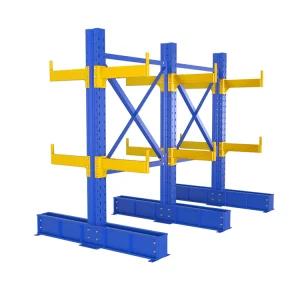
The rise of automated distribution networks, smart material yards, and localized construction depots has driven the global demand for cantilever racks. Warehouses are shifting from horizontal stacking towards vertical volume utilization. Industrial developers in Europe, North America, and the Middle East prioritize seismic resilience, load capacity validation, and rust prevention in high-humidity or cold-room settings.
Industries processing metallic piping, extrusions, structural wood, and automotive frameworks rely on structural cantilever columns. Because these products feature varying dimensions, having adjustable arms spaced at variable configurations minimizes structural sagging and mechanical strain. Heavy machinery sectors deploy cantilever configurations as vertical rack frames to interface directly with overhead bridge cranes.
Historically, localized small-scale metal shops fabricated cantilever frames using manual processes. However, as global safety regulations (such as the Rack Manufacturers Institute (RMI) standards in the US, and FEM 10.2.09 in Europe) become stricter, enterprises must source racking certified by global inspections. Heavy storage shelf cantilever rack manufacturers must perform rigorous stress testing, weld fatigue analysis, and anchor security calculations to prevent disastrous warehouse tipping incidents.
China is the global leader in heavy-duty structural steel fabrications. Nanjing, serving as the central industrial hub for logistics and warehousing technologies, combines deep supply chain integration with metallurgical scale. Nanjing Fortis Storage Equipment Manufacturing Co., Ltd. sits at the heart of this manufacturing ecosystem. We combine direct access to grade-A domestic steel (like Q235B and Q355B structural grades) with automated processing technologies to achieve economies of scale unmatched by Western regional fabricators.
Raw Material Traceability: Every structural column and load arm originates from certified mill runs with comprehensive chemistry reports.
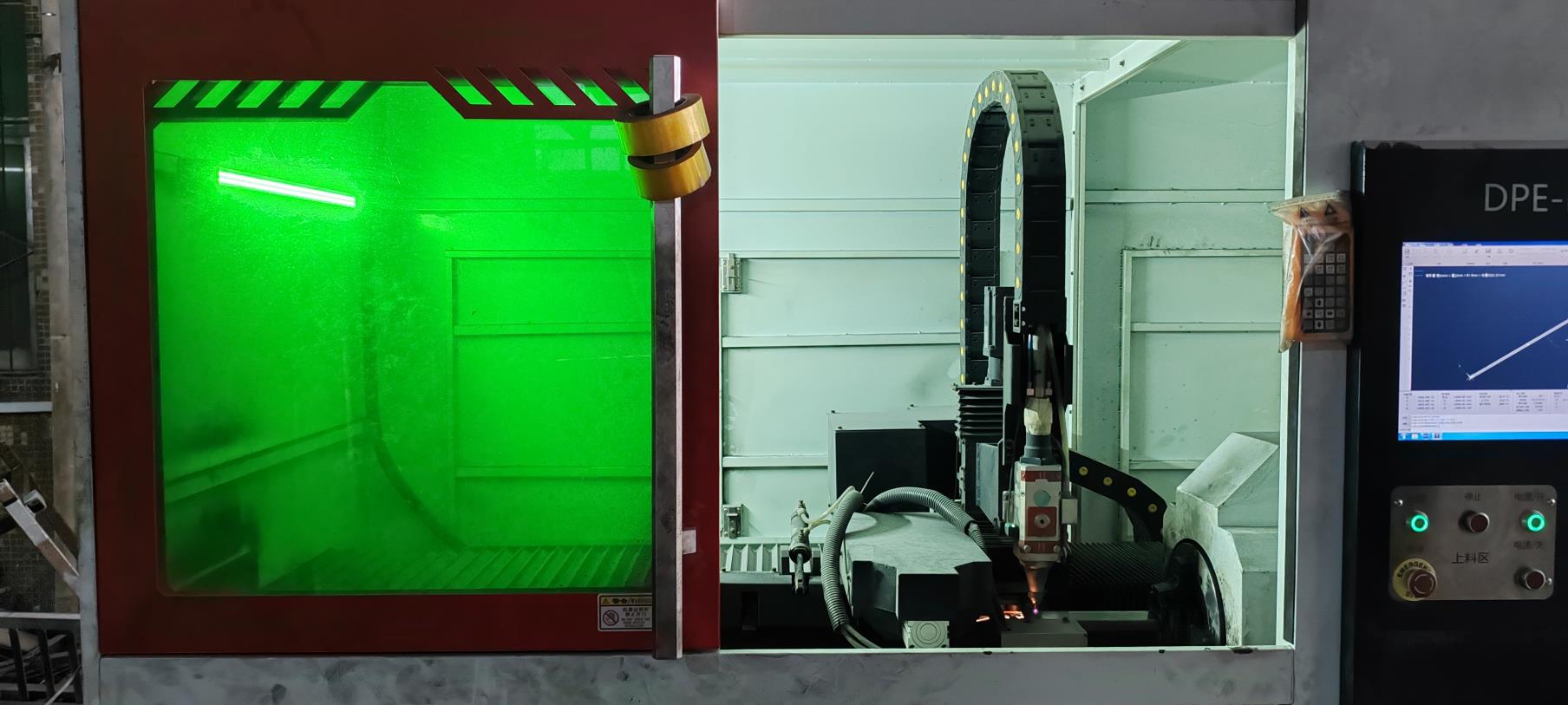
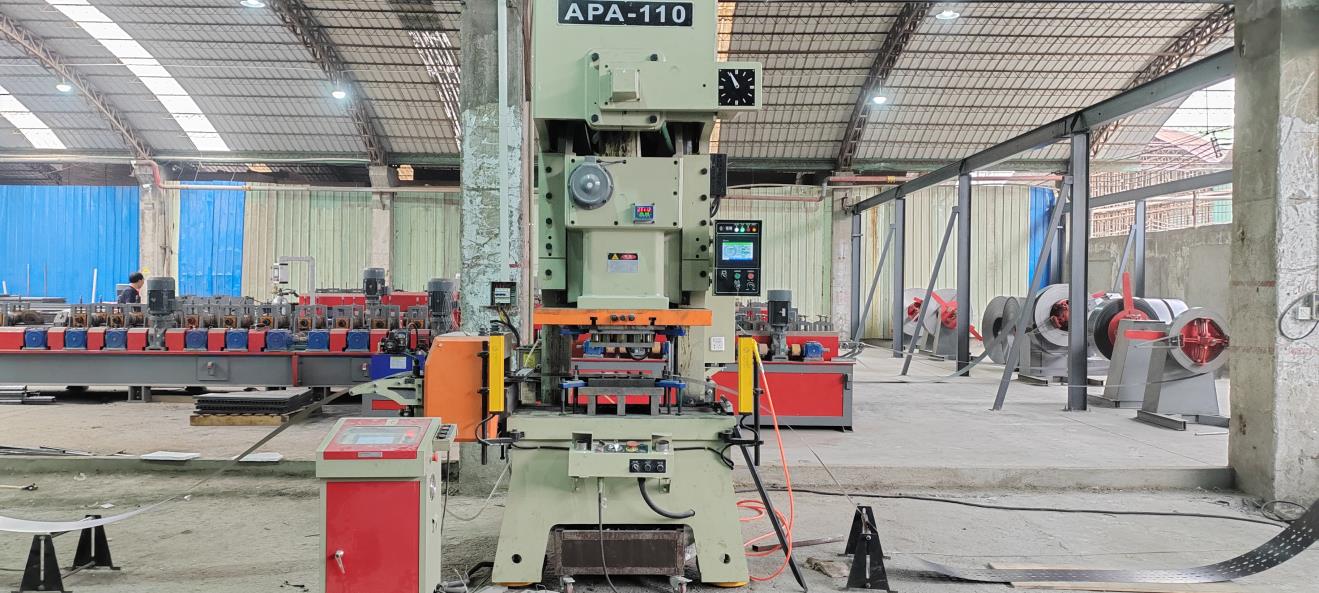
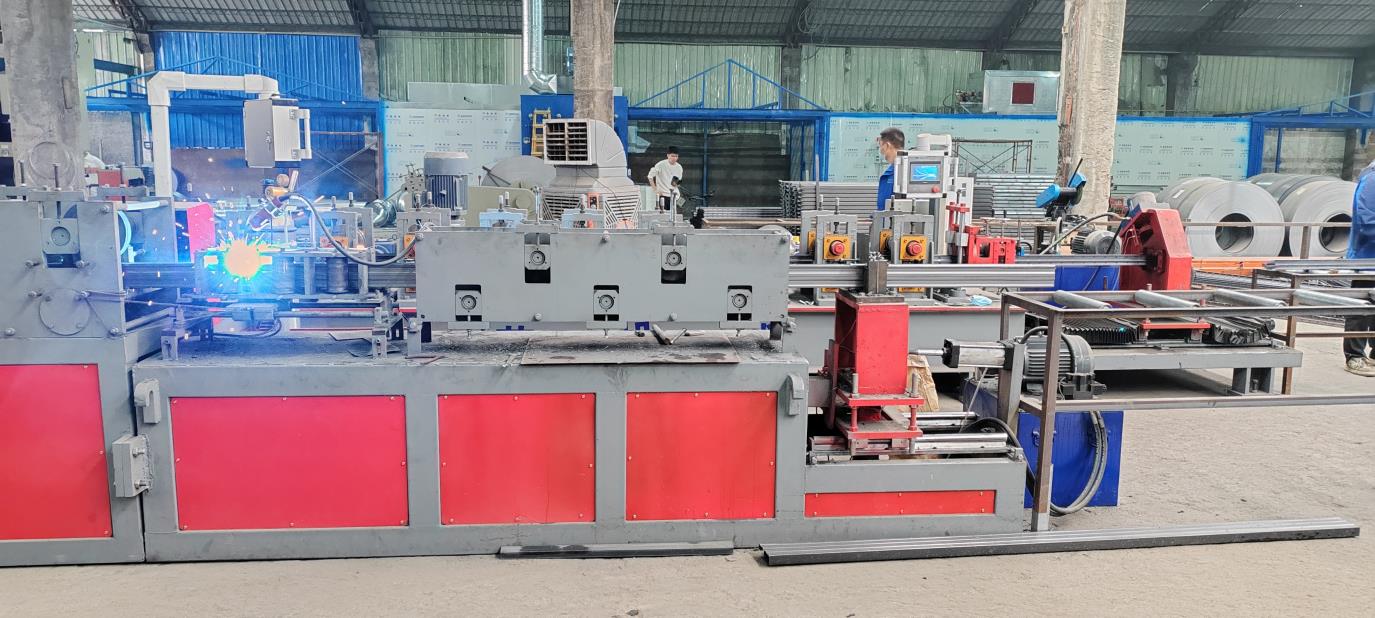
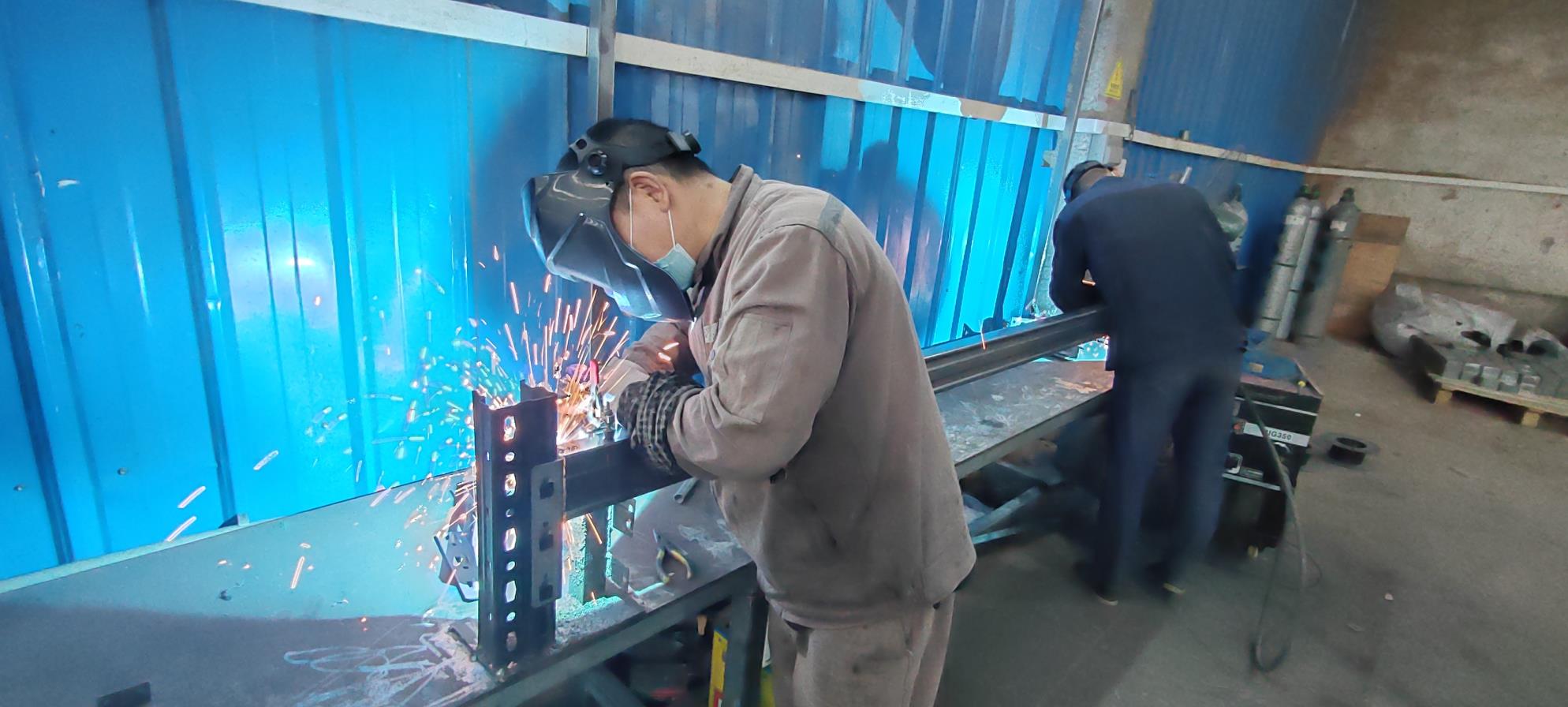
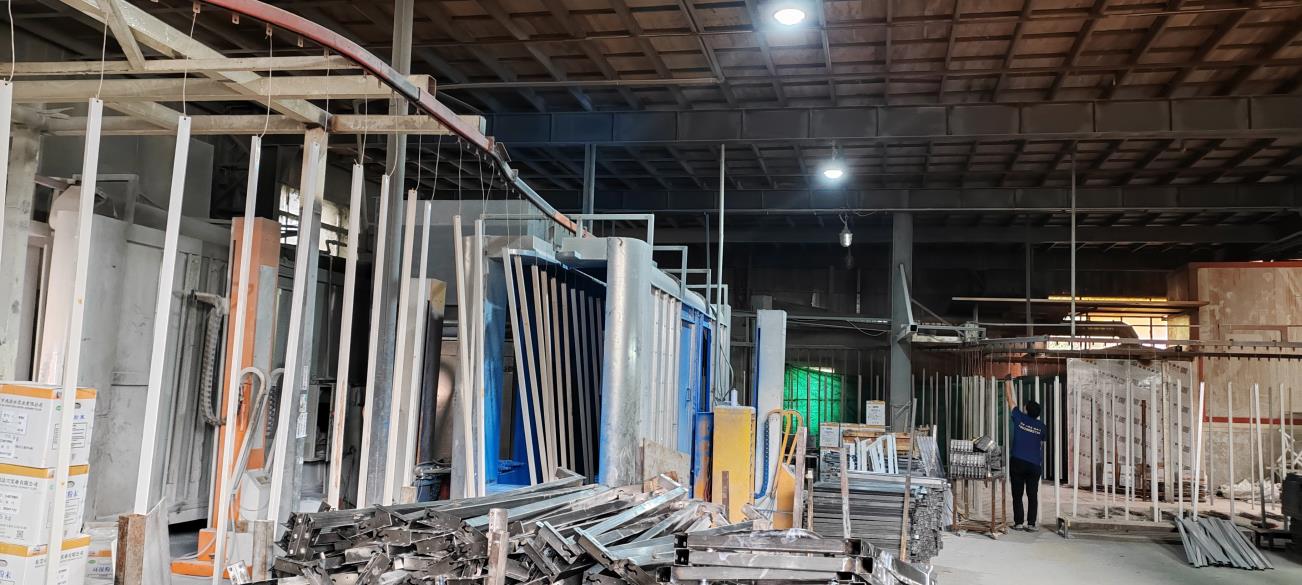
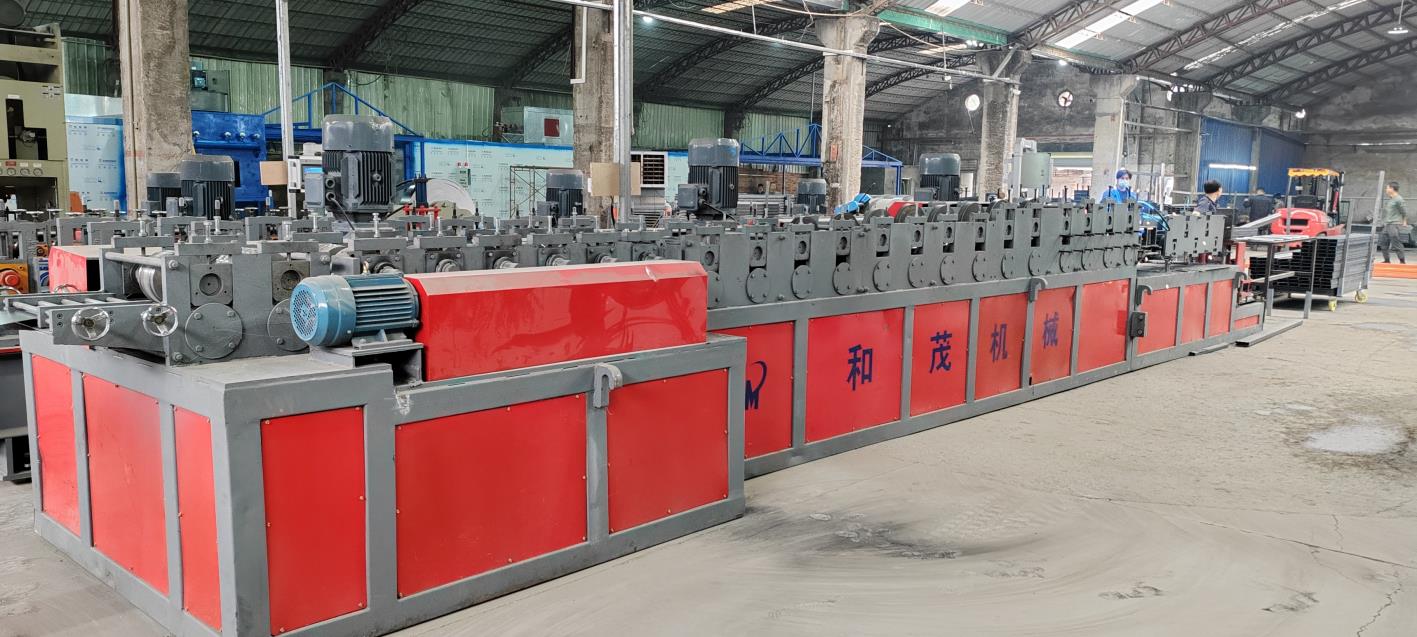
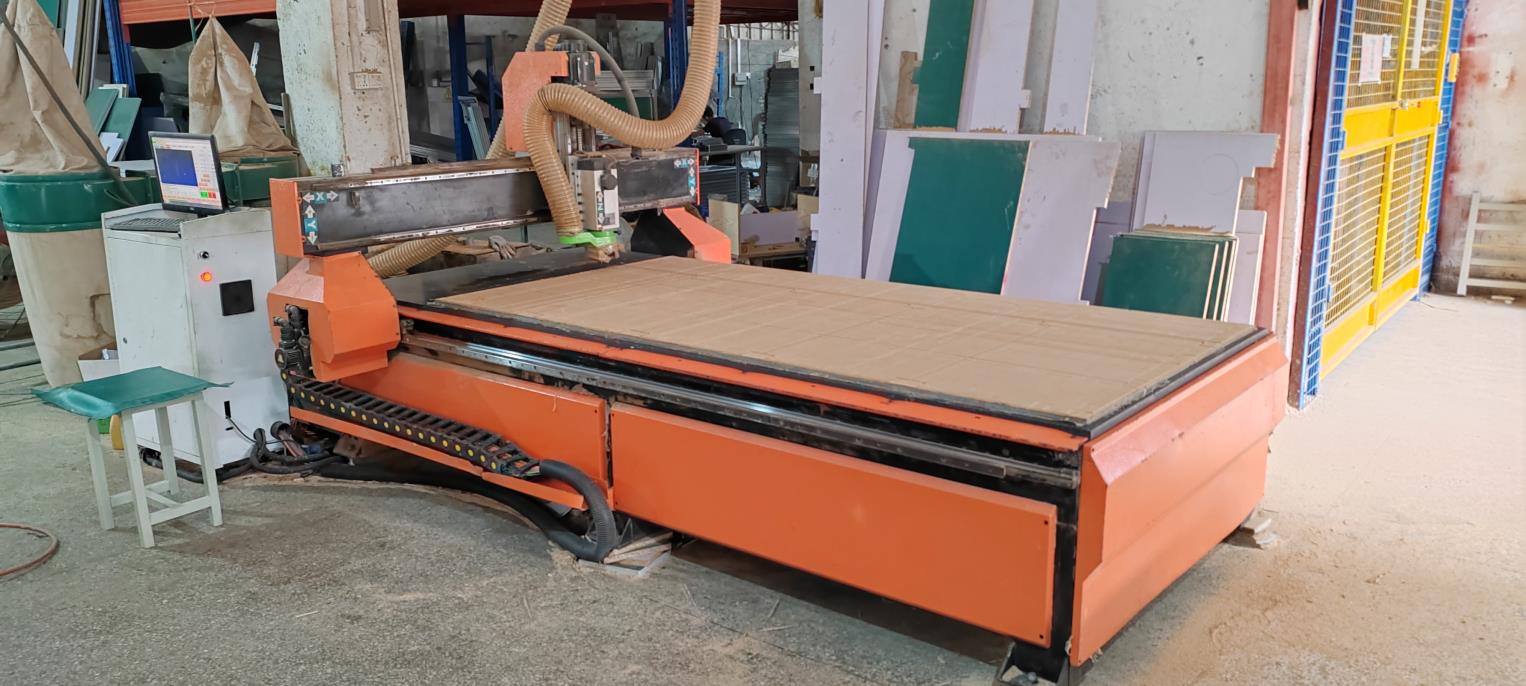
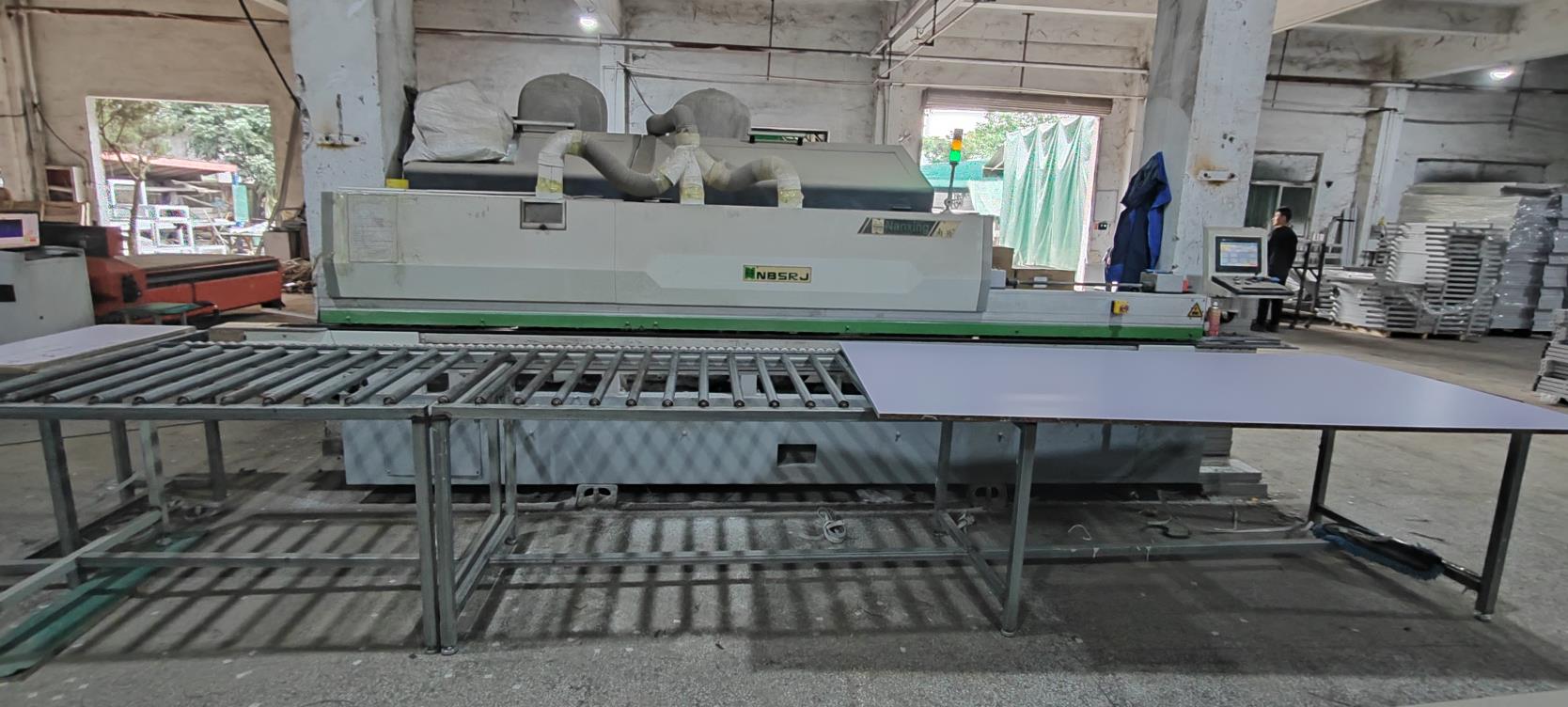
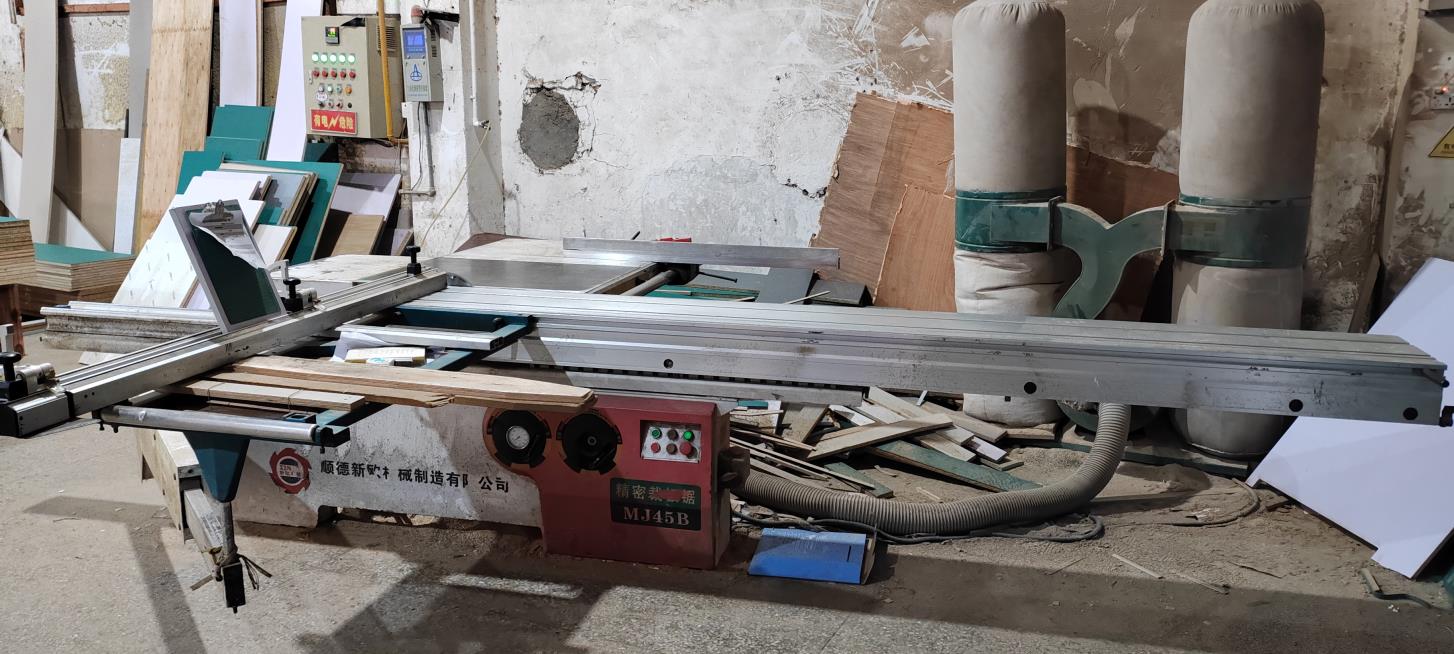
Advanced Production Lines: We utilize state-of-the-art laser cutters, automatic robotic welders, and eco-friendly electrostatic powder-coating baking lines that apply durable coatings resisting scratching, humidity, and chemical abrasion.
Rigorous QA Auditing: Led by 62 full-time QA professionals, we perform 100% automated Coordinate Measuring Machine (CMM) dimensional checks and routine salt-spray testing to verify long-term anti-corrosive properties.
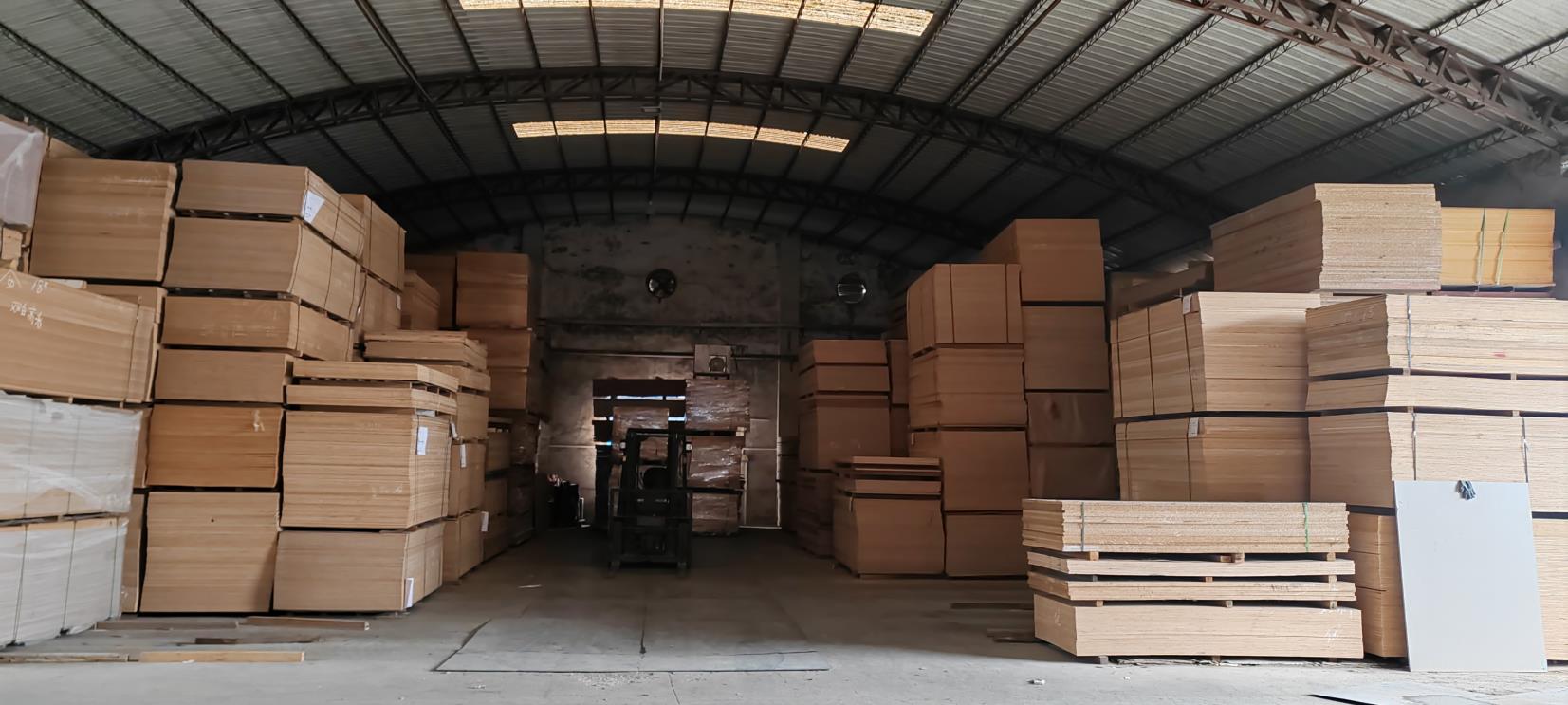
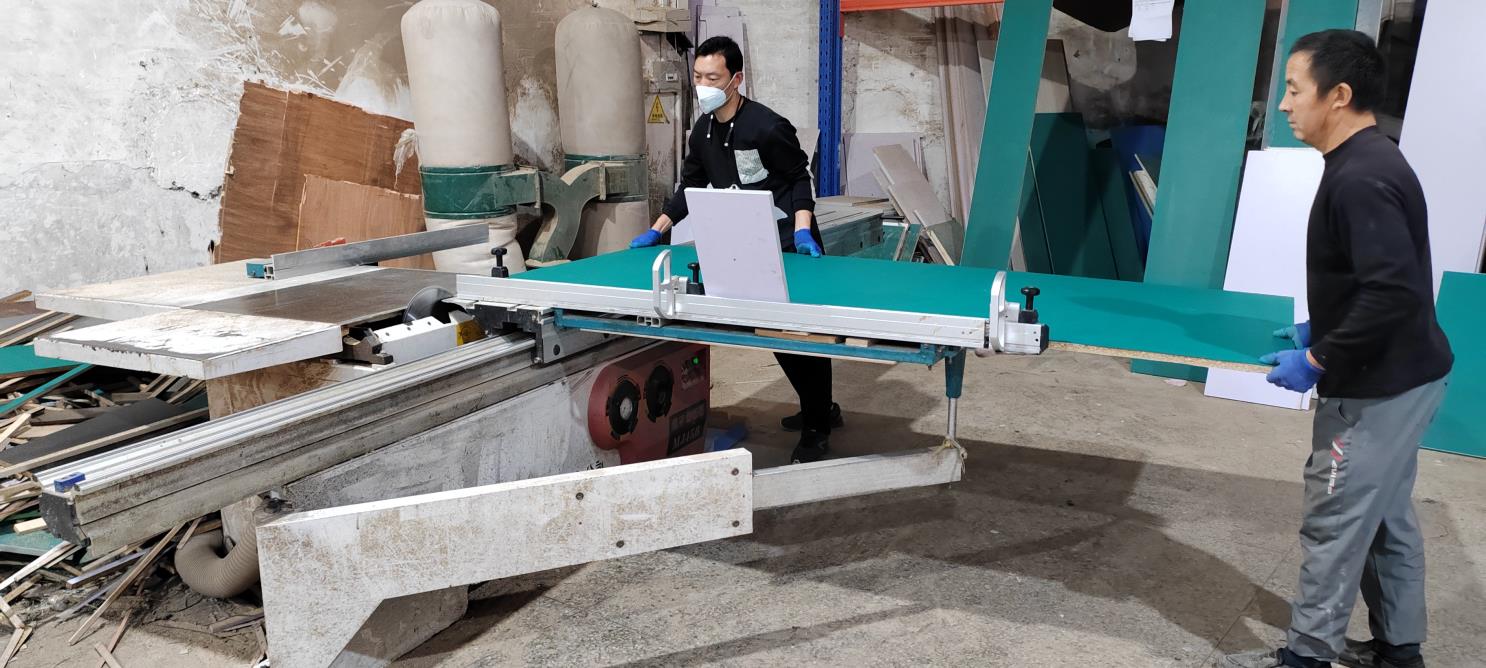
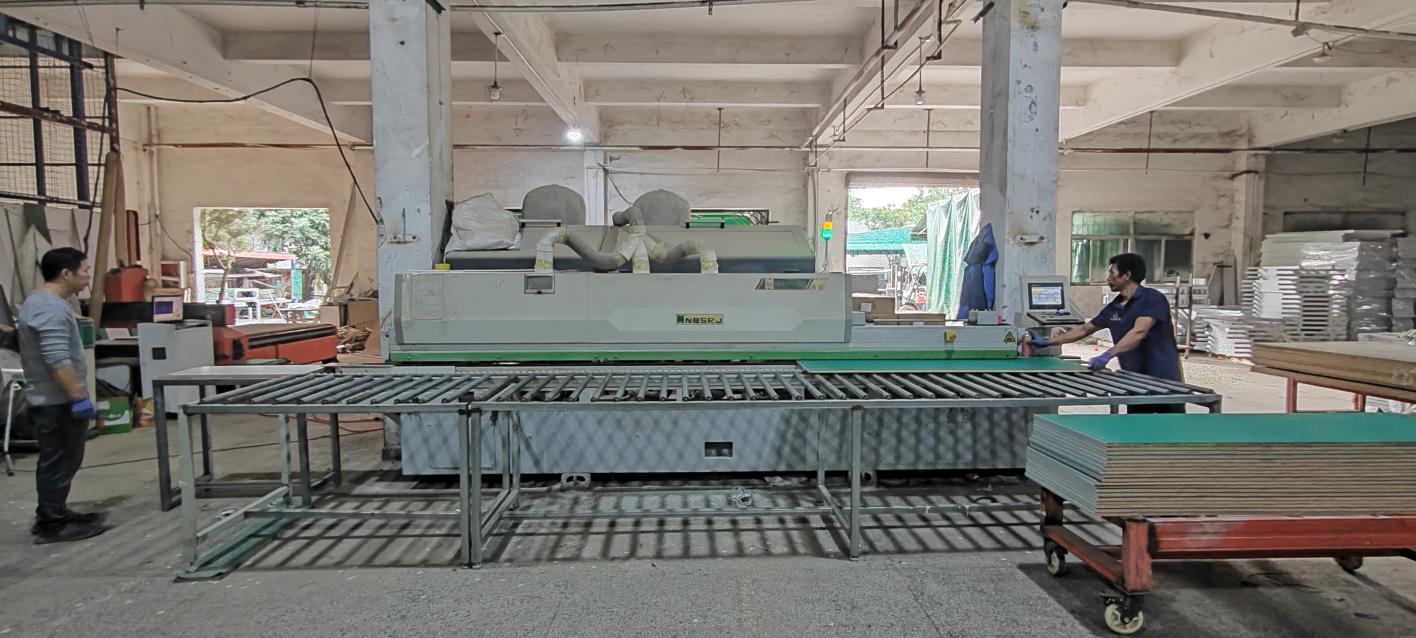
Explore our step-by-step production flow and high-precision machinery park. Each stage is strictly monitored under ISO14001 and TUV guidelines.
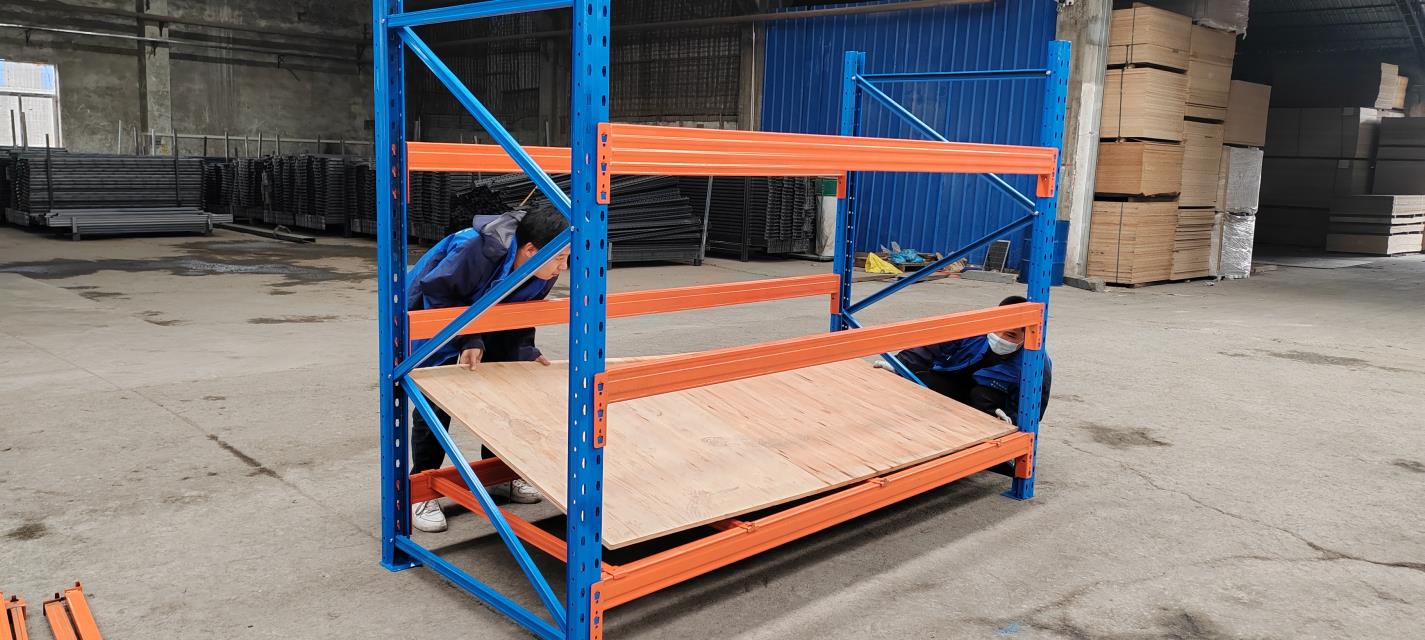
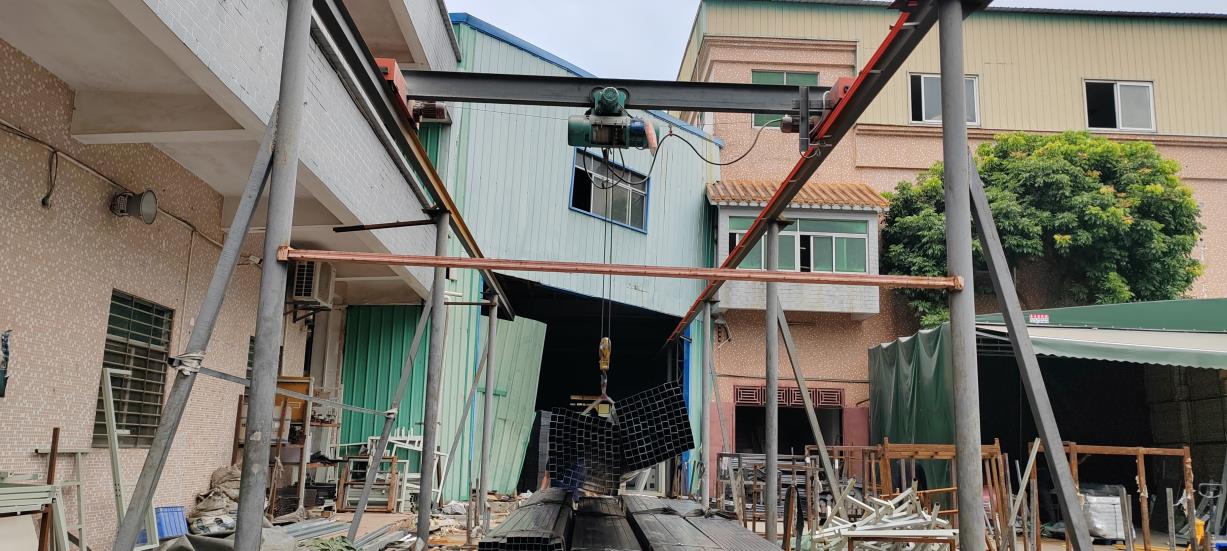
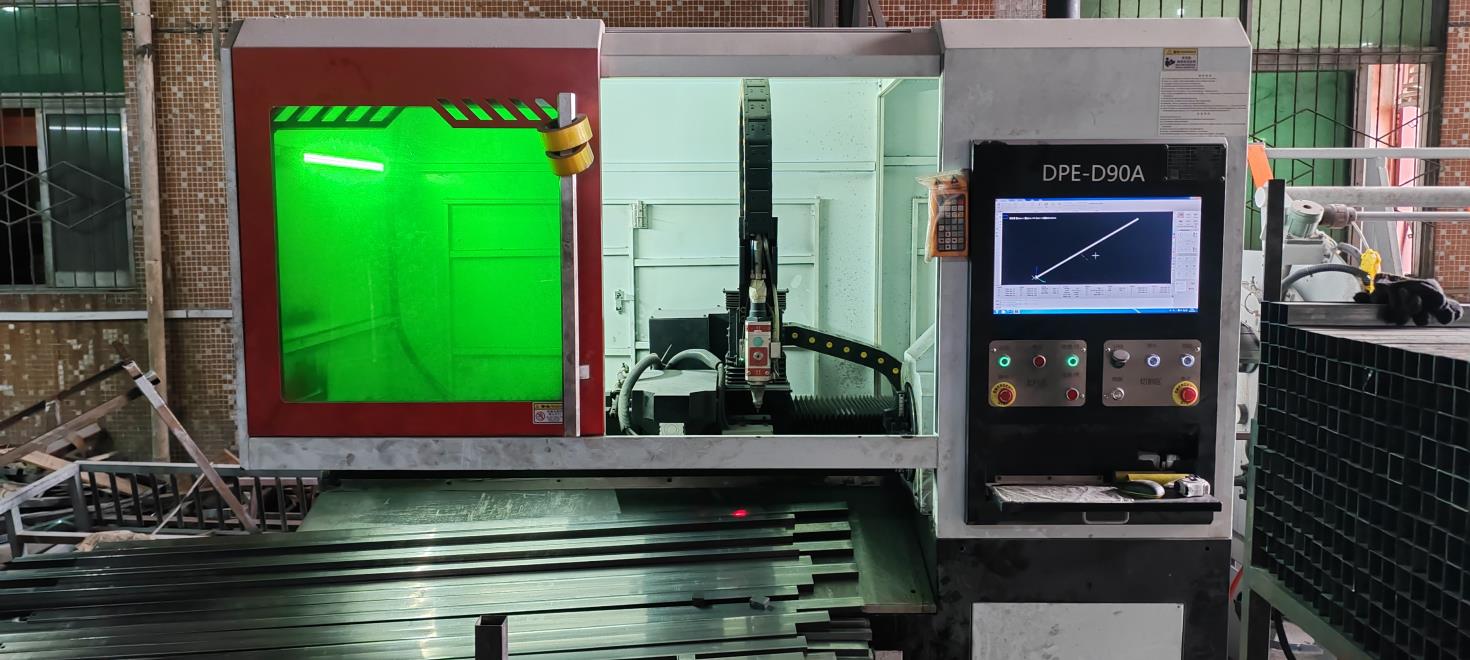
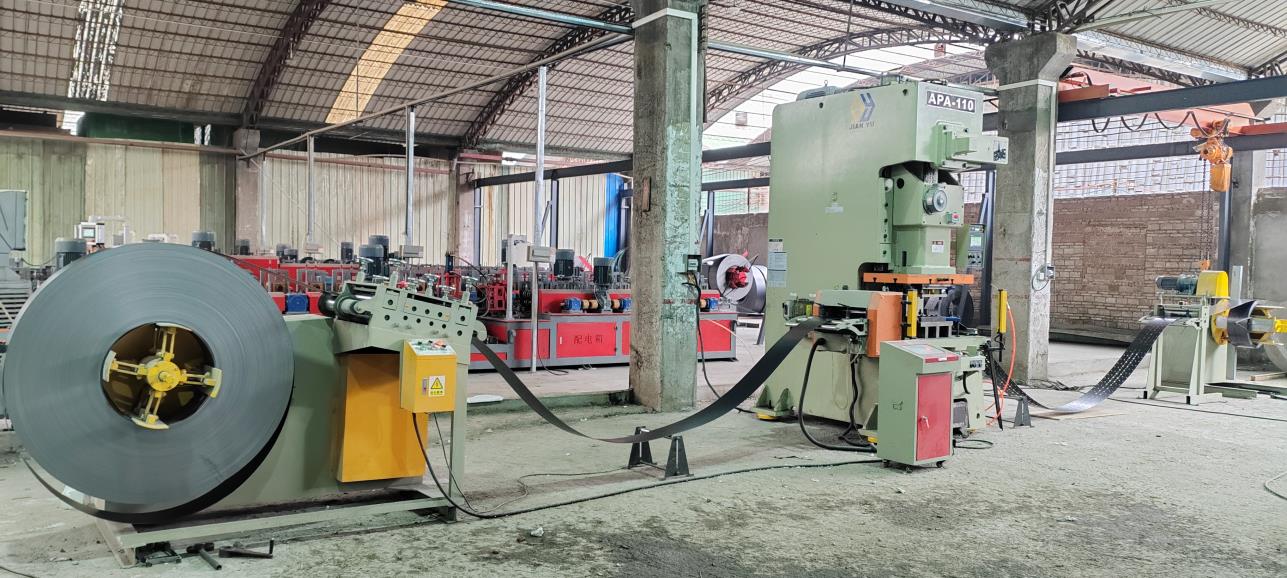
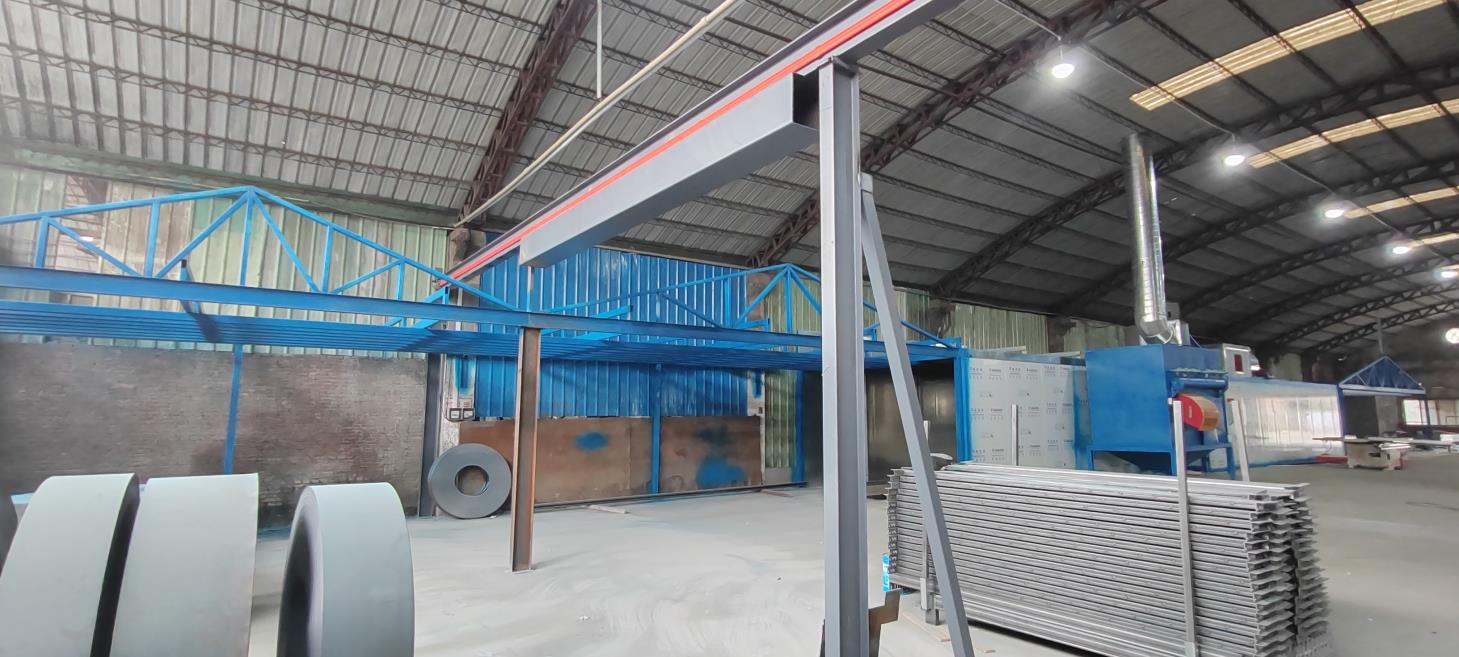
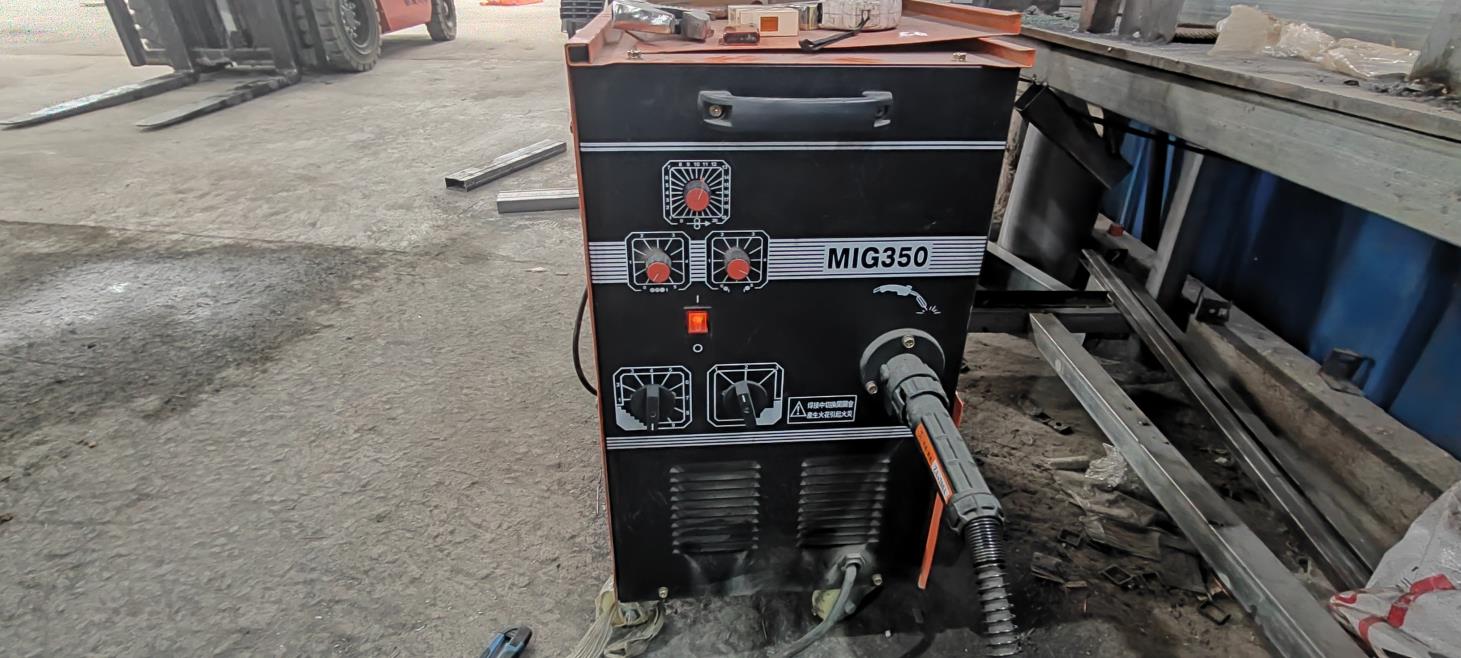
In regions like Germany, France, and the UK, compliance with EN standards is essential. Warehouse managers demand structural calculations proving deflection ratios within precise tolerances (often L/200 or tighter). Fortis designs structures that accommodate narrow-aisle environments, matching standard material handling forklifts (like side-loaders) perfectly.
With high seismic activity along the Andes, warehouses in Chile and Peru require cantilever bases to withstand horizontal ground accelerations. Nanjing Fortis engineered bases feature thicker bottom plate structures, heavy-duty anchors, and high-tensile bracing to safeguard inventory and personnel during tremors.
High humidity and saline environments cause rapid oxidation of low-grade steel. Our hot-dip galvanized (HDG) coating options withstand harsh environmental exposure, keeping outdoor steel distribution yards rust-free and structurally sound for decades.
Maintaining structural integrity at sub-zero temperatures requires steel that avoids cold-temper embrittlement. Nanjing Fortis sources customized alloys specifically normalized to maintain high-impact resilience in deep-freeze food production environments.
1. Integration with Automated Storage and Retrieval Systems (ASRS): As labor costs rise globally, manual forklift operations are transitioning to automated stacker cranes. Cantilever systems are being redesigned with tight dimensional tolerances, allowing robotic grippers to retrieve tubes and bars with sub-millimeter precision.
2. Ecological Surface Treatments: The industrial coating industry is shifting from traditional solvent-based processes to eco-friendly, zero-VOC electrostatic powder baking. This reduces environmental impact and enhances surface adhesion to prevent rust under heavy wear.
3. Advanced Structural Optimization: Real-time Finite Element Analysis (FEA) allows engineers to reduce structural weight without sacrificing load-bearing capacity. Nanjing Fortis's design team utilizes advanced simulation software to optimize steel distribution across structural columns, passing structural savings to the buyer.
Procuring industrial racking requires assessing technical capabilities rather than just negotiating price. B2B buyers should evaluate the following key parameters when sourcing heavy-duty cantilever racks:
Load Capacity Calculations: Arm capacity must match structural column limits. Overloading a single arm tier can warp columns even if total system capacity is not exceeded.
Arm Design (Straight vs. Inclined): Inclined arms prevent cylindrical stock (like steel pipes) from rolling off. End-stops can be welded or pinned for added safety.
Seismic Risk Factors: Local seismic hazard values (Ss and S1 ratings) dictate baseplate dimensions and anchorage depths, which must be certified by structural engineers.
Clear Opening Clearance: Account for vertical arm thickness and forklift hook clearance to prevent lift trucks from striking and damaging arms during retrieval.
 FortisRack