In modern retail space management, the choice of shelving infrastructure represents a critical intersection of commercial logistics, interior architecture, and risk management. As product configurations trend toward high-volume density and bulk SKUs—particularly in hypermarkets, grain and oil operations, and mixed wholesale centers—the demand for engineered heavy supermarket shelves has reached unprecedented levels. Operating at this technical vanguard requires structural manufacturing expertise that transcends traditional light-gauge wire formations.
Established in 2016, Nanjing Fortis Storage Equipment Manufacturing Co., Ltd. has spent over a decade defining industrial racking safety parameters. Leveraging a state-of-the-art 48,000 m² modern manufacturing plant, our organization operates at the nexus of high-precision metallurgical fabrication and global supply chains. Guided by 10 years of deep racking structural R&D and 7 years of integrated international trade execution, we deliver optimized retail display solutions that balance aesthetic compliance with industrial safety tolerances. With an annual export turnover of $35 million, Nanjing Fortis is an authoritative, direct-factory supplier serving Western Europe, South America, the Middle East, and beyond.
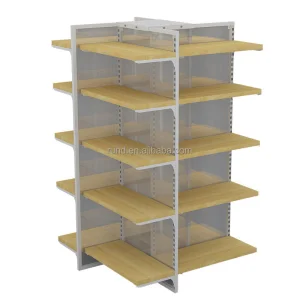
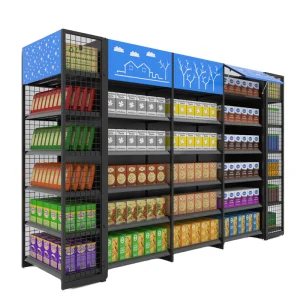
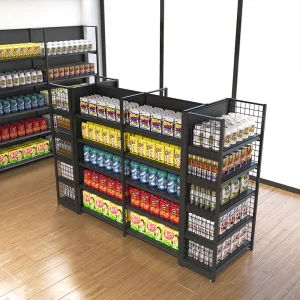
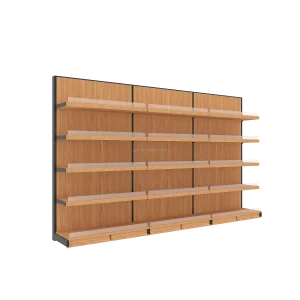
Bespoke Engineering Capabilities: Backed by an experienced engineering department of 80 structural design specialists, Nanjing Fortis released over 350 custom configurations last year alone, focusing on high-density cold-rolled structural shapes, localized seismic compliance, and advanced multi-material integration (including hybrid real-wood facades and heavy wire mesh backings).
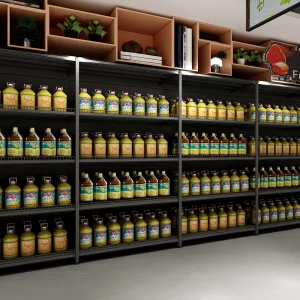
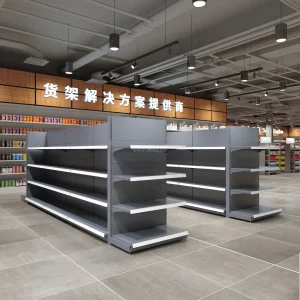
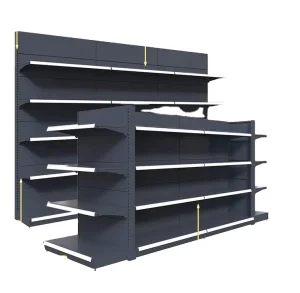
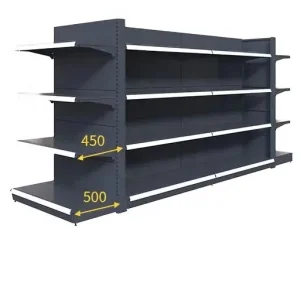
Global hypermarket layout optimization is no longer simply about visual product alignment; it has become an exercise in supply chain integration. The modern retail space behaves as a dual-functioning zone: a front-end showroom and a decentralized warehouse. The concept of high-density back-stock display demands that modern heavy supermarket shelves carry vertical weight tolerances that were historically reserved for industrial warehouse pallets. Utilizing advanced gondola setups allows hypermarket operators to consolidate inventory directly onto the sales floor, minimizing back-of-house storage footprints and accelerating replenishment logistics.
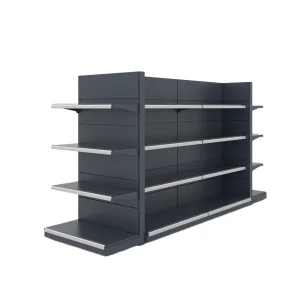
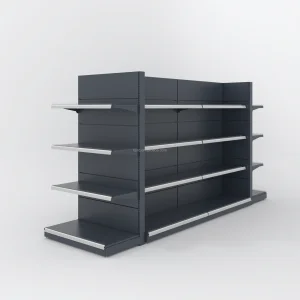
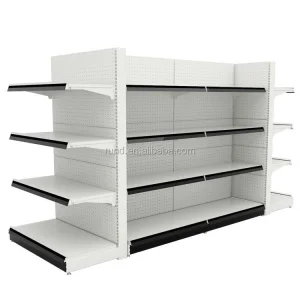
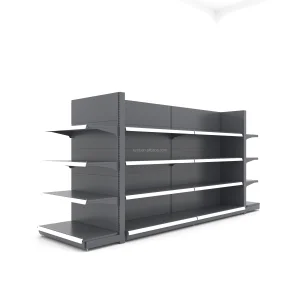
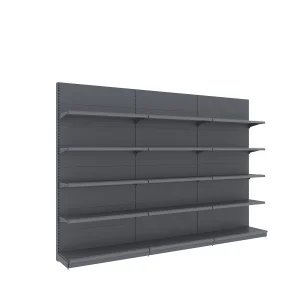
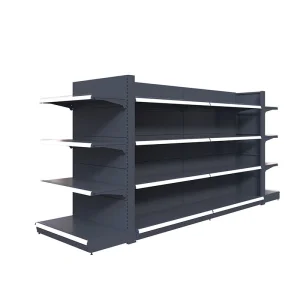
When engineering high-load gondola runs, structural calculations must account for static gravity loads, dynamic accidental impacts from shopper trolleys, and lateral forces induced by seismic events. Our double-sided steel gondolas integrate rigid multi-bend upright configurations (incorporating complex box-section profiles) that deliver high torsional rigidity. This architectural strategy reduces dynamic sway and maintains precise vertical plumblines under uniform distributed load (UDL) capacities scaling from 120kg up to 350kg per shelf level.
We control every stage of fabrication to guarantee mechanical consistency and absolute safety standard alignment.
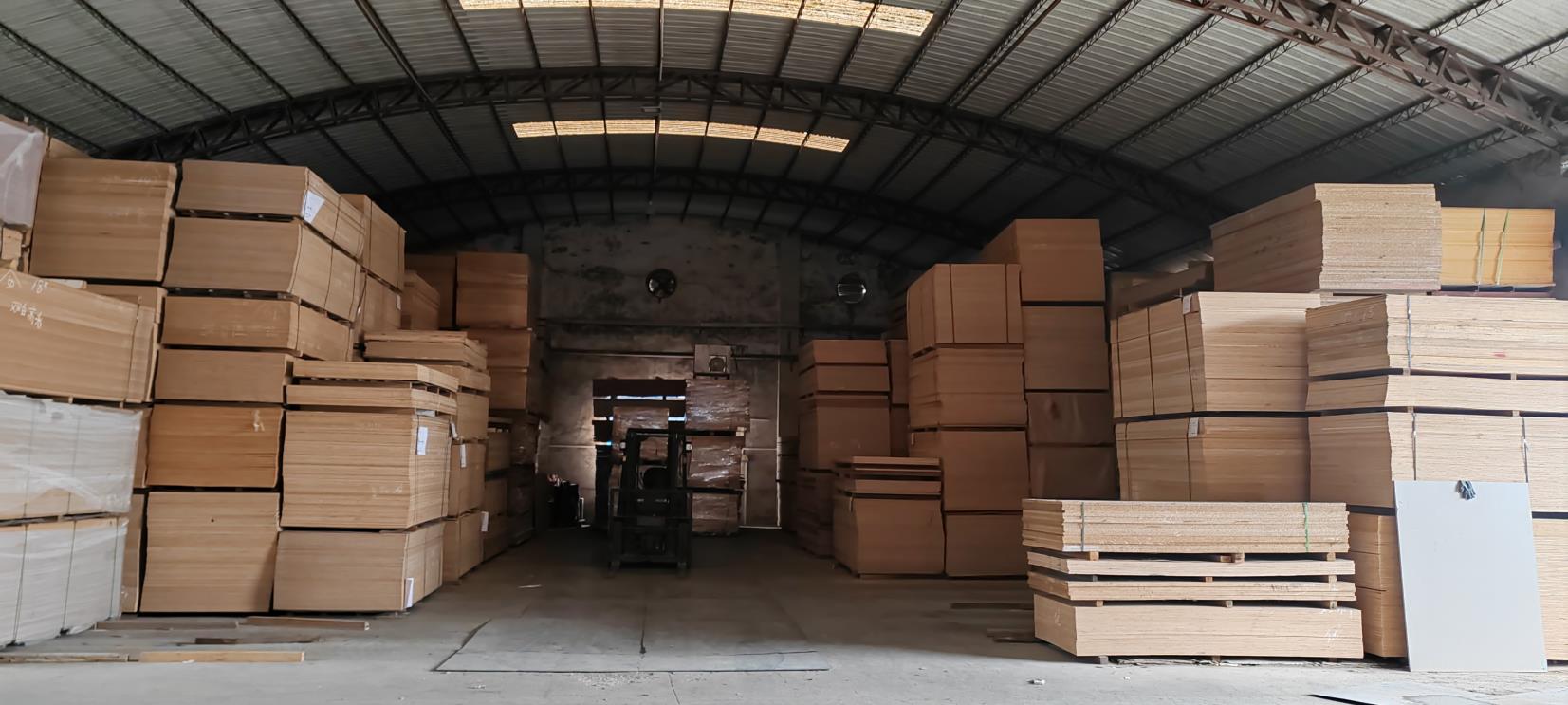
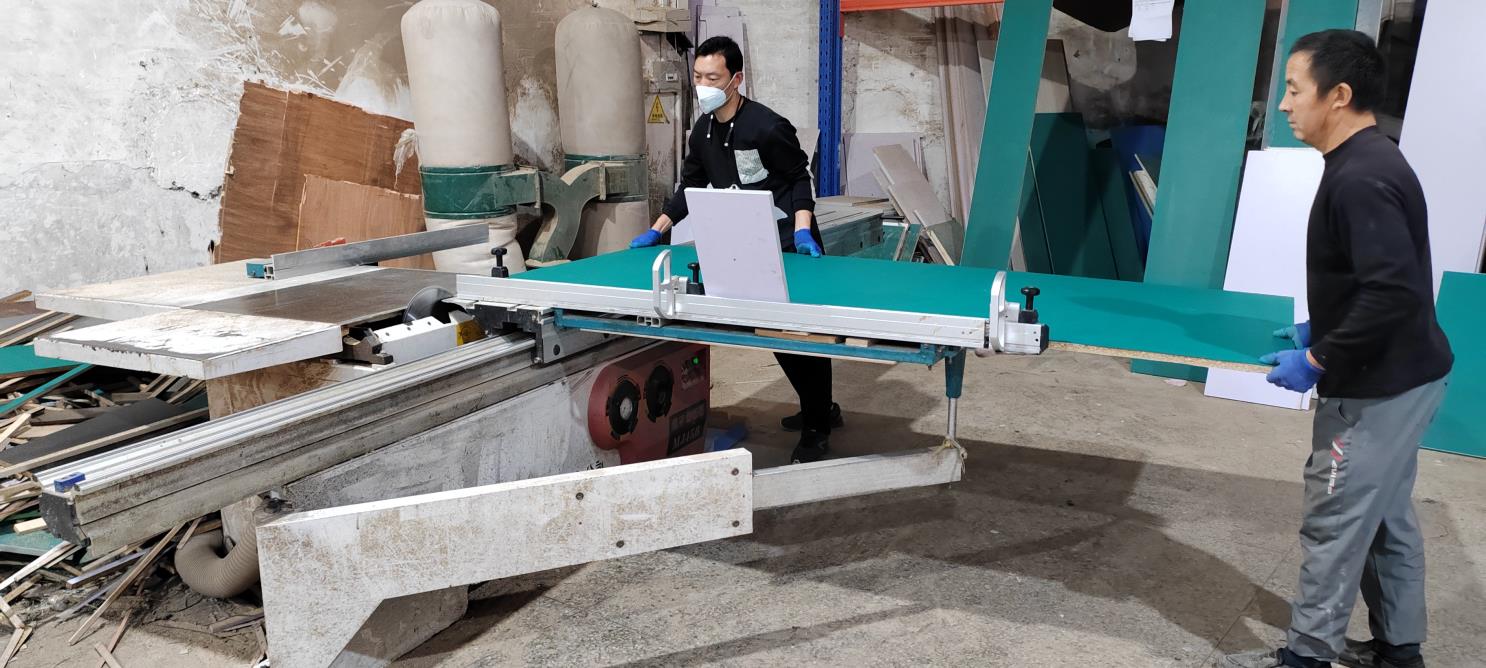
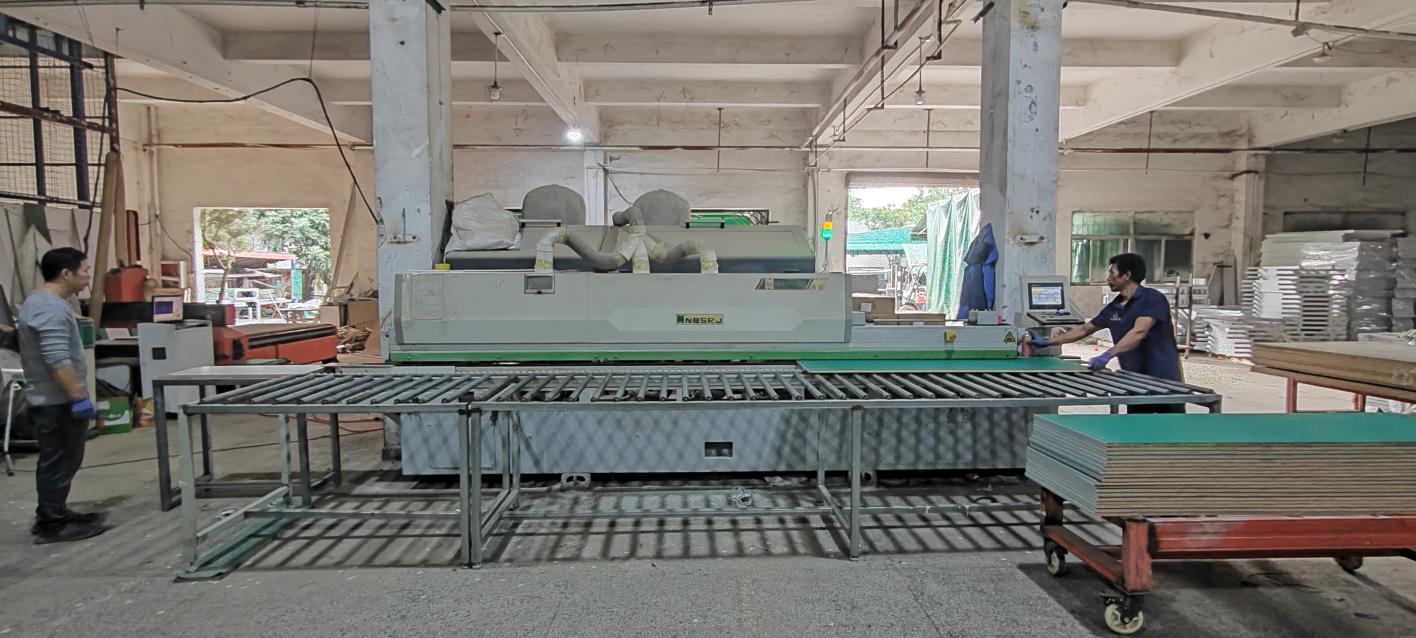
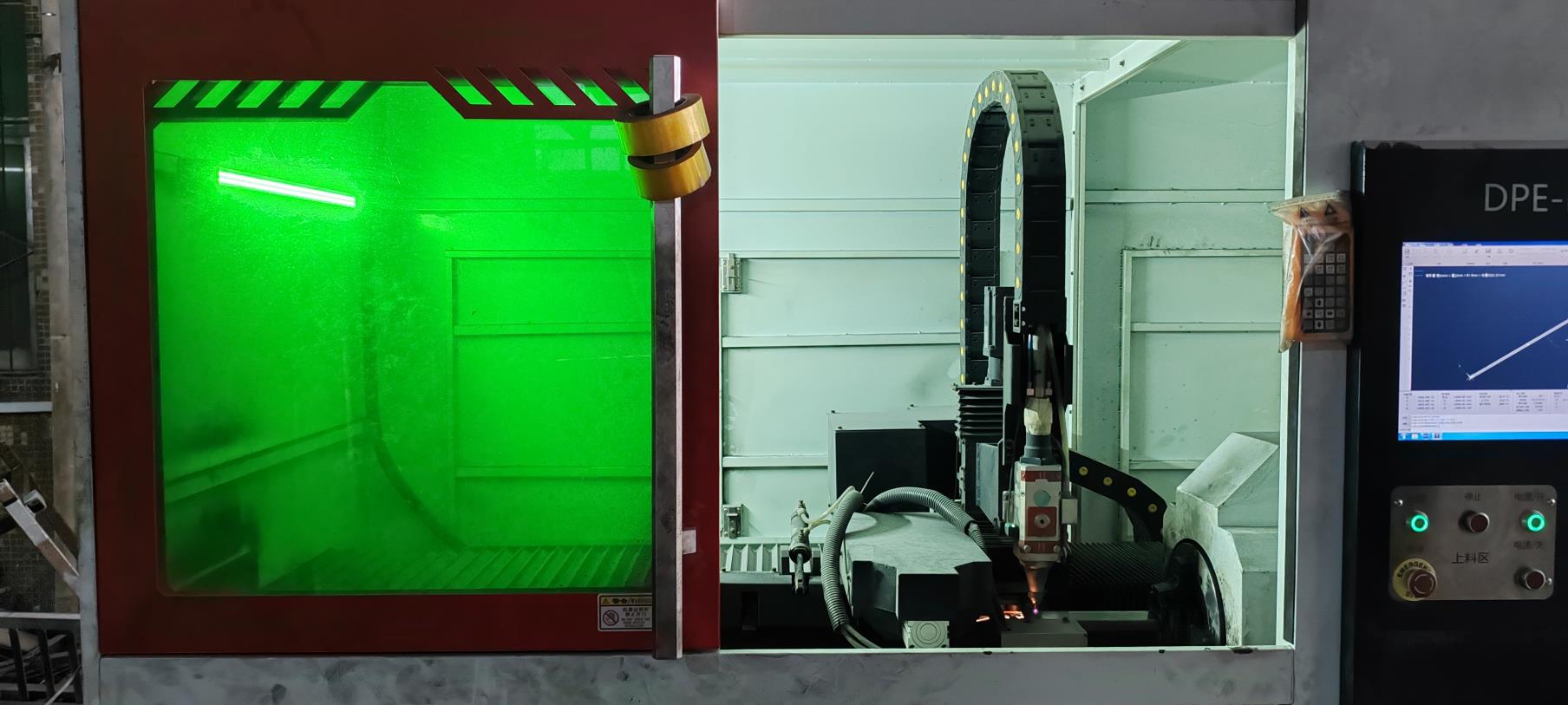
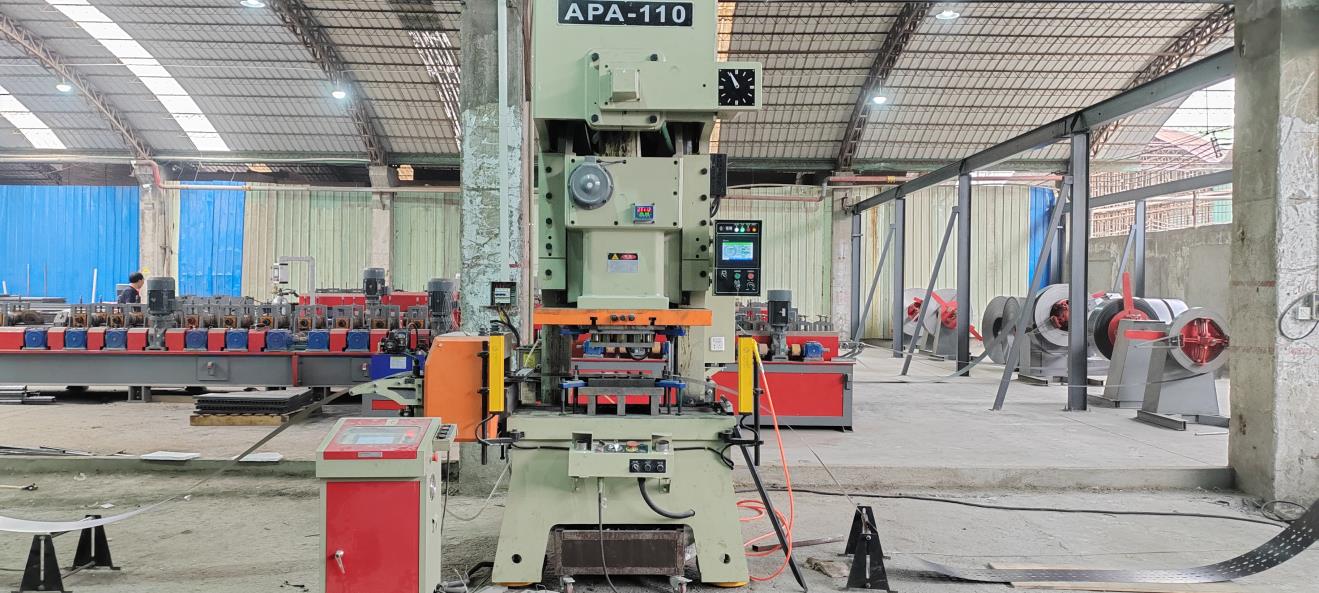
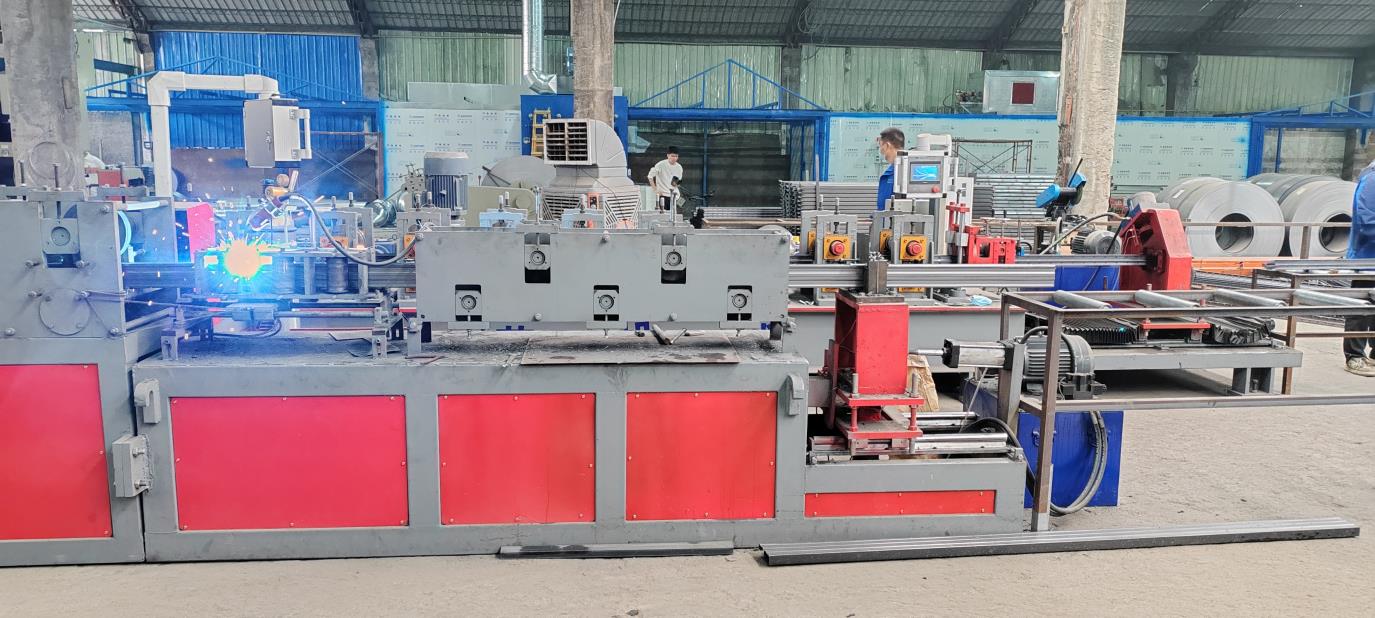
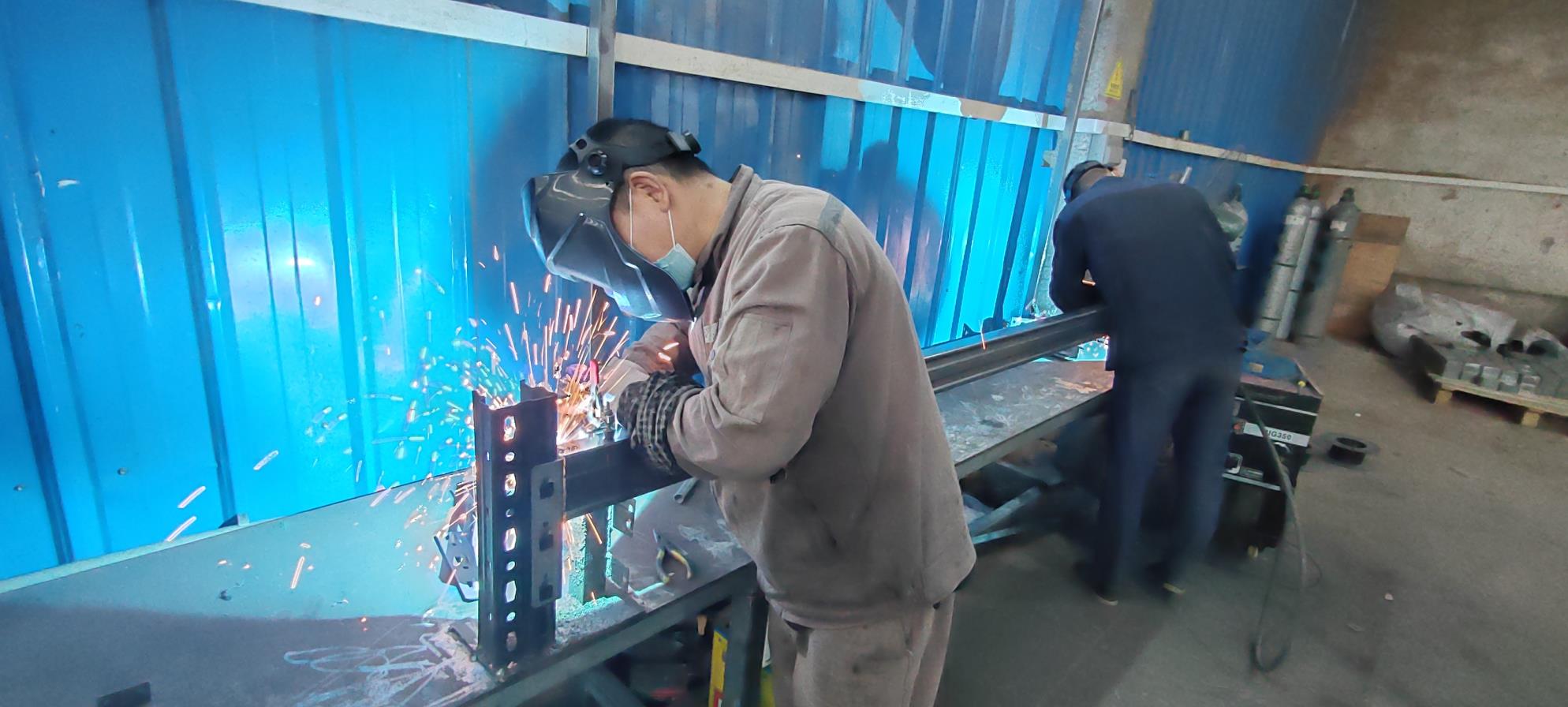
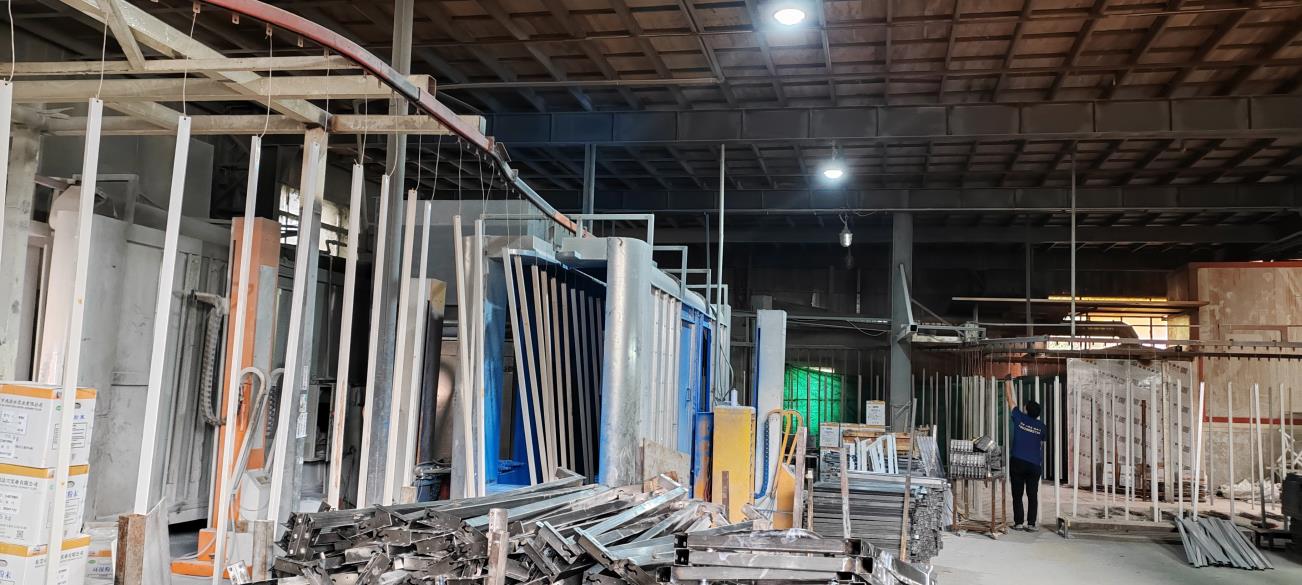
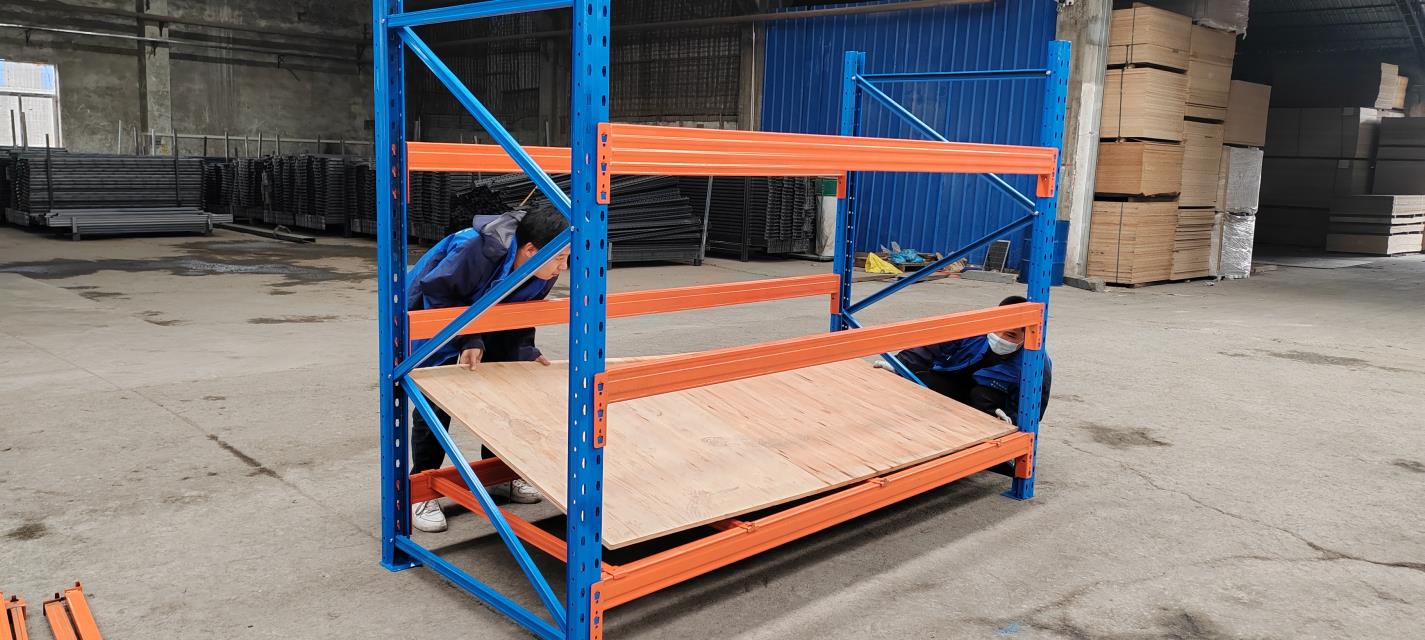
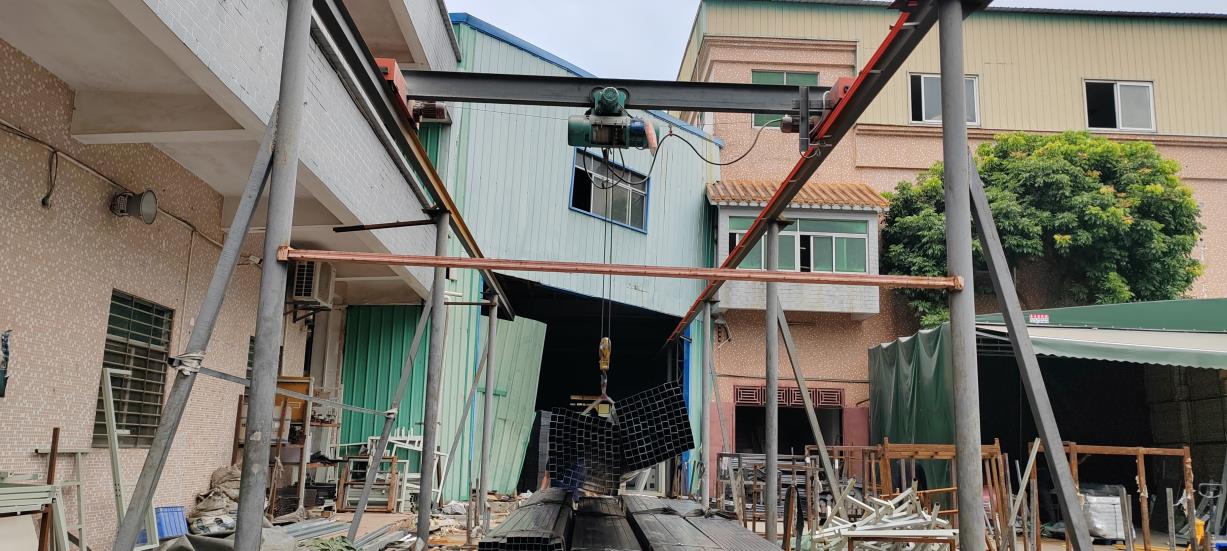
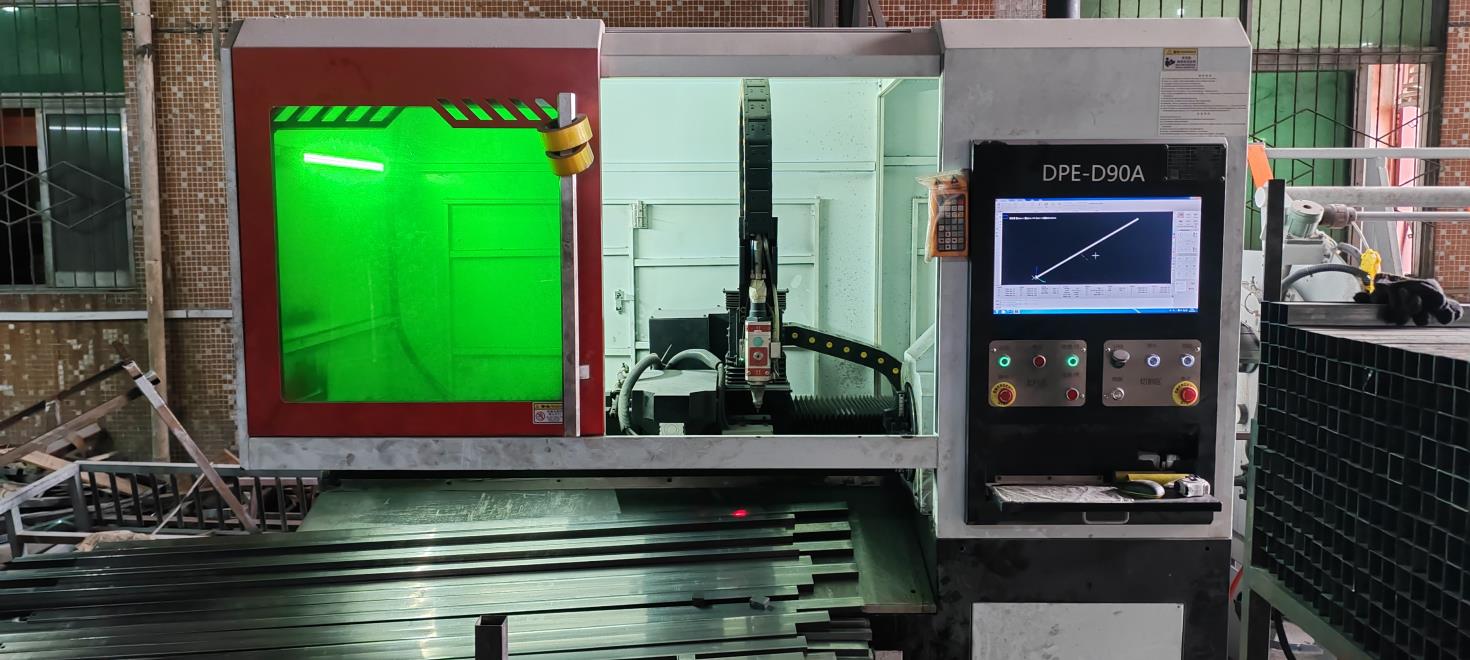
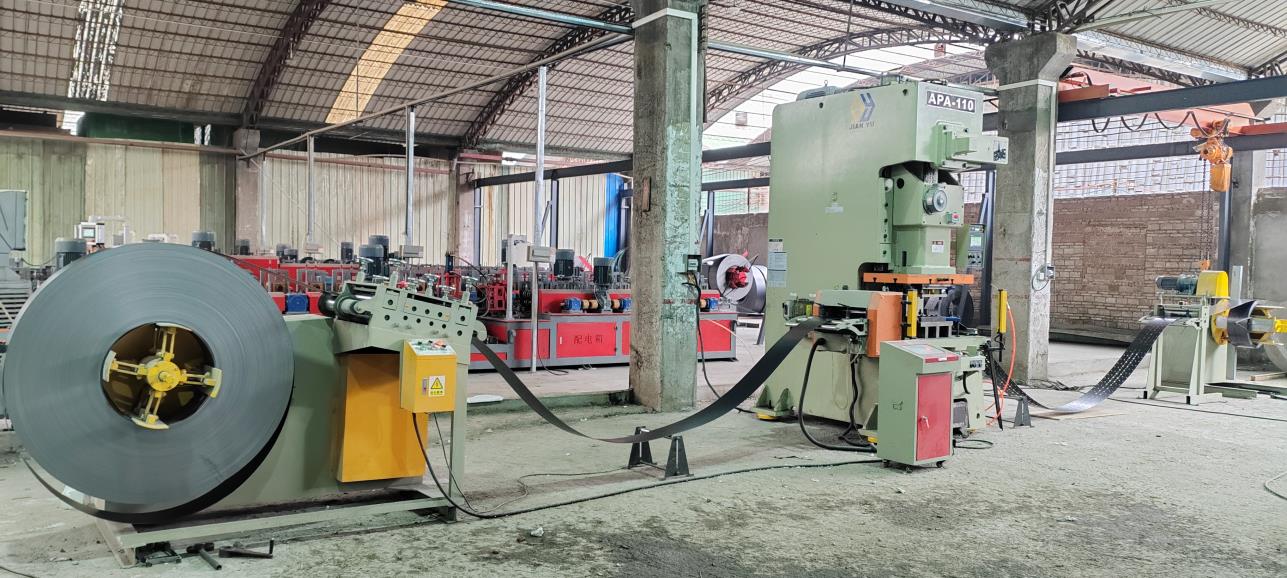
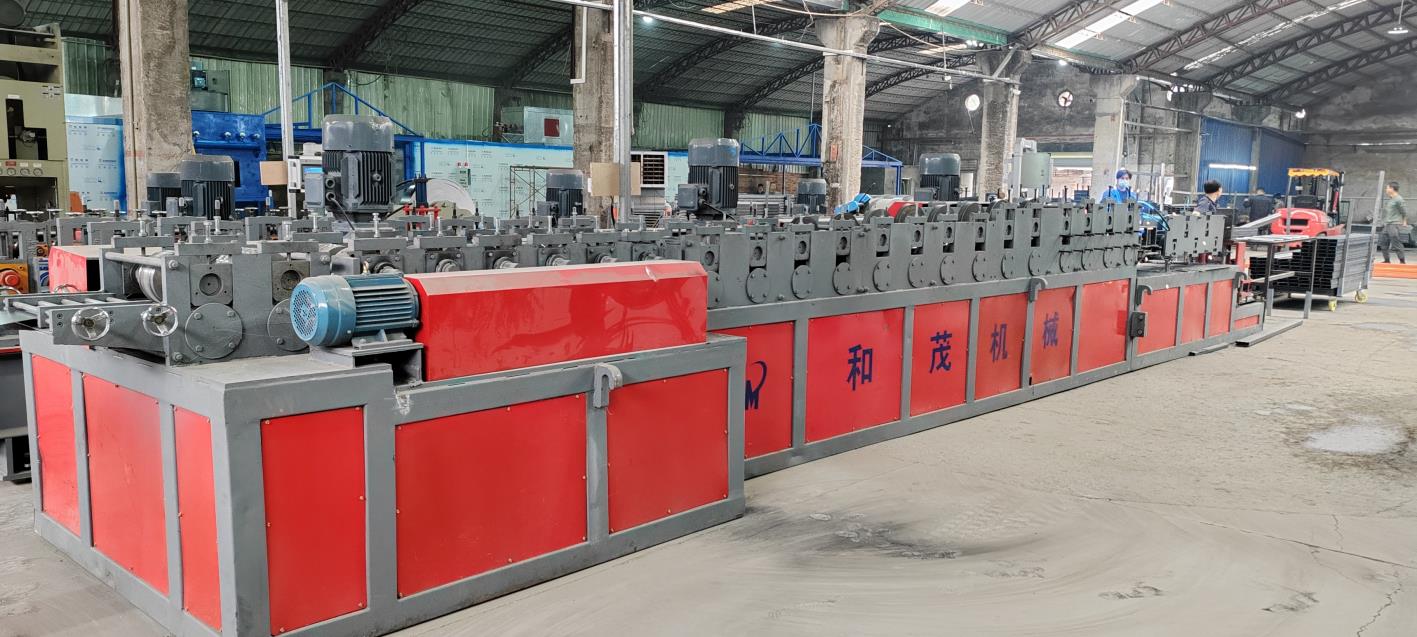
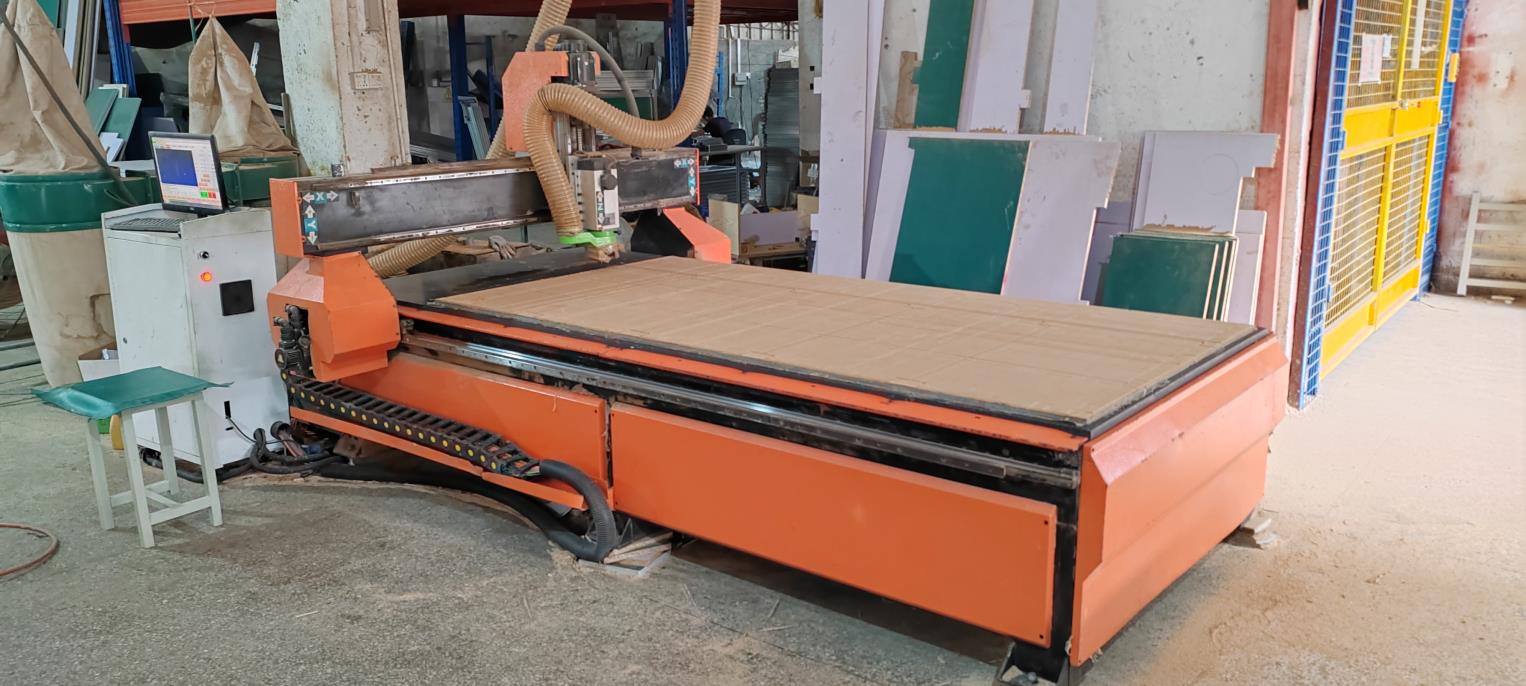
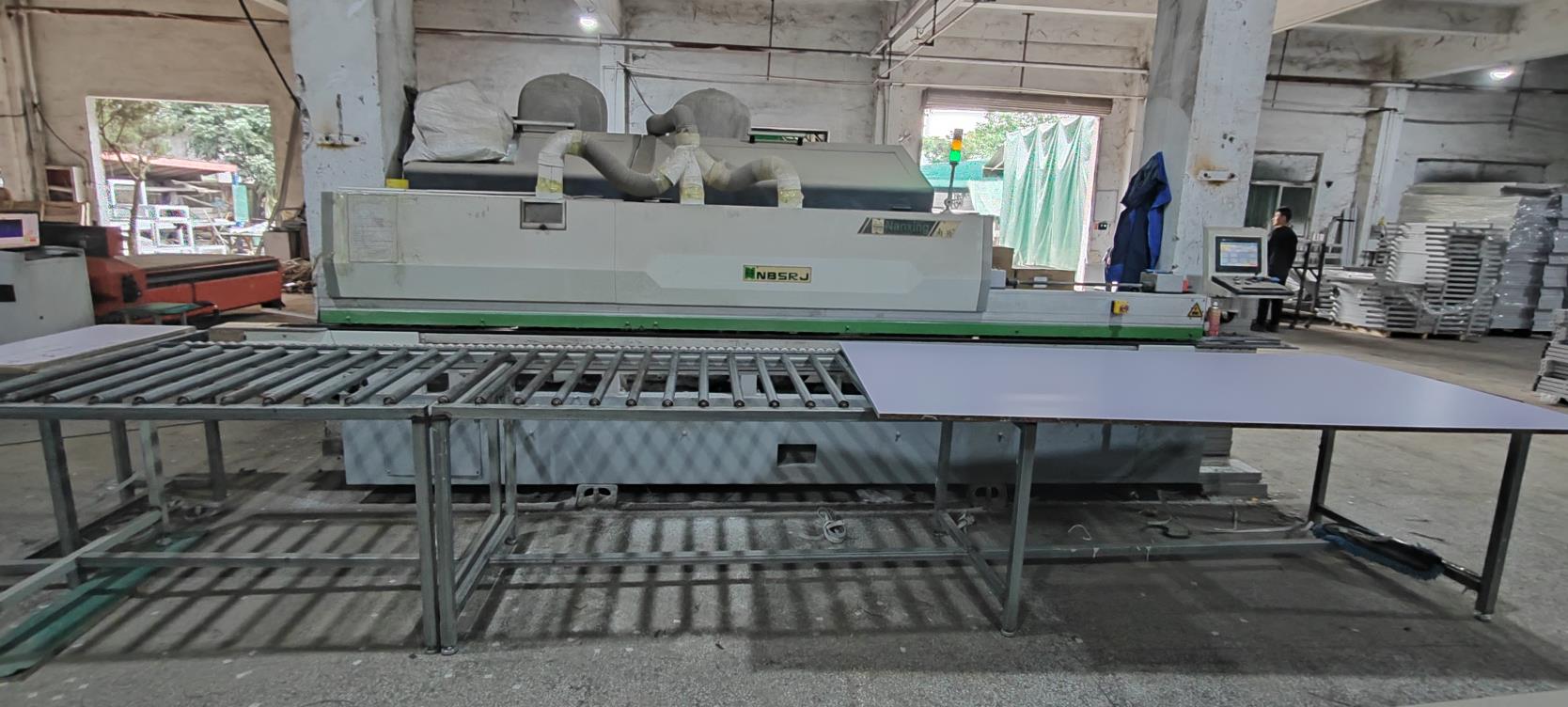
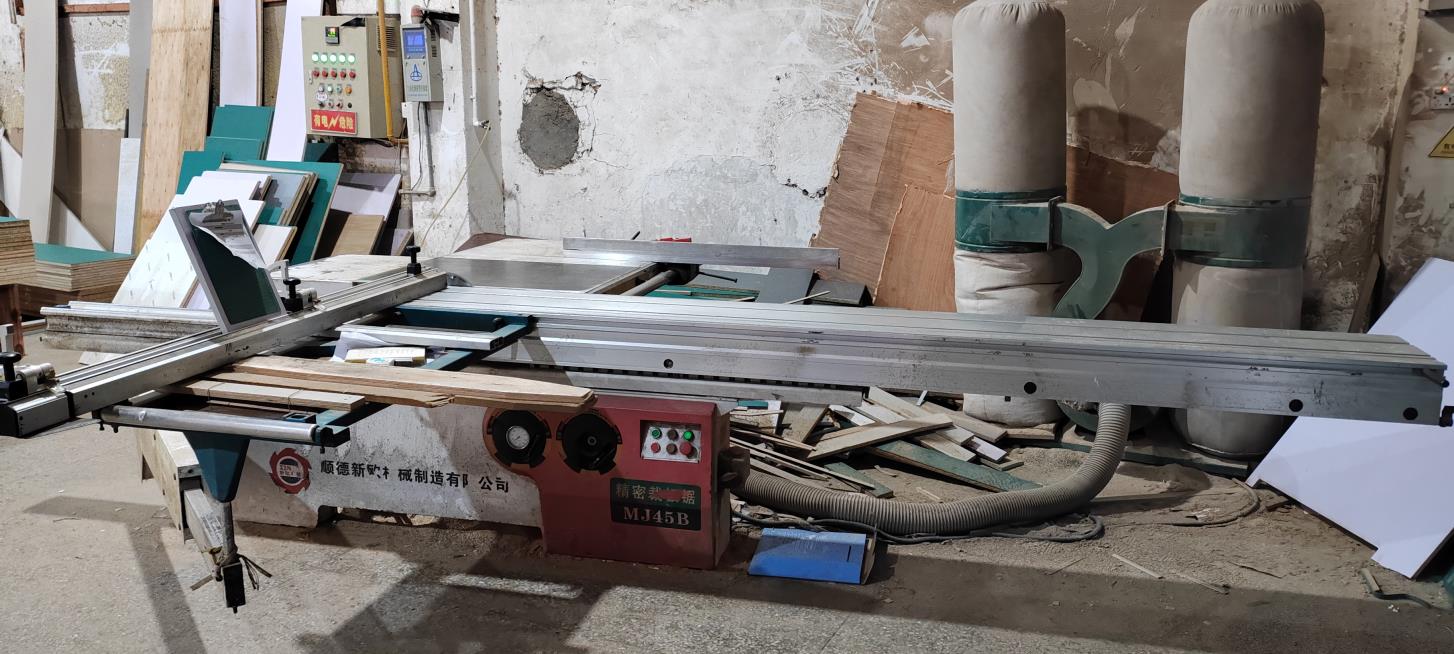
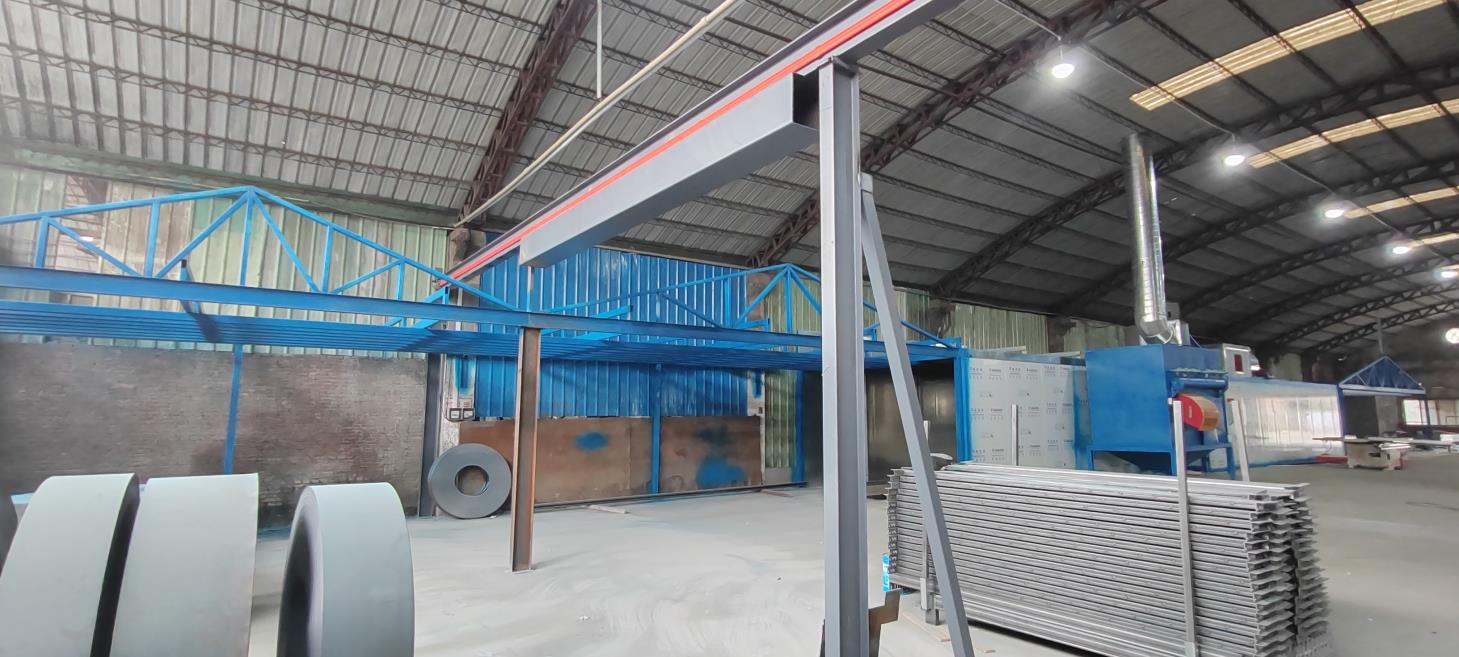
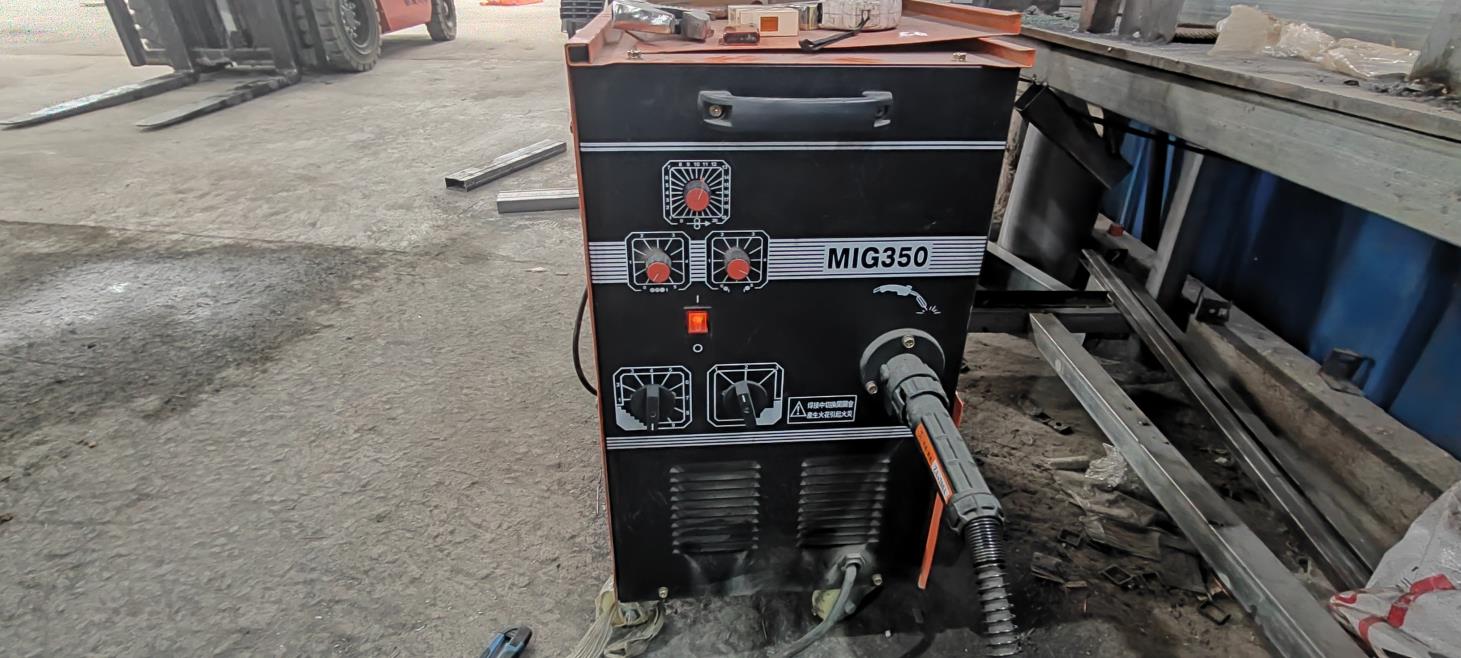
Evaluating commercial fixtures on a global scale requires understanding localized building codes, manufacturing tolerances, and raw material provenance. Western Europe, South America, and the Middle East dictate discrete regulatory frameworks governing public-access retail zones. In Europe, the EN 15635 standard mandates meticulous design procedures for static steel racking to prevent structural failure. Meanwhile, South American implementations often focus on seismic micro-zonation, necessitating enhanced baseplate anchoring configurations and specific steel ductility profiles.
Our raw material procurement is restricted to Tier-1 domestic steel mills, utilizing high-grade Q235B cold-rolled steel known for its balanced yield strength (235 MPa) and superior elongation properties. The transition from raw coils to finished structural uprights involves computerized roll-forming lines that punch, shear, and profile components in a single continuous operation. This limits residual manufacturing stresses within the steel, maintaining dimensional linearity across structural spans of up to 3 meters.
With an extensive network encompassing over 1,400 global supply chain partners, Nanjing Fortis provides rapid regional support alongside end-to-end design consultations. We recognize that warehouse operators in hypermarkets require fast component delivery to meet compressed project timelines. By maintaining localized parts depots and technical partners across Europe and South America, we ensure that structural modifications, bay expansions, or seismic load re-evaluations are handled in compliance with regional engineering practices.
For applications where environmental conditions present dynamic challenges, such as in cold chain grocery operations or seaside retail warehouses, basic surface coatings are insufficient. Our automatic electrostatic powder-coating line operates with multi-stage pretreatment tunnels. Components undergo alkaline degreasing, clean-water rinsing, iron-phosphate conversion coating, and a final deionized sealing rinse before receiving high-durability epoxy-polyester coatings. These elements are baked at 200°C to achieve a dry film thickness (DFT) between 60 to 80 microns, providing excellent protection against mechanical abrasion and corrosion.
The convergence of retail space optimization, smart inventory tracking, and warehouse automation is driving a transformation in traditional shelving systems. Historically passive display components are evolving into active, data-integrated nodes within the broader retail logistics network. Our current engineering research and development roadmap centers on three main structural and technological innovations:
As supermarkets adopt dense warehouse-style store layouts, monitoring dynamic load distribution becomes crucial. Nanjing Fortis is currently developing integrated micro-strain gauges embedded directly into shelf support brackets. These smart sensors wirelessly transmit live load measurements to floor managers, warning of unbalanced configurations or overloaded spans before physical deflection thresholds (commonly restricted to L/200 of the span length) are exceeded.
With global operations increasingly focused on corporate environmental responsibility and carbon footprint reduction, material selection is shifting. We are expanding our research into hybrid steel-composite systems, combining structural cold-rolled steel vertical supports with bio-composite, high-density wood shelves and acrylic backboards. Last year, our design team finalized over 50 hybrid modular variants that match the load-bearing capacity of pure steel while reducing overall carbon intensity by up to 22%.
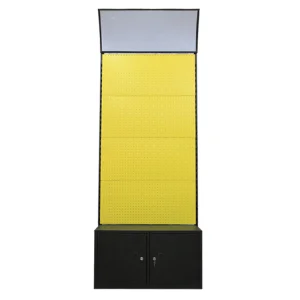
To support dynamic merchandising trends, modern shelving systems must adapt quickly. Our new generation of upright uprights features a universal vertical pitch matrix, allowing users to transition a run from standard gondolas to hanging tool pegboards, heavy-duty gravity-fed shelves, or specialized cold-room storage units. These changes require no structural modification to the primary chassis, reducing labor overheads during seasonal remodeling.
 FortisRack