Precision engineered warehouse storage solutions, steel racking, and versatile commercial shelving displays designed for heavy loads and spatial optimization.
Your globally integrated partner for high-capacity warehouse design, fabrication, and structural optimization.
Established in 2016, Nanjing Fortis Storage Equipment Manufacturing Co., Ltd. commands a modern industrial plant covering 48,000 m². Driven by 10 years of deep industry expertise and 7 years of global trade experience, our annual export turnover reaches $35 million. We uphold strict quality control through ISO14001 and TUV standards, performing automated CMM dimensional inspections and salt spray corrosion testing with 62 full-time QA personnel. As a direct factory exporter, our key commercial footprints span Western Europe, South America, and the Middle East, integrated with a network of over 1,400 supply chain partners. Our client base mainly includes mega-warehouse developers, cold chain storage operators, and global retail chains. Our robust R&D team of 80 engineers specializes in bespoke structural adaptations, special surface coating treatments, and high-density racking configurations, introducing 350 innovative products to the global market last year.
From raw Q235B structural carbon steel to final high-durability electrostatic powder coating. Explore how our vertically integrated workflow ensures safety and consistency.
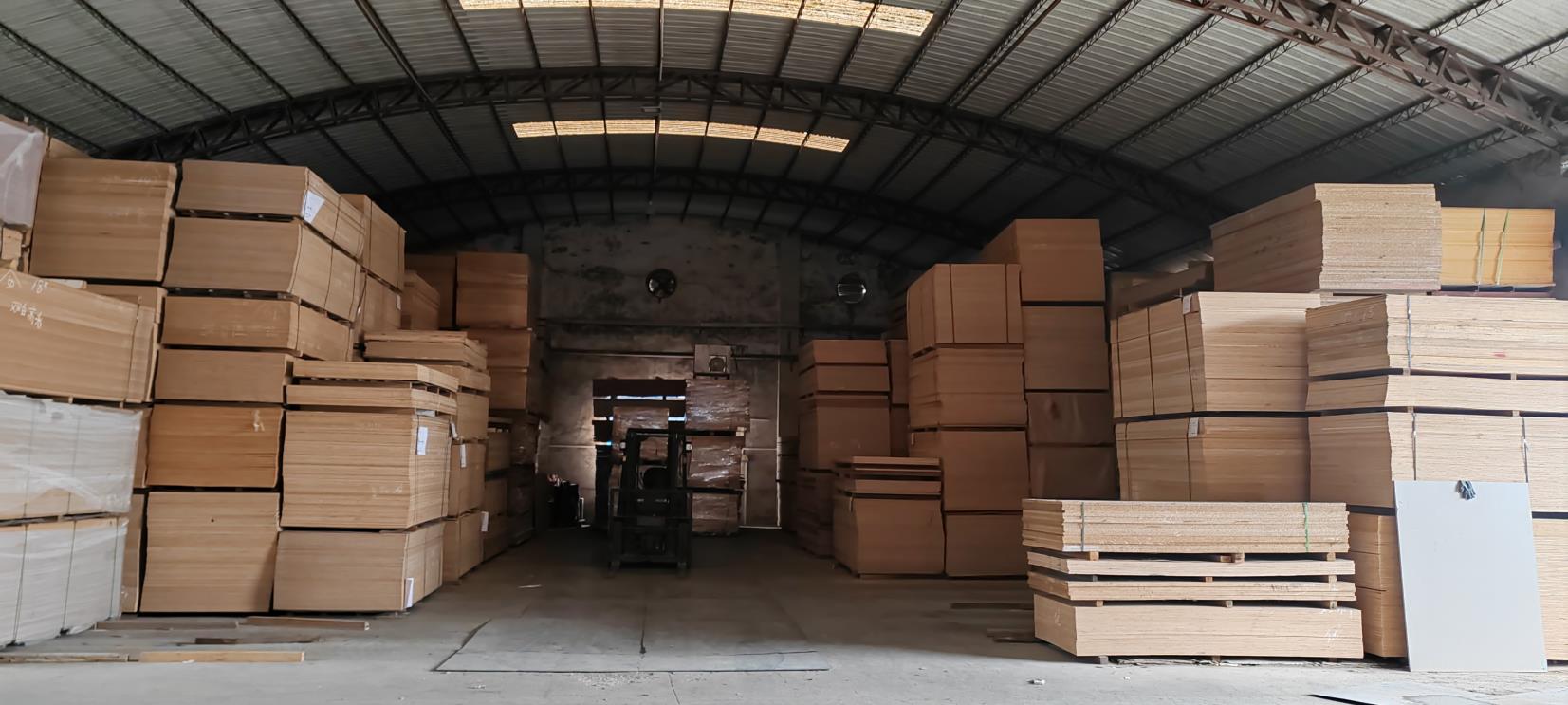
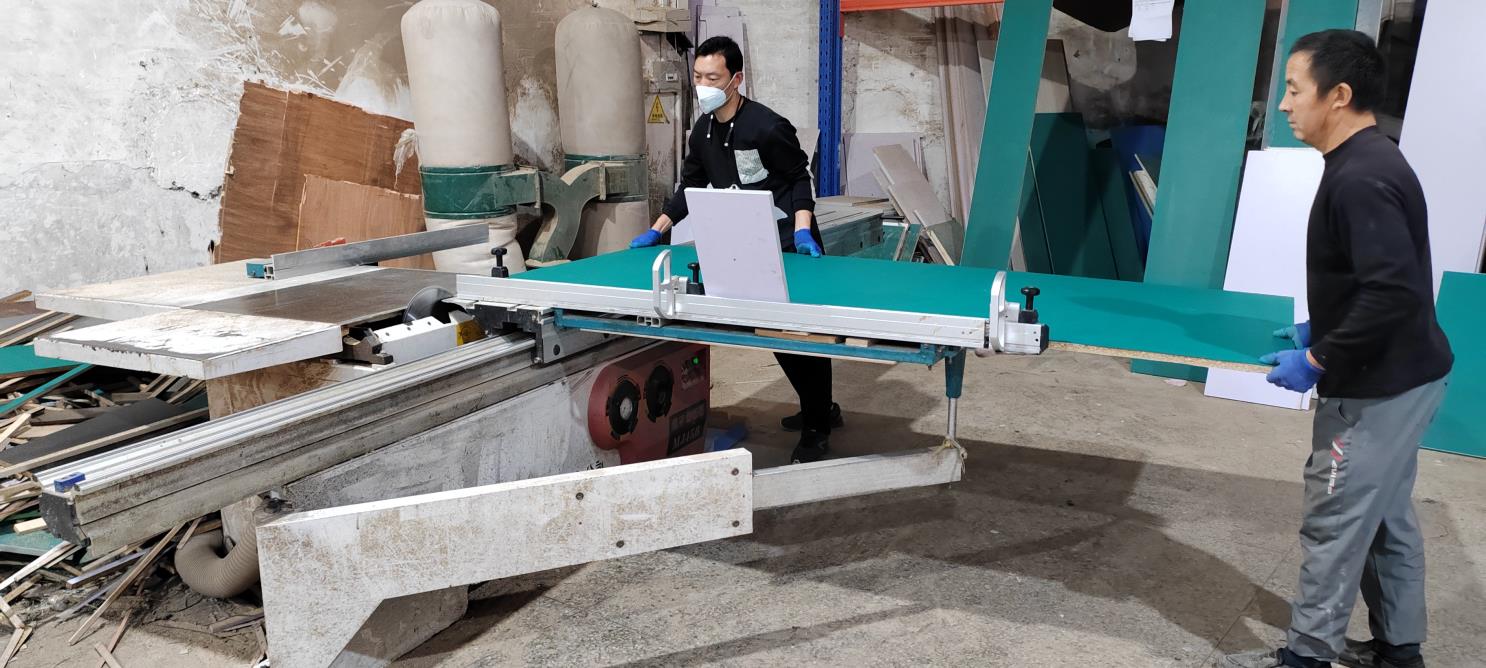
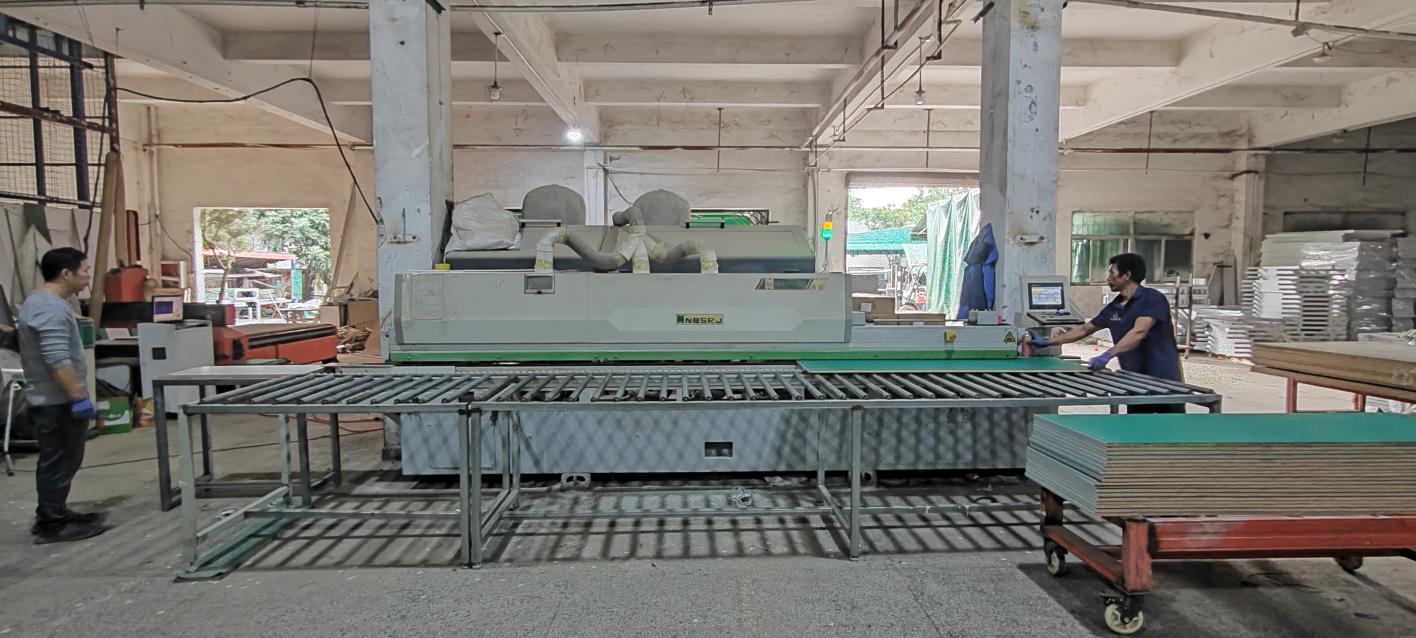
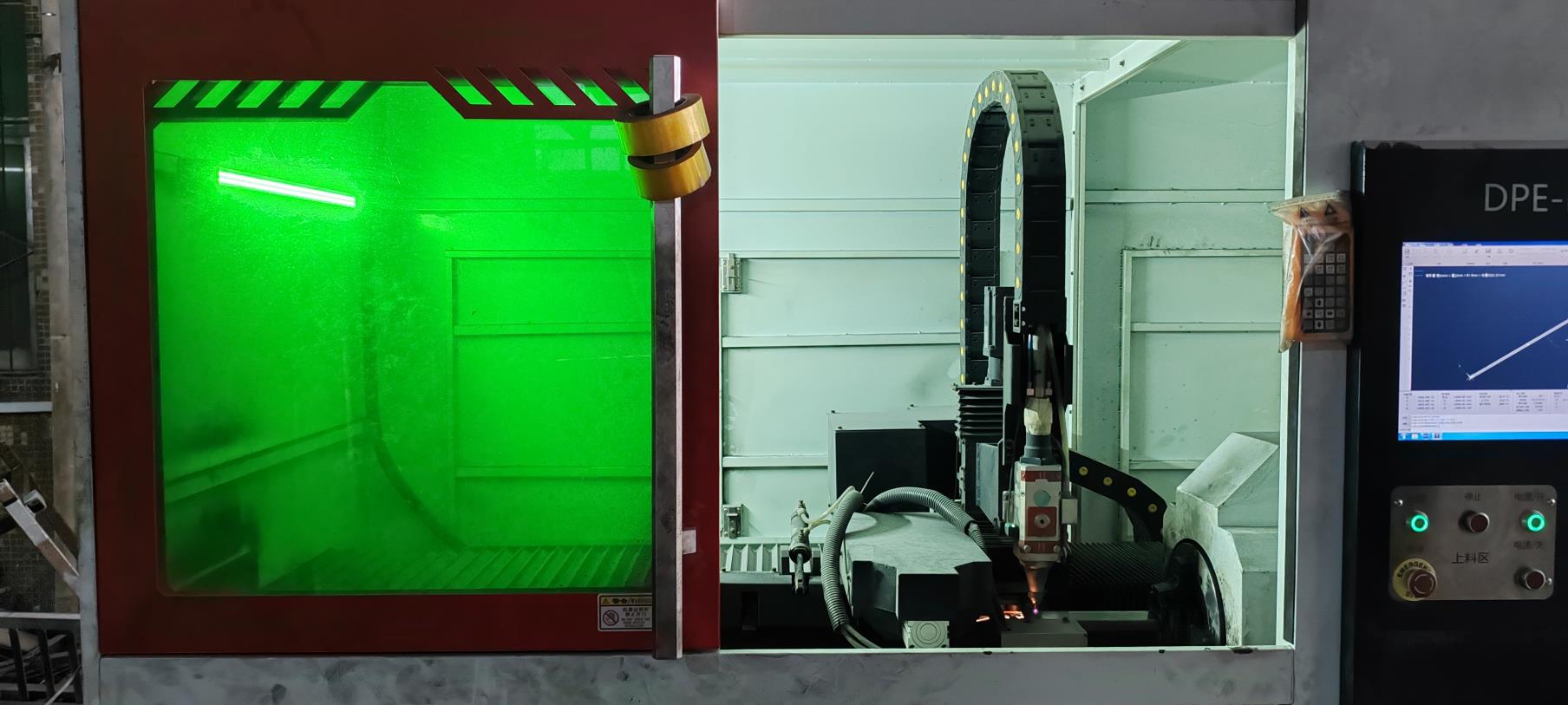
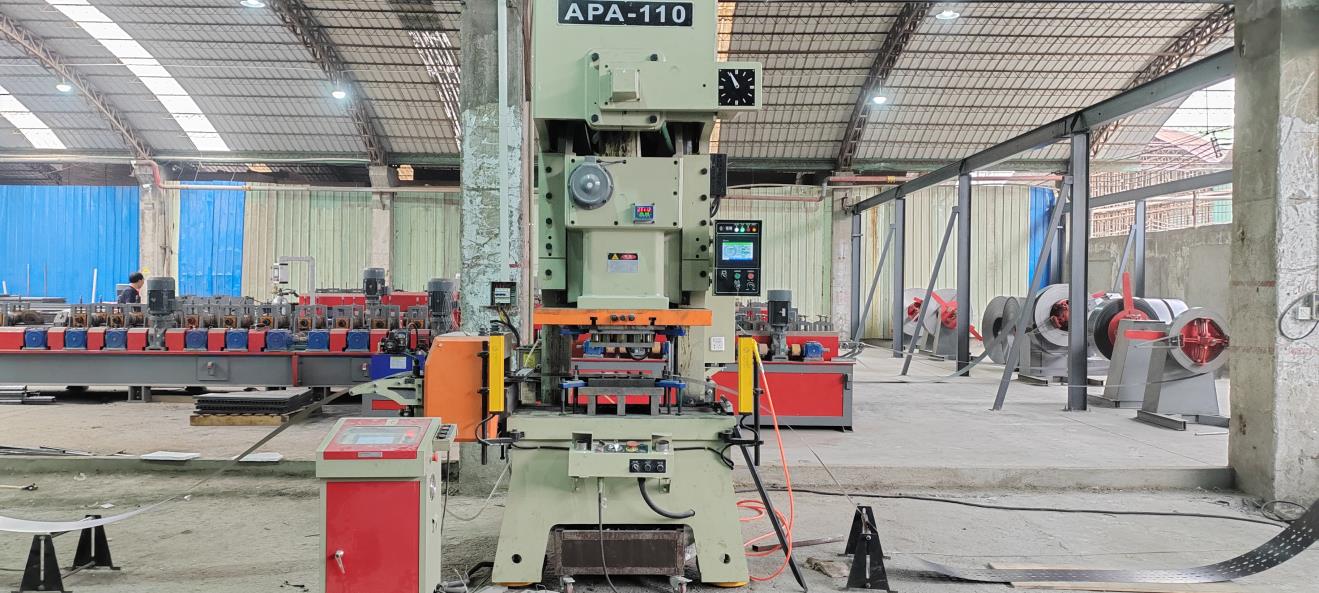
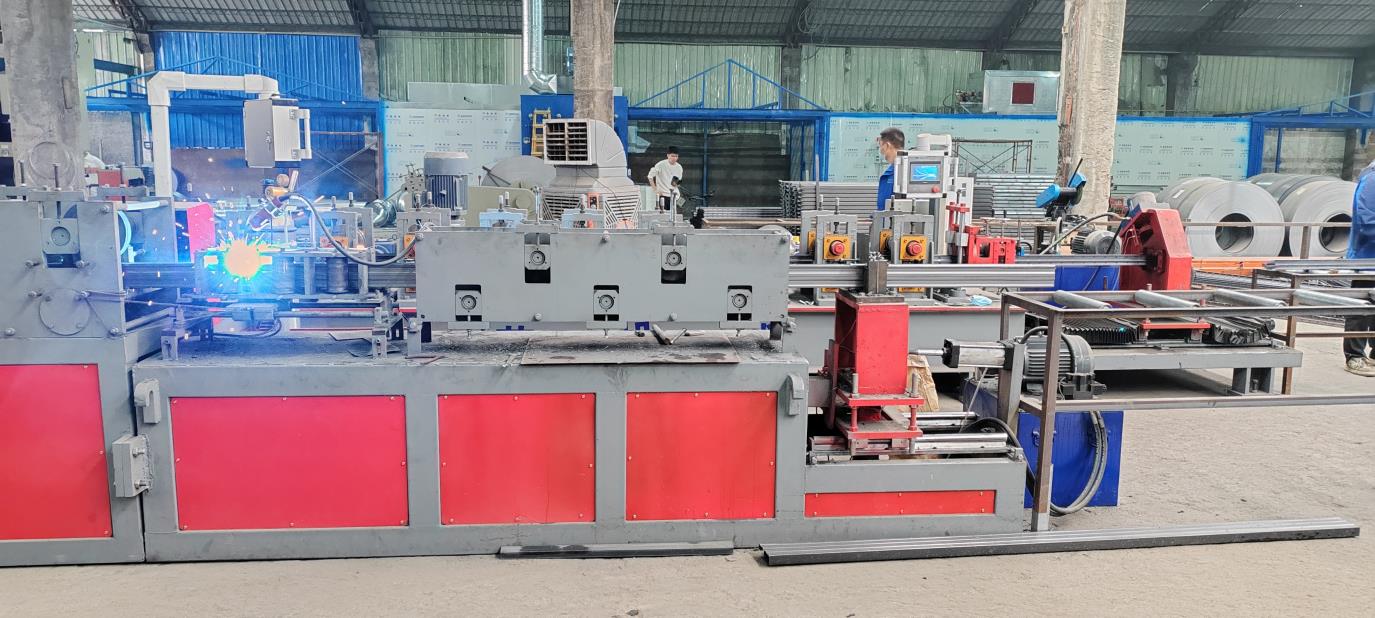
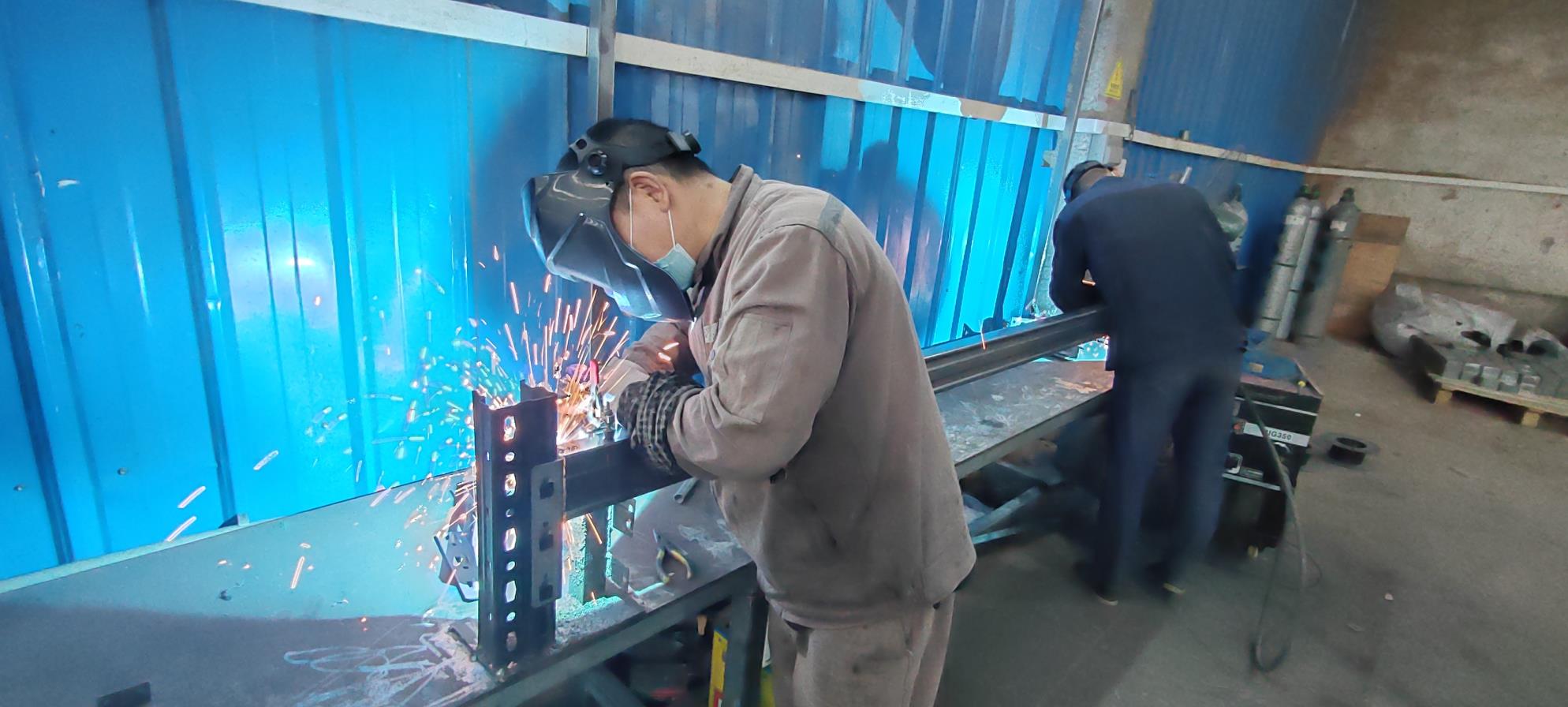
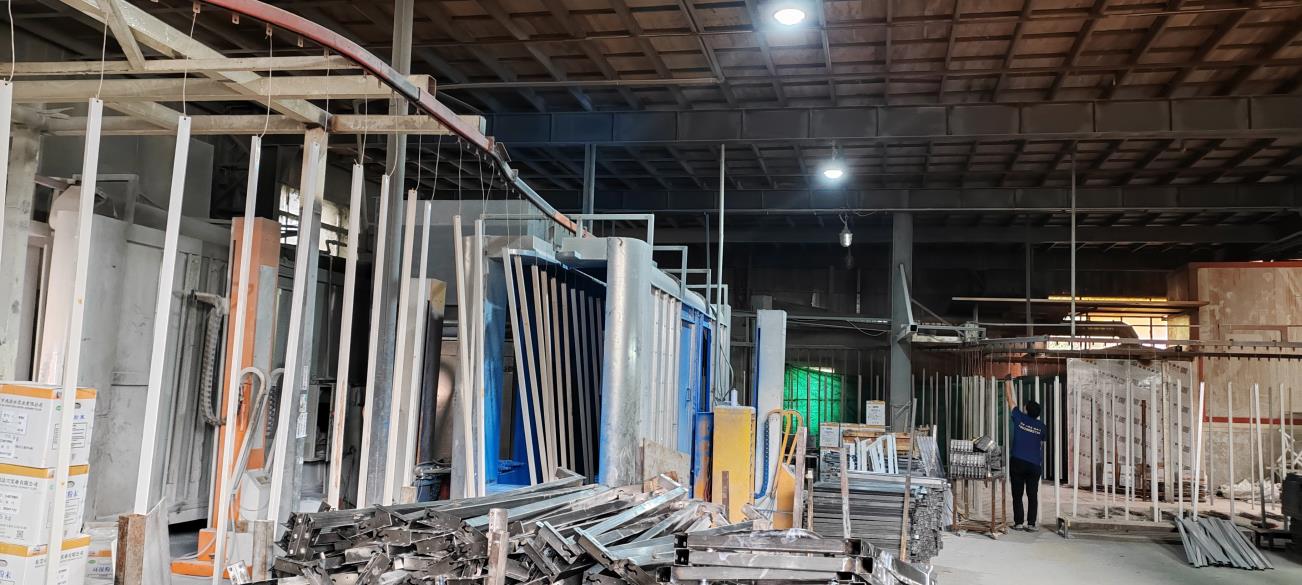
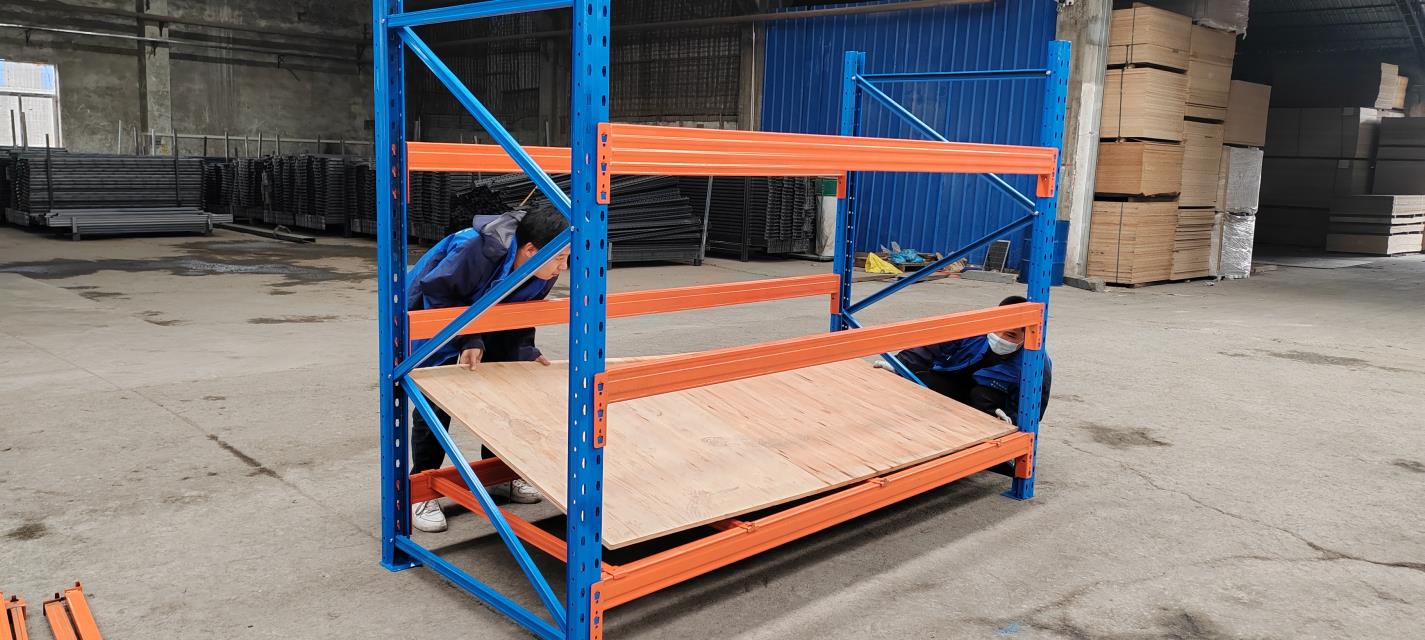
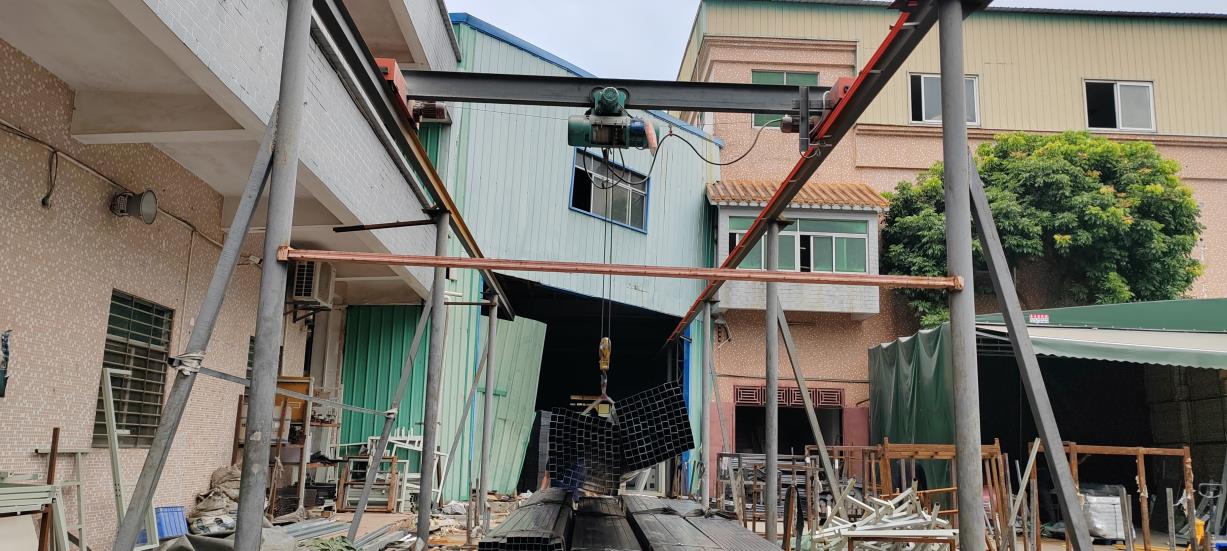
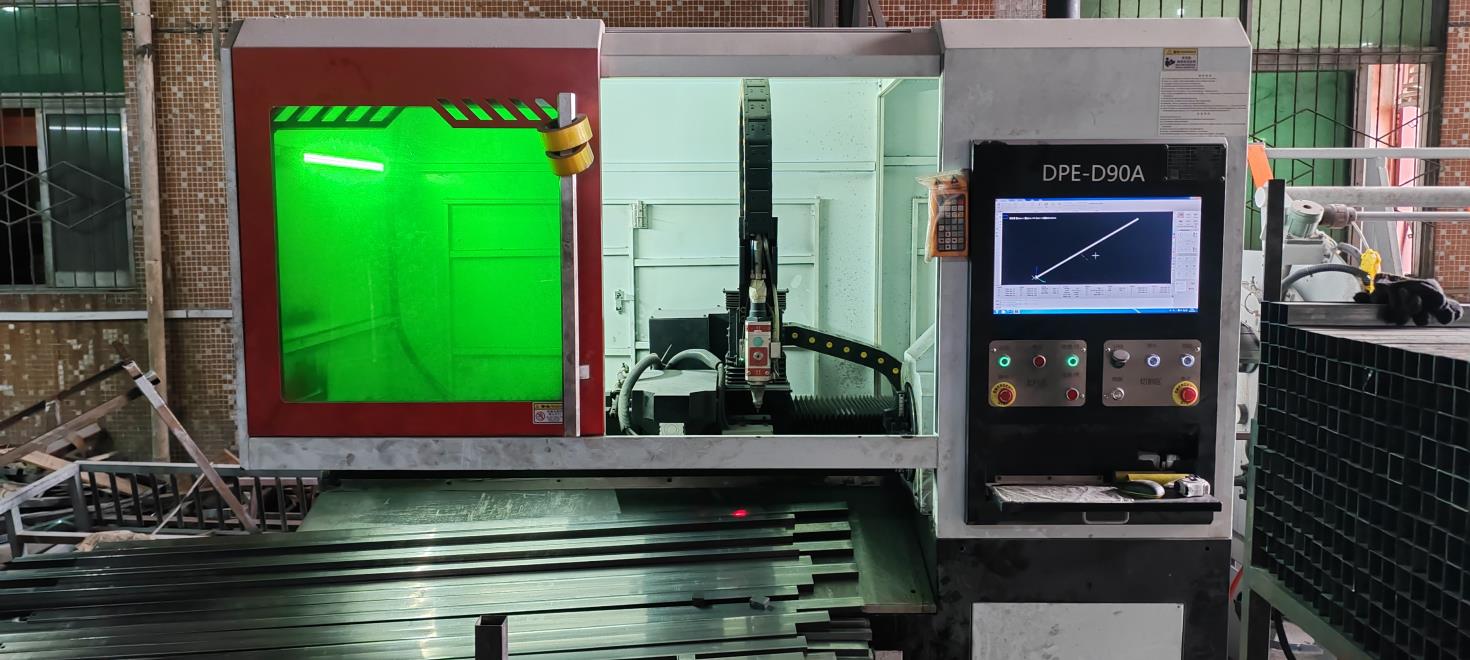
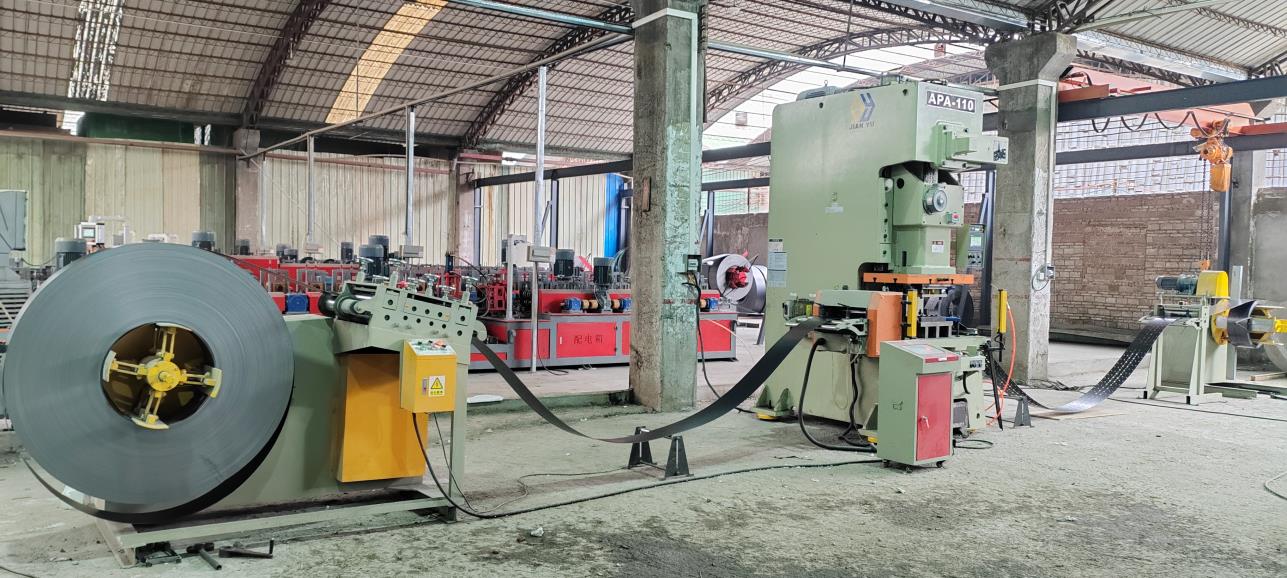
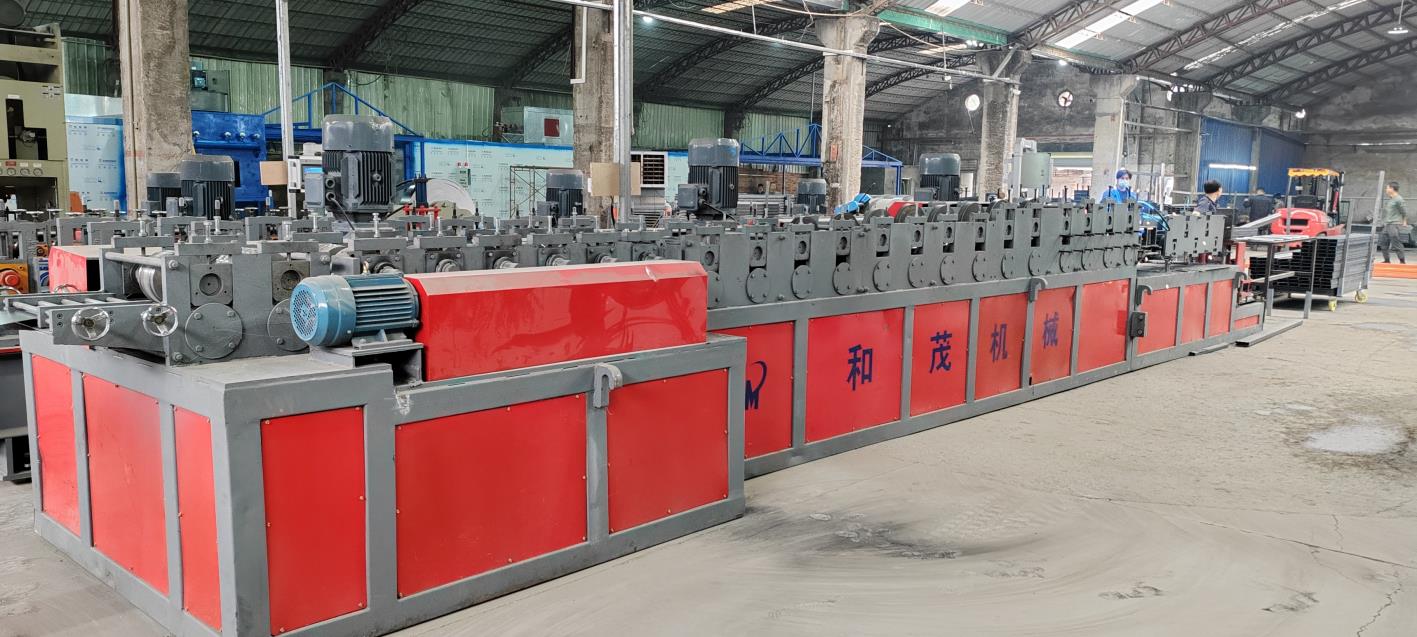
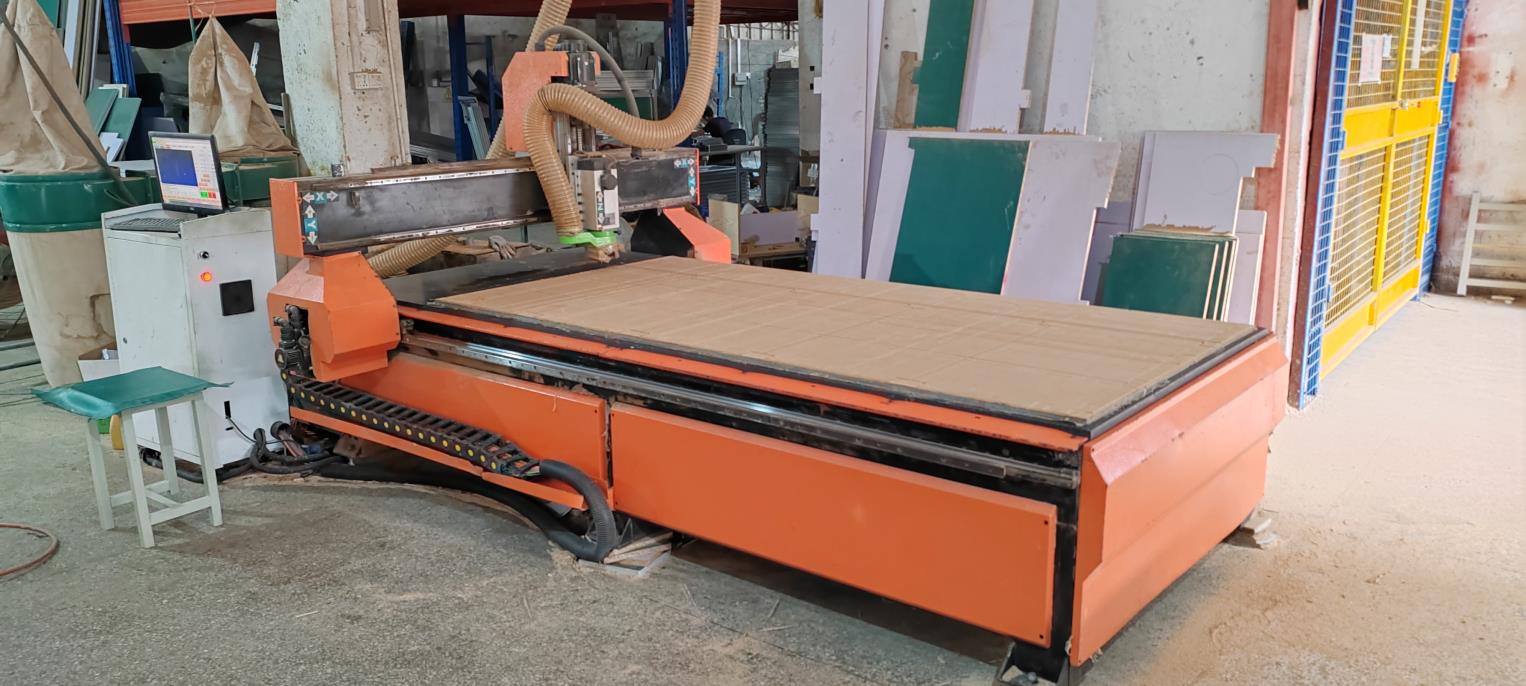
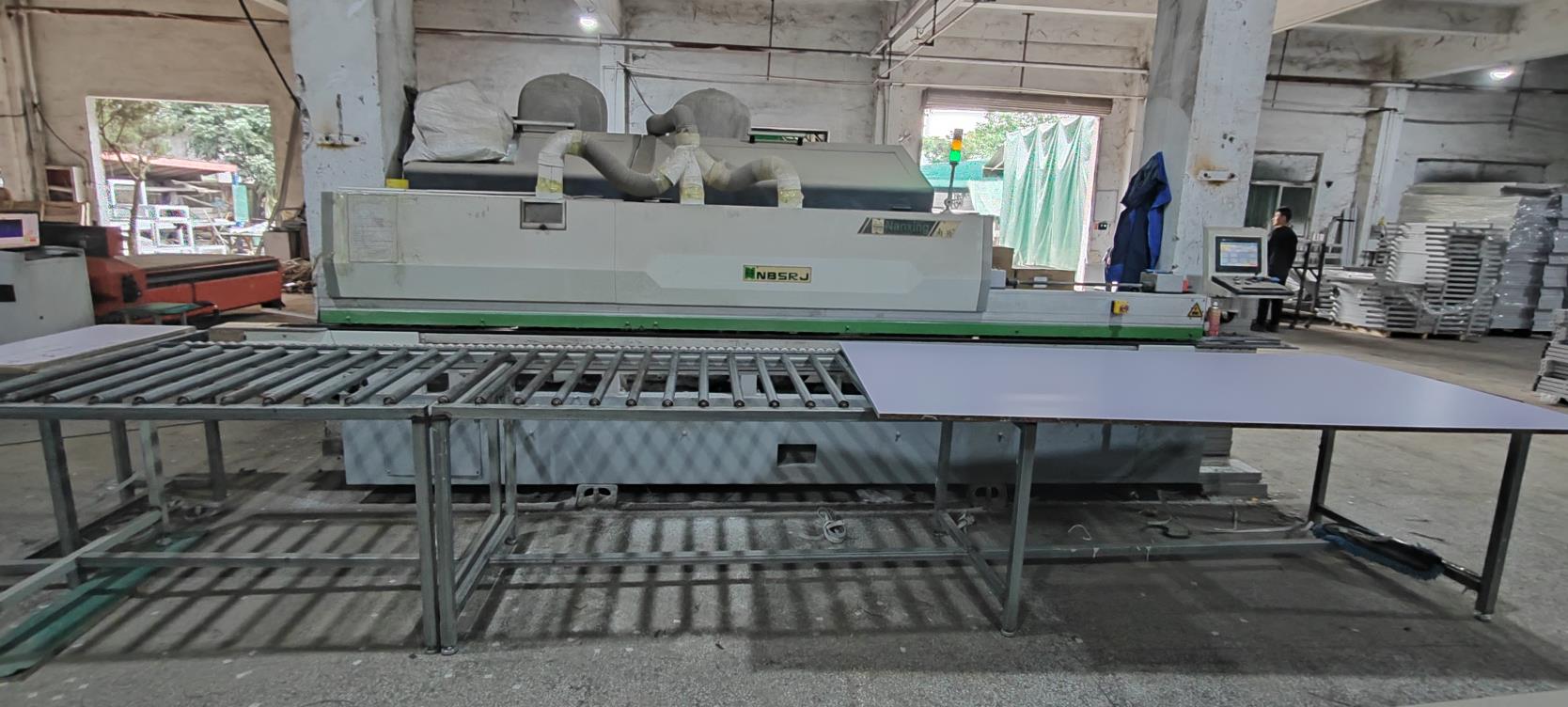
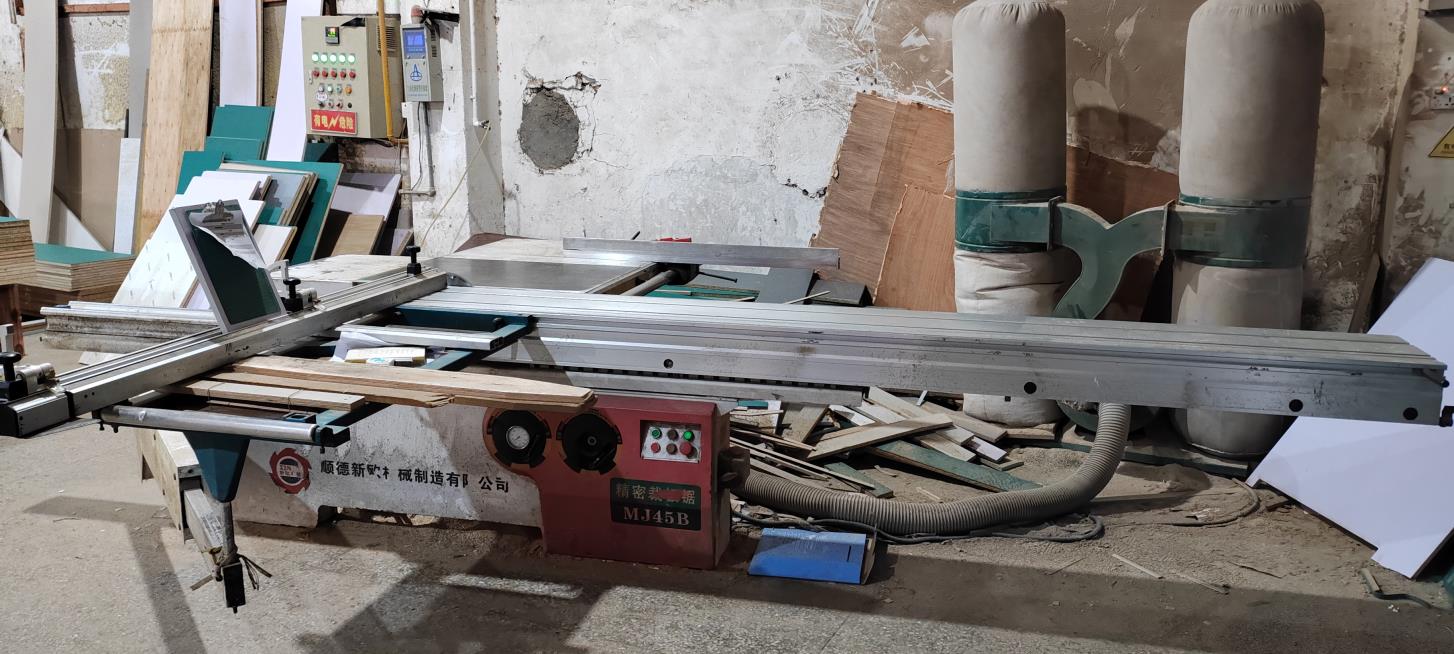
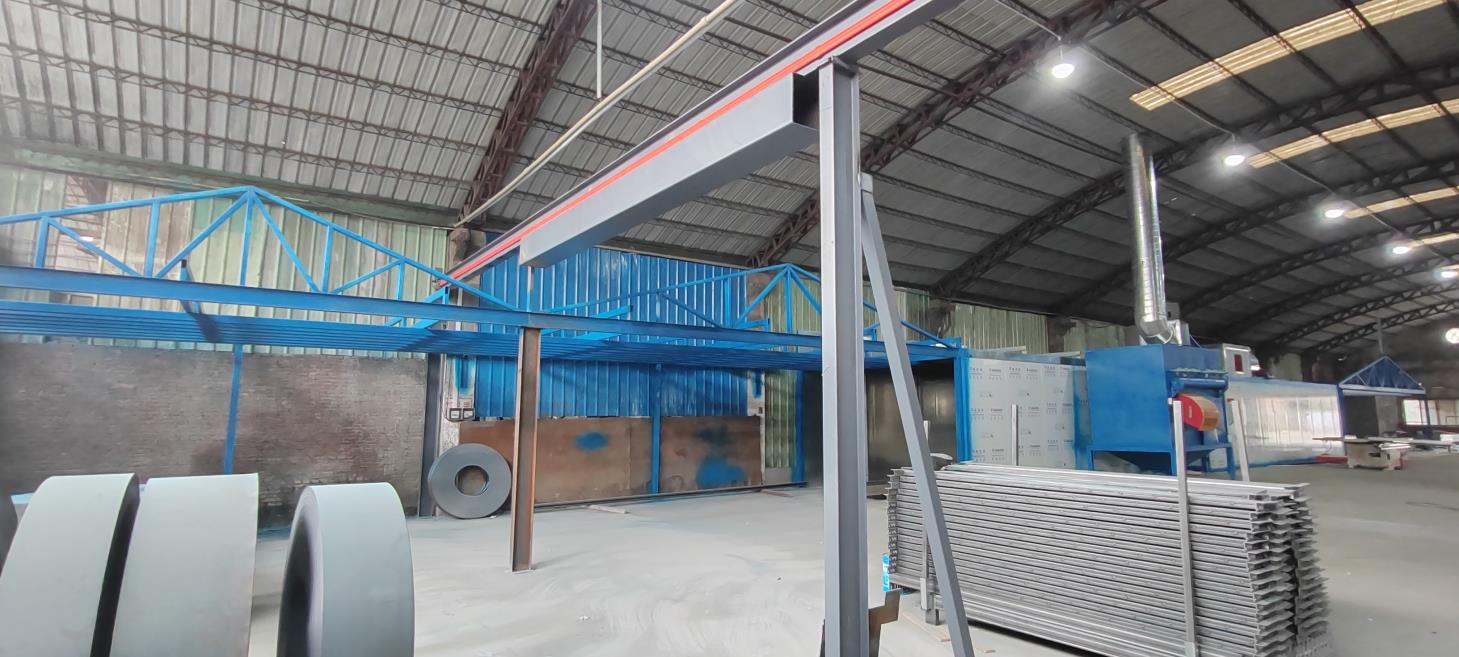
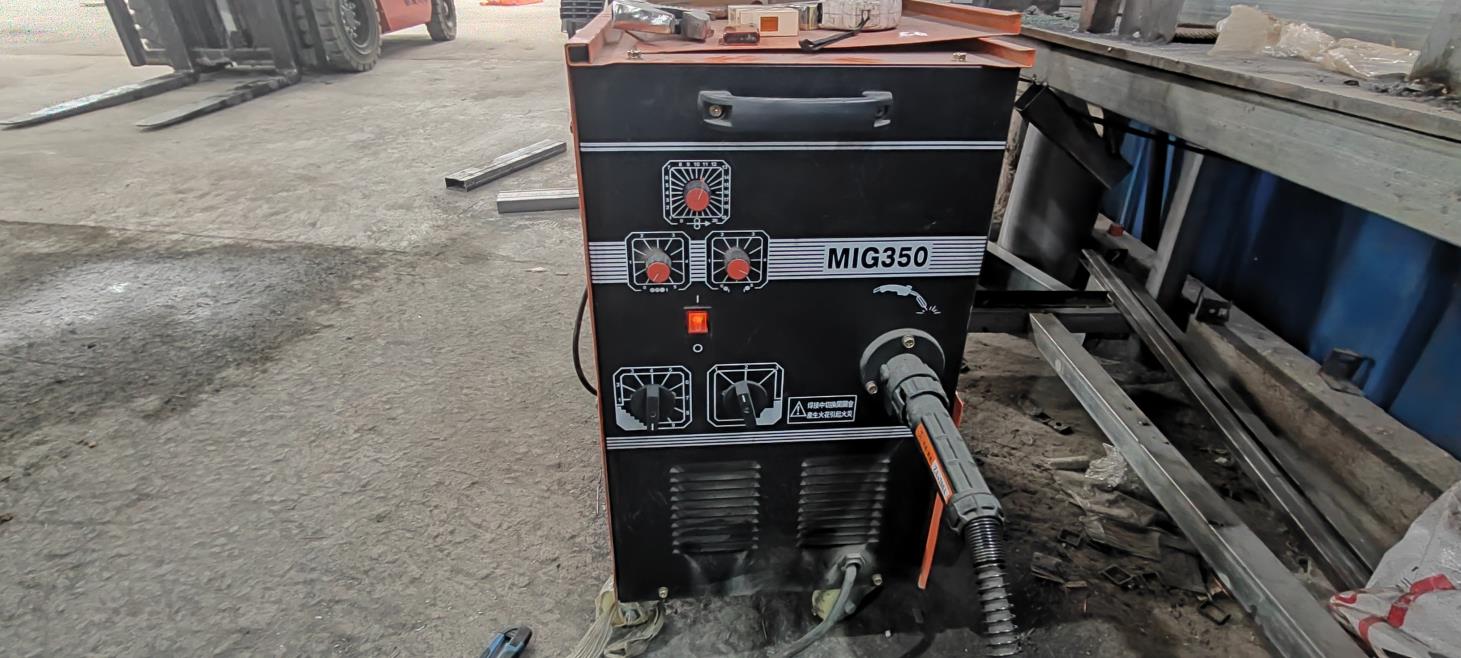
An analytical breakdown of raw material logistics, specialized metallurgical processing, and systemic supply integrations in China's advanced manufacturing hubs.
In the heavy industrial storage sector, raw material integrity dictates seismic rating, static load capacities, and overall durability. By working directly with a China-based factory like Nanjing Fortis, procurers tap into the East China steel cluster, utilizing verified Q235B structural carbon steel. This steel grade offers the optimal ratio of tensile strength to ductility, allowing vertical beams to flex under dynamic fork truck loading without experiencing catastrophic structural shear.
Distributors and middle-tier suppliers often dilute metallurgical quality by sourcing from localized non-certified mini-mills to reduce thickness tolerances. Our direct factory operation conducts automated raw material spectrometry and tensile strength validation prior to cold rolling. This eliminates the structural deviations that typically void building permits during dynamic racking inspections.
Standard warehouse layouts are becoming obsolete. Modern fulfillment centers require bespoke heights, varying load-bearing spans, and integrated safety shields. Nanjing Fortis' in-house R&D team of 80 engineers acts as a technical extension of your procurement division:
A $35 million annual export volume provides substantial leverage. We command raw material bulk discounts that are passed directly to our commercial clients. Sourcing directly from our 48,000 m² factory eliminates agency markups, logistics margin-stacking, and uncoordinated shipping delays. This ensures a predictable, lower Total Cost of Ownership (TCO) for massive distribution hubs.
Tailored load profiles and structural configurations engineered for specific vertical applications.
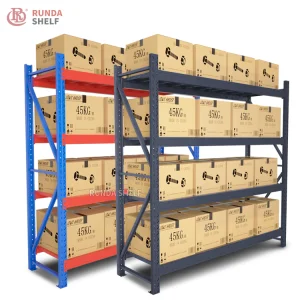
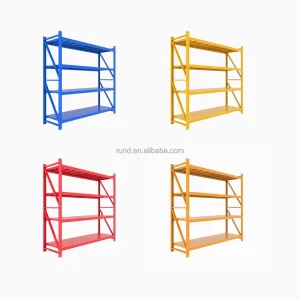
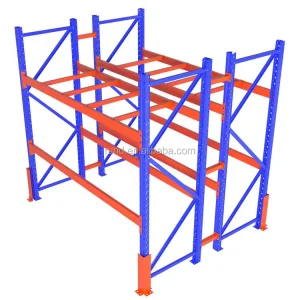
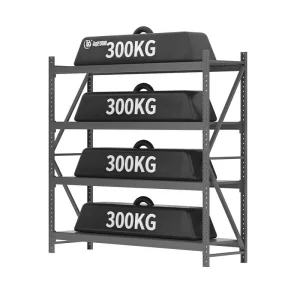
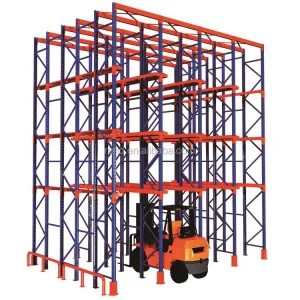
Specifically configured for distribution hubs utilizing heavy machinery. Features adjustable upright frames, heavy-duty load beams, and safety locking pins. Designed to handle up to 3,000 KG per level using high-grade Q235B steel profiles.
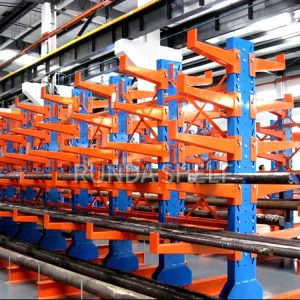
Ideal for storing long, irregular materials like structural lumber, steel pipes, plastic tubing, and sheet metal. Single-sided or double-sided upright columns feature fully adjustable arms to maximize clearance heights without front column interference.
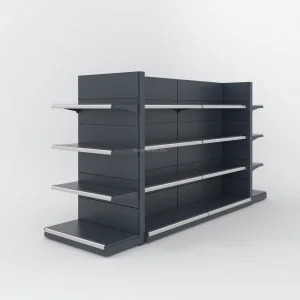
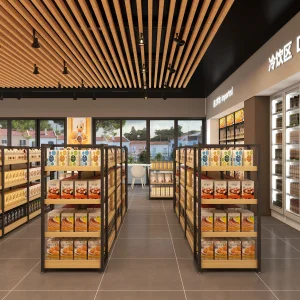
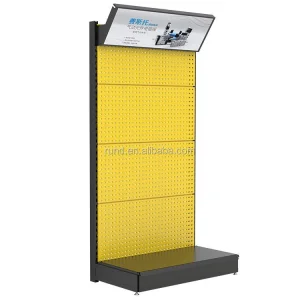
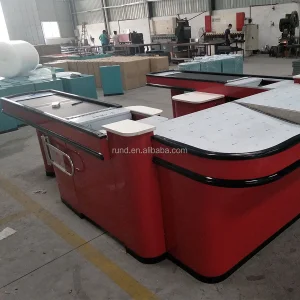
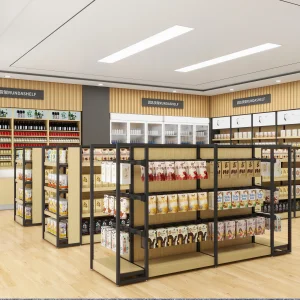
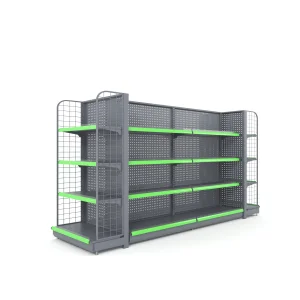
Combines visual merchandising with robust structural safety. Featuring steel-and-wood hybrid designs, pegboards, and double-sided gondolas. Engineered for high customer throughput environments and quick modular rebuilding.
Optimized for temperature-controlled settings down to -30°C. Engineered with specialized low-temperature powder coatings or premium hot-dip galvanized finishes. These prevent metal embrittlement and surface oxidation under high-humidity cycles.
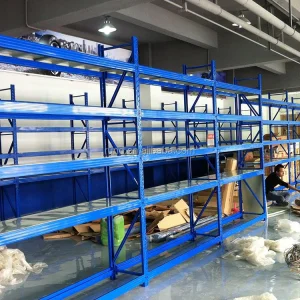
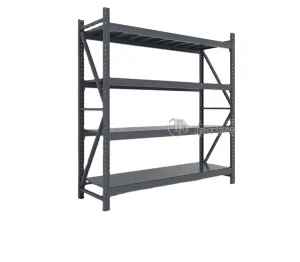
Boltless modular systems and integrated multi-tier mezzanine floor platforms designed to maximize vertical square footage. Facilitates high-efficiency manual order picking and seamless robotic sorting path integration.
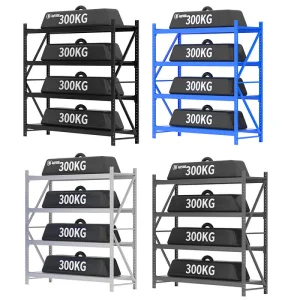
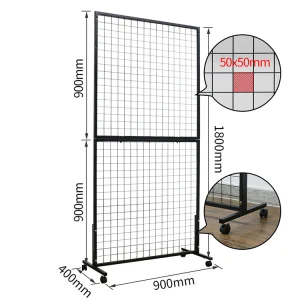
Specialty storage profiles designed for dense components, heavy tire storage, and hardware displays. Engineered with support bars, perforated metal backboards, and high-impact structural stabilizers.
How Nanjing Fortis mitigates operational risk through rigorous physical testing and international certification.
In modern high-capacity logistics, a single structural rack failure can lead to catastrophic inventory loss, operational downtime, and severe safety hazards. This is why international procurement teams prioritize verified structural safety standards. Nanjing Fortis maintains complete alignment with global safety codes through a series of testing protocols managed by our 62 QA specialists:
Our manufacturing processes are fully compliant with ISO 14001 Environmental Management Systems and receive regular TUV Rheinland/SÜD quality audits. These certifications verify that our material traceability, welding procedures, and quality controls meet international manufacturing standards.
Manual measurements can leave room for error. We utilize automated CMM inspection systems to verify structural tolerances on upright columns and beam connectors down to the micrometer. Correct alignment prevents structural twisting, uneven load distribution, and installation issues on site.
To guarantee that our powder coating resists chemical exposure, high humidity, and long-term wear, our quality team performs regular ASTM B117 salt spray tests. This ensures our powder-coated and hot-dip galvanized components withstand harsh industrial cleanings and cold storage environments without bubbling, peeling, or rusting.
All industrial structures are engineered to meet the structural calculations required by the European Federation of Materials Handling (FEM 10.2.02) and the Rack Manufacturers Institute (RMI) in North America. These calculations ensure safe upright deflection limits, reliable weld penetrations, and impact resistance against operational warehouse hazards.
Preparing warehouse storage infrastructures for the next generation of logistics automation.
The global storage industry is shifting from simple manual racking toward automated dynamic systems. To remain competitive, today's warehouse infrastructures must be engineered to support these emerging technologies:
As modern warehouse designs scale vertically, they rely on automated cranes and shuttle systems rather than manual forklifts. This transition requires structural tolerances much tighter than traditional pallet racking. Our manufacturing processes utilize laser-cut uprights and precise beam connectors to ensure cranes run smoothly at high speeds without mechanical binding.
Logistics facilities are beginning to adopt real-time structural monitoring. By embedding load-cell sensors and strain gauges into racking frames, warehouse managers can monitor real-time load distribution and receive immediate alerts for overloading or physical impacts. Our R&D team works directly with operators to prepare our profiles for these sensor systems.
Environmental requirements are becoming a core part of corporate supply chain decisions. Nanjing Fortis is committed to reducing environmental impact through solvent-free powder coatings, efficient energy recovery on our paint baking lines, and recyclable packaging materials. These eco-friendly practices help our clients meet their corporate sustainability targets.
Detailed technical answers to common engineering, ordering, and logistics questions.
Explore our range of retail fixtures, boltless racking, and specialty display hardware designed for maximum efficiency.
 FortisRack