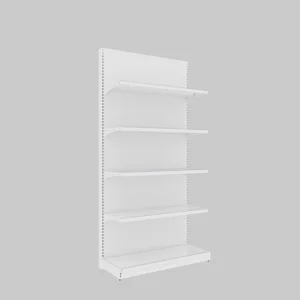
Engineered dynamic shelving systems customized for rapid retail product layout changes and heavy-duty load performance.
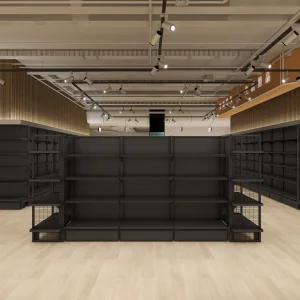
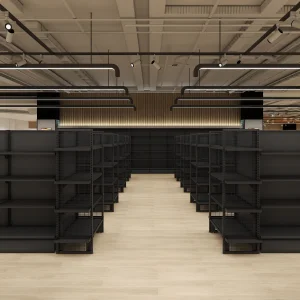
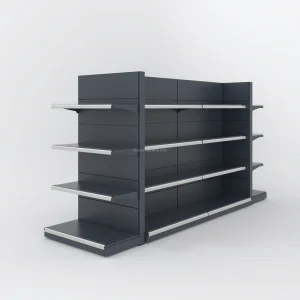
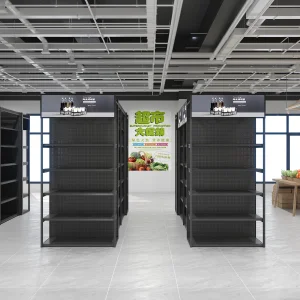
Established in 2016, Nanjing Fortis Storage Equipment Manufacturing Co., Ltd. commands a modern industrial plant covering 48,000 m². Driven by 10 years of deep industry expertise and 7 years of global trade experience, our annual export turnover reaches $35 million.
We uphold strict quality control through ISO14001 and TUV standards, performing automated CMM dimensional inspections and salt spray corrosion testing with 62 full-time QA personnel. As a direct factory exporter, our key commercial footprints span Western Europe, South America, and the Middle East, integrated with a network of over 1,400 supply chain partners. Our client base mainly includes mega-warehouse developers, cold chain storage operators, and global retail chains. Our robust R&D team of 80 engineers specializes in bespoke structural adaptations, special surface coating treatments, and high-density racking configurations, introducing 350 innovative products to the global market last year.
In the global retail and commercial display industry, the selection of shelving systems is a major determinant of operational efficiency, visual merchandising success, and long-term asset value. China's manufacturing sector has established itself as the premier source for high-quality supermarket and warehouse shelving. Nanjing Fortis leverages several structural and technological advantages that place it at the cutting edge of this global industry:
Direct sourcing of premium Q235B cold-rolled steel provides superior mechanical properties, high tensile strength, and impact resistance.
Automated powder coating lines deliver scratch-resistant, anti-corrosive, and non-toxic finishes compliant with global environmental standards.
Rapid prototyping and simulation analysis by 80 engineers translate complex structural load requirements into mass-producible solutions.
Chinese factories operate within highly integrated industrial clusters. This concentration of raw material processors, precision tooling suppliers, and logistics providers eliminates friction in the manufacturing timeline. For global buyers, this translates to shorter lead times, high design versatility, and cost optimization that cannot be replicated in other regions.
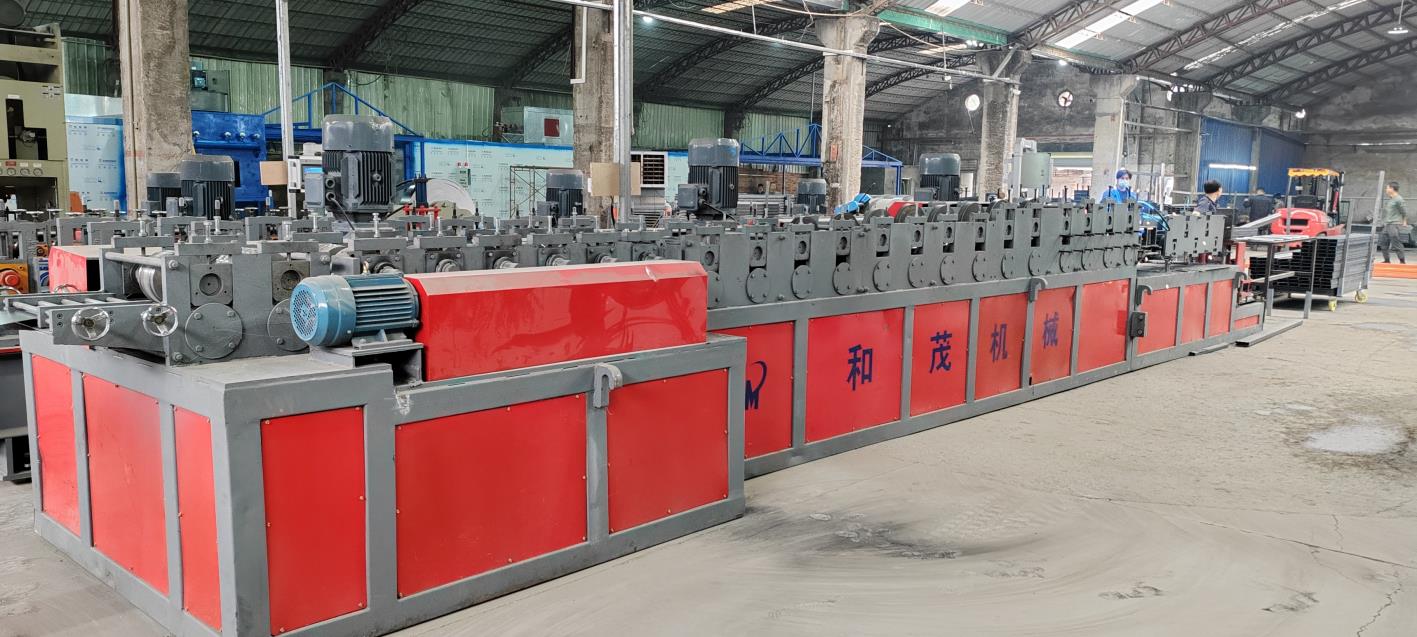
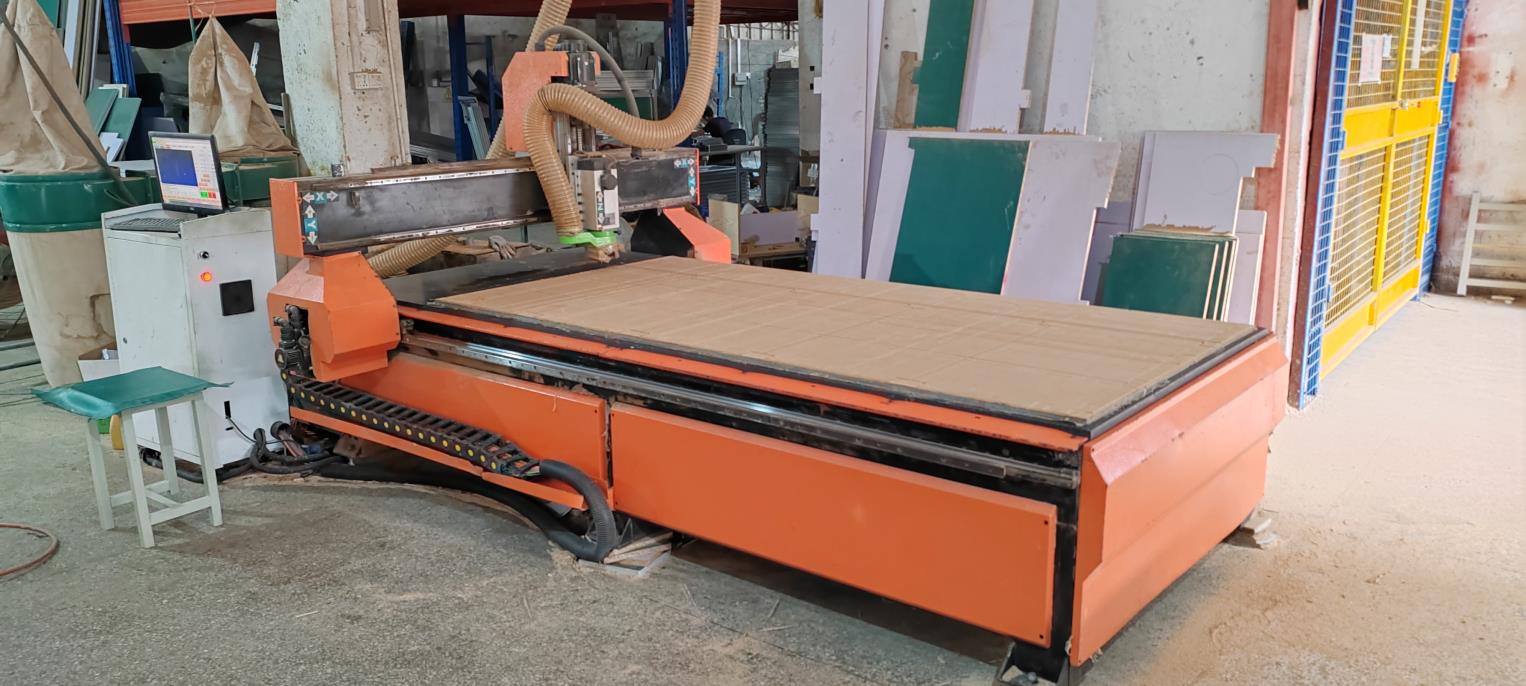
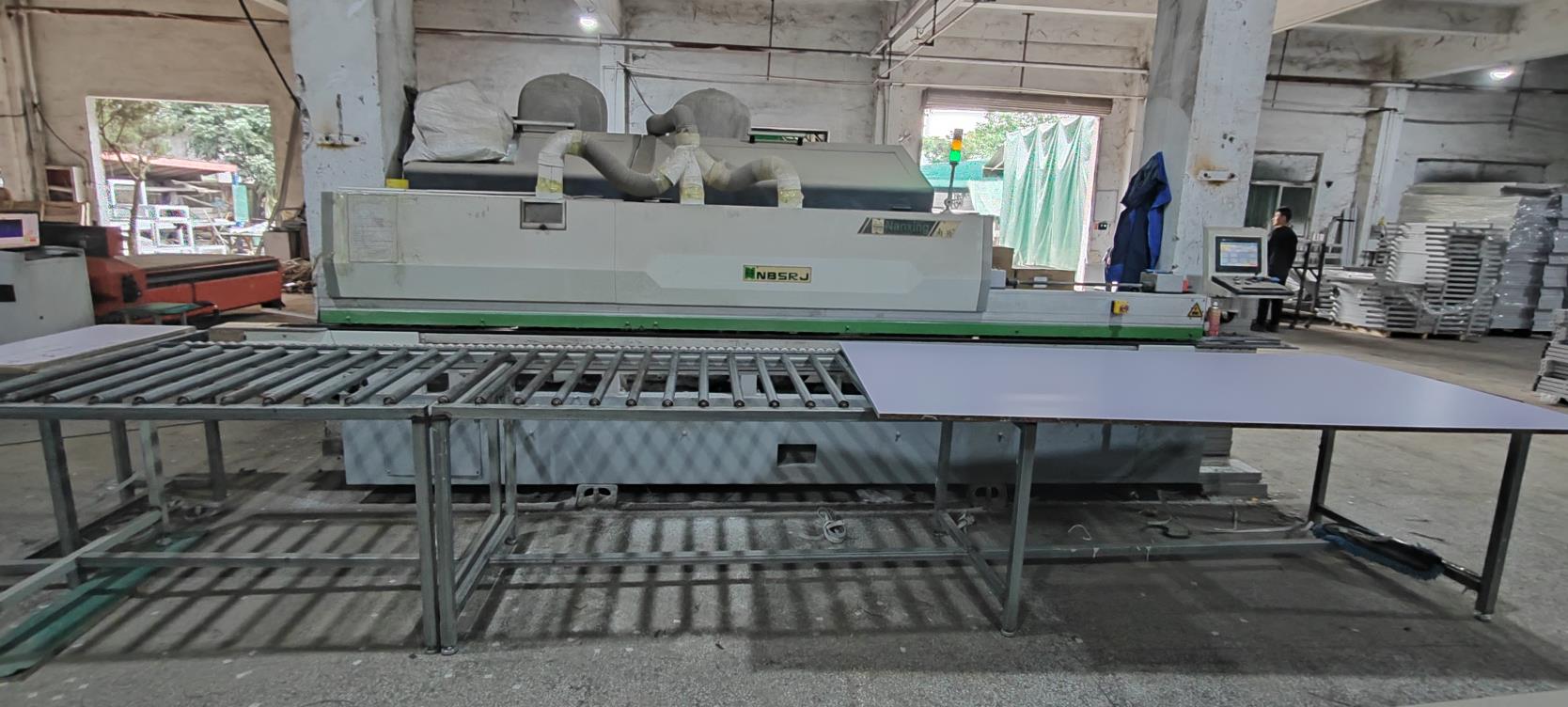
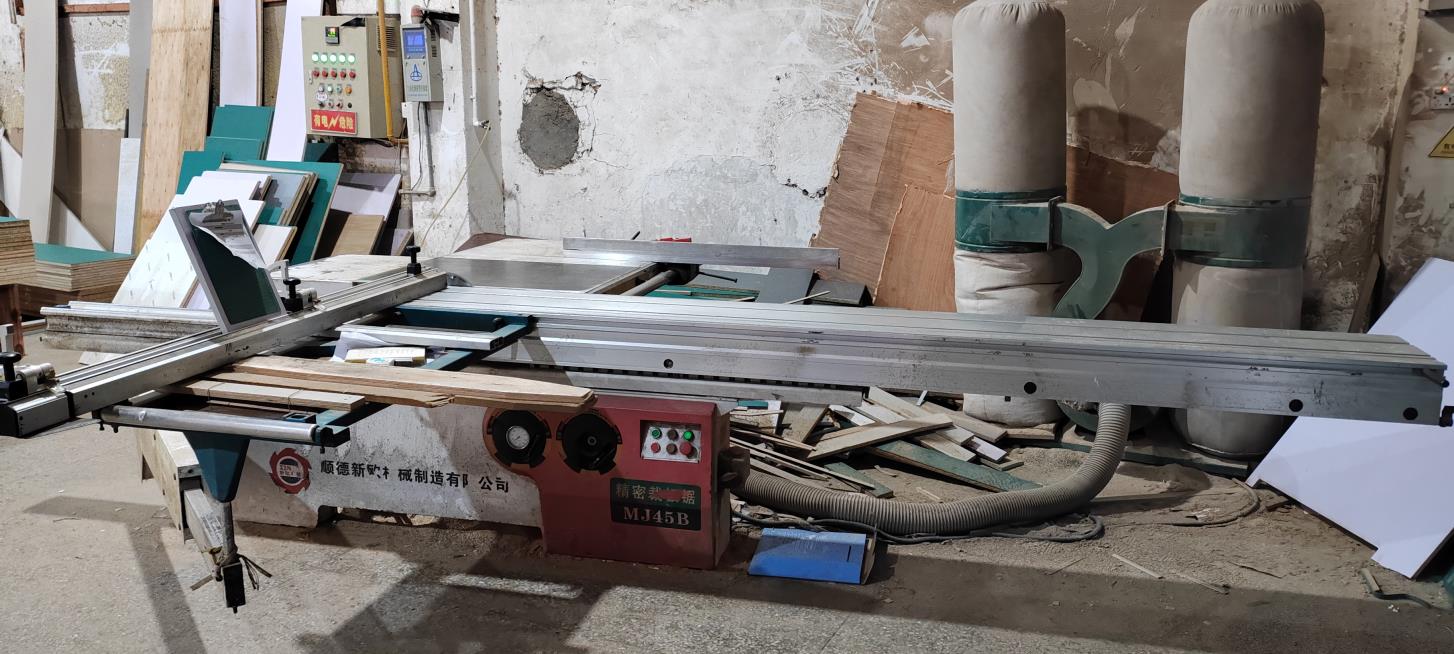
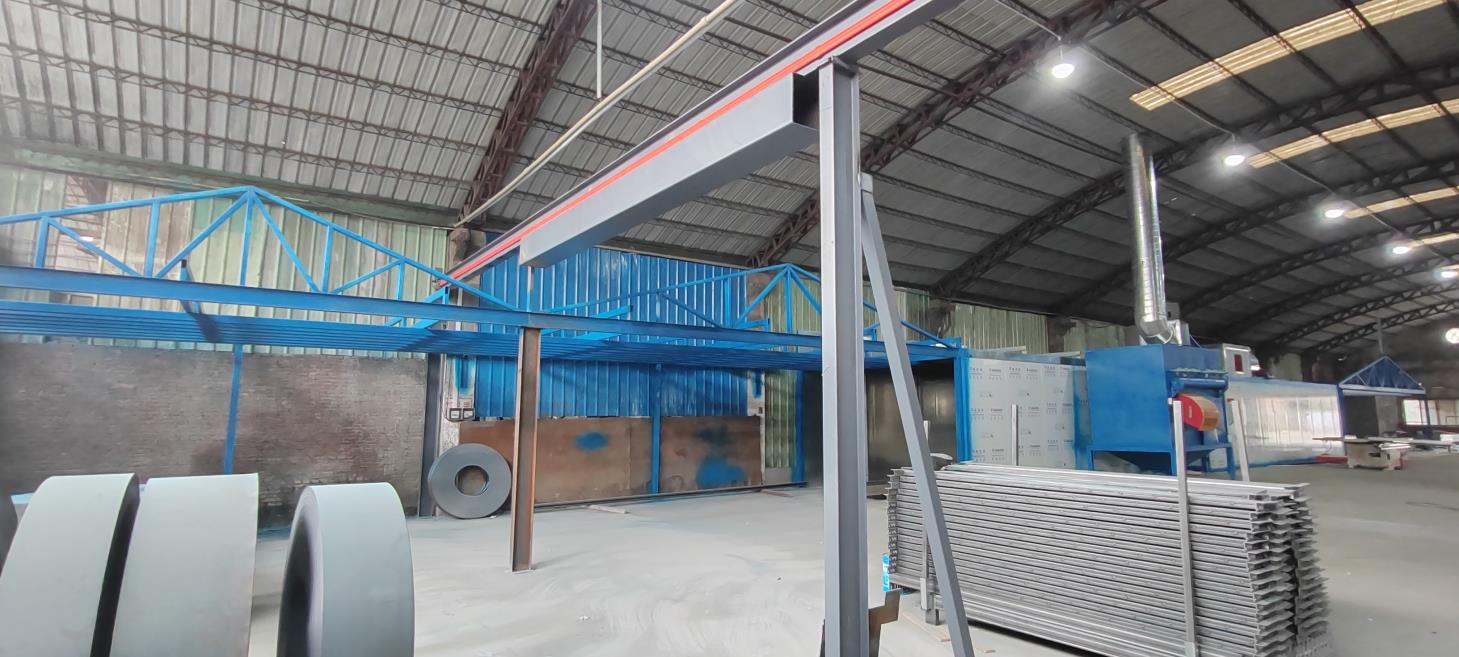
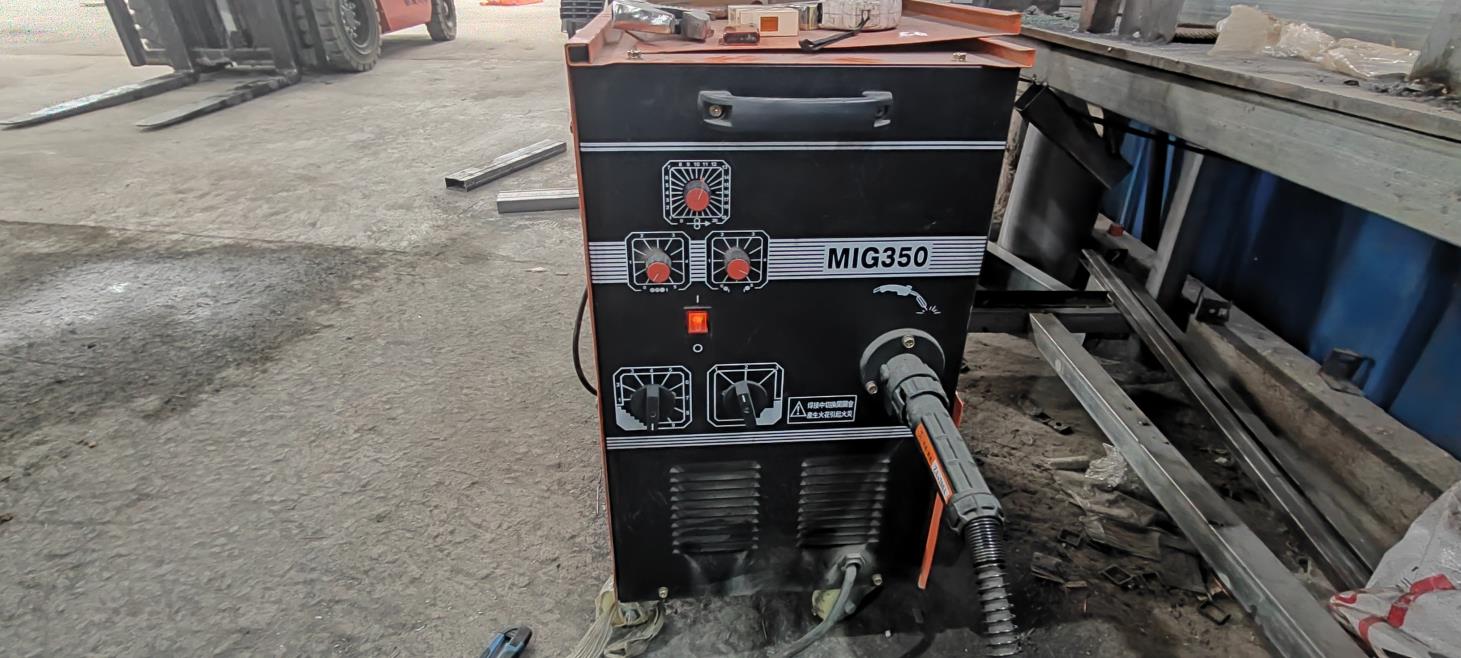
Take a closer look inside our 48,000 m² state-of-the-art facility, powered by precision automation and rigorous quality controls.
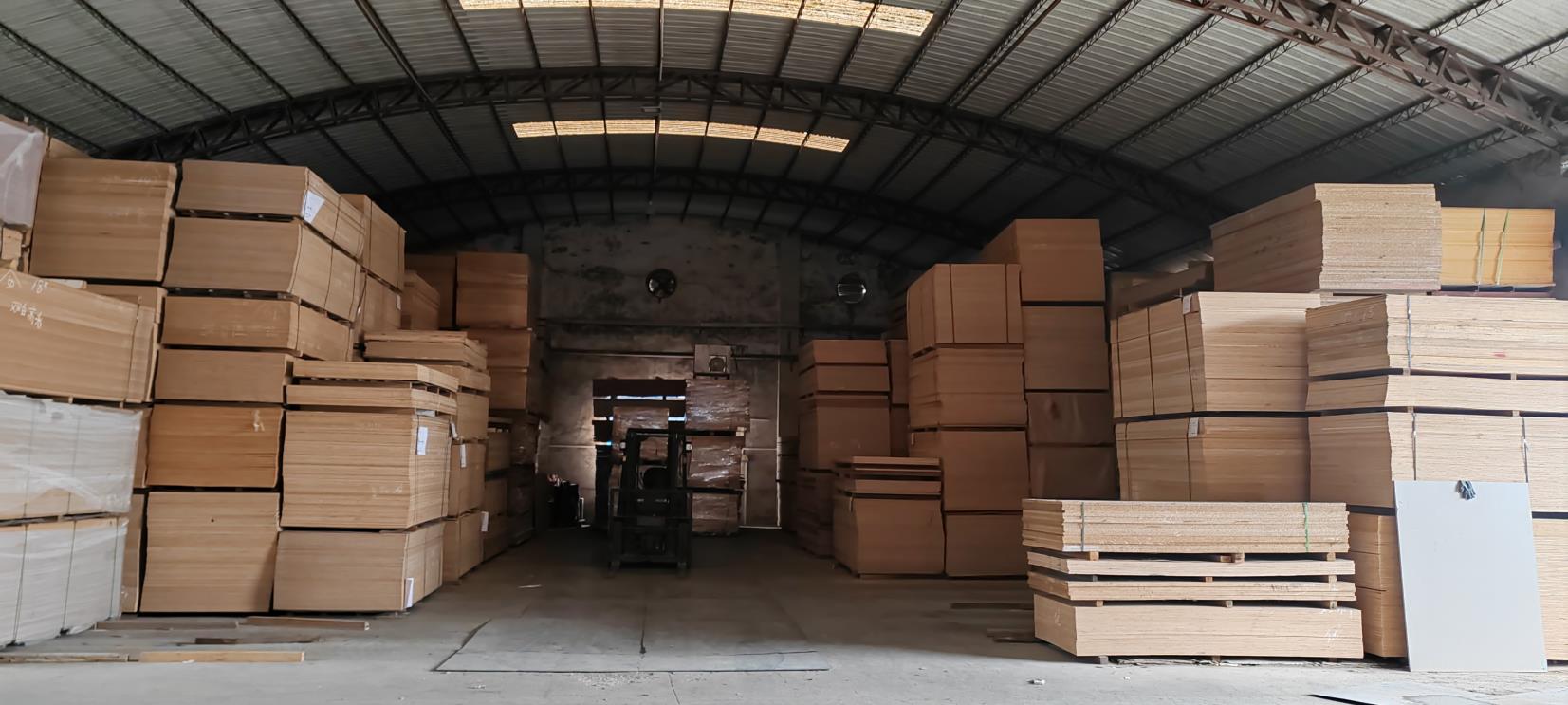
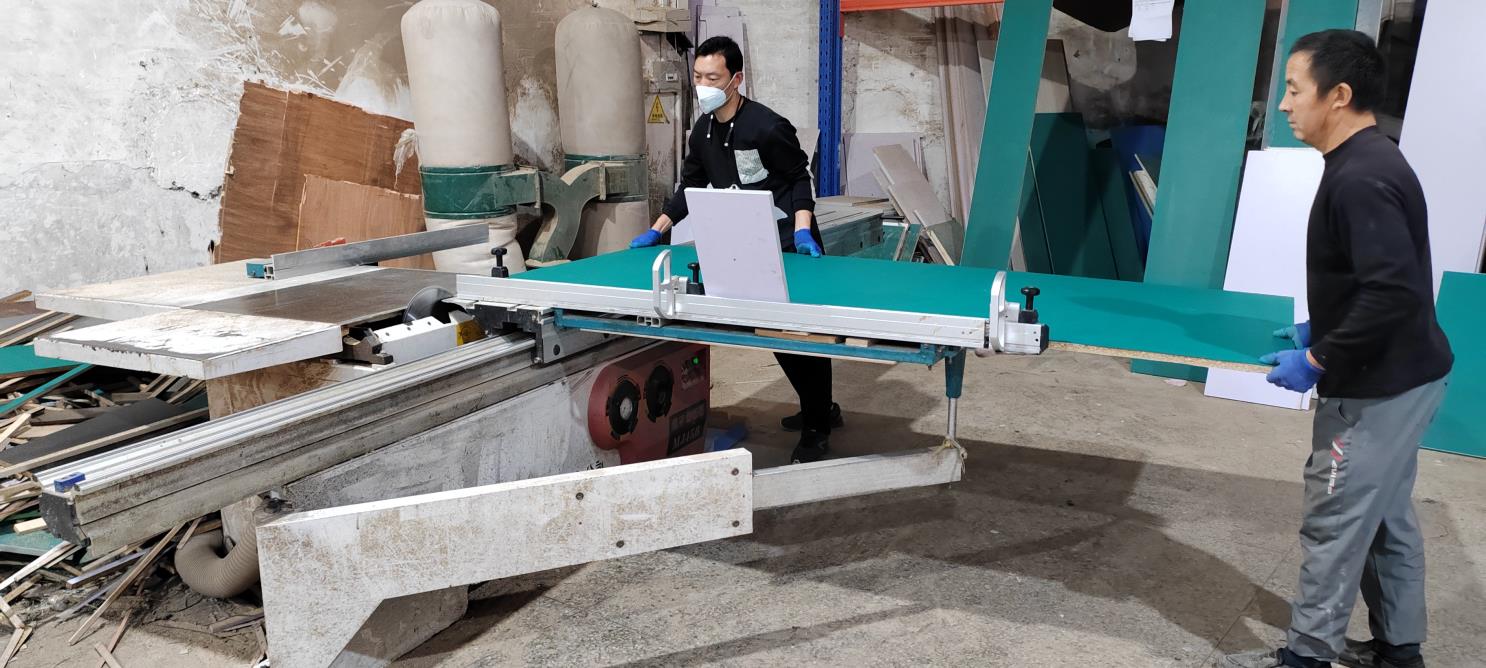
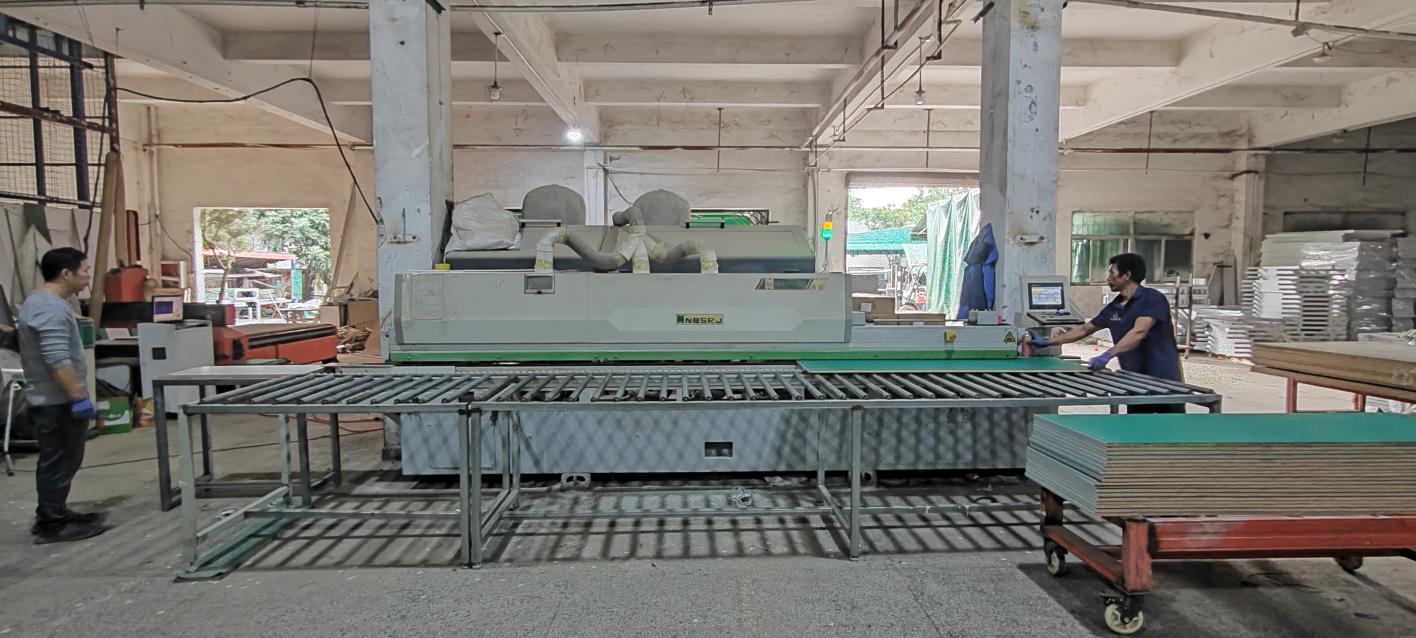
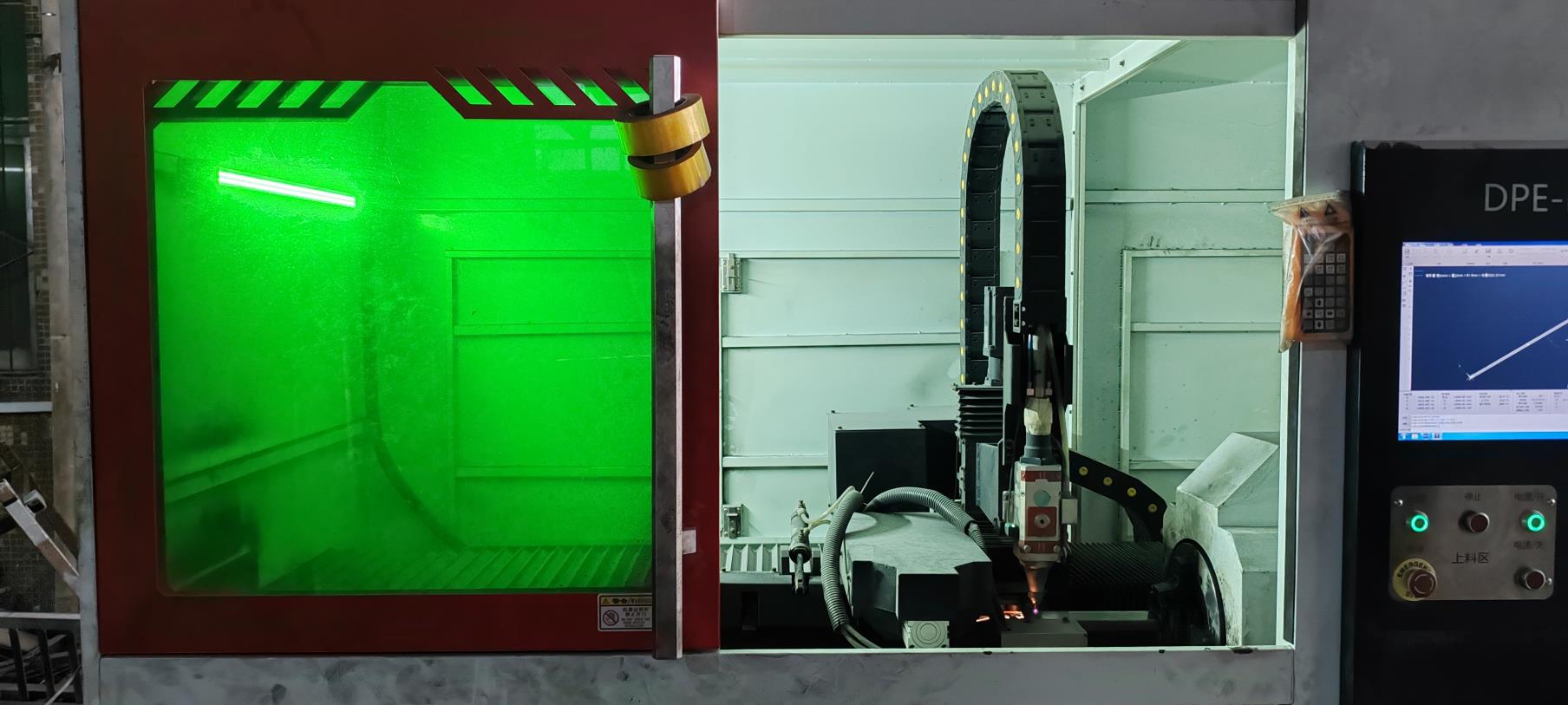
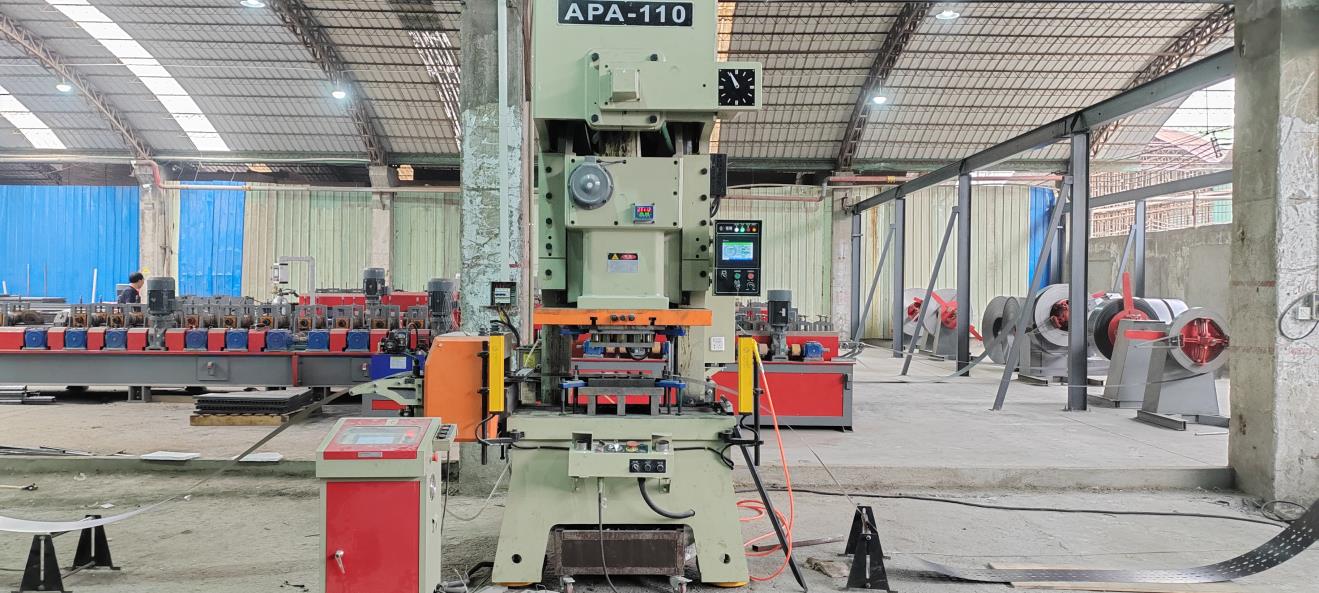
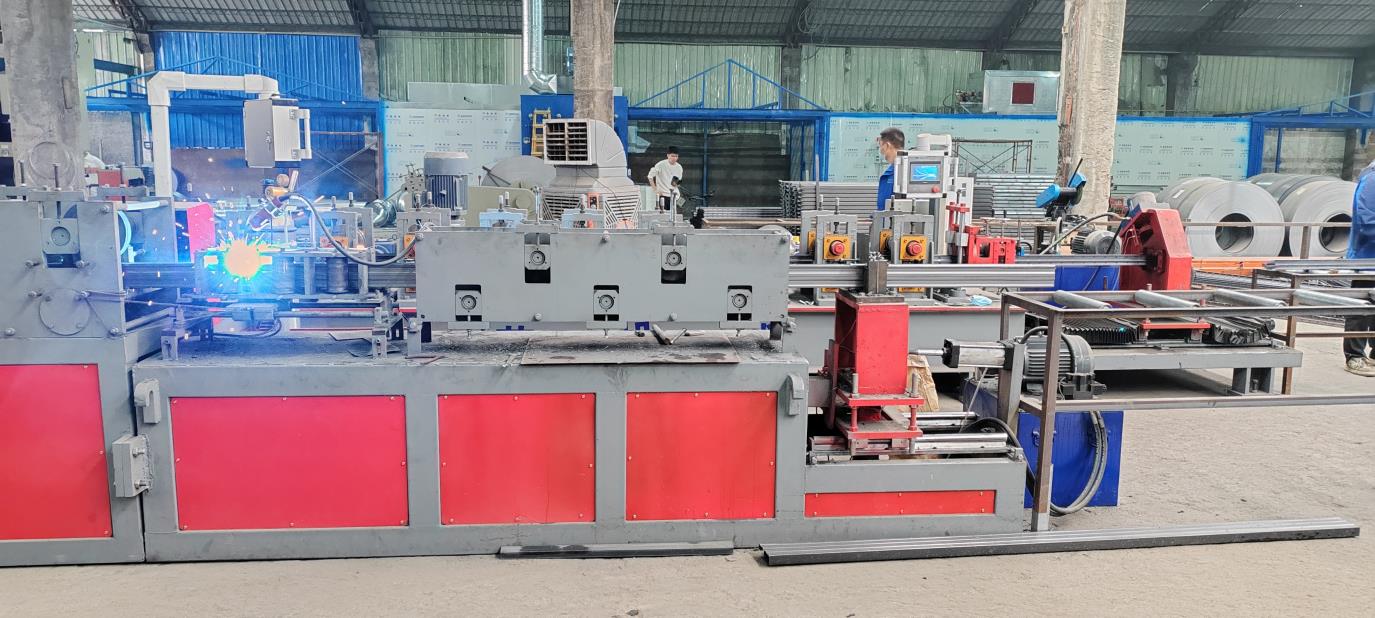
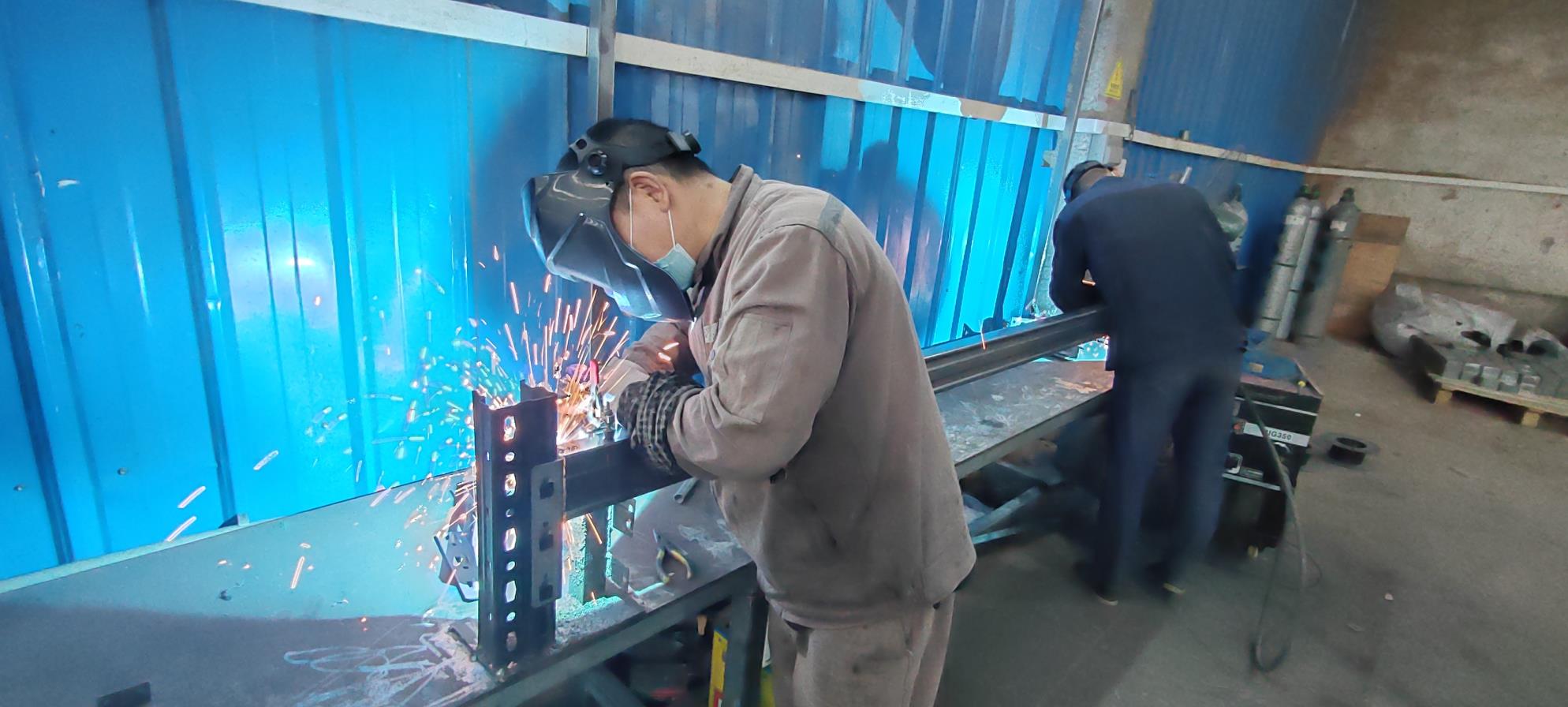
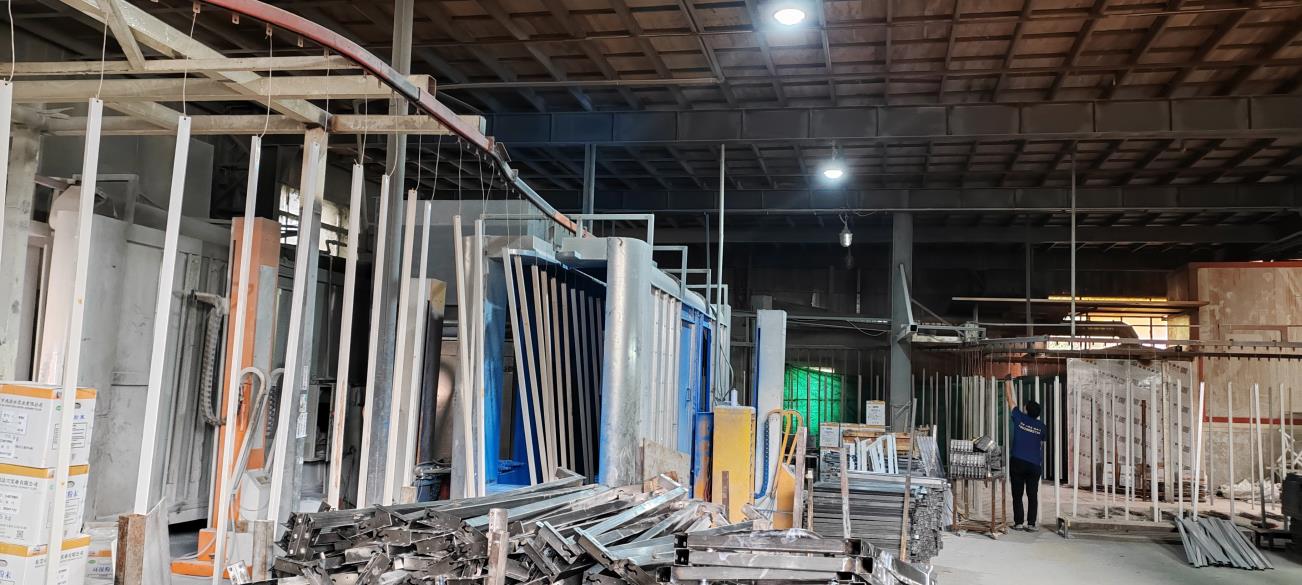
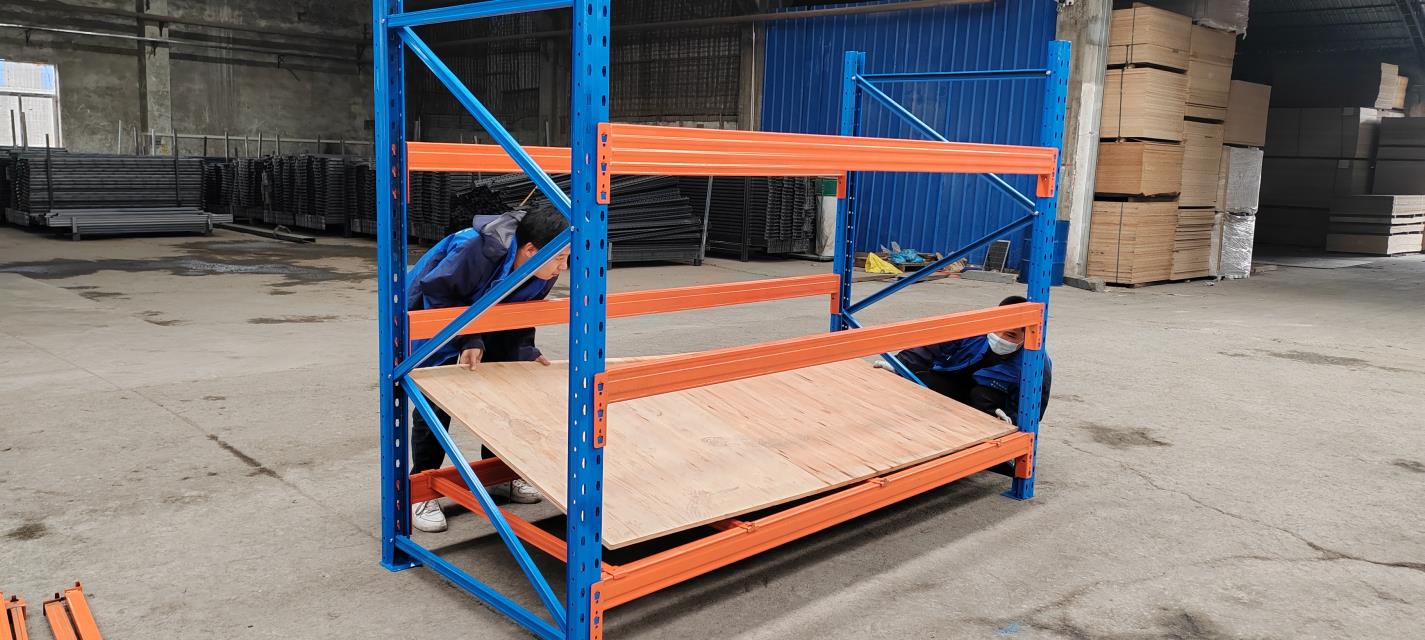
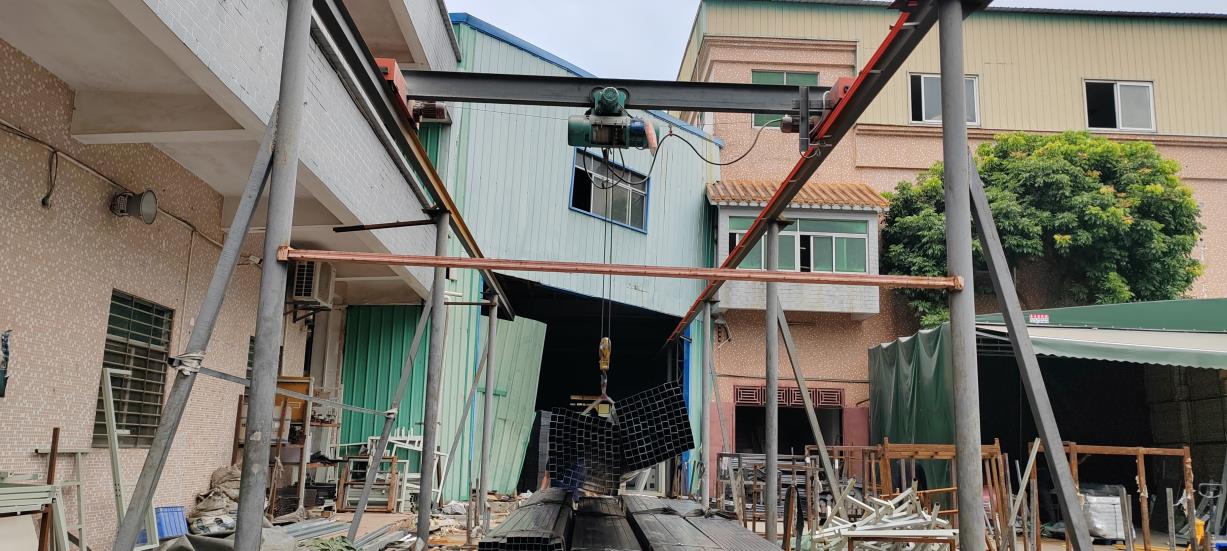
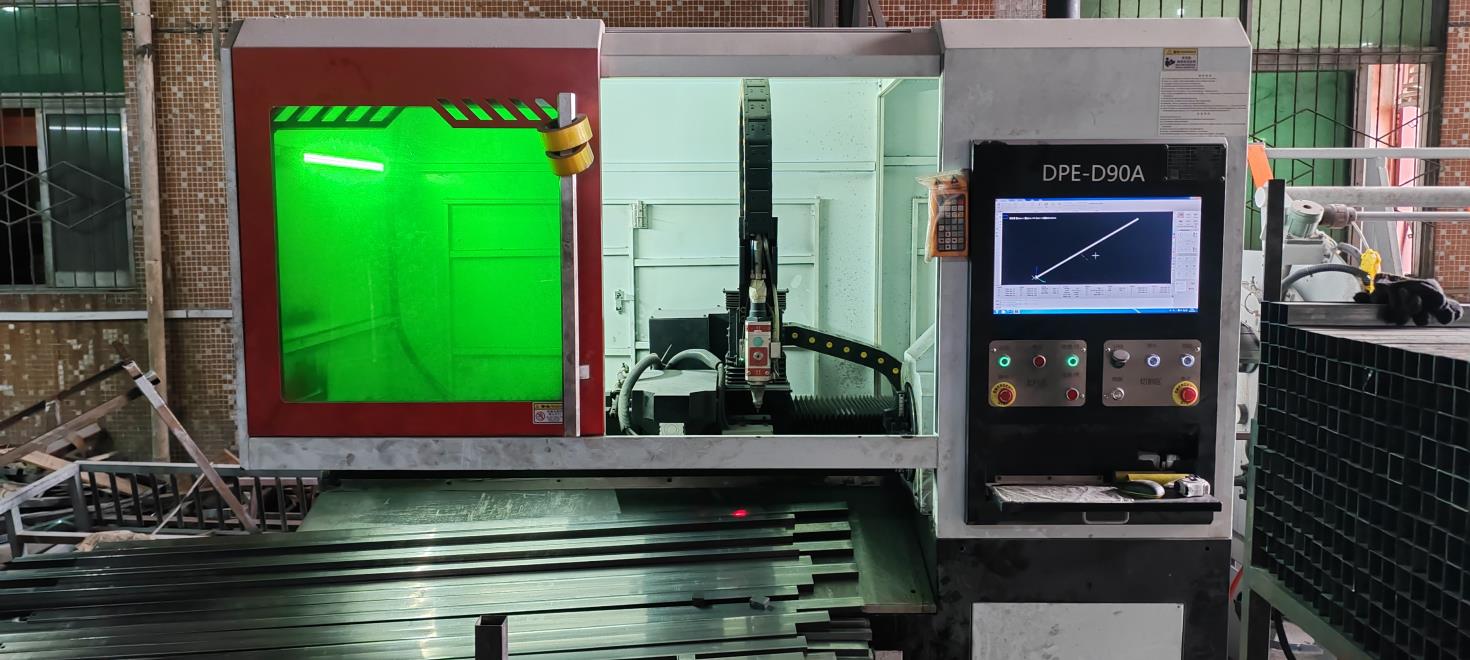
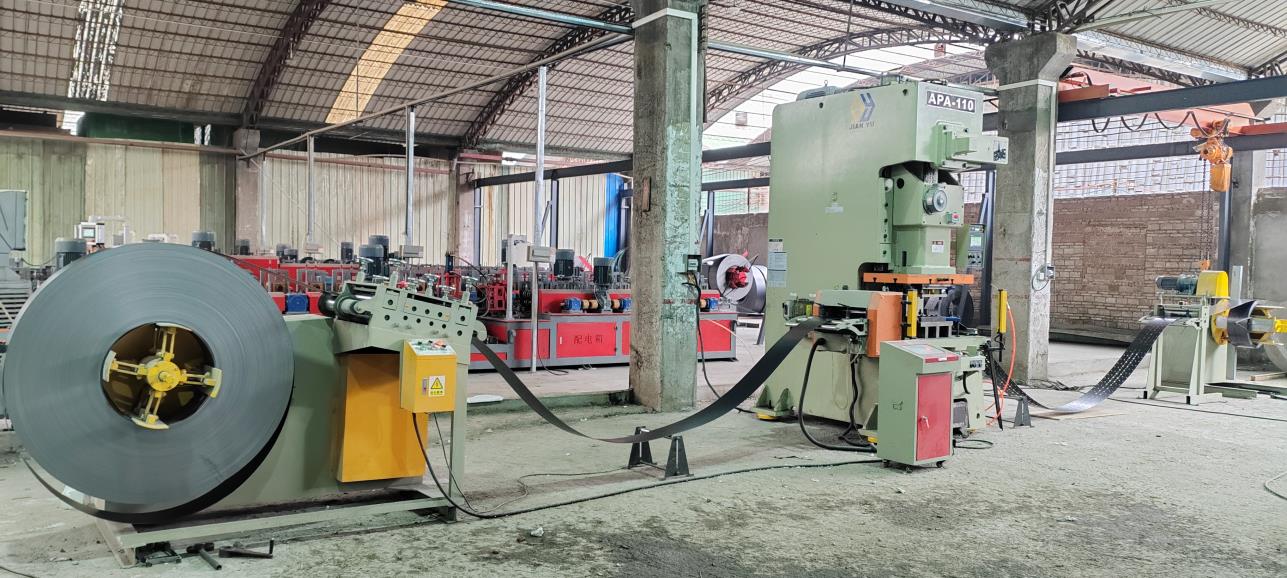
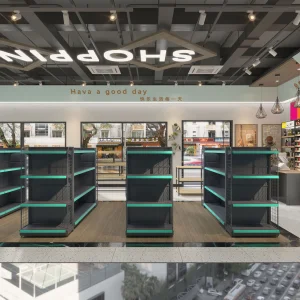
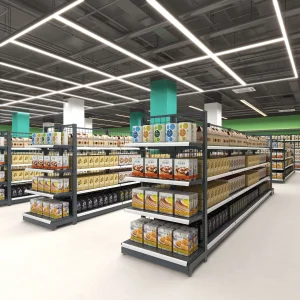
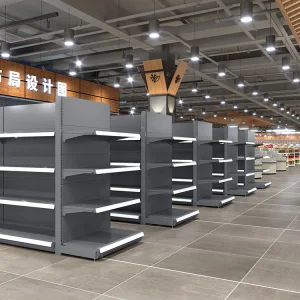
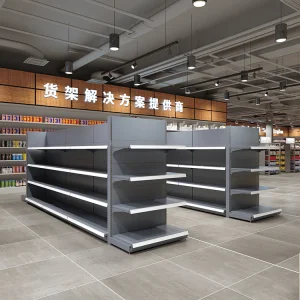
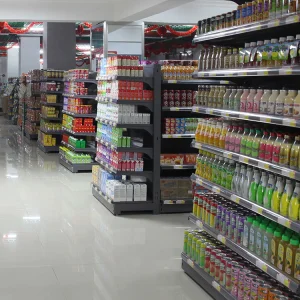
In modern store environments, shelves do more than support products—they shape visitor traffic flow, define spatial aesthetics, and maximize sales density. Modern retail layout design categorizes shelving into specific functional clusters, each requiring distinct engineering criteria:
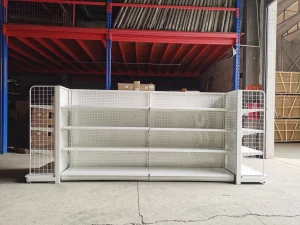
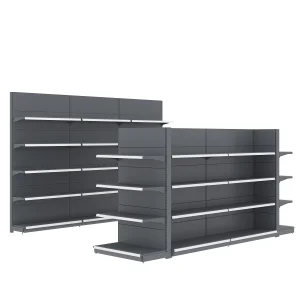
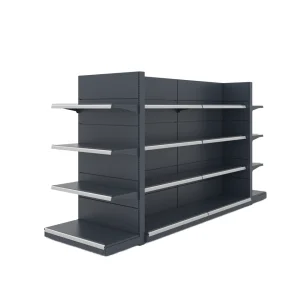
For high-turnover retailers handling vast quantities of inventory on the floor, structural failure is not an option. Heavy bulk storage, such as structural racks for heavy beverage packs, bulk grains, and oils, demands heavy-duty double-sided systems. Using high-grade steel like Q235B ensures stable weight-bearing thresholds, minimizing structural bending under long-term mechanical stress.
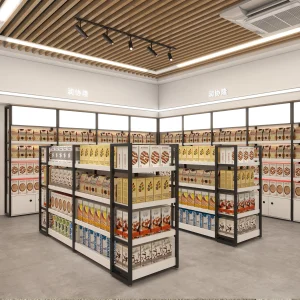
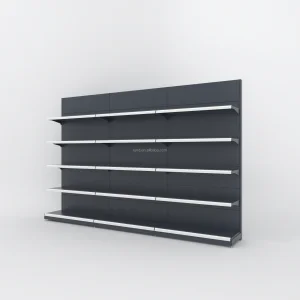
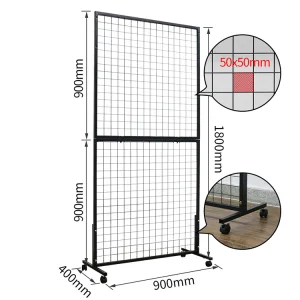
Small-format stores operate in constrained footpaths. They demand modular, light-duty combination shelves that offer multi-position adjustments, pegboard integrations, and clean lines. Flexibility is paramount; our interlocking and tool-free assembly designs reduce construction and store refresh cycles, resulting in massive operational savings.
Merchandisers for high-density goods like edible oils, rice bags, and bottled spirits need specialized reinforcement. Conventional displays tend to bow, posing safety risks and compromising aesthetics. Engineered heavy-duty single-sided or double-sided steel frames with integrated base braces ensure stability, maintaining high aesthetic appeal even under maximum shelf capacities.
The global retail landscape is evolving rapidly. Forward-thinking procurement managers must design spaces that are ready for next-generation technology and changing regulations:
Expert insights on key procurement factors, structural design standards, and global import guidelines.
Rugged structural design built to handle high-density distribution hubs, backroom storage, and specialized display layouts.
 FortisRack