Explore our flagship catalog of engineered wooden shelving units, hybrid steel-wood gondolas, and commercial store accessories designed to maximize visual merchandising performance.
An in-depth analysis of retail spatial optimization, multi-material engineering, and international supply chain standards.
In the modern retail ecosystem, the design and material composition of shelving units represent more than structural hardware; they are critical drivers of visual merchandising psychology, SKU organization, and brand differentiation. Over the past decade, the global retail market has transitioned from sterile, industrial-style steel shelving to hybrid wood-metal storage and display systems. By combining the structural load capacity of high-strength structural steel with the warm, premium aesthetic of engineered and natural timber panels, modern supermarkets and cosmetic stores dramatically enhance customer dwell times and average order values.
From a macro-industrial perspective, global procurement managers are continuously balancing the demand for durable materials with the necessity of sustainable sourcing. The integration of FSC-certified wood panels, finished with low-VOC coatings, aligns store infrastructure with corporate environmental responsibility mandates. Furthermore, the structural design of these shelves must resist constant physical impact, localized humidity (especially in fresh produce and bakery zones), and heavy load deflections. Nanjing Fortis Storage Equipment Manufacturing Co., Ltd. addresses these demands through engineered adaptations that pair lightweight aesthetics with industrial-grade durability.
"The shift toward hybrid wooden gondola displays and modular bakery shelving units reflects a deeper understanding of retail shopper behaviors. Merchandising structures with integrated organic timber elements have been demonstrated to raise category purchasing conversions by up to 18.5% compared to baseline metallic units."
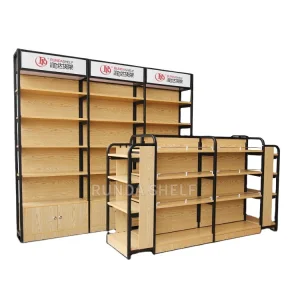
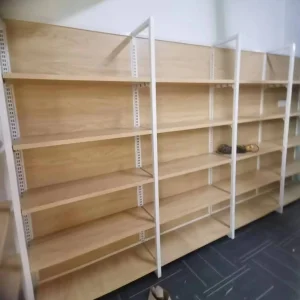
Conventional metal shelving units are prone to surface scratching and do not deliver the textural luxury required by premium categories such as organic foods, fine wines, cosmetics, and artisanal bakery products. Conversely, pure wooden shelving lacks the modular versatility and high loading ratings required for fast-moving consumer goods (FMCG). The solution is multi-material hybrid design: structural steel frames provide a rigid skeleton, while precision-crafted wood inserts, shelves, and canopy accents provide the desired aesthetic finish. This approach reduces overall rack weight, simplifies installation, and permits easy component replacement, lowering the Total Cost of Ownership (TCO) for retail store operators.
Established in 2016, our advanced industrial plant combines automated metal fabrication with state-of-the-art woodworking to deliver high-capacity retail racking globally.
Operating a modernized 48,000 square meter industrial plant, Nanjing Fortis Storage Equipment Manufacturing Co., Ltd. has established itself as an authoritative supplier and exporter of supermarket accessories and wooden shelves. With 10 years of deep industry expertise and 7 years of global trade experience, our team specializes in bespoke structural adaptations, special surface coating treatments, and high-density racking configurations. In the past fiscal year alone, our R&D division introduced 350 innovative display and storage products to the global market, addressing the evolving logistics and visual display requests of our customers.
Our commitment to product quality and structural reliability is backed by ISO14001 environmental management protocols and TUV international structural certifications. Rather than relying on simple visual inspections, our factory carries out rigorous automated Coordinate Measuring Machine (CMM) dimensional inspections to guarantee geometric tolerances within micro-scale variations. In addition, to ensure long-term durability in high-traffic or high-humidity coastal supermarkets, all metallic framing components undergo accelerated salt spray corrosion testing, validating finish integrity against oxidation for years to come.
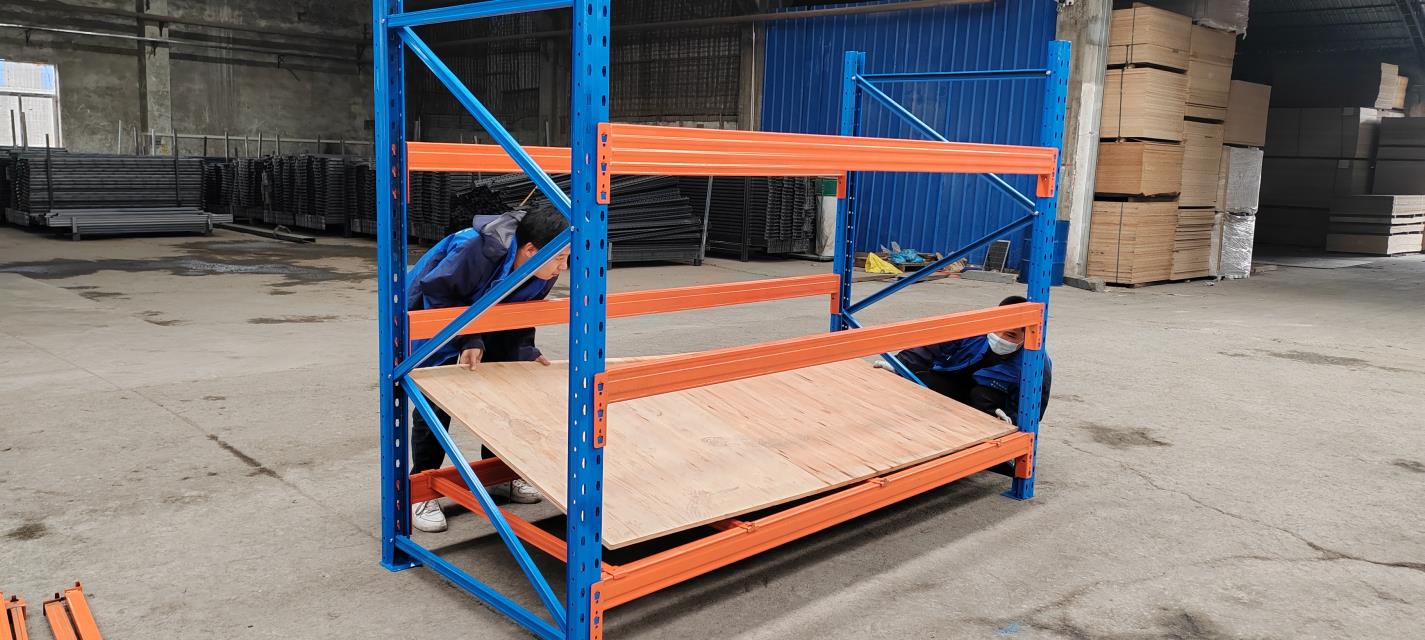
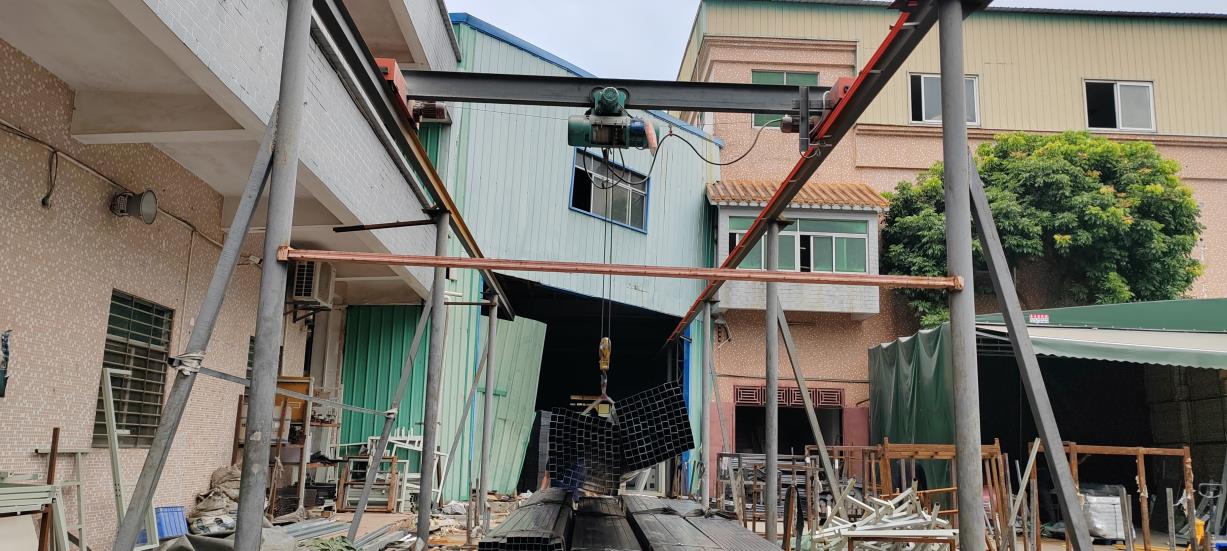
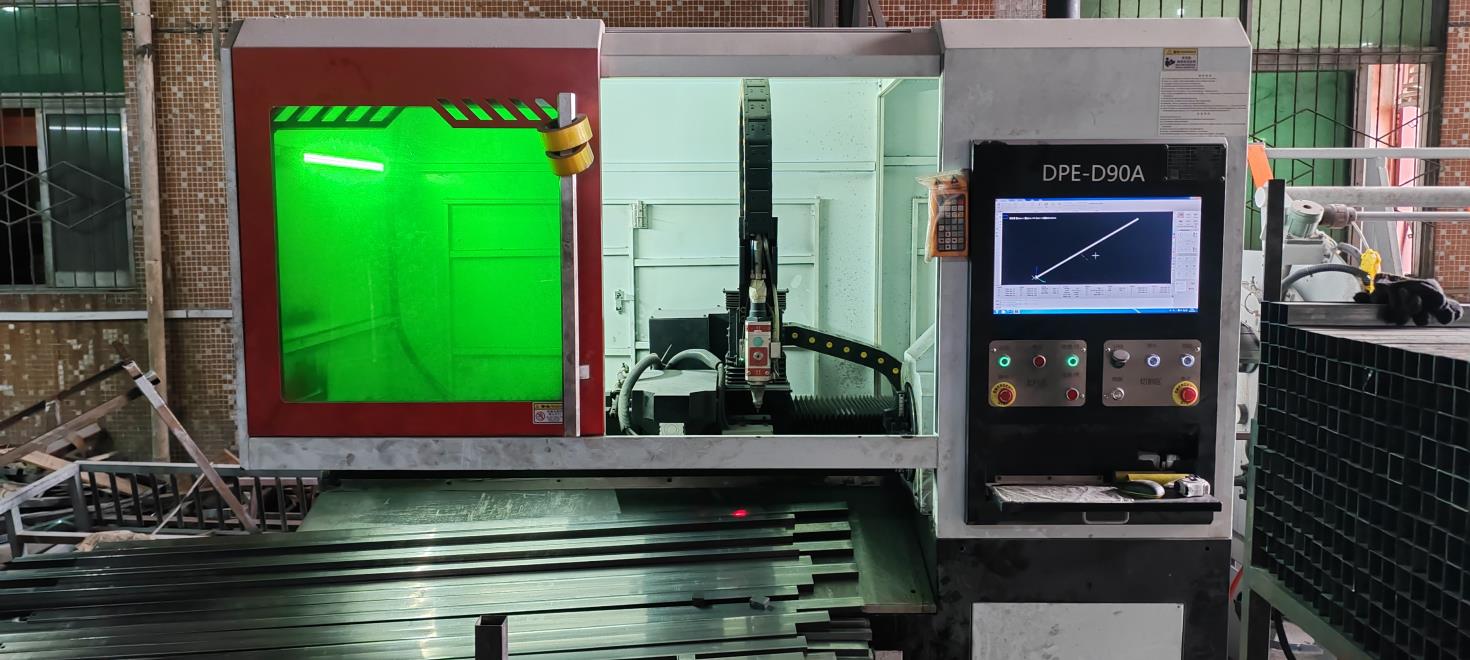
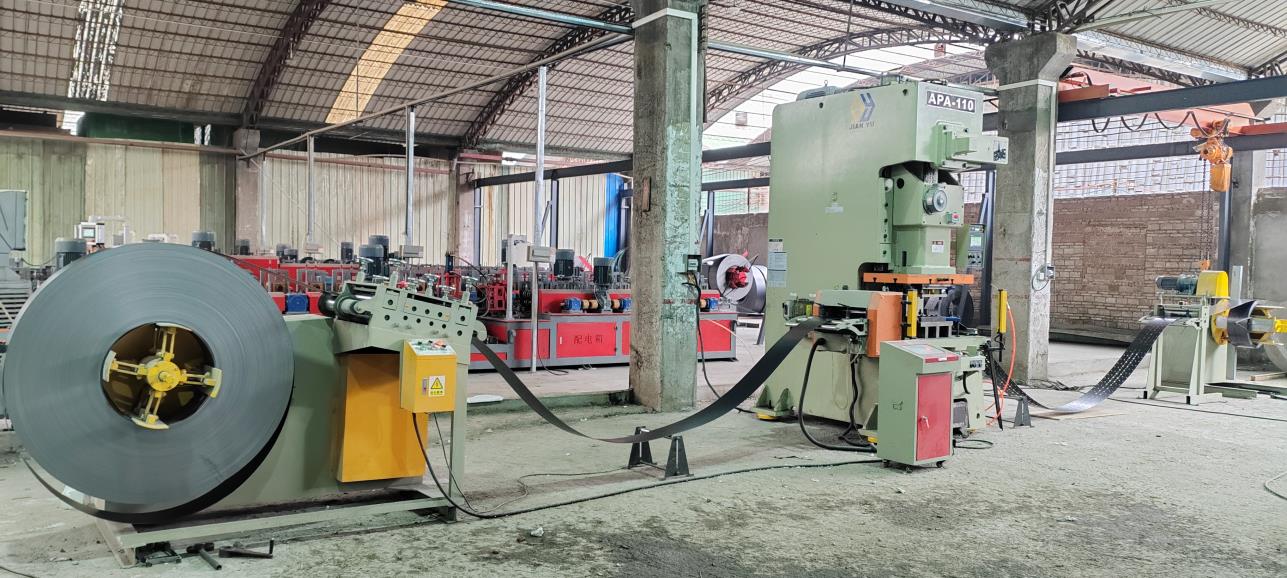
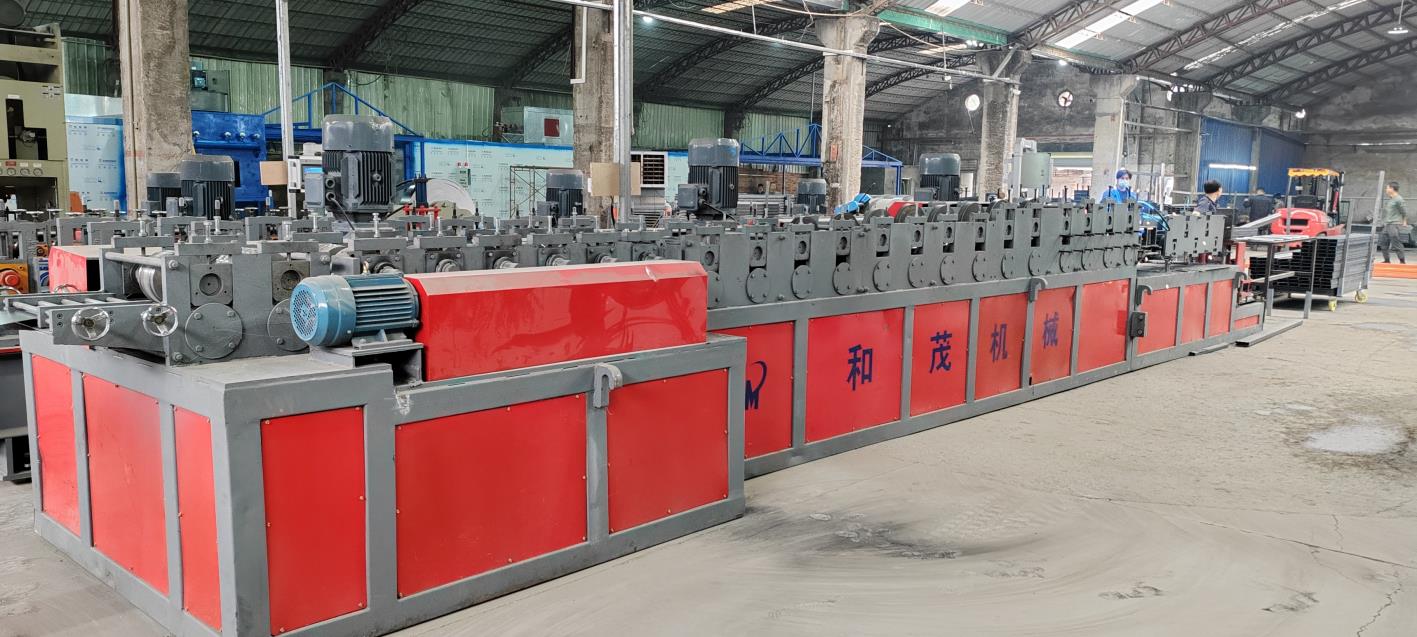
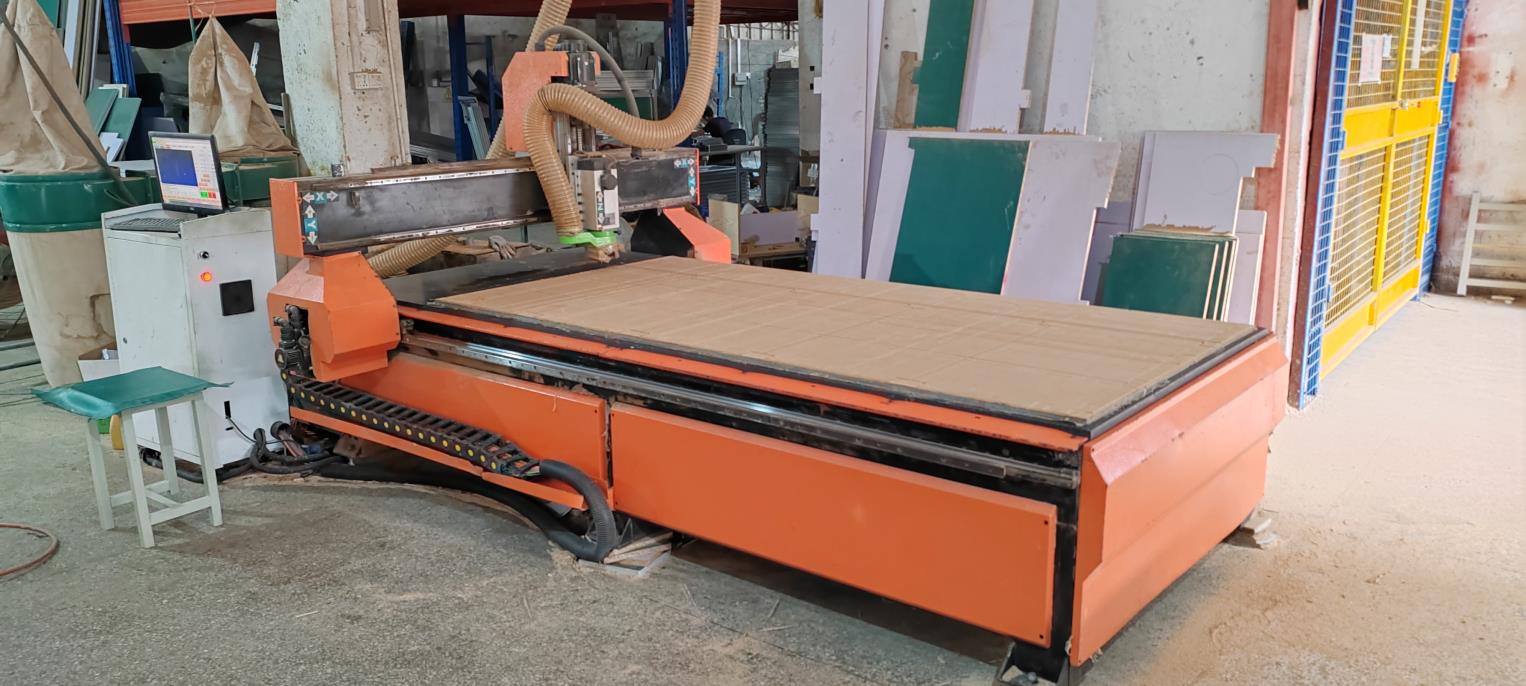
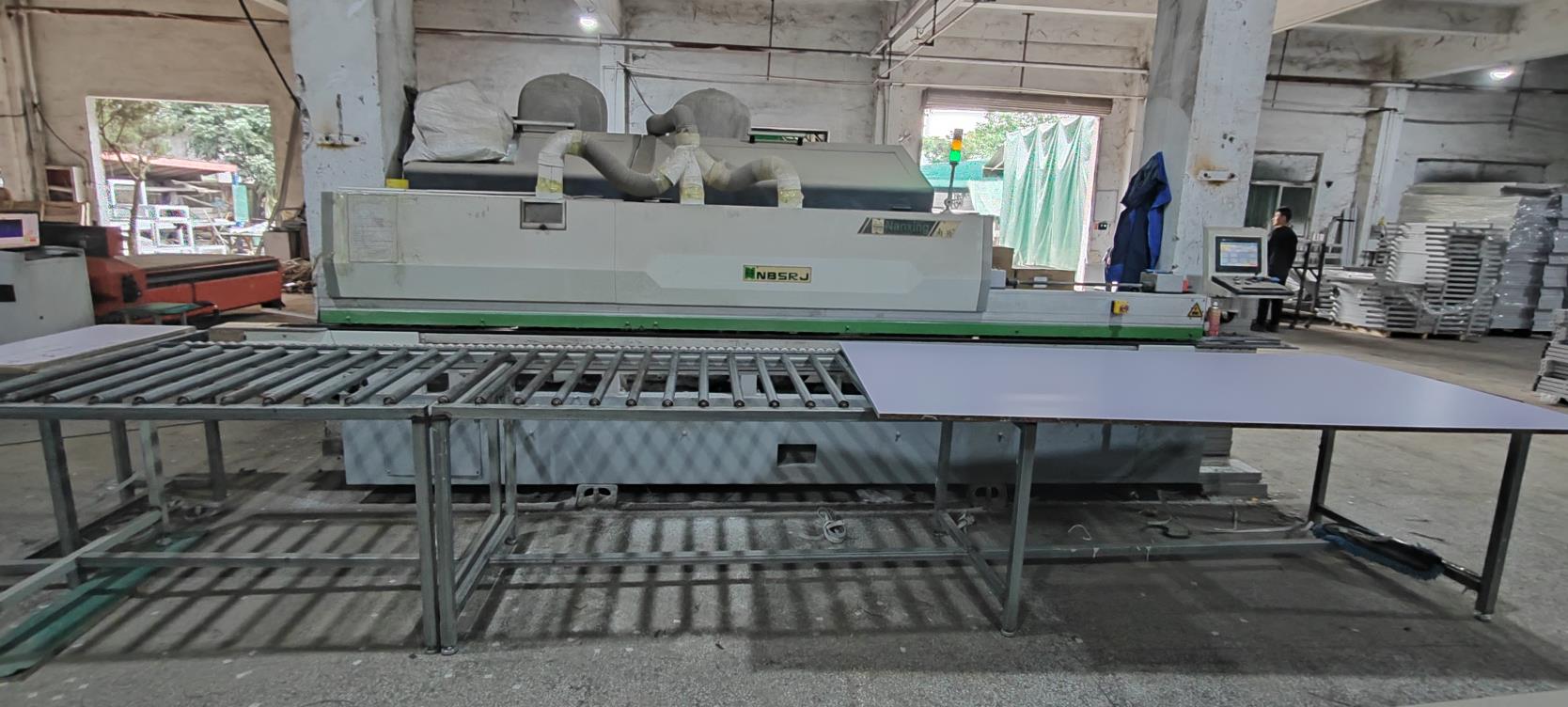
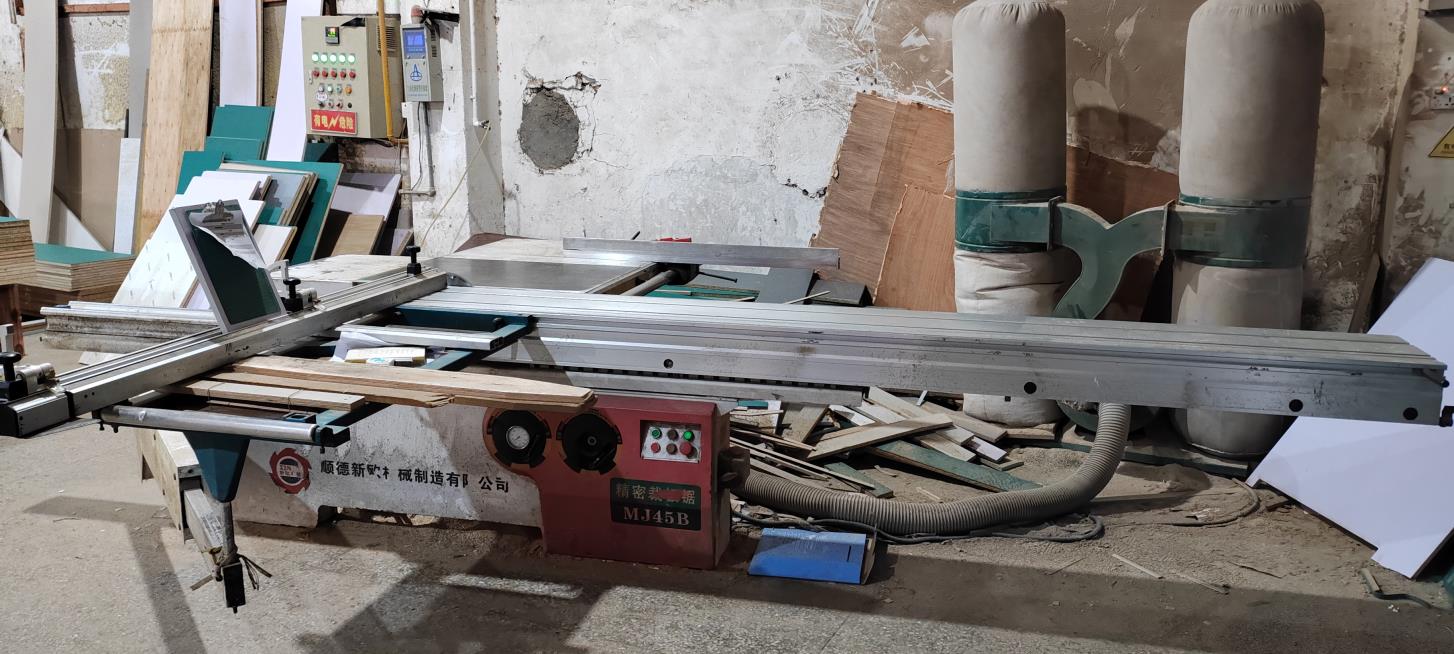
A transparent look at our end-to-end manufacturing workflow. From raw material sorting to precision metal forming and automated wood cutting, we control quality at every station.
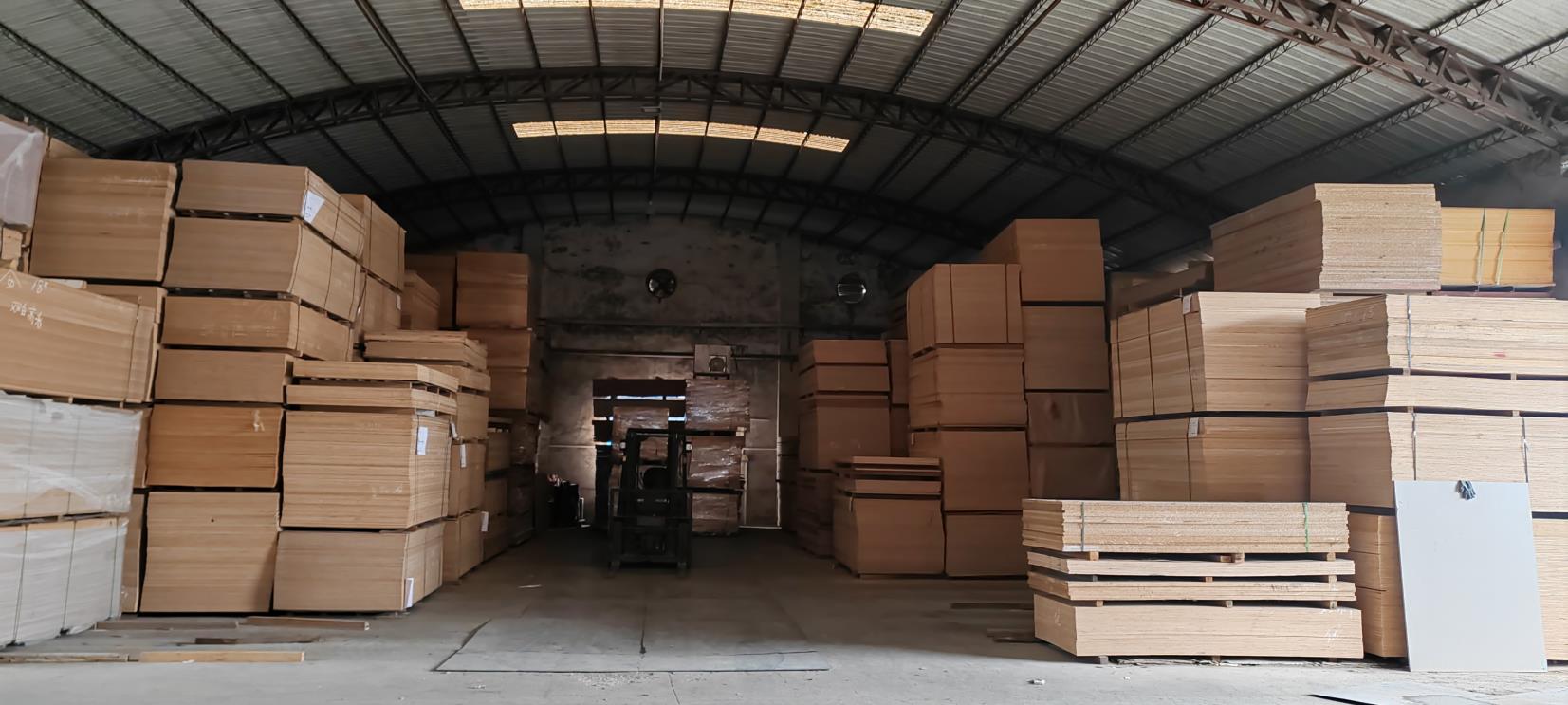
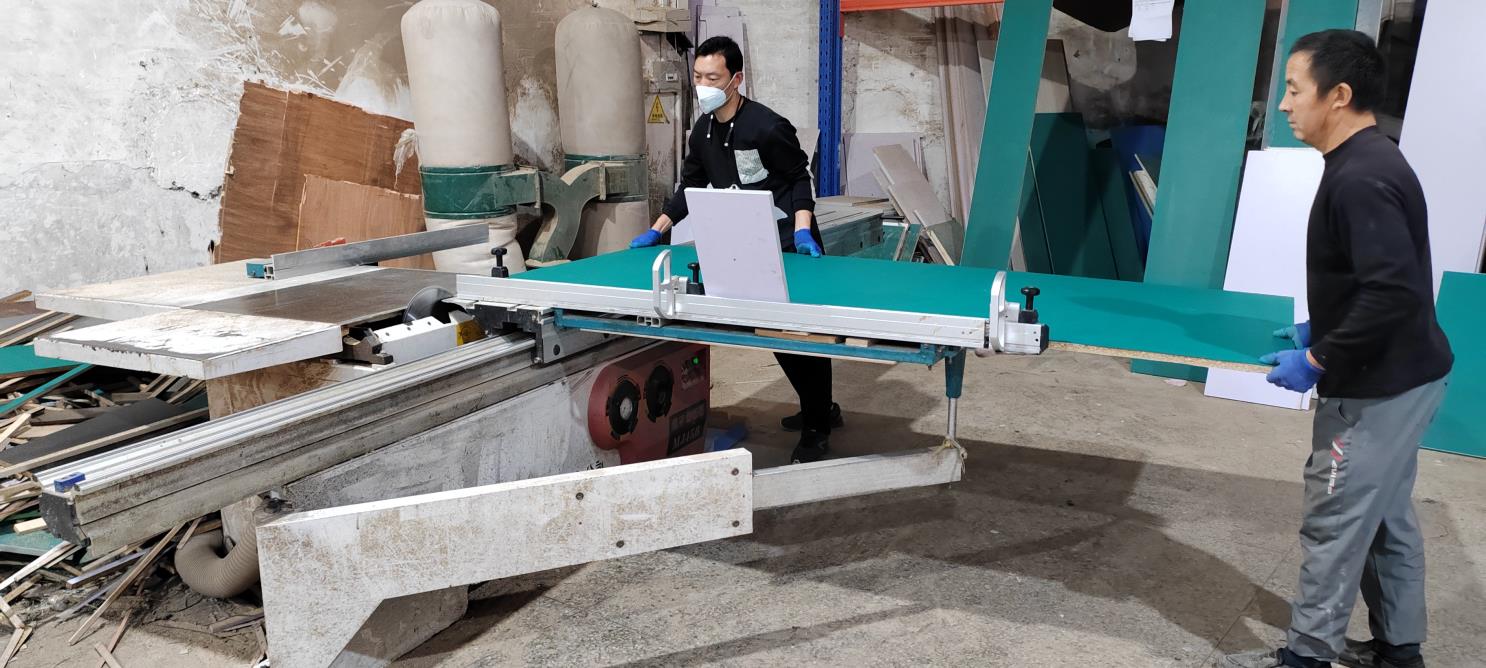
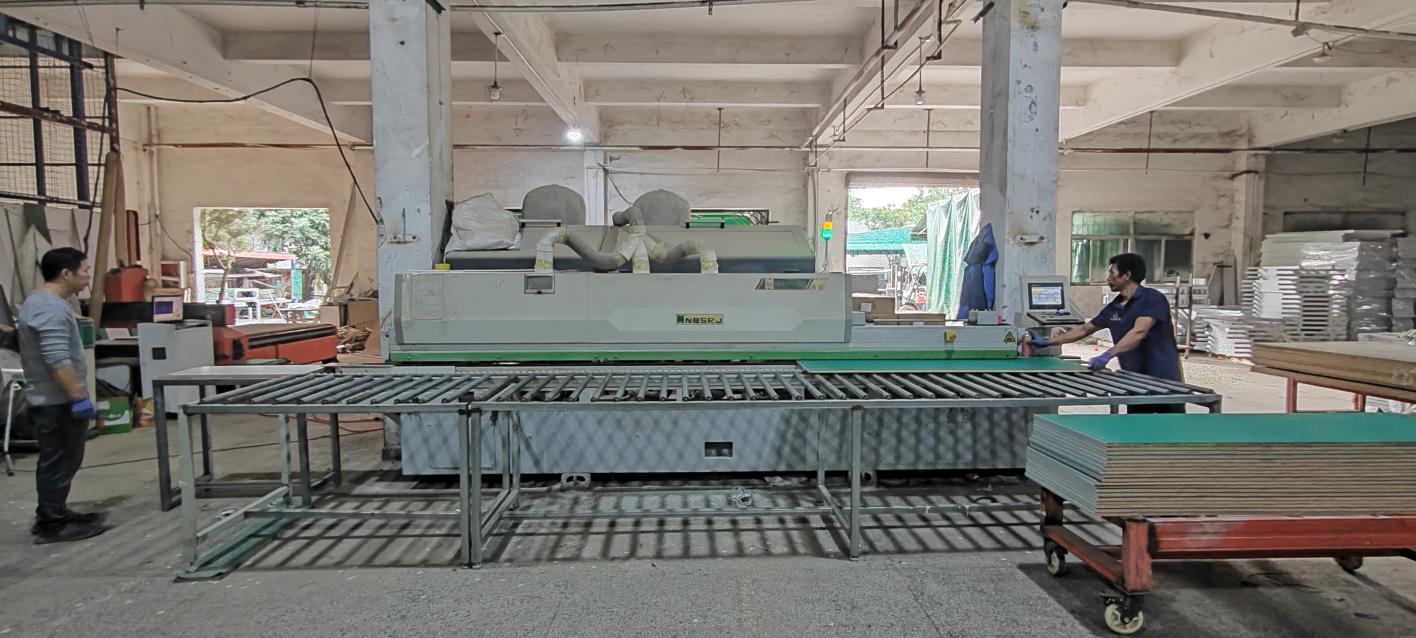
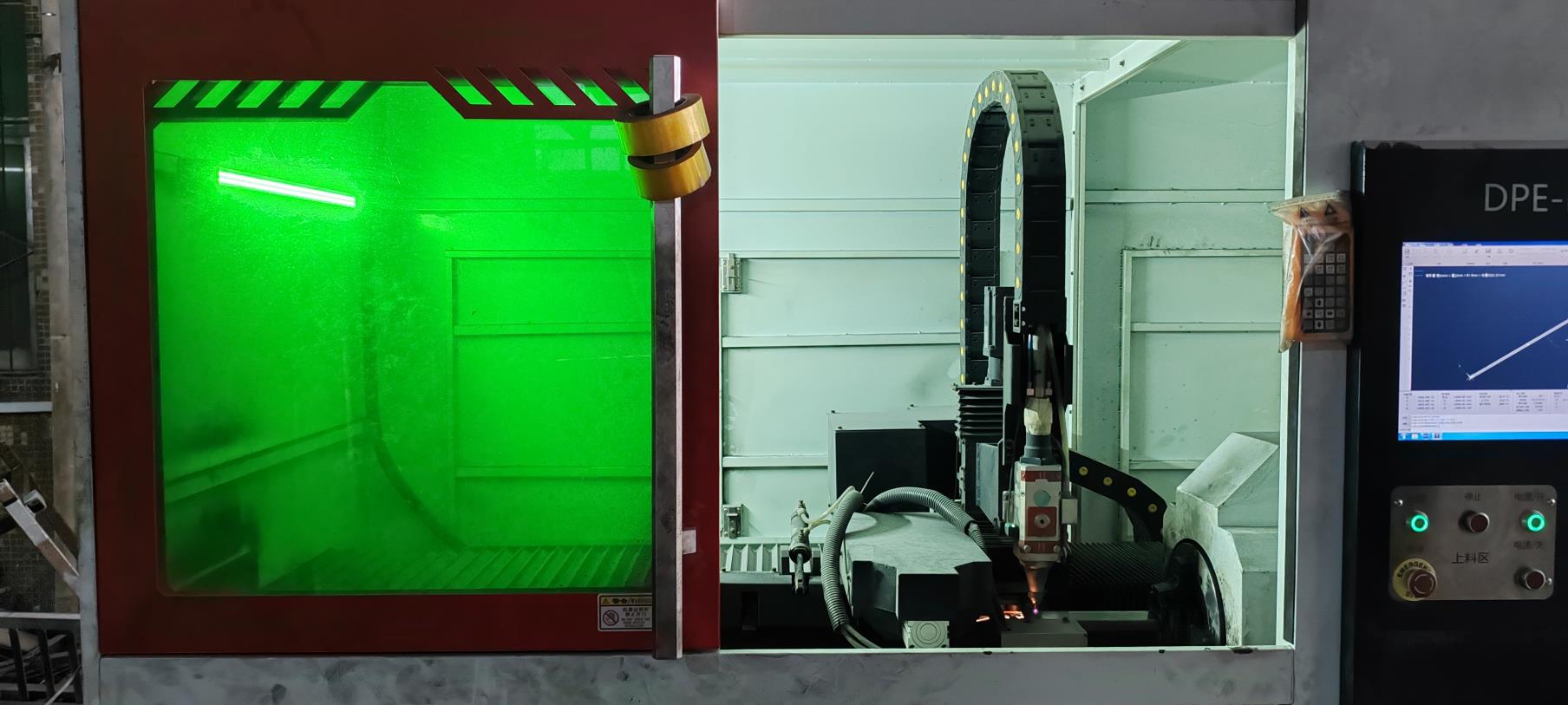
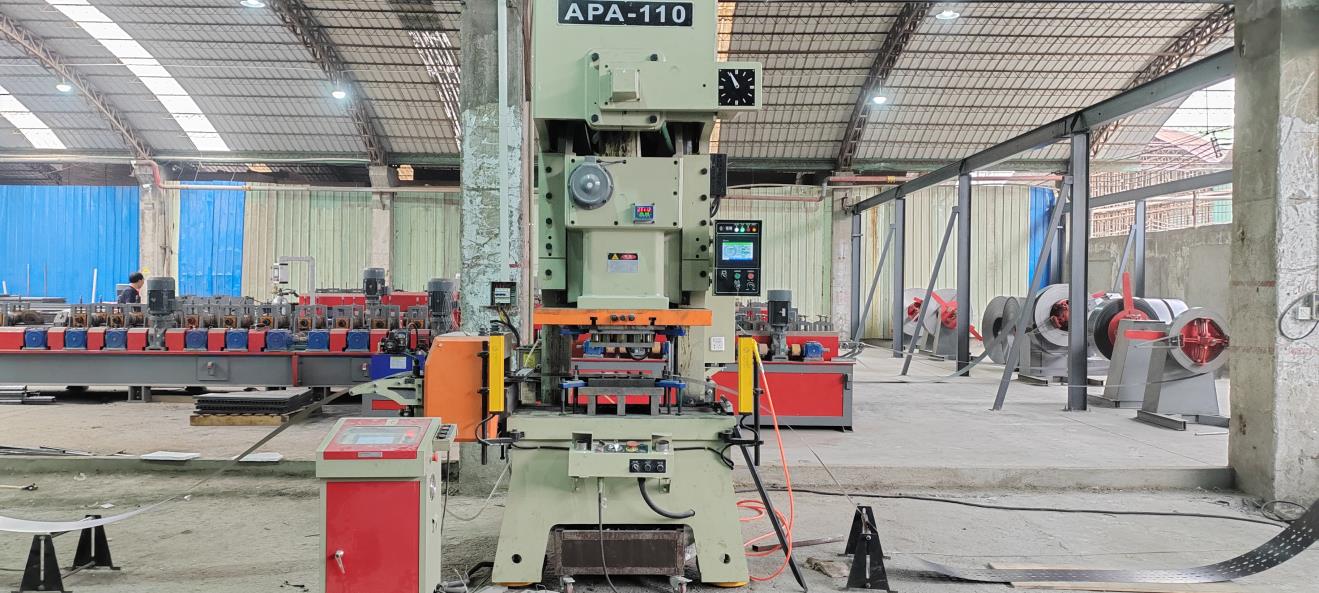
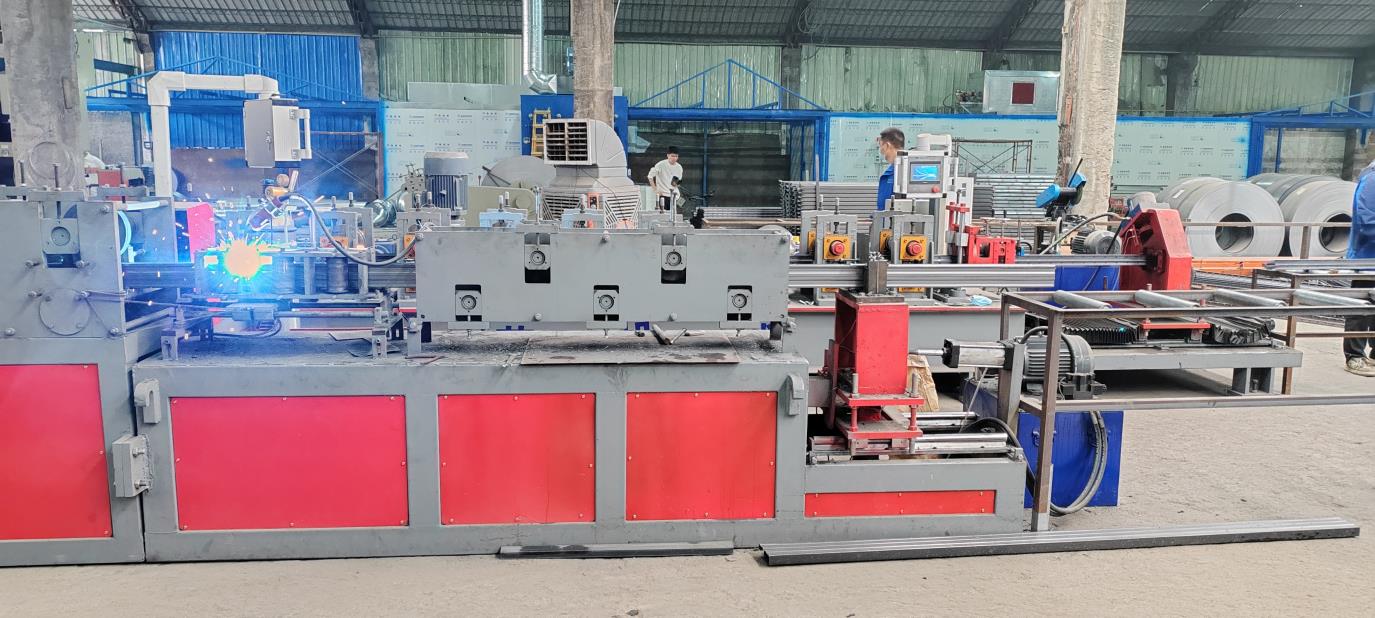
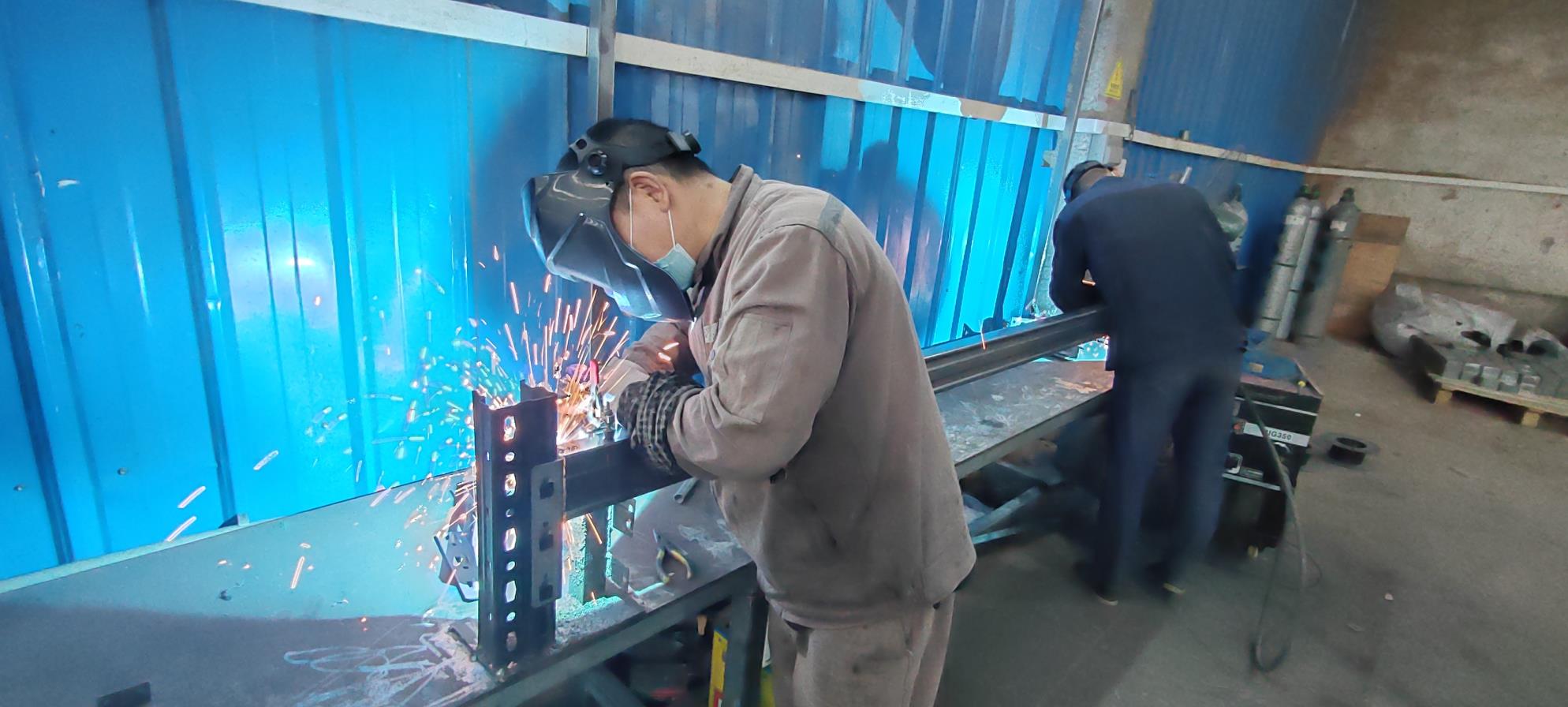
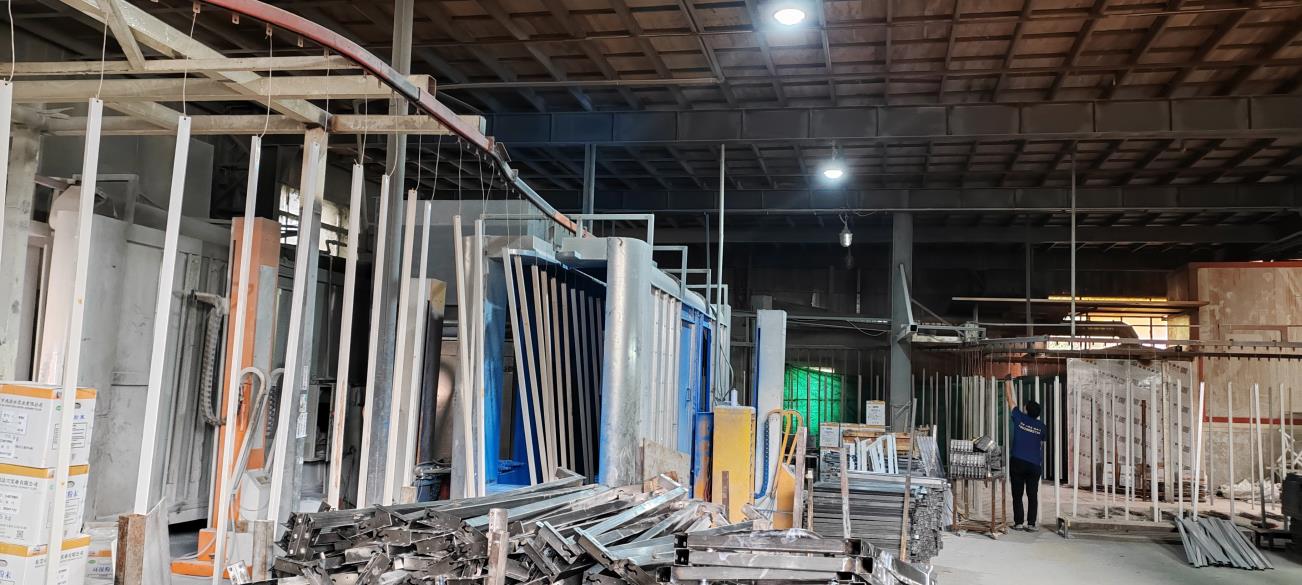
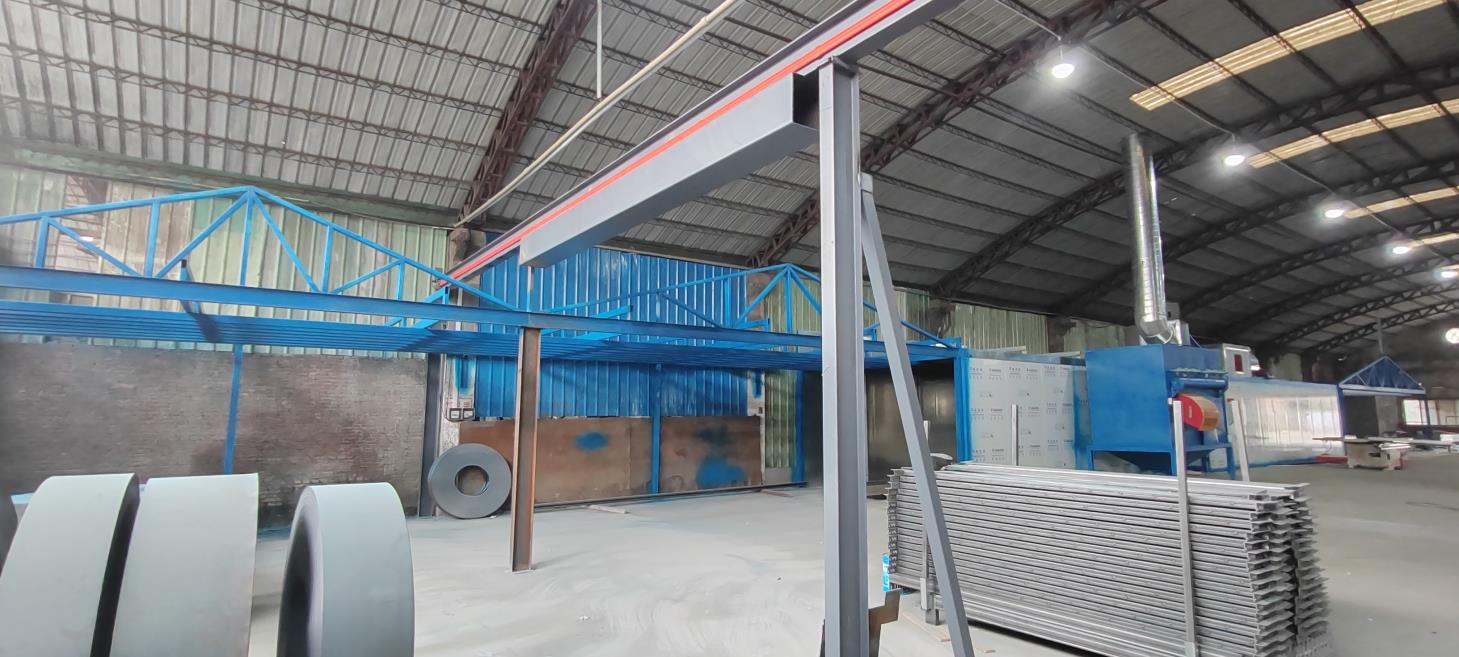
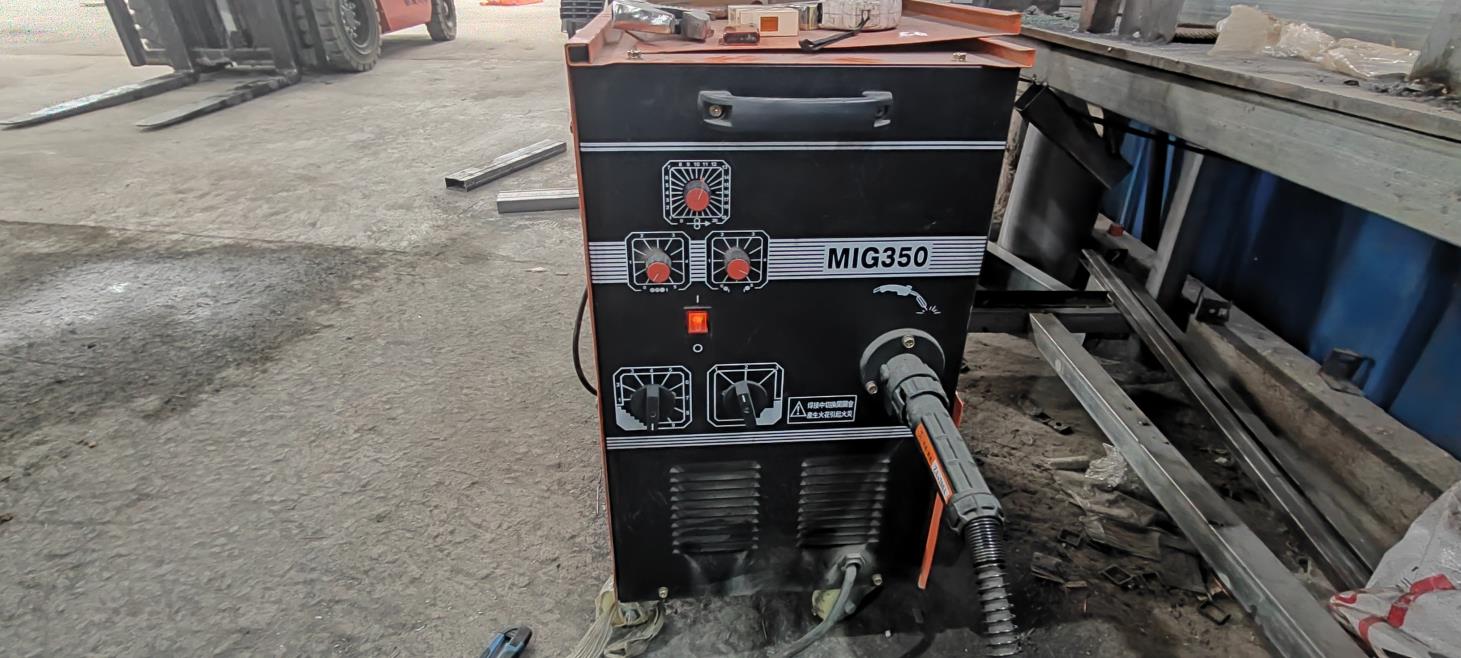
Analyzing how Nanjing Fortis utilizes regional industrial ecosystems, automation, and logistics networks to deliver pricing and quality advantages.
The global retail fixtures market relies heavily on Chinese production hubs, particularly in regions like Nanjing. This industrial clustering offers advantages beyond lower direct labor costs. The primary driver of competitiveness is the integrated supply chain network, which connects raw steel mills, specialized wood processing operations, component manufacturers, and direct transport links. By sourcing structural materials from local industrial partners, Nanjing Fortis maintains reliable quality and price stability, even during periods of global supply volatility.
Additionally, automated manufacturing lines allow us to achieve high throughput with minimal material waste. Automated board cutting, CNC edge sealing, and laser metal cutting machines ensure consistency across high-volume production runs. This precision guarantees that when modular store racks arrive at a site in South America or Western Europe, every locking bracket, shelf level, and structural column fits together without requiring field modifications. This ease of installation translates to lower setup costs for retail operators and construction developers.
"Operational efficiency is determined by turnaround performance. Our automated production line reduces order-to-shipment intervals by 35% compared to regional competitors, while keeping component tolerances within 0.05 mm using CMM verification."
Finally, our shipping location in Nanjing provides direct access to both inland shipping lanes and deep-water ocean ports. This proximity allows us to load cargo containers directly at our factory gates, reducing inland handling, lowering localized drayage fees, and protecting structural panels from physical damage during transit. Whether supplying a new hypermarket roll-out or fitting out a series of high-density convenience stores, Nanjing Fortis delivers engineered wooden shelves and metal accessories reliably and cost-effectively.
How our multi-material shelving systems are deployed across diverse global commercial environments to enhance visual merchandising and optimize floor layout.
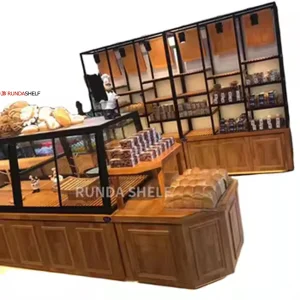
High-humidity environments require special wood preservation treatments. Our bakery display units combine moisture-resistant coatings with slatted timber layouts to maintain hygienic standards while projecting an artisanal, fresh-baked aesthetic.
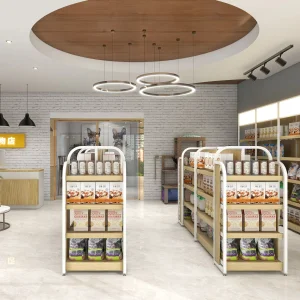
High-value, small-footprint products require premium presentation. Our hybrid acrylic-wood arch gondolas (such as the RD-38#) incorporate internal LED paths, satin finishes, and high-clarity acrylic dividers that showcase luxury goods effectively.
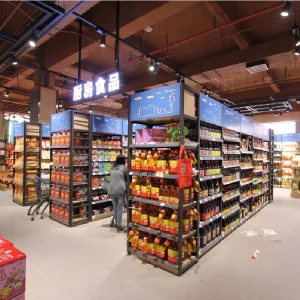
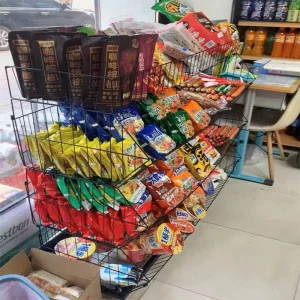
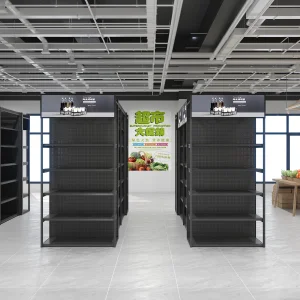
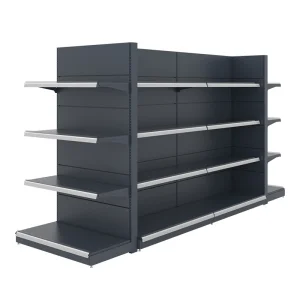
Maximizing SKU density within tight footprints is critical. Our black metal wire display stands and compact gondolas combine high structural load capacity with thin profiles, ensuring maximum product visibility and structural longevity.
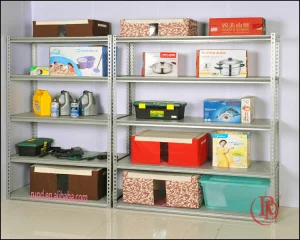
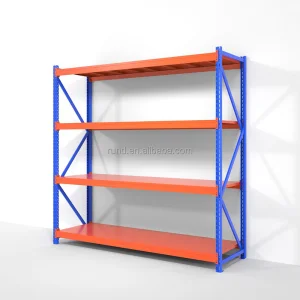
For operations utilizing hybrid retail/warehousing systems, our heavy-duty steel pallet racks and automated shuttle systems support high-density overhead storage alongside consumer-accessible lower shelves.
A technical guide addressing the primary challenges in global retail equipment procurement, materials engineering, and logistics planning.
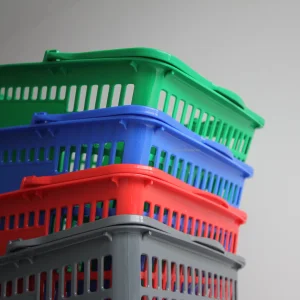
As retail businesses adapt to omnichannel distribution models, the physical store is shifting its focus toward experiential presentation. Shelving systems are evolving from simple product holders into modular elements that can be quickly reconfigured to support seasonal product rotations and pop-up events. Procurement managers are increasingly choosing modular systems that allow quick tool-free changes between standard flat shelves, pegboards, wire baskets, and wooden product bins. At the same time, safety standards remain a top priority, with international operators demanding compliance with European EN and North American ANSI/RMI standards to prevent rack collapse or tipping incidents.
We primarily utilize high-density engineered MDF (Medium-Density Fiberboard) and structural particle boards, finished with melamine laminates or natural wood veneers (such as oak, ash, or pine). Depending on target market regulations, we provide E0 and E1 grade low-formaldehyde emission boards, as well as fire-retardant (FR) treated panels for public safety compliance.
Supermarket checkout zones, fresh food areas, and entry vestibules are exposed to high traffic, cleaning chemicals, and varying humidity. Our metal frames undergo accelerated salt spray testing (under ASTM B117 standards) in our QA laboratory. This ensures the powder-coated or metallic finish resists bubbling, peeling, and rust, maintaining its appearance and structural strength for years.
Yes. Our engineering department uses Finite Element Analysis (FEA) to simulate load stress on our shelving configurations. We can adjust the thickness of our cold-rolled steel columns, add under-shelf stiffeners, or increase wood board density to meet load capacities ranging from 50kg to over 350kg per shelf level.
Our logistics team packs components to minimize shipping damage and maximize container volume. Wooden panels are wrapped in high-density foam padding and packed in heavy-duty outer cartons, while metal uprights are bundled and secured on wood pallets. We handle all export documentation, custom packaging clearances, and freight bookings for shipments to Western Europe, South America, and the Middle East.
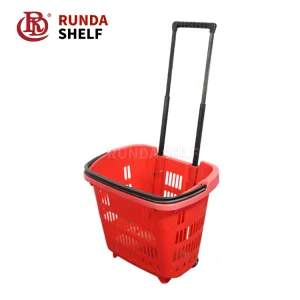
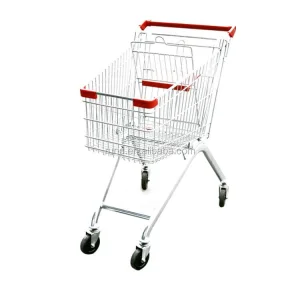
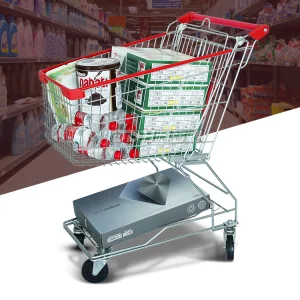
Complete your store fit-out with our high-density warehouse racking, specialty storage stands, and mobility accessories.
 FortisRack