Engineered for high load capacities, rapid configuration, and long-term durability in industrial and commercial environments.
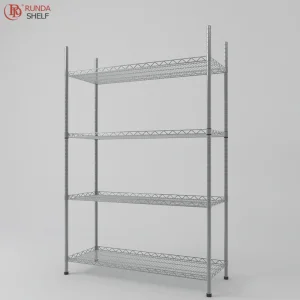
Analyzing supply chain dynamics, raw material trends, and spatial management in the modern experience economy.
The global demand for industrial and event display tables has experienced a radical structural shift. No longer viewed as static, passive furniture pieces, display tables and modular platforms are now evaluated as high-performance physical infrastructure. According to recent supply chain and retail metrics, the transition to experiential shopping, mixed-use corporate facilities, and pop-up retail setups has intensified the demand for systems that blend industrial load-bearing capacity with rapid deployment kinetics.
Industrial procurers and exhibition planners prioritize structural parameters: loading margins, durability under environmental extremes, and nesting efficiency. The raw material supply chain relies heavily on high-grade cold-rolled steel (such as SPCC or Q235B), architectural aluminum extrusions, and eco-friendly engineered wood surfaces that comply with global emissions standards (such as CARB Phase II and E1/E0 grades).
From a regional perspective, the manufacturing concentration in China, specifically clustered around developed logistics and metallurgical hubs like Nanjing, Jiangsu, offers unparalleled structural advantages. With advanced laser cutting, automated precision bending, and eco-friendly powder coating lines integrated into large-scale factories, China-based manufacturers are uniquely positioned to serve international OEMs, tier-1 supermarket chains, and high-density logistics operators. These suppliers leverage local raw steel markets and complete vertical supply chains to mitigate global shipping risks and deliver significant cost efficiencies.
Strategic advancements shaping the future of industrial display manufacturing and material engineering.
Exhibition organizers and retail store managers face rising labor costs and compressed setup schedules. The market is shifting toward proprietary tool-free latching mechanisms, telescopic structural columns, and modular display layouts that easily adapt from standard displays to heavy-duty racking configurations.
Modern event display systems are increasingly integrating digital interfaces. This includes RFID-enabled stock management, integrated LED accent lighting powered by built-in busbars, and wireless charging stations embedded beneath composite surfaces to drive visitor engagement and spatial efficiency.
Global environmental regulations (like RoHS and REACH) drive demand for VOC-free electrostatic thermosetting powder coatings. High-durability finishes undergo extensive salt spray testing to prevent oxidation in coastal settings or high-humidity warehousing, extending product lifecycles and lowering total cost of ownership (TCO).
Leading manufacturers use Finite Element Analysis (FEA) to simulate real-world mechanical stress, ensuring display tables and storage platforms maintain structural integrity under uneven dynamic loads. This mathematical verification is key to meeting strict safety certifications.
Deep expertise in storage equipment manufacturing, structural customization, and global trade compliance.
Established in 2016, Nanjing Fortis Storage Equipment Manufacturing Co., Ltd. commands a modern industrial plant covering 48,000 m². Driven by 10 years of deep industry expertise and 7 years of global trade experience, our annual export turnover reaches $35 million. We uphold strict quality control through ISO14001 and TUV standards, performing automated CMM dimensional inspections and salt spray corrosion testing with 62 full-time QA personnel.
As a direct factory exporter, our key commercial footprints span Western Europe, South America, and the Middle East, integrated with a network of over 1,400 supply chain partners. Our client base mainly includes mega-warehouse developers, cold chain storage operators, and global retail chains. Our robust R&D team of 80 engineers specializes in bespoke structural adaptations, special surface coating treatments, and high-density racking configurations, introducing 350 innovative products to the global market last year.
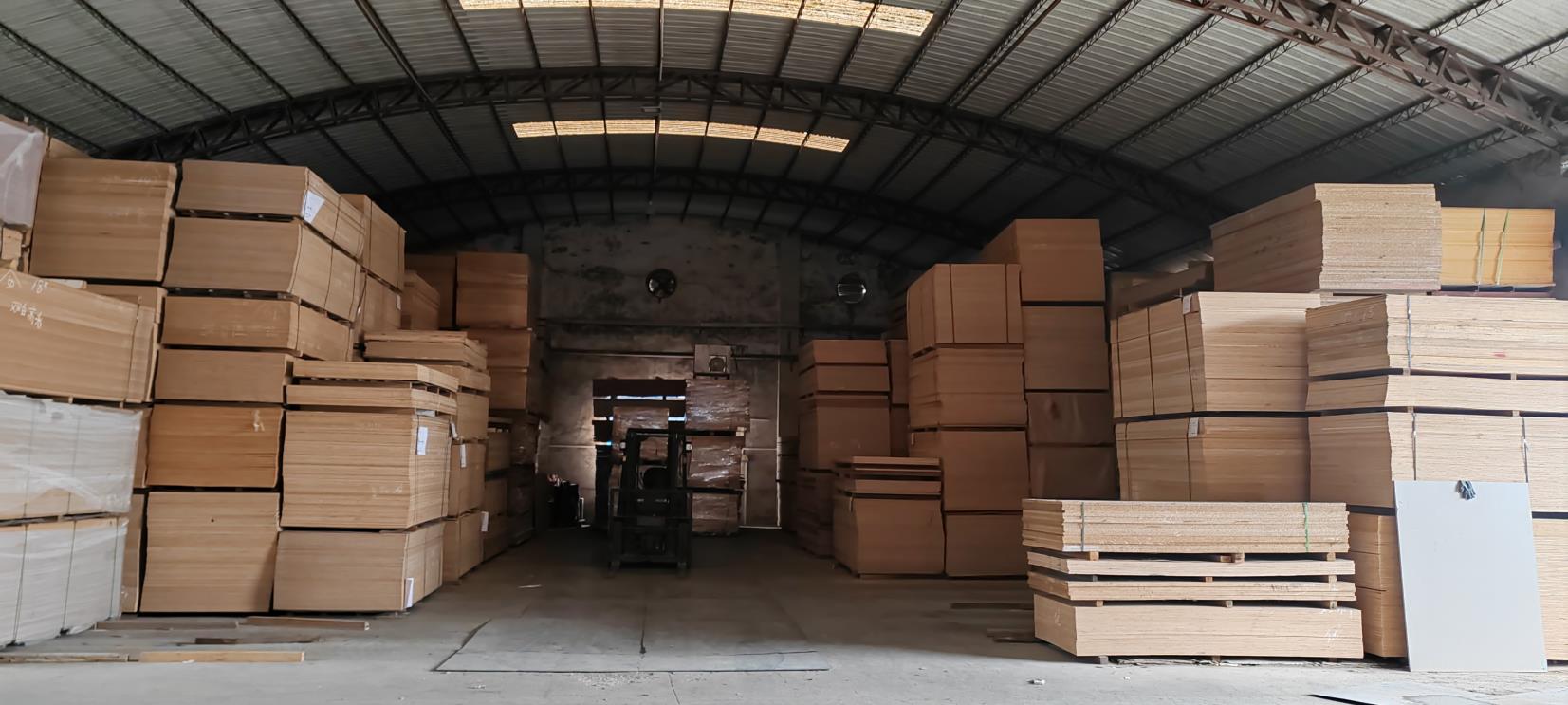
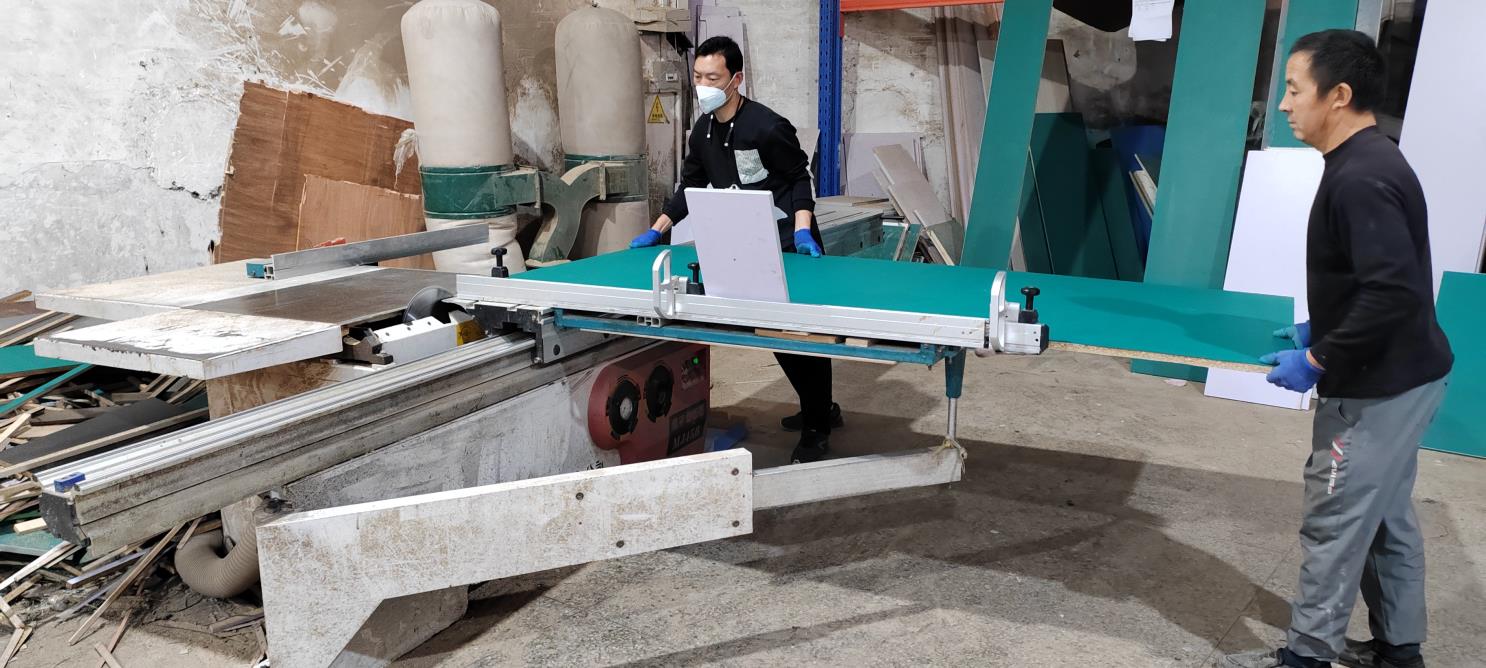
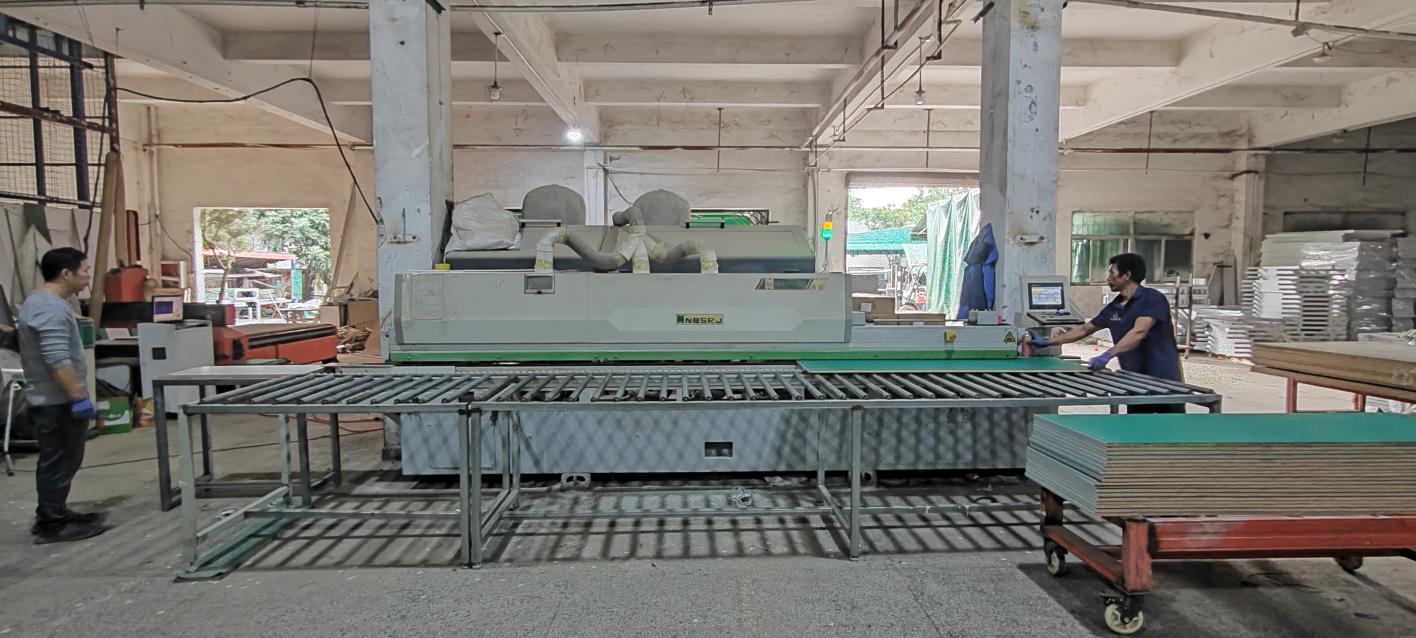
A transparent look at our fully integrated production lines, from high-grade raw steel sourcing to automated finishing.
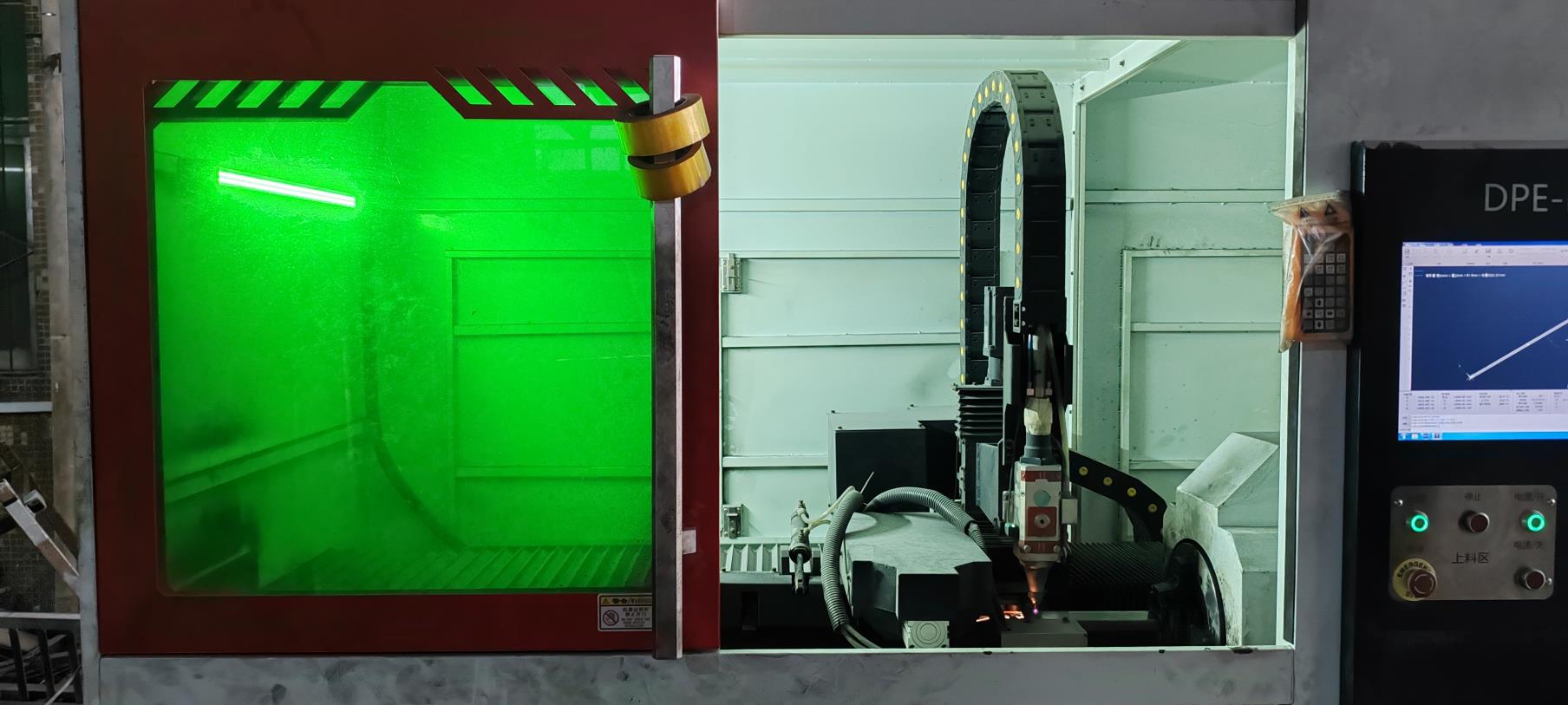
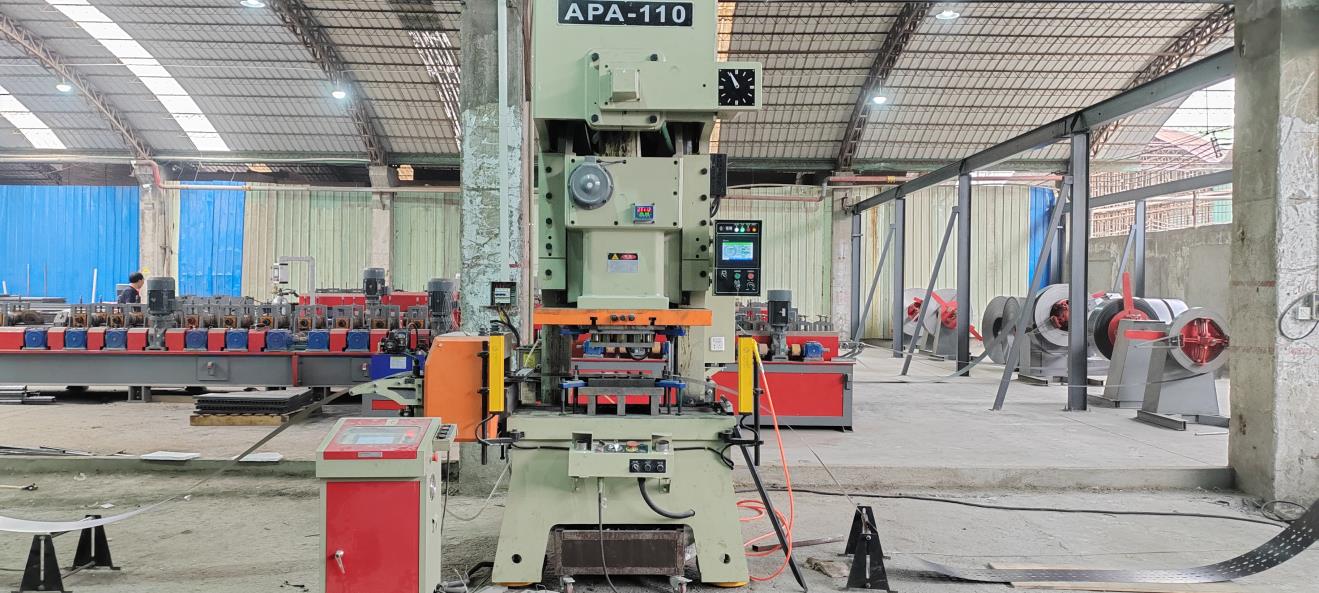
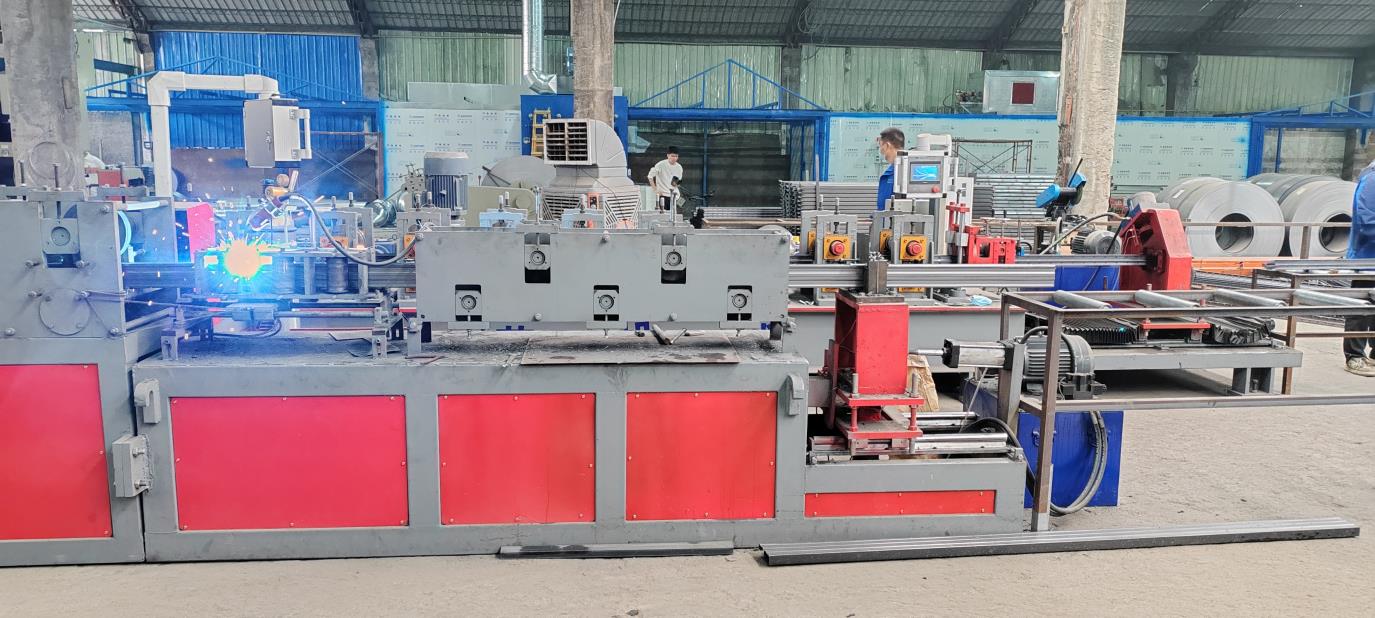
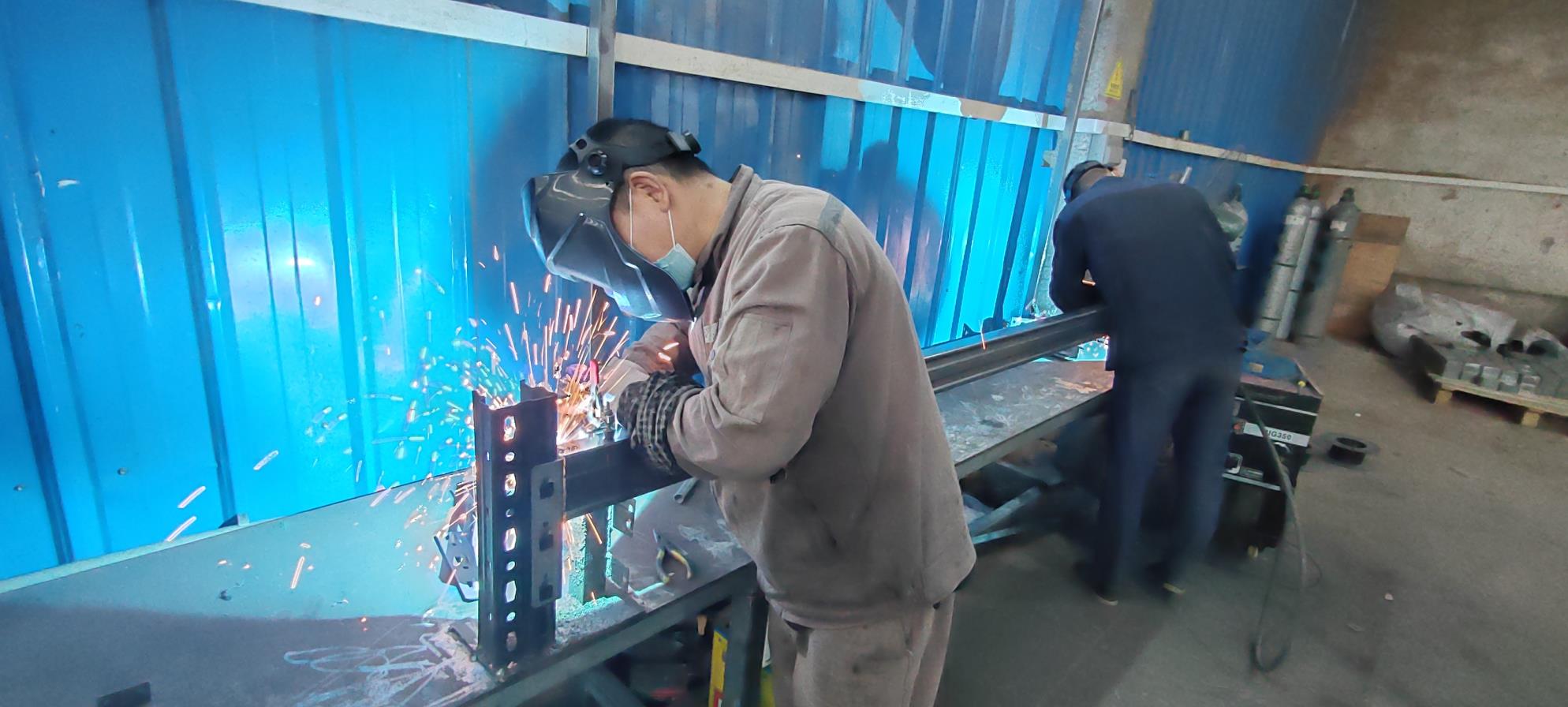
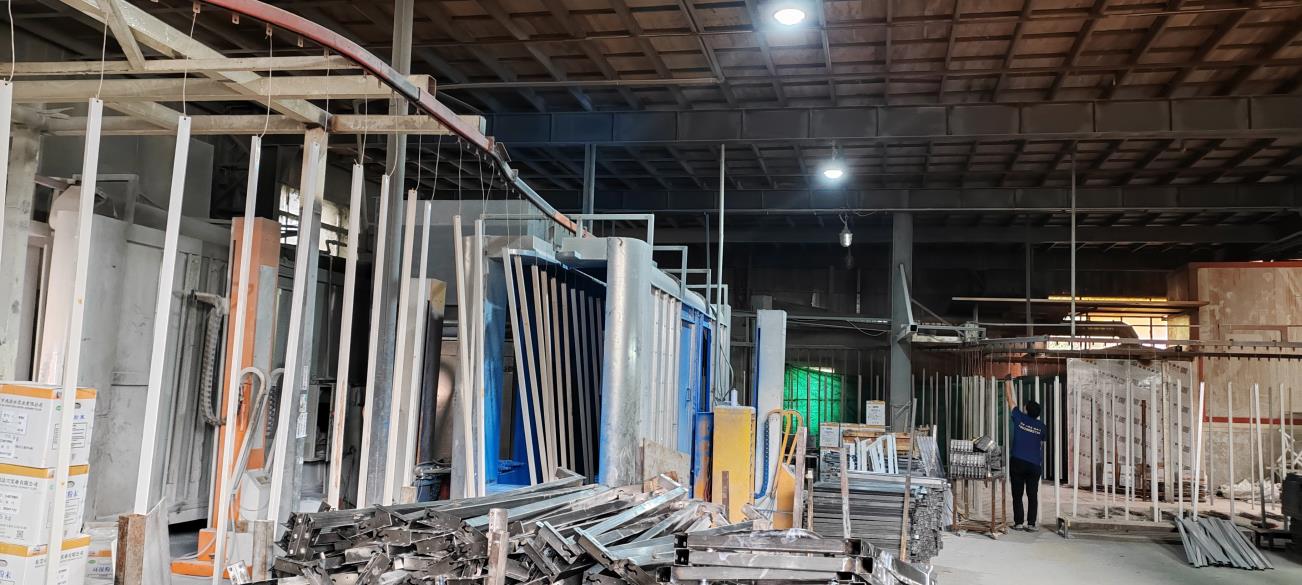
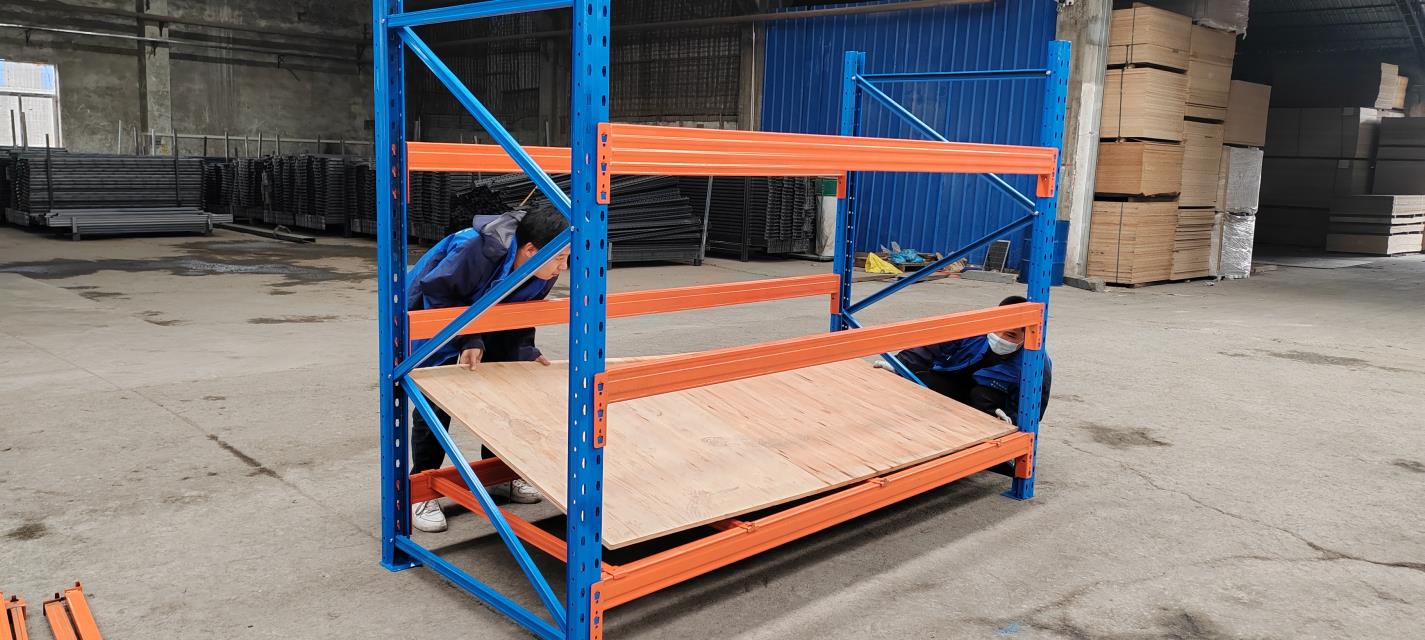
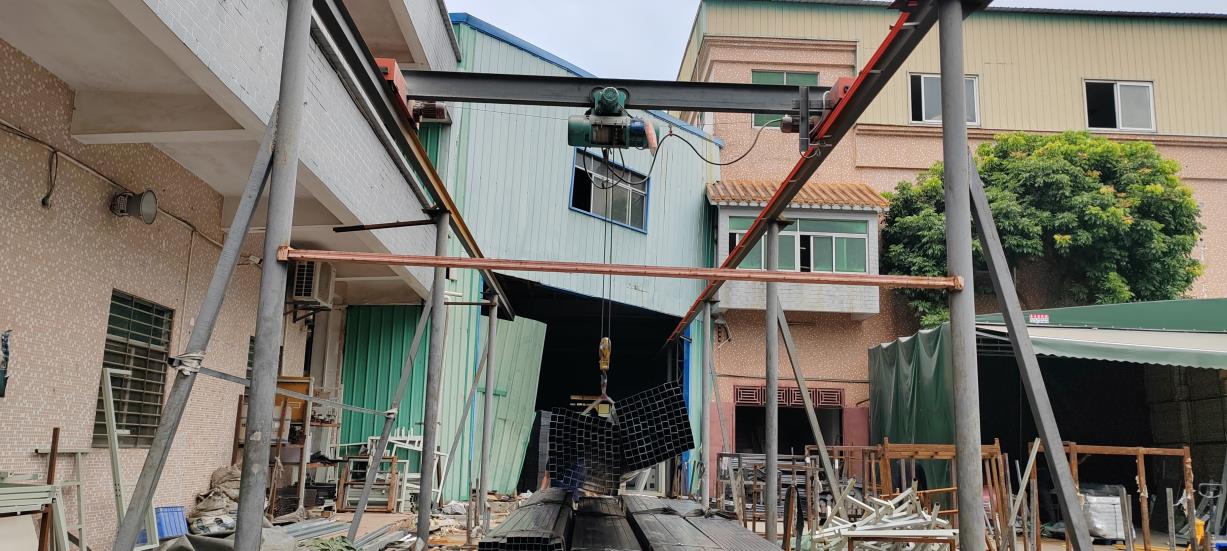
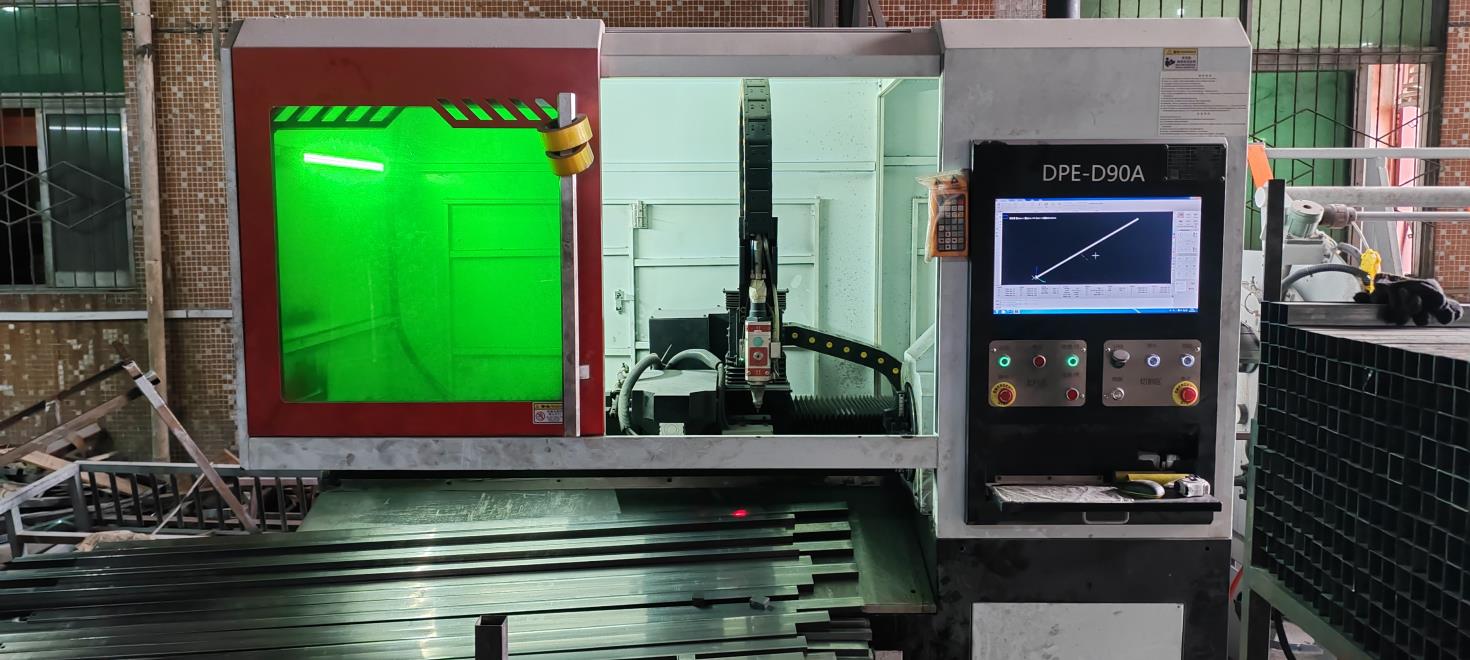
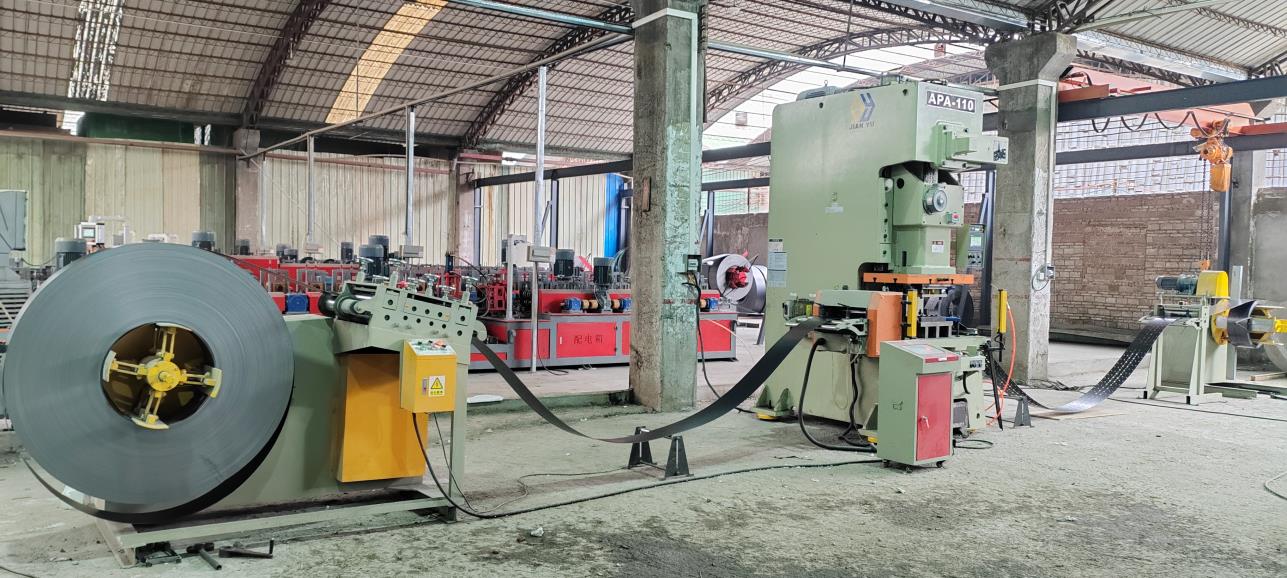
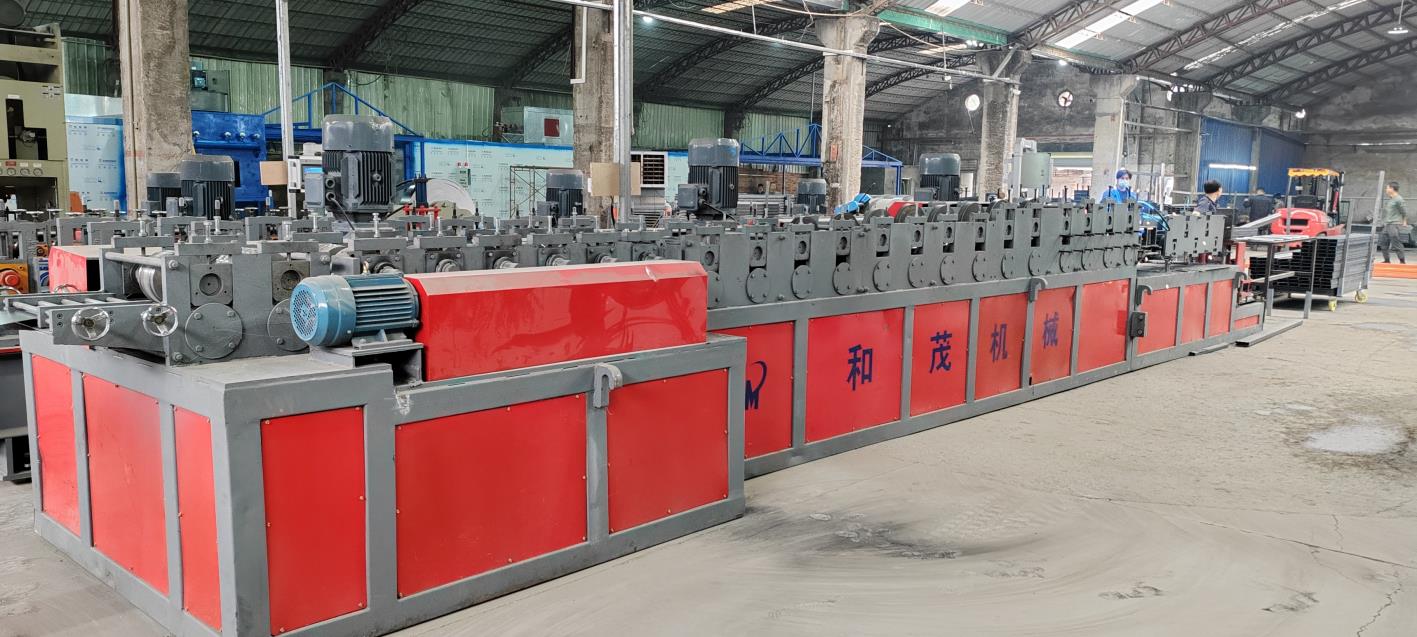
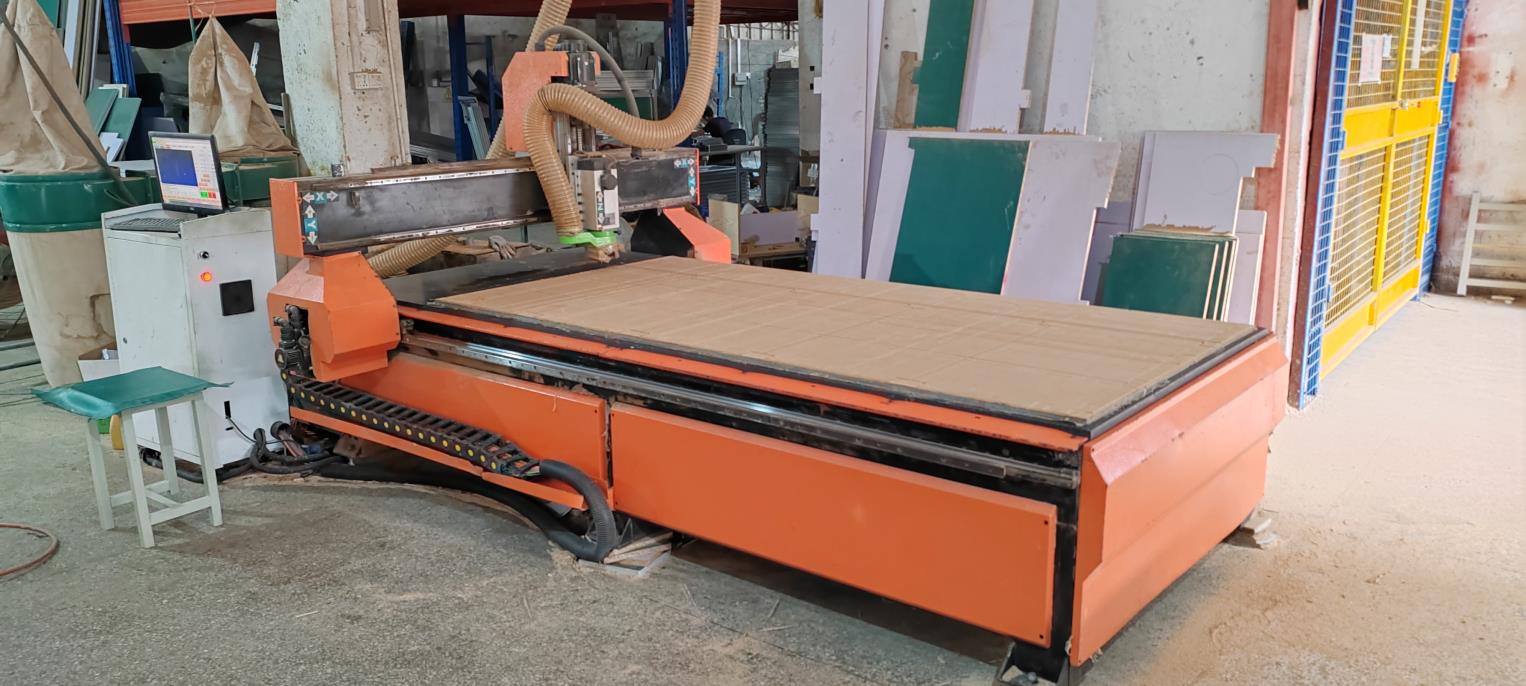
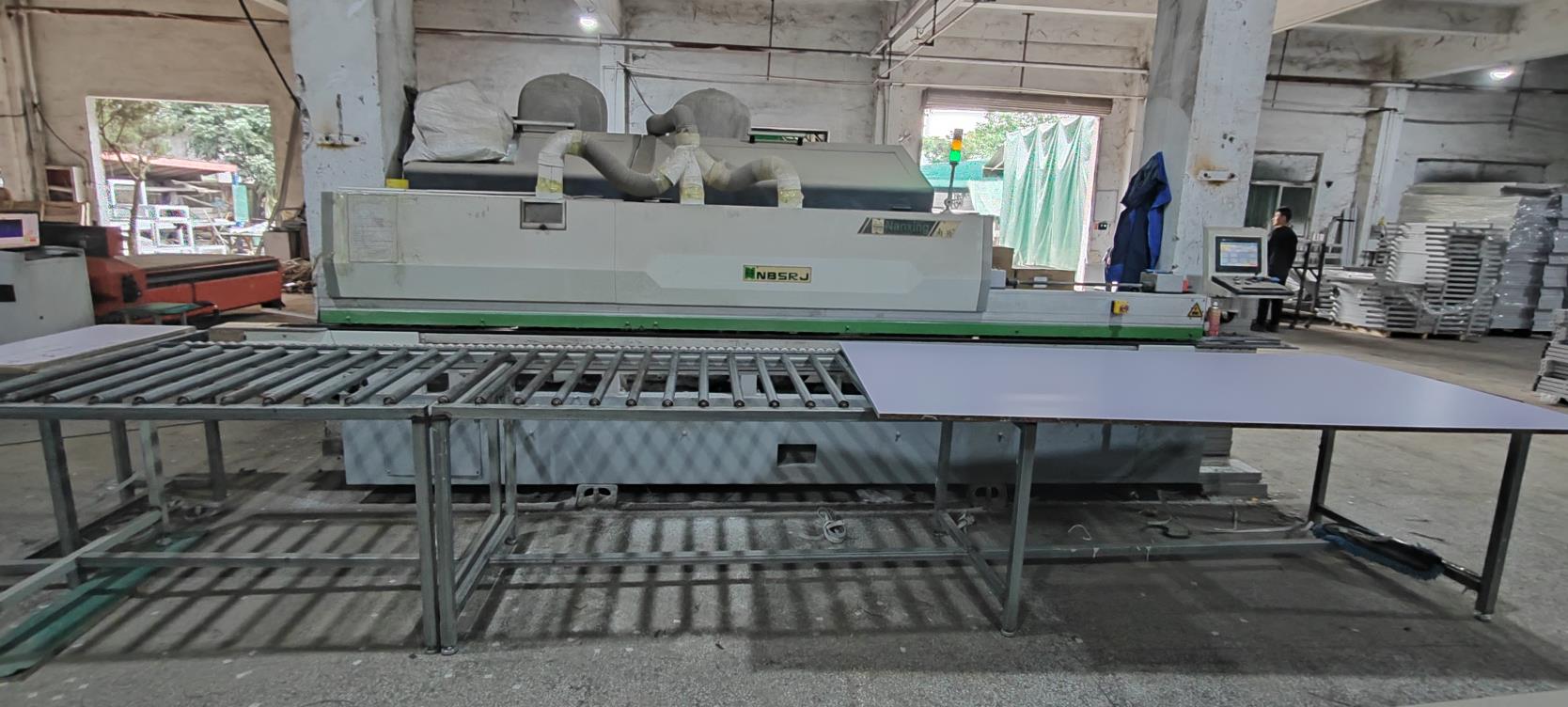
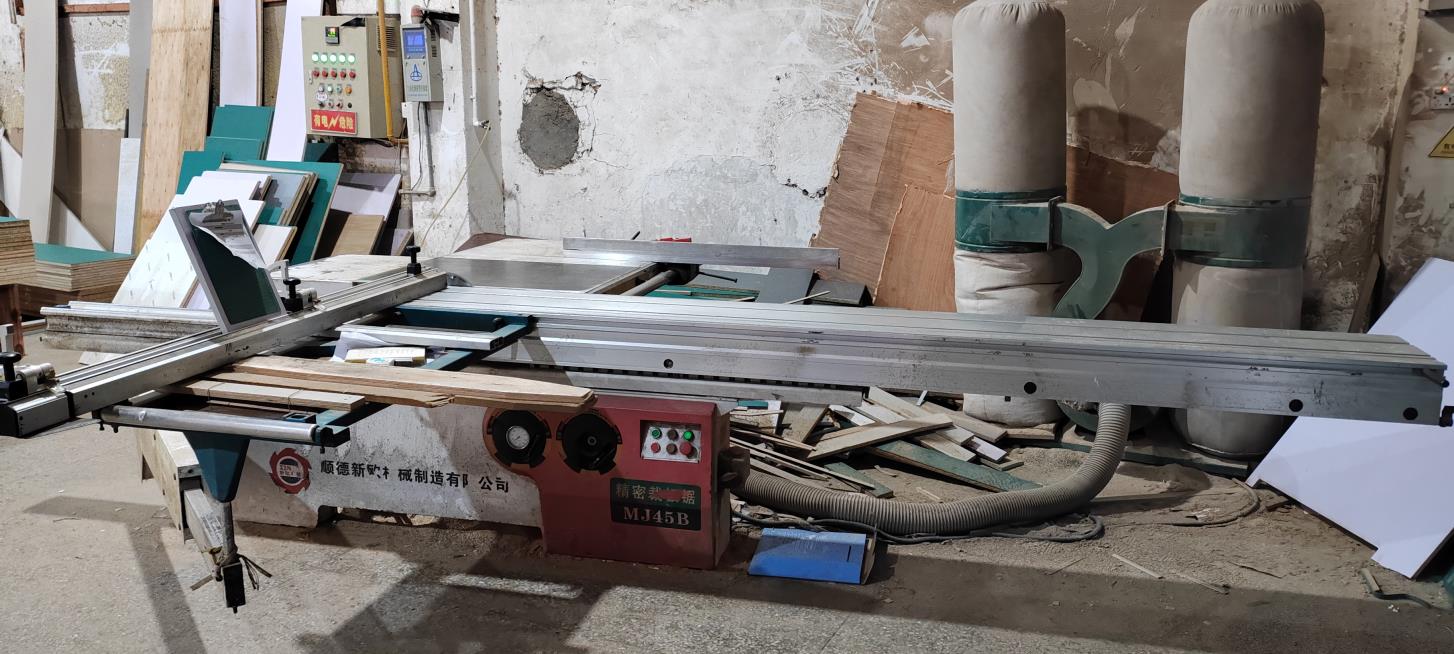
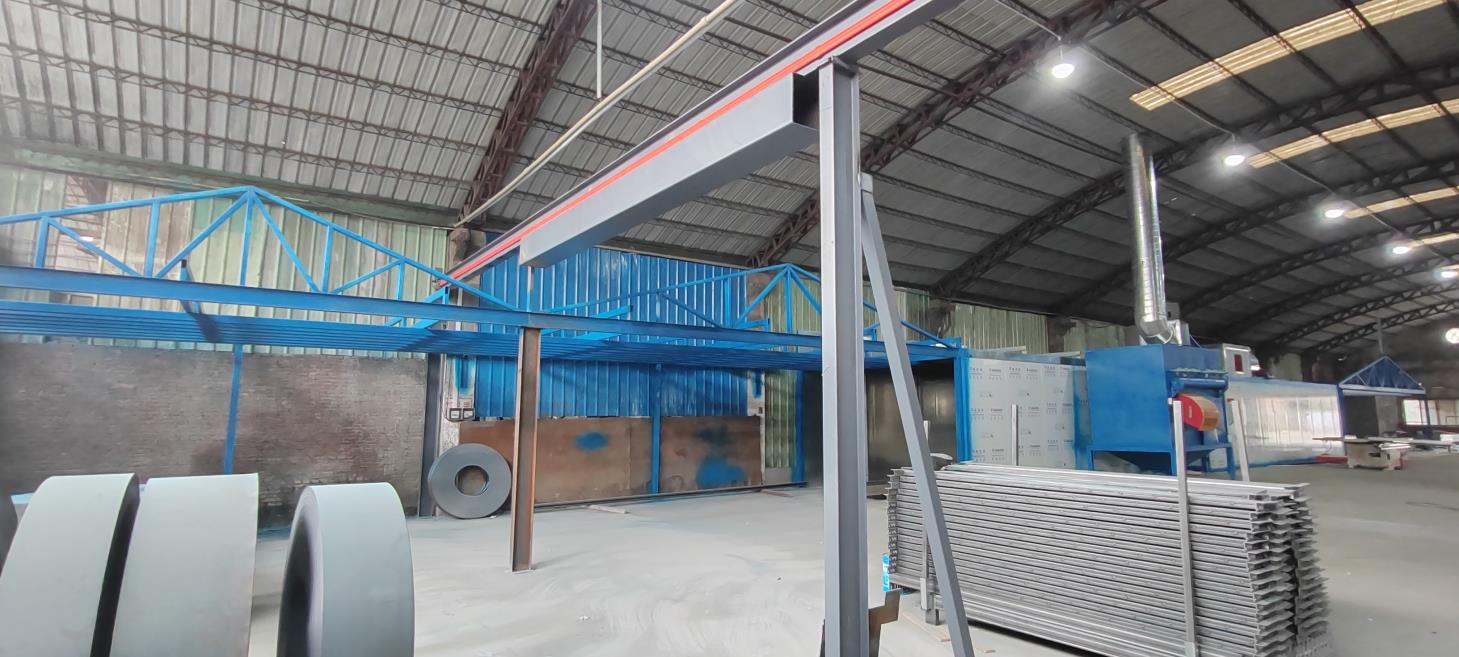
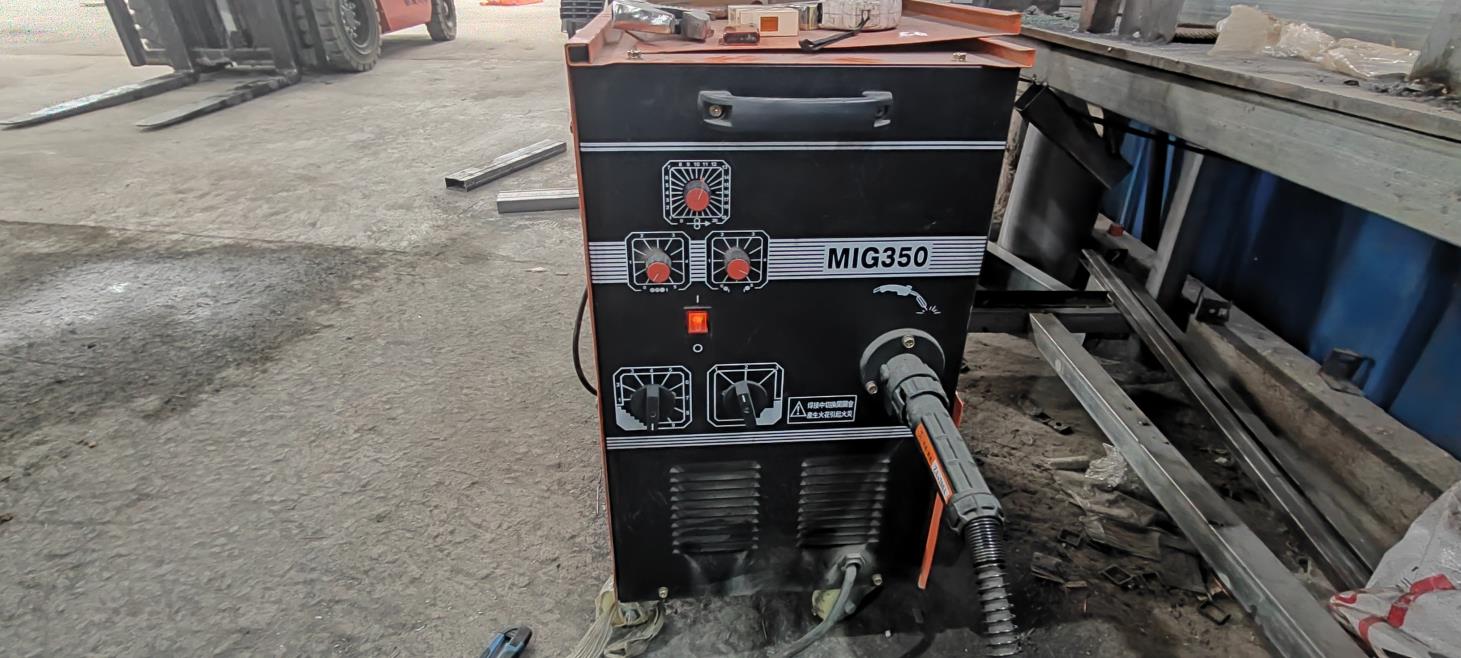
How we tailor display interfaces and racking systems to meet specific industry load and space constraints.
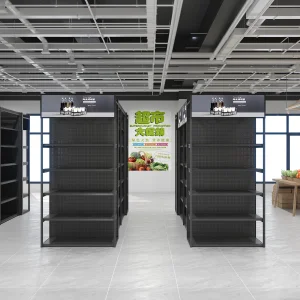
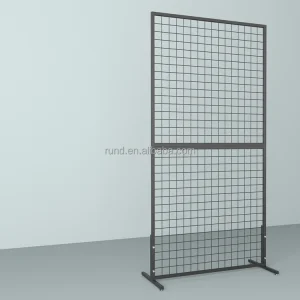
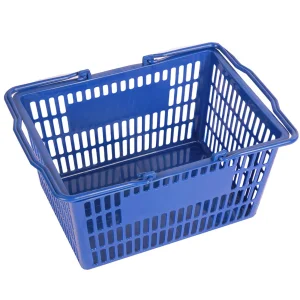
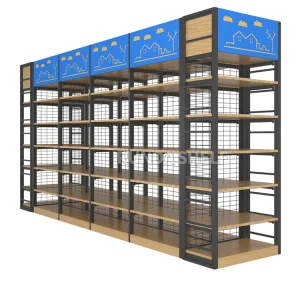
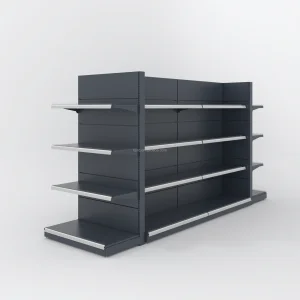
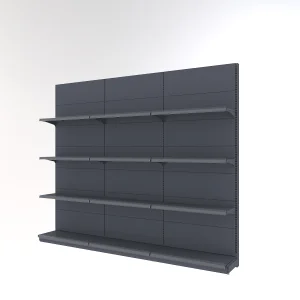
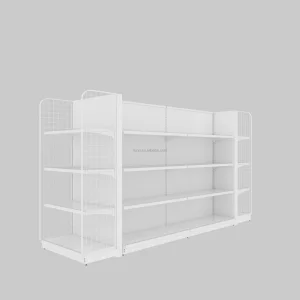
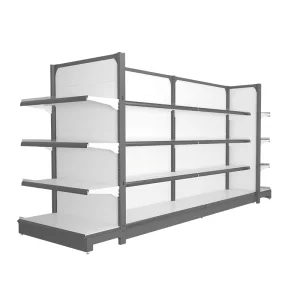
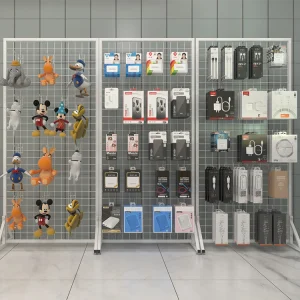
High-traffic environments require double-sided gondola units and combination shelving that optimize floor space while maintaining vertical display integrity. By utilizing modular perforated backing panels and tool-free shelving adjustments, retail operators can change merchandising layouts seasonally or overnight without professional installation tools. Durable epoxy powder finishes stand up to continuous impact from shopping carts and heavy consumer interaction.
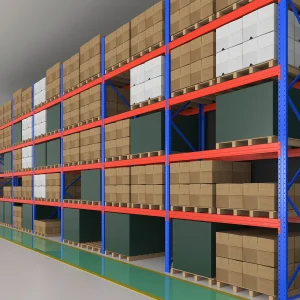
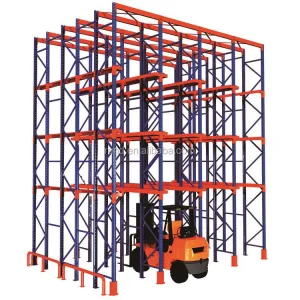
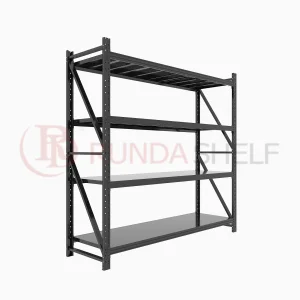
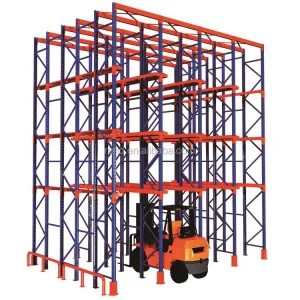
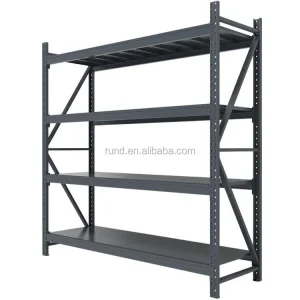
For heavy palletized goods, Nanjing Fortis manufactures selective pallet racking systems engineered using premium structural steel profiles. Designed to handle loads exceeding 2,000 kg per level, these racks incorporate box-formed profiles, safety pins, and heavy-duty upright frame connections to guarantee structural stability. High-density layouts maximize vertical warehouse clearance, improving forklift access and overall material throughput.
Cold storage presents challenges such as extreme temperature fluctuations and high humidity, which can quickly degrade standard metals. Our specialized processing treatments, including hot-dip galvanizing and low-temperature impact resistant coatings, prevent hydrogen embrittlement and surface oxidation. This ensures mechanical longevity and structural safety in environments as low as -30°C.
Answering key questions on production times, structural certifications, and custom retail display engineering.
Explore our structural components, wall-mounted display grids, and selective warehousing systems built for heavy commercial use.
 FortisRack