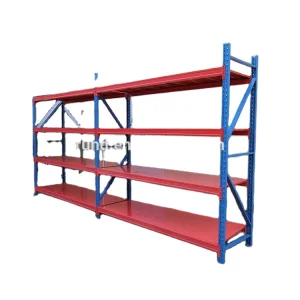
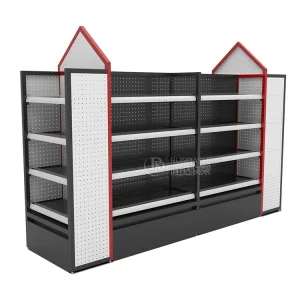
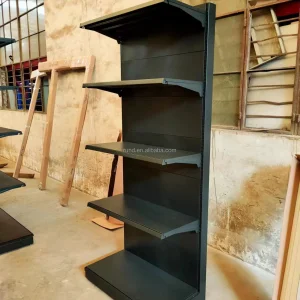
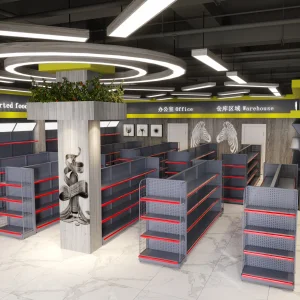
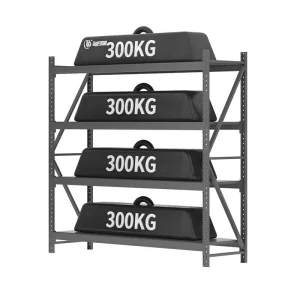
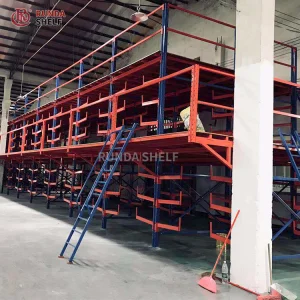
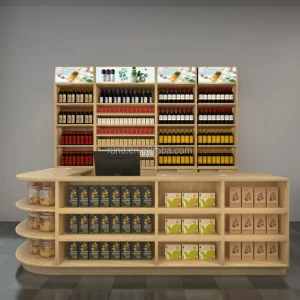
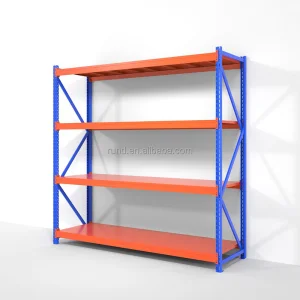
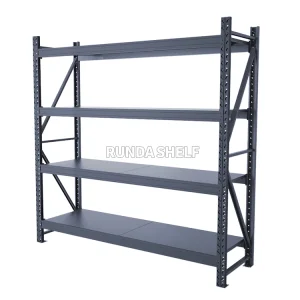
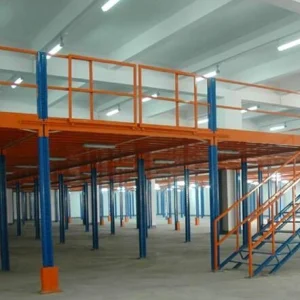
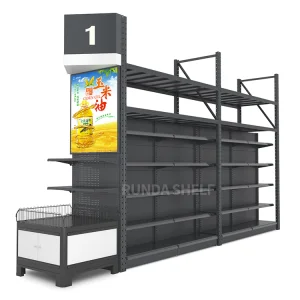
Explore our top-tier manufacturing range, featuring heavy-duty structural steel solutions, convenience store systems, and modular pallet racks engineered for high-density environments.
The global cold chain logistics market has entered a phase of unprecedented growth, driven by biopharmaceutical storage mandates, changes in global consumer eating habits, and the rapid expansion of fresh food e-commerce. In this ecosystem, industrial freezer racks serve as the structural backbone. Unlike standard ambient warehouse storage, freezer racks operate in extreme conditions, typically ranging from -18°C to as low as -35°C.
Operating at cryogenic temperatures presents severe engineering challenges. Standard carbon steel undergoes a ductile-to-brittle transition when exposed to sub-zero temperatures, making it susceptible to sudden structural failures under seismic loading or heavy impact. Top-tier manufacturers utilize low-temperature high-strength steel grades (such as Q355D or Q420D) specifically treated to retain impact toughness and ductility. Additionally, standard paint finishes flake and degrade in high-moisture, freezing environments, mandating the use of specialized electrostatic powder coatings or hot-dip galvanization.
SEO Insight: When selecting a freezer rack manufacturer, cold room operators must analyze the steel chemistry, specifically the phosphorus and sulfur limits, and demand structural calculations verified by international bodies such as RMI (Rack Manufacturers Institute) or FEM (Fédération Européenne de la Manutention).
Estimated cold chain logistics compound annual growth rate (CAGR) from 2024 to 2030.
Established in 2016, Nanjing Fortis Storage Equipment Manufacturing Co., Ltd. stands as a premium benchmark for heavy-duty racking and cold chain storage solutions. Operating a state-of-the-art 48,000 m² industrial facility, we integrate deep industry experience spanning over a decade with 7 years of high-volume international trade. Our annual export turnover exceeds $35 million USD, affirming our dominance in global logistics sourcing.
Our operation is built on unyielding quality control. With a dedicated team of 62 quality assurance (QA) professionals, we execute continuous mechanical, dimensional, and metallurgical testing. Our production processes conform to rigid ISO14001, ISO9001, and TUV certificates, integrating coordinate measuring machine (CMM) dimensional checks and advanced salt spray test protocols to ensure structural coatings withstand corrosion in humid cold-storage entrances.
With an engineering division containing 80 seasoned R&D specialists, Nanjing Fortis caters to complex layout needs. Last year alone, we deployed over 350 customized design modifications, from drive-in configurations to high-tech automated radio shuttle racks for multinational developers and cold storage networks across Western Europe, South America, and the Middle East.
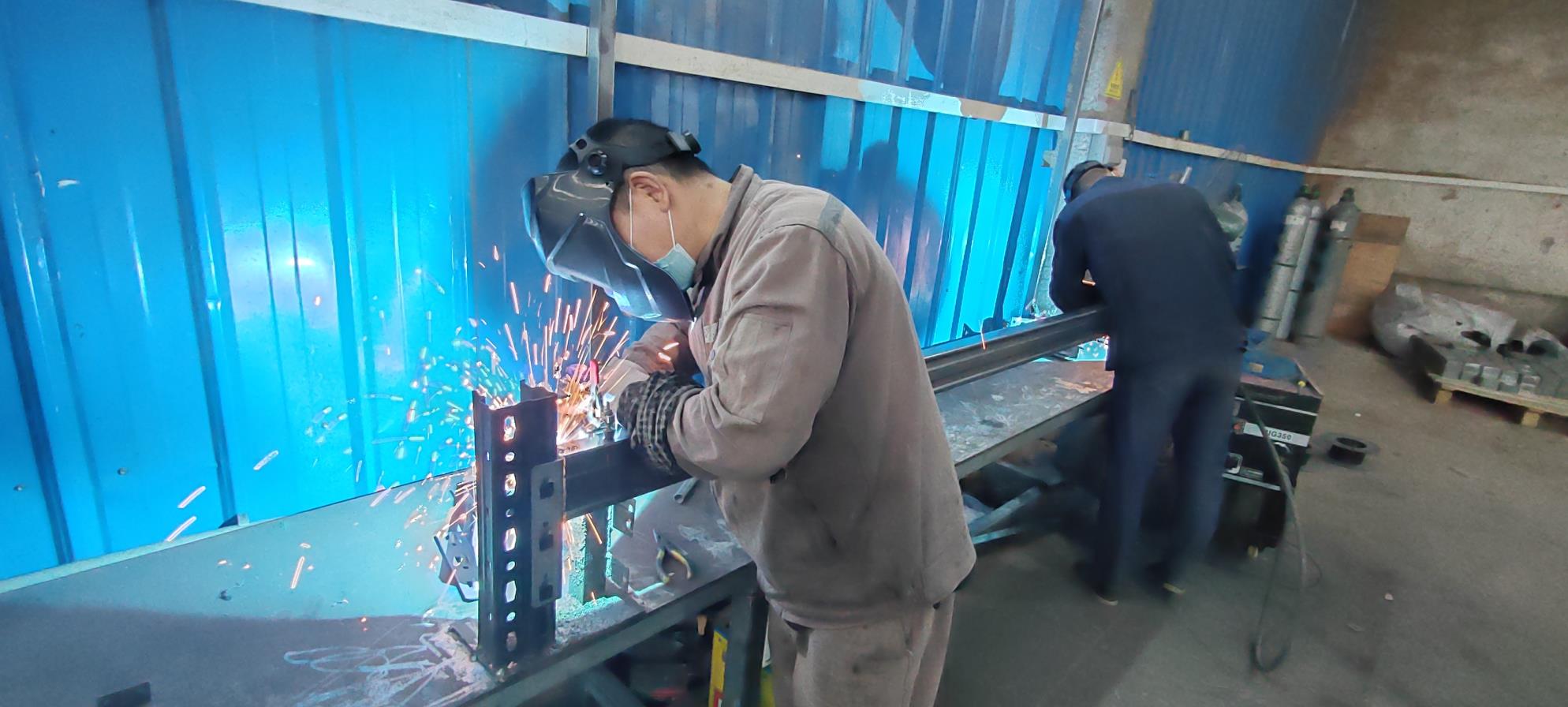
Nanjing Fortis utilizes a fully audited production pipeline. Each step, from structural raw materials to precision laser cutting, punching, and automated coating lines, is monitored in real-time.
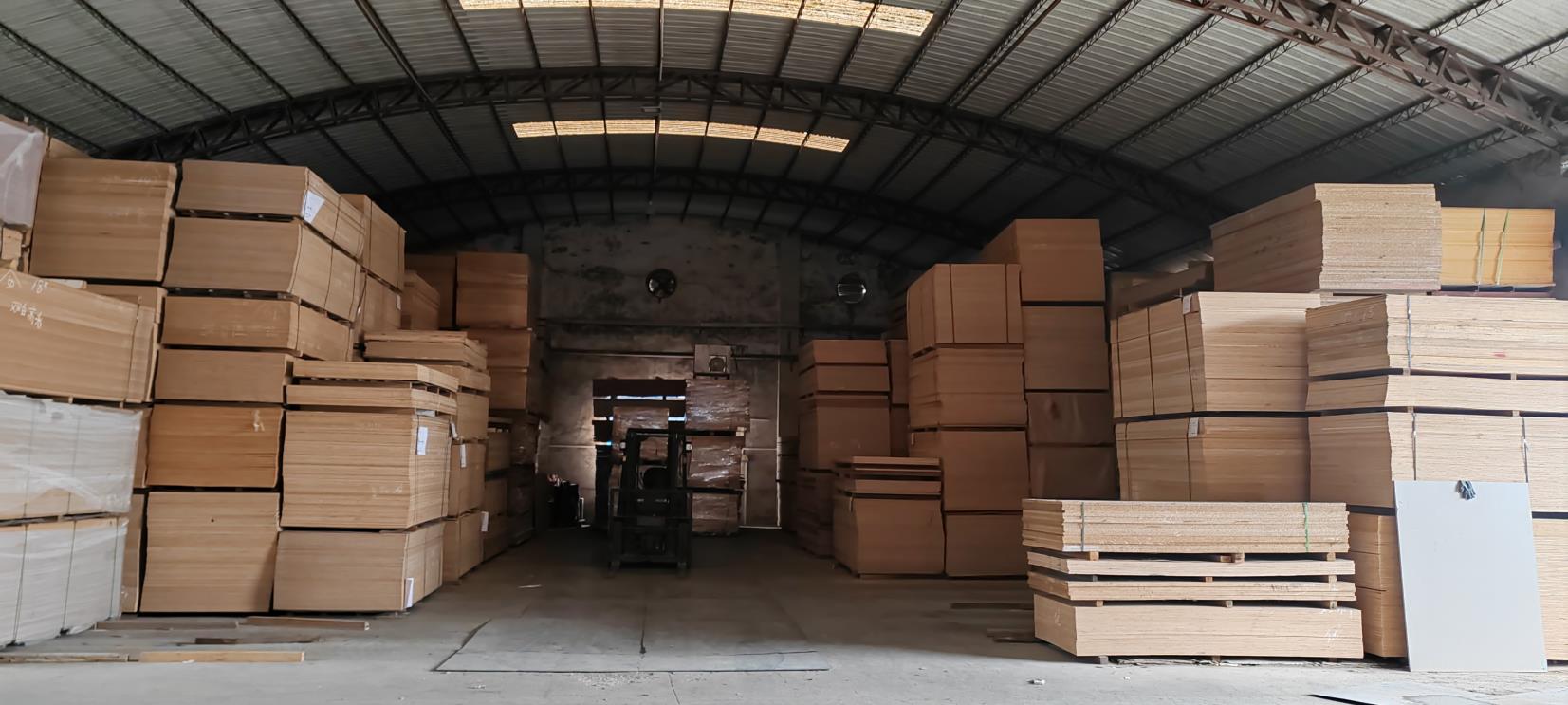
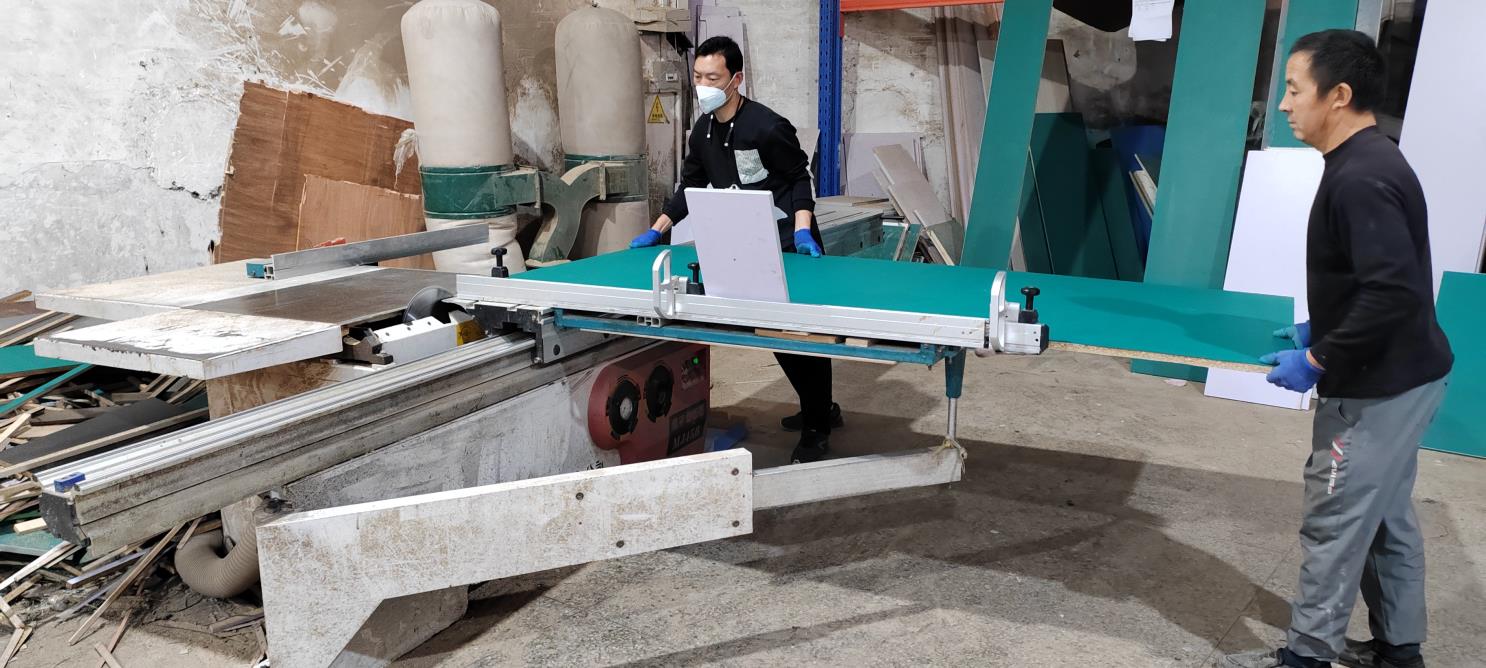
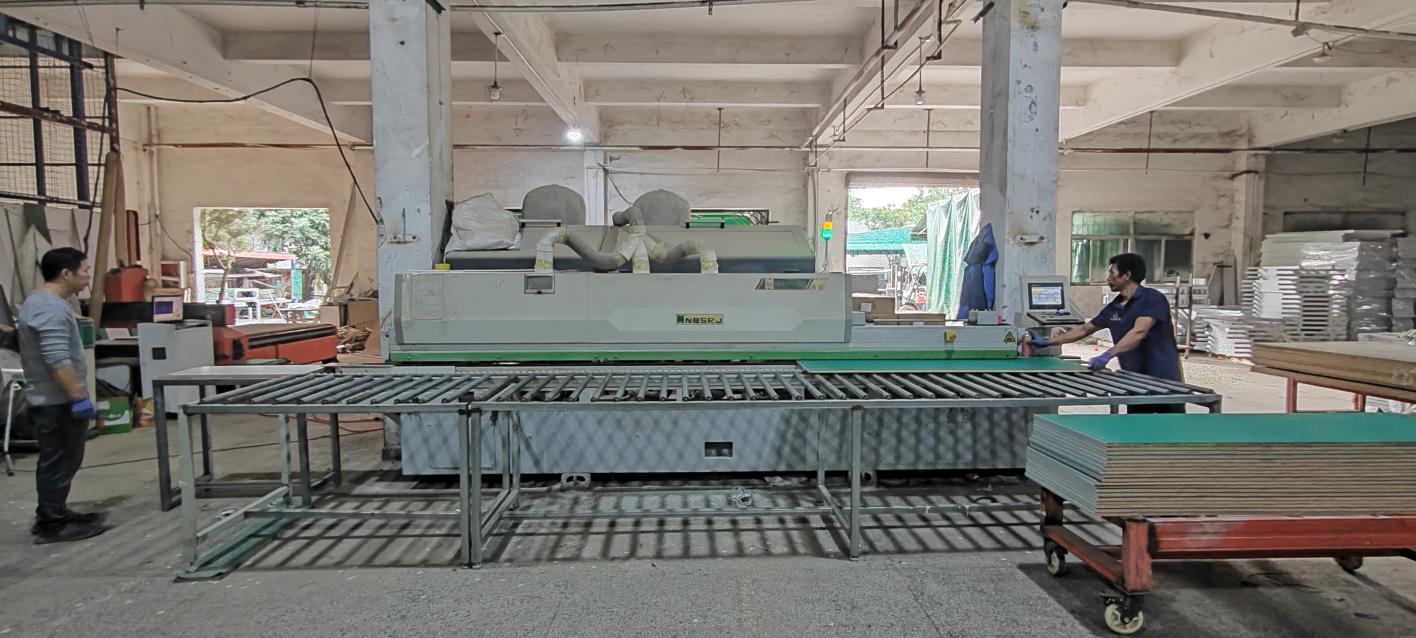
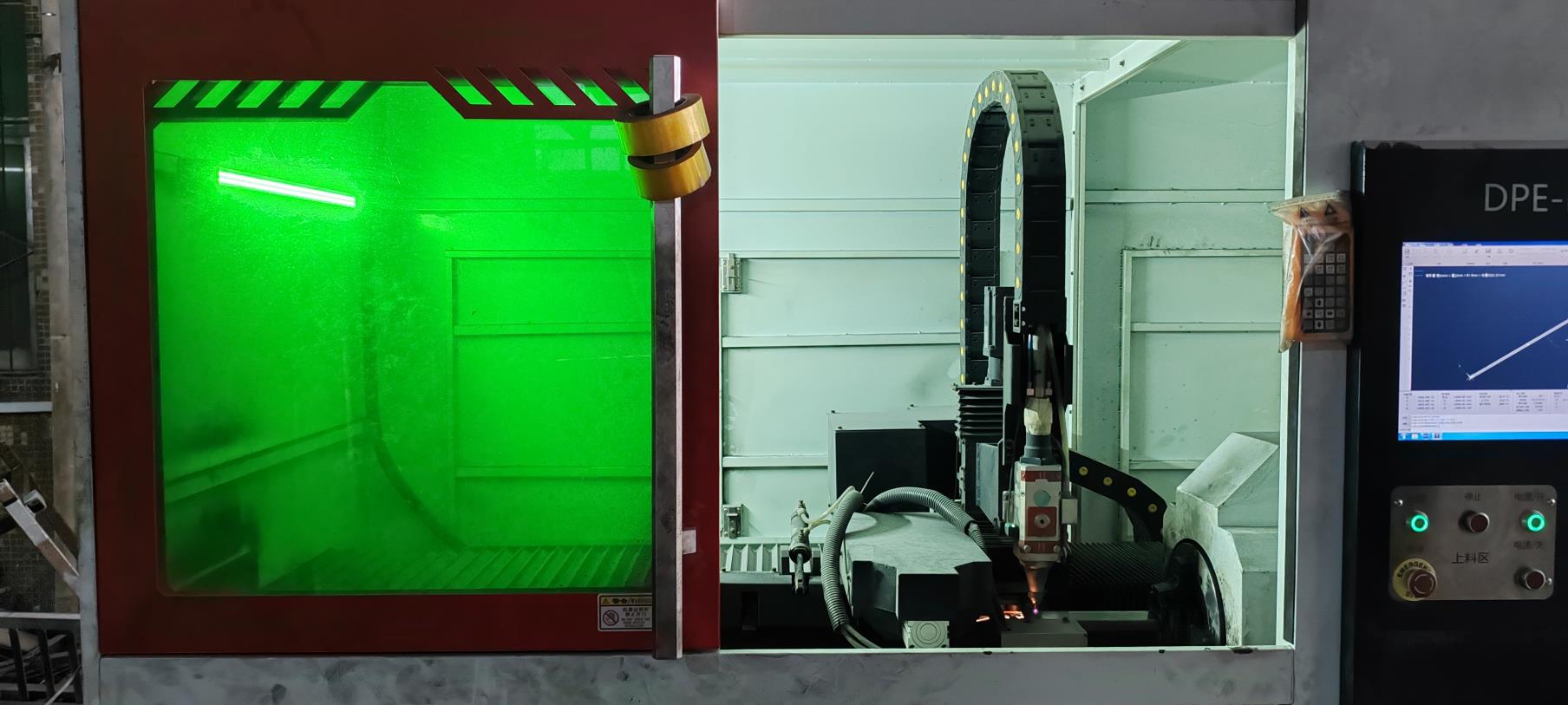
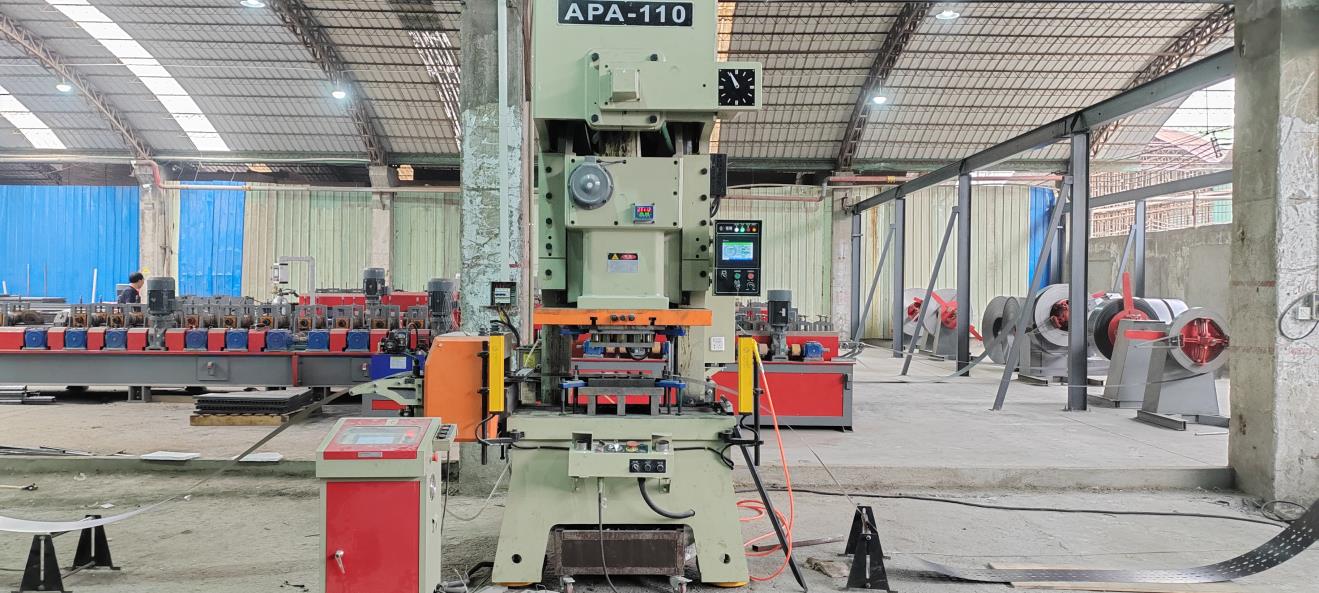
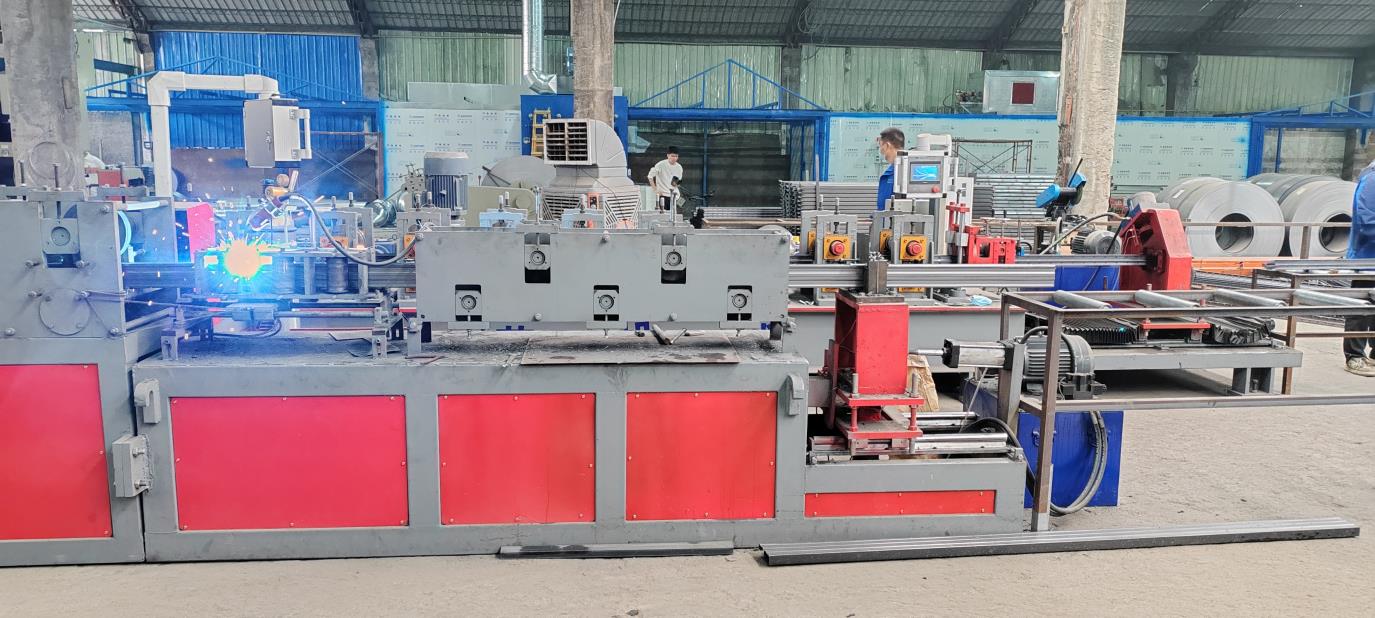
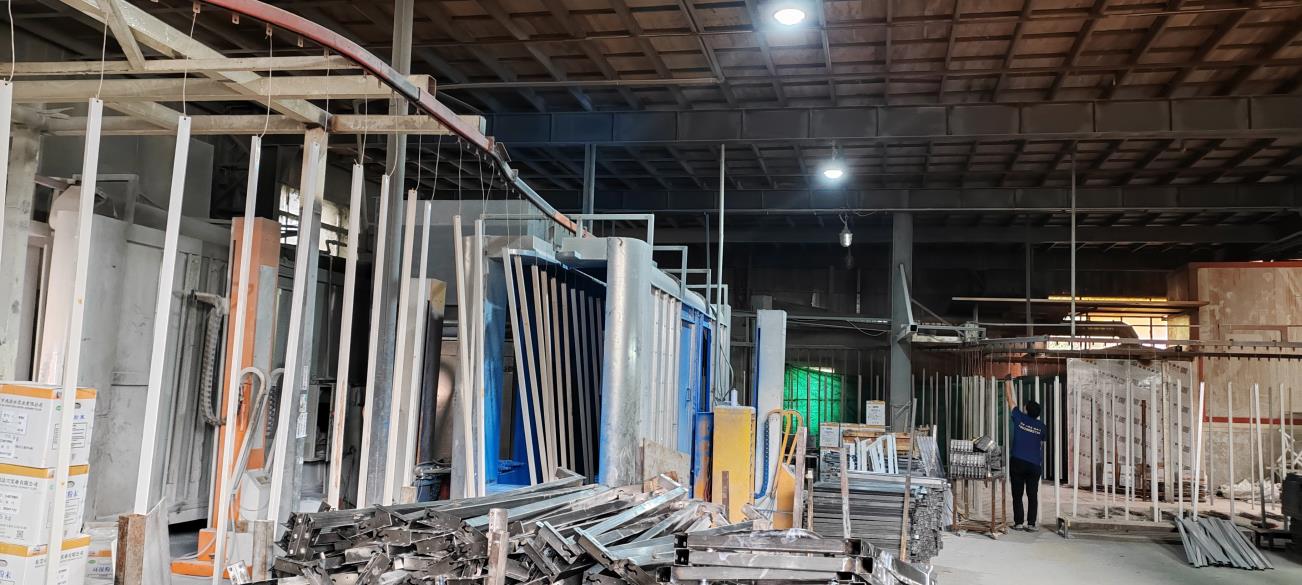
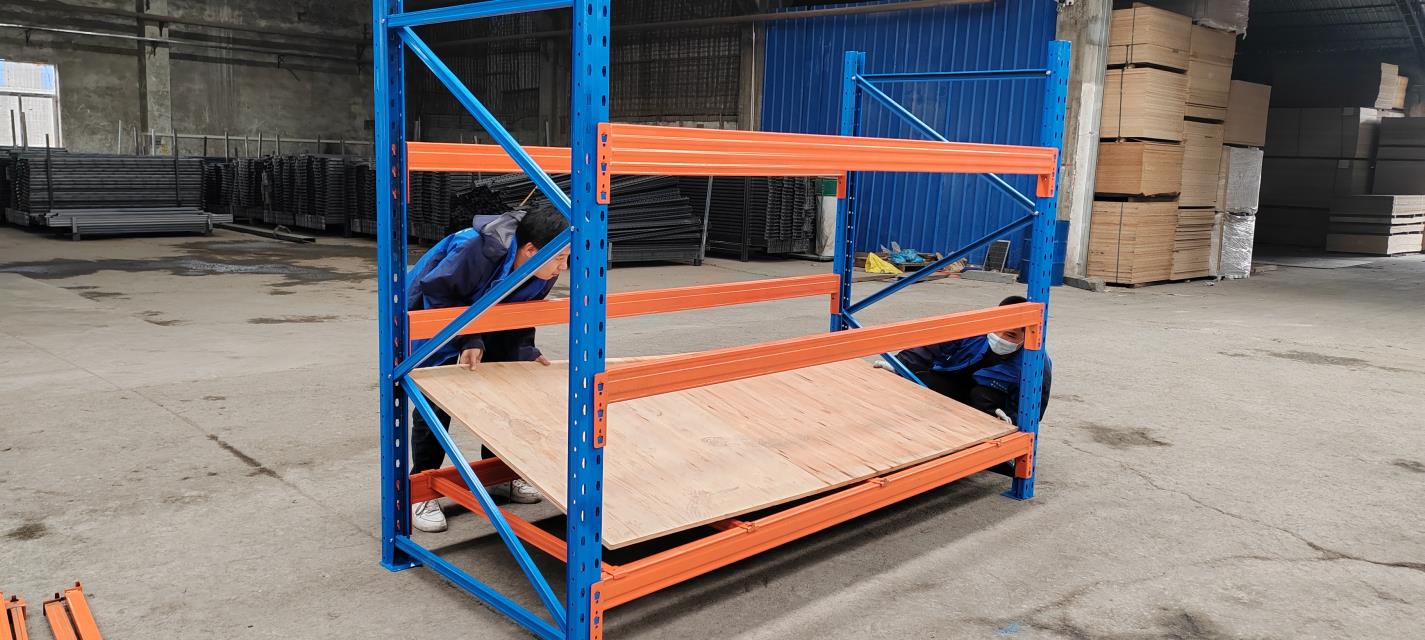
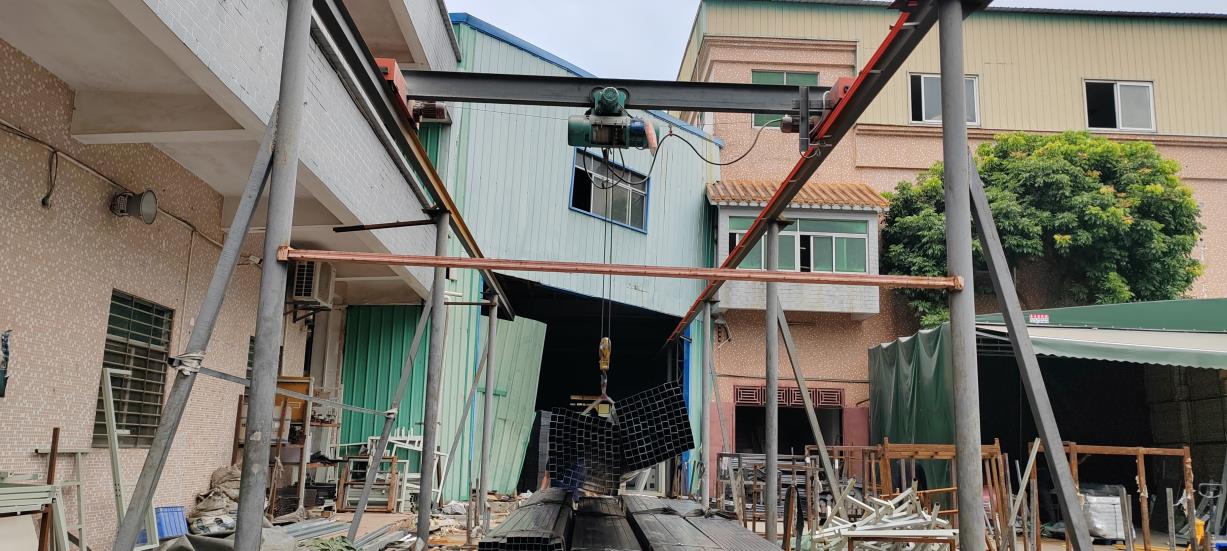
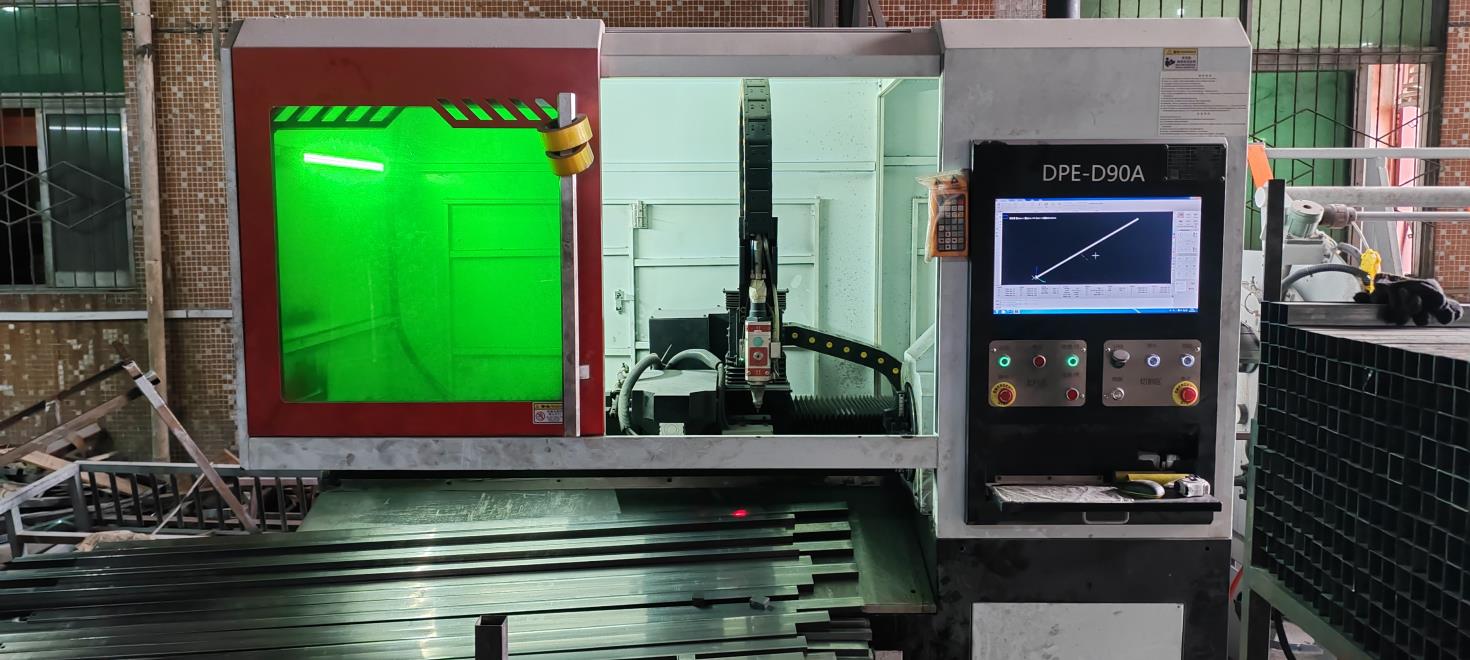
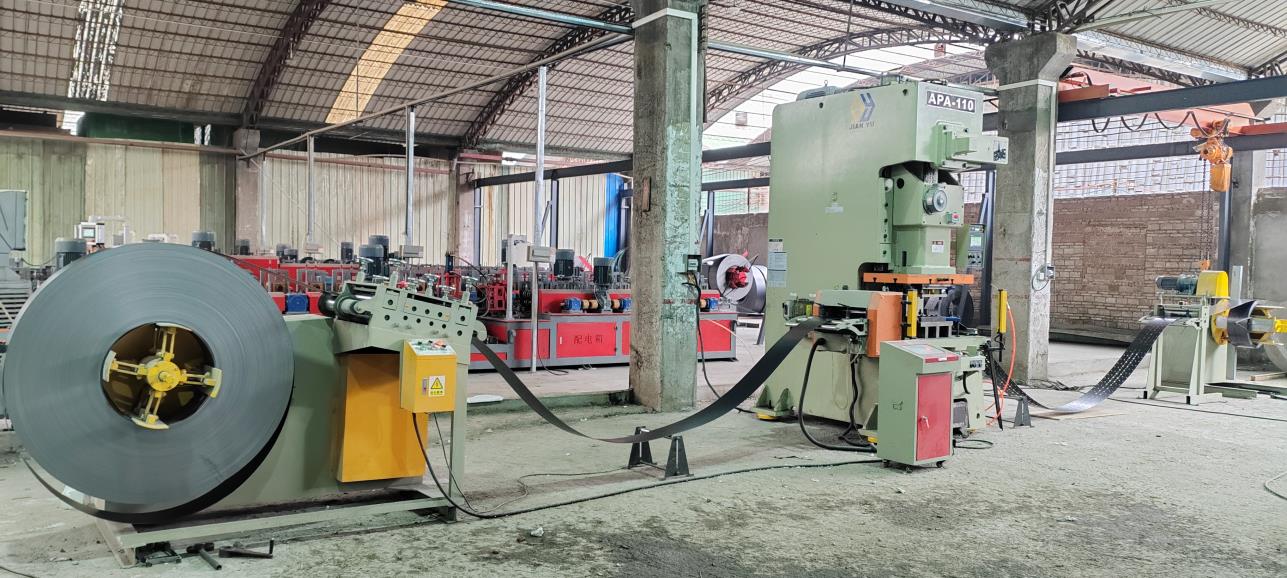
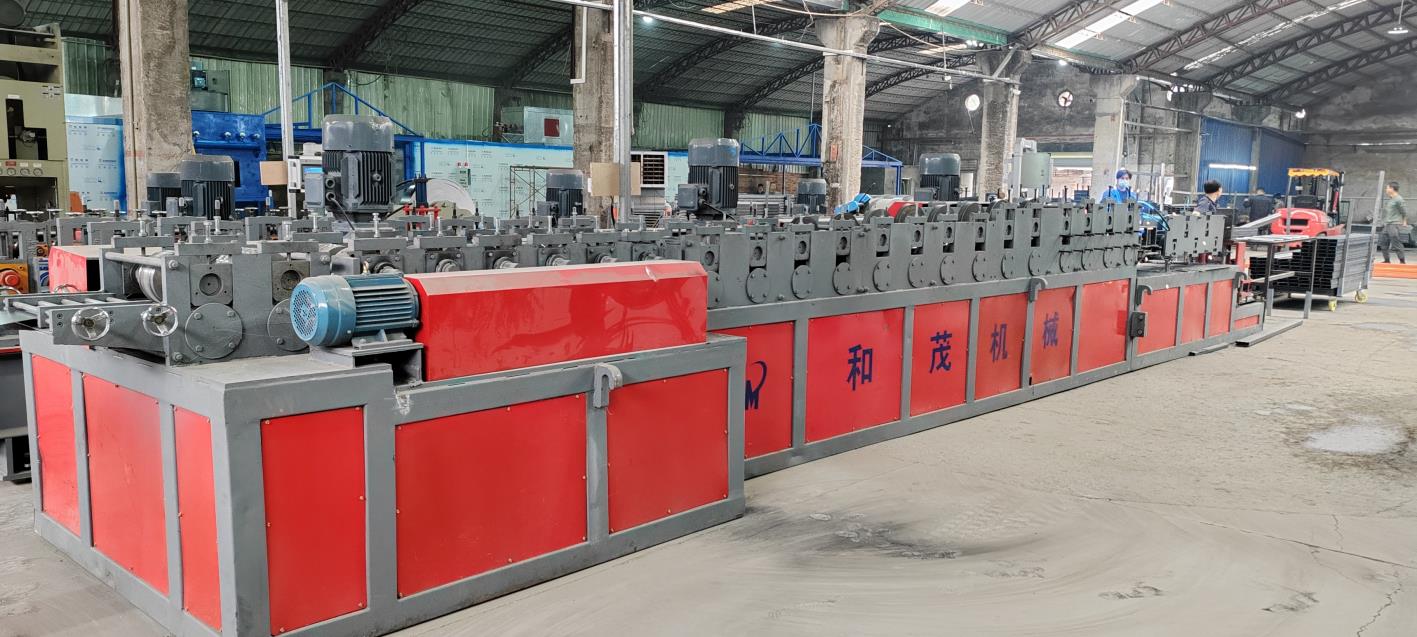
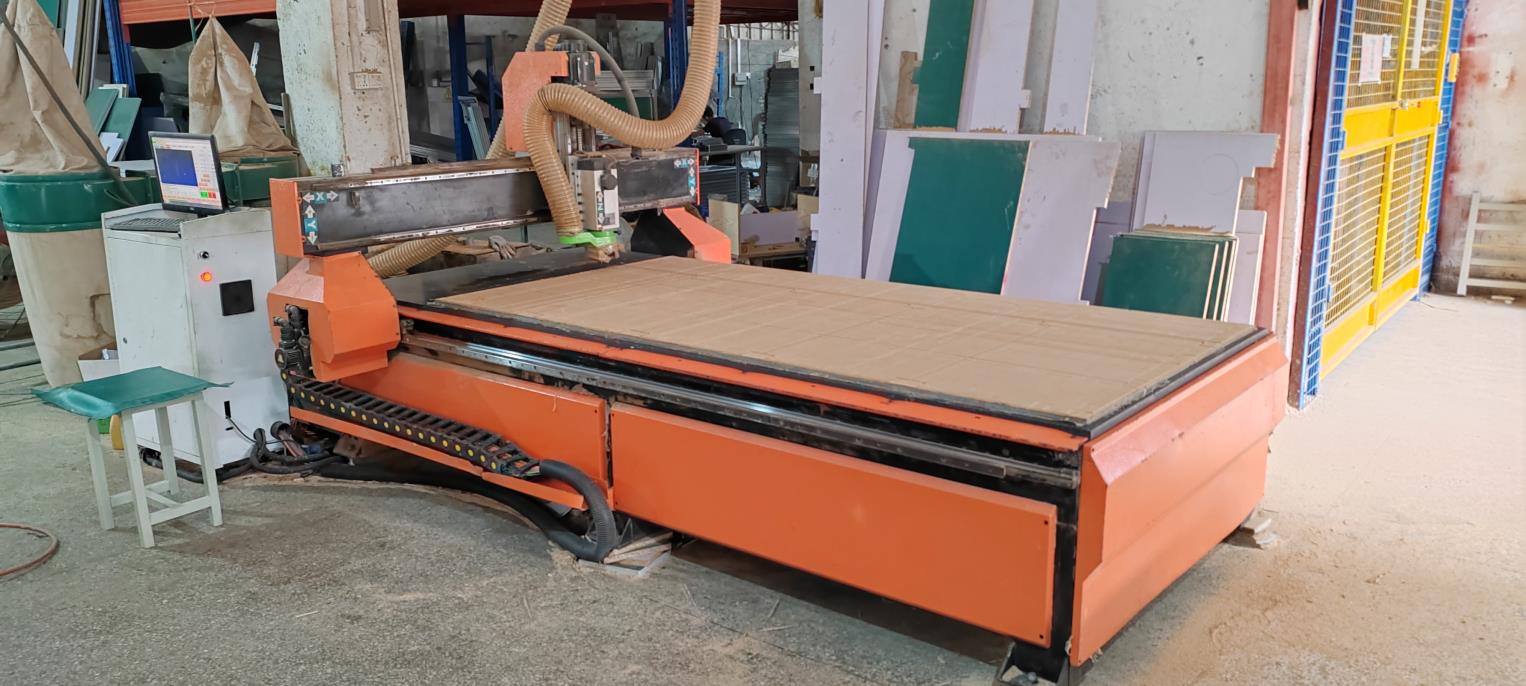
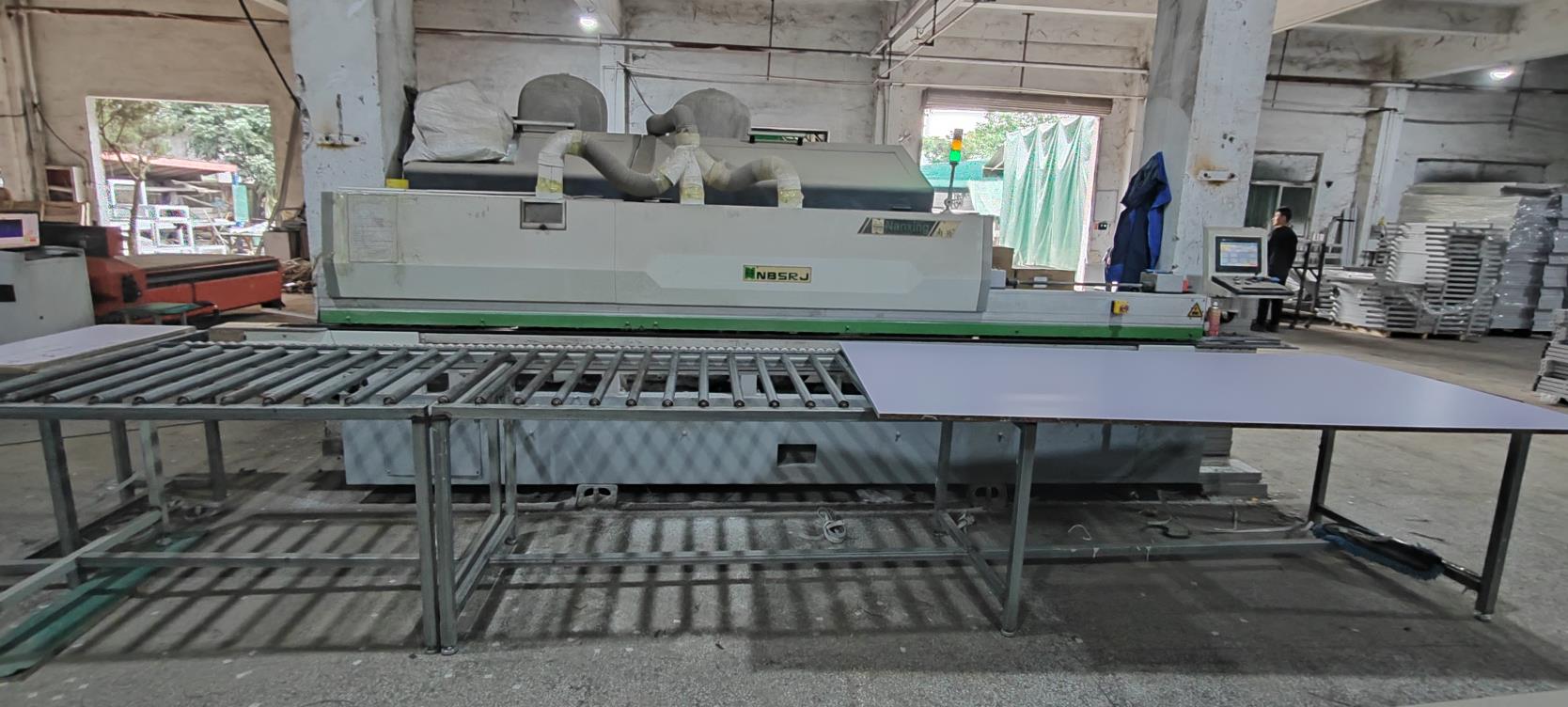
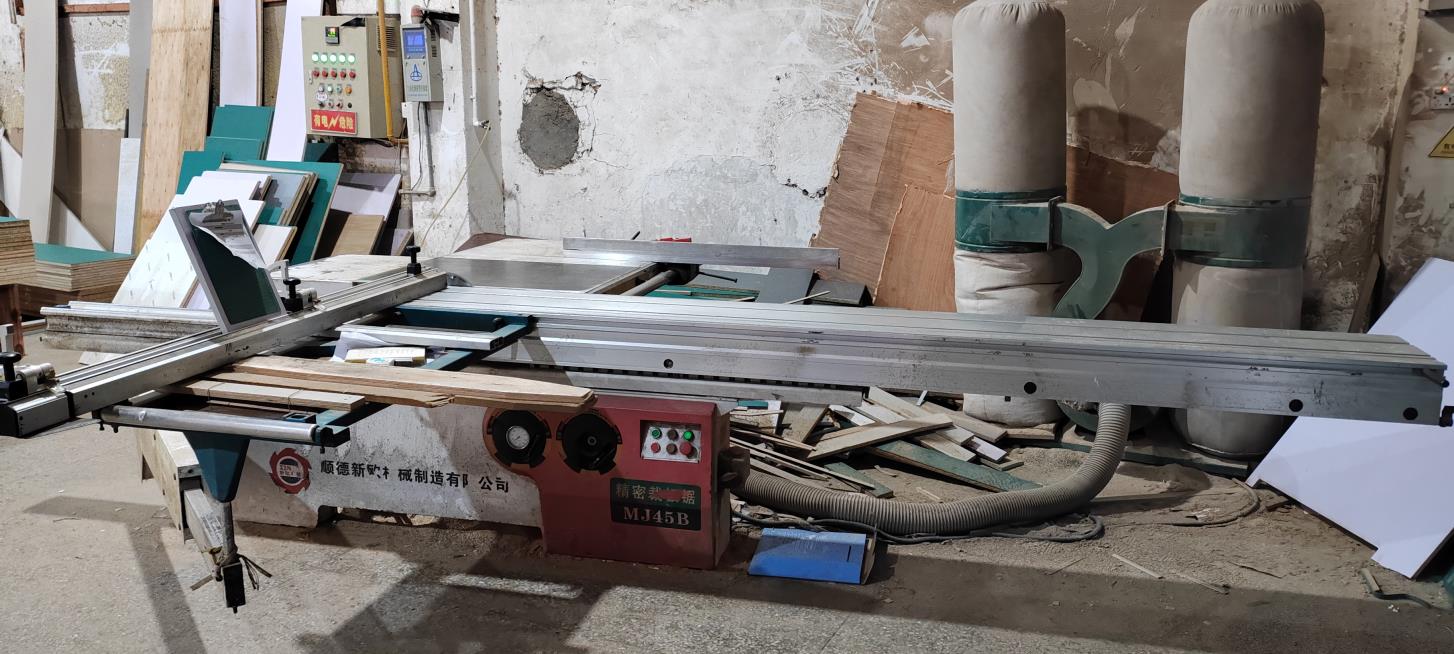
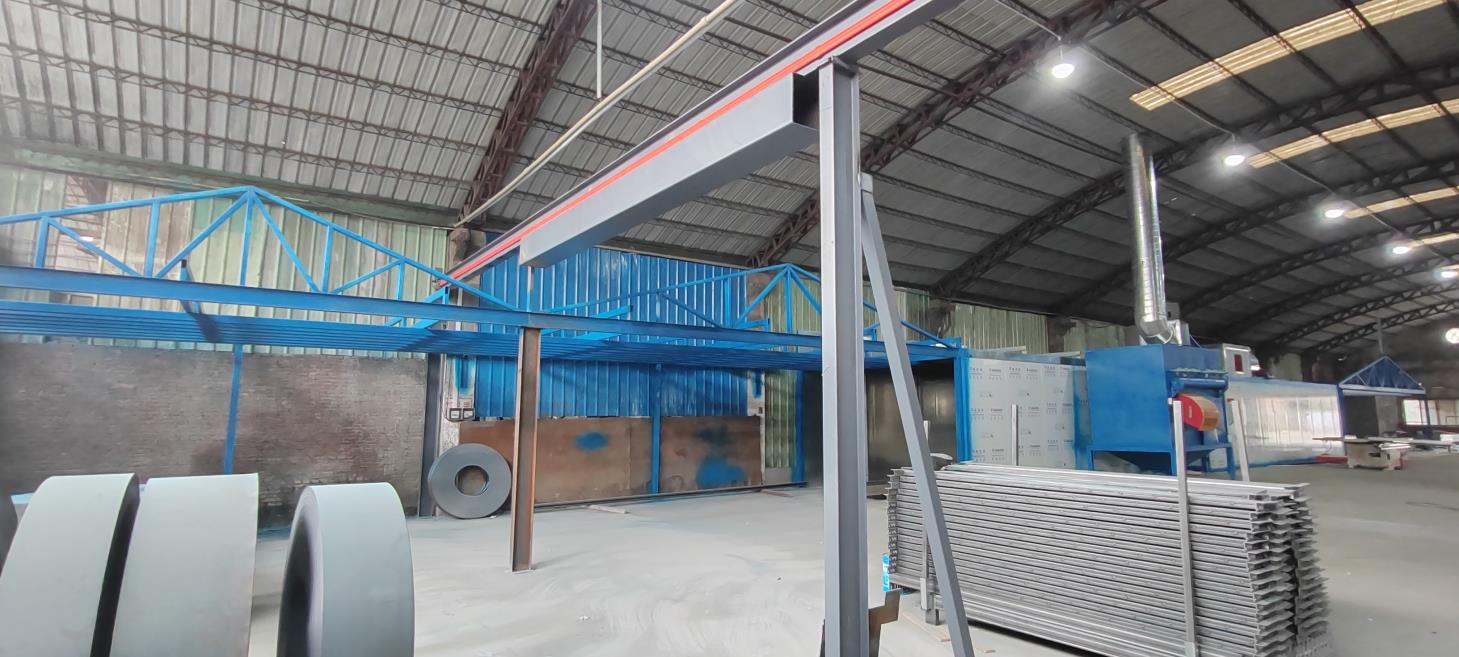
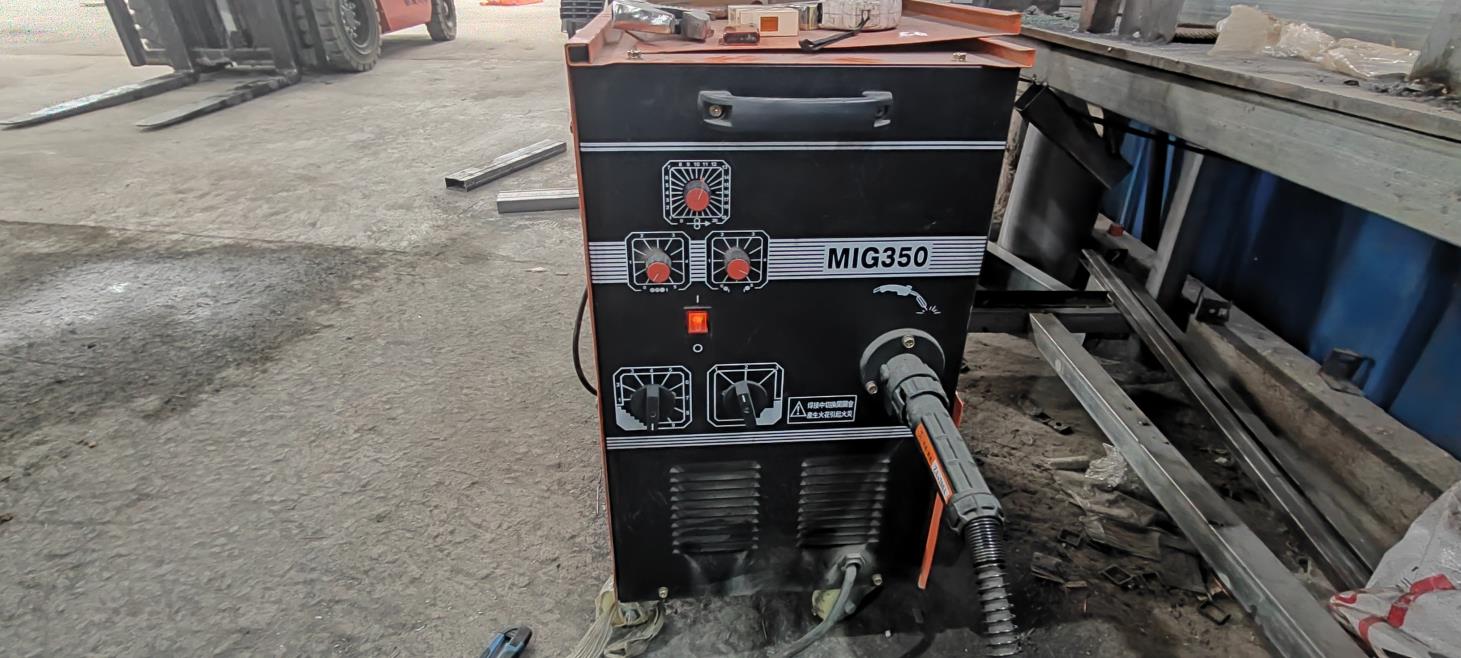
Integrating high-precision CNC equipment, automated electrostatic coating lines, and proximity to major steel mills in Jiangsu and Anhui allows Chinese manufacturers to reduce delivery lead times by up to 35% compared to regional suppliers.
The modern industrial landscape demands more than simple metal fabrication. Nanjing Fortis's digital smart factory model features end-to-end trace elements. By utilizing automated laser cutting platforms and robotic structural welding stations, human variance is minimized. This guarantees that every cold storage upright and beam meets exact structural tolerances (+/- 0.5mm), which is critical for the seamless operation of radio shuttle systems and AS/RS operations.
Furthermore, Nanjing Fortis maintains partnerships with tier-1 raw steel producers, ensuring that steel mill certificates accompany every production batch. In cold storage systems, a single weak weld or out-of-tolerance beam can trigger structural failure. Through Factory 4.0 digitization, every stage of board cutting, bending, punching, welding, and painting is documented and verified.
Through economies of scale and direct-factory exports to Western Europe, South America, and the Middle East, Nanjing Fortis provides an optimal balance between pricing and reliable performance, bypassing intermediary distributors.
| Technical Parameter | Standard Specification (Nanjing Fortis) | Industry Standard (Min. Requirement) | Cold Chain Operational Benefit |
|---|---|---|---|
| Steel Grade Options | Q235B, Q355B, Q355D, ASTM A572 Grade 50 | Q235B (Mild Carbon Steel) | High yield strength; prevents low-temperature embrittlement down to -35°C. |
| Powder Coating Depth | 80 - 120 microns (Electrostatic Epoxy) | 60 - 80 microns | High resistance to moisture condensation, oxidation, and forklift scrape impacts. |
| Welding Quality Standard | Robotic CO2 Shielded Welding (AWS D1.1/D1.1M compliant) | Manual arc welding | Eliminates structural weld voids; uniform penetration prevents stress fractures. |
| Dimensional Tolerance | Within +/- 0.5mm via CMM inspection | Within +/- 2.0mm | Ensures automated shuttle rails run perfectly straight; prevents unit jams. |
| Salt Spray Corrosion Test | Passes minimum 500 hours (ASTM B117) | 200 hours | Extends racking lifecycle to 15+ years in high-moisture defrost cycles. |
Western European operators demand strict compliance with EN standards, focusing on workplace safety, ergonomics, and low environmental footprint (ISO14001). Systems must support automated handling interfaces like automated storage and retrieval systems (AS/RS).
Faced with diverse topographical and seismic challenges, South American logistics operators demand racking configurations engineered to resist high ground acceleration rates, calling for heavy-duty baseplates and anchoring hardware.
In hyper-arid regions with high external temperatures, cold storage facilities must run at peak efficiency to minimize cooling losses. High-density radio shuttle and drive-in racks maximize cold room storage density, lowering overall energy bills.
Traditional drive-in racking is cost-effective but exposes structures to frequent forklift collision damage, which is amplified in cold conditions. Automated Radio Shuttle (semi-automated) and AS/RS (fully automated) installations represent the future of industrial cold storage. By using digital shuttle carts to retrieve pallets within deep lanes, the need for forklifts to enter the racking matrix is eliminated, decreasing collision risks and improving operator safety.
Heat conduction between the warm sub-floor soil and structural racking uprights can cause "frost heaving," buckling floors and compromising rack stability. Modern cold storage systems utilize specialized plastic or composite thermal insulation spacer plates between the steel baseplate and concrete slab, creating a reliable thermal break that prevents condensation and ice formation.
In alignment with global ESG initiatives, manufacturers are transitioning away from solvent-based wet paints toward zero-VOC (volatile organic compound) powder coatings. These specialized epoxy and polyester formulations are applied electrostatically and cured under high heat, providing a dense, resilient protective layer that resists acids, humidity, and constant temperature changes.
This refers to the structural behavior where mild steel loses its flexibility and toughness at freezing temperatures, becoming brittle like glass. If hit by a forklift or subjected to seismic activity, it can crack instead of bending. Utilizing cold-resistant steel grades, such as Q355D, prevents this structural risk.
Radio shuttle racking minimizes the aisles required for forklifts, increasing floor space utilization by up to 80% compared to standard selective racks. By reducing the overall cold air volume needed per pallet position, it lowers refrigeration energy costs.
Hot-dip galvanizing (HDG) coats the steel in a corrosion-resistant zinc-iron alloy. Liquid paint often chips due to thermal contraction, allowing moisture to reach the raw steel underneath. HDG provides long-term protection, even when subjected to surface abrasions and humidity.
Frost heaving occurs when moisture beneath the warehouse floor slab freezes, causing the concrete floor to lift unevenly. Rack manufacturers design custom baseplates with thermal isolation barriers (such as non-conductive plastic spacer plates) to prevent cold transfer into the concrete foundation.
Complete list of our production capabilities, including pallet corridors, heavy-duty attic configurations, and automatic shuttle transport networks.
 FortisRack