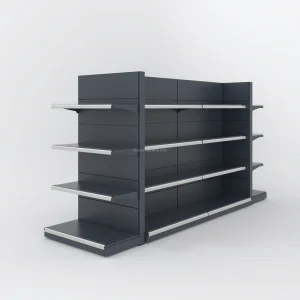
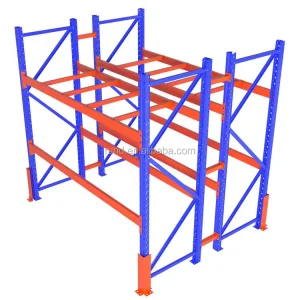
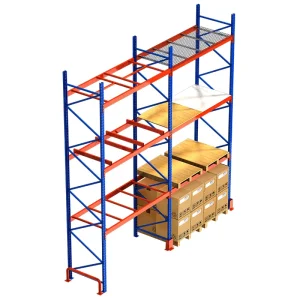
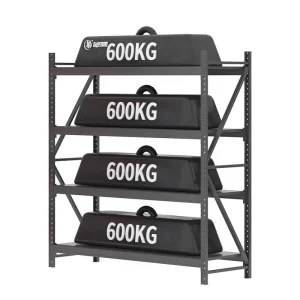
Top 10 Industrial Drying Racks & Storage Systems Exporters

High-Density Material Handling, Automated Heavy Duty Storage Equipment, and Custom Surface Coating Engineering Systems

Industry Leadership & Manufacturing Authority

How Nanjing Fortis Storage Equipment Manufacturing Co., Ltd. dominates global supply chain engineering.

Nanjing Fortis Storage Equipment Manufacturing Co., Ltd. (Est. 2016) operates a 48,000 m² industrial facility integrating heavy storage equipment engineering and advanced material handling systems. Backed by 10 years of structural expertise and 7 years of global B2B trade operation, we manage an annual export turnover exceeding $35 million USD. Upholding global certification matrices including ISO14001 and TUV, our quality assurance protocol includes automated CMM dimensional assessments, specialized salt spray corrosion simulations, and structural stress validation managed by 62 full-time QA professionals.

48K m²
Modern Industrial Facility
$35M+
Annual Export Turnover
80+
R&D Structural Engineers
1,400+
Supply Chain Partners

Global Logistics & Warehousing Infrastructure Development

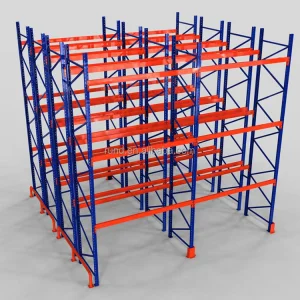
In modern industrial logistics, storage hardware dictates operational speed, inventory safety, and spatial efficiency. Industrial storage racks, heavy-duty pallet systems, and specialized drying and material racks are structural foundations for mega distribution hubs, pharmaceutical facilities, cold-chain preservation centers, and high-turnover retailers. Navigating this sector requires understanding structural mechanics, steel grade certifications, and automation interface layouts.

With global supply chains transitioning to automated storage and retrieval systems (AS/RS), the line between traditional structural racking and dynamic material handling equipment has blurred. Top exporters must supply raw steel profiles while offering comprehensive structural engineering, seismic calculations, and highly customizable coating systems. These configurations ensure system integrity under rigorous load cycles and extreme environmental conditions.

Critical Parameters in Structural Rack Selection

Procurement teams evaluating global manufacturers of high-load racks should prioritize three engineering indicators:

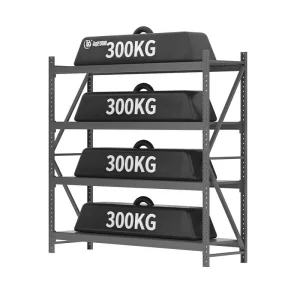
  • Yield Strength and Steel Grade Compliance: Structural components must utilize certified steel, such as Q235B or Q355B, ensuring predictable behavior under maximum stress parameters.
  • Surface Protection Quality: Advanced multi-stage preparation and continuous epoxy powder lines or hot-dip galvanization are critical for rust prevention, particularly in cold-storage and high-humidity curing locations.
  • Deflection Ratio Controls: Adherence to FEM 10.2.02 and RMI standards ensures structural deflection under maximum capacity remains within safe limits (typically L/200 or L/300), preventing long-term structural failure.

Strategic Technical Implementation: Cold-Chain & Chemical Processing

Standard storage systems risk failure in sub-zero cold-storage facilities or harsh chemical processing plants. Sub-zero temperatures induce steel embrittlement, risking catastrophic failures if the design lacks low-temperature impact resilience. Additionally, chemical processing requires advanced protection against acidic and alkaline vapors.

Nanjing Fortis engineers resolve these challenges through custom metallurgy and powder coating formulations. By using steel grades rich in grain-refining micro-alloys and applying dual-layer epoxy-polyester coatings, we deliver structural racks with high impact-resistance at temperatures as low as -30°C. In corrosive environments, our hot-dip galvanized coating processes achieve layer thicknesses of 60 to 85 microns, yielding over 1,000 hours of salt spray corrosion testing without structural degradation.

AS/RS Integration Ready

Manufactured to precise tolerances (±0.5mm structural variance) allowing seamless integration with crane systems, shuttle cars, and automated storage architectures.

High-Density Utilization

Utilizing dynamic configurations including drive-in, push-back, and pallet-flow layouts, boosting warehouse spatial efficiency by up to 85%.

Compliance & Safety

Every structural weld is certified to TUV and EN 15512 standards, guaranteeing safe operations under dynamic loading conditions.
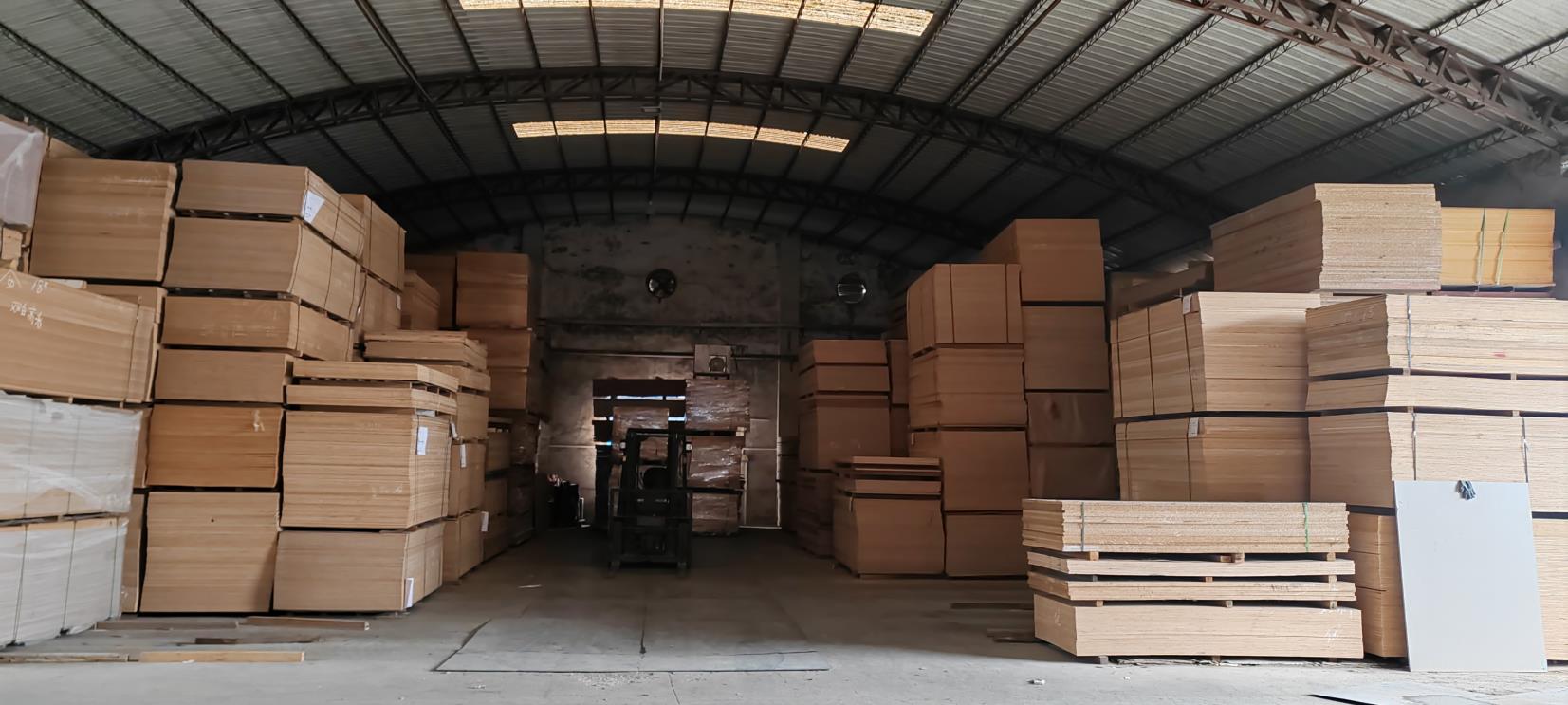
Integrated Manufacturing Operations & Flow

Inside our 48,000 m² smart factory, where we control every stage of production from raw material processing to automated finishing.

Production Process Stages

Raw Material
Raw Material
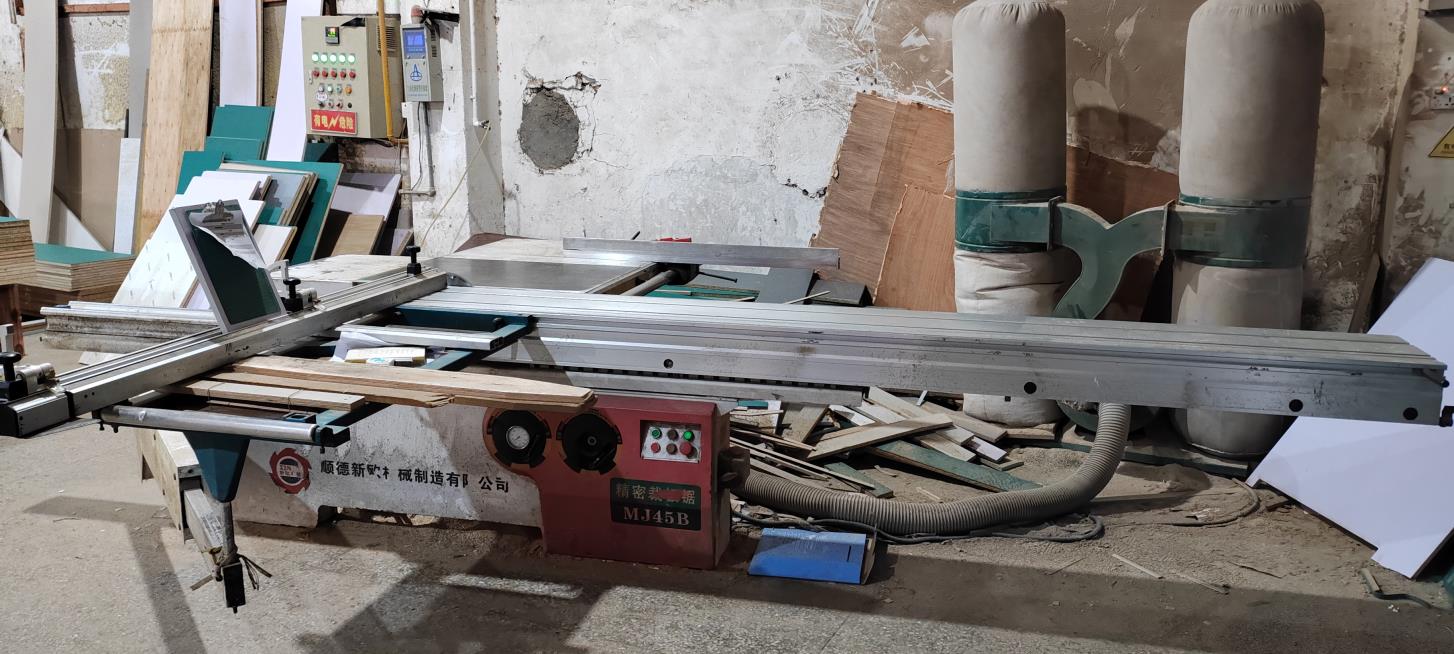
Board Cutting
Board Cutting
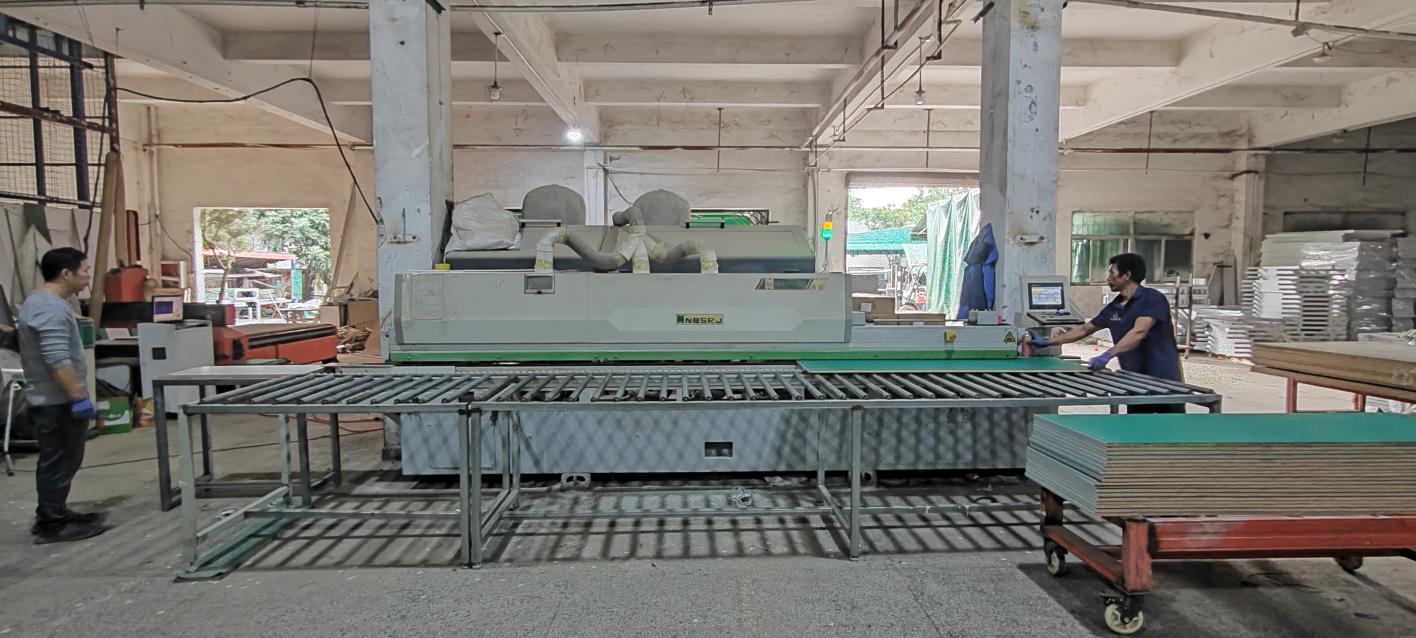
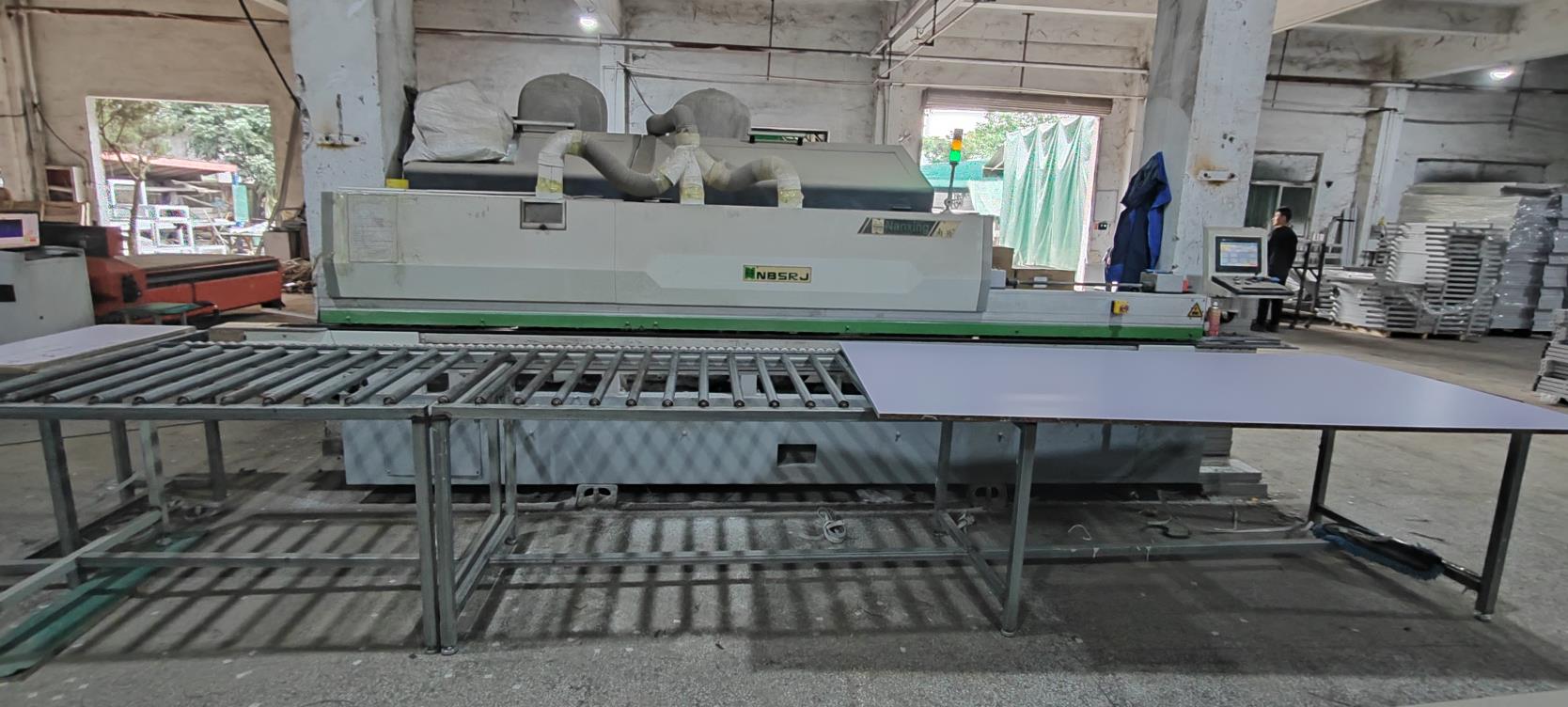
Board Edge Sealing
Board Edge Sealing
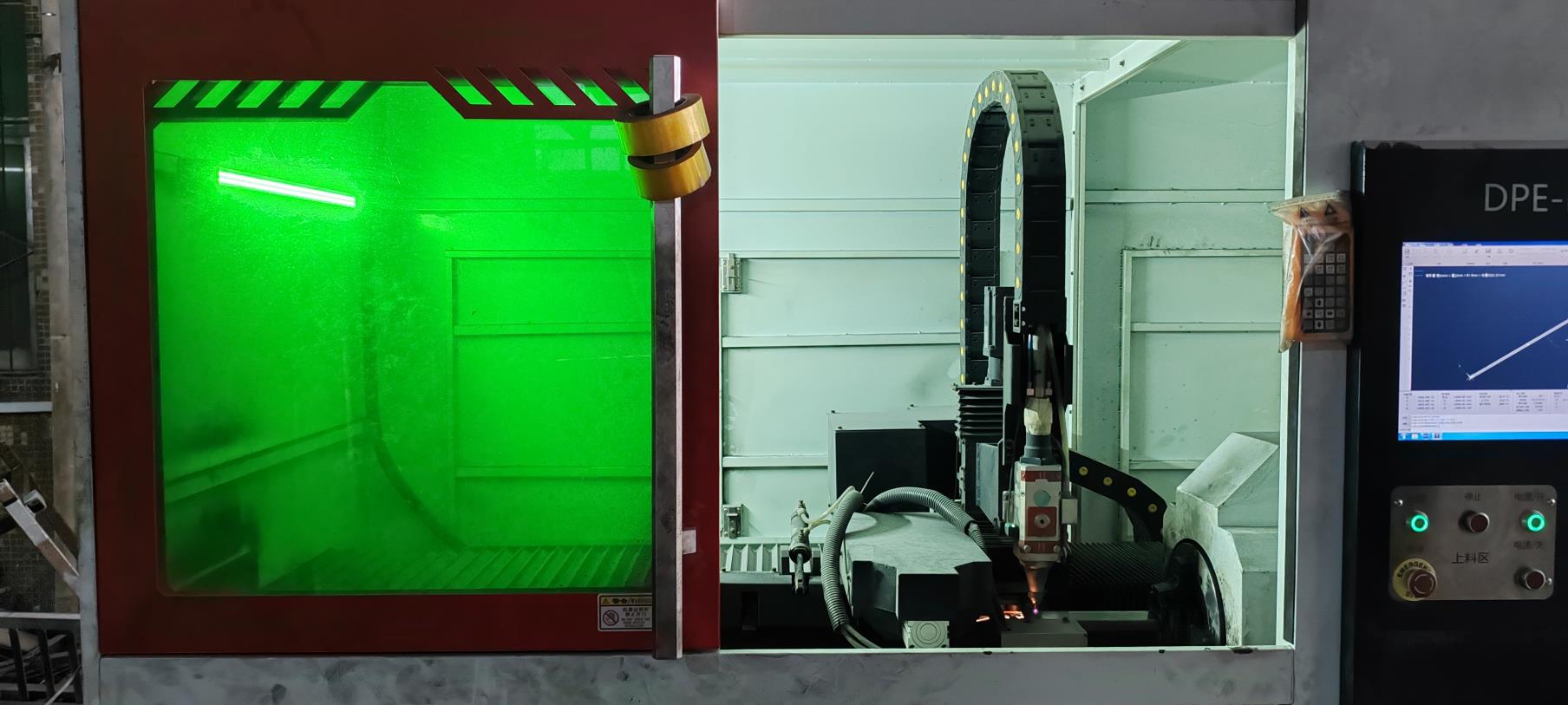
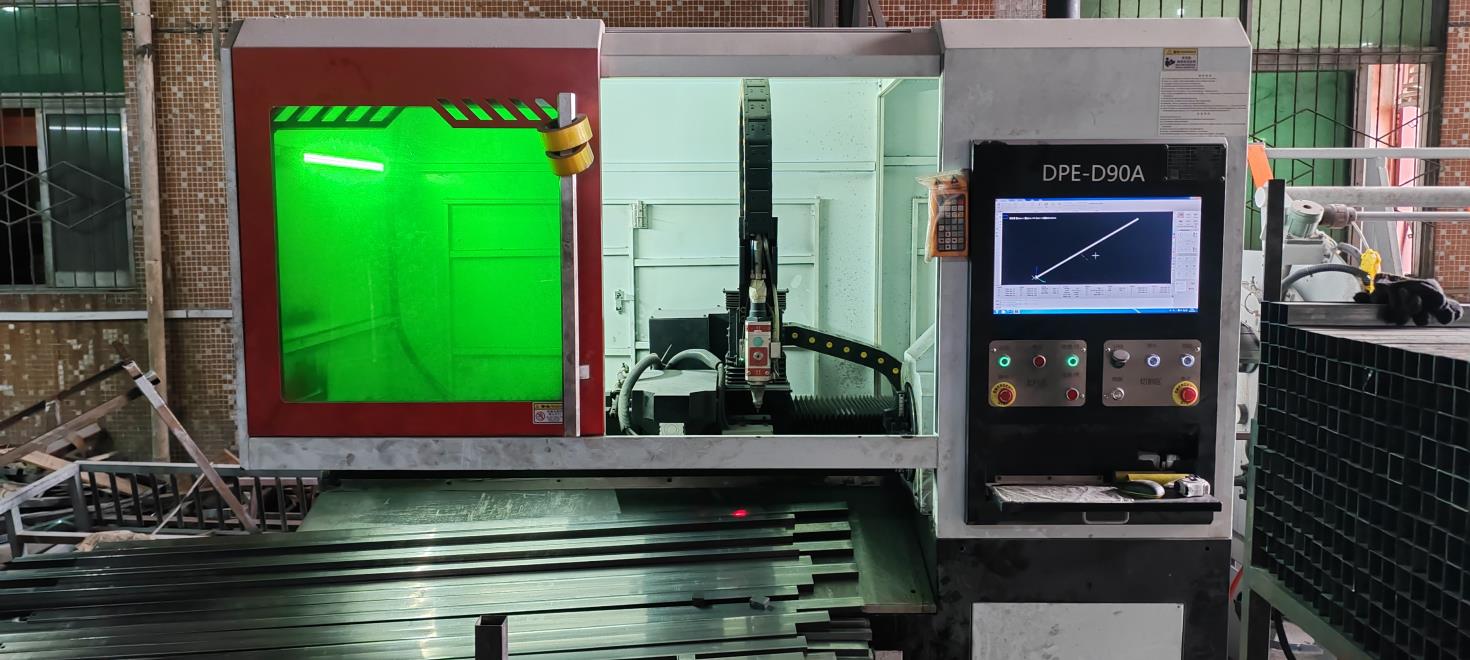
Laser Cutting
Laser Cutting
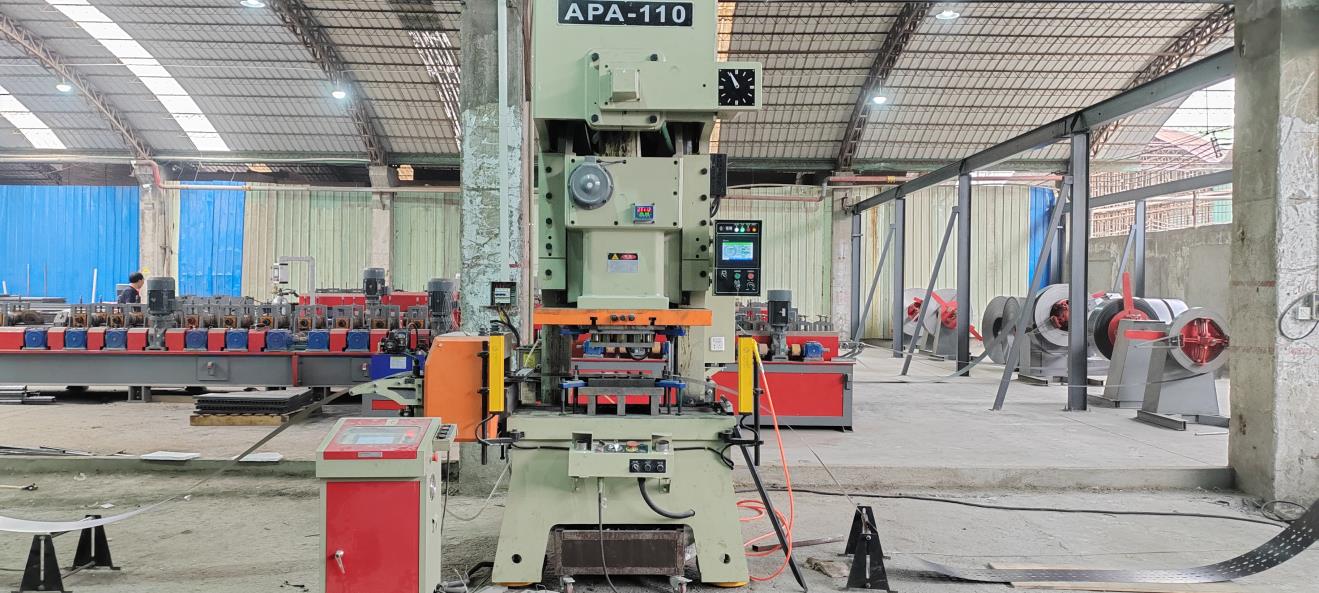
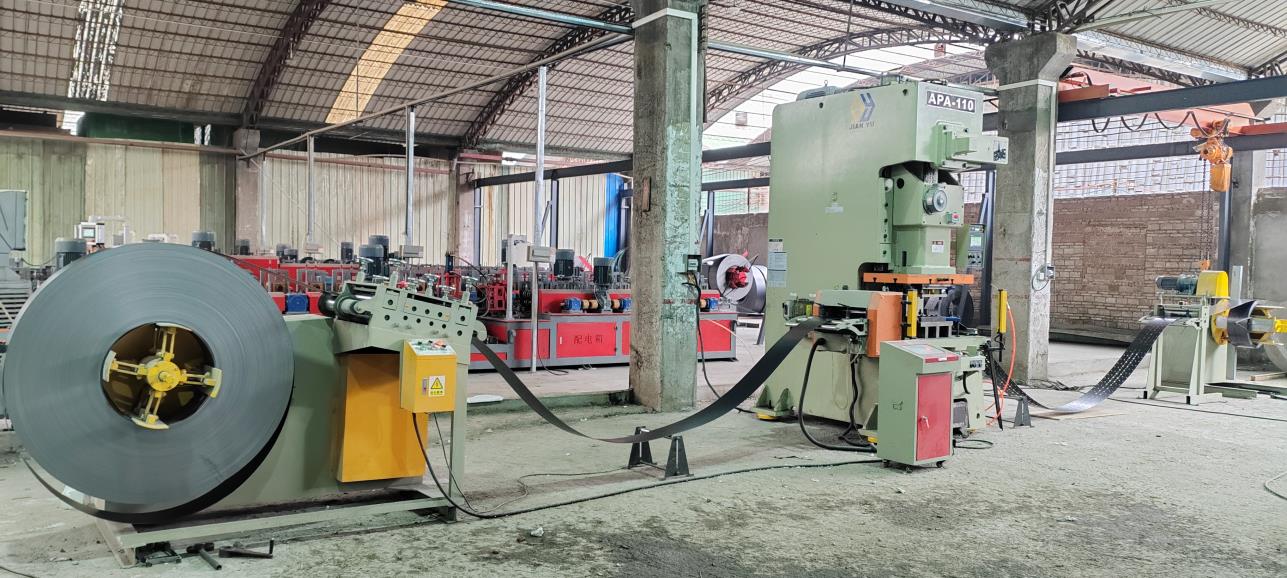
Punching
Punching
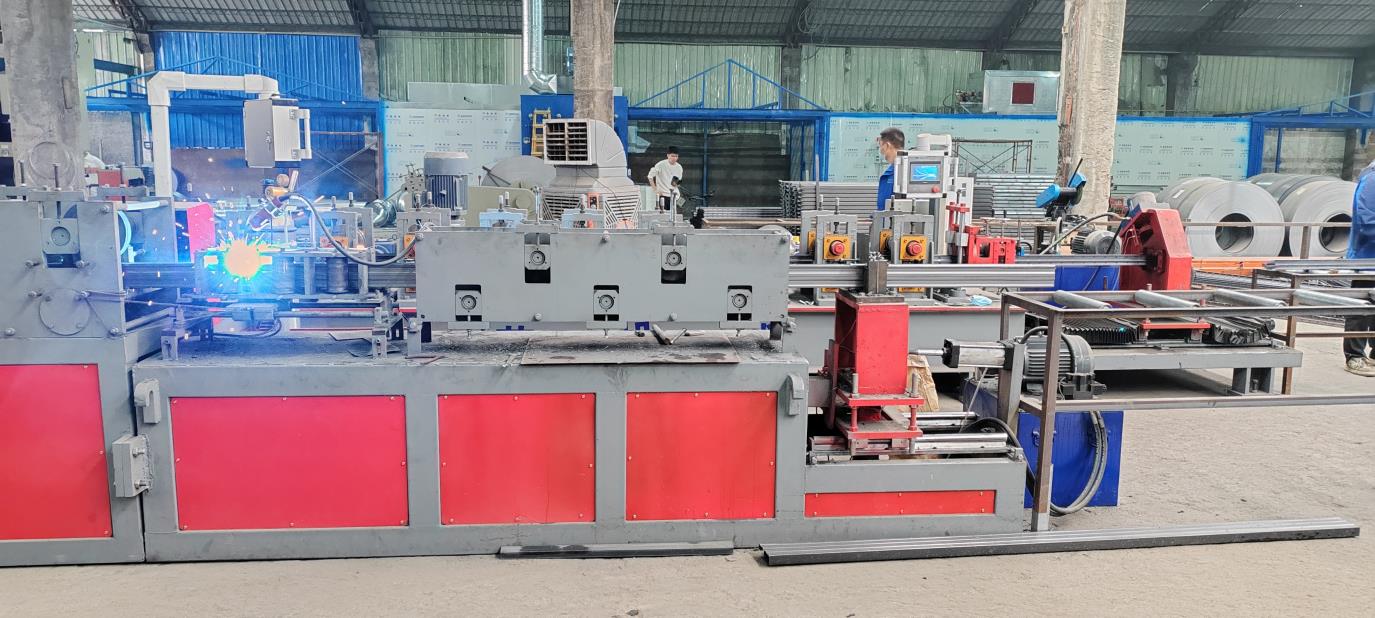
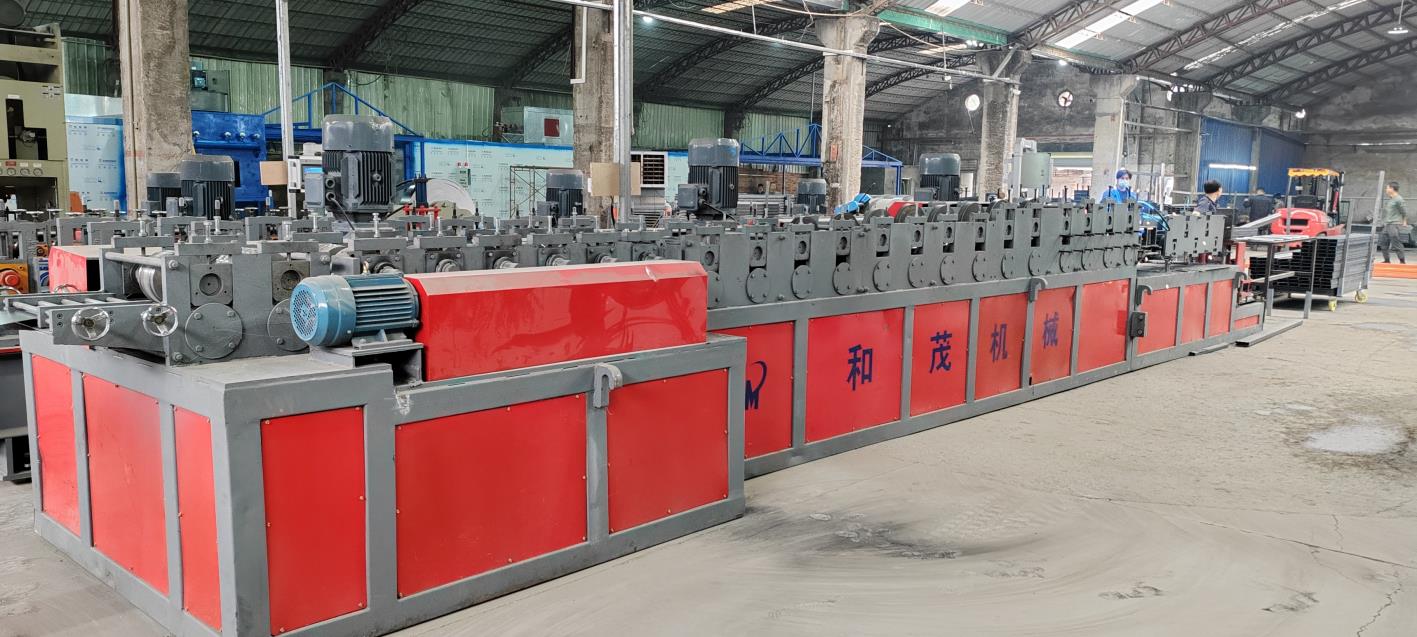
Forming
Forming
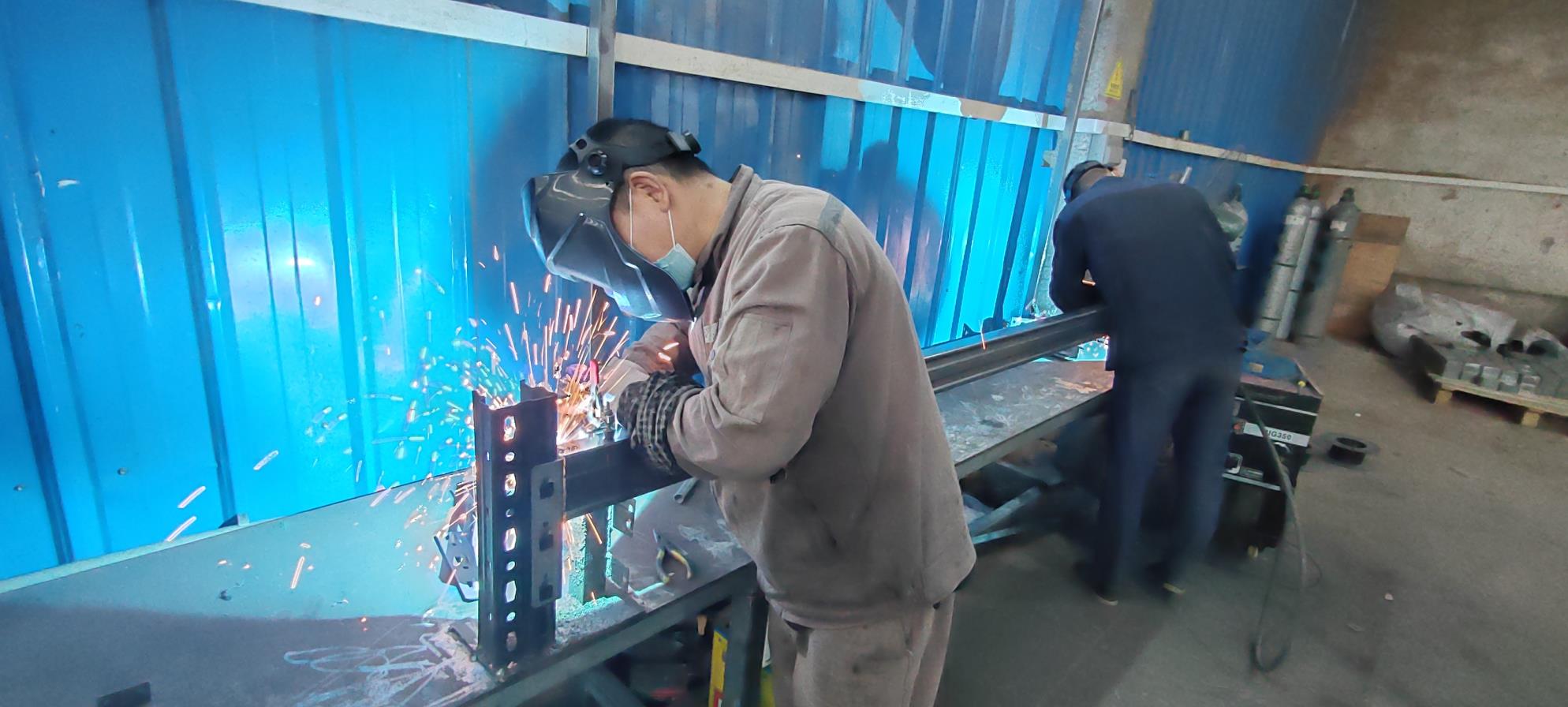
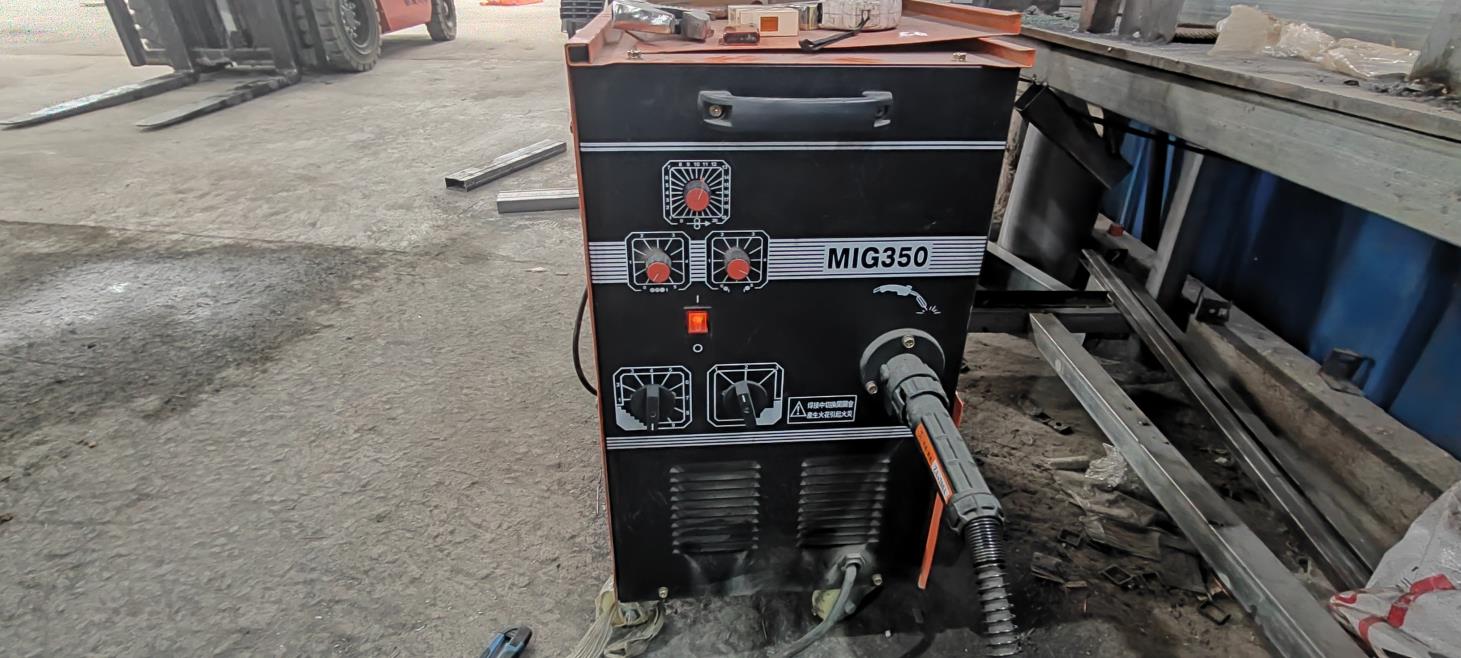
Welding
Welding
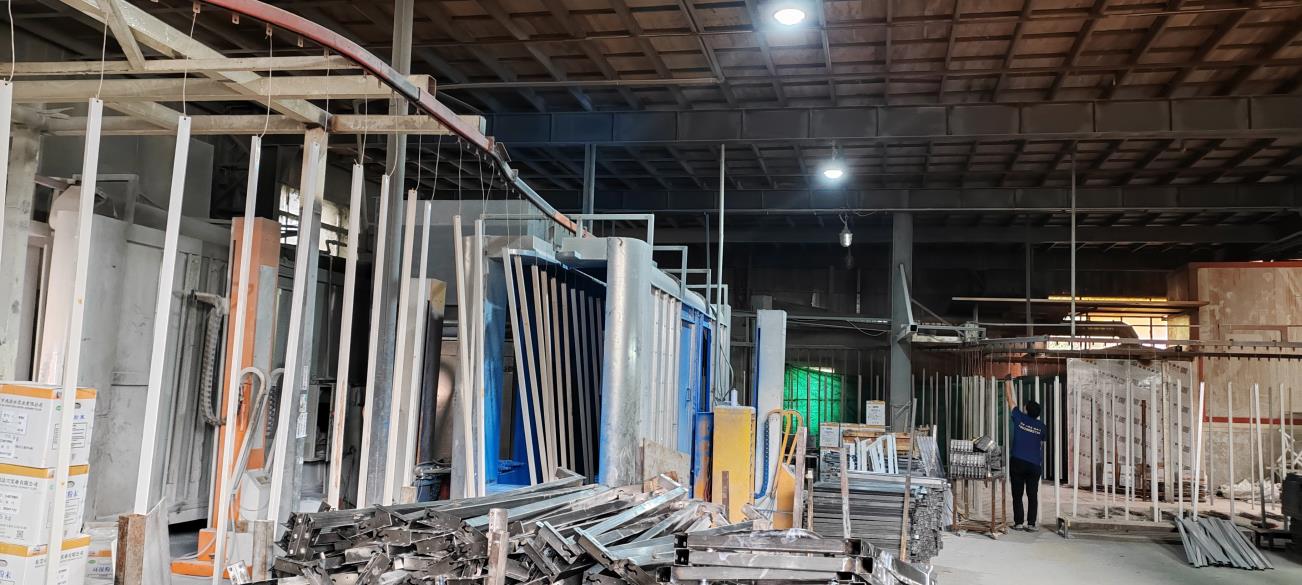
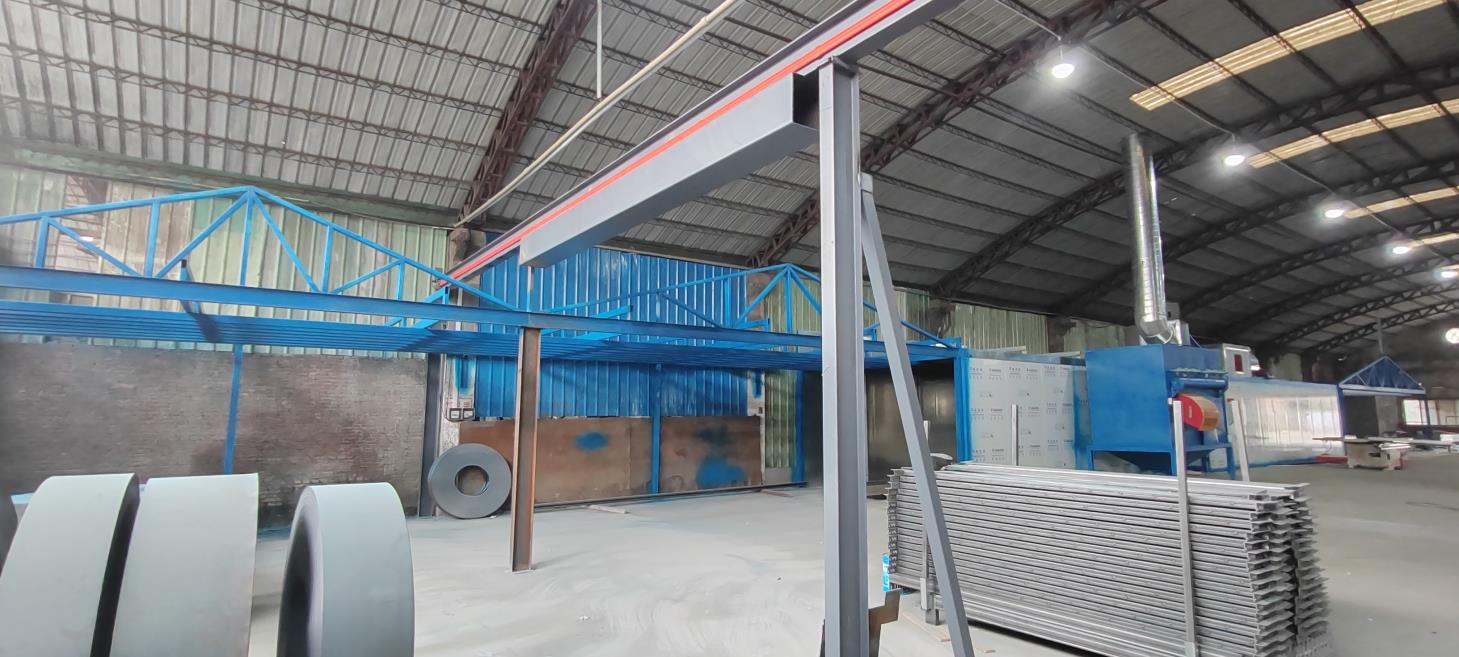
Baking paint
Baking Paint
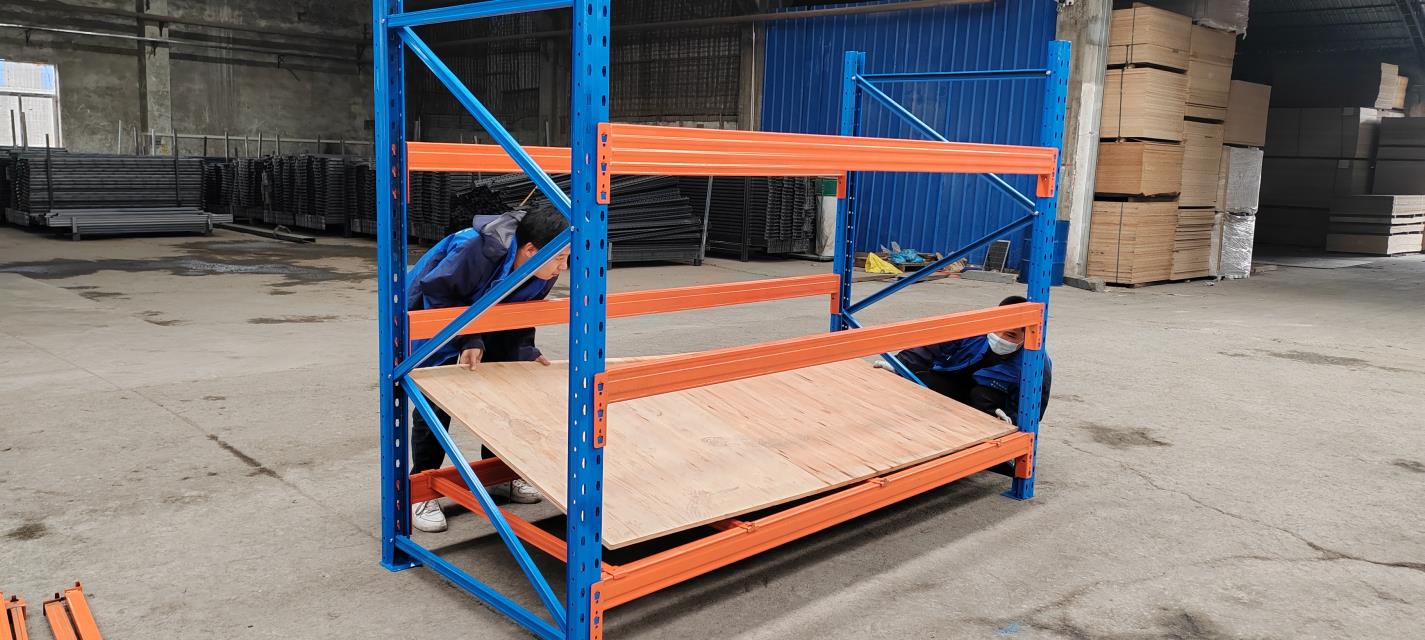
Assembling
Assembling

Precision Equipment Fleet

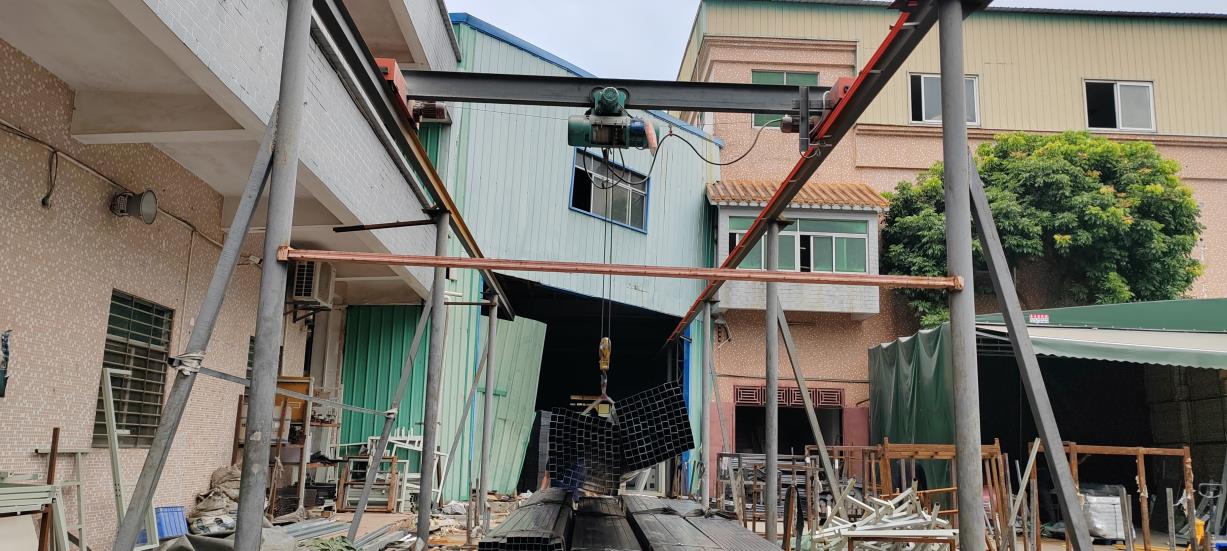
Line hoisting machine
Line Hoisting Machine
Laser Cutting Machine
High-Precision Laser Cutter
Punching Machine
Automated Punching Center
Forming Machine
CNC Cold Roll Former
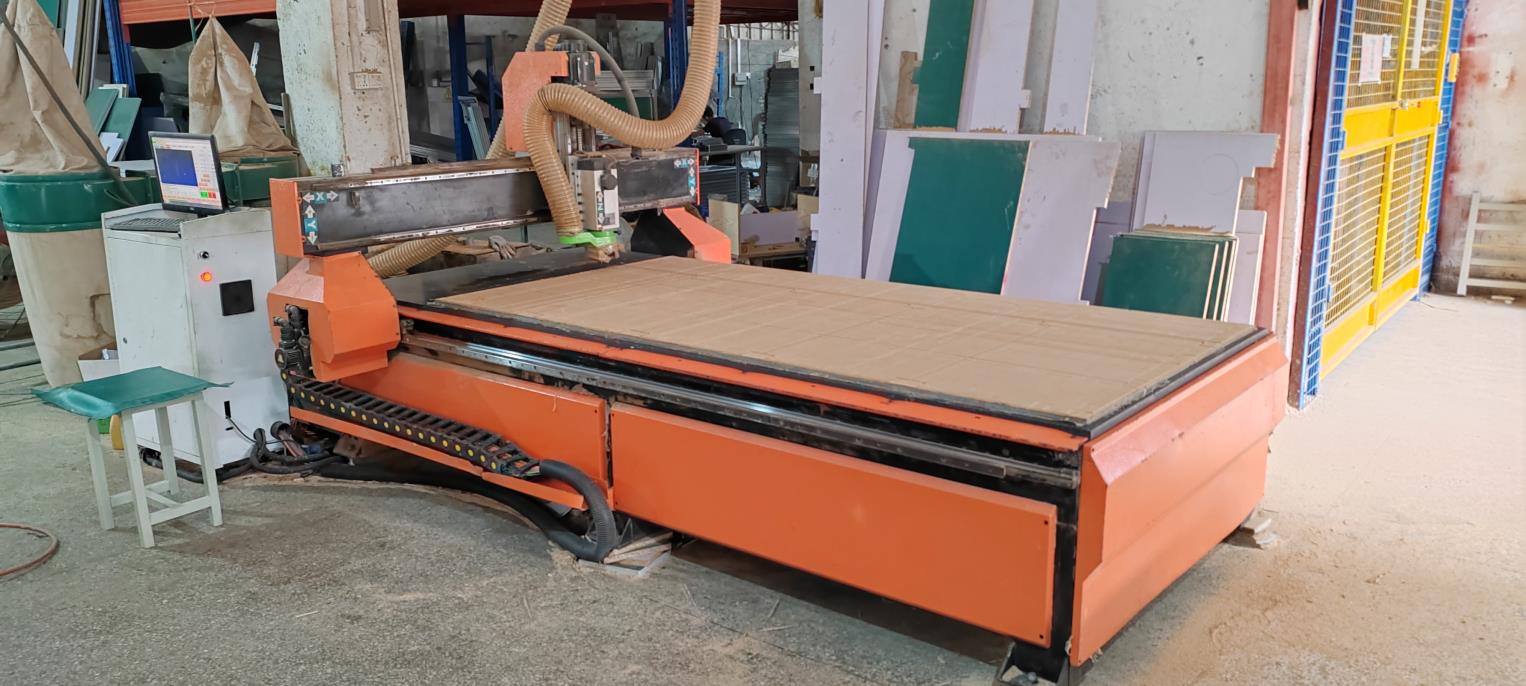
Engraving Machine
Computerized Engraving Station
Edge Sealing Machine
Automated Edge Sealer
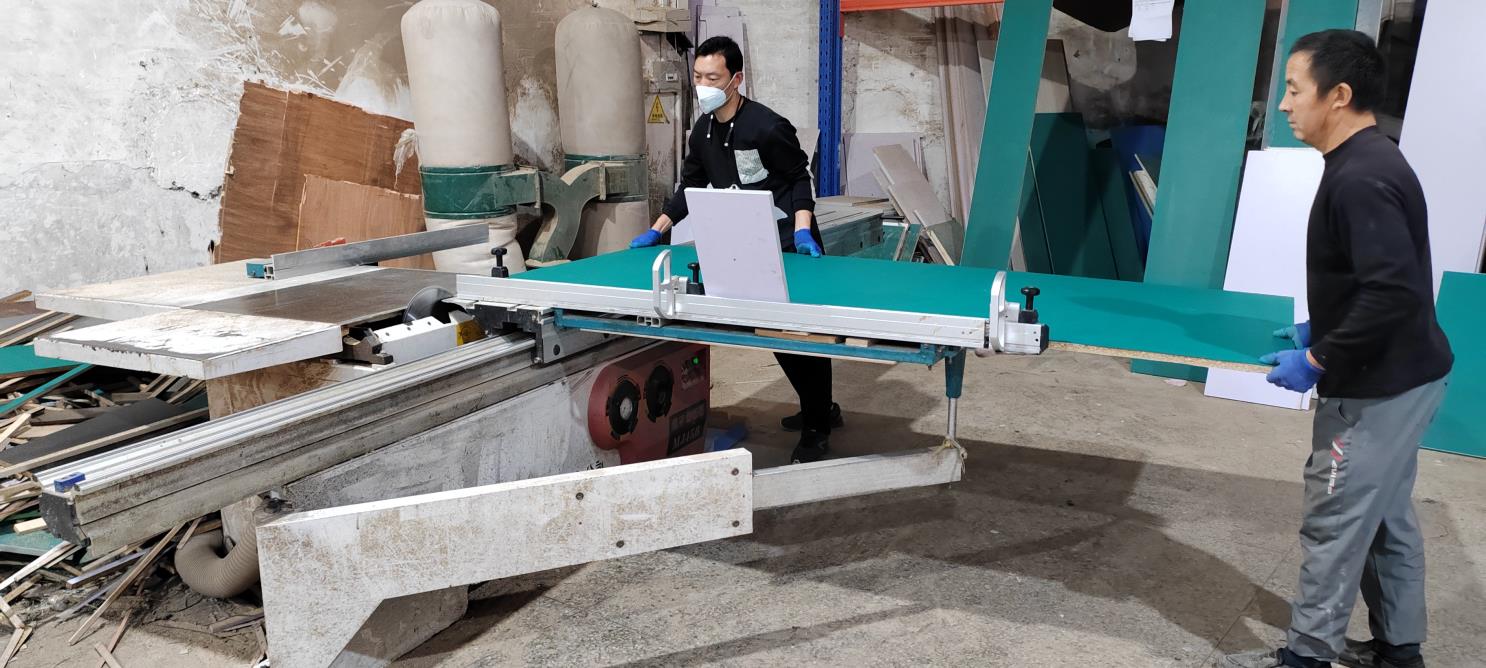
Sliding Table Saw
Sliding Table Saws
Paint Production Line
Continuous Paint Line
Welding Machine
Heavy Duty Welding System

Strategic Roadmap: Green Storage Tech & Modular Evolution

As the international logistics community pushes toward carbon neutrality, warehousing operations are assessing the carbon footprints of their supply chains. The production of structural steel storage units requires significant energy, making low-carbon steel processing and eco-efficient powder-coating systems crucial for forward-thinking manufacturers.

Nanjing Fortis is leading this shift by integrating green manufacturing processes. By using recycled structural steel alloys and switching to zero-VOC, heavy-metal-free electrostatic powder formulas, we have reduced the carbon footprint of our manufacturing lines by 18%. Our engineering division is also developing modular components that allow fast field reassembly, extending the operational life of storage setups and reducing material waste.

Technical Milestones: 2026-2028 Structural Development Roadmap

Our ongoing R&D initiatives focus on three primary developments:

  1. Structural Stress Telemetry: Embedding strain gauges and IoT sensors directly into high-load upright structures to monitor dynamic forces and issue preventative maintenance alerts.
  2. Ultra-Lightweight Steel Profiles: Refining cold-rolling methods to manufacture optimized profiles that reduce steel consumption by 12% while maintaining load-bearing performance.
  3. Seismic Resilience Innovations: Engineering advanced base-isolation systems and flexible splice designs to absorb kinetic energy during seismic events, protecting both personnel and inventory.

Industrial Procurement FAQ

Technical answers to common questions from procurement managers, warehouse developers, and operations directors.

Q1: What steel grades do you utilize for heavy-load structures, and how is traceability managed?
A: We utilize certified Q235B and Q355B structural carbon steel sourced from leading domestic steel mills. Every raw batch arrives with official mill test certificates (MTC) documenting physical and chemical analyses. These certificates are logged in our ERP system to guarantee complete traceability from raw material to finished product.
Q2: How do your industrial systems comply with international seismic and safety regulations?
A: Our engineering designs comply with key structural and seismic standards, including RMI (MH16.1) for North America, EN 15512 for Europe, and AS4084 for Australia. We utilize advanced finite element analysis (FEA) software to simulate seismic loads based on site-specific parameters, optimizing baseplates, upright profiles, and bracing configurations to ensure structural stability.
Q3: What quality control processes are implemented prior to shipping?
A: Our QA program is managed by 62 full-time inspectors. Key checkpoints include automated coordinate measuring machine (CMM) dimensional checks to guarantee pitch alignment, continuous ultrasonic testing of critical welds, and salt spray testing to verify corrosion resistance. Standard batch inspections also include coating thickness measurements and cross-cut adhesion tests.
Q4: What is the typical lead time for custom structural projects?
A: For custom B2B configurations, engineering drawing approval typically takes 7-10 business days. Upon final design approval, manufacturing is completed within 30-45 days, depending on volume and surface coating specifications.