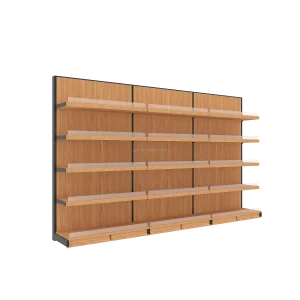
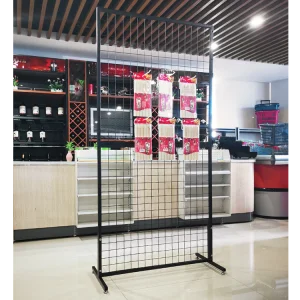
Explore our leading OEM/ODM designs engineered for heavy-duty warehousing, automated retail environments, and high-density store configurations.
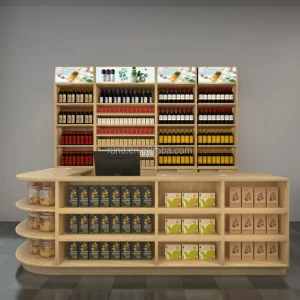
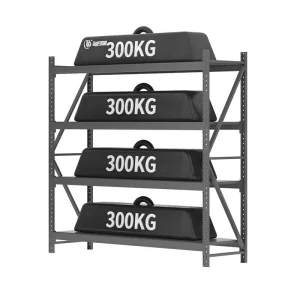
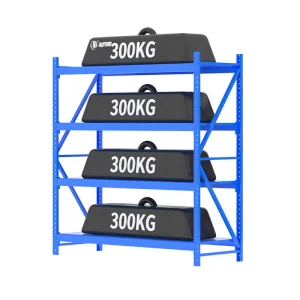
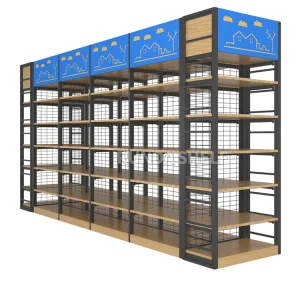
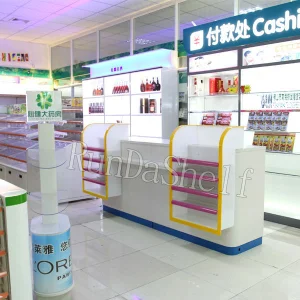
Established in 2016, Nanjing Fortis Storage Equipment Manufacturing Co., Ltd. commands a state-of-the-art, modern industrial plant covering 48,000 m². Driven by 10 years of deep industry expertise and 7 years of high-volume global trade experience, our annual export turnover has consistently reached $35 million USD.
We operate as a premium direct-factory designer, manufacturer, and exporter, providing customized commercial storage shelving, structural mezzanines, checkout counters, and industrial racking components. Our specialized engineering division of 80 structural engineers and 62 full-time QA professionals guarantees elite reliability under the most strenuous load parameters.
From material procurement to final surface passivation, we adhere strictly to international manufacturing codes including ISO14001:2015 and TUV standards. Our internal laboratory performs advanced testing protocols including automated CMM dimensional checks, finite element analysis (FEA) for load bearing capacity, and salt spray corrosion testing to ensure optimal life cycle durability in multi-climate environments.
Serving Western Europe, South America, and the Middle East with over 1,400 supply chain partners globally.
A B2B executive report on optimizing modern supply chains, mitigating load failures, and engineering high-durability warehousing systems.
The rapid expansion of global e-commerce, combined with cold-chain logistics optimization and high-density warehouse configurations, has completely transformed standard shelving procurement. Corporate procurers are moving away from generic, off-the-shelf components in favor of high-engineered OEM/ODM shelving boards and structural members. Modern distribution networks require customized modular racking systems capable of withstanding dynamic operational forces, seismic activities, and harsh humidity cycles.
From cold storage operators in Northern Europe requiring low-temperature resilience, to massive logistics parks in the Middle East operating in ultra-high ambient temperatures, material chemistry and manufacturing precision represent the difference between multi-decade structural performance and catastrophic collapse. Industrial engineering criteria now emphasize specialized surface coating treatments, precise mechanical deflection calculations (L/200 standard), and automated fabrication methodologies that eliminate human error.
When selecting a long-term commercial manufacturing partner, international procurement directors prioritize five critical performance vectors:
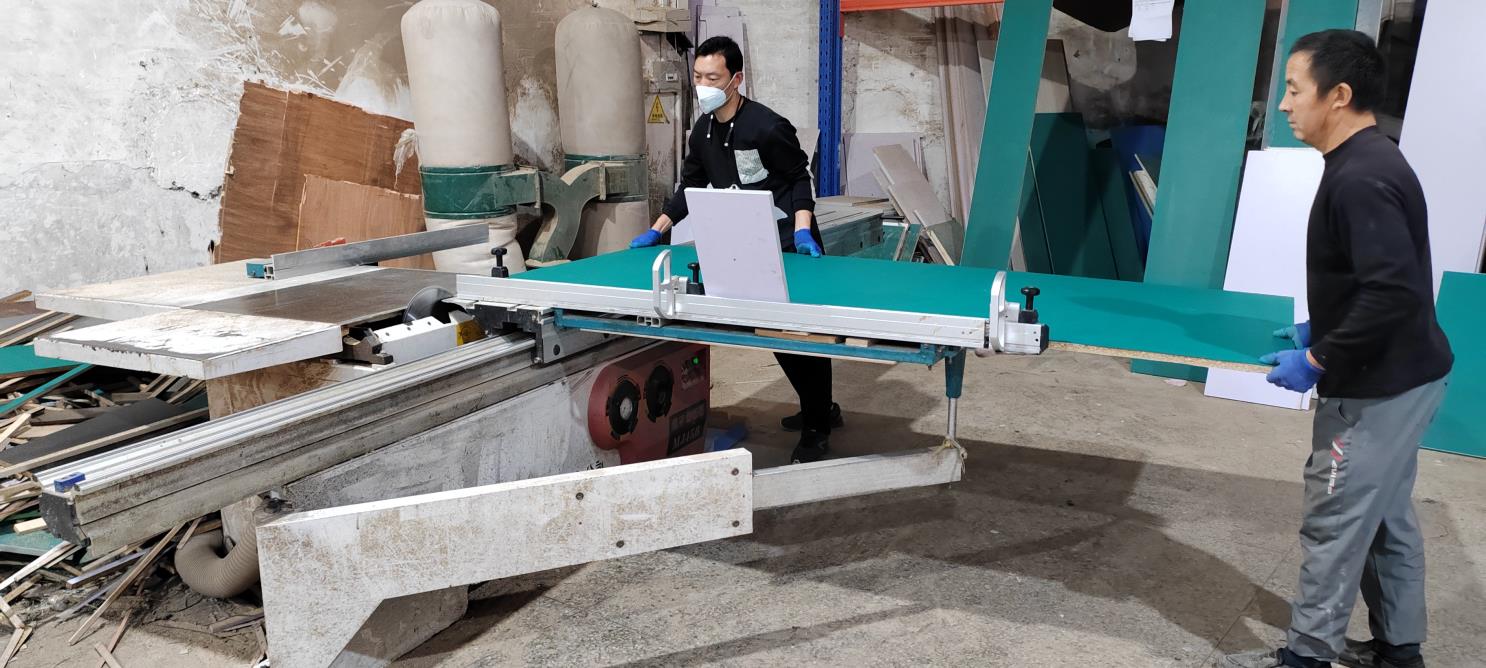
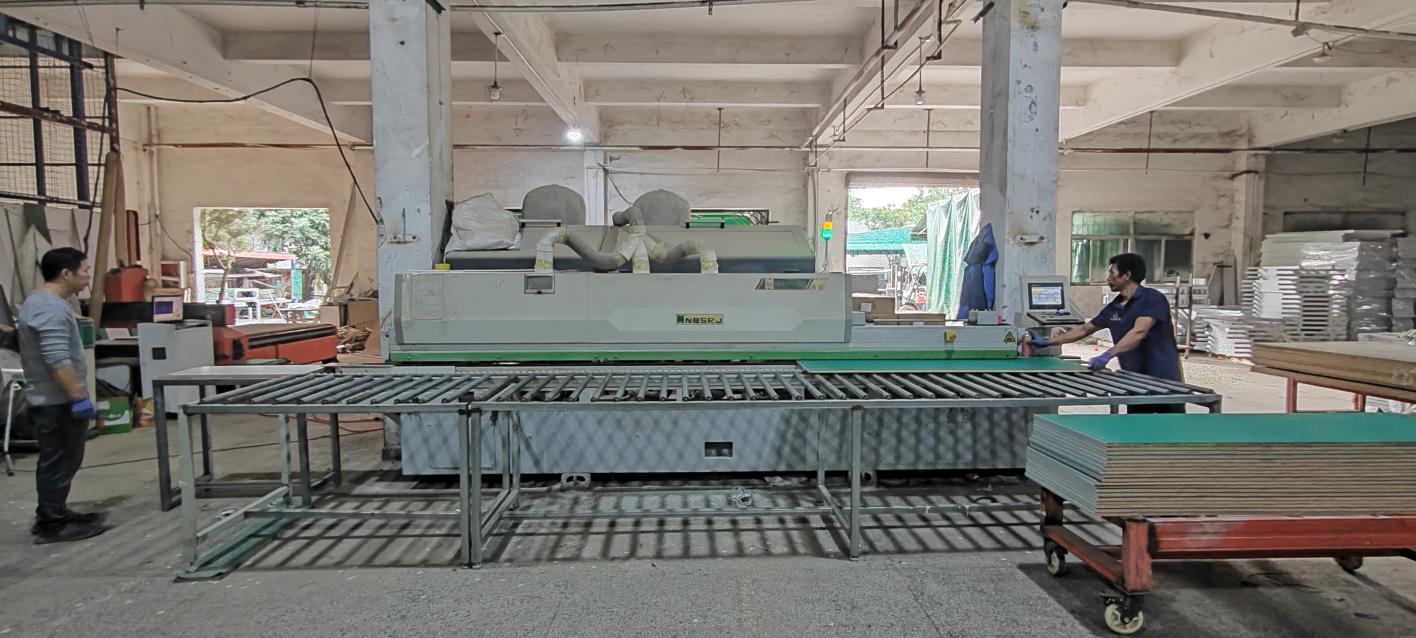
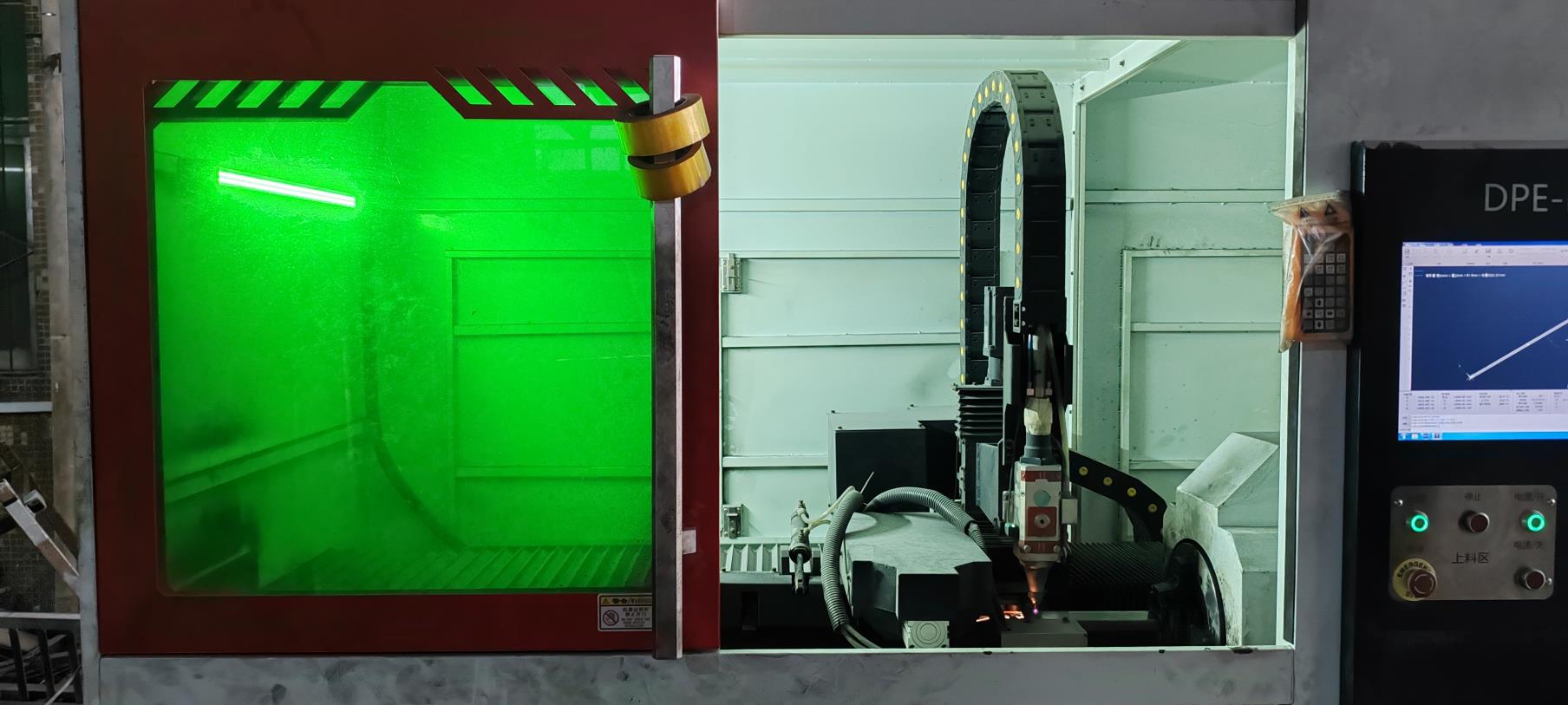
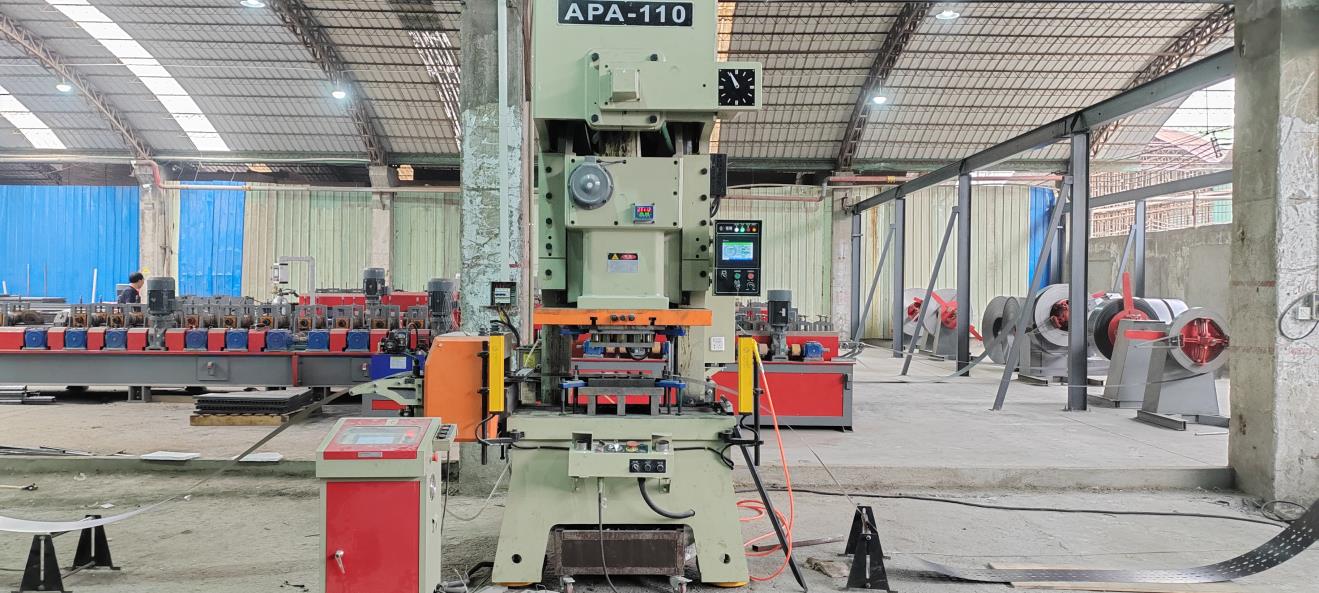
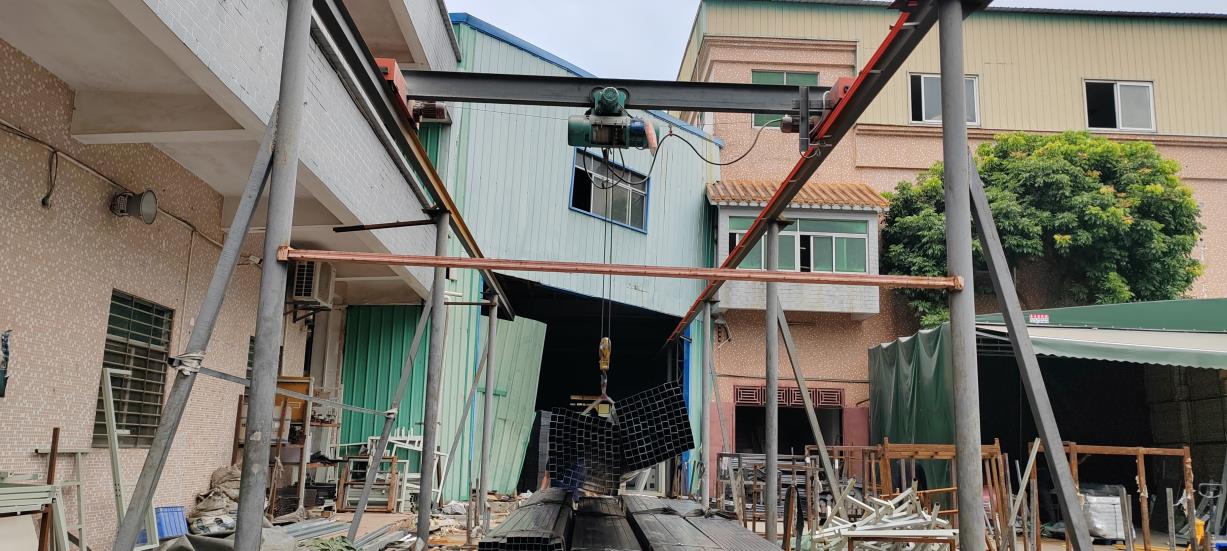
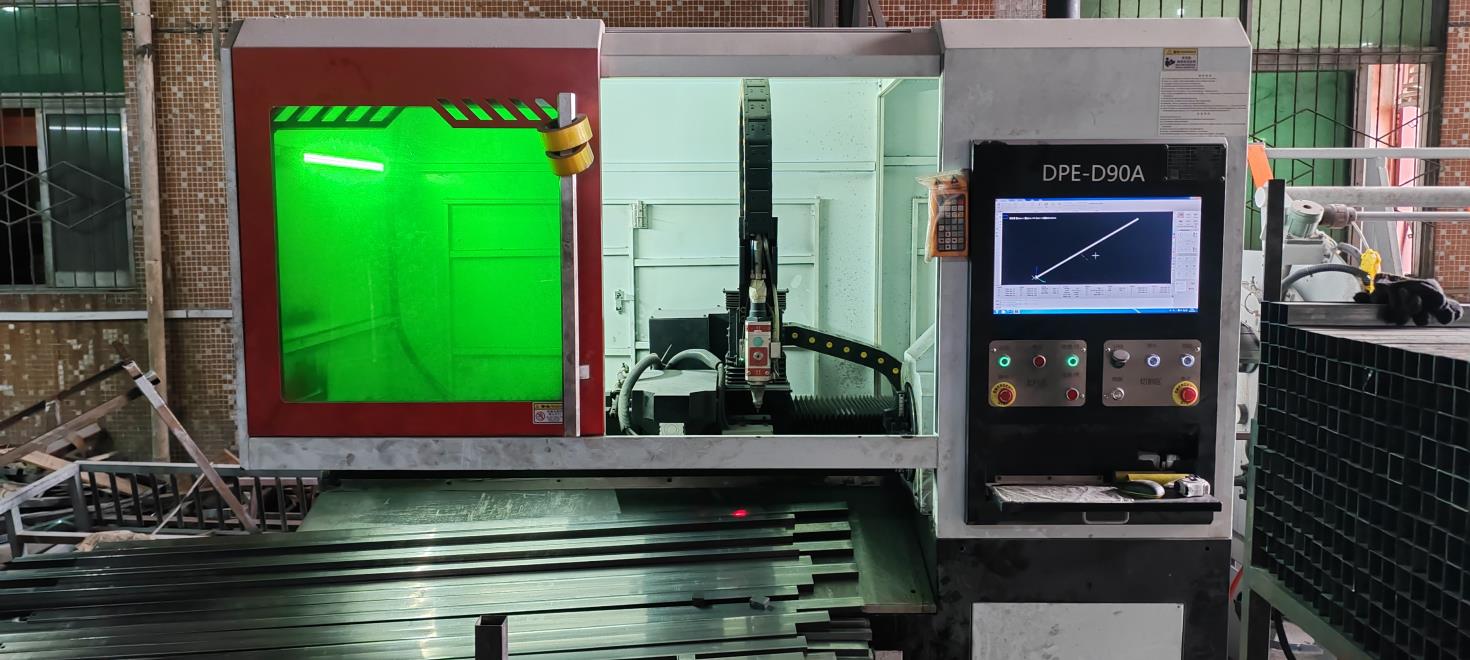
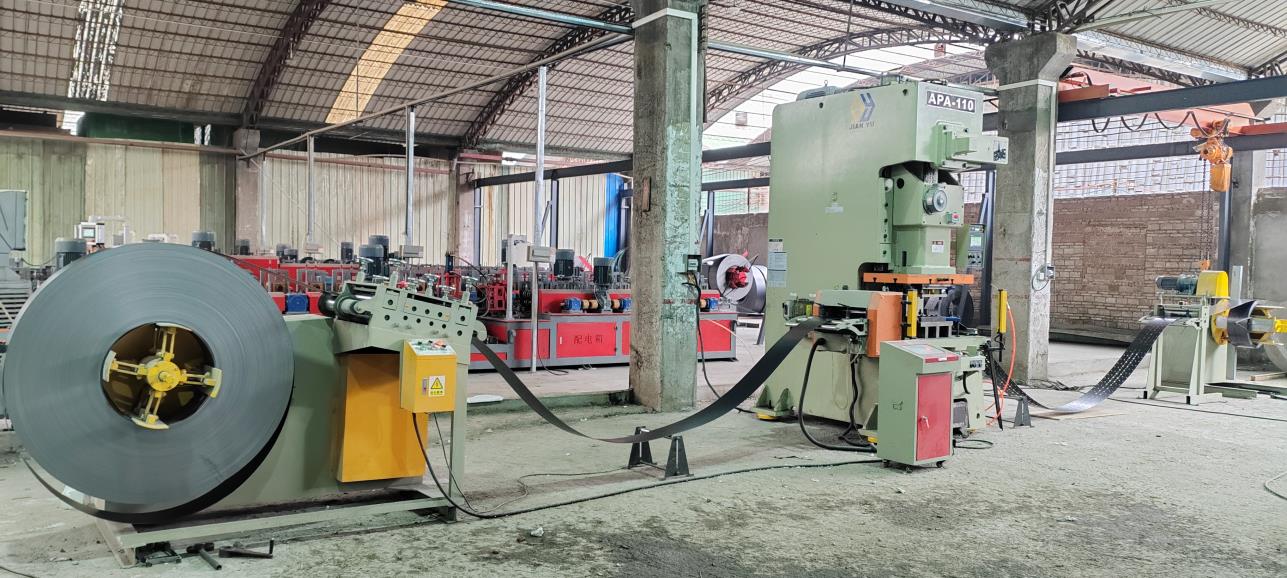
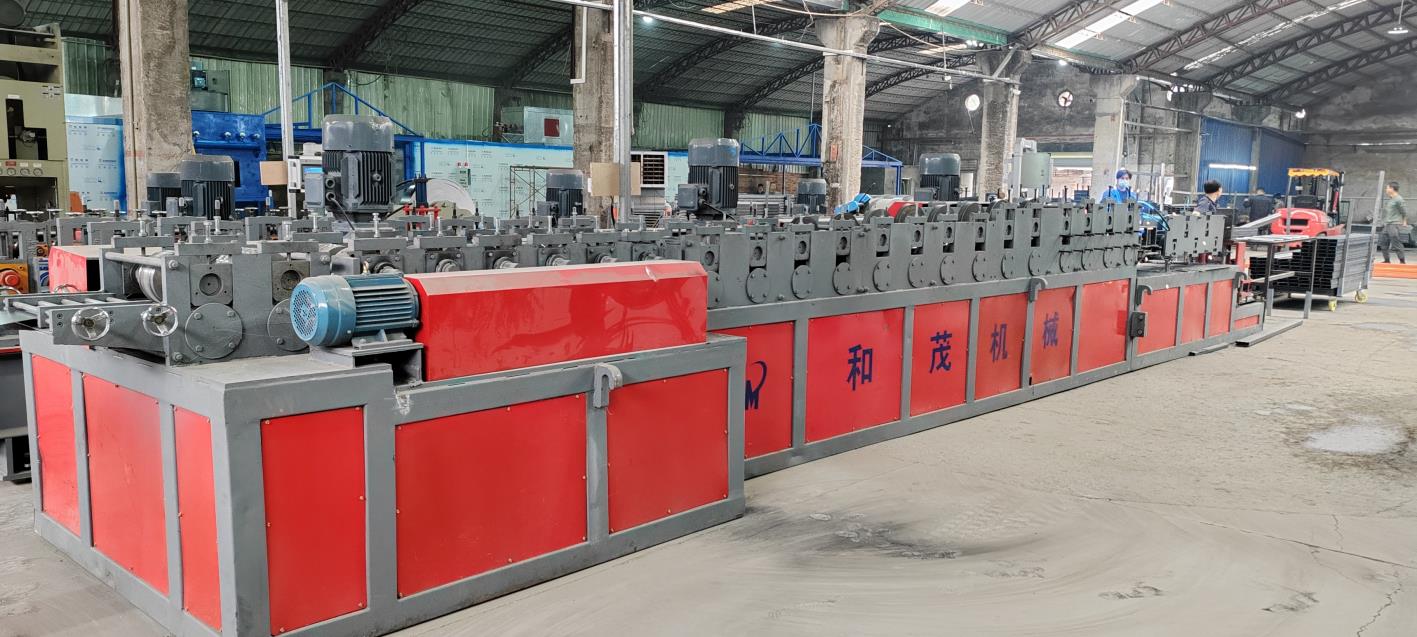
An inside look at our 48,000 m² automated production line, tracking raw materials through machining, laser processing, welding, coating, and final assembly.
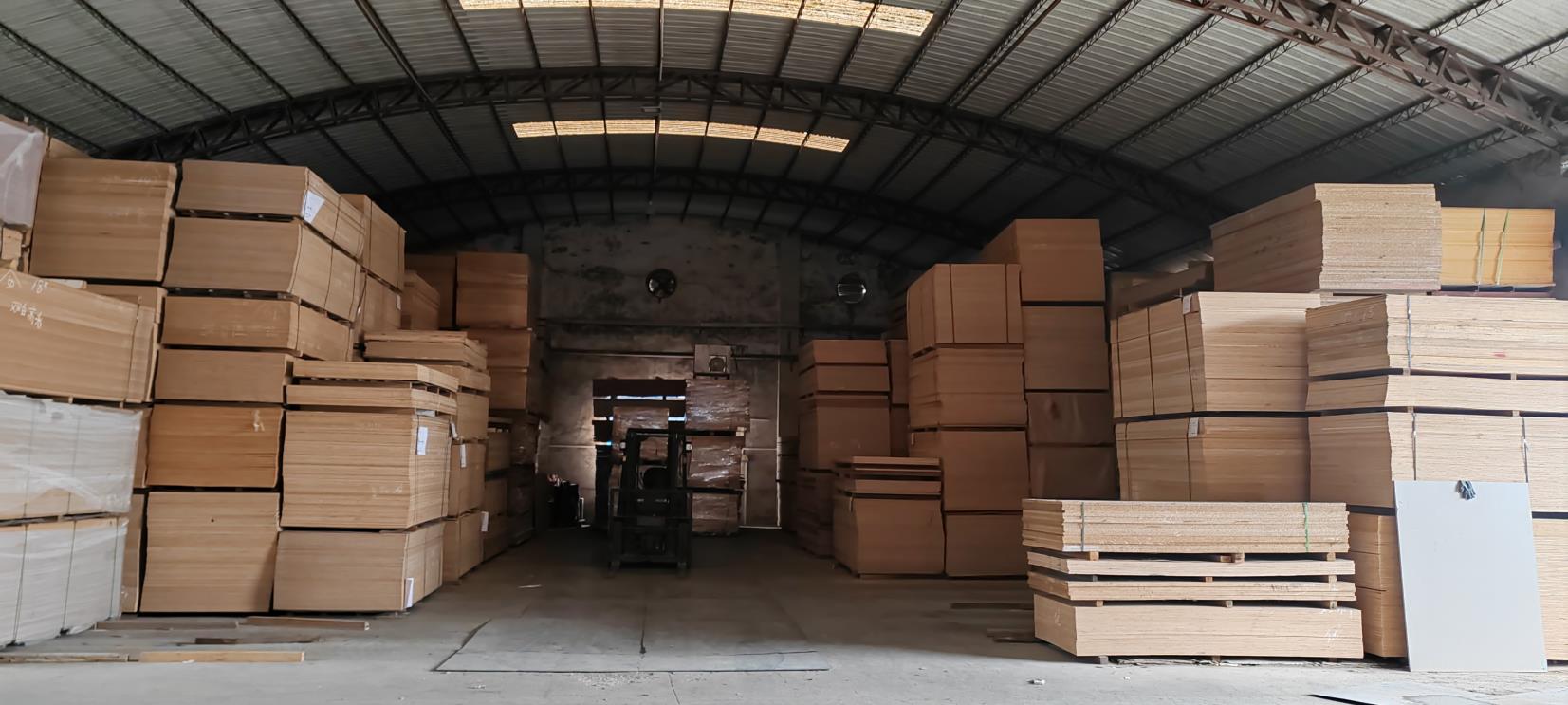
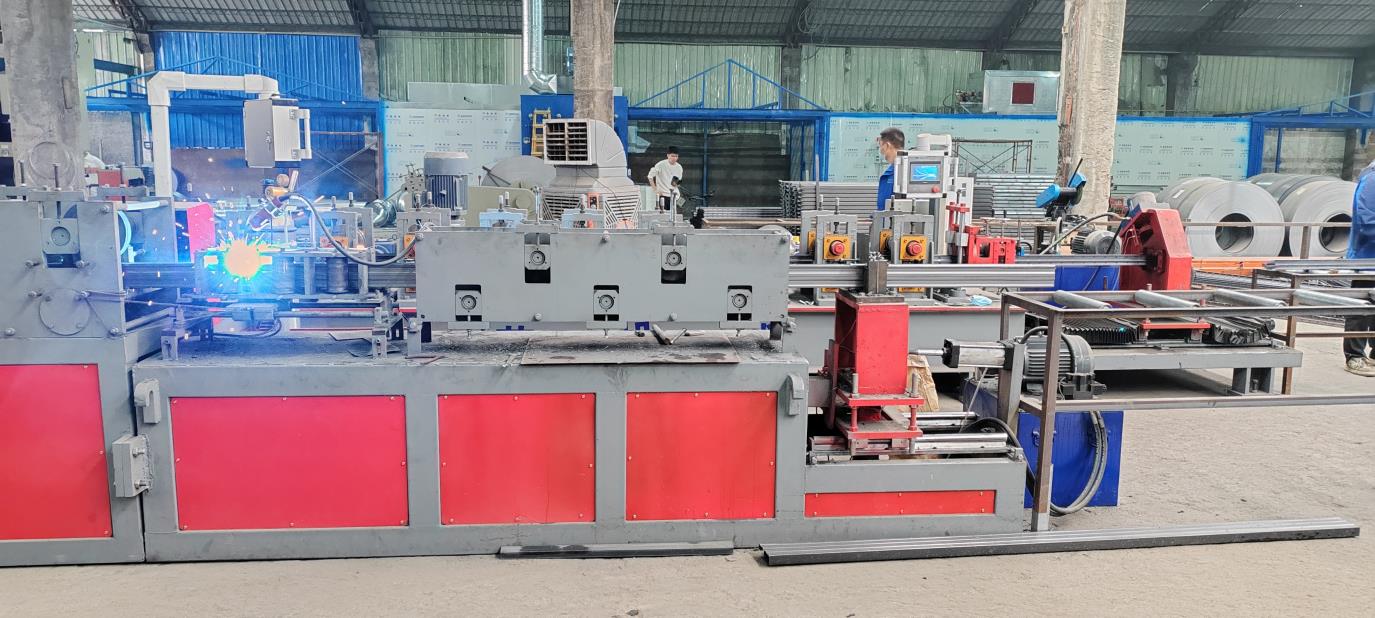
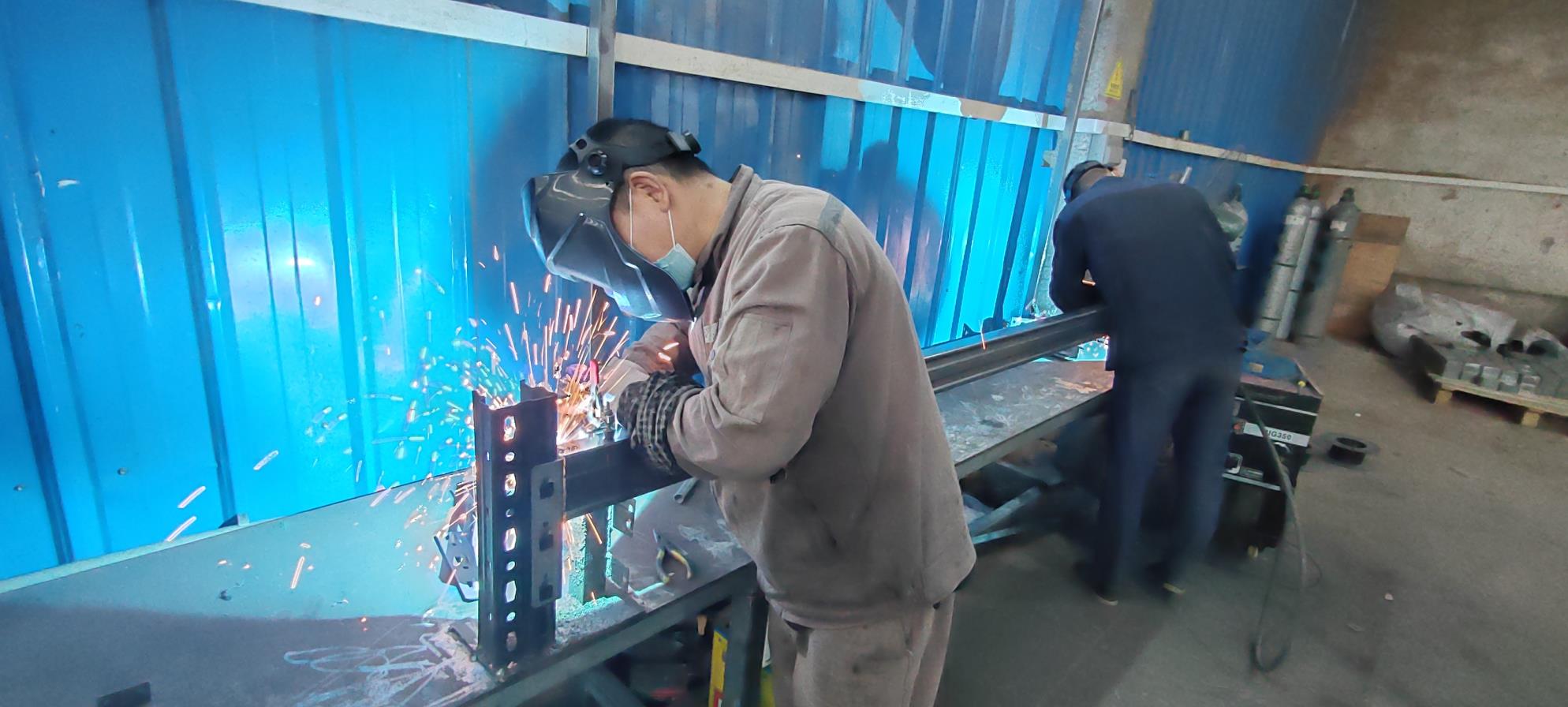
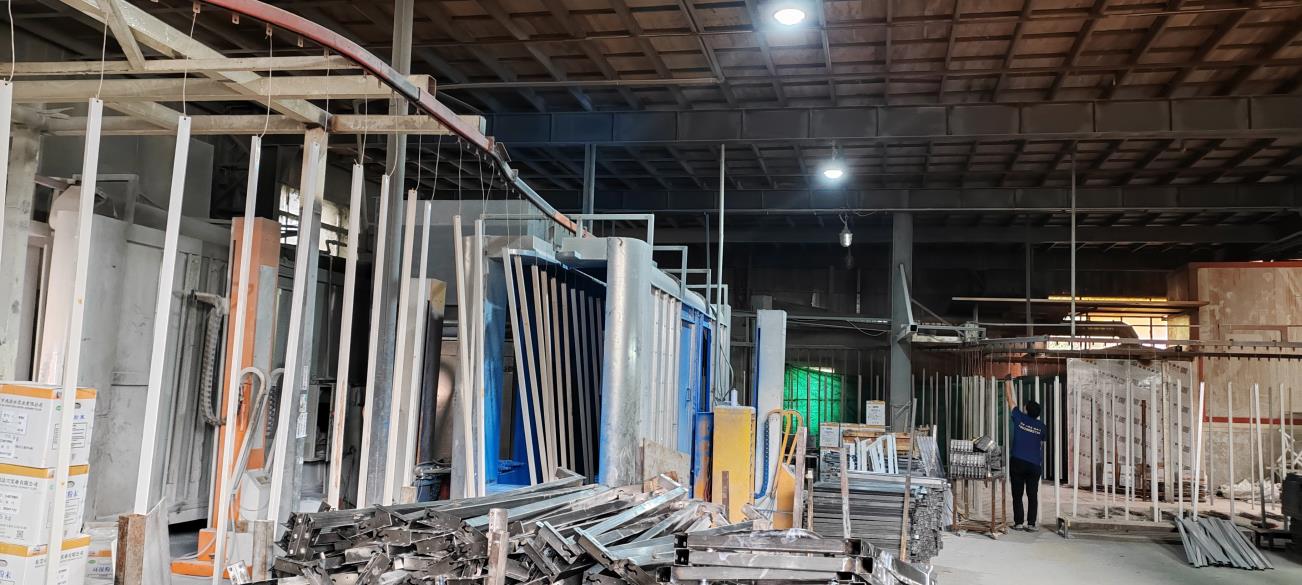
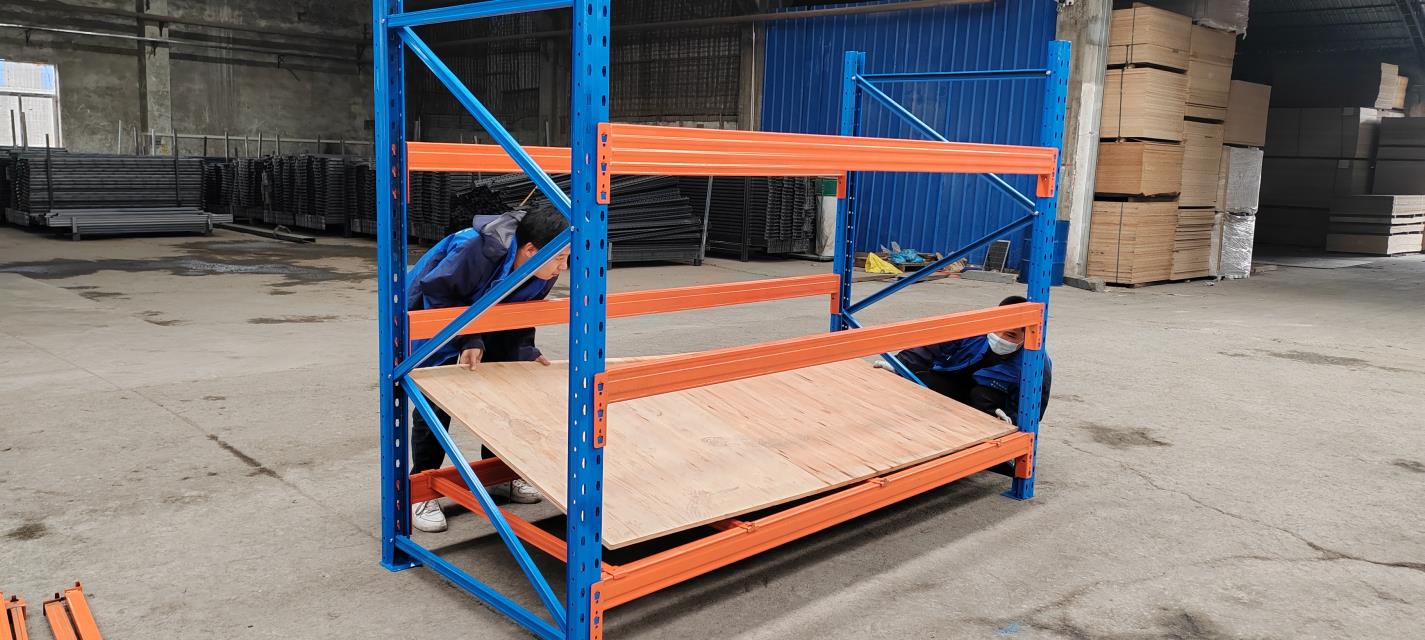
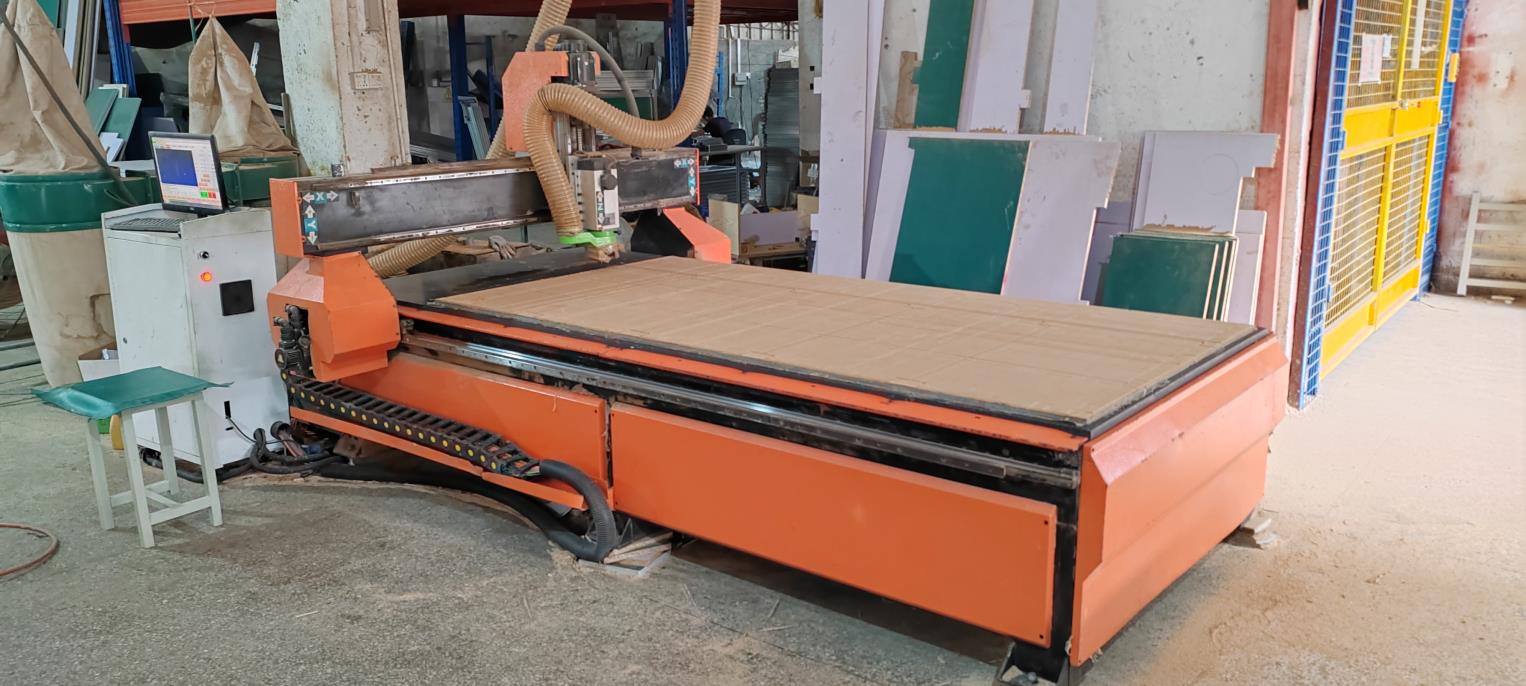
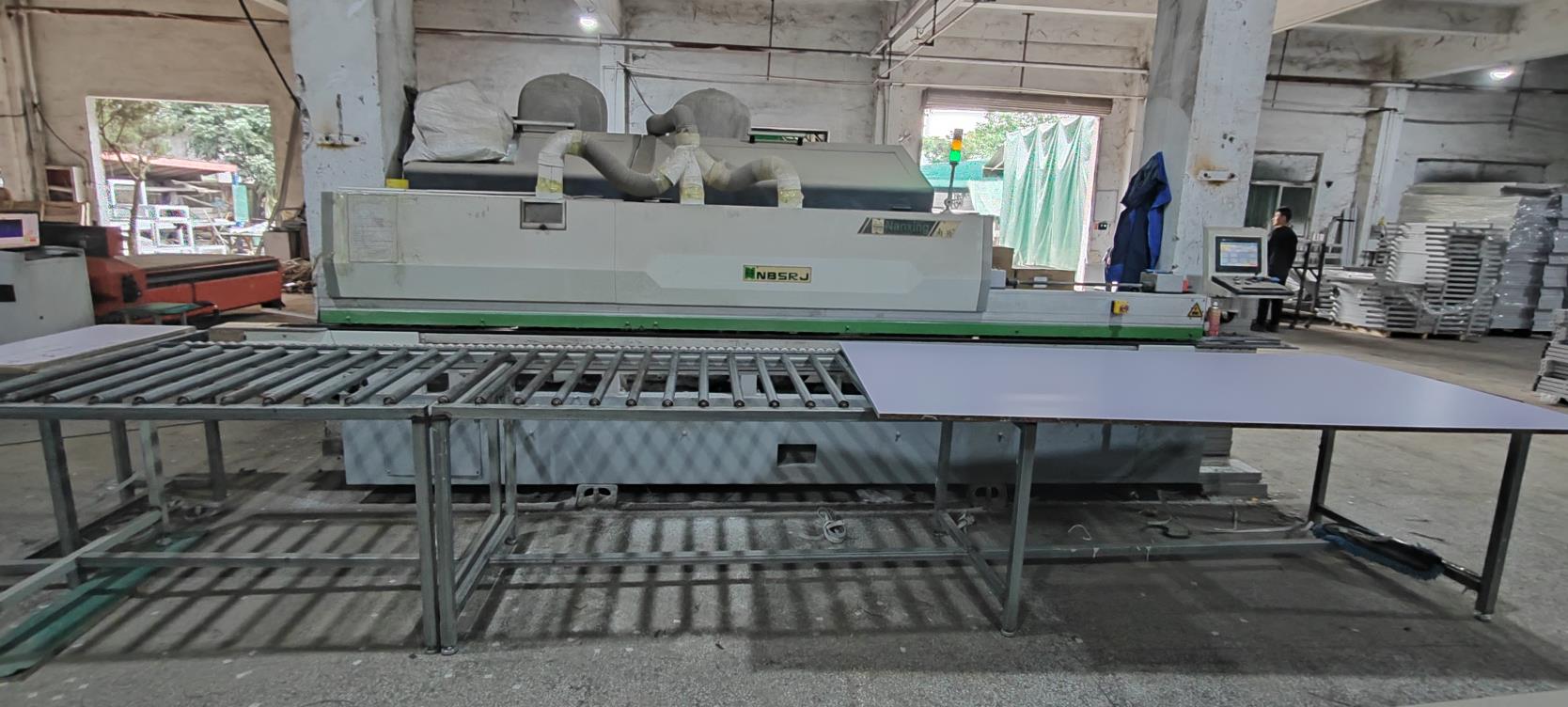
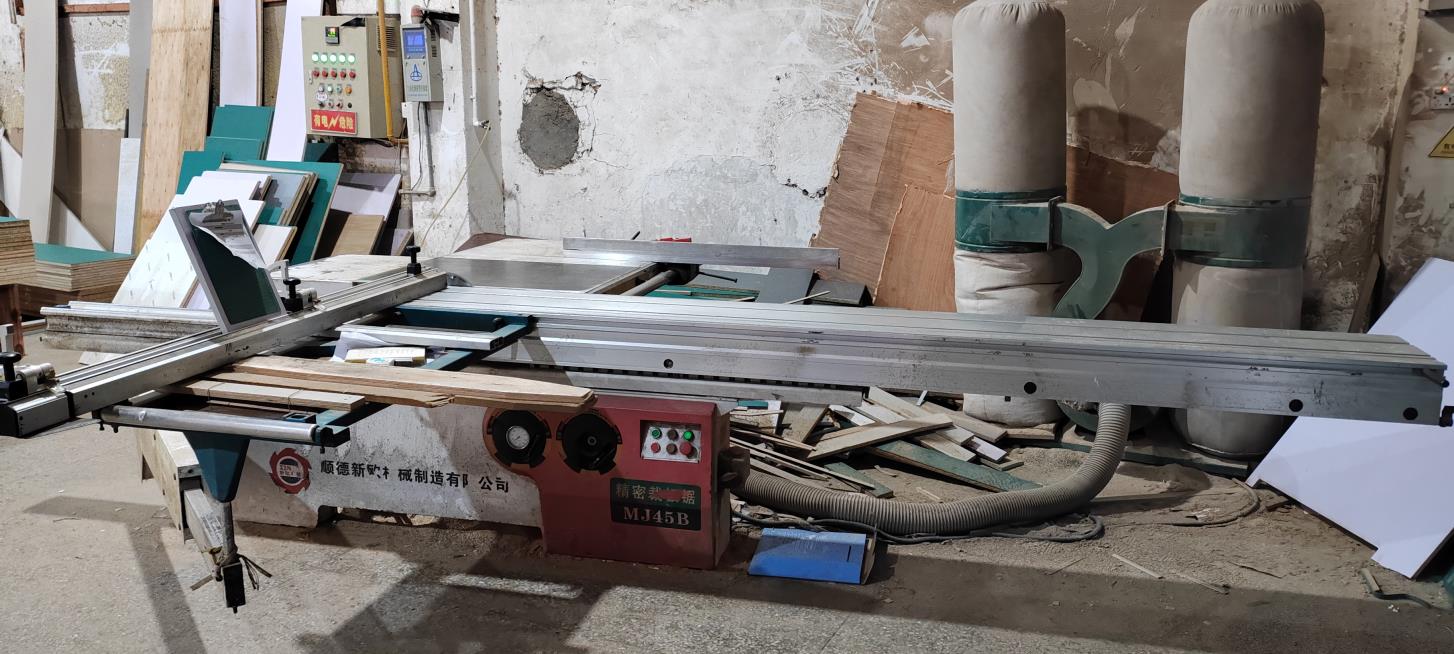
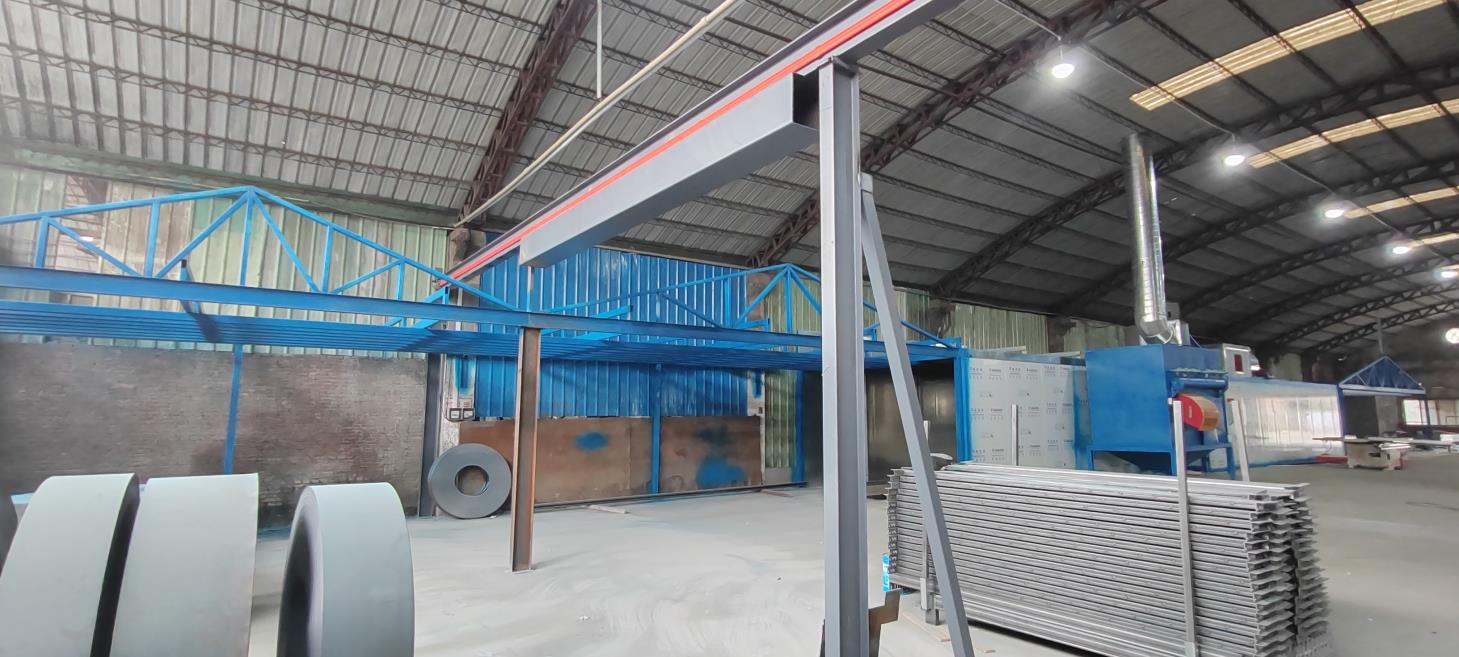
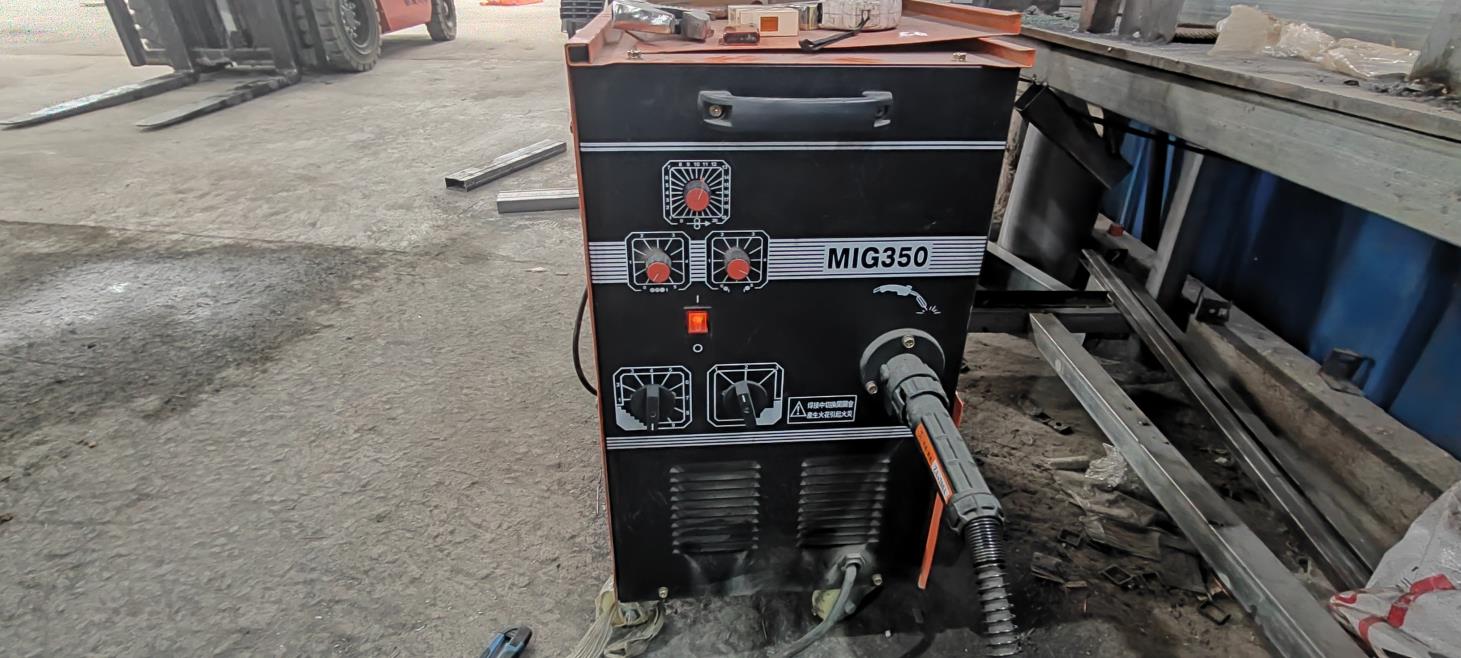
B2B technical baseline and quality benchmarks driving the structural engineering at Fortis.
Our dual-material configurations blend the flexural toughness of structural steel with the aesthetic and cost-effective benefits of wood composites.
Cold-Rolled Carbon Steel (SPCC/Q235): We source primary cold-rolled carbon steel coils directly from tier-one domestic steel mills. The mechanical tensile test limits show yield strengths up to 235 MPa, ensuring our uprights, beams, and wire deckings do not undergo plastic deformation under full structural capacities.
MDF & Engineered Wood Substrates: Our checkout counters and hybrid wood-steel displays use premium MDF (Medium-Density Fiberboard) engineered to withstand high point-loads. The composite fibers are pressure-cured with moisture-resistant resins and sealed on edge-banding machines (such as our high-speed automated edge sealers) to suppress formaldehyde emission levels below Class E1 and E0 standards.
Before receiving powder coating inside our automated high-bake tunnel systems, every steel component undergoes a rigorous five-stage industrial chemical wash pre-treatment:
Degreasing & Rust Elimination: An alkaline-based spray wash strips industrial oils, followed by an acid wash to dissolve microscopic mill scale and oxide impurities.
Zirconium Phosphating: This reaction forms a crystalline nanolayer over the bare metal, optimizing surface tension and creating a strong mechanical bond for the paint layer.
Electrostatic Deposition: Dry resin powder is projected with high electrostatic charge, coating complex internal profiles of perforated uprights and box beams. Baking at 200°C cures the powder into a hardened finish that exceeds ASTM adhesion standards.
How Fortis racking technologies solve core operational storage and retail display challenges across global industries.
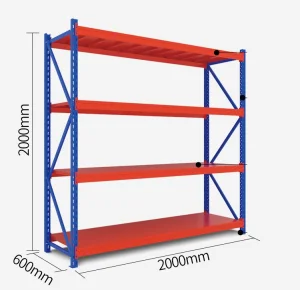
Designed for high-throughput fulfillment centers and heavy-duty staging docks. We supply structural mezzanines, structural racking beams, and self-supporting stackable pallet racks that optimize vertical clearance, increasing warehouse capacity by up to 60%.
Sub-zero operational environments require materials that do not undergo low-temperature embrittlement. Our steel profiles are treated with low-temp powder coatings to prevent peeling and structural degradation at temperatures down to -30°C.
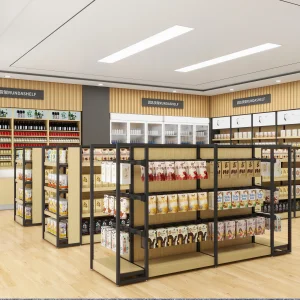
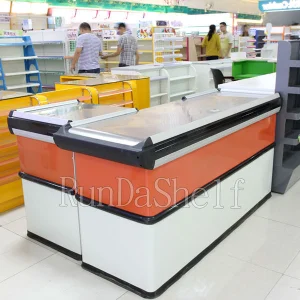
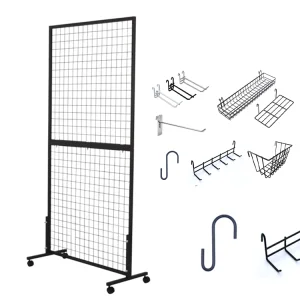
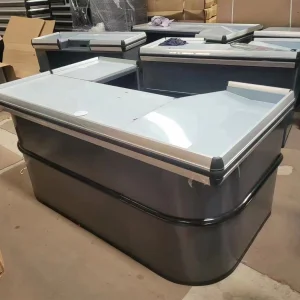
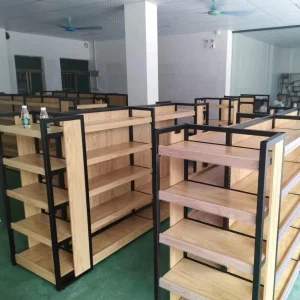
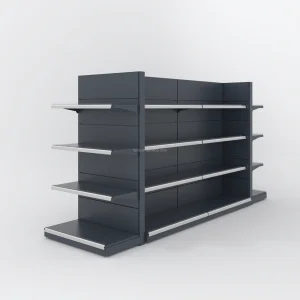
Engineered for high daily load capacities and continuous customer impact. We supply grocery checkout counters, multi-sided steel-and-wood gondolas, and gridwall systems that maintain their appearance and structural integrity over years of retail use.
Our B2B design framework leverages finite element analysis (FEA) to simulate wind loads, seismic events, and maximum static/dynamic stress points. This engineering process ensures we optimize material distribution to achieve required structural values without adding unnecessary weight. Our customers receive lighter, stronger, and more cost-effective solutions engineered for their exact facility coordinates.
Meeting the safety and quality requirements of strict regulatory environments worldwide.
Our 62-person QA department operates independently of the production floor, reporting directly to the board of directors to ensure unbiased inspections.
CMM Measurement: Every critical punching, laser cutting, and forming step is verified on automated coordinate measuring machines to ensure tolerances stay within +/-0.1mm.
Destructive Load Testing: Samples from every production batch undergo hydraulic press destruction tests to confirm their ultimate weight capacities, verifying safety margins before shipment.
Serving key commercial footprints in Western Europe, South America, and the Middle East requires optimized logistics and protective packaging:
Multi-Layer Wrap Protection: Every panel, post, and board is packaged using heavy bubble wrap, corner guards, and humidity-resistant heat-shrink film to prevent shipping damage and moisture exposure.
Optimized Container Densities: Using CAD packing models, we design stacking configurations that fill 100% of 40-foot HQ shipping containers. This minimizes movement during transit and helps reduce oceanic freight costs for B2B buyers.
Answering key questions on production times, structural capacity, and customized OEM/ODM options.
Explore additional high-performance industrial components, retail checkout systems, and storage fixtures from our factory.
 FortisRack