
Established in 2016, Nanjing Fortis Storage Equipment Manufacturing Co., Ltd. commands a modern industrial plant covering 48,000 m². Driven by 10 years of deep industry expertise and 7 years of global trade experience, our annual export turnover reaches $35 million. We uphold strict quality control through ISO14001 and TUV standards, performing automated CMM dimensional inspections and salt spray corrosion testing with 62 full-time QA personnel. As a direct factory exporter, our key commercial footprints span Western Europe, South America, and the Middle East, integrated with a network of over 1,400 supply chain partners. Our client base mainly includes mega-warehouse developers, cold chain storage operators, and global retail chains. Our robust R&D team of 80 engineers specializes in bespoke structural adaptations, special surface coating treatments, and high-density racking configurations, introducing 350 innovative products to the global market last year.
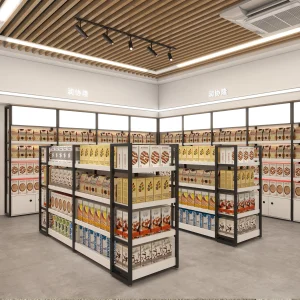
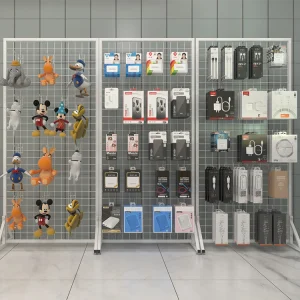
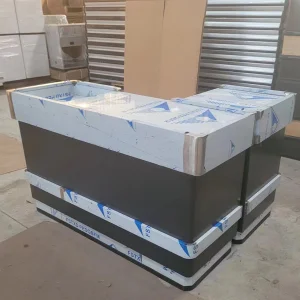
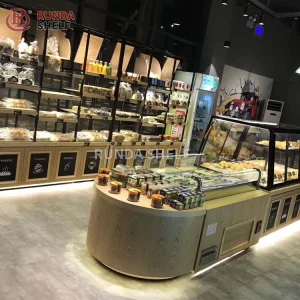
Modern merchandising environments demand high spatial utilization coupled with sensory engagement. The global market for physical display systems has evolved past simple shelving units. Today, Video Display Racks and custom display equipment serve as cross-functional units that house dynamic media player interfaces, integrated electronic shelf labels (ESLs), and internal wiring channels alongside heavy-duty load platforms. These fixtures are pivotal in bridging offline experiences with digital media, acting as key touchpoints in omnichannel retail environments.
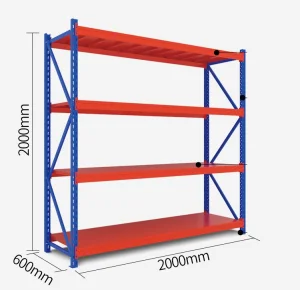
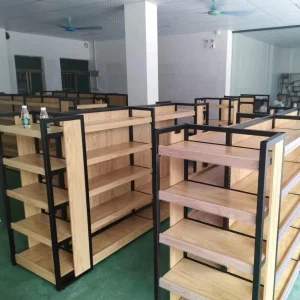
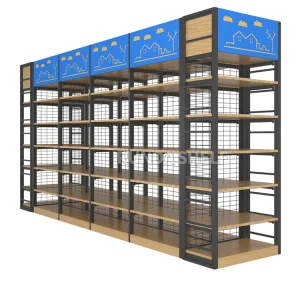
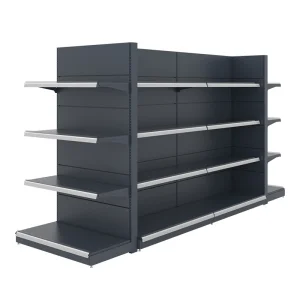
Furthermore, structural optimization is at the forefront of display development. Racks must now handle varying stress loads while maintaining a minimal footprint. Manufacturers are integrating raw steel structural components with aesthetic wood composites and smart lighting networks. High-density structures, such as Q235B steel freestanding configurations, have been redesigned to incorporate modern laser-cut channels for hidden cables, thermal venting ports, and anti-static ESD powder coat overlays to protect electronic equipment from electrical discharge.
Global procurement specialists face multi-layered challenges when importing high-volume metal and hybrid timber-steel structures from China. The core concern rests on regulatory compliance and material consistency. Standard commercial displays must conform to regional load capacity parameters and occupational safety profiles (such as TUV Rhineland certifications, OSHA-compliant base ratios, and low-VOC wood coatings certified by GreenGuard). A minor structural deviation under static load can cause catastrophic structural failures in high-traffic retail centers.
Secondly, logistical supply chain stability directly impacts project margins. Importing bulky structural components requires optimized knockdown packaging (CKD) schemes to minimize maritime container volumes. Our engineering departments utilize complex structural finite element analysis (FEA) to draft components that nest within each other. This reduces dead space inside containers, which in turn offsets rising container freight rates. Additionally, all metal elements are subject to standardized salt-spray testing regimes to ensure that maritime humidity does not cause premature oxidation before the products reach distribution hubs.
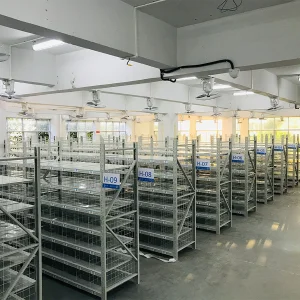
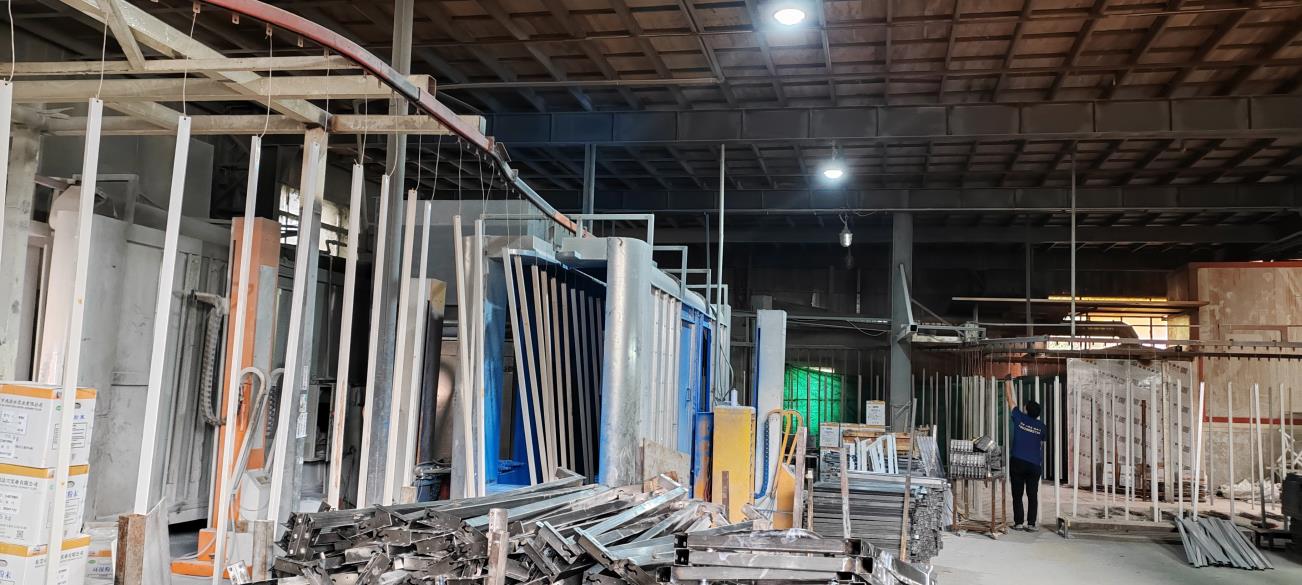
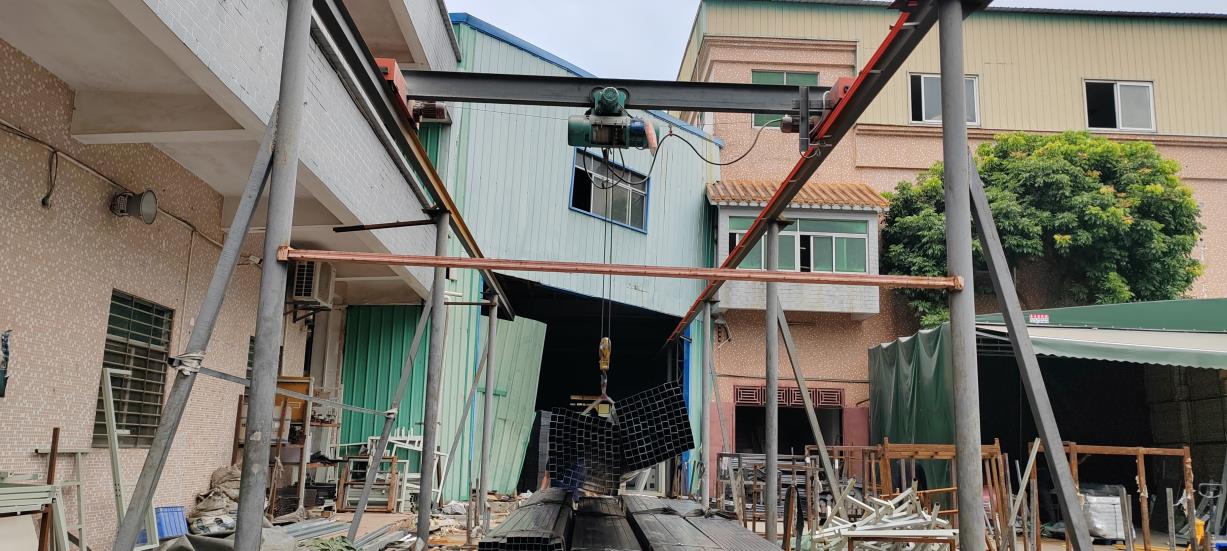
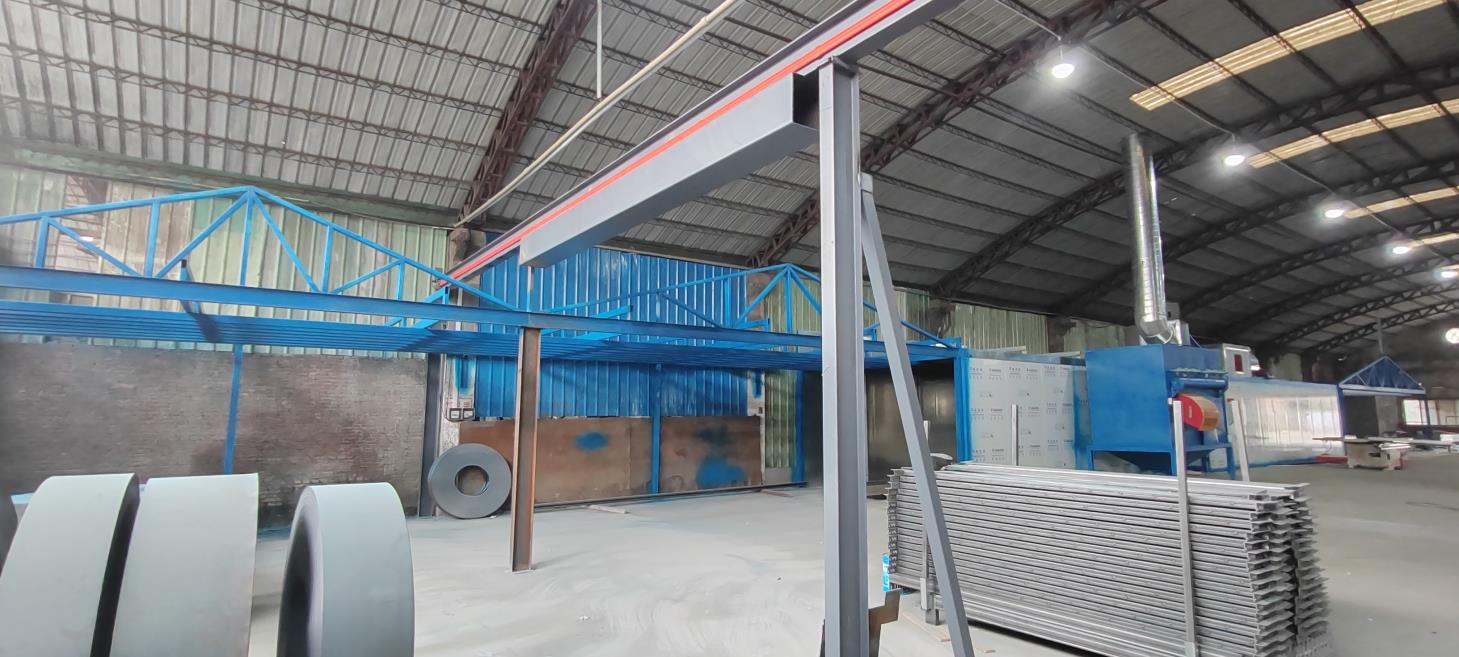
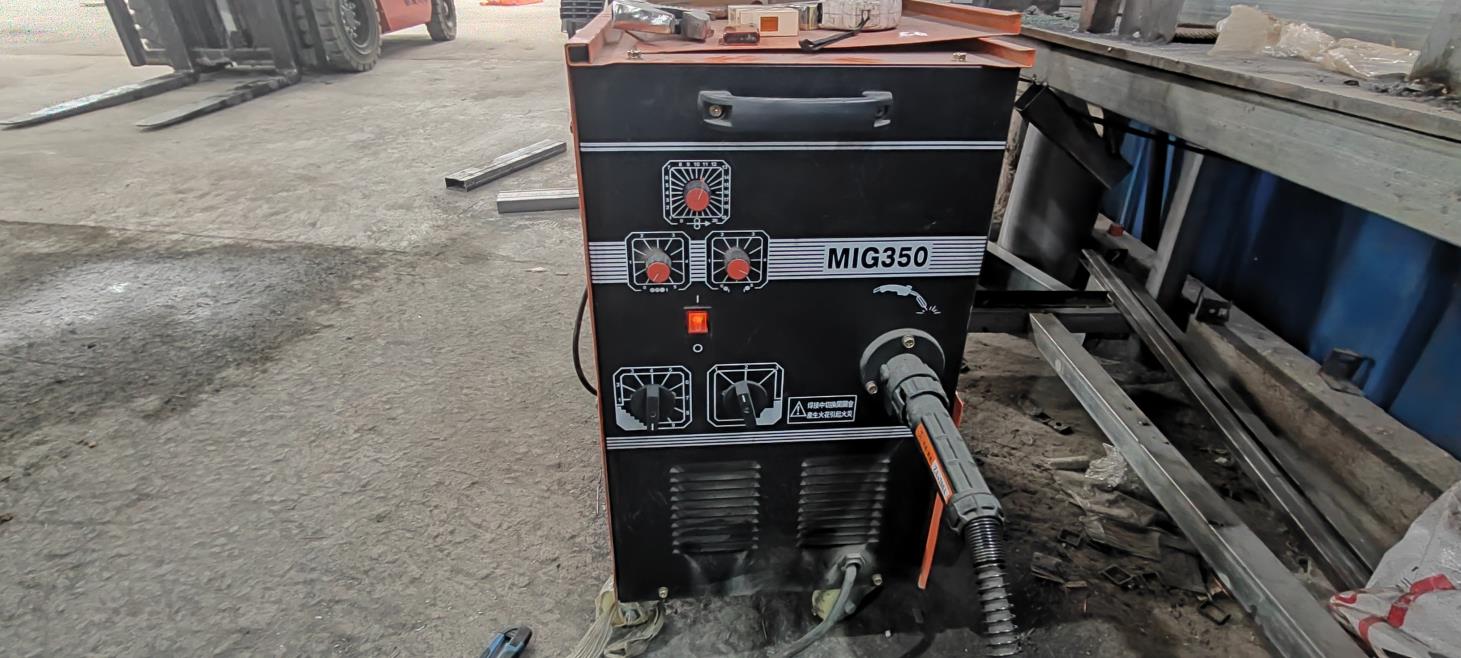
Production efficiency at Nanjing Fortis is powered by advanced automated fabrication lines. Spanning a 48,000 square meter plant, our facilities are equipped with precision laser cutting machines, high-speed automated roll-forming lines, robotic MIG welding terminals, and a fully enclosed eco-friendly powder-coating line. Quality validation is conducted at every phase of production, from raw steel sheet profiling to the final component assembly.
| Material Parameter | Standard Specification | Nanjing Fortis Advantage |
|---|---|---|
| Steel Grade Quality | Q235B & Q355B structural steel | Procured from state-owned mills with full mill test certificates (MTC) |
| Coating Specifications | Epoxy-Polyester powder coating (60-80 microns) | Exceeds 500-hour salt spray test limits without oxidation creep |
| Thickness Tolerance | Standard deviation within ±0.05 mm | Ensured by automated CMM dimensional checks |
| Structural Certification | FEM 10.2.02 European Racking Standard | Certified by TUV SUD and compliance verified across EU countries |
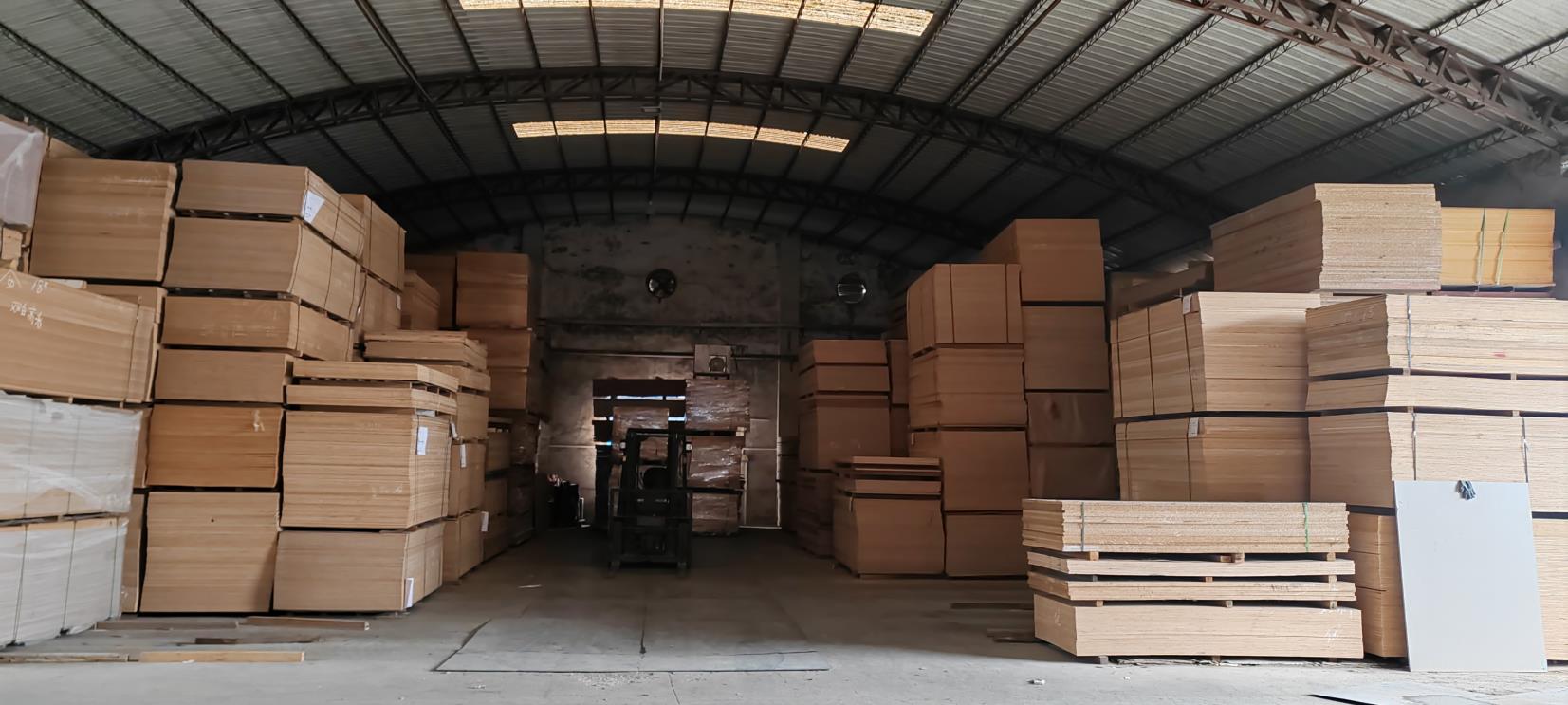
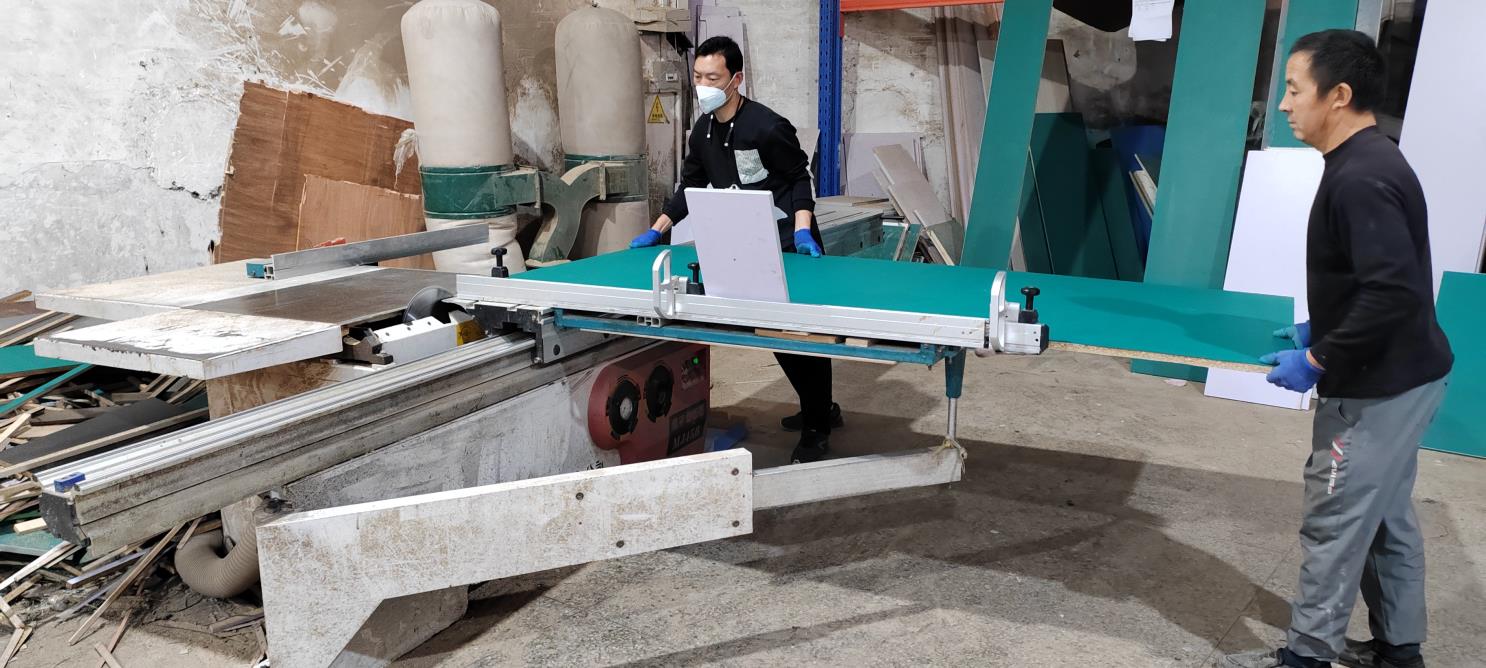
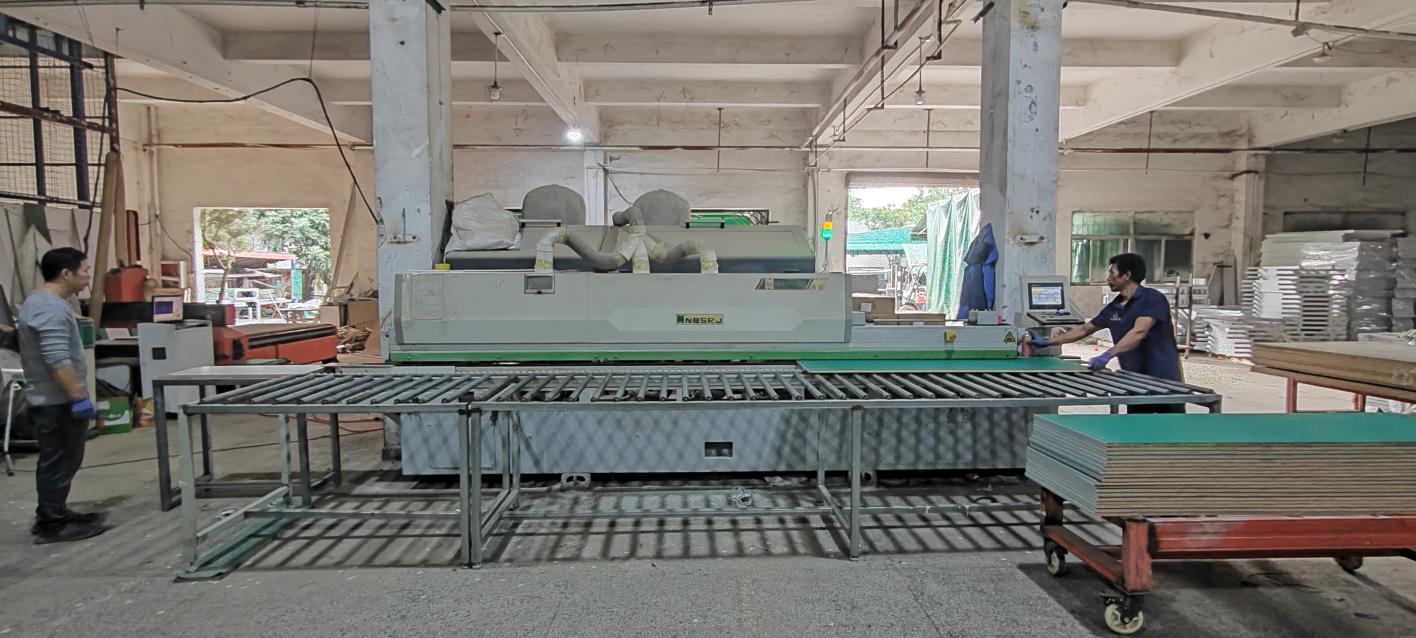
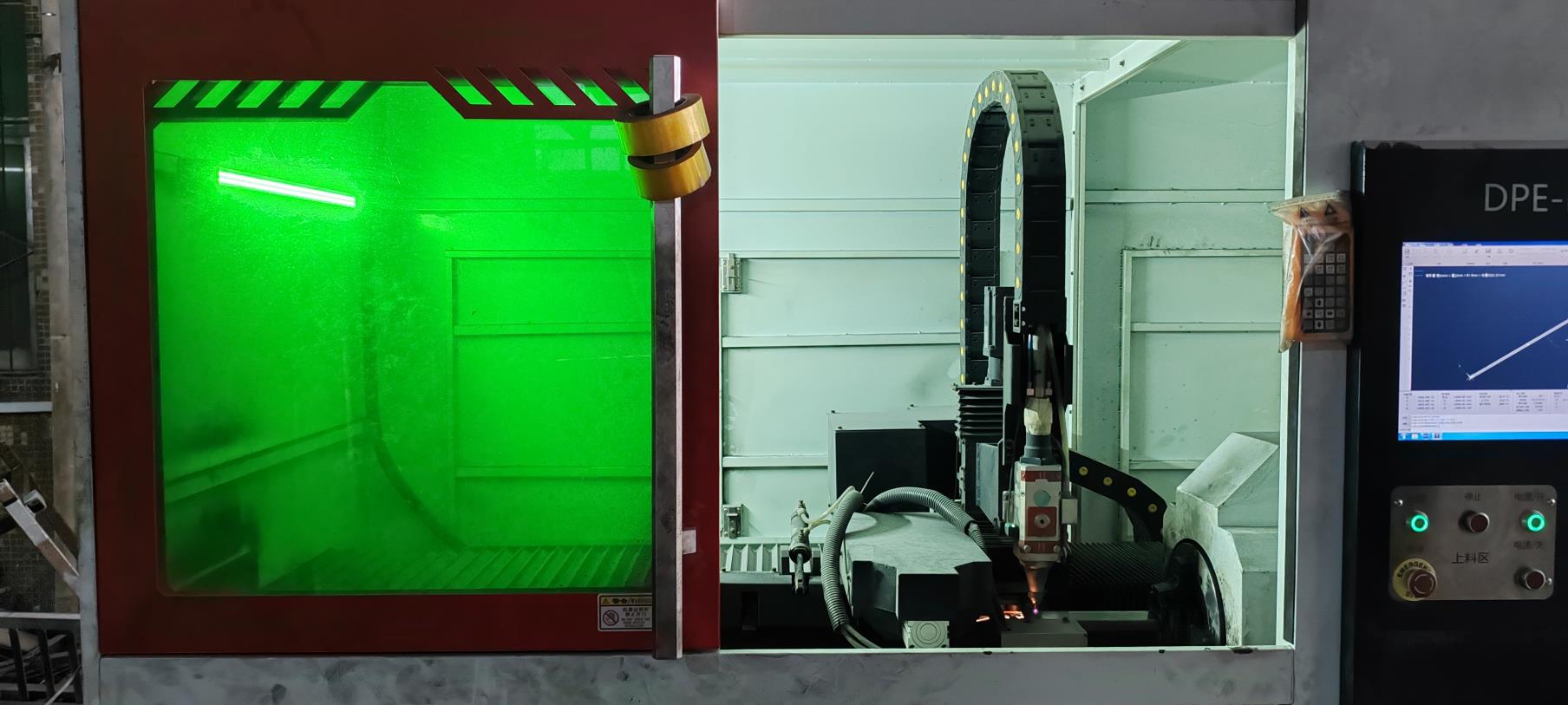
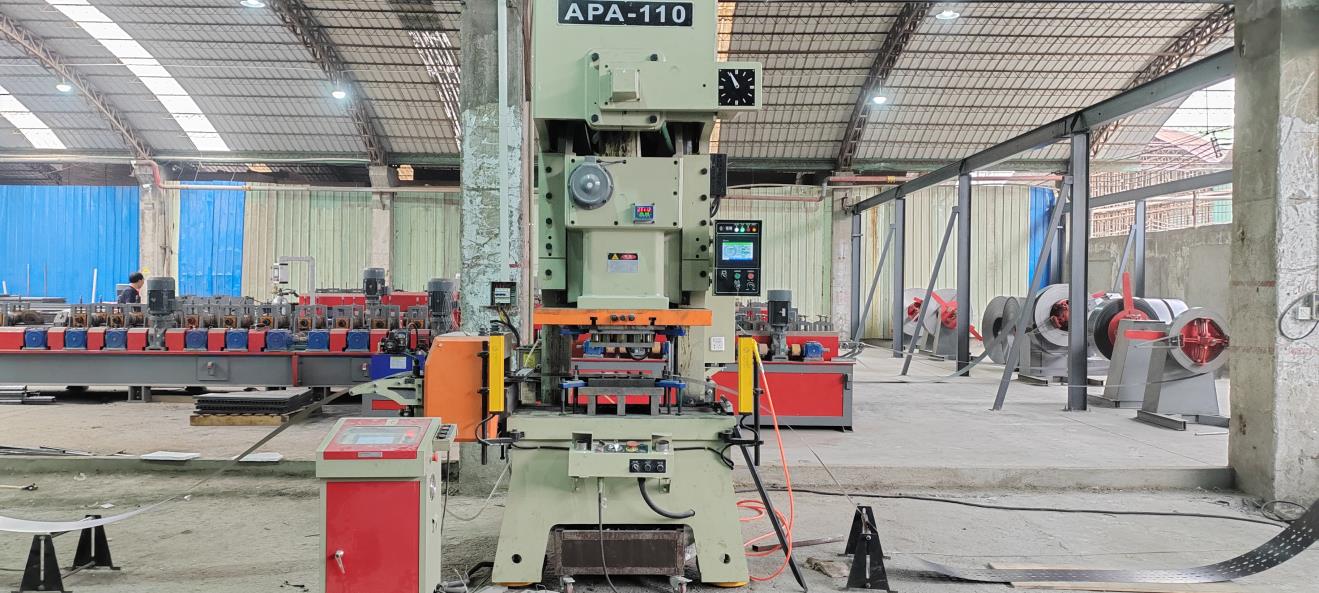
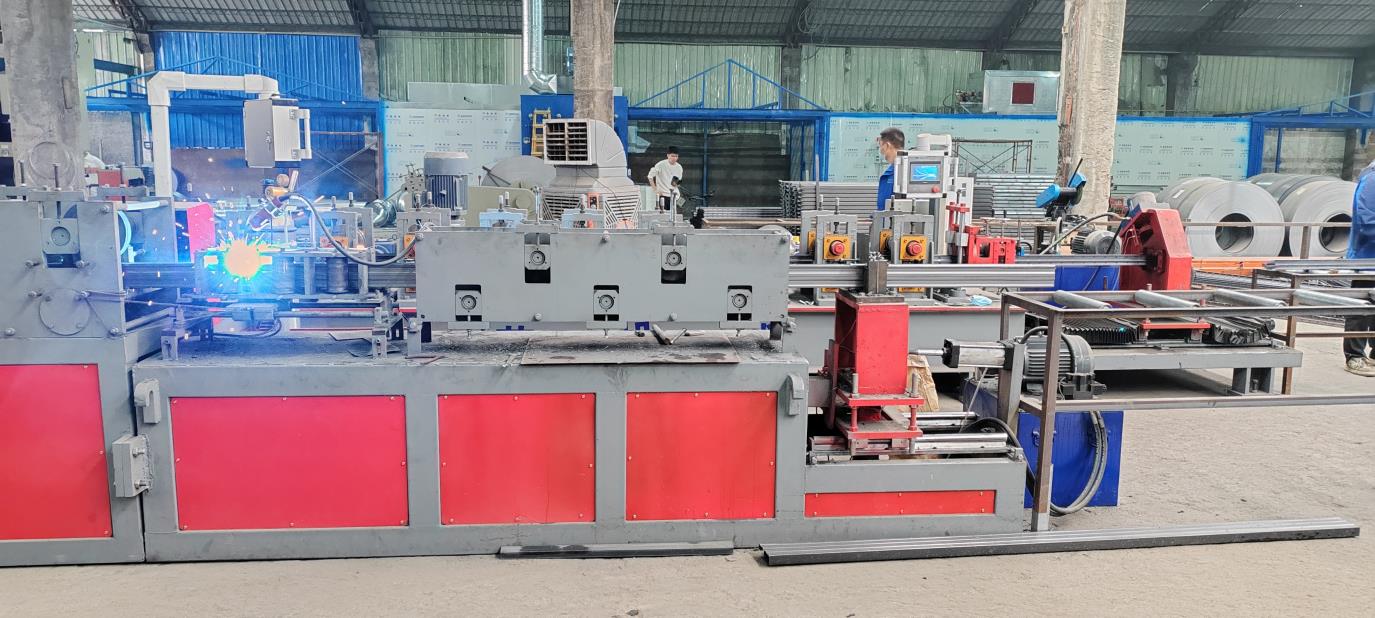
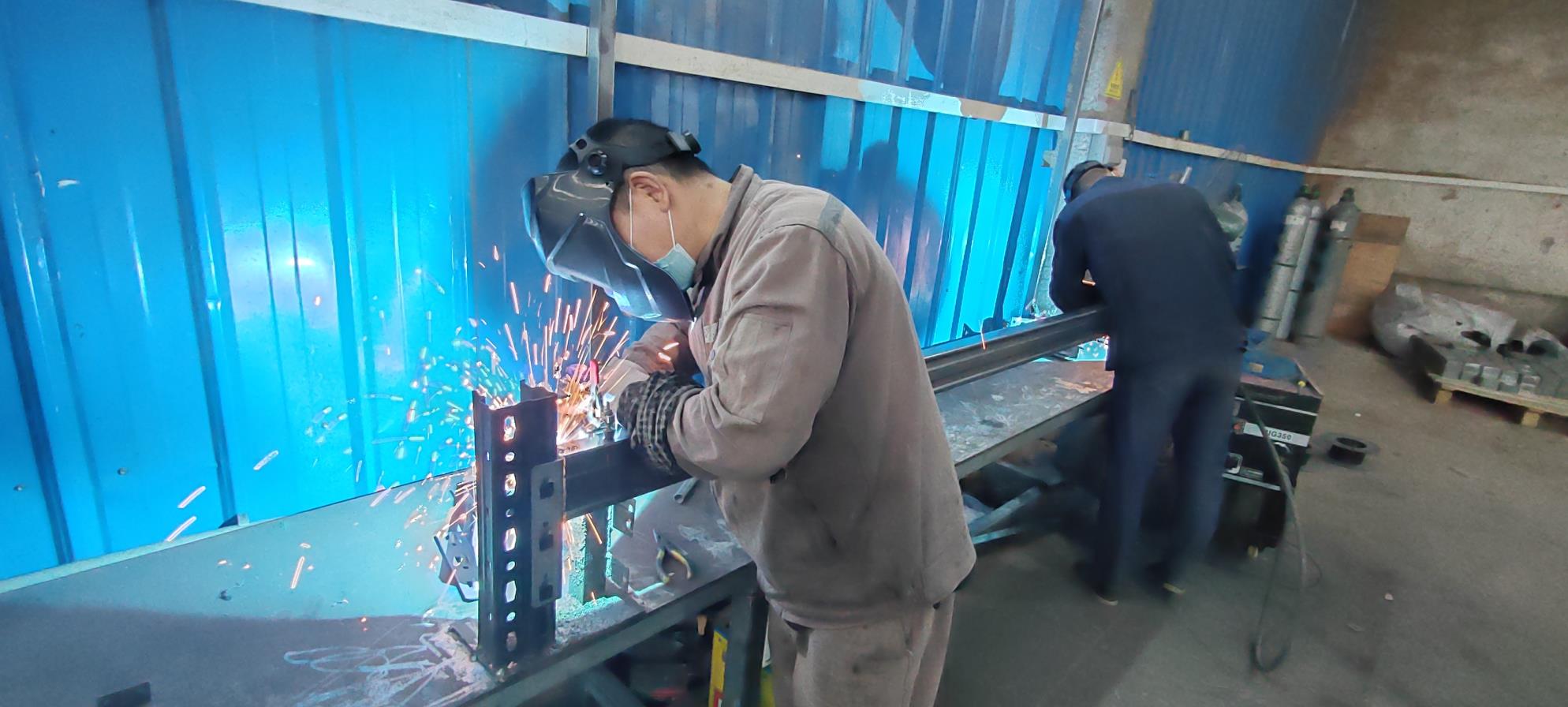
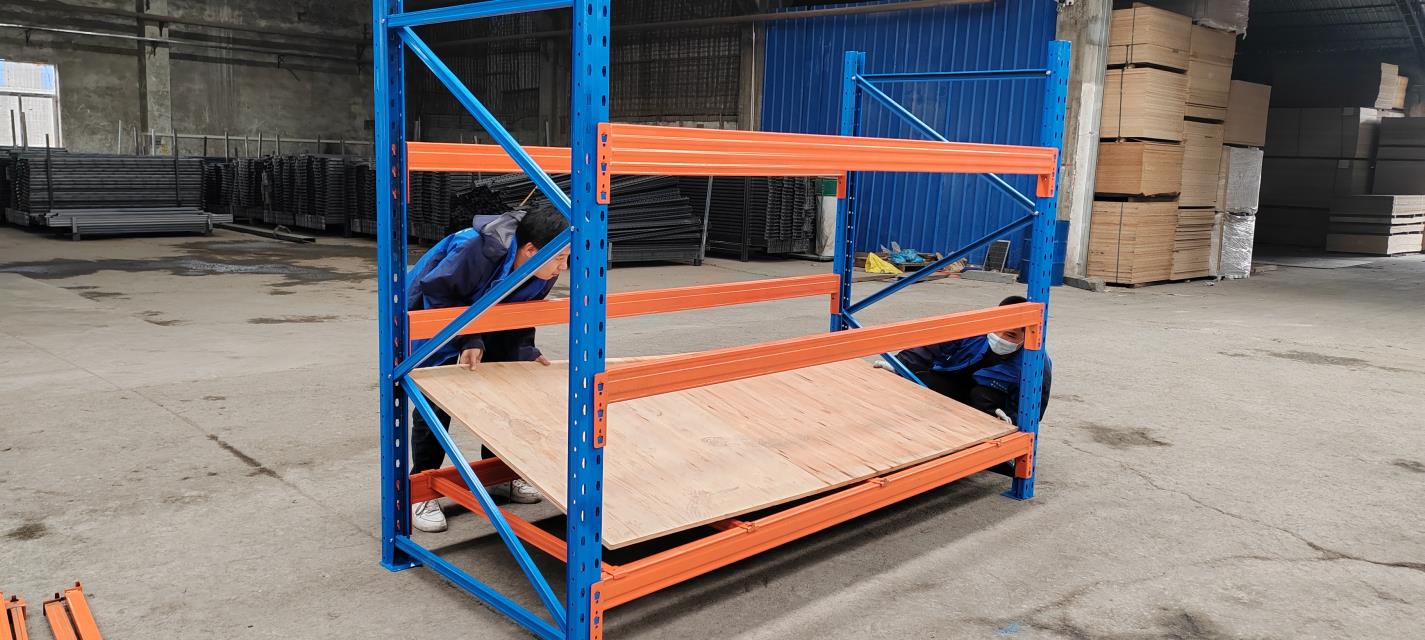
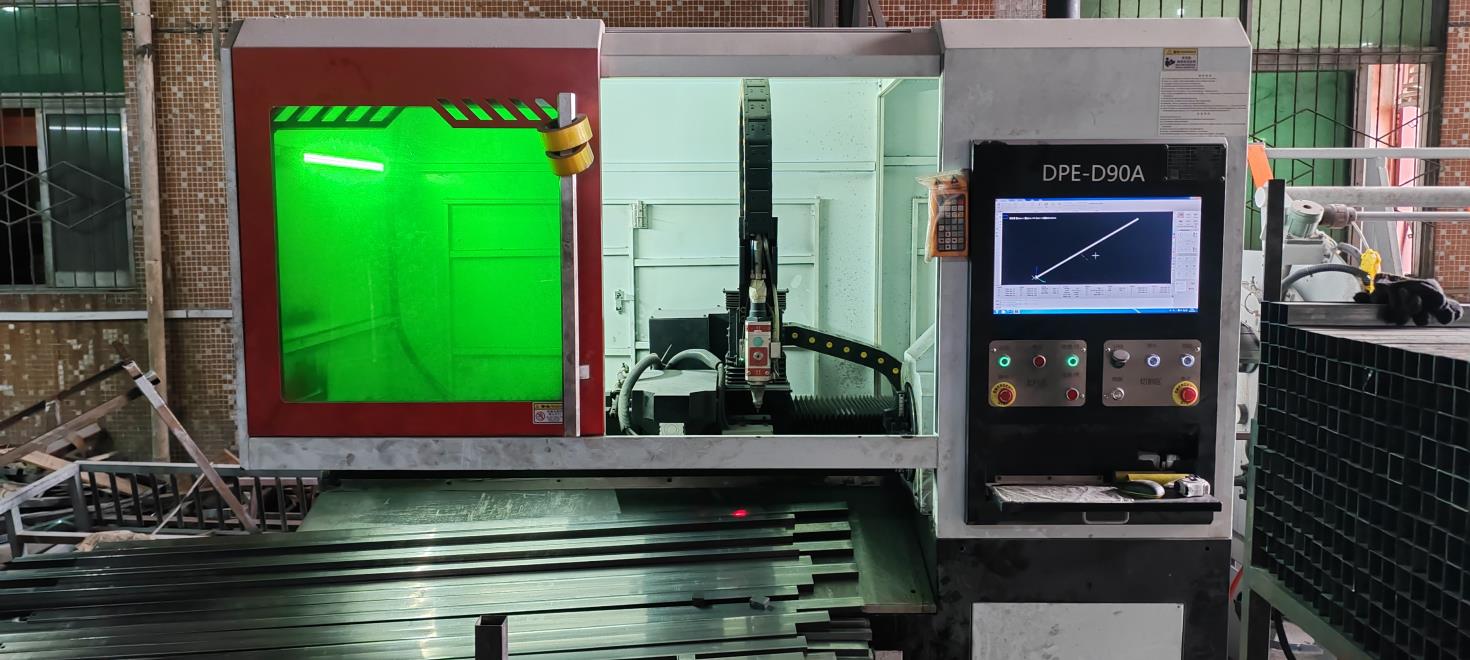
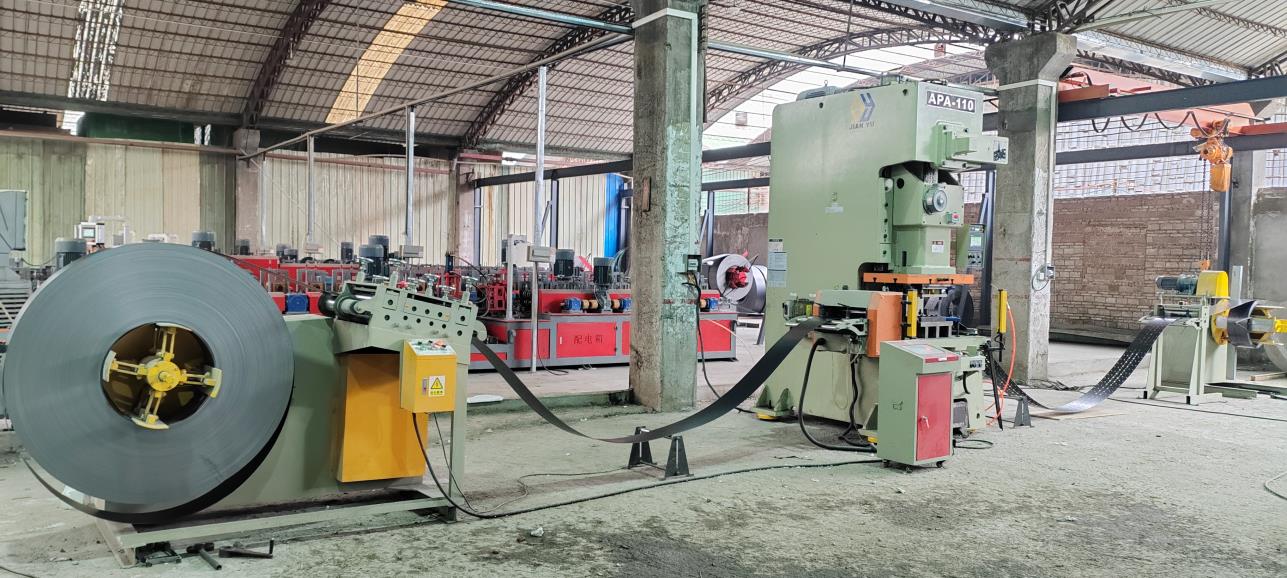
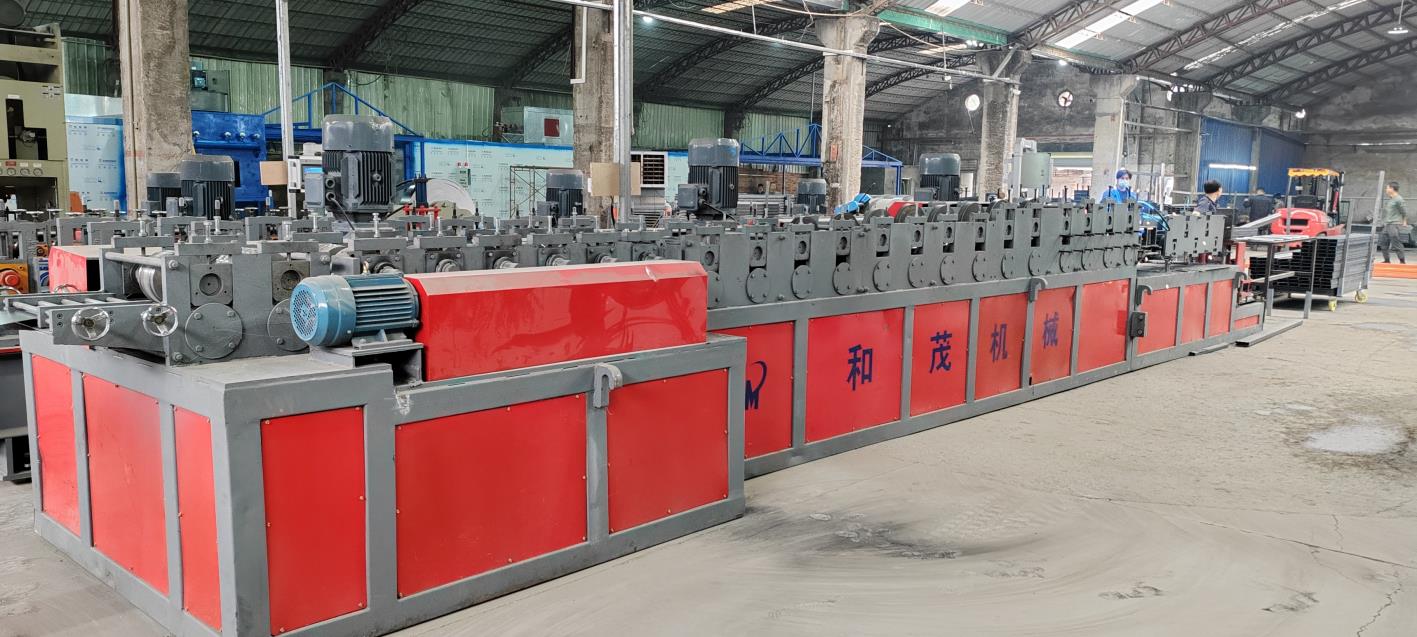
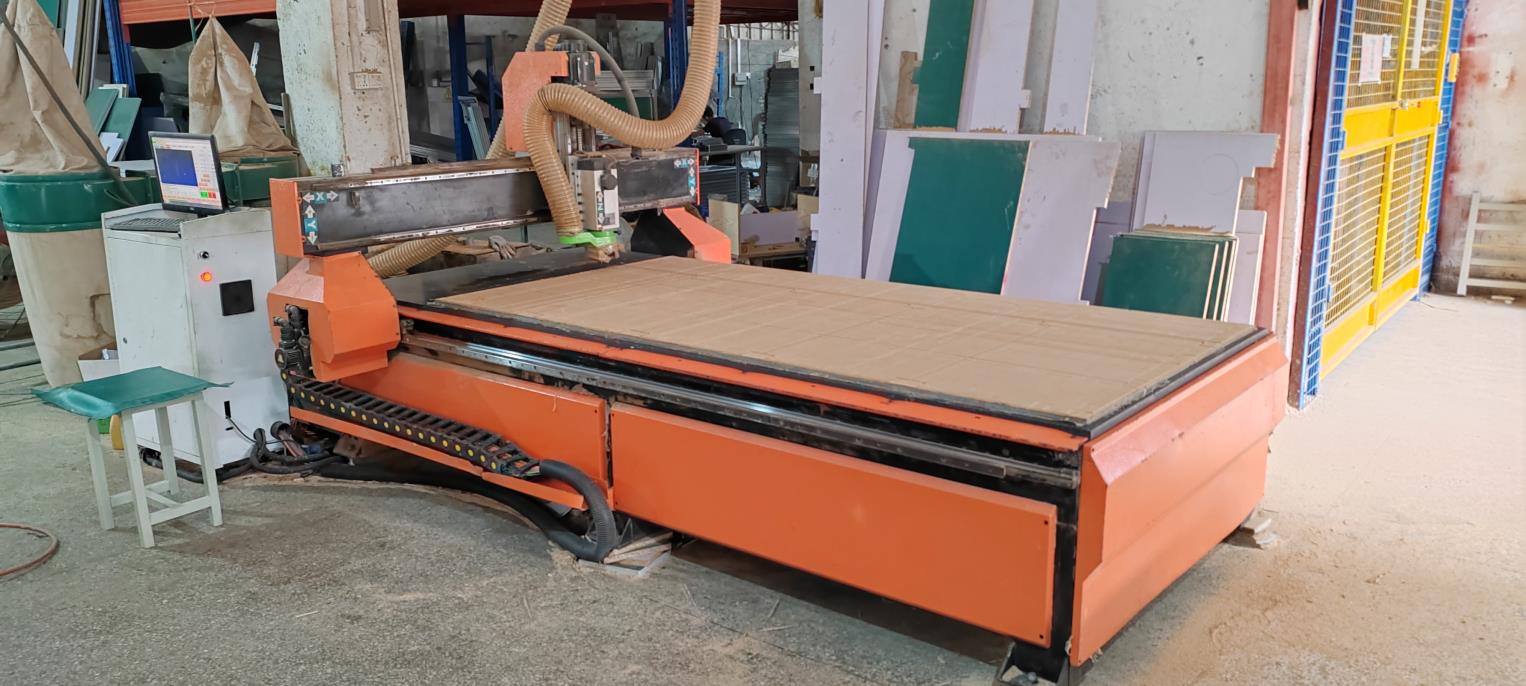
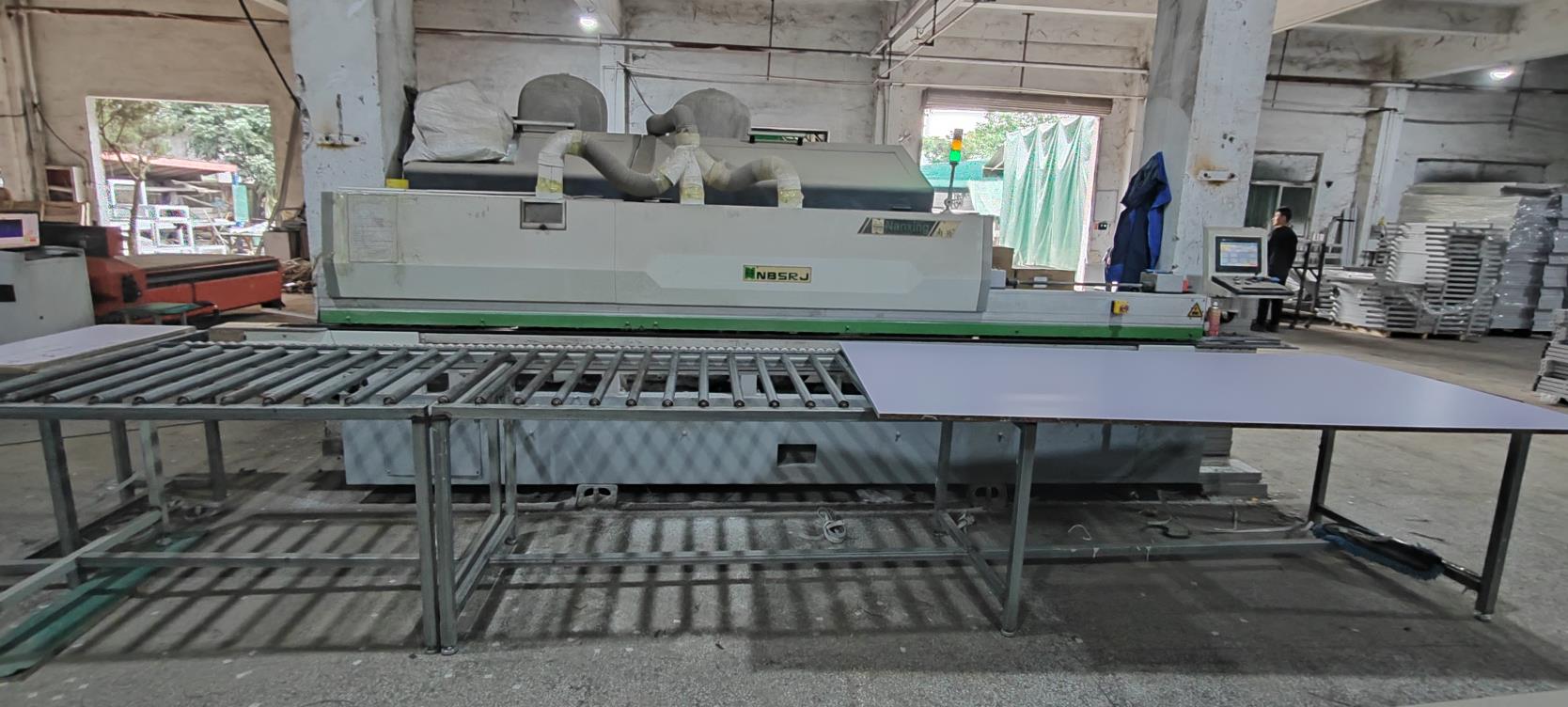
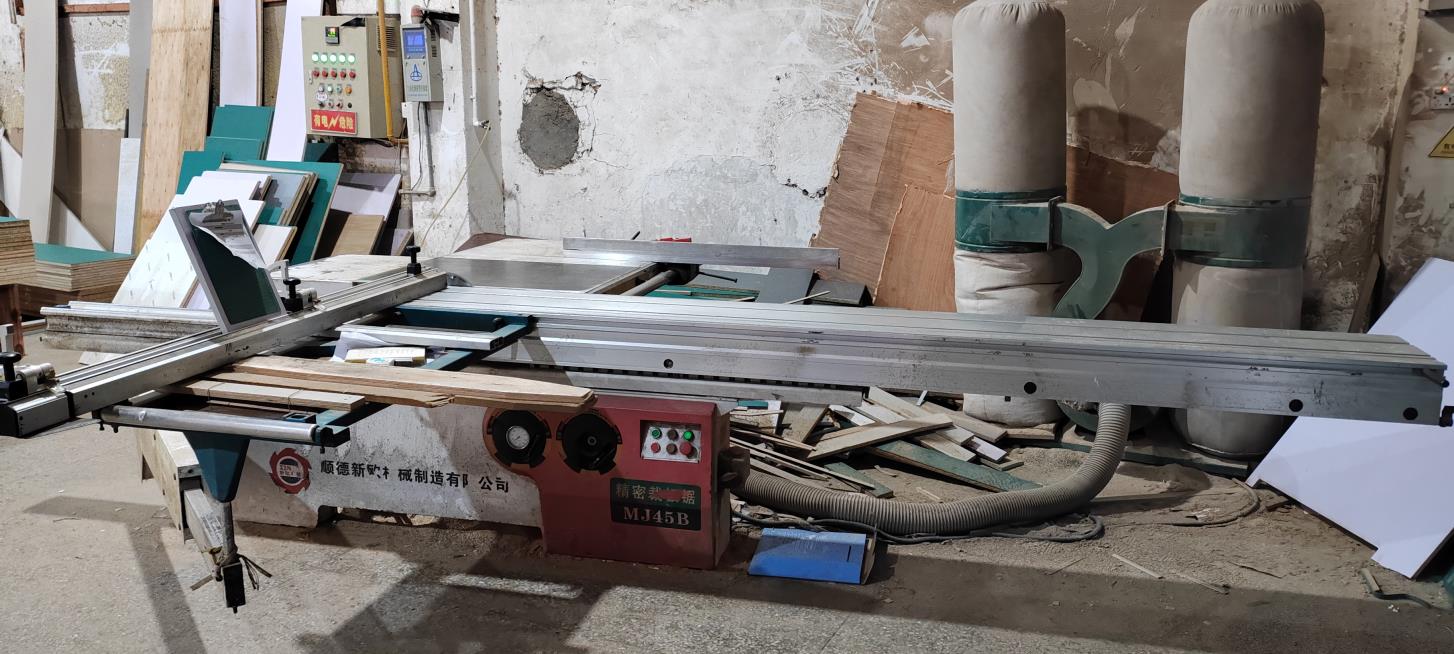
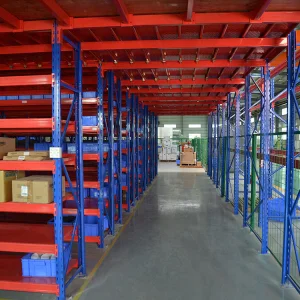
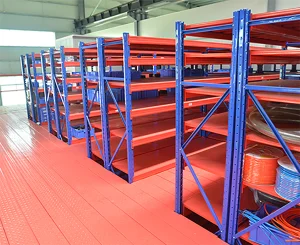
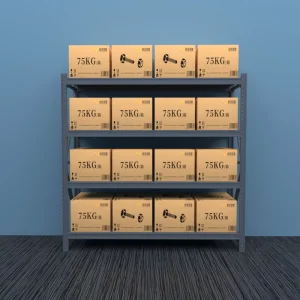
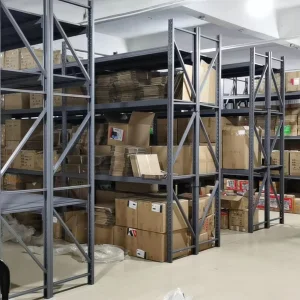
Our engineering design cycle is grounded in material sciences. Using Q235B cold-rolled steel plate as our base material guarantees ideal yield point characteristics and cost efficiency. The production processes we use, including CNC sheet punching and precision bending, prevent micro-stress fractures in the profile bends. For warehouse rack profiles and dynamic retail shelves, this means the structures can support static load capacities exceeding 300kg to 500kg per layer without structural buckling.
Furthermore, ESD protection is integral for setups that include digital devices or interactive display panels. Our electrostatic powder-coating line applies a high-durability finish that prevents charge build-up. This safeguards both the structural integrity of the racking and the electronics from static-induced hardware faults. We also test each production batch using automated Coordinate Measuring Machines (CMM) to confirm structural tolerances remain within design boundaries.
Distributing racking systems globally requires a structured logistics setup. With over 1,400 supply chain partners, Nanjing Fortis manages shipments to Western Europe, South America, and the Middle East. We prepare comprehensive customs documentation, including Certificates of Origin, chemical analysis reports for surface coatings, and detailed load compliance declarations to ensure hassle-free port clearance.
Our engineering services extend to structural design adjustments that meet regional building regulations. For seismic risk areas, we design custom heavy-duty base plates and seismic floor anchoring mechanisms to comply with Eurocode 8 or IBC criteria. This makes our products suitable for high-density logistics depots, cold-chain environments, and global retail projects alike.
Looking ahead, display structures are transitioning into modular, smart fixtures. Our engineering team is developing integrated smart racks that feature embedded power systems, USB-C delivery networks, and diagnostic sensors. These advances will allow managers to monitor weight load distributions and shelf capacities in real time, feeding directly into automated inventory databases.
We are also prioritizing sustainable manufacturing. By reducing material waste with precision laser profiling, integrating non-toxic coating materials, and using recycled steel inputs, we are actively cutting down on carbon emissions. This aligns our products with the growing demand for eco-friendly supply chains in global retail and logistics.
 FortisRack