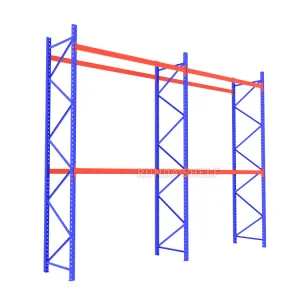
Engineered to maximize volumetric efficiency, ensure structural safety, and optimize warehouse throughput.
Analyzing key structural trends, modern regulatory expectations, and high-density space optimization demands.
The global logistics infrastructure is undergoing a massive structural shift. High-density, seismic-safe, and highly customizable warehouse systems are no longer a luxury; they are a operational requirement. Driven by land scarcity, urban consolidation, and the expansion of micro-fulfillment centers, industrial warehousing now demands maximum spatial volumetric efficiency. In this high-stakes environment, material selection, mechanical joint engineering, and surface treatments dictate structural safety and operational lifespan.
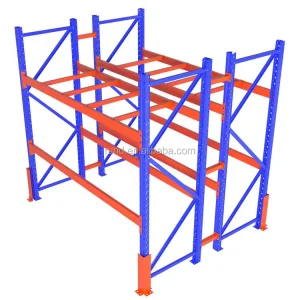
Modern supply chain managers are shifting away from traditional selective racking systems towards high-density configurations such as Drive-In, Push-Back, and Pallet Shuttle Systems. These configurations minimize forklift access aisles, allowing facilities to increase storage density by up to 80%. However, high-density systems place higher demands on structural steel quality and precision engineering. A minor dimensional deflection in an upright profile can cause automated shuttles to malfunction or compromise the safety of the entire system.
Nanjing Fortis Storage Equipment Manufacturing Co., Ltd. designs and manufactures storage systems that meet these demands. Certified under CE, ISO14001, and TUV standards, our structures are engineered for long-term load capacity and stability, helping global operators run safe, efficient warehouses.
How Nanjing Fortis combines high manufacturing capacity with strict engineering standards.
Combining raw material access, automation, and advanced manufacturing to deliver high-value racking systems.
The resilience of the global industrial supply chain depends on consistent raw material sourcing, automated quality control, and reliable logistics. Chinese manufacturing has evolved from basic assembly to advanced, automated engineering. By integrating raw material sourcing, robotic fabrication, and automated coating lines, Nanjing Fortis delivers structural integrity at a competitive total cost of ownership (TCO).
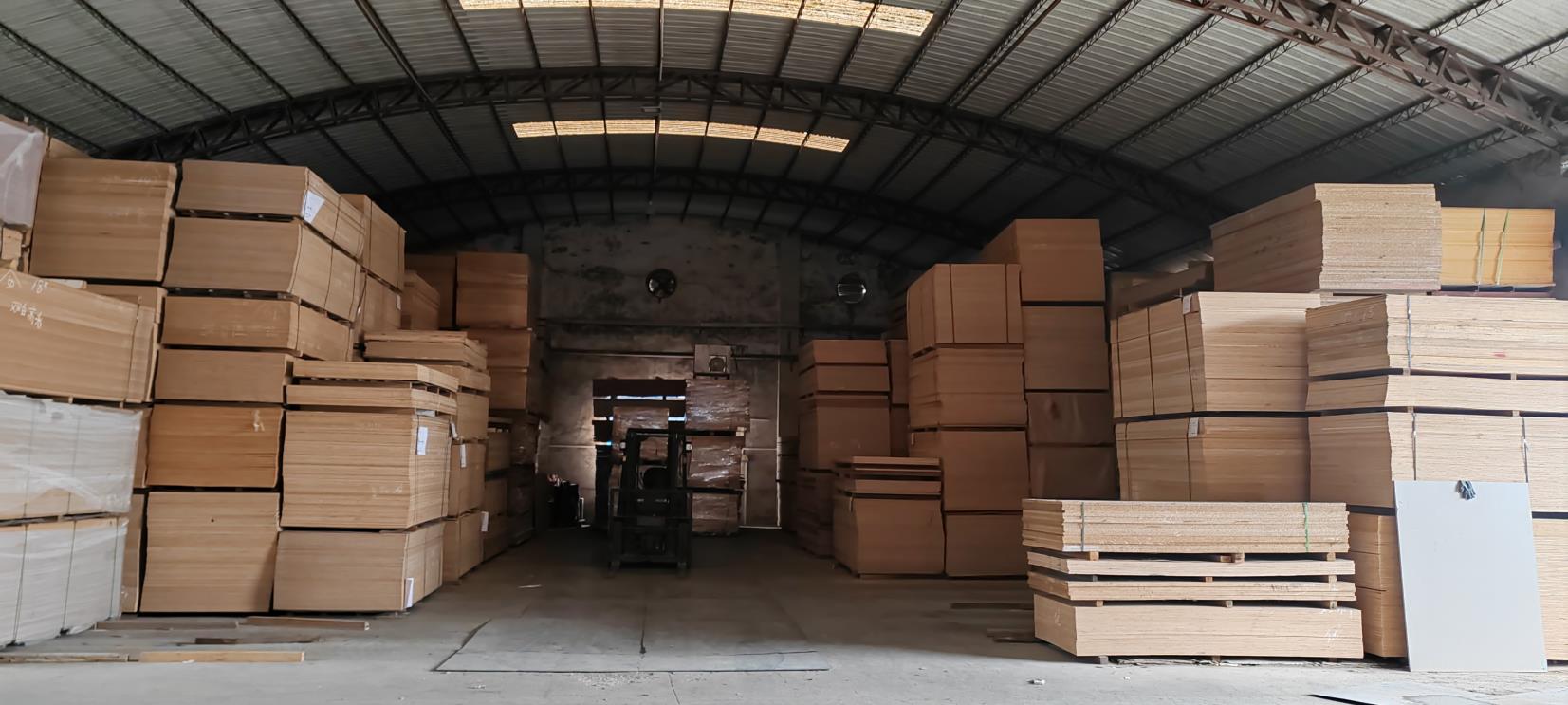
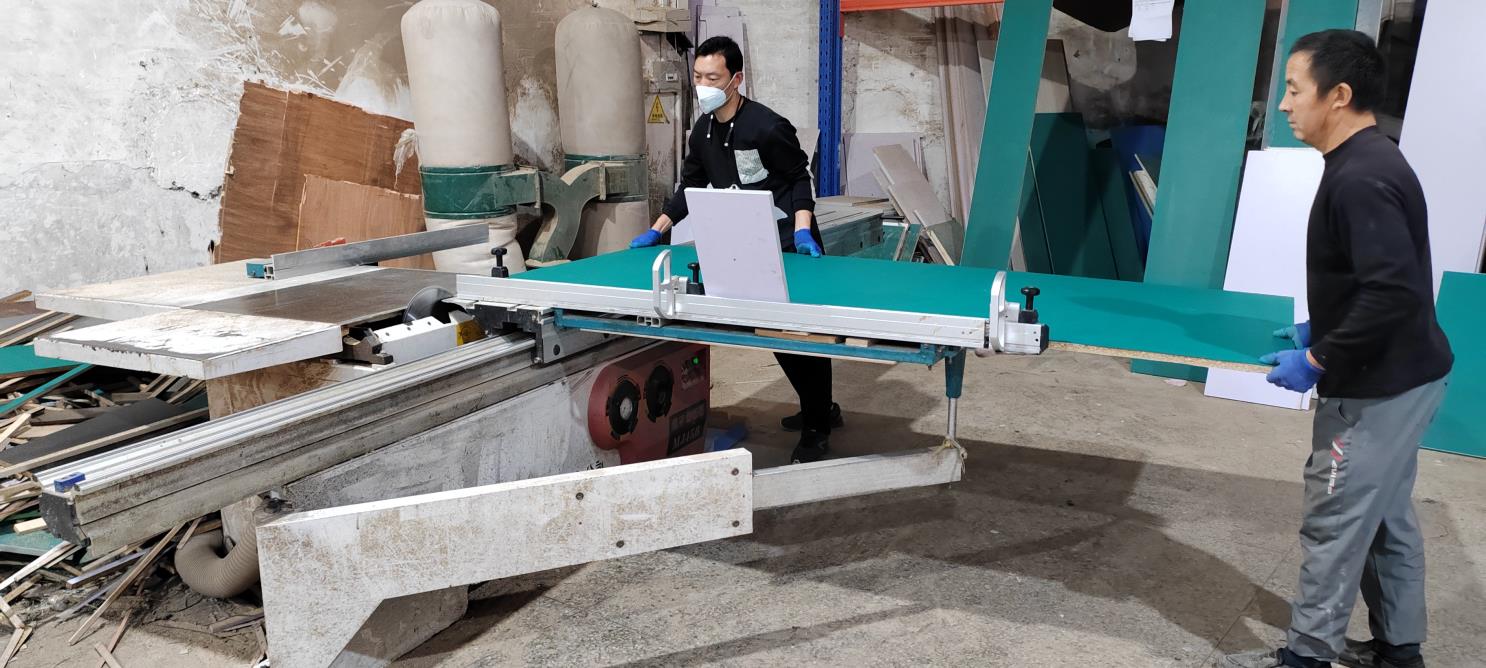
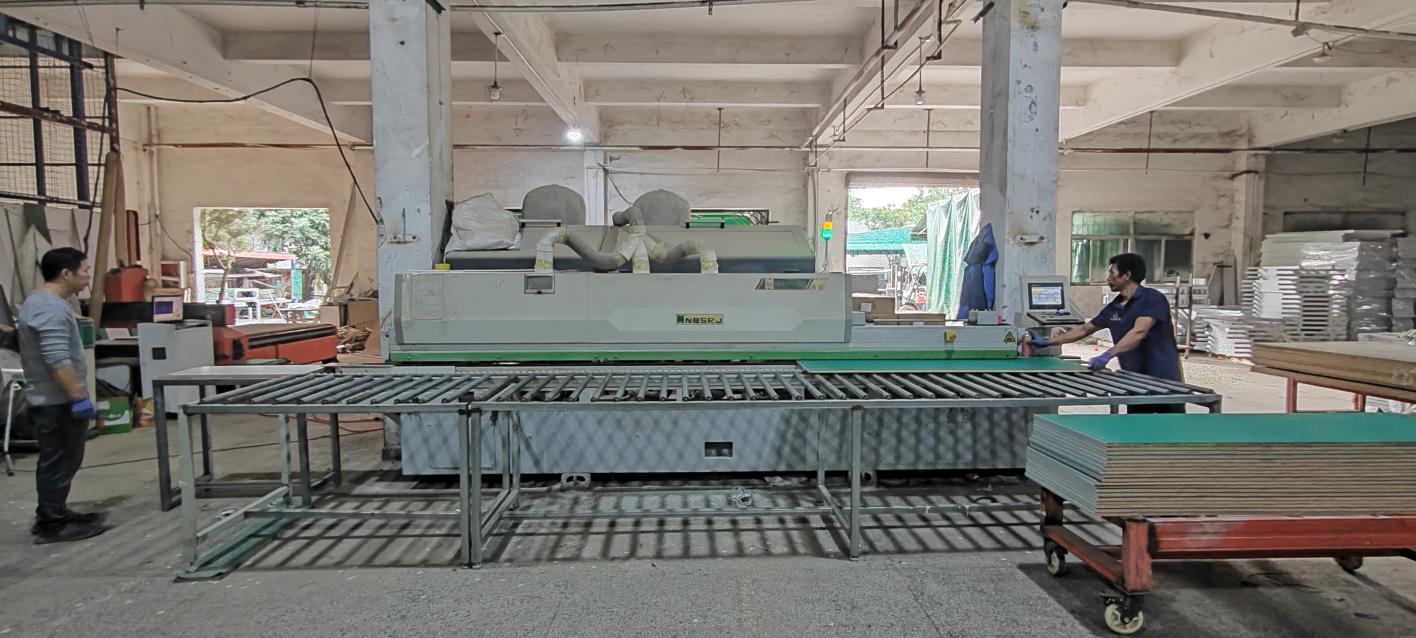
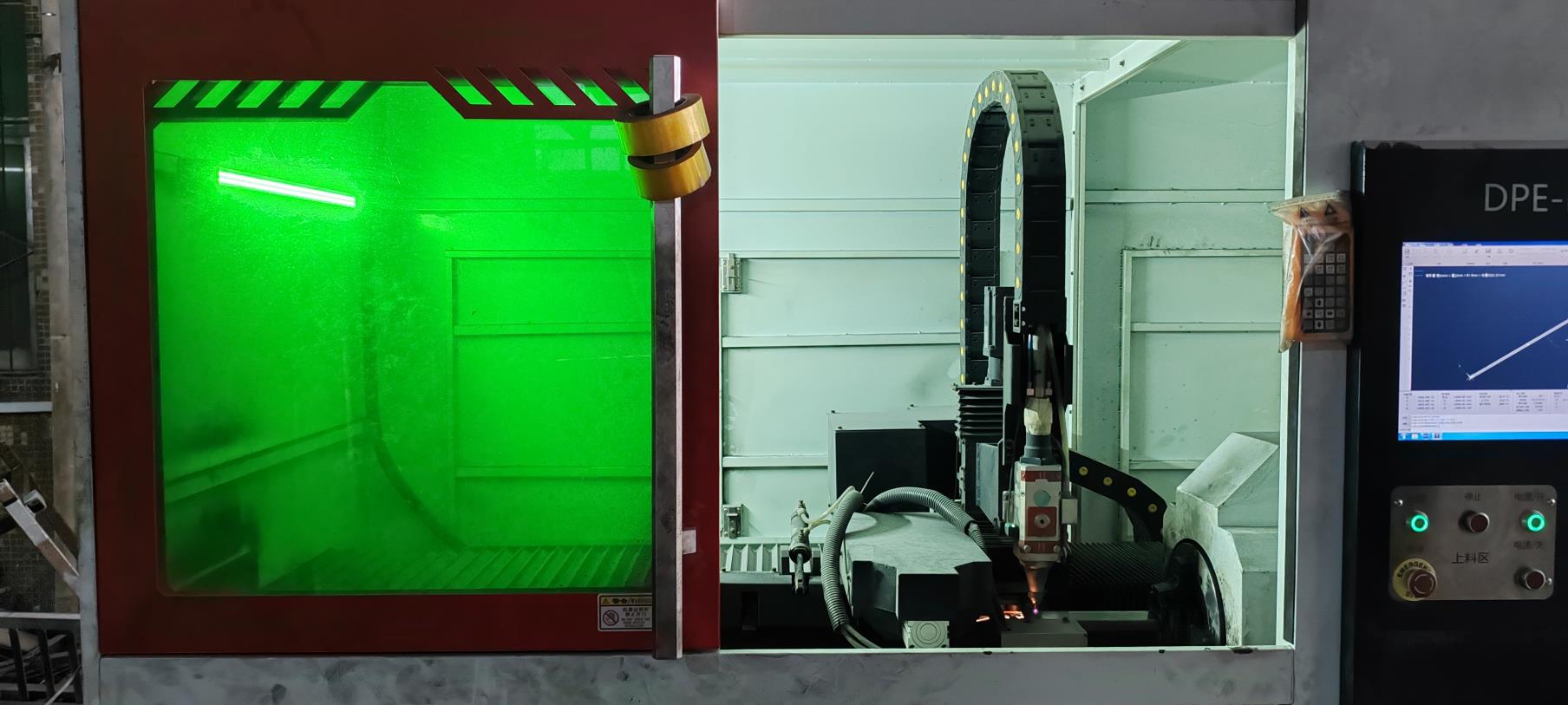
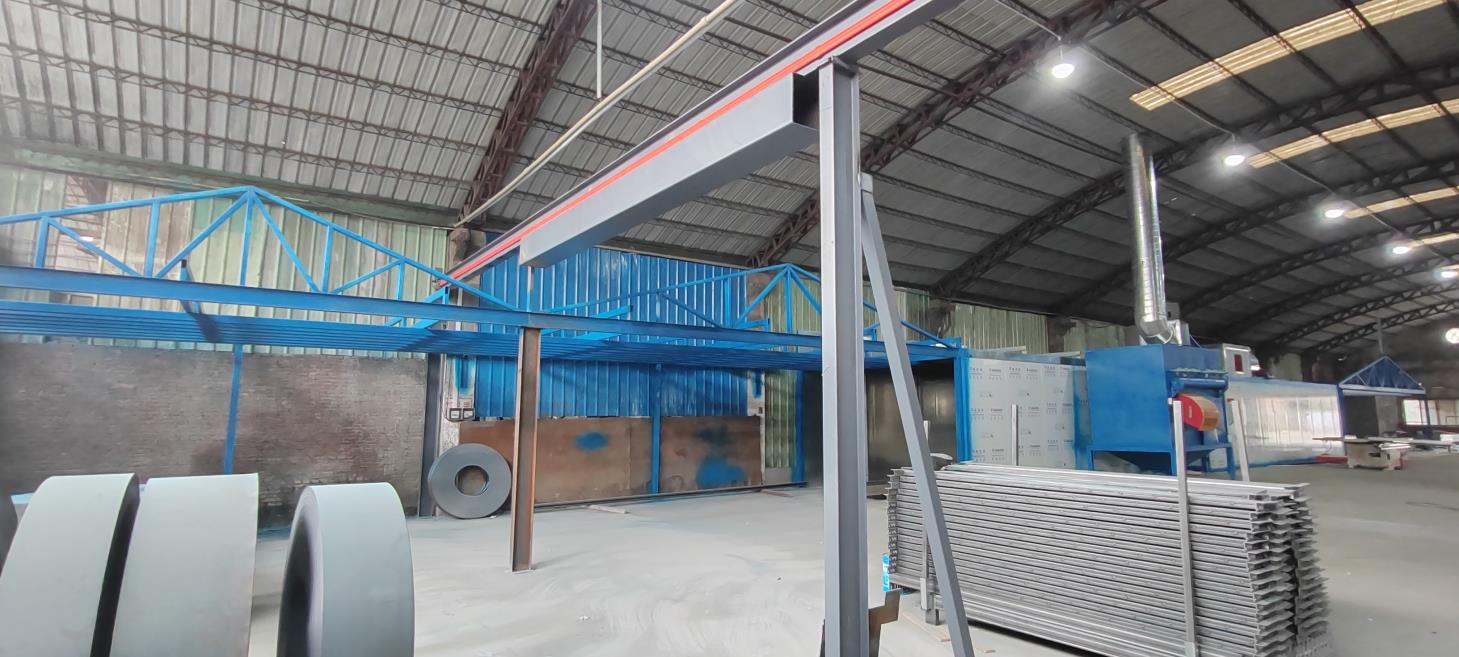
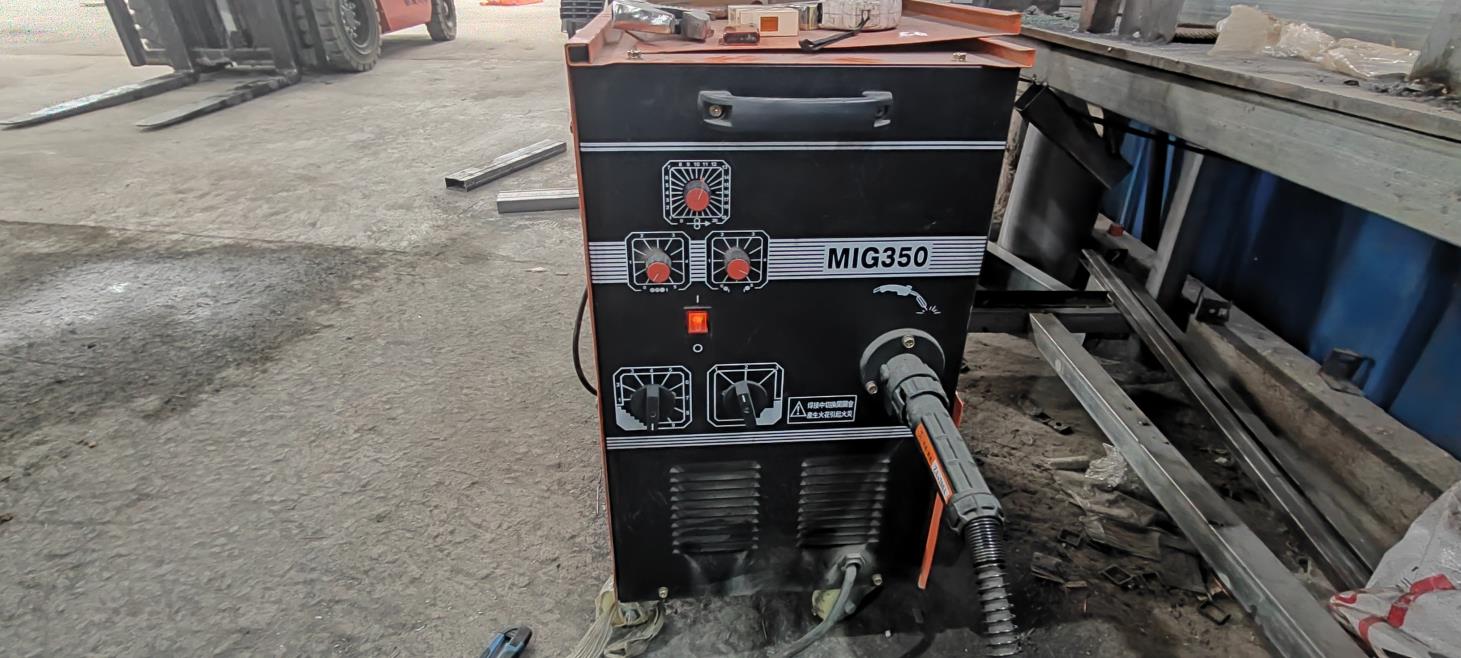
We source raw steel from certified domestic mills, ensuring consistent metallurgical properties. Our automated roll-forming machines and CNC punching lines process raw steel profiles with high dimensional accuracy. This precision is critical during installation, ensuring all connections line up correctly and load-bearing properties meet design specifications.
Additionally, our dual-powder electrostatic coating lines apply thick, cross-linked polymer barriers to the steel. This protection is vital for cold chain applications, where high moisture levels and temperature changes can accelerate oxidation on sub-standard steel coatings.
Visualizing our manufacturing process, from raw steel selection to final surface treatment and packaging.
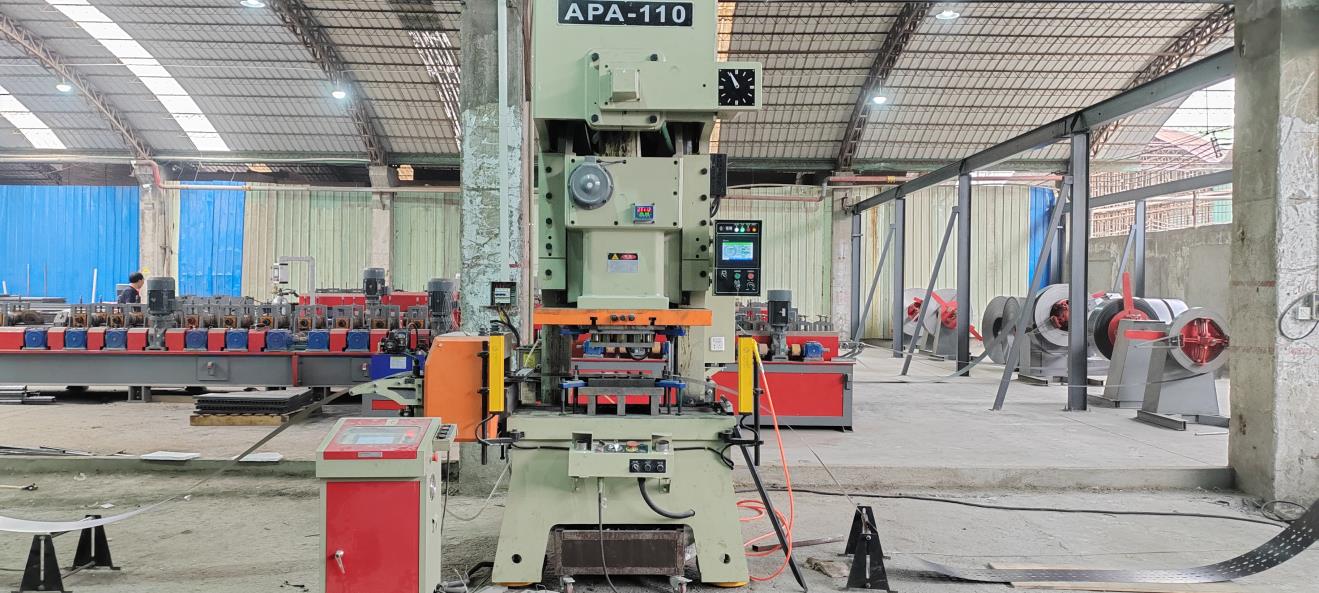
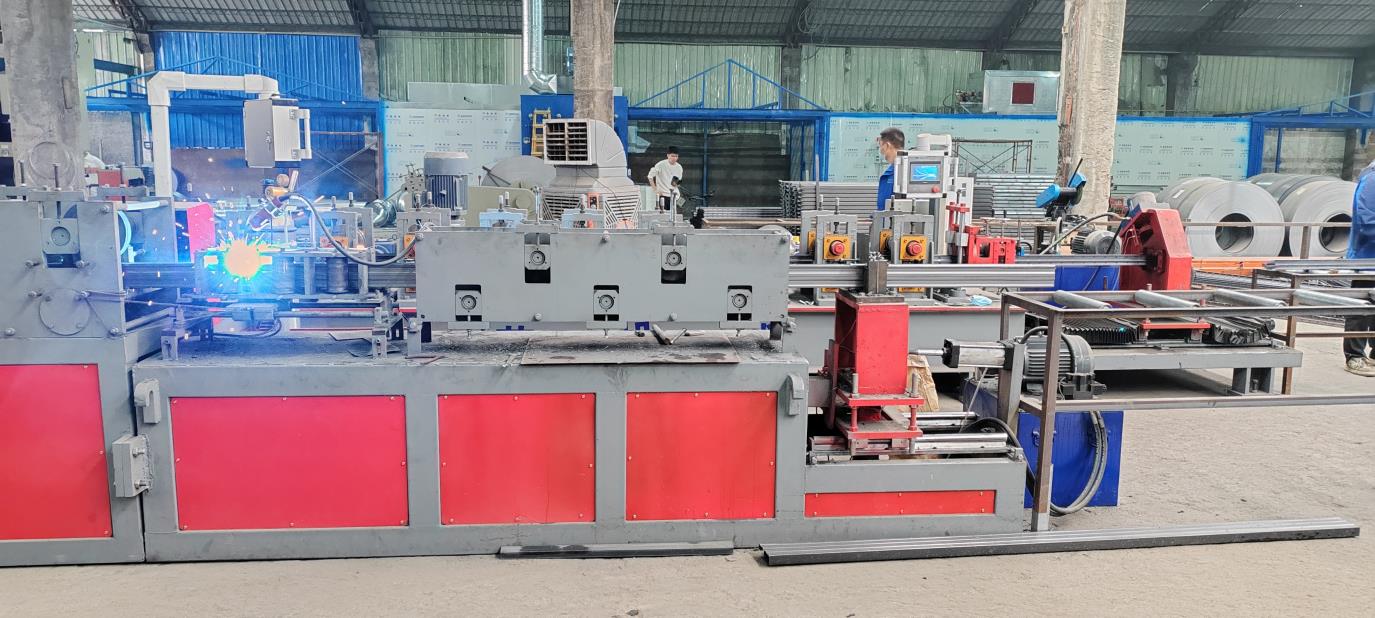
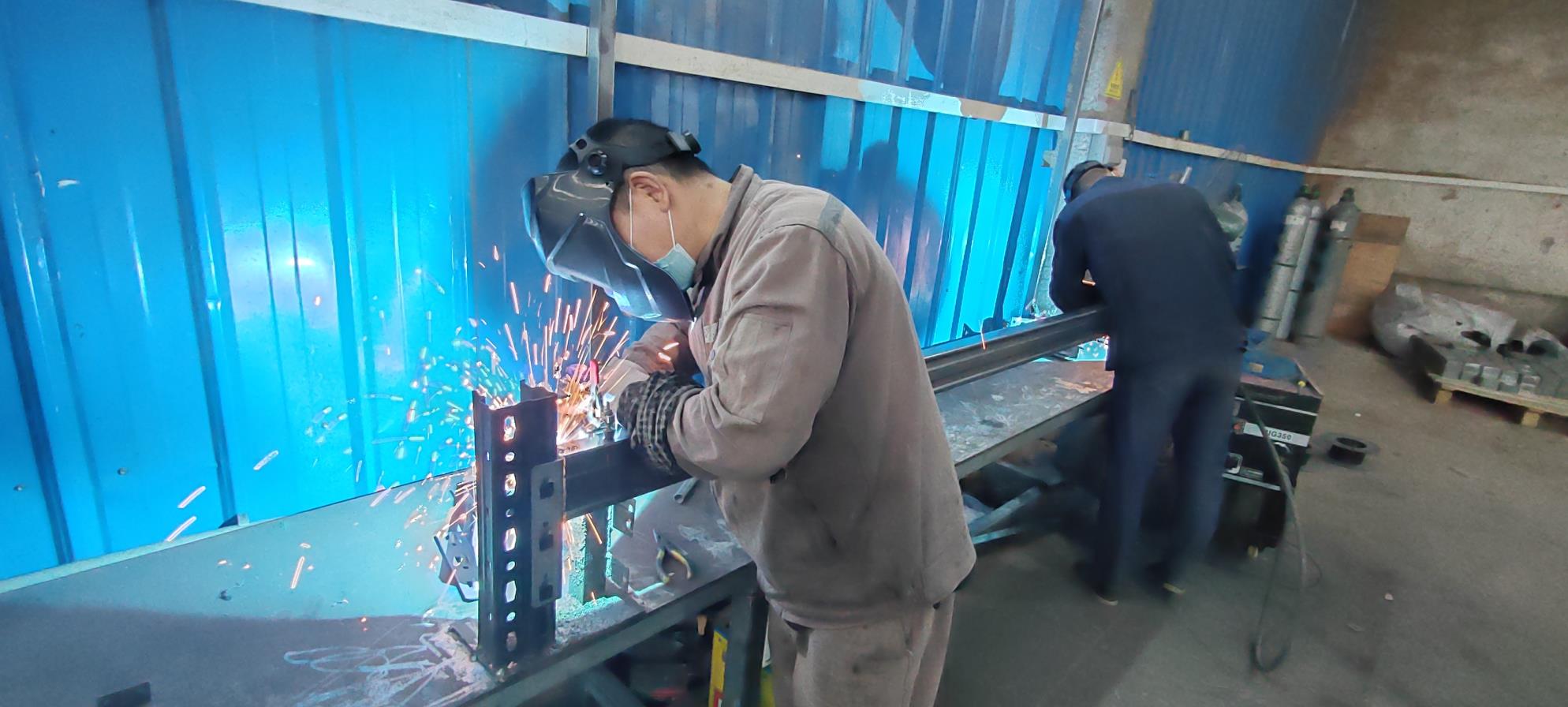
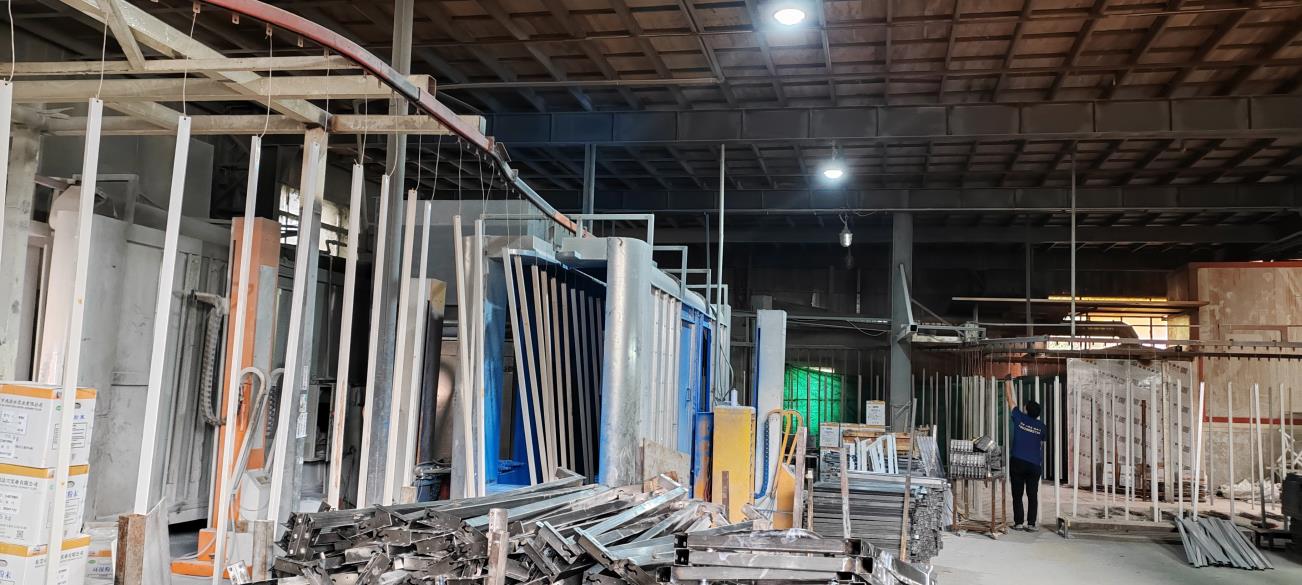
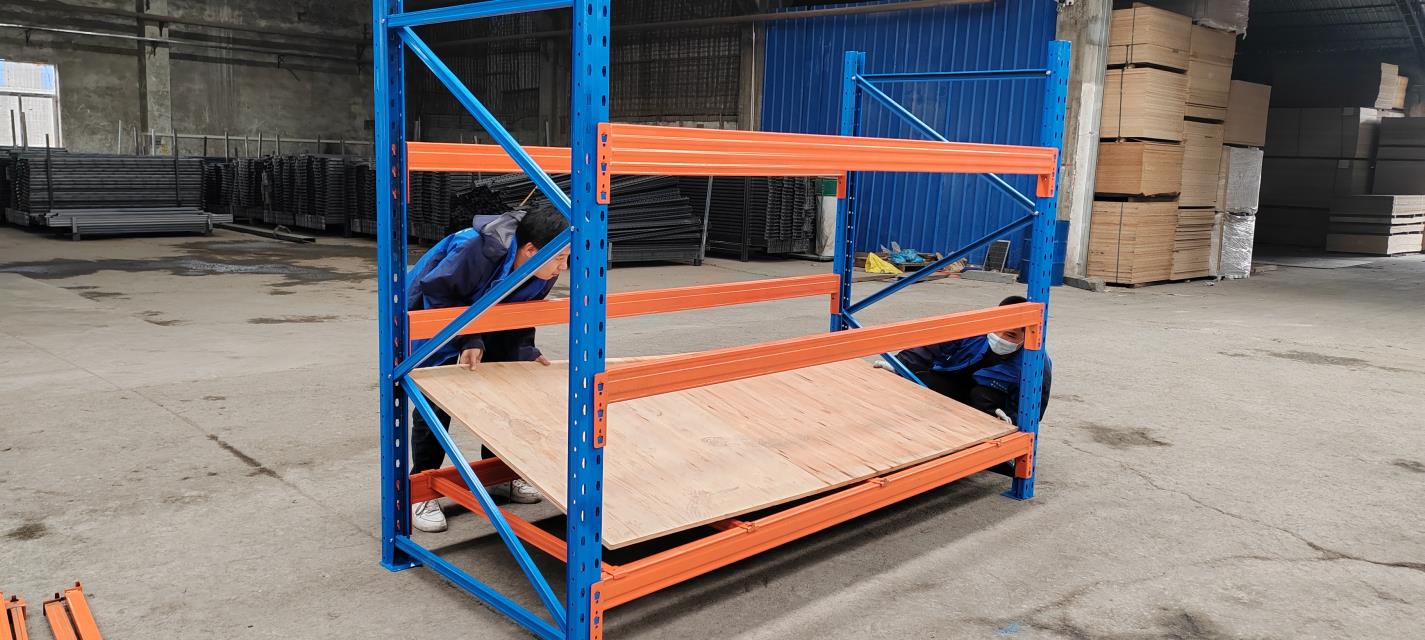
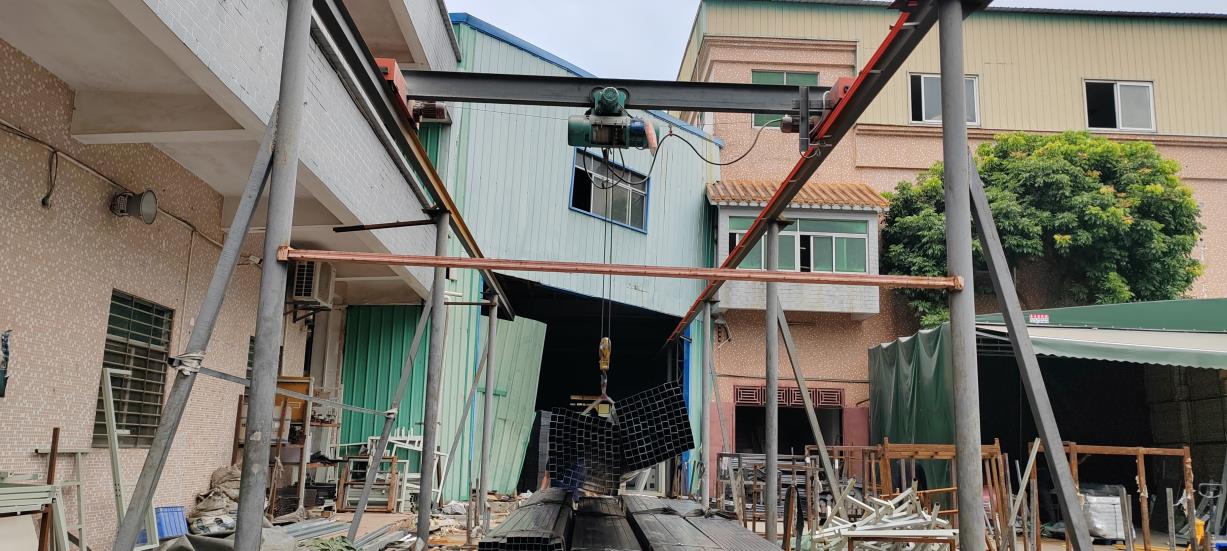
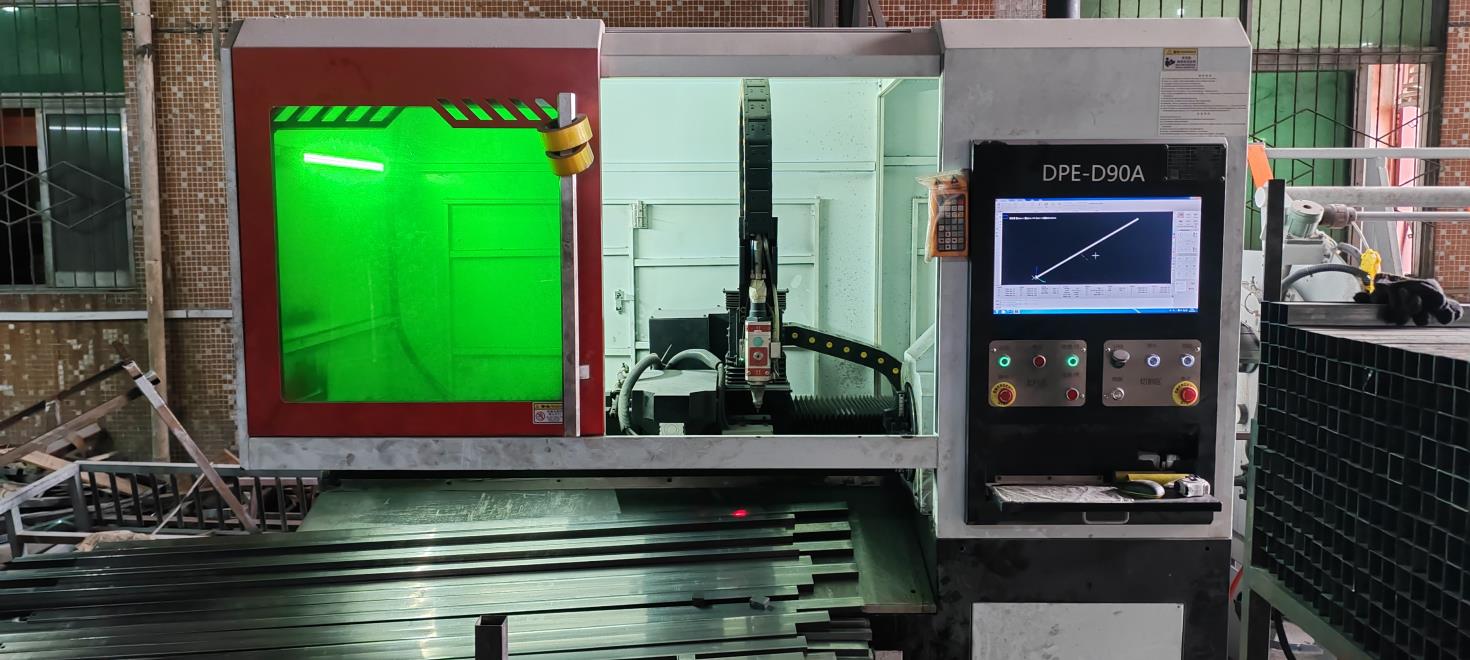
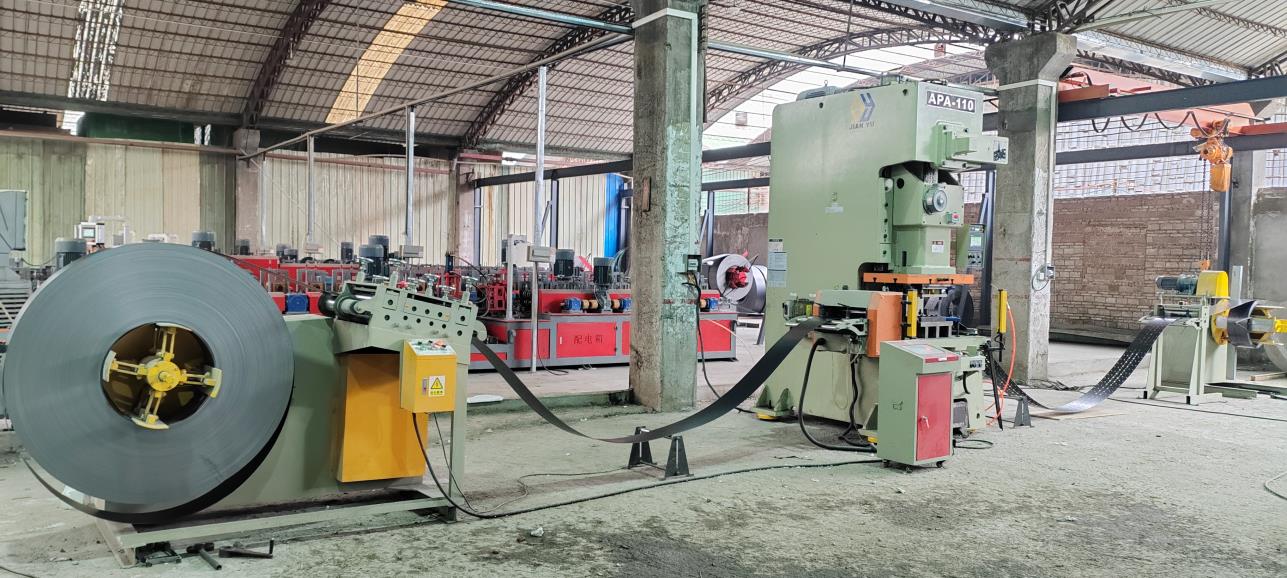
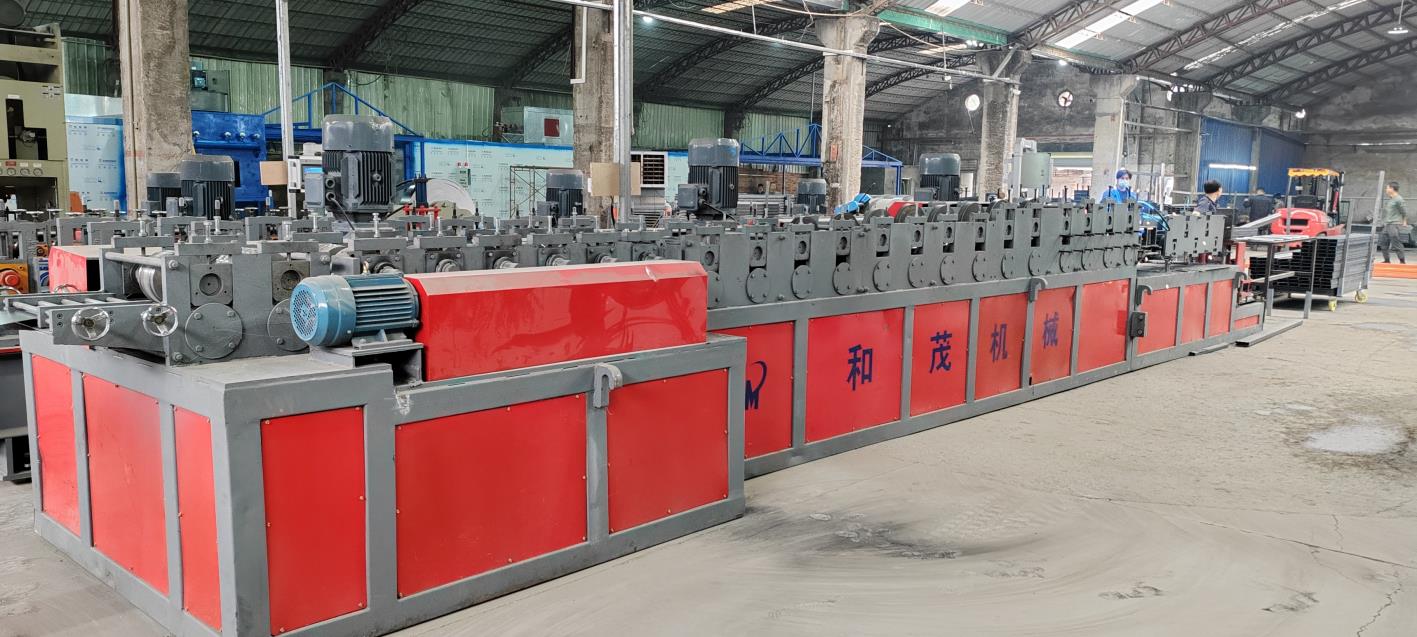
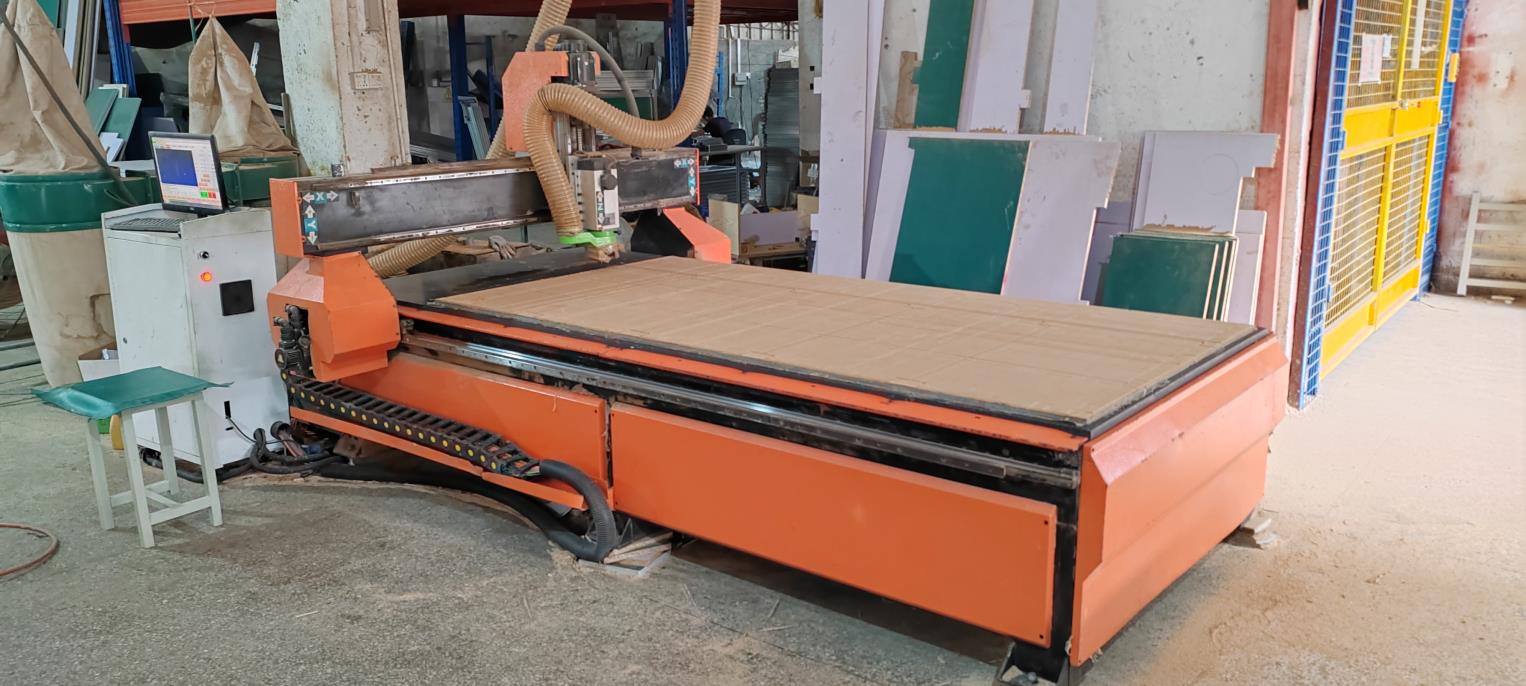
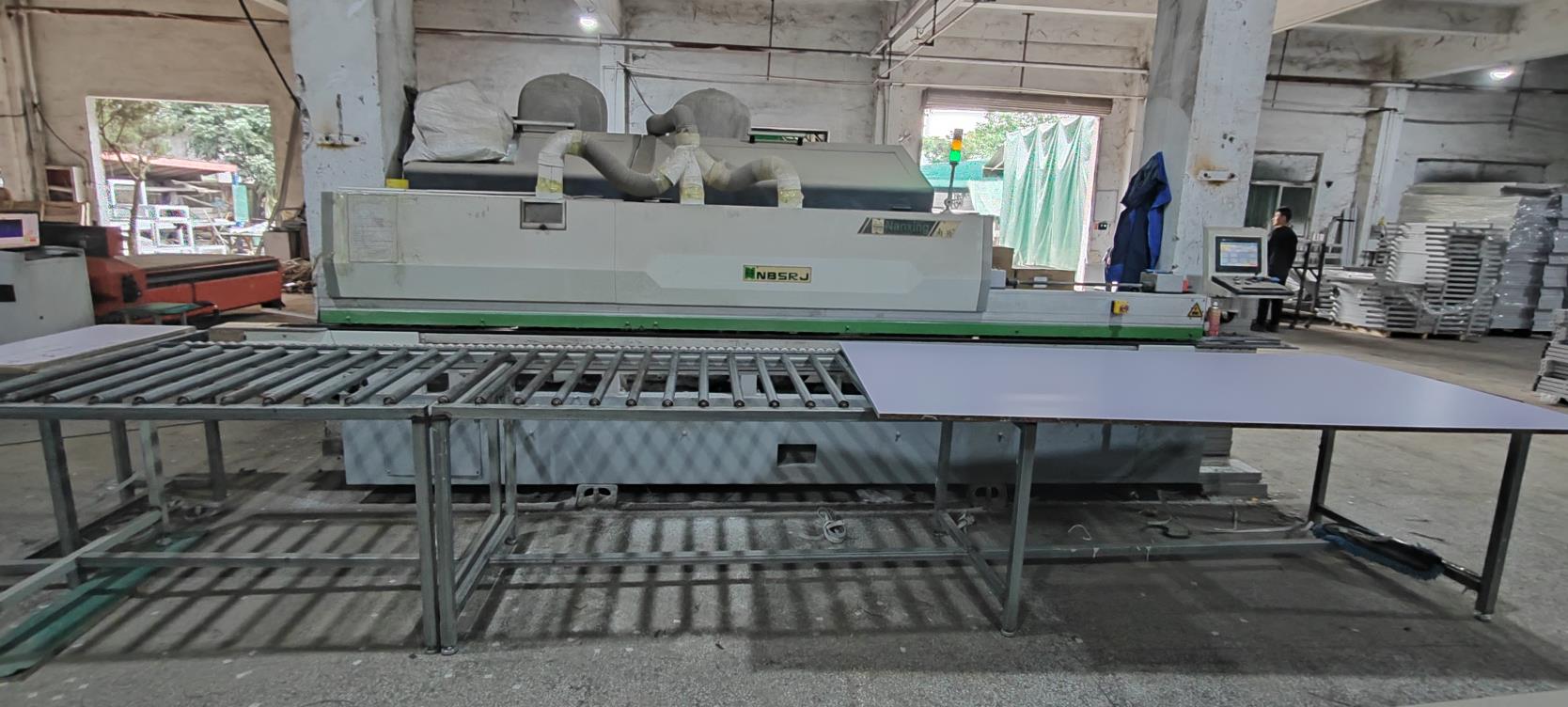
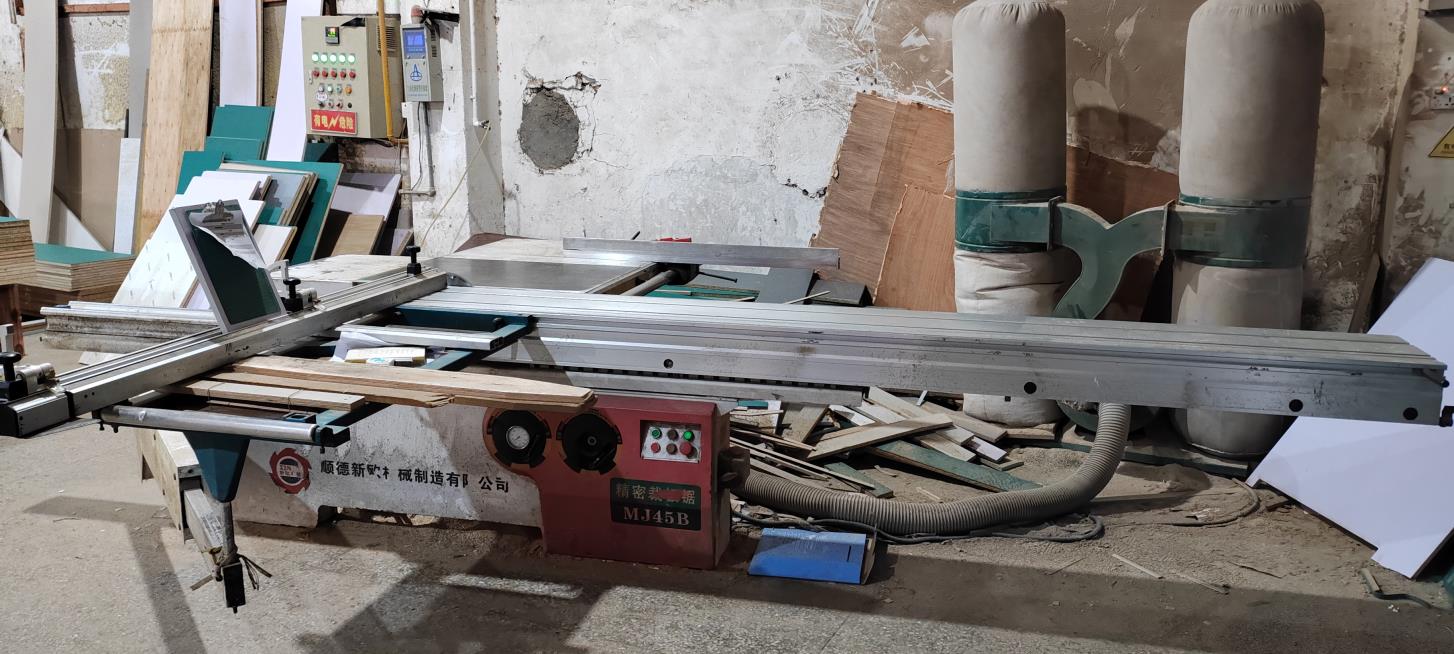
How we design storage systems to meet regional regulations and specific environmental challenges.
Cold storage facility developers require racking solutions that perform reliably in low temperatures. In temperatures down to -30°C, structural steel can become brittle, and temperature shifts can cause condensation. We supply racking made from low-temperature rated steel, finished with hot-dip galvanized or specialized epoxy powder coatings. This prevents rust and structural degradation, ensuring long-term safety in cold environments.
For automated warehouses utilizing Crane AS/RS or 4-way pallet shuttle systems, dimensional tolerance is critical. Deflections must remain minimal to prevent tracking errors. Our production lines use CMM verification to keep manufacturing tolerances within ±0.5mm, ensuring our racking integrates seamlessly with automated materials handling equipment.
Earthquakes pose a significant risk to high-bay racking systems. To support clients in active seismic zones, like parts of South America, our engineers perform structural FEA (Finite Element Analysis) stress testing. We design heavier baseplates, custom bracing configurations, and specialized floor anchorages to ensure systems remain stable under dynamic seismic loads.
Addressing key structural, regulatory, and logistics questions for procurement directors and warehouse managers.
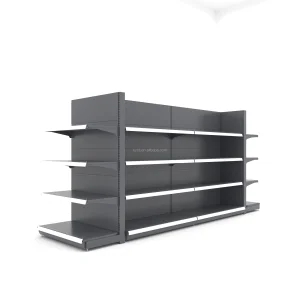
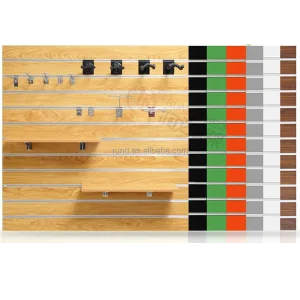
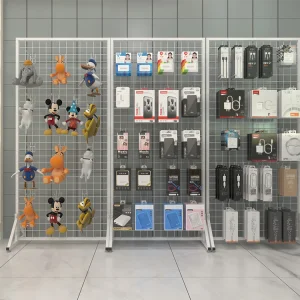
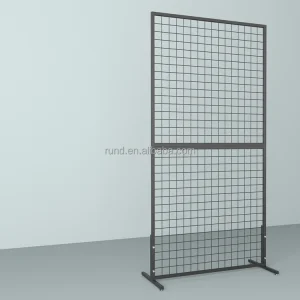
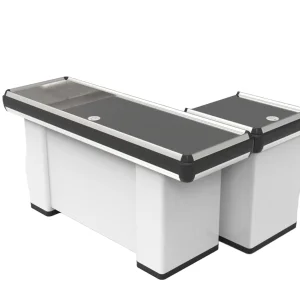
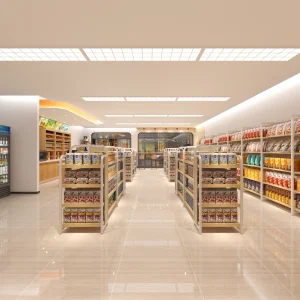
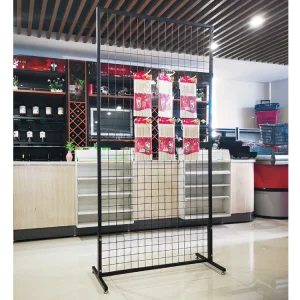
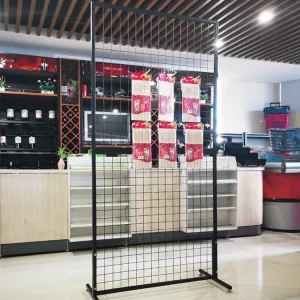
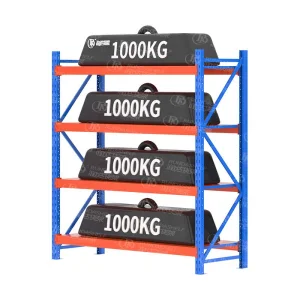
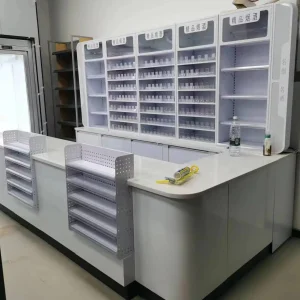
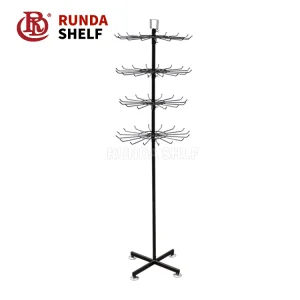
Explore our range of display shelving, point-of-sale equipment, and specialized storage components.
 FortisRack