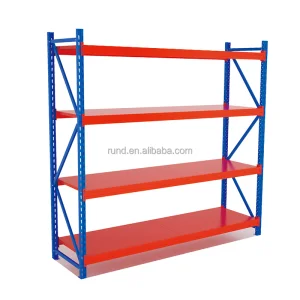
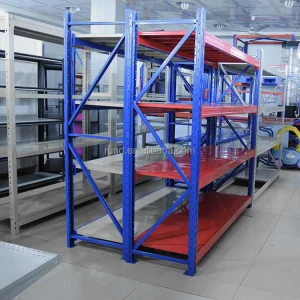
Engineered structural rack configurations built to optimize floor utilization, inventory accessibility, and supply chain speed.
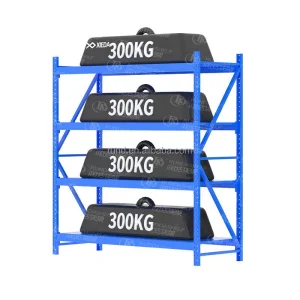
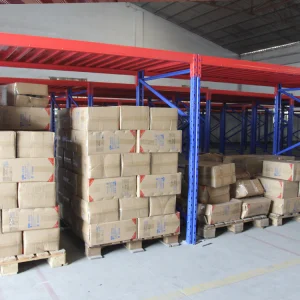

Over the past few years, Mexico has evolved into a global manufacturing and logistical focal point, accelerated by the USMCA (United States-Mexico-Canada Agreement) and the macro-level shift toward nearshoring. Multinational conglomerates in automotive, aerospace, electronics, and consumer retail sectors are repositioning production lines to major industrial corridors in Monterrey, Ciudad Juárez, Saltillo, Querétaro, and Guadalajara. This industrial transition has triggered an unprecedented surge in demand for logistics hubs, distribution centers (CEDIS), and smart warehouse systems designed to handle vast inventories efficiently.
For operations managers and real estate developers in Mexico, optimizing the cubic storage capacity of a facility is no longer just about buying "shelves." It requires an analytical approach toward racking systems that can support high dynamic loads, withstand the specific environmental challenges of the Mexican highlands, and offer compliance with strict local regulatory guidelines. A warehouse rack is a fundamental load-bearing structure; its failure represents not only catastrophic commercial loss but severe risk to worker safety.
A critical challenge for warehousing projects across central and southern Mexico—particularly the Valley of Mexico (CDMX), Jalisco, and Michoacán—is seismic vulnerability. Under the Mexican Safety Standard NOM-006-STPS-2014 (handling and storage of materials), and structural calculation manuals issued by the Federal Electricity Commission (CFE), storage racks must be engineered to withstand seismic accelerations.
Chinese tier-1 manufacturer Nanjing Fortis designs structural rack components strictly conforming to RMI (Rack Manufacturers Institute) and FEM (European Federation of Materials Handling) provisions. When implementing warehouse racks in Mexico, we execute seismic load simulations detailing the precise configuration of upright profiles, baseplate configurations, and floor anchors. By choosing structural steel over light-gauge materials, and calculating the exact center of gravity, our installations provide resilience against physical shaking while safeguarding heavy pallet loads.
Procurement directors face a trade-off: buy local racking from regional fabricators or source from direct Chinese industrial manufacturers. While local suppliers suggest reduced freight timelines, they are often constrained by raw material shortages, high labor costs, and limited automation, leading to higher price per position and inconsistent weld finishes.
Nanjing Fortis leverages an advanced Industry 4.0 ecosystem to overcome geographic gaps. Using Q235B and Q355B structural steel, our automated rolling and CNC robotic welding lines yield uprights and beams with dimensional accuracy to a fraction of a millimeter. When factored against long-term operational life, the structural resilience and price-per-position advantage of importing high-capacity steel racks from a certified Chinese supplier like Nanjing Fortis easily offsets the freight transit duration.
"Integrating automated production lines with CMM dimensional inspections and salt spray testing allows Nanjing Fortis to deliver industrial racks that exceed international structural codes. This reduces long-term maintenance costs and minimizes the risk of structural failure under load changes."
Our research into the Mexican supply chain reveals two fast-growing niches requiring customized warehouse layout configurations:
Under our 48,000 m² state-of-the-art plant, Nanjing Fortis utilizes automated lines to ensure consistency and speed.
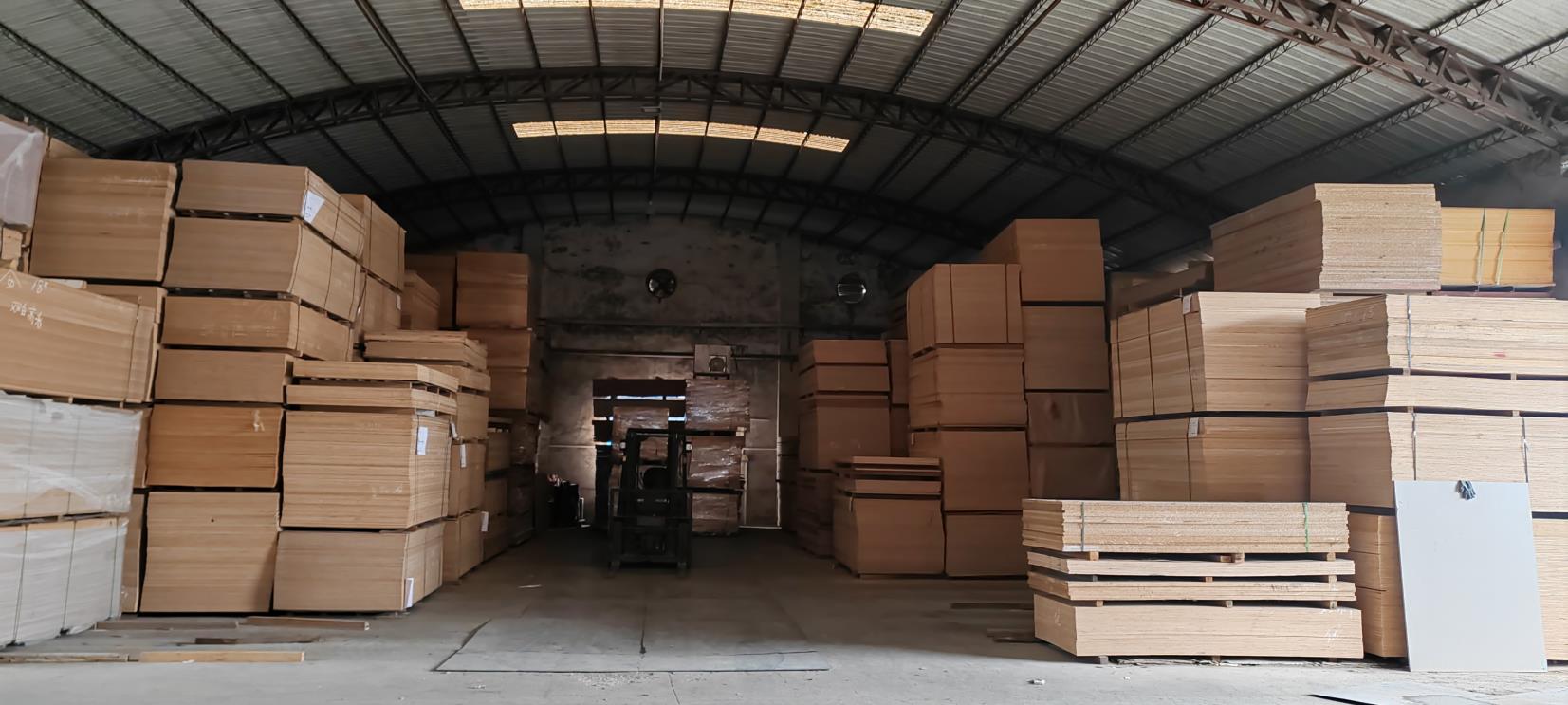
Raw Material
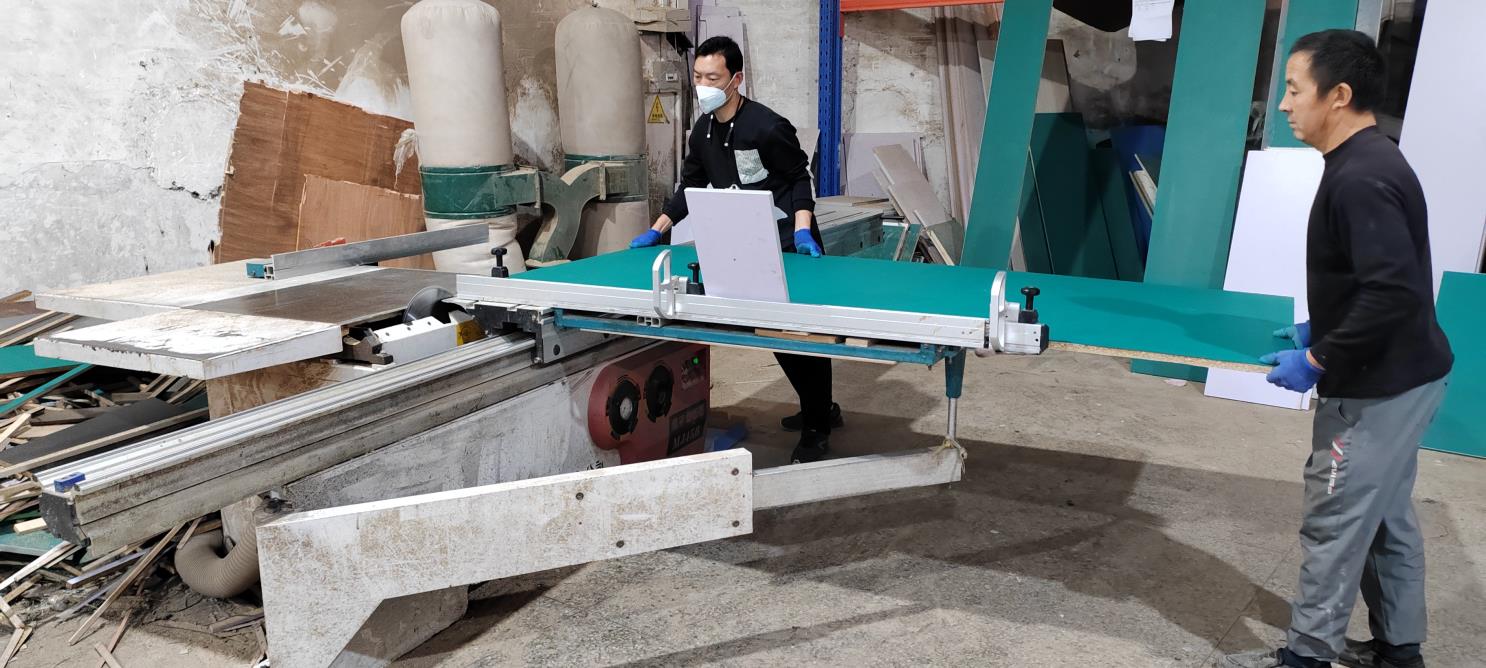
Board Cutting
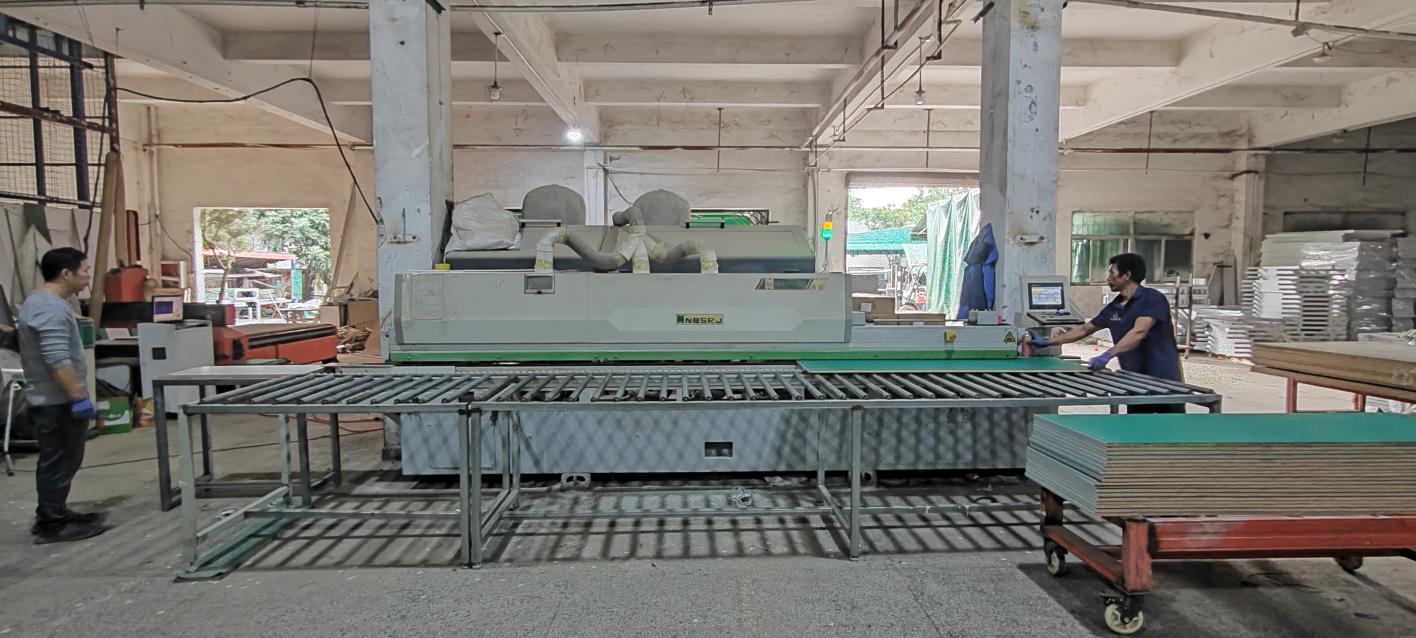
Board Edge Sealing
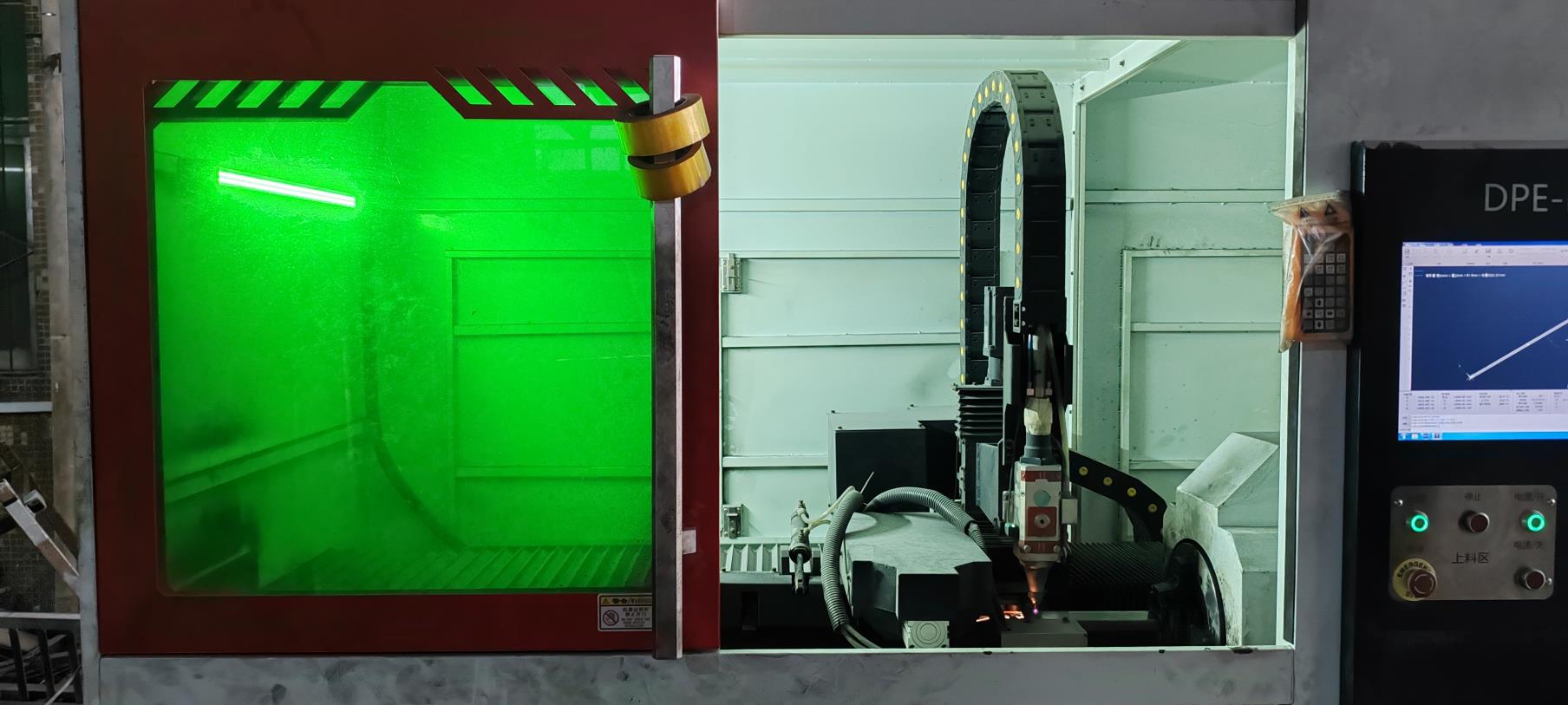
Laser Cutting
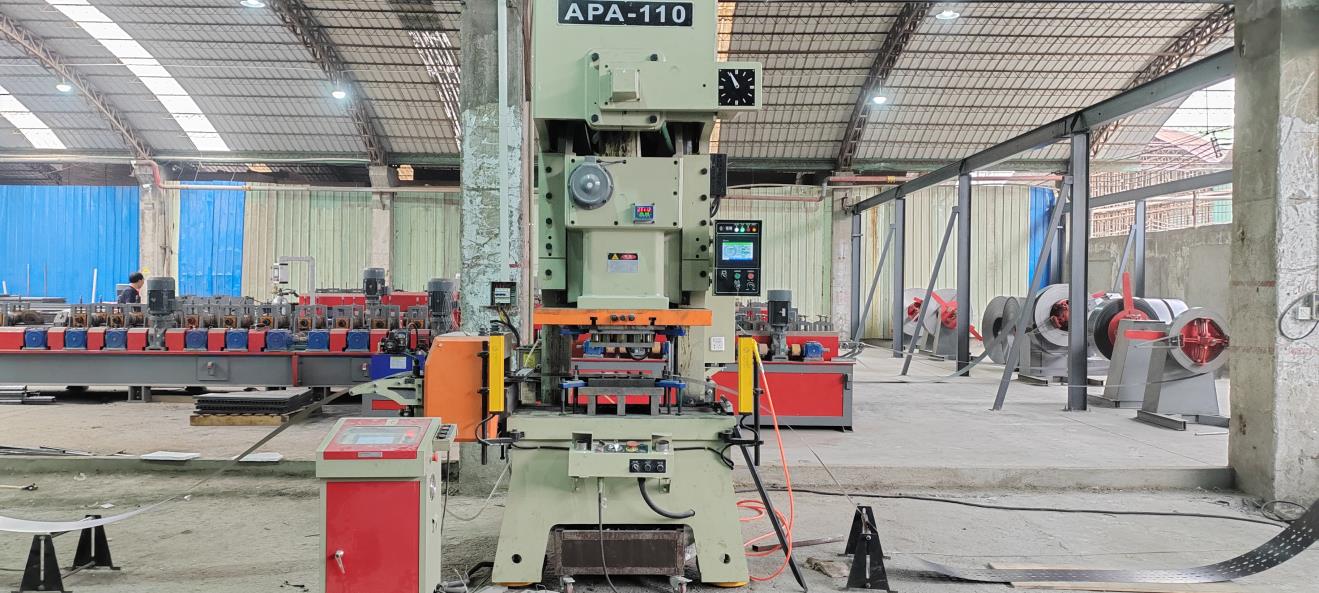
Punching
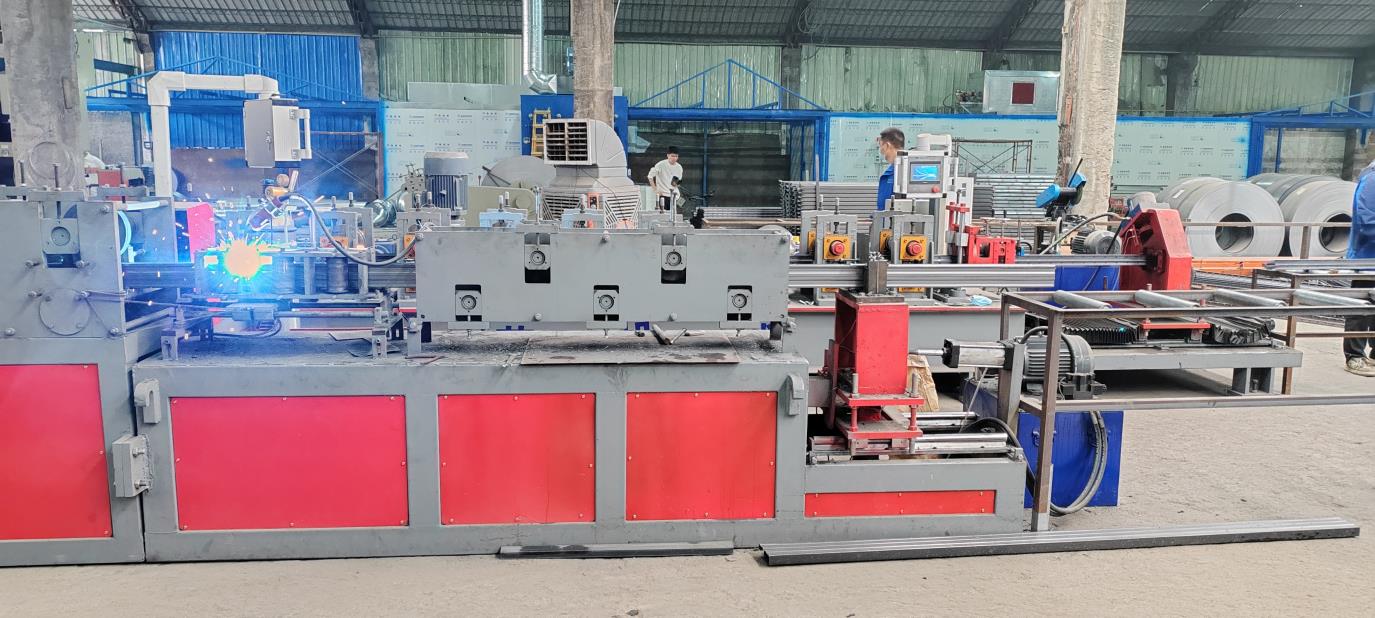
Forming
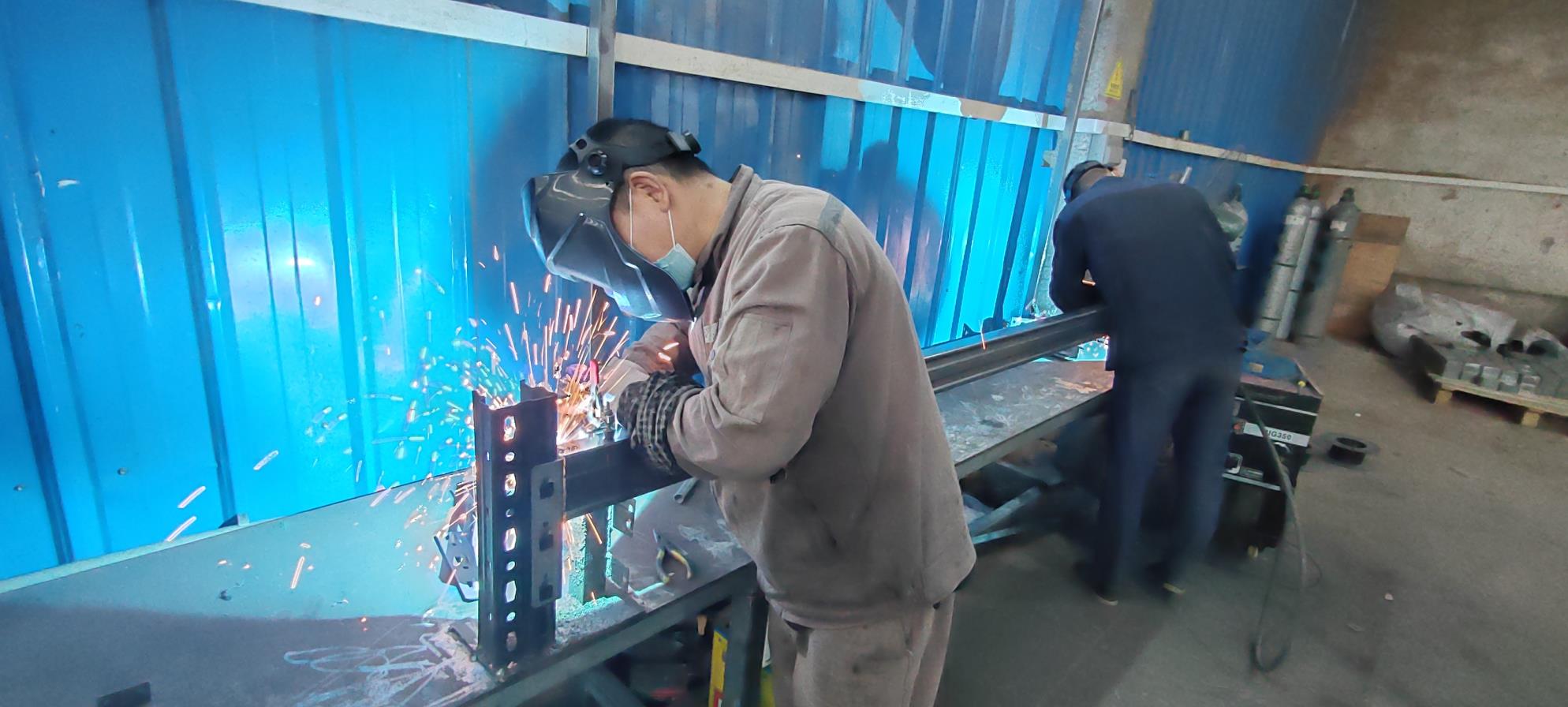
Welding
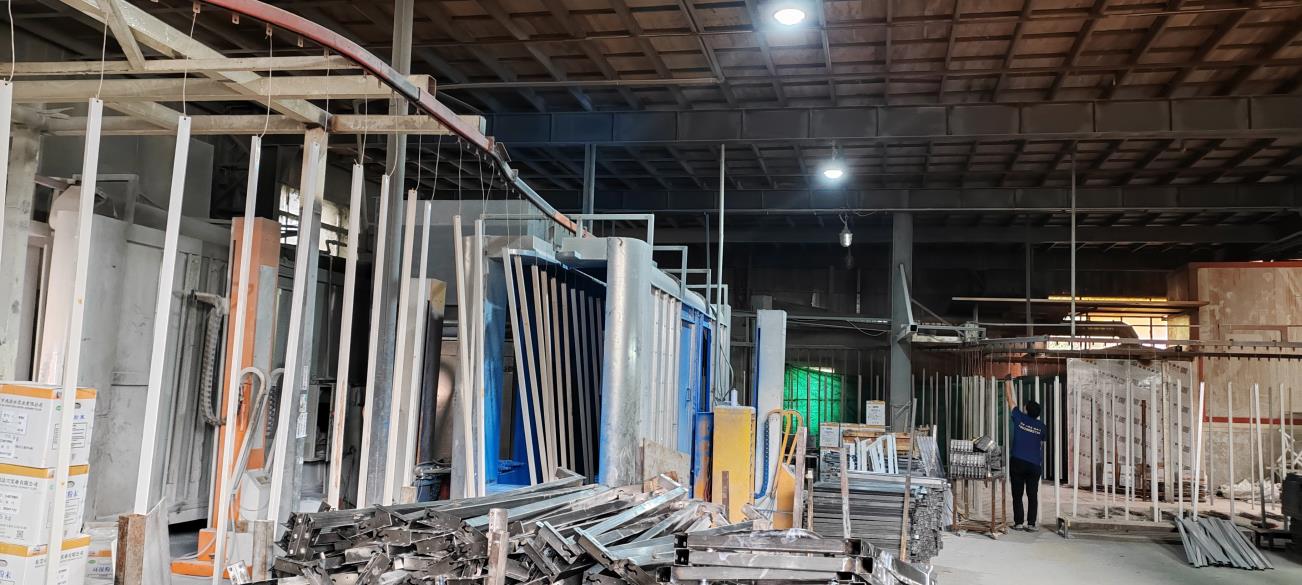
Baking paint
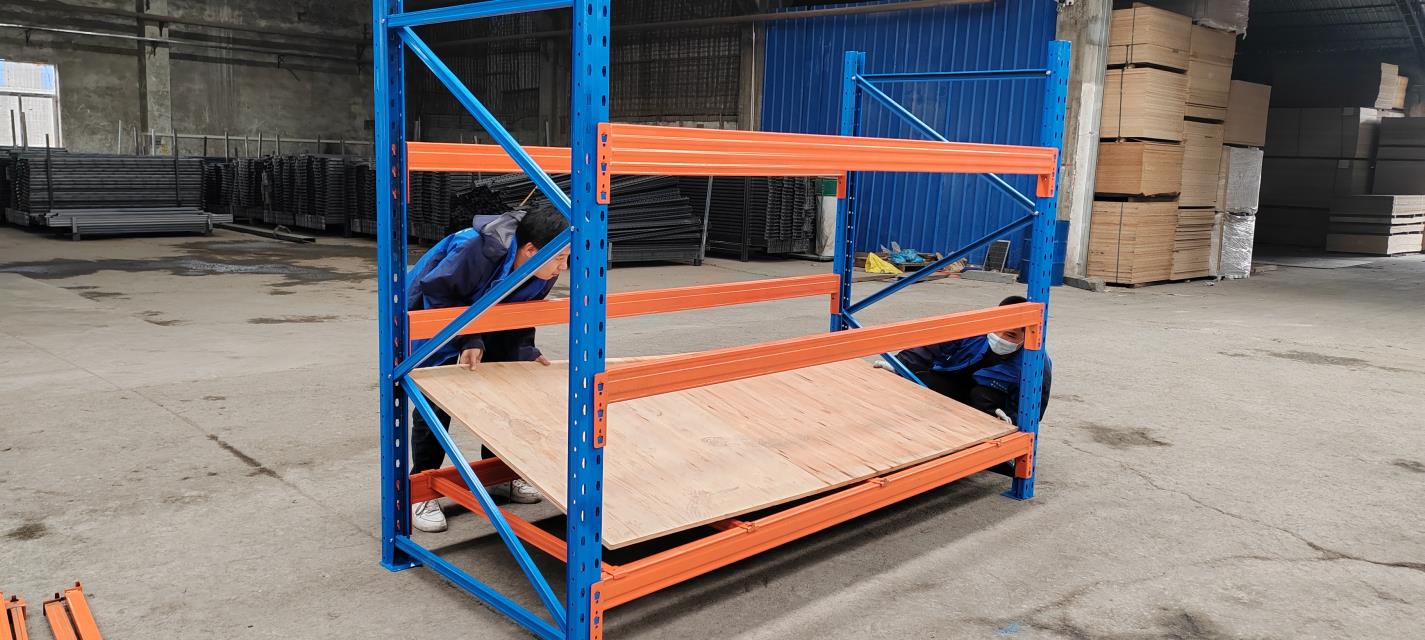
Assembling
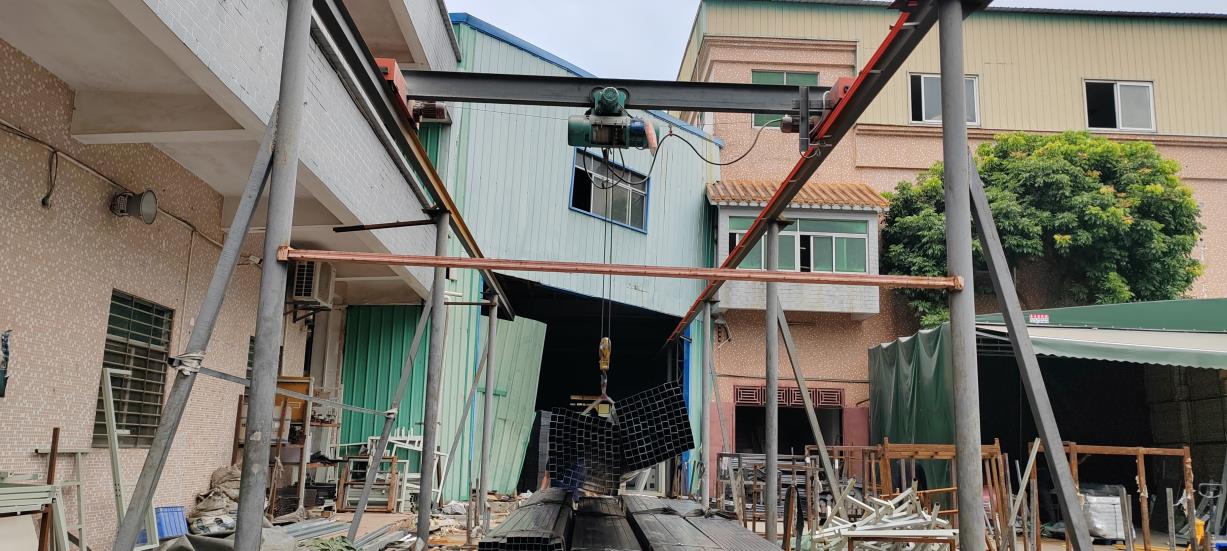
Line hoisting machine
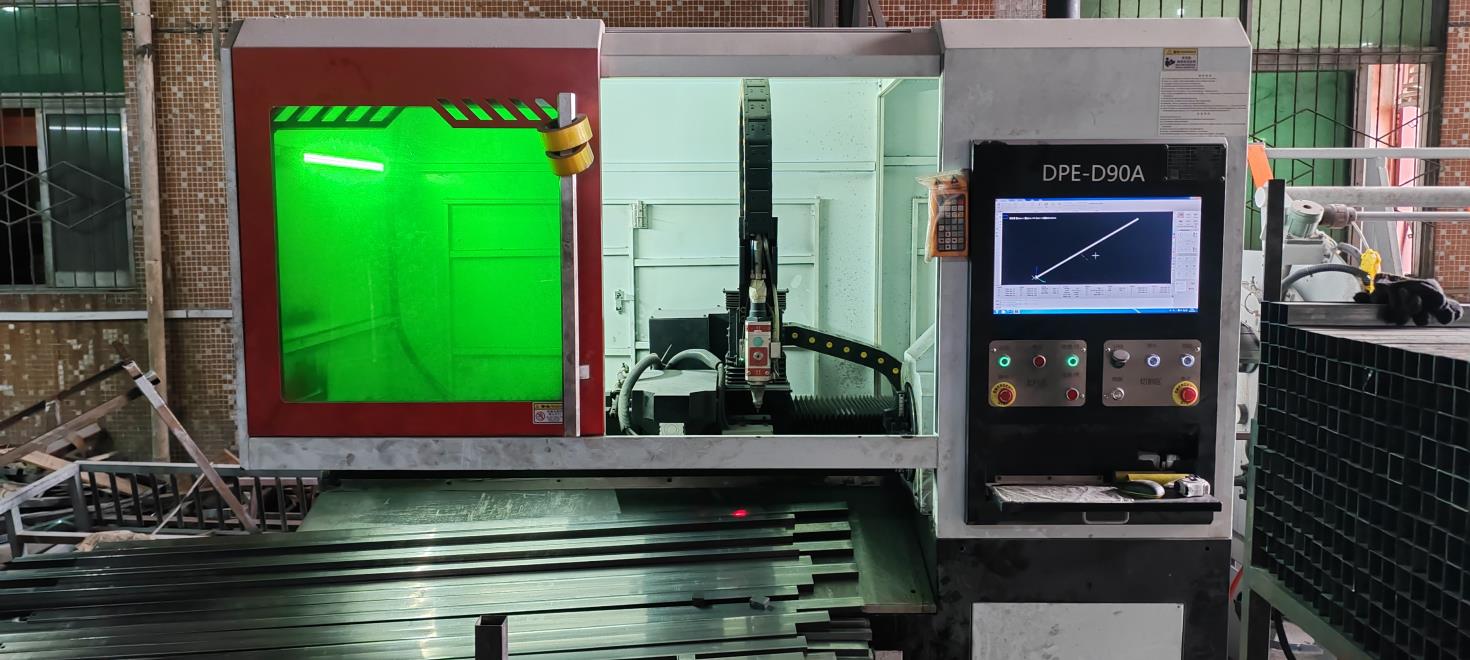
Laser Cutting Machine
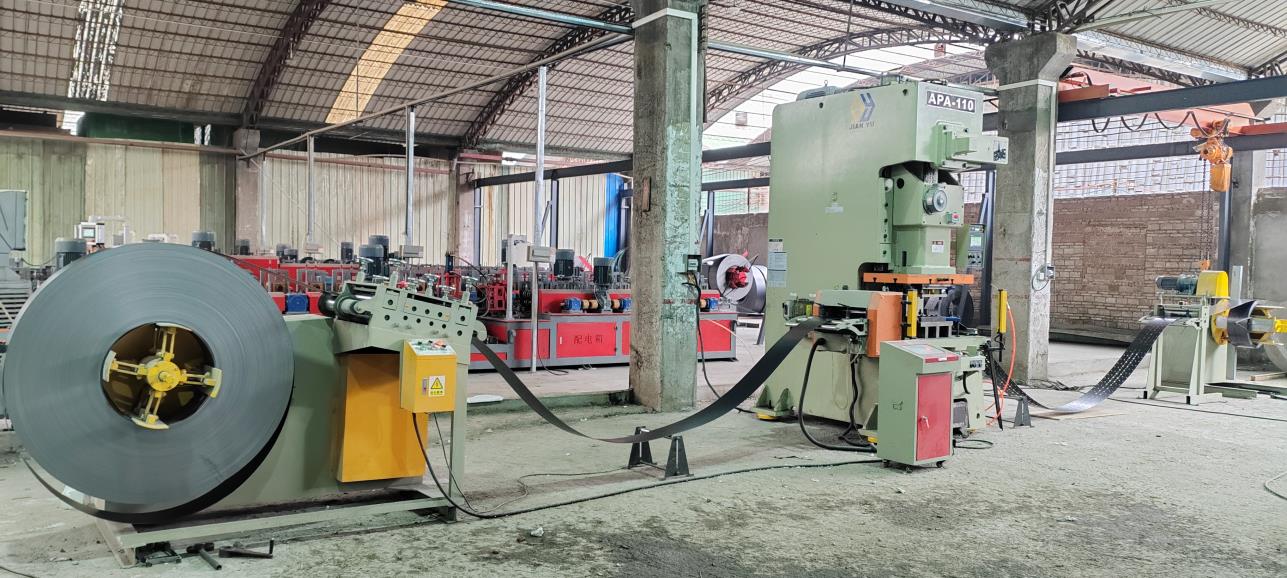
Punching Machine
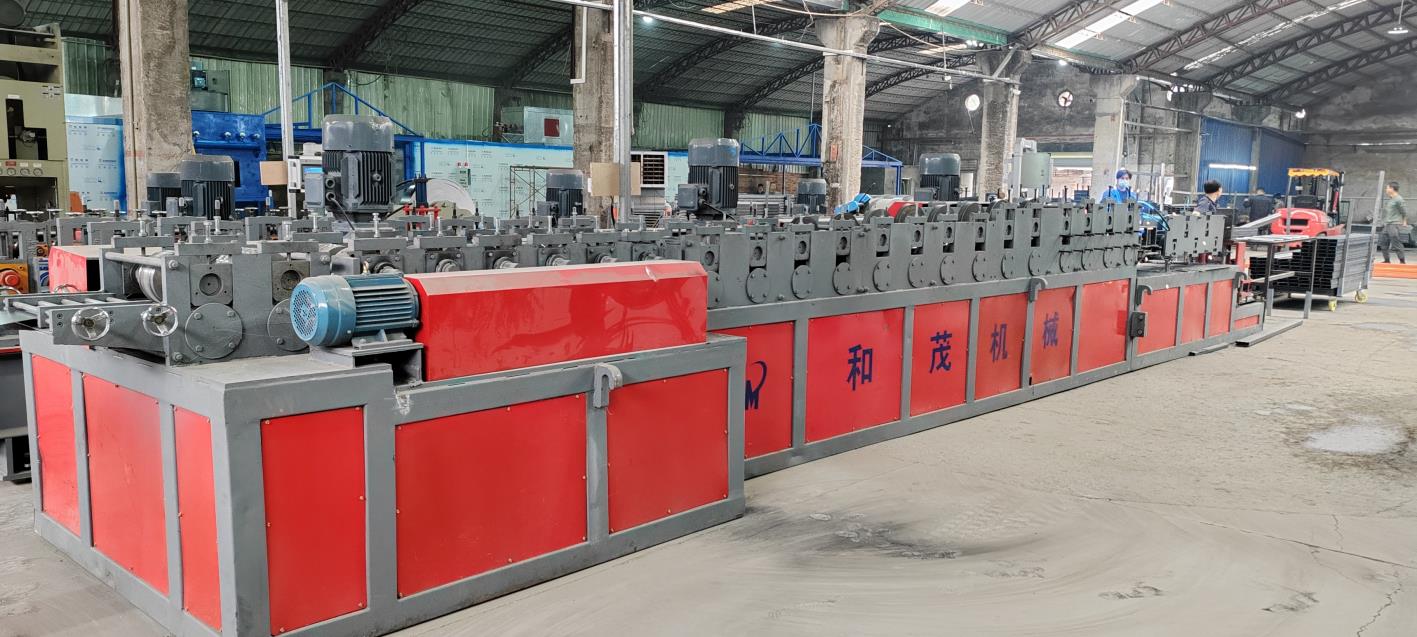
Forming Machine
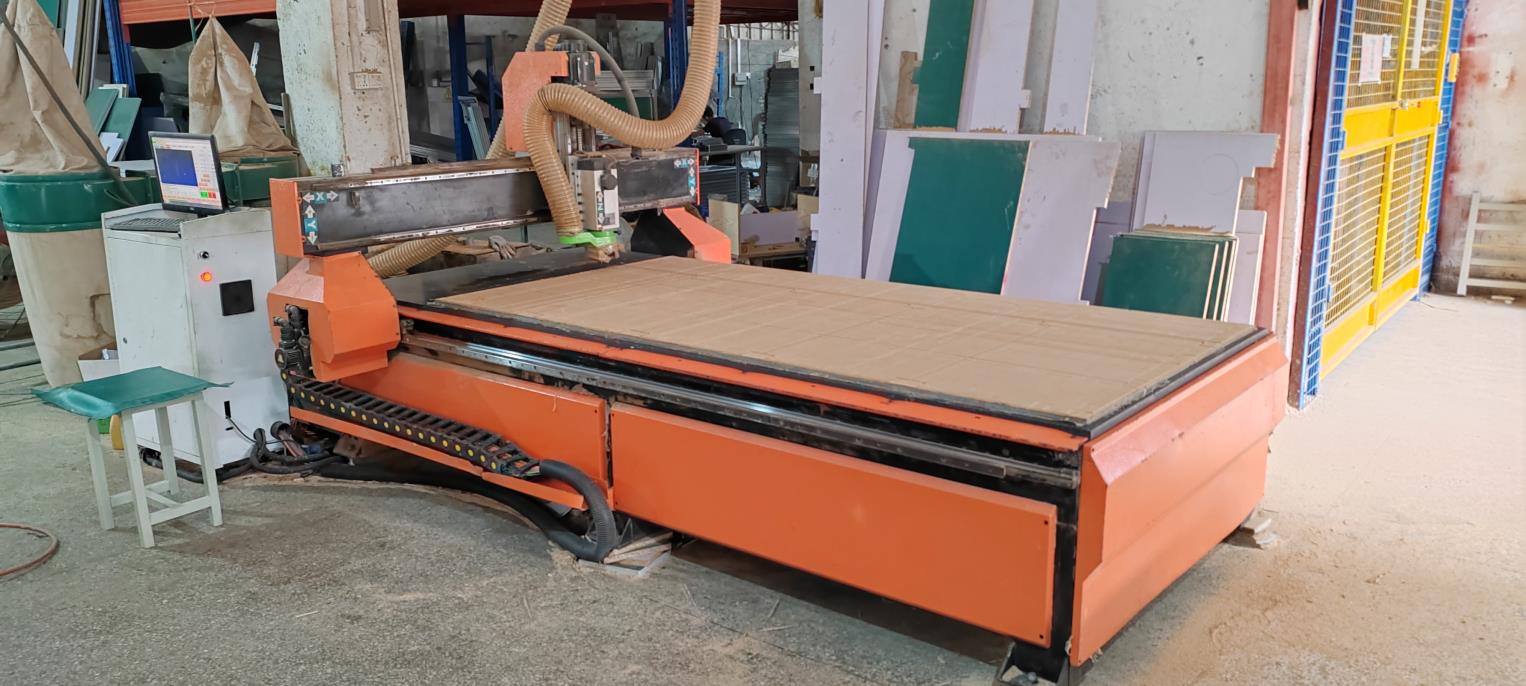
Engraving Machine
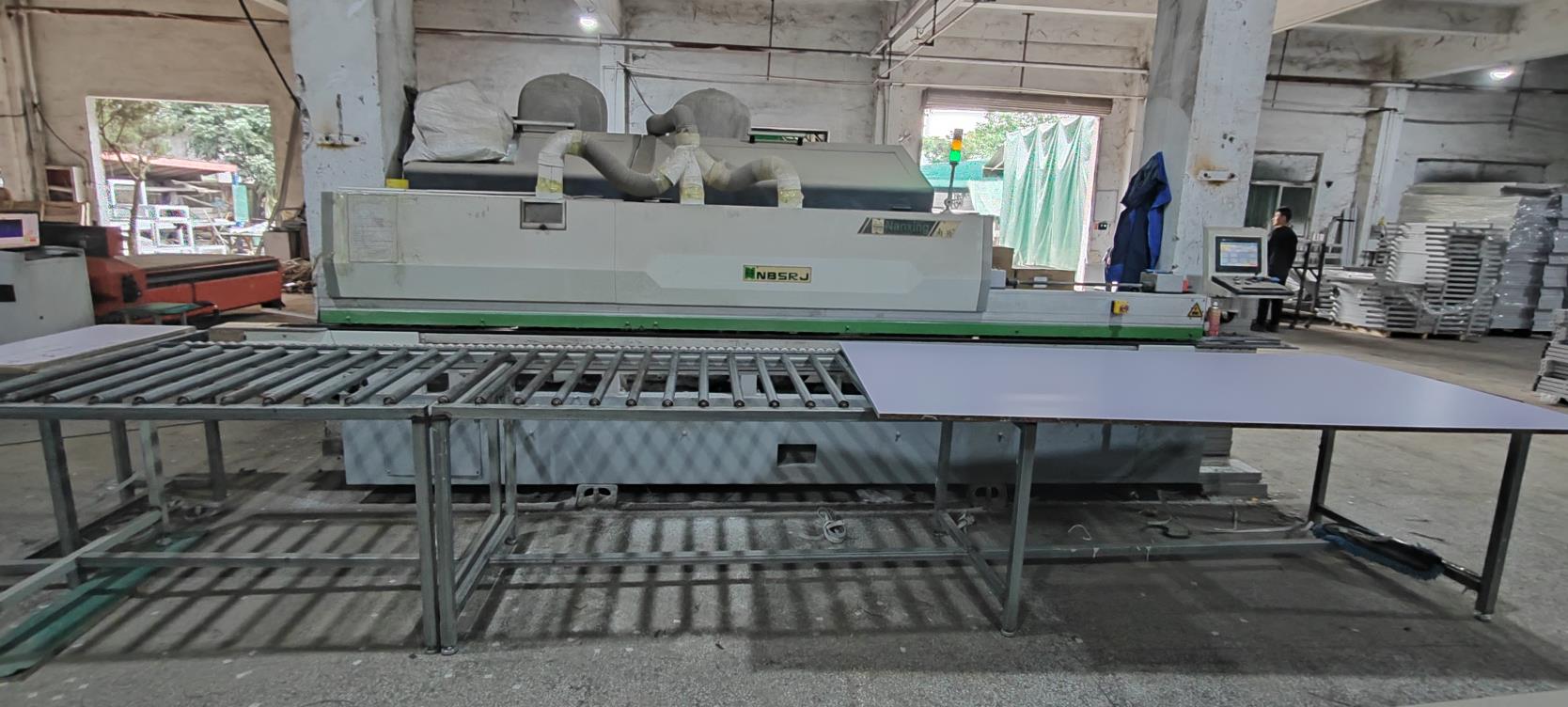
Edge Sealing Machine
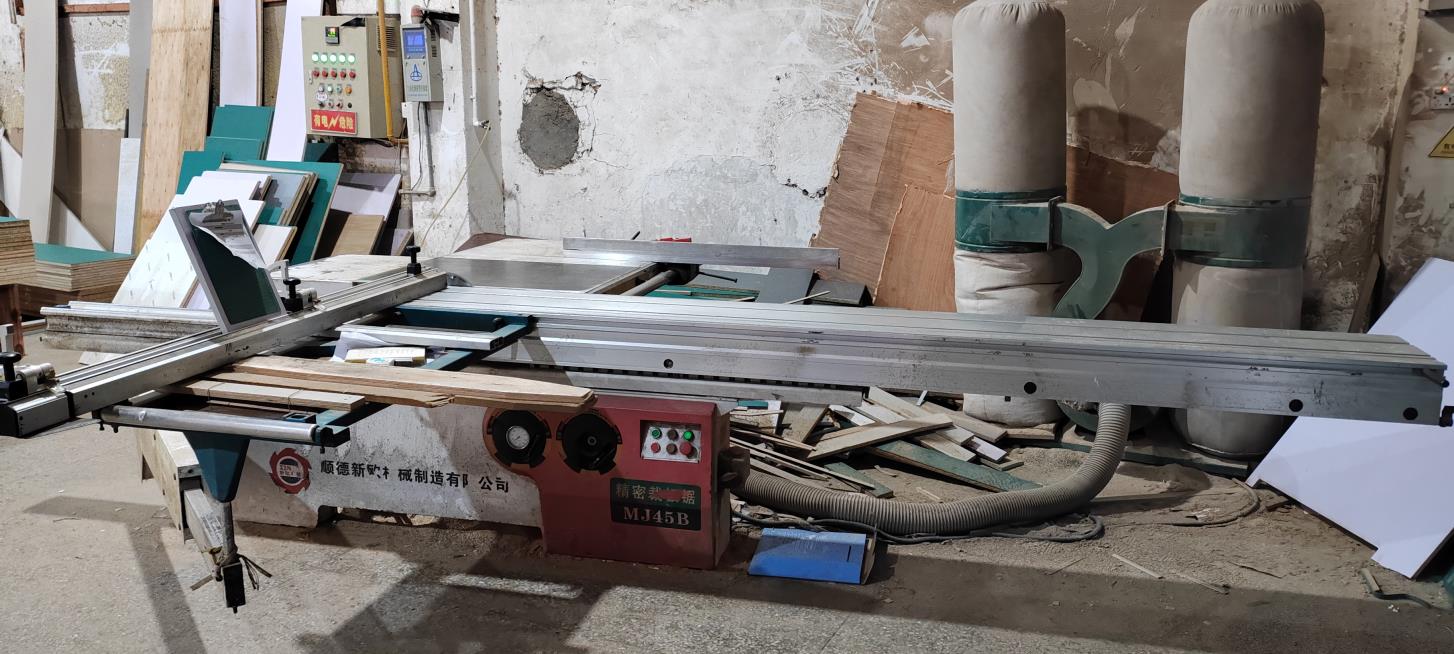
Sliding Table Saw
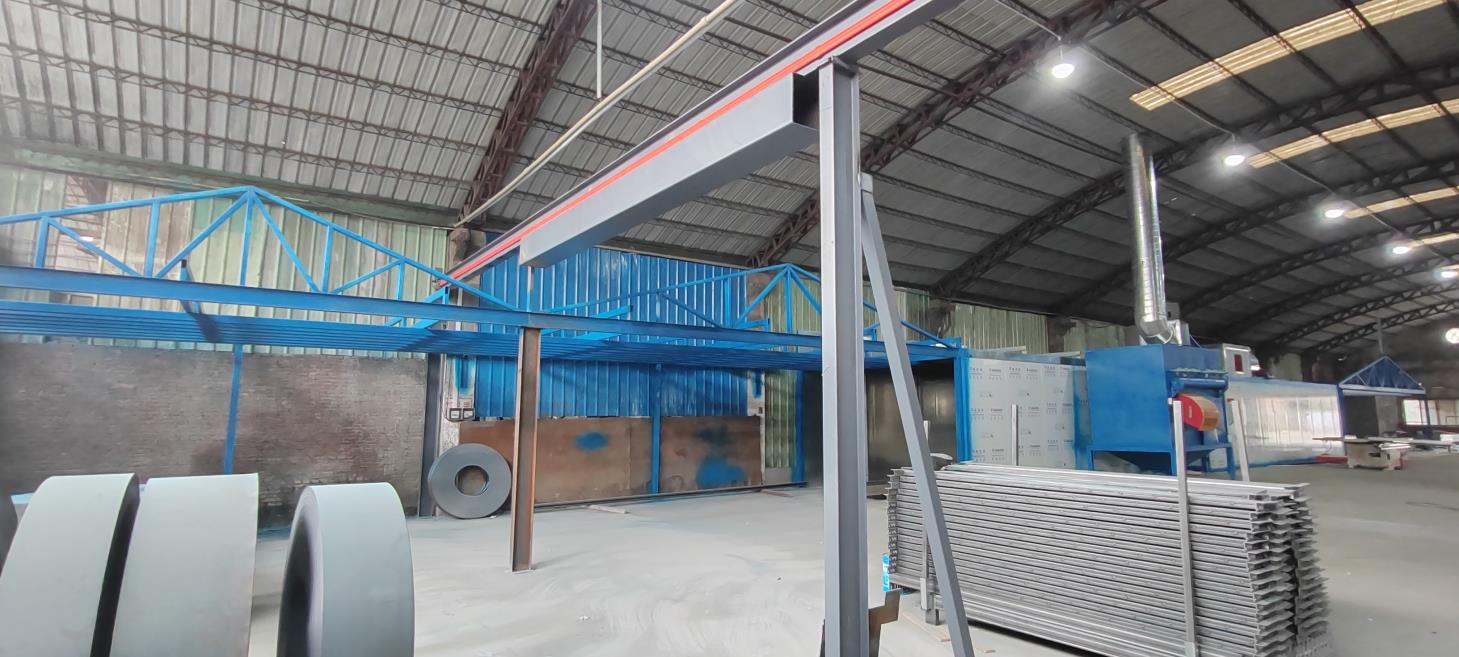
Paint Production Line
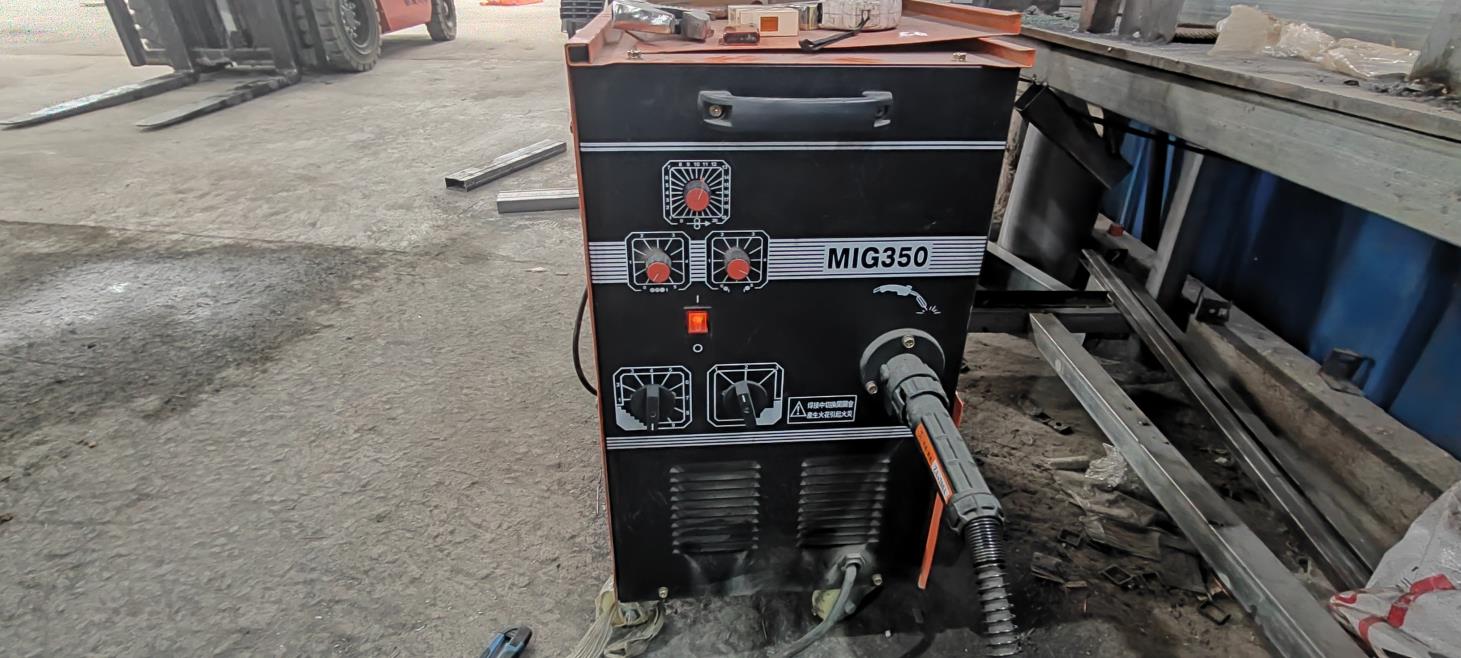
Welding Machine
Our advanced robotic processes ensure every weld and component meets ISO14001 and TUV quality requirements.
Technical answers for logistics directors, warehouse architects, and sourcing managers.
From light-duty retail display systems to heavy industrial pallet configurations.
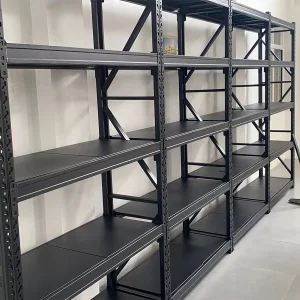
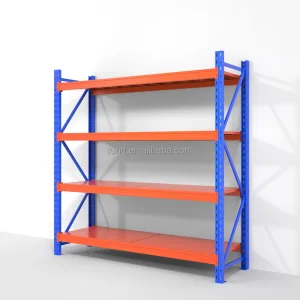
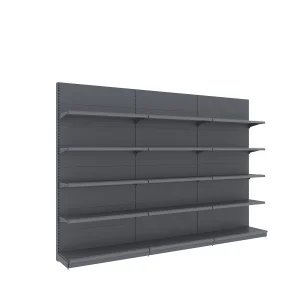
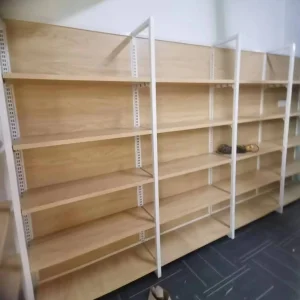
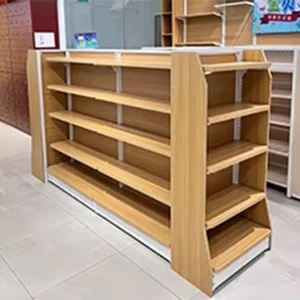
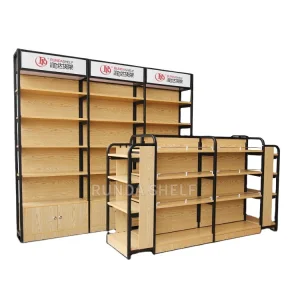
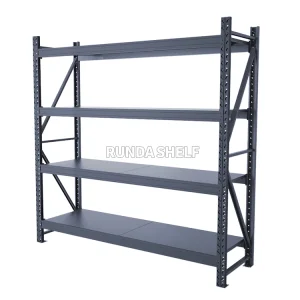
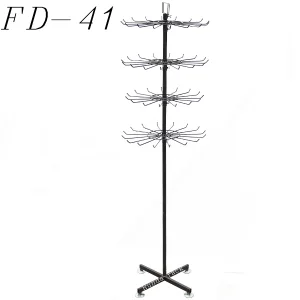

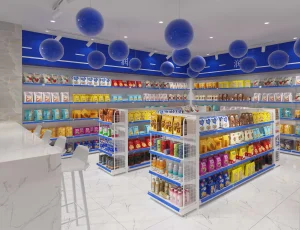
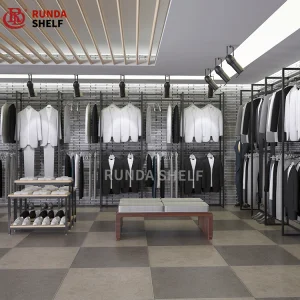
From structural layout diagrams to shipping coordination to Manzanillo, Lázaro Cárdenas, or Laredo ports, our experts provide full project lifecycle support.
 FortisRack