Engineered to maximize space-yield in urban Japanese micromarkets and high-volume convenience retail stores.
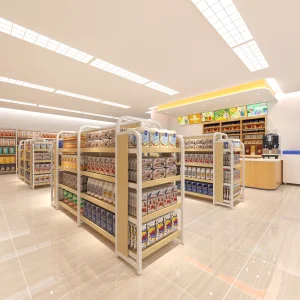
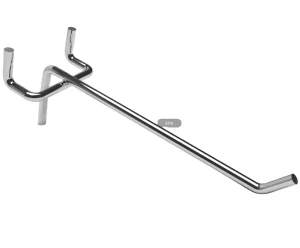
Why Chubu's distribution and retail ecosystems demand specialized, stress-tested supermarket fixtures.
The Nagoya metropolitan area, acting as the economic engine of Japan's Chubu region, represents a unique retail landscape. Home to giant corporate headquarters, industrial automotive clusters, and a dense network of major transport hubs, Nagoya’s retail economy is characterized by high land values, strict seismic regulations, and an absolute demand for operational efficiency. The local commercial sector ranges from iconic high-density shopping districts in Sakae and Meieki to expansive regional hypermarkets across Aichi Prefecture. In this demanding ecosystem, standard display and storage racking cannot suffice. Shelving and supermarket accessories must satisfy stringent Japanese safety codes while maximizing vertical volumetric capacity.
From a global procurement perspective, supermarket operators face complex structural challenges: soaring raw material costs, the shift toward sustainable and VOC-free powder-coated steel, and the necessity of smart-checkout integration. Store fixtures are no longer static displays; they are active components of the logistics flow. Nanjing Fortis Storage Equipment Manufacturing Co., Ltd. addresses this demand by acting as a direct engineering manufacturer and global exporter, shipping structurally validated racking and accessories directly to Nagoya and other international markets.
Experience our vertical integration. 18 stages of precision machinery, automated CMM checks, and ISO14001/TUV certified manufacturing.
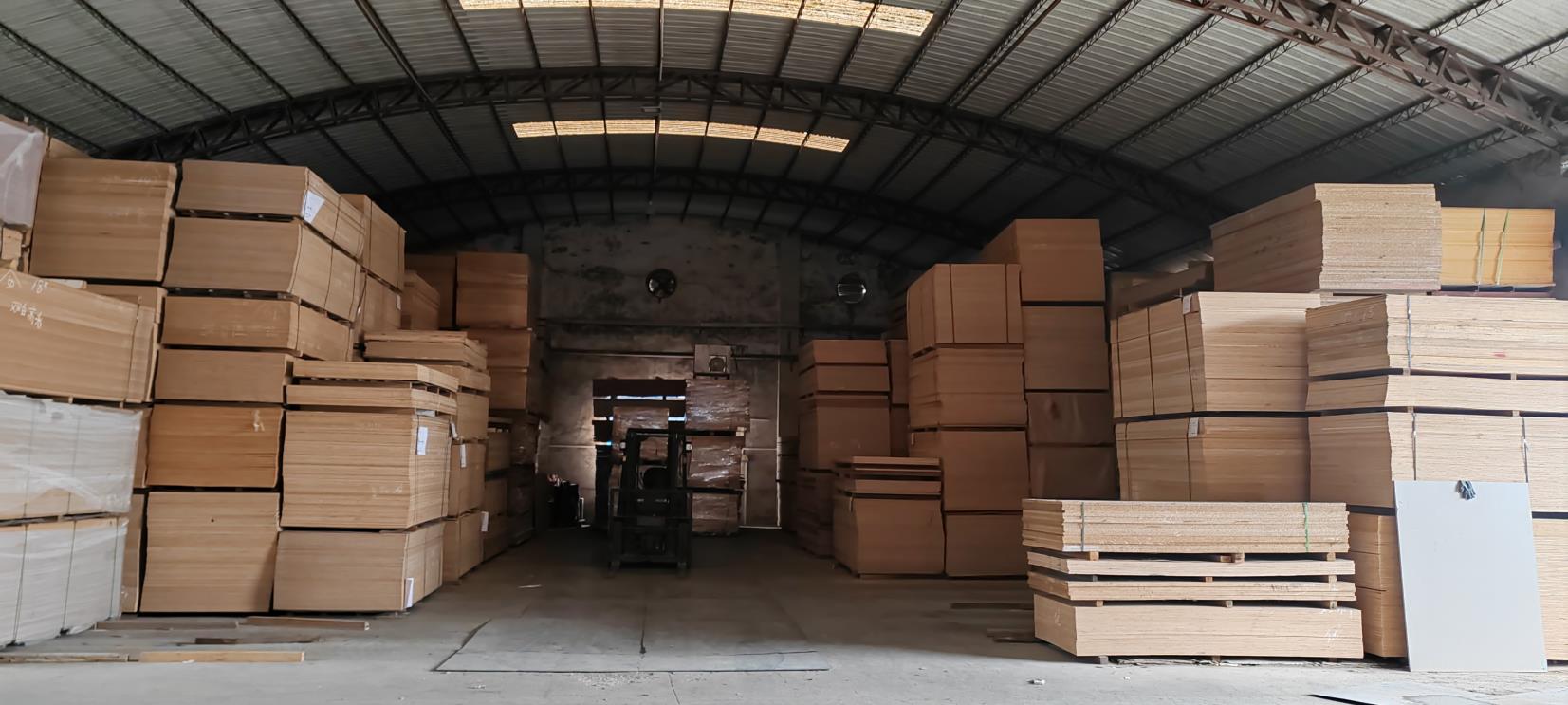
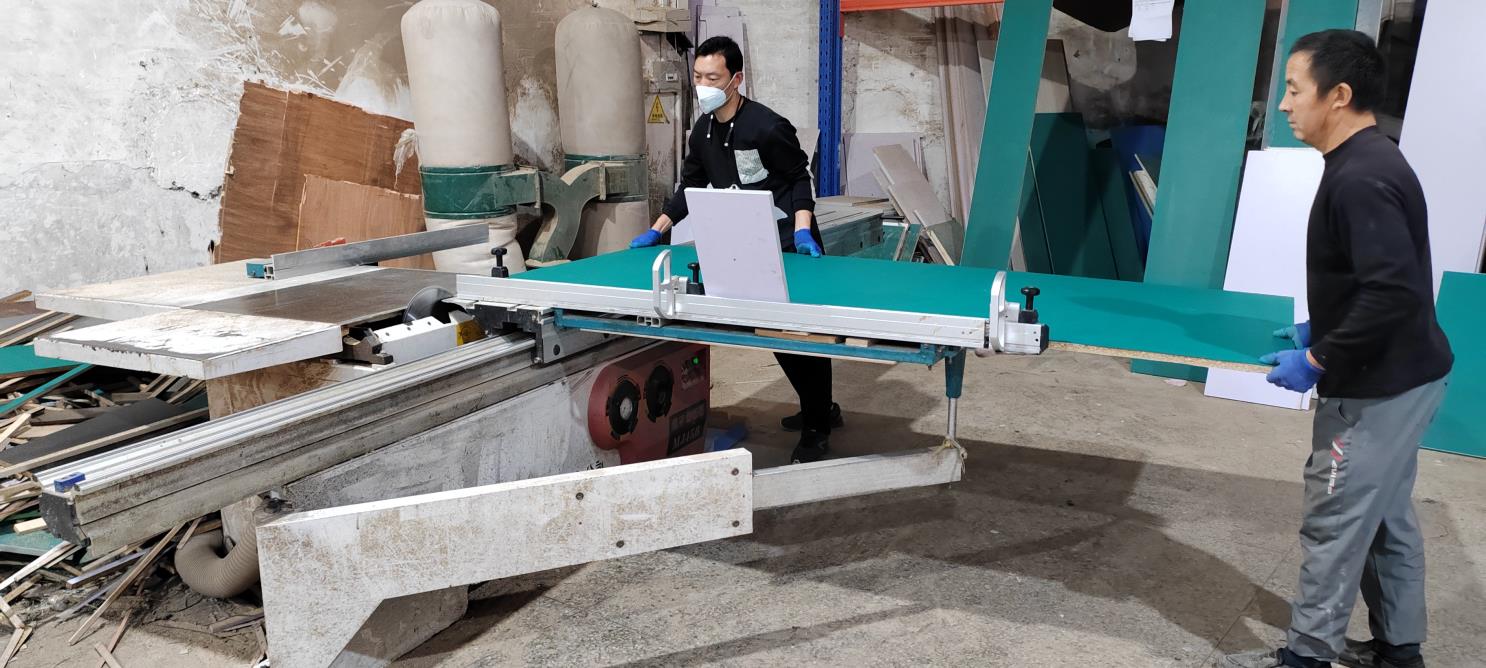
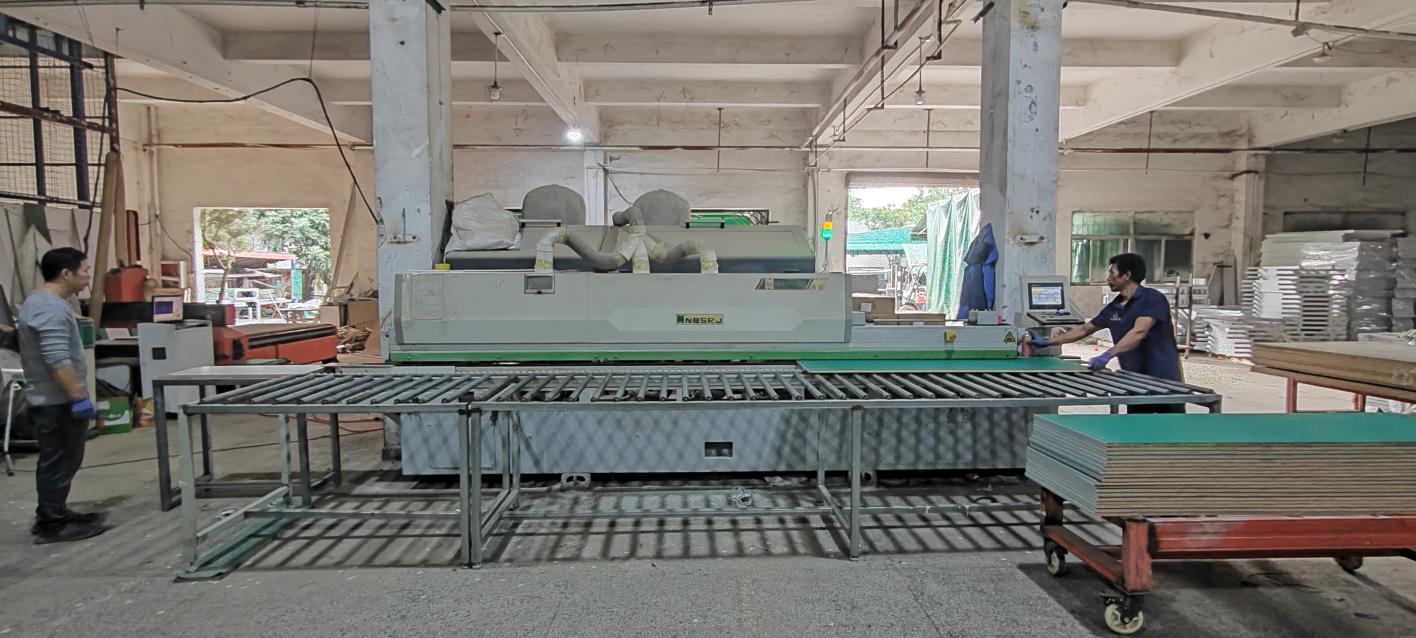
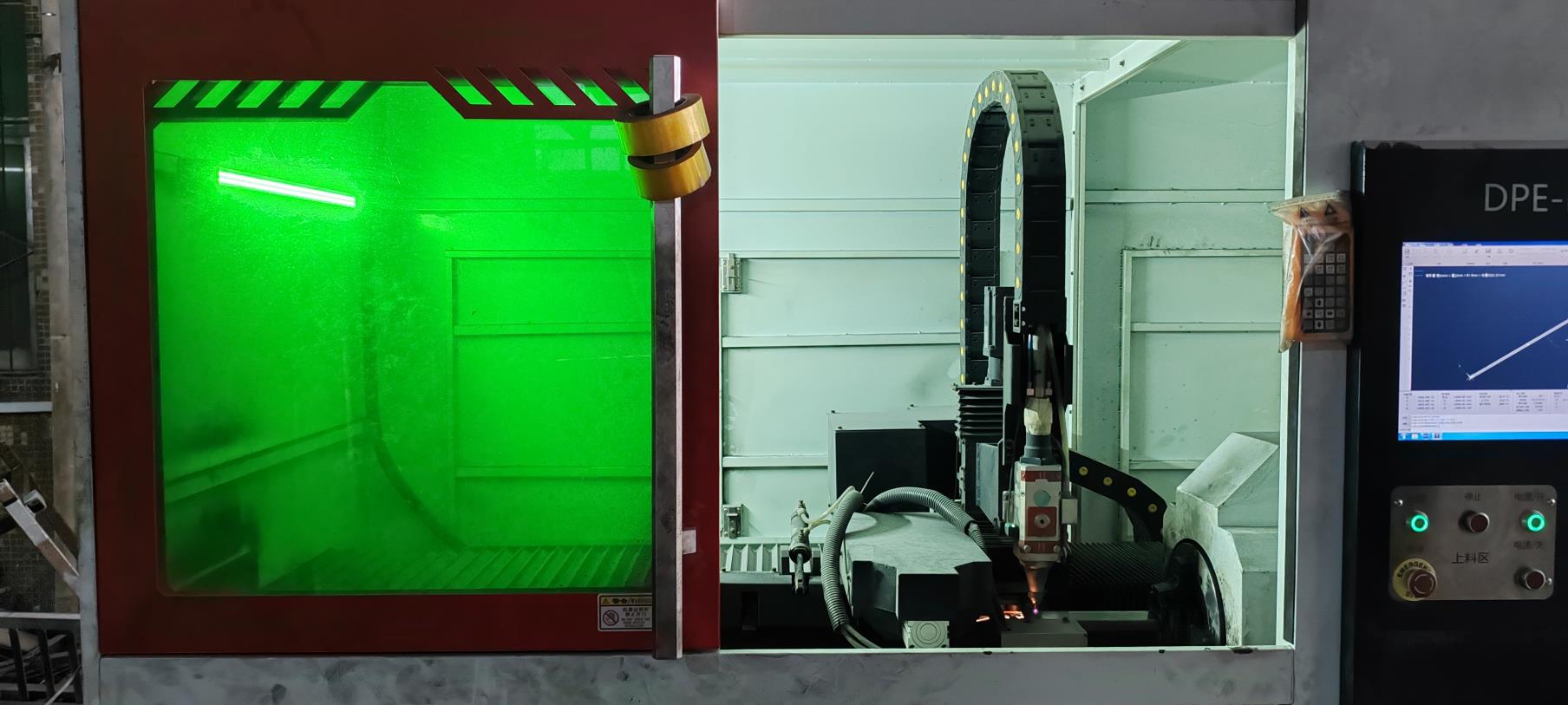
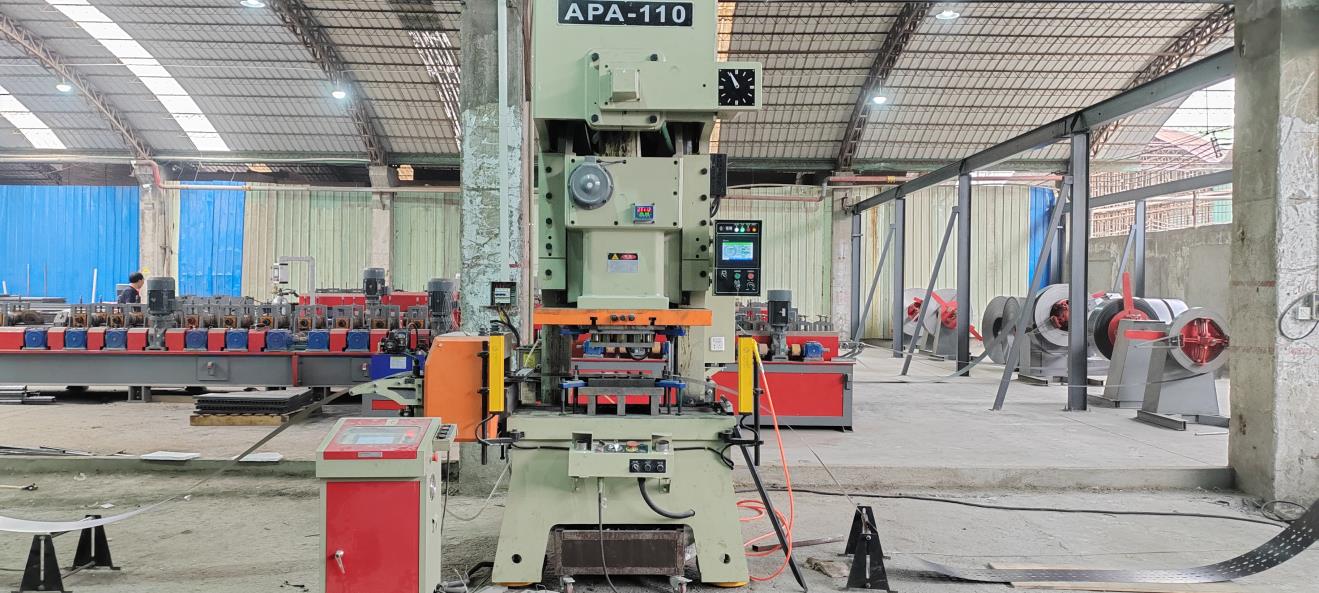
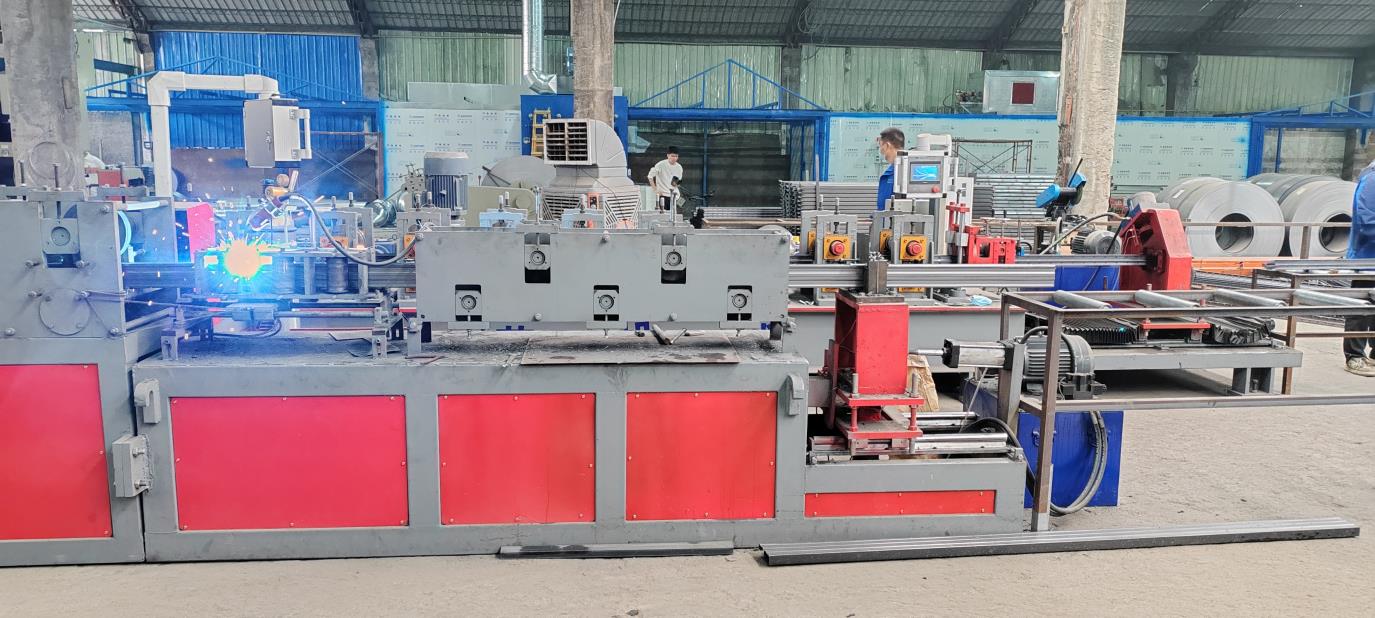
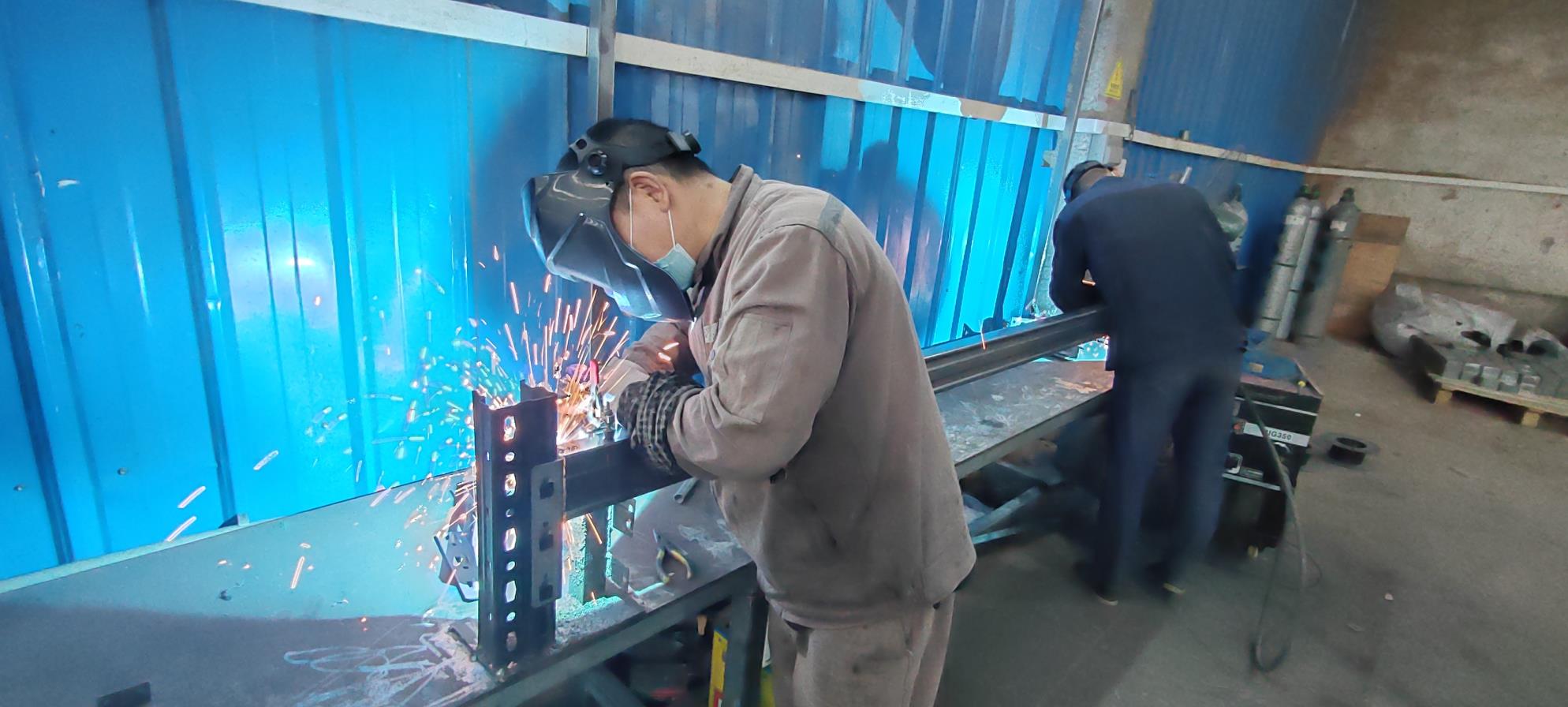
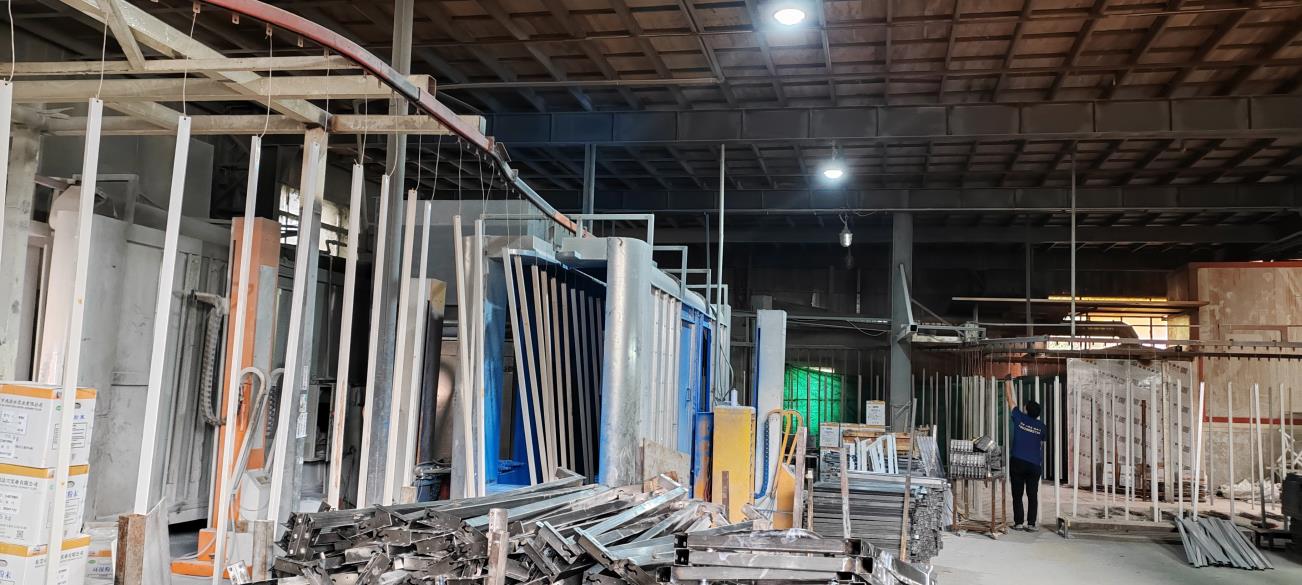
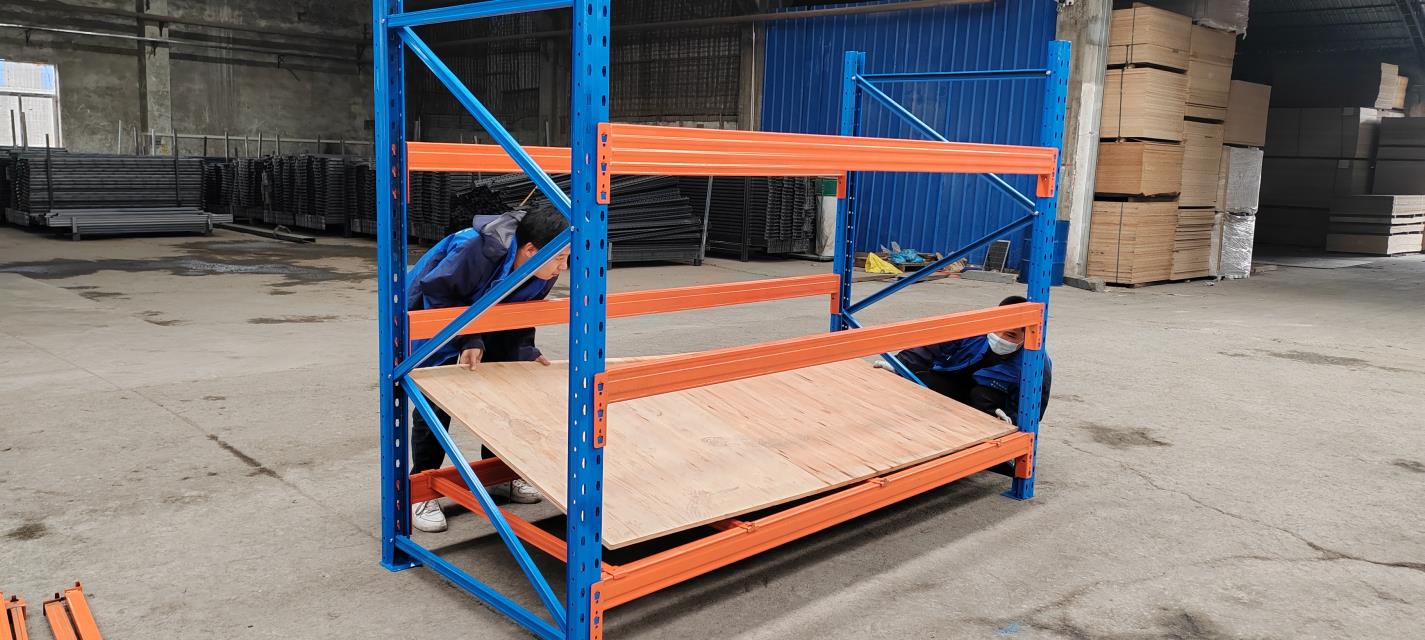
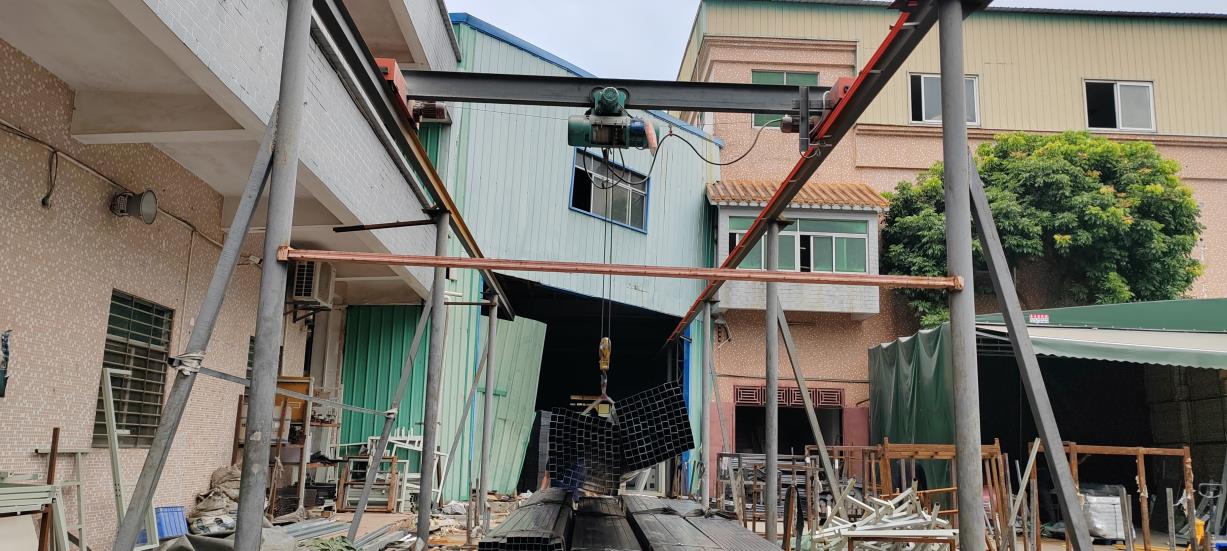
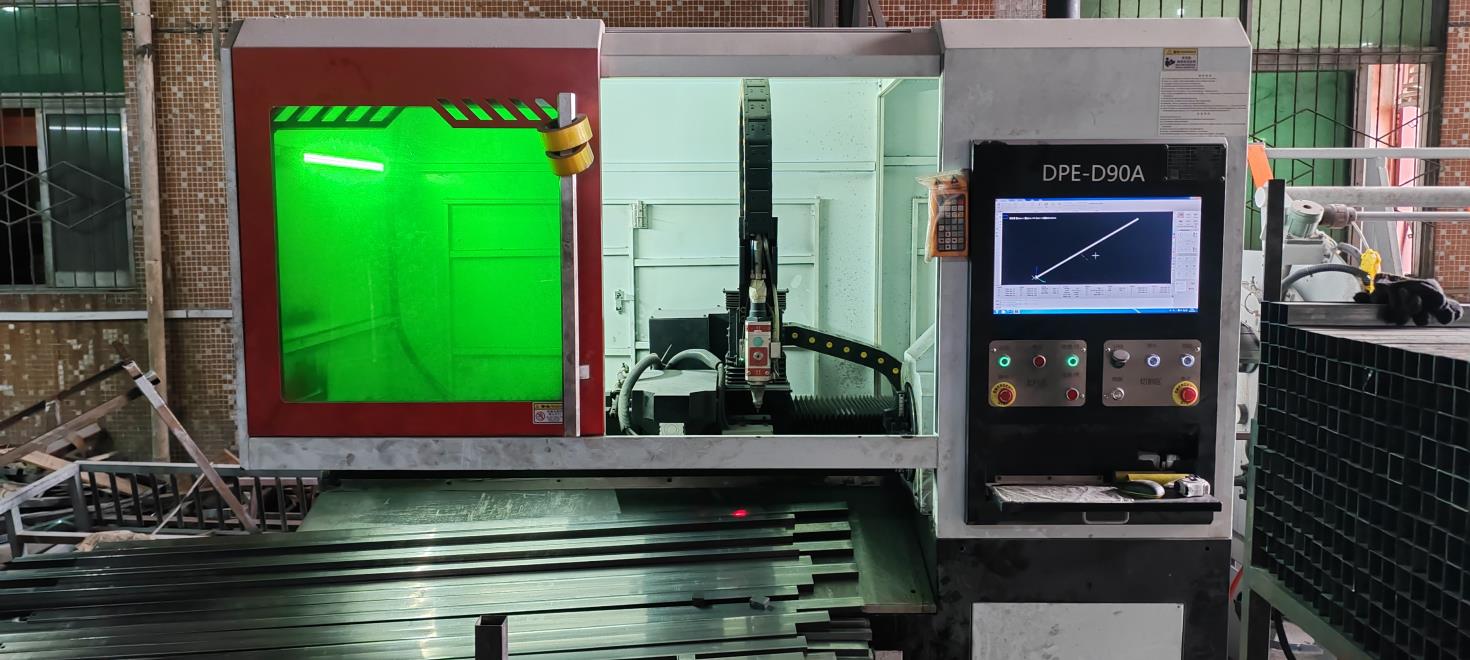
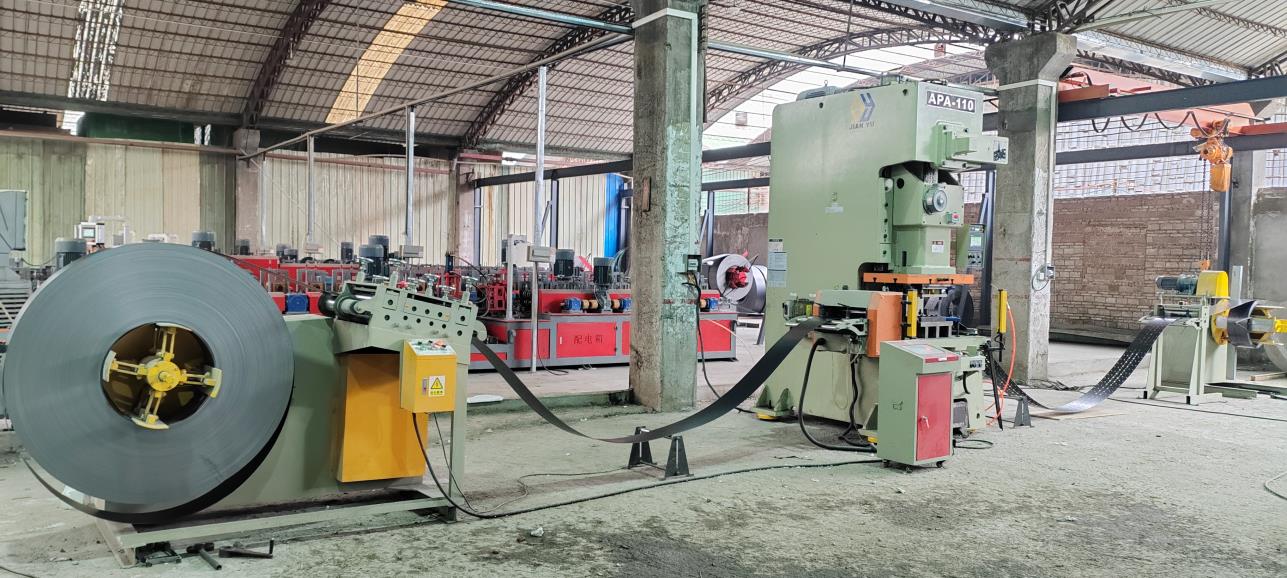
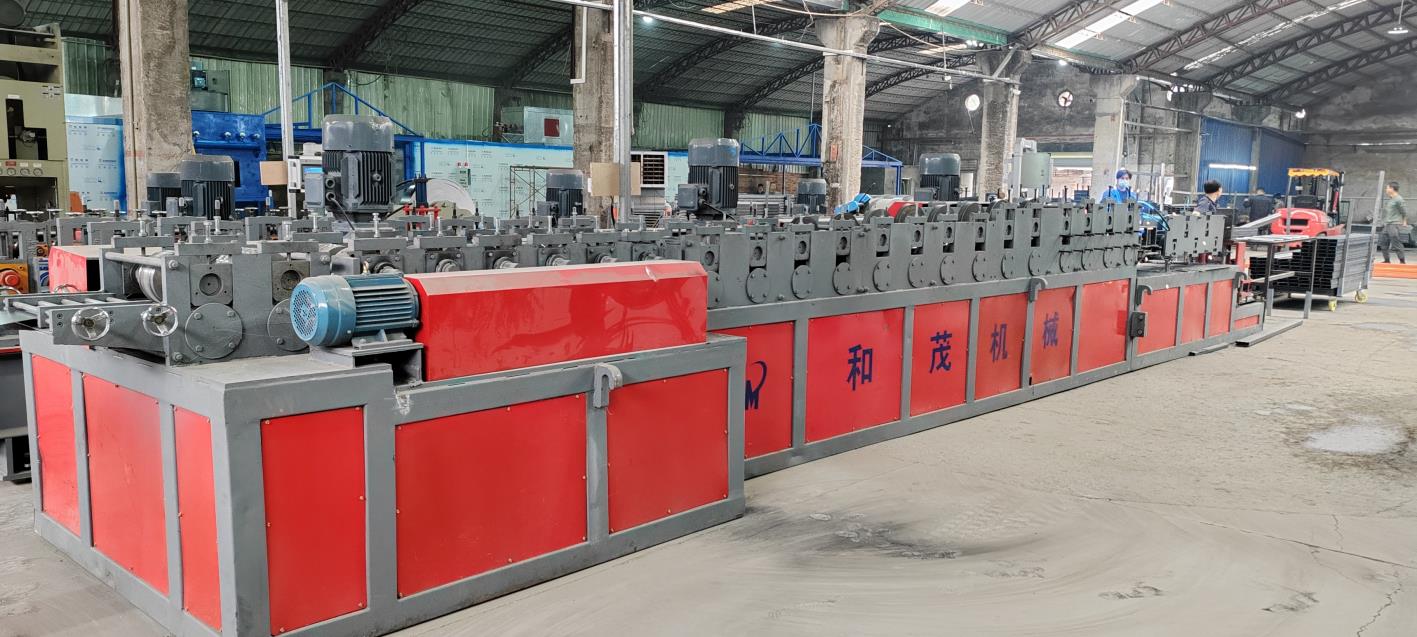
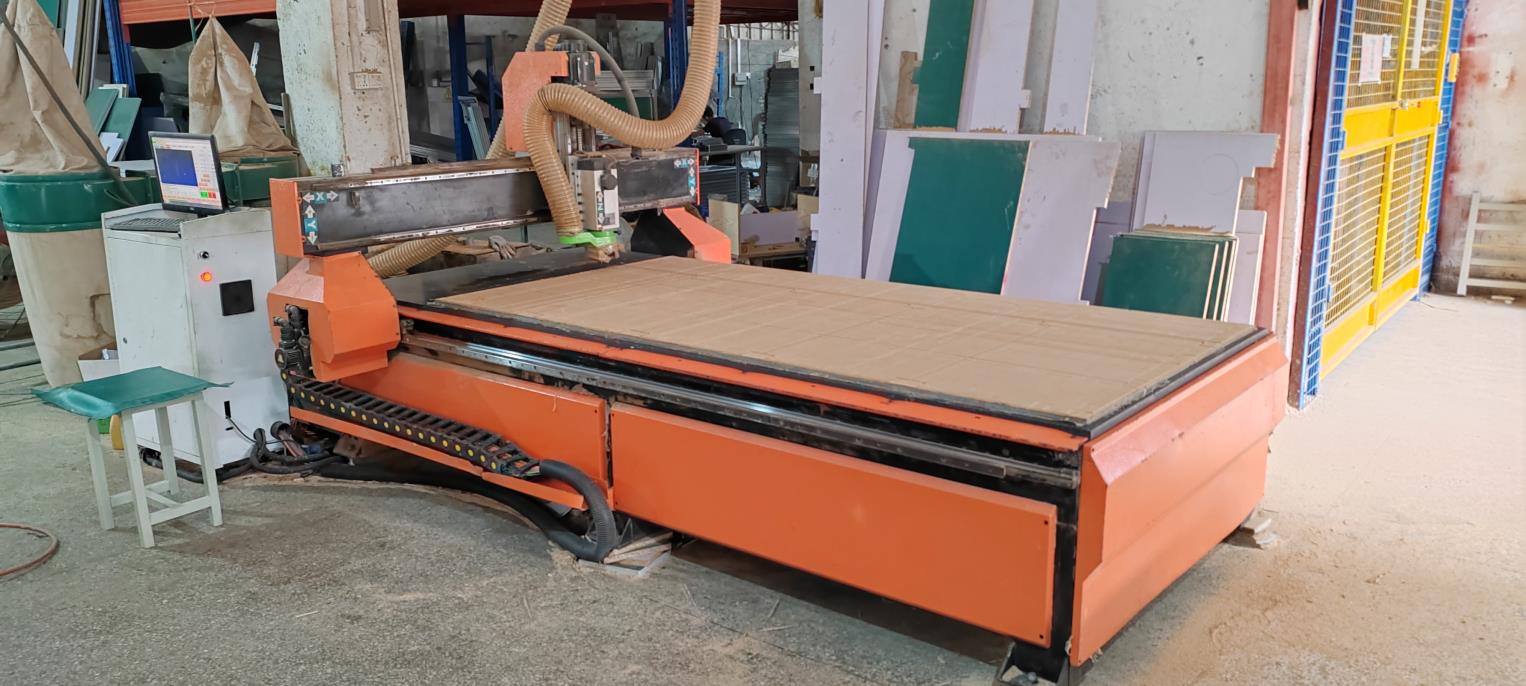
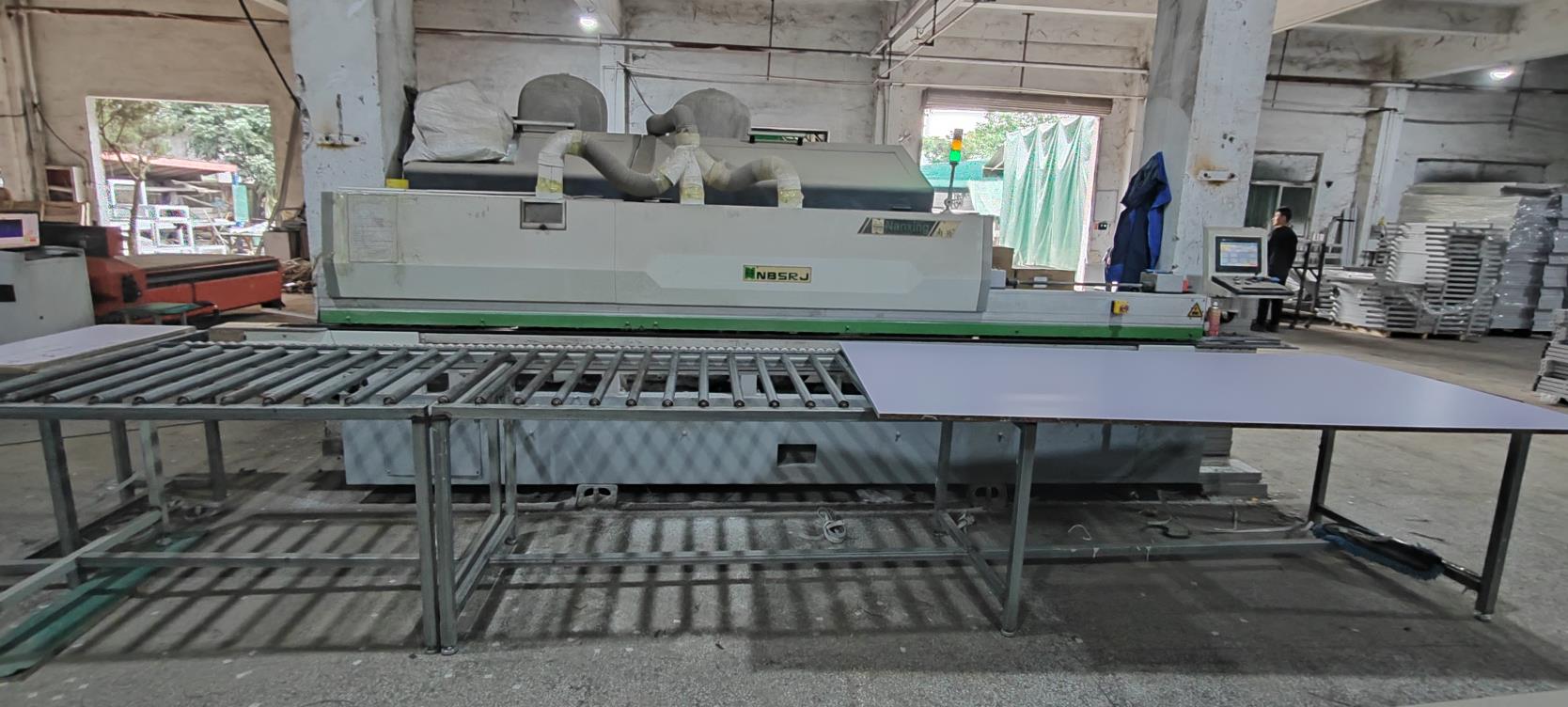
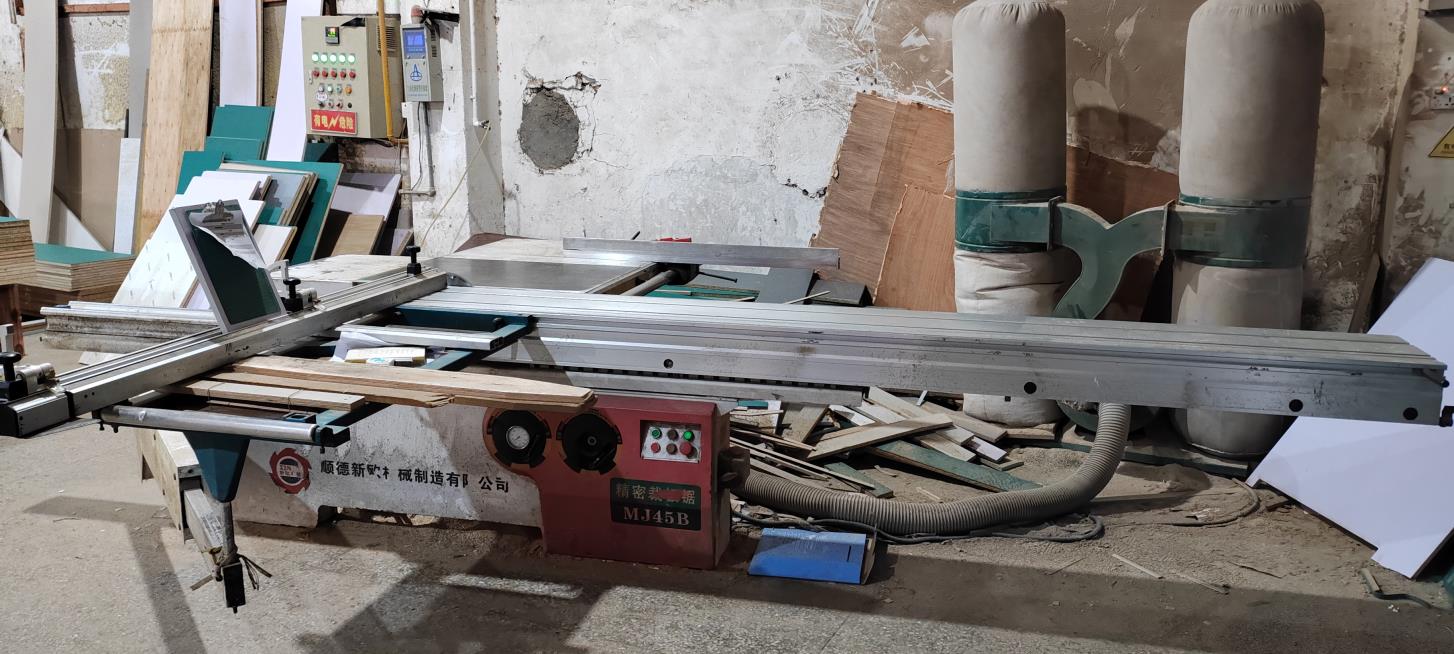
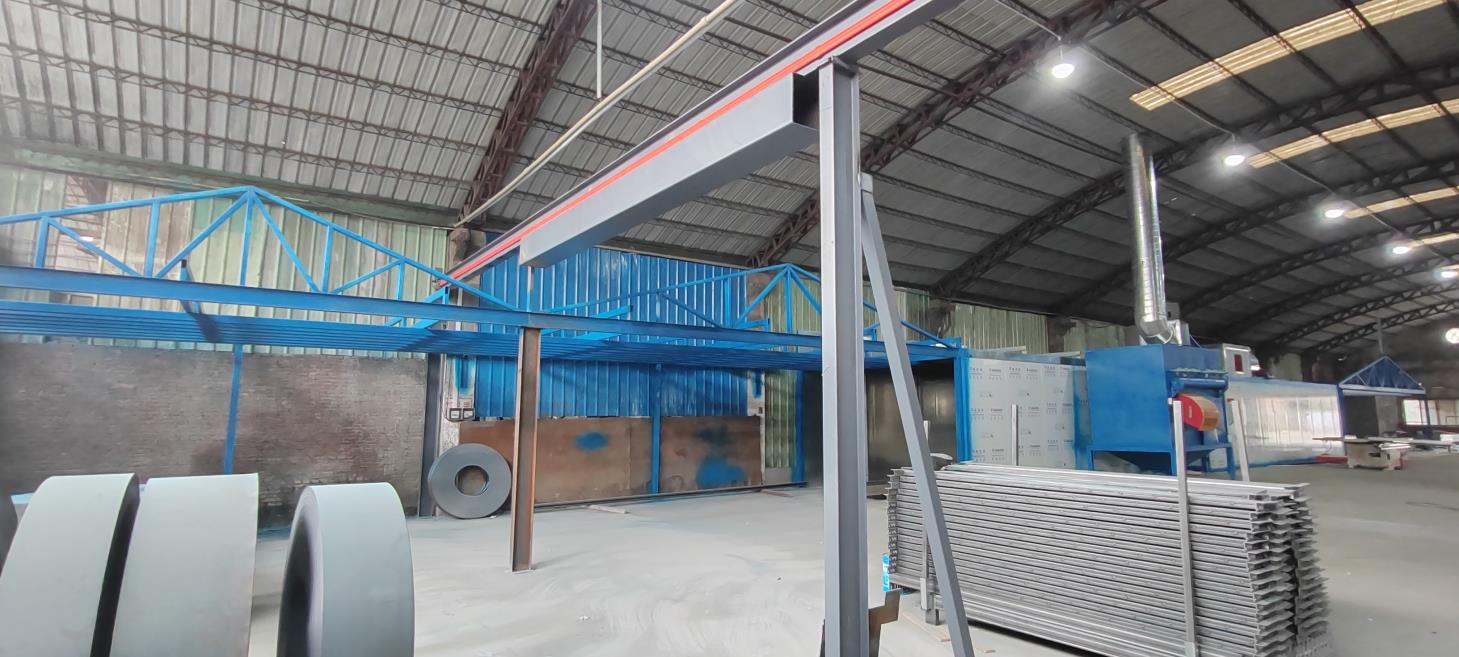
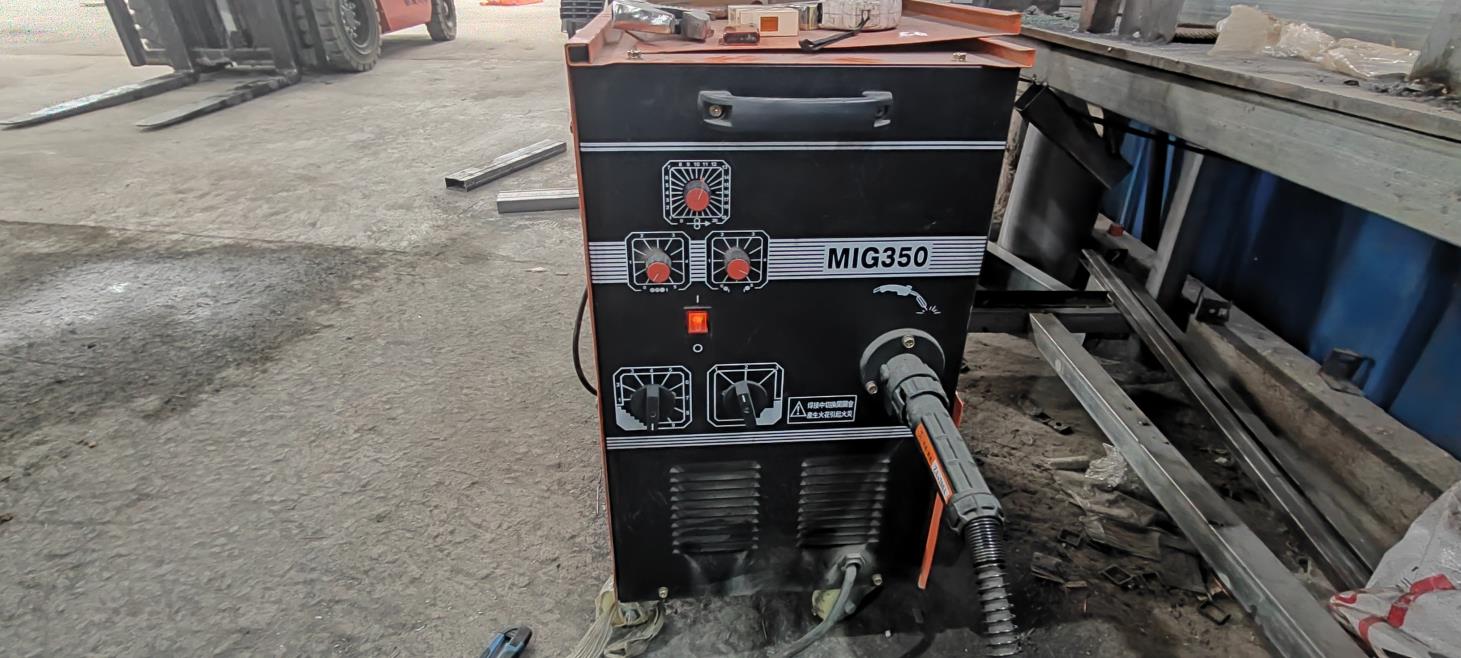
Nanjing Fortis leverages raw material access directly from local national steel mills, securing premium Q235B cold-rolled steel. This strategic upstream positioning, combined with automated manufacturing methods, eliminates the typical lead time delays associated with secondary steel processors. Because our 48,000 m² facility integrates advanced CNC laser cutting, robot welding cells, and an automated continuous powder-coating system, we reduce per-unit overhead by 30% compared to local Japanese fabricators. Furthermore, our 62 dedicated quality control inspectors use CMM dimensional testing machines to ensure tolerance accuracy, minimizing component friction and ensuring structural stability under high loading stresses.
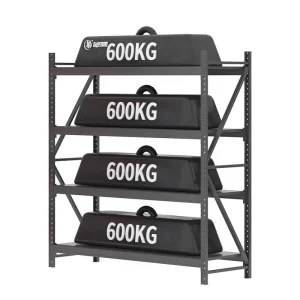
Designed for heavy-load operations, optimized distribution, and demanding warehouse applications.
Analyzing specific engineering challenges in Nagoya retail design, from Tokai earthquake countermeasures to cold-chain integration.
In Aichi Prefecture, earthquake resilience is not optional. Every retail racking installation must comply with structural building codes. Our engineers design shelving units with seismic baseplates, safety locking clips, and thicker upright columns. The structural connectors are designed to absorb seismic energy, minimizing shear stress on upright columns and prevent catastrophic collapse. We perform comprehensive structural FEA (Finite Element Analysis) to ensure that display configurations handle top-heavy loads without shifting.
Nagoya's busy seafood logistics and refrigerated supermarket sections subject steel components to accelerated humidity corrosion. Our specialized powder coating involves multi-stage pickling, phosphating, and electrostatic epoxy-polyester powder application, followed by 180°C curing. With a salt spray corrosion testing chamber in-house, we guarantee our wire grids, shelf brackets, and grocery gondolas resist moisture degradation, extending their operational lifespan in refrigerated zones and fresh produce sections.
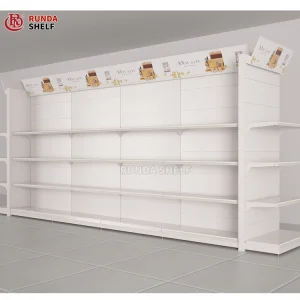
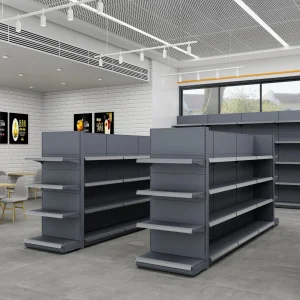
Traditional supermarket designs must adapt to the Japanese modular standard. Our convenience store shelving and grocery gondolas match the domestic floor space layout, using modular pitches to fit standard floor areas. This optimizes shopping space in congested urban sites like Sakae Subway Mall while maintaining load-bearing stability.
ISO9001, ISO14001, and TUV international structural validation. Tested for cyclic loading fatigue and seismic vibration resistance.
80 R&D engineers customizing column profiles, wire pitch, shelf depths, and finish colors to match your brand style.
Seamless shipping routing from Nanjing/Shanghai Port to the Port of Nagoya, providing structured custom clearance and ocean freight coordination.
The convergence of automation, sustainability, and data-driven shopping layouts.
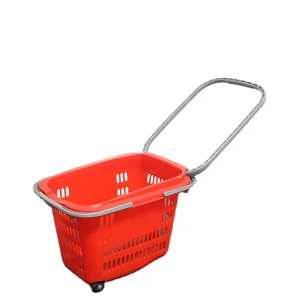
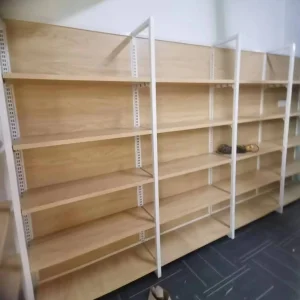
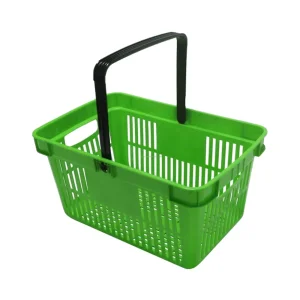
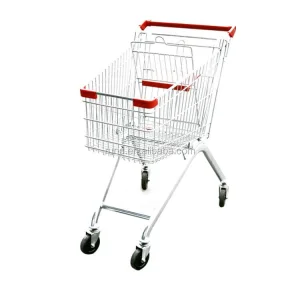
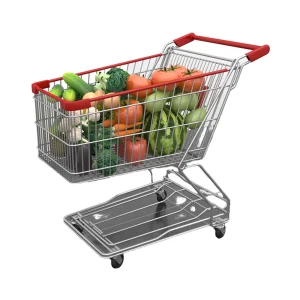
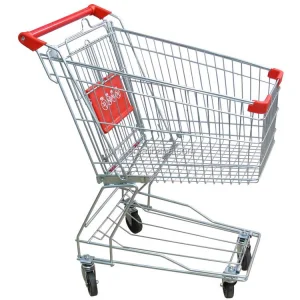
The global retail display sector is undergoing a massive transformation. Modern retailers are looking for accessories that support smart shelf systems, Electronic Shelf Label (ESL) integration, and automated inventory weight sensors. In Nagoya, where labor shortages are acute, retail chains are rapidly introducing self-checkout lanes and automated RFID tracking systems. Our latest line of shopping baskets and trolleys features integrated scanning mounts, allowing customers to scan items as they shop. Additionally, we are developing zero-plastic, natural composite hybrid steel-and-wood shelving systems to align with the Sustainable Development Goals (SDGs) embraced by major corporate retailers in Japan.
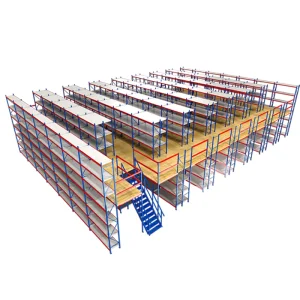
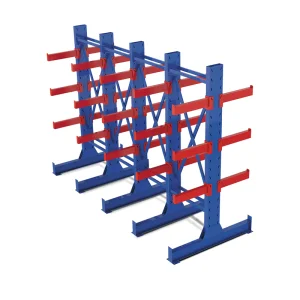
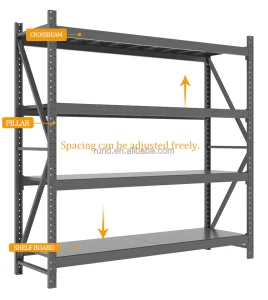
On the back-end, modern warehouse managers are adopting high-density mezzanine systems and drive-in pallet racking to maximize vertical storage. This is particularly crucial near the Port of Nagoya, where distribution hub space is at a premium. By utilizing our heavy-duty steel structures, operators can double their warehouse capacity without expanding their building footprint, achieving significant long-term ROI.
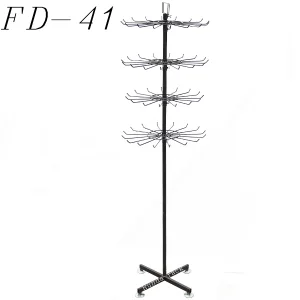
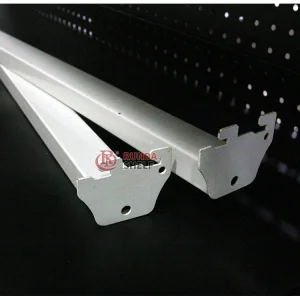
A complete selection of storage solutions, shopping carts, and specialized display structures designed for international operations.
Technical answers regarding materials, customization, logistics, and compliance for Japanese retail operators.
 FortisRack