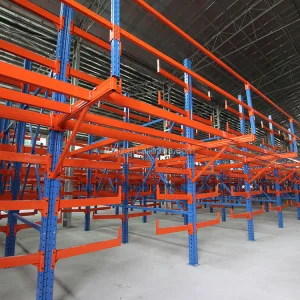
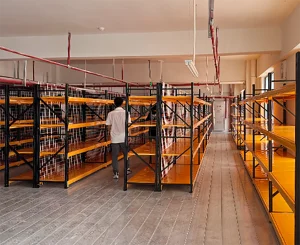
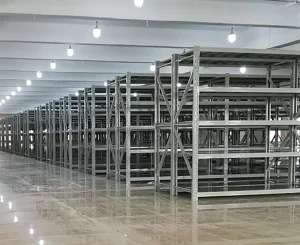
Engineered for the demanding high-throughput distribution hubs of Ile-de-France and Paris-Nord II.
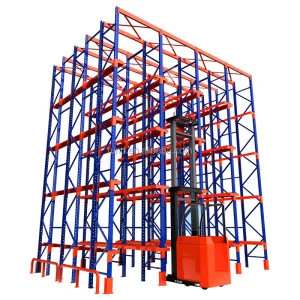
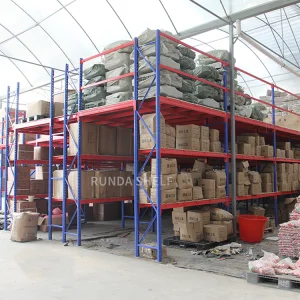
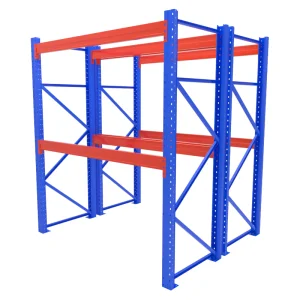
The Île-de-France region, centering on metropolitan Paris, functions as the economic heartbeat of France and a critical logistics gateway for Western Europe. Encompassing over 30% of the national GDP, Paris demand for real estate is characterized by soaring land prices, stringent urban environmental codes, and a dense, historically protected infrastructural layout. These factors have forced third-party logistics (3PL) providers, retail giants, and industrial manufactures to prioritize high-density storage solutions over horizontal expansion.
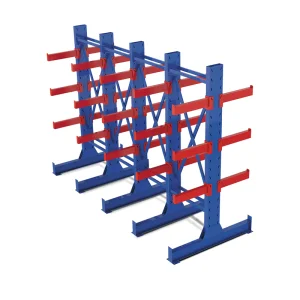
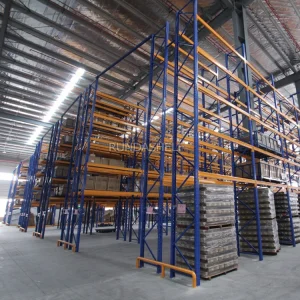
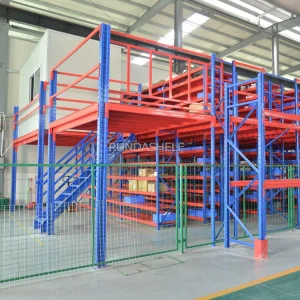
Under the French environmental policy, particularly the "Zéro Artificialisation Nette" (ZAN) initiative, the expansion of new warehouse footprints is severely restricted. Consequently, warehouse managers must optimize the cubic space of existing facilities. Heavy-duty stacking racks, modular mezzanine floors, and high-rise cantilever systems represent the primary mechanical strategy to bypass horizontal land constraints. These vertical systems allow operations to scale up to 12 meters or higher while meeting strict French workplace safety and labor regulations (Code du Travail).
Modern warehousing operations are shifting away from static, rigid storage methods toward flexible, modular, and automated configurations. In the European Union, and specifically in France, racking systems are classified as structural elements. Therefore, they must comply with rigorous design codes to ensure worker safety and load integrity. The critical regulatory benchmarks include:
Technological advancement is characterized by the implementation of smart tracking systems integrated into steel frames, structural deflection sensors, and the adoption of specialized corrosion-resistant surface coatings (such as high-durability epoxy powders and hot-dip galvanization) that withstand the high humidity levels typical of historical Parisian urban sub-levels and modern refrigerated cold chains.
For global procurement directors at mega-warehouse developers and international retail chains, sourcing heavy-duty racking is a complex multi-variable optimization problem. Procurement decisions are no longer guided solely by the initial purchase price of steel frames; instead, they are driven by the Total Cost of Ownership (TCO). The TCO includes structural integrity (which reduces ongoing maintenance and repair costs from forklift impacts), delivery lead times, ease of installation, and compliance certifications that satisfy local insurers (such as AXA or Allianz) in France.
Reliability of the supply chain is paramount. A delay of two weeks in racking installation can halt a multi-million-euro warehouse launch, leading to massive downstream losses in supply chain throughput. Global procurement officers are actively seeking manufacturers that can deliver standardized, certified structural steel components with predictable logistics and robust load engineering support.
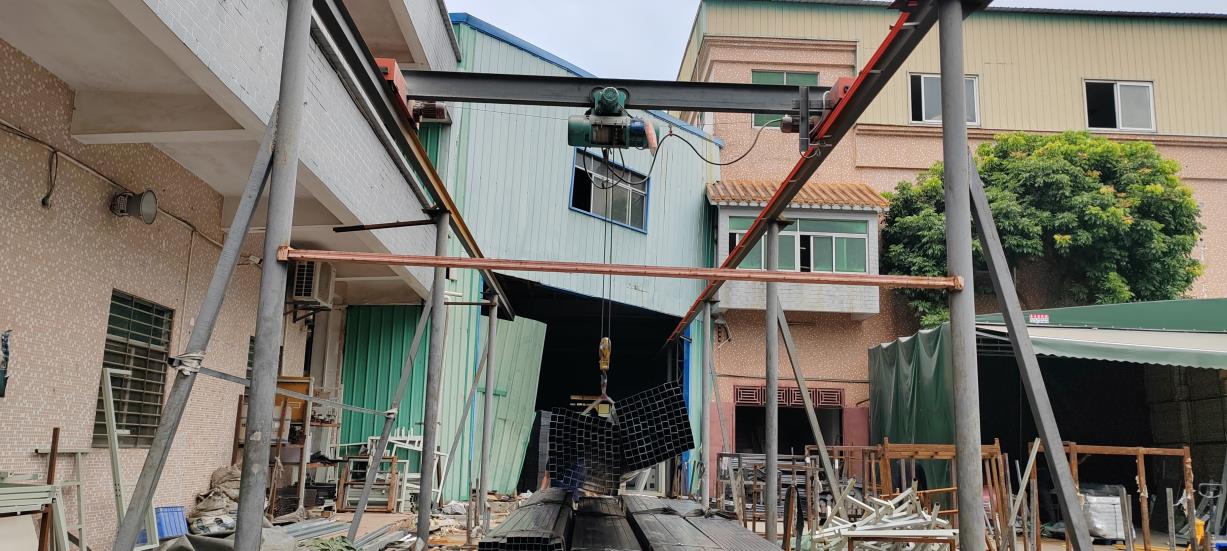
Nanjing Fortis Storage Equipment Manufacturing Co., Ltd. represents the cutting edge of industrial racking production. Operating a state-of-the-art 48,000 m² manufacturing plant, Nanjing Fortis bridges the gap between high-volume, cost-effective production and precise European engineering requirements. With over 10 years of structural engineering expertise and 7 years of active global trade, our annual export turnover reaches $35 million.
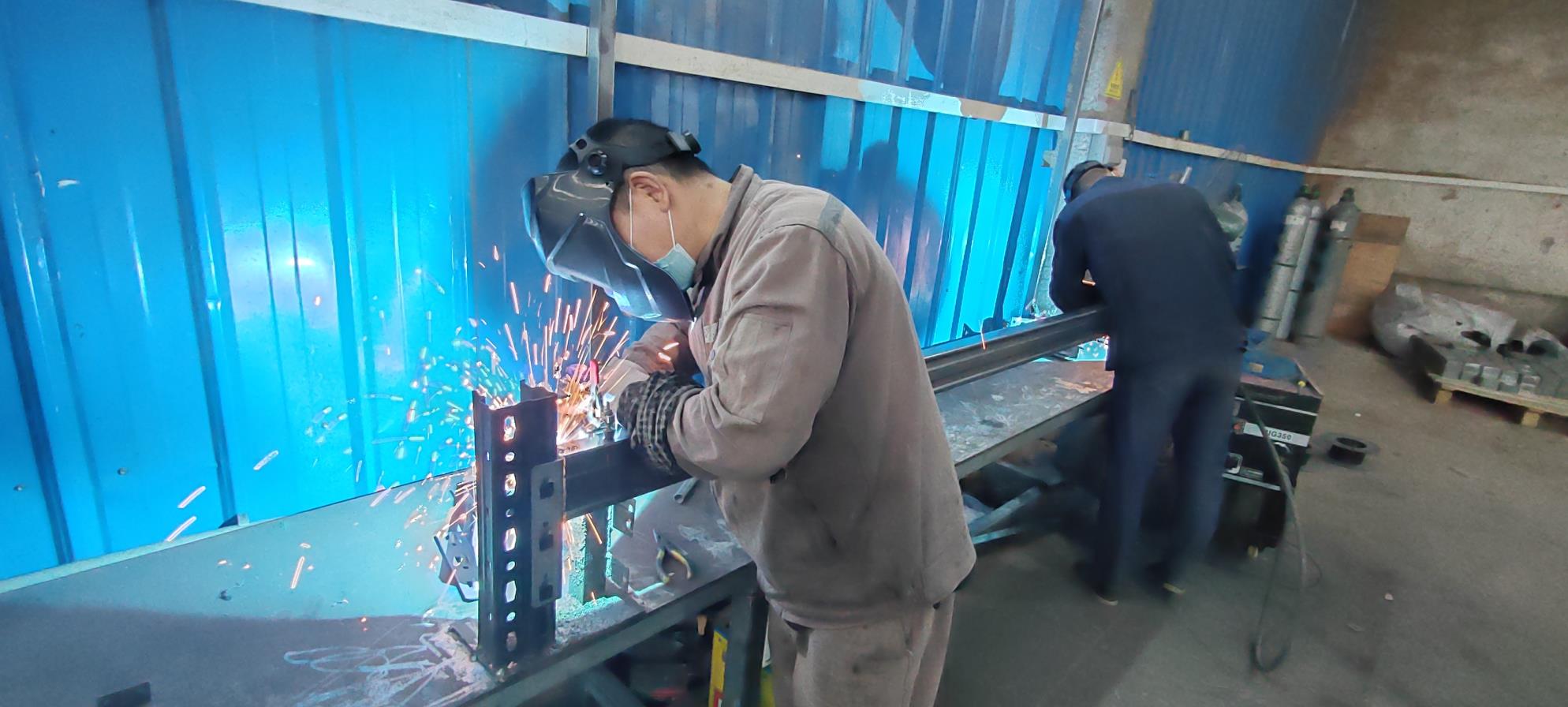
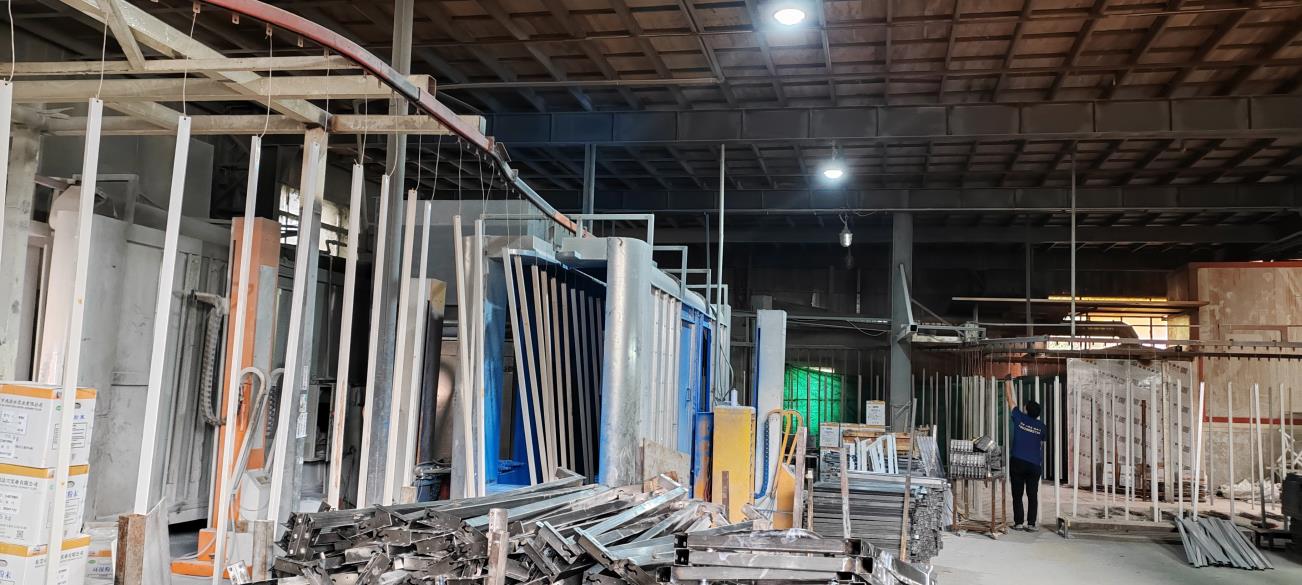
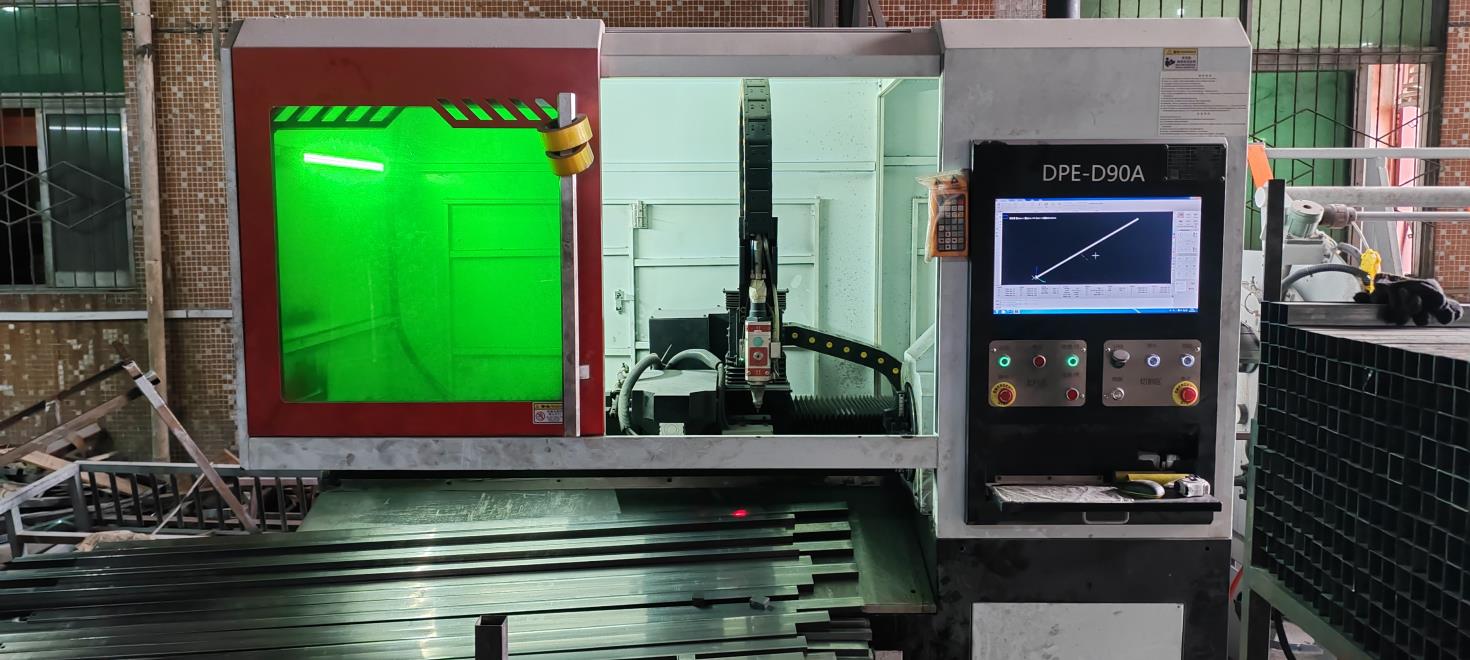
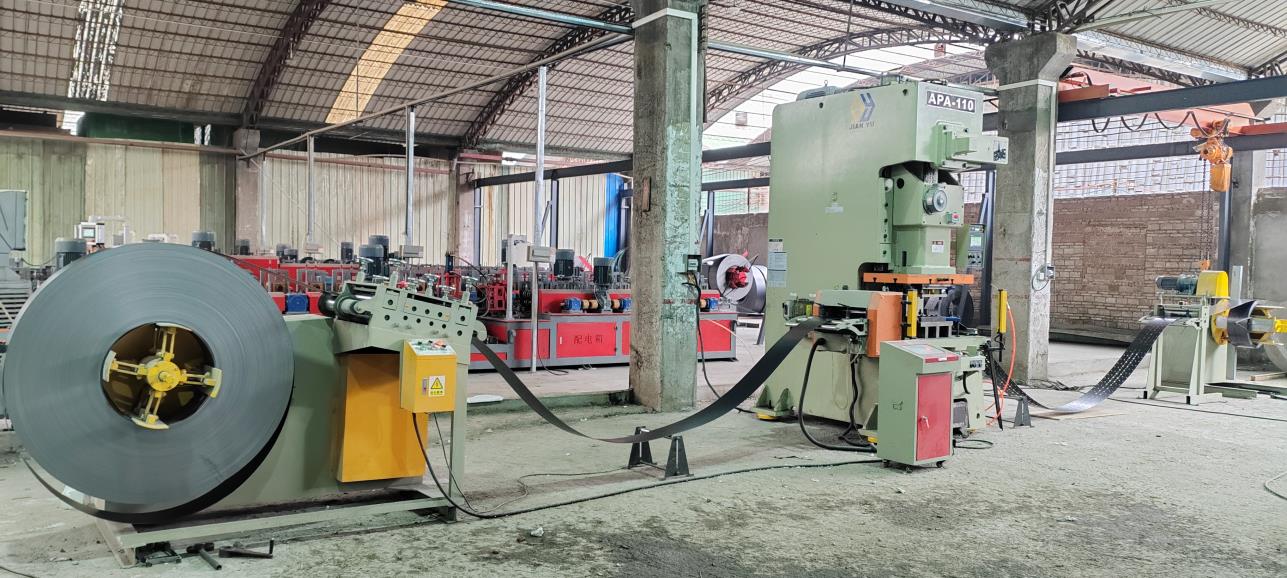
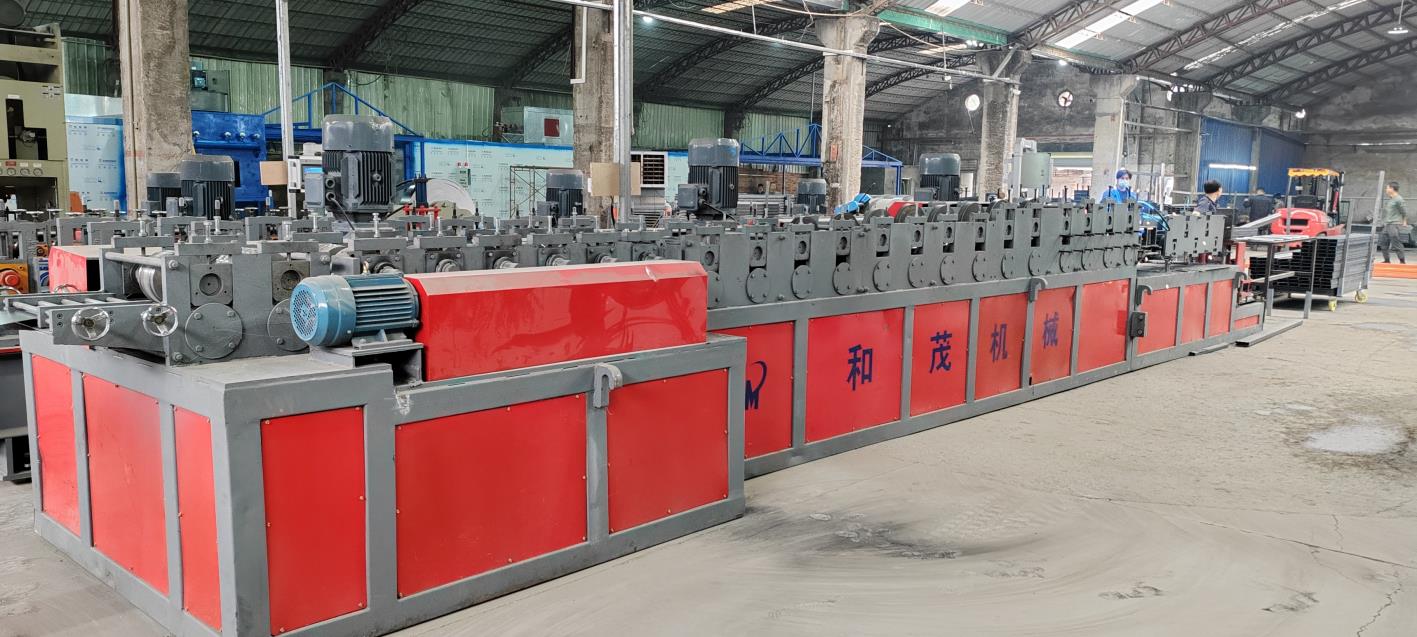
Our Factory 4.0 model leverages advanced automated machinery, including precision CNC laser cutters, high-speed automated cold-roll forming lines, and multi-axis robotic welding stations. These technologies ensure that structural tolerances are kept within +/- 0.5mm, a critical requirement for high-density automated storage and retrieval systems (ASRS). We employ 62 full-time QA personnel executing rigorous quality control protocols, including automated CMM (Coordinate Measuring Machine) dimensional inspections and ASTM-standardized salt spray corrosion testing, ensuring all components comply with ISO14001 and TUV certification standards.
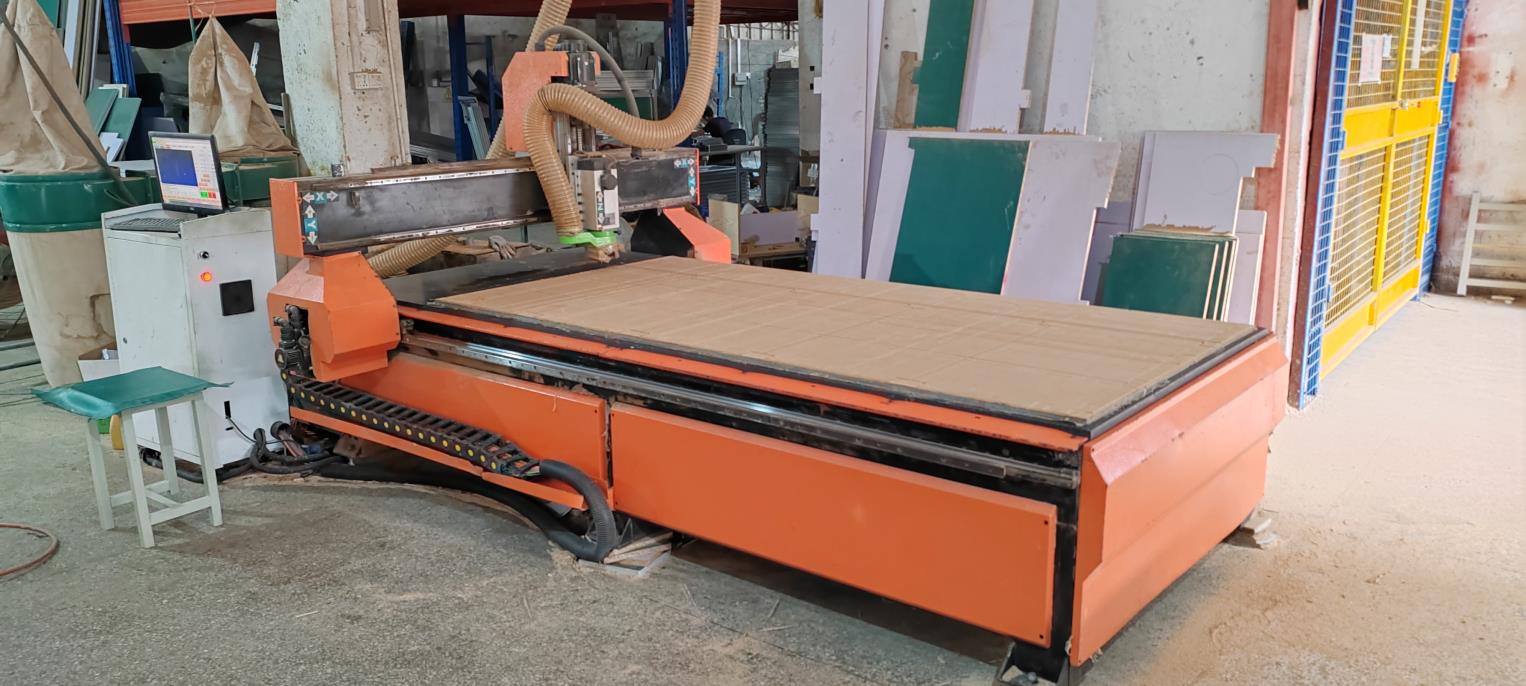
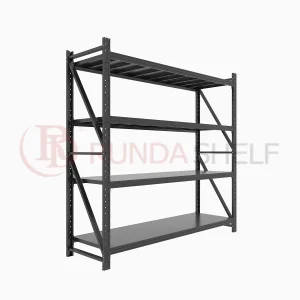
Every component of our structural racking systems undergoes rigorous processing, from raw Q235/Q355 steel selection to automated baking paint finishing.
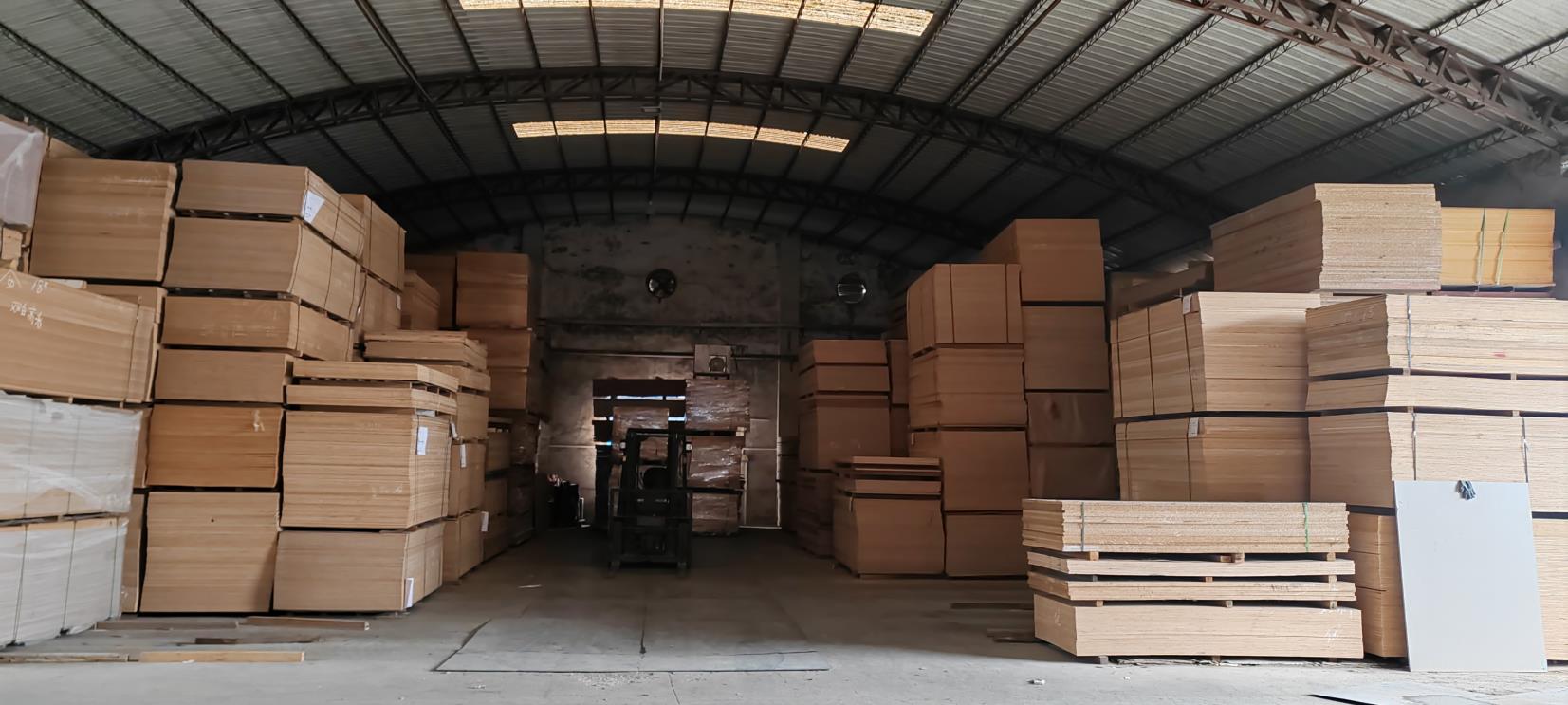
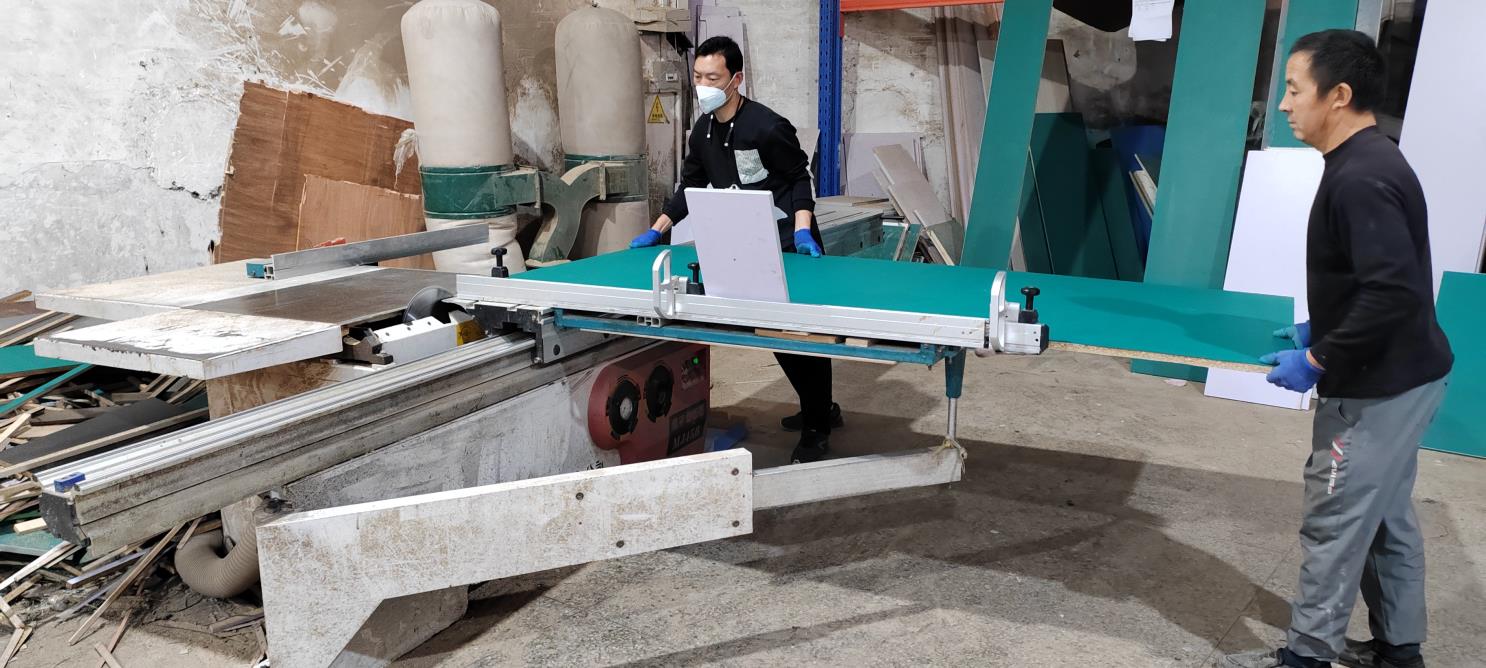
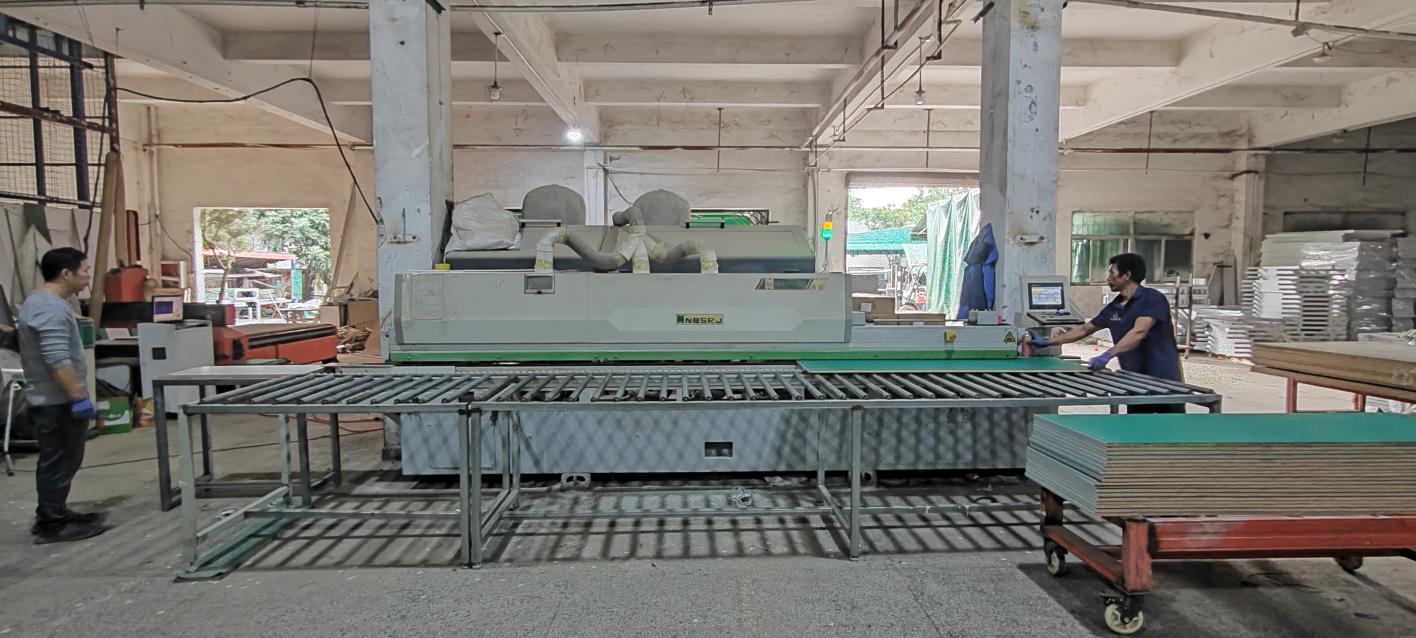
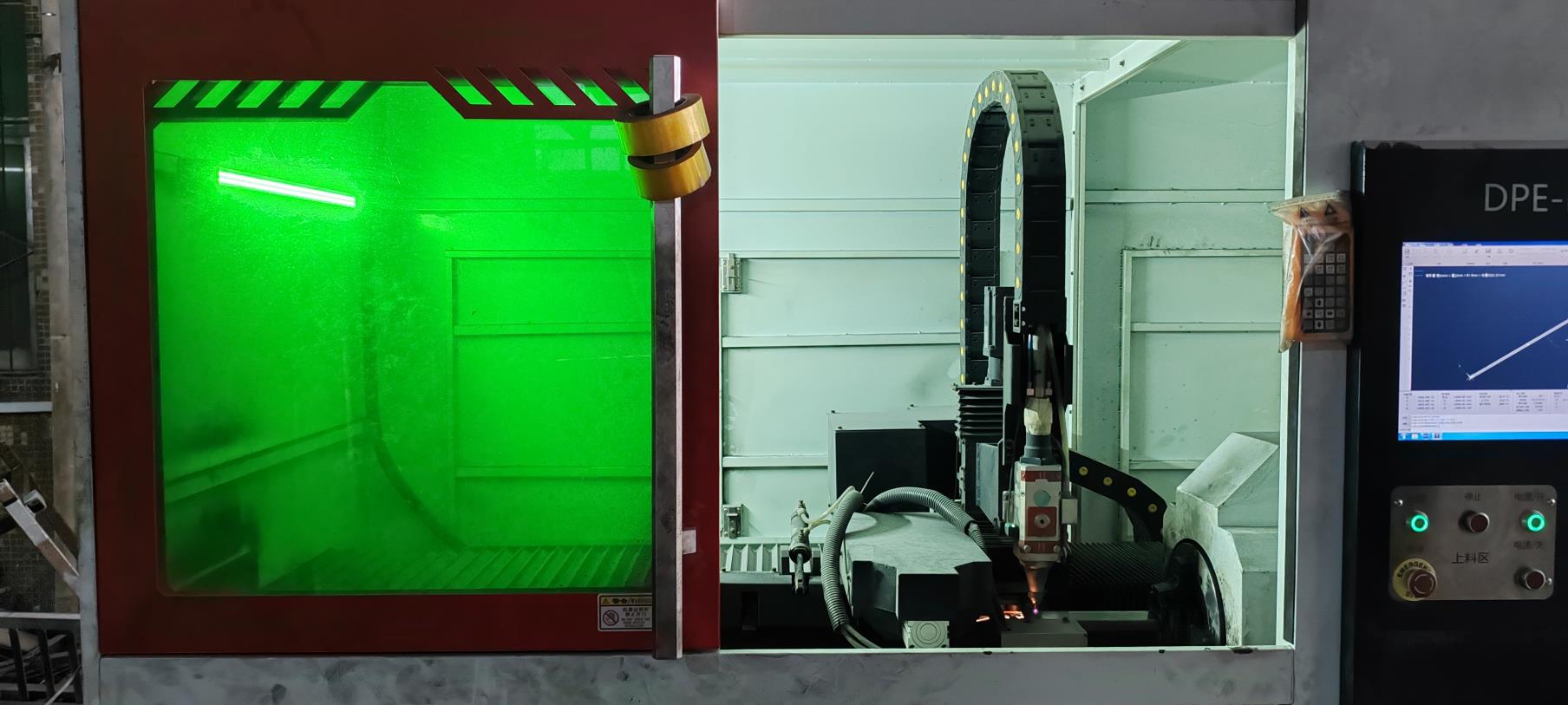
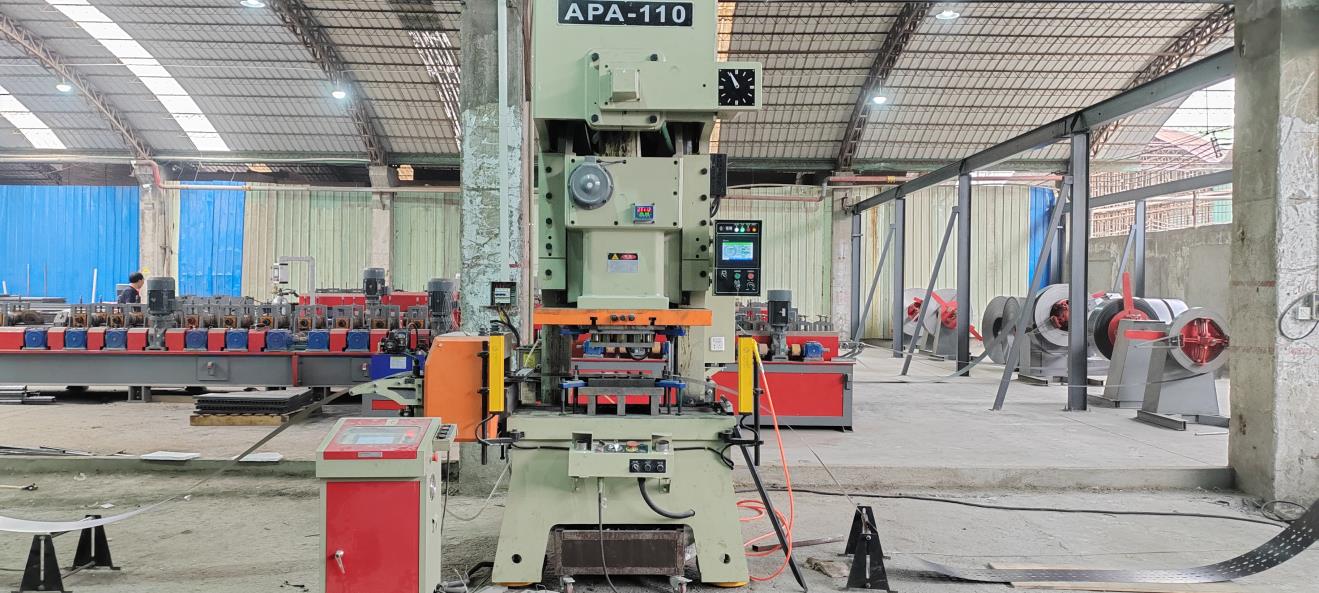
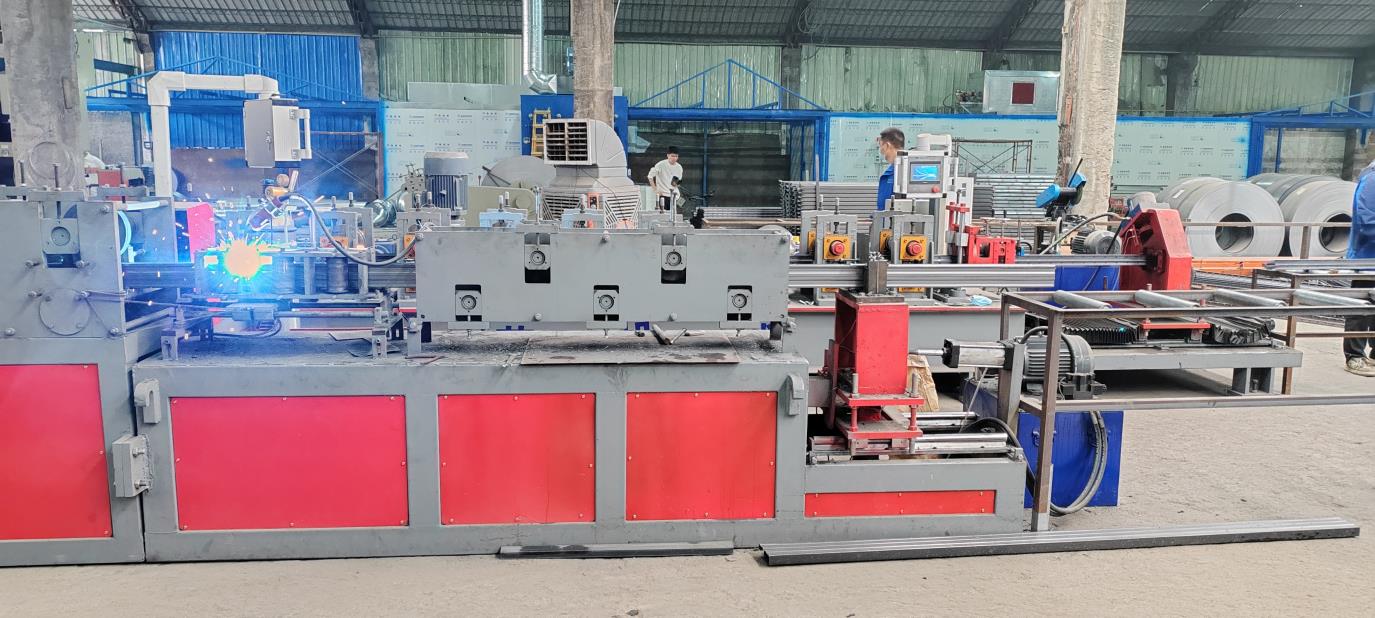
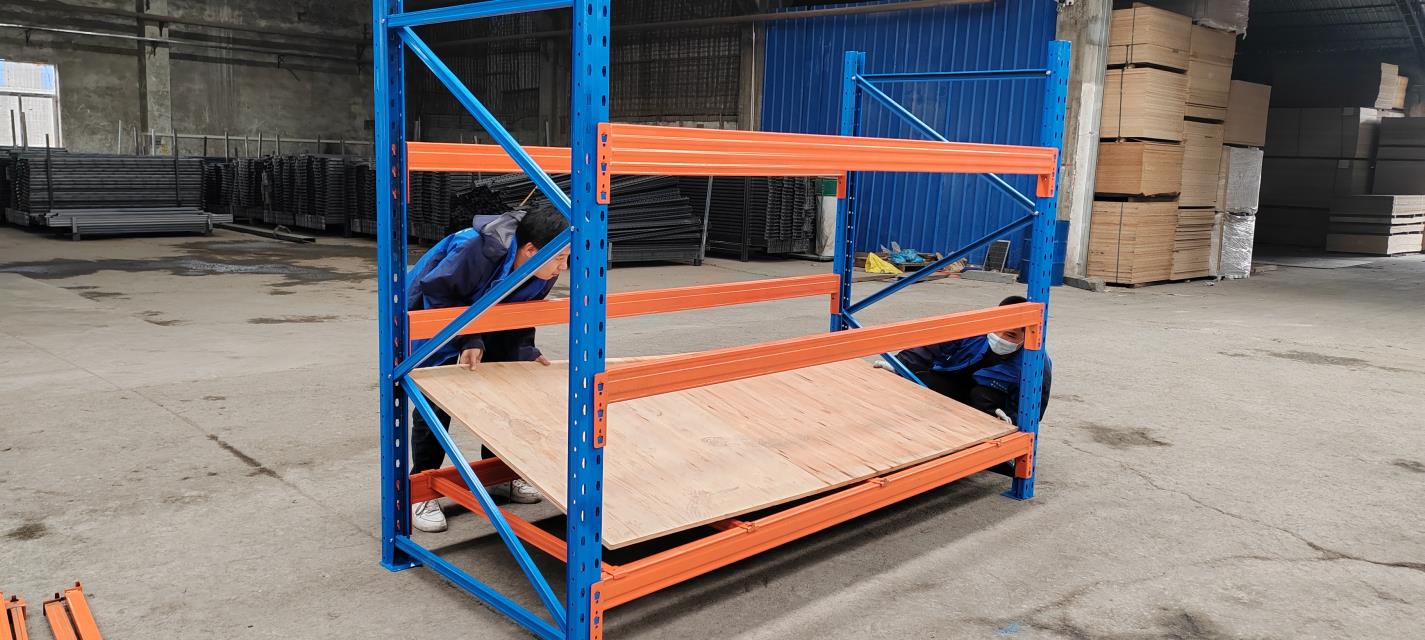
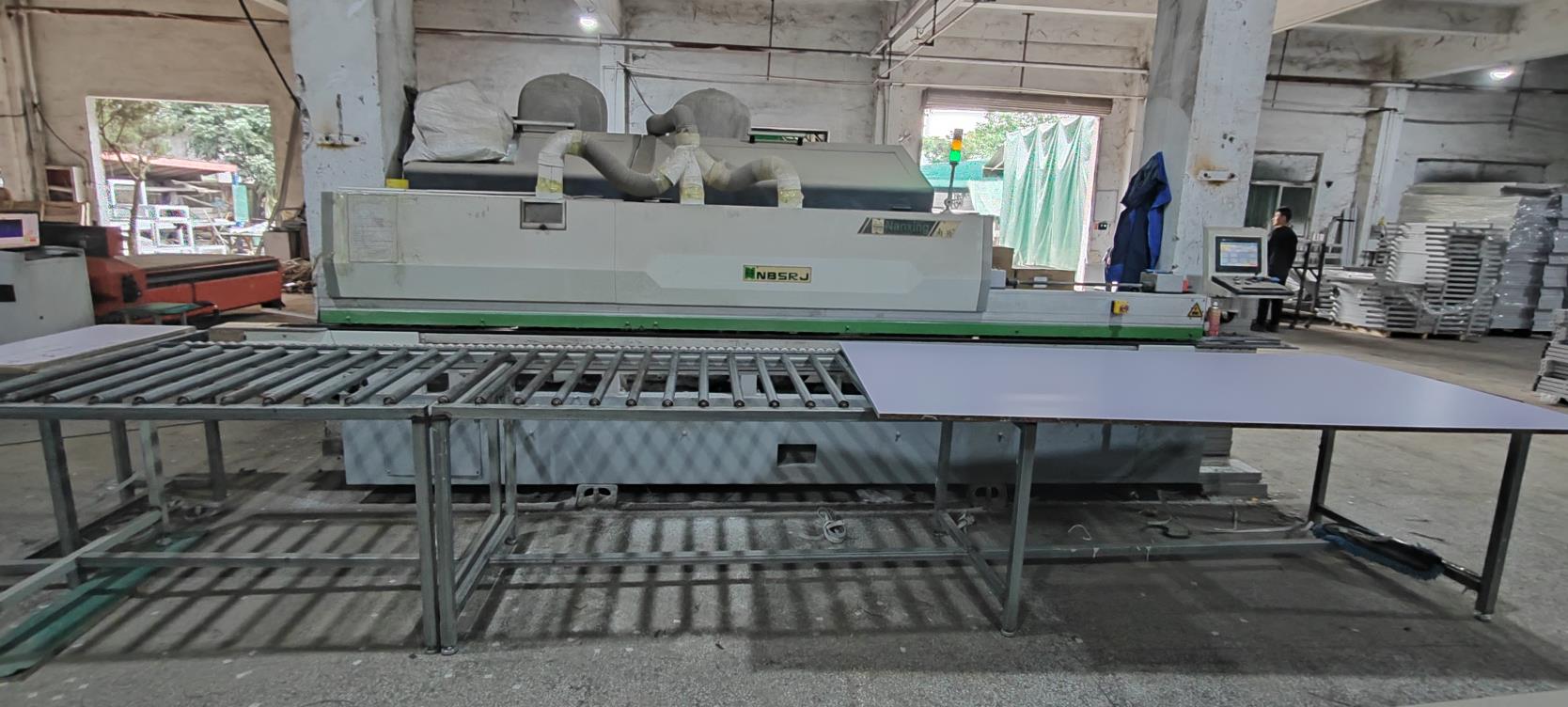
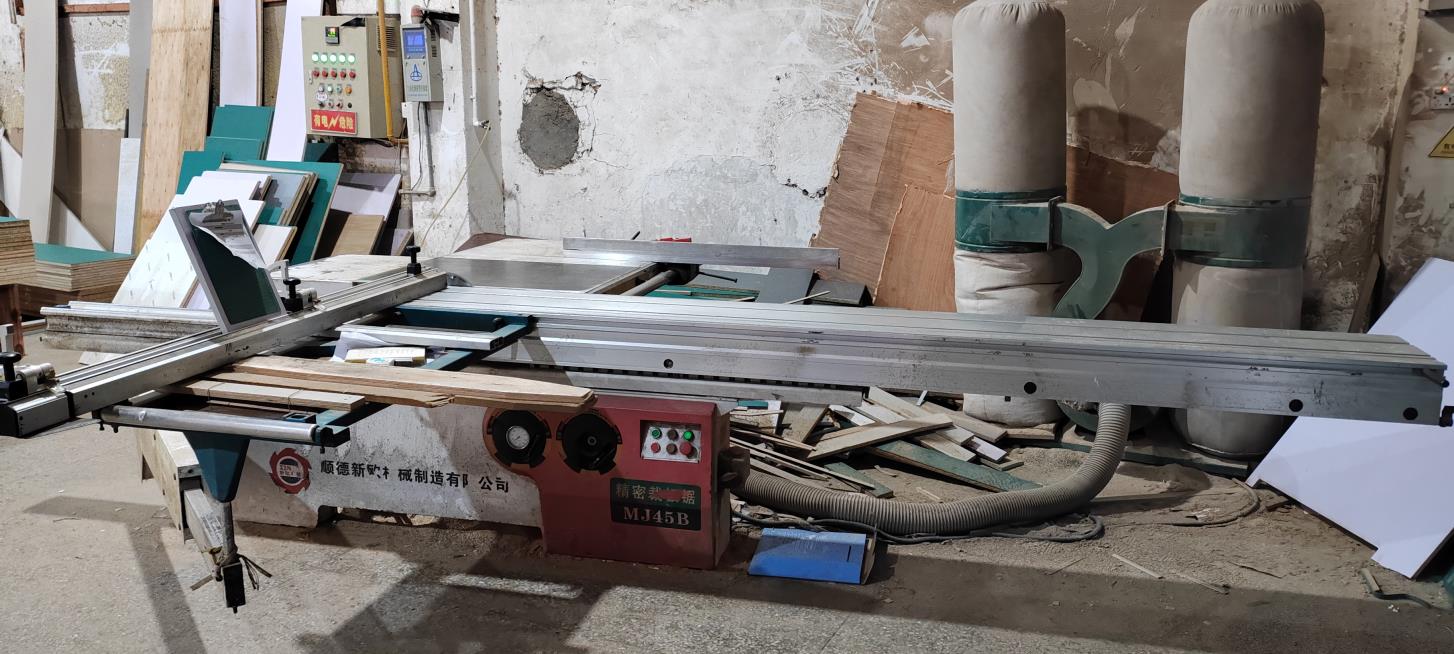
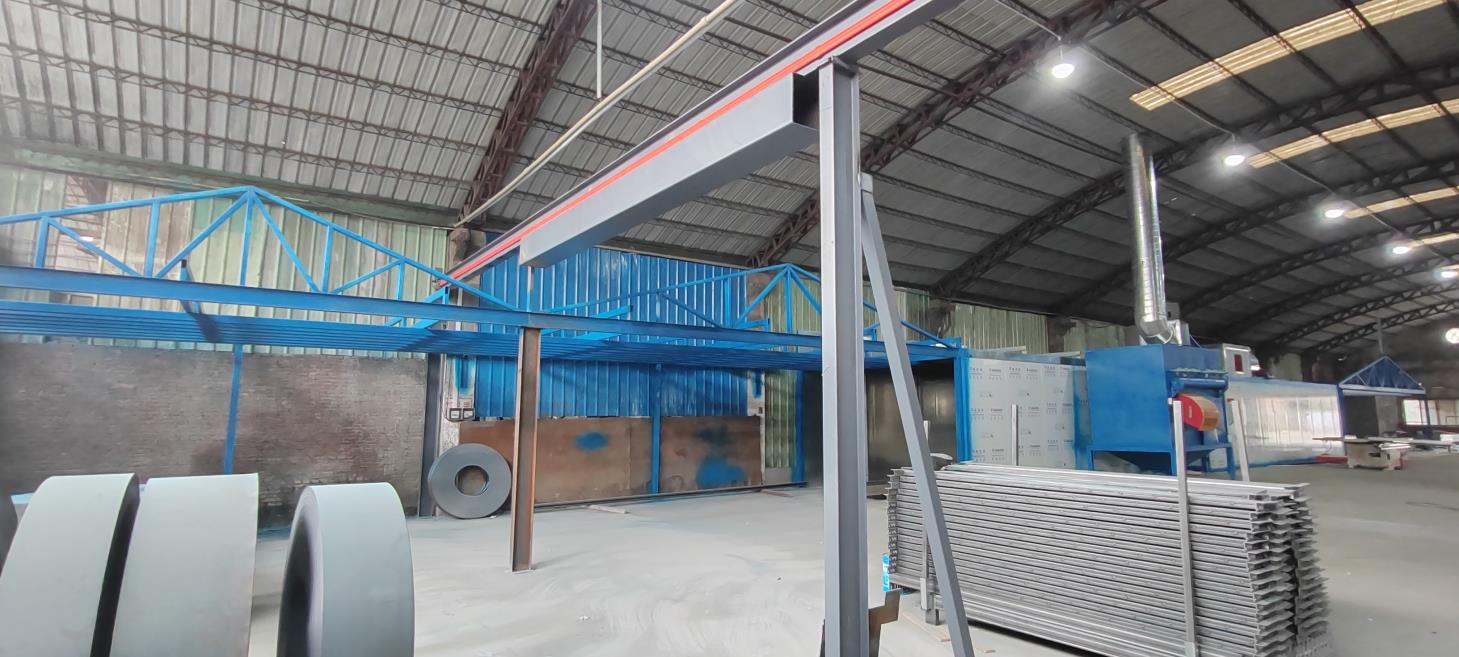
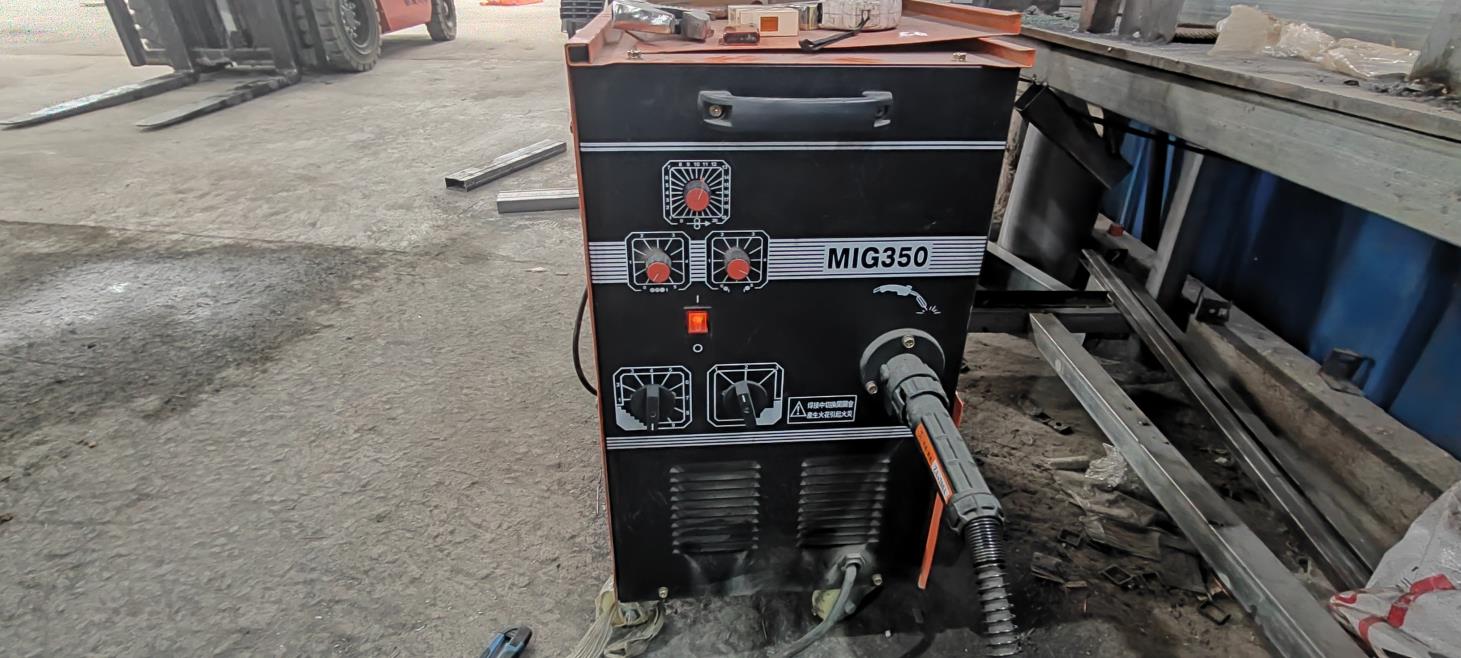
Storage configurations must be engineered for the specific material demands of localized Parisian industries. We categorize our structural configurations into four high-volume local application zones:
| Industrial Zone | Primary Storage Type | Critical Design Parameter | Operational Purpose |
|---|---|---|---|
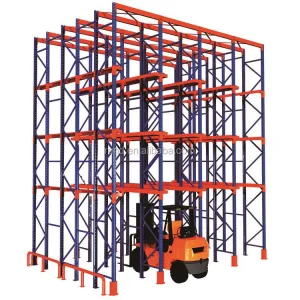
| Rungis International Market | Galvanized Drive-In / Cold-Storage Racks | Sub-zero temperature tolerance down to -30°C | High-density pharmaceutical and perishable food logistics. |
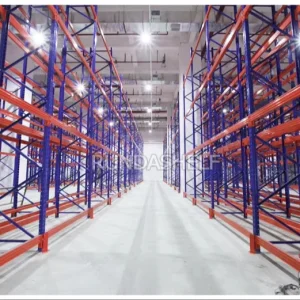
| CDG Airport Cargo Hubs | Multi-level Selective & Gravity Racks | Rapid cross-docking access and FIFO system integration | High-throughput airfreight sorting and short-term consolidation. |
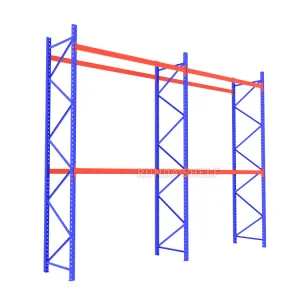
| Val-d'Oise Automotive Depots | Heavy Duty Racks with Tire Support Bars | High-weight concentration support structures | Secure stacking of mechanical assemblies and bulky automotive components. |
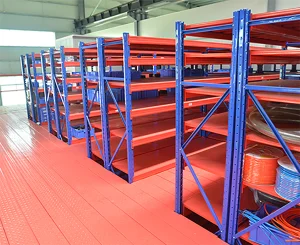
| Historical Seine-et-Marne Warehouses | Industrial Mezzanines & Attic Racks | Custom vertical adaptation for low-clearance spaces | Doubling operational floor space without modifying old architectural shells. |
Nanjing Fortis specializes in structural design. Our 80 engineers utilize finite element analysis (FEA) software to simulate load behaviors under local conditions, configuring rack frameworks that perfectly match both modern Class A logistics centers and legacy Parisian structures.
Technical, structural, and logistical questions clarified by our structural engineering division.
Explore our full line of stackable racks, multi-level platforms, and high-density industrial storage configurations customized for European markets.
 FortisRack