FortisRack
Whitepaper: Engineering Retail Mobility Solutions for Greater London
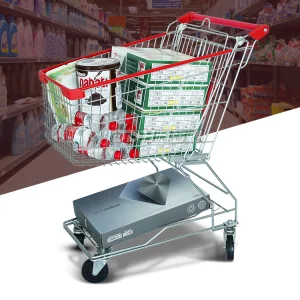
In the highly competitive commercial space of Greater London, from micro-supermarkets in Soho to sprawling retail complexes in Stratford, shopping trolleys are not mere transport containers. They are pivotal interfaces that directly impact shopper dwell time, brand perception, retail loss prevention, and overall logistics efficiency. As a premier global manufacturer, Nanjing Fortis Storage Equipment Manufacturing Co., Ltd. presents this technical brief on high-performance retail mobility solution engineering.
1. Deciphering the London Retail Landscape: Urban Density & Operations
The Greater London retail ecosystem is characterized by unique challenges that demand tailored shopping trolley configurations:
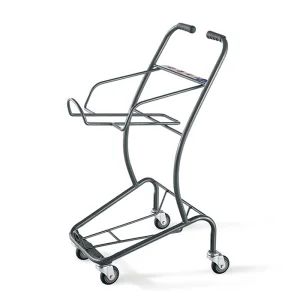
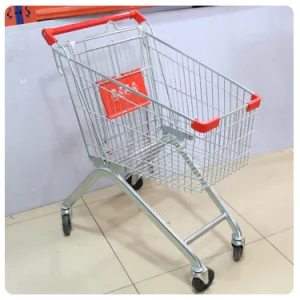
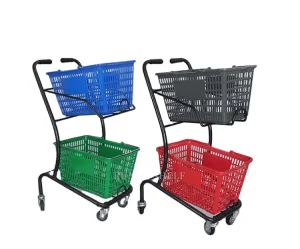
- Narrow Aisle Constraints: Real estate costs in zones 1 and 2 mandate compact store footprints (e.g., Tesco Express, Sainsbury's Local, and independent convenience stores). Typical aisle clearances can be as narrow as 1.2 meters. Standard bulk trolleys fail in these environments. Nanjing Fortis designs slimline and foldable chassis systems with tight turning radiuses, enabling seamless navigation without obstructing aisle flow.
- Pedestrianized and Mixed-Surface Terrain: London shoppers frequently transit from indoor polished concrete floors to uneven outdoor pavement, cobblestones, and asphalt. Our high-density, noise-dampening TPR (Thermoplastic Rubber) castors and dual-bearing chrome-plated hubs absorb shocks, reduce operational noise below 55 decibels, and resist the abrasive weathering common in wet British climates.
- ULEZ and Logistics Footprints: Delivery consolidation within Ultra Low Emission Zones (ULEZ) requires space-saving packaging. Nanjing Fortis foldable retail carts nest tightly together, reducing space occupancy during transit by up to 40%, thereby cutting shipping carbon footprints and storage footprint overheads within urban depots.
2. Macro Procurement Trends & ESG Compliance in the United Kingdom
UK procurement officers look beyond initial costs, prioritizing Lifetime Cost of Ownership (LCO) and ESG (Environmental, Social, and Governance) targets. Nanjing Fortis addresses these demands through rigorous material selection and engineering compliance:
| Material / Component | Technical Specification | Environmental / Performance Benefit |
|---|---|---|
| Structural Chassis Steel | Q235B high-tensile carbon steel | Maximum yield strength, supporting up to 130kg structural payloads. |
| Polymers (Baskets & Handles) | Virgin high-impact Polypropylene (PP) | 100% recyclable, UV-stabilized, non-toxic, and resistant to chemical disinfectants. |
| Anti-Corrosion Finish | Multi-layer Zinc/Chrome Plating + Electrostatic Powder Coating | Passed 96-hour neutral salt spray test, safeguarding against rust in coastal/humid UK climates. |
| Castor Engineering | High-elastomer TPR with double precision ball bearings | Zero-marking, sound attenuation, and non-slip performance on wet walkways. |
3. Loss Prevention & Asset Management Integration
In high-density metropolis zones, shopping trolley shrinkage (loss/theft) represents a multi-million-pound industry drain. Nanjing Fortis integrates robust loss-prevention accessories:
- Smart Coin Lock Mechanisms: Engineered to accept standard £1 coins and Euro tokens. The locking mechanisms are made of glass-fiber reinforced polymer, guaranteeing over 100,000 locking cycles without keyway distortion.
- Smart Hub Integration: Built-in structural recesses in castor hubs allow for seamless integration of RF (Radio Frequency) and RFID anti-theft tags, working out-of-the-box with mainstream London loss-prevention exit systems.