Designed to align with the ergonomic and architectural demands of modern hypermarkets across the Czech Republic.
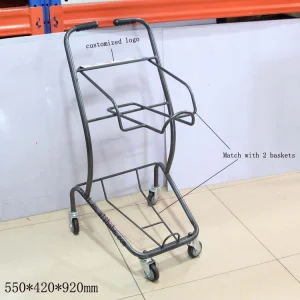
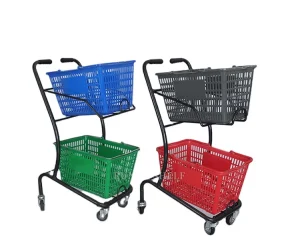
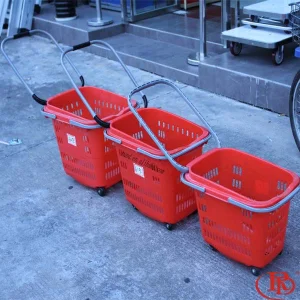
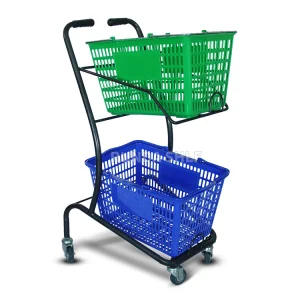
An In-Depth Whitepaper on Shopping Cart Requirements, Fleet Durability, and Supply Chain Synergies.
The Czech Republic represents a mature and highly consolidated retail market within Central and Eastern Europe (CEE). Anchored by major multinational banners such as Albert (Ahold Delhaize), Kaufland, Lidl (Schwarz Group), Billa (Rewe Group), and Tesco, the retail sector demands absolute optimization in materials handling. Czech consumers seek efficient, low-friction shopping experiences, which directly shifts the technical burden onto the shopping cart fleet.
With cold winters and variable humidity profiles across regions like Bohemia and Moravia, shopping carts are continuously subjected to moisture, thermal variations, and corrosive agents (such as road de-icing salt tracked into entryways). Consequently, the standard specifications for retail fleets in Prague, Brno, and Ostrava are substantially more demanding than those in Southern European counterparts.
Compliance with European Standard EN 1929 (parts 1 and 2) is the foundational benchmark for any industrial shopping cart supplier targeting the Czech market. This safety standard dictates structural integrity, stability on travelators, load capacities, and minimum design criteria to prevent tipping hazards. Additionally, strict municipal noise limits require the installation of noise-dampening castors (TPR or polyurethane wheels) that operate below 55 decibels to satisfy environmental regulations in high-density urban areas.
While European manufacturers traditionally dominated the Czech retail fixtures ecosystem, direct factory exporters from China like Nanjing Fortis Storage Equipment Manufacturing Co., Ltd. have re-engineered the value equation. Leveraging deep supply chains, advanced automated welding, and economies of scale, we provide shopping carts and shelving systems that match or exceed European quality indices at an optimized total cost of ownership (TCO).
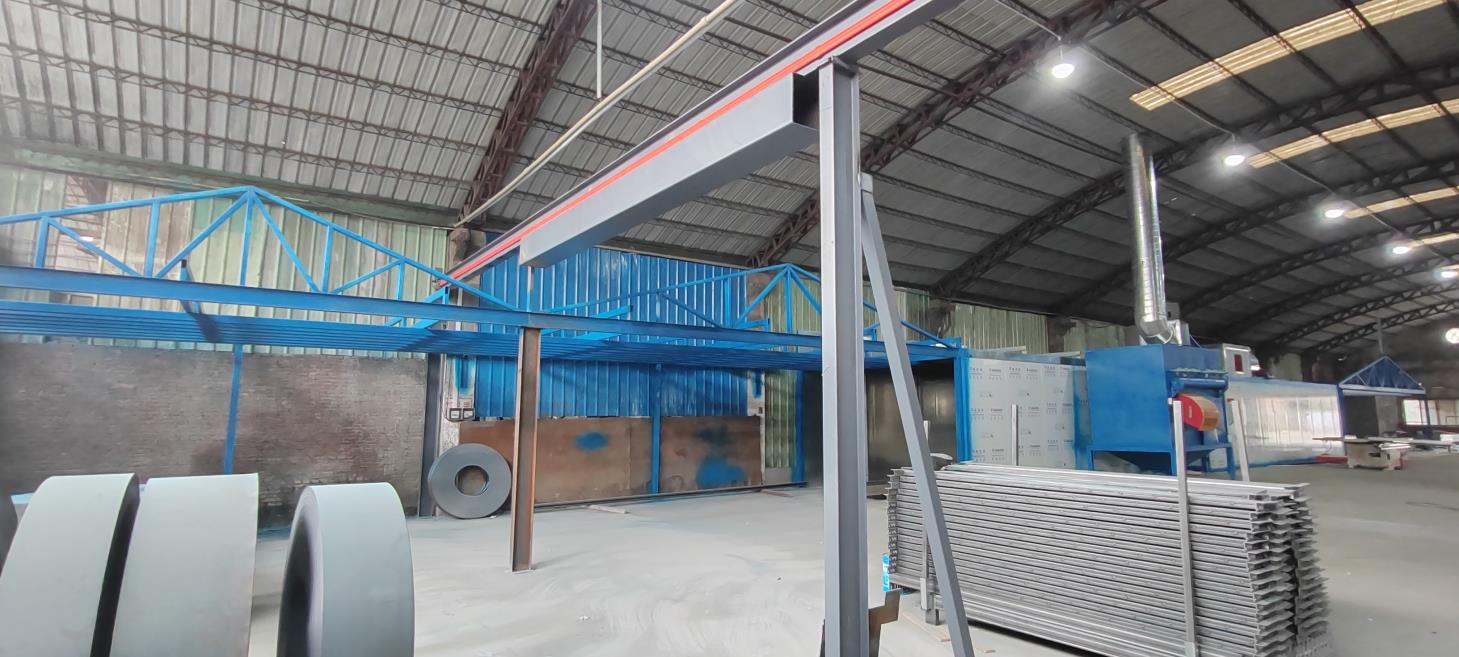
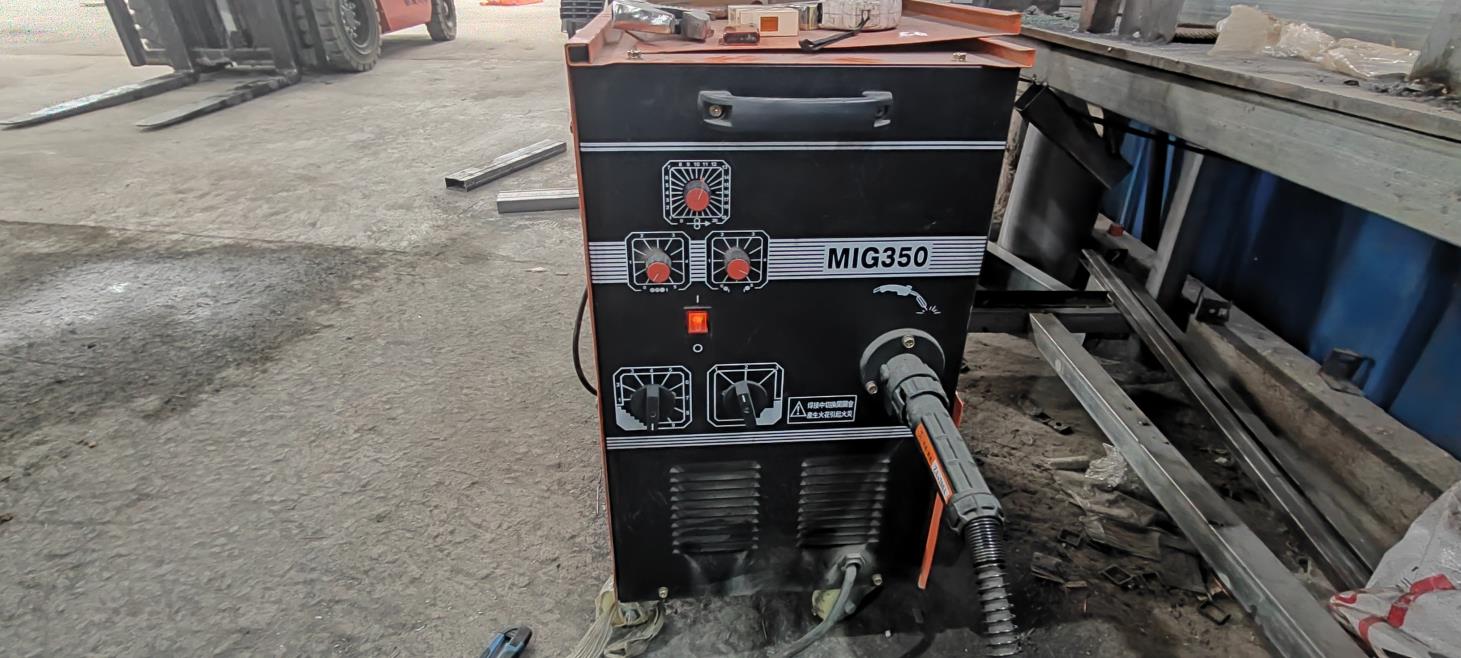
Our 48,000 m² state-of-the-art facility utilizes high-precision CNC wire forming, robotic arc welding, and automated surface treatment lines to guarantee batch-to-batch consistency. By sourcing raw materials directly from tier-one steel producers, we control structural tolerances to the sub-millimeter level, assuring that carts track straight and nest smoothly, thus reducing long-term maintenance overheads for Czech logistics hubs.
Nanjing Fortis utilizes a fully vertical manufacturing cycle to oversee quality from raw steel wire to finished, powder-coated retail units.
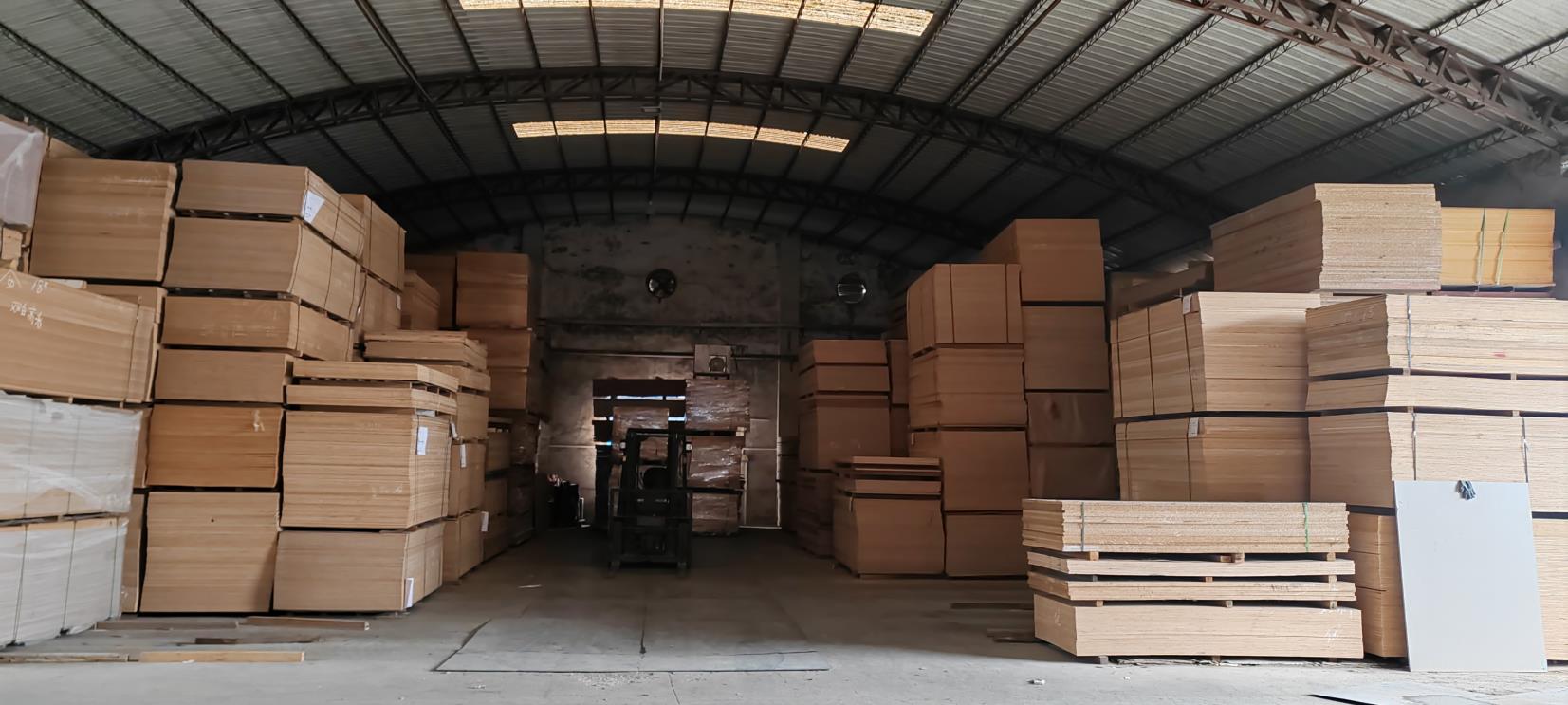
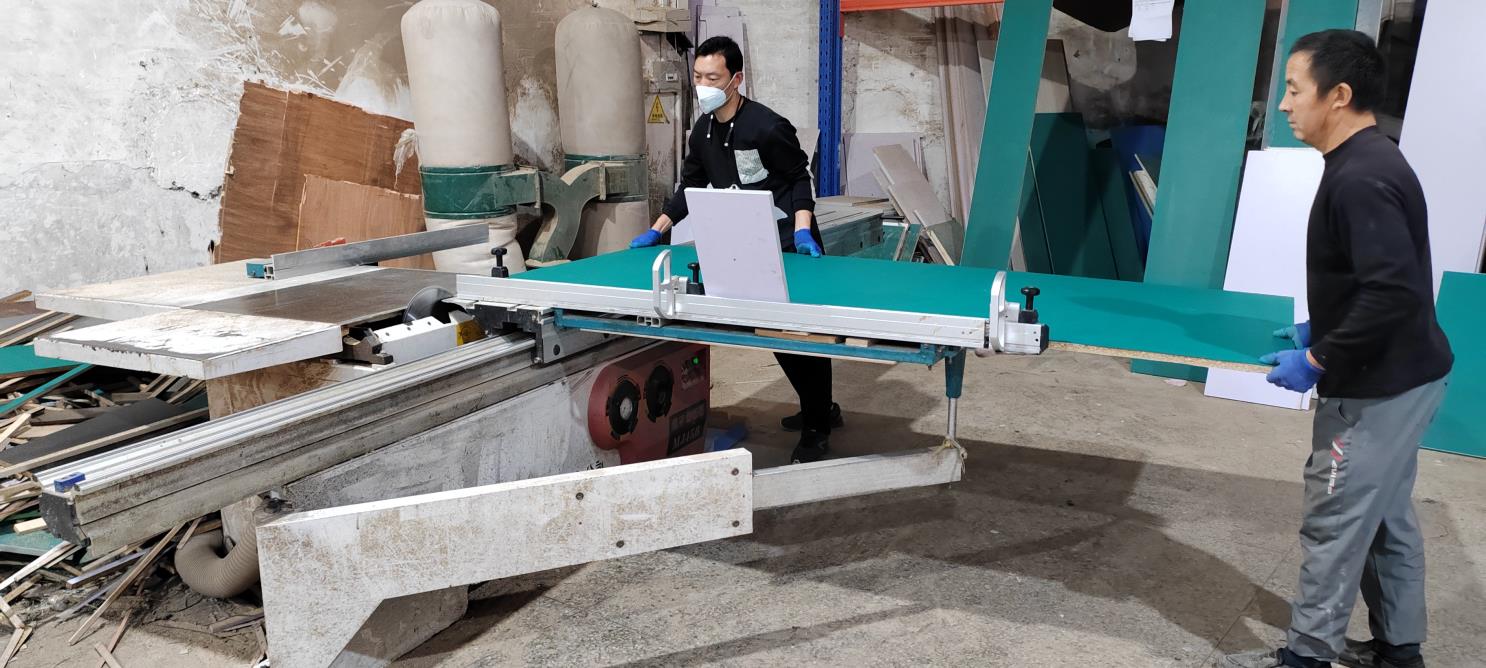
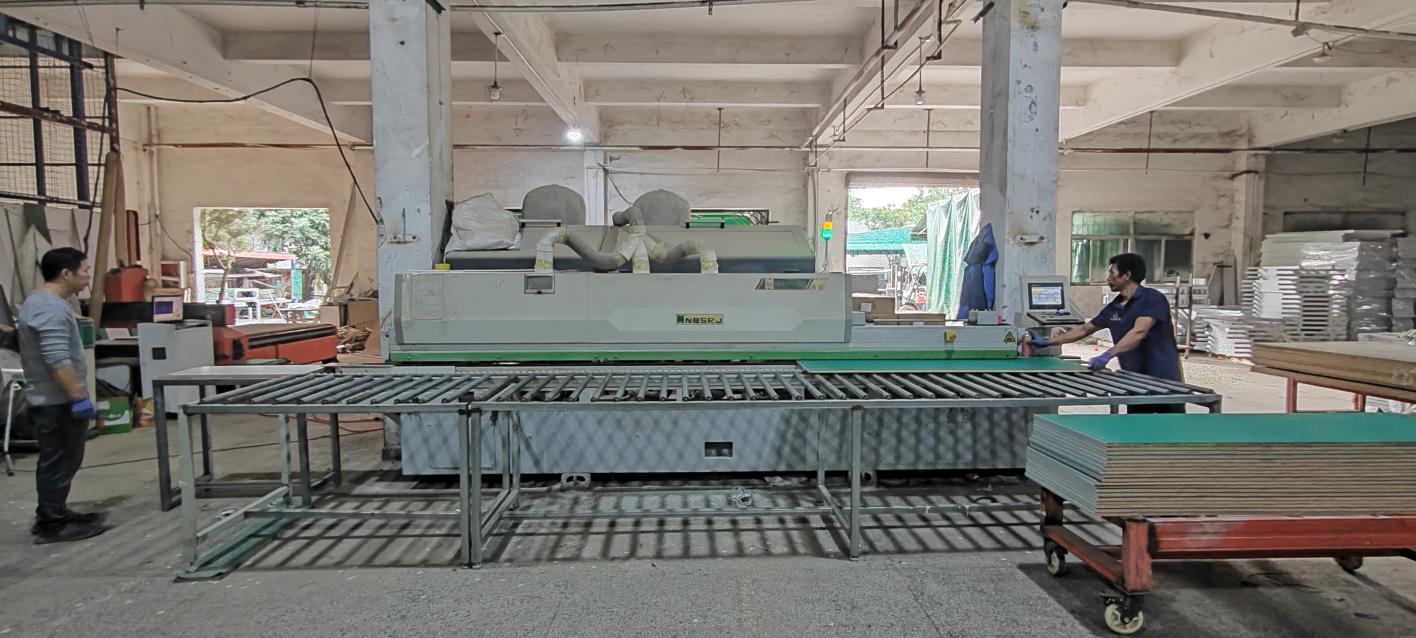
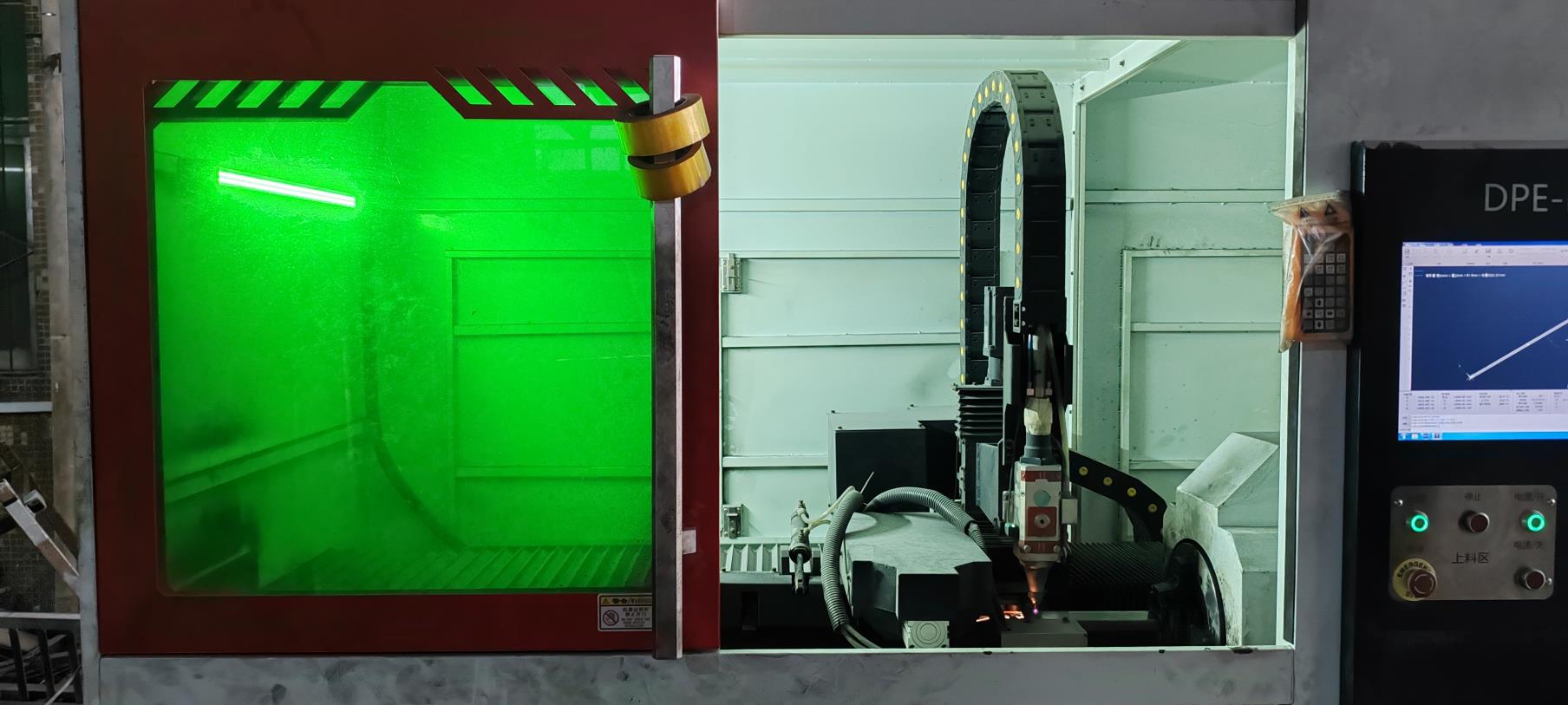
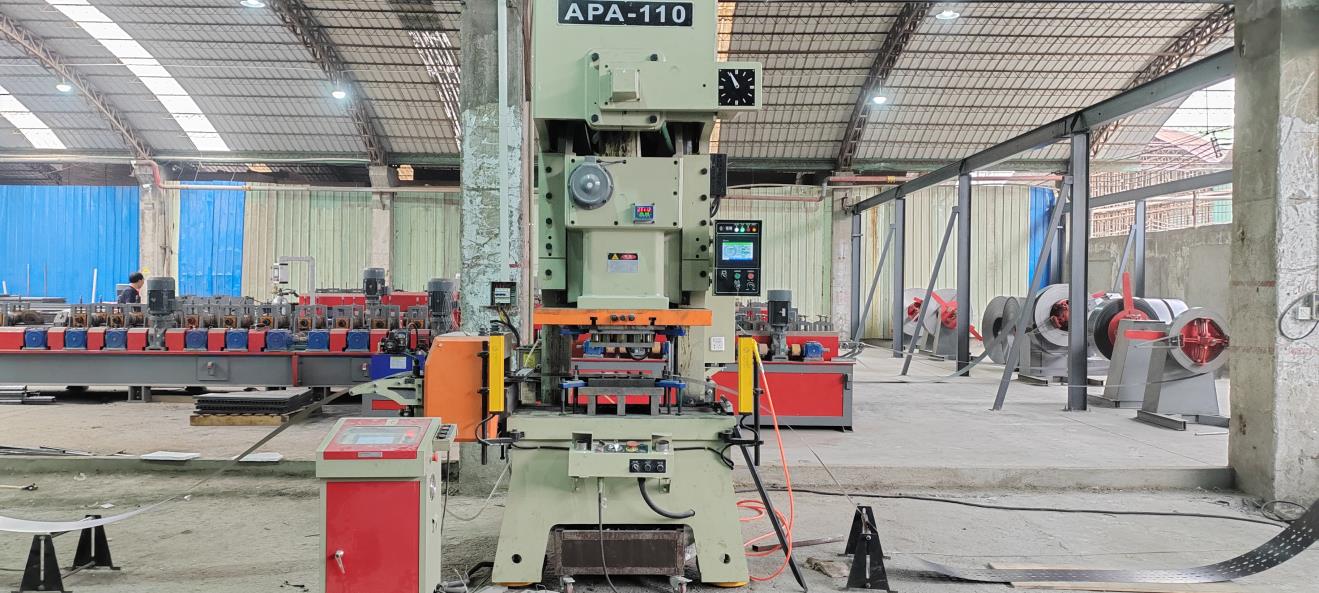
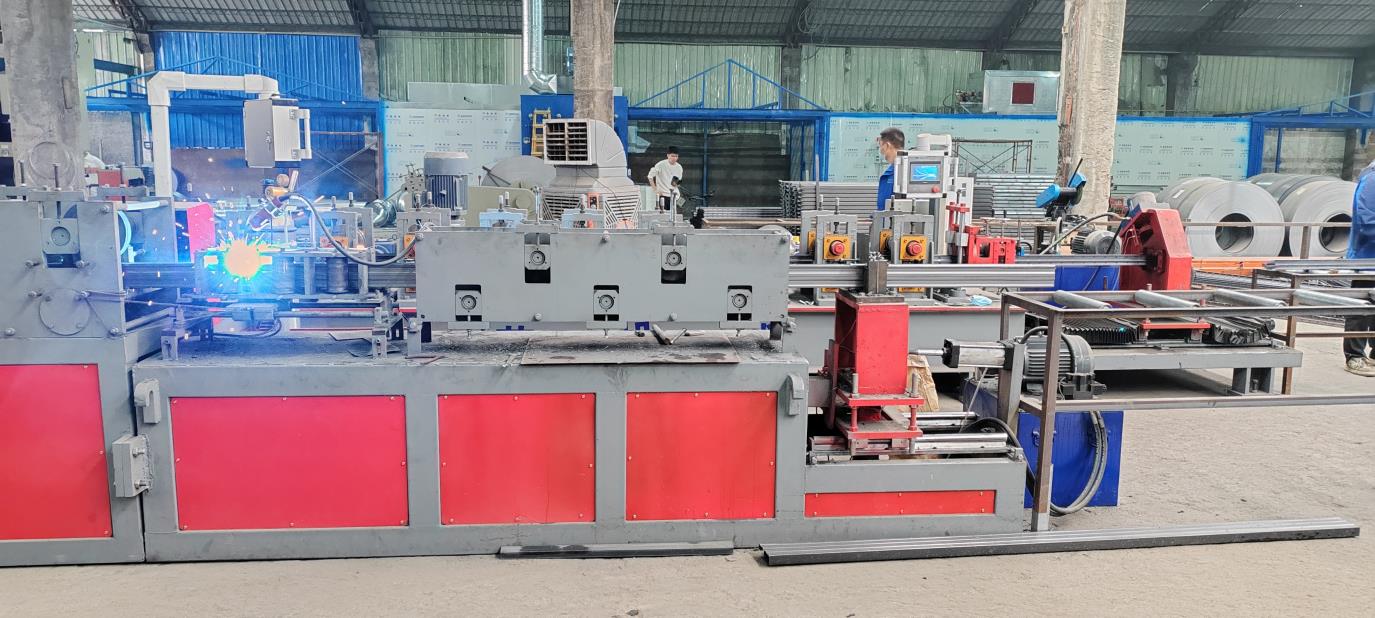
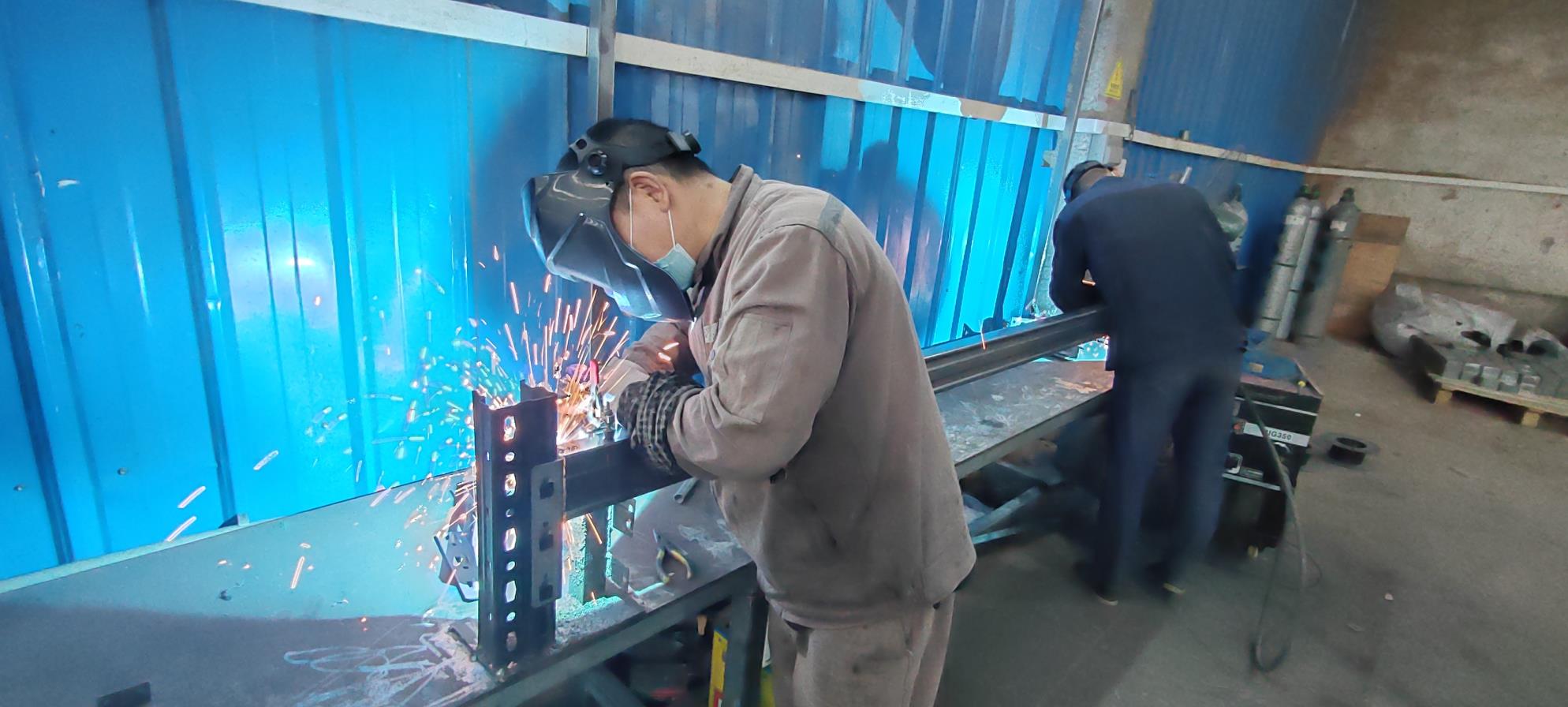
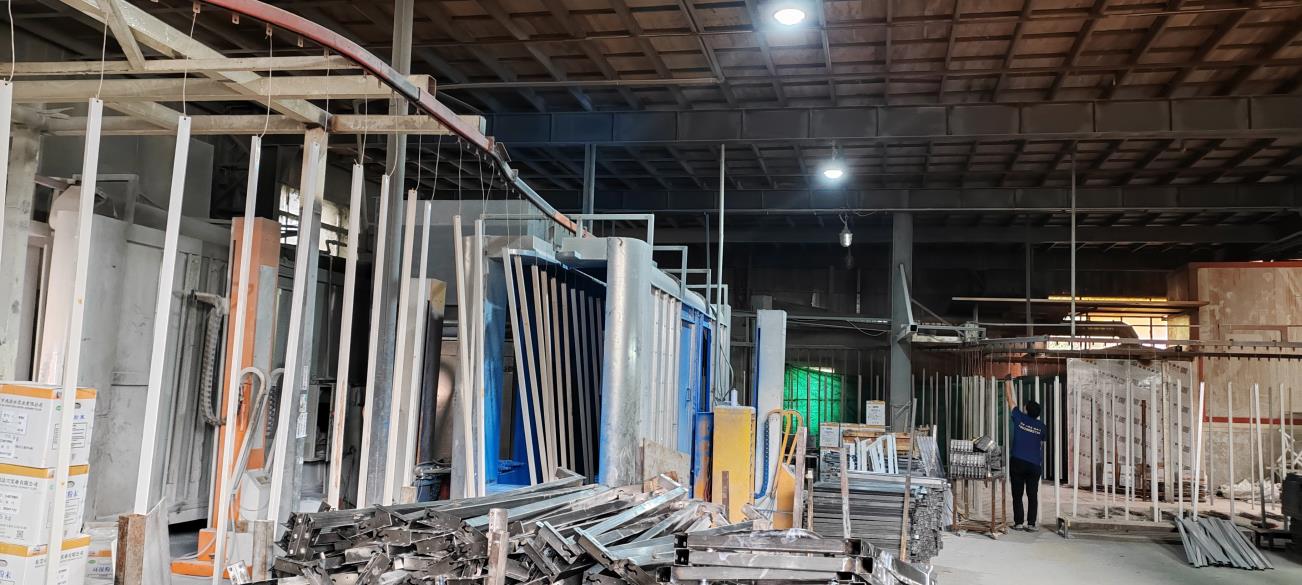
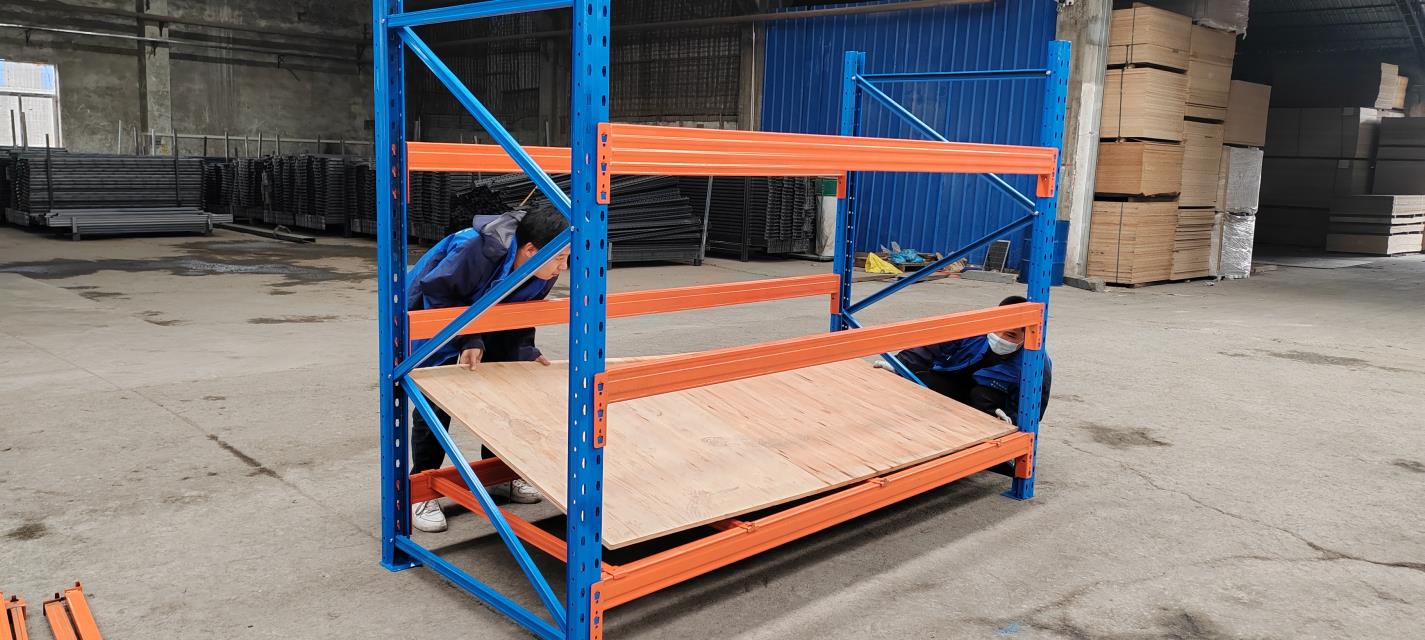
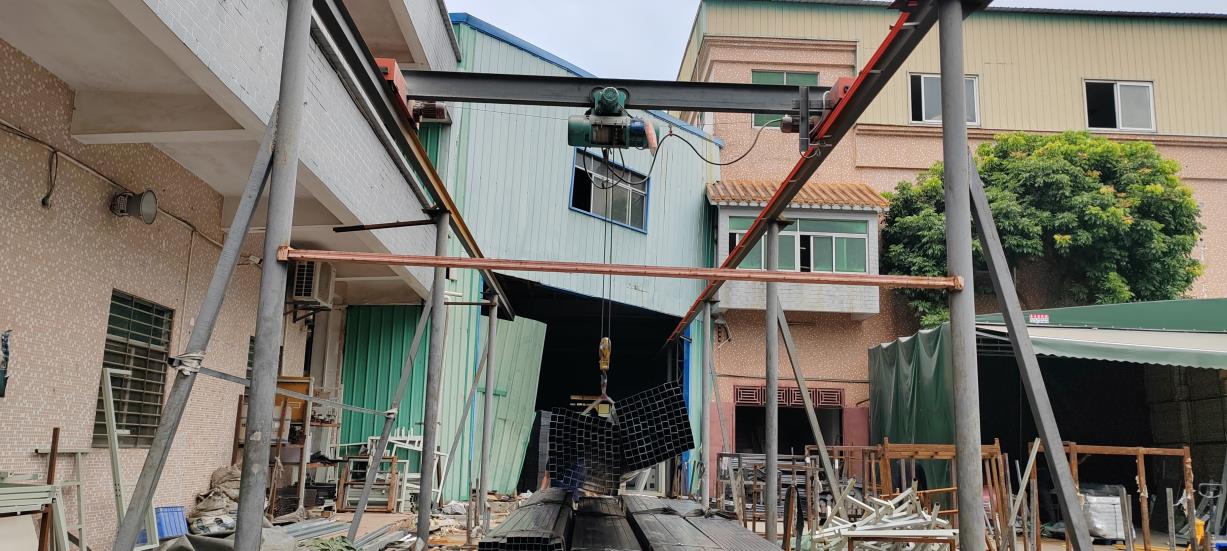
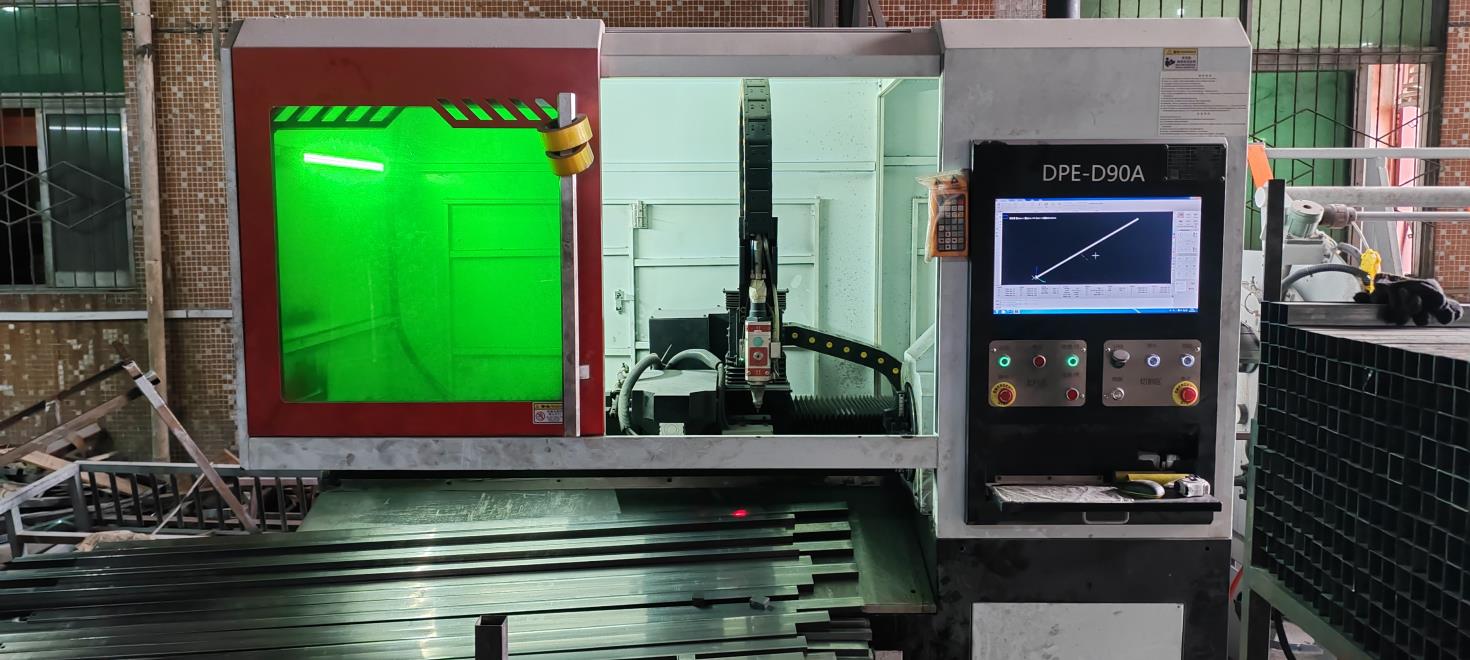
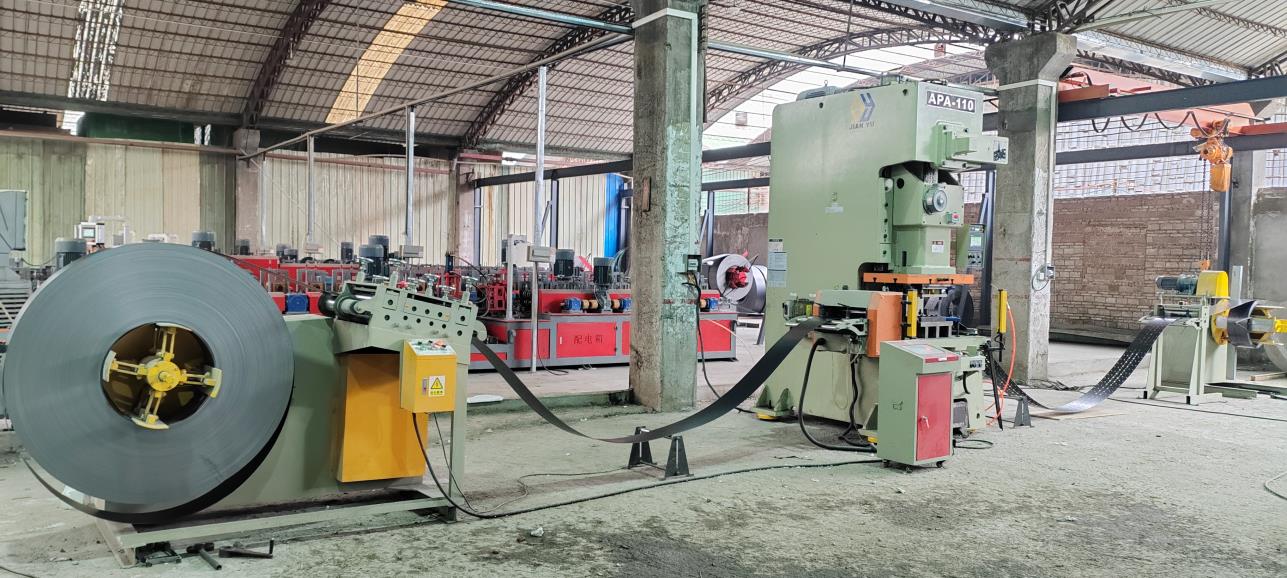
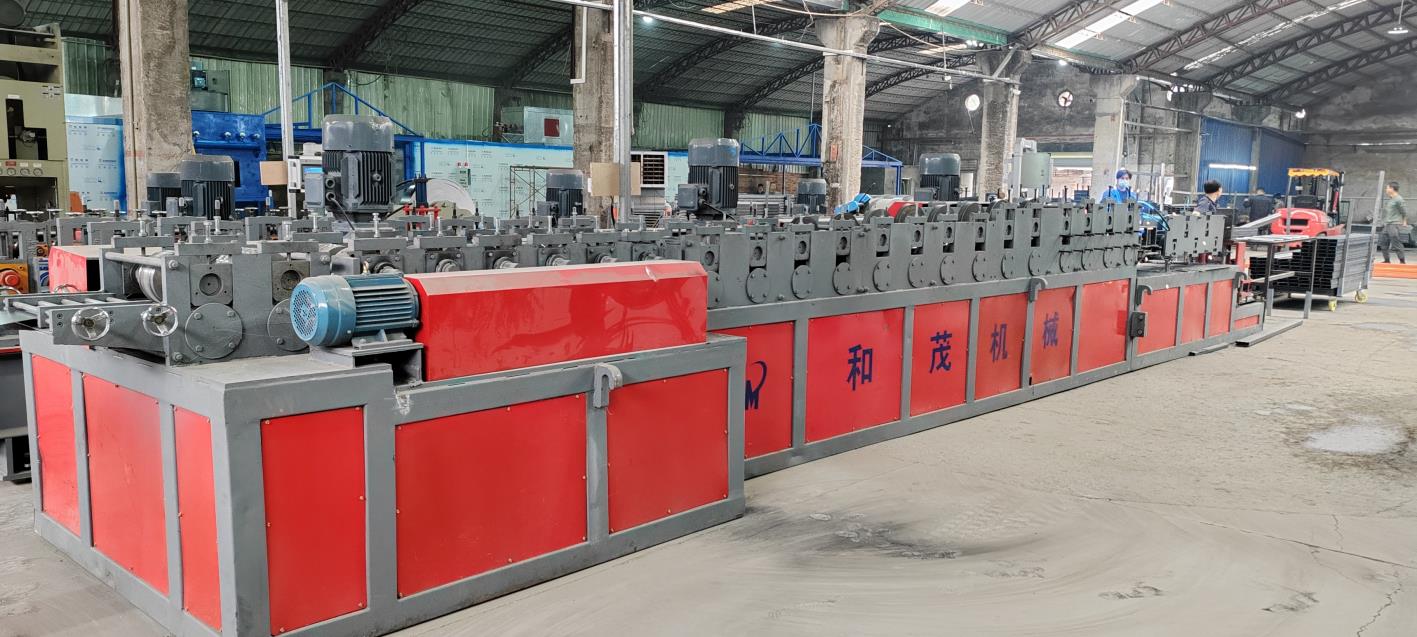
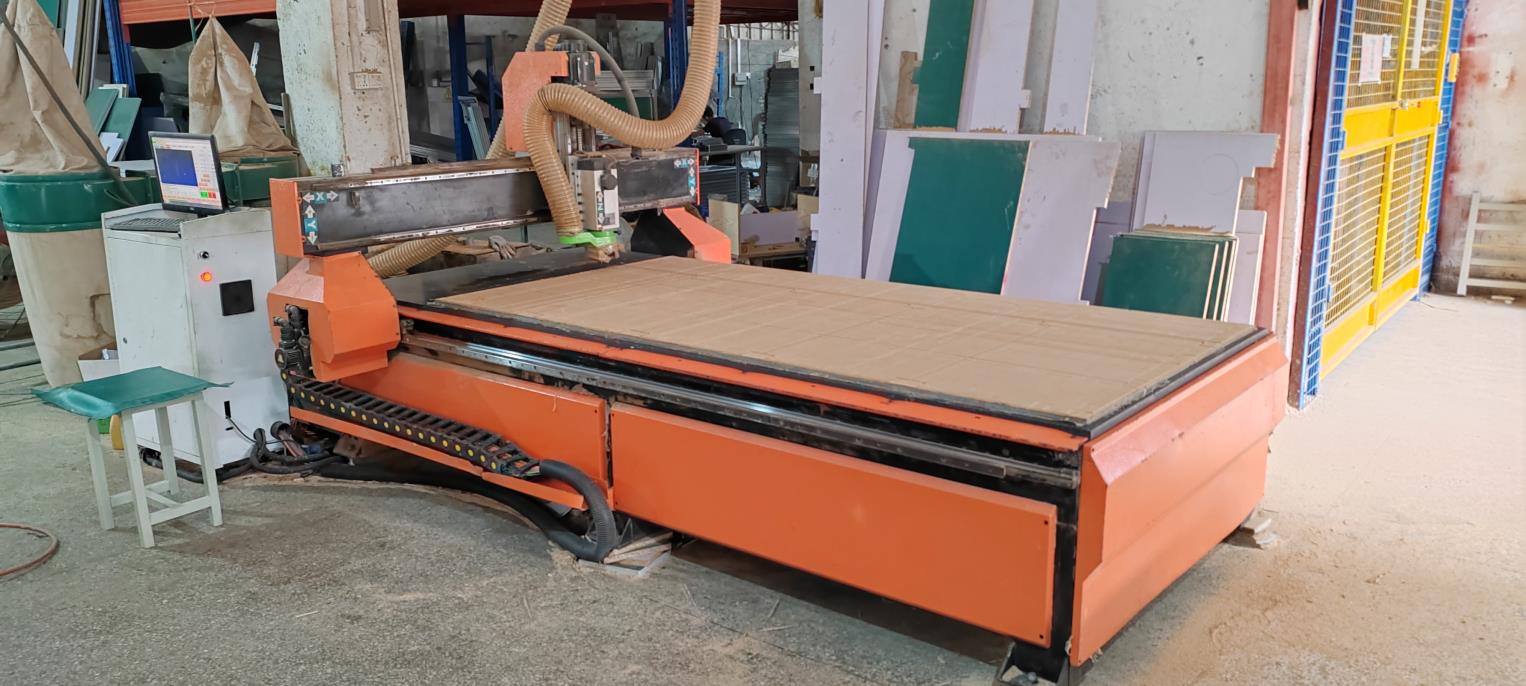
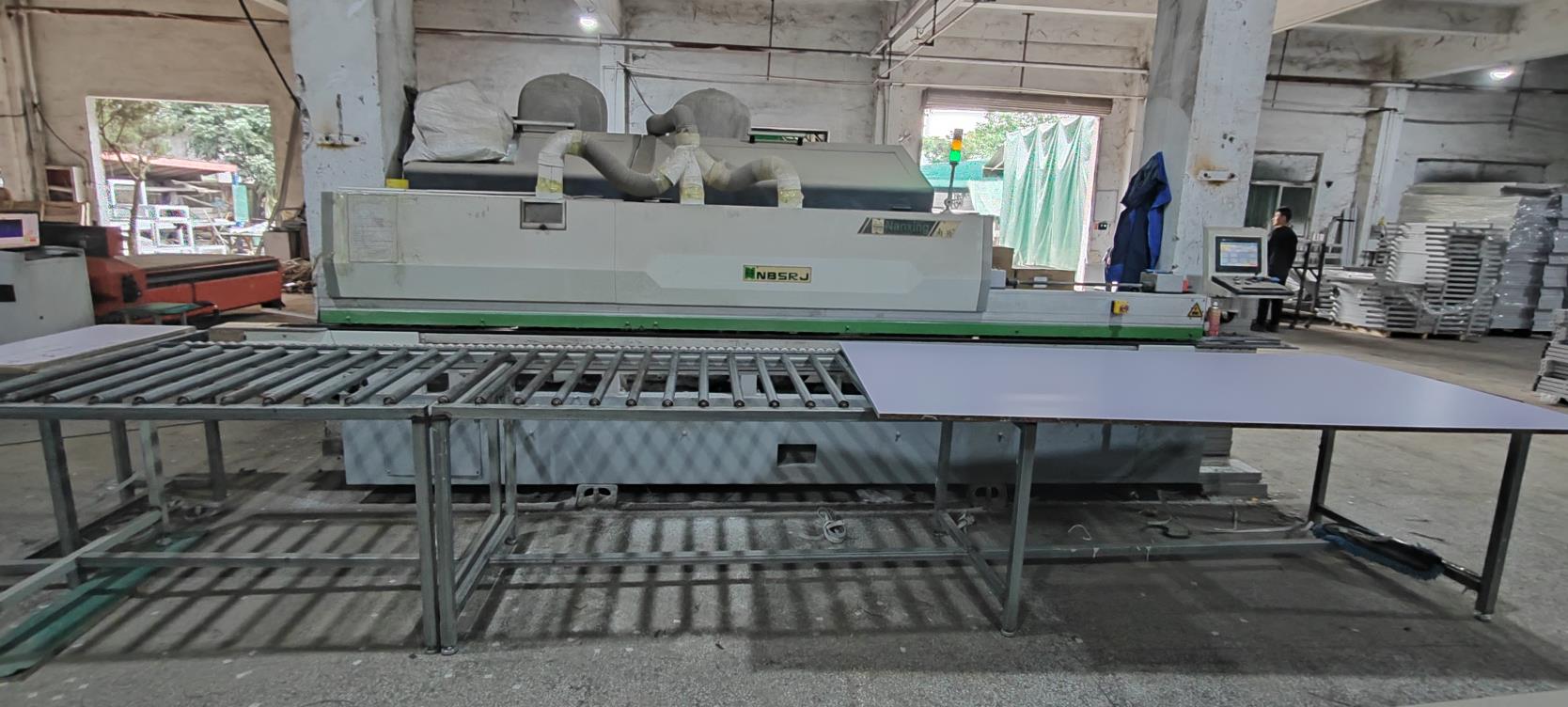
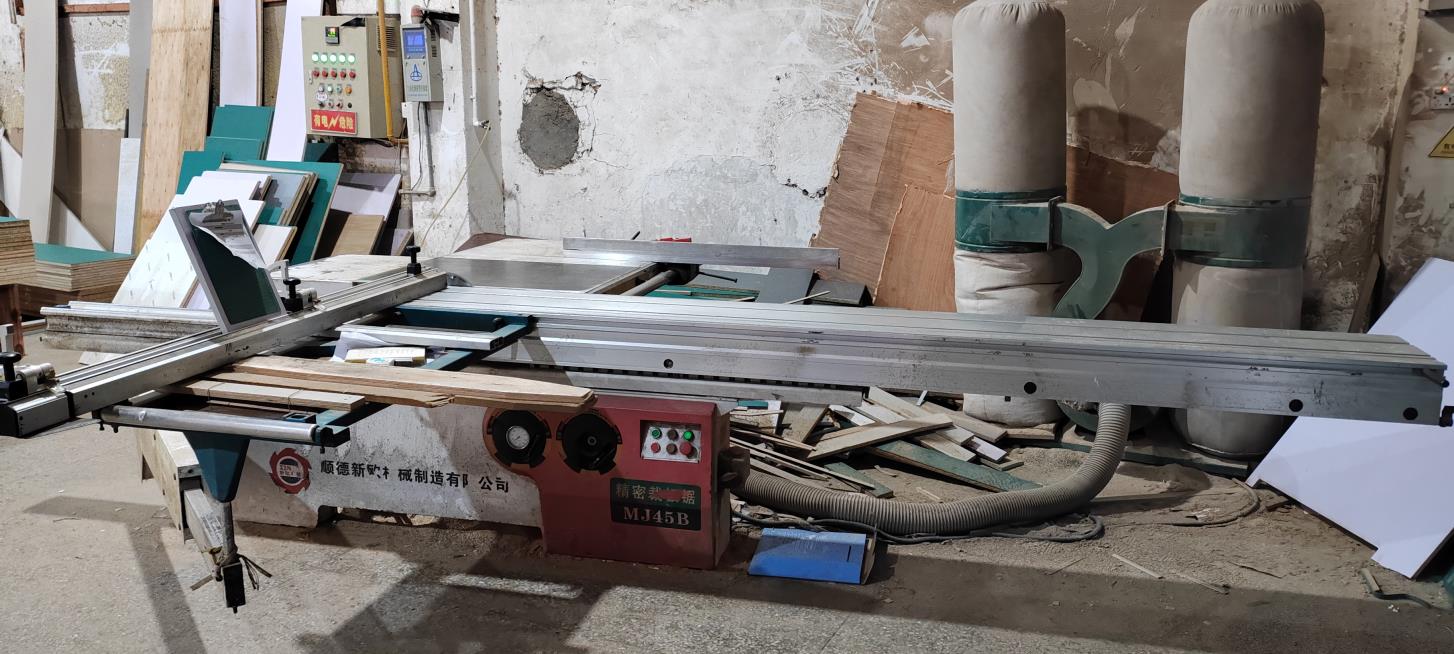
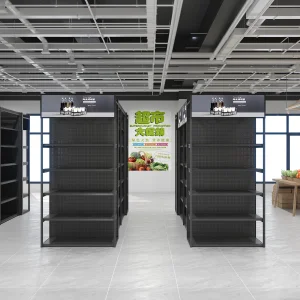
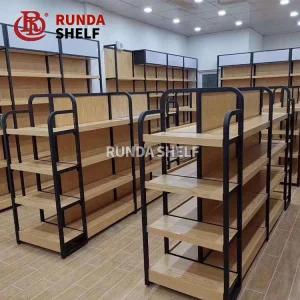
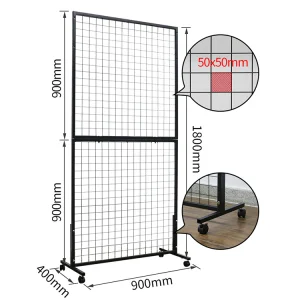
Seamlessly integrate shelving and perimeter storage displays with your mobile fleet systems for unified grocery layouts.
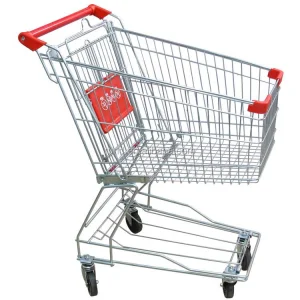
For supermarket fleets stationed in cold zones such as Liberec or Ústí nad Labem, rust is the primary failure mode of shopping carts. At Nanjing Fortis, we prevent corrosion using a multi-layer surface treatment technology:
Our production units undergo a continuous 72-hour neutral salt spray test (equivalent to standard ASTM B117) to ensure they exceed the corrosion-resistance threshold required for central-heated shops and wet outdoor bays. When sourcing through Nanjing Fortis, purchasing agents are assured of a fleet life cycle exceeding 6-8 years under high-frequency store conditions.
Nanjing Fortis manages a 62-member Quality Assurance division. Our quality protocols require Coordinate Measuring Machine (CMM) inspections on initial wire-formed parts to maintain nesting alignment, preventing structural friction when store staff nest or pull carts.
Retail operations in Western Europe and the Czech Republic are transitioning toward unmanned checkout systems and autonomous inventory management. Our current R&D efforts focus on retrofitting physical structures to accommodate these integrations:
Our handles can be equipped with smart lock casings that support QR code scanning, RFID chips, and geolocation modules. Furthermore, we construct specific bottom-tray baskets that do not interfere with standard anti-theft scanner systems at exit zones, reducing shrink for large-scale operators.
Answers to critical questions regarding imports, specifications, and regulatory frameworks for Czech procurement managers.
We ship via ocean freight from Shanghai/Ningbo ports to European entry ports like Hamburg (Germany) or Koper (Slovenia). From there, containers travel via rail or truck directly to distribution centers in Prague, Pilsen, or Brno. Production lead times range between 20 to 30 days, with transit times taking approximately 35 to 40 days.
Yes. All our retail shopping trolleys are designed and load-tested in accordance with EN 1929. We perform periodic stress testing under both static and dynamic configurations to verify structural stability and guard against collapsing risks.
We supply customizable handle structures that support brand logos under clear polycarbonate protectors. We also integrate multi-currency coin locks that accept 5, 10, 20, or 50 CZK coins, as well as Euro denominations, ensuring compatibility with your current security systems.
To maintain shipping cost-efficiency, the recommended MOQ is a single 20ft container (which holds approximately 120-150 pieces of 150L standard carts). We accept mixed container loads that combine various sizes, accessories, or display shelving to accommodate smaller local chains.
We use high-grade TPR (Thermoplastic Rubber) or PU (Polyurethane) tread options fitted with precision double ball bearings and specialized water-resistant covers. This assembly protects bearings from water, grit, and floor cleaning chemicals, ensuring smooth rolling on tile, asphalt, and concrete parking surfaces.
Engineered for high load capacities, extended durability, and diverse customer demographics.
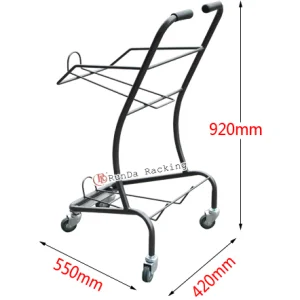
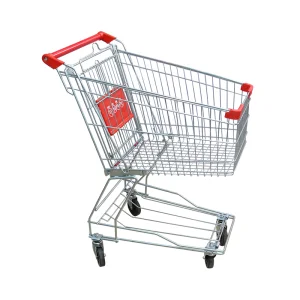
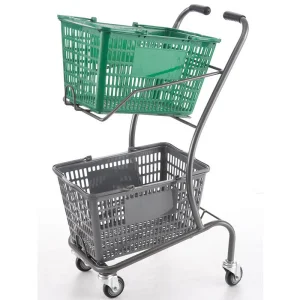
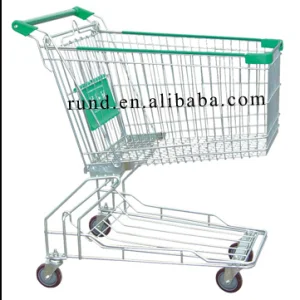
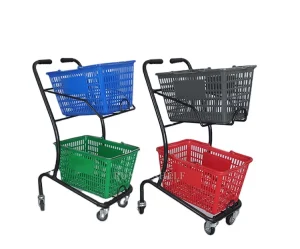
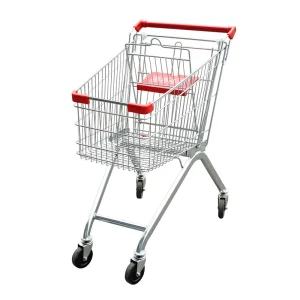
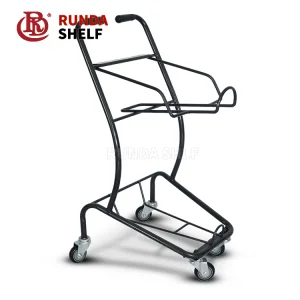
Discuss your EN 1929 specification requirements, anti-noise castor modifications, and container-level logistics options directly with our engineering division.
Send Inquiry Now FortisRack