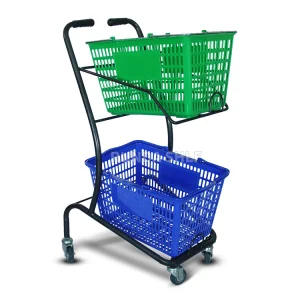
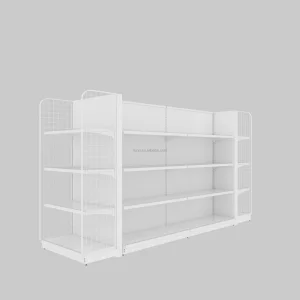
German retailers prioritize robust steel structure, low noise pollution, and nesting efficiency. These high-demand product models are engineered to match local industry requirements.
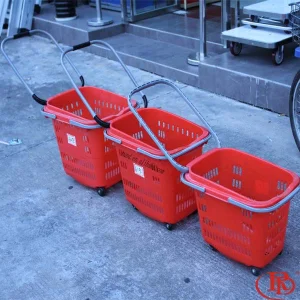
The German retail grocery sector is historically characterized by intense price competition alongside strict quality and efficiency mandates. With corporate entities such as Edeka, REWE Group, Schwarz Gruppe (Lidl), and ALDI (Süd & Nord) steering the market, shopping trolleys serve as vital physical touchpoints rather than basic carriers.
In Germany, the structural lifetime and operational reliability of shopping carts are strictly audited. Trolleys must comply with the harmonized European standard DIN EN 1929 (parts 1-4), which dictates dimensional margins, structural safety, stability, basket wire spacing, and high-frequency wear resistance. Manufacturers supplying this market must deliver carts capable of withstanding rough outdoor usage, extreme weather transitions, and frequent mechanized cleaning, while preventing metal fatigue.
"For German retail store managers, shopping trolley fleet health directly correlates to checkout basket size. A noisy, misaligned trolley that drifts to one side leads to ergonomic fatigue and a shorter shopping stay. Optimizing the fleet with high-precision castors and premium zinc plating pays direct dividends in customer retention and average transaction value."
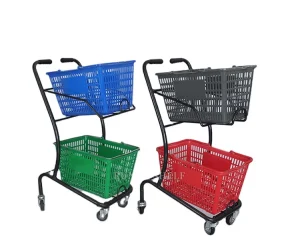
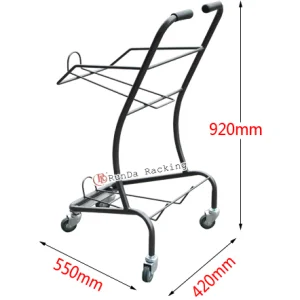
Additionally, the transition to dense urban centers and the rising popularity of "Bio-Markt" (organic stores) have shaped buying habits. In German metropolitan areas like Berlin, Munich, Frankfurt, and Hamburg, retailers are shrinking store formats to fit urban residential zones. This transformation necessitates smaller, agile, noise-insulated cart solutions. Dual-deck carts and compact wire trolleys with integrated bottle cages are fast replacing bulky, high-capacity models in these high-cost-per-square-meter formats.
We are actively looking toward the next decade of retail technology. Our engineering roadmap addresses emerging demands for automation, environmental circularity, and operational security:
Our frames are pre-engineered to integrate smart tablet mounts, 3D optical cameras, and RFID bag scanners for frictionless scan-and-go retail operations, without compromising nesting nesting pitch.
In accordance with local TA Lärm (Technical Instructions on Noise Protection) regulations, our German-spec trolleys feature high-grade thermoplastic elastomer (TPE) wheels and precision ball bearings that damp rumbling noise.
Our modern metallic trolleys are coated with chrome-free conversion finishes and 100% recyclable powder coatings, supporting corporate carbon-neutrality initiatives across European retail networks.
A single cart design cannot fulfill the demands of all commercial environments. Our design library offers tailor-made structural frameworks tailored to specific operational scales:
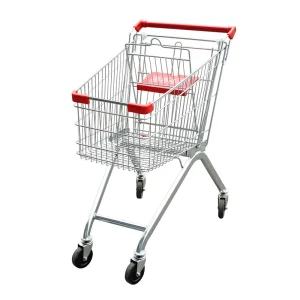
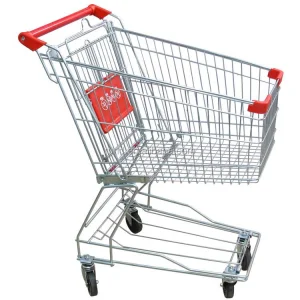
Engineered with reinforced nesting frames to support 80-liter to 150-liter capacities. Features integrated anti-wear wire locks, double wire edging, and high-impact corners. These trolleys are built for high duty-cycle usage, minimizing frame deformation in high-traffic parking bays.
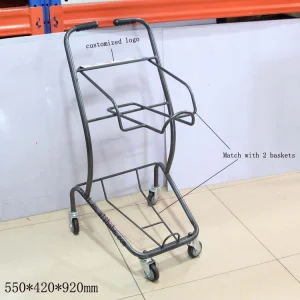
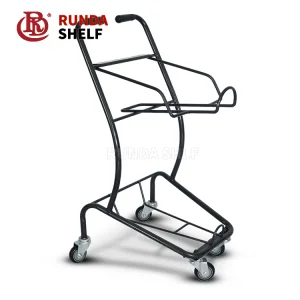
Tailored space-saving solutions featuring dual-tier baskets, compact footprints, and high-maneuverability castor configurations. These units allow customers to navigate narrow aisles comfortably, encouraging quick trips and spontaneous multi-item purchases in central business district areas.
Heavy-duty flatbed structures and specialized basket-chassis configurations designed for loading building supplies, heavy soil bags, and nursery plants. They incorporate extra-wide base profiles, anti-slide flatbed surfaces, and reinforced casters to carry loads up to 150kg.
Safety-first configurations featuring secure baby seats and steering toys for children. The structural load centers are optimized low to prevent tip-over accidents, meeting German safety regulations for family retail environments.
Established in 2016, Nanjing Fortis Storage Equipment Manufacturing Co., Ltd. commands a modern industrial plant covering 48,000 m². Driven by 10 years of deep industry expertise and 7 years of global trade experience, our annual export turnover reaches $35 million.
We uphold strict quality control through ISO14001 and TUV standards, performing automated CMM dimensional inspections and salt spray corrosion testing with 62 full-time QA personnel. As a direct factory exporter, our key commercial footprints span Western Europe, South America, and the Middle East, integrated with a network of over 1,400 supply chain partners. Our client base mainly includes mega-warehouse developers, cold chain storage operators, and global retail chains. Our robust R&D team of 80 engineers specializes in bespoke structural adaptations, special surface coating treatments, and high-density racking configurations, introducing 350 innovative products to the global market last year.
We manage every step of production in-house, employing robotic welding, automated laser cutters, and precise bending cells. This end-to-end quality control ensures high-precision tolerances for the German market.
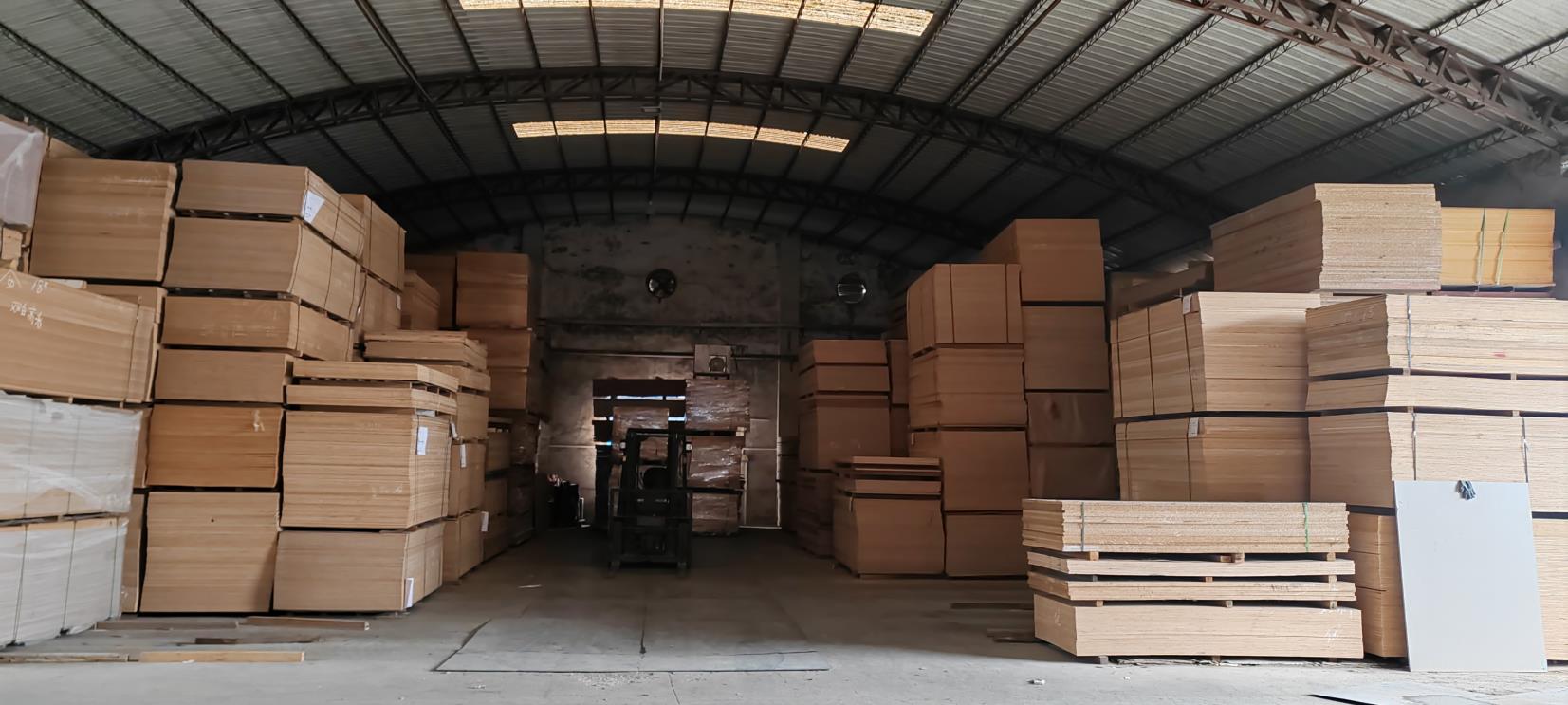
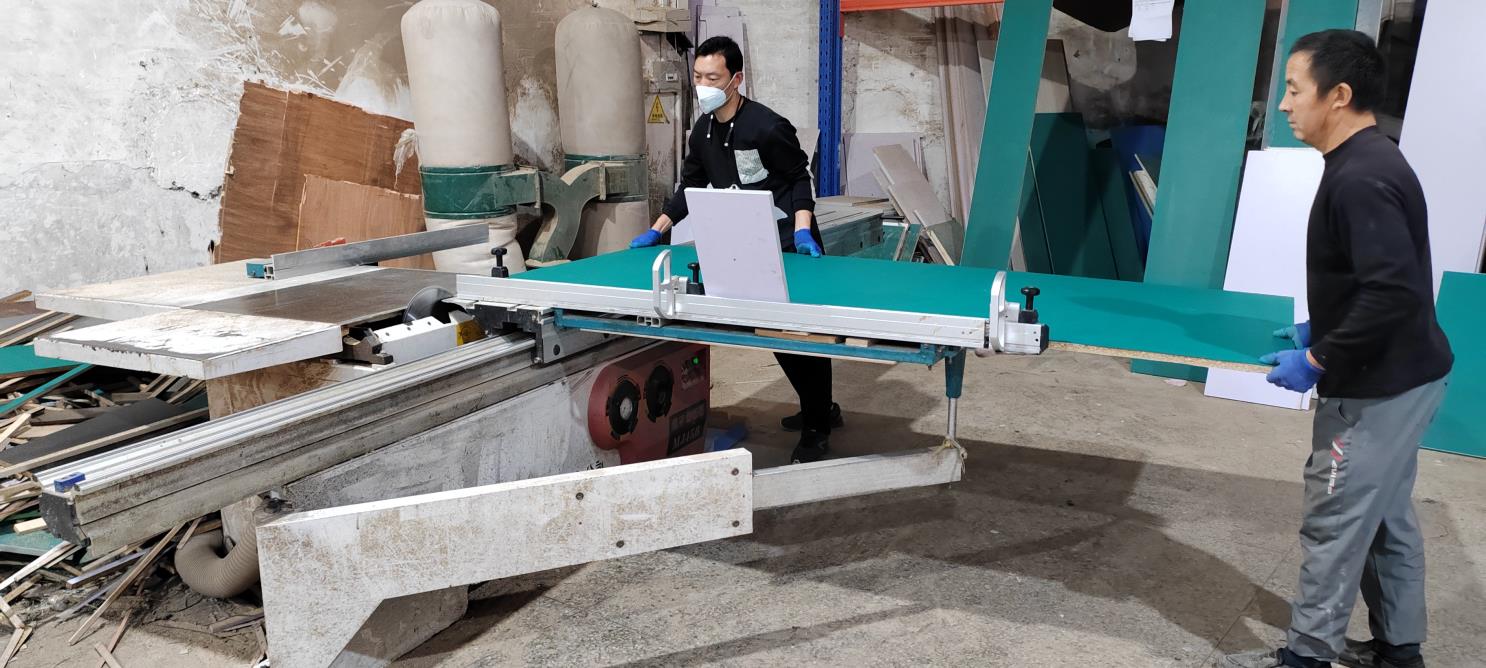
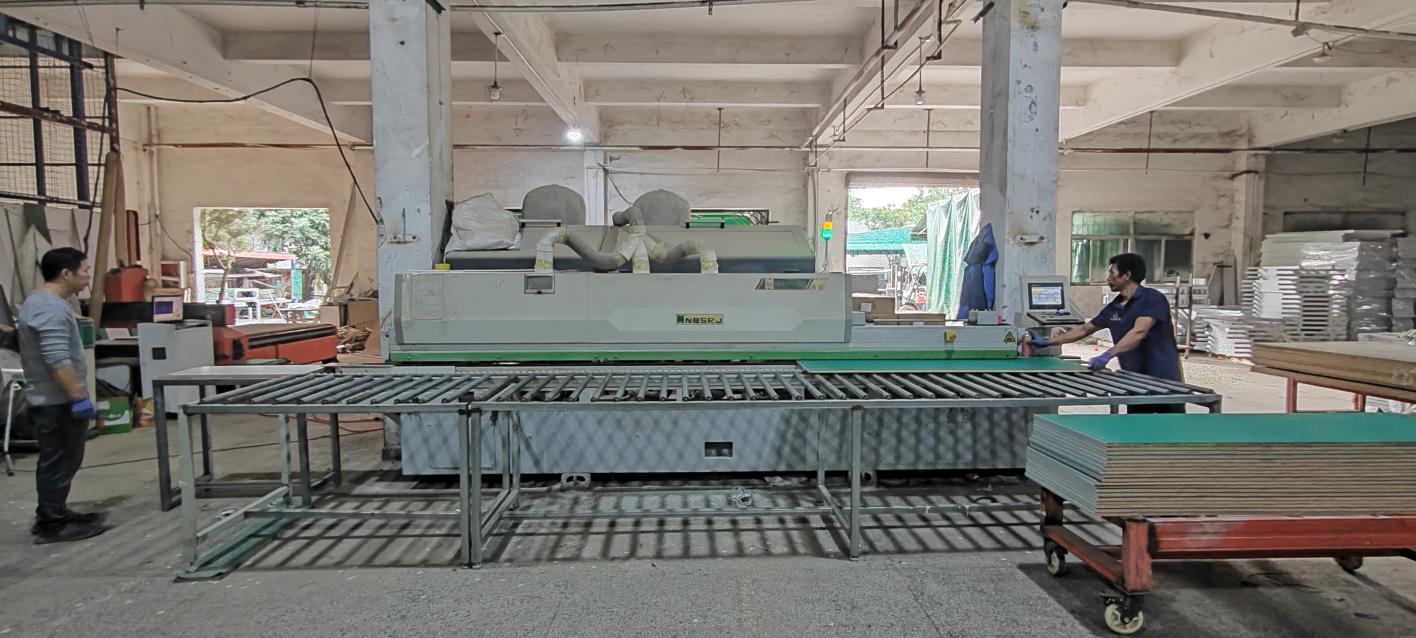
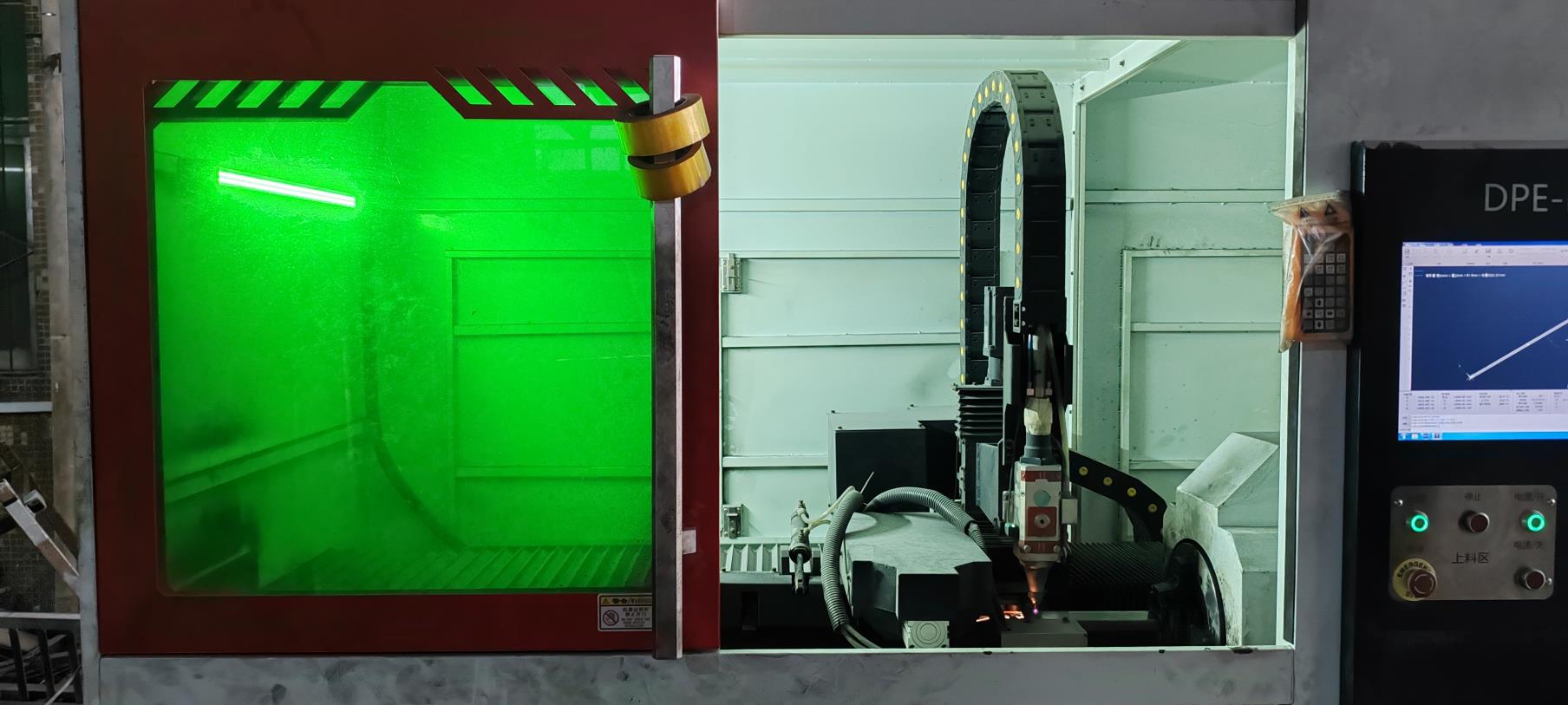
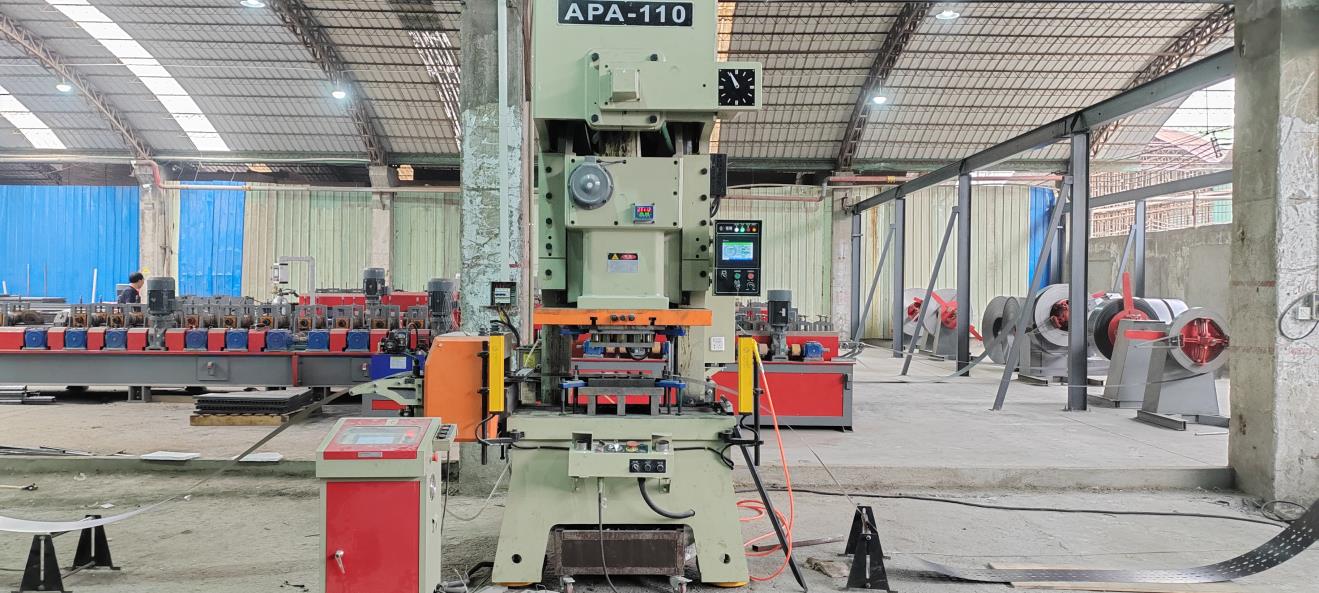
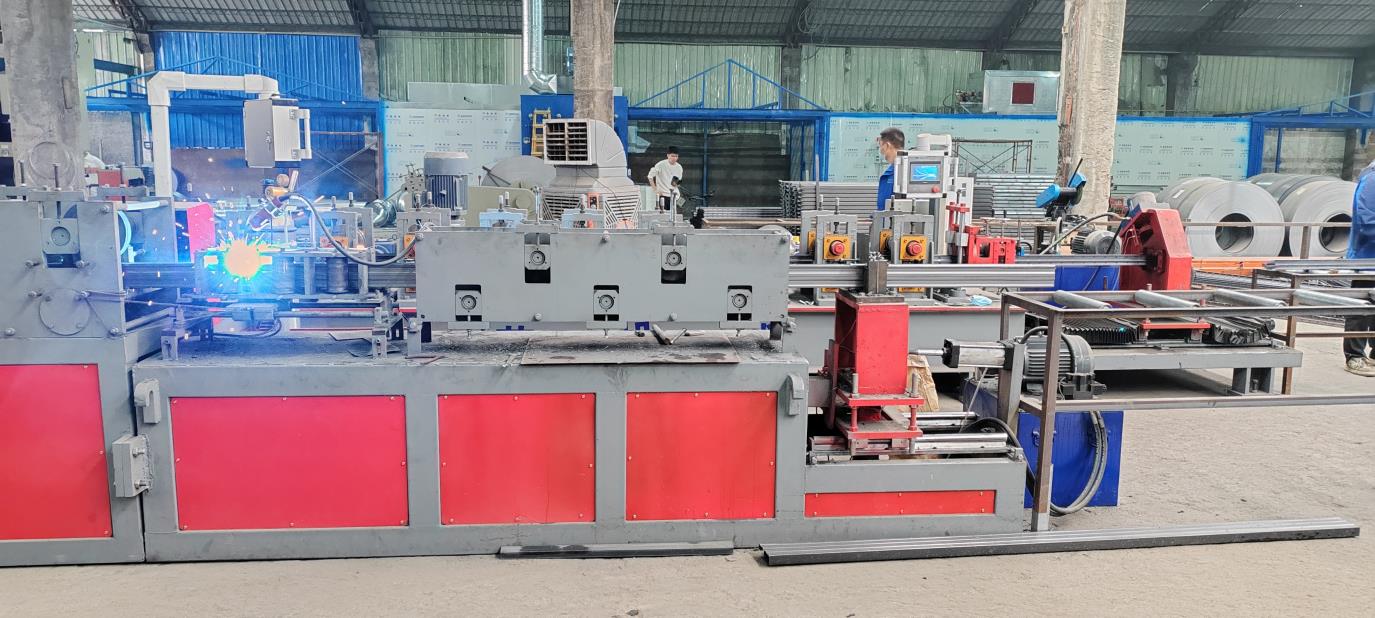
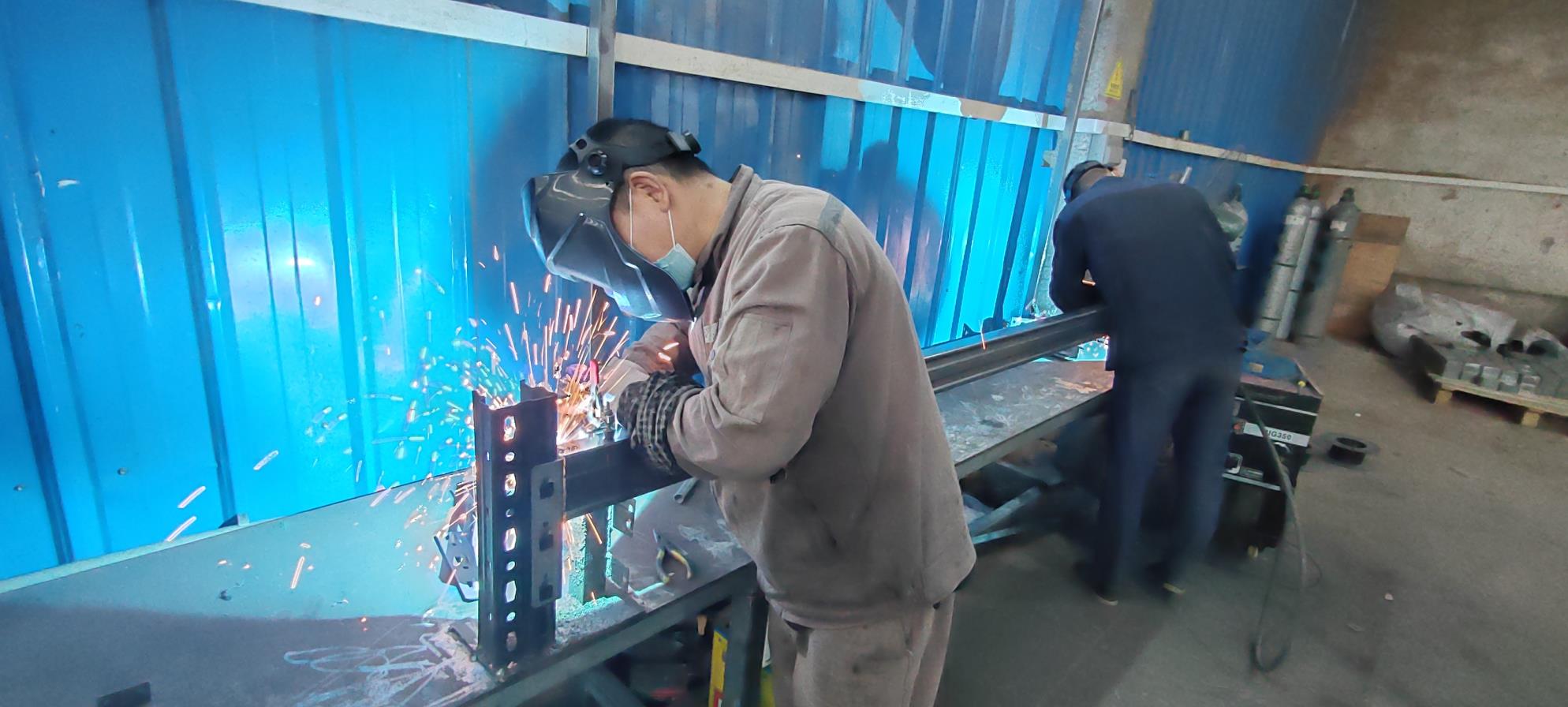
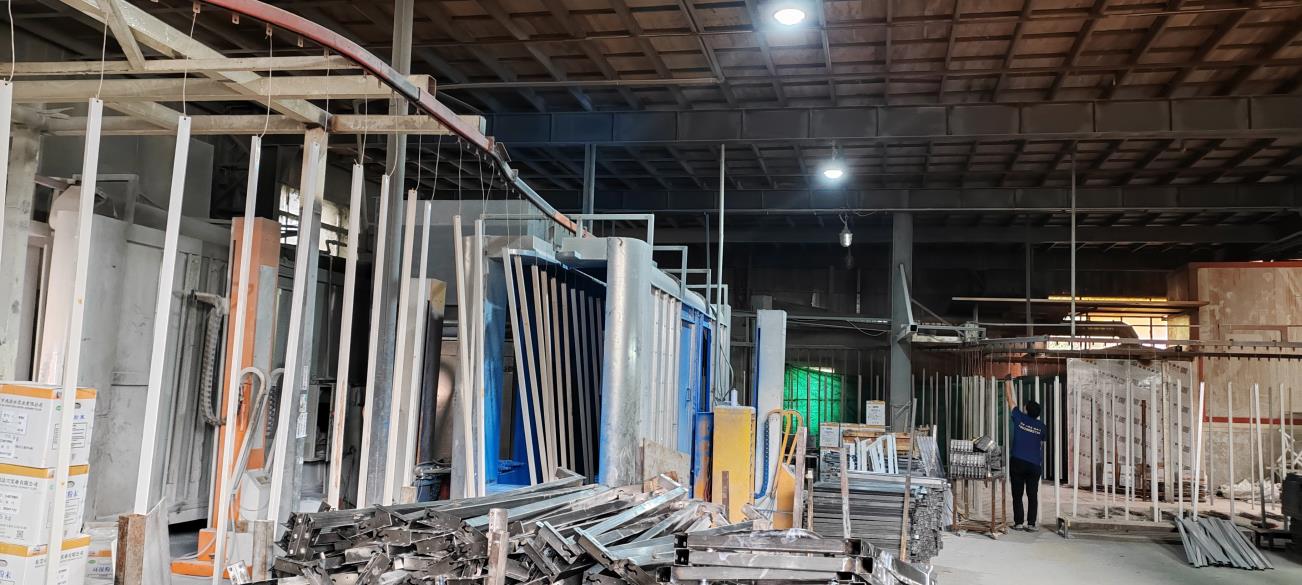
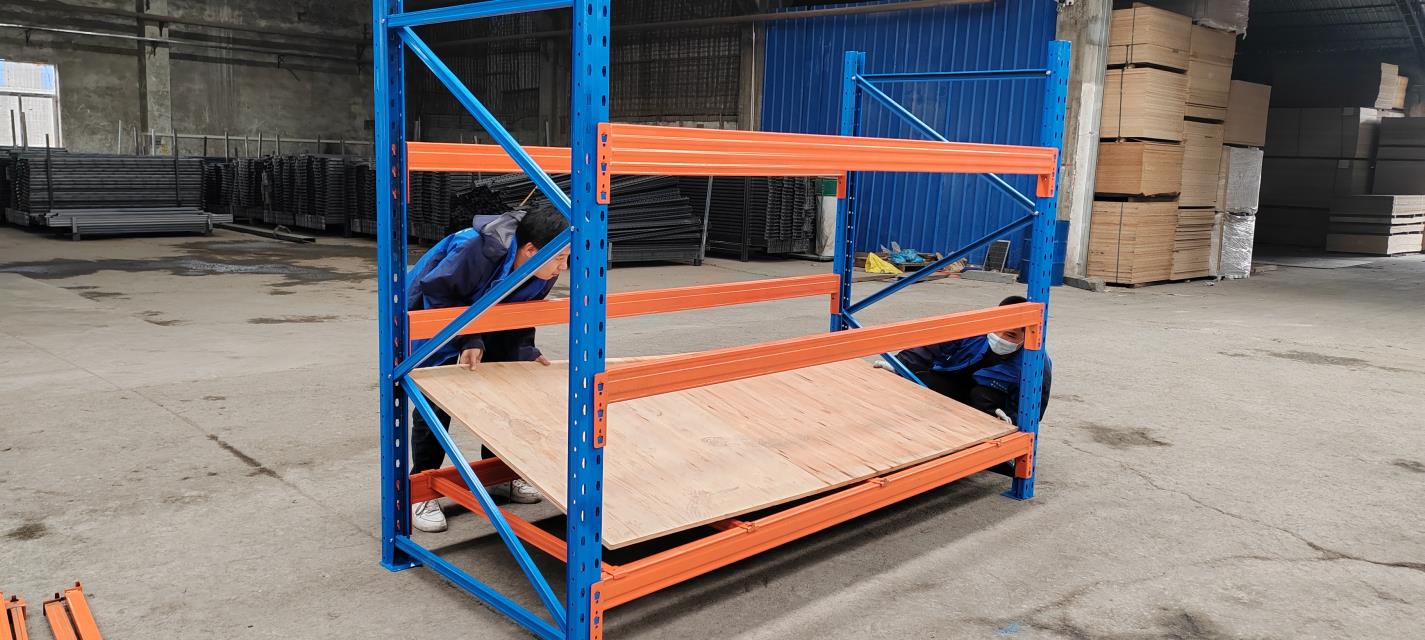
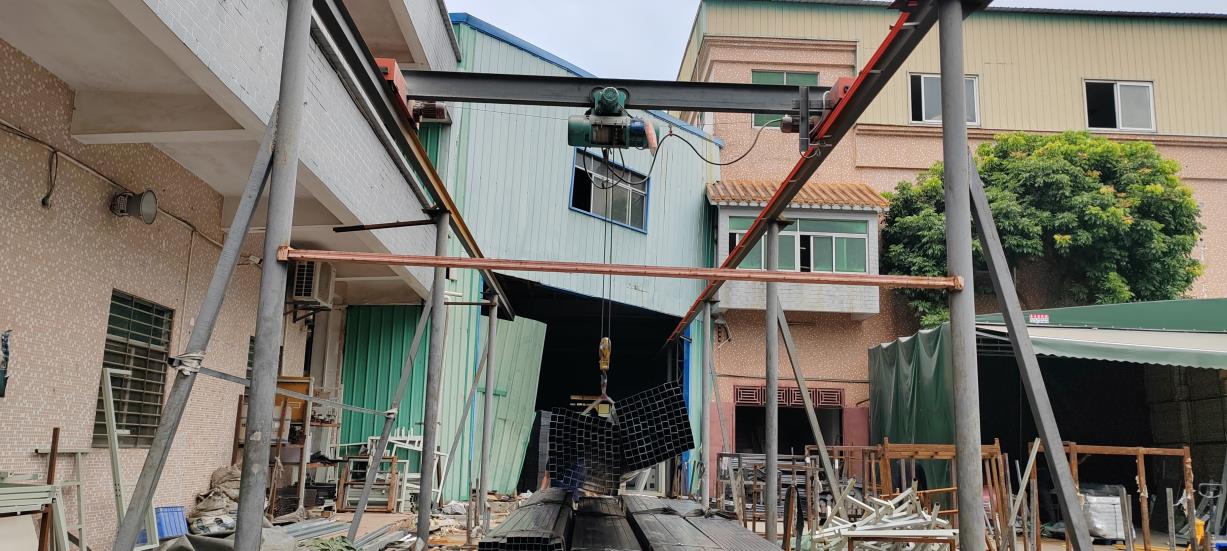
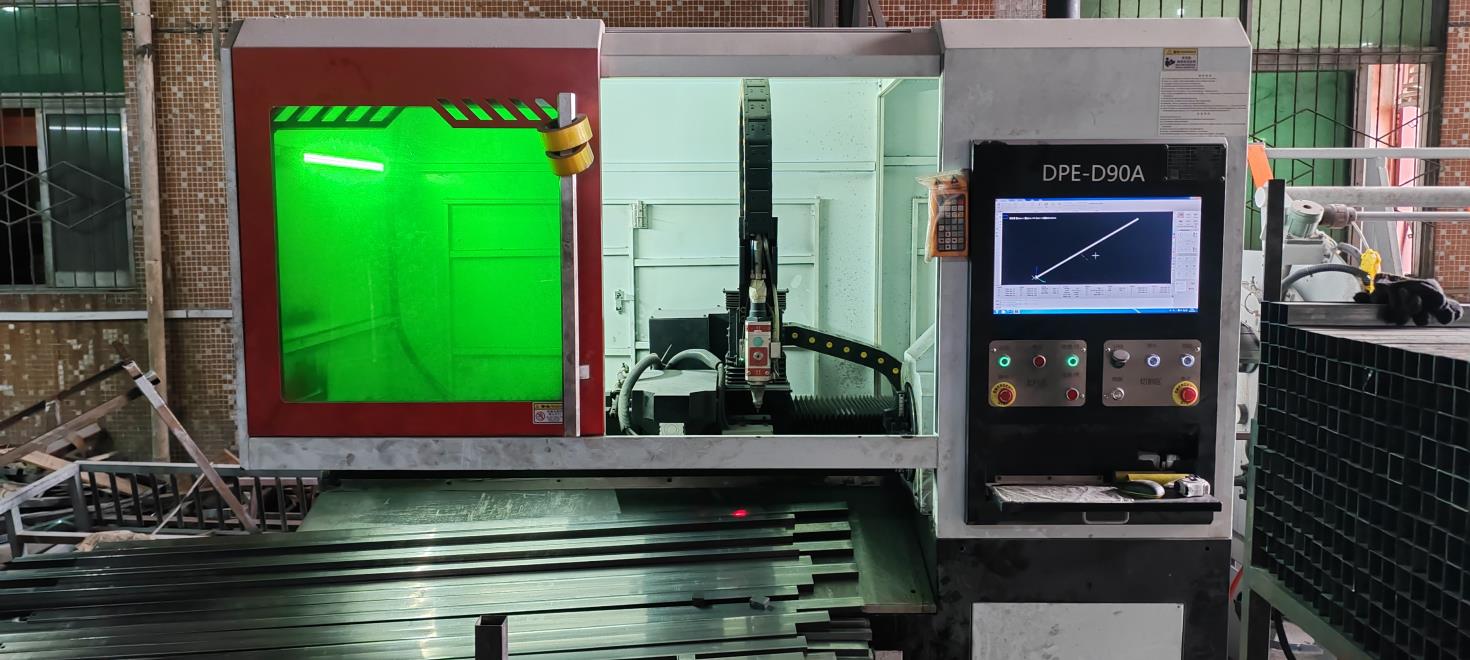
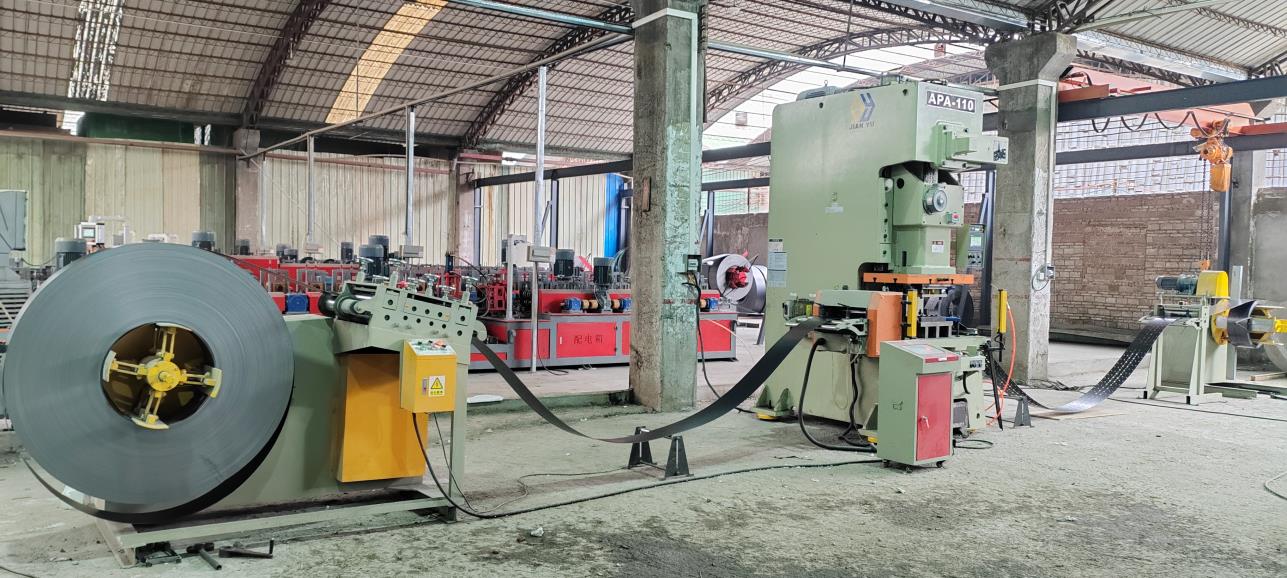
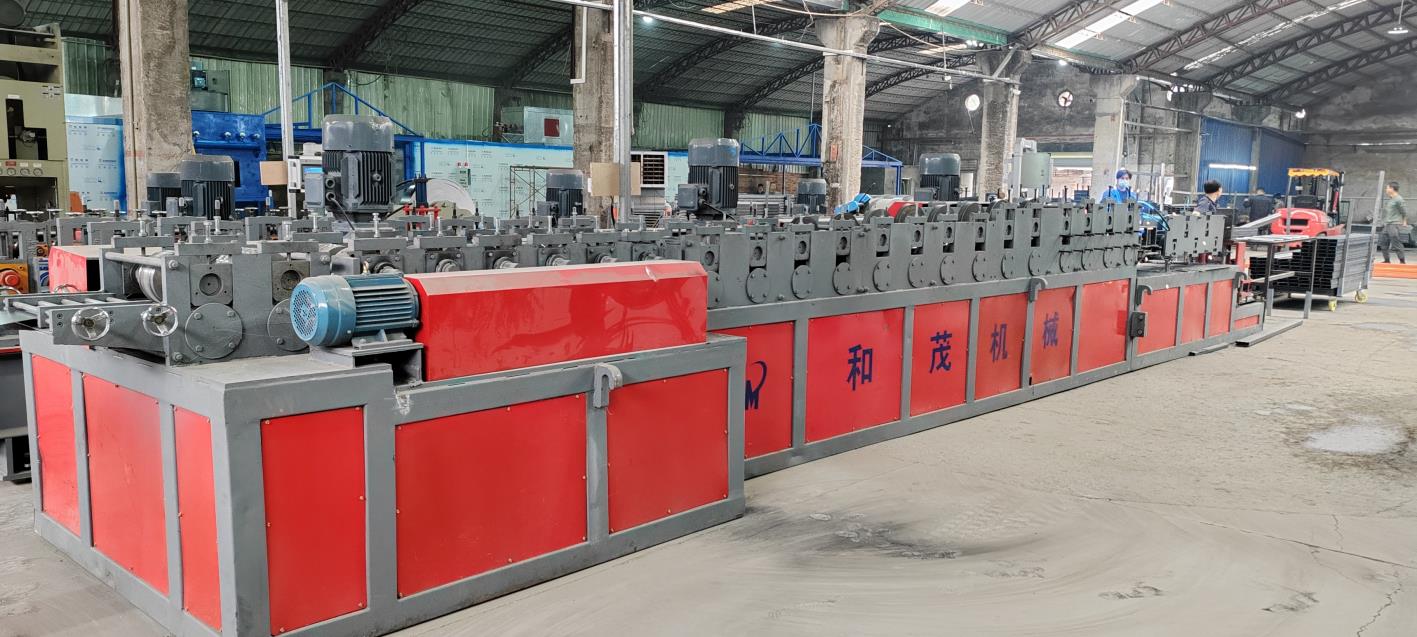
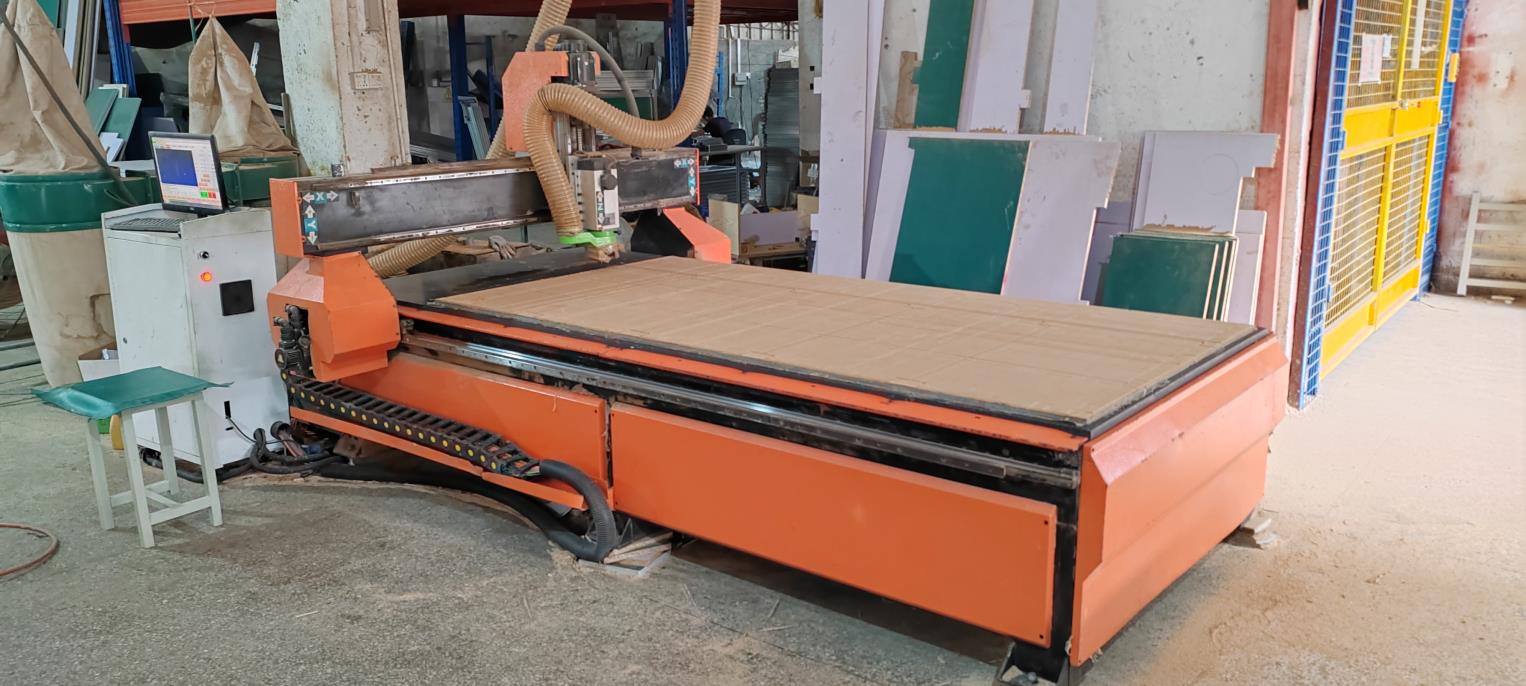
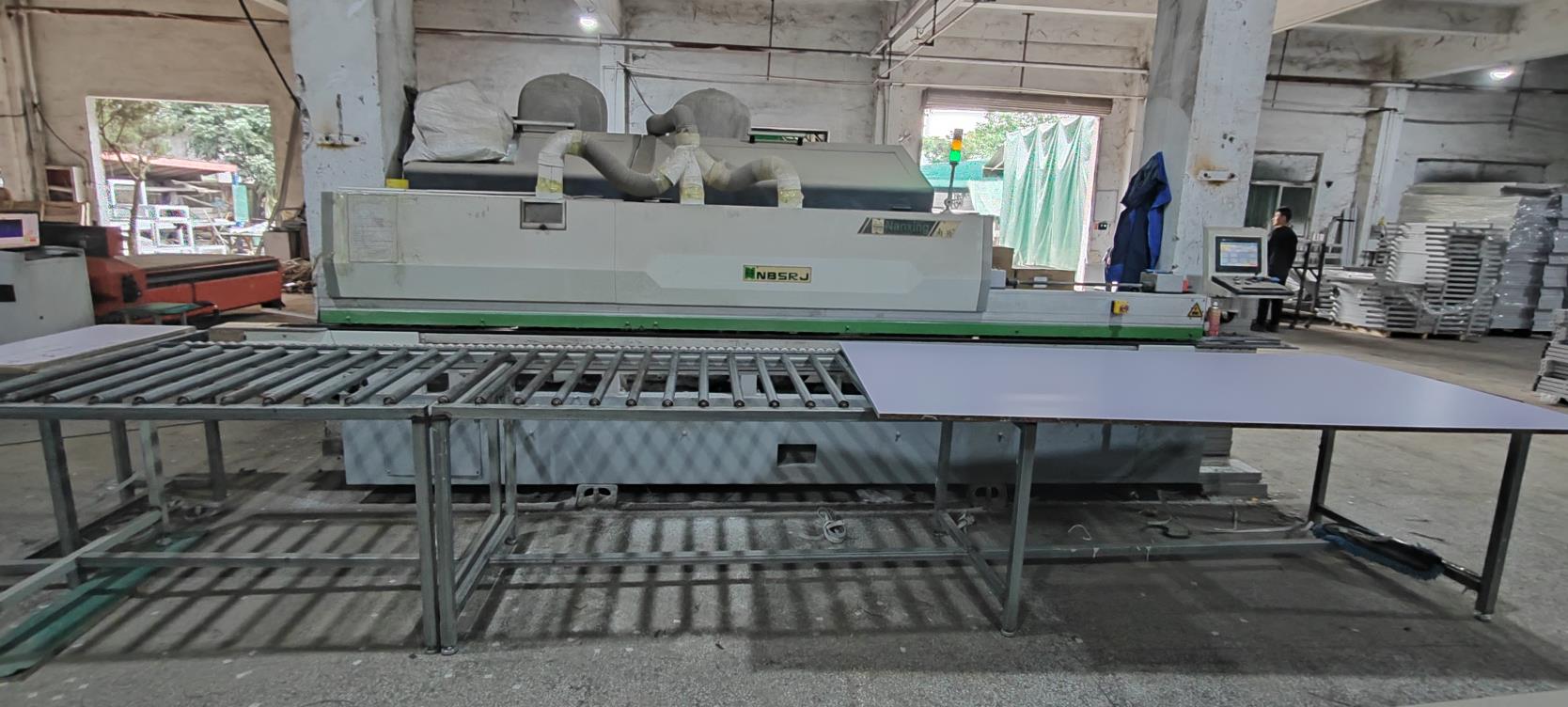
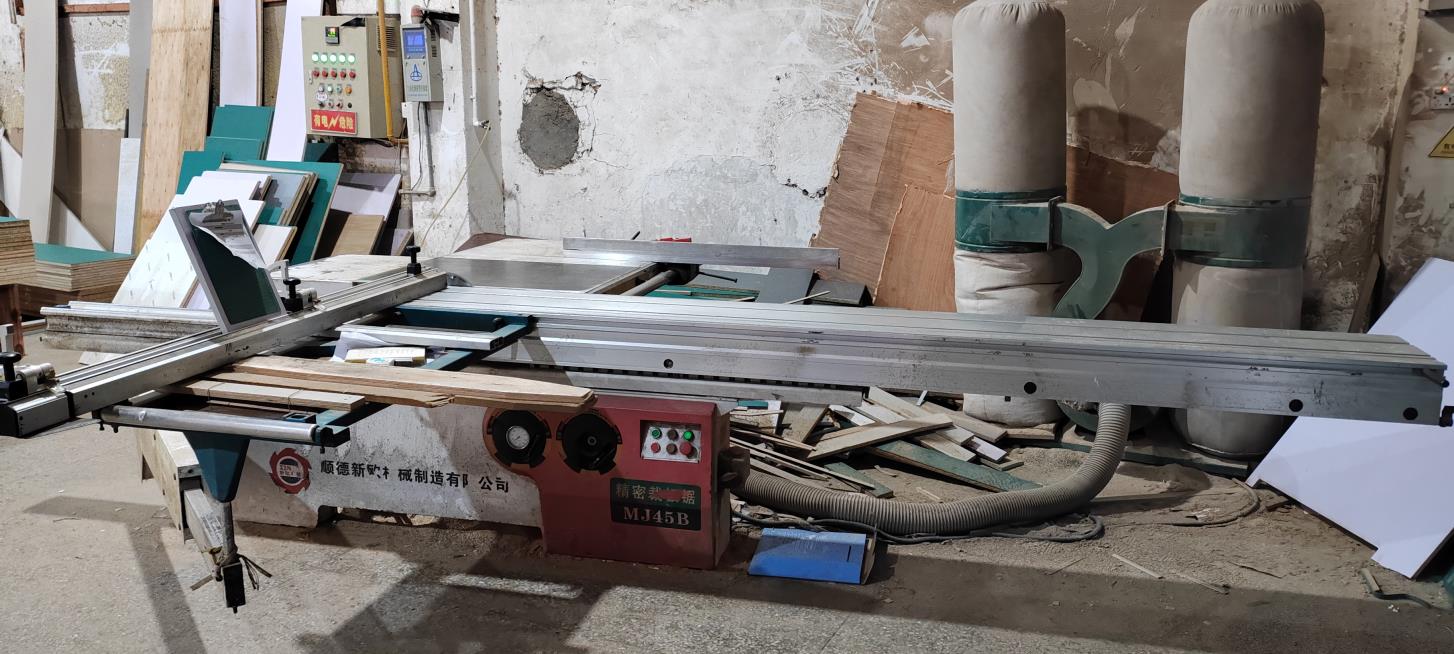
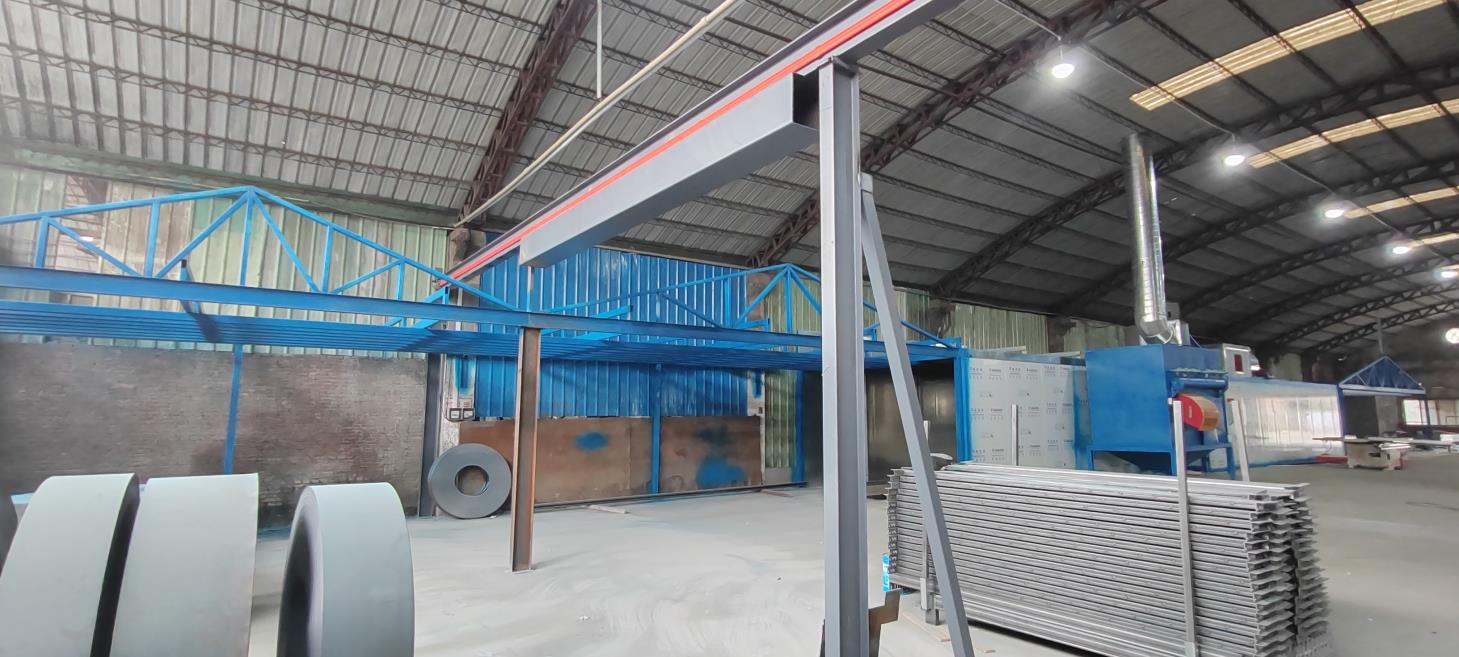
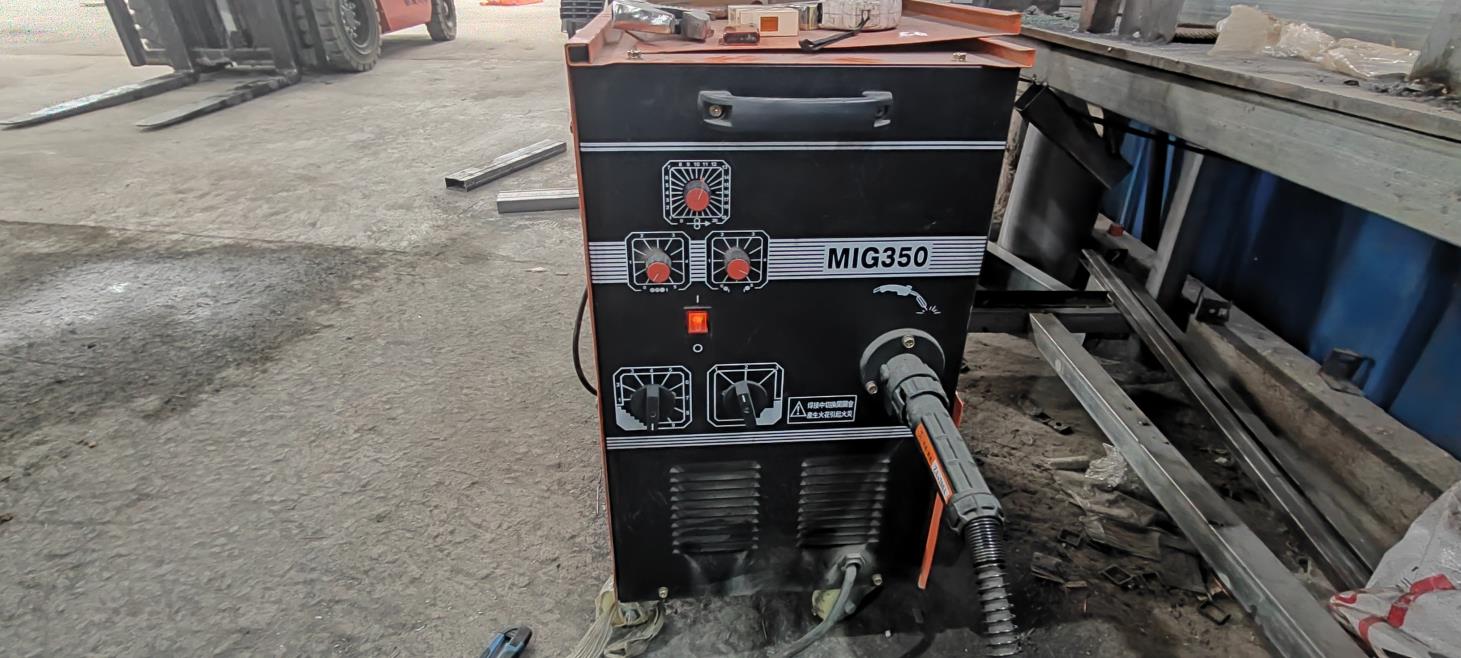
Our state-of-the-art production plant operates under a unified ERP-driven workflow, matching standard Industry 4.0 framework guidelines. This digital integration links our steel wire coil supply directly to our automated shaping, robotic welding, and powder coating lines. This high level of automation reduces human error, maintaining structural consistency across batches.
Multi-point computerized mesh-welding stations deliver consistent joint strength across the basket. This structural integrity minimizes sagging and weld-fracture risks under heavy payloads.
Our multi-stage cleaning and eco-friendly electro-zinc plating lines, topped with transparent powder coatings, provide corrosion protection verified by continuous 120-hour salt spray testing.
We optimize container nesting layouts to ship up to 25% more units per container. This smart loading configuration reduces per-unit shipping fees and simplifies warehouse intake upon arrival.
Entering the German market requires strict adherence to local regulations. Our products undergo third-party testing to comply with EN 1929, CE directives, and GS certification standards.
ISO 9001 & ISO 14001
Certified Manufacturing Plant Processes
Our enterprise-level OEM and ODM services are structured to support large-scale rollouts and rebranding efforts for major retail groups:
Specify capacity requirements, surface treatment specifications, castor selections, and custom branding requirements.
Our engineers create CAD models and build pre-production samples for physical strength, nesting, and alignment testing.
Following sample approval, production begins on our automated lines, overseen by our 62 QC inspectors.
CMM dimensional checks and salt spray tests are completed before secure packaging and shipping to European ports.
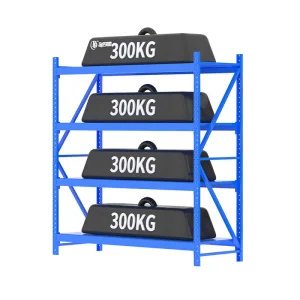
Explore our complete product lineup, ranging from standard retail trolleys to medium-duty warehouse systems designed for efficient material handling.
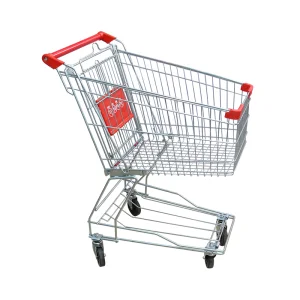
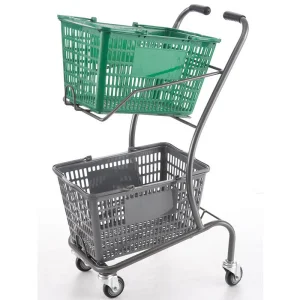
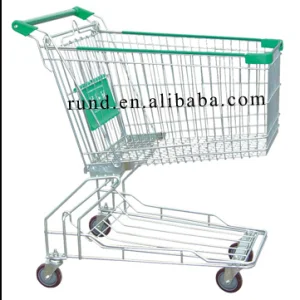
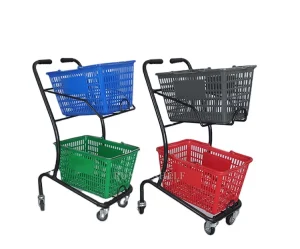
Key information regarding import standards, logistics timelines, customization capabilities, and compliance metrics for shopping cart procurement.
Contact our technical engineering team today to receive CAD design files, request physical samples, or get a detailed container pricing quote customized for your logistics network.
 FortisRack