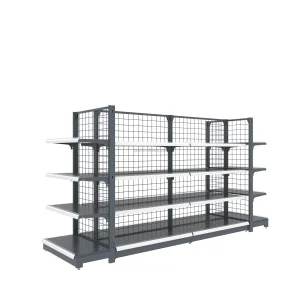
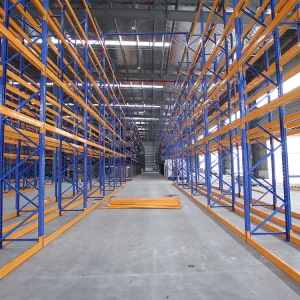
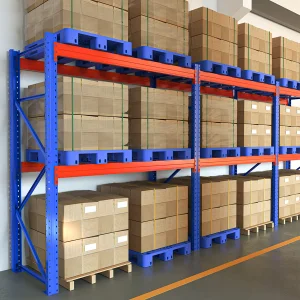
Designed for high-traffic environments, optimized for quick assembly and structural stiffness.
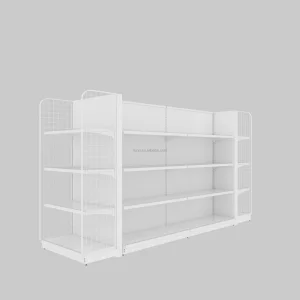
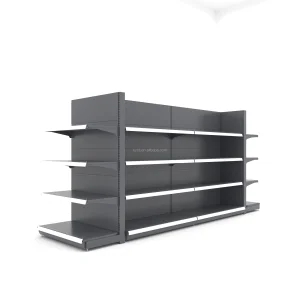
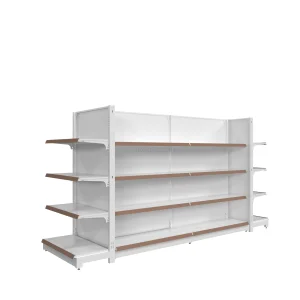
The retail landscape in East Africa, particularly in Kenya, is undergoing a profound structural evolution. Driven by rapid urbanization, a expanding middle class, and an increasingly sophisticated consumer base in cities like Nairobi, Mombasa, Kisumu, and Nakuru, traditional informal retail formats (such as neighborhood kiosks and open-air markets) are systematically integrating with modern, organized retail infrastructure. Major regional retailers such as Naivas, Quickmart, Chandarana Foodplus, alongside international players like Carrefour, have accelerated their expansion strategies, demanding rapid, scalable, and durable store fixture rollouts.
Within this hyper-competitive grocery and supermarket environment, store layout optimization directly correlates with sales velocity and gross margin return on investment (GMROI). Shelving systems are no longer treated as passive steel brackets; they are engineered modular assets designed to maximize SKU density, direct foot-traffic patterns, and support dynamic product categories. The demand for light supermarket shelves in Kenya centers on balancing structural integrity with cost-effective flexibility, allowing fast adjustment of shelves for promotional categories, FMCG changes, and high-load seasonal stocks.
"An optimized layout utilizing advanced, modular light-duty steel shelving can improve customer transit times by 24% while simultaneously boosting visual cross-merchandising efficiency."
Deploying retail fixtures in Kenya requires understanding the regional macro-climate. Supermarkets in coastal zones like Mombasa, Malindi, or Lamu face high relative humidity and salt-laden air, which accelerate the rust kinetics of mild steel. Conversely, highland zones like Nairobi or Eldoret undergo significant diurnal thermal cycles that demand stable structural coatings to prevent micro-cracking in powder finishes.
Nanjing Fortis addresses these localized challenges through strict material science protocols. We use exclusively high-grade Q235B cold-rolled structural steel. Each structural element is treated with an multi-stage hot-dip phosphate cleaning process, followed by an electrostatic application of high-durability epoxy-polyester powder coating. The resulting surface layer has a minimum thickness of 60 to 80 microns, passing rigorous salt spray testing to guarantee a corrosion-free lifespan of over 10 years, even in coastal humid regions.
How Nanjing Fortis Storage Equipment Manufacturing Co., Ltd. ensures zero-defect quality across 48,000 m²
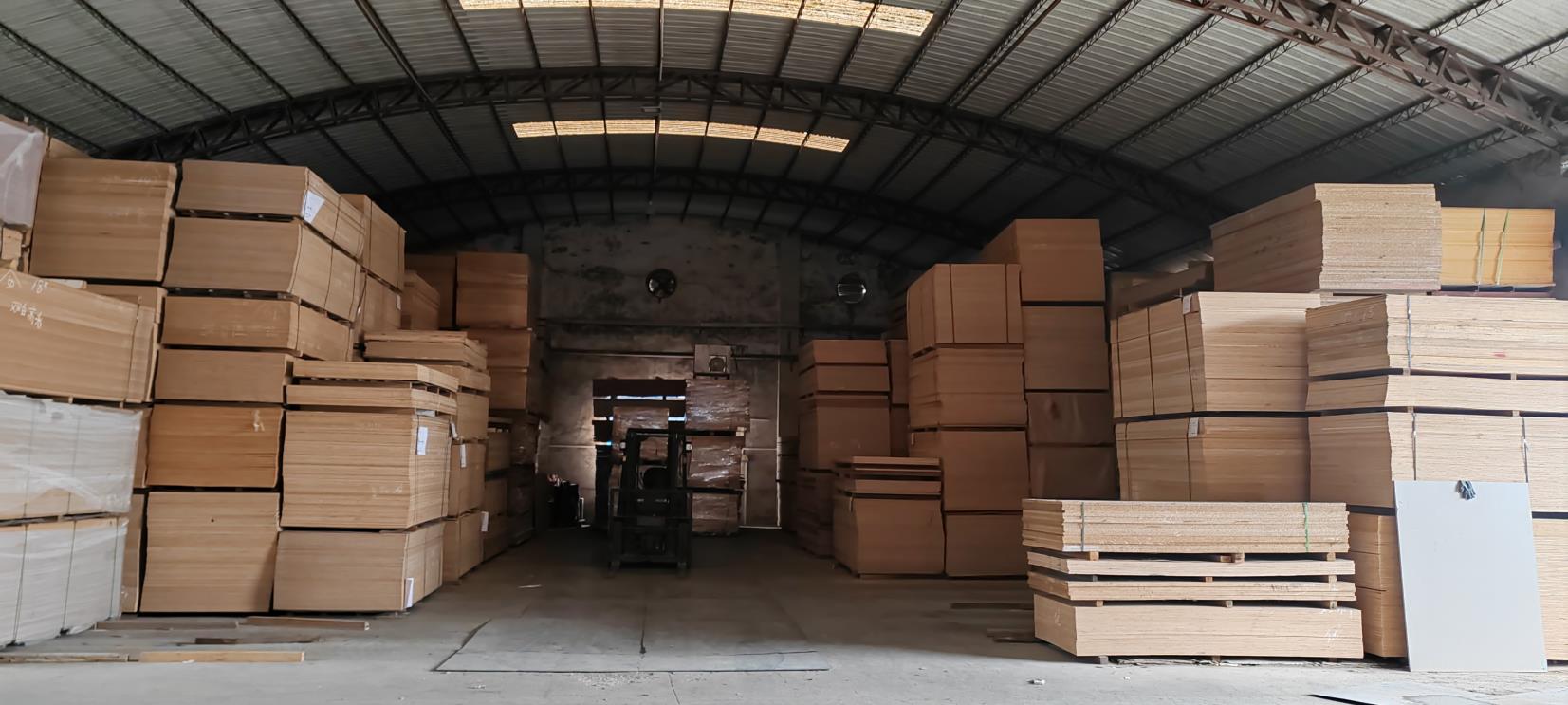
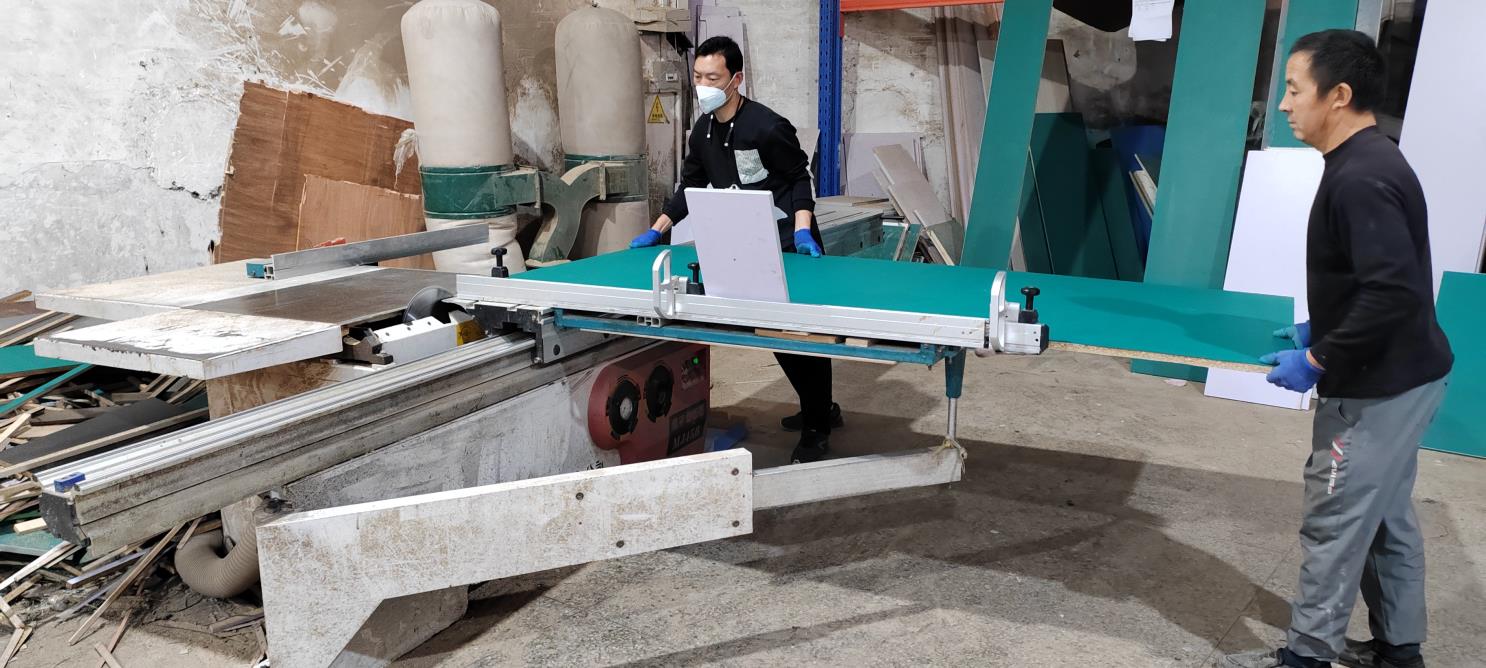
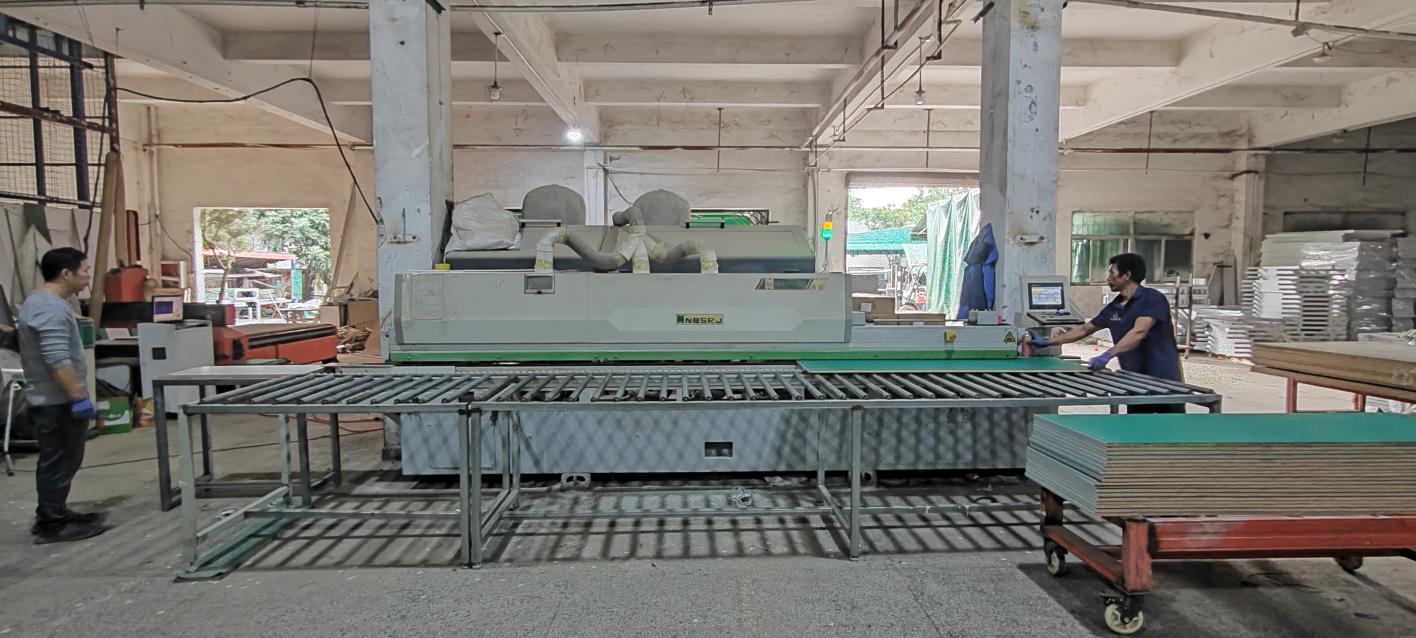
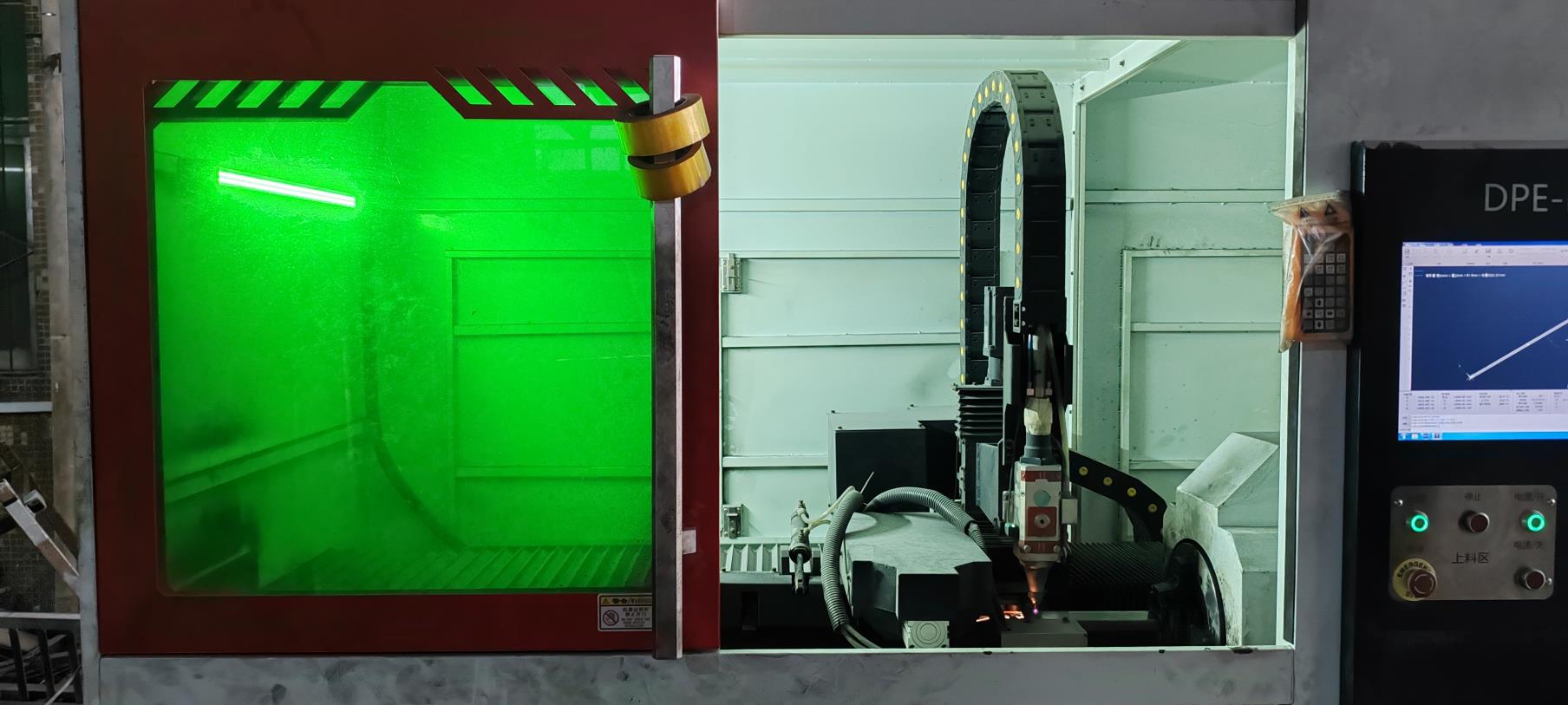
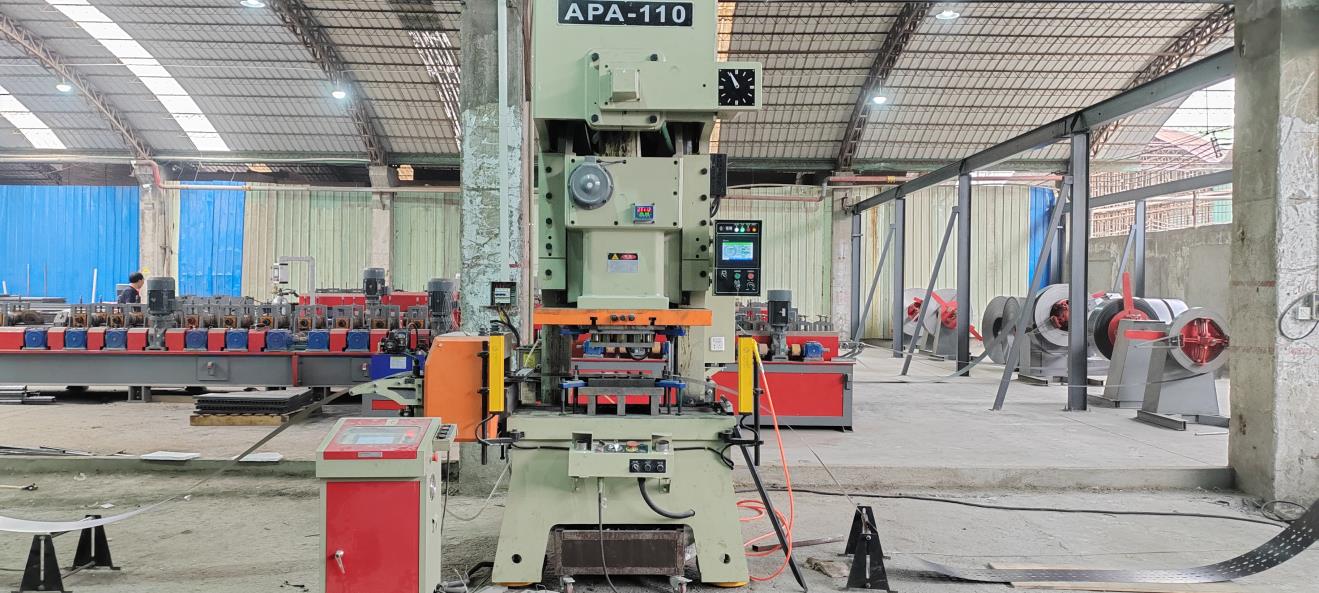
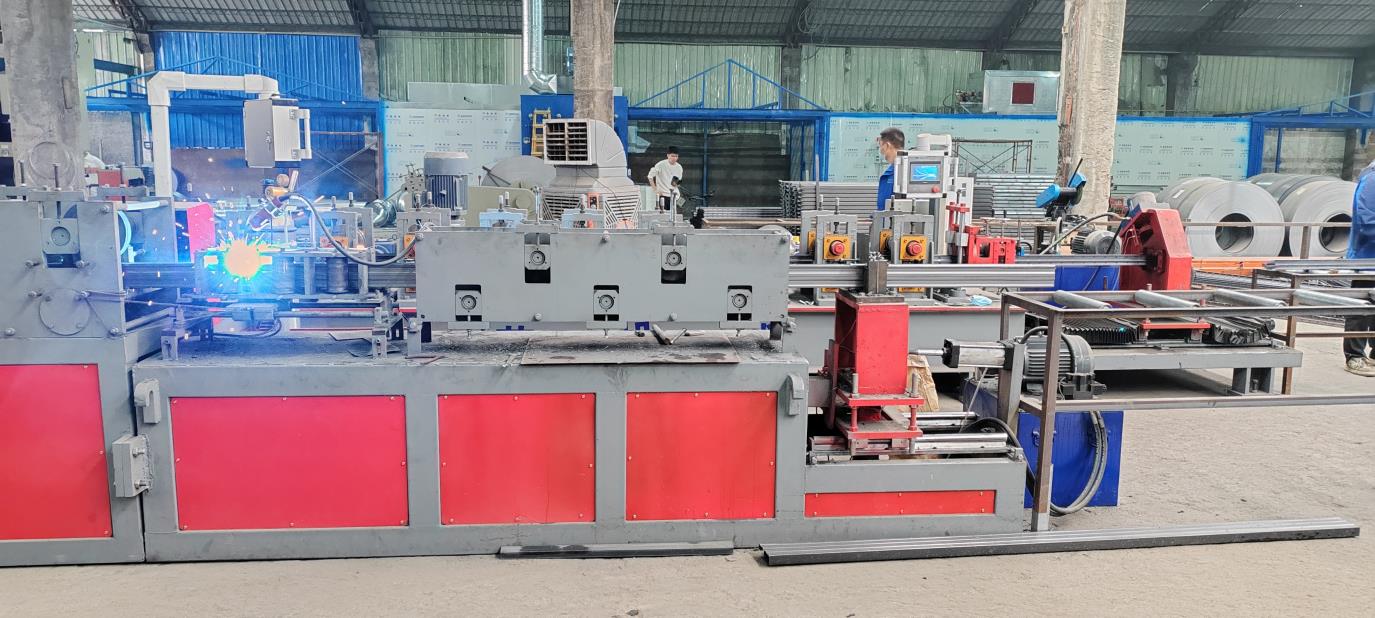
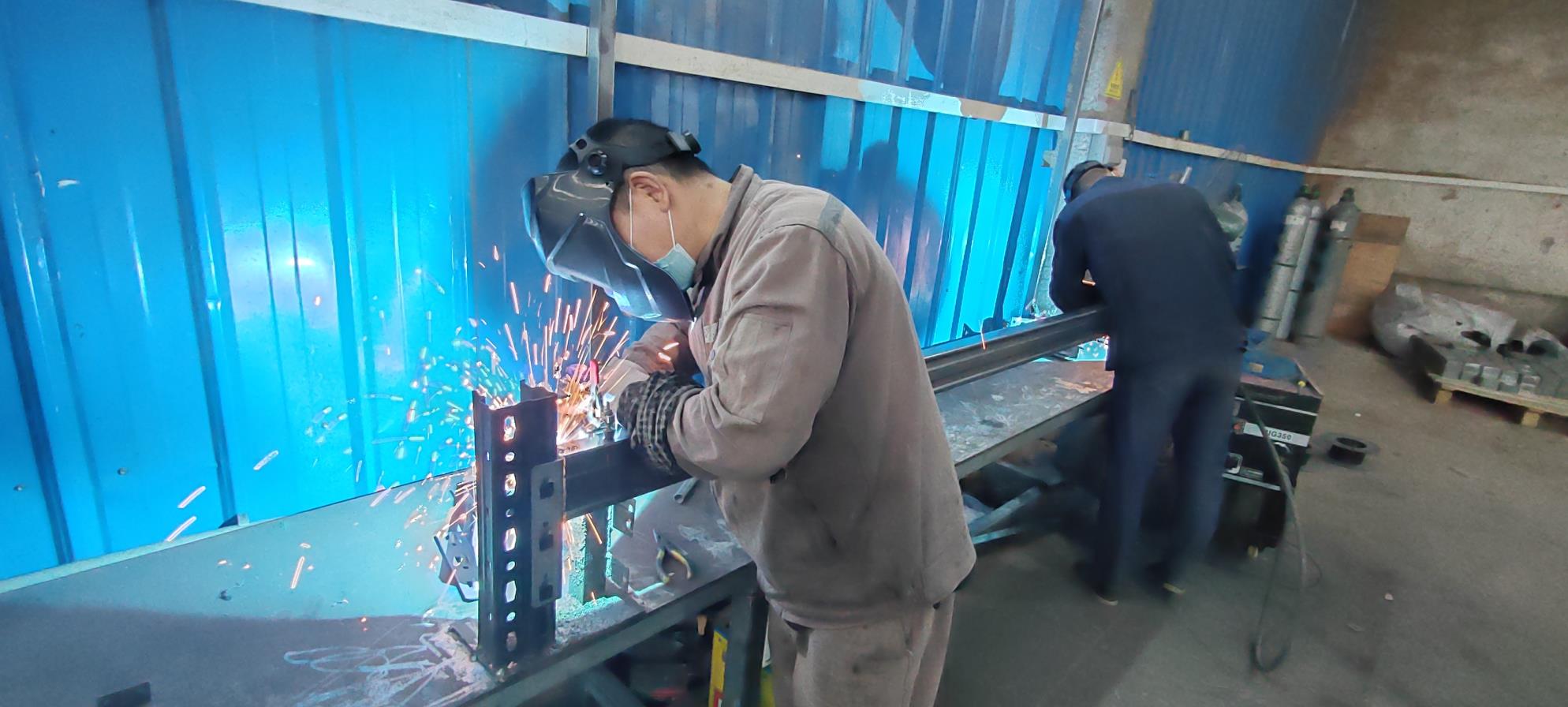
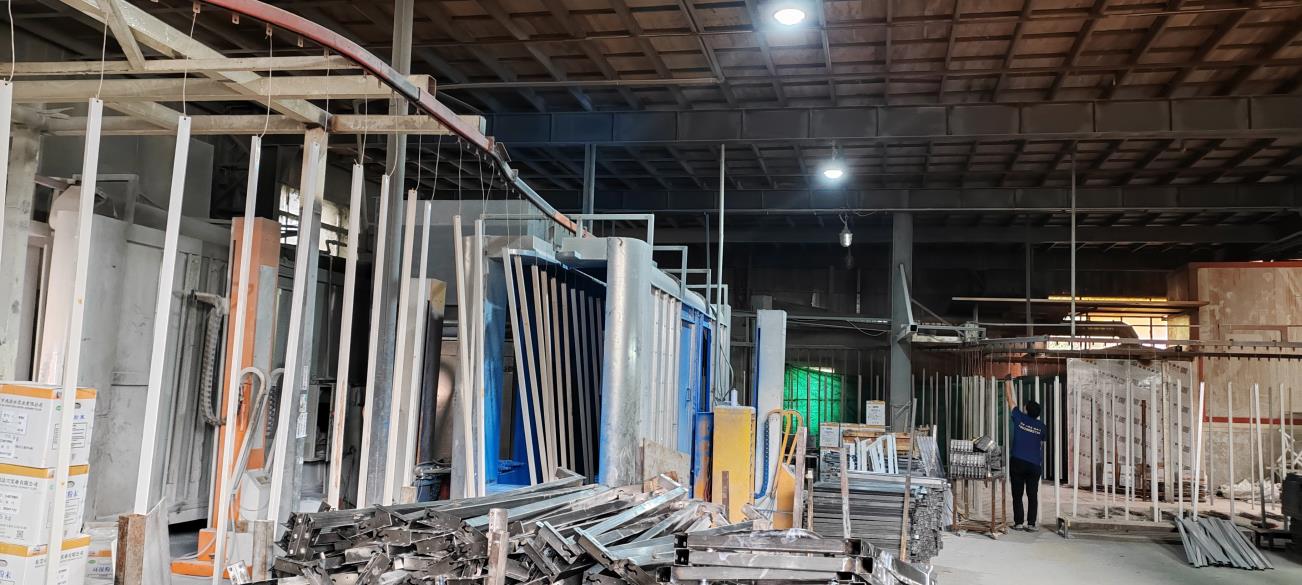
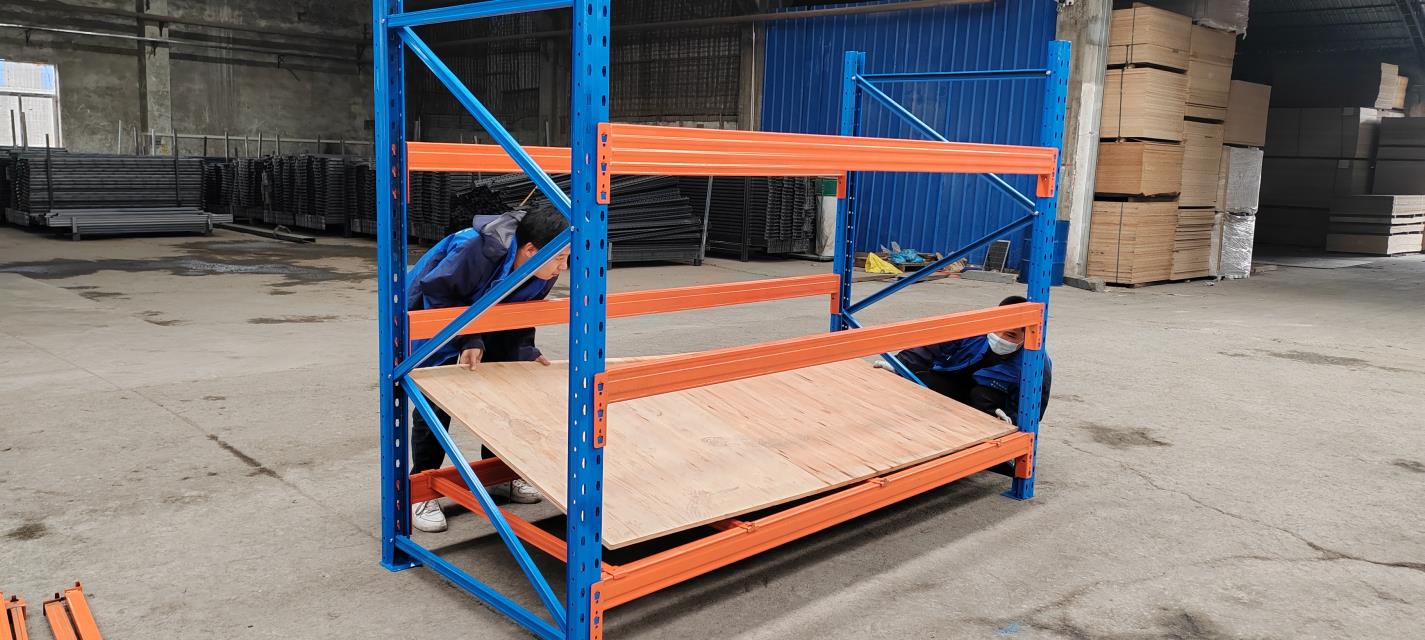
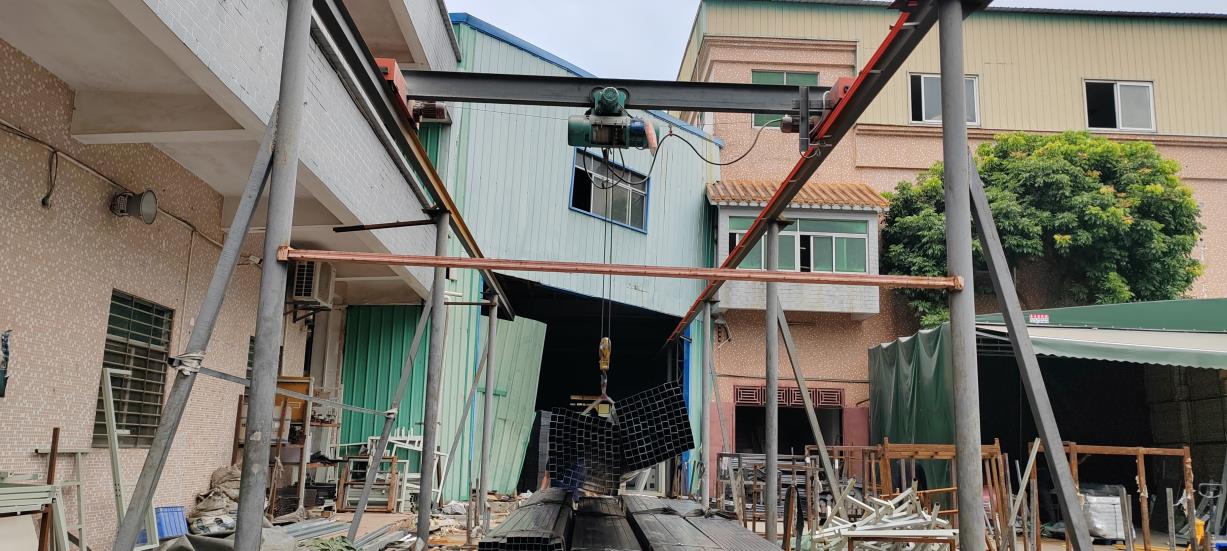
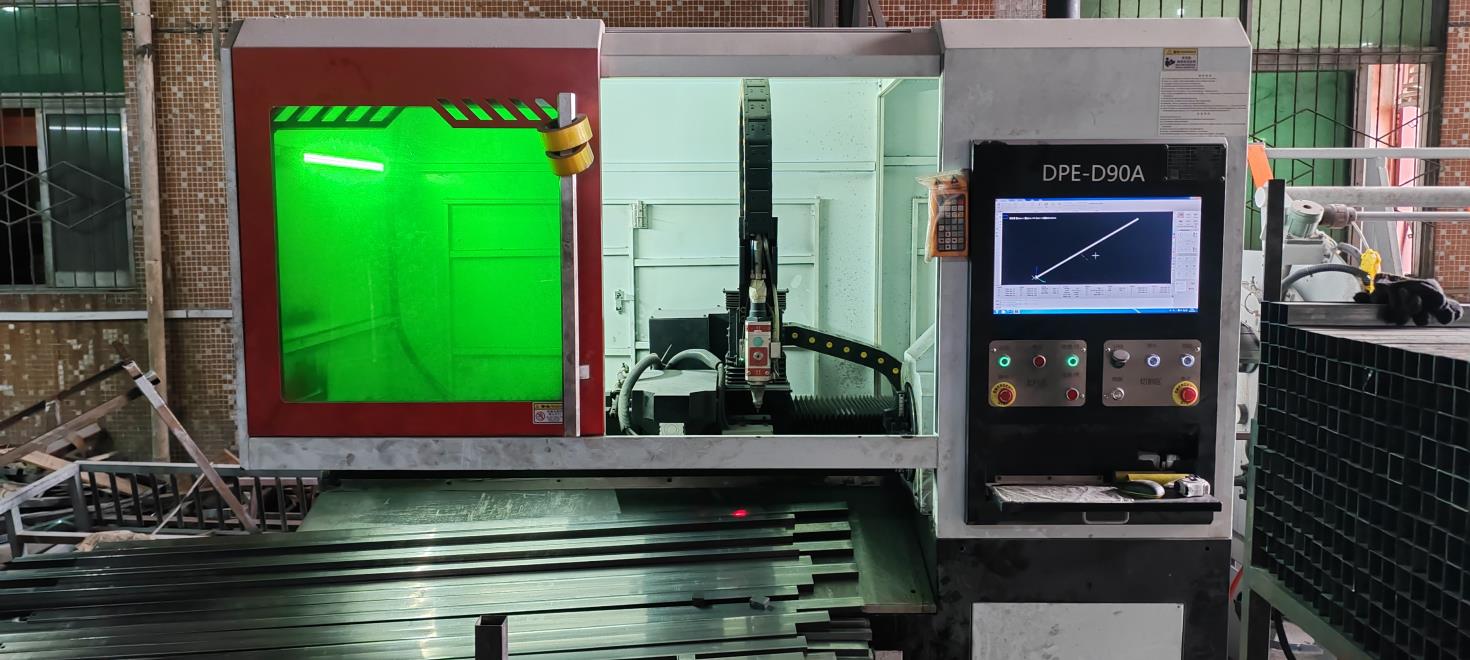
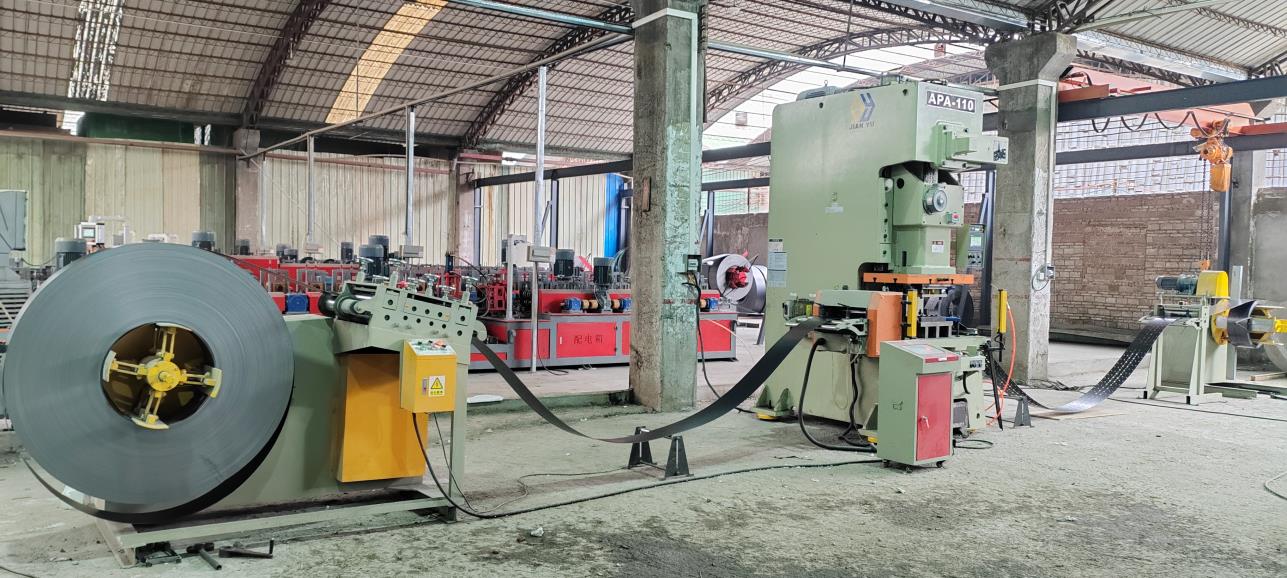
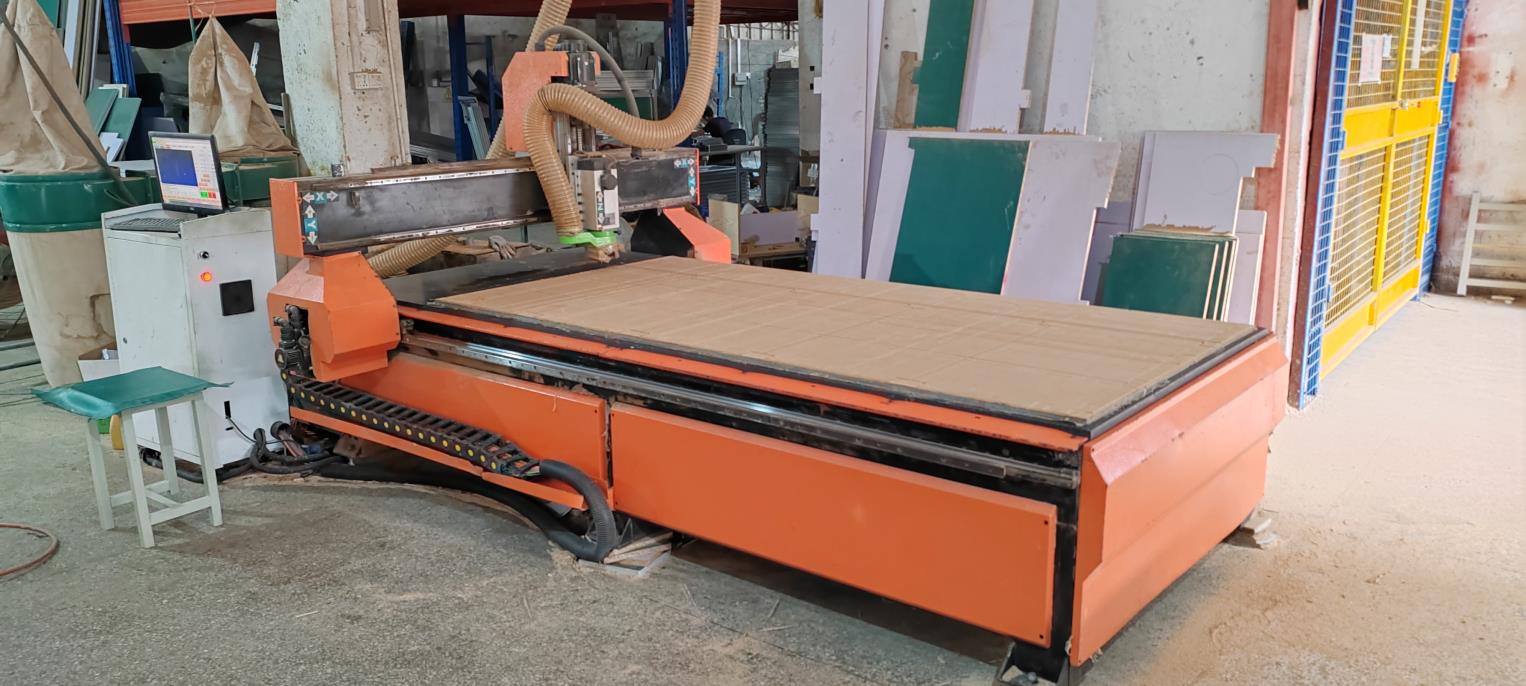
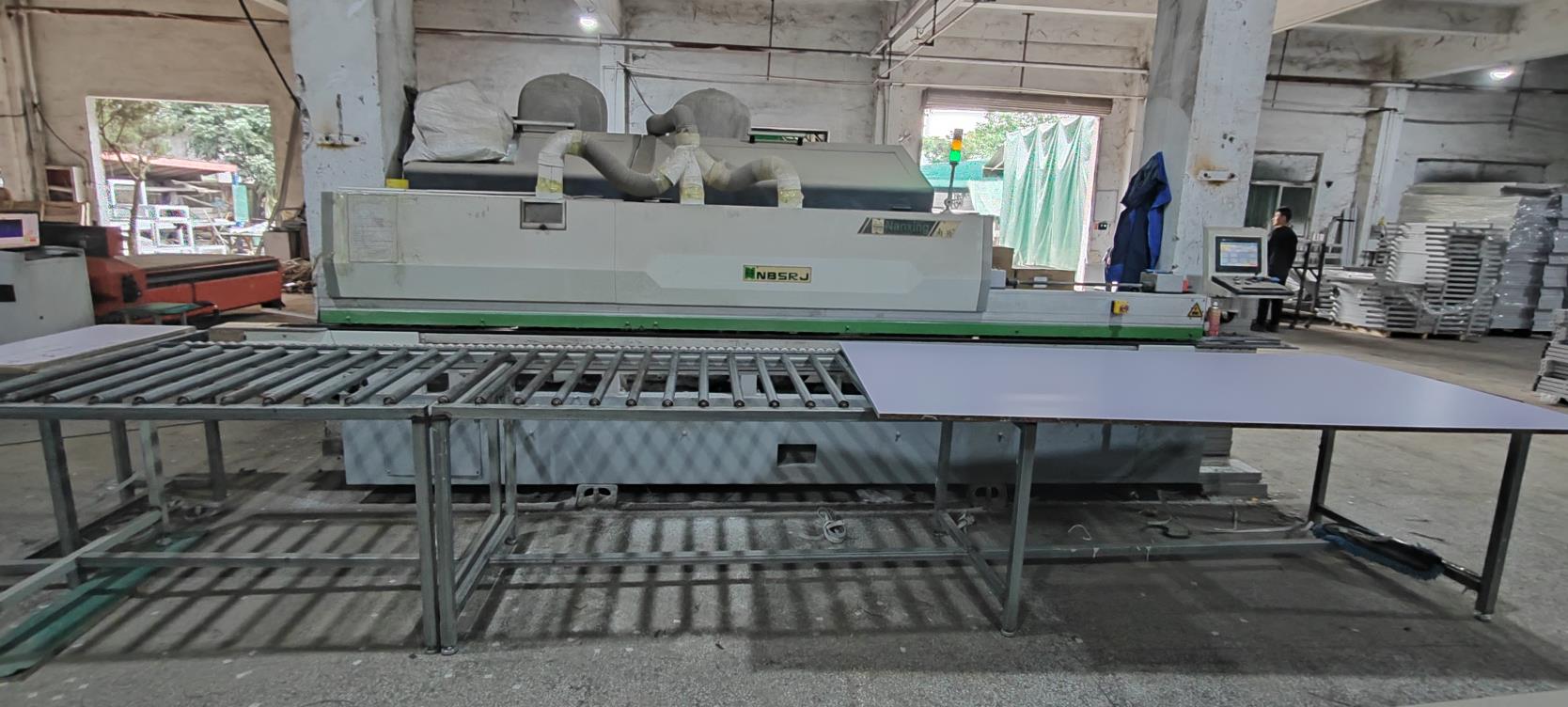
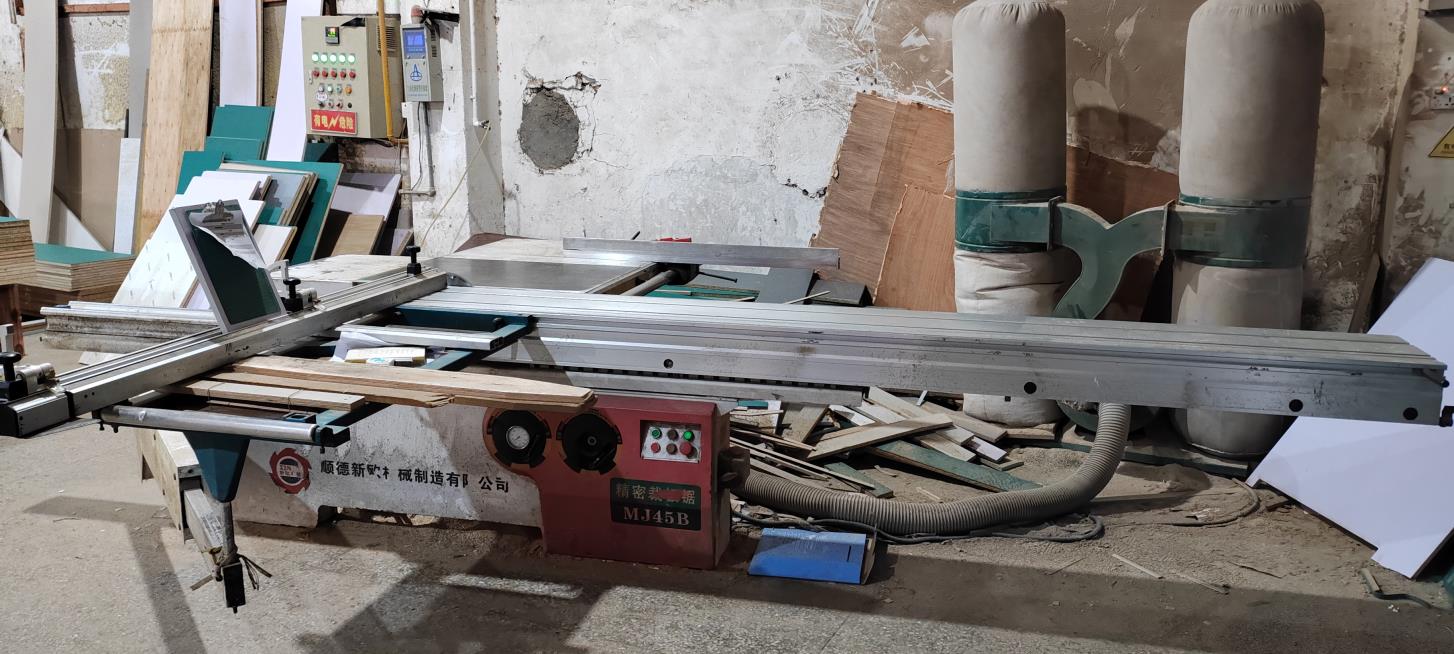
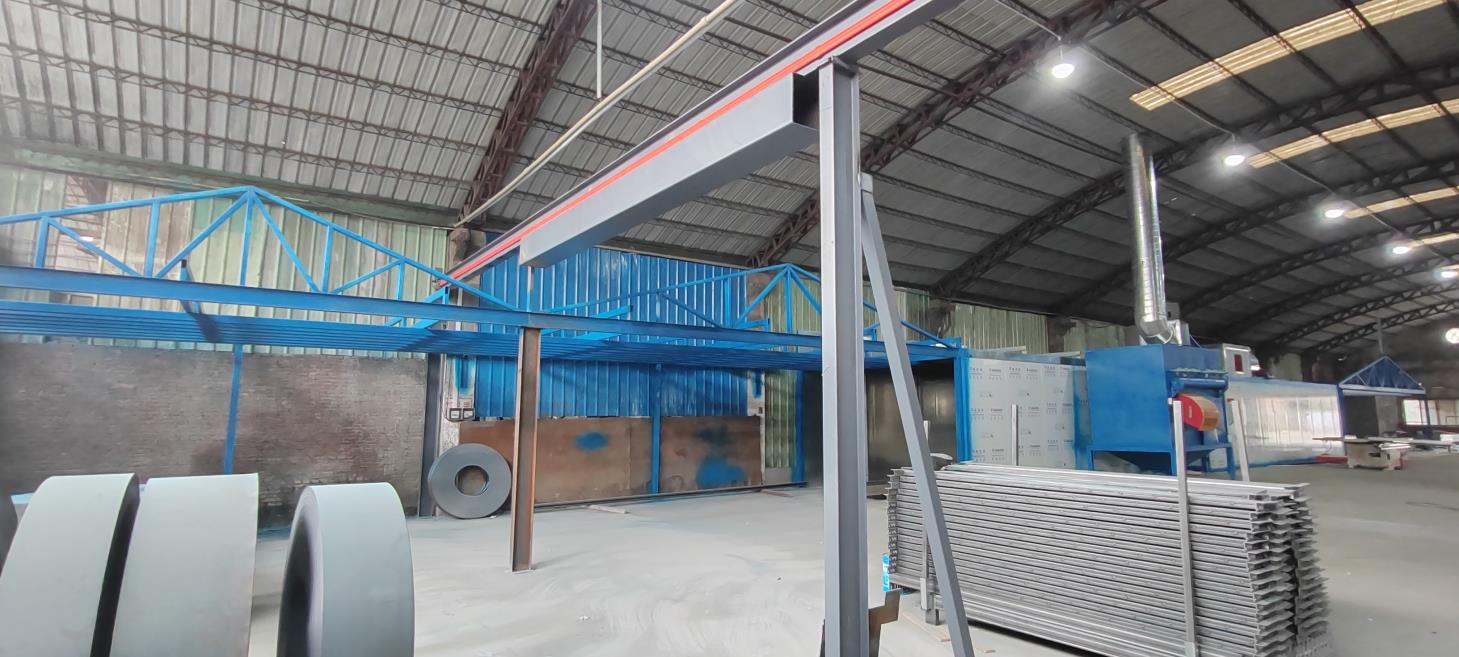
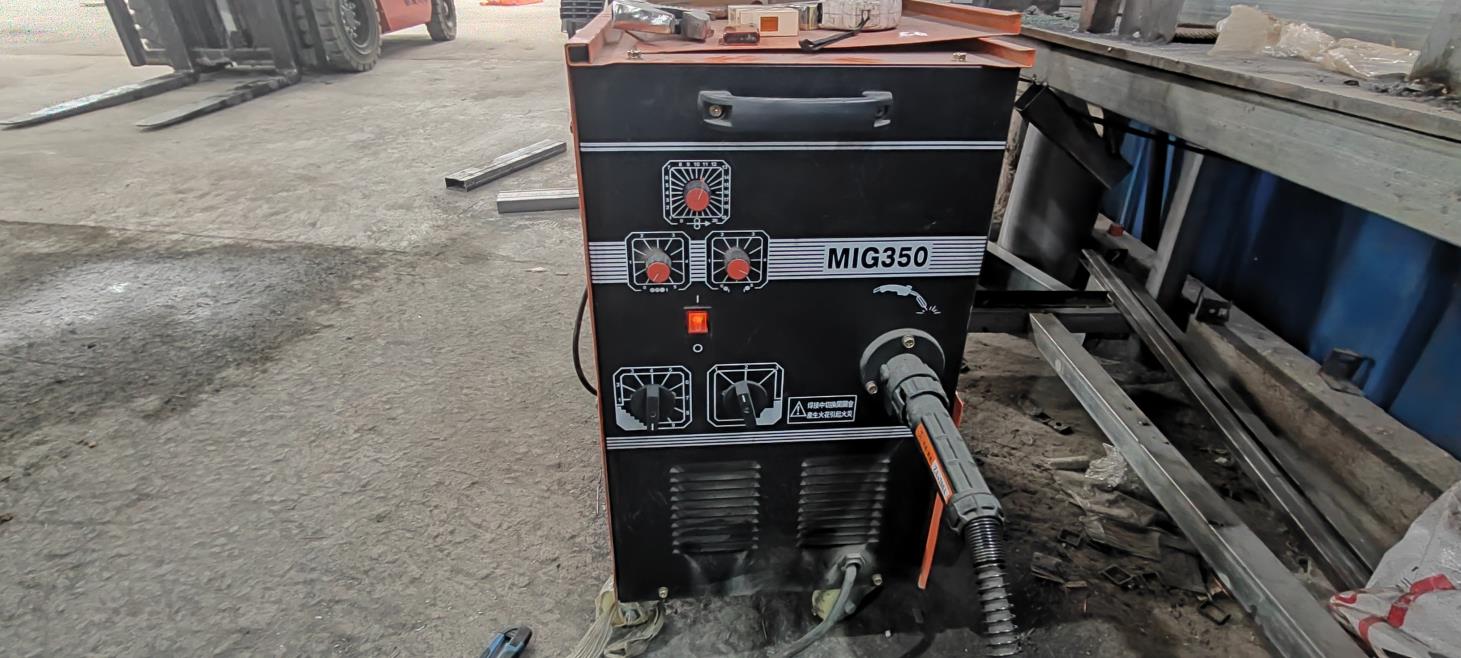
Strict alignment with international validation programs. 62 full-time QA personnel executing automated Coordinate Measuring Machine (CMM) inspections.
80 engineering specialists providing 2D/3D custom floor plans, special color matching, density calculation models, and seismic-safe upright configurations.
Integrated with 1,400+ primary raw material partners. Delivering flat-packed, containerized retail solutions to Mombasa Port with complete pre-customs documentation.
Optimized systems for hypermarkets, boutique stores, and convenience retail centers.
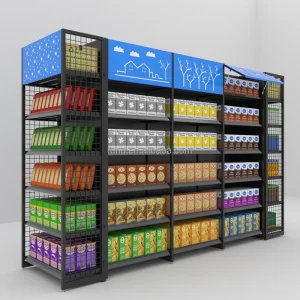
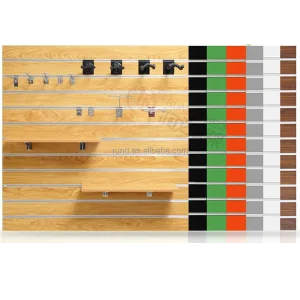
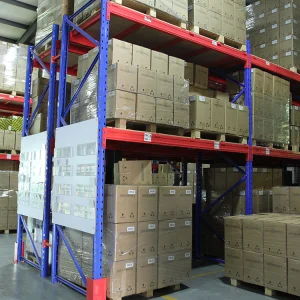
For retail developers and procurement managers in Kenya, sourcing fixtures directly from a Chinese manufacturer requires clear supply chain execution. Shipping times, customs clearance at the Port of Mombasa, inland transport via the Standard Gauge Railway (SGR) or road carriers to the Nairobi Inland Container Depot (ICD), and final delivery are critical milestones where delays impact store opening deadlines.
Nanjing Fortis has streamlined this logistics pathway. Leveraging our export volume of $35 million, we maintain priority booking agreements with leading ocean carriers (such as MAERSK, COSCO, and PIL). The typical transit time from Shanghai or Ningbo Port to Mombasa Port ranges from 22 to 28 days.
To facilitate hassle-free customs clearance and ensure complete compliance with local laws, we prepare all mandatory cargo certification dossiers, including:
The retail sector is transitioning toward digitized shelf layouts and inventory management. Nanjing Fortis is actively developing and testing systems that integrate electronic shelf labels (ESL) directly into our modular shelf profiles, eliminating manual price updates and allowing real-time dynamic pricing.
Furthermore, our R&D team is refining lightweight high-tensile steel-alloy profiles that reduce overall steel mass by 15% while preserving load capacity ratings. This directly reduces raw material costs and ocean freight expenses per unit, optimizing the total cost of ownership for retail store networks throughout East Africa.
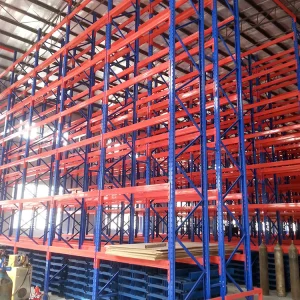
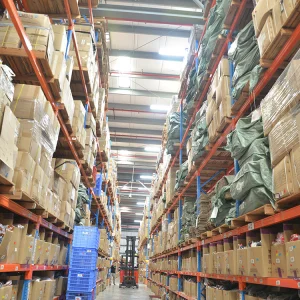
Heavy capacity solutions for hypermarket stockrooms, logistics zones, and cash-and-carry formats in Kenya.
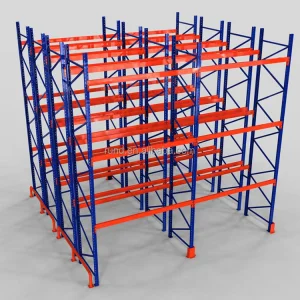
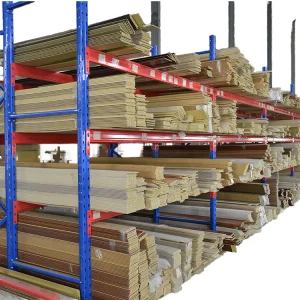
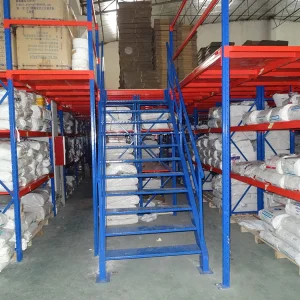
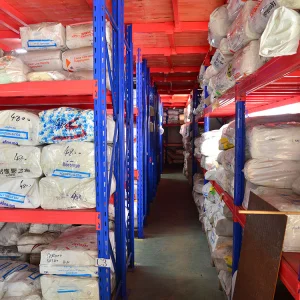
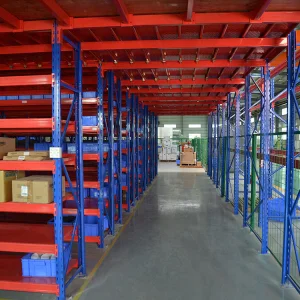
When layout designers design long rows of gondola shelving, structural calculation is critical to prevent system tipping or failure under uneven loads. At Nanjing Fortis, our design models calculate the exact Uniformly Distributed Load (UDL) limits for every component shelf.
To determine the dynamic load capacity, we analyze the mechanical properties of cold-rolled steel (SPCC) using the following formula:
Where:
• σ: Maximum bending stress developed in the shelf plate.
• M_max: Maximum bending moment determined by the distributed load (W) and span length (L).
• W_x: Elastic section modulus of the shelf profile (greatly improved by multi-bend edge folding).
• [σ]: Allowable stress limit of Q235B steel, incorporating a 1.5x structural safety factor.
By integrating double or triple support stiffeners underneath each shelf panel, we ensure that under maximum rated loading (e.g., 100 kg on a typical 900mm wide shelf plate), the physical vertical deflection remains under L/300 (less than 3mm). This prevents unsightly sagging and ensures long-term safety for shoppers.
The upright column is the vertical backbone of the shelving assembly. Our standard light-duty upright columns utilize a custom cold-rolled profile featuring double-row multi-point punching slots. This design allows for independent shelf height adjustments at 50mm increments.
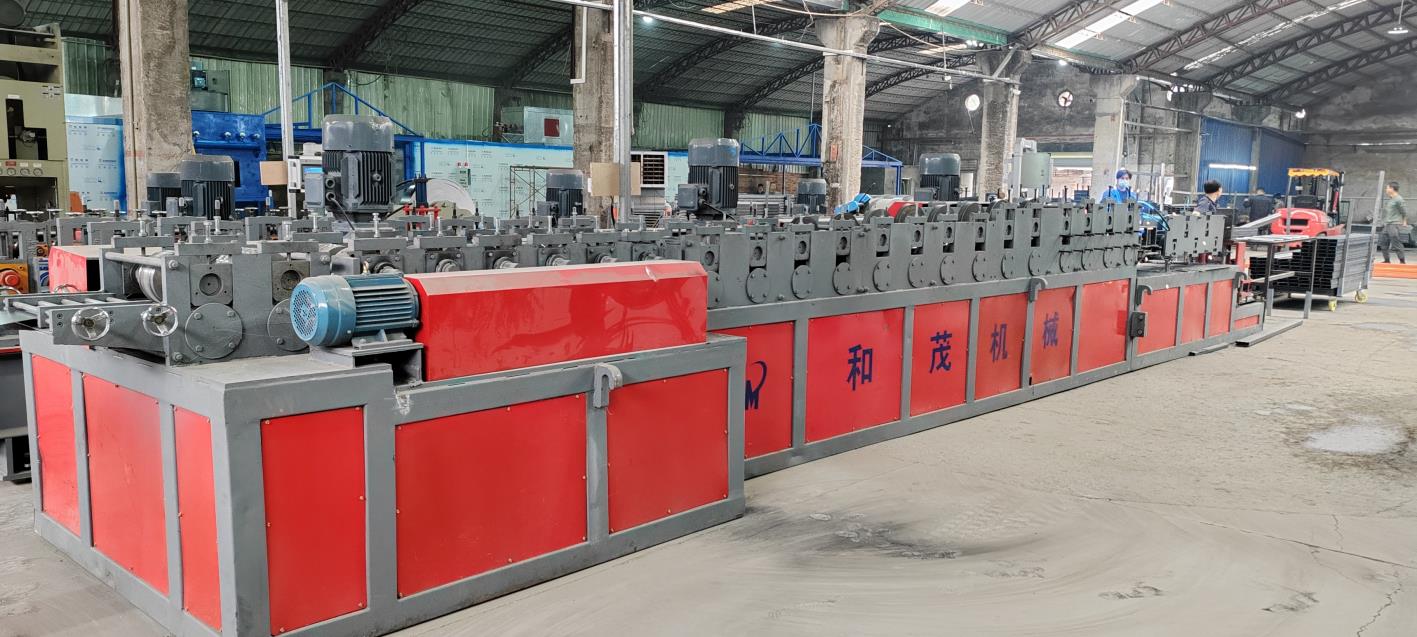
Our columns are roll-formed in-house using continuous multi-station forming machinery to ensure tight structural tolerances. This precision prevents local buckling under eccentric load patterns, which can occur when one side of a double-sided gondola is unloaded while the opposite side is at maximum capacity.
Answers to technical and logistical inquiries regarding importing shelving systems to Kenya.
 FortisRack