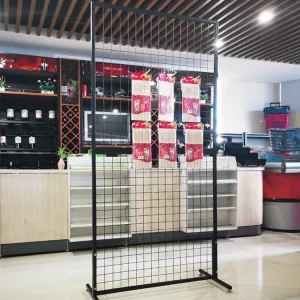
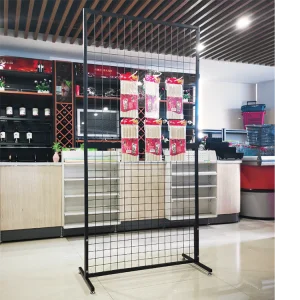
Explore our top-tier grid panels and display systems optimized for immediate shipping to Zurich, Geneva, Basel, and Bern.
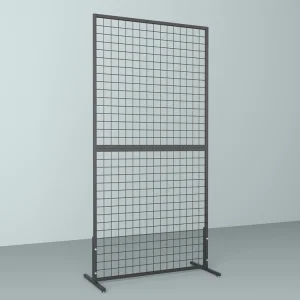
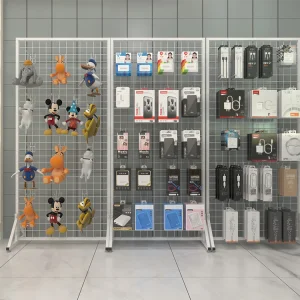
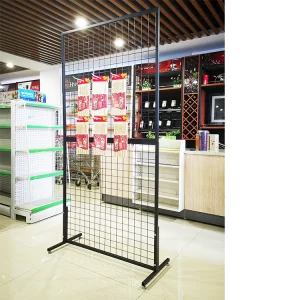
Switzerland stands at the pinnacle of European commerce, characterized by high-end retail boutiques in Zurich's Bahnhofstrasse, state-of-the-art logistics hubs across the Mittelland region, and pioneering precision engineering clusters in the Jura Mountains. For Swiss commercial operations, modular display infrastructure must satisfy three strict parameters: structural reliability, aesthetic minimalism, and environmental compliance.
Our industrial grid panels and modular systems are designed precisely to meet these Swiss expectations. With Switzerland's strict compliance with European REACH chemical regulations and local VOC taxation laws, we employ an environmentally friendly, zero-VOC electrostatic powder-coating method. This assures Swiss buyers of display panels that are safe for indoor commercial settings and resistant to extreme temperature fluctuations in alpine cold-chain warehouses.
Moreover, Swiss architecture favors modular grid configurations (reminiscent of the iconic Swiss USM Haller aesthetic). High-density steel wire grid panels serve as the structural backbone for shopfitting, custom exhibition stands, and organized logistics. By partnering with a dedicated factory exporter, Swiss procurement managers bypass excessive middleman margins while acquiring heavy-duty, certified equipment.
Nanjing Fortis Storage Equipment Manufacturing Co., Ltd. — Delivering engineering excellence since 2016.
Established in 2016, Nanjing Fortis Storage Equipment Manufacturing Co., Ltd. commands a modern industrial plant covering 48,000 m². Driven by 10 years of deep industry expertise and 7 years of global trade experience, our annual export turnover reaches $35 million. We uphold strict quality control through ISO14001 and TUV standards, performing automated CMM dimensional inspections and salt spray corrosion testing with 62 full-time QA personnel. As a direct factory exporter, our key commercial footprints span Western Europe, South America, and the Middle East, integrated with a network of over 1,400 supply chain partners. Our client base mainly includes mega-warehouse developers, cold chain storage operators, and global retail chains. Our robust R&D team of 80 engineers specializes in bespoke structural adaptations, special surface coating treatments, and high-density racking configurations, introducing 350 innovative products to the global market last year.
Unlike typical distributors, we supply raw material mill test certificates (MTC) alongside complete chemistry profiling to ensure compliance with Switzerland's Product Safety Act (PrSG).
Our engineering team performs structural loading simulations using FEM (Finite Element Method) software to match Eurocode 3 standards, critical for structural installations in Alpine areas.
Matching Swiss aesthetic demands, we offer specialized architectural-grade finishes in textured matte black, satin white, and galvanized coatings optimized for extreme salt-spray resistance.
Combining massive raw material procurement power with state-of-the-art robotic automation.
Purchasing directly from our Chinese manufacturing facility gives Swiss retail chains, trade show organizers, and warehouse developers a definitive competitive edge. The secret lies in our optimized cost structures, integrated supply chain ecosystem, and massive capital investment in high-end automation. In Switzerland, high domestic production costs and labor shortages make local manufacturing of large-scale wire mesh displays cost-prohibitive. By relying on our 48,000 m² modern manufacturing infrastructure, clients receive precision-engineered products at a fraction of the cost, without sacrificing quality.
Through our network of 1,400+ raw material supply partners, we secure high-grade carbon steel directly from top-tier mills. The manufacturing process utilizes robotic multi-point resistance welding machines that produce flawless grid junctions with zero surface deformation. Furthermore, our automated electrostatic powder-coating lines apply a uniform 80-120 micron polymer layer that is baked at 200°C. This ensures a durable, scratch-resistant surface finish that far outperforms standard dip-coated options in retail and industrial environments.
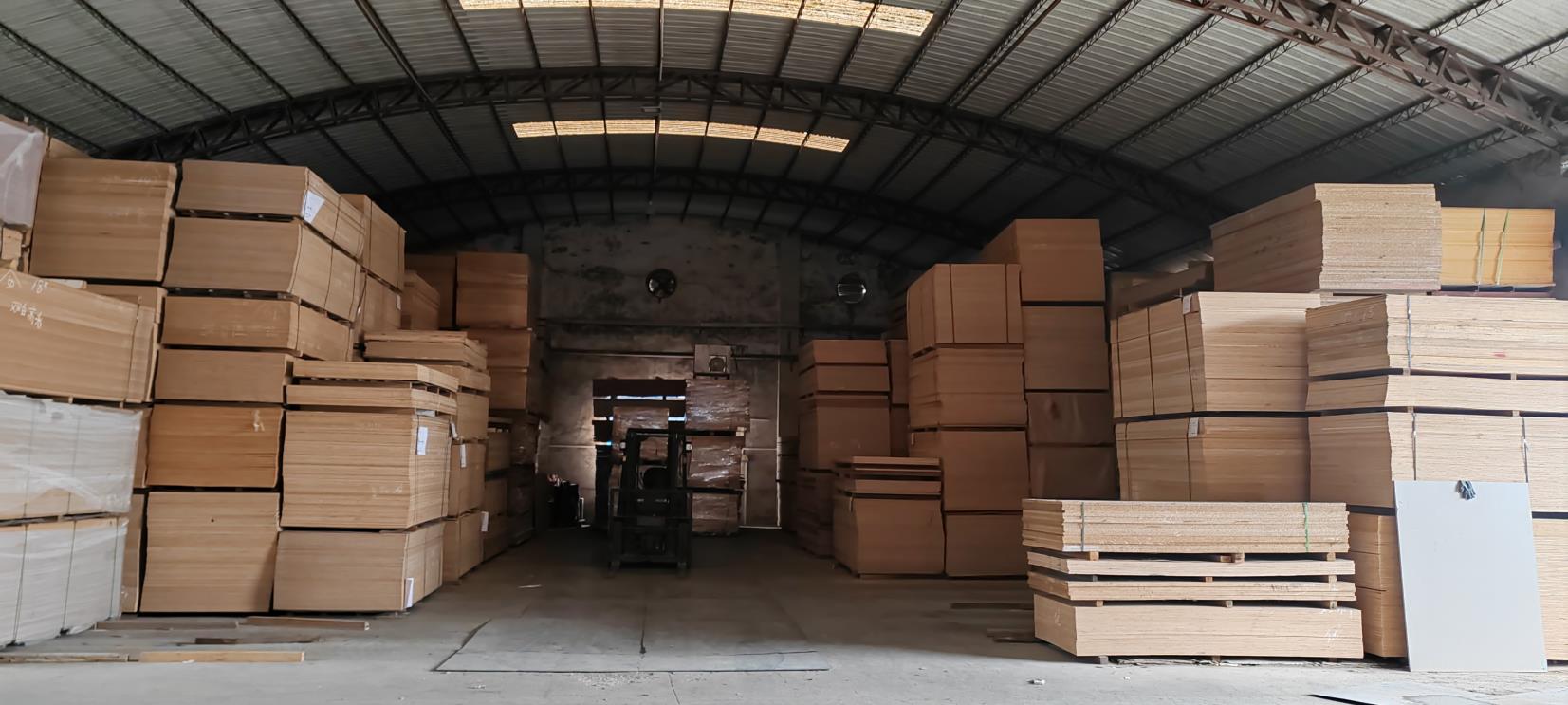
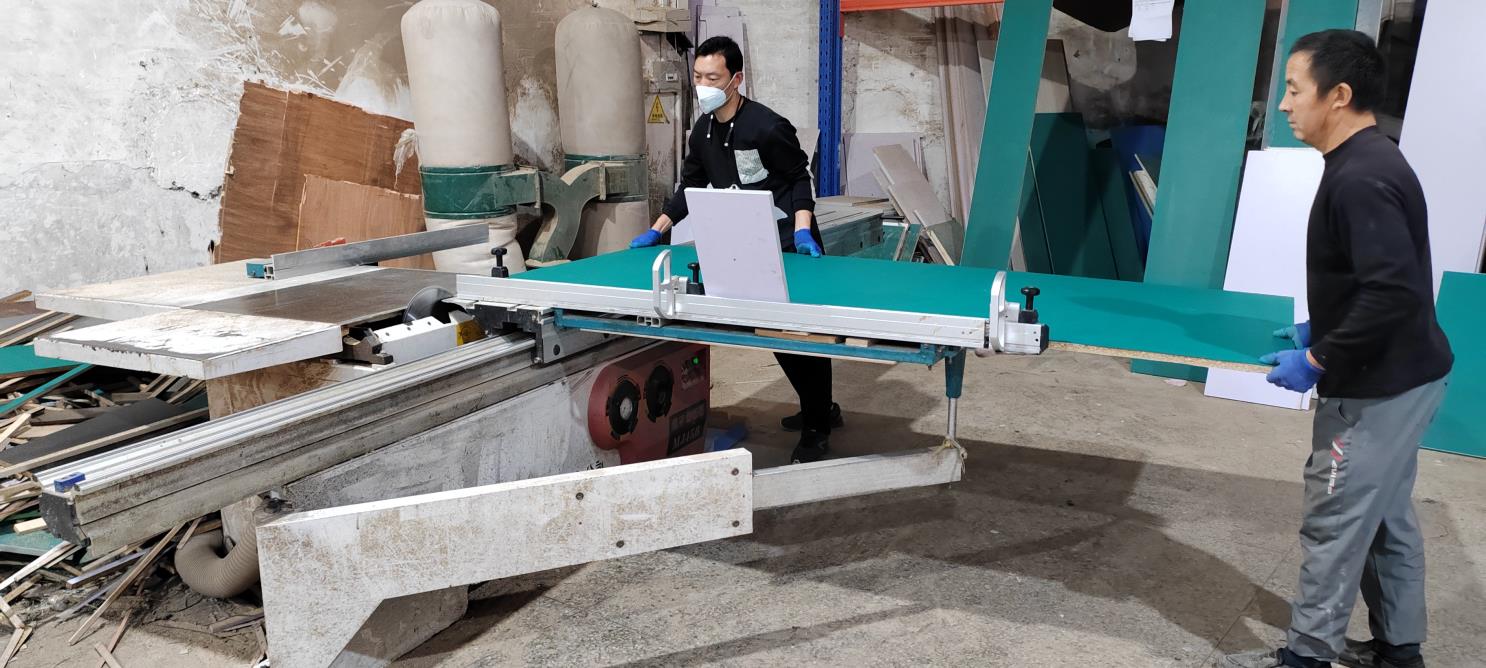
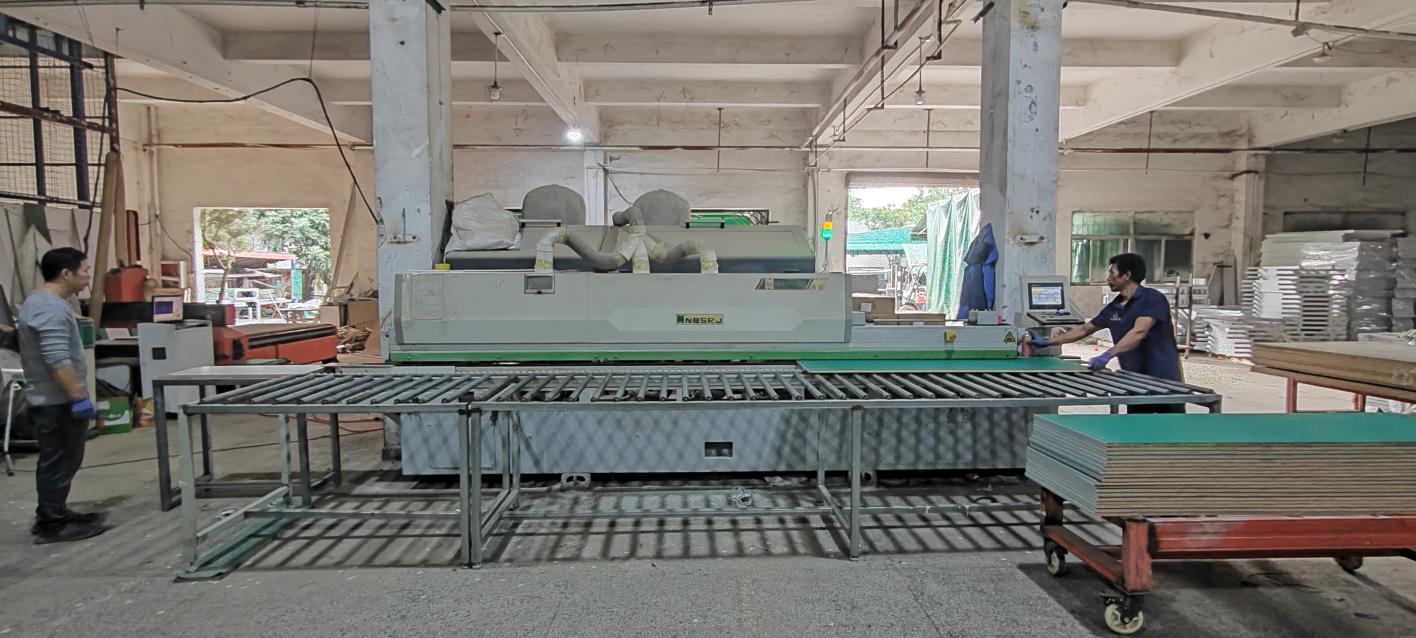
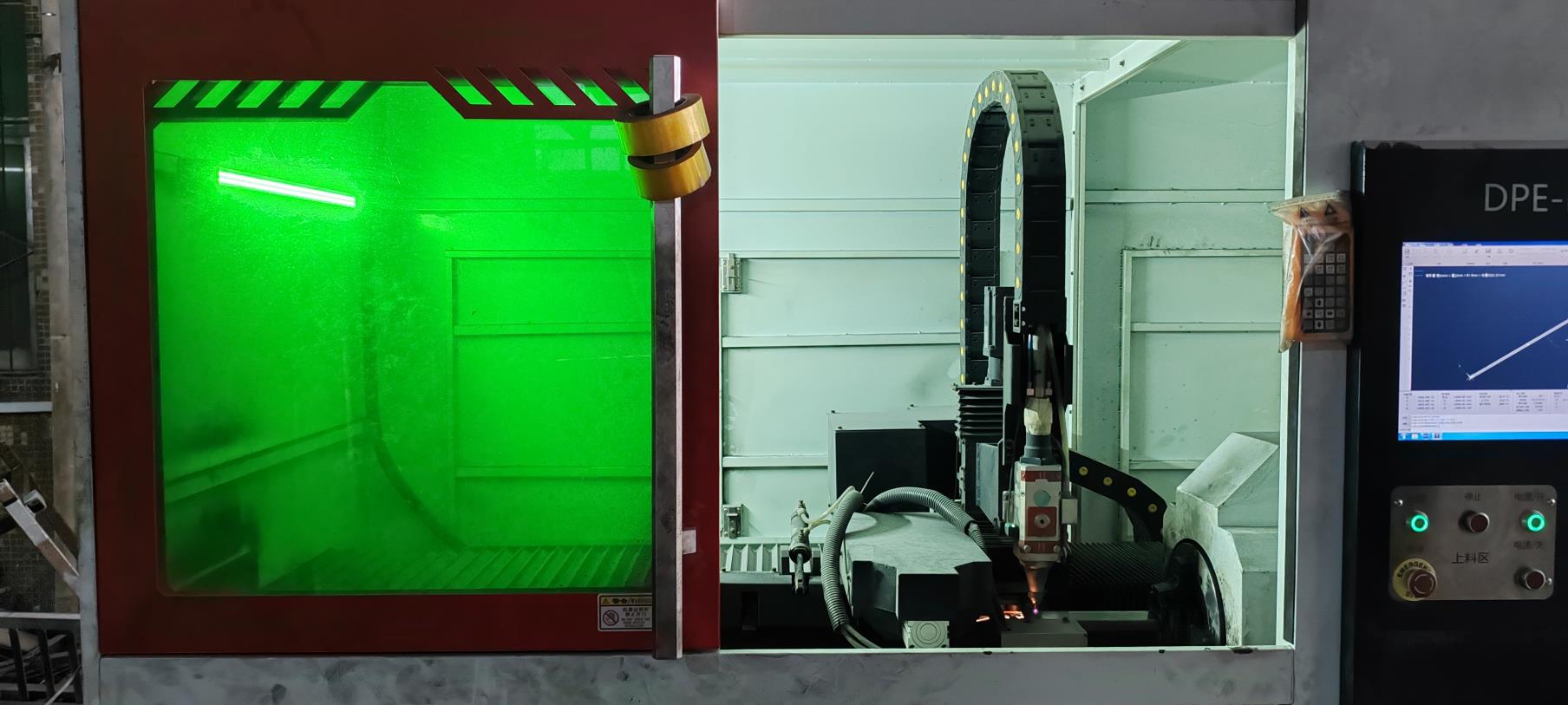
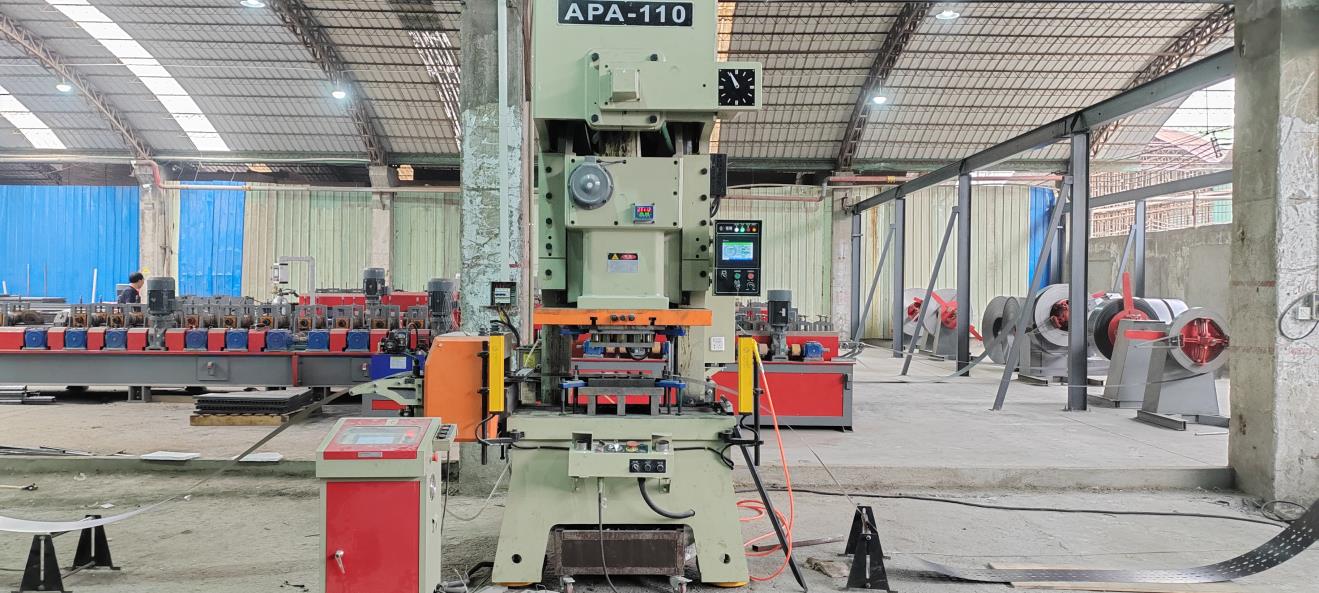
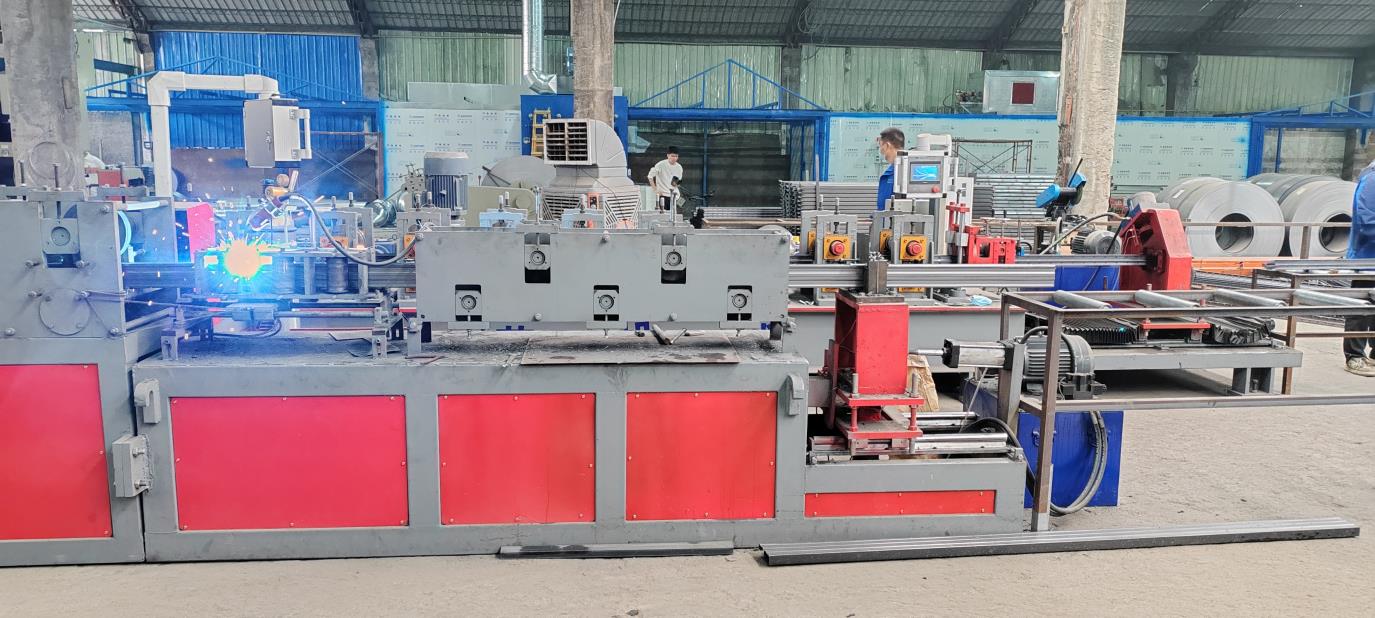
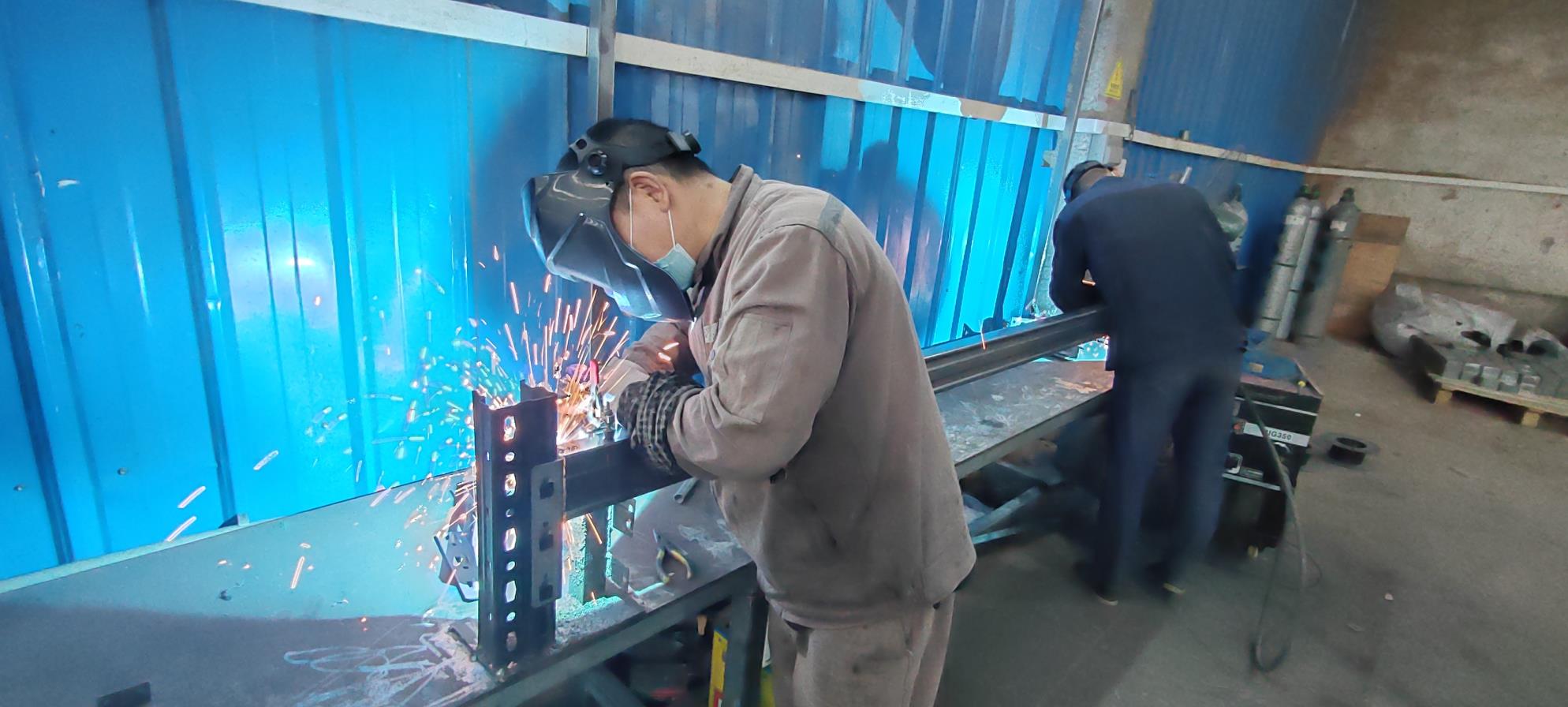
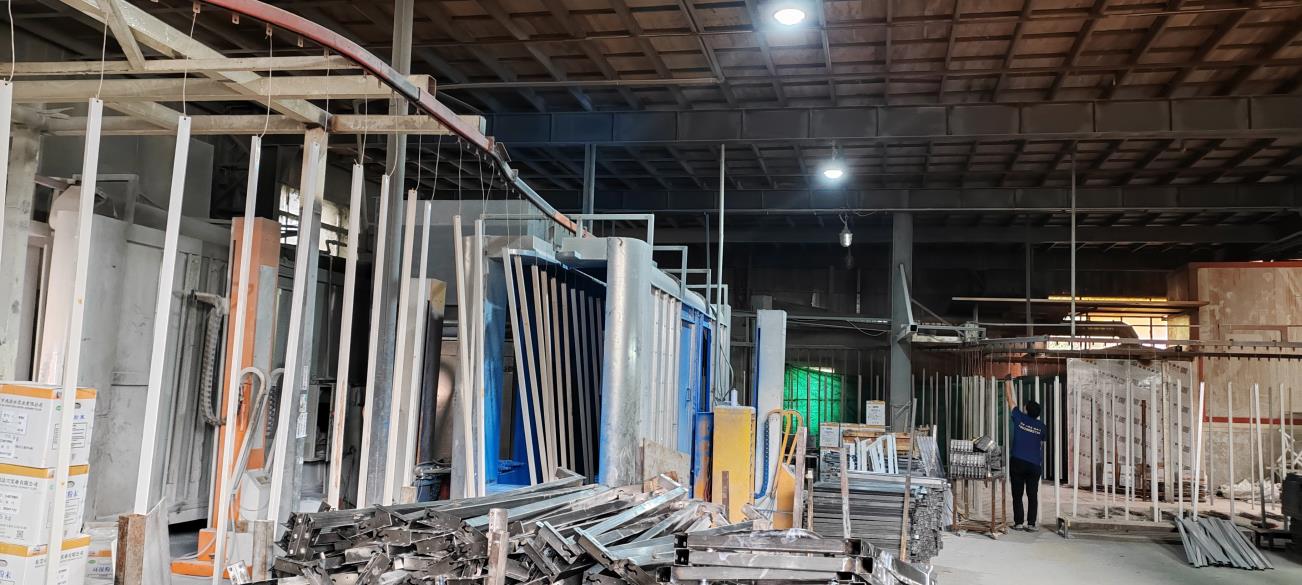
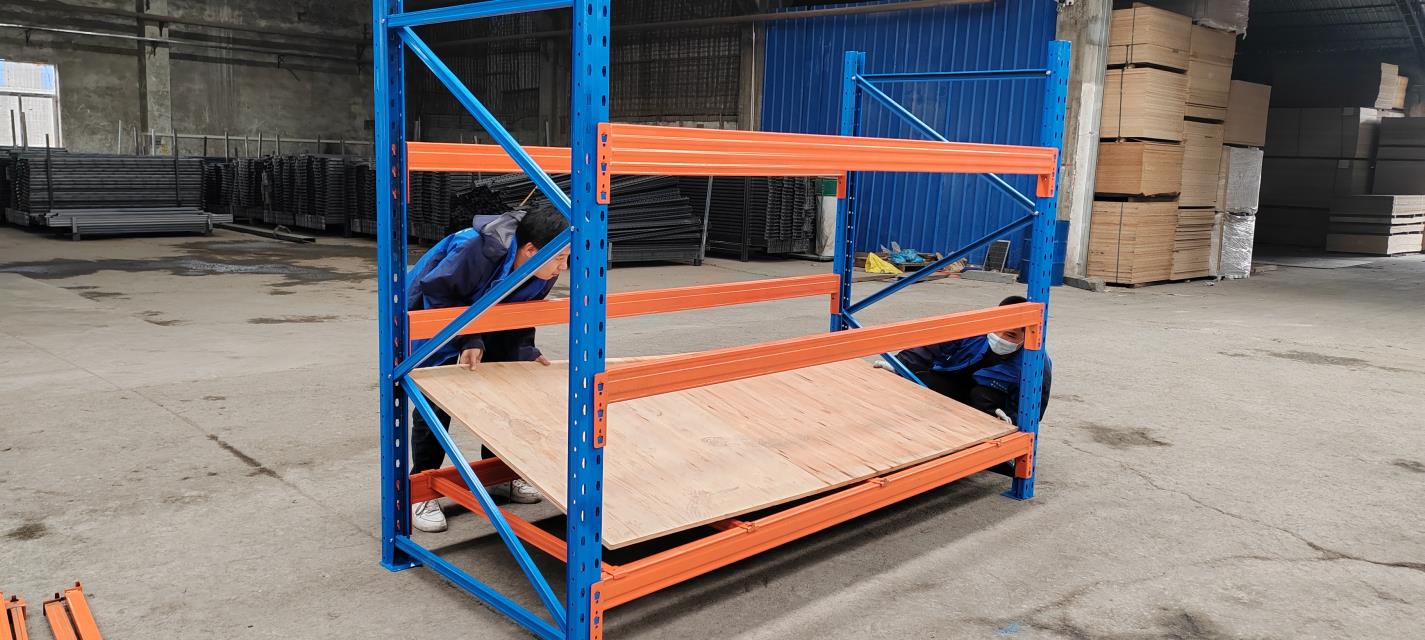
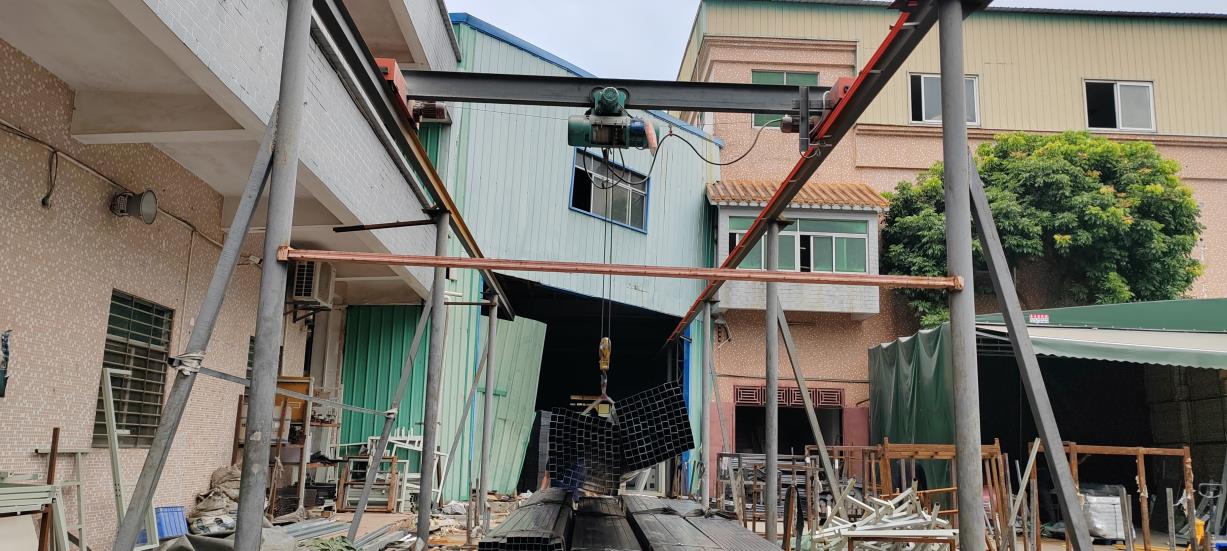
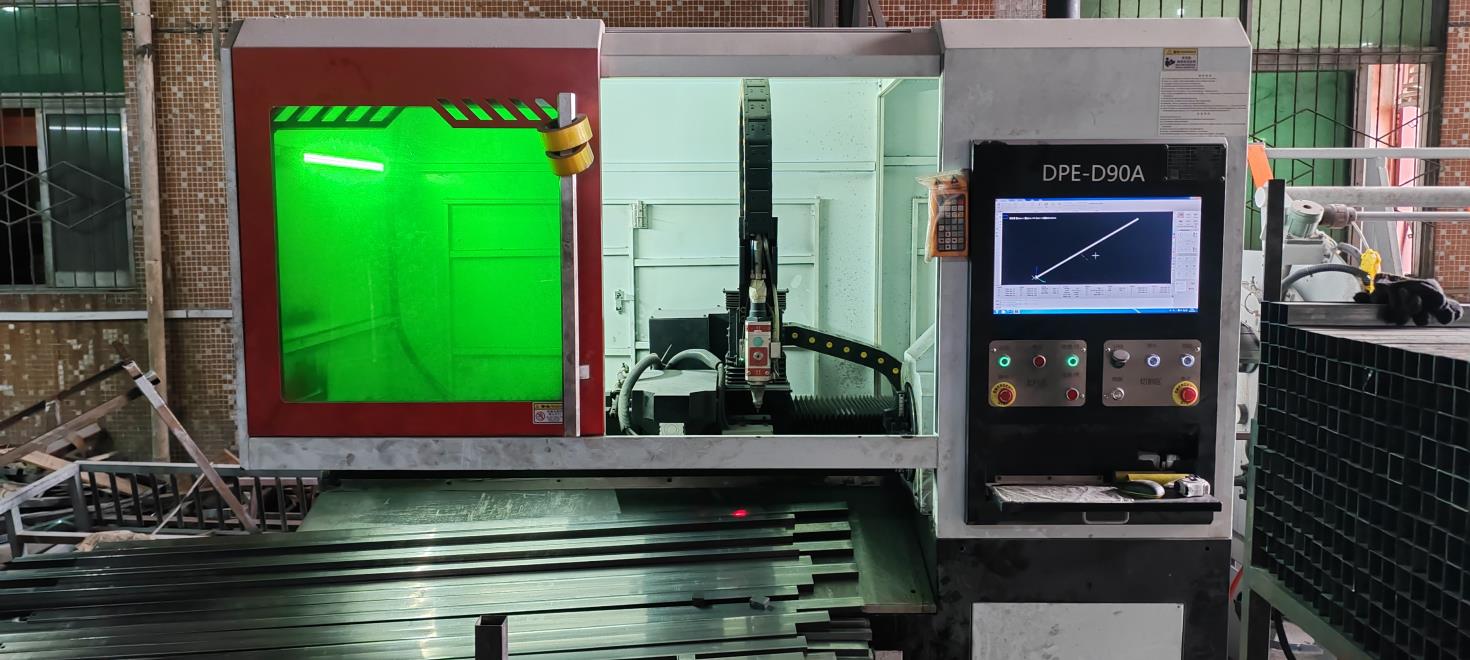
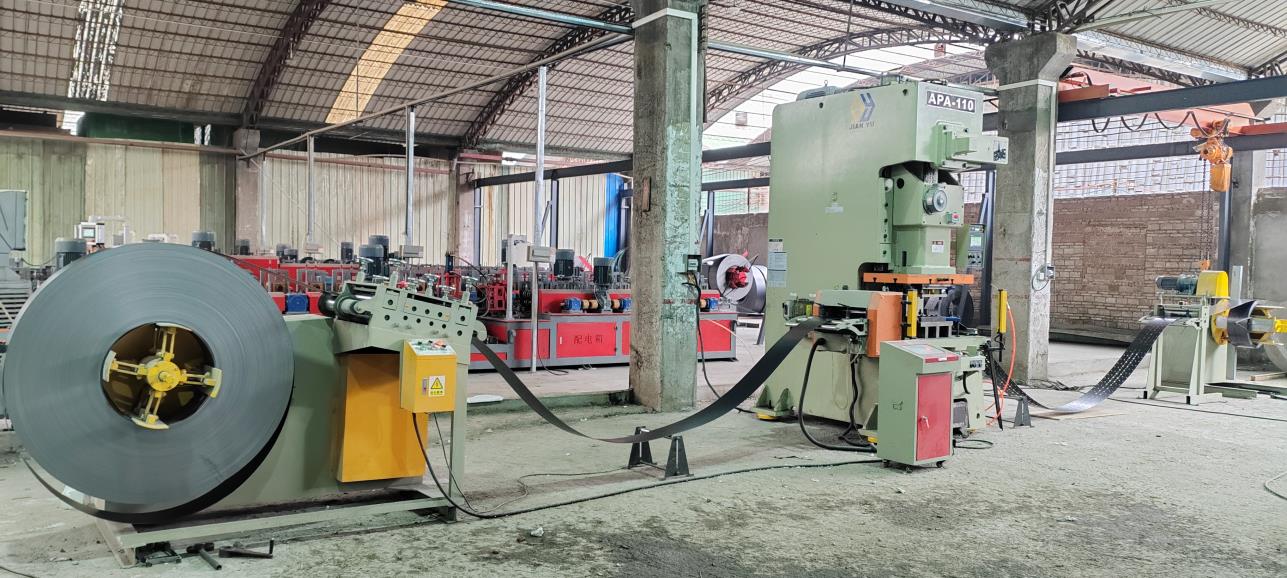
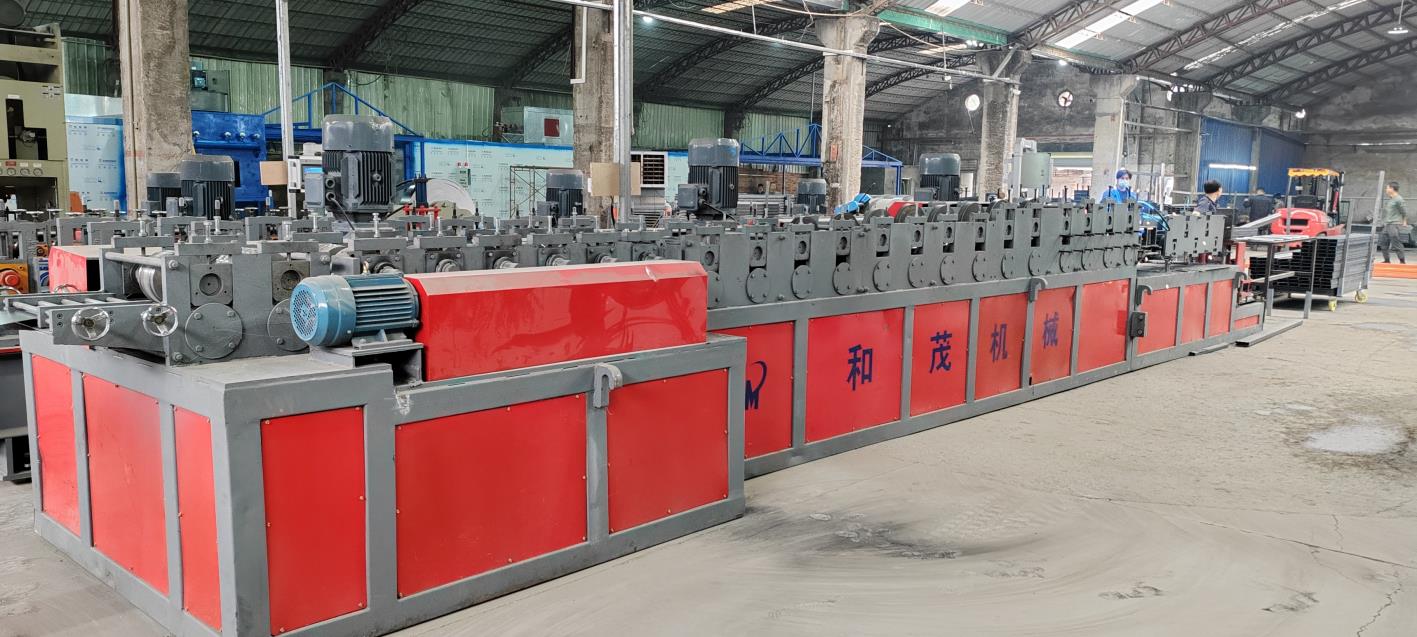
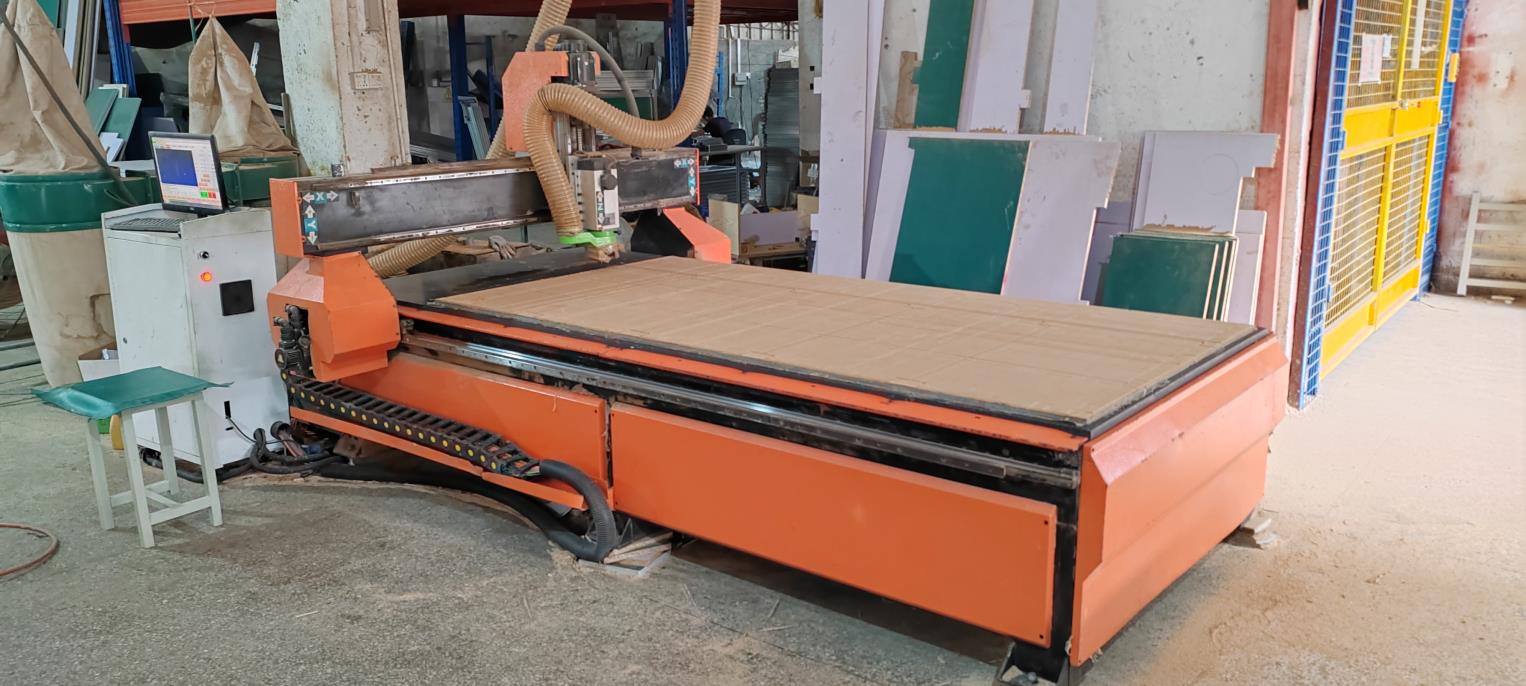
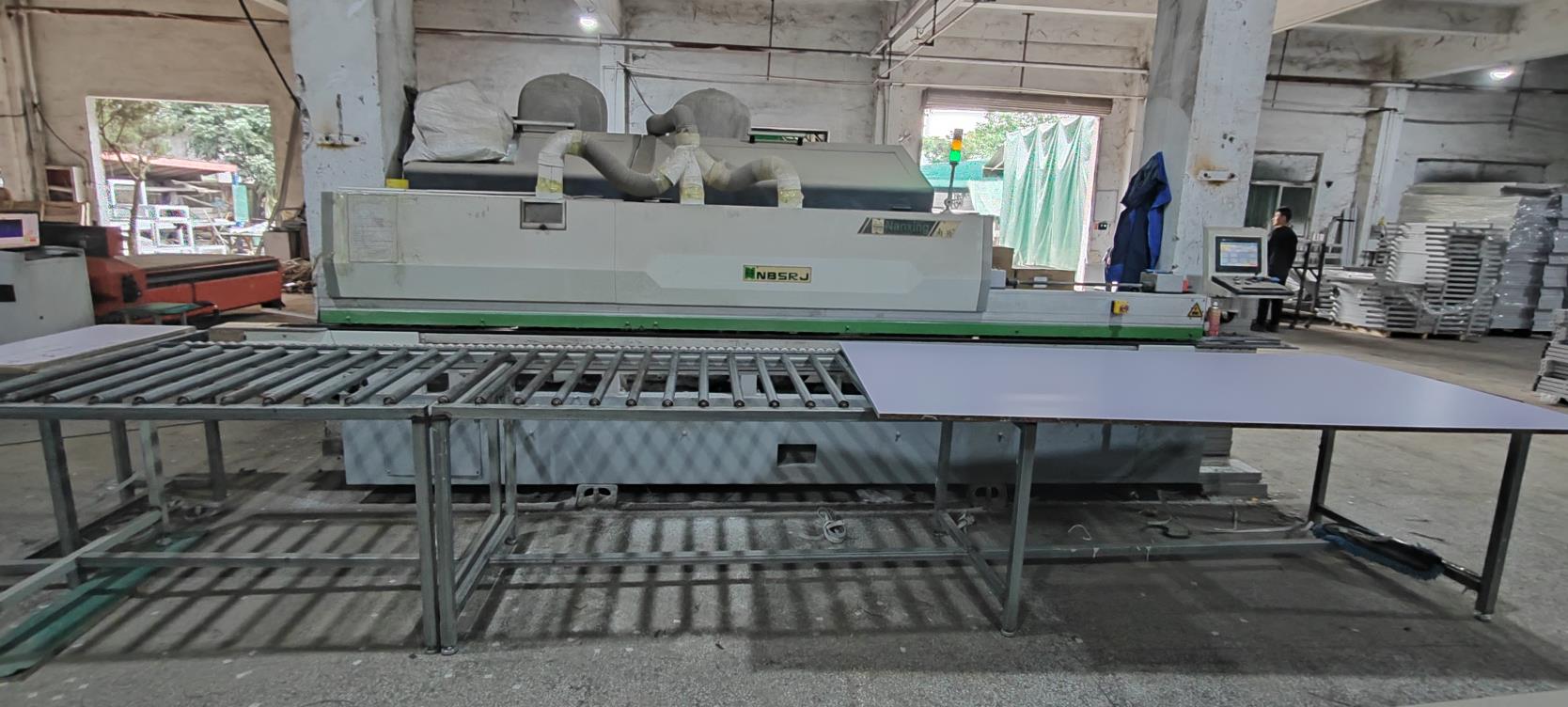
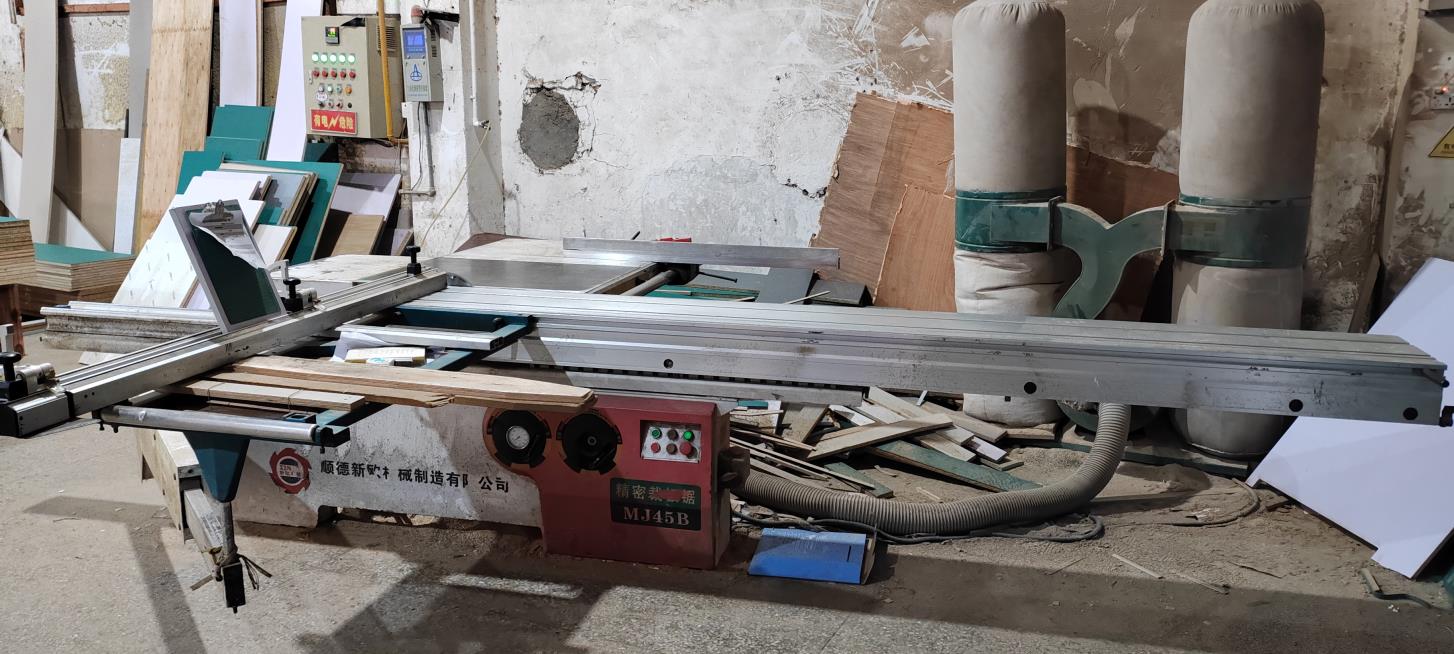
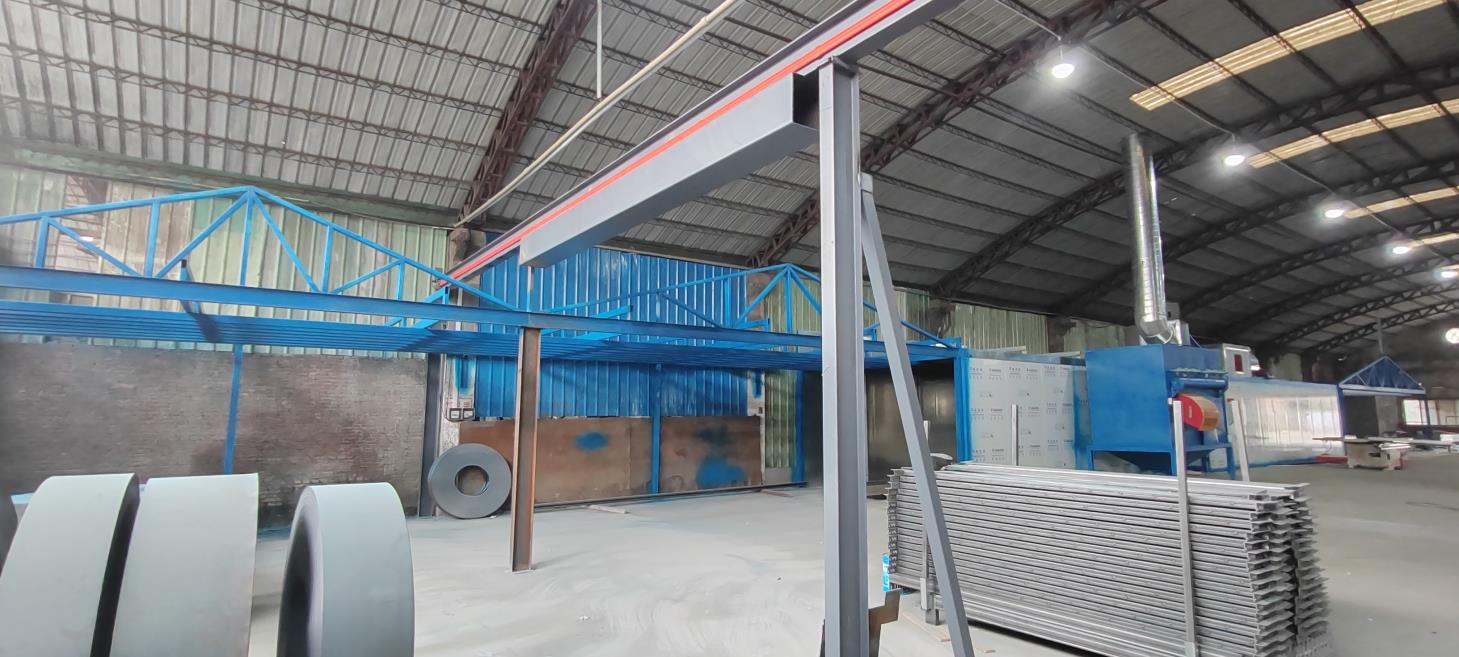
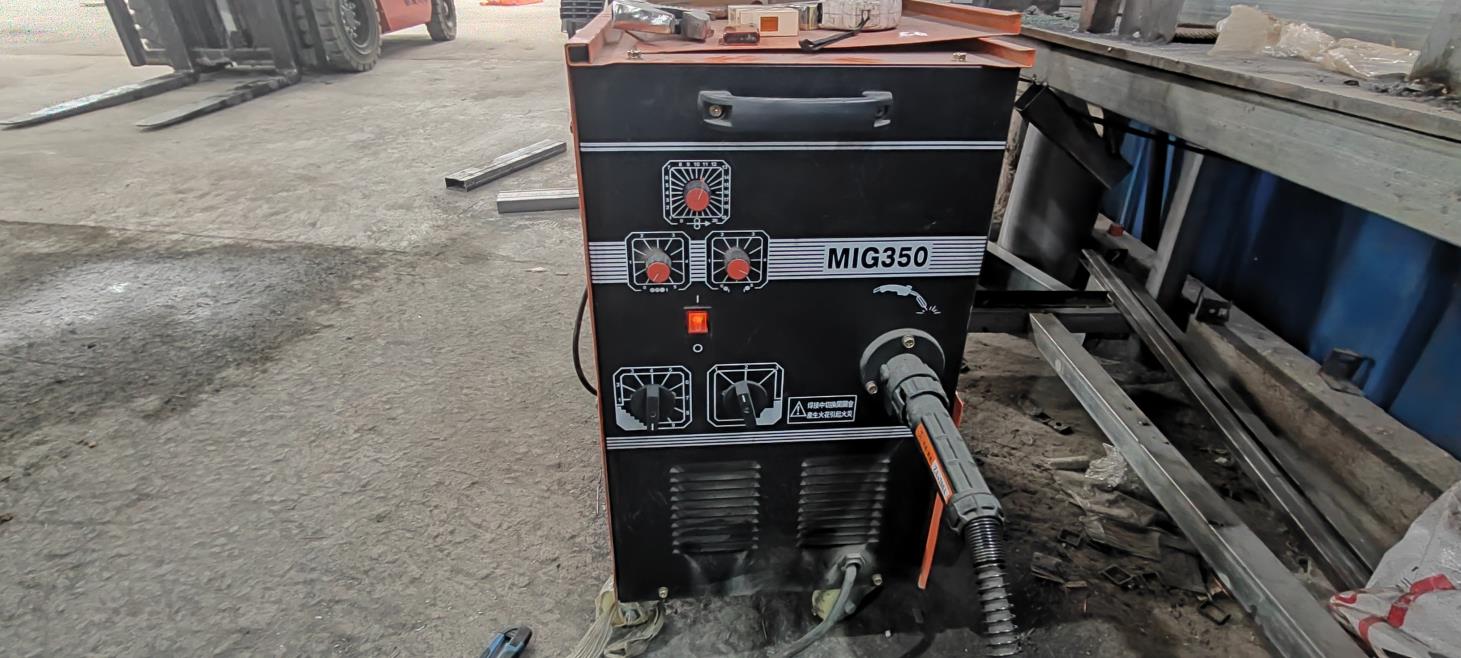
Engineered for durability and seamless integration into retail store fits, supermarkets, and decorative projects.
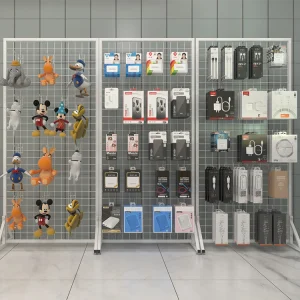
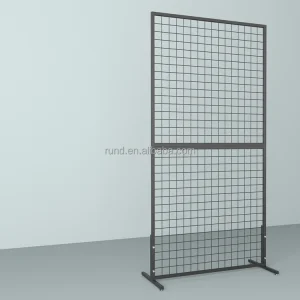
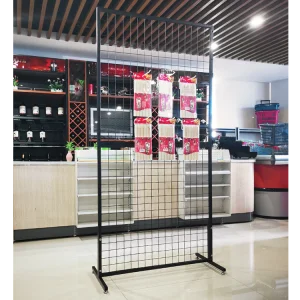
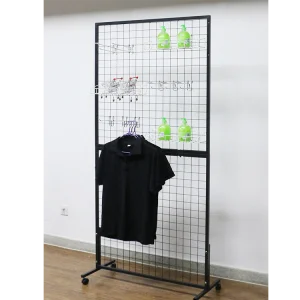
From robotic automated welding lines in Nanjing to the cargo terminals of Zurich and Basel.
Navigating import procedures in Switzerland demands meticulous planning. As an experienced exporter, we facilitate streamlined delivery protocols to simplify Swiss customs clearance. We leverage intermodal transport options, including sea-rail transport networks linking China to Switzerland via central cargo hubs (e.g., Basel Rhine Ports, Zurich Cargo Terminal).
Option A: Maritime Shipping & Rail Transit: Ocean freight containers travel from Shanghai Port to the Port of Rotterdam or Port of Genoa, transitioning directly to SBB Cargo (Swiss Federal Railways) networks. This pathway delivers the lowest carbon footprint per ton-kilometer, supporting Swiss corporate sustainability policies.
Option B: The China-Europe Railway Express (New Silk Road): For expedited shipments, rail freight routes connect Nanjing directly to European terminals in Duisburg or Hamburg. Shipments are then distributed via road directly into Switzerland. This reduces transit time to 15-18 days, nearly twice as fast as ocean freight shipping.
How our steel grid solutions are deployed across diverse Swiss business sectors.
Our ultra-fine wire mesh panels, coated in custom colors like matte champagne gold or satin anthracite, serve as elegant, minimalist backdrop frames for luxury window displays. They provide high load-bearing support for boutique watch displays while maintaining a light, open visual aesthetic.
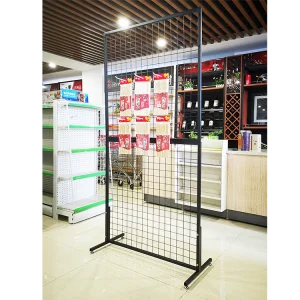
High-traffic retail environments require adaptable display setups. Our gridwall panels and slatwall racks are engineered for rapid configuration, allowing store visual merchandisers to swap shelving heights, baskets, and hanging hooks in seconds during seasonal product rotations.
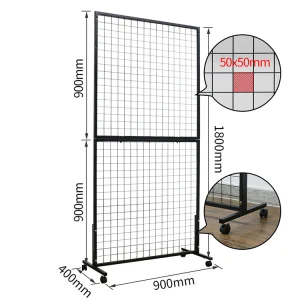
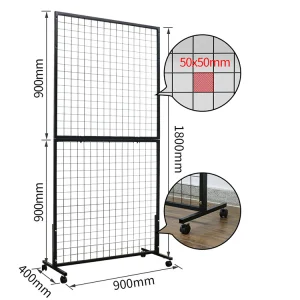
Trade show builders rely on modular grid panel configurations that assemble easily and flat-pack tightly for shipping. Our detachable grid walls with sturdy T-base support structures on wheels allow rapid setup, moving, and dismantling on Basel's busy exhibition floors.
The future of modular retail displays and automated storage hardware.
The global steel grid fabrication industry is shifting rapidly toward smart automation, sustainable materials, and circular-product design. Driven by European green building certifications (such as BREEAM and LEED, which are widely referenced by Swiss developers), manufacturers must verify the lifecycle impact of all metal structural systems. This shifts the focus toward high-density modular grid components that can be reused, repurposed, and recycled, eliminating single-use wooden displays.
In response to these trends, we are developing lightweight, high-tensile wire designs that reduce carbon emissions during manufacturing and transport by 15-20%. At the same time, we have upgraded our surface treatment lines to incorporate nano-ceramic pre-treatments. This replacement of heavy zinc-phosphating systems ensures that the wastewater from our plant is entirely free of heavy metals. This proactive focus on green manufacturing ensures that Swiss clients remain ahead of future environmental regulations.
Direct, engineering-backed answers addressing the logistics, regulations, and specifications of importing to Switzerland.
Partner directly with an ISO-certified, TUV-tested Chinese manufacturing plant. Receive factory-direct pricing, customized engineering support, and reliable logistics to Switzerland.
Send Inquiry Now FortisRack