Engineered for intense weight capacities and high moisture environments typical of Osaka's central wholesale zones.
Tracing agricultural flows, cold storage optimization, and commercial dynamics in the Kansai logistics corridor.
Osaka functions as the logistics and trading nucleus of the Kansai region. The Osaka Municipal Central Wholesale Market represents one of the largest agricultural trading hubs in East Asia. Local fruit and vegetable exporters in Osaka manage a highly demanding transit structure that hinges on speed, precise thermal zoning, and structural durability. The export of premium Japanese agricultural products—such as the highly sought-after strawberries from Nara, peaches from Wakayama, and citrus crops from Ehime—demands high-density cold chain solutions that withstand the rapid, high-throughput workflows of global shippers.
Within this regional framework, temperature-controlled warehouse racking must handle significant challenges: high-humidity environments that accelerate standard steel degradation, strict sanitary rules to prevent bacterial buildup, and heavy static loads. As a major direct factory exporter of warehouse solutions, Nanjing Fortis manufactures racking systems that directly address these needs, supplying both large agricultural developers in Japan and global distributors.
Internationally, B2B buyers look for storage infrastructure that adapts to rapid SKU turnovers typical of agricultural exports. Racking must be more than static shelving; it must be a structural solution that supports modern inventory methods like First-In, First-Out (FIFO). With an annual export turnover of $35 million and deep connections across Europe, South America, and the Middle East, our team designs custom systems that match the strict standards of Osaka's cold storage facilities.
How structural layout choices drive shelf-life, energy savings, and logistical efficiency in fresh food export zones.
Optimizing storage volume is key in temperature-controlled spaces where refrigeration costs are high. Drive-In racking and Shuttle-based systems maximize layout capacity while minimizing energy consumption per pallet.
Cold rooms experience constant condensation. Our steel undergoes strict multi-stage chemical pretreatment, followed by a baked epoxy-polyester powder finish to prevent oxidation and food contamination.
Operating in Osaka means designing for seismic activity. Our structural engineers calculate baseplate sizes, anchoring depths, and load distributions to ensure compliance with strict local regulations.
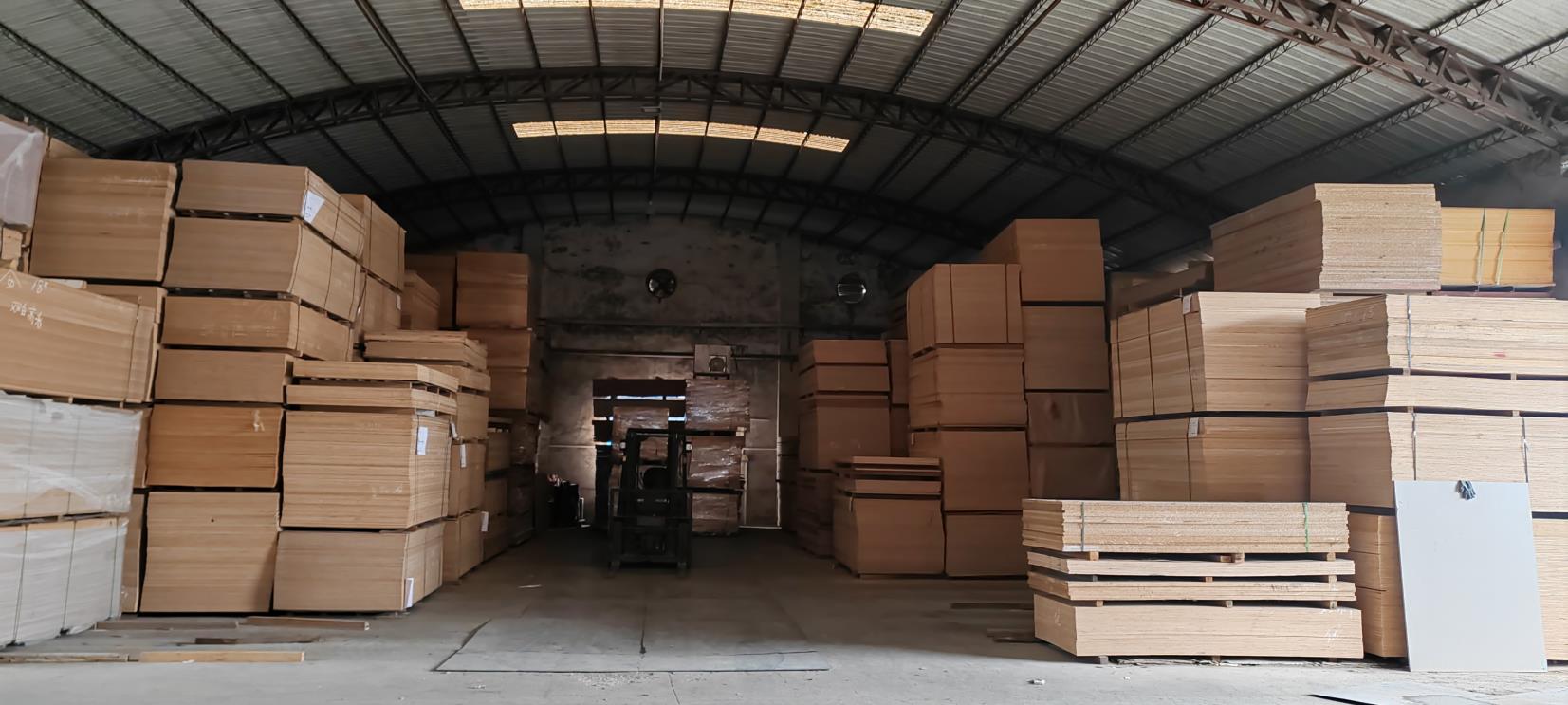
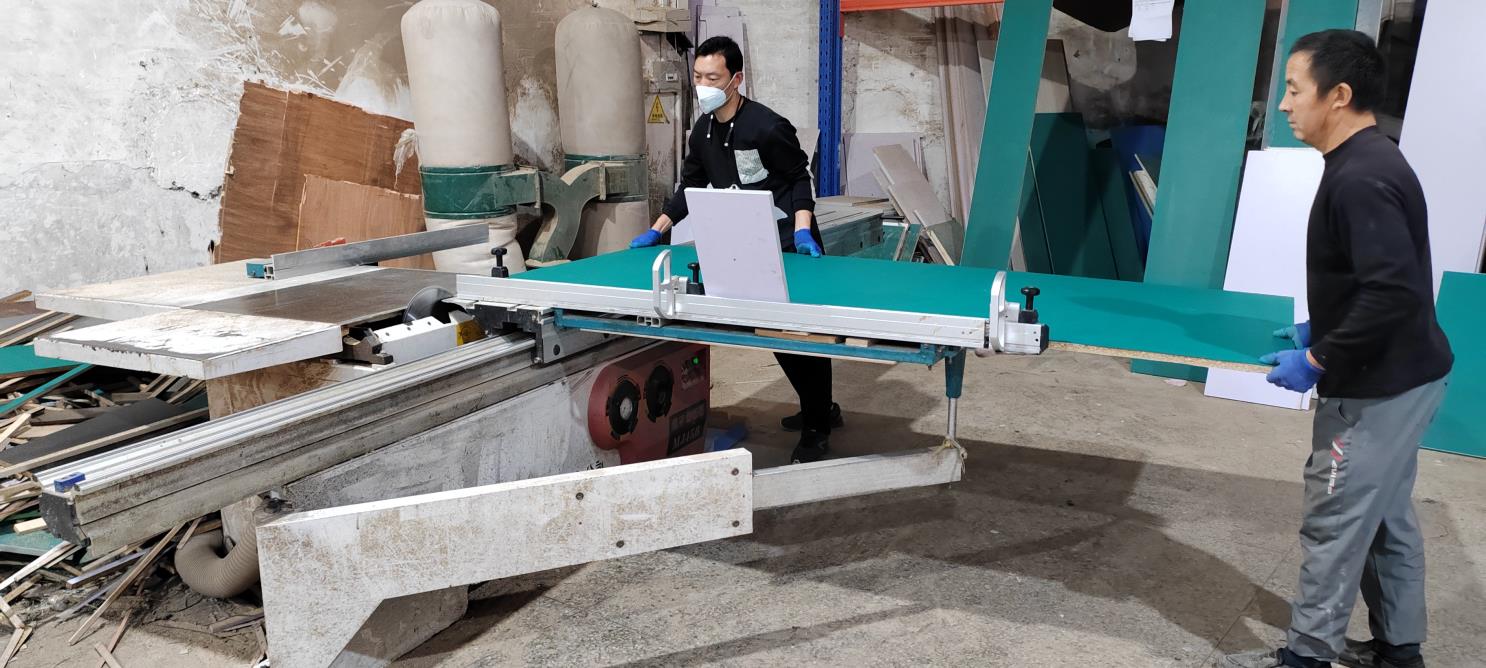
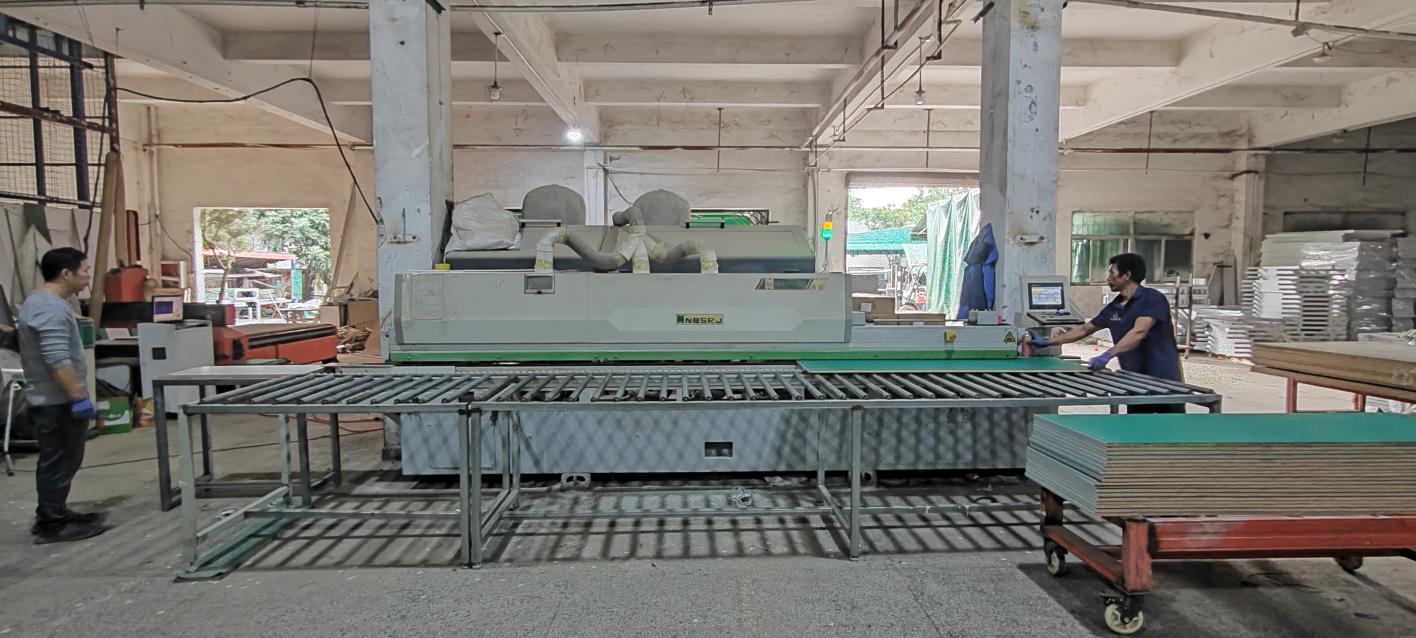
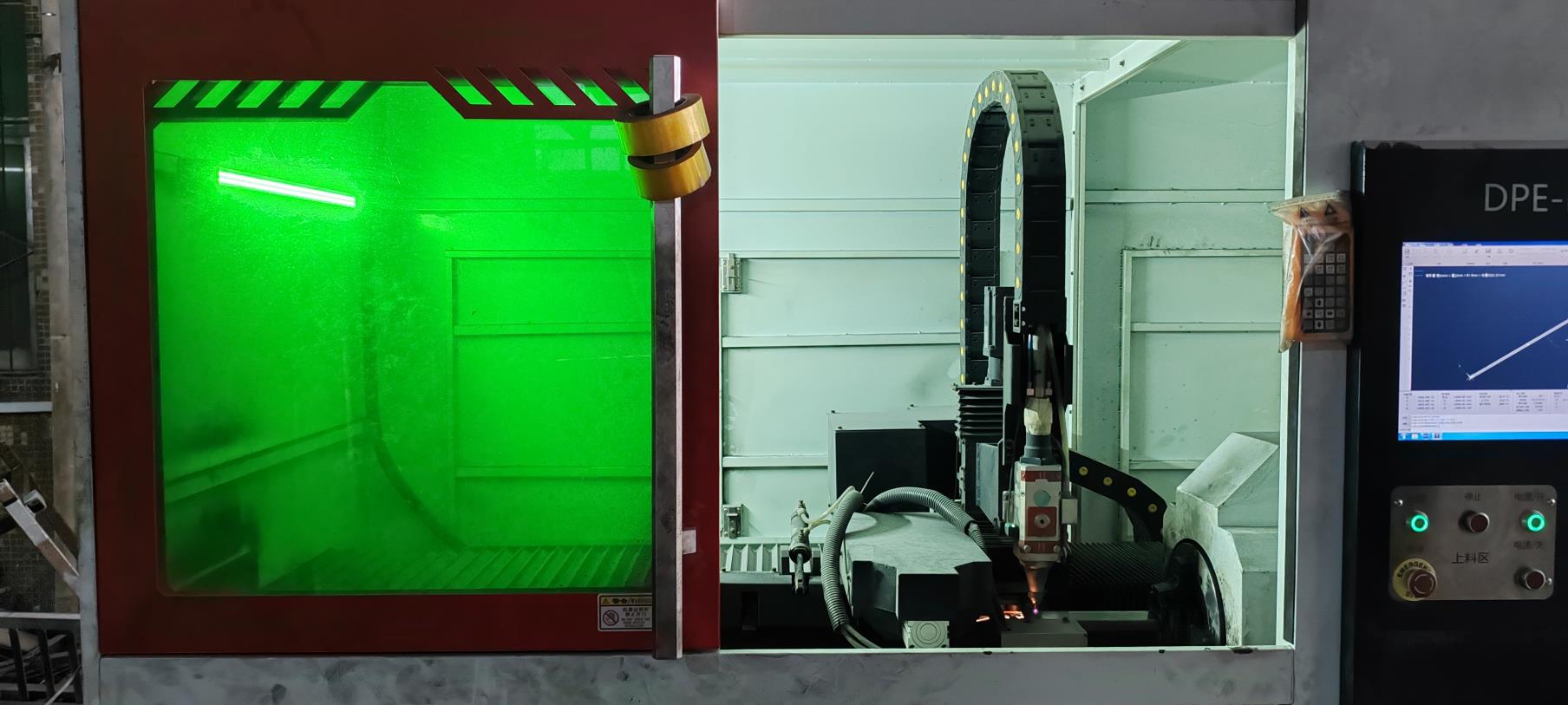
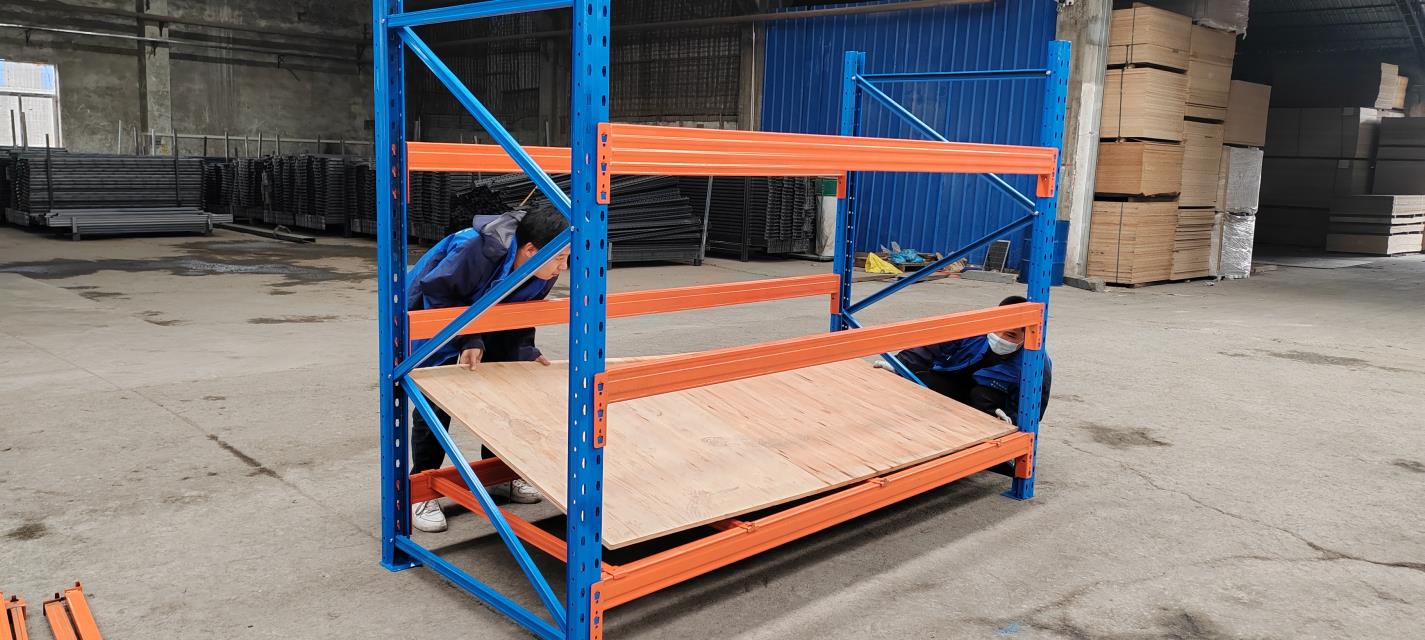
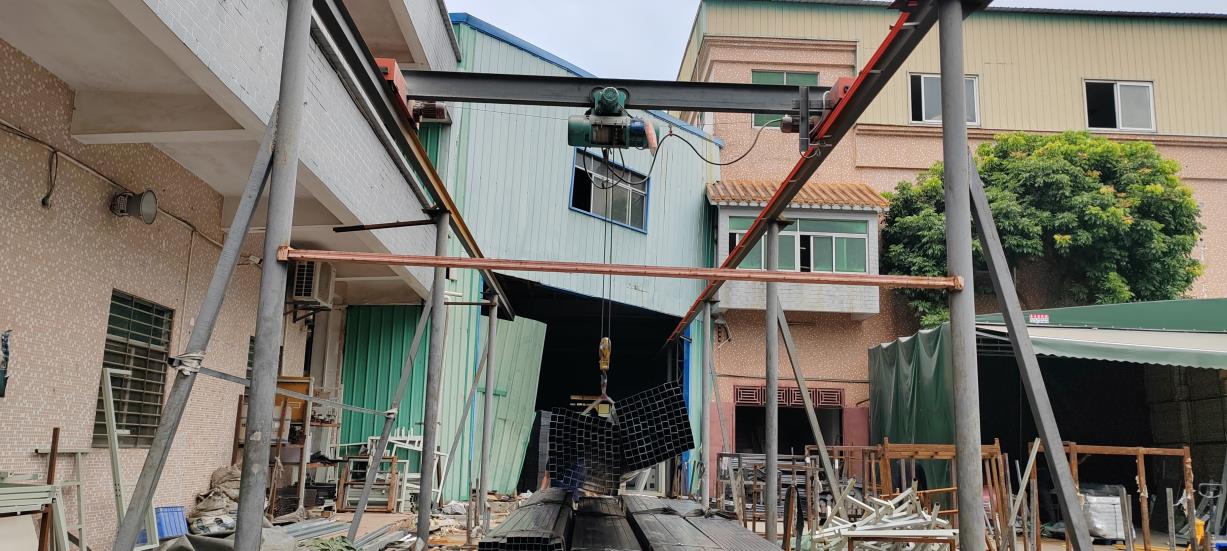
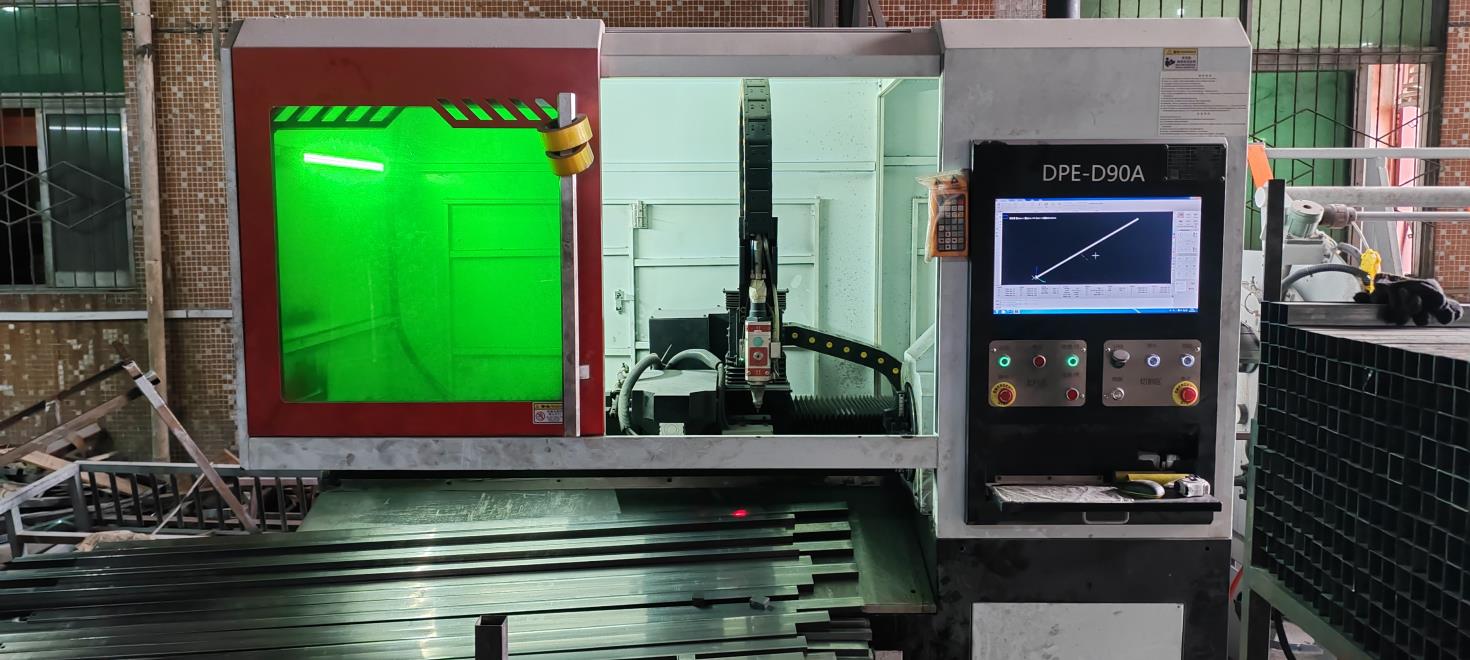
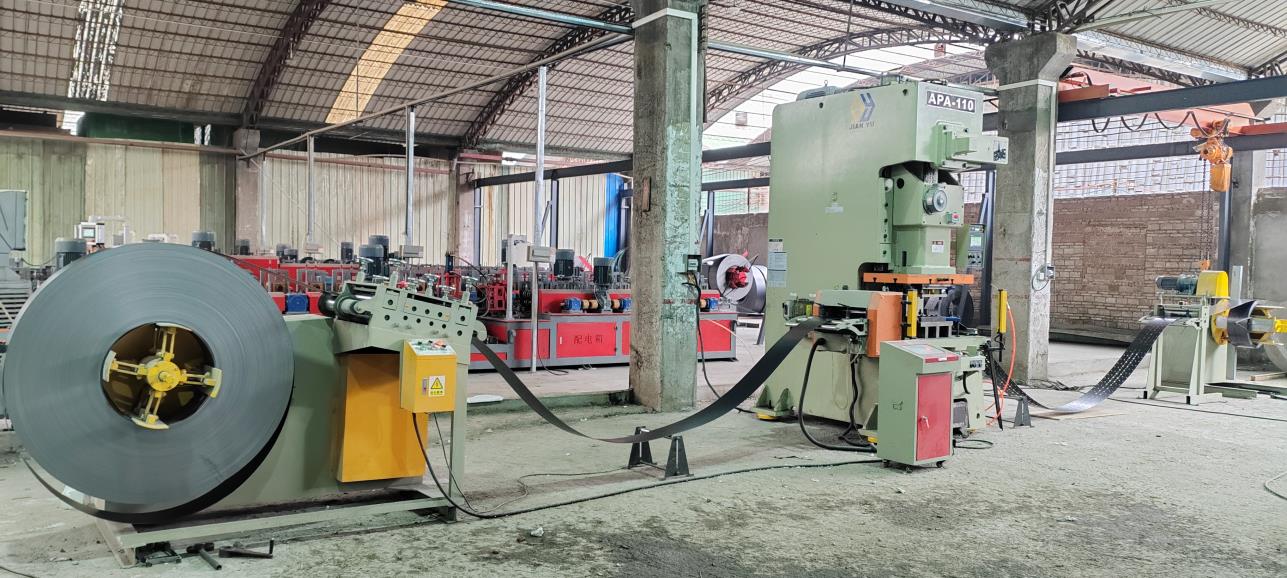
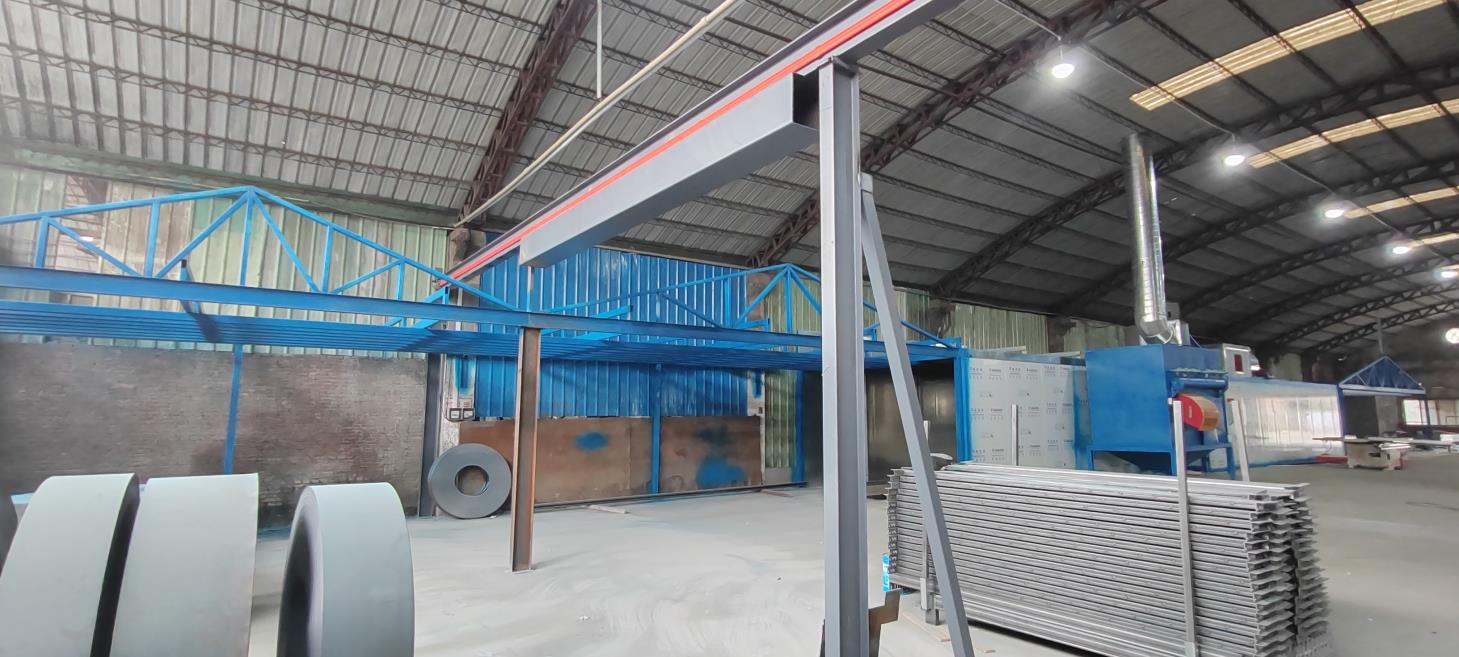
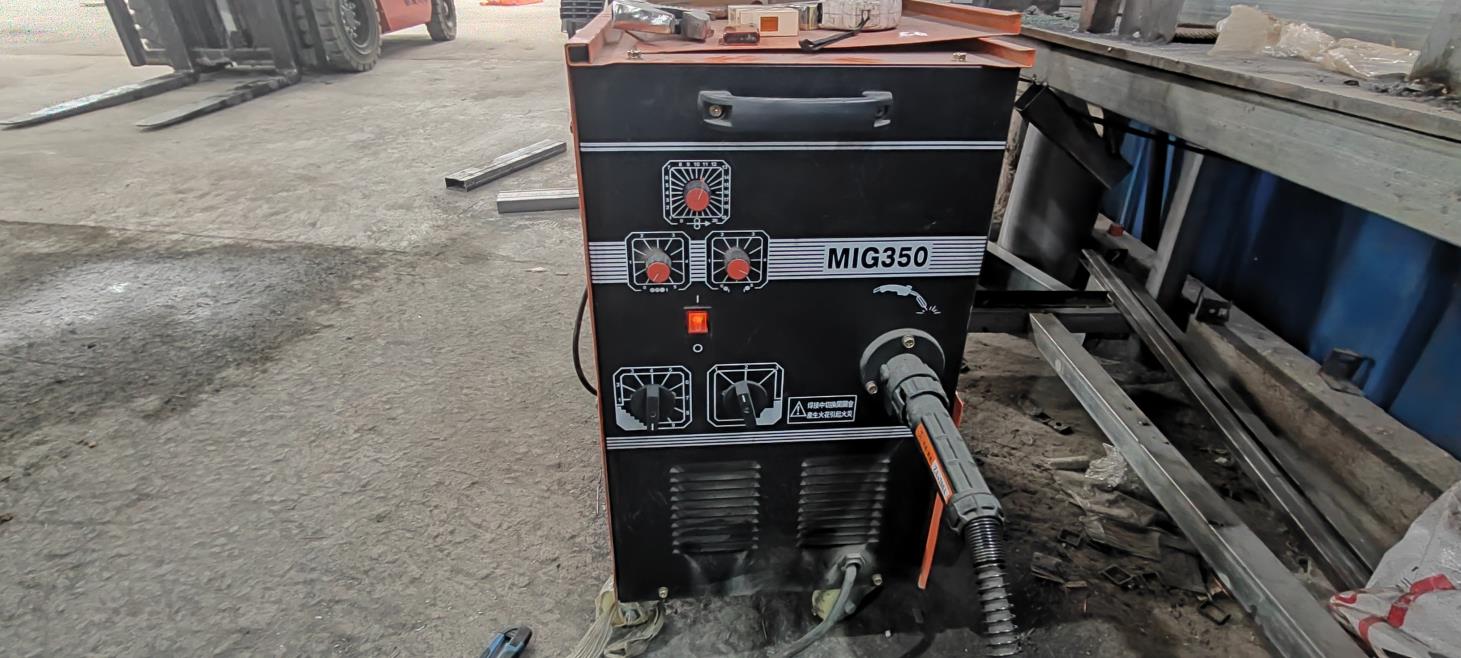
Inside our 48,000 m² automated manufacturing facility, illustrating our strict quality control workflow.
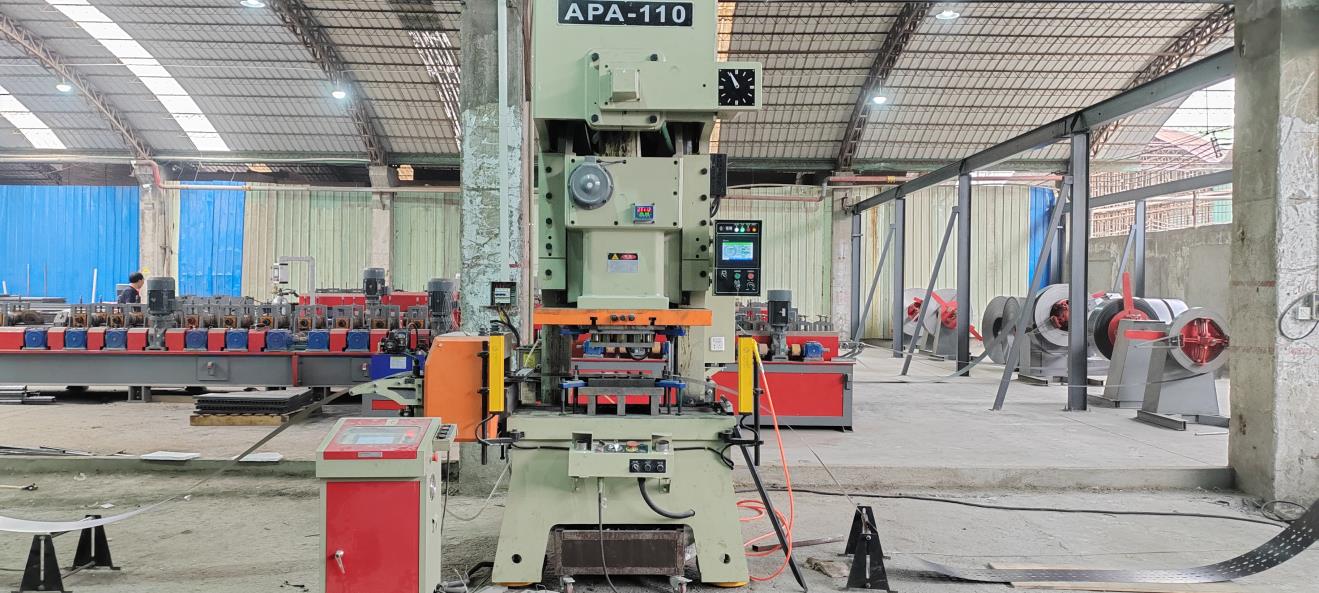
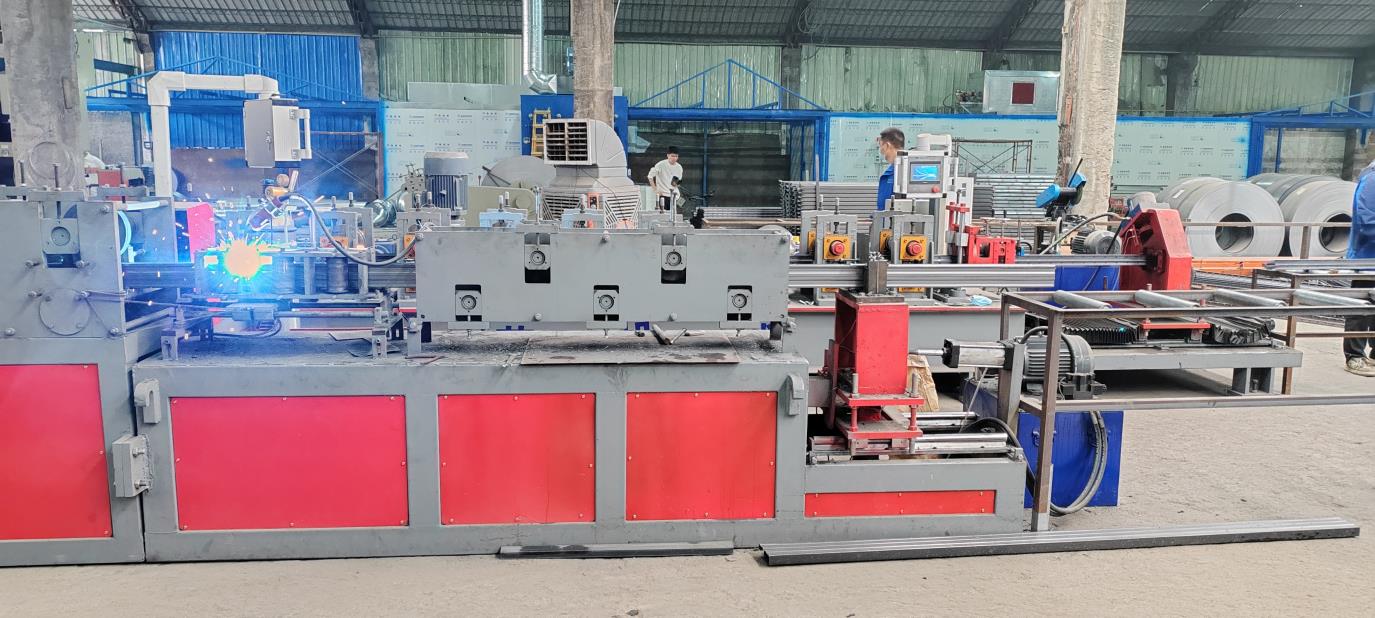
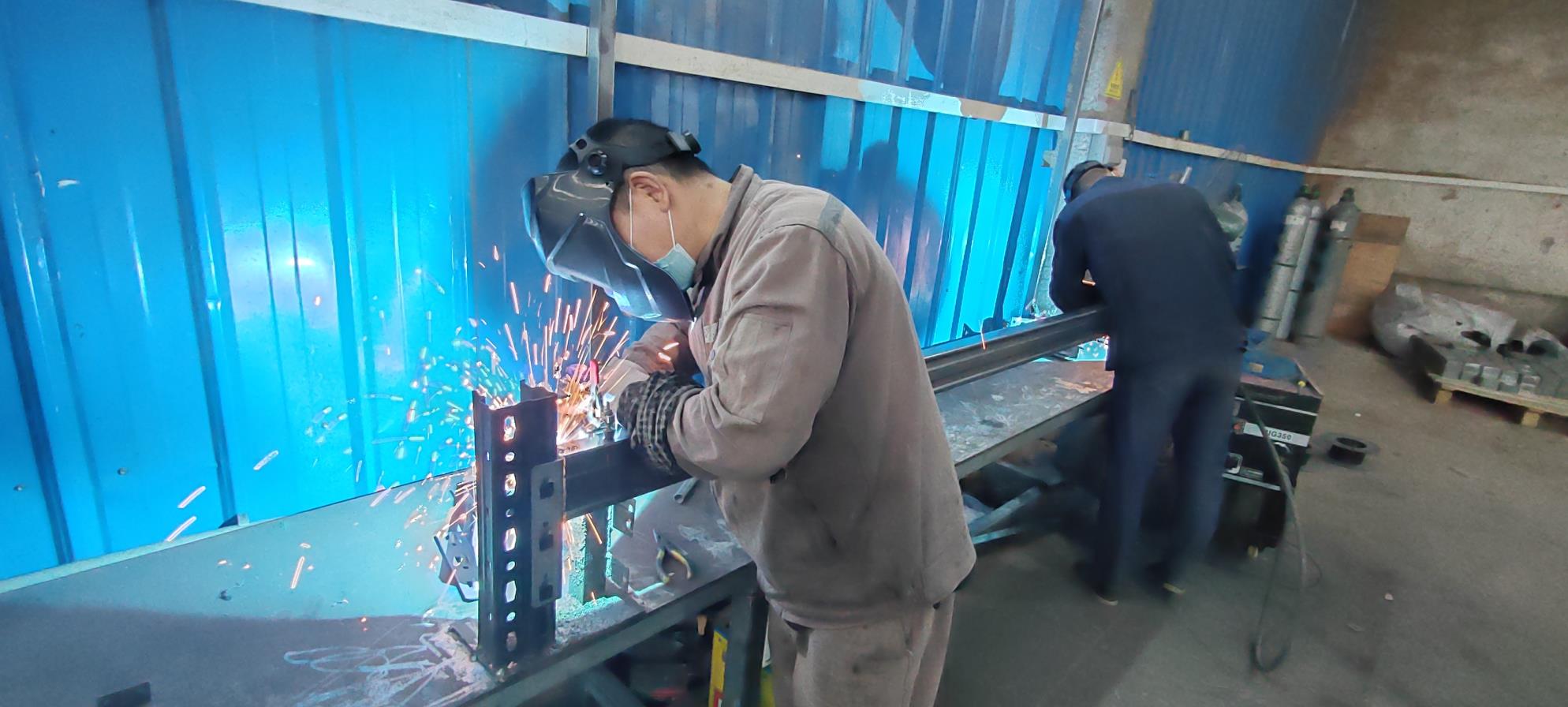
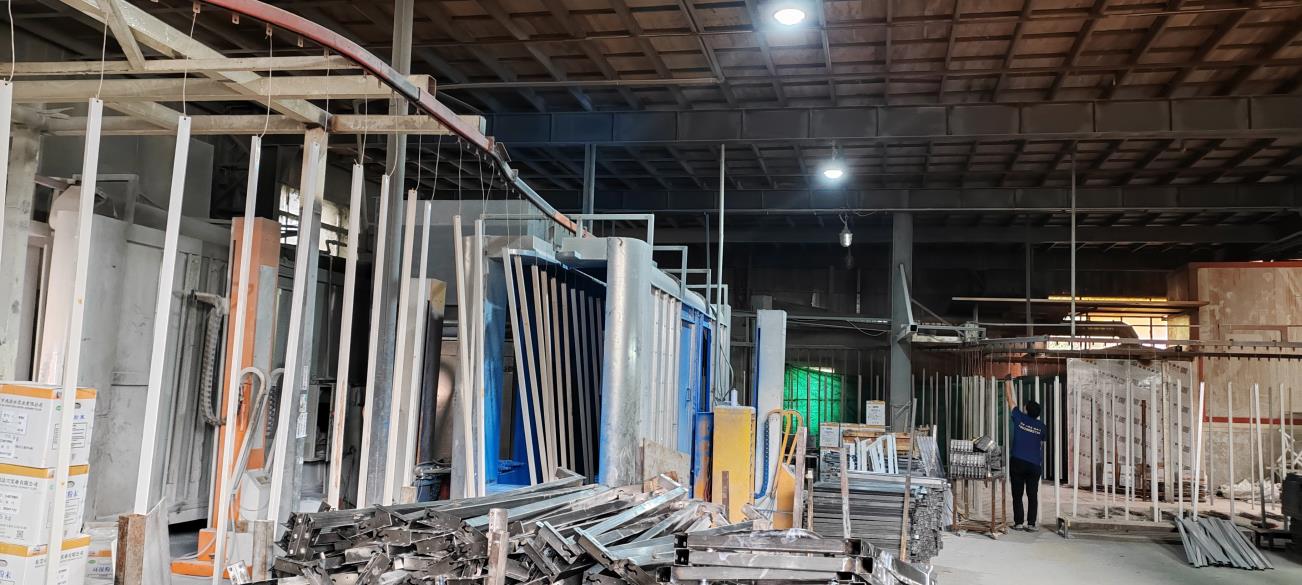
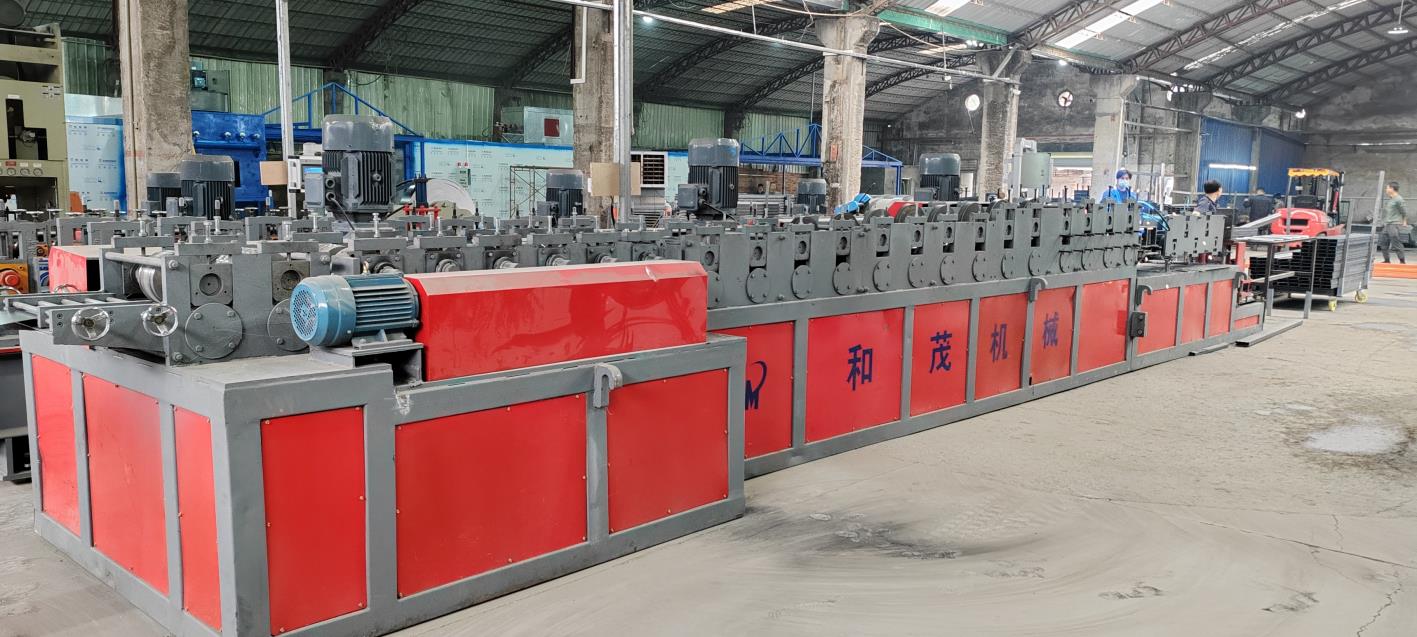
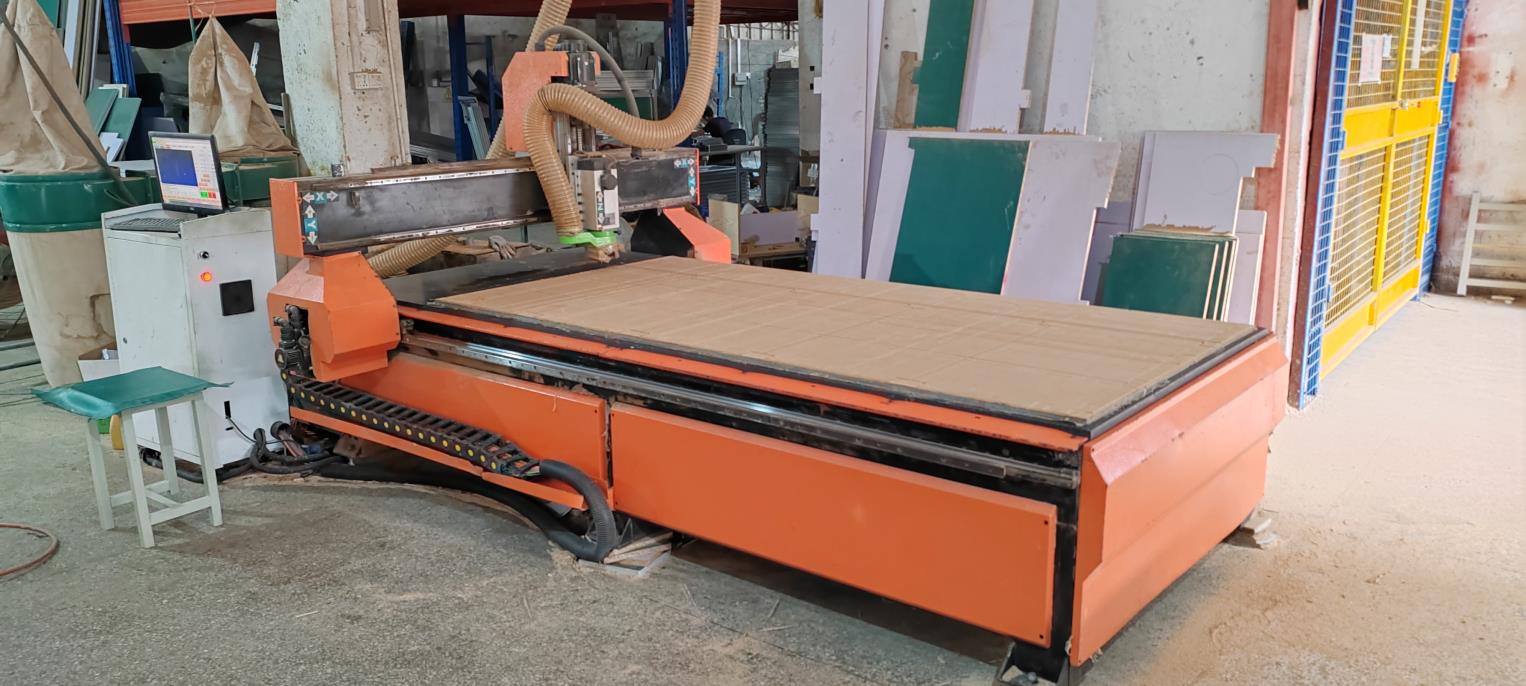
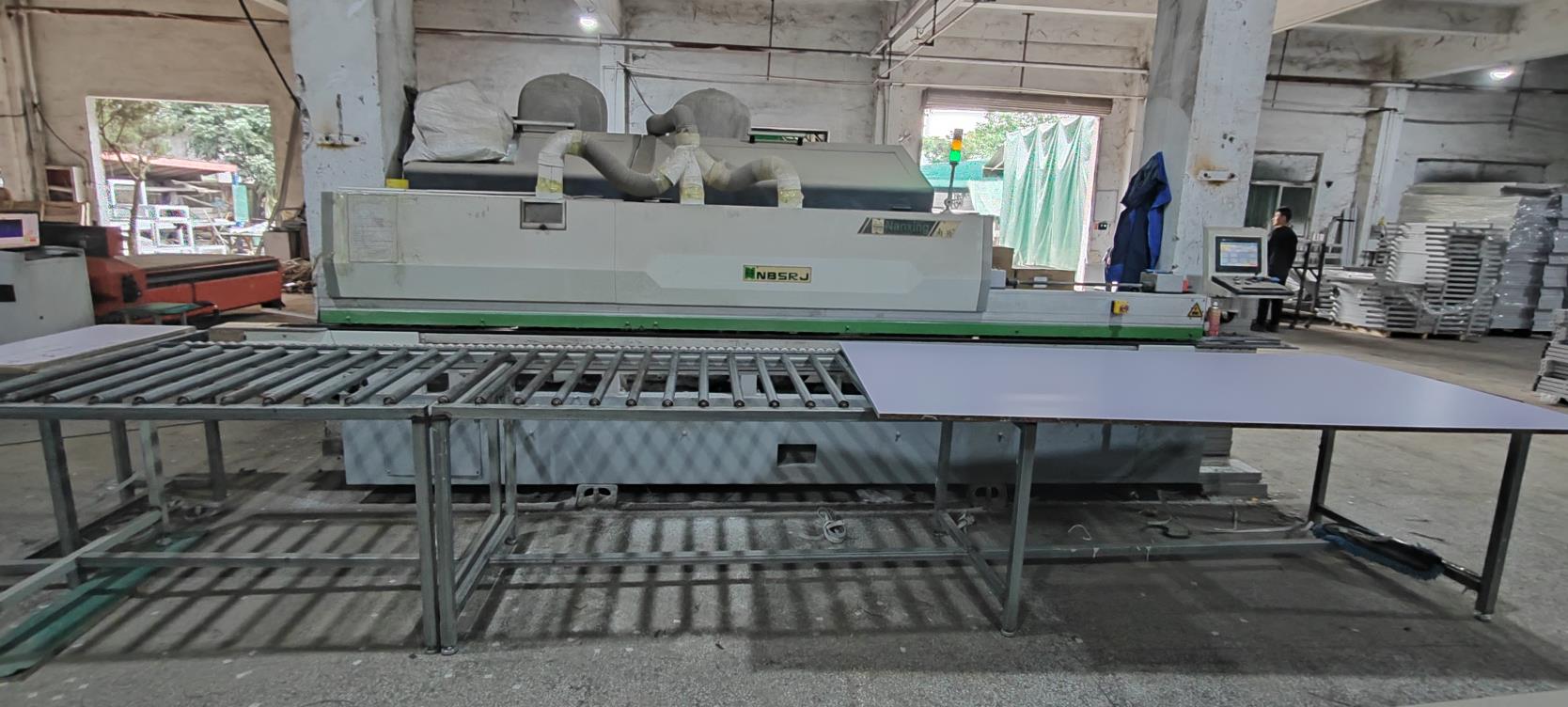
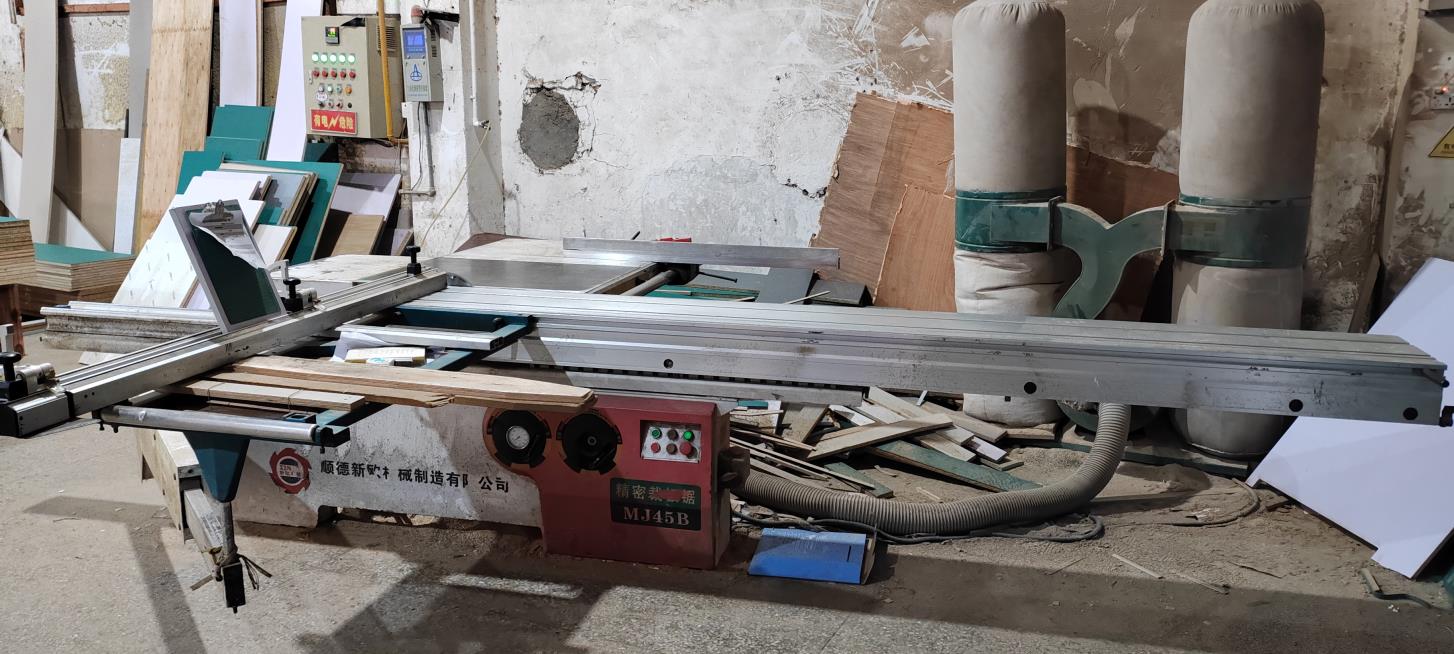
Our long-term roadmap for integration with next-generation automated vertical farms and smart distribution centers.
Integrating temperature, humidity, and load-monitoring sensors directly into cold-chain structural frames to prevent failures and track freshness in real time.
Moving toward fully automated storage and retrieval systems (AS/RS) that limit human presence in freezing environments, reducing operational costs and contamination risks.
Utilizing certified, ultra-low carbon footprint recycled steel alloys, meeting environmental mandates from Japanese and EU regulatory authorities.
Meeting global quality benchmarks to ensure safety, reliability, and smooth cross-border shipping.
Japan’s building codes require rigorous dynamic calculations. Nanjing Fortis racking components are designed to withstand local seismic forces, ensuring critical stability for high-bay and drive-in configurations.
Storing perishables requires surfaces that resist dust buildup and bacterial growth. Our steel displays and industrial racks use smooth, seam-welded connections and non-porous powder coatings to stand up to heavy daily cleanings.
Direct answers to technical questions commonly asked by warehouse operators and fresh produce logistics managers.
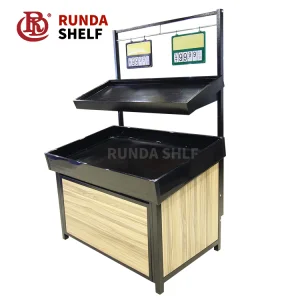
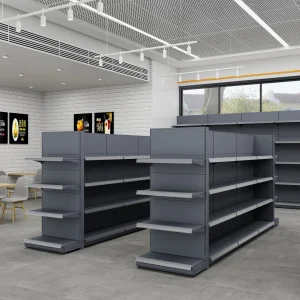
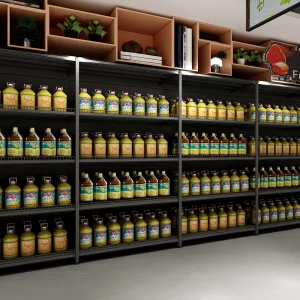
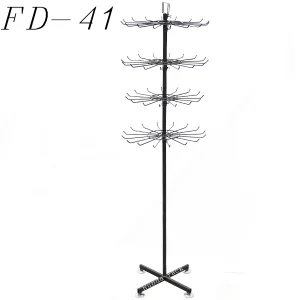
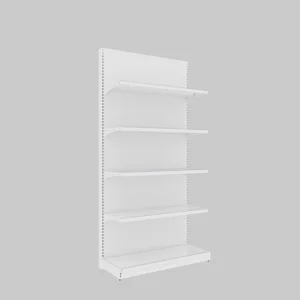
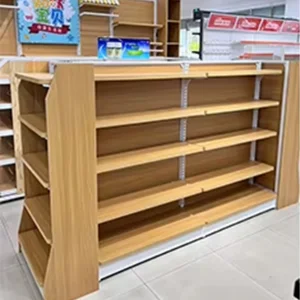
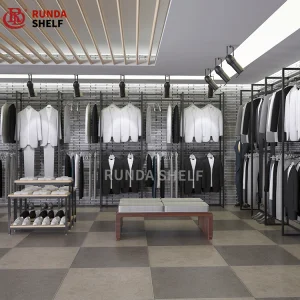
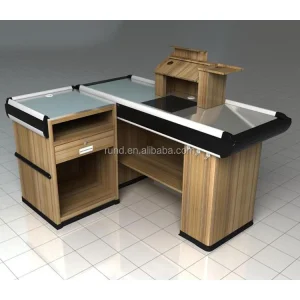
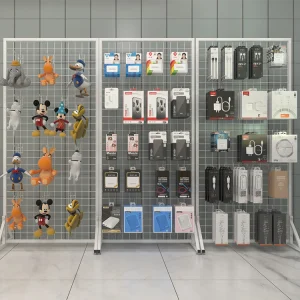
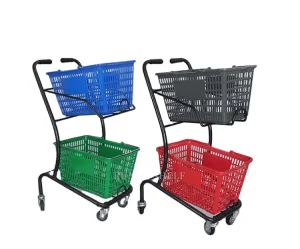
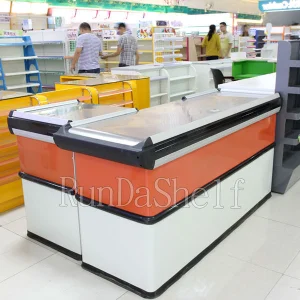
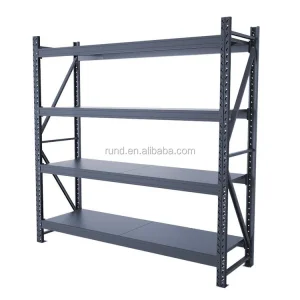
Heavy-duty warehouse racking, supermarket display stands, and checkout solutions built for the Kansai commercial sector.
 FortisRack