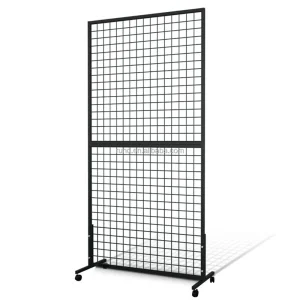
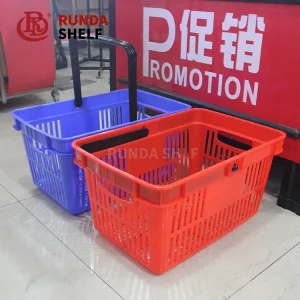
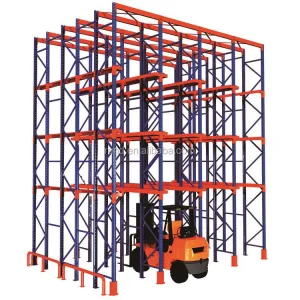
Premium customized shelving configurations. Optimize space utilization and structural integrity for retail display and logistical distribution.
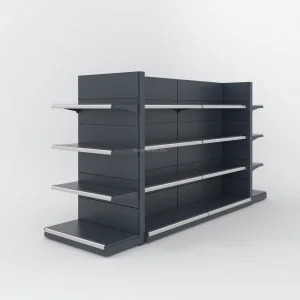
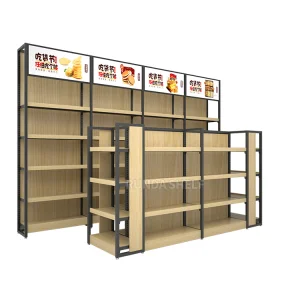
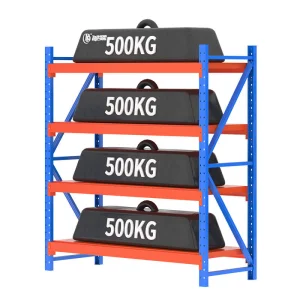
Japan's warehousing and distribution sector operates under some of the most challenging conditions globally. With metropolitan land values in Tokyo, Osaka, and Nagoya among the highest in the world, industrial operators face extreme pressure to optimize spatial footprint. This has catalyzed a massive structural shift away from traditional low-profile storage towards high-density vertical systems, automated warehouses (AS/RS), and mezzanine floor platforms.
Crucially, any structural installation in Japan must satisfy rigid anti-seismic standards. Japan is subject to frequent seismic activities, making seismic design not a premium upgrade, but a basic legal requirement under the Building Standards Act. Racking systems must be constructed using high-grade structural steel (such as Q235B, Q345B, or Japan's equivalent JIS G3101 SS400) capable of absorbing dynamic lateral loads. Manufacturers must integrate advanced base isolation systems, heavy-duty floor anchoring, and cross-bracing frameworks that prevent buckling during seismic movements.
The future of industrial storage in Japan lies at the intersection of automation and digital management. The integration of IoT (Internet of Things) structural health monitoring systems into warehouse racking has become a major technical direction. Smart sensors placed along upright columns monitor real-time strain, load distribution, and structural displacement, warning logistics managers of potential fatigue or overload issues before they lead to structural failures.
Environmental, Social, and Governance (ESG) mandates are also rewriting the criteria for warehouse equipment procurement in Japan. Supply chain operators are increasingly demanding eco-friendly materials and carbon-neutral production pathways. There is a strong preference for lead-free, non-toxic, electrostatic powder coatings that emit zero Volatile Organic Compounds (VOCs) and exhibit long-term corrosion resistance. This guarantees durability in temperature-controlled cold-chain logistics hubs without sacrificing air quality or ecological safety.
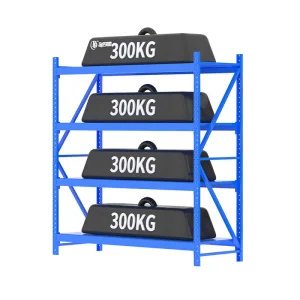
Providing high-load stability and modular configuration versatility for warehouse storage and large retail outlets.
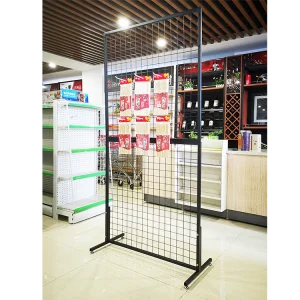
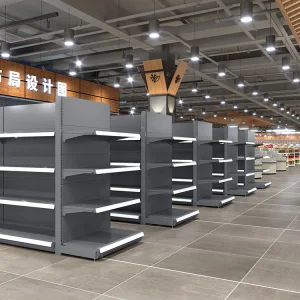
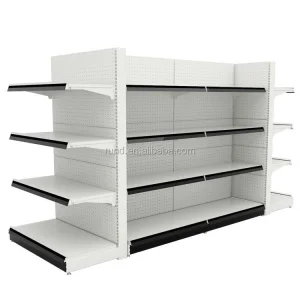
Established in 2016, Nanjing Fortis Storage Equipment Manufacturing Co., Ltd. commands a modern industrial plant covering 48,000 m². Driven by 10 years of deep industry expertise and 7 years of global trade experience, our annual export turnover reaches $35 million.
We perform rigorous quality control through ISO14001 and TUV standards, executing automated CMM dimensional inspections and salt spray corrosion testing with our dedicated team of 62 full-time QA inspectors. By operating dynamic, automated manufacturing pipelines, we combine Chinese supply chain agility with the high-precision quality thresholds expected in the Japanese market.
Our clients—ranging from mega-warehouse developers and third-party logistics (3PL) providers to high-density cold storage operators and global retail supermarket chains—rely on our structural design team of 80 engineers to customize beam profiles, seismic baseplates, and protective powder coatings.
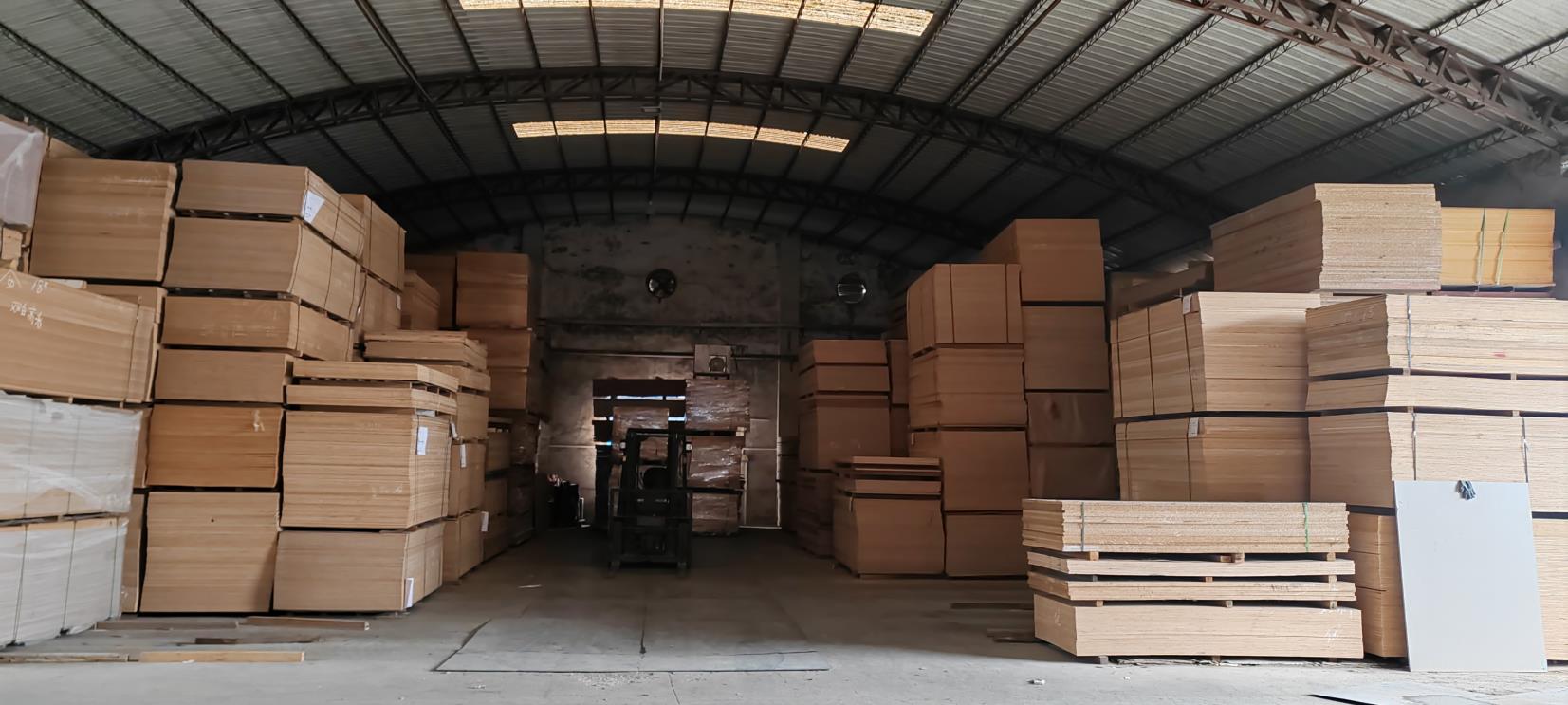
Our ISO-certified manufacturing flow ensures every steel element undergoes systematic cutting, stamping, welding, and inspection before dispatch.
Raw Material
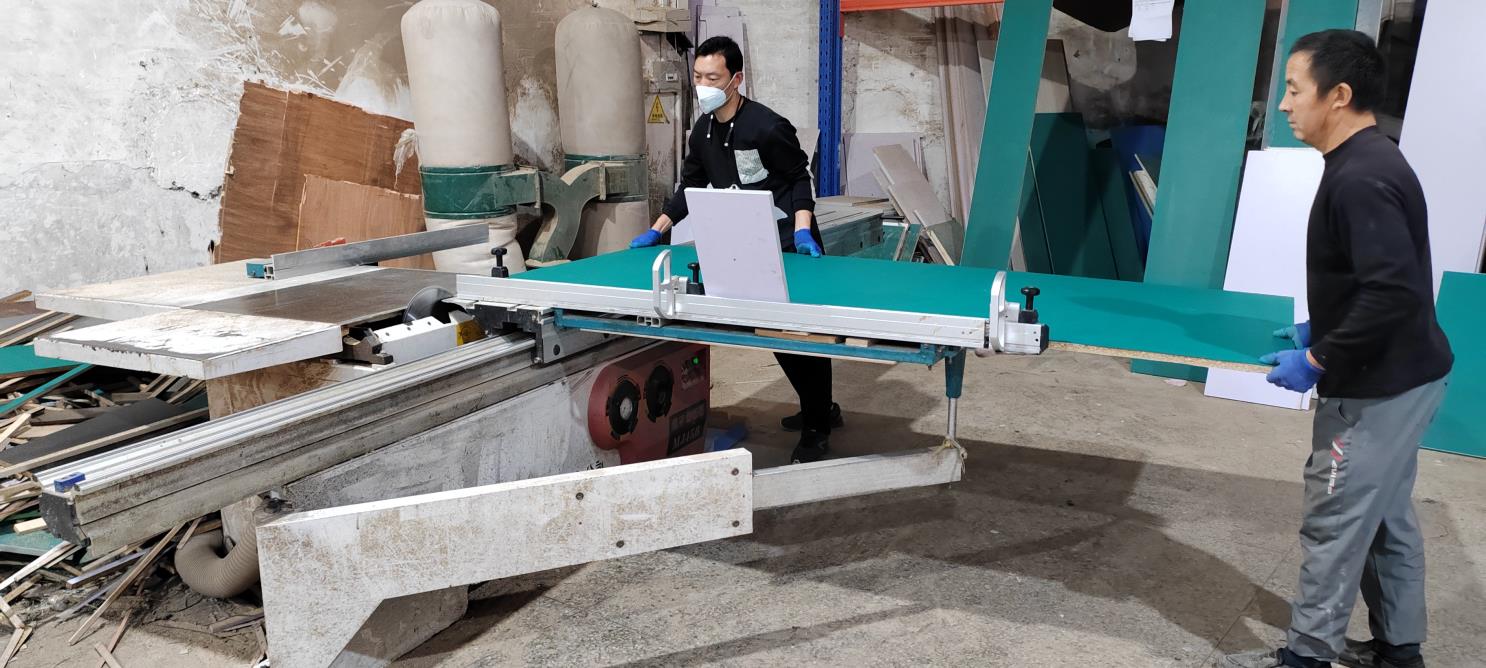
Board Cutting
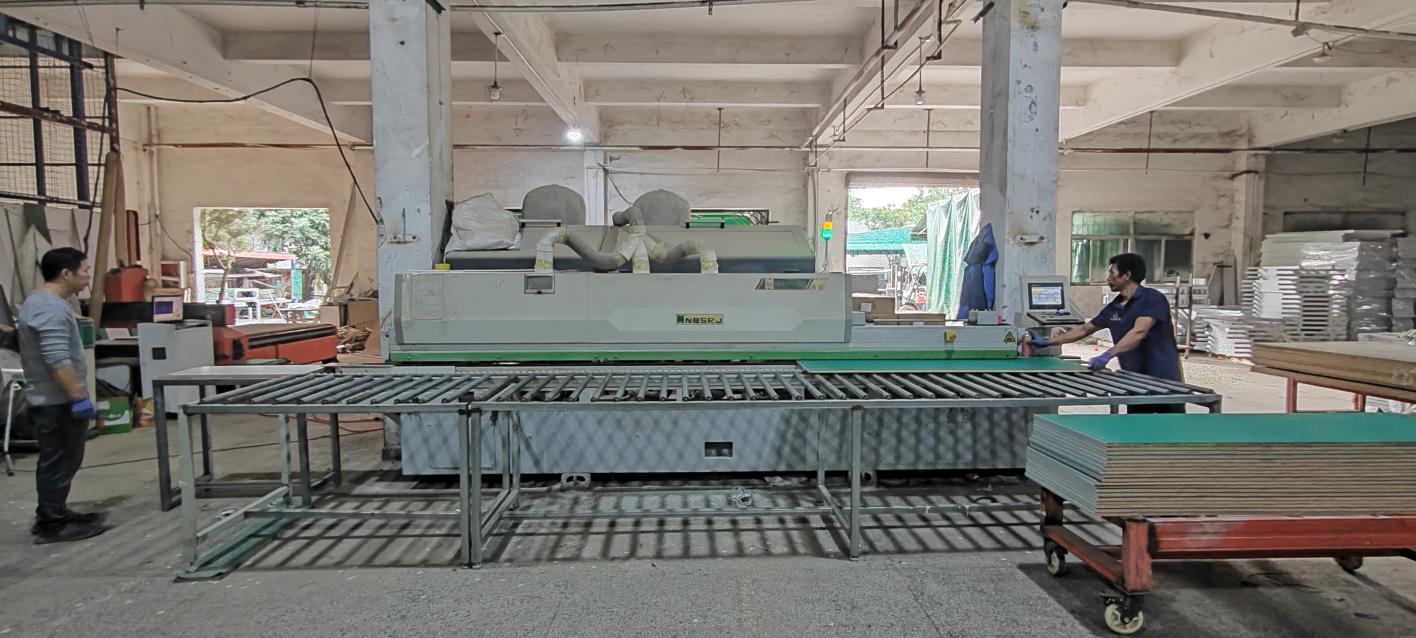
Edge Sealing
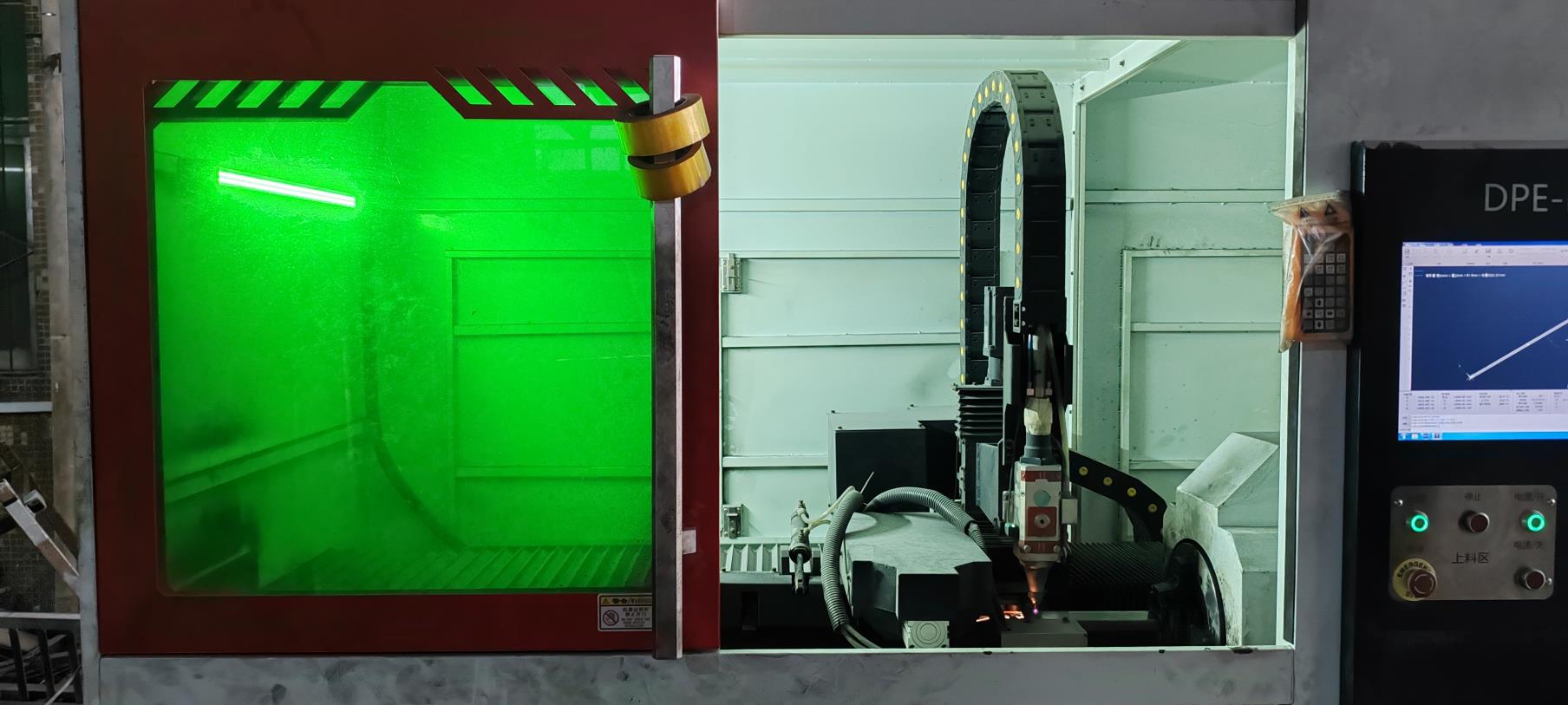
Laser Cutting
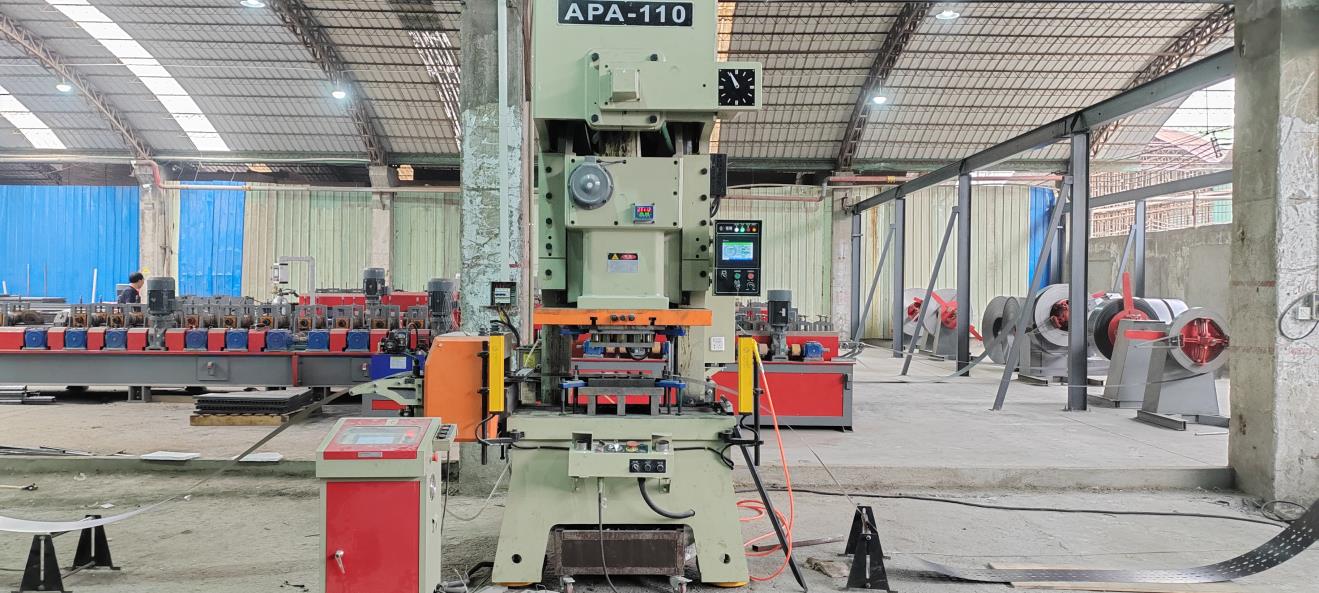
Punching
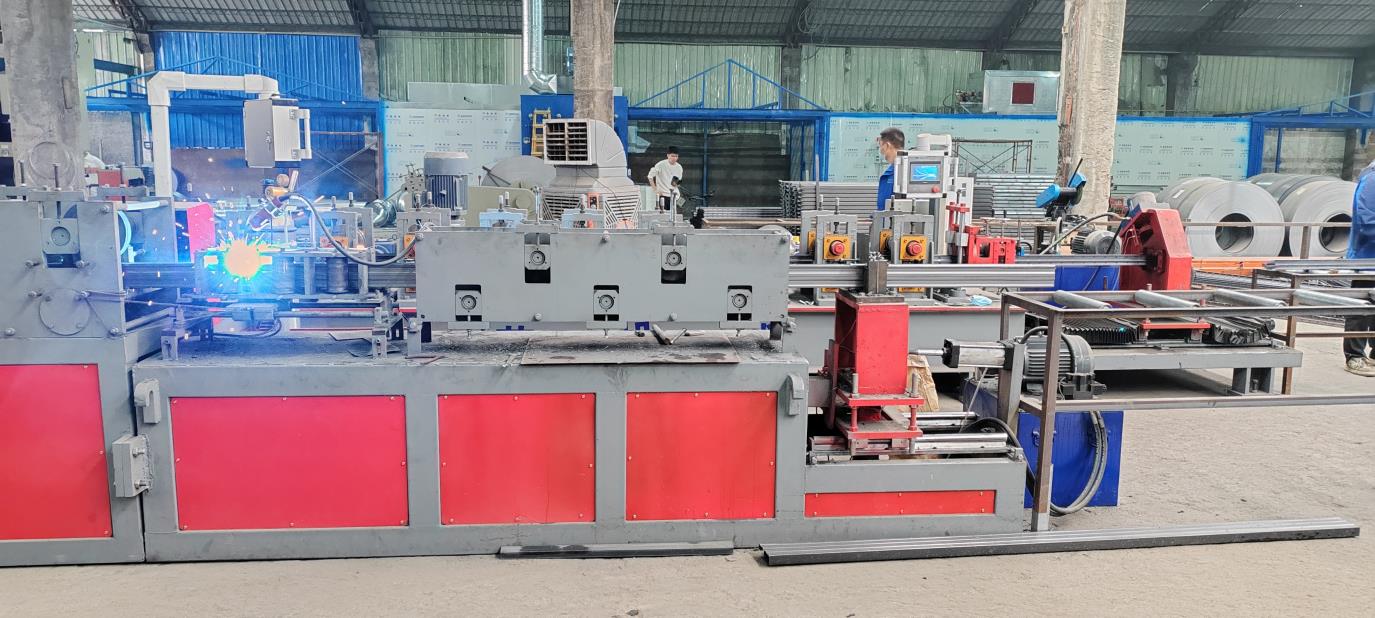
Forming
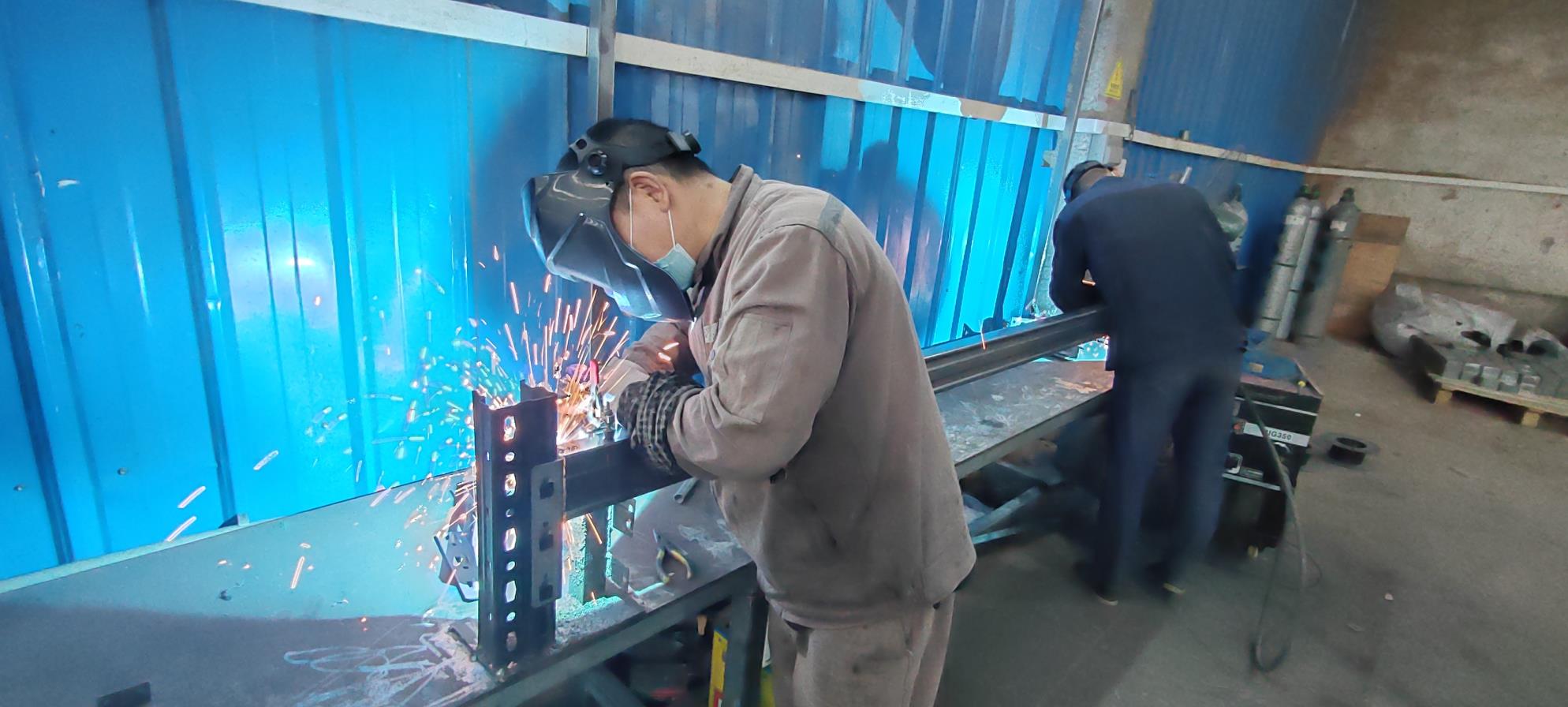
Welding
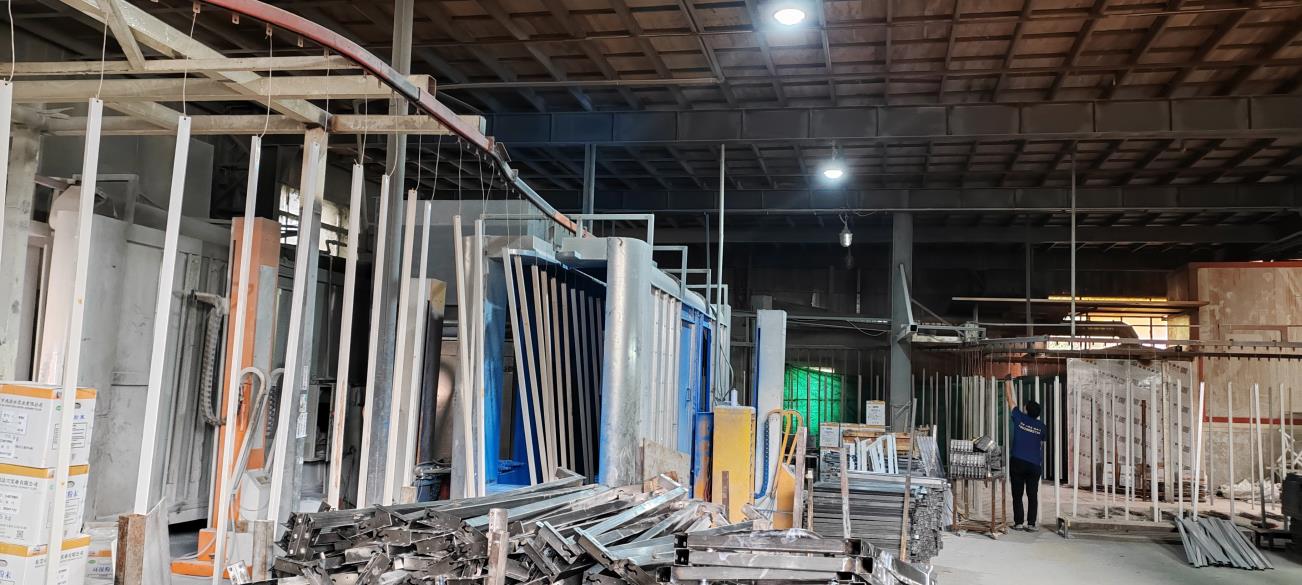
Baking paint
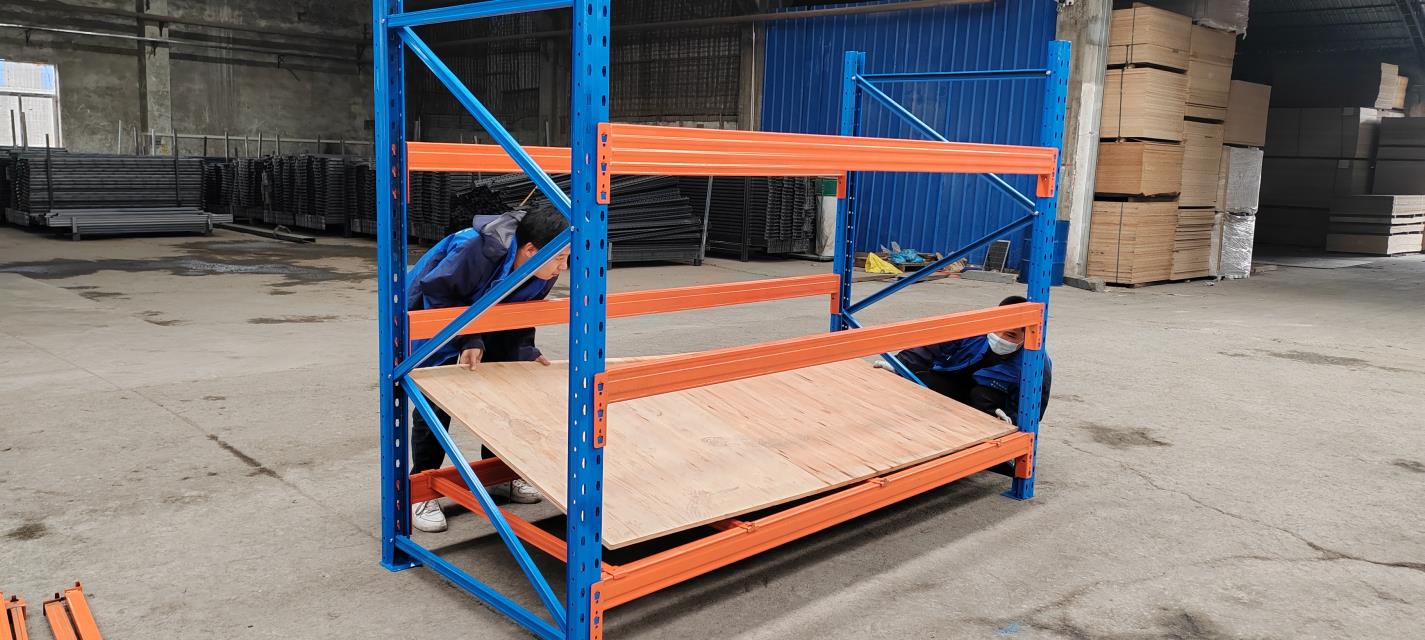
Assembling
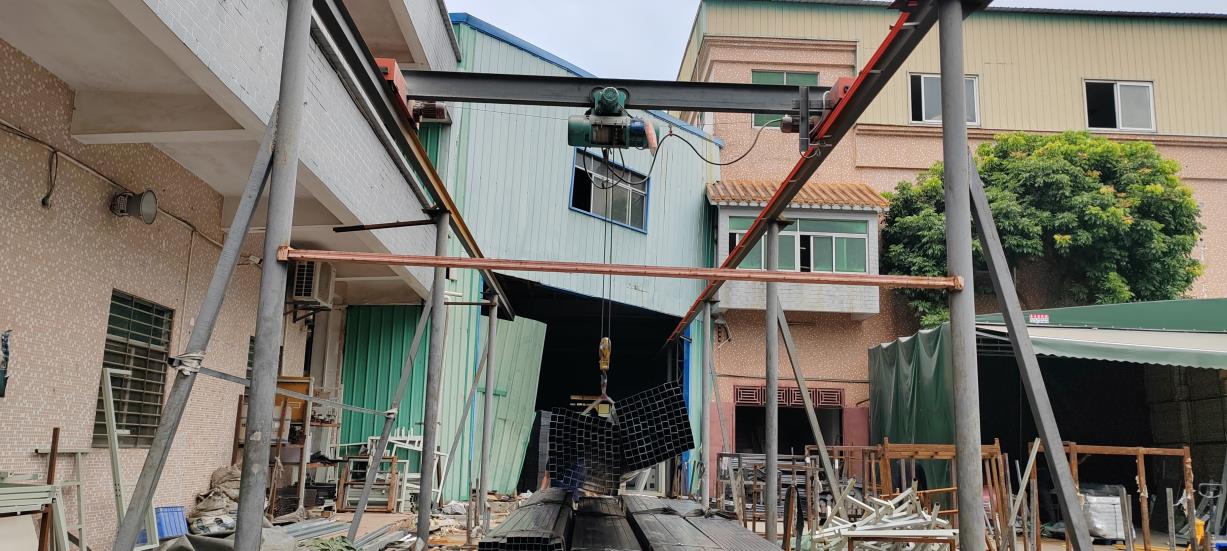
Line Hoisting
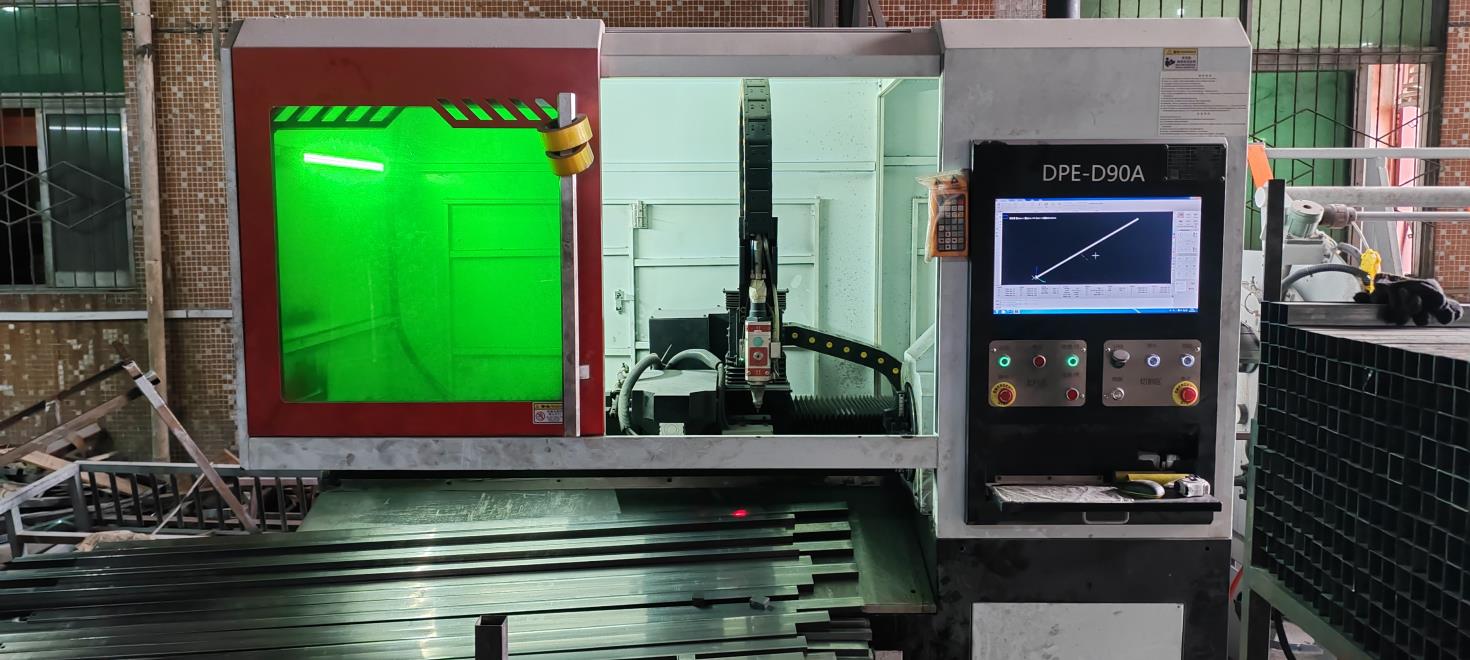
Laser Machine
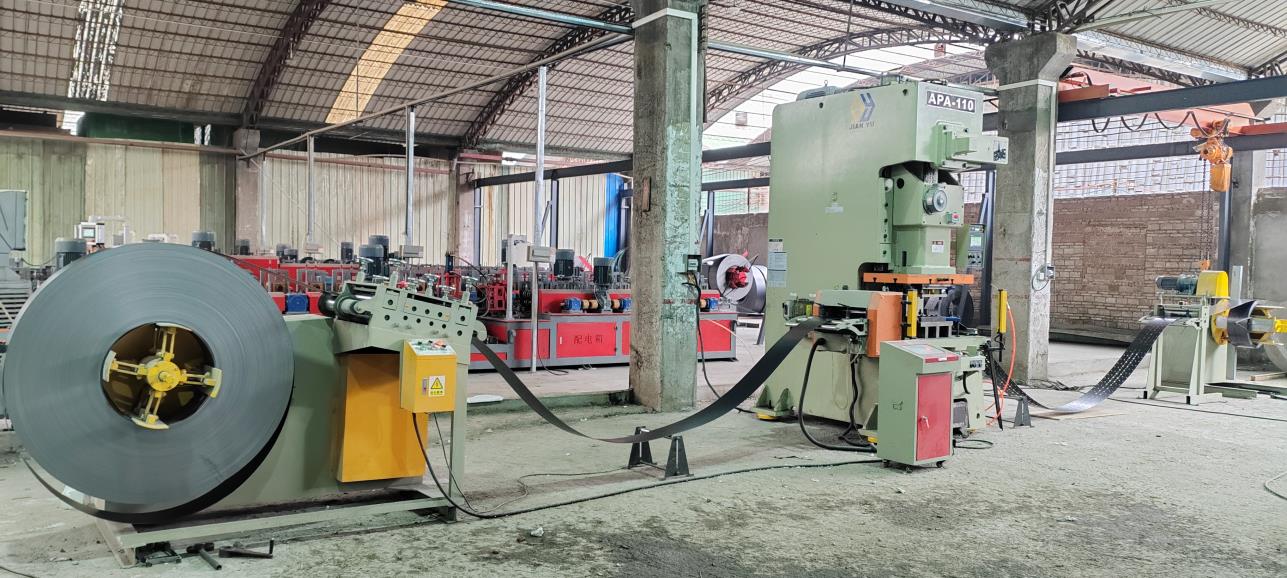
Punching Machine
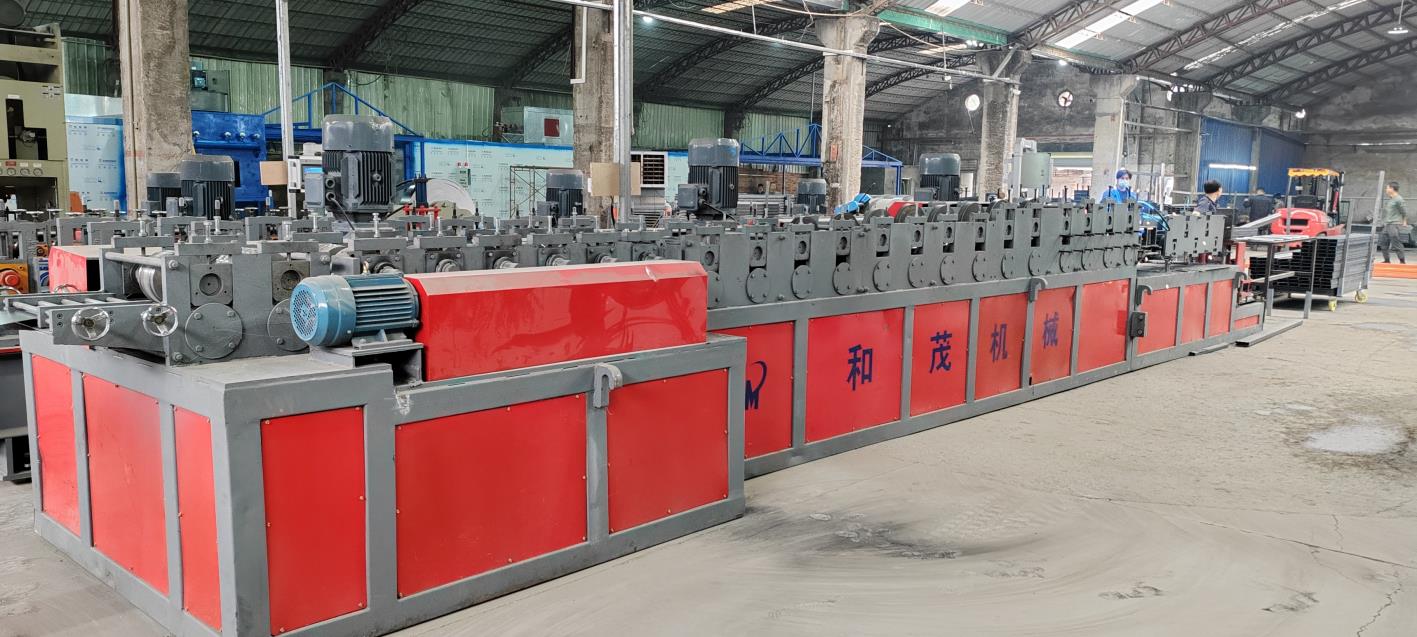
Forming Machine
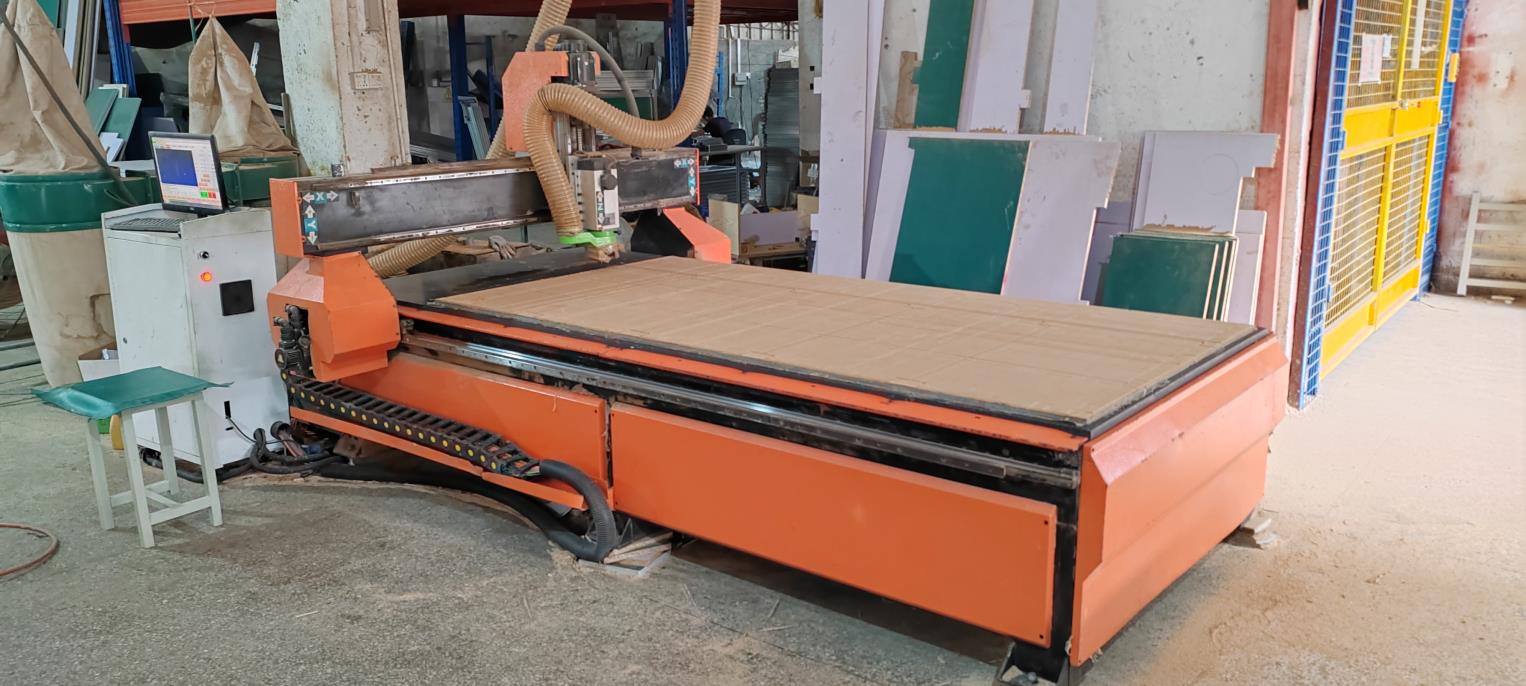
Engraving Machine
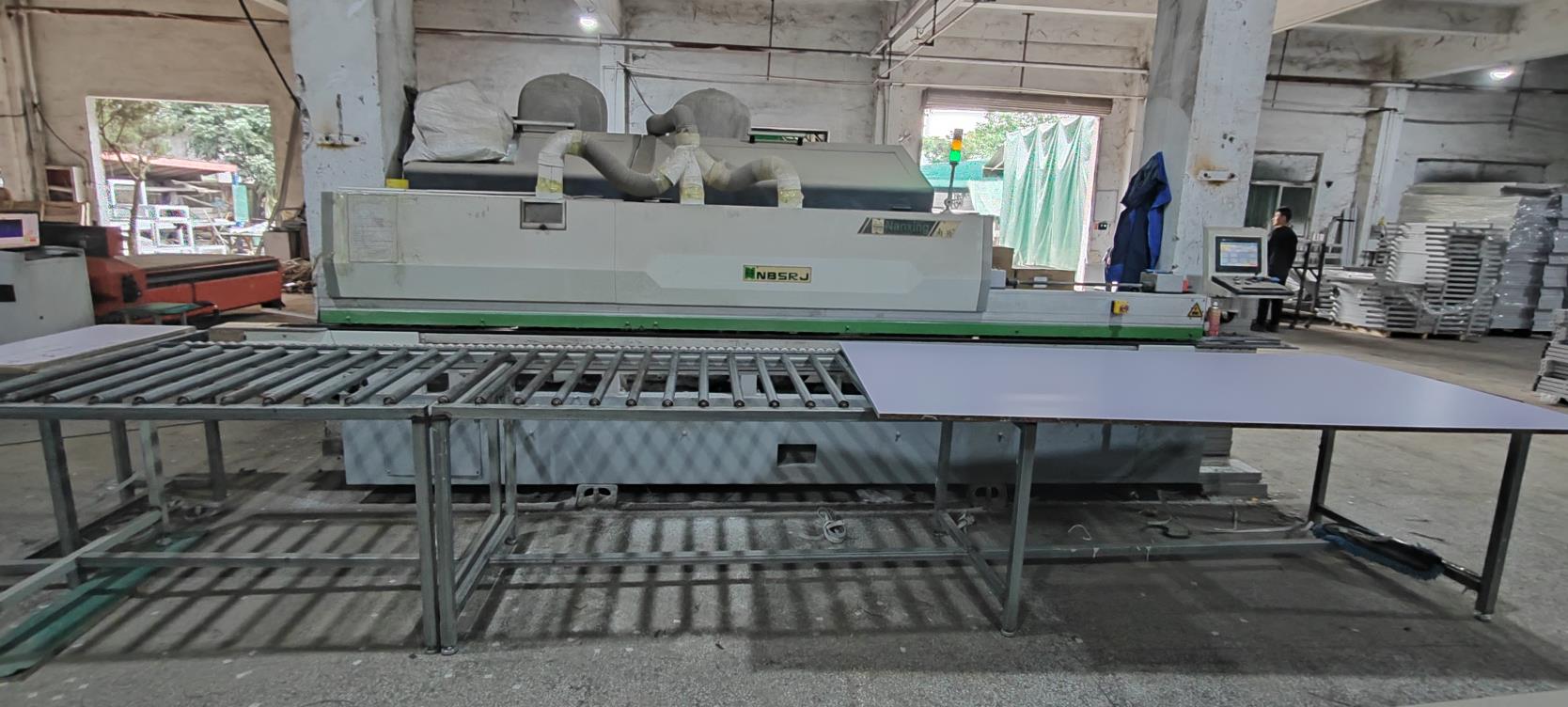
Edge Sealer
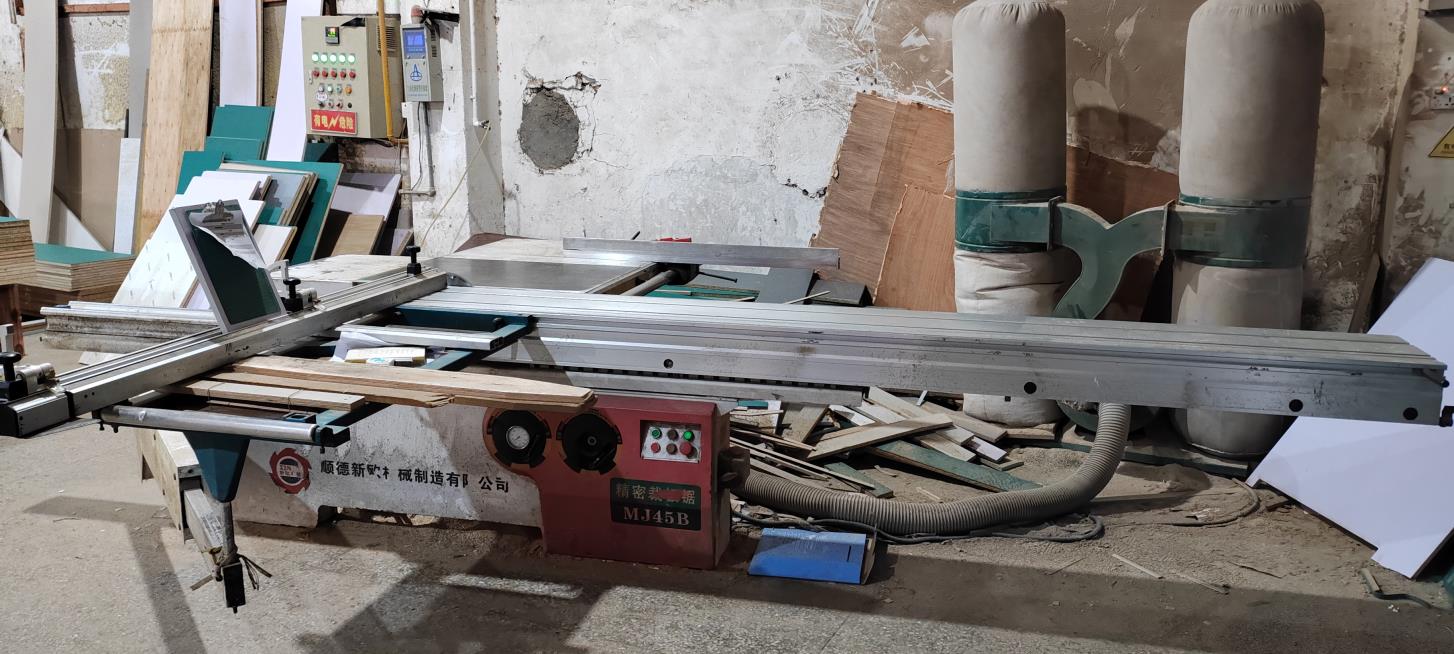
Table Saw
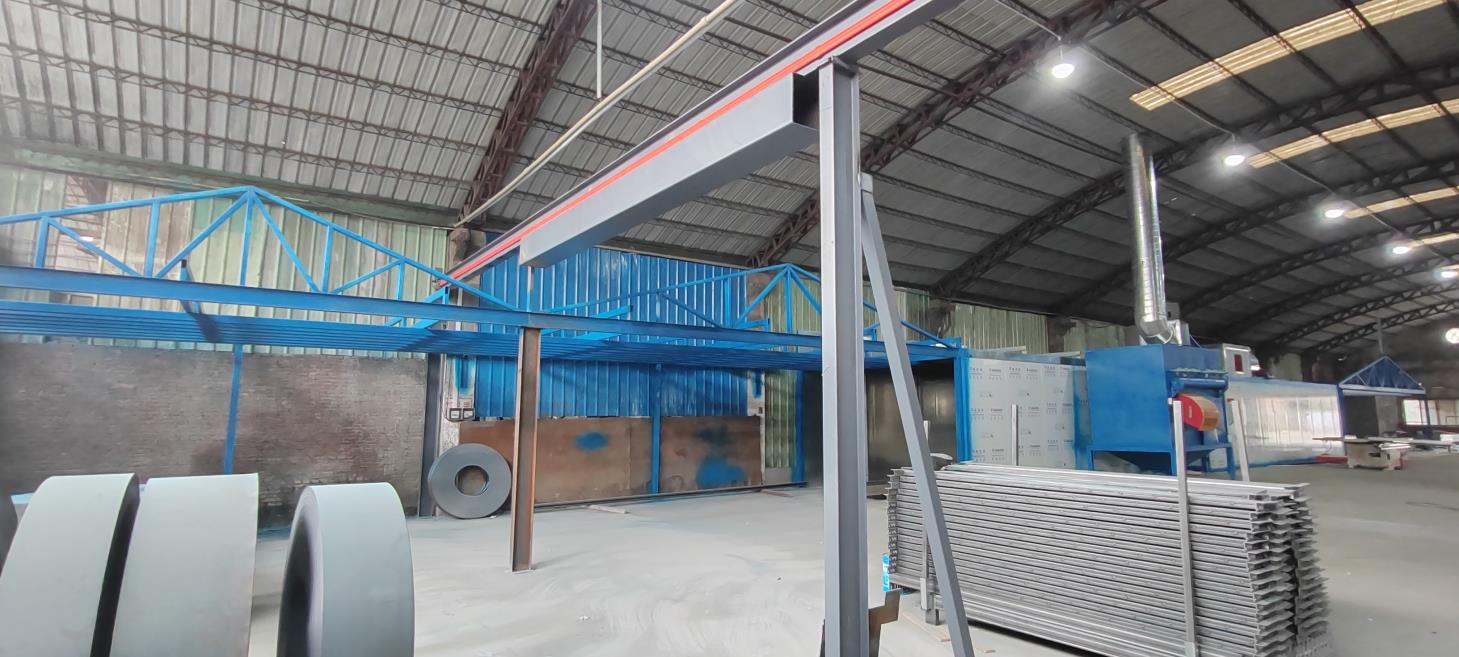
Paint Line
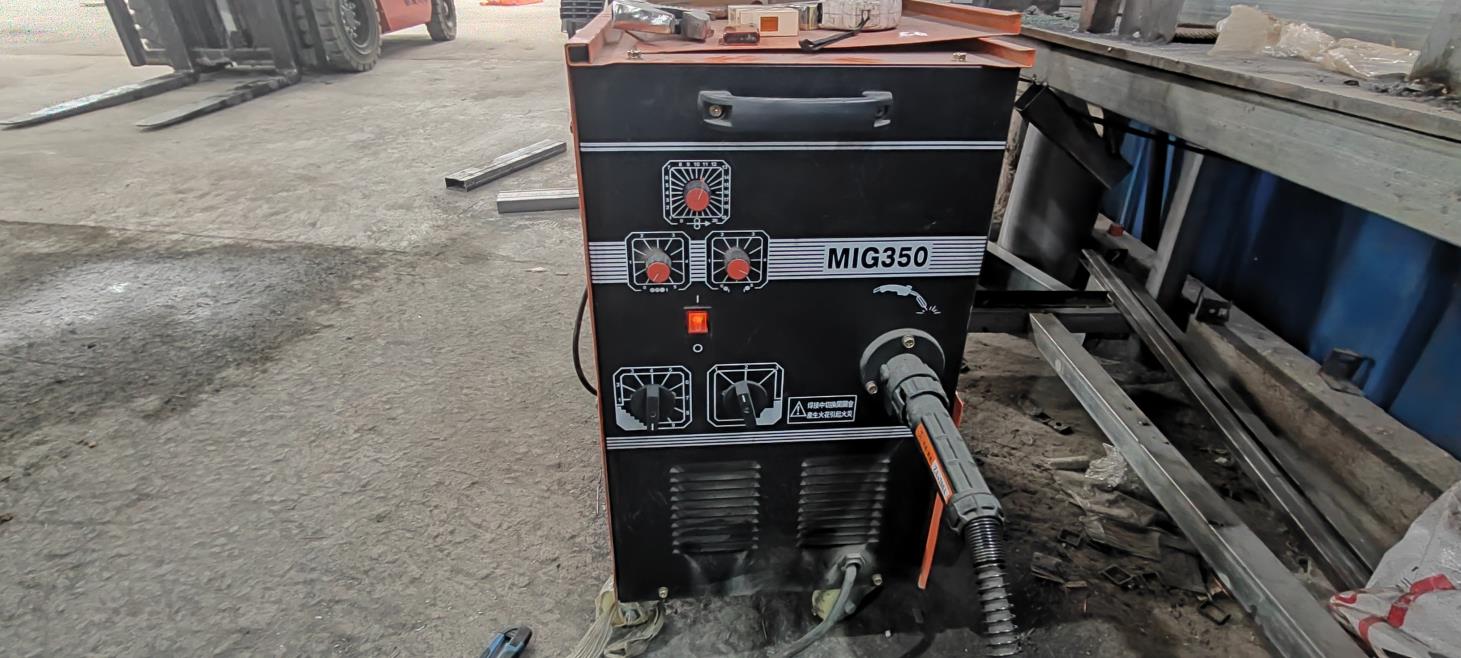
Welder
We source certified structural steel plates and profiles from leading state-owned steel groups, assuring uniform tensile strength and complete traceability.
High-speed continuous rolling mills and robotic punching systems ensure beam and upright profiles match specifications to tolerances within 0.1mm.
Components undergo multi-stage chemical pre-cleaning and shot blasting, followed by electro-static powder deposition and high-temperature curing.
Explore our heavy-duty platforms, commercial racking systems, and specialized accessories engineered for distribution centers across Japan.
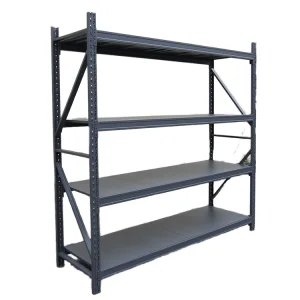
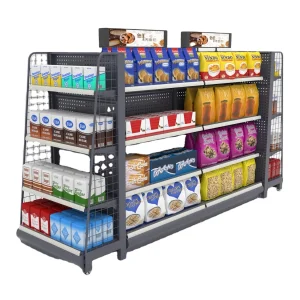
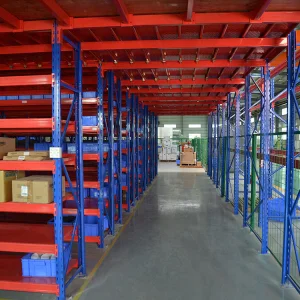
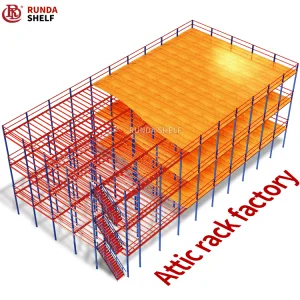
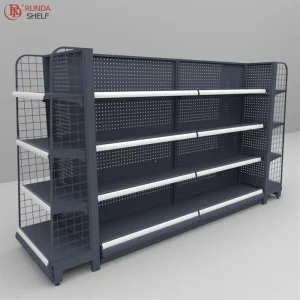
Everything you need to know about custom racking design compliance, material certifications, and shipping procedures to Japan.
We primarily use premium-grade carbon structural steel, including Q235B and Q345B. These steel grades feature the optimal ratio of ductility and tensile strength required to meet both standard weight-bearing load profiles and the strict dynamic stress parameters of seismic-active areas.
Our structural engineering team designs racking systems with heavy-duty baseplates, floor anchoring anchors, and engineered cross-bracing frameworks. We conduct comprehensive Finite Element Analysis (FEA) to simulate seismic accelerations, ensuring our configurations comply with local building regulations.
We operate fully automated electrostatic powder coating lines. For facilities demanding extreme corrosion protection, such as industrial cold rooms or chemical containment facilities, we offer hot-dip galvanization and advanced zinc-rich epoxy primers designed to withstand prolonged moisture.
Standard custom racking runs require 20 to 30 days for design engineering and manufacturing. Shipping from our nearby industrial ports in Shanghai or Nanjing to major maritime hubs like Tokyo, Yokohama, or Kobe takes approximately 4 to 7 days, ensuring rapid project completion.
Yes. We supply highly detailed CAD layout schemes, step-by-step structural assembly videos, and technical user manuals for every project. For larger logistics projects, we coordinate with local Japanese installation partners or assign technical support engineers to oversee structural erection on-site.
Nanjing Fortis operates strictly under ISO9001 and ISO14001 certification frameworks. Our racking components are audited by independent third-party agencies such as TUV Rheinland and SGS, validating structural capacities and welding performance against rigorous global testing standards.
 FortisRack