Engineered configurations optimizing warehouse density, retail capacity, and heavy-duty load parameters.
An authoritative analysis of standard compliance, safety imperatives, and market vectors driving the chemical containment storage sector.
The logistics and containment of chemical liquids, particularly paints, coatings, and solvent-based materials, demand rigorous structural engineering and environmental compliance. Unlike standard pallet warehousing, industrial paint storage systems function under strict regulatory conditions enforced by global oversight bodies. These bodies dictate structural resilience, vapor mitigation, and fluid containment strategies to minimize hazard vectors in high-risk zones.
"Non-compliant chemical shelving accounts for over 35% of handling hazards and regulatory delays in industrial distribution hubs globally."
Under standards like NFPA 30 (Flammable and Combustible Liquids Code) and OSHA 1910.106, storage configurations must support high-mass chemical drums and pails without deflection. Deflection can stress container integrity, leading to leaks. Furthermore, structural design must integrate secondary containment bunds, anti-corrosive powder finishes, and seismic tie-backs. This ensures storage infrastructure remains secure under high mechanical loads and environmental shifts.
How emerging sustainability goals and automated warehousing are reshaping design standards for storage racking.
Modern distribution hubs require rack designs with built-in spill containment decks and galvanized mesh. This controls localized spills of paints and chemical solvents before they reach the main concrete slab, simplifying compliance and cleanup.
Standard paint finishes fail when exposed to ketones, acetones, and chemical thinners. Industrial storage requires thermosetting epoxy-polyester coatings. These coatings must pass rigorous salt spray and chemical droplet tests to prevent rust and structural degradation.
Global architectural codes require storage racks to meet seismic load criteria. Using finite element analysis (FEA), designs are reinforced with heavier baseplates, robust floor anchors, and cross-bracing profiles. This ensures stability and safety during seismic events.
Nanjing Fortis Storage Equipment Manufacturing Co., Ltd. delivers high-performance industrial storage solutions globally.
Established in 2016, Nanjing Fortis Storage Equipment Manufacturing Co., Ltd. commands a modern industrial plant covering 48,000 m². Driven by 10 years of deep industry expertise and 7 years of global trade experience, our annual export turnover reaches $35 million. We uphold strict quality control through ISO14001 and TUV standards, performing automated CMM dimensional inspections and salt spray corrosion testing with 62 full-time QA personnel. As a direct factory exporter, our key commercial footprints span Western Europe, South America, and the Middle East, integrated with a network of over 1,400 supply chain partners. Our client base mainly includes mega-warehouse developers, cold chain storage operators, and global retail chains. Our robust R&D team of 80 engineers specializes in bespoke structural adaptations, special surface coating treatments, and high-density racking configurations, introducing 350 innovative products to the global market last year.
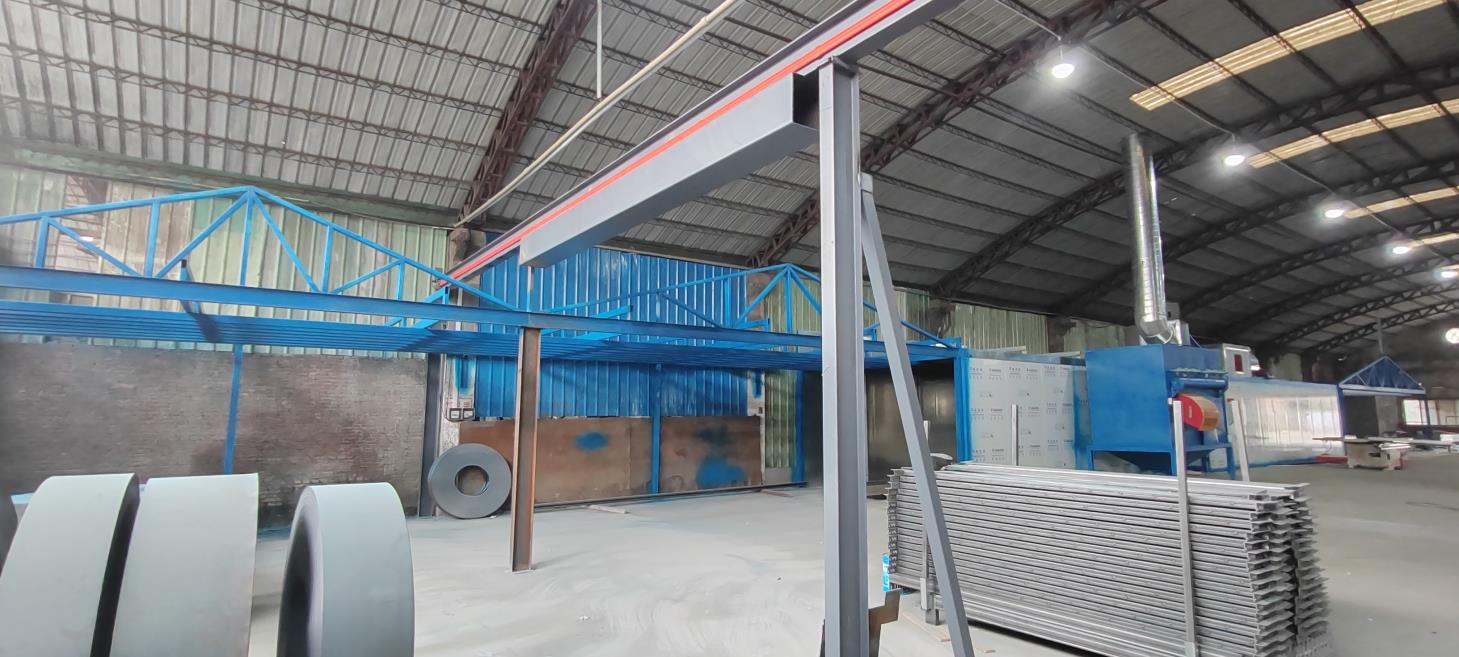
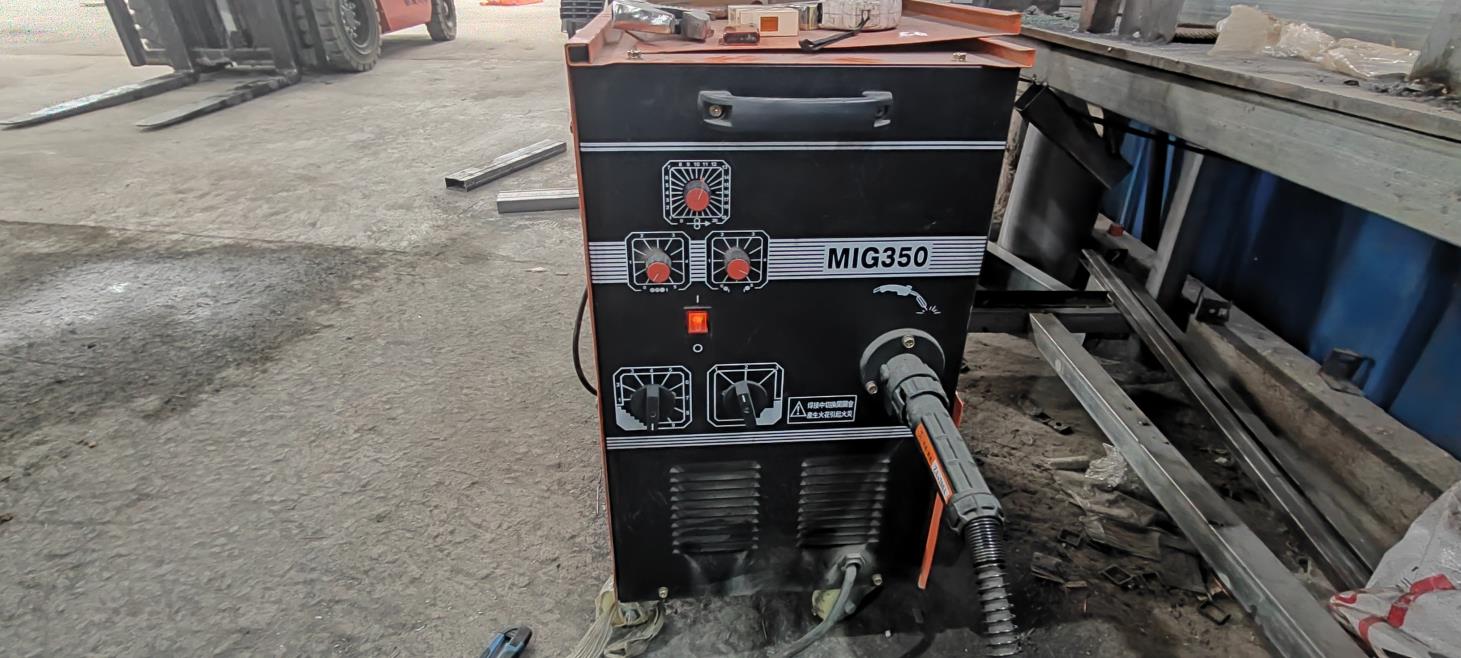
Step-by-step visual documentation of our automated production line, ensuring high load tolerances and consistent quality.
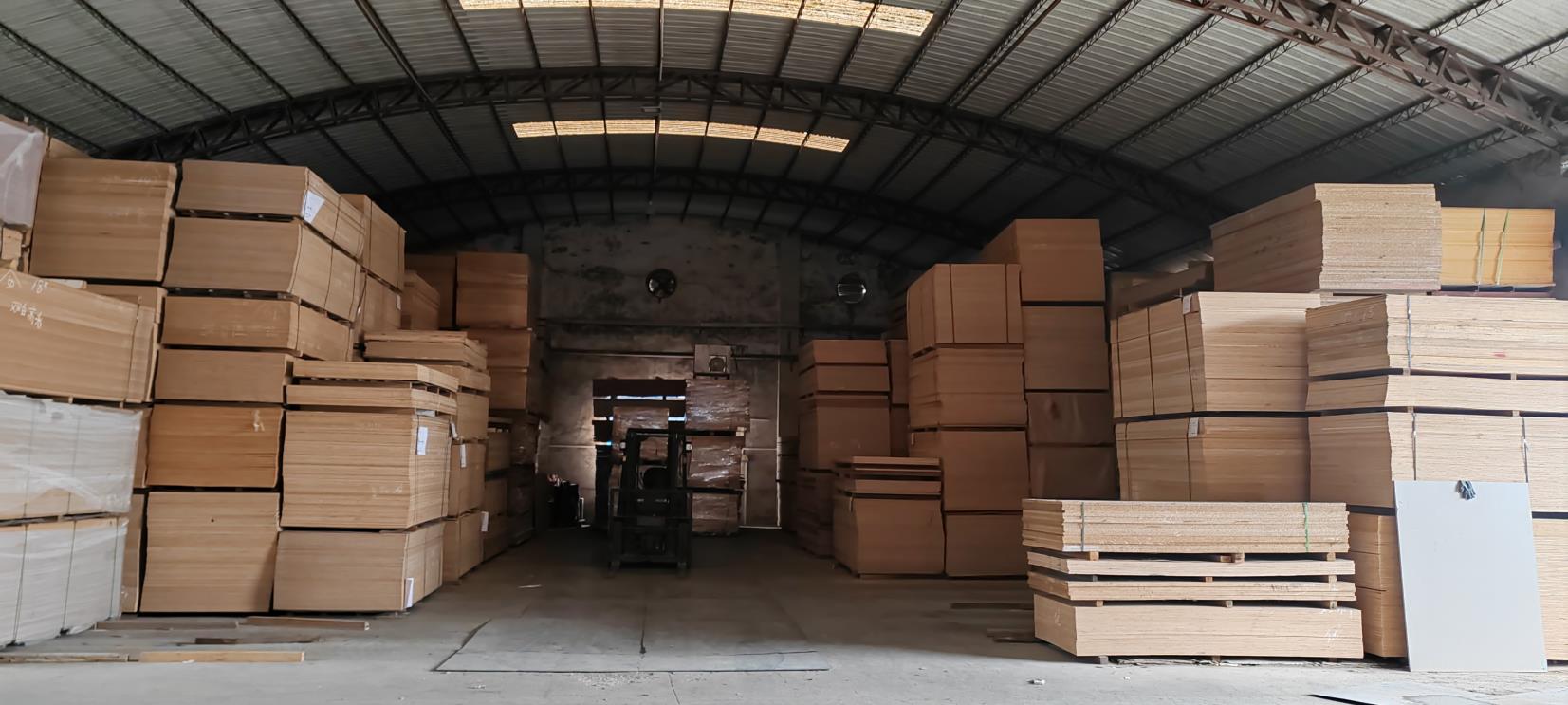
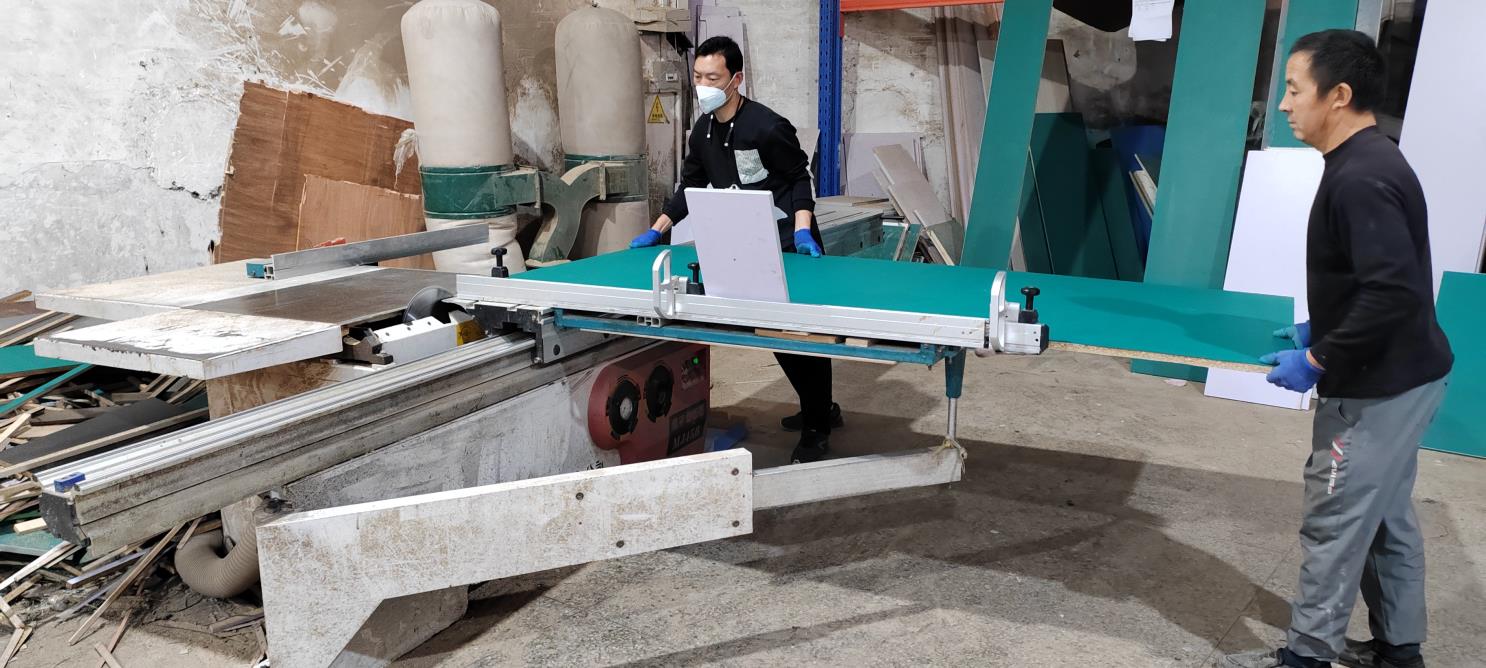
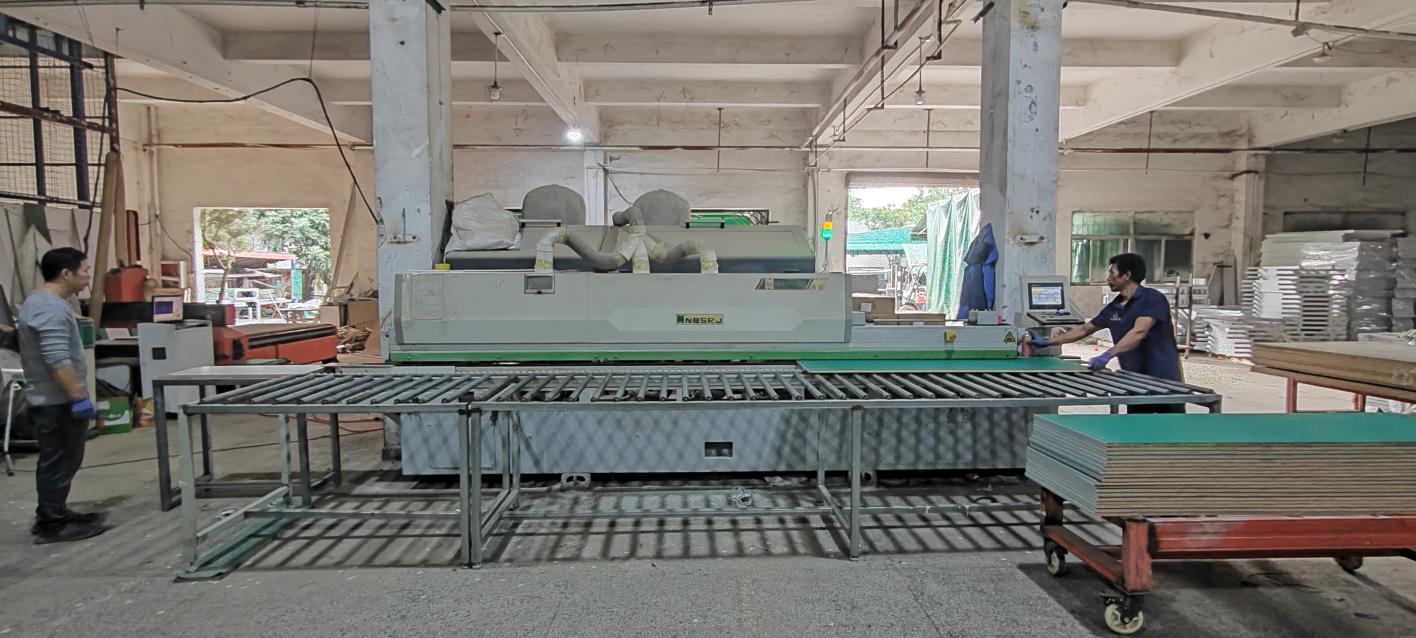
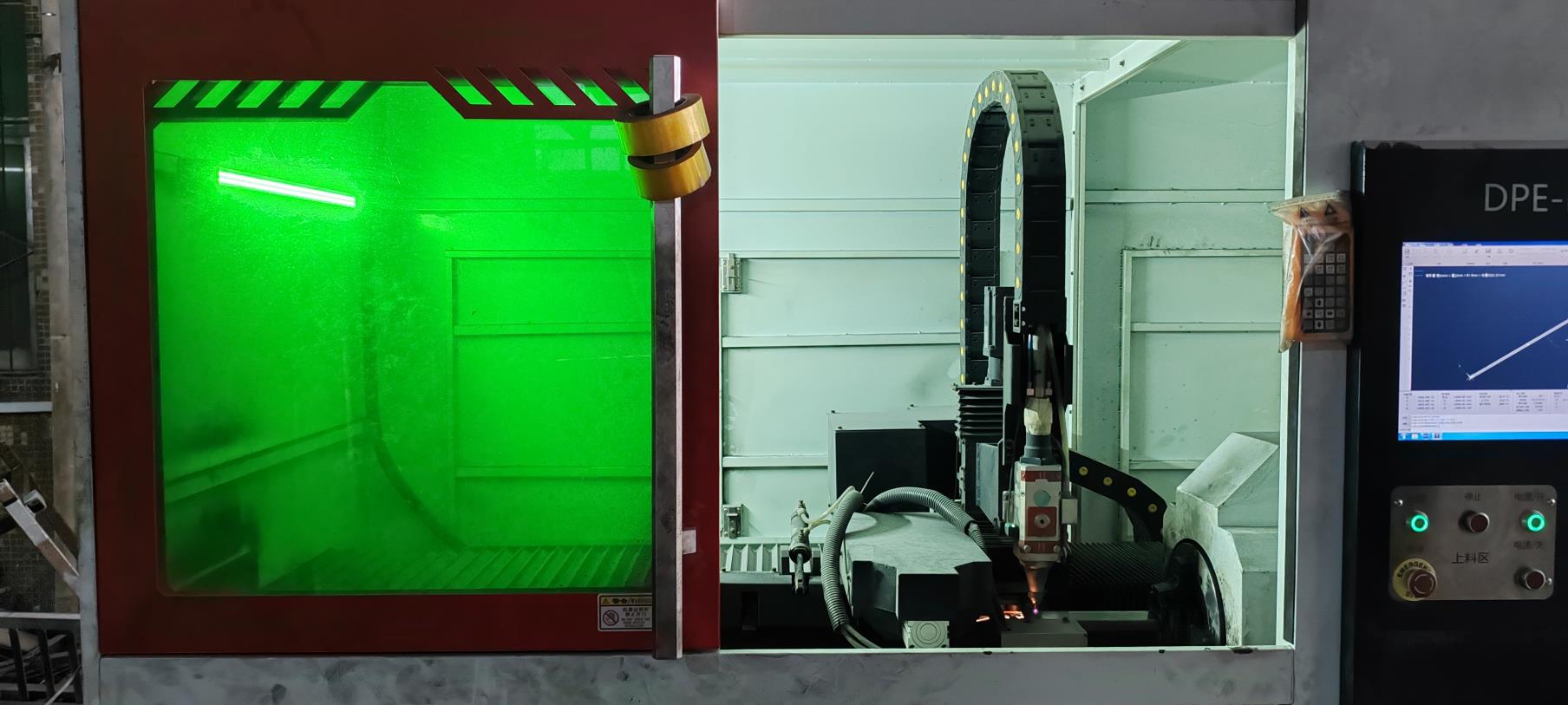
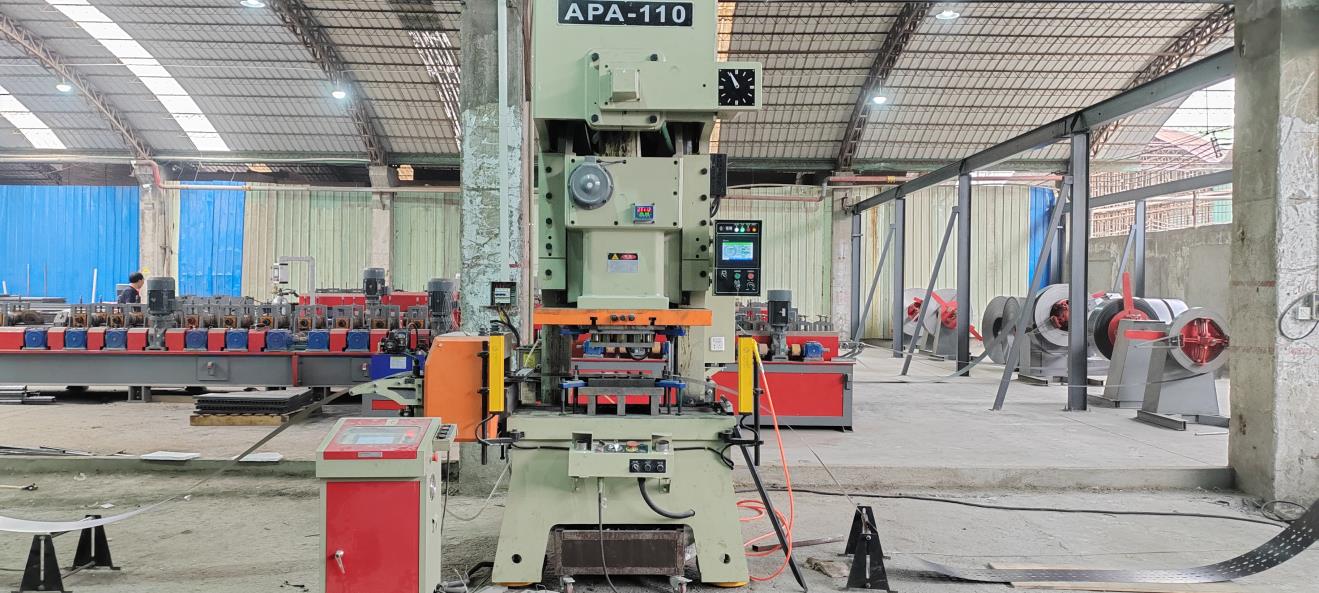
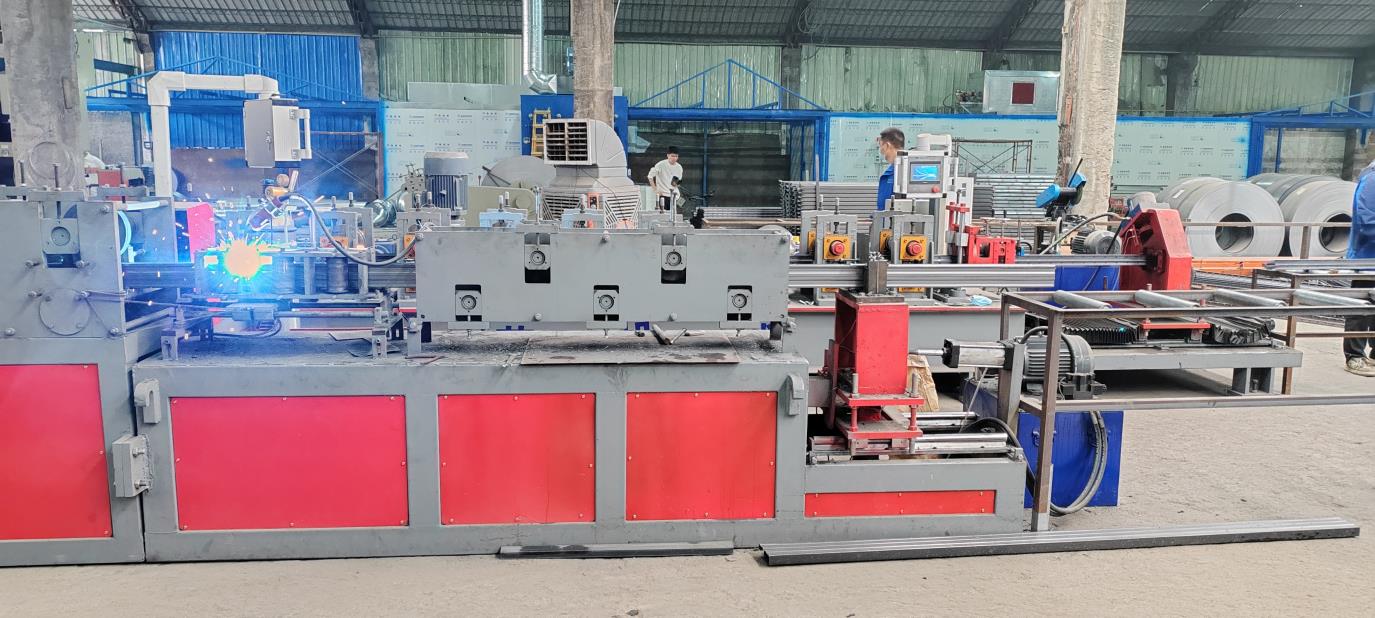
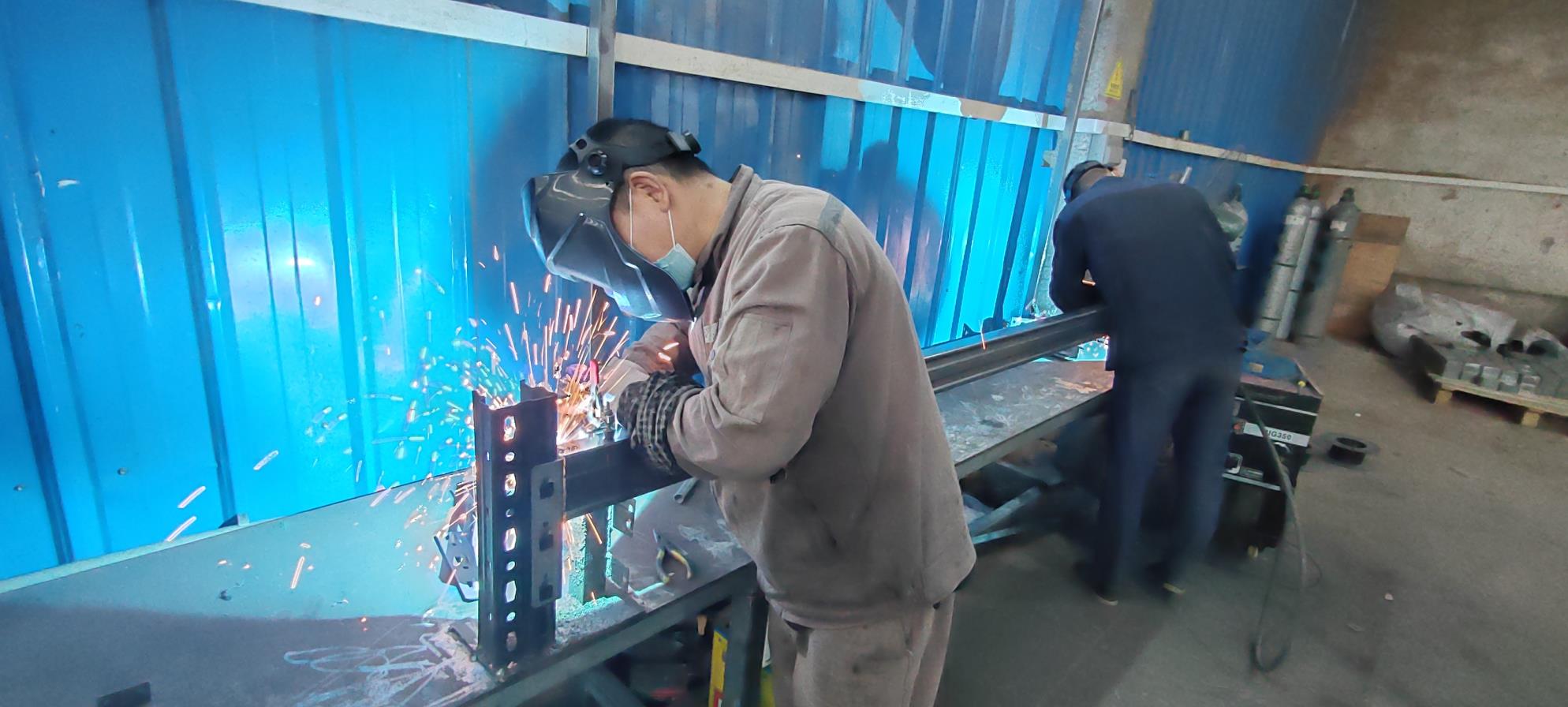
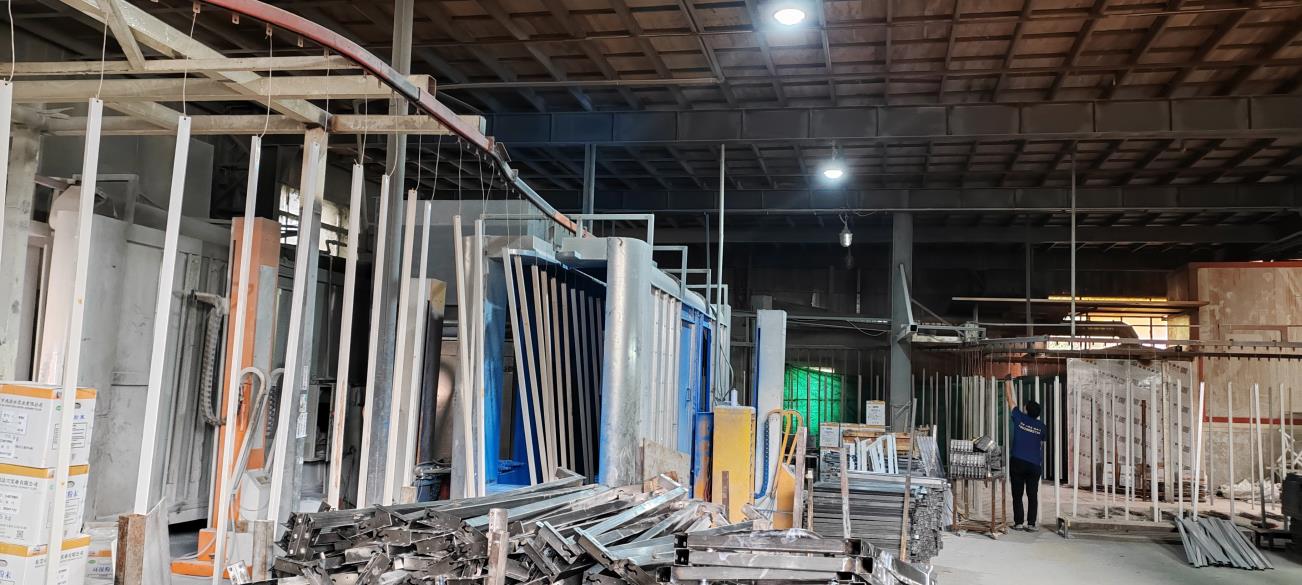
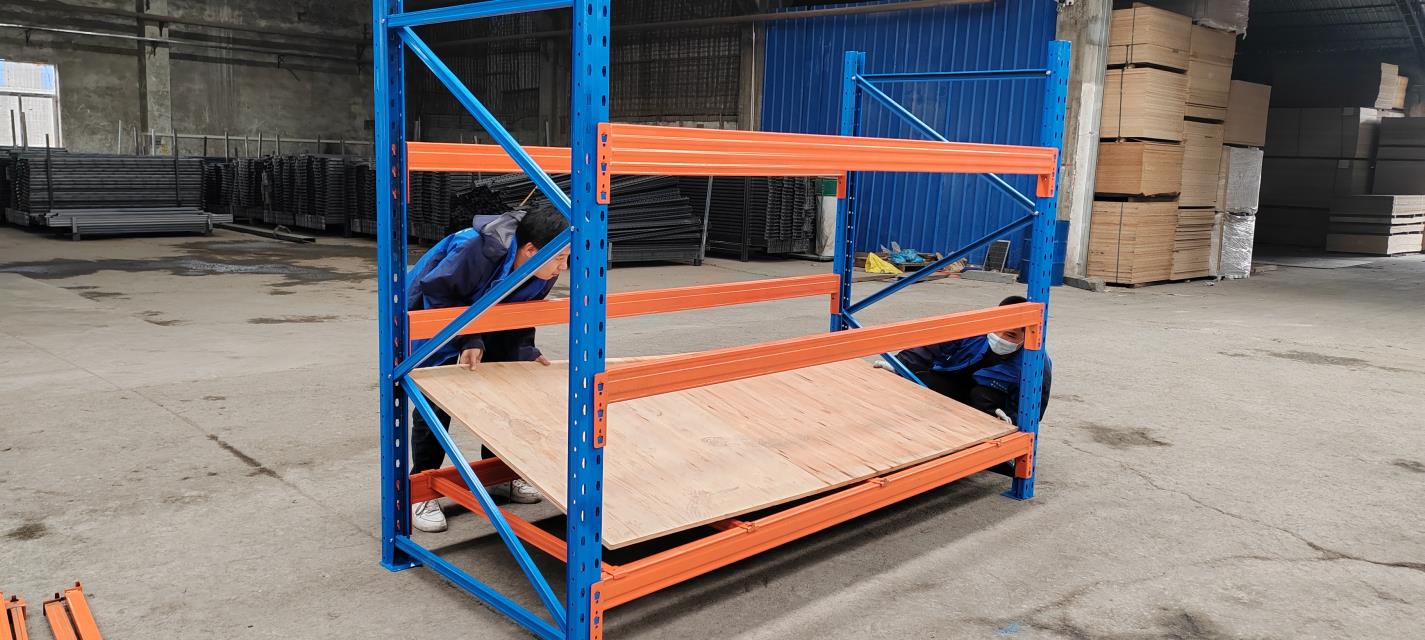
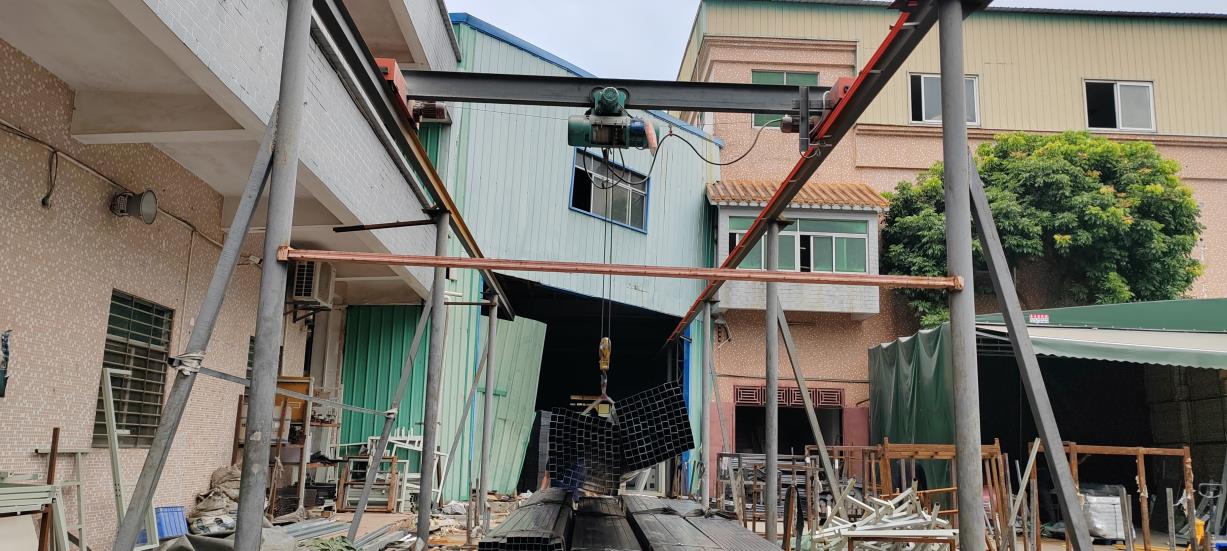
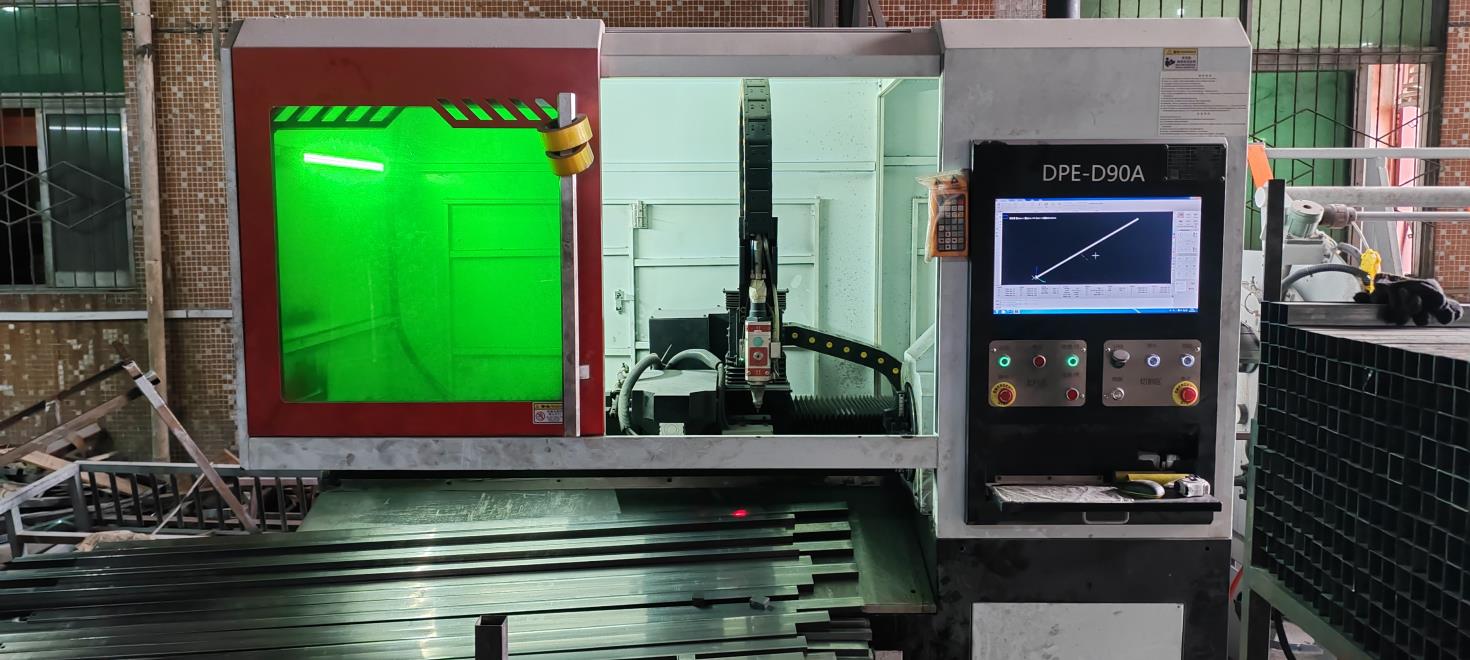
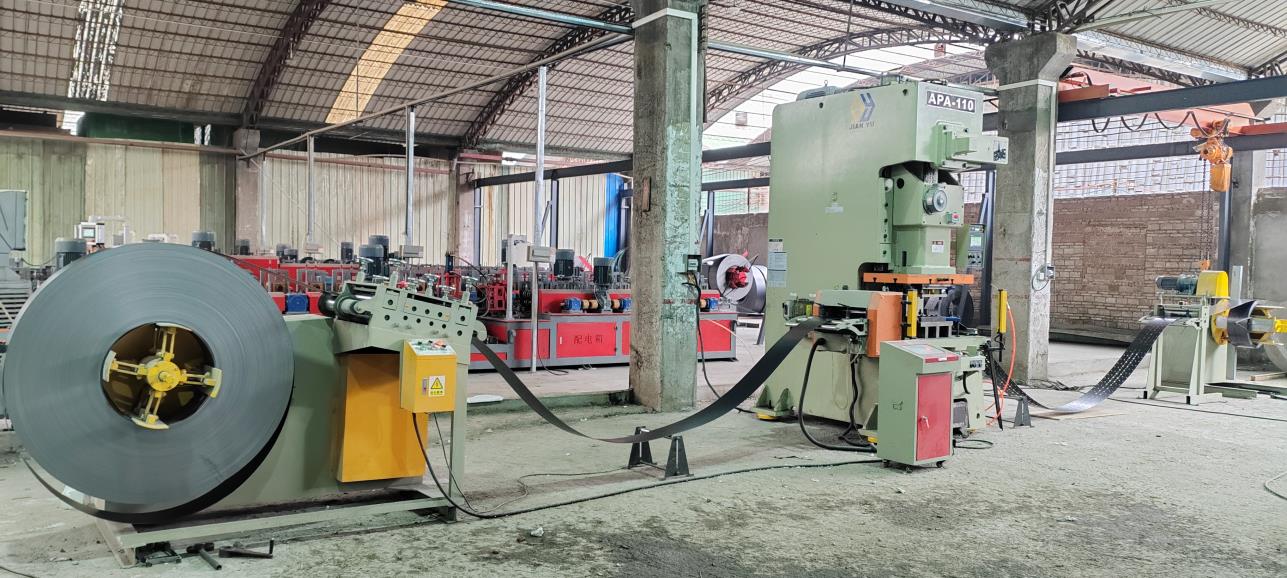
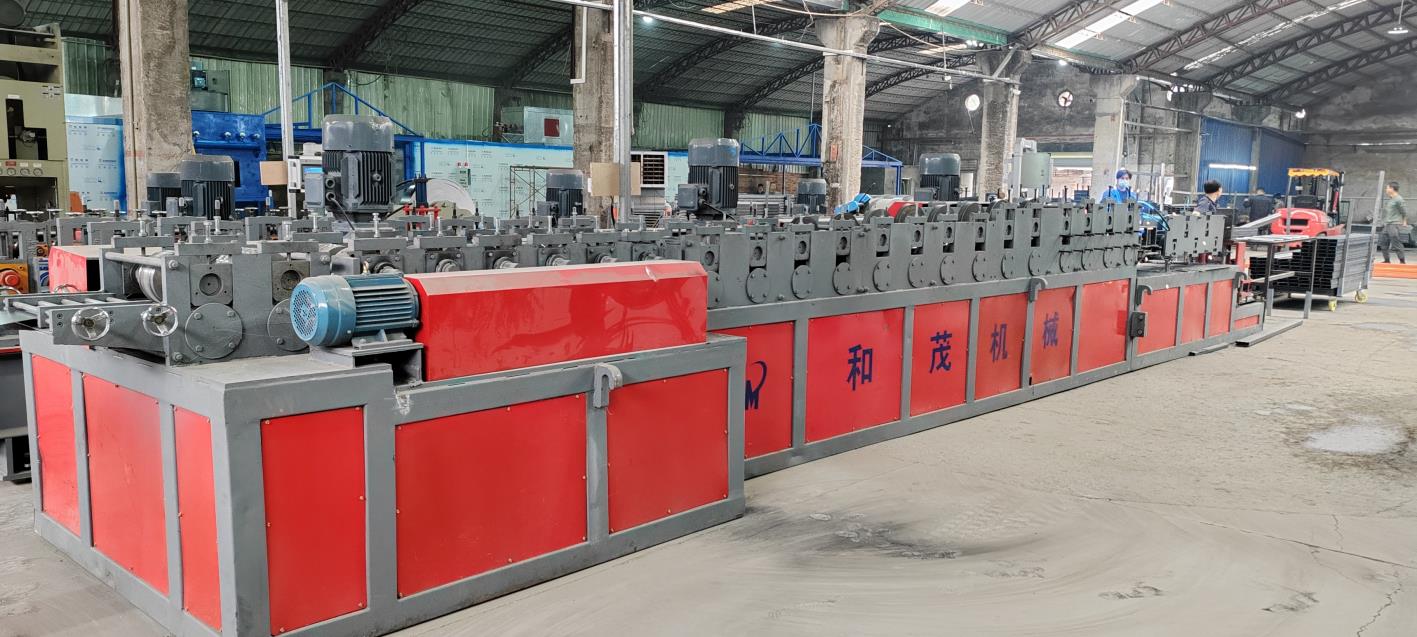
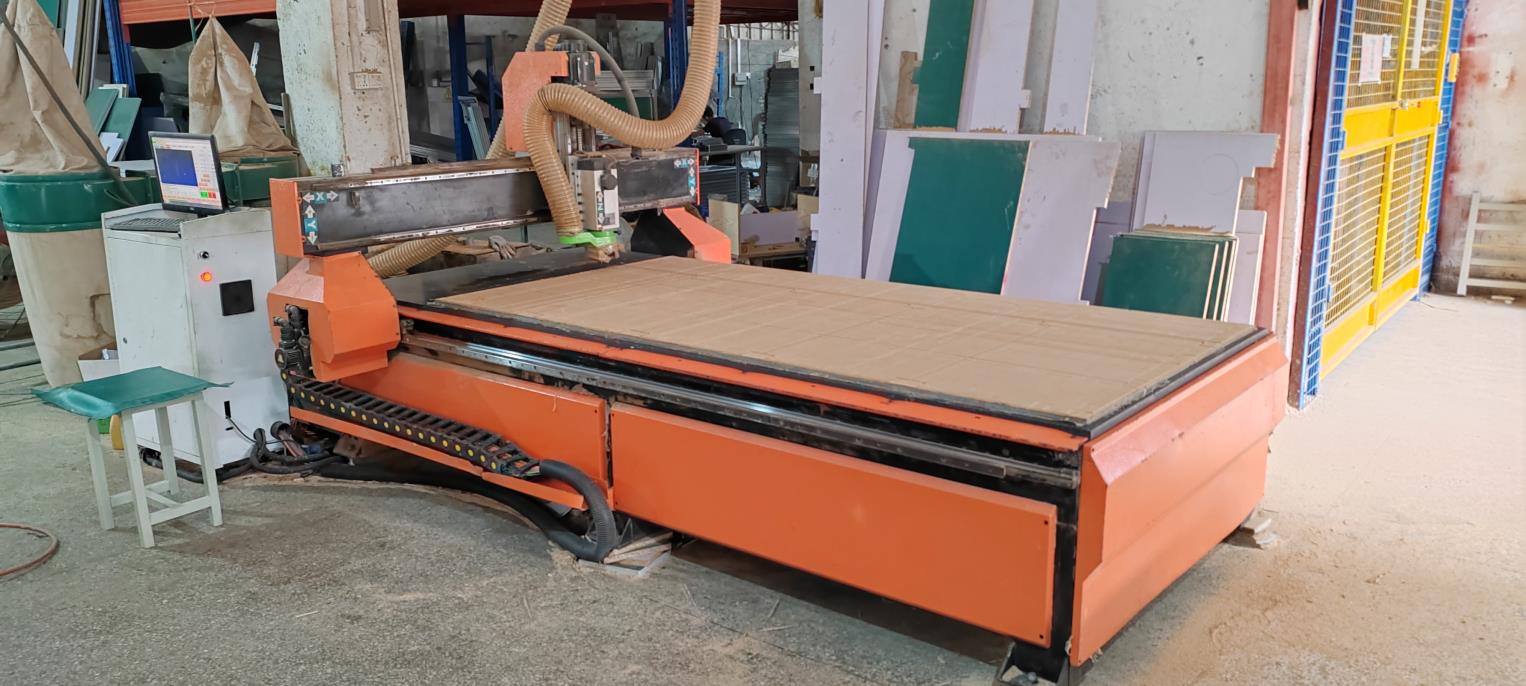
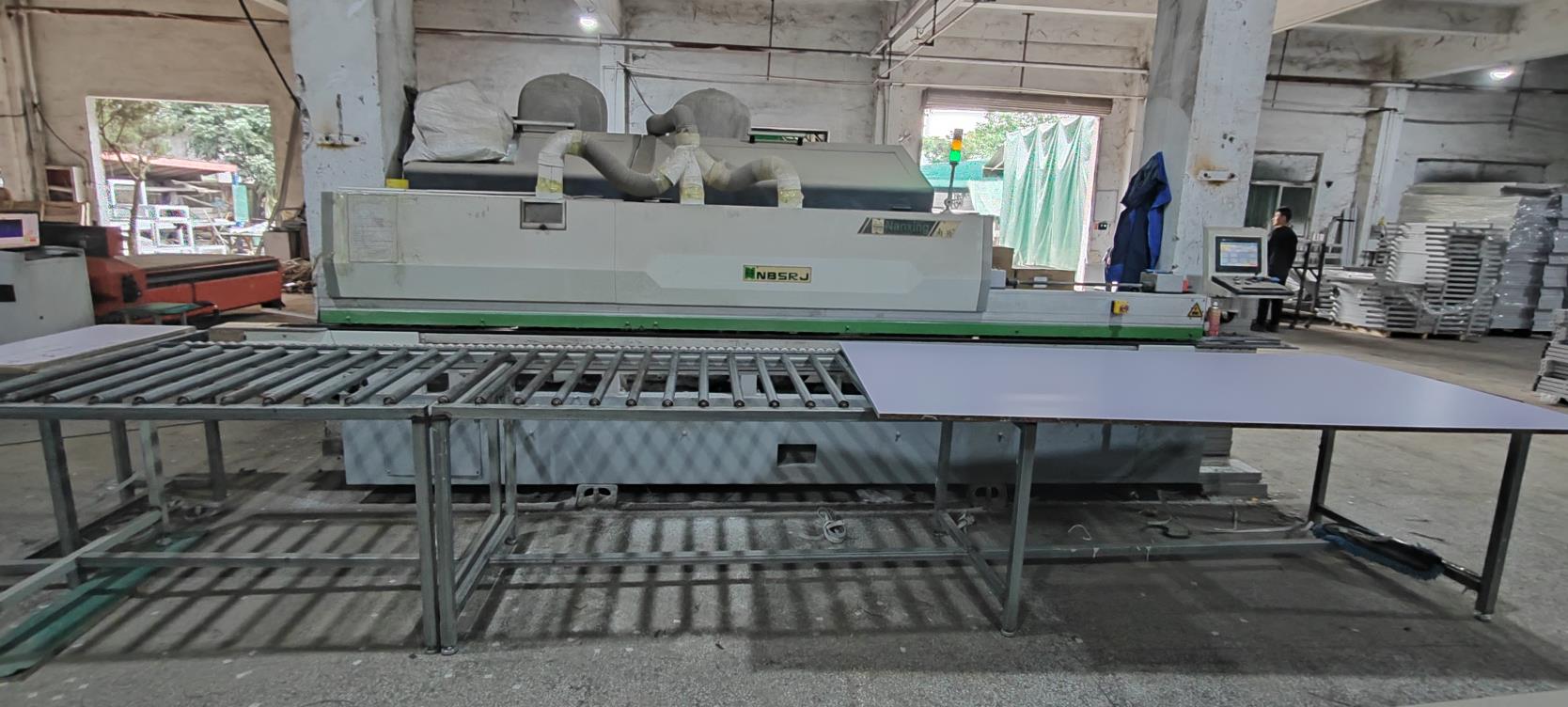
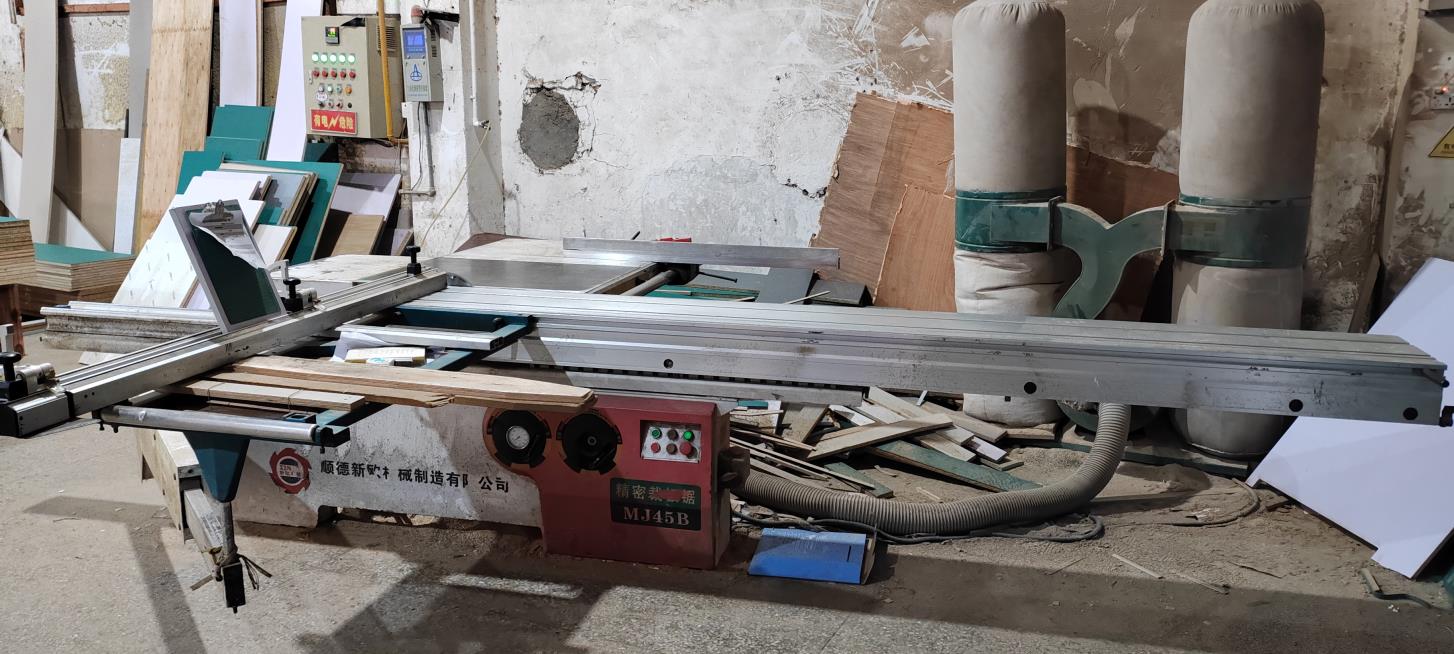
Our commitment to research and development defines the next generation of safe, high-density chemical storage structures.
| Development Phase | Structural Focus Areas | Primary Material Engineering | Compliance Metric Target |
|---|---|---|---|
| Phase 1: High Corrosion Resistance | Dual-barrier powder curing, chemical drip collection channels | Grade Q235B & Q345B Premium Rolled Steel | ASTM B117 salt spray test >1000 hours |
| Phase 2: Seismic Stability Optimization | Dynamic finite element calculations (FEA), high-tensile upright braces | Thickened baseplates, high-grade expansion anchoring bolts | EN 15635 compliance & FEMA seismic certification |
| Phase 3: Automated Logistics Integration | Guided vehicle (AGV) docking channels, automated storage access rails | Ultra-flat structural steel platforms & smart rack layouts | Reduced warehouse retrieval cycles by 25% |
Engineered spatial design configurations tailored to modern industrial warehouses and retail environments.
Transform overhead air space into valuable storage. Utilizing a 300KG-1000KG capacity mezzanine system, our engineering configurations allow safe operations of heavy chemical containers above ground zones, keeping paint inventory organized.
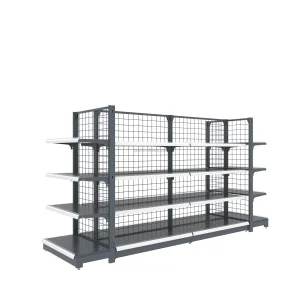
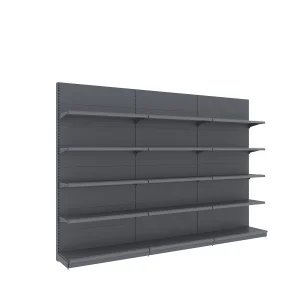
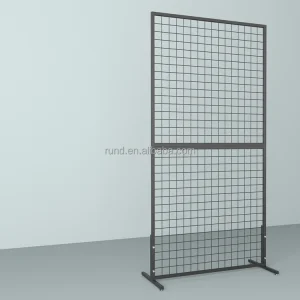
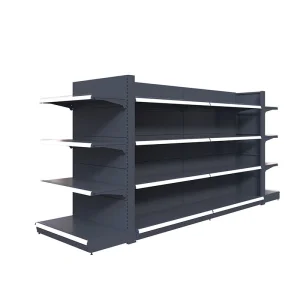
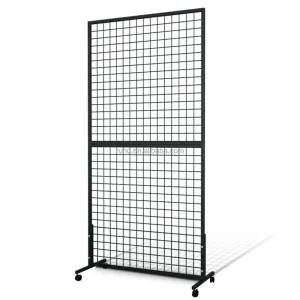
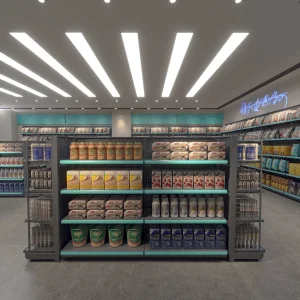
For retail and supermarket operations, aesthetic presentation must balance with structural load limits. Our heavy-duty gondola back net systems provide flexible product placement while sustaining high shelving capacities for bulk paint display.
Perfect for dynamic warehouse configurations, our industrial stackable shelves adapt to seasonal paint volume increases. Easy to customize, these units minimize footprint requirements when stored empty.
Tailored storage layouts engineered to solve specific operational challenges across diverse commercial and industrial sectors.
Automotive paint application hubs demand immediate access to multiple paint bases, solvents, and primers. Racks are positioned adjacent to mixing stations. The configurations feature electrostatic dissipative (ESD) earthing kits and secondary containment shelves to prevent solvent spills from causing hazard events.
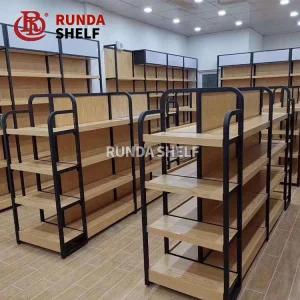
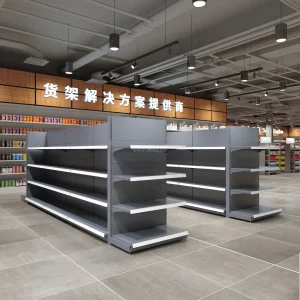
Retail stores require clean display profiles, safety, and easy inventory access. Custom heavy-duty gondola shelving units combine structural steel backboards with wood elements to balance aesthetic appeal and high load capacity, safely presenting heavy paint cans to customers.
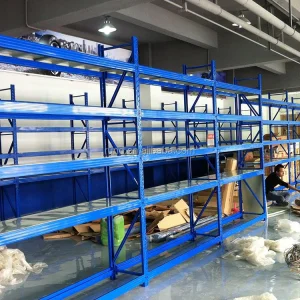
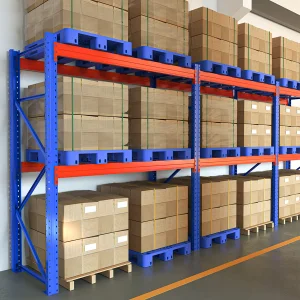
Distribution centers handle constant inventory turnover. Our customizable mezzanine systems and heavy-duty steel pallet configurations optimize storage footprint. They facilitate clean forklift access, automated inventory tracking, and swift loading cycles.
Design Consideration: Every storage layout undergoes FEA stress testing and load limits validation to ensure structural stability in high-traffic commercial environments.
Detailed answers to help you navigate compliance, material selection, and custom storage engineering.
Production follows strict guidelines matching ISO14001, ISO9001, and TUV quality certifications. This ensures structural steel verification, load deflection checks under rated capacities, and proper rust prevention practices.
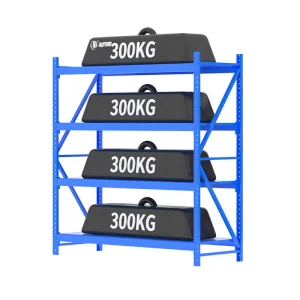
Our engineering division calculates structural load capacities based on the maximum weight of chemical drums. We apply a safety factor of 1.5 to 2.0. This prevents structural sagging, keeping deflection below the L/240 ratio limit.
Yes. Our R&D division of 80 engineers configures steel dimensions, shelf levels, upright thicknesses, and powder-coat colors to match your space requirements and specific chemical exposure profiles.
We perform automated pre-treatment cleaning, shot blasting, and bake thermosetting powder coatings at over 200°C. This creates a hard, chemical-resistant shell that stands up to solvent fumes and spills.
Our quality assurance division of 62 personnel uses automated Coordinate Measuring Machines (CMM) for precision checks. We also perform regular salt spray testing to verify coating resistance.
We utilize standardized packaging with protective wrapping to prevent shipping damage. Production lead times generally span 20 to 35 days, supported by our supply chain network of over 1,400 partners.
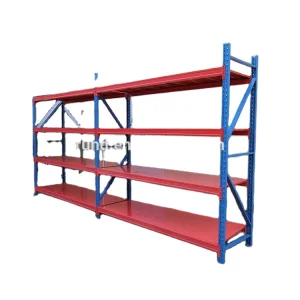
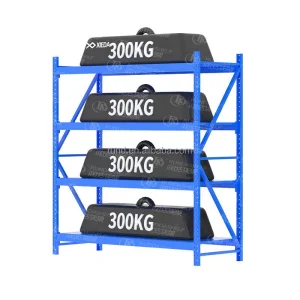
Explore our heavy-duty warehouse storage racks, display units, and handling options.
 FortisRack