Engineered to maximize vertical volumetric storage density, structural longevity, and picking efficiency under extreme operational conditions.
An in-depth structural and commercial analysis of modern high-density industrial racking systems.
The global logistics landscape is undergoing a structural transformation. Warehousing is no longer considered a static cost center where products sit dormant; instead, modern supply chain architectures demand that shelves act as high-speed, dynamic hubs that integrate with automated guided vehicles (AGVs), autonomous mobile robots (AMRs), and complex AS/RS (Automated Storage and Retrieval Systems).
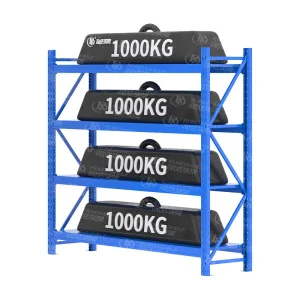
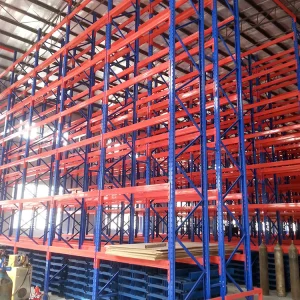
As land values skyrocket and urban distribution hubs face tight spatial constraints, structural engineers must push industrial steel capacities to the absolute limit. Using advanced FEA (Finite Element Analysis) techniques, manufacturers like Nanjing Fortis Storage Equipment Manufacturing Co., Ltd. design seismic-resistant, cold-formed structural steel racks that guarantee stability while supporting heavy payloads exceeding 10 tons per bay.
Today's procurement directors represent mega-warehouse developers, cold chain operators, and global retail companies. They do not just buy steel; they manage systemic risk. The crucial evaluation vectors for sourcing modern industrial shelving include:
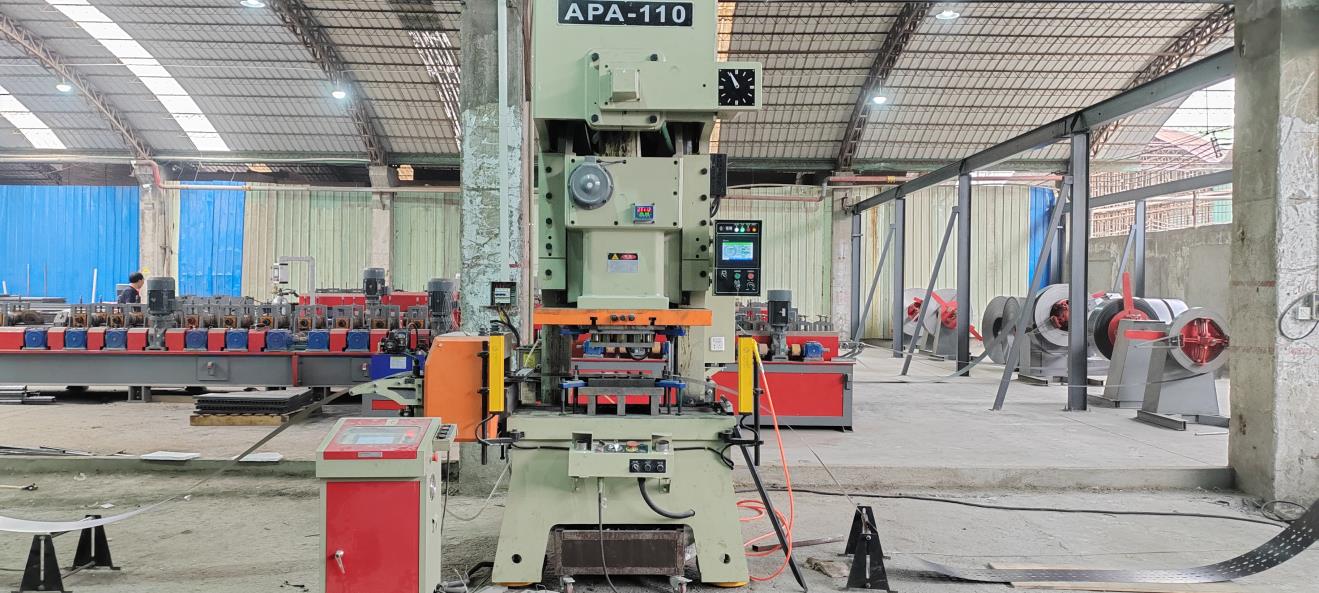
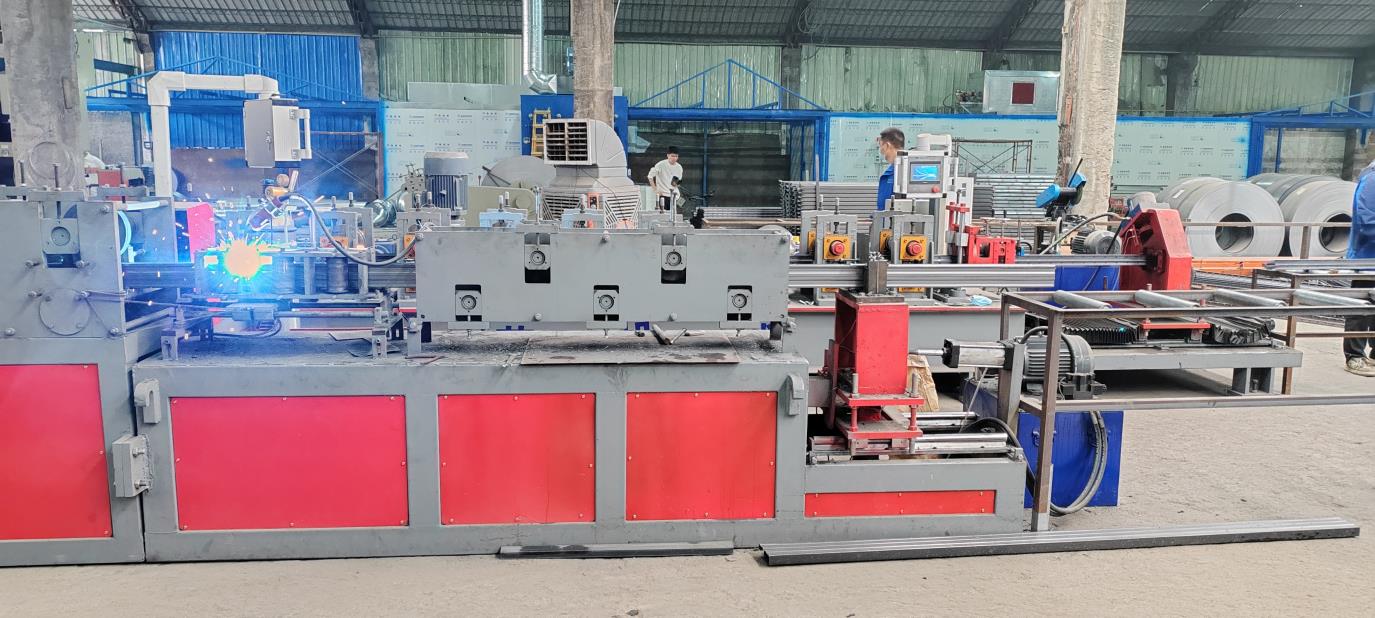
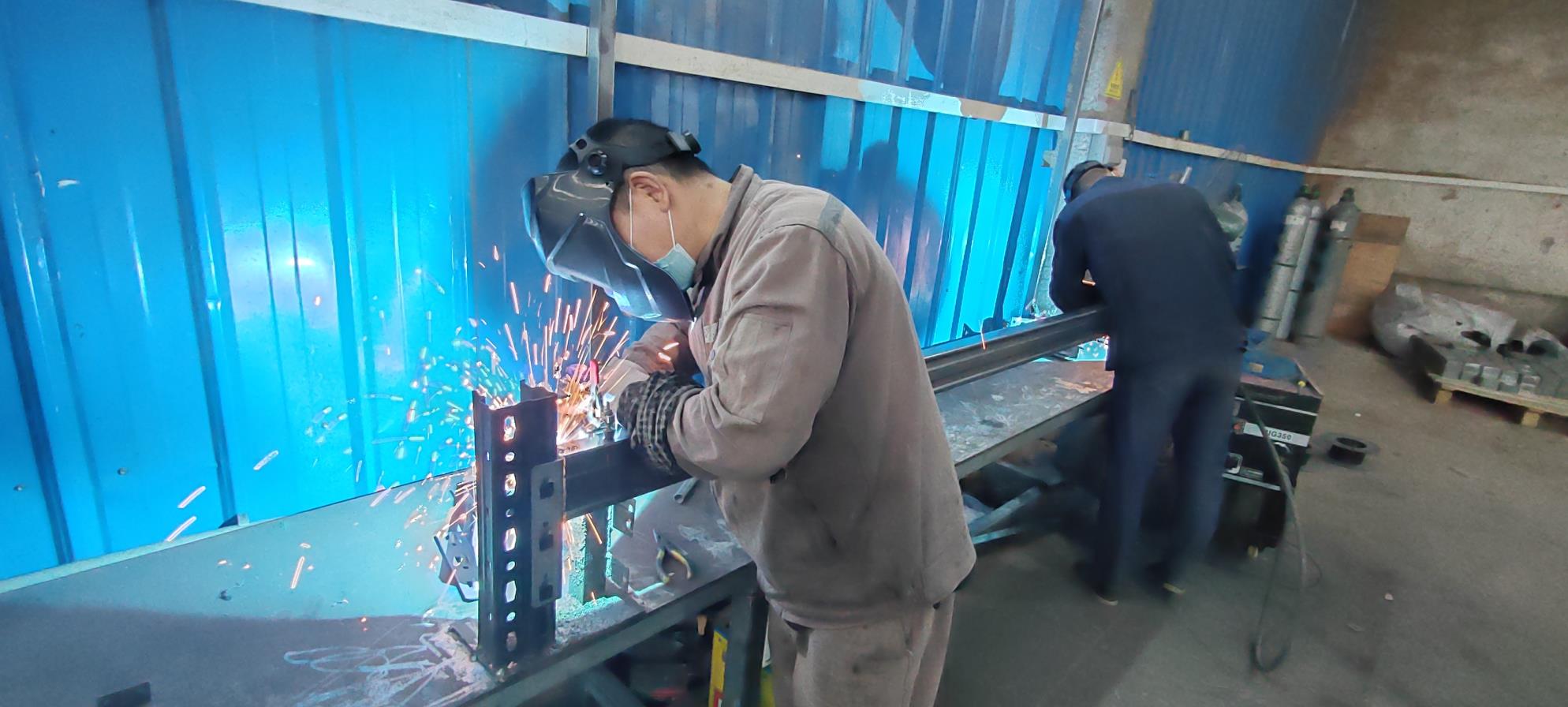
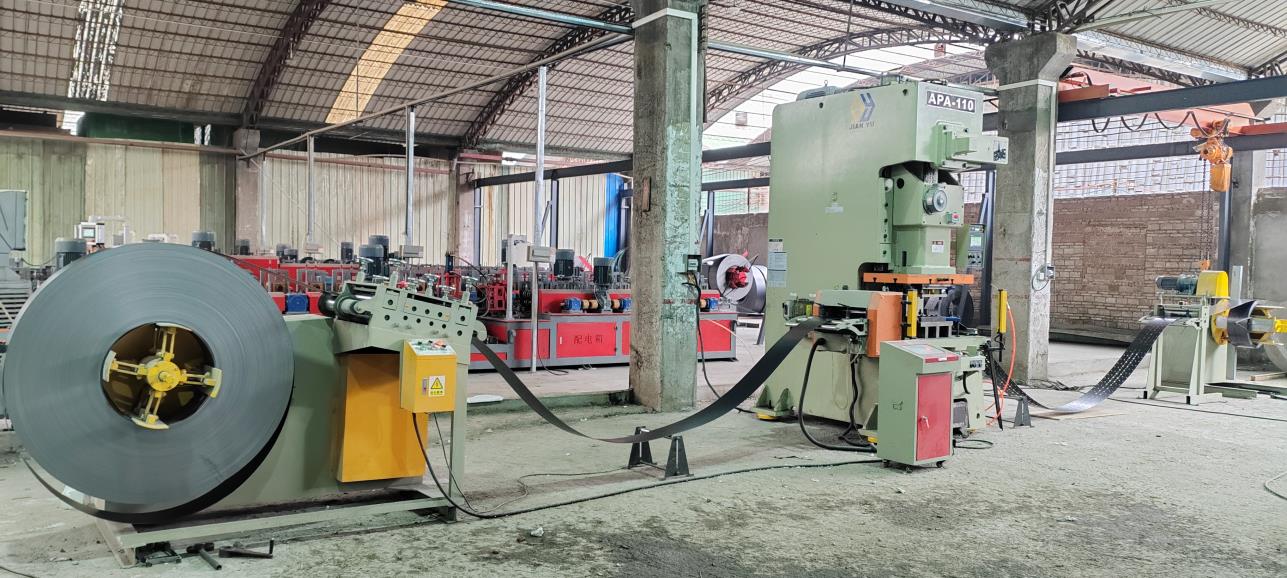
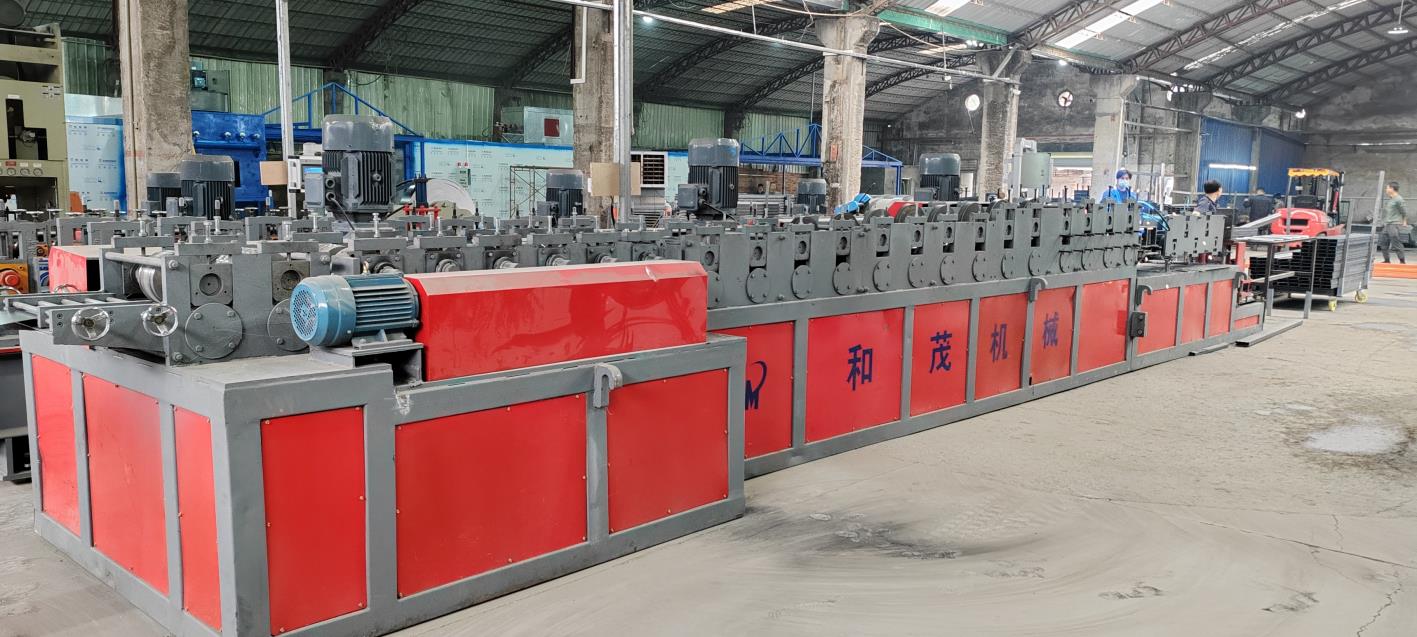
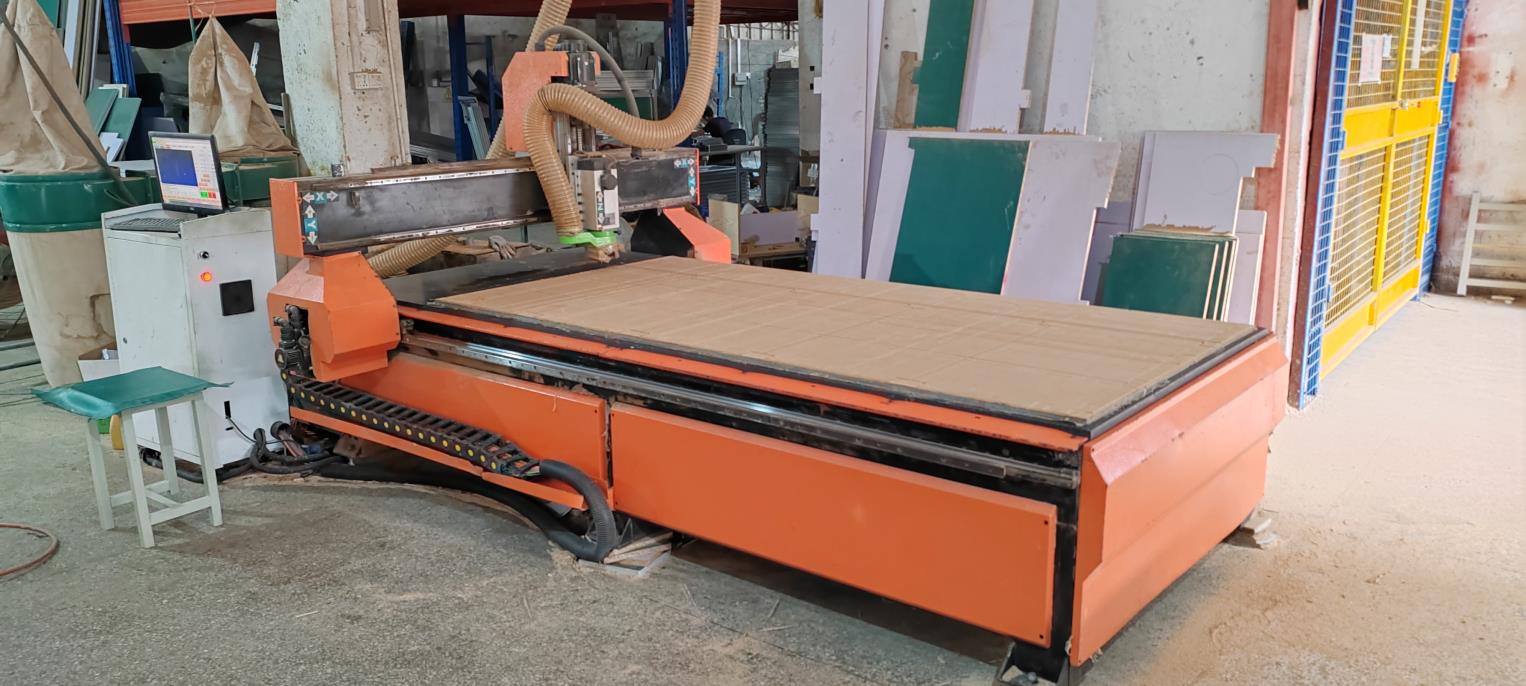
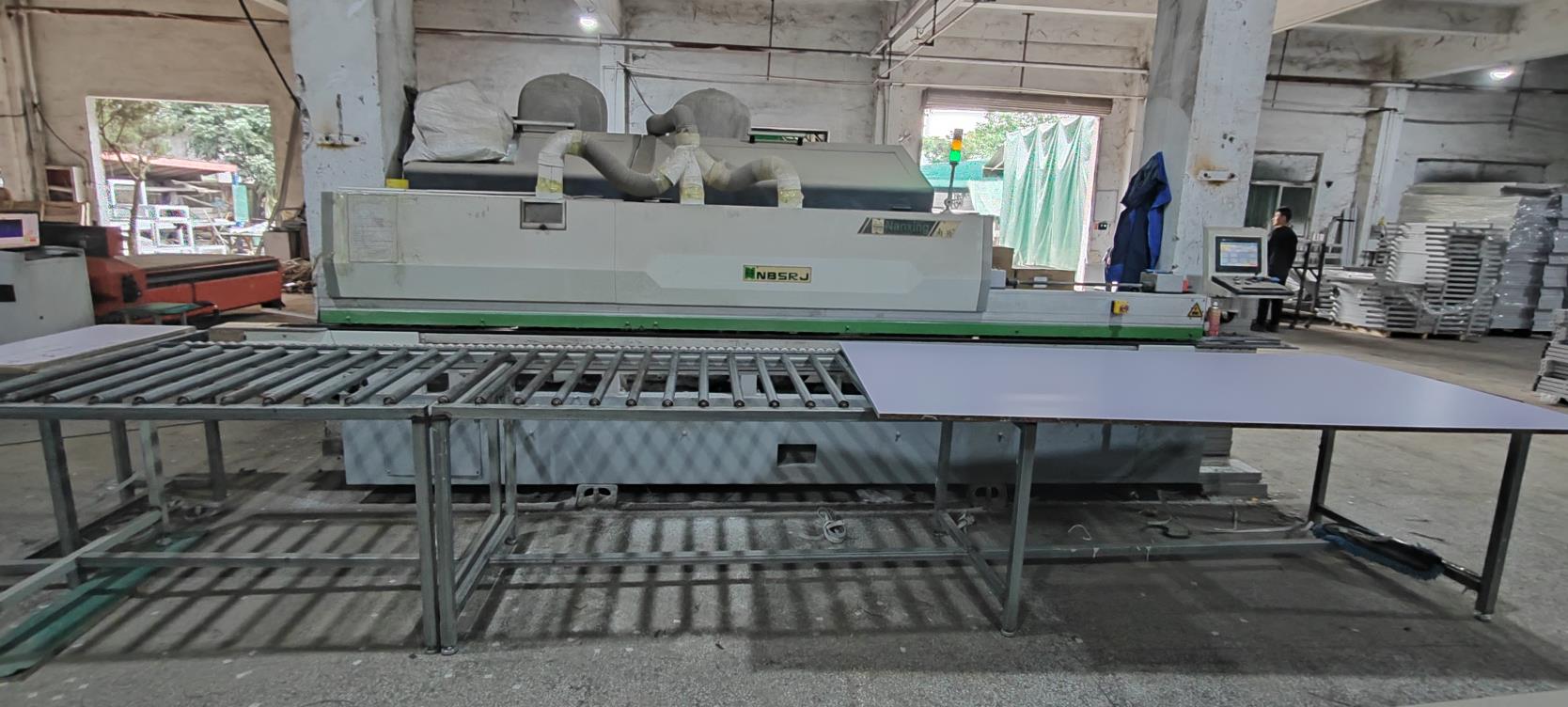
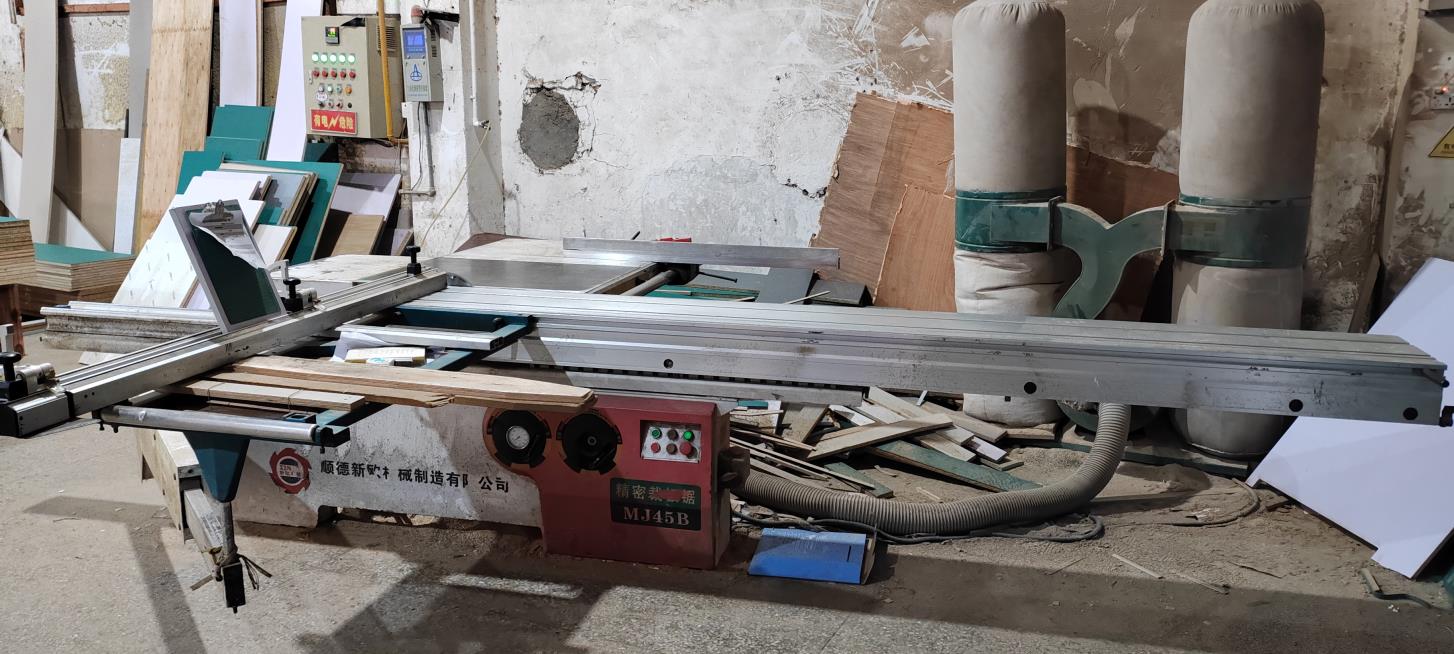
The Chinese manufacturing ecosystem has shifted from offering basic cost-effective labor to providing highly resilient, smart manufacturing environments. China's Industry 4.0 strategy leverages integrated, automated manufacturing clusters that combine raw sheet-metal coil handling with high-capacity CNC roll forming and robotic welding stations.
This high-tech integration prevents structural defects and inconsistencies common in manual fabrications. Real-time CMM (Coordinate Measuring Machine) dimensional checking guarantees that every upright, box beam, and bracing element complies with exact tolerance boundaries down to the fraction of a millimeter. For massive logistics projects requiring thousands of components, this precision ensures flawless on-site installation and robust structural reliability under maximum loading conditions.
By consolidating local supply networks, direct Chinese manufacturers can mitigate raw material price fluctuations, secure high-grade Q235B and Q345B steel, and guarantee predictable production schedules. This is the cornerstone of supply chain security for overseas buyers facing strict commissioning dates.
A global powerhouse in storage systems engineering, supplying structural integrity and capacity to operations worldwide.
Founded in 2016, backed by 10 years of deep industry expertise and 7 years of global trade experience, serving over 1,400 supply chain partners worldwide.
Operating under strict ISO14001 and TUV certification standards, our QA team performs automated CMM inspections and continuous salt spray testing.
Serving Western Europe, South America, and the Middle East. Our R&D team introduced 350 innovative products last year to support cold chains and logistics hubs.
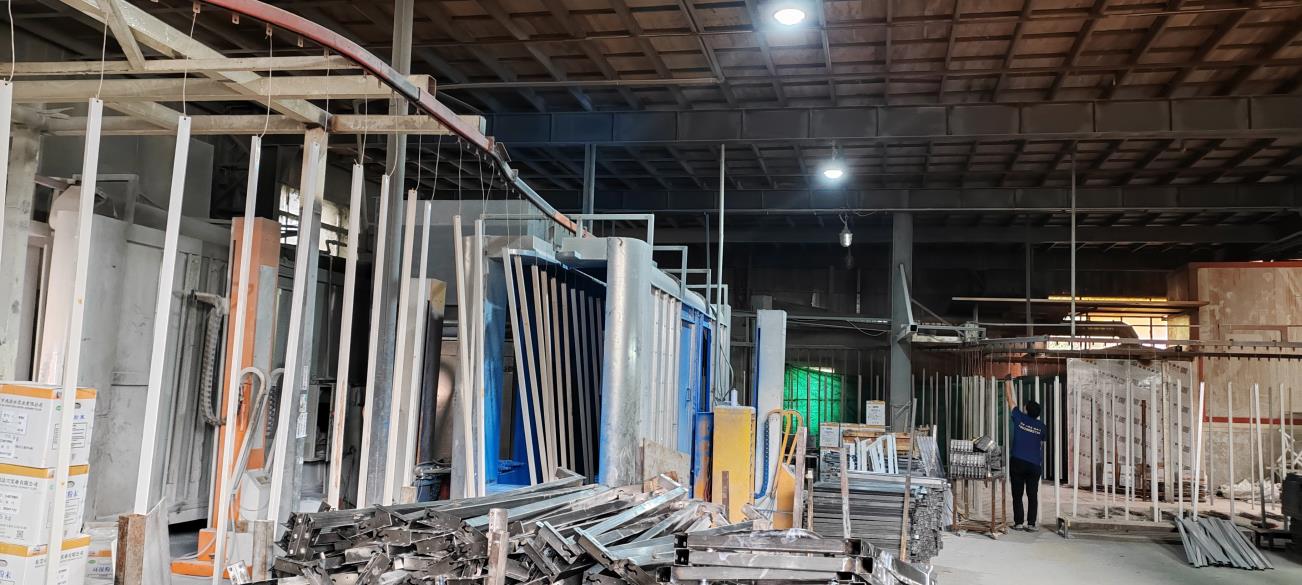
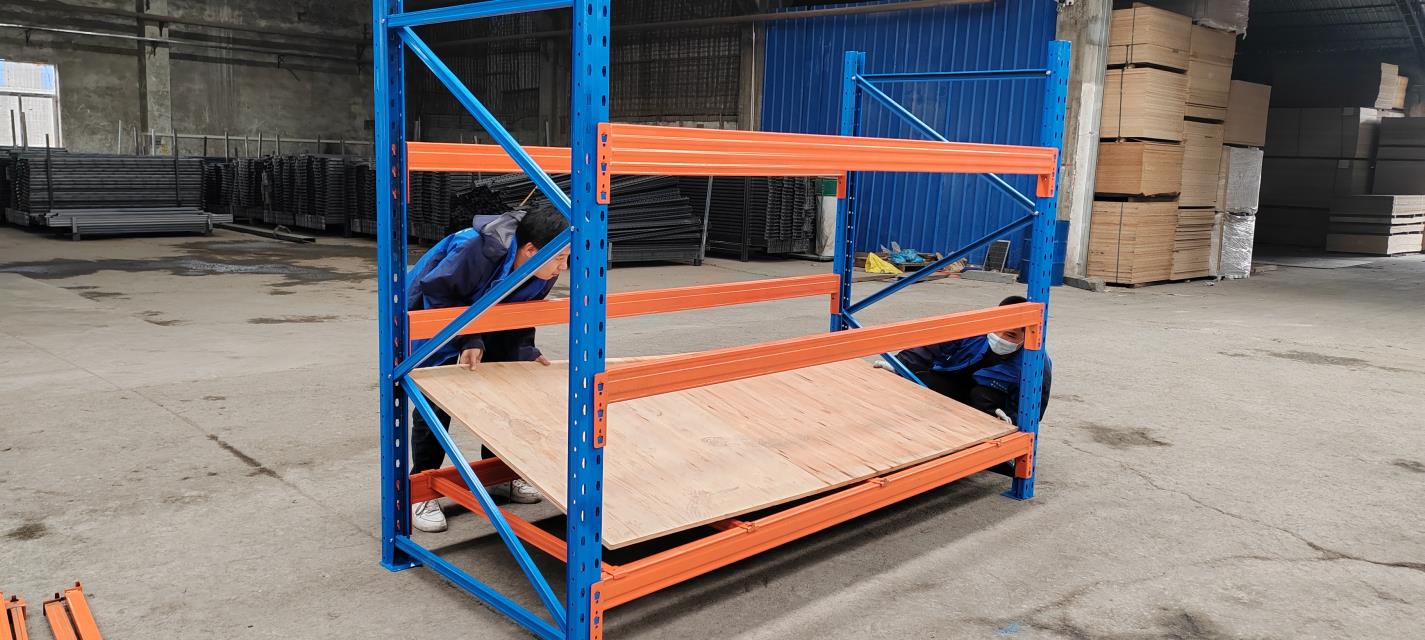
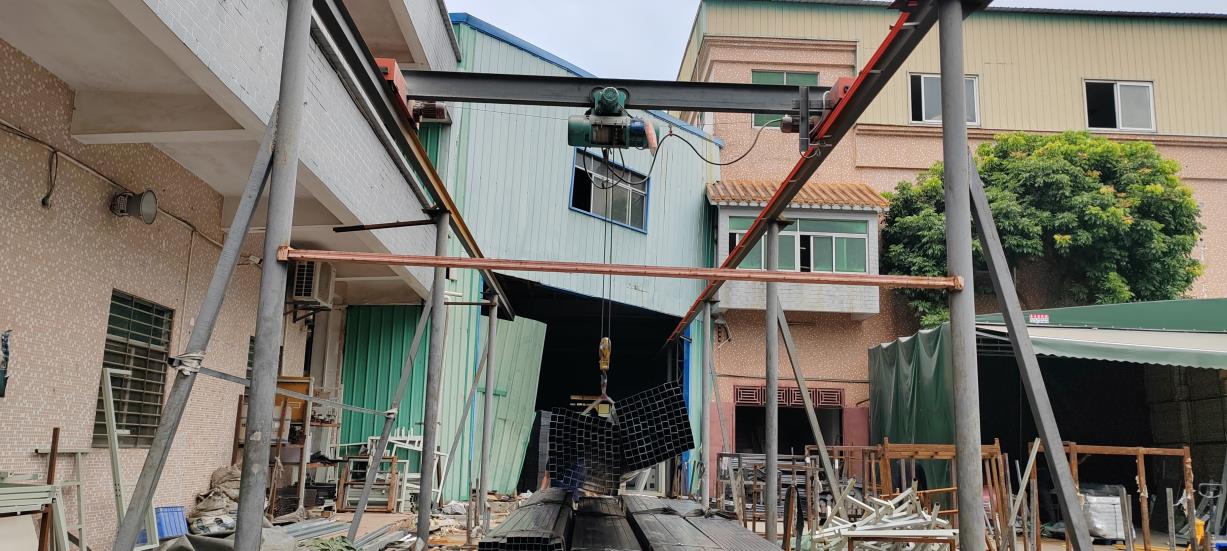
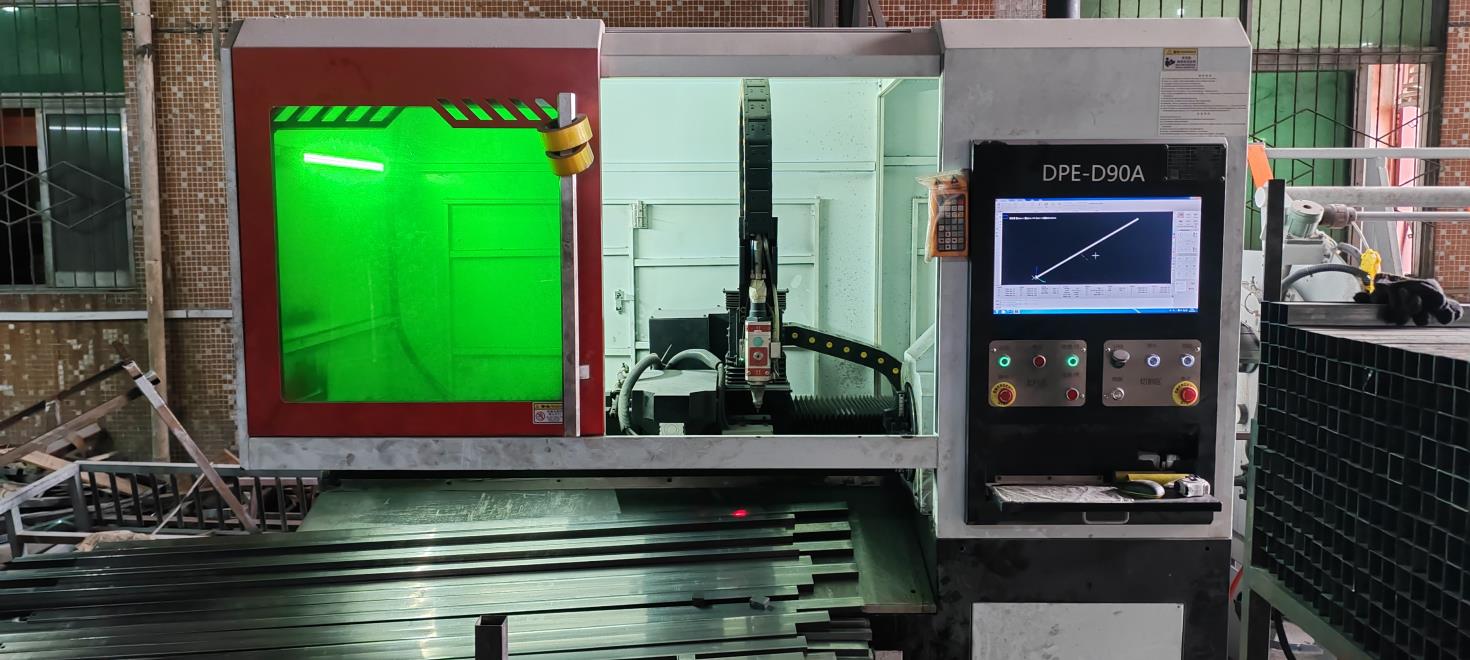
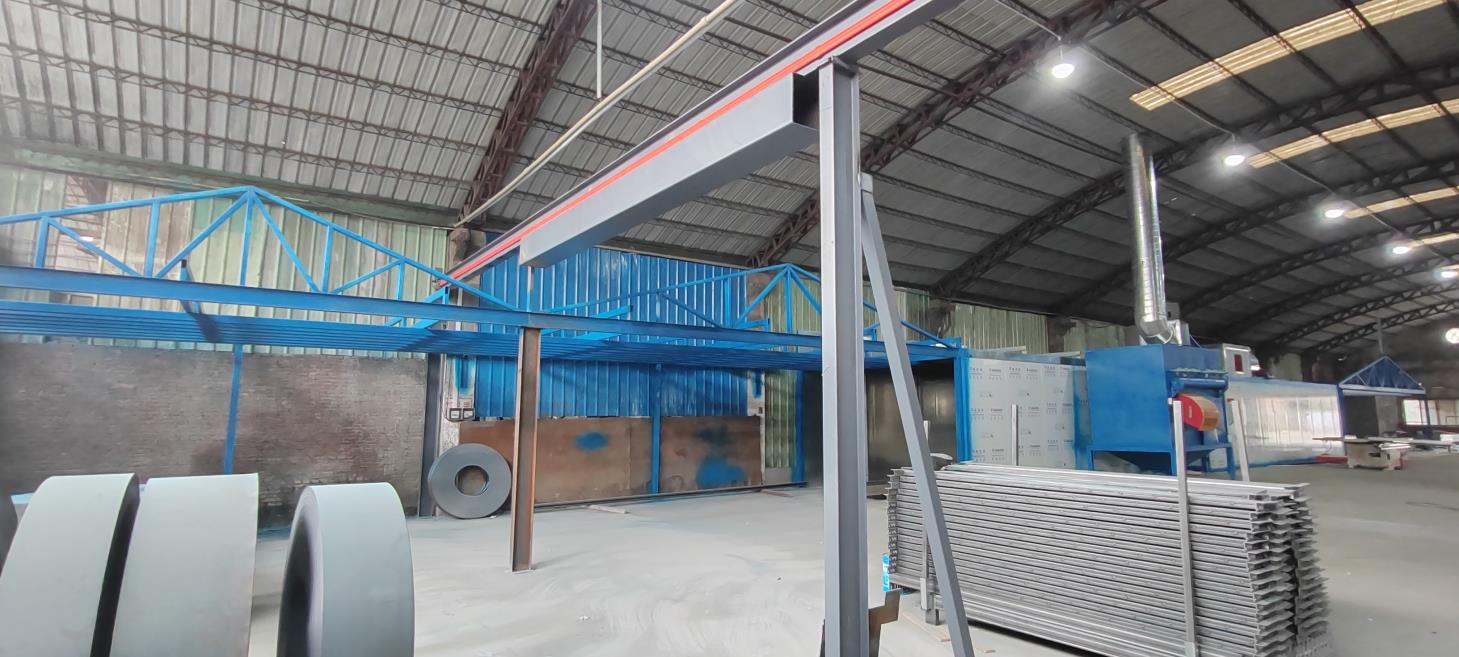
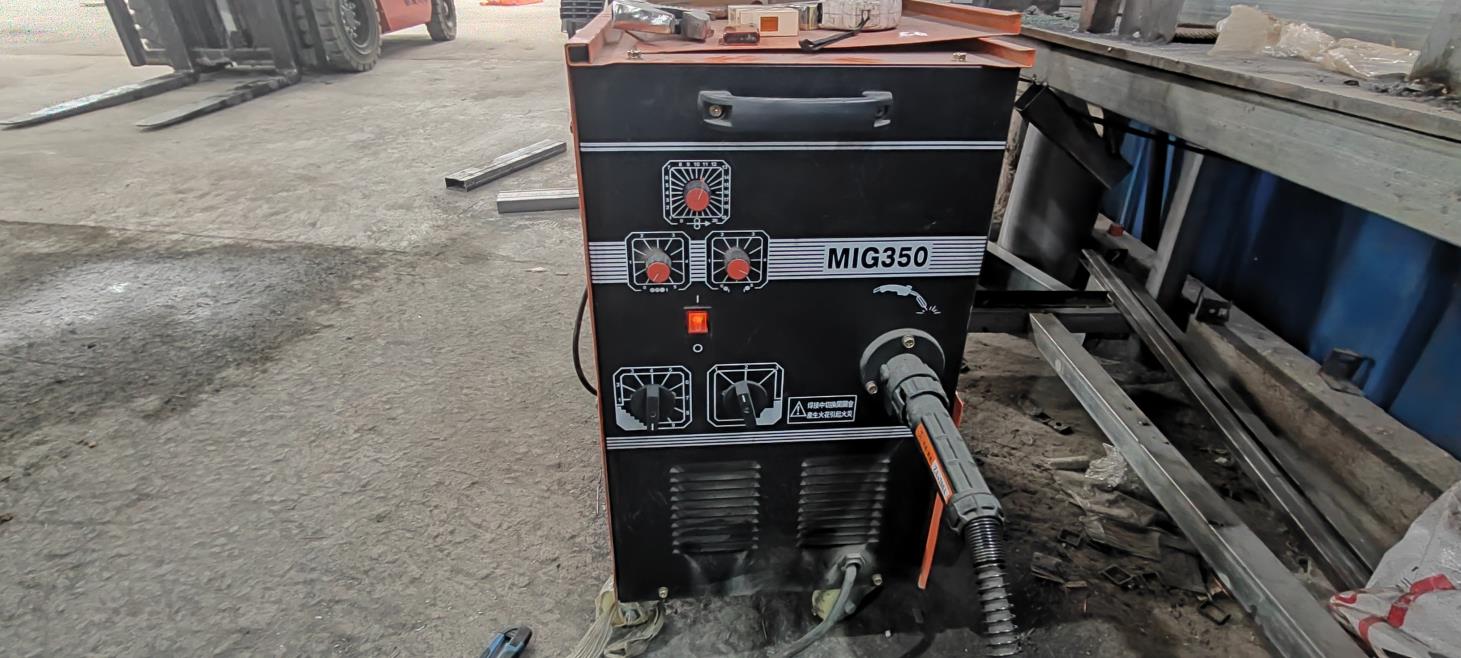
Witness the journey from raw coils to finished structural installations, processed using advanced machinery for high-density applications.
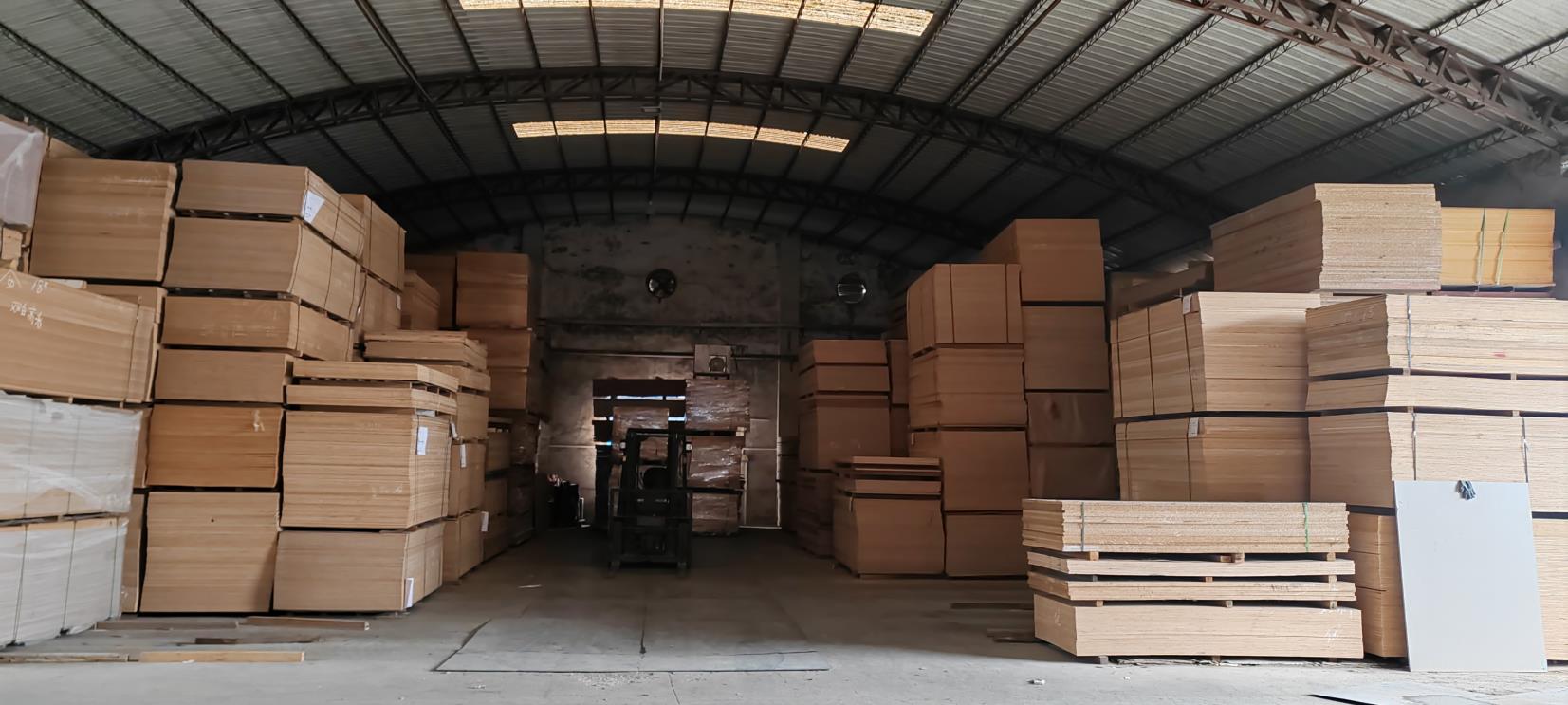
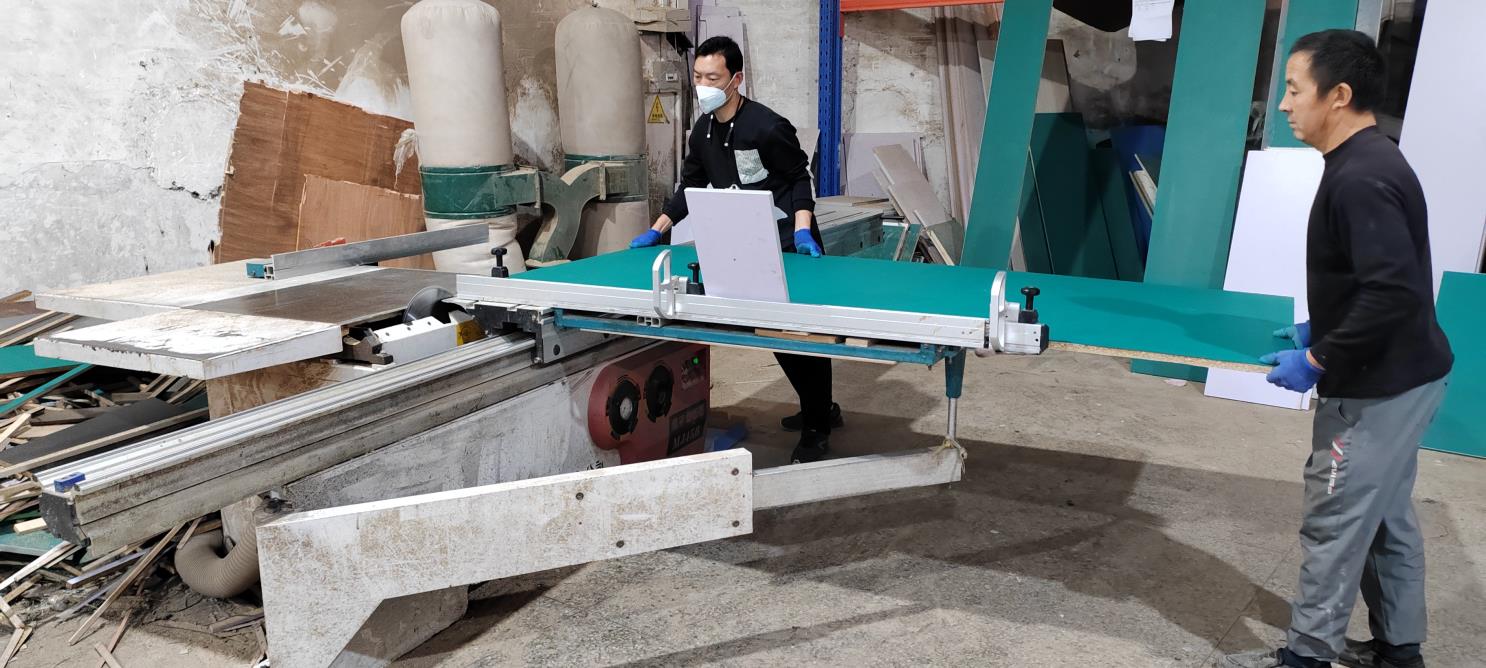
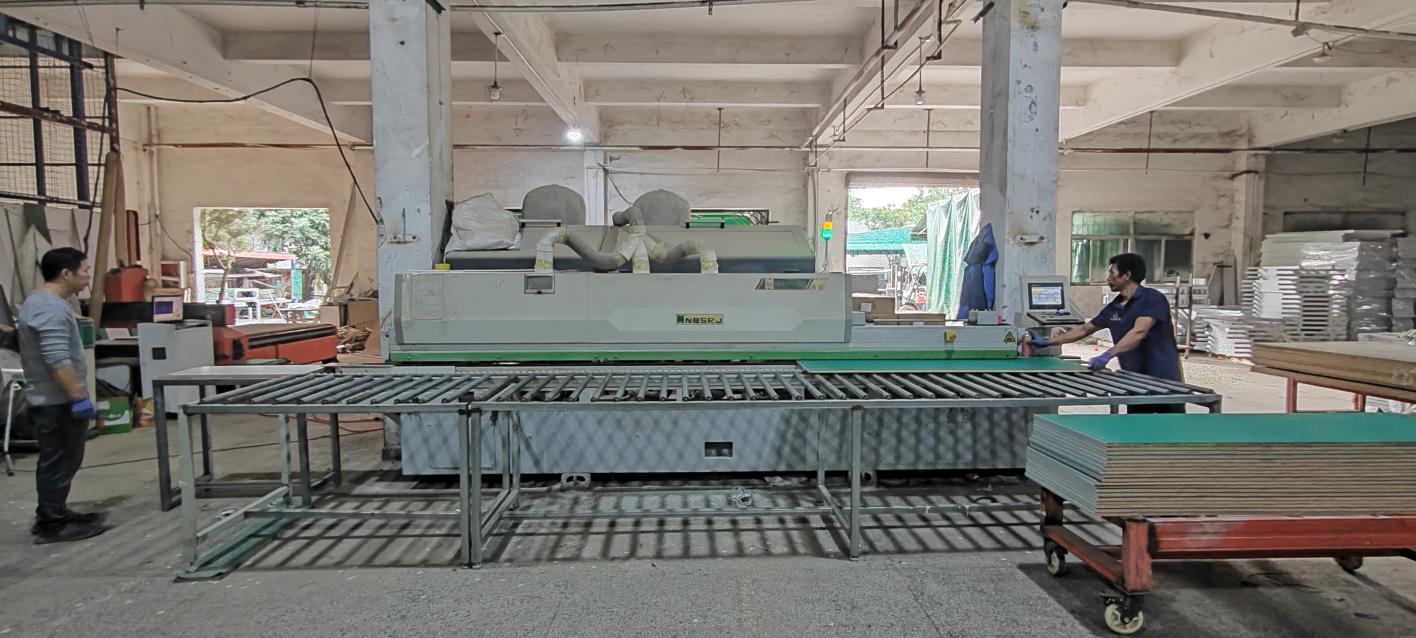
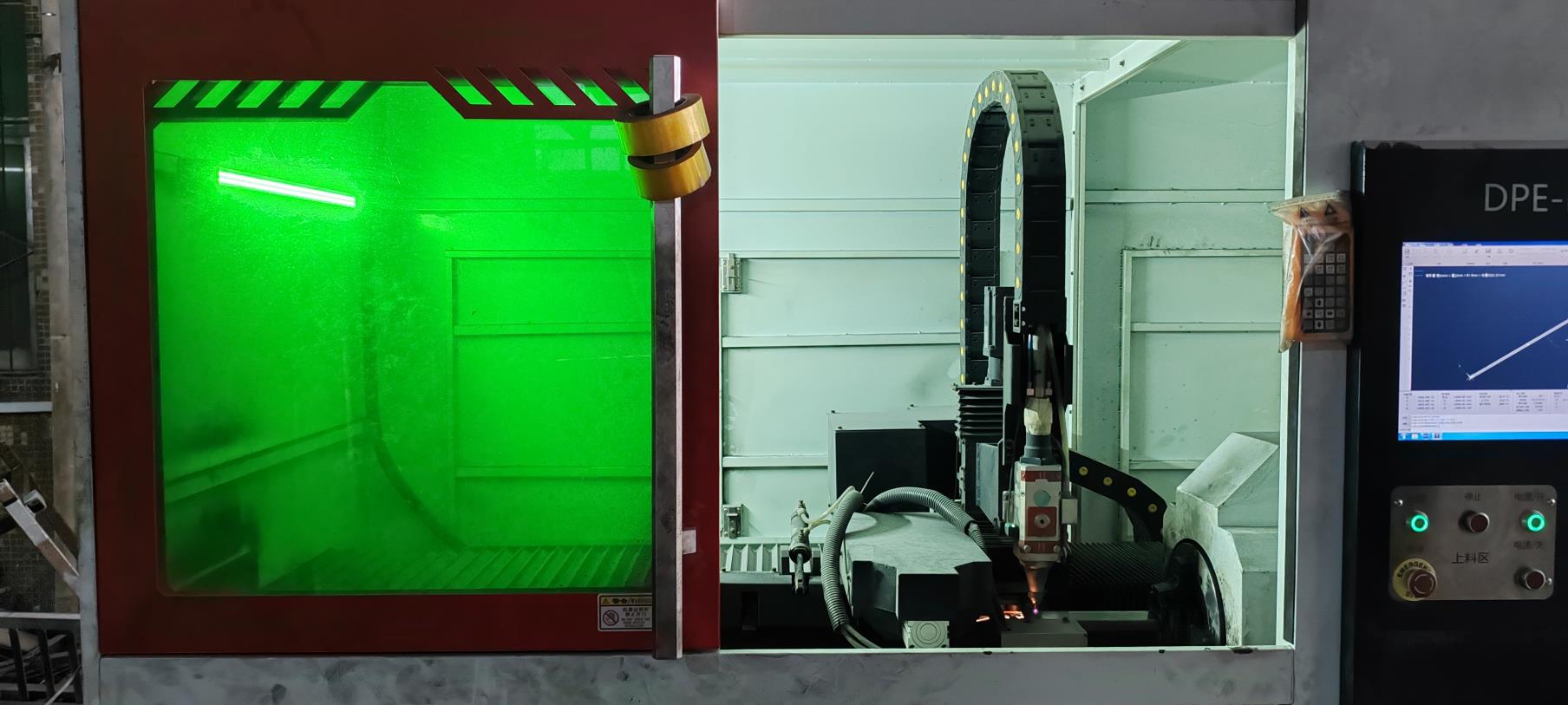
Understanding how geographical dynamics and sector demands shape modern industrial warehousing designs.
Characterized by very narrow aisles (VNA) and automated guided vehicles (AMRs). Racks must maintain strict upright tolerances to prevent mechanical clearance conflicts during automated vertical retrievals.
Requires robust, corrosion-resistant rack finishes that prevent structural degradation under condensation and freezing temperatures down to -30°C. Systems here favor double-deep and shuttle racks to maximize cooling volume efficiency.
Heavy, dense, and potentially corrosive outdoor storage conditions require hot-dip galvanized finishes and robust, open-profile cantilever shelving. These systems must support heavy steel pipes, machinery parts, and raw materials.
Expert answers addressing structural design, load limit calculations, and compliance questions.
Safe working load limits are determined using Finite Element Analysis (FEA) based on the structural properties of steel profiles (typically high-strength Q235B or Q345B). The deflection ratio under uniform loading is limited to L/200 or L/300 according to RMI and FEM specifications, ensuring stability without permanent structural deformation.
For cold rooms operating below freezing (0°C to -30°C), we recommend electrostatic epoxy-polyester powder coating applied at a thickness of 60-80 microns. For extreme moisture or open environments, hot-dip galvanization (HDG) per ISO 1461 is recommended to provide long-term protection against corrosion.
Racking designs for seismic zones use heavy-duty baseplates, additional structural bracing, and stronger anchoring bolts. Our engineering team designs the frames to absorb and disperse ground movement energy, complying with local seismic codes (such as AS4084 or FEMA guidelines).
Roll-formed racking uses thin-gauge sheet steel cold-rolled into shape, which is highly cost-effective and flexible for light to medium-duty operations. Structural steel racking is hot-rolled into thick C-channels, offering high impact resistance and suitability for heavy duty applications prone to forklift strikes.
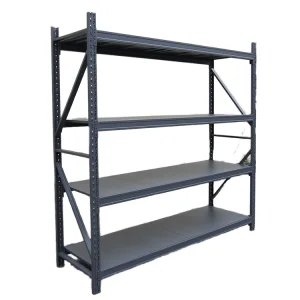
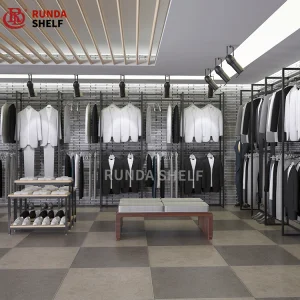
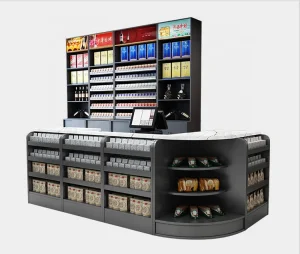
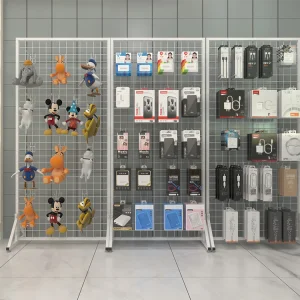
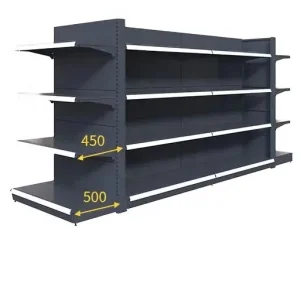
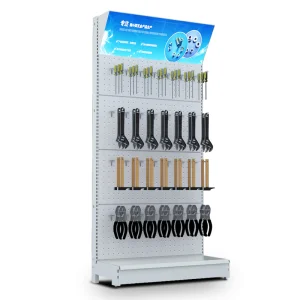
Durable, high-finish retail gondola and material management displays optimized for commercial environments.
 FortisRack