Engineered structural systems built to handle diverse load metrics and distribution demands.
Empowering global heavy industries with high-integrity storage infrastructures since 2016.
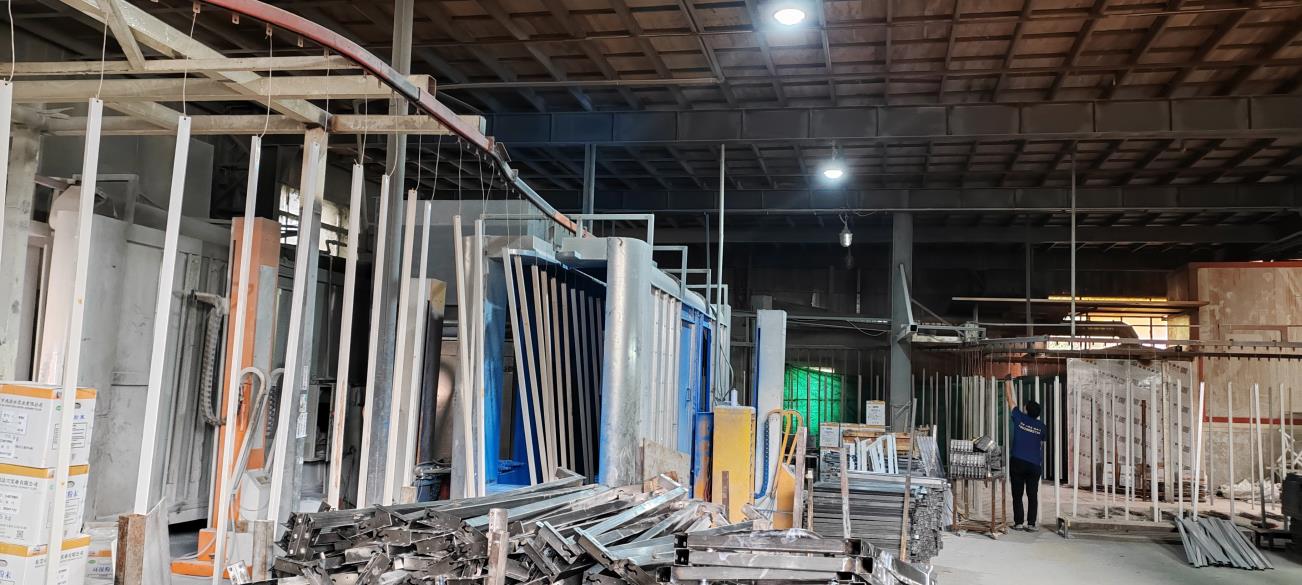
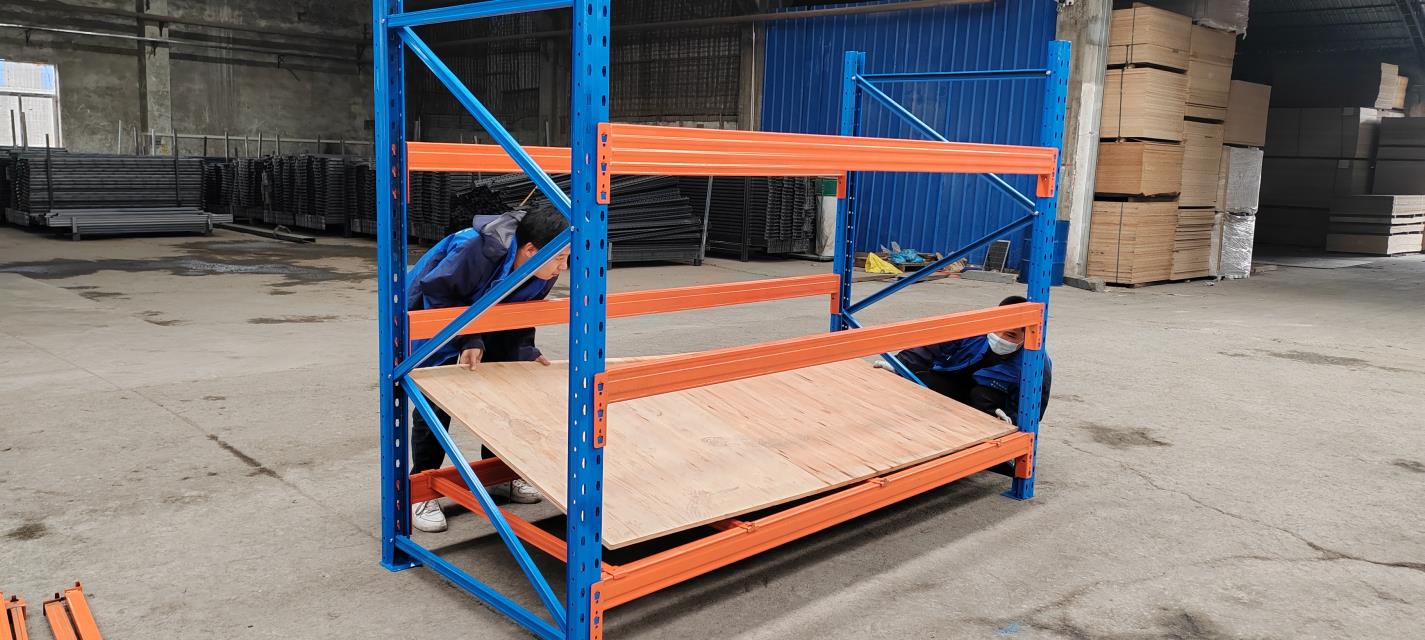
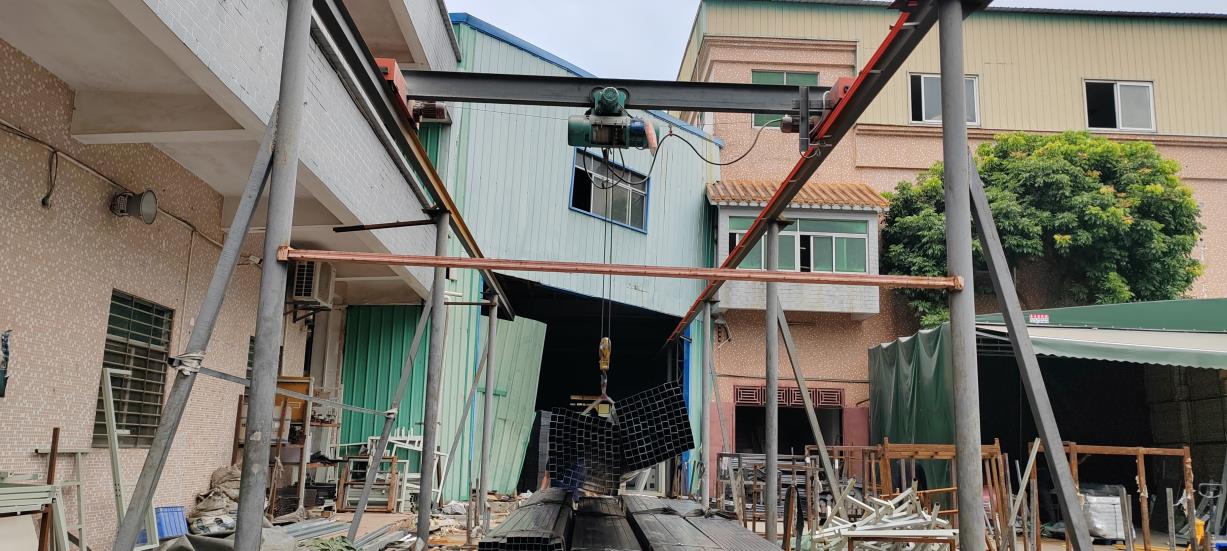
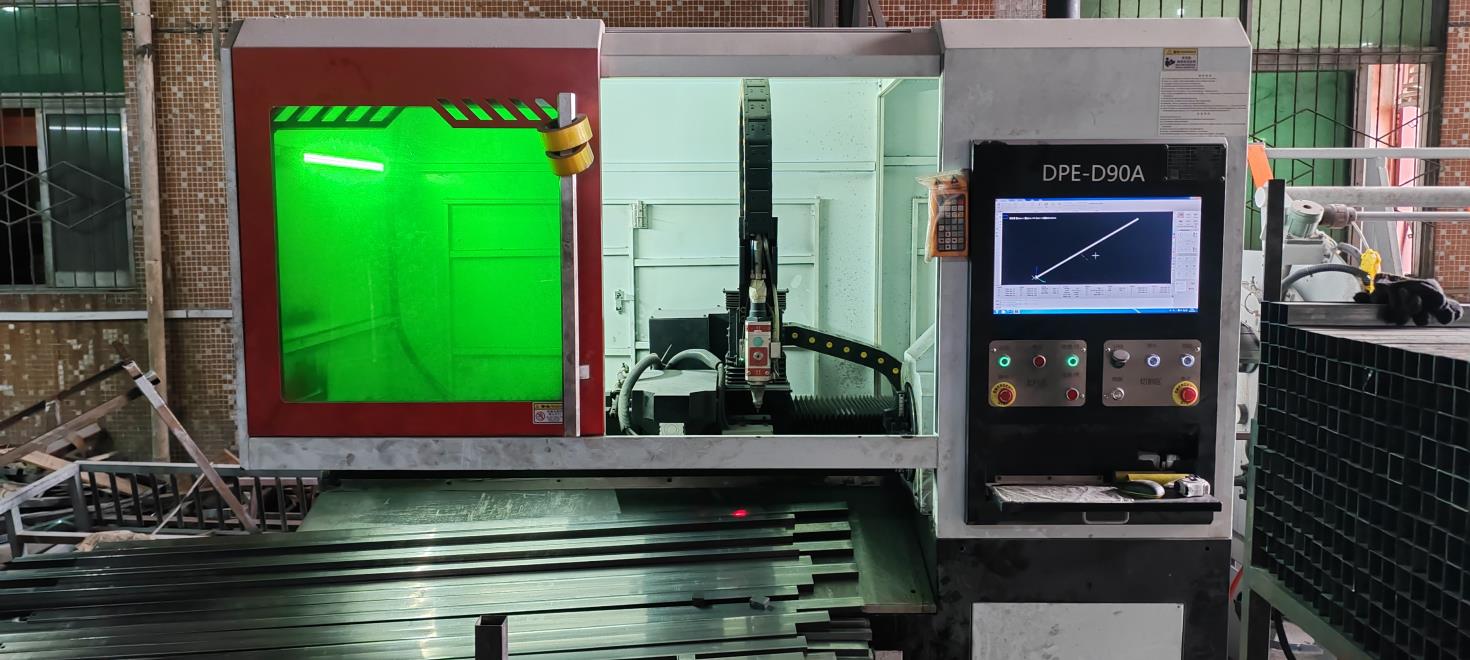
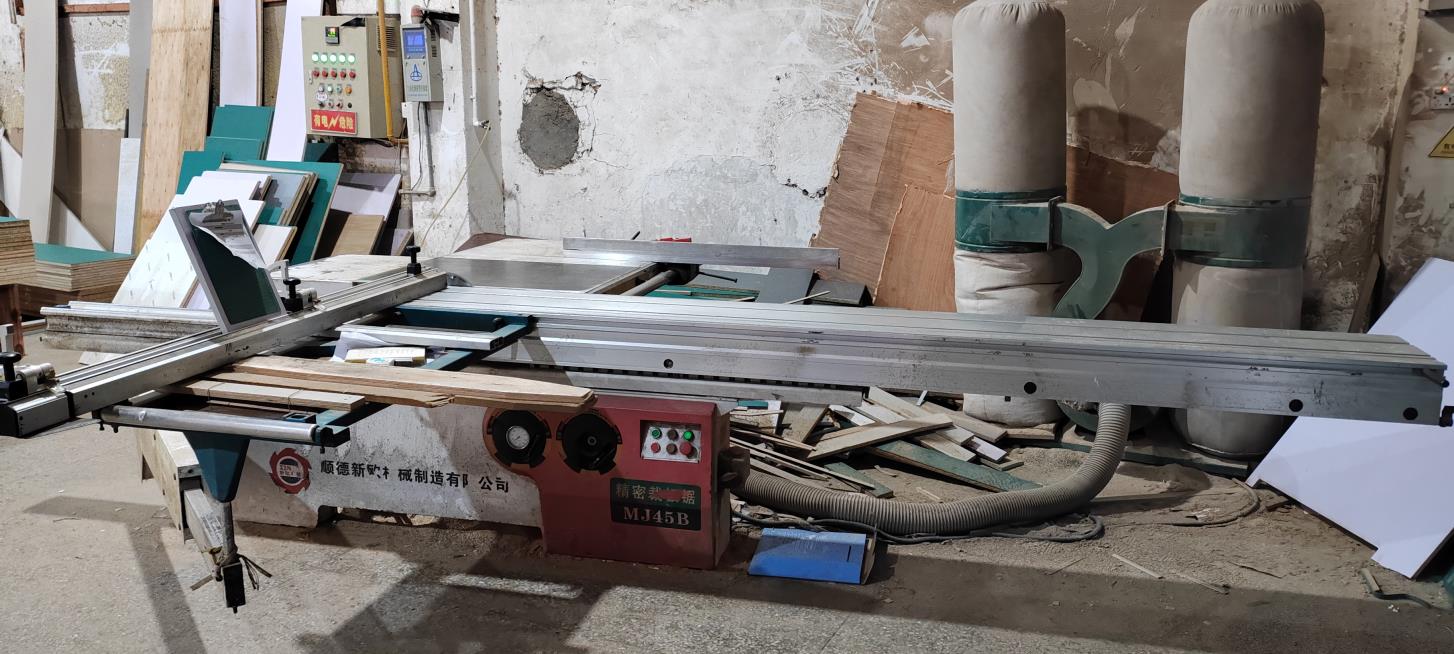
Equipped with robotic tooling lines, automated punch systems, and heavy laser cutters.
Delivering solutions across Western Europe, South America, and the Middle East.
Specializing in finite element analysis, bespoke seismic layouts, and structural optimization.
Performing computerized CMM dimensional assessments and ASTM B117 salt spray tests.
Established in 2016, Nanjing Fortis Storage Equipment Manufacturing Co., Ltd. stands as a premier designer and manufacturer of custom structural storage profiles, particularly structural cantilever racking systems. Over 10 years of deep industry expertise coupled with 7 years of high-volume international trade experience enables us to deliver unmatched structural durability, cost efficiency, and design flexibility.
Our client portfolio spans mega-warehouse developers, heavy automotive component builders, cold chain logistics operators, and global bulk retailers. By controlling the entire lifecycle of storage manufacture—from standard Q235B and Q355B raw steel verification to electrostatic dry powder coating finish—we guarantee consistent structural calculations that comply with major safety codes including RMI, EN 15512, and FEM guidelines.
"With a network of over 1,400 supply chain partners globally, our primary objective is to optimize space utilization metrics and structural safety configurations, ensuring that facilities handling heavy or long materials operate at peak efficiency with zero structural risks."
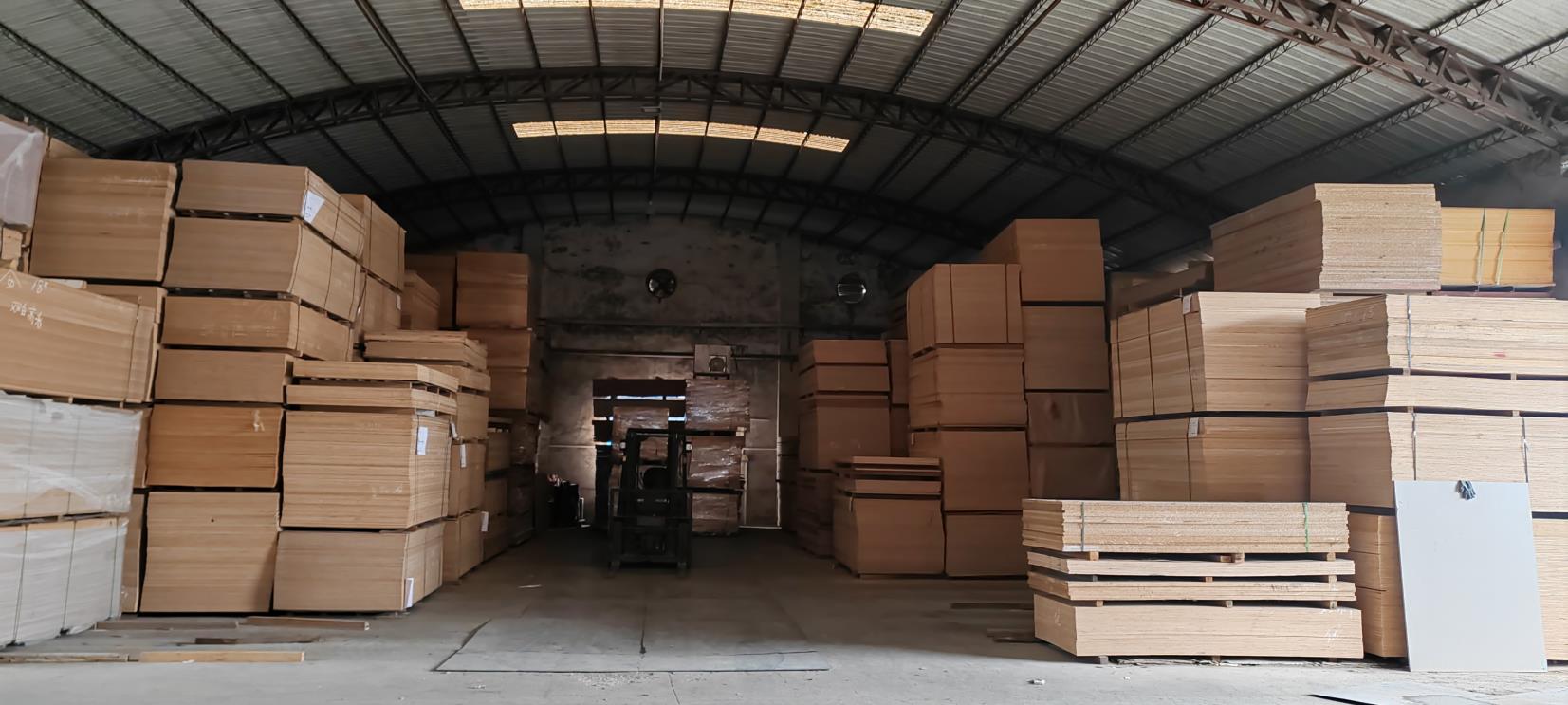
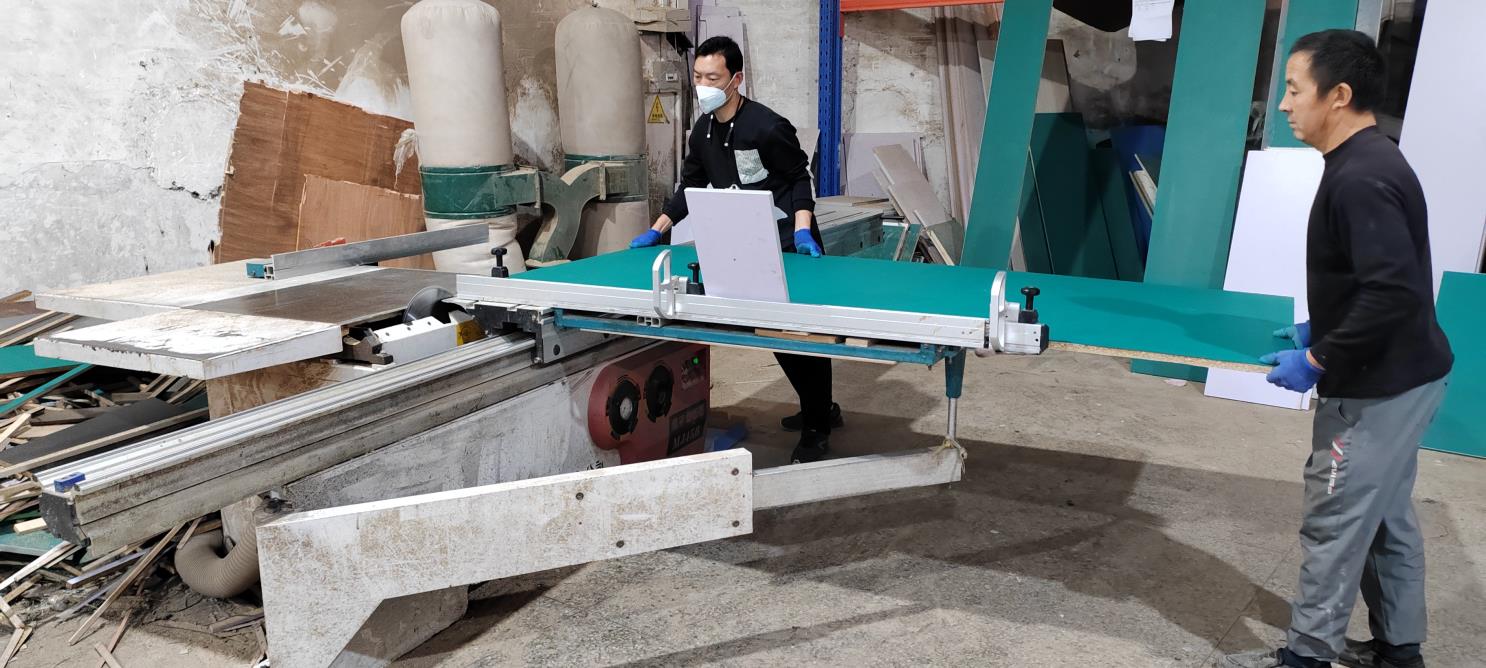
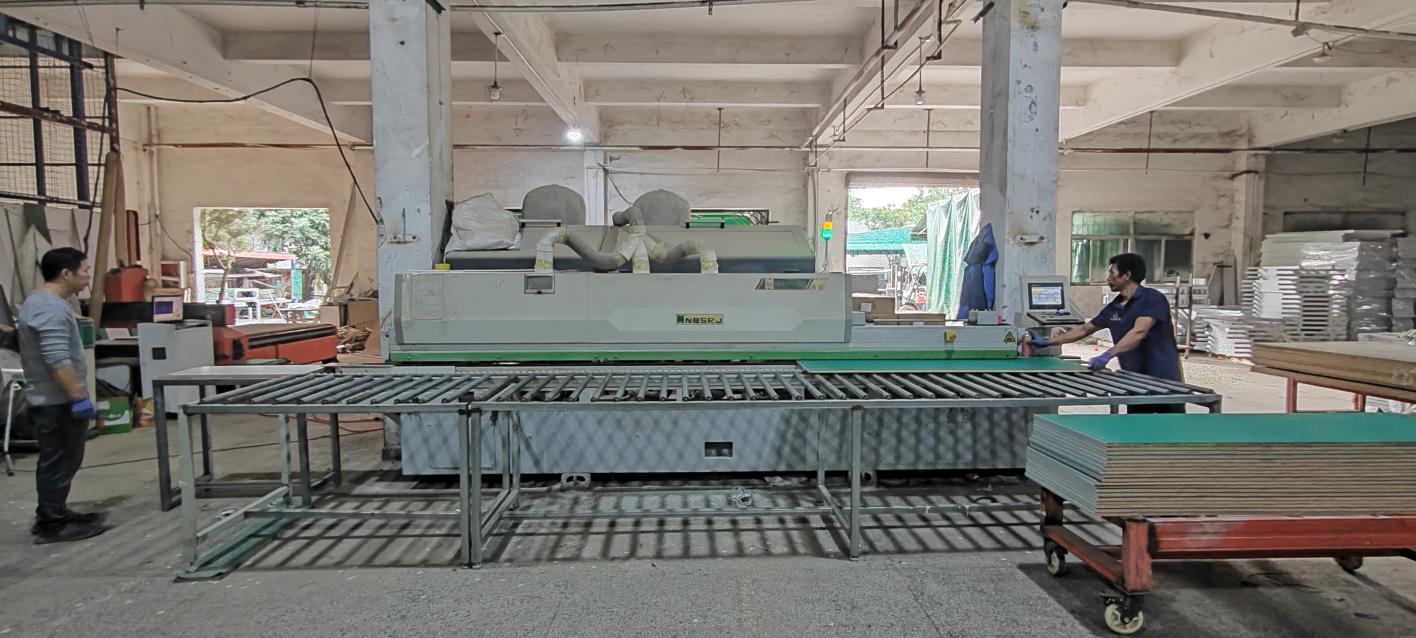
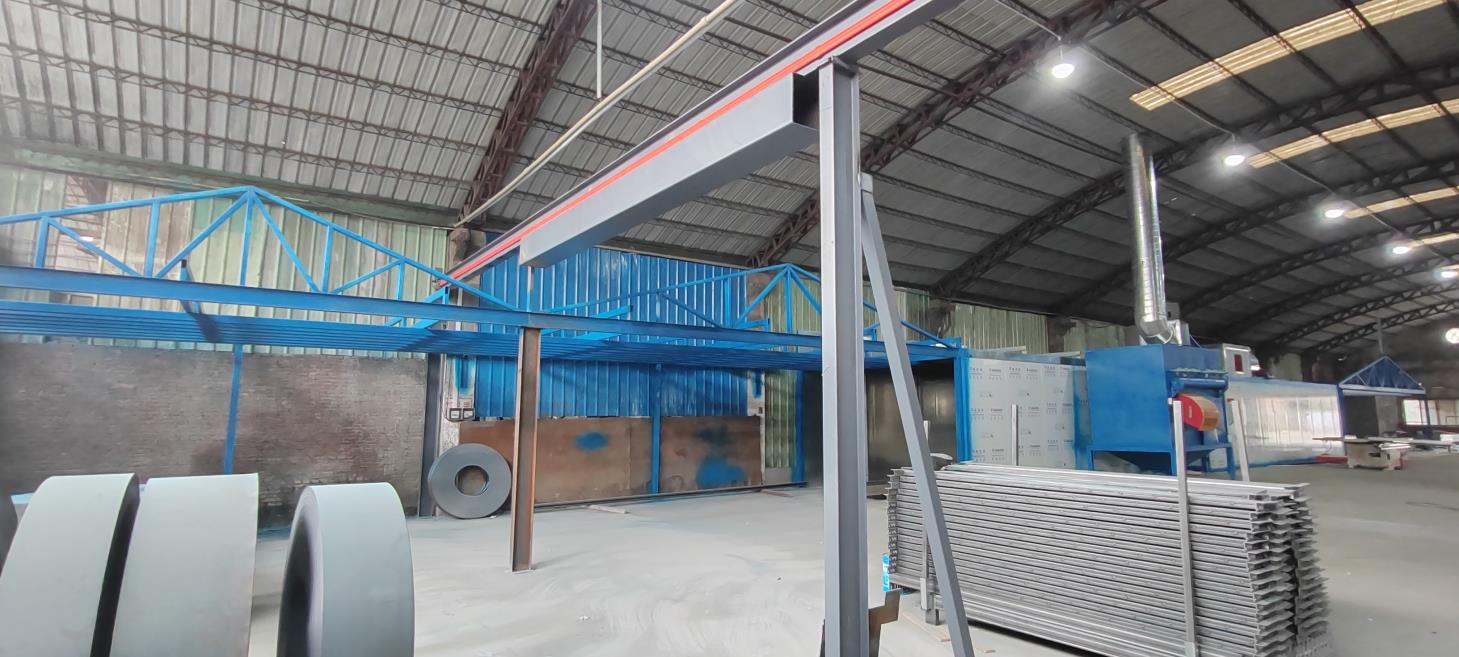
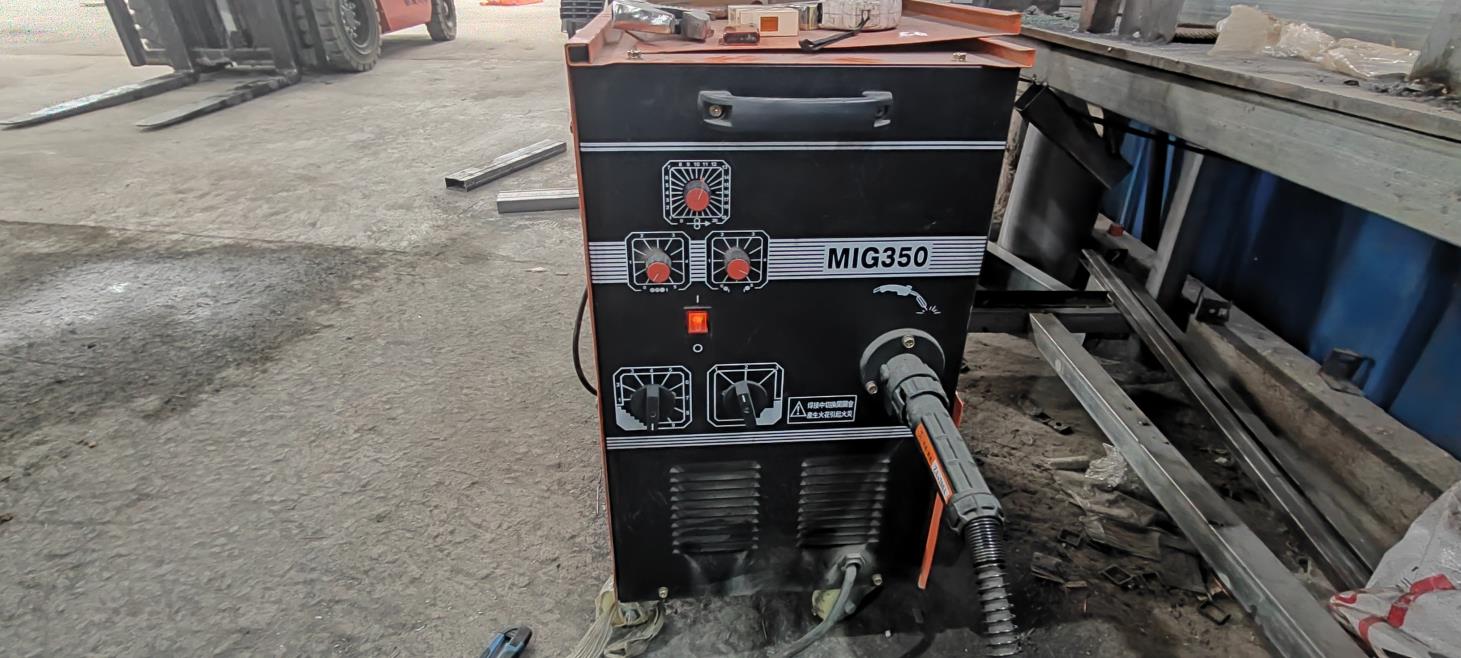
Comprehensive machinery mapping displaying our raw material to end-product capabilities.
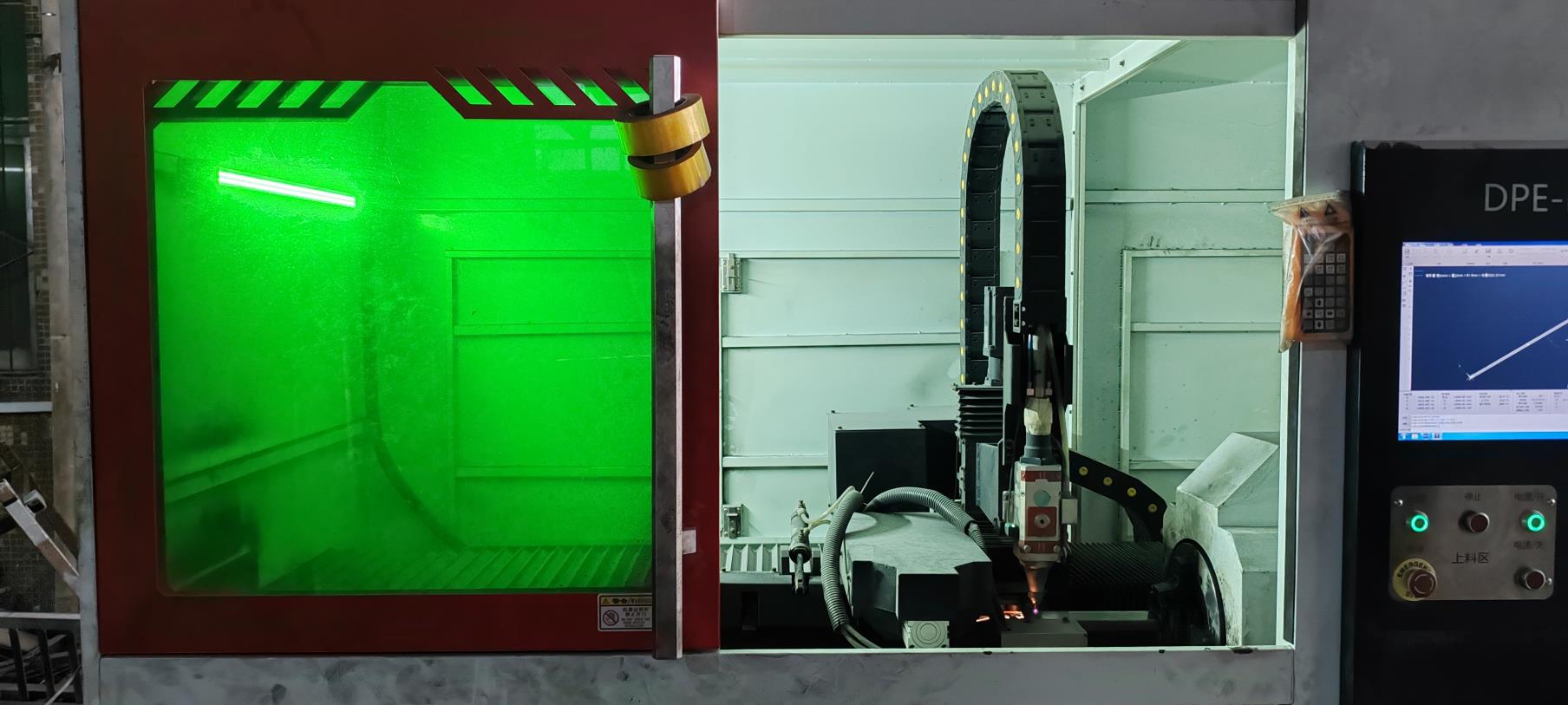
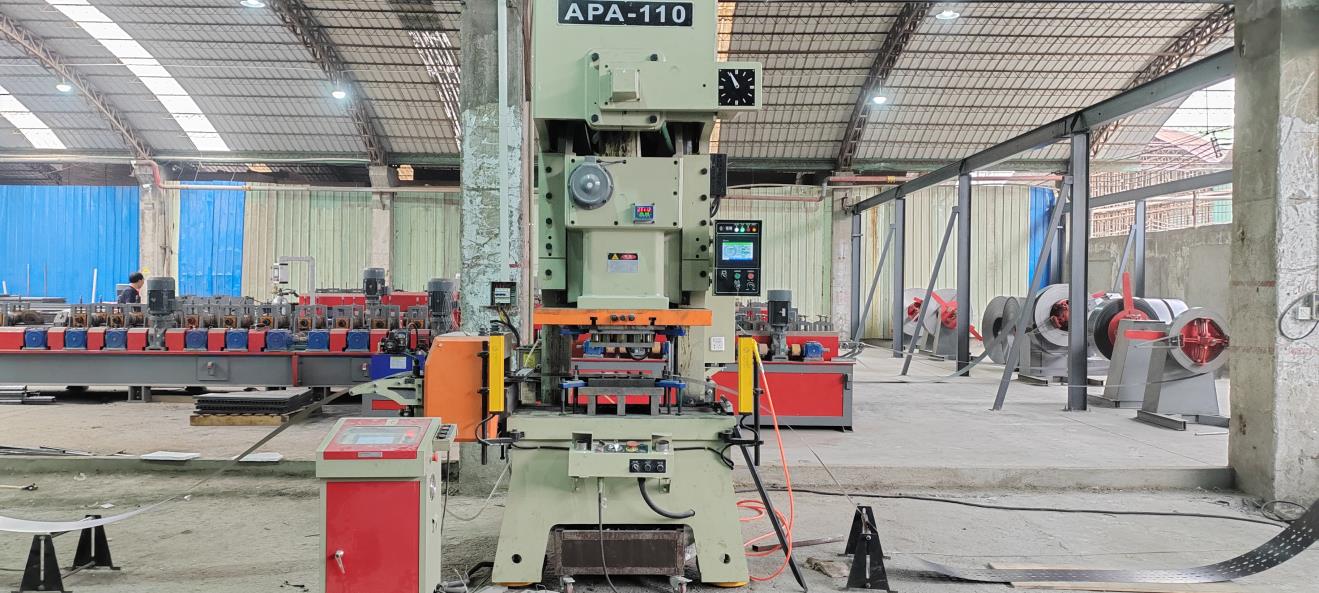
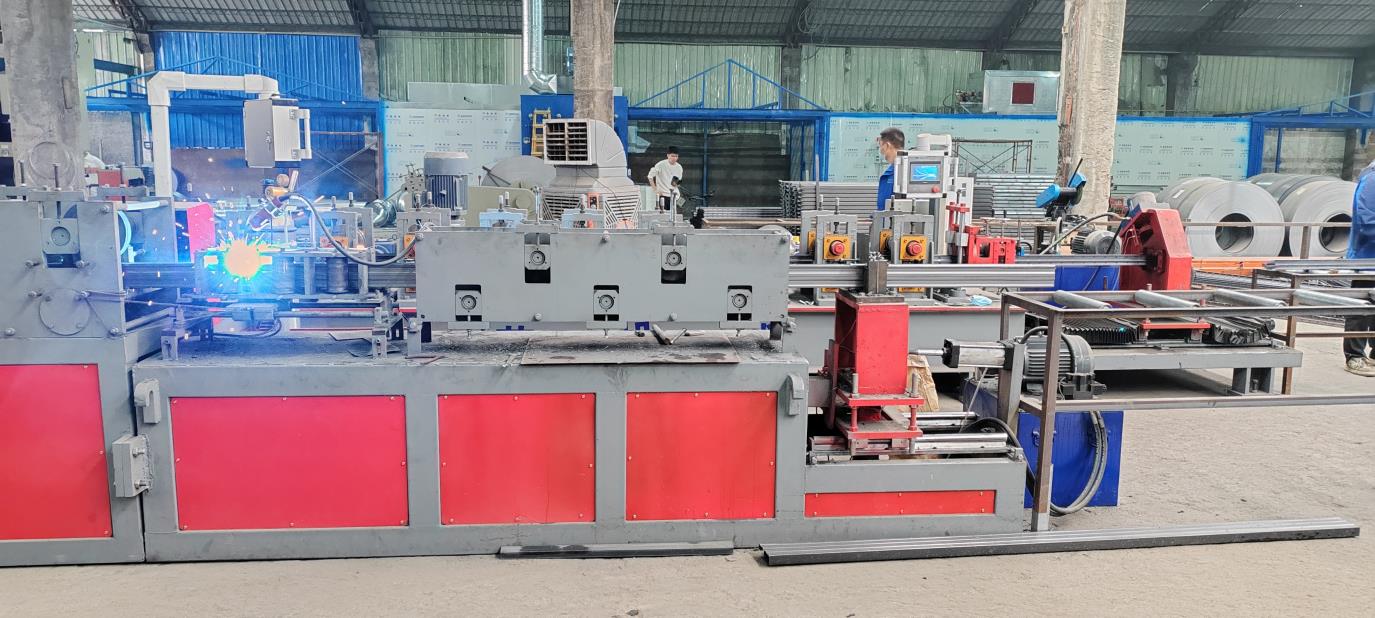
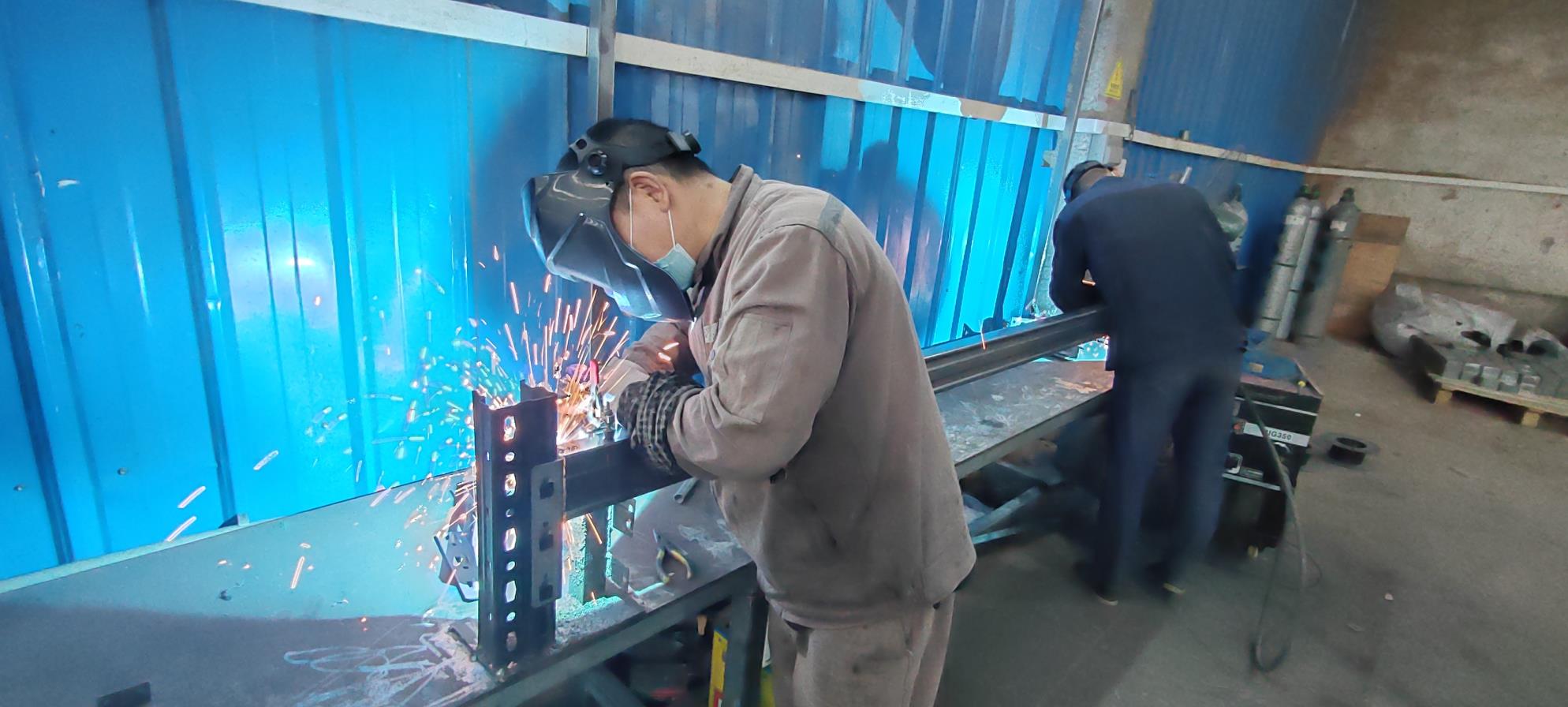
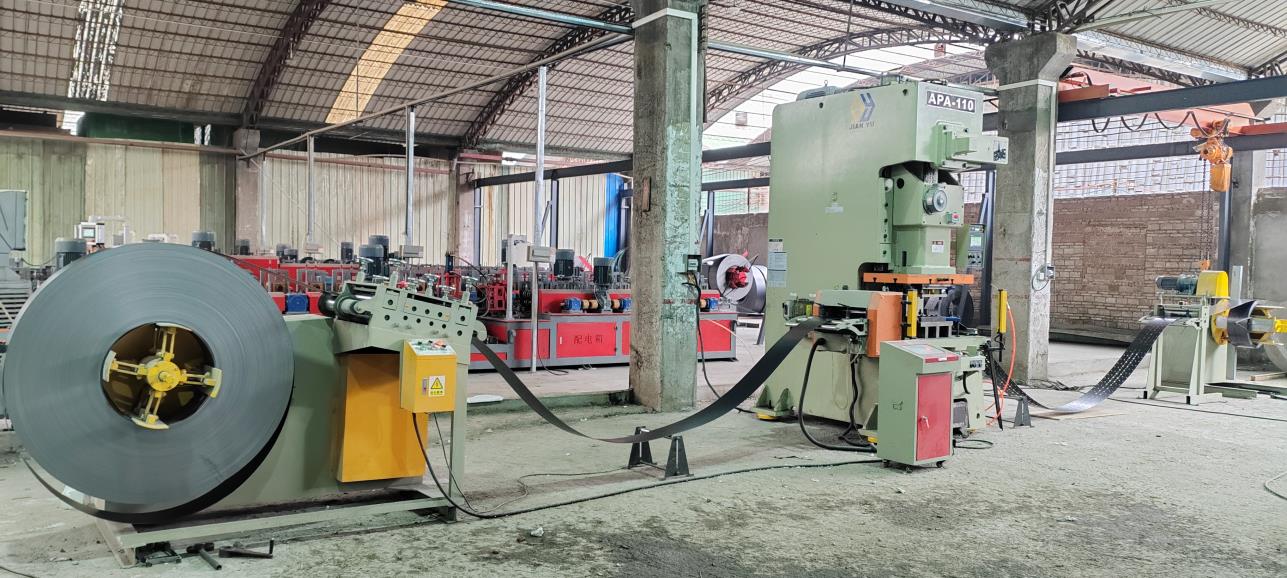
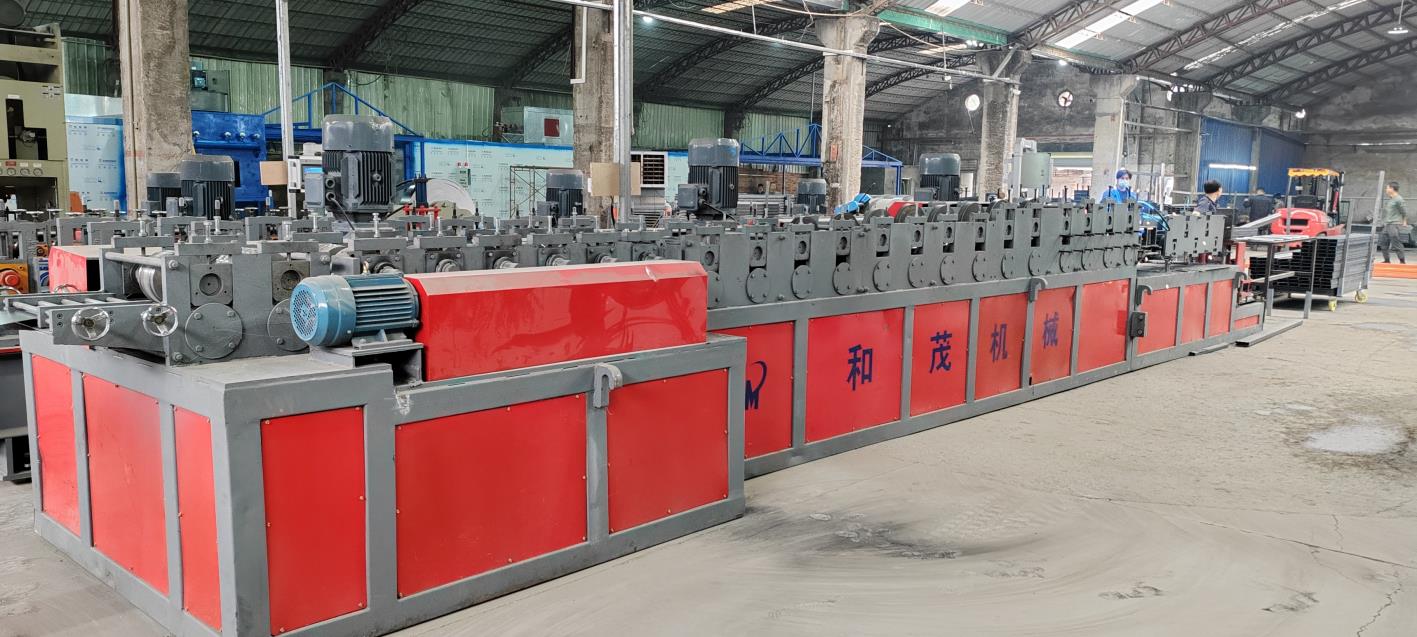
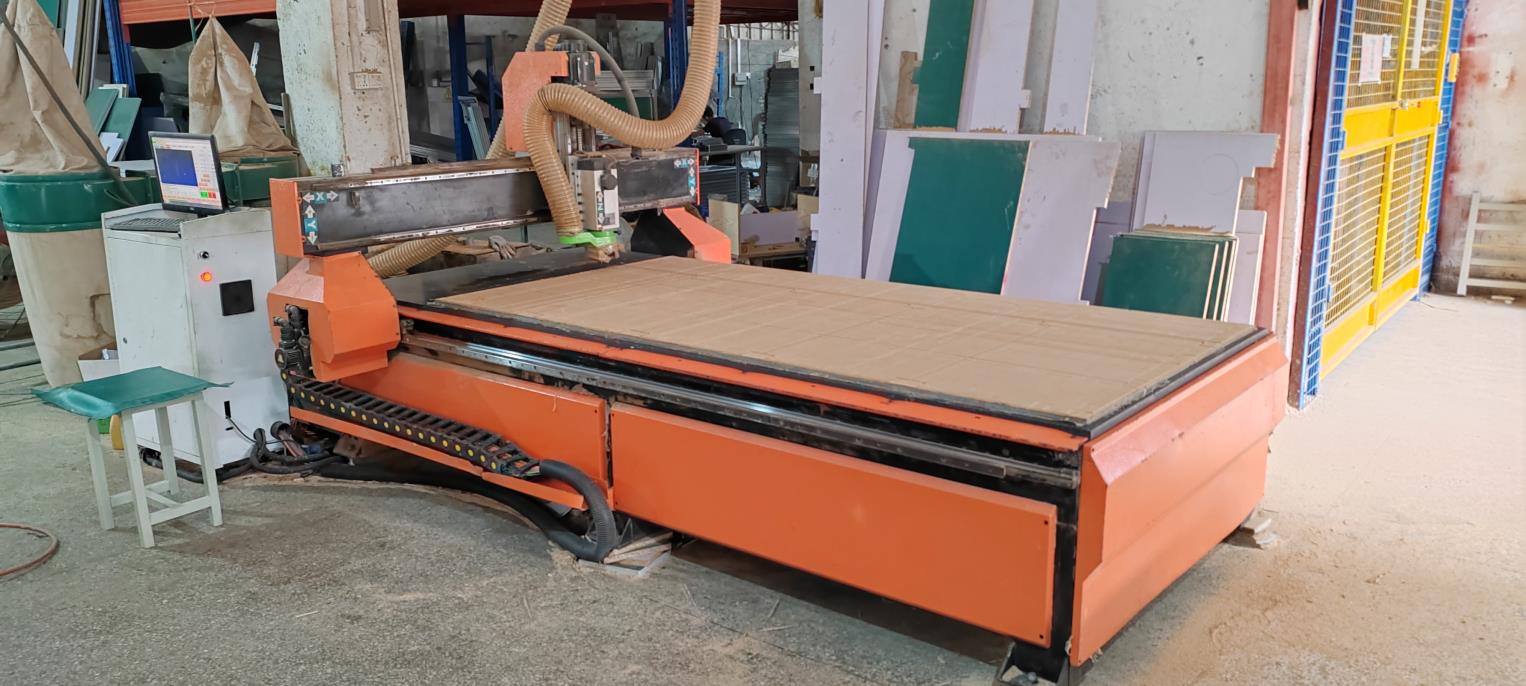
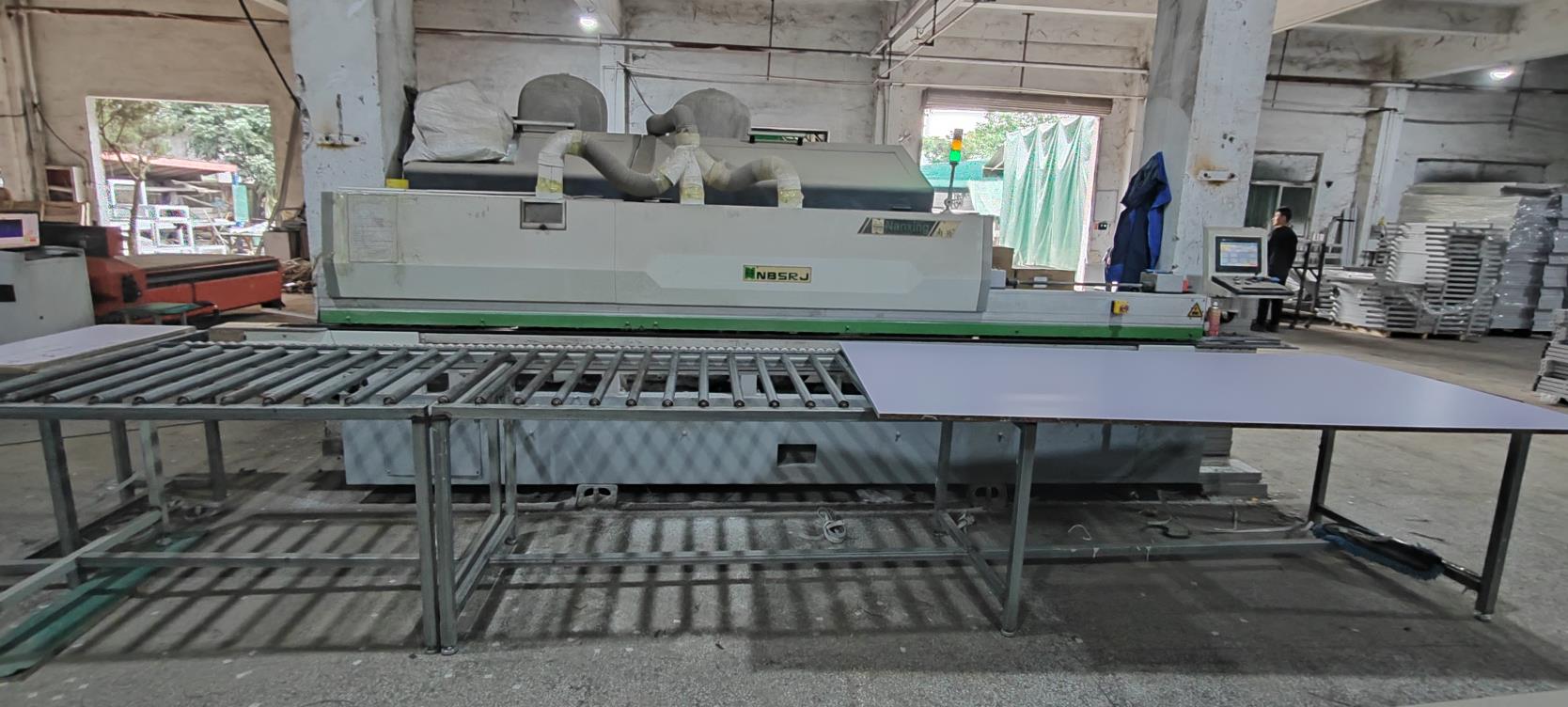
Addressing supply chain pain points through smart, high-density structural engineering.
For modern logistical hubs and heavy industrial manufacturers, storing long, bulky, and oddly shaped items poses a persistent hazard. Traditional pallet racking systems fail to safely accommodate structural steel members, metal extrusions, lumber, PVC piping, sheet materials, and engines without wasting significant horizontal space or introducing critical deflection hazards.
Cantilever shelving eliminates vertical front column obstructions, enabling continuous horizontal loading. High-performance cantilever upright columns and load-bearing arms must be engineered to handle asymmetric, concentrated loads while maintaining structural stability. Our systems utilize structural bolt connections over lightweight roll-formed snap fits to manage severe impact risks from heavy fork trucks.
Engineered to support varying weights on adjacent arm tiers. Custom R&D designs eliminate lateral frame twisting during uneven forklift loading cycles.
High-tensile steel construction (Q355B) and heavy-duty structural brace panels prevent front-end sagging and arm deflection under maximum loads.
Removing the front upright column allows forklifts to pick long materials directly, slashing cycle times and warehouse layout square footage requirements.
Bespoke structural variations designed to secure heavy industrial supply chains.
Designed for structural steel tubes, aluminum profiles, heavy copper bars, and sheet metal plates. Using hot-rolled structural steel sections, these profiles withstand extreme impact and maintain structural integrity in punishing mill environments.
Engineered for structural timber, plywood bundles, drywall sheets, and composite decking boards. Supports rapid access, easy SKU sorting, and reduces the risk of timber warping via evenly distributed arm spans.
For storing heavy engine blocks, vehicle chassis parts, raw castings, and tooling dies. These configurations adapt directly to robotic crane pickers and high-capacity automated storage and retrieval systems (AS/RS).
Adapting manufacturing standards to match modern Industry 4.0 warehousing.
The manufacturing process at Nanjing Fortis is transitioning toward fully automated, closed-loop production systems. As supply chains move toward smart, computerized warehousing, racking components must feature higher dimensional tolerances. Structural cantilever systems are no longer passive steel pieces; they must support sensor integration, digital load cells, and automated guidance paths.
Our engineering roadmap prioritizes: Material science breakthroughs to optimize structural steel thicknesses without losing load capacity; Eco-friendly electrostatic powder recovery lines that meet strict ISO 14001 guidelines; and Robotic laser welding stations that ensure uniform penetration on heavy arm-to-column connectors.
Ensuring perfect alignment of locking pins and connecting joints, removing manual assembly variance.
Our paint line uses dry powder coating without volatile organic compounds, yielding a durable, scratch-resistant surface.
Every project undergoes simulated stress testing to guarantee structural capacity under local seismic loads.
Clean profile columns designed to allow obstacle-free travel for automated guided vehicles.
Meeting world-class material certifications and engineering parameters.
Nanjing Fortis upholds deep quality management guidelines throughout every step of production. Our structural steel materials are sourced solely from verified state-owned mills, complete with mill test certificates (MTC) proving carbon equivalent and yield stress properties. This meticulous control is the backbone of our $35 million annual export success.
Our quality assurance system includes:
| Inspection Standard | Methodology | Expected Metric |
|---|---|---|
| Tensile & Yield Strength | ASTM E8 Universal Test | Q355B (Yield ≥ 355 MPa) |
| Welding Penetration | Ultrasonic / Visual | AWS D1.1 Compliance |
| Coating Thickness | Magnetic Film Gauge | 60 - 90 Microns (Dry Film) |
| Deflection Tolerance | Full Load Capacity | L/200 maximum deviation |
Critical answers addressing heavy load planning, warehouse logistics, and global sourcing requirements.
Structural steel racking is hot-rolled from structural profiles, featuring thicker material gauges and bolted joint connections. This provides superior resistance to forklift impacts, larger load capacities per arm (up to 5,000 kg), and better stability over high upright spans. Roll-formed structures, while economical, use thinner cold-bent steel sheets that are susceptible to damage and are typically rated for light-to-medium loads.
We use advanced Finite Element Method (FEM) software. Column sizes, arm profiles, and heavy-duty horizontal and vertical braces are configured using maximum local seismic data, standard wind ratings, and localized stress limits. Arm capacities must consider uneven load placements to verify that column deflection limits stay within the strict EN 15512 L/200 margin.
Yes. Our engineering division of 80 specialists configures bracing structures, heavy-duty floor anchorage footprints, and column section profiles to meet local building codes. This covers ASCE 7, International Building Code (IBC) guidelines for North America, and Eurocode 8 for earthquake-resistant infrastructure.
We provide hot-dip galvanizing (HDG) to ASTM A123 standards, which delivers long-term zinc protection for outdoor and cold-storage operations. For indoor layouts, we apply our high-durability electrostatic dry powder coating finish. This is baked at high temperatures to prevent impact chipping, scratching, and chemical wear.
Our standard manufacturing lead time is 25 to 35 days from layout sign-off and receipt of down payment. Because we manage a 48,000 m² plant, we can optimize scheduling to fulfill large-scale distribution center rollouts without compromising our strict testing standards.
Yes, all of our steel racking systems meet international standards. We design to comply with RMI codes (USA), FEM 10.2.09 rules, and BS EN 15512 specifications. Material properties are verified via automated CMM measurements, with certifications and inspection records provided with every shipment.
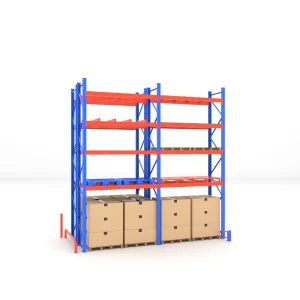
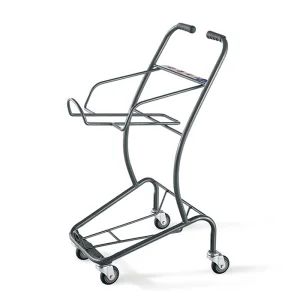
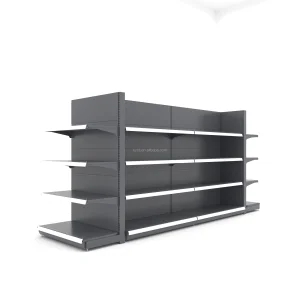
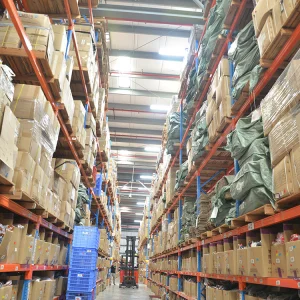
High-capacity store display fixtures, transport equipment, and modular heavy-duty steel shelving.
 FortisRack