High-grade structural steel and smart storage components engineered for global compliance and demanding operating spaces.
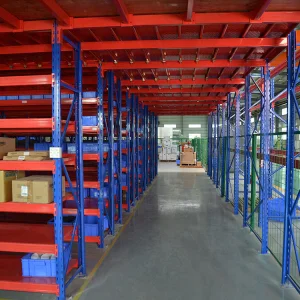
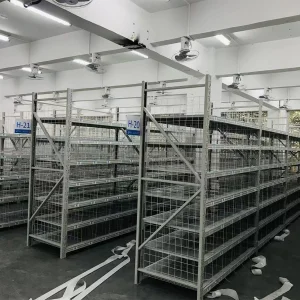
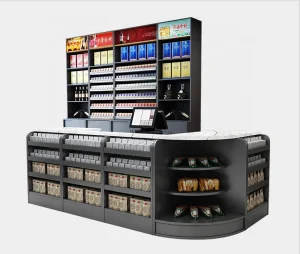
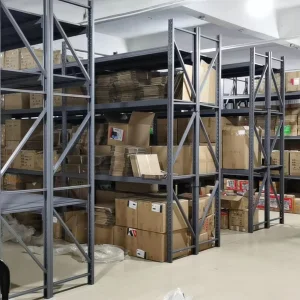
The velocity of modern industrial logistics demands a fundamental shift from horizontal footprints to highly optimized vertical spatial profiles. Under the pressures of global land scarcity, soaring warehouse rental structures, and the expansion of just-in-time (JIT) fulfillment paradigms, Vertical Storage Units have evolved from simple organizational items into primary profit-drivers for global commerce. Storage capacity is no longer calculated in square meters, but in cubic volume optimization.
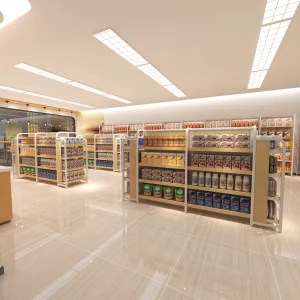
Industrial enterprises, high-throughput fulfillment centers, and international retail consortiums face the ongoing challenge of footprint compression. High-density racking, cantilevered metal shelves, structural mezzanines, and smart supermarket display assemblies constitute the infrastructure backbone supporting efficient inventory flow. Integrating high-performance vertical equipment enables factories and distribution hubs to mitigate operational real-estate expenditures while simultaneously boosting intra-facility processing throughput by up to 85%.
Reliability in structural industrial storage depends on rigorous materials engineering and structural design. High-tensile carbon steel alloys, primarily Q235B and Q355B, are the standard for heavy-duty components due to their balance of yield strength, ductility, and cost-efficiency. Through cold-formed profile extrusion and precision robotic welding, vertical structures can withstand massive vertical static loads while maintaining structural stability under dynamic operations.
Additionally, the integration of automation (such as AS/RS shuttle systems and motorized high-capacity shelving) requires exceptional manufacturing tolerance levels. Suppliers must maintain structural tolerances within millimeters to prevent misalignment during automated operations.
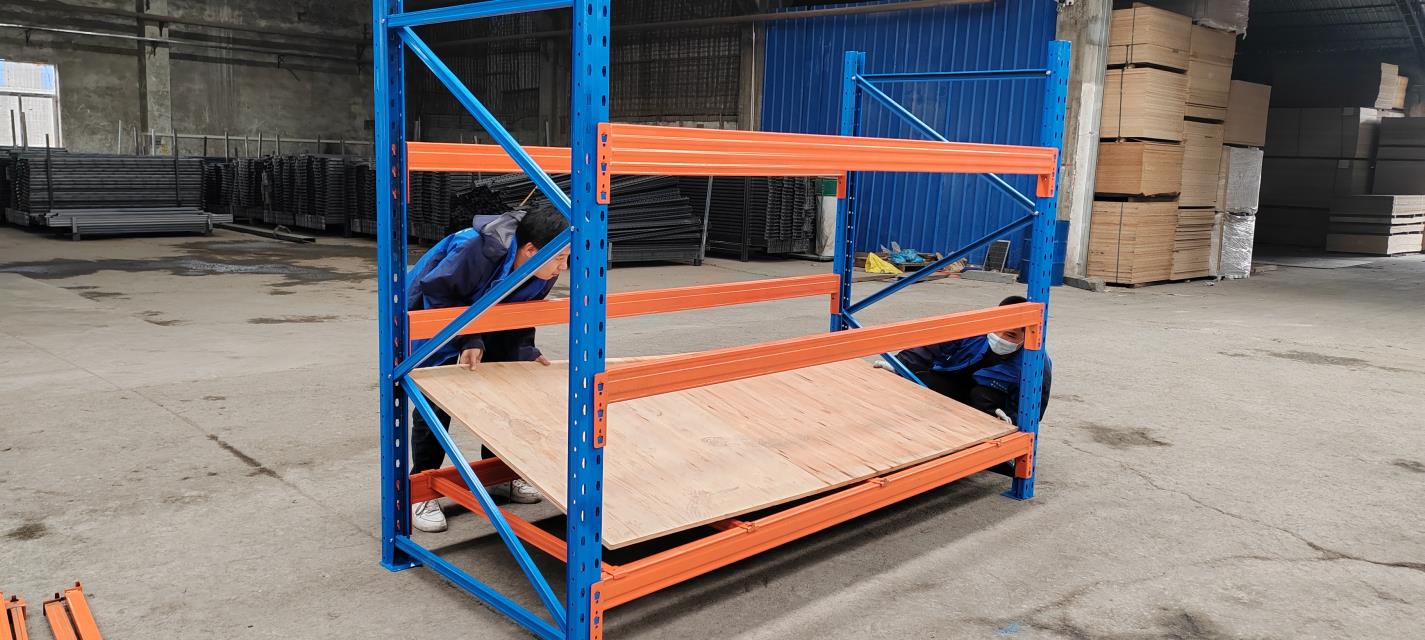
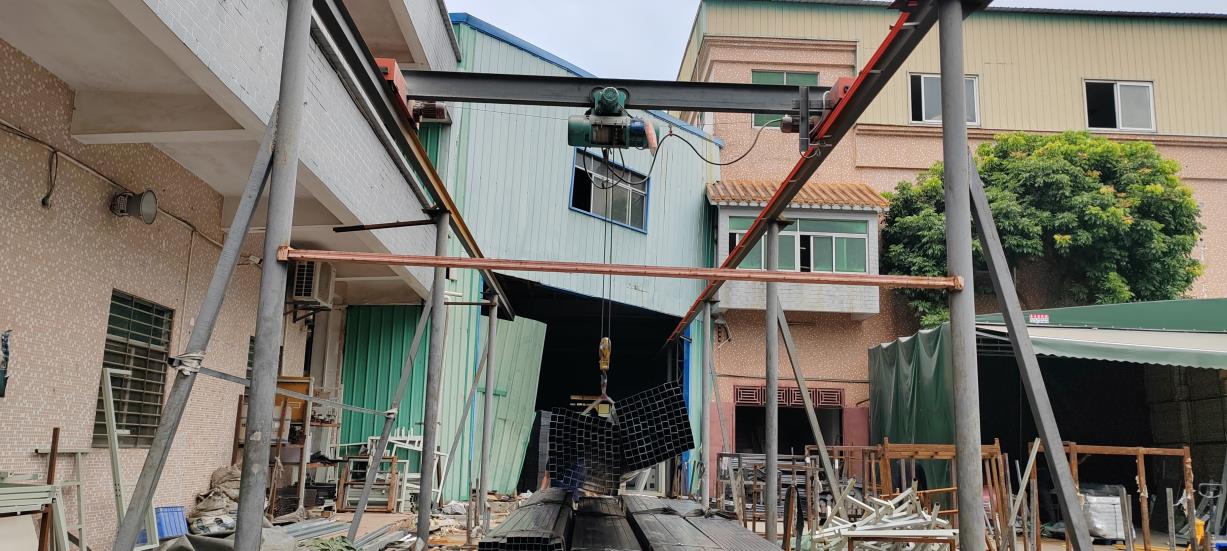
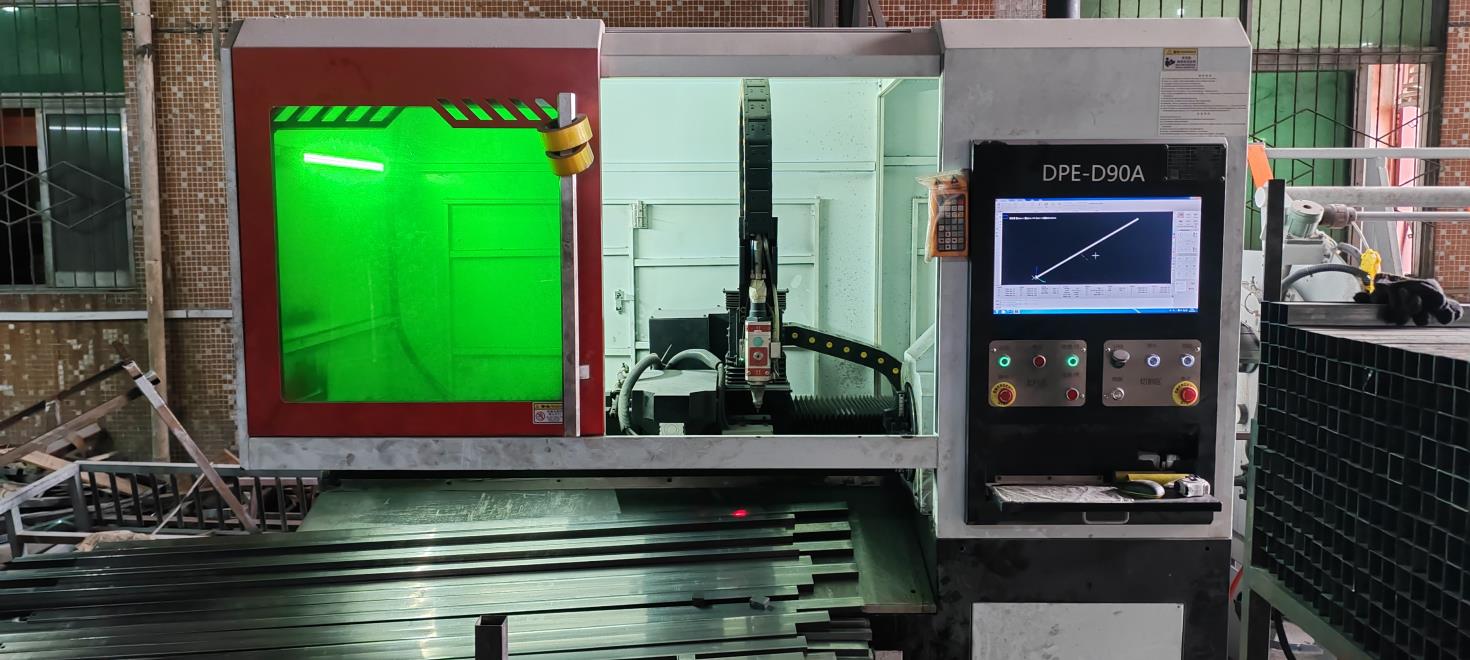
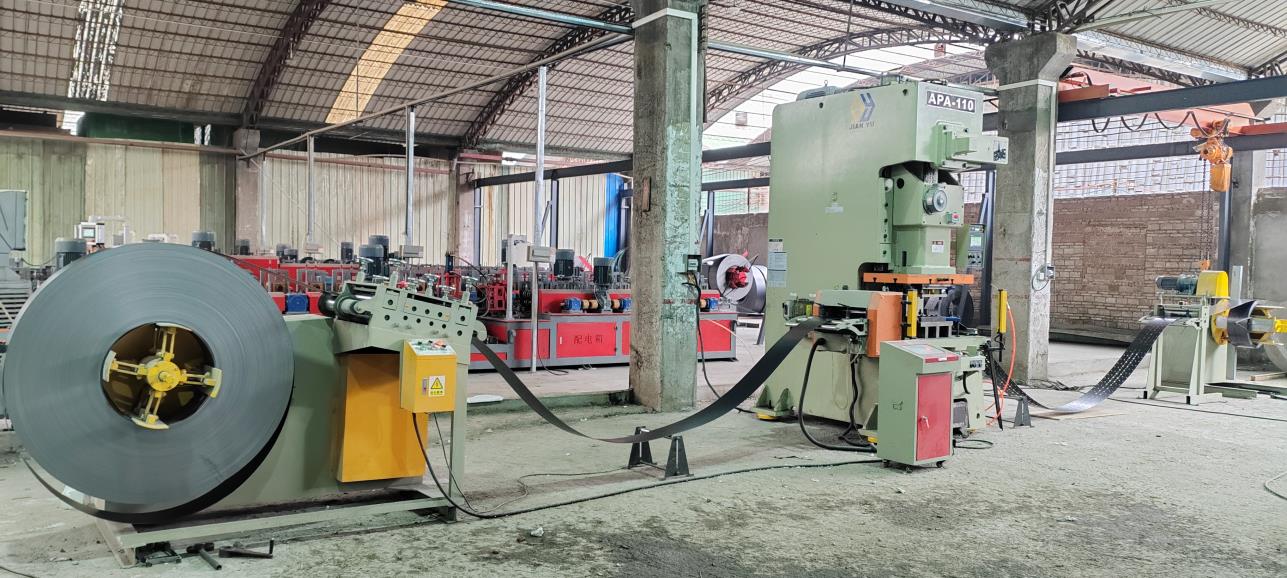
Nanjing Fortis Storage Equipment Manufacturing Co., Ltd. leads in high-density engineering, operating advanced production facilities to deliver robust and reliable storage solutions.
Established in 2016, Nanjing Fortis Storage Equipment Manufacturing Co., Ltd. commands a modern industrial plant covering 48,000 m². Driven by 10 years of deep industry expertise and 7 years of global trade experience, our annual export turnover reaches $35 million. We uphold strict quality control through ISO14001 and TUV standards, performing automated CMM dimensional inspections and salt spray corrosion testing with 62 full-time QA personnel.
As a direct factory exporter, our key commercial footprints span Western Europe, South America, and the Middle East, integrated with a network of over 1,400 supply chain partners. Our client base mainly includes mega-warehouse developers, cold chain storage operators, and global retail chains. Our robust R&D team of 80 engineers specializes in bespoke structural adaptations, special surface coating treatments, and high-density racking configurations, introducing 350 innovative products to the global market last year.
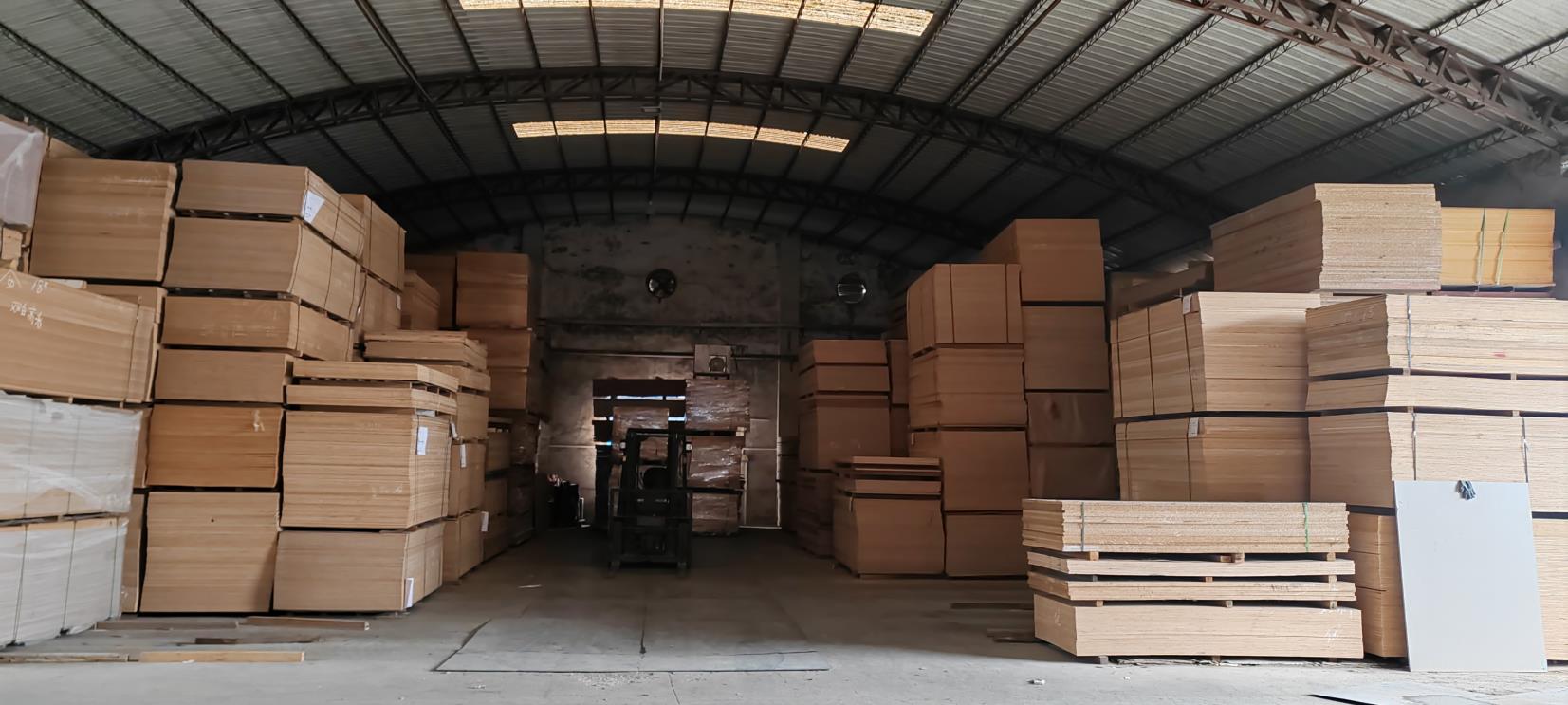
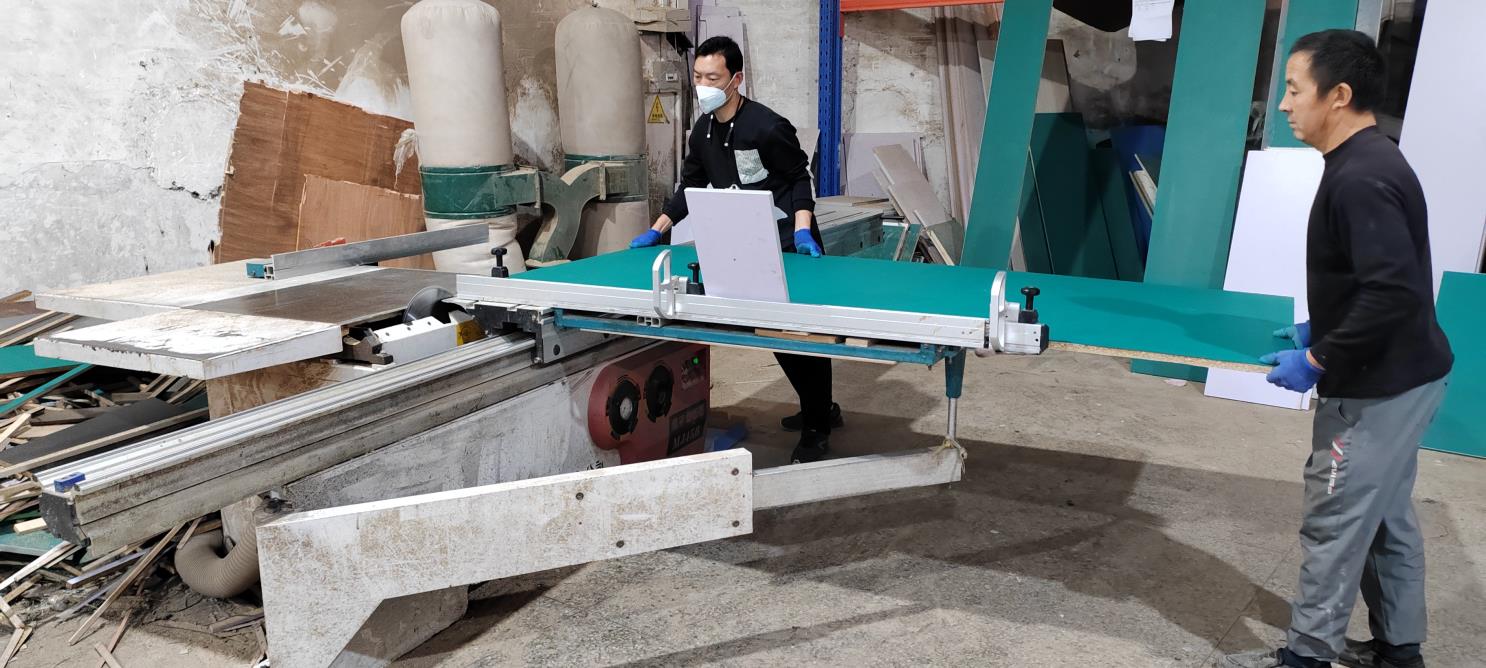
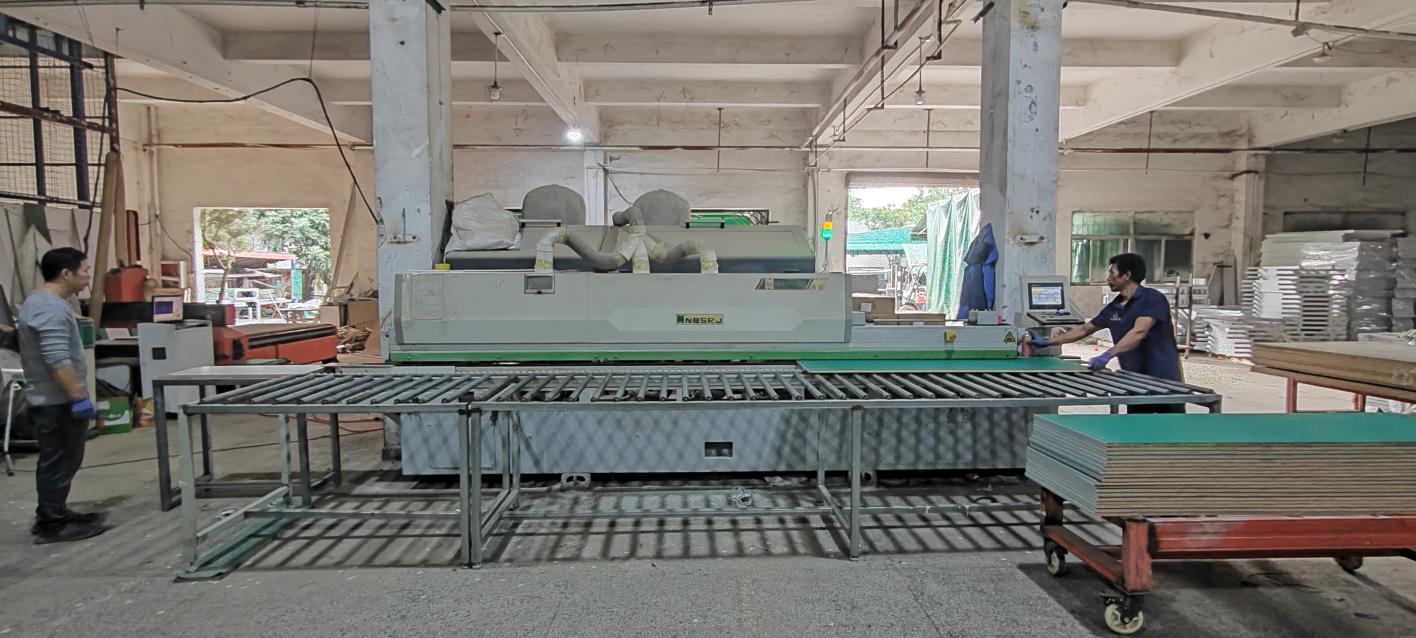
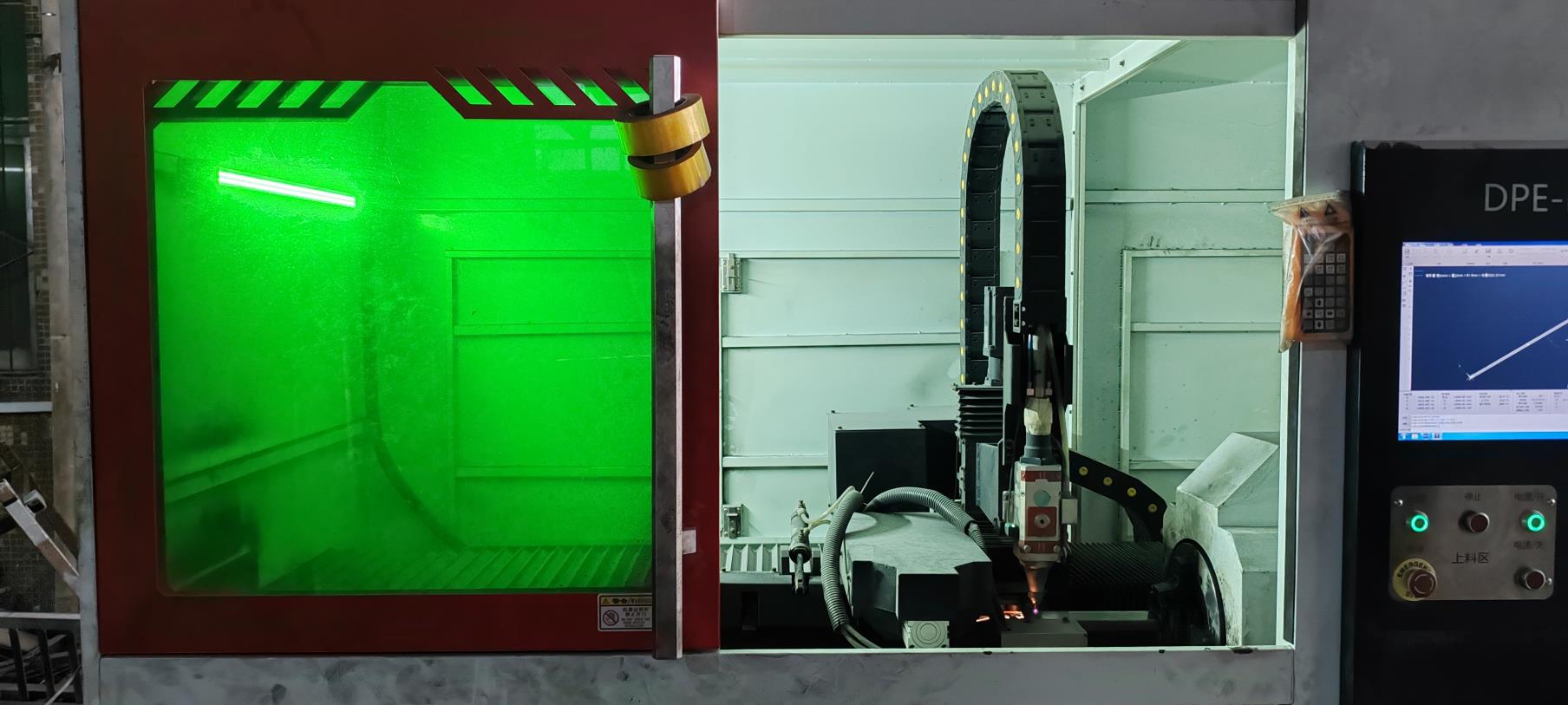
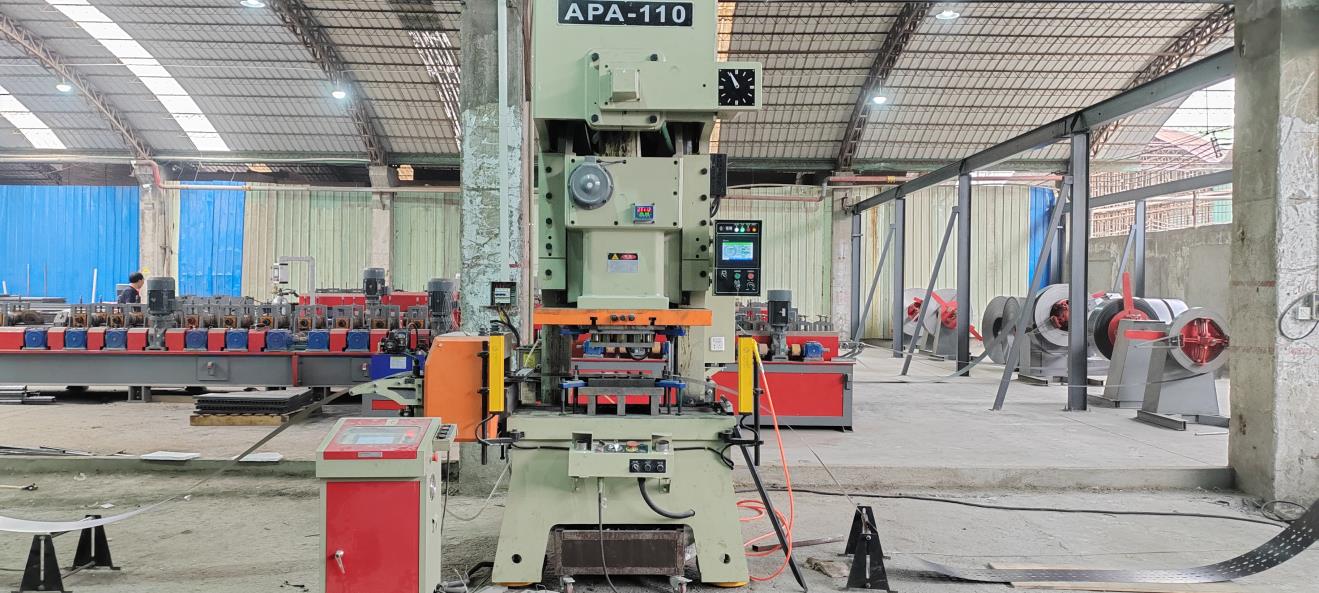
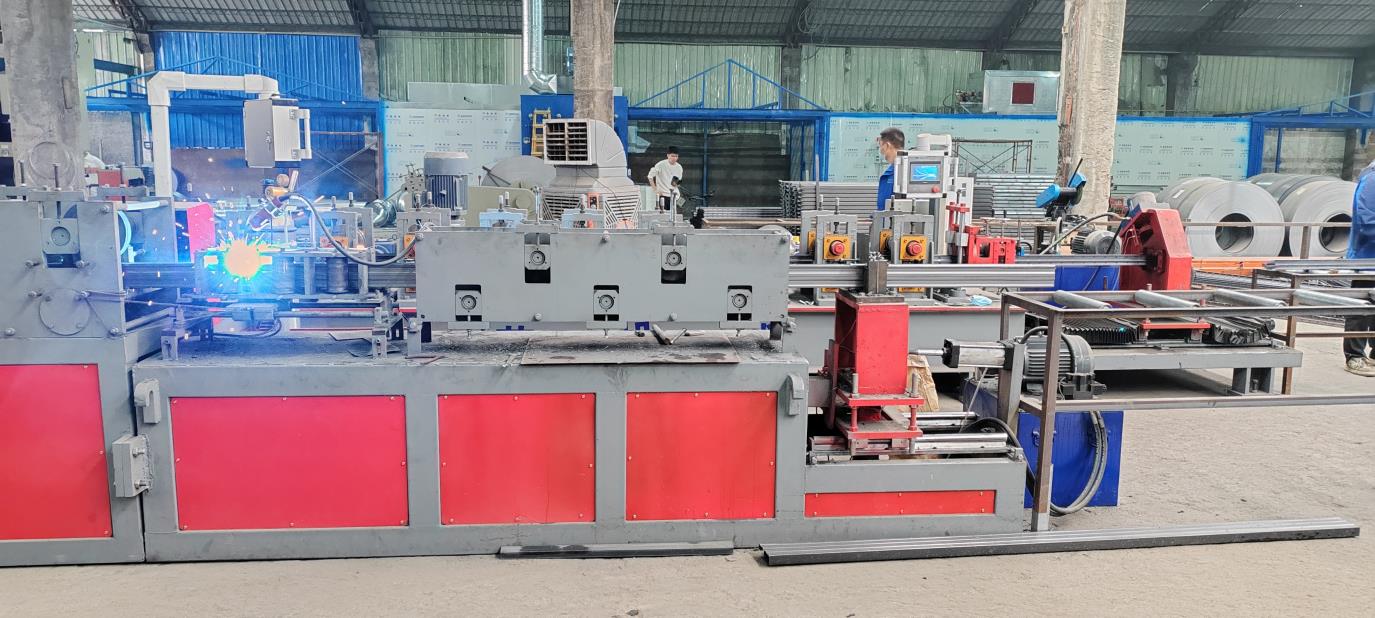
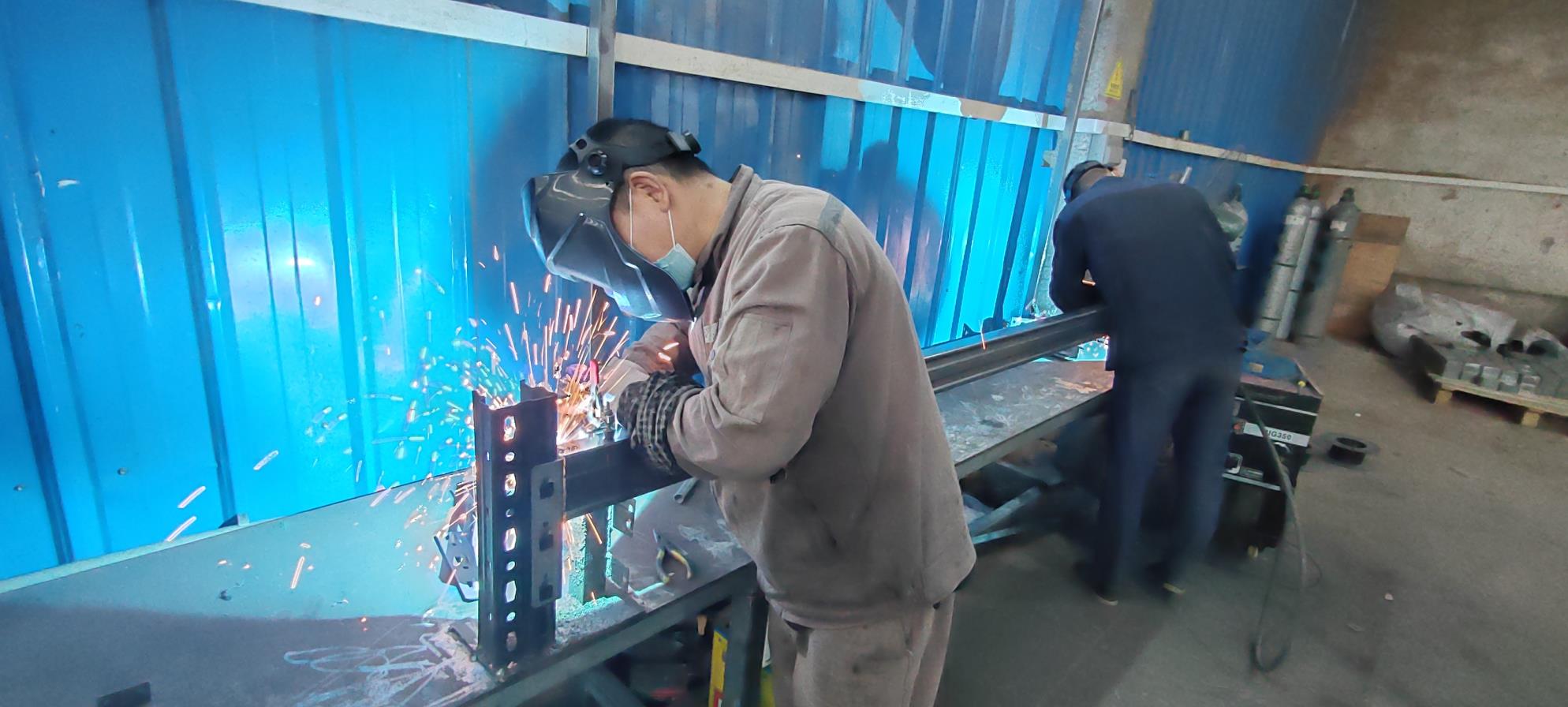
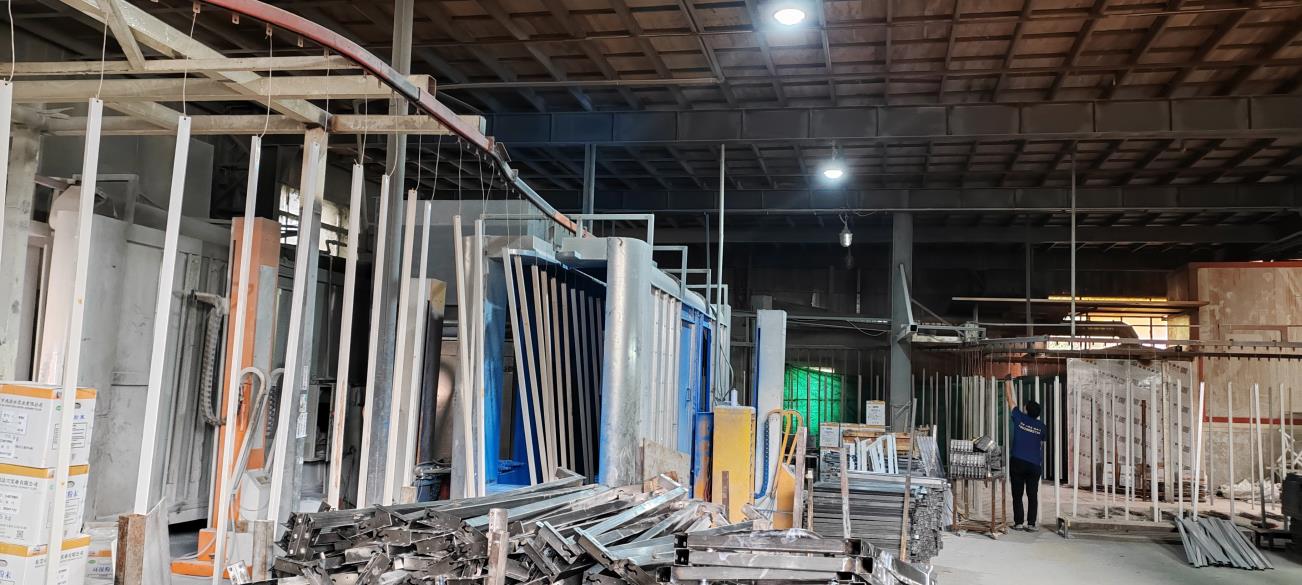
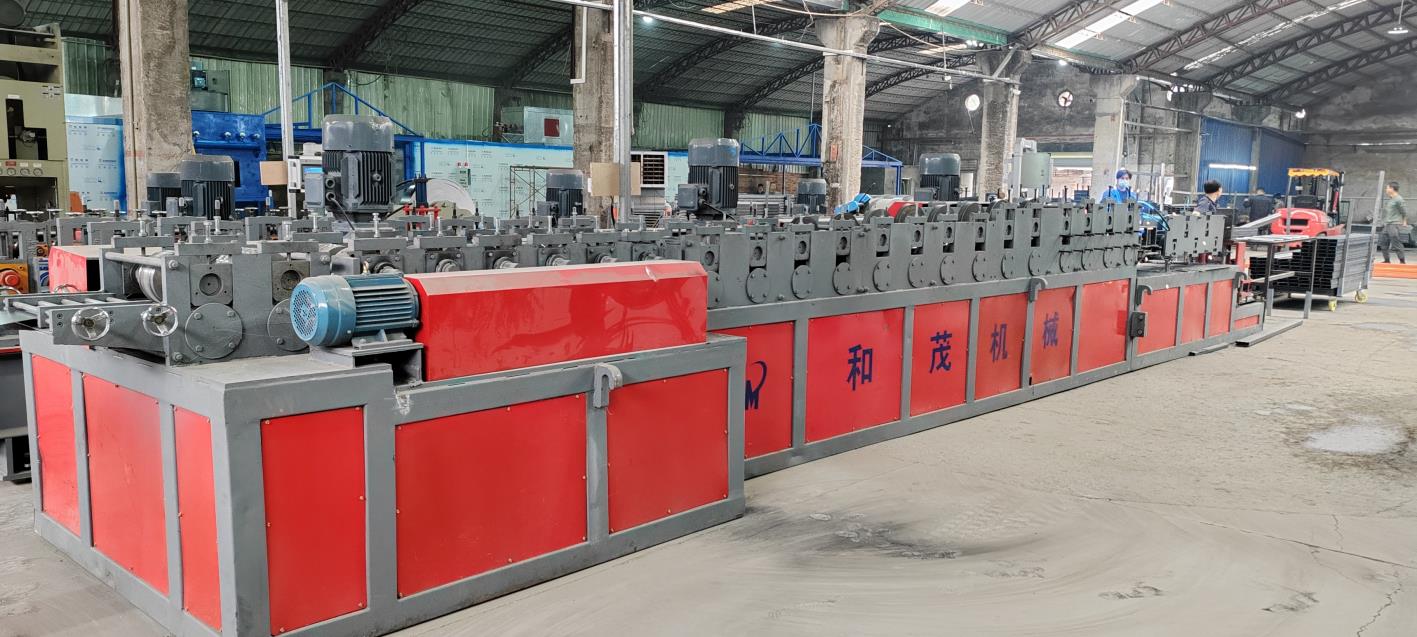
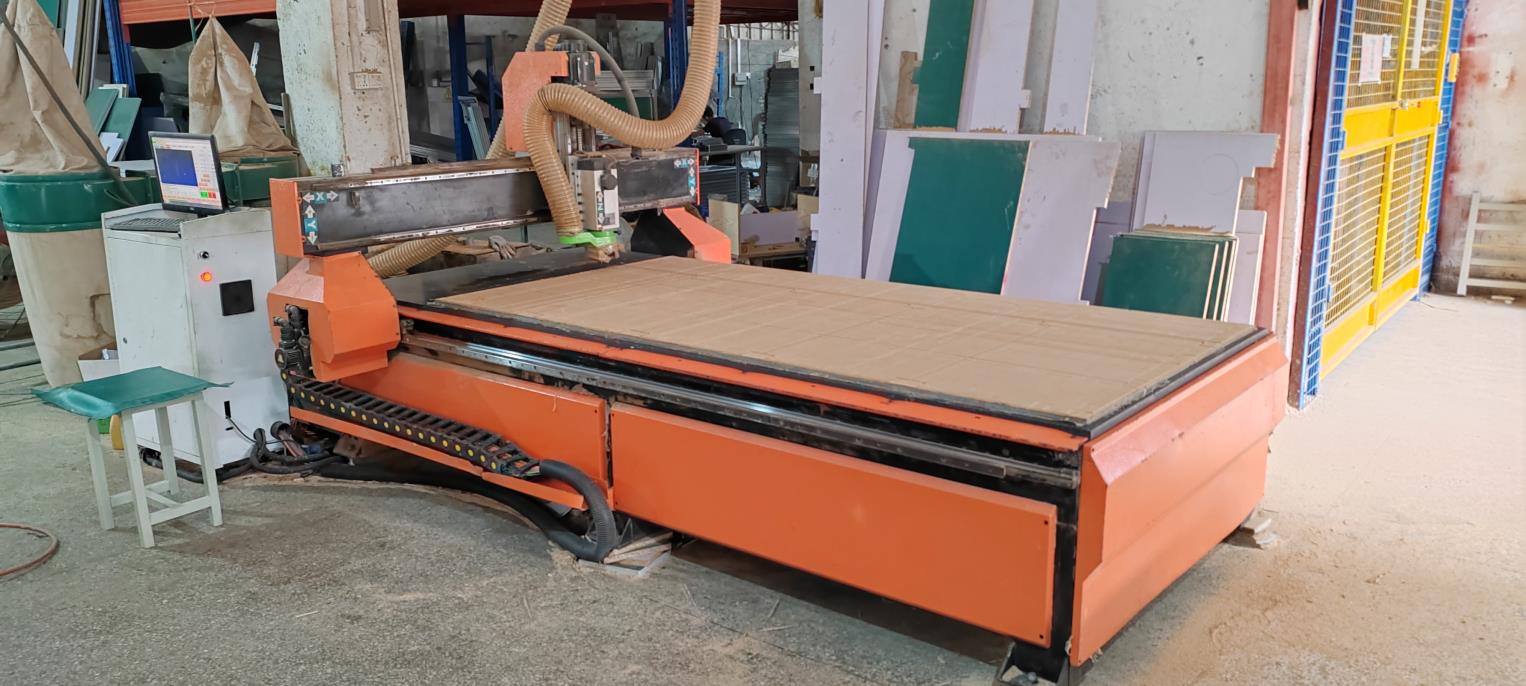
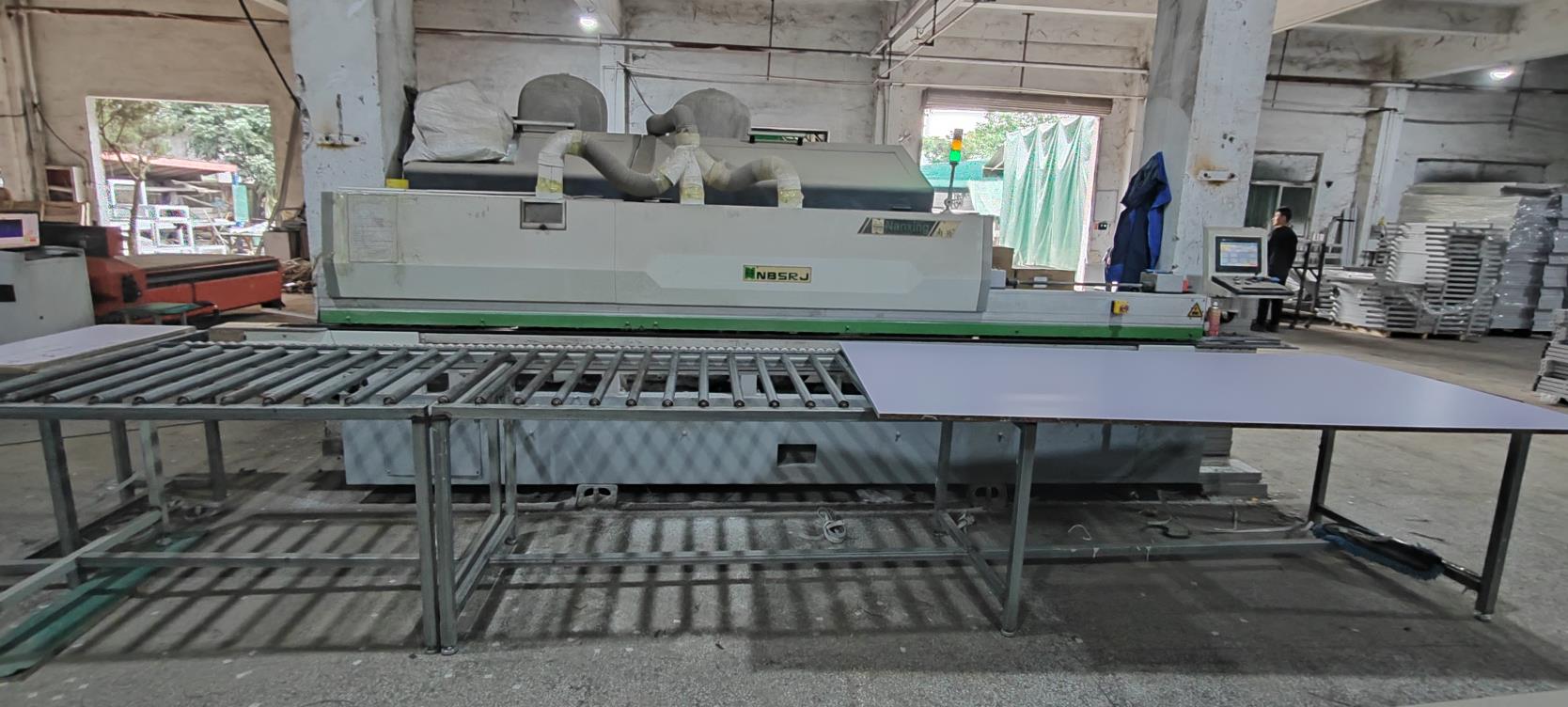
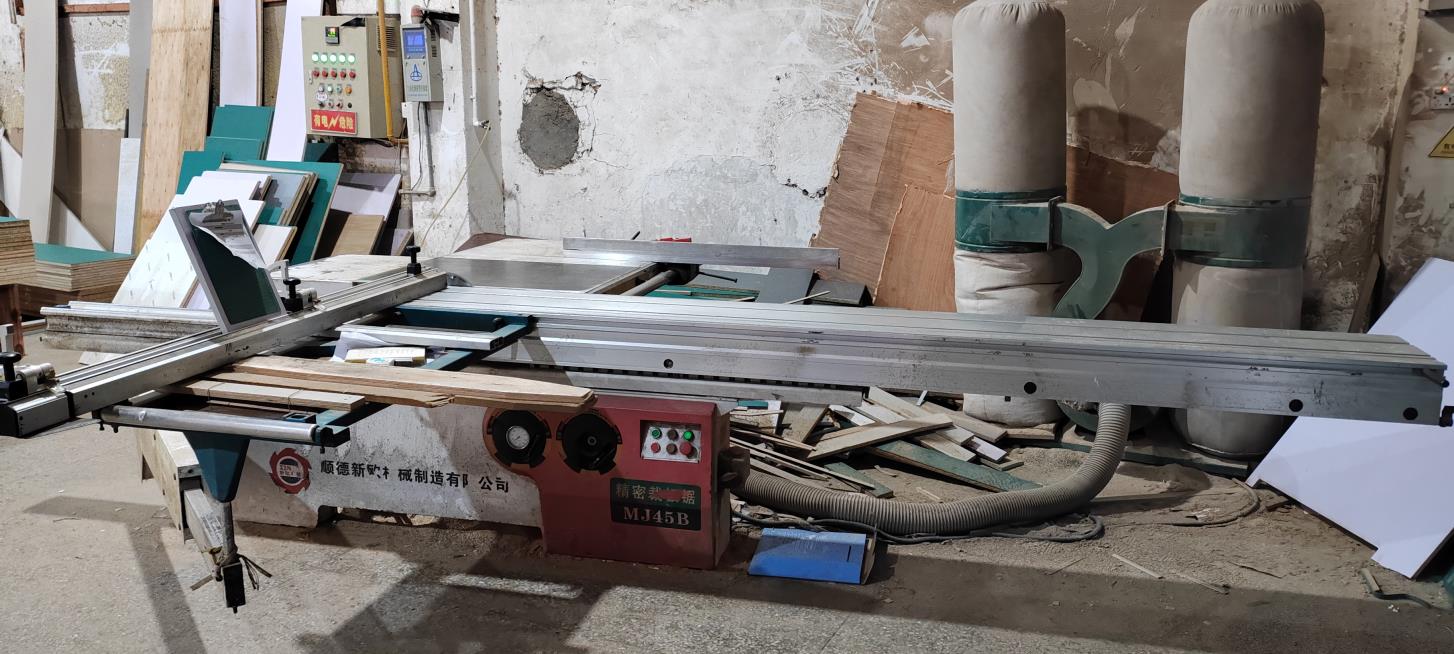
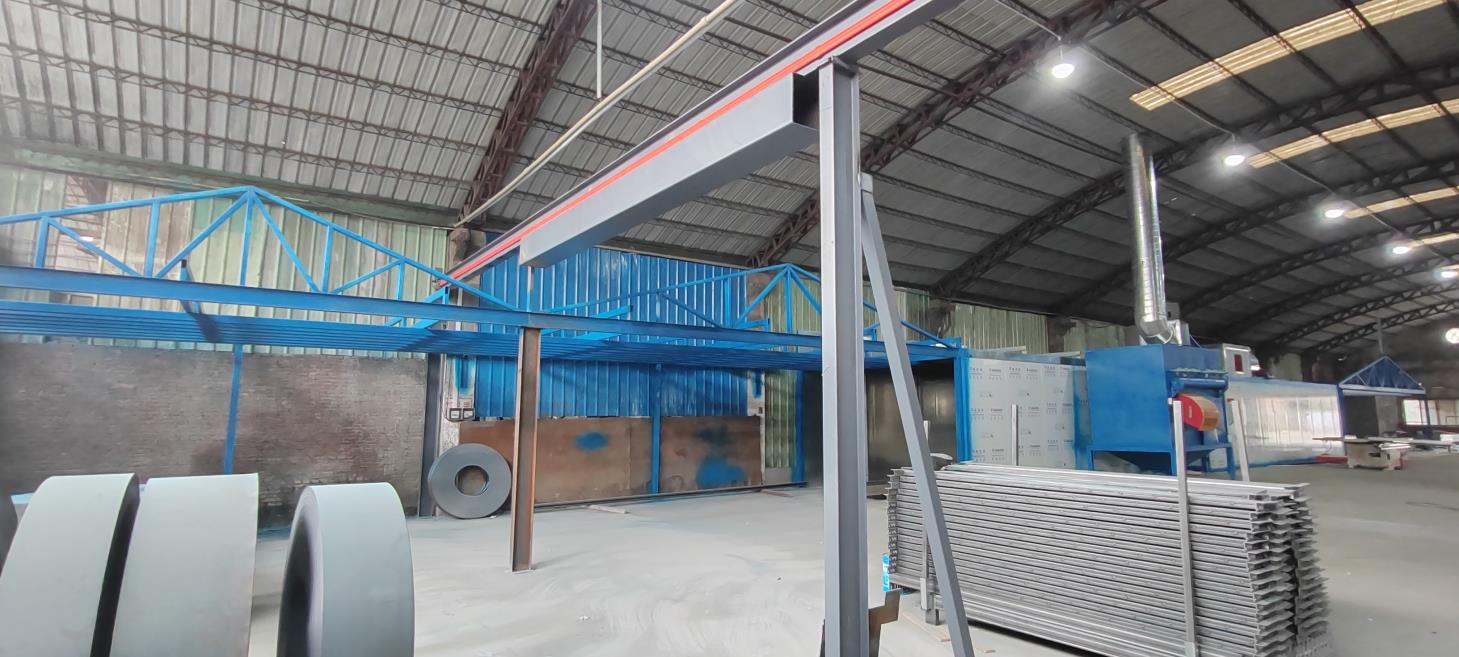
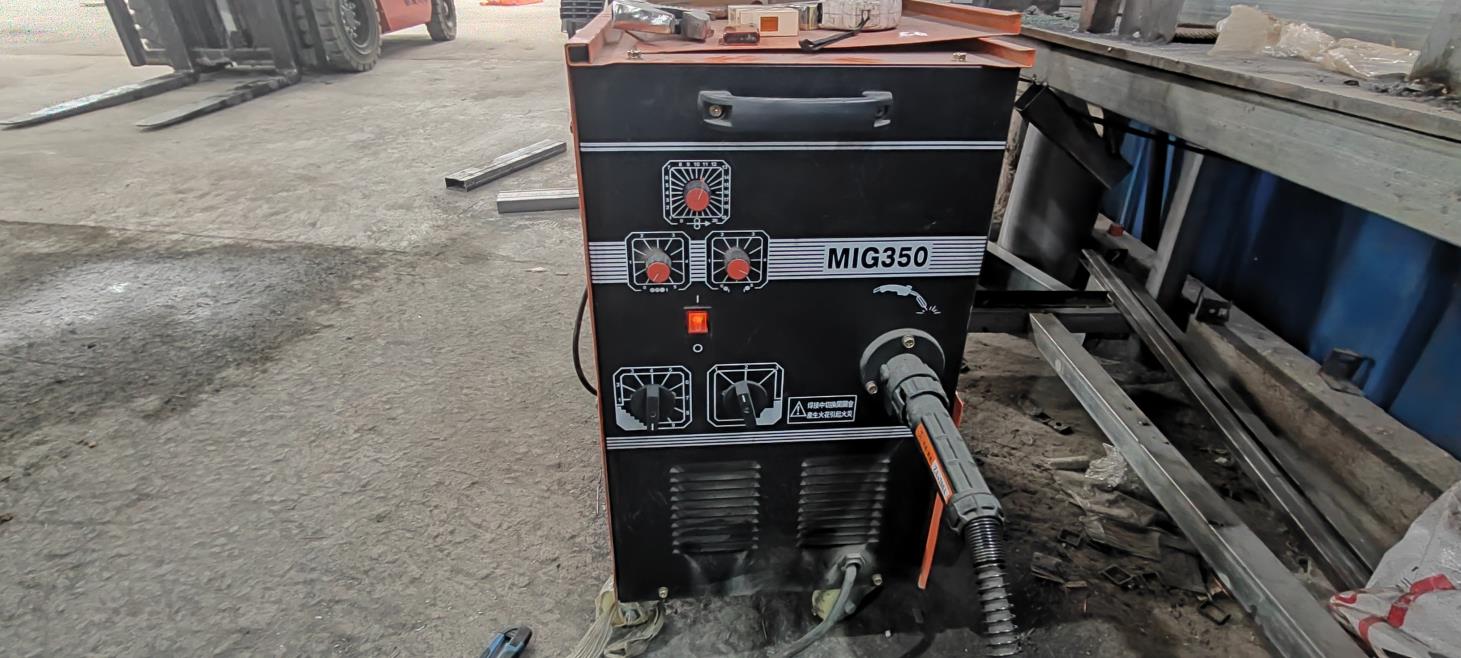
Industrial layouts require systems tailored to their operational parameters, environmental conditions, and local regulatory codes.
In Western European logistics networks, installations must strictly conform to EN 15512 standards for steel static storage systems. Solutions prioritize maximum workplace safety, including seismic hazard protection, anti-collapse wire meshing, and structural column protectors. Nanjing Fortis addresses these demands through automated manufacturing processes that maintain tight dimensional tolerances, facilitating direct compliance validation for developers.
South American supply chains often face high infrastructure costs. Industrial operators require durable, cost-efficient warehouse setups. Standardized structural crossbeam racks, heavy-duty trolleys, and cantilever configurations provide high load capacity without custom structural modifications.
Middle Eastern storage terminals deal with high ambient humidity, dust, and temperature swings. Racking setups require advanced surface prep. Our baking paint line applies robust powder coatings that prevent oxidation and surface failure, ensuring reliable performance in harsh environments.
Optimizing material flow requires aligning specific racking designs with operational storage methods:
Essential insights for procurement directors, logistics engineers, and project developers.
Load safety depends on the steel grade (e.g., Q235B vs. Q355B), column profile thickness, and structural layout. Frame depth, beam length, and connection points determine maximum static capacity. Every configuration must be analyzed under FEA simulations to ensure deflection stays within allowable limits under maximum loads.
Quality is controlled via automated CMM dimensional checks, automated punching/forming machinery, and salt spray testing. A team of 62 full-time QA professionals verifies conformance with ISO14001, ISO9001, and TUV standards at every production stage.
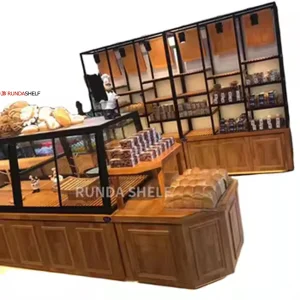
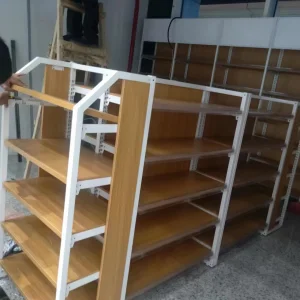
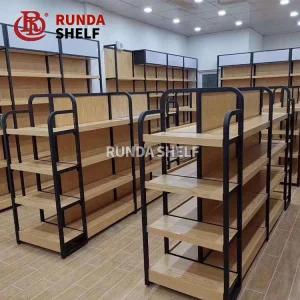
Wood-metal hybrid shelving balances strength with retail appeal. Steel components supply the load-bearing framework, while MDF or real wood paneling offers an appealing finish for customer-facing retail environments.
Our R&D team of 80 engineers supports custom modifications, including bespoke structural frames, specialized anti-corrosive coatings for cold storage, and complex pallet configurations. Last year, the team introduced 350 custom products to our global clients.
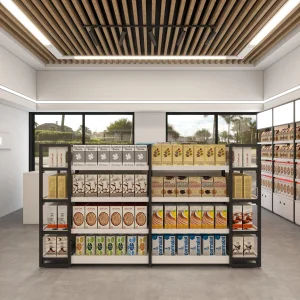
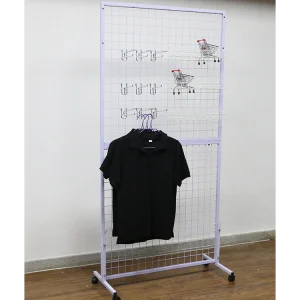
Explore our specialized retail fixtures, display systems, and robust material handling solutions designed for high operational demands.
 FortisRack