Precision-engineered systems customized for international retail, warehousing, and commercial pantry distribution.
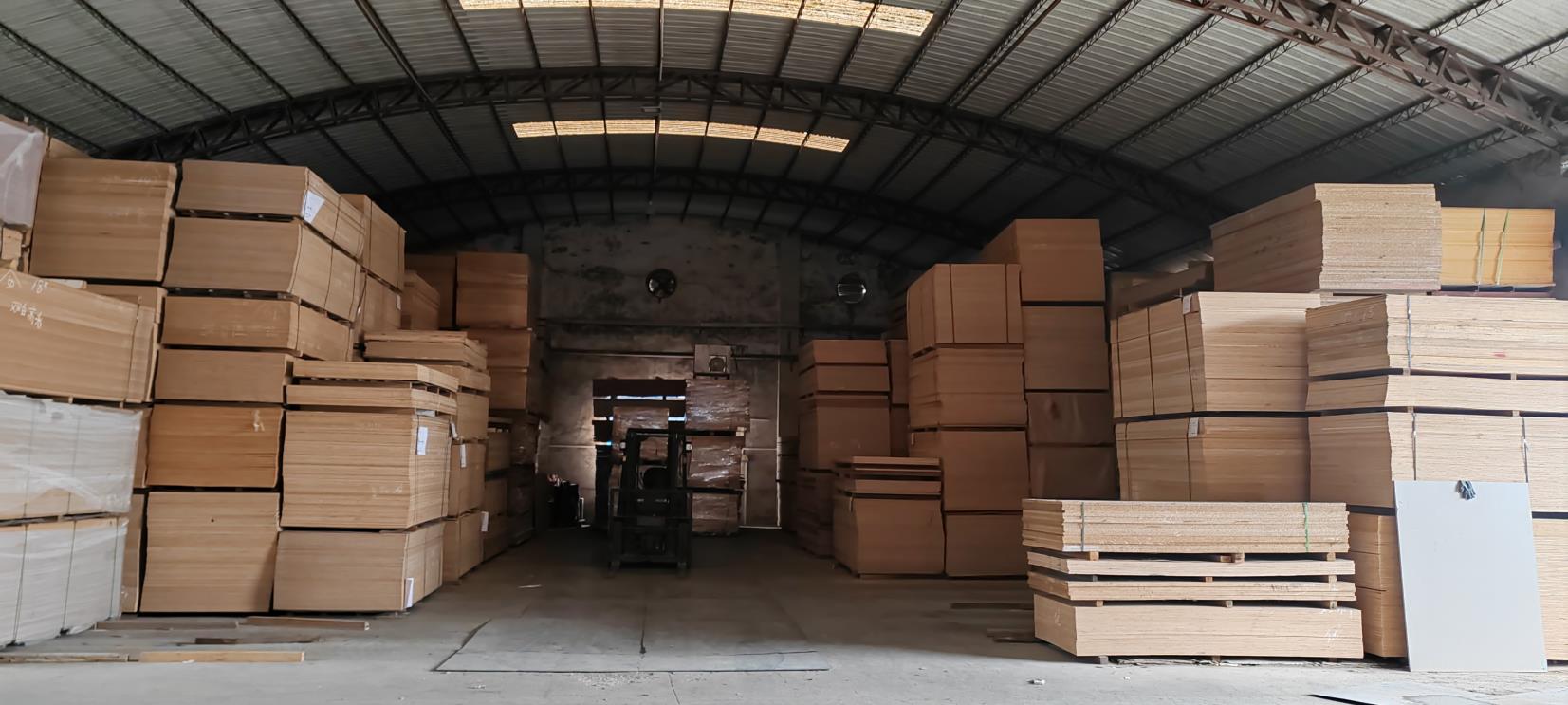
Established in 2016, Nanjing Fortis Storage Equipment Manufacturing Co., Ltd. has developed into a premier force in high-density storage manufacturing. We operate a modern industrial plant covering 48,000 m². Supported by 10 years of industry expertise and 7 years of global trade experience, our annual export turnover reaches $35 million.
We perform automated CMM dimensional inspections and salt spray corrosion testing with 62 full-time QA personnel to maintain ISO14001 and TUV quality standards. As a direct factory exporter, our primary footprints extend across Western Europe, South America, and the Middle East, integrated with a network of over 1,400 supply chain partners. Our client base mainly includes mega-warehouse developers, cold chain storage operators, and global retail chains. Our R&D team of 80 engineers specializes in bespoke structural adaptations, special surface coating treatments, and high-density racking configurations, introducing 350 innovative products to the global market last year.
The global supply chain is changing rapidly, driven by the expansion of e-commerce, automated distribution, and strict food safety regulations. These shifts have transformed the requirements for commercial pantry shelving and industrial racking. The modern pantry storage system has evolved beyond simple wood or wire shelving. It now serves as a key component of warehouse logistics, fast-moving consumer goods (FMCG) storage, and retail operations.
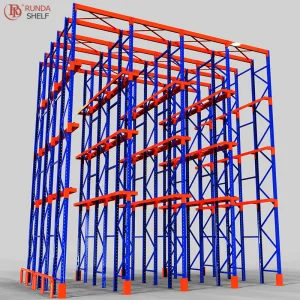
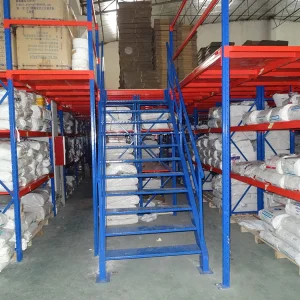
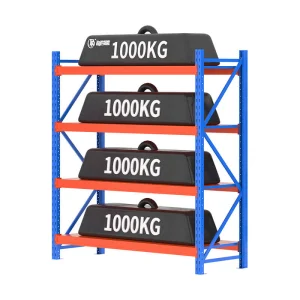
Urban real estate prices continue to rise, forcing distribution centers, commercial kitchens, and grocery retailers to optimize their storage density. Modern storage facilities are prioritizing vertical space. Standard static shelving is increasingly replaced by heavy-duty customized mezzanine racks and multi-level racking systems capable of supporting 1,000 kg to 3,000 kg load capacities. Utilizing taller vertical space helps operators decrease footprint costs while improving sorting efficiency.
Storage systems in commercial food service, pharmaceutical, and grocery applications must meet strict sanitary guidelines. Global procurement divisions now demand material safety credentials such as NSF certifications, ISO14001 environmental management protocols, and RoHS compliance for powder-coat finishes. The use of Q235B structural carbon steel has become standard due to its reliable weldability, structural strength, and performance under variable thermal conditions, including cold storage facilities.
Procuring large-scale storage systems requires a thorough review of structural safety, lifespan, and configuration flexibility. B2B buyers, supply chain heads, and developers look for specific technical indicators when choosing a manufacturer:
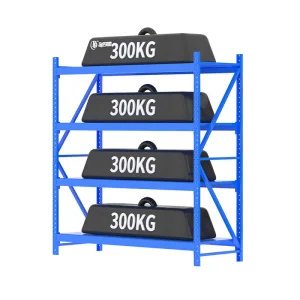
Industrial-grade steel like Q235B is essential for structural stability under loads ranging from 300kg to 3,000kg. Cold-rolled steel profiles provide uniform thickness and strength, preventing deflection under continuous heavy loads.
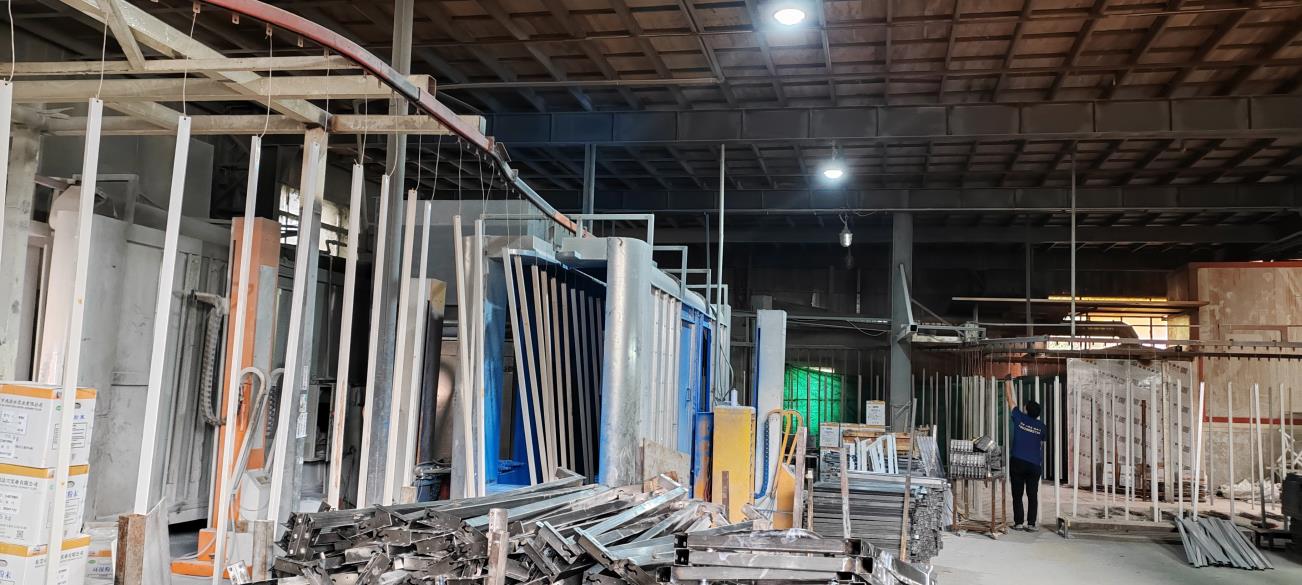
Commercial kitchen pantries and cold chain warehouses experience high humidity. Automated powder coating lines apply thermosetting epoxy polyester, which is validated by salt spray testing to prevent oxidation and chemical erosion.
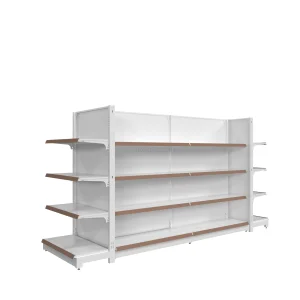
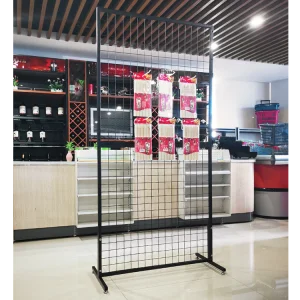
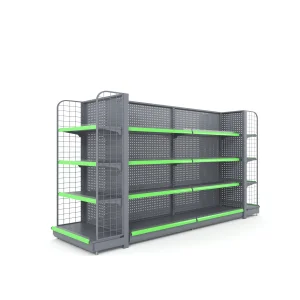
Global retailers require storage shelves that adapt to varying retail floor plans. Fast-locking connector clips, height-adjustable beams, and multi-tier wire gridwall panels enable layout modification without requiring specialized tooling.
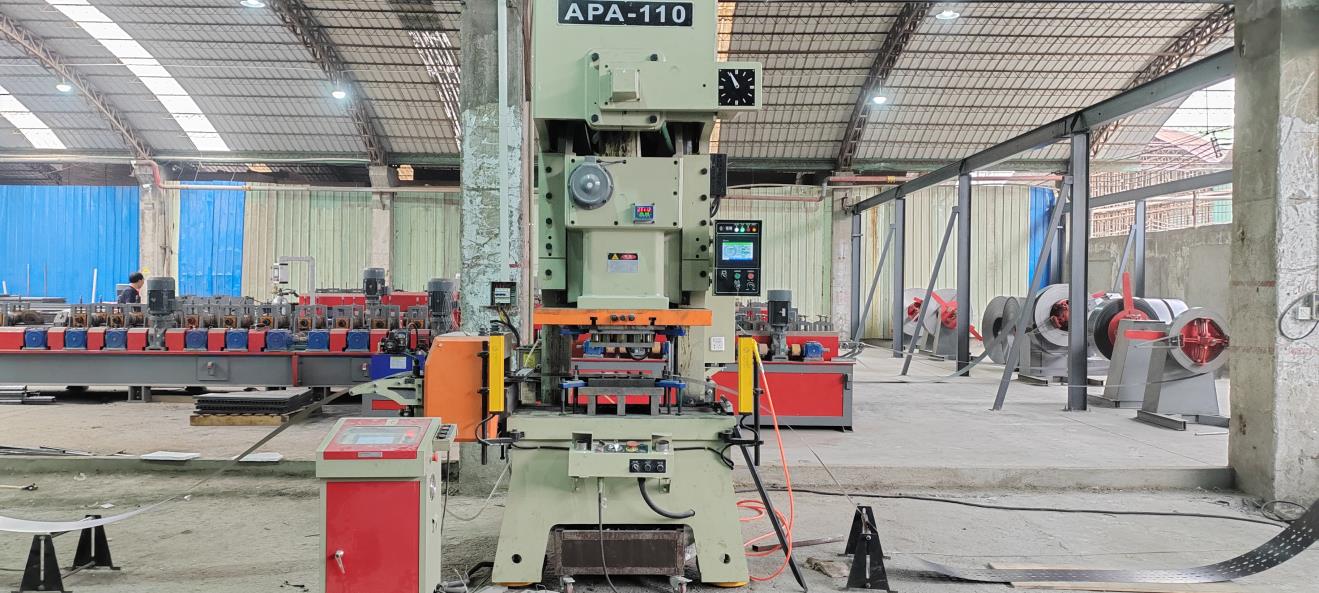
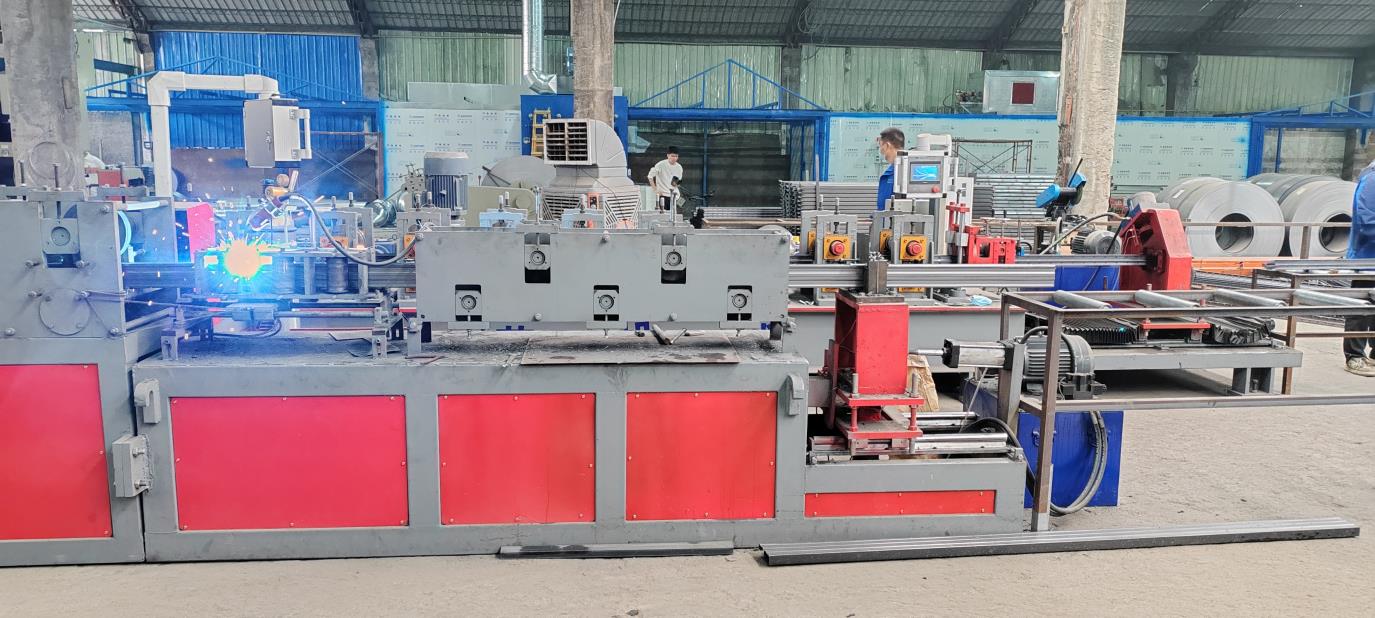
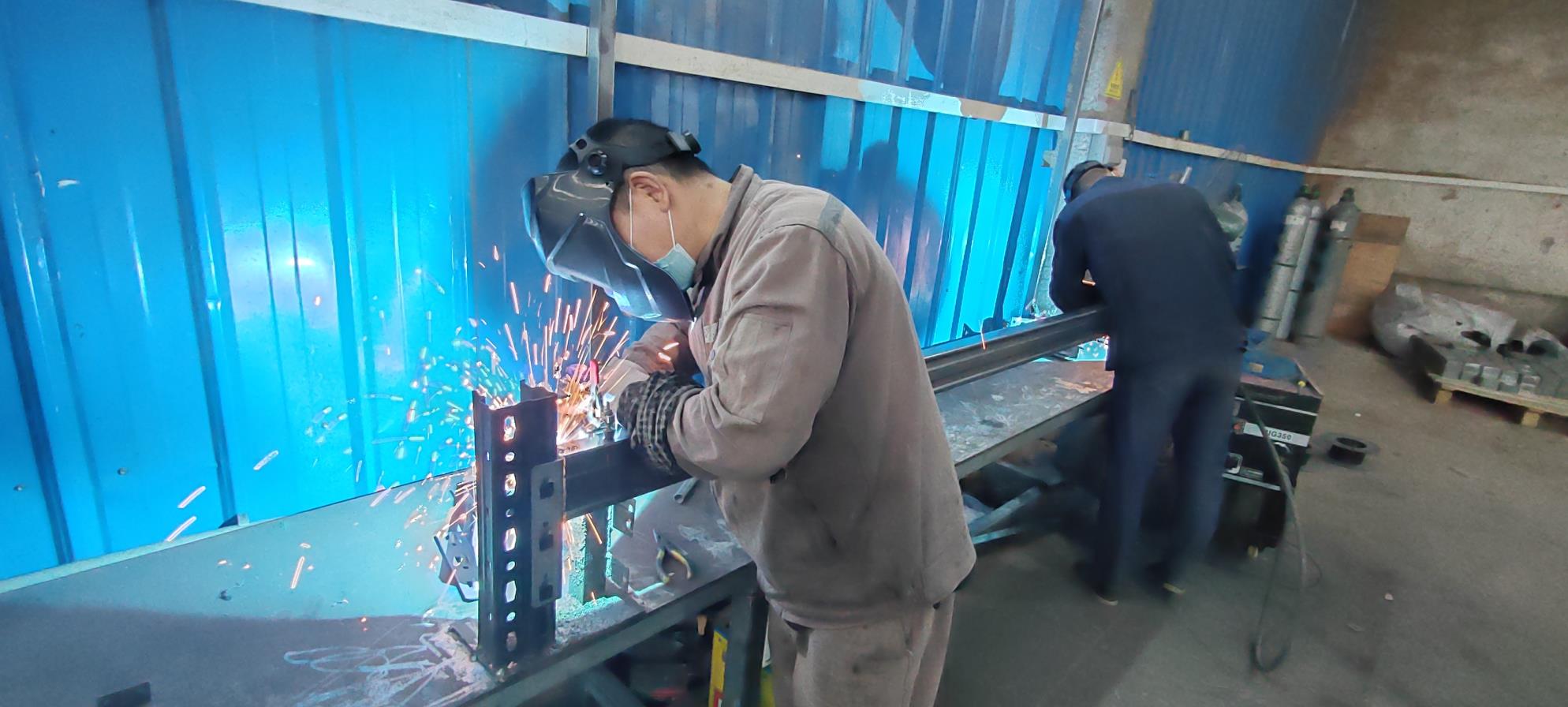
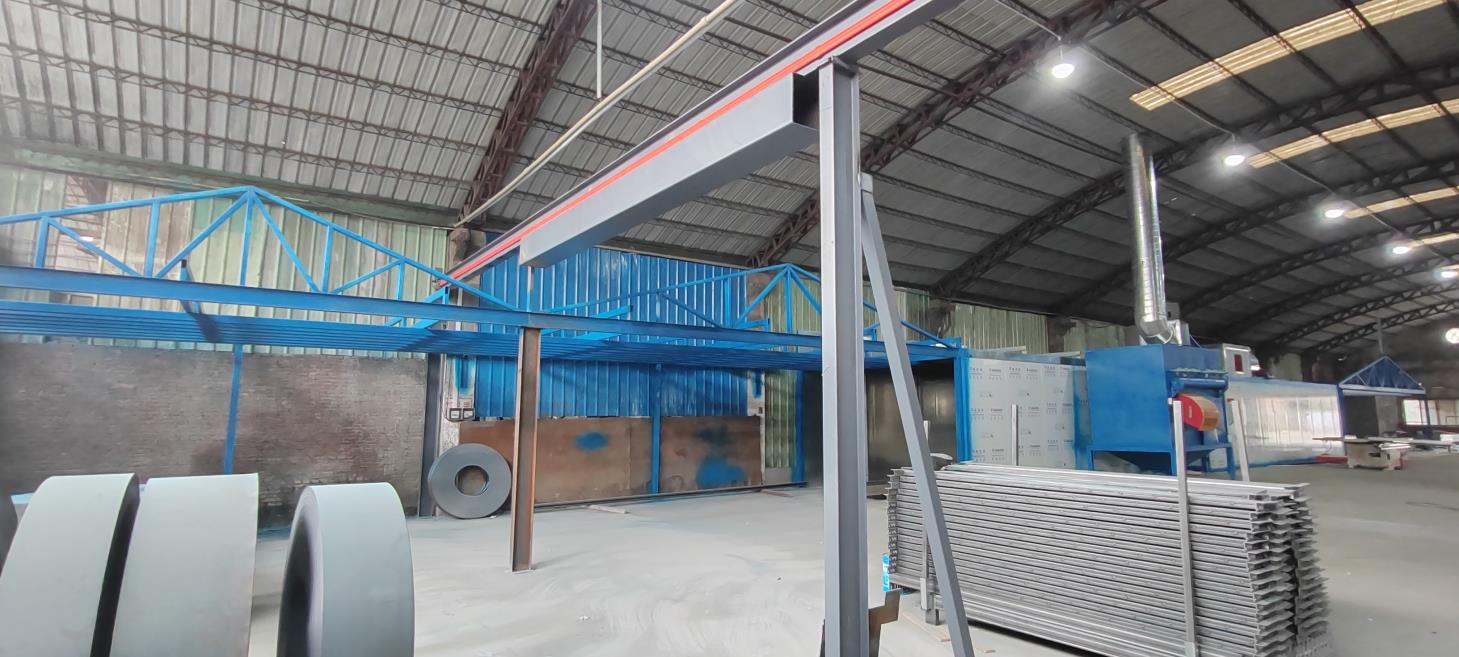
The modern manufacturing footprint of Chinese storage exporters has advanced significantly beyond simple manual assembly. Through integration with Industry 4.0 standards, Nanjing Fortis has built an automated production system that combines structural design, precision manufacturing, and rigorous quality control.
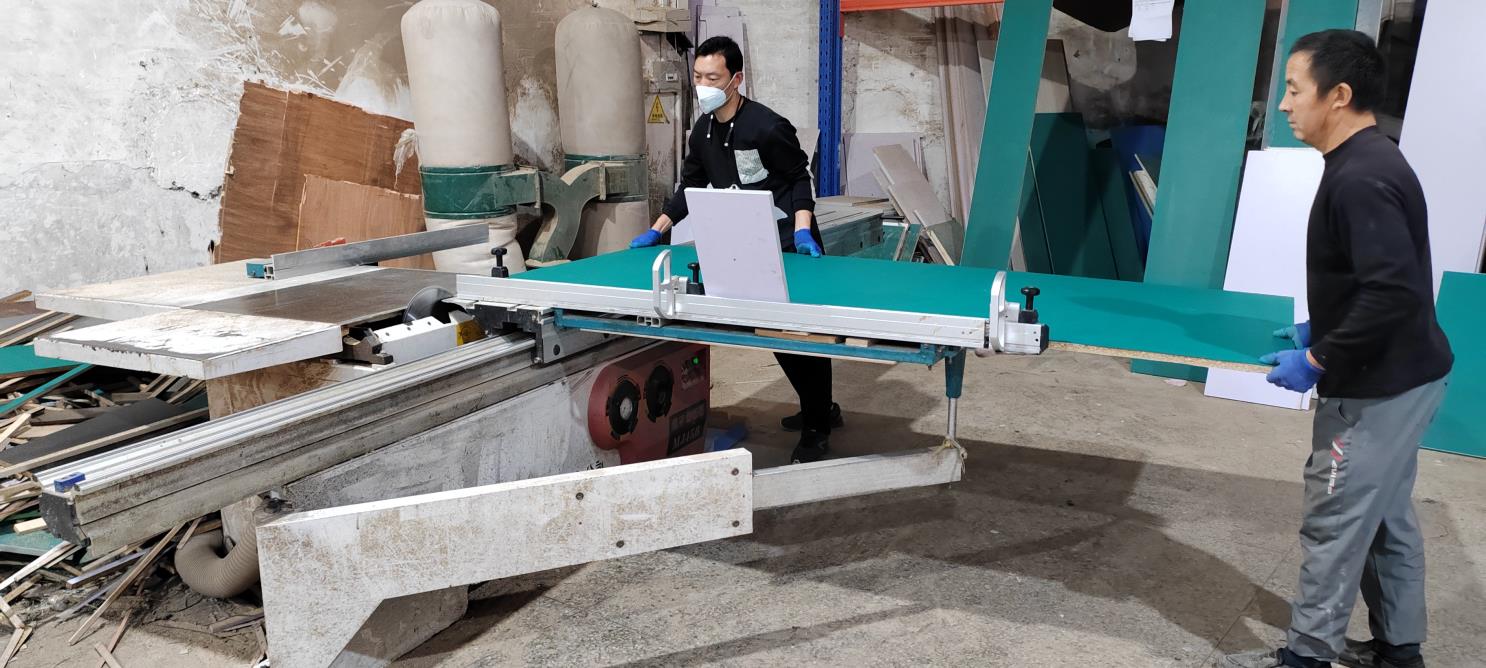
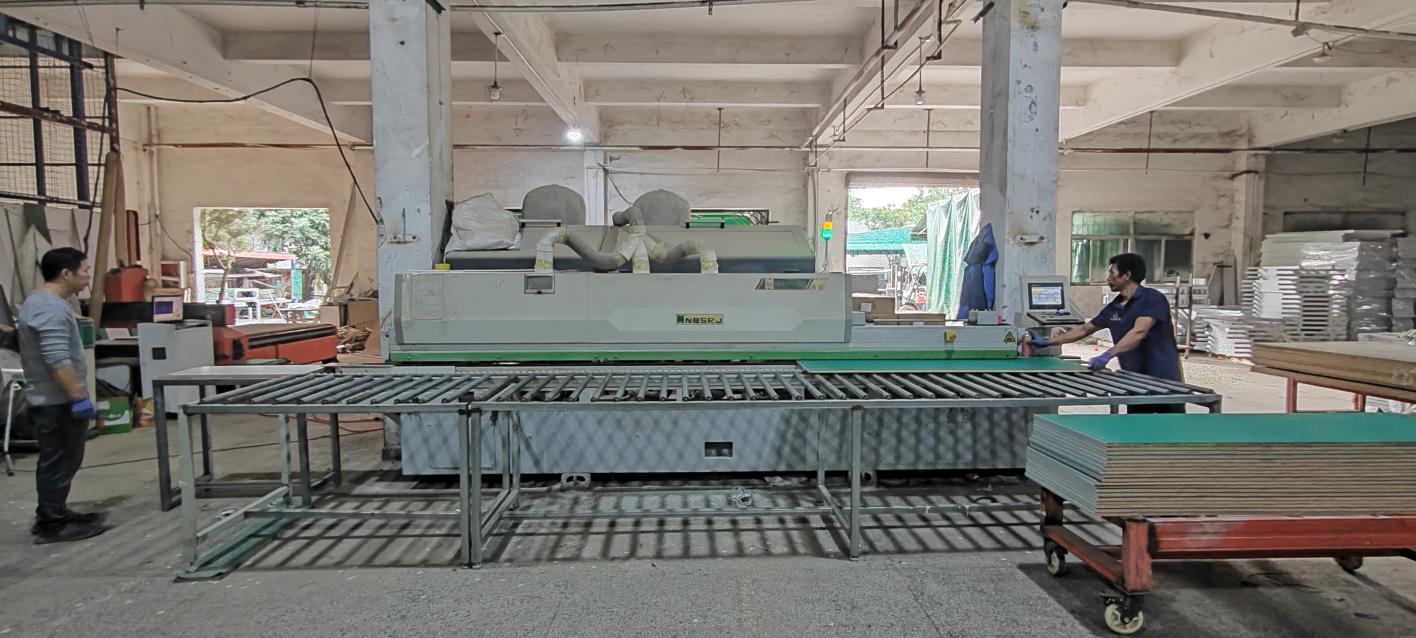
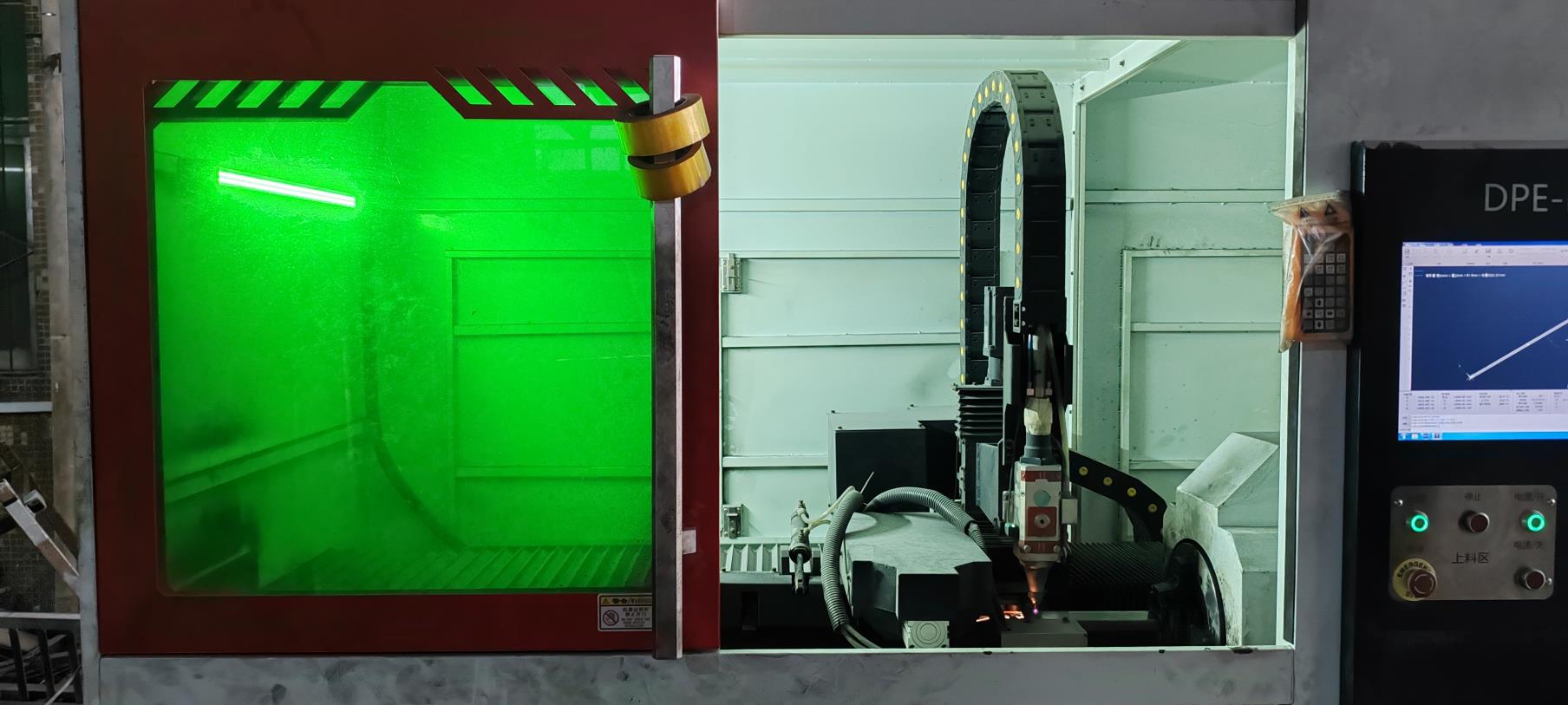
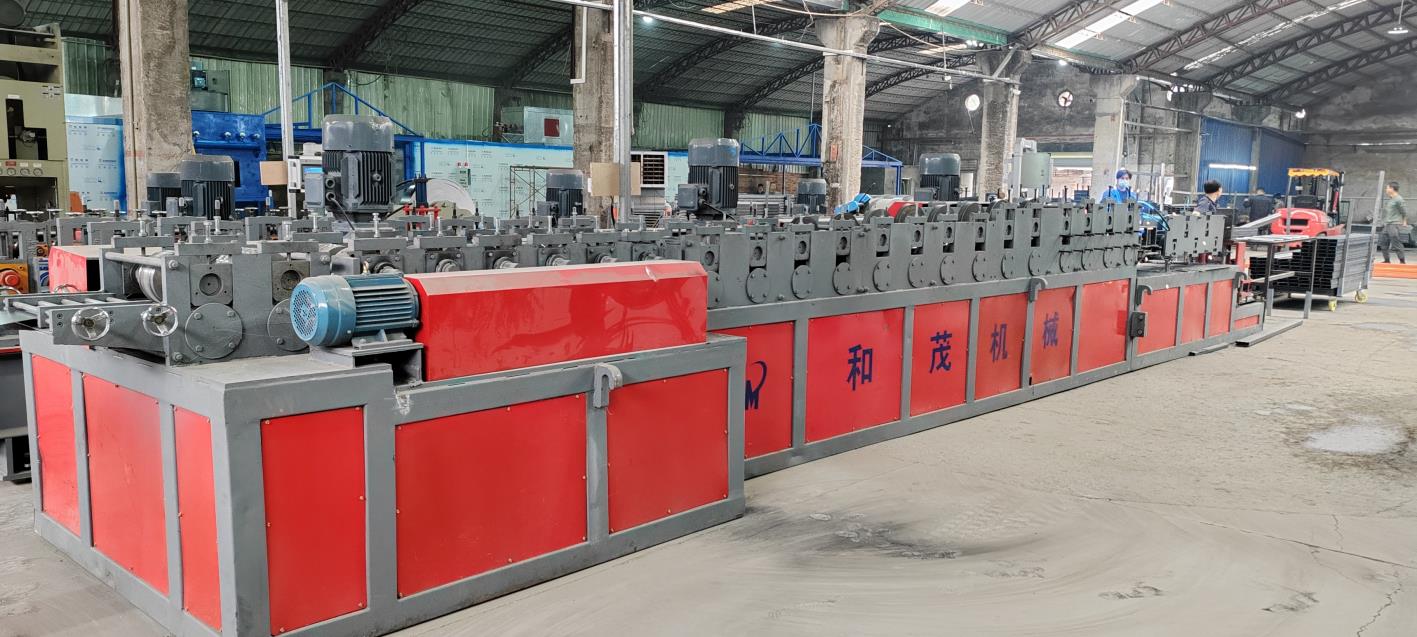
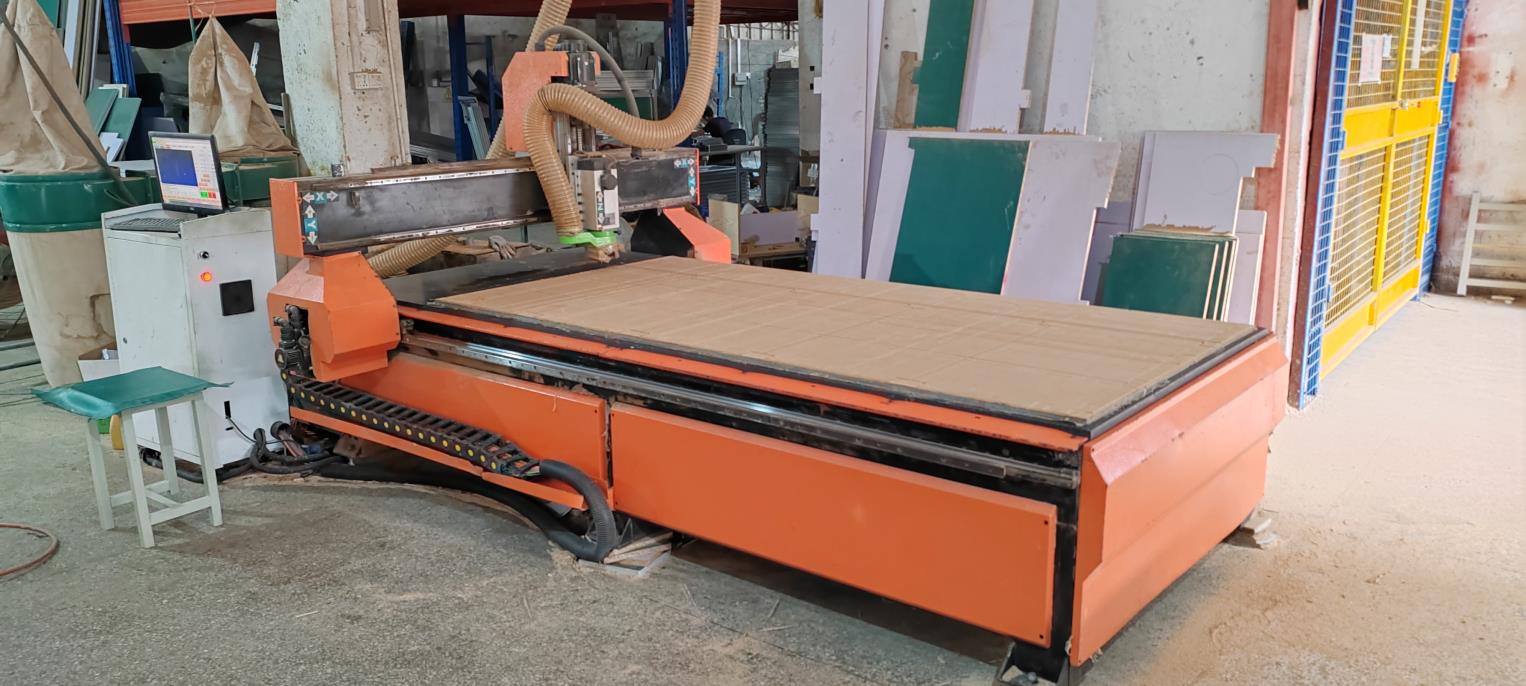
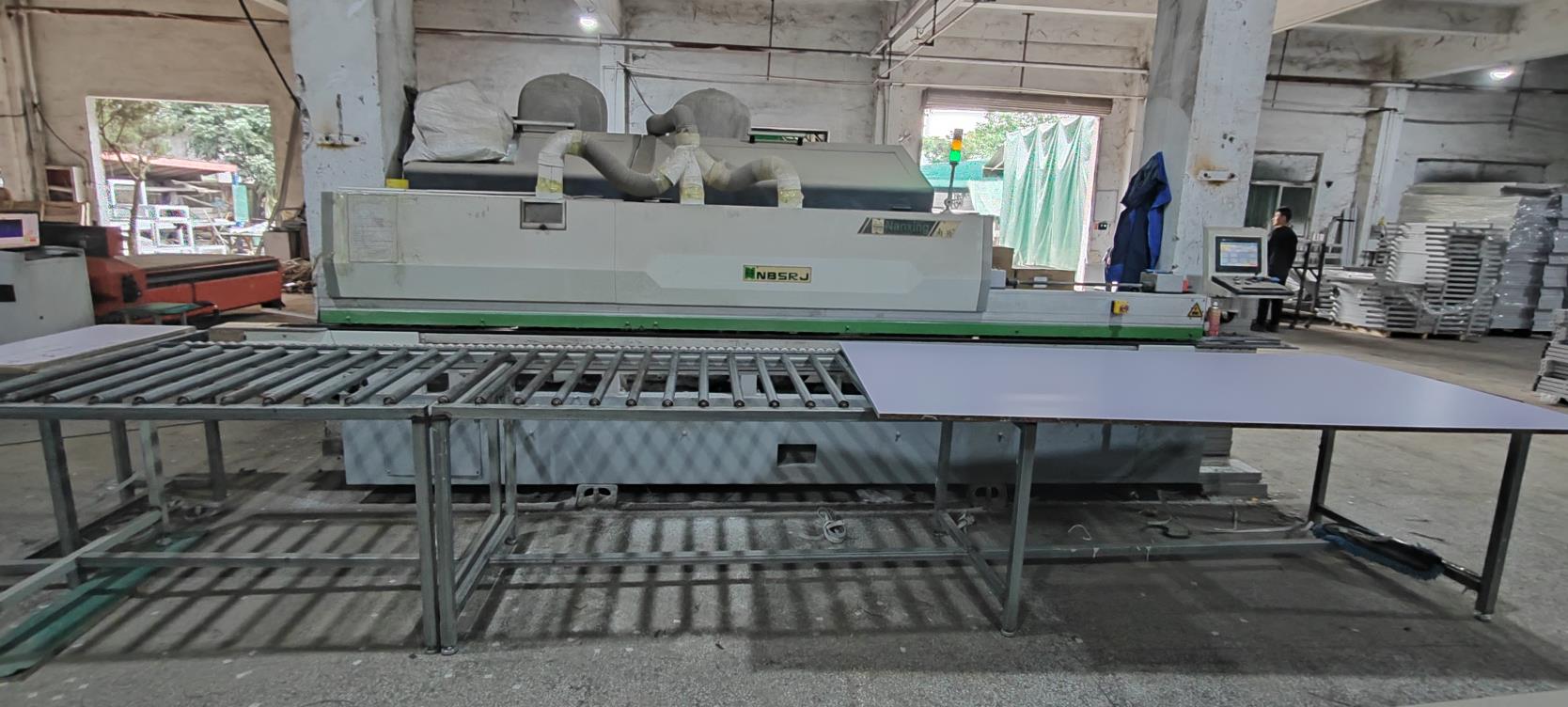
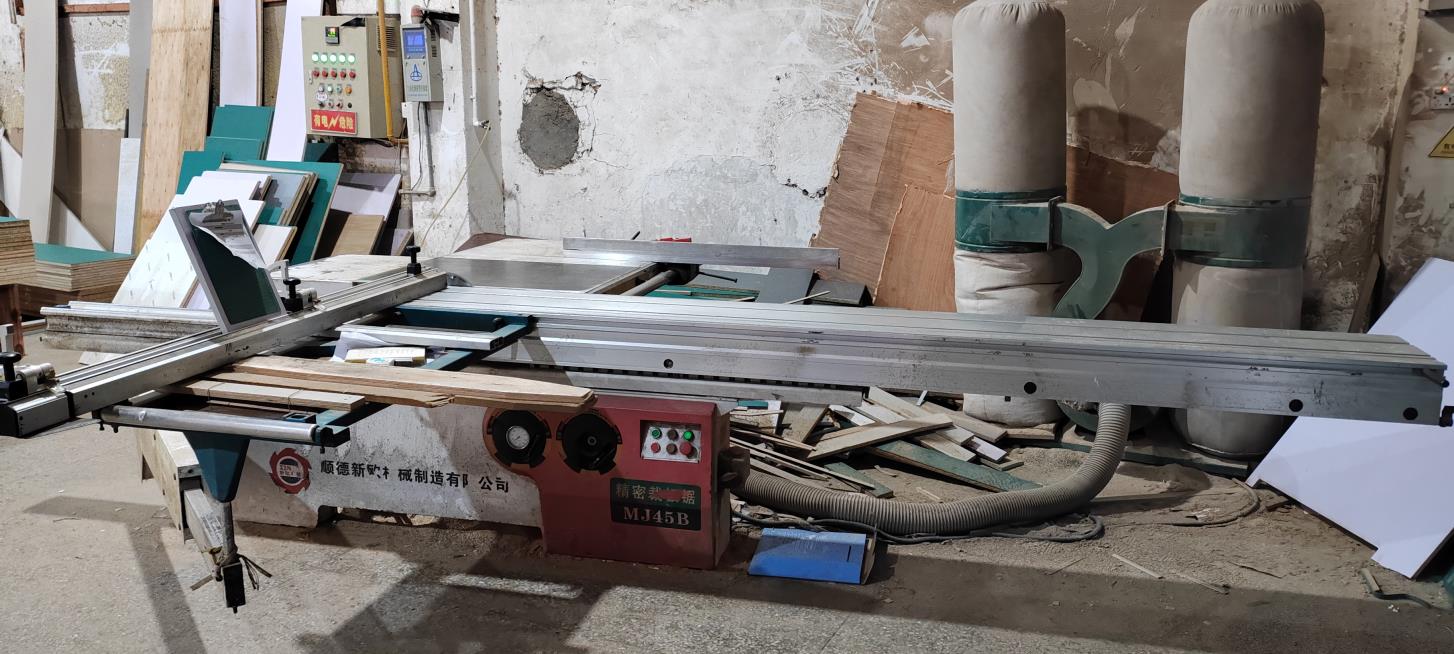
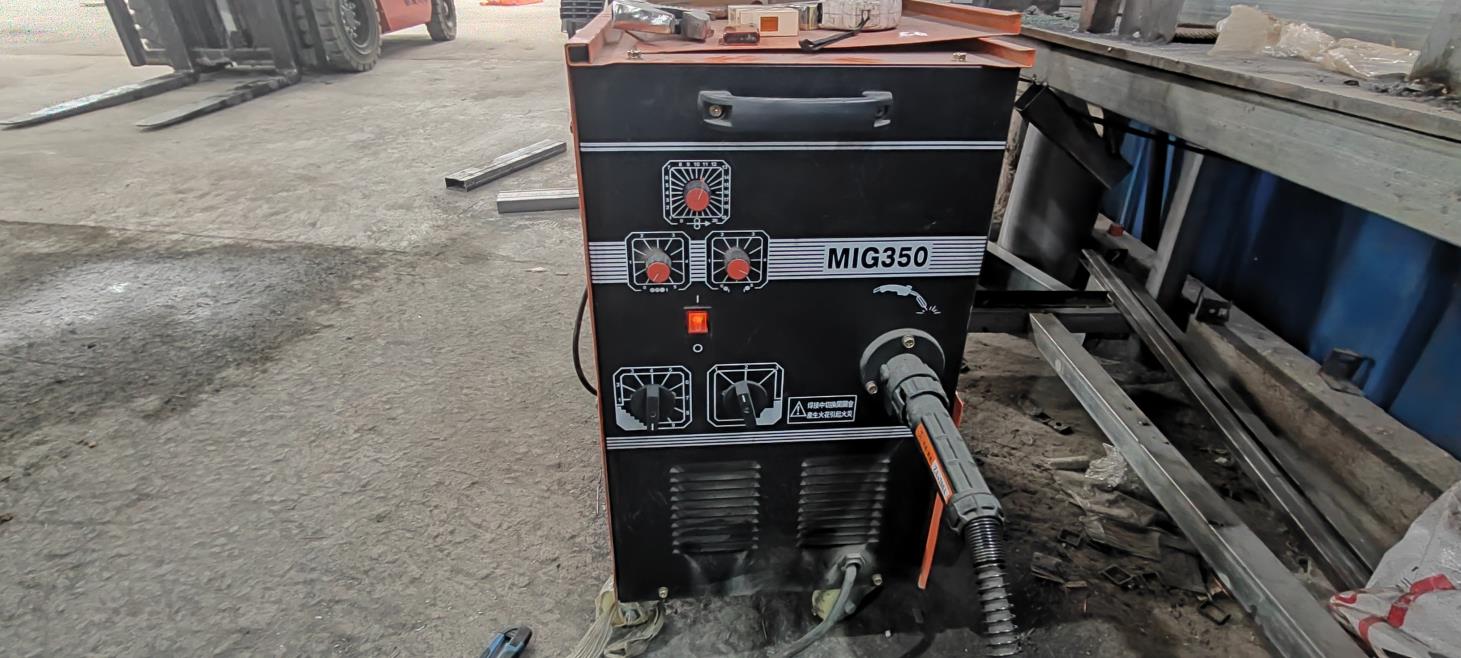
Our 48,000 m² facility features automated laser cutters, punching machines, forming machines, and robotic welding stations. This automated workflow maintains product dimensions within tight tolerances, ensuring reliable structural assembly on-site. By minimizing material waste and manual labor steps, we pass cost savings directly to global distributors and developers.
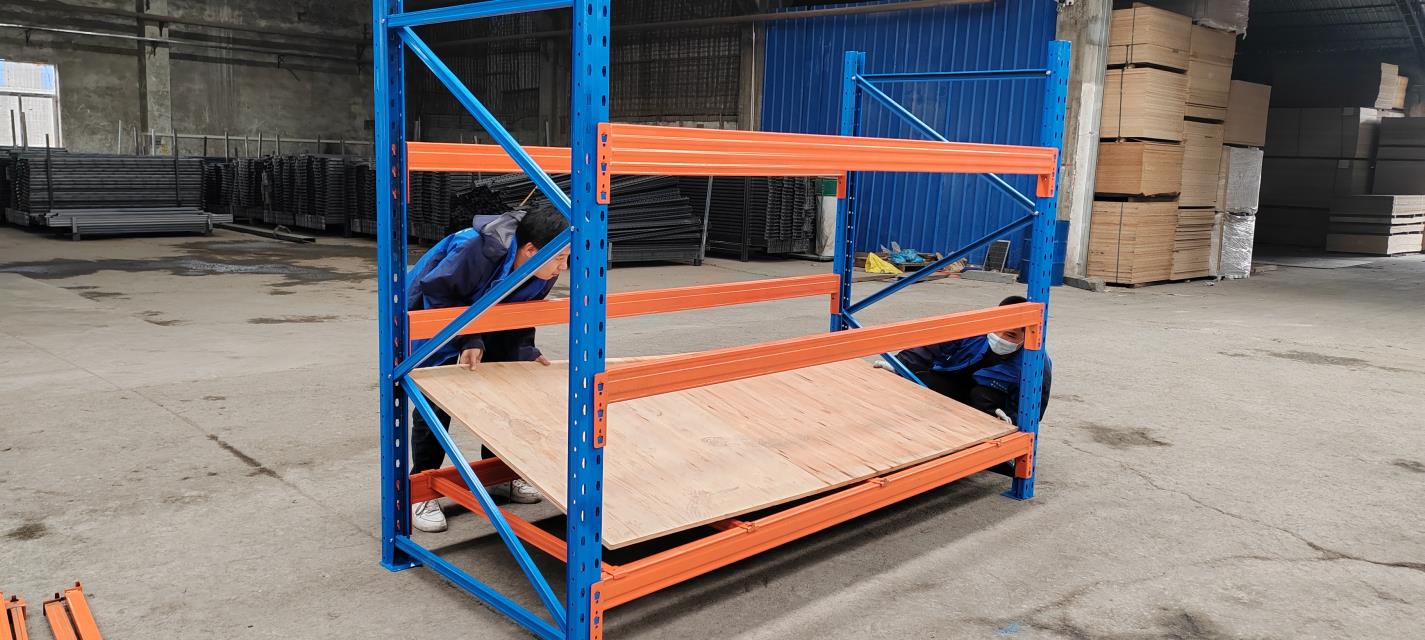
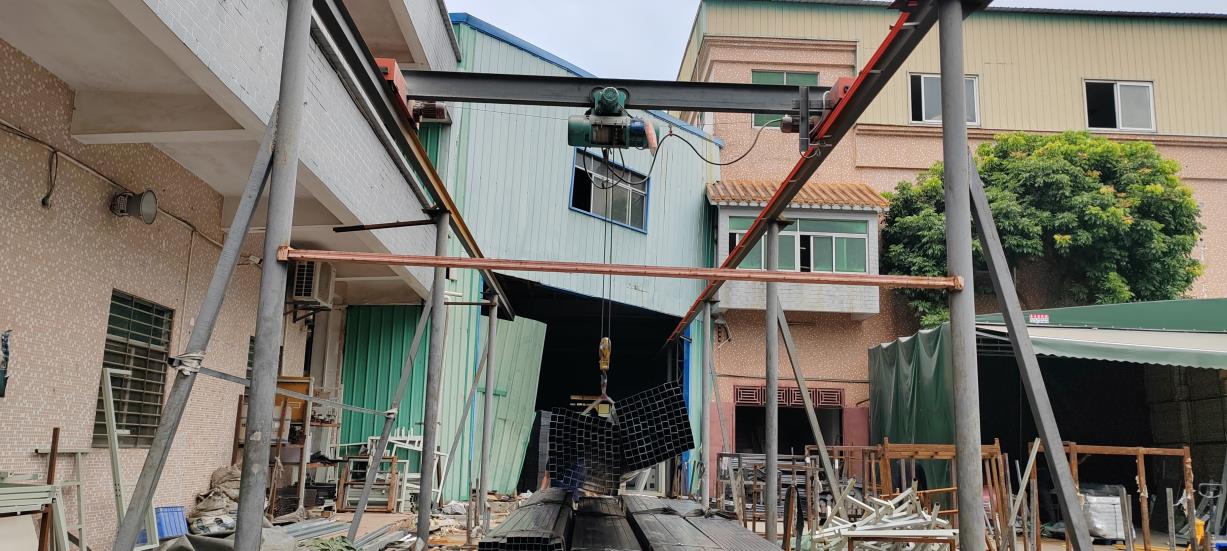
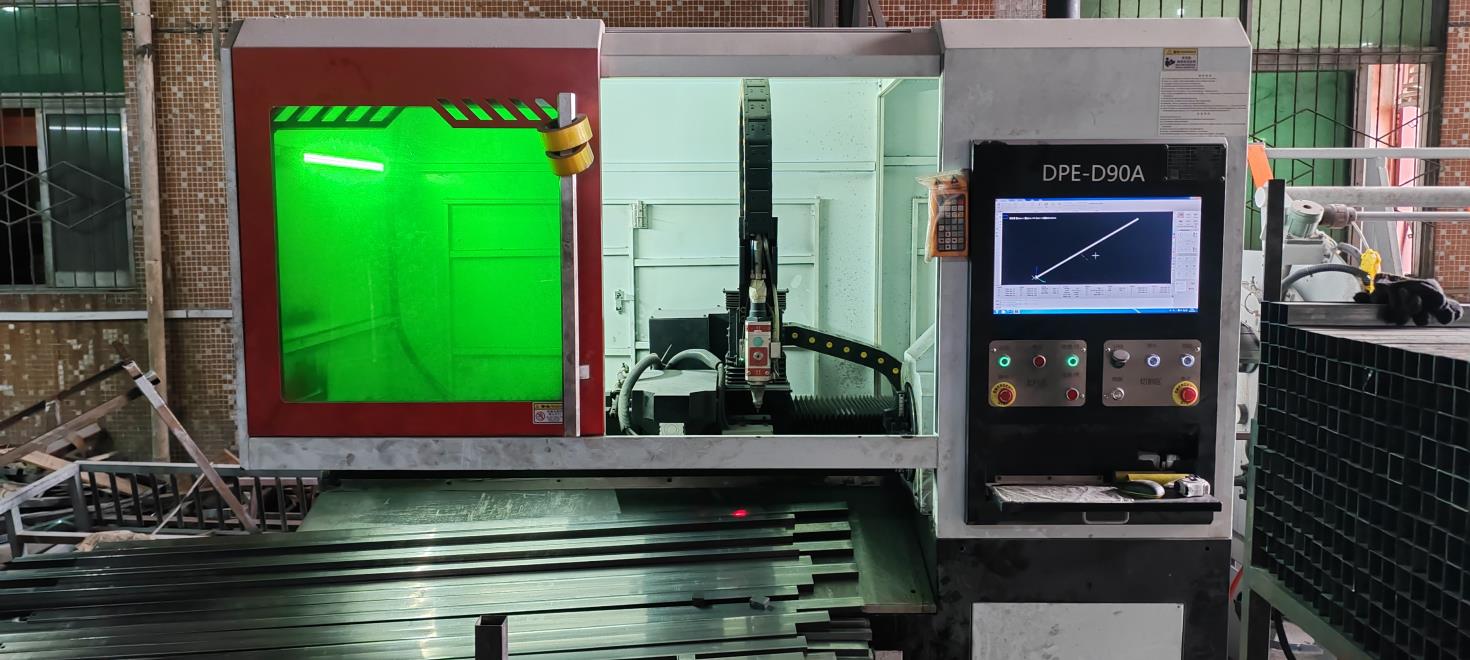
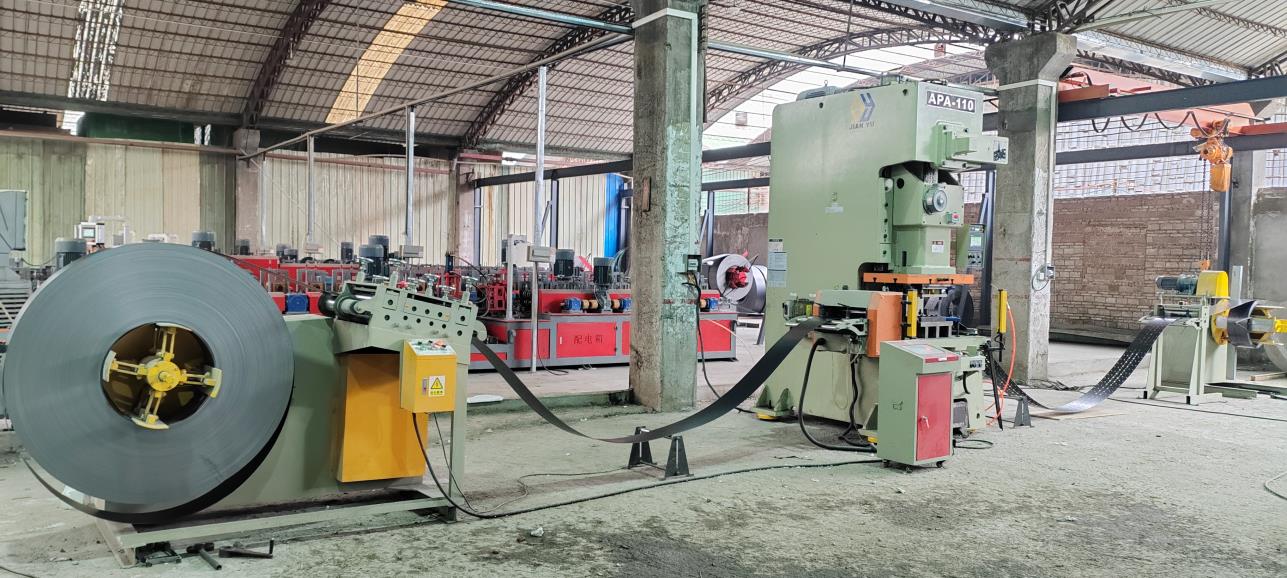
Varying regulatory standards and consumer demands require regional differentiation in storage rack design:
Focuses on NSF compliance, open-wire configurations to maximize airflow and overhead sprinkler reach, and zinc-plated or stainless steel construction for rust resistance in walk-in cold rooms.
Prioritizes Euro-pallet compatibility, safety factor optimization compliant with FEM/EN standards, and modular additions like custom mezzanine levels for urban hubs.
Requires heavy duty warehouse systems that handle temperature and humidity changes between external environments and refrigerated rooms without paint chipping or steel embrittlement.
Supporting global retail, supermarket networks, and commercial operations with custom storage solutions.
 FortisRack