Engineered structural pallet racking, heavy-duty modular shelves, and optimized warehouse storage interfaces designed to sustain dynamic commercial loads.
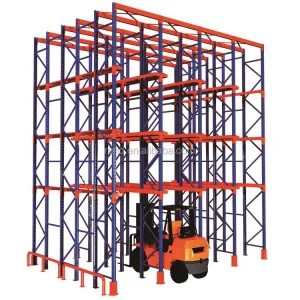
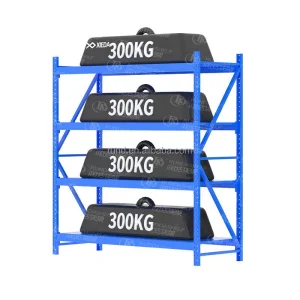
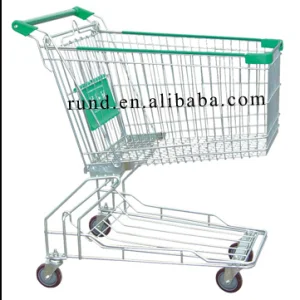
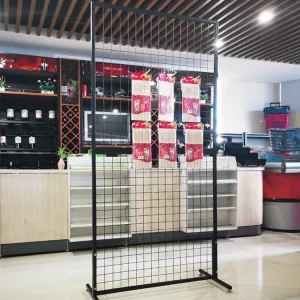
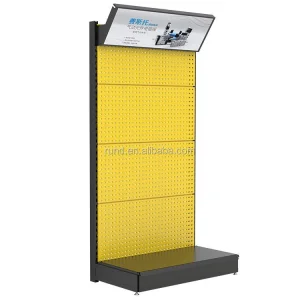
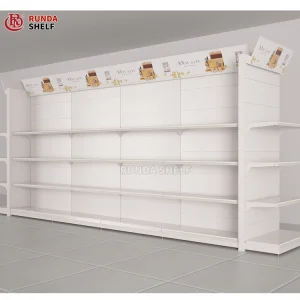
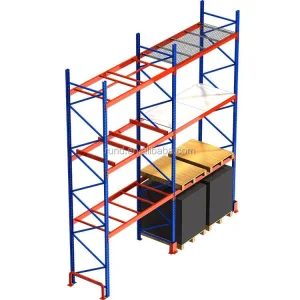
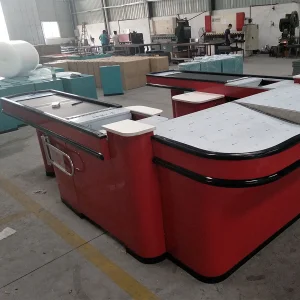
In an era defined by rapid SKU proliferation, automated fulfillment, and escalating land valuations, heavy-duty industrial storage has transitioned from static steel shelving into highly engineered, dynamic load-bearing infrastructure. Modern warehouses require racking configurations that maximize vertical spatial volume (cube utilization) while guaranteeing absolute structural integrity, occupant safety, and seamless integration with Automated Storage and Retrieval Systems (ASRS).
Global procurement vectors indicate a strategic shift toward specialized Chinese manufacturing hubs capable of delivering high-tensile structural steel (specifically Q235B and Q355B grades) formatted to strict international codes. Enterprises in Western Europe, North America, and South America prioritize suppliers who do not merely manufacture products but offer end-to-end engineering, localized seismic compliance, and advanced corrosion-resistant surface coatings.
Industrial racking configurations must be structurally modeled using Finite Element Analysis (FEA) to simulate wind, live mechanical impact, and seismic loads. Under European standard EN 15512 and the US Rack Manufacturers Institute (RMI) guidelines, racking systems must implement strict deflection limits (typically L/200 for beams) and contain calculated structural redundancy. In seismically active regions, such as the Andean corridor in South America or parts of the Middle East, structural steel frames demand heavy-duty base plates, customized cross-bracing configurations, and thicker upright profiles to absorb and dissipate lateral kinetic energy.
A direct-factory OEM/ODM powerhouse driving state-of-the-art logistics and racking solutions worldwide since 2016.
Nanjing Fortis commands deep industry expertise combined with 7 years of global trade experience, integrating a network of over 1,400 supply chain partners. Our client base mainly includes mega-warehouse developers, cold chain storage operators, and global retail chains. Through automated production technology, strict quality control complying with ISO14001 and TUV standards, and specialized structural engineering, we successfully introduced 350 innovative products to the global market last year.
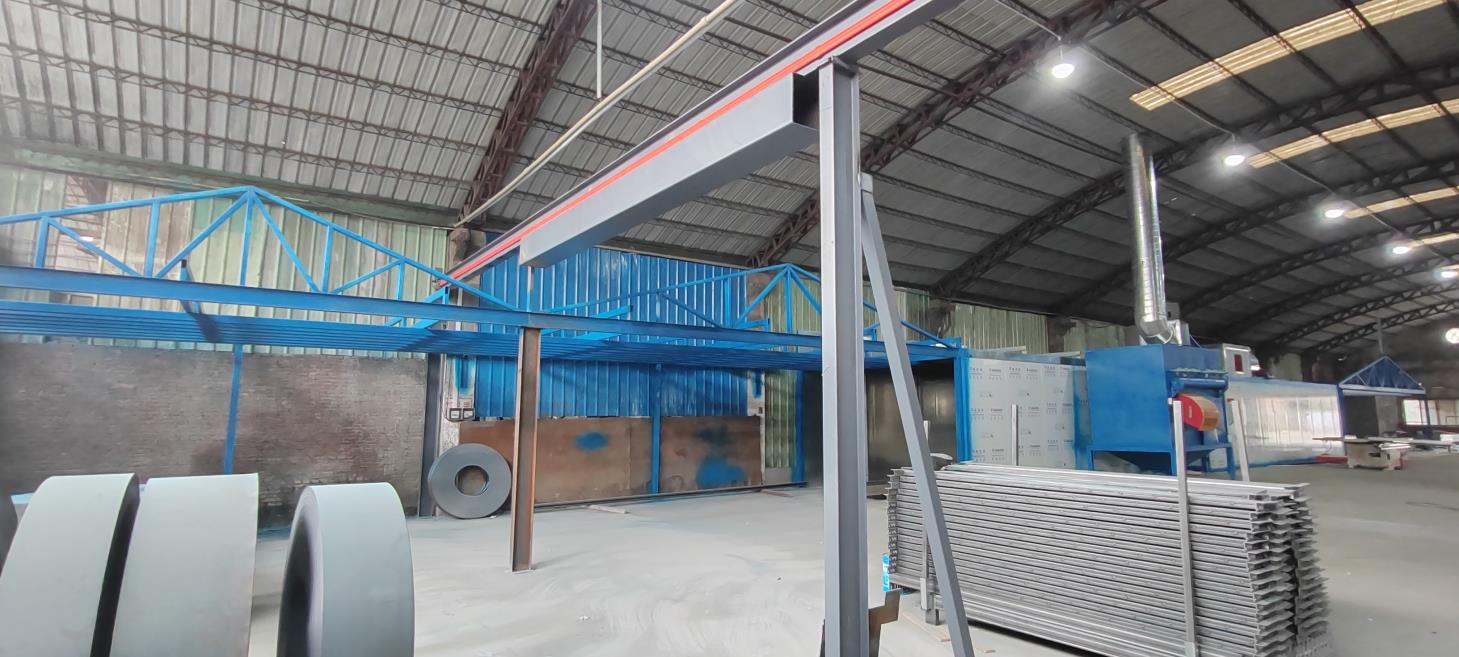
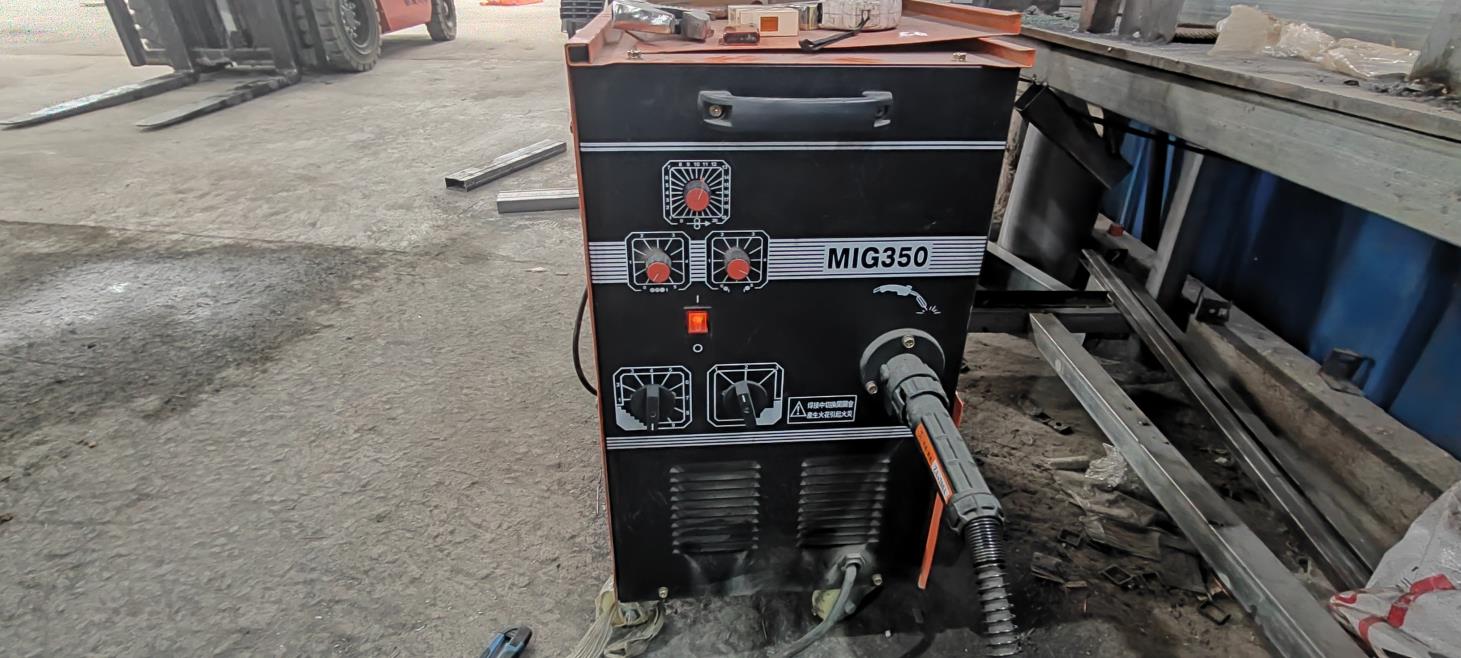
Trace the lineage of raw steel as it progresses through our automated manufacturing plant, guaranteeing millimeter-level tolerances and superior powder-coated finishes.
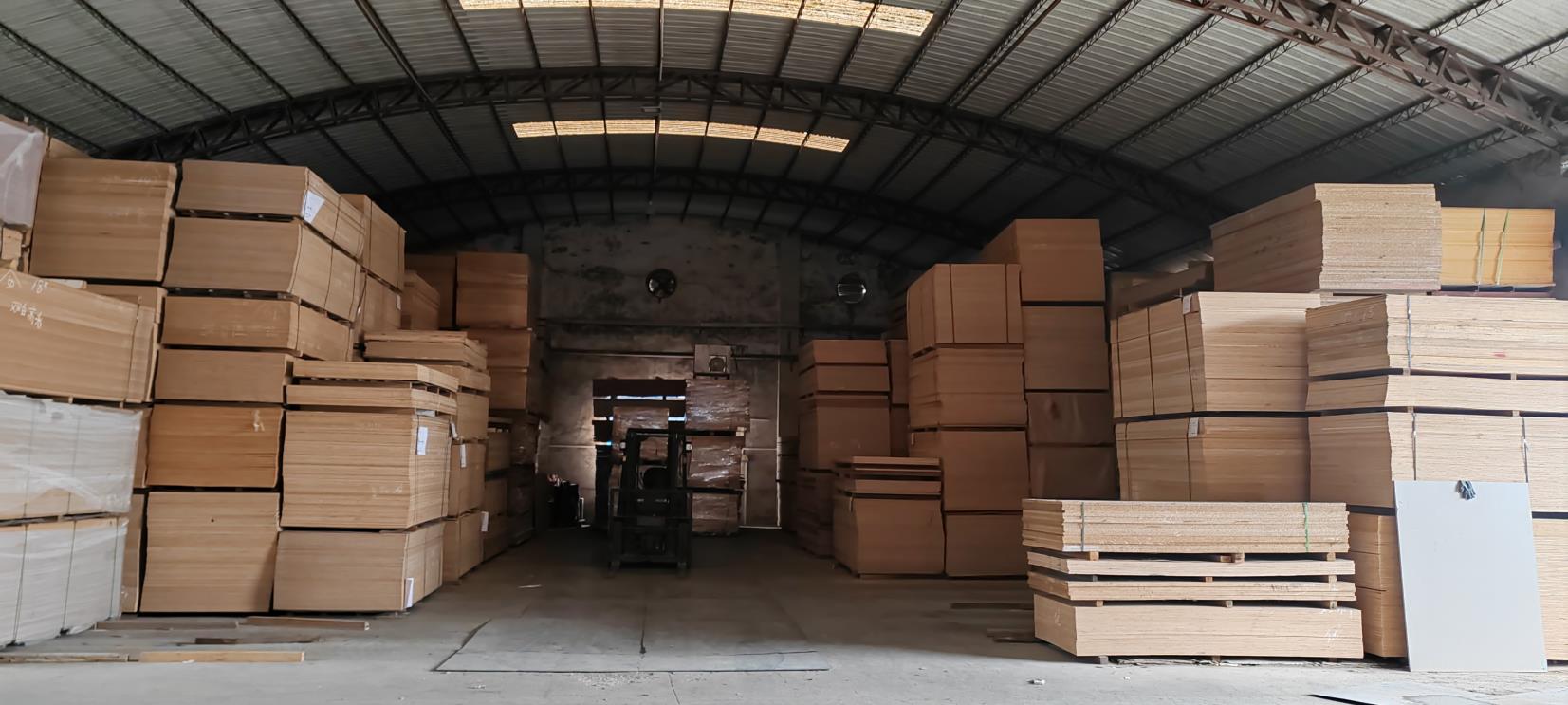
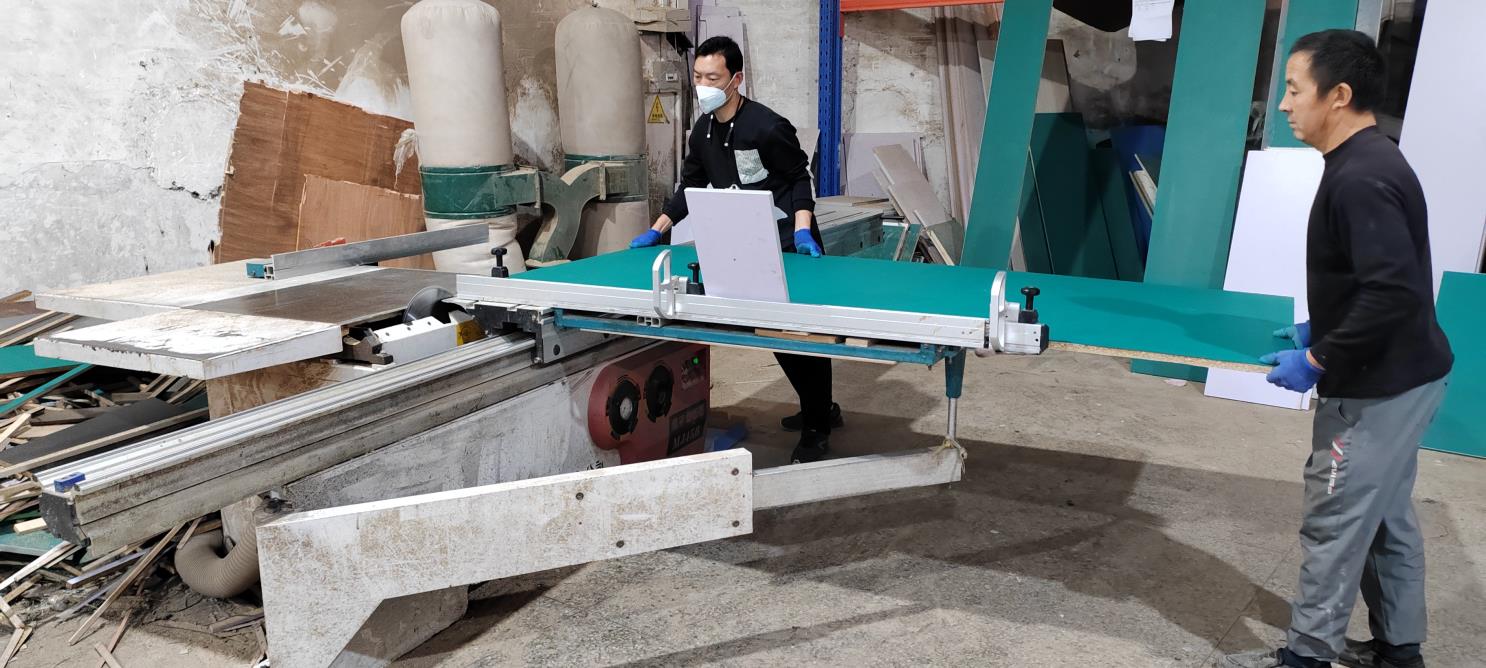
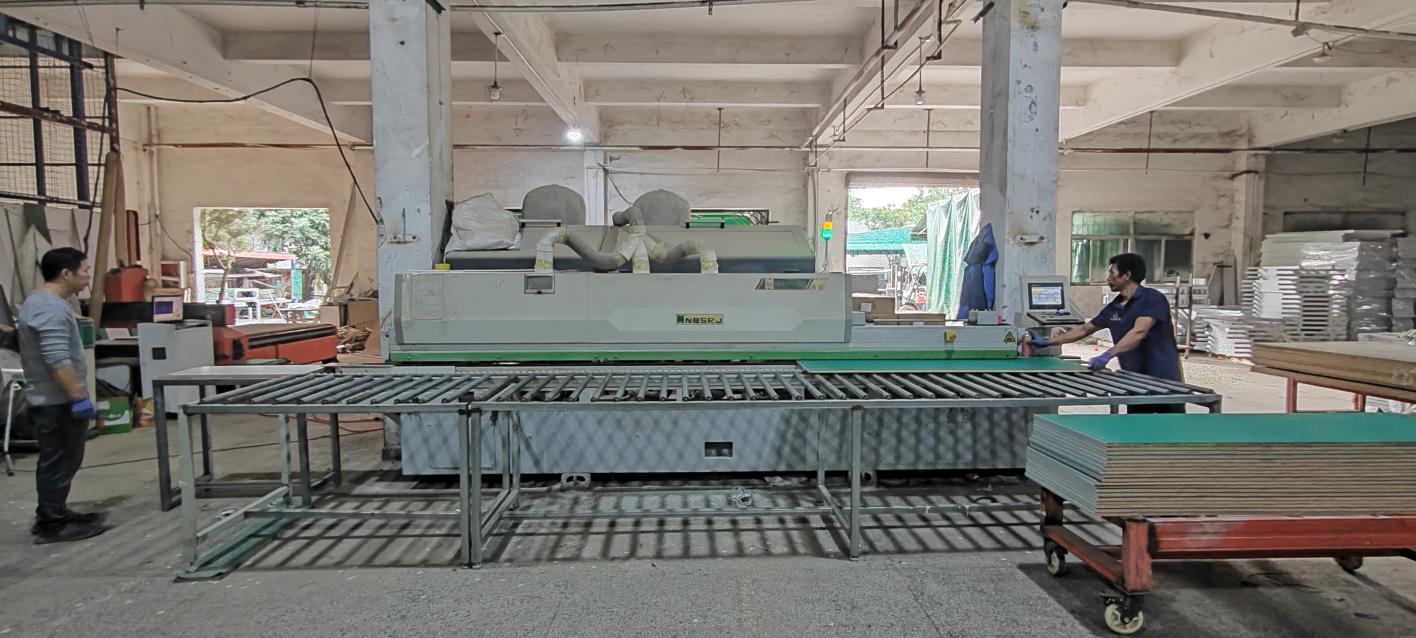
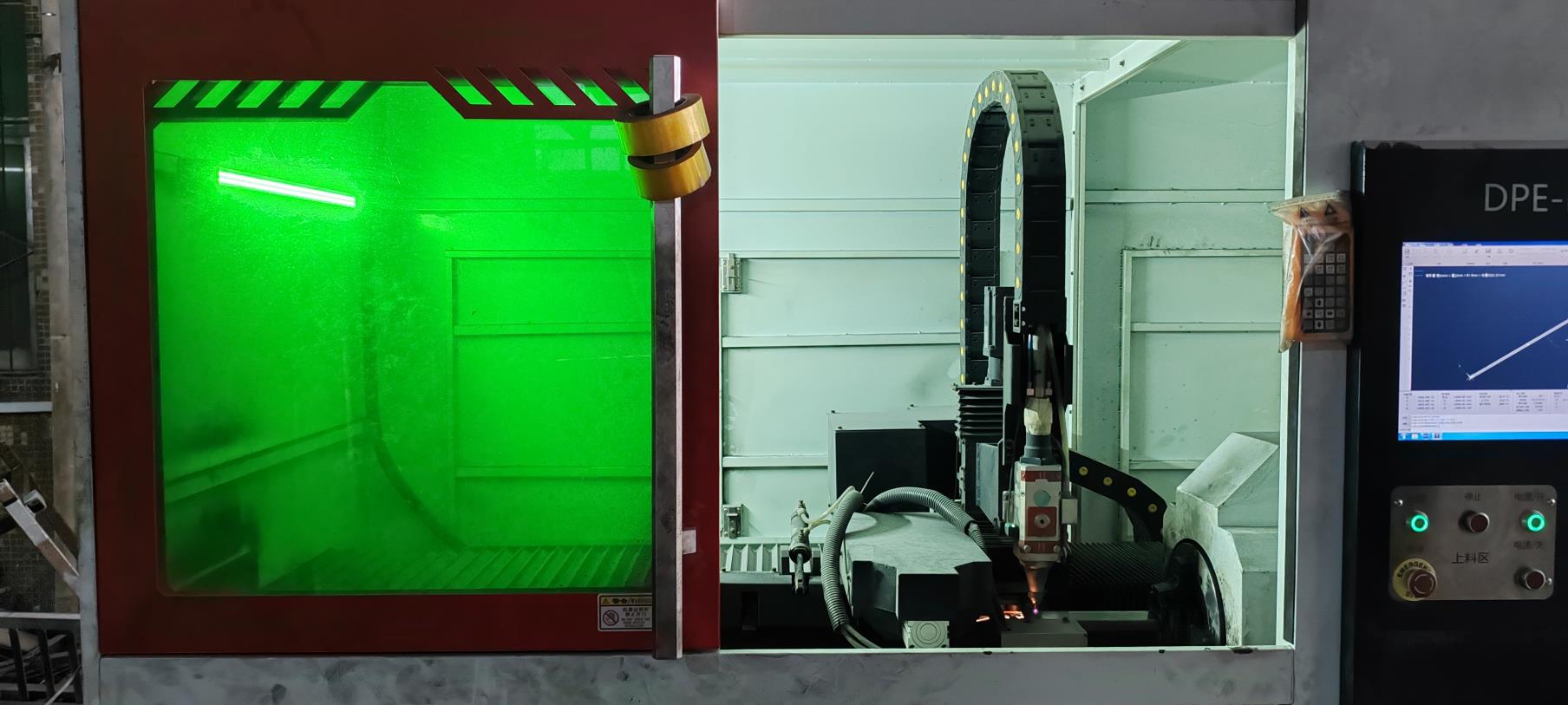
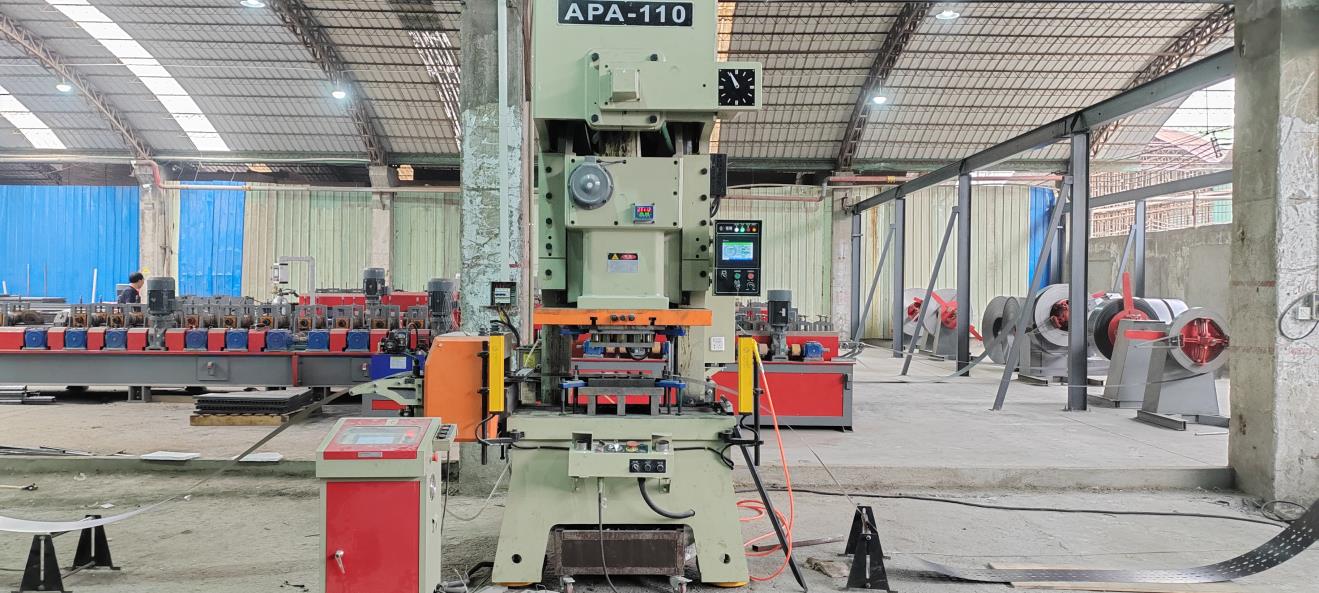
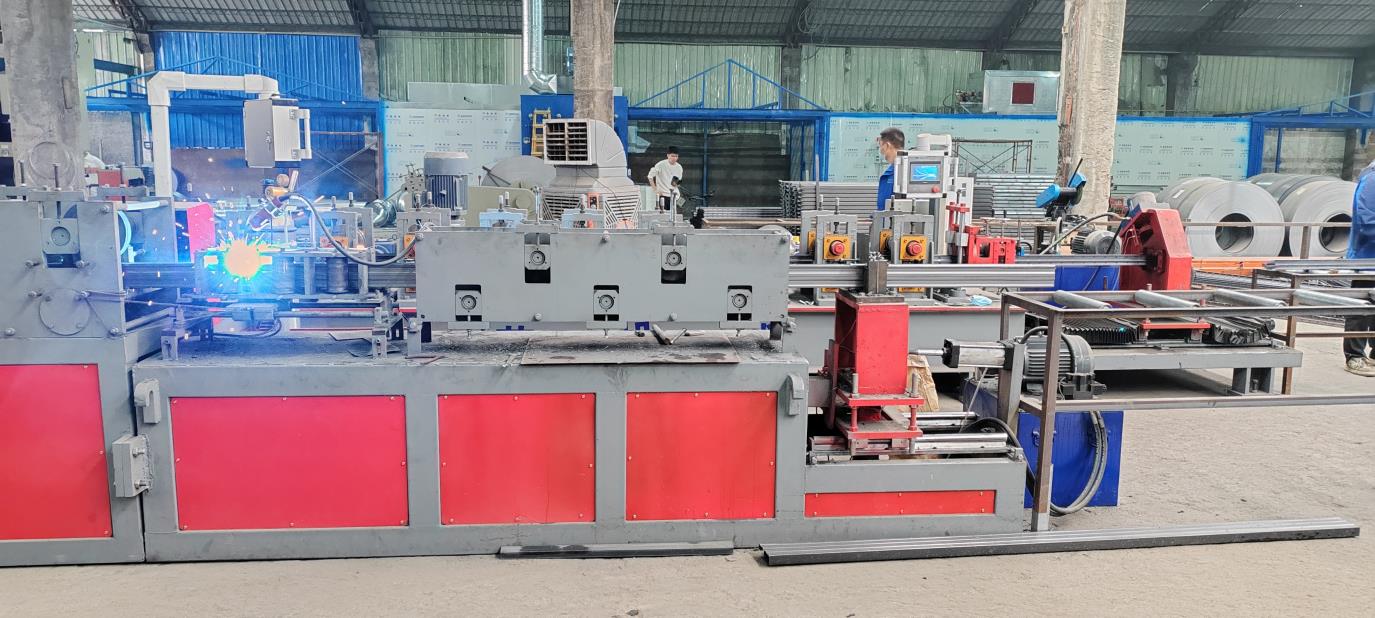
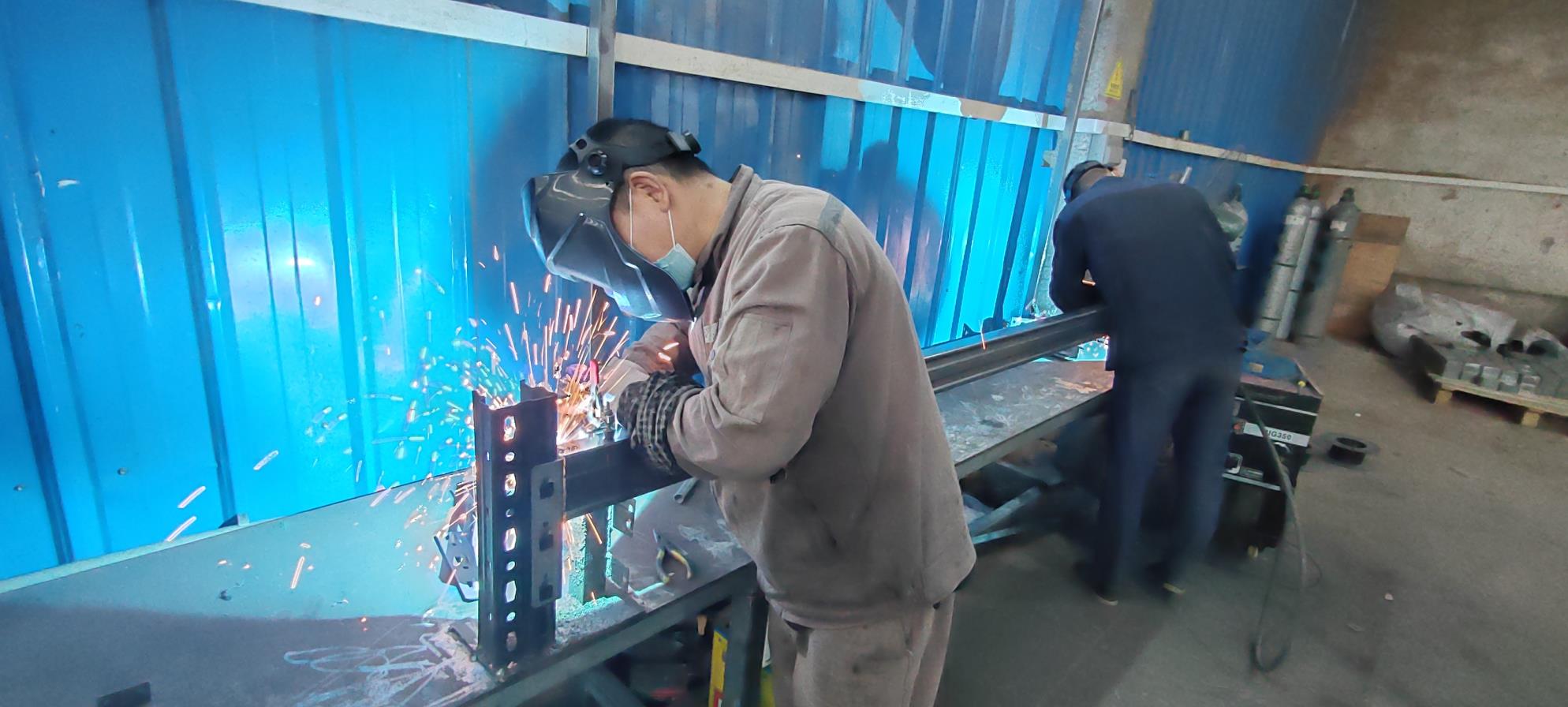
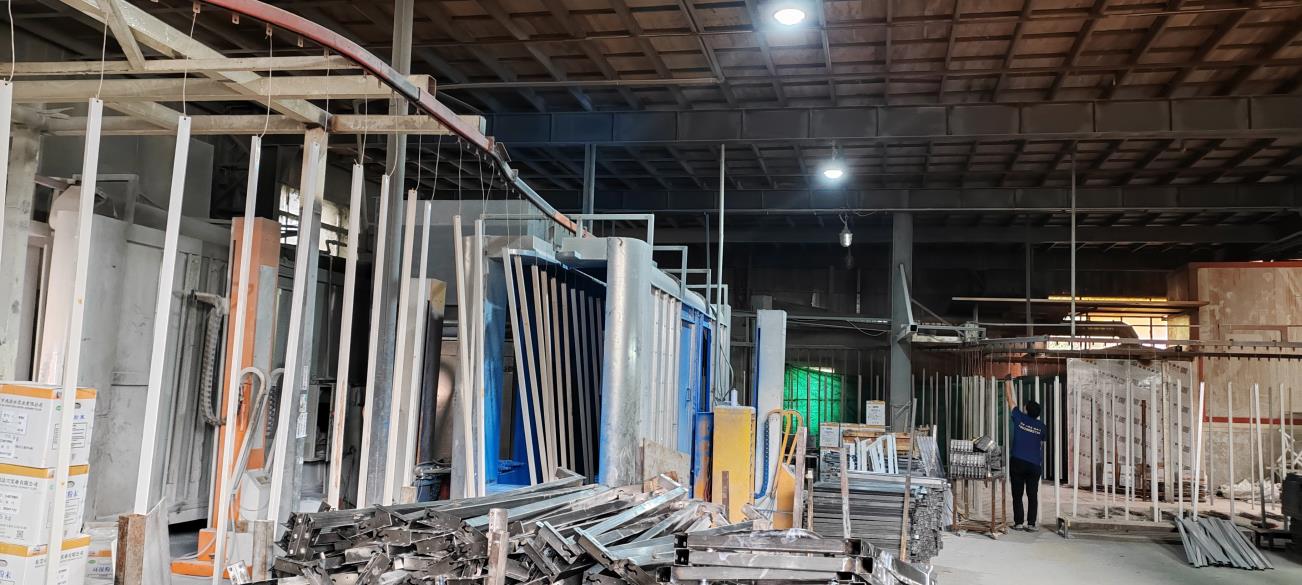
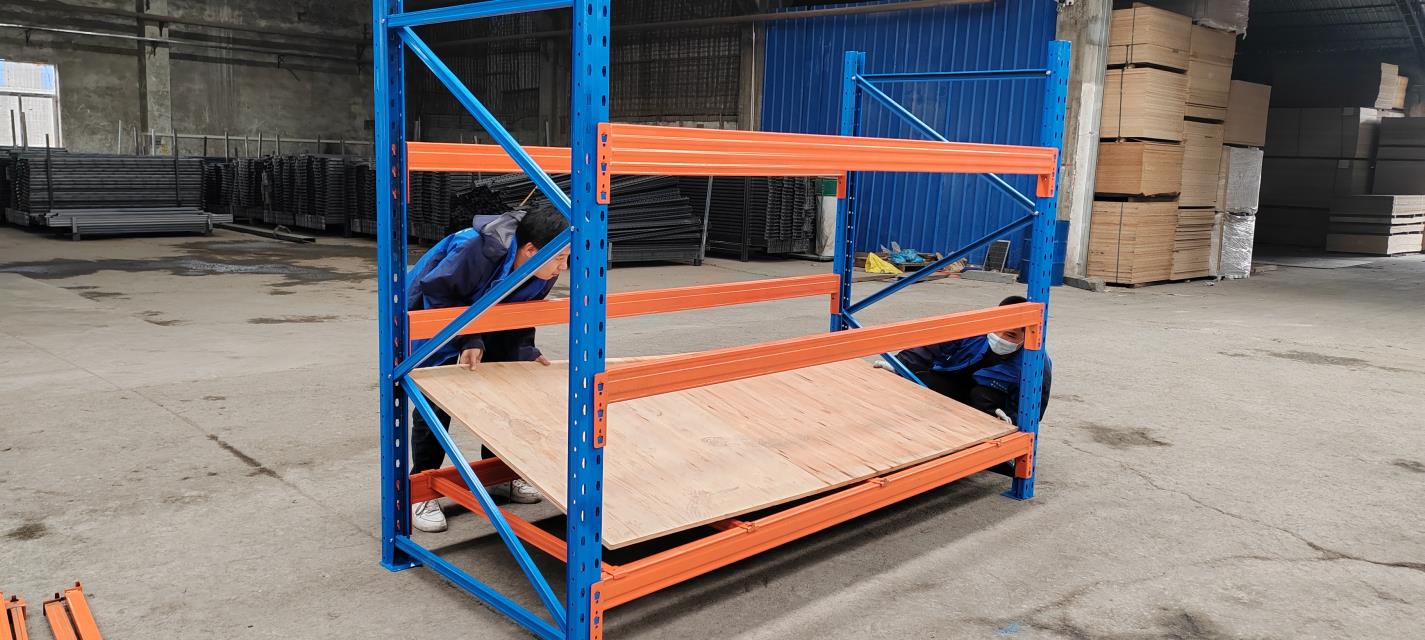
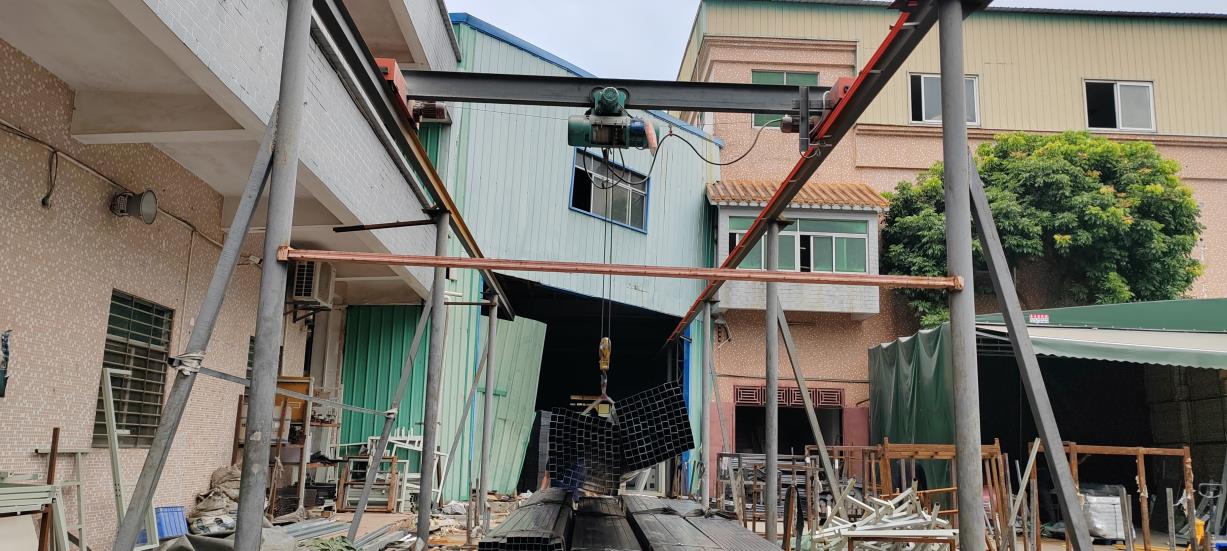
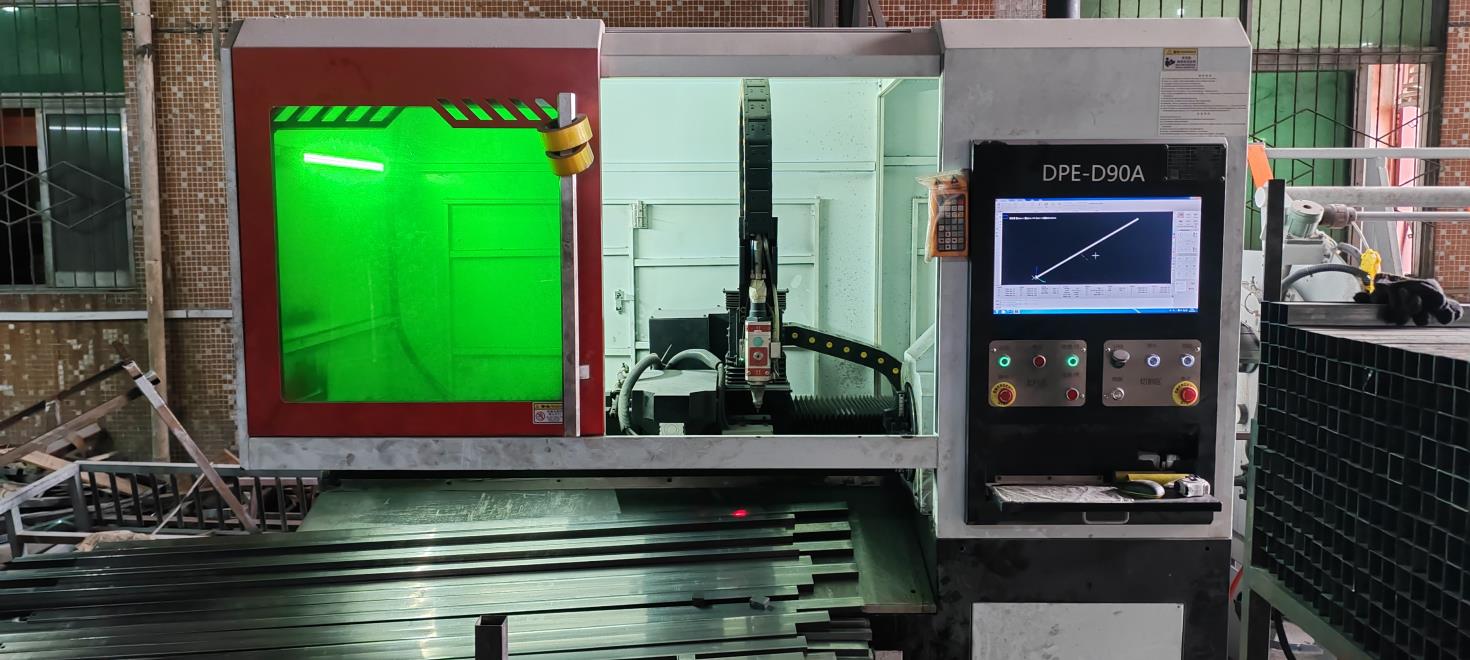
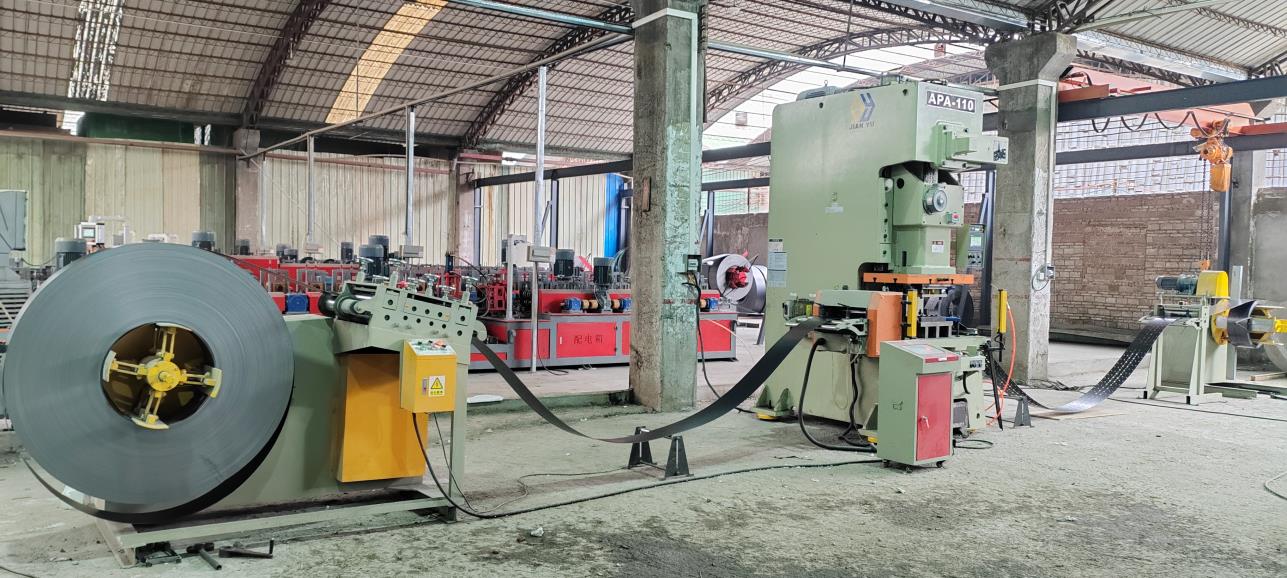
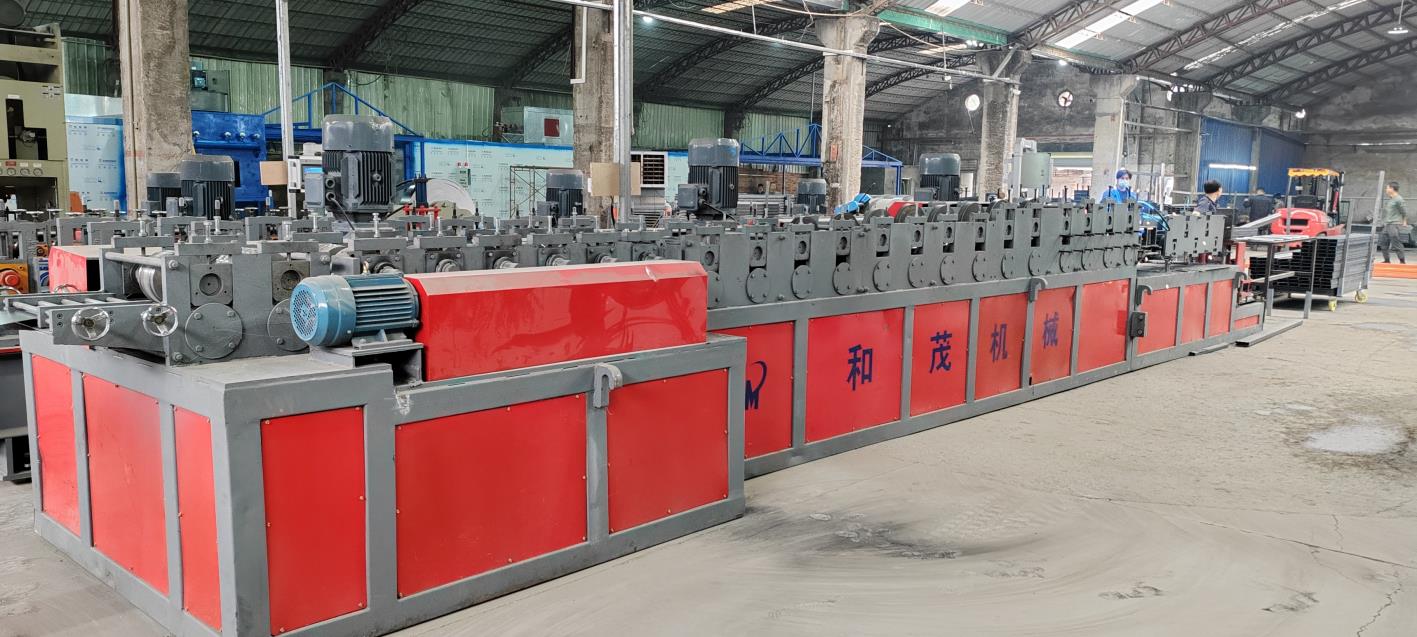
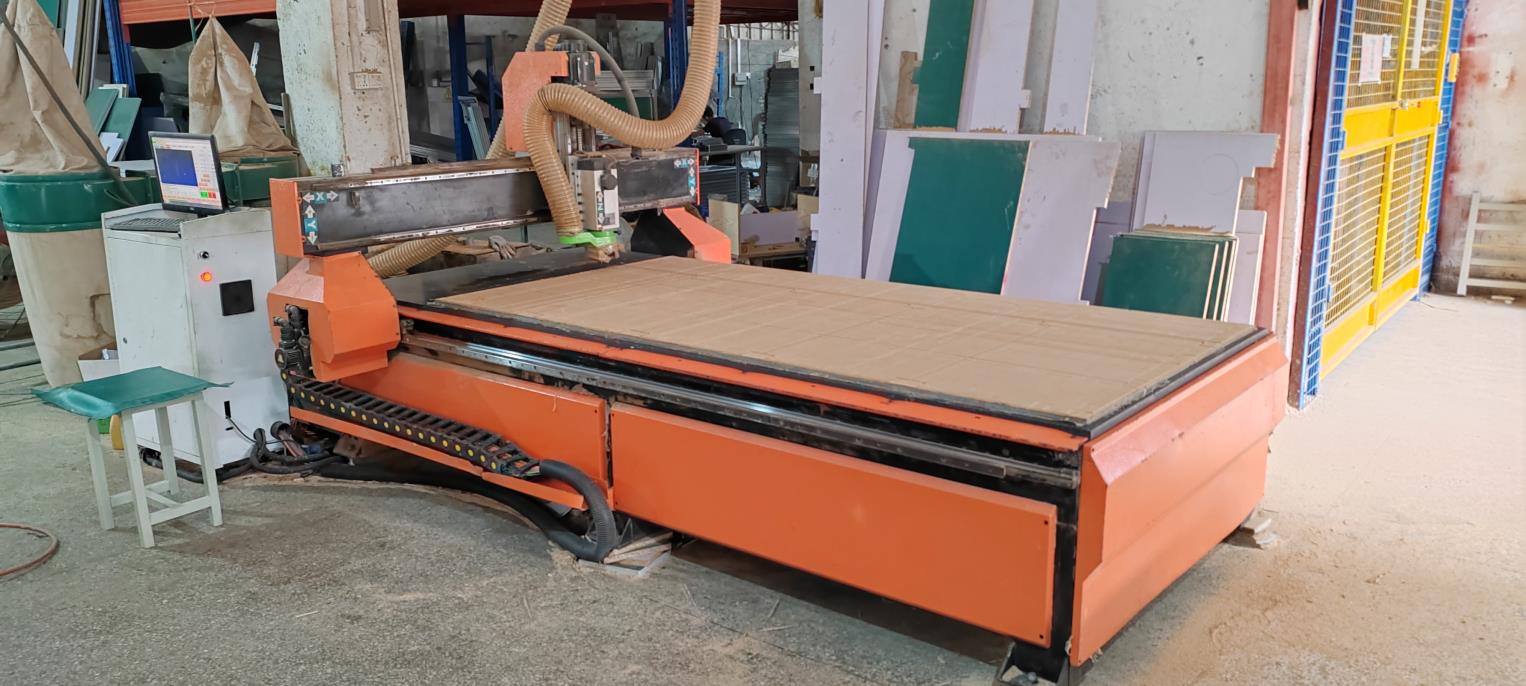
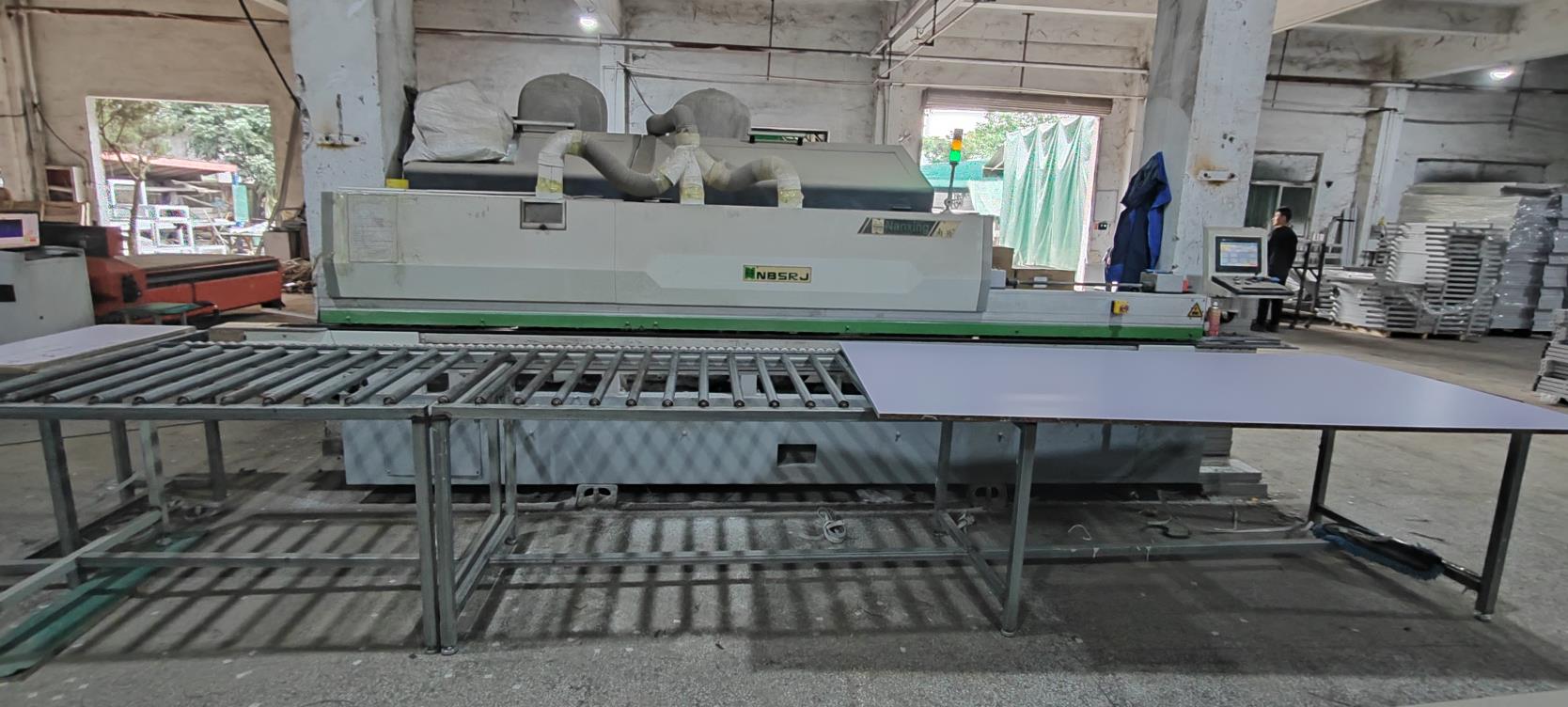
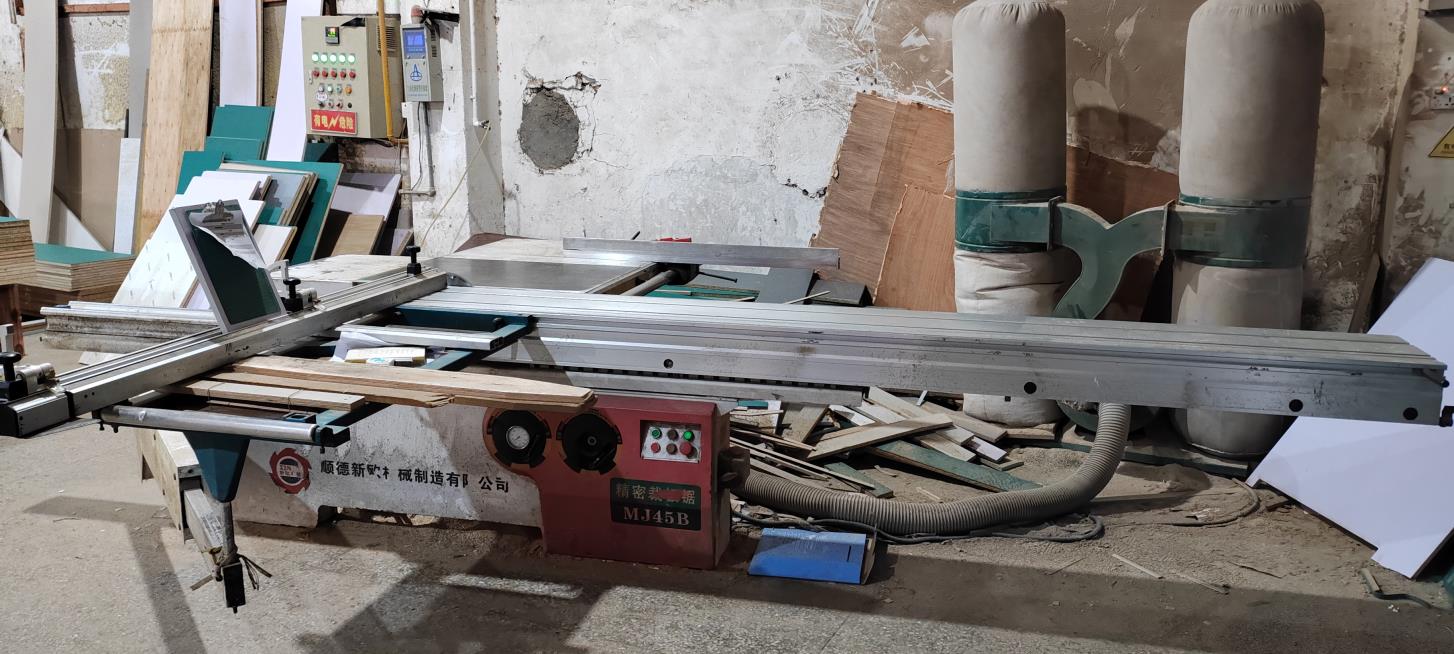
Nanjing Fortis pioneers structural and chemical engineering breakthroughs to adapt warehousing infrastructure to next-generation logistics environments.
Transitioning structural racking nodes to high-yield Q355B steel alloys, realizing a 15% thickness reduction while escalating absolute weight-bearing thresholds.
Optimizing upright deflection parameters to sub-millimeter tolerances, providing frictionless operational interfaces for shuttle vehicles, AGVs, and heavy ASRS cranes.
Formulating hybrid thermosetting epoxy-polyester powder coats that exhibit extreme chemical inertia, delivering high salt-spray resistance for cold-chain operators.
Operating as an export-centric factory demands adherence to the unique safety standards of every market we enter. Nanjing Fortis implements strict QA protocols that start at raw material verification and conclude at job site sign-off.
Our engineering protocols comply with EN 15512, EN 15620, and EN 15635, governing hot-rolled and cold-formed selective pallet racks. For Australian and Oceanic projects, designs align with AS 4084-2012, confirming precise spacing, structural limits, and load capacity marking compliance.
For clients in South America and the Middle East, we fabricate racking components using design calculations certified to RMI MH16.1 specifications. This includes advanced column protection systems, robust row spacers, and customized base assemblies engineered to pass municipal building inspections.
Unlock custom structural design options, warehouse spatial modeling, and load profile calculations drafted by our 80-engineer structural R&D division.
Consult Our EngineersDetailed technical responses to the critical questions asked by procurement officers and structural engineers.
Load capacities are based on the vertical span between beams (unsupported upright height) and beam length. Using FEA (Finite Element Analysis), we compute the maximum bending moments and shear stresses. Standard beam designs yield a safety factor of 1.5 to 1.8, ensuring structural compliance under maximum rated uniformly distributed loads (UDL).
We primarily utilize Q235B and Q355B carbon steel profiles, which exhibit excellent yield strength (up to 355 MPa) and ductility. Q355B is selected for high-bay upright frames and heavy-duty seismic bracing, whereas Q235B is ideal for standard beams and accessories due to its excellent weldability and structural stability.
Cold chain and freezer environments (down to -30°C) require steels with low-temperature impact toughness to prevent brittle fracturing. We specify normalized steel grades and utilize special low-temperature-resistant powder coatings that maintain elasticity and adhesion, preventing surface oxidation and hydrogen embrittlement.
Yes. Our R&D team provides complete structural layout drawings, elevation profiles, and structural calculations. These calculations can be prepared according to AS 4084, EN 15512, or RMI MH16.1 specifications, facilitating localized engineering sign-offs and municipal building permits.
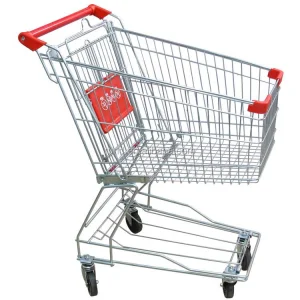
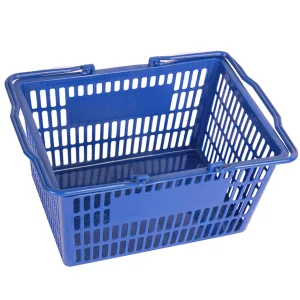
Discover our expanded product catalog supporting high-volume distribution, retail floor management, and light-to-medium utility applications.
 FortisRack