Engineered structural systems designed to optimize volumetric efficiency, maximize display surface density, and withstand rigorous load requirements.
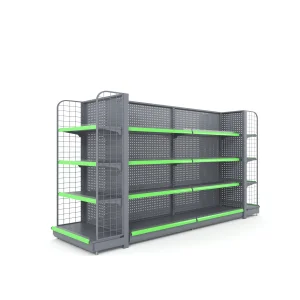
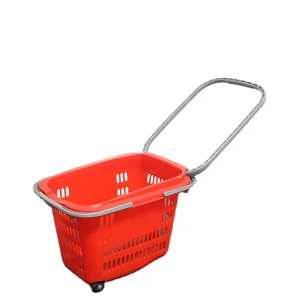
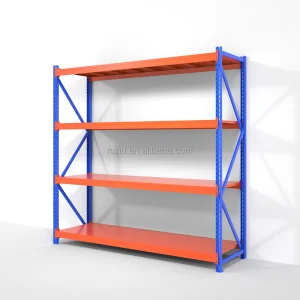
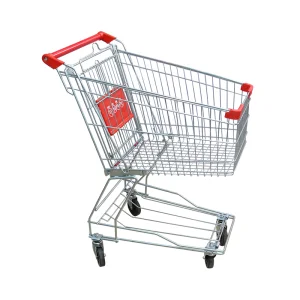
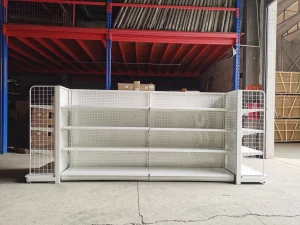
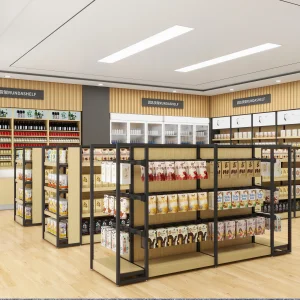
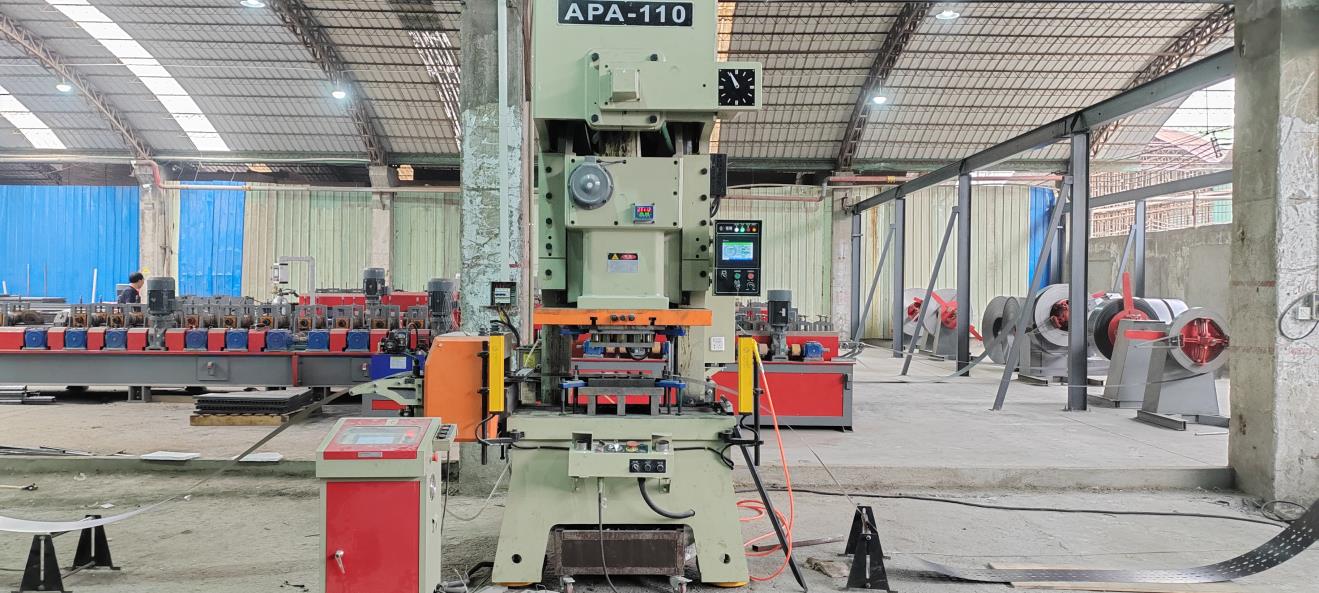
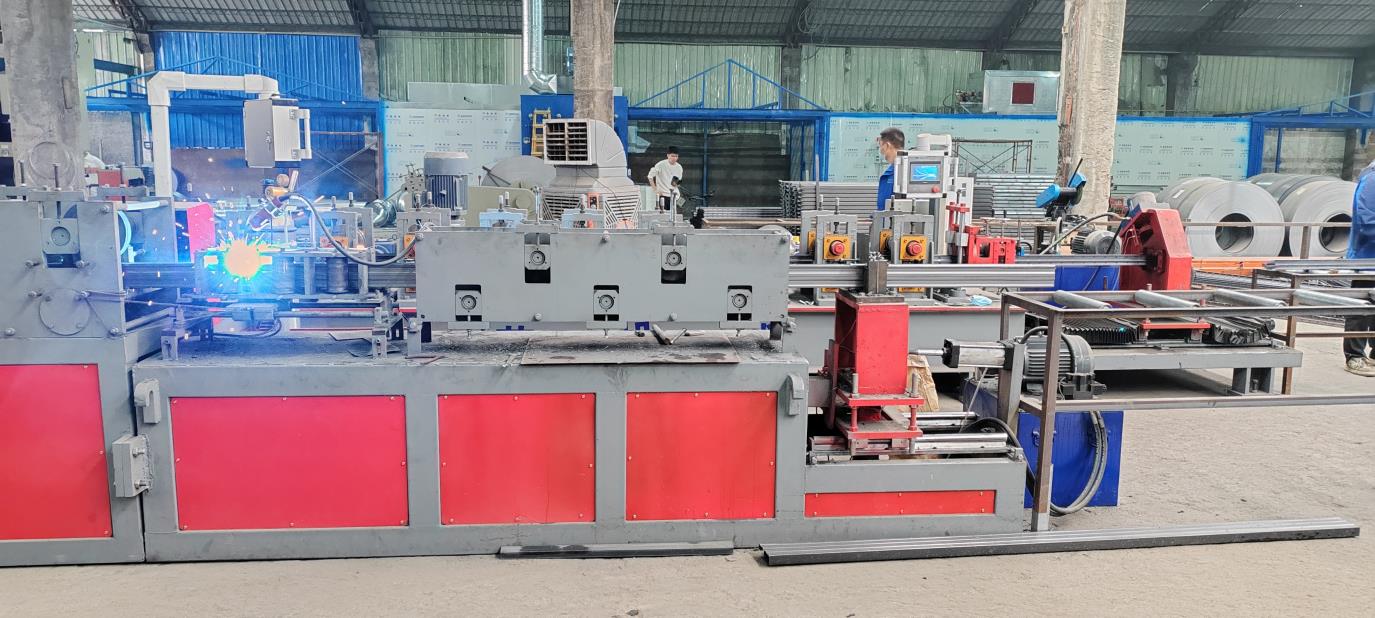
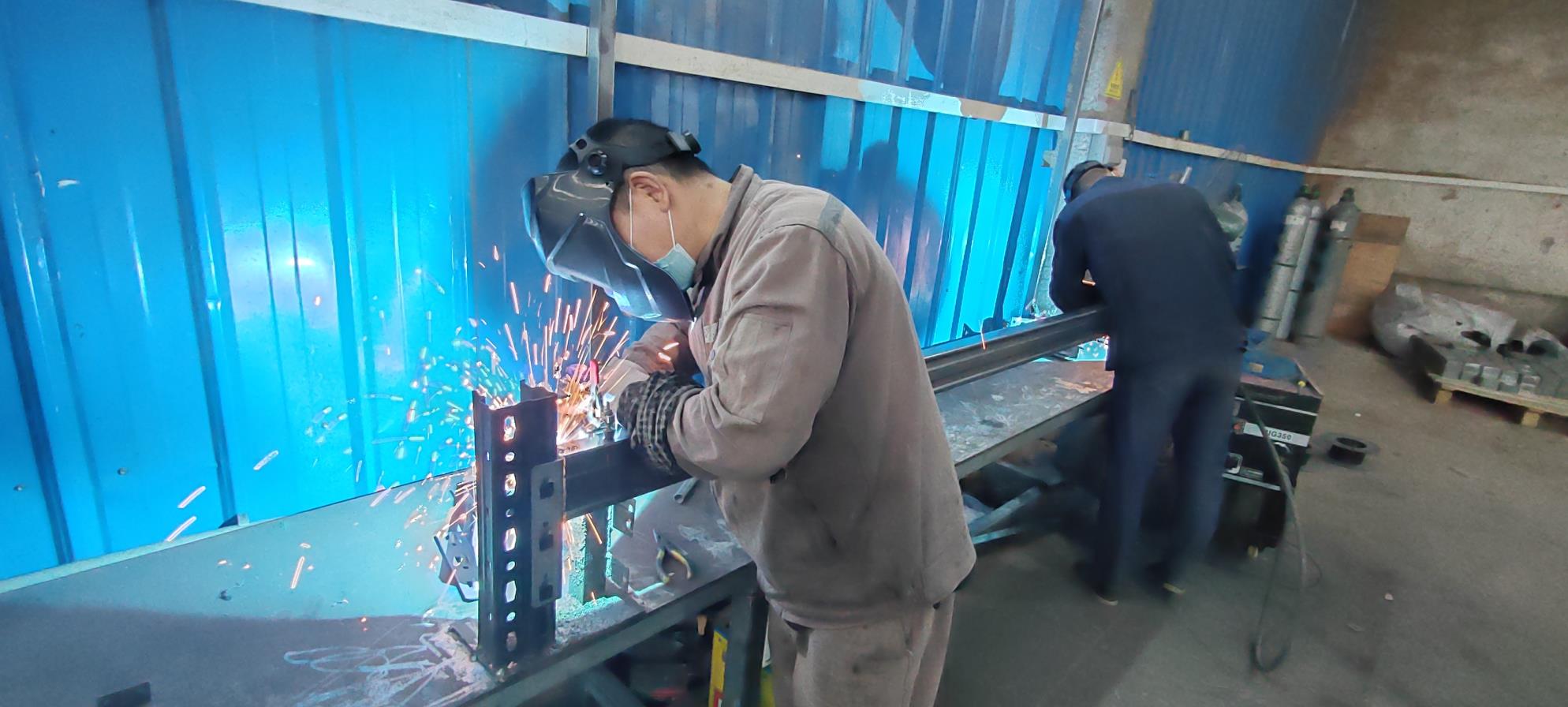
Established in 2016, Nanjing Fortis Storage Equipment Manufacturing Co., Ltd. operates a modern industrial plant covering 48,000 m². Equipped with automatic robotic cutting, forming, and electrostatic powder coating production lines, our facility is engineered to run high-volume fabrication with minimal tolerances and optimized mechanical strength.
Our dedicated R&D department features 80 specialized structural engineers focusing on custom weight-bearing racking profiles, specialized surface treatements, and ultra-high-density storage setups. Last year alone, our engineering division successfully deployed 350 innovative customized product SKU models for our global clients.
Backed by a strict quality management system, we employ 62 full-time QA/QC personnel. Our internal laboratory runs mechanical stress-loading diagnostics, automated Coordinate Measuring Machine (CMM) dimensional analysis, and accelerated salt spray corrosion testing, ensuring structural compliance under ISO14001 and TUV standards.
Modern warehouse logistics and commercial retail ecosystems require modular, load-optimized, and highly durable physical racking structures to manage space utilization and ensure safe operations. This comprehensive engineering document outlines the mechanical standards, surface treatment processes, supply chain dynamics, and localized implementation parameters defining our manufacturing output.
The global storage equipment and presentation rack industry is undergoing a paradigm shift driven by e-commerce expansion, omnichannel retail models, and smart automated storage and retrieval systems (AS/RS). Retail store designers and industrial warehouse operators no longer view shelving units as static fixtures. Instead, these structures serve as critical system nodes that must offer modularity, high weight-capacity-to-tare-weight ratios, and compliance with strict regional safety standards.
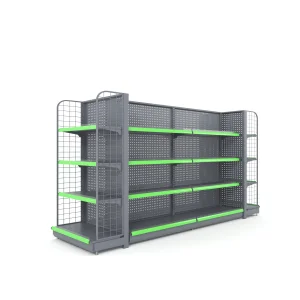
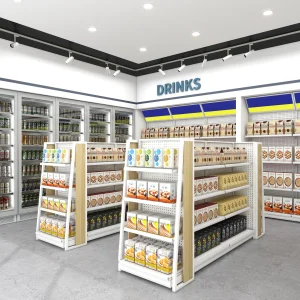
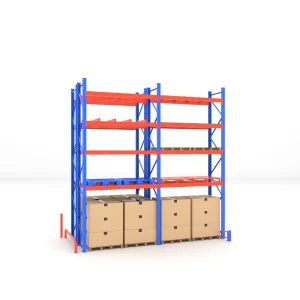
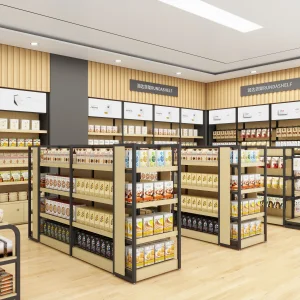
In retail landscapes, heavy-duty display systems, such as dual-sided metal gondolas, double-sided cavity plate snack displays, and pharmacy shelving systems, are designed to maximize merchandise density per square meter. In industrial contexts, multi-level steel racking systems and heavy-duty cantilever structures provide safe vertical storage options for capacities ranging from 300 kg to over 3,000 kg per level, optimizing modern supply chains.
Operating a global supply chain requires deep engineering sensitivity toward localized operational environments. Our structures are customized to meet different geographic and regulatory standards:
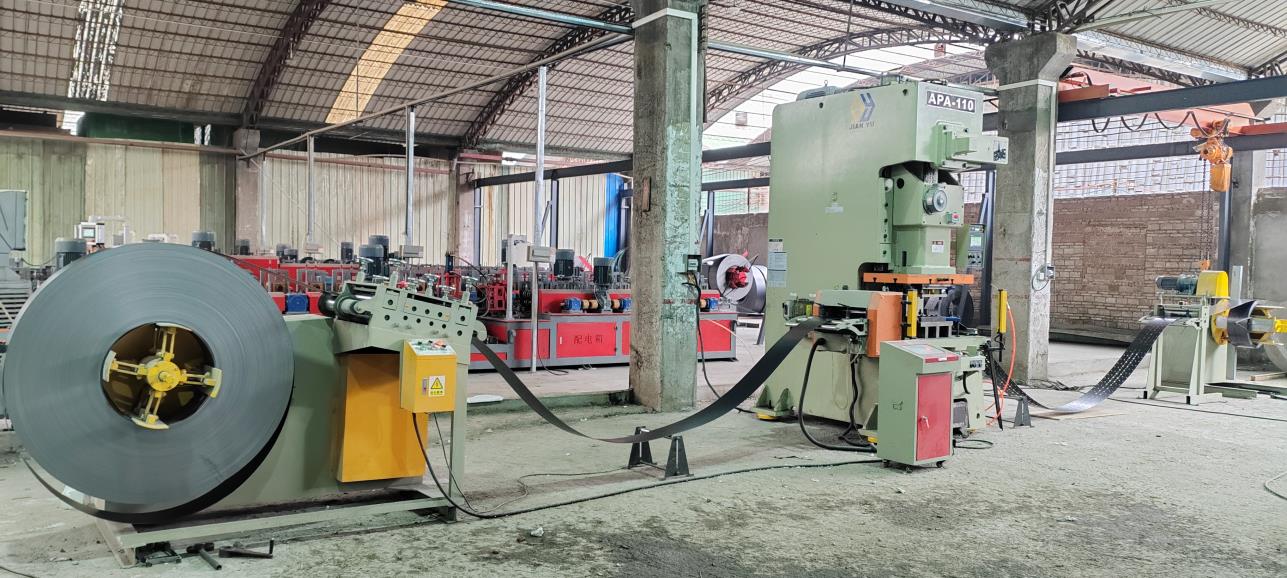
Our raw material supply relies on high-grade carbon structural steel (Q235B and Q355B), selected for its excellent weldability, ductility, and yield strength. Our manufacturing process transforms raw coils into complex geometric profiles through precision cold-rolling, increasing the material's load-bearing threshold.
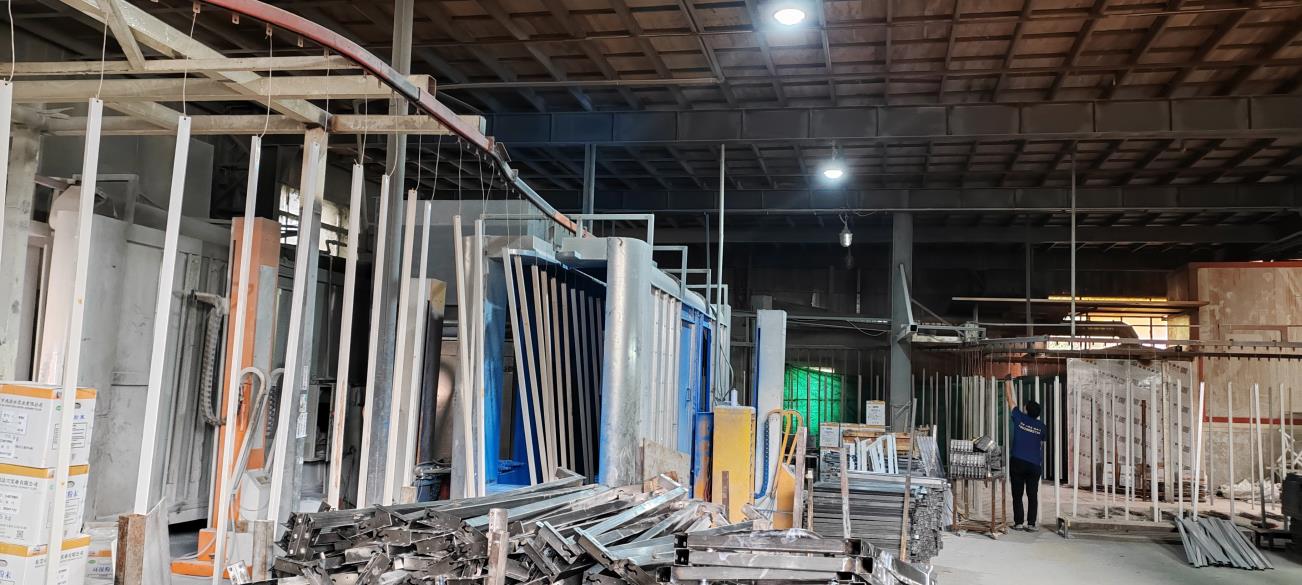
To prevent oxidation, wear, and corrosion, steel components go through a continuous 9-stage chemical pretreatment line. This process includes alkaline degreasing, clean water rinsing, rust removal, surface conditioning, zinc phosphating, and final passivation. Following this pretreatment, we apply a thermosetting epoxy-polyester powder coating using an electrostatic spray process. The coating is then cured at temperatures between 180°C and 200°C, producing a uniform, scratch-resistant surface layer with a thickness range of 60 to 90 microns.
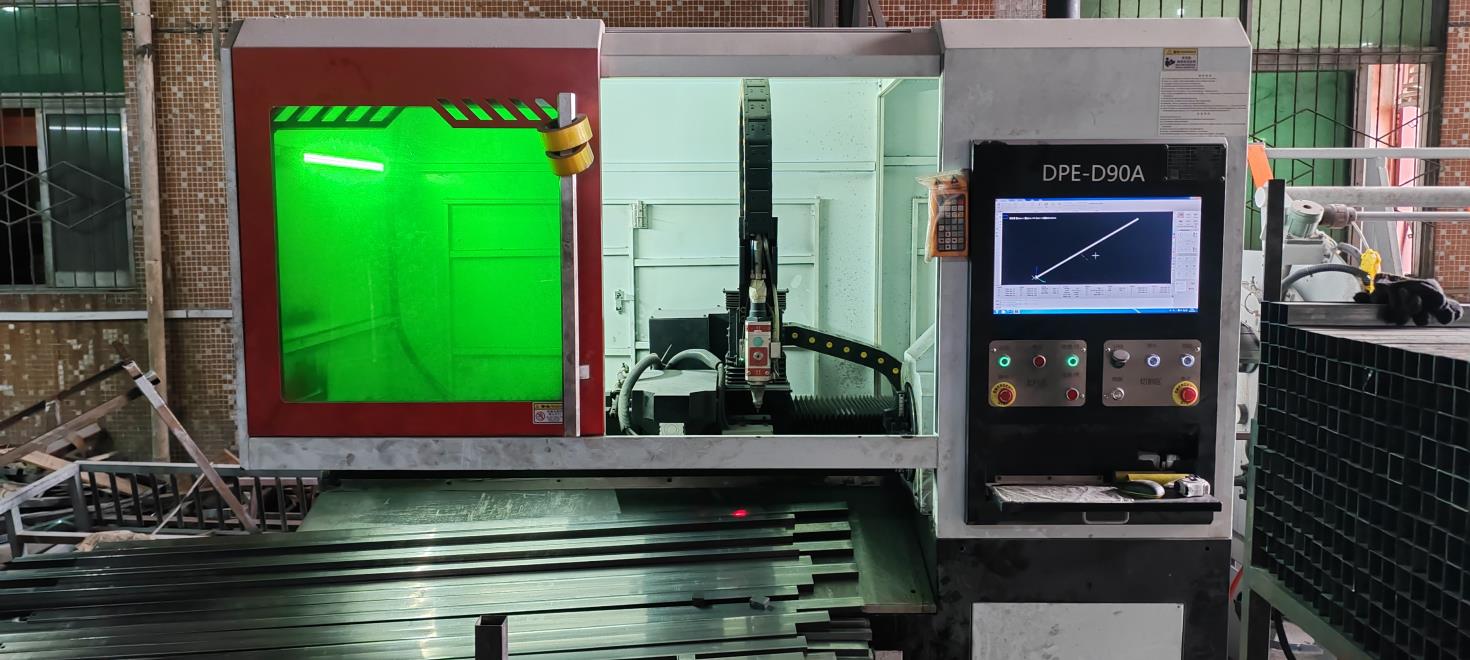
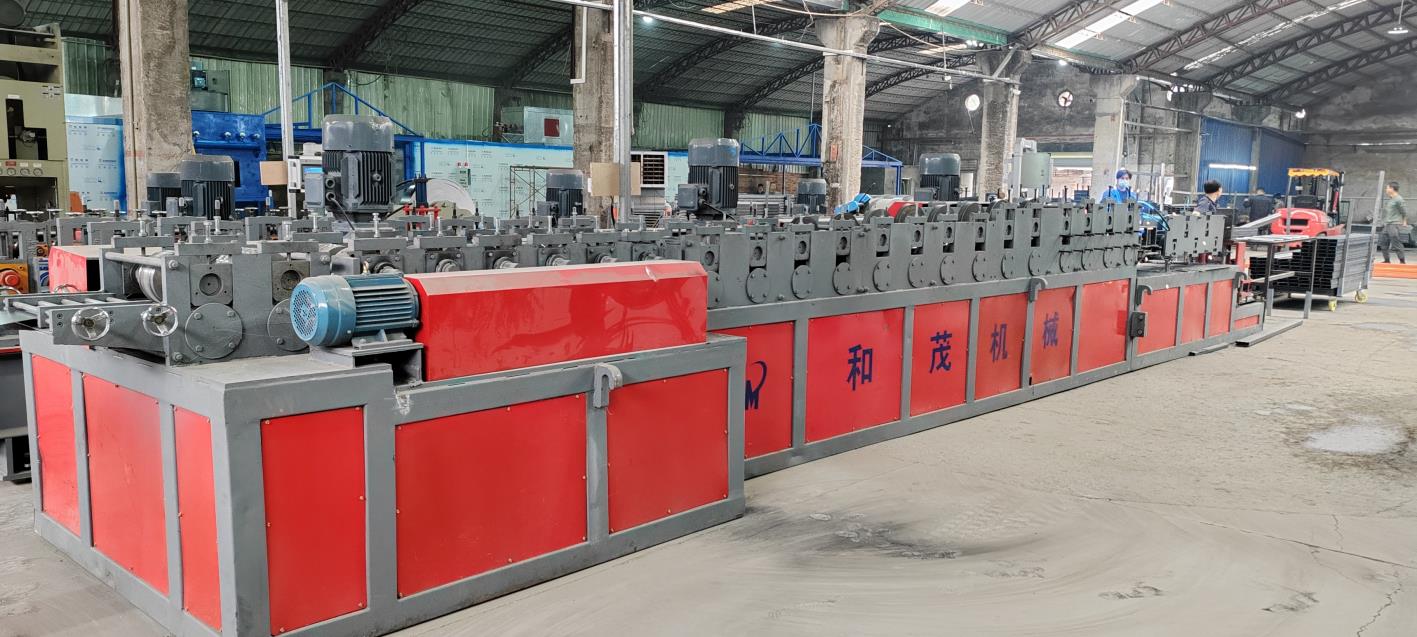
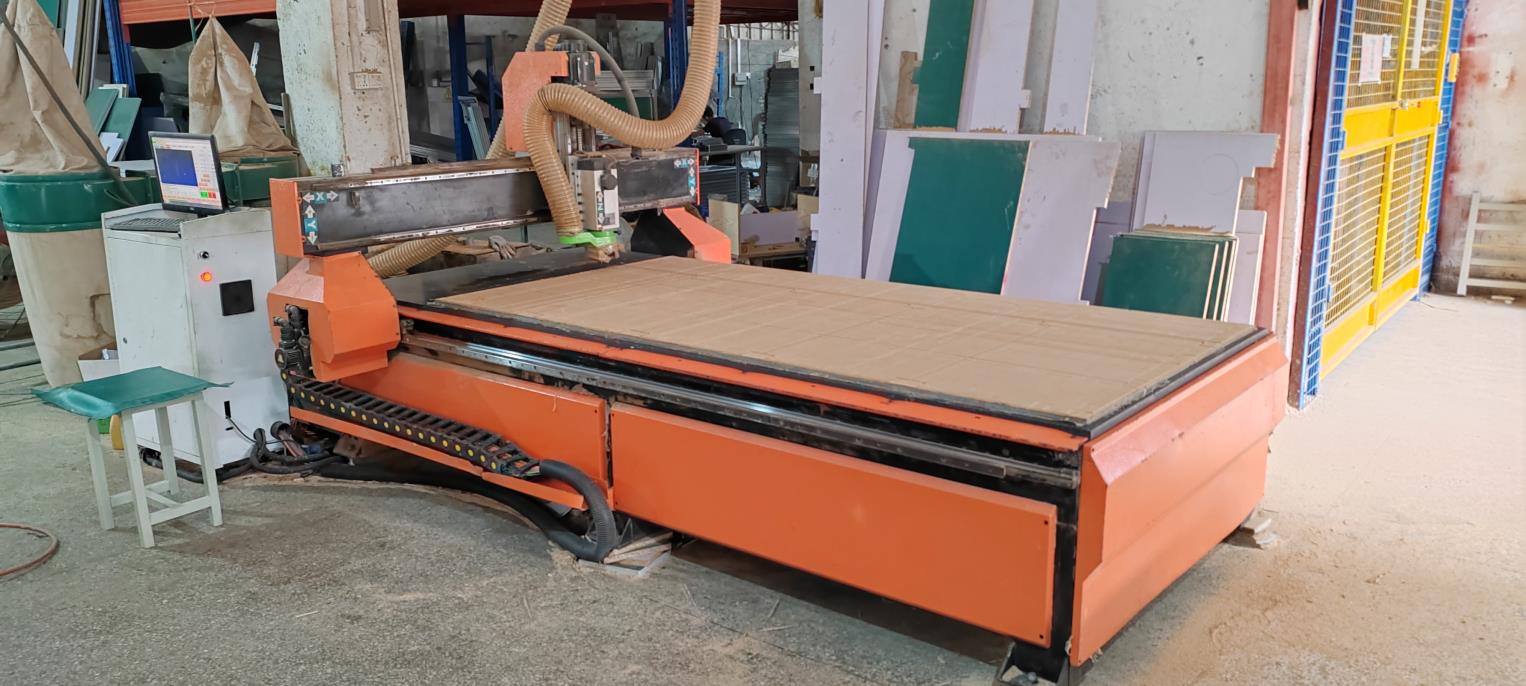
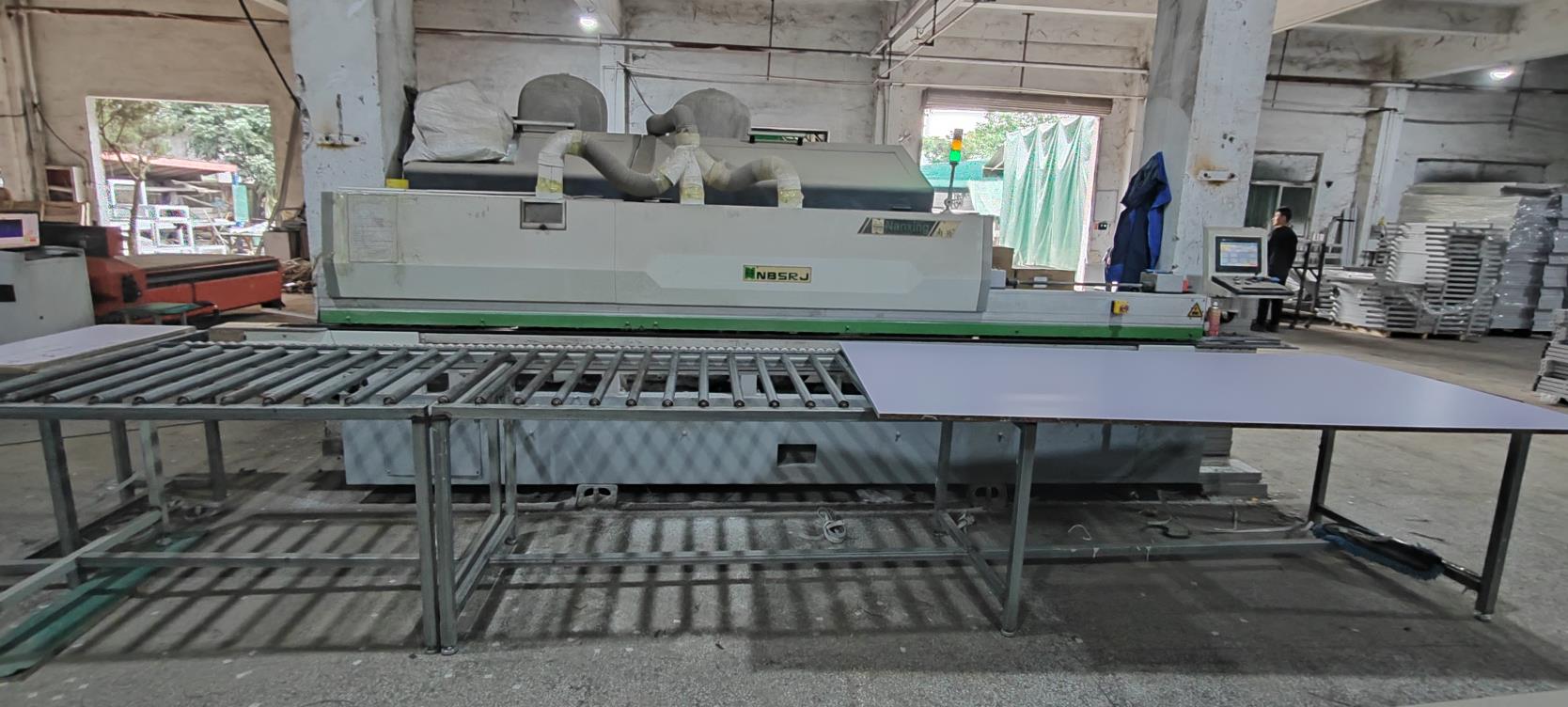
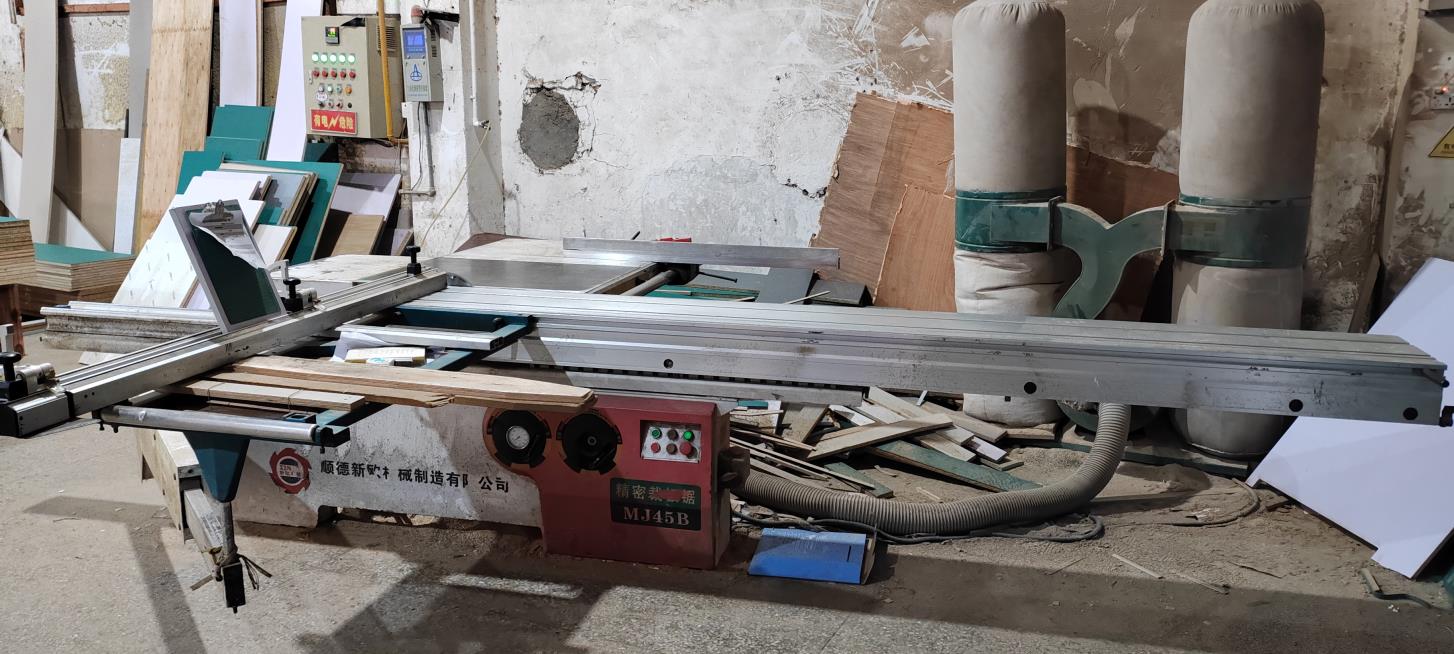
Our 48,000 m² factory operates automated lines and precision equipment to ensure consistency, dimensional accuracy, and structurally sound fabrications.
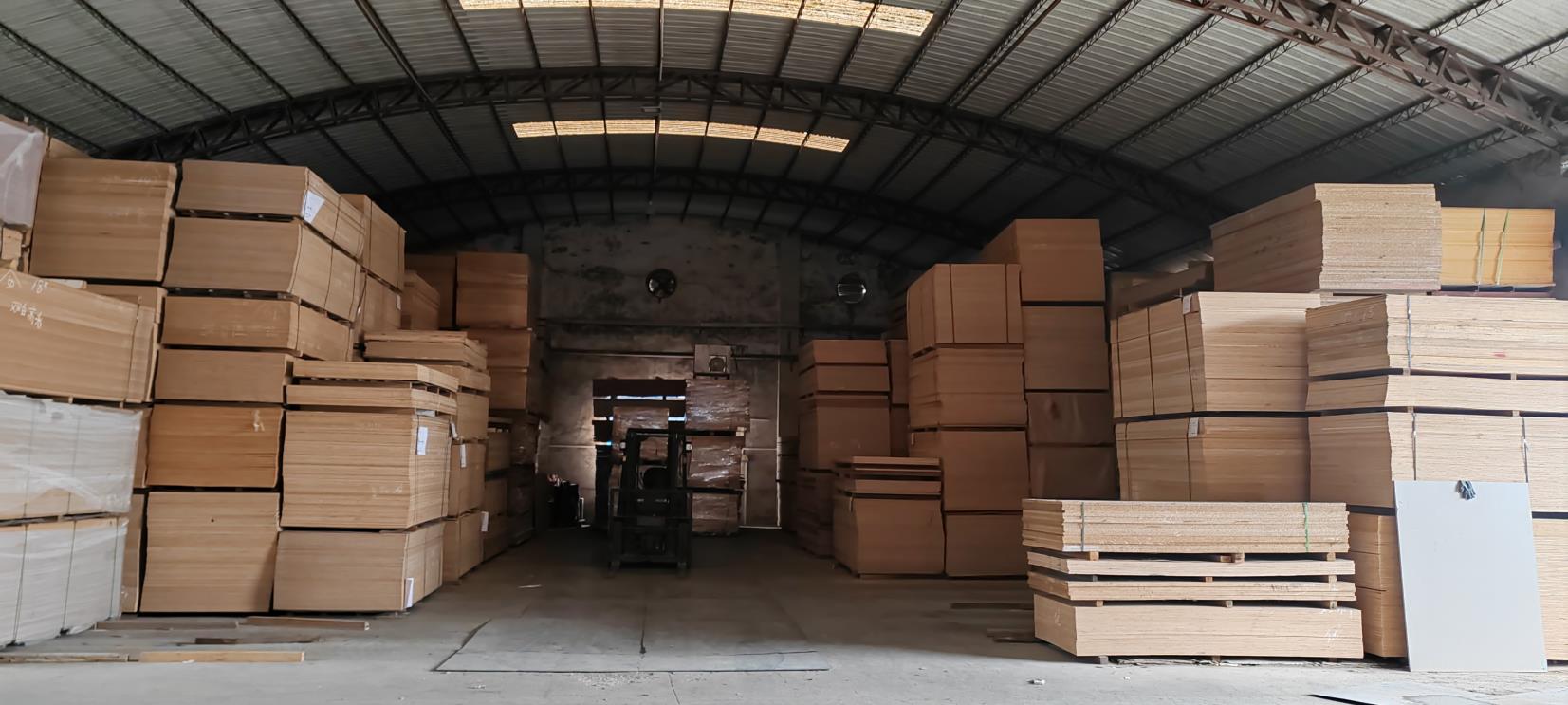
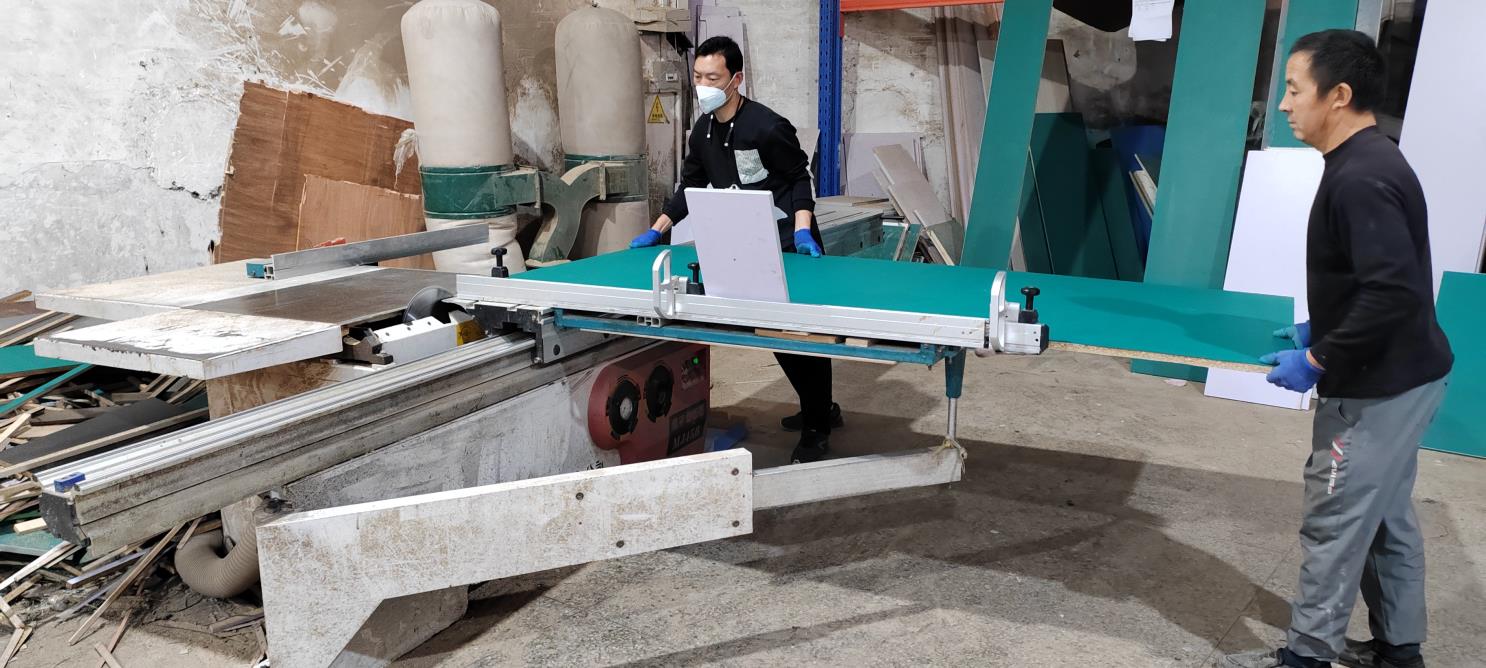
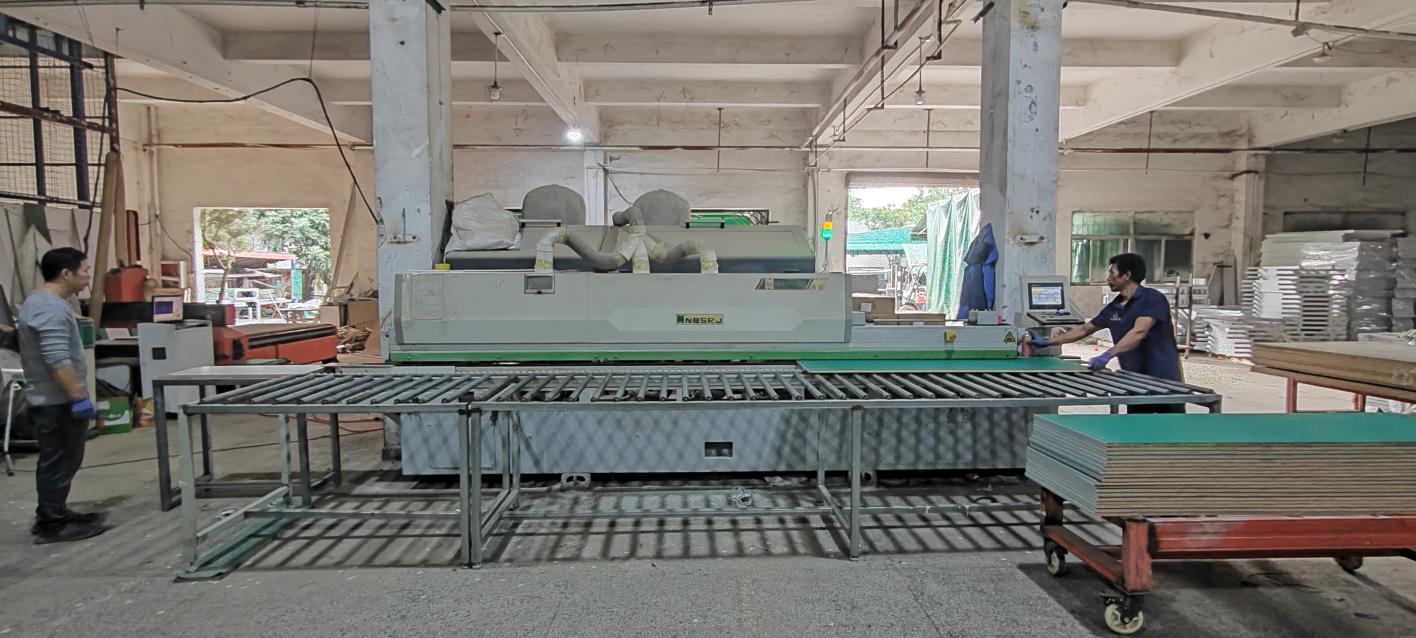
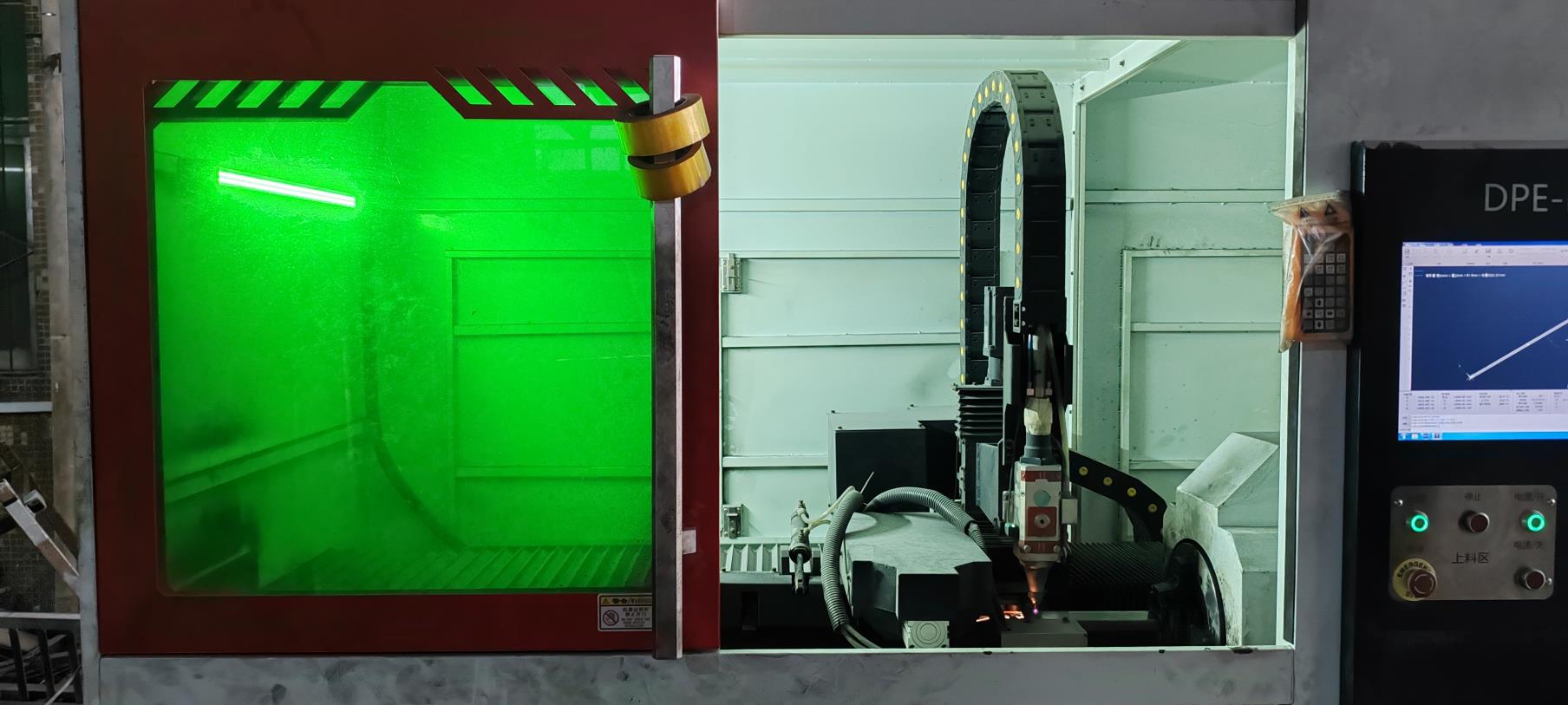
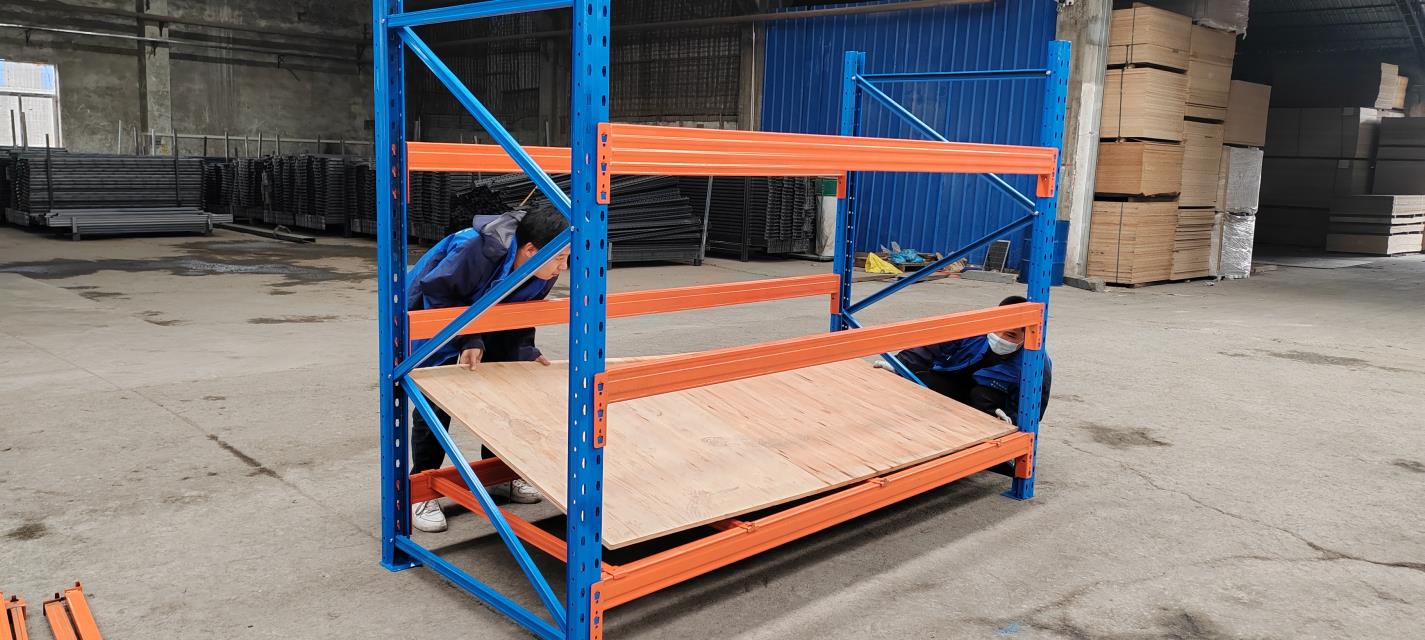
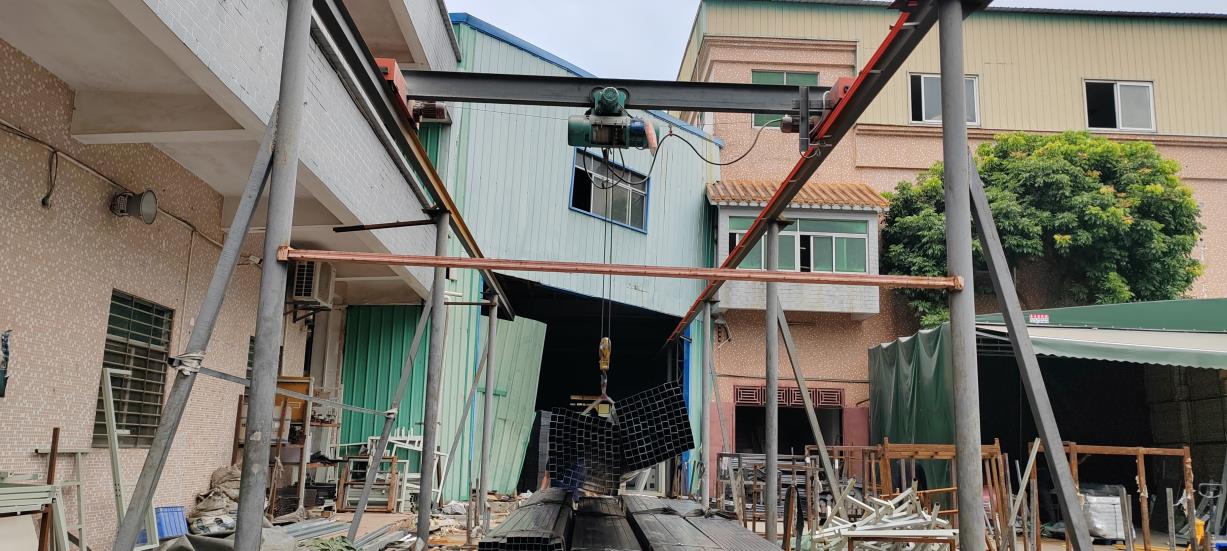
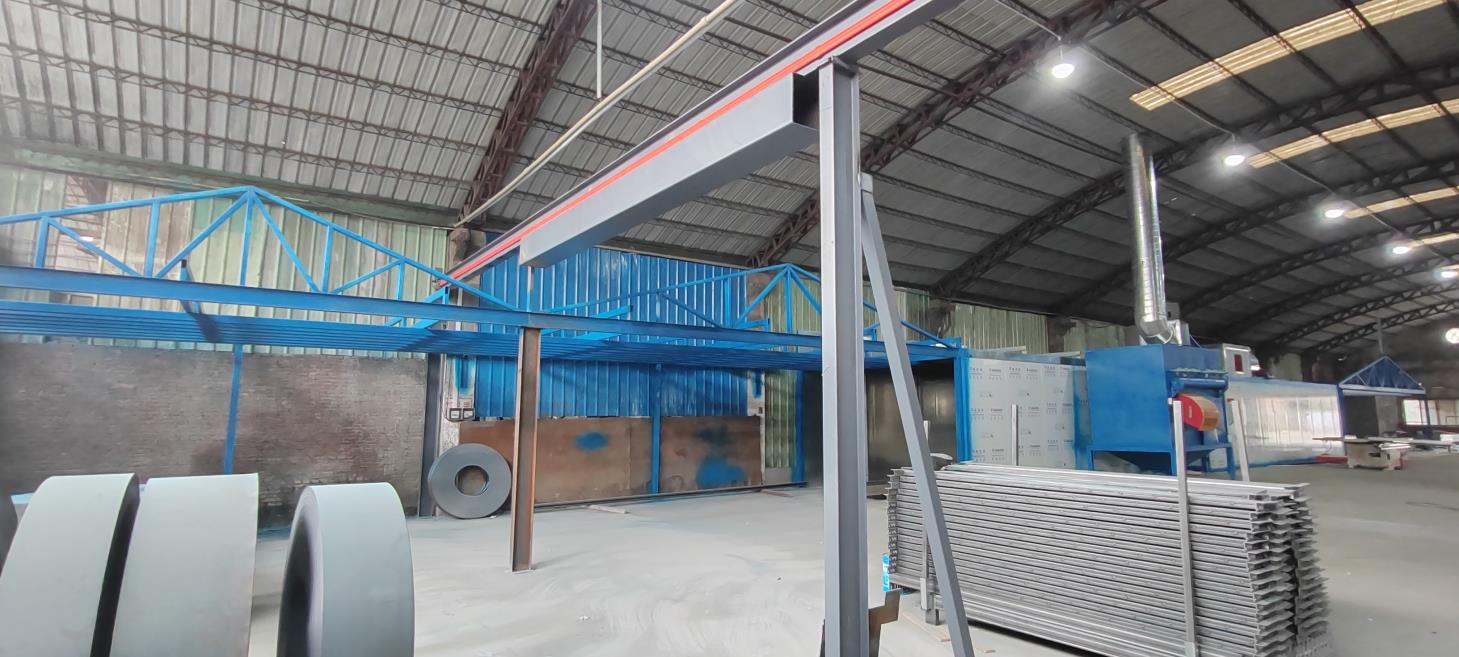
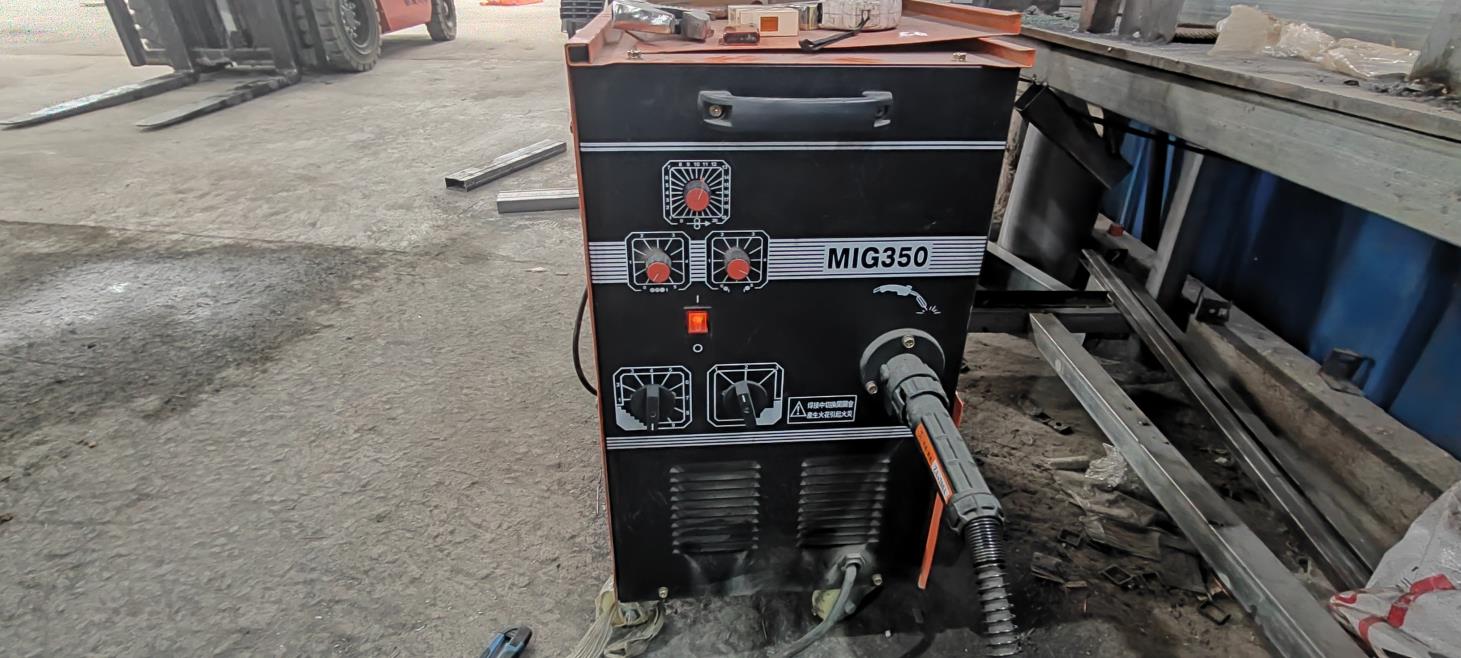
Operating from Nanjing, Jiangsu Province, our factory benefits from East China's steel manufacturing cluster. This regional proximity to key raw materials stabilizes our supply chain against global market fluctuations. By working directly with national raw material suppliers, we maintain access to high-quality steel coils with certified mill test reports.
Our vertical manufacturing model integrates all phases of production—from raw sheet metal fabrication to laser profiling, multi-axis hydraulic punching, and automated electrostatic powder coating. This consolidated workflow reduces reliance on third-party processors, minimizes logistics delays, and ensures strict quality control at every stage. Located near major marine terminals like the Port of Shanghai, we provide global logistics solutions, reduced transit times, and lower shipping costs for our international customers.
As logistics and retail operations integrate more digital technology, Nanjing Fortis is developing shelving solutions that align with automated environments:
Our international operations are designed to make importing and installation straightforward for global distributors, developers, and retailers. We provide comprehensive documentation for structural calculations, load tables, assembly guidelines, and safety certificates. This upfront engineering support helps streamline local regulatory approvals, ensuring projects remain on schedule and comply with workplace safety standards.
Technical guidance on load capacities, customization limits, material standards, and global logistics for storage systems.
We primary source high-grade Q235B and Q355B carbon structural steel, equivalent to ASTM A36 and S355JR respectively. All raw materials are verified by mill test certifications. Our manufacturing processes are fully compliant with ISO 9001:2015, ISO 14001:2015 environmental standards, and certified by TÜV Rheinland for structural load bearing safety.
Load configurations are calculated using Finite Element Analysis (FEA) software. We simulate real-world stress distributions, elastic deformations, and buckling factors. Physical load limits are then verified on our testing rigs, applying up to 1.5 times the rated load capacity to confirm safety factors and satisfy commercial safety requirements.
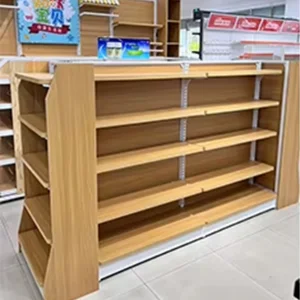
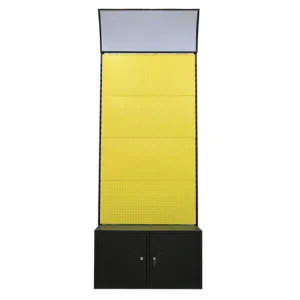
Through our custom OEM/ODM services, clients can modify dimensions, steel sheet thickness (uprights, brackets, and shelves), back panel configurations (perforated pegboard, wire mesh, slatwall, or flat steel), and request custom colors matching RAL standards. We also offer composite material integrations, such as adding natural wood elements or LED lighting channels.
Standard product configurations are typically completed within 20 to 25 days from deposit confirmation and technical drawing sign-off. Highly customized OEM designs requiring custom tooling and custom components may extend the manufacturing cycle to 30 or 40 days, depending on the complexity of the profiles.
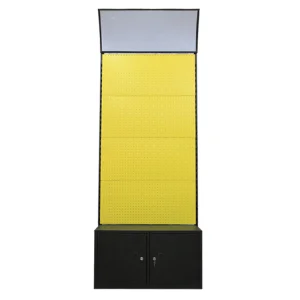
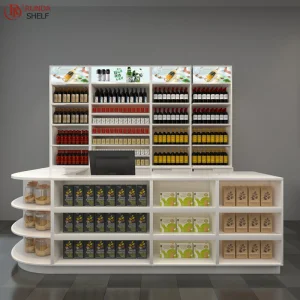
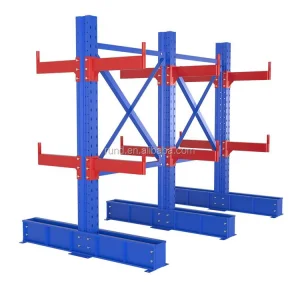
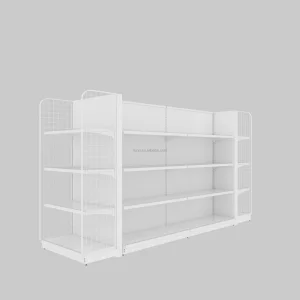
Explore our structural cantilever systems, single-sided pegboards, integration checkout modules, and flexible wall-mounted fixtures.
 FortisRack