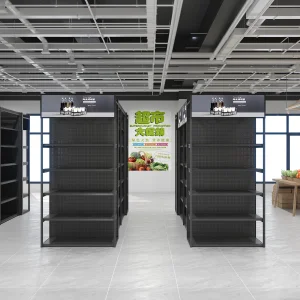
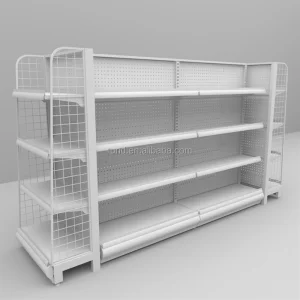
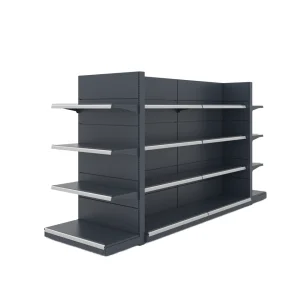
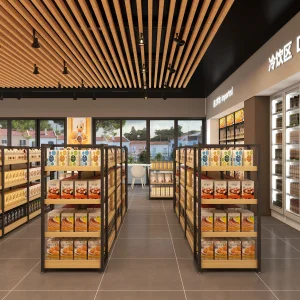
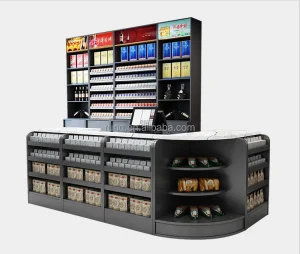
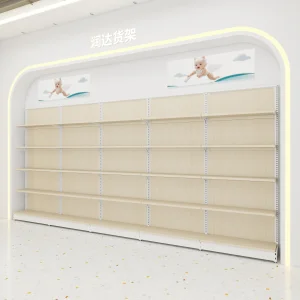
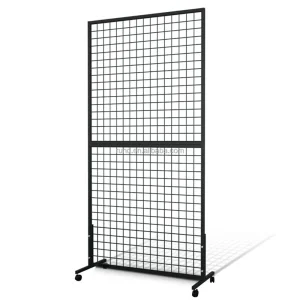
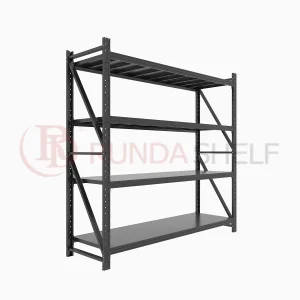
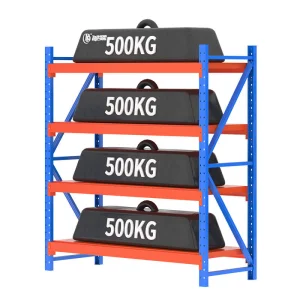
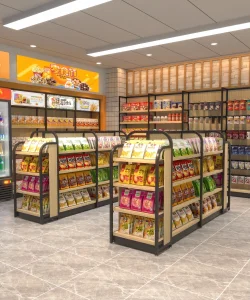
Explore our engineering capabilities through our active production line products deployed in global logistics networks.
A strategic overview of mechanics, global demand, and the structural engineering trends driving space optimization.
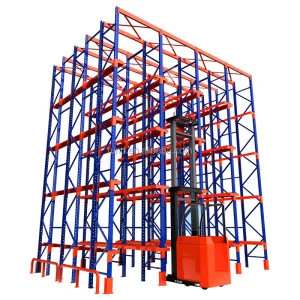
In modern industrial logistics, the optimization of cubic footprint utilization is paramount. Pantograph Shelving Systems—characterized by their mechanical scissor-arm extension assemblies—represent a pinnacle of dynamic warehousing engineering. Unlike static storage configurations, pantograph mechanism racking allows forklift operators or automated storage and retrieval systems (AS/RS) to extend load reaches deep into double-depth racks. This mechanical capability reduces necessary transit aisle dimensions by up to 40% while preserving rapid single-pallet access selectivity. The global industrial shift towards micro-fulfillment centers, cold-storage operations, and automated logistics networks has elevated the demand for precision OEM pantograph structural designs.
From an structural engineering perspective, designing pantograph components requires intense focus on load-moment coefficients, fatigue-resistant steel formulations, and low-friction articulation joints. As industrial spaces become more expensive per square foot, supply chain operations are transitioning from low-efficiency wide aisle storage configurations to high-performance double-deep or telescopic systems. OEM factories play a fundamental role in this transition by adapting raw material compositions, manufacturing tolerances, and surface protection layers to withstand high cycling frequencies and extreme temperatures.
Telescopic scissor arms yield double-deep storage capability, effectively eliminating redundant operating aisles, which results in up to a 35% improvement in volumetric storage efficiency (SKU density per square meter).
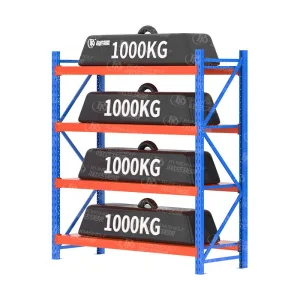
Bespoke adaptations for varying pallet load requirements (from 500kg up to 2000kg structural limits per position), designed using rigorous finite element analysis (FEA) software platforms.
Our OEM structures feature tight dimensional tolerances (within ±1.0mm) to allow seamless mechanical integration with autonomous mobile robots (AMRs) and robotic pallet insertion/extraction platforms.
A global leader in structural engineering, automated testing, and comprehensive warehouse storage solutions.
Established in 2016, Nanjing Fortis Storage Equipment Manufacturing Co., Ltd. commands a modern industrial plant covering 48,000 m². Driven by 10 years of deep industry expertise and 7 years of global trade experience, our annual export turnover reaches $35 million. We uphold strict quality control through ISO14001 and TUV standards, performing automated CMM dimensional inspections and salt spray corrosion testing with 62 full-time QA personnel.
As a direct factory exporter, our key commercial footprints span Western Europe, South America, and the Middle East, integrated with a network of over 1,400 supply chain partners. Our client base mainly includes mega-warehouse developers, cold chain storage operators, and global retail chains. Our robust R&D team of 80 engineers specializes in bespoke structural adaptations, special surface coating treatments, and high-density racking configurations, introducing 350 innovative products to the global market last year.
Every OEM pantograph framework produced at our facilities undergoes structural deflection stress tests. We verify weld penetration depth using non-destructive ultrasonic techniques, guaranteeing safe operation even under constant high-load cycles in demanding industrial environments.
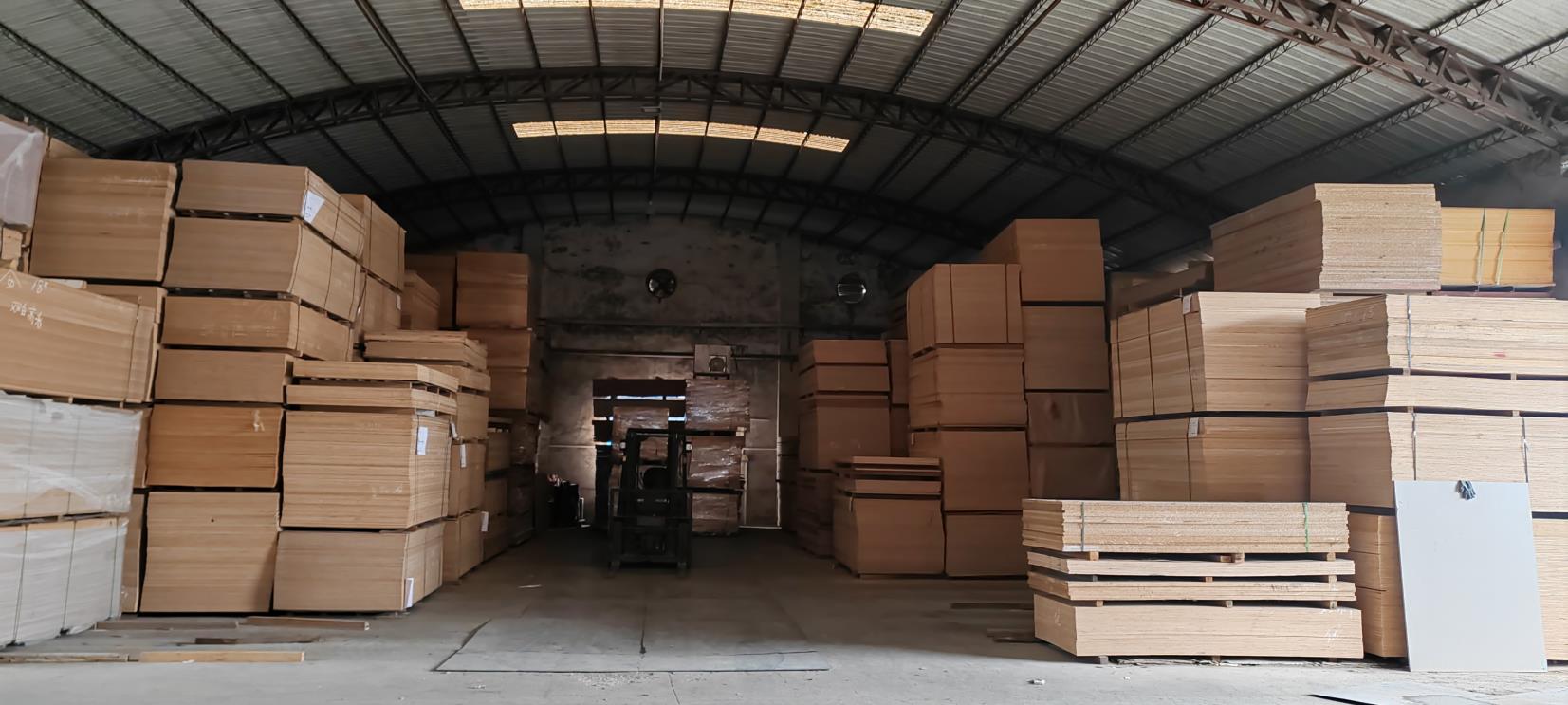
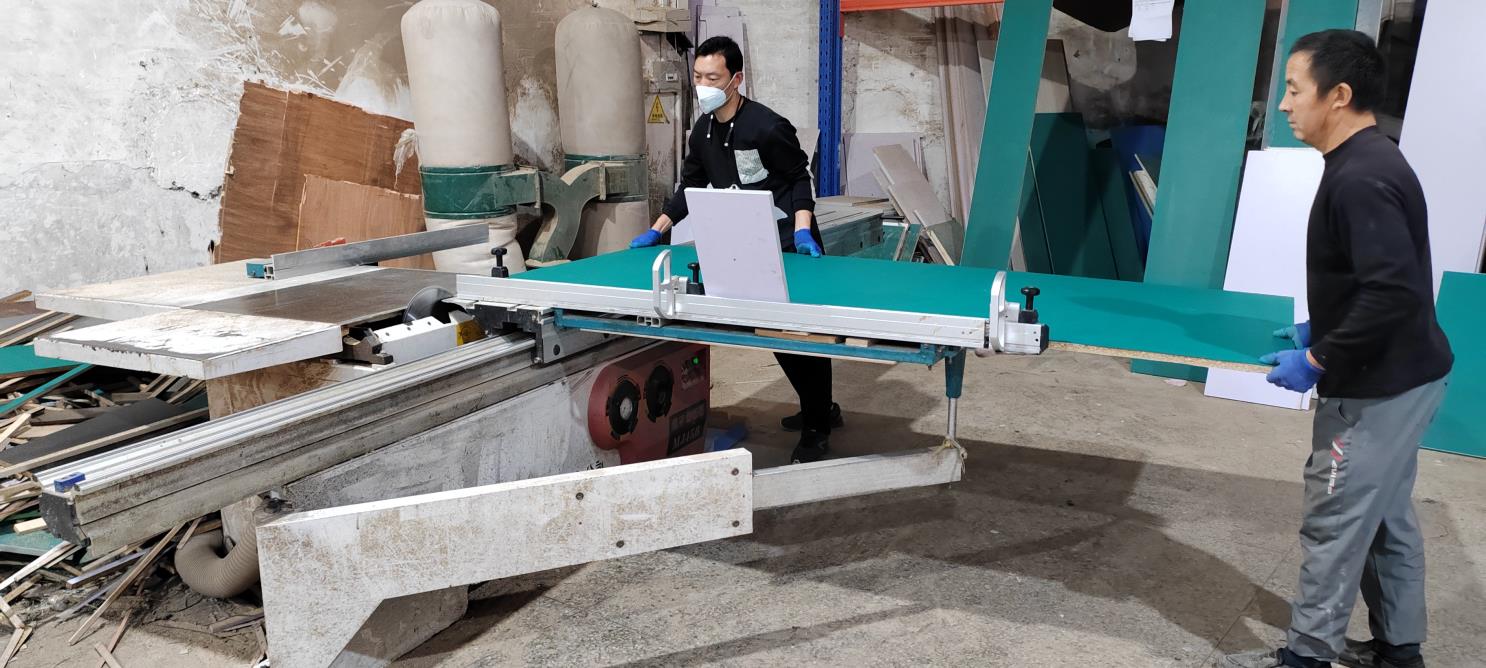
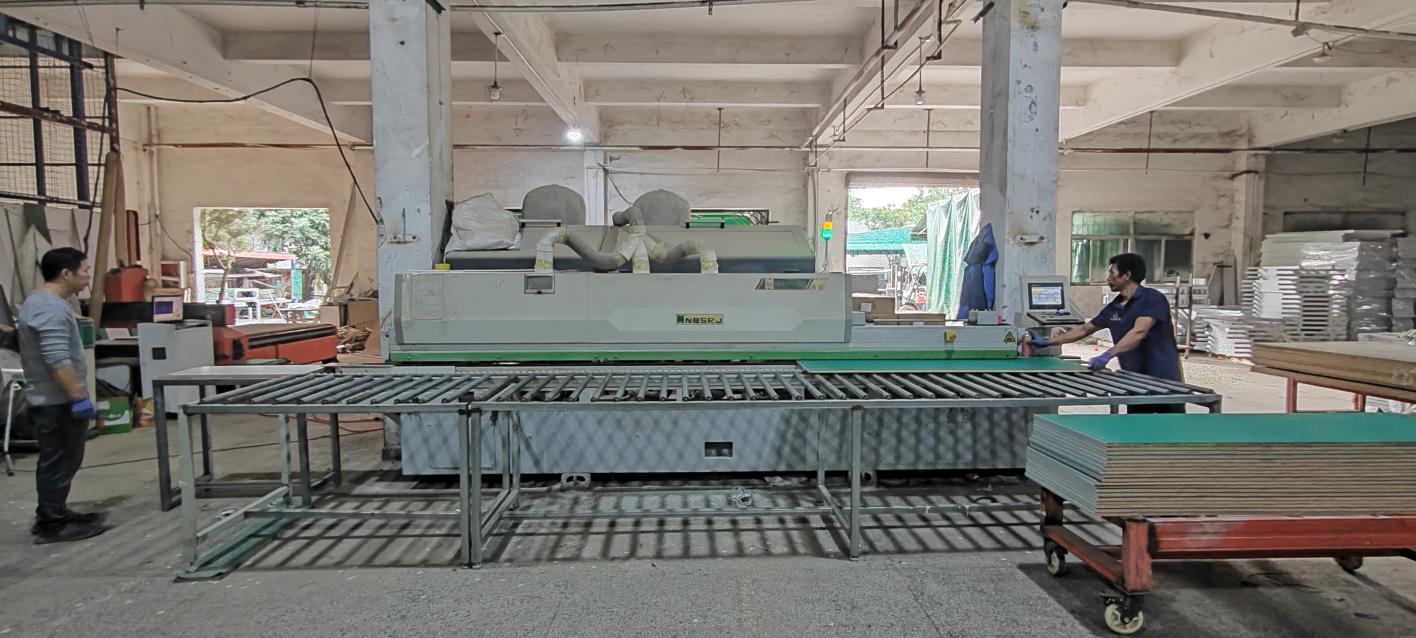
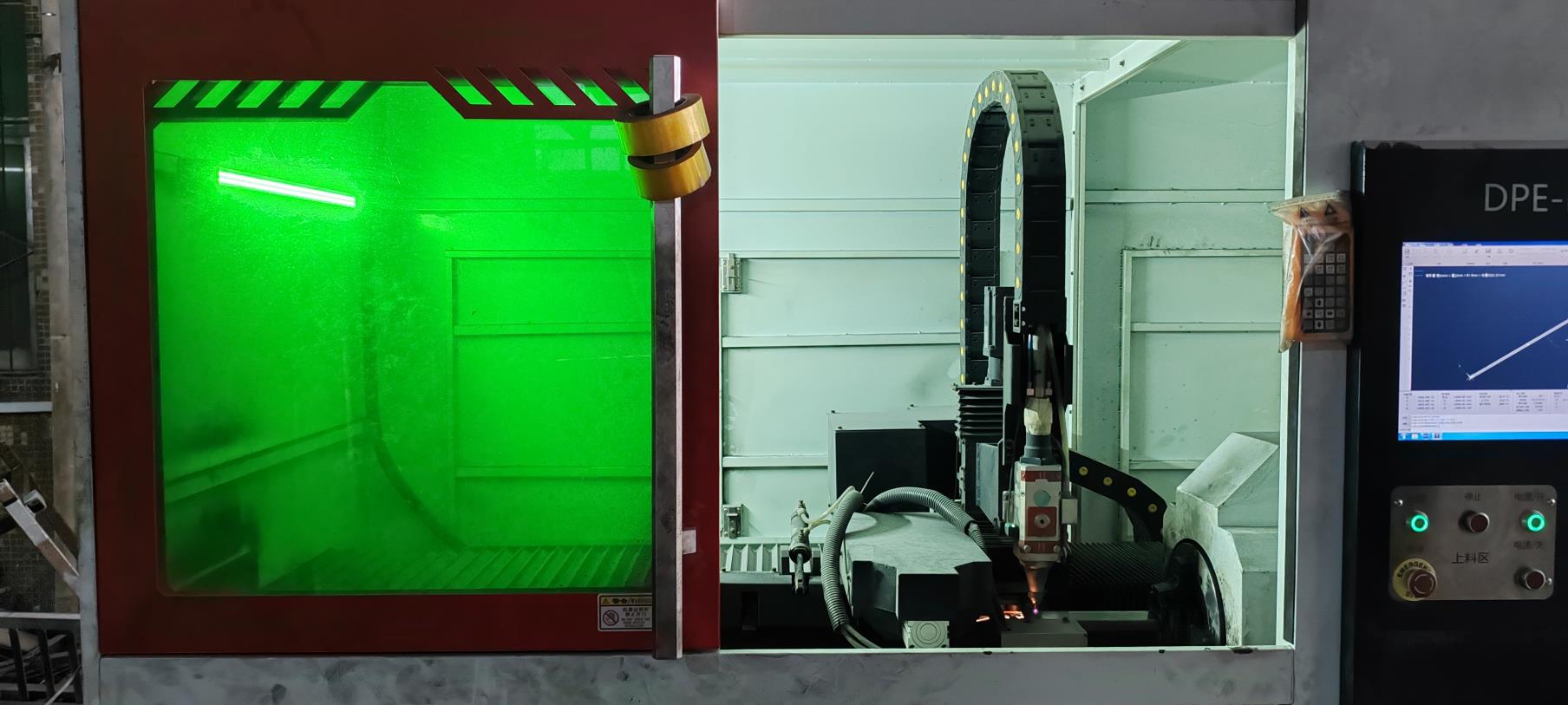
Step-by-step raw material transformation, machining, and surface finishing within our integrated manufacturing facility.
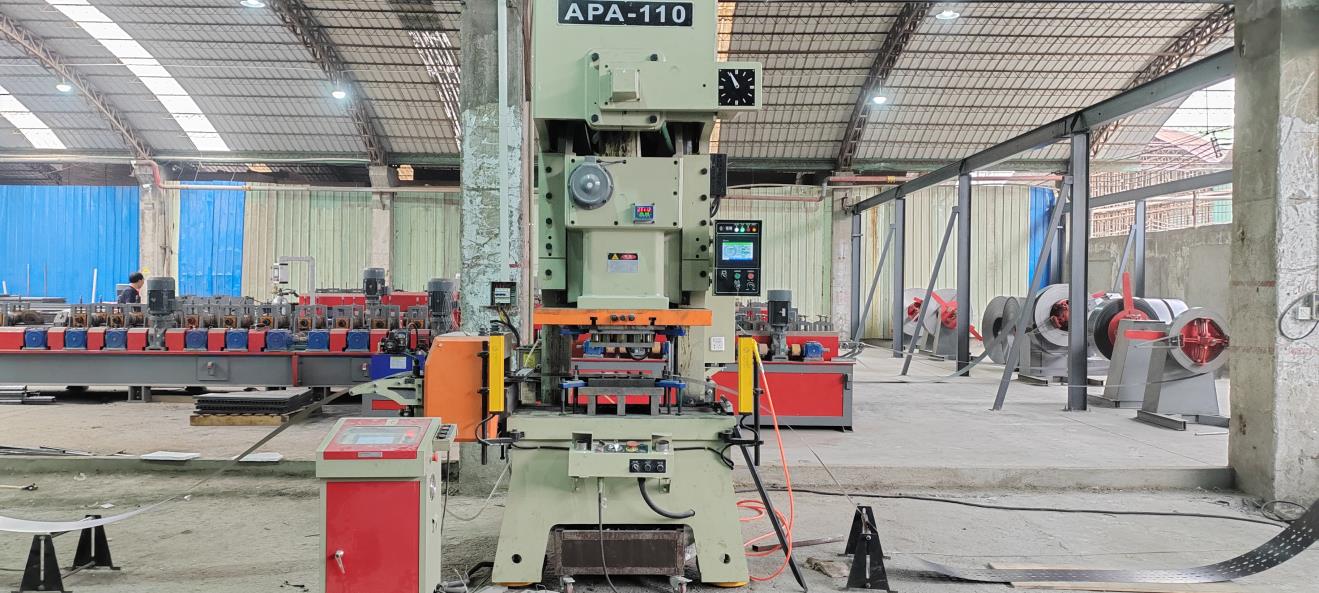
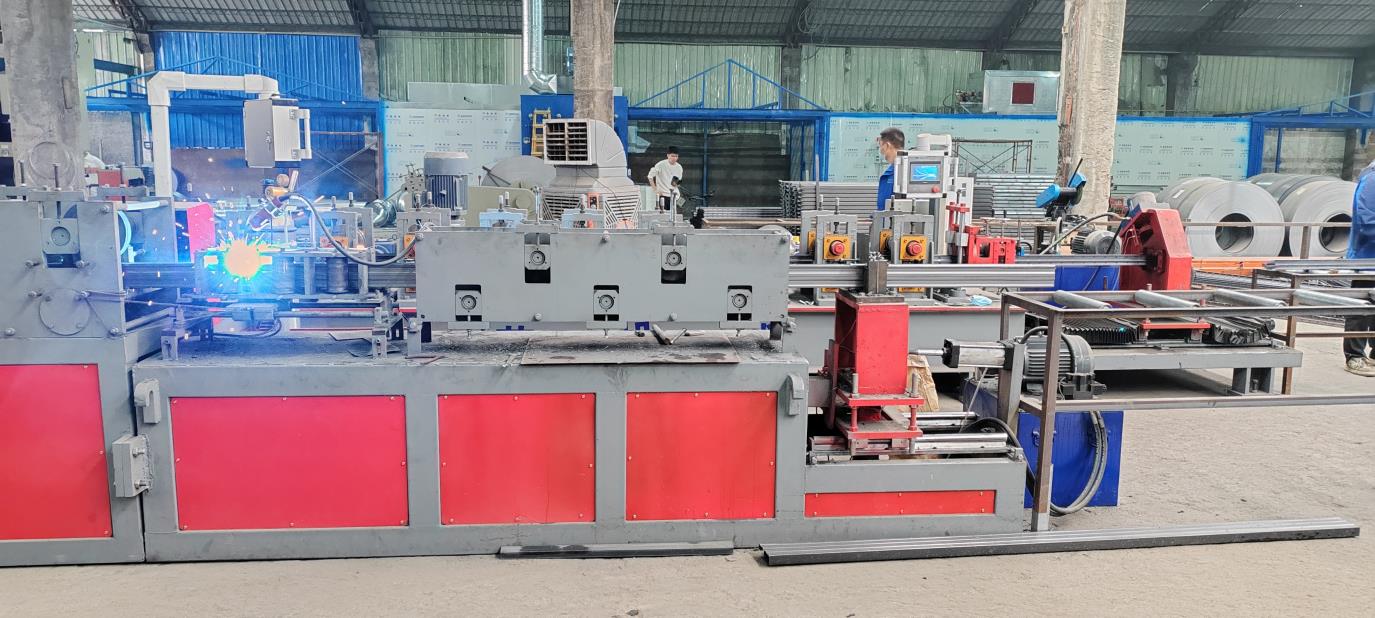
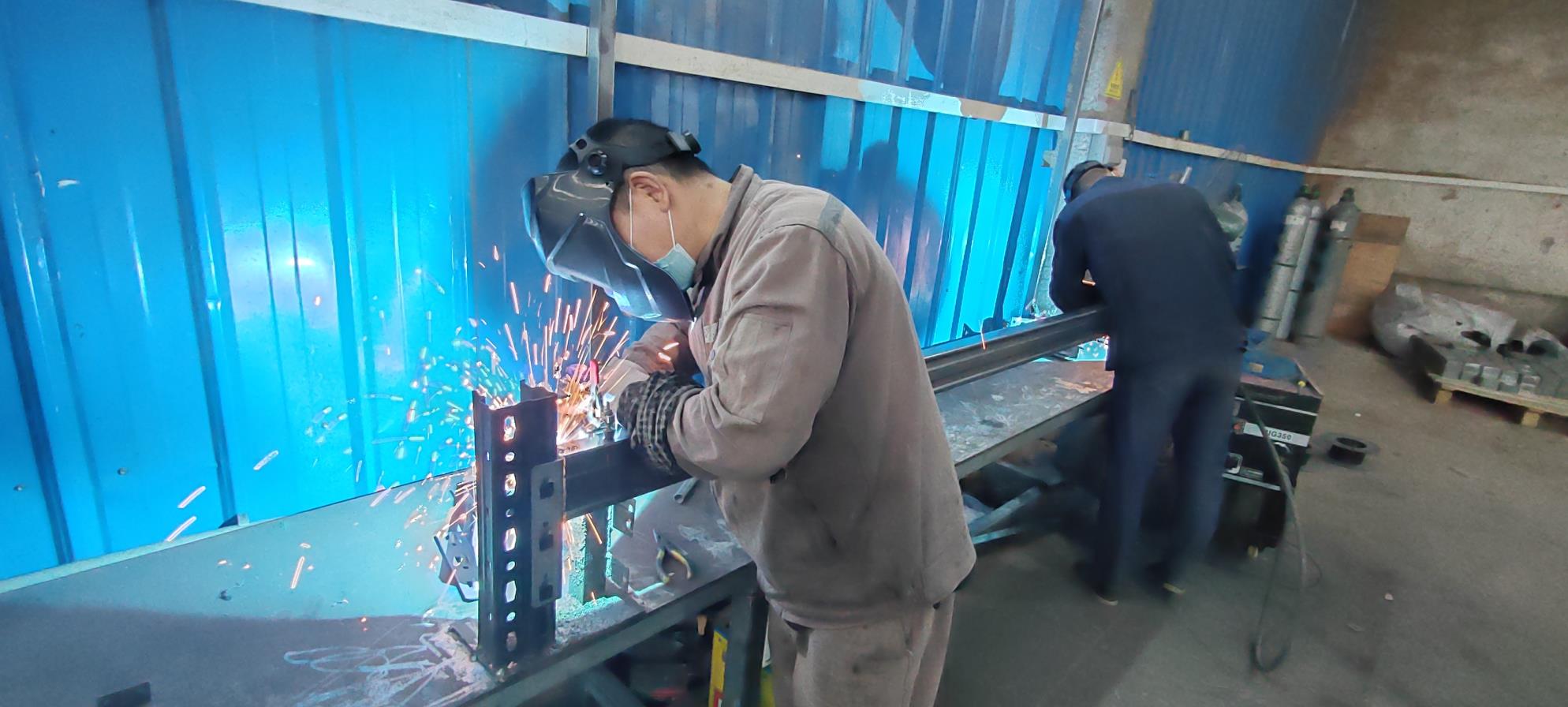
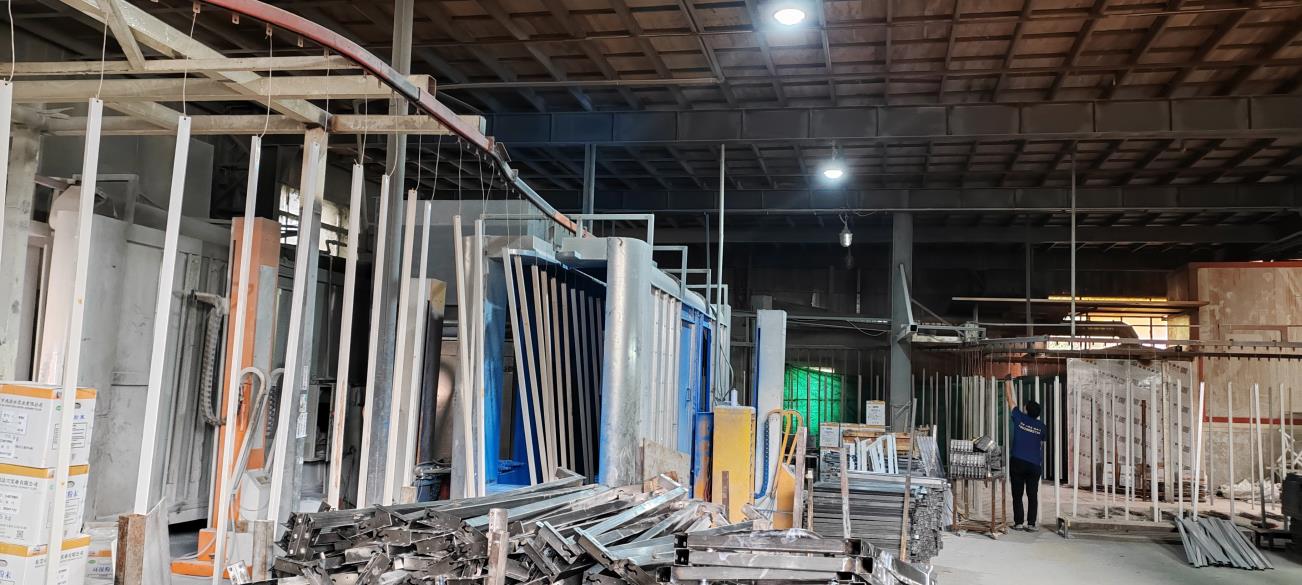
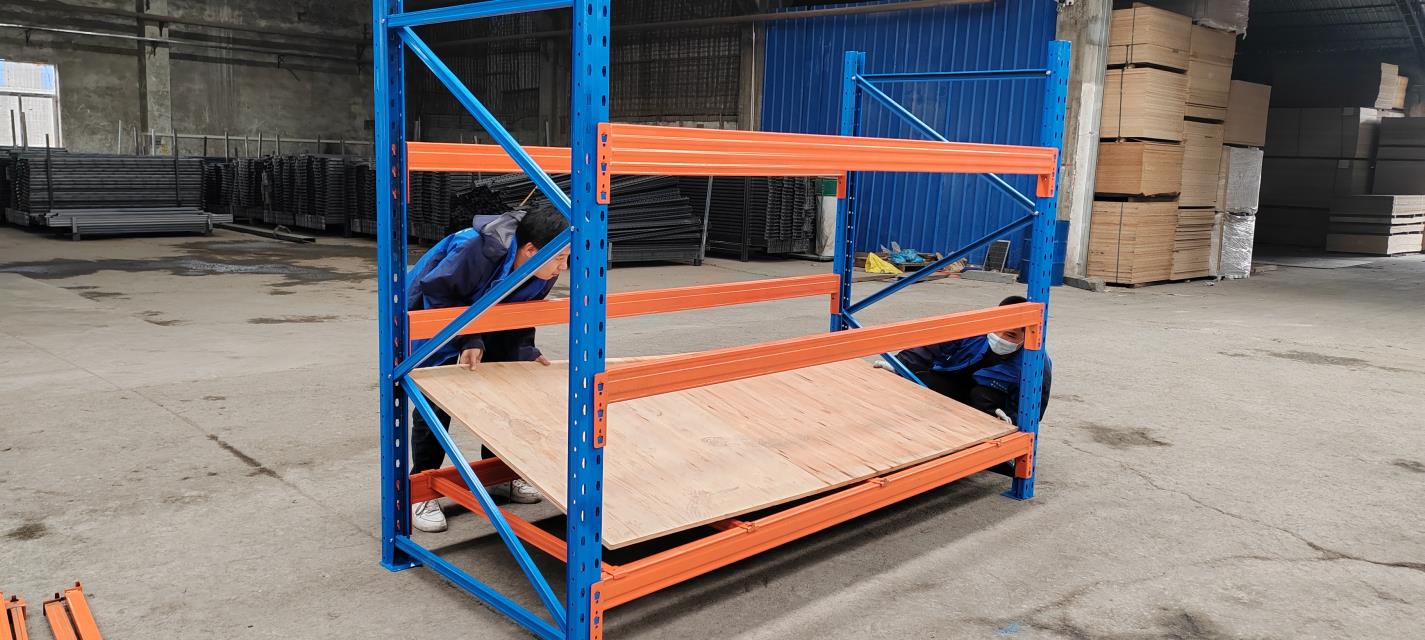
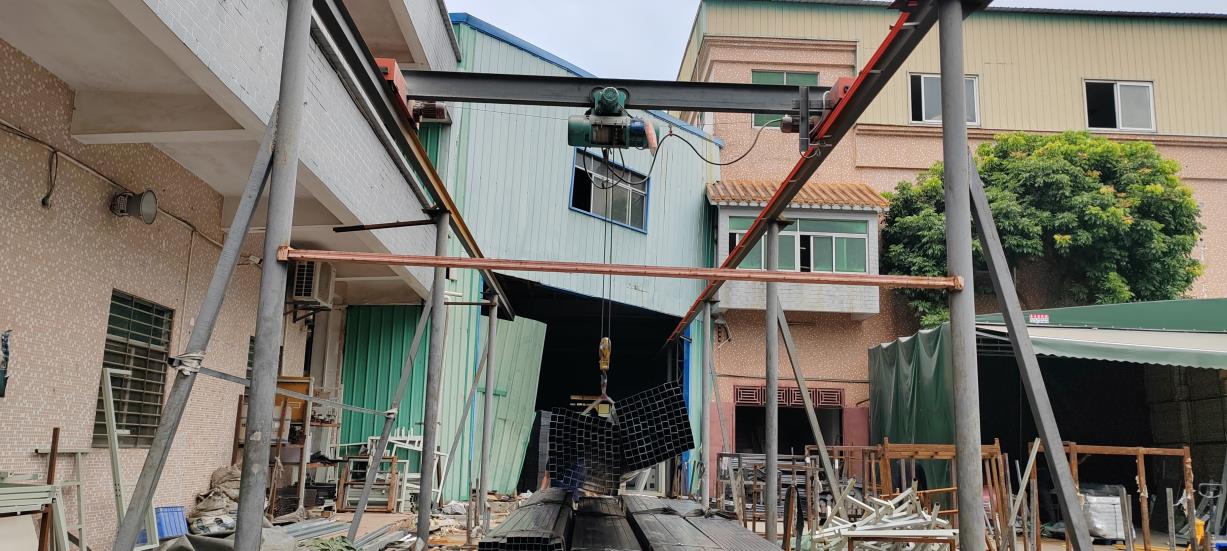
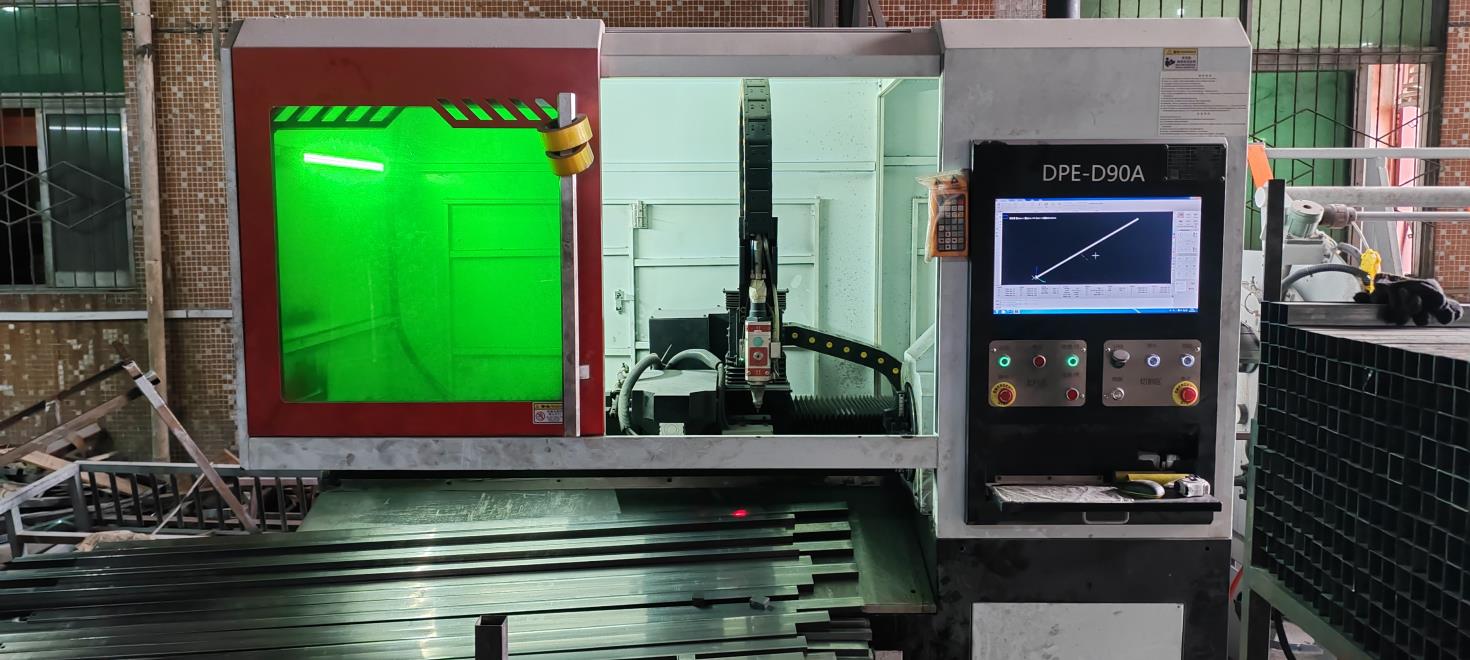
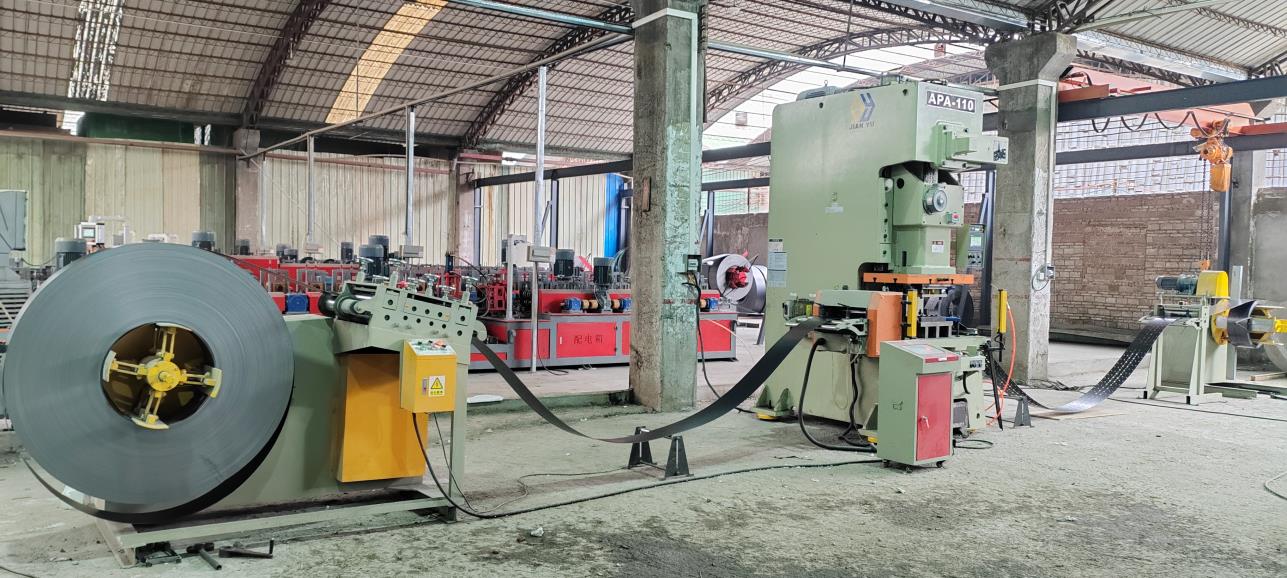
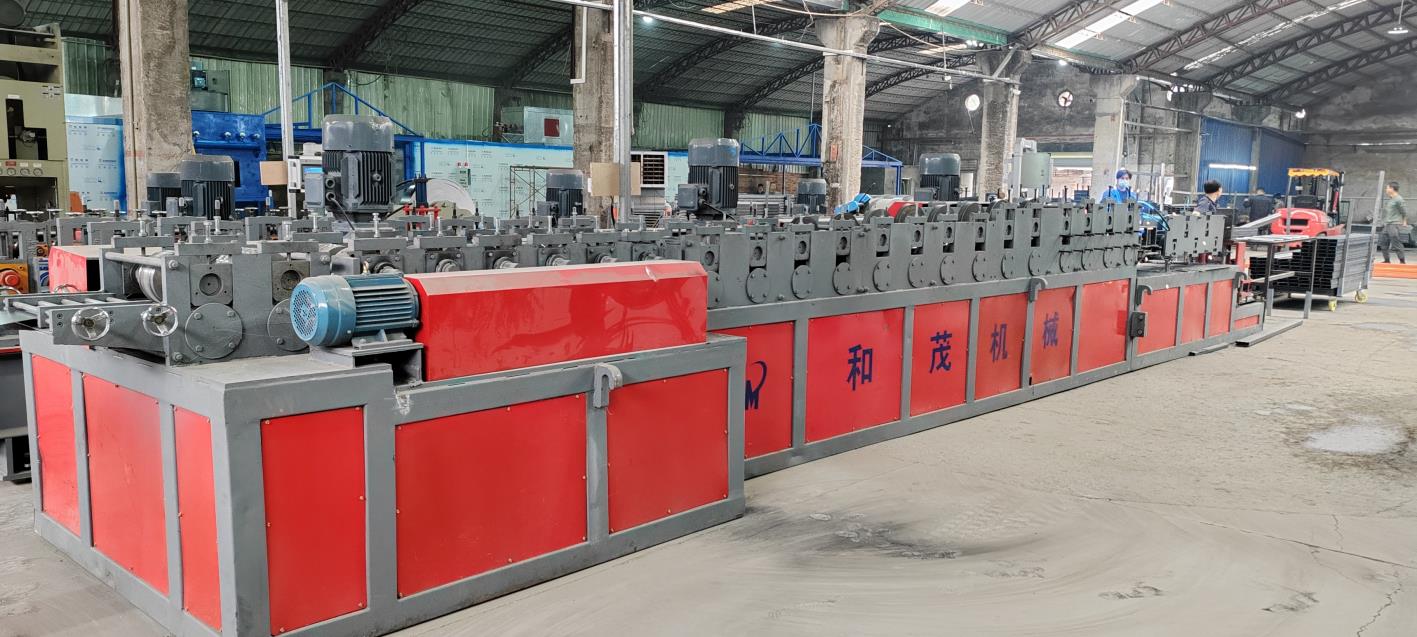
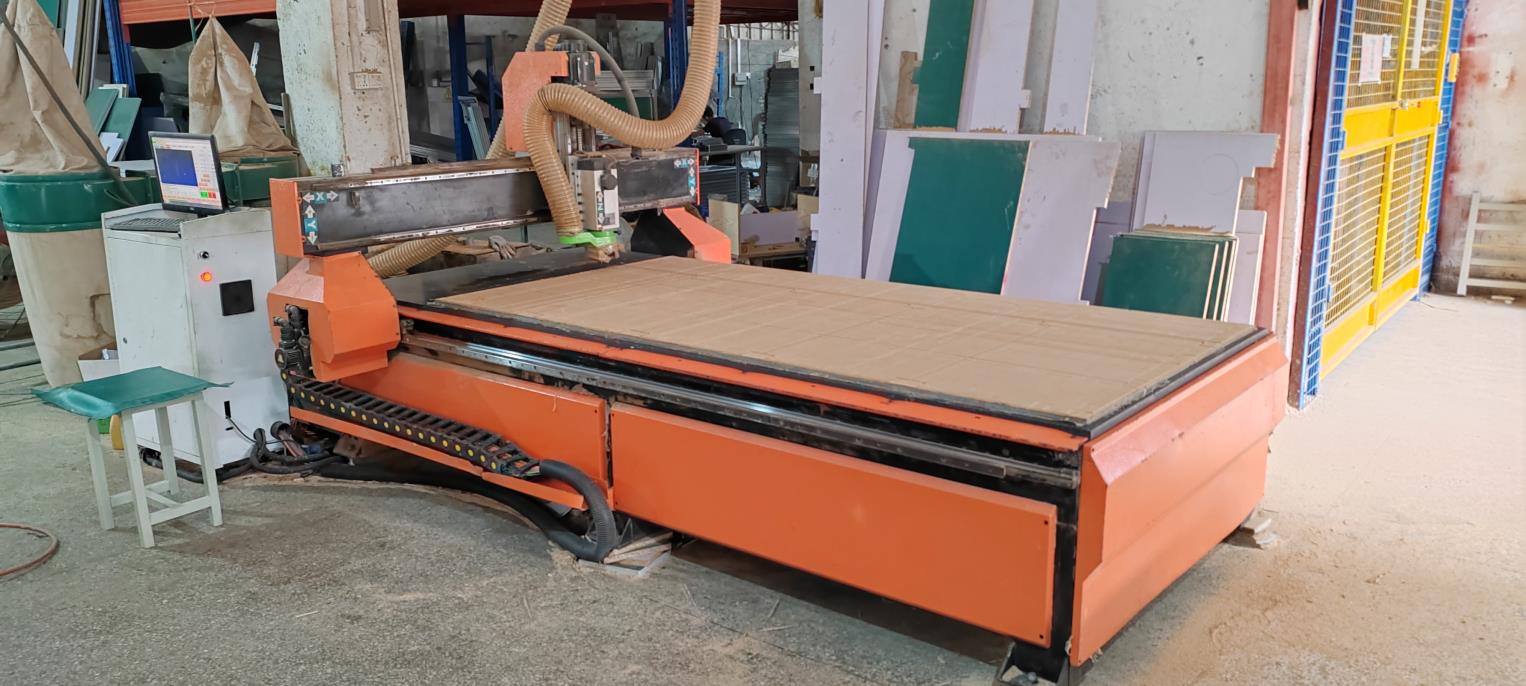
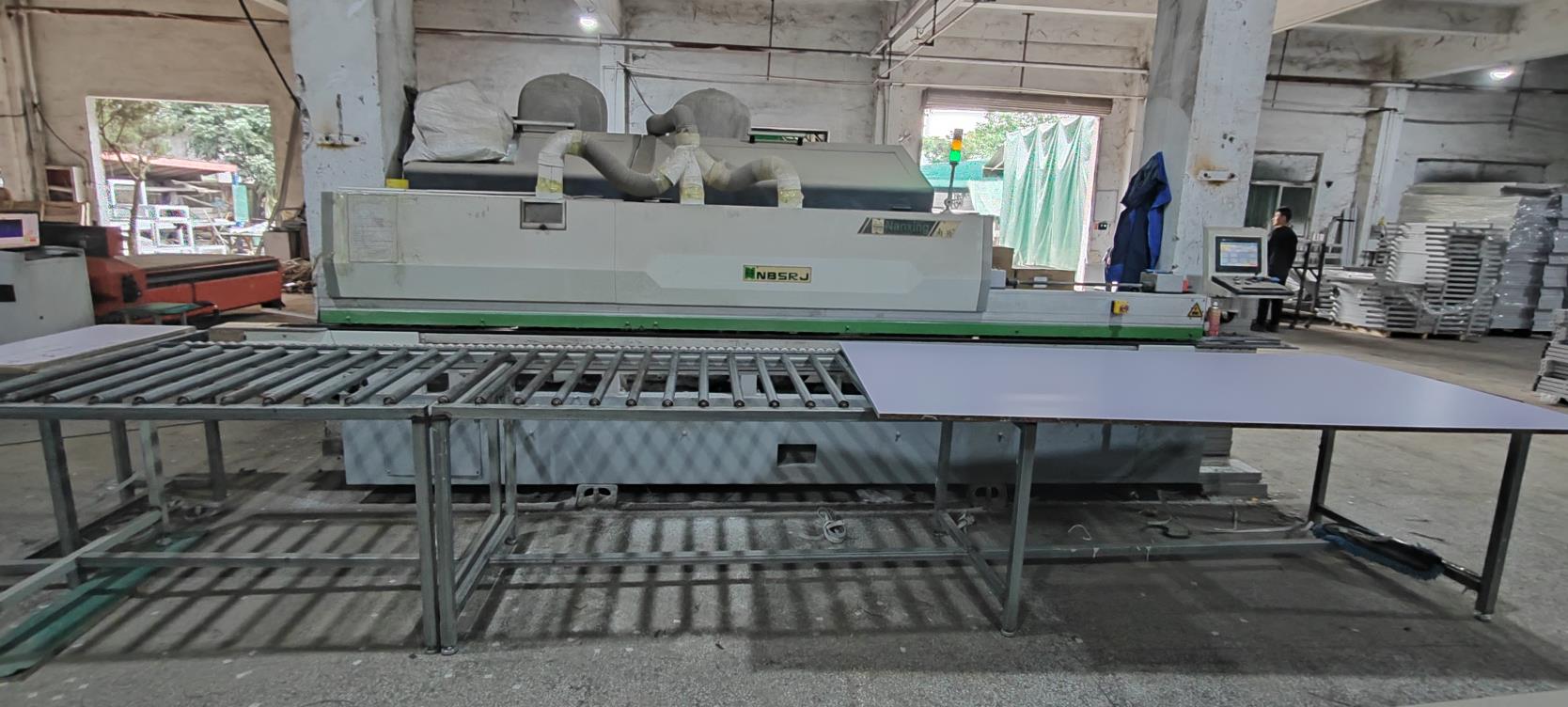
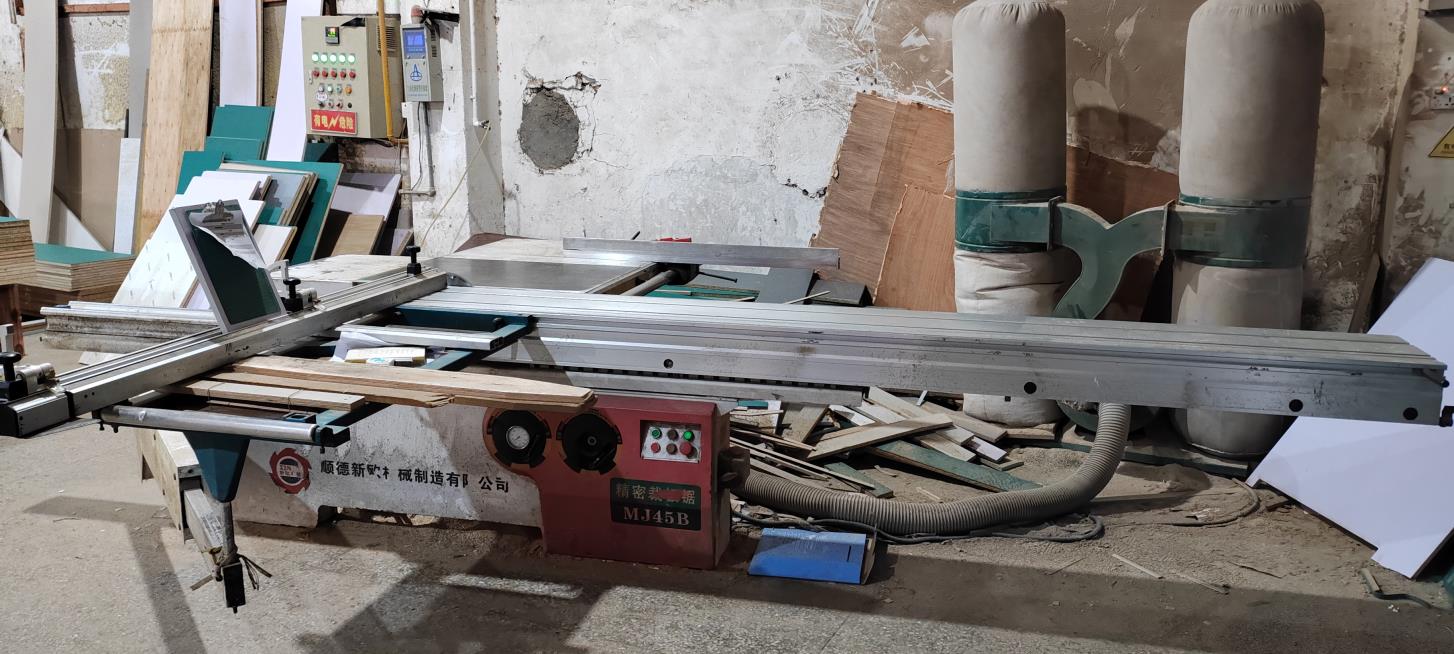
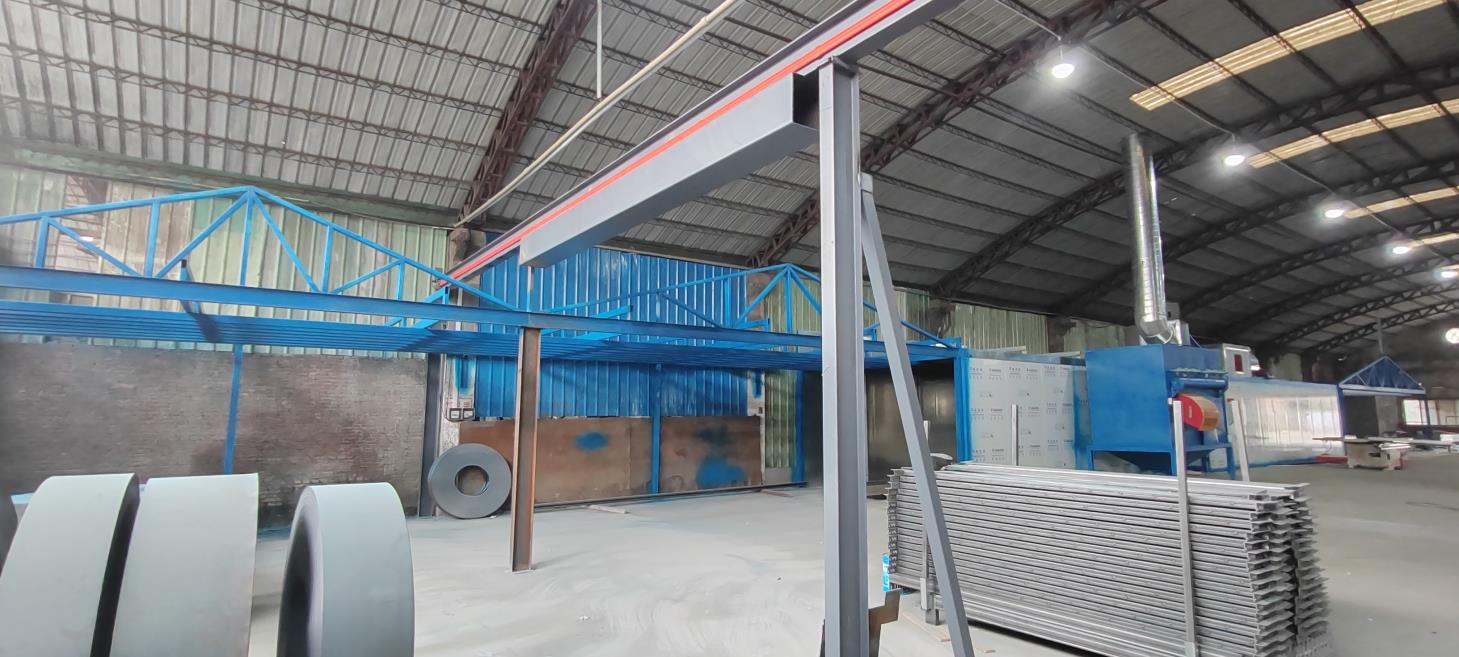
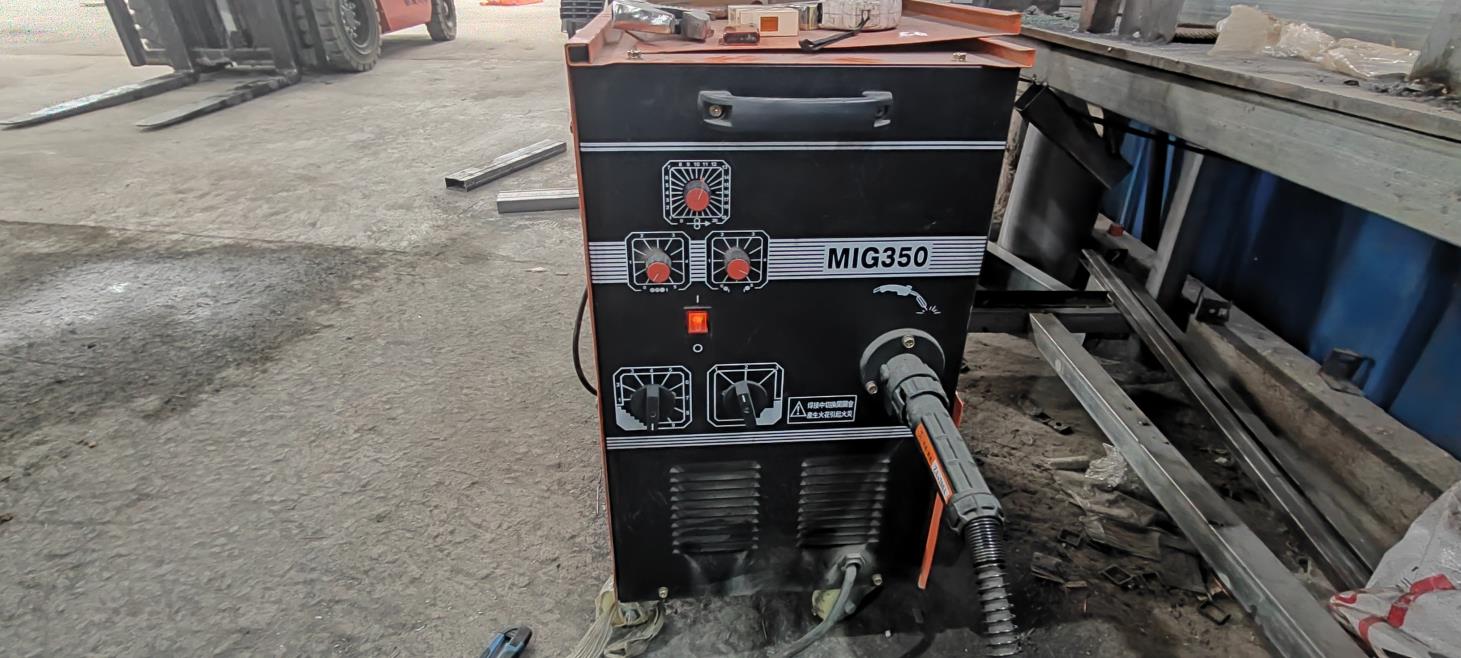
The convergence of material science, automated electronics, and predictive structural maintenance.
The manufacturing landscape for pantograph and high-density industrial shelving systems is rapidly evolving. Today, structural static storage is transitioning into dynamic, automated load-retrieval assemblies. The following technological trends shape the R&D roadmap for modern OEM production plants:
Transitioning from standard Q235 carbon steel to Q355D and Q420 high-yield structural alloys. This minimizes overall frame self-weight while boosting maximum shear-load resistance by up to 25% under cyclic mechanical stress.
Embedding telemetry micro-sensors into critical shear joints of scissor assemblies to evaluate load balance, arm strain, and dynamic alignment in real-time, preventing structural failures in automated AS/RS hubs.
Application of multi-stage thermosetting epoxy powder coatings optimized for deep-freeze storage (-35°C to -45°C), preventing paint cracking, metal embrittlement, and rapid condensation-induced corrosion.
Bespoke implementations designed for high performance across diverse global supply chain verticals.
Modern logistics operations must adapt to spatial challenges that differ by location and vertical sector. The deployment of custom OEM pantograph assemblies is engineered to resolve specific operational challenges across three critical macro-scenarios:
Challenge: Energy costs mandate maximum cubic storage capacity inside temperature-controlled rooms. Cold space costs 3x more than ambient storage space.
Solution: Double-deep pantograph structures allow high-density pallet layout configurations, reducing the total footprint volume required for cooling by 30-40% while preserving rapid FIFO/LIFO flexibility.
Challenge: Space within central cities is constrained, requiring ultra-dense vertical SKU arrangement with low-clearance robotic operations.
Solution: High-tolerance OEM structural steel shelving integrated with compact scissor mechanics, allowing precise automated reach and placement inside low-profile racks.
Challenge: Warehousing dynamic parts (dies, engines, gearboxes) with variable footprint sizes and weights up to 1500kg per storage position.
Solution: Extra-reinforced, custom-manufactured pantograph cantilever shelves with thick-walled support tubes and dual-braced scissor arms to absorb massive unbalanced weight stresses.
Addressing critical engineering questions from warehouse managers, mechanical integrators, and structural planners.
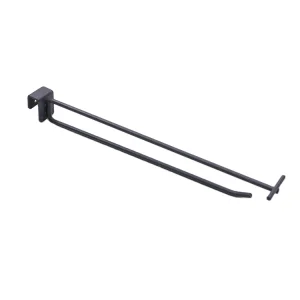
Complete your facility configurations with our specialized display and storage accessories.
 FortisRack