The modernization of fresh food retail demands a paradigm shift in visual merchandising and thermal engineering. Modern deli displays are no longer passive holding structures; they are active environments engineered to prolong food viability, eliminate pathogen replication paths, and optimize visual sales curves.
For global supermarkets, hypermarkets, and cold-chain operators, procurement of commercial deli displays involves navigating precise thermodynamic, mechanical, and safety thresholds. Performance characteristics such as uniform laminar airflow distribution, low-emissivity (Low-E) tempered double glazing, and high-efficiency evaporator systems dictate the viability of fresh meat, prepared entrees, and dairy products.
By utilizing high-conductivity copper tubing and aluminum fin evaporator surfaces, combined with micro-channel condenser heat exchangers, we minimize thermal fluctuations. Maintaining steady temperatures between -1°C and +5°C (M1 temperature class) prevents surface dehydration of premium protein products, directly reducing food shrink rates and protecting bottom-line profitability.
Precision engineered air curtains limit convective ambient heat leakage. Programmed flow velocity maintains steady thermal profiles inside open and closed-front deli systems.
Built using SUS304 food-grade stainless steel in all contact zones. Features integrated base drains, radiused interior corners, and removable tray systems for clean-in-place processes.
Equipped with specialized LED spectrums (meat-specific pink profiles and high-CRI white light) to improve product freshness cues without introducing thermal load.
The technological roadmap of Fortis Deli Displays prioritizes decarbonization, predictive operational intelligence, and advanced structural materials. By transitionining away from high-GWP HFCs, our commercial display units are fully optimized for natural refrigerants, primarily propane (R290) and carbon dioxide (R744).
Furthermore, the integration of IoT diagnostic telemetry allows retailers to track unit performance in real-time. By utilizing Modbus/RS485 and wireless cloud gateways, predictive maintenance alerts identify compressor wear or coil restriction prior to system failure.
In the physical display space, we are executing anti-condensation innovations through invisible conductive metallic coatings on the exterior glass. This eliminates traditional, energy-intensive resistive wire heating systems while maintaining zero-condensation performance under 80% relative humidity.
Established in 2016, Nanjing Fortis Storage Equipment Manufacturing Co., Ltd. commands a modern industrial plant covering 48,000 m². Driven by 10 years of deep industry expertise and 7 years of global trade experience, our annual export turnover reaches $35 million.
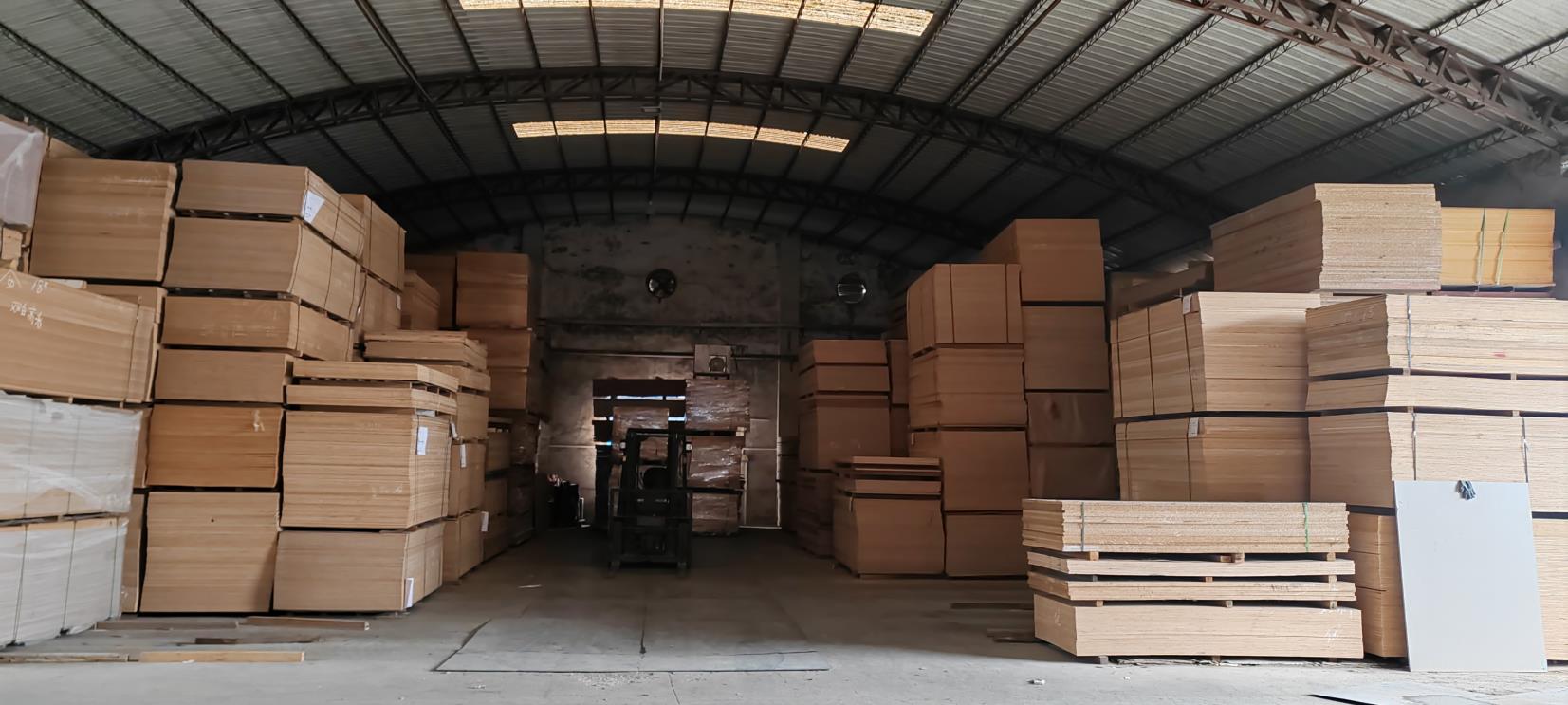
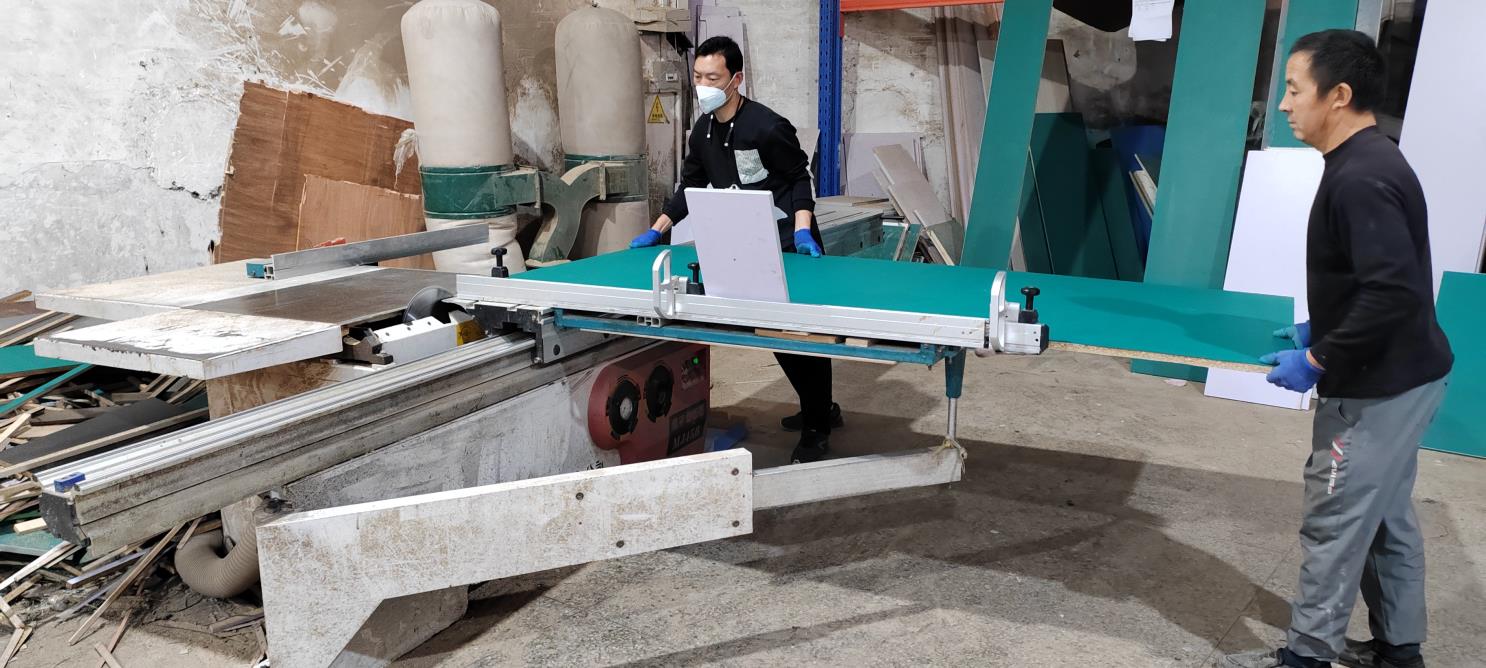
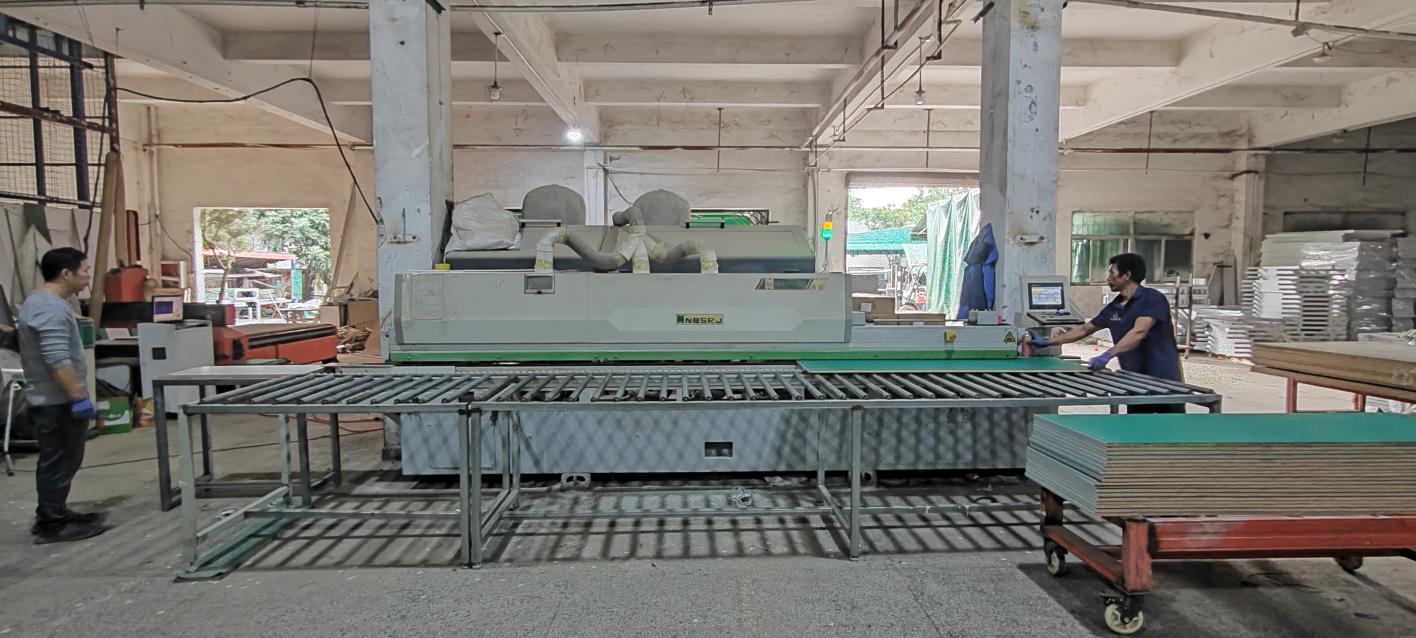
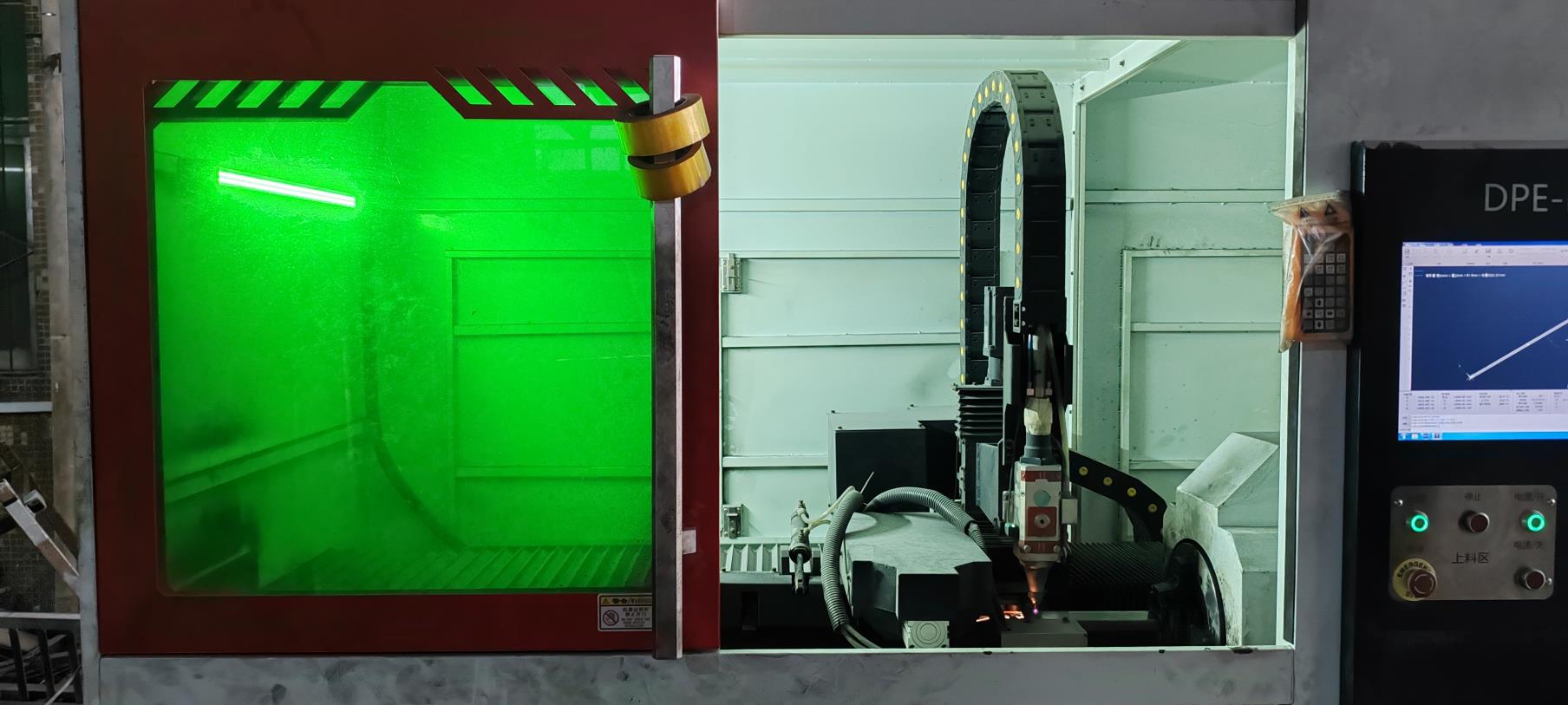
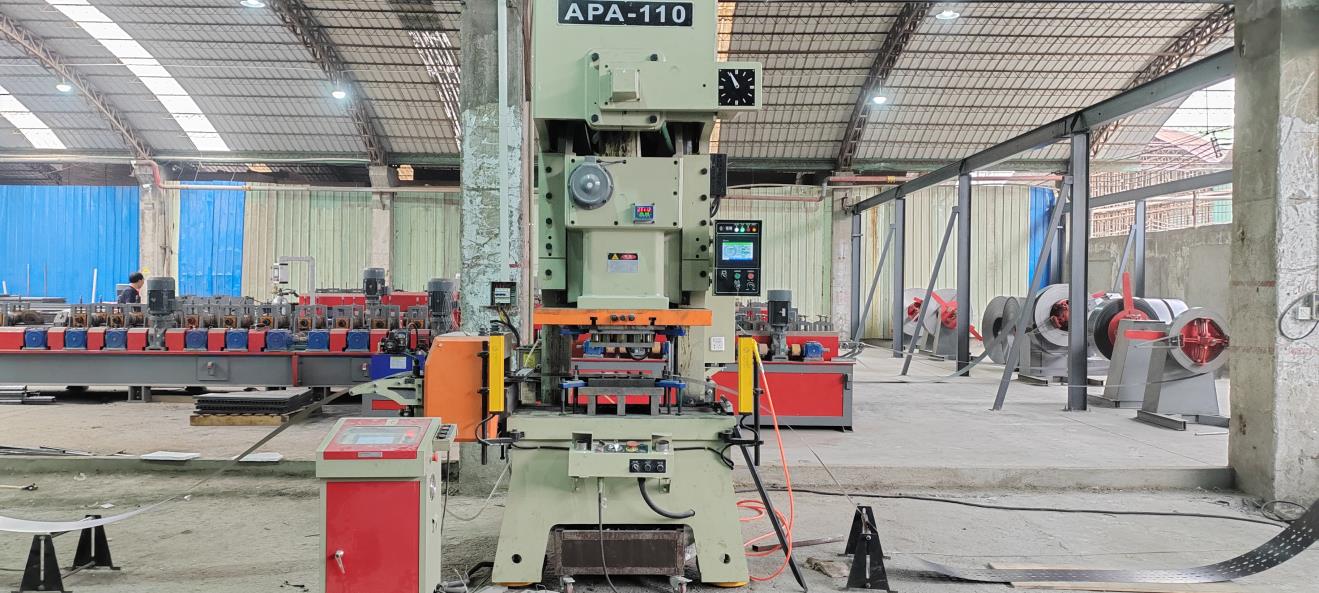
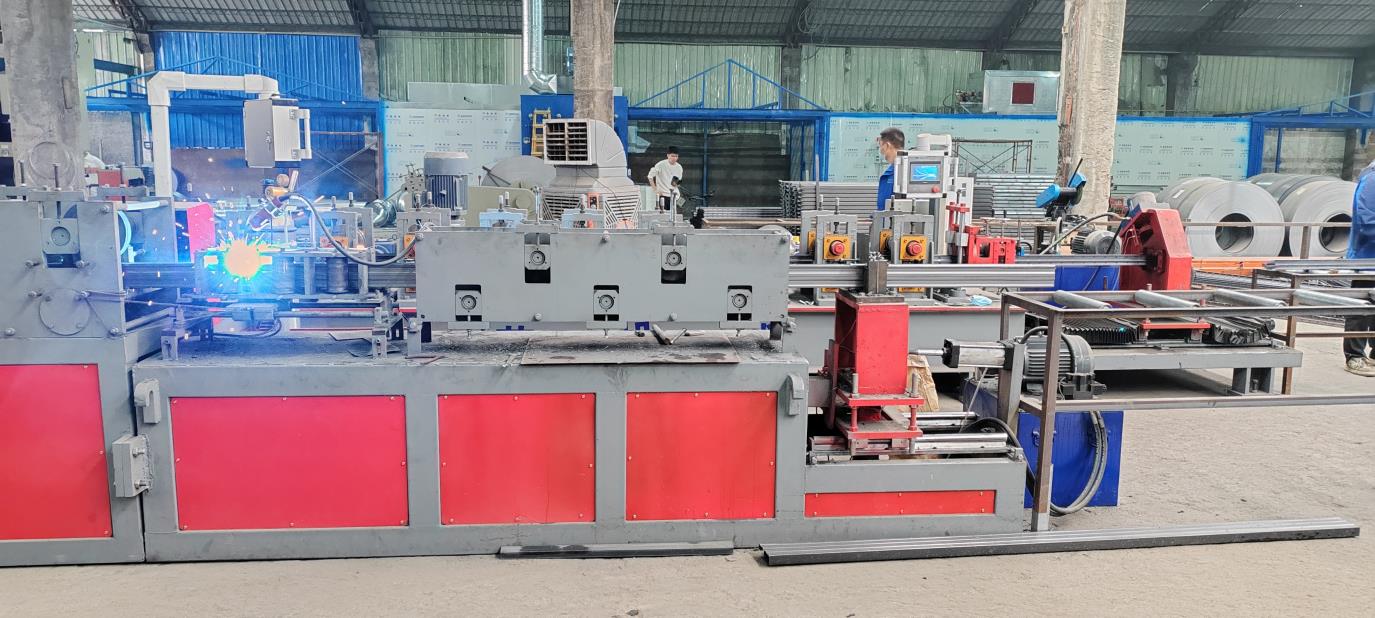
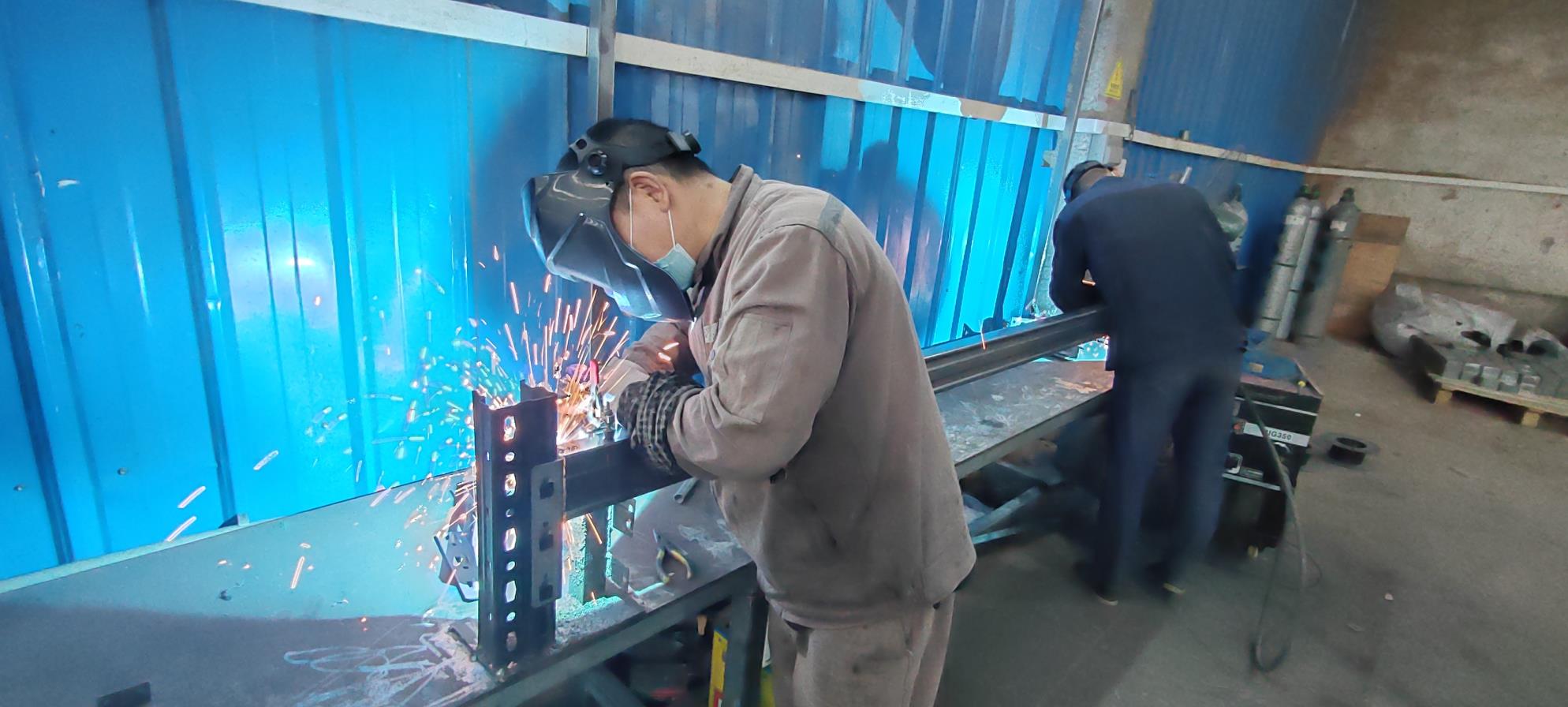
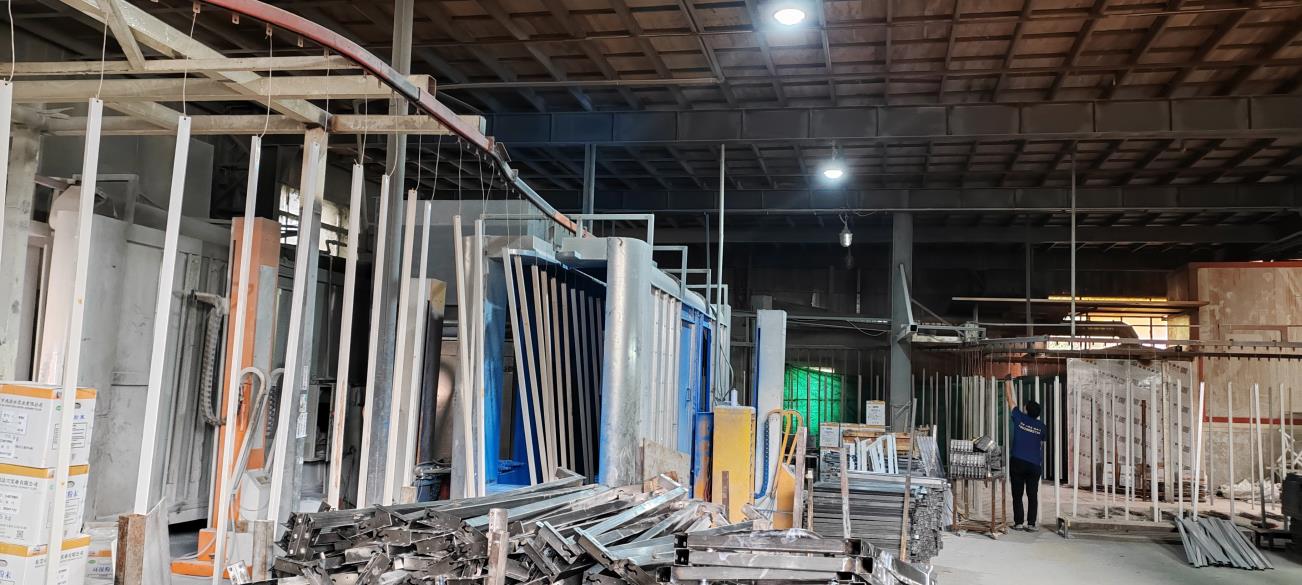
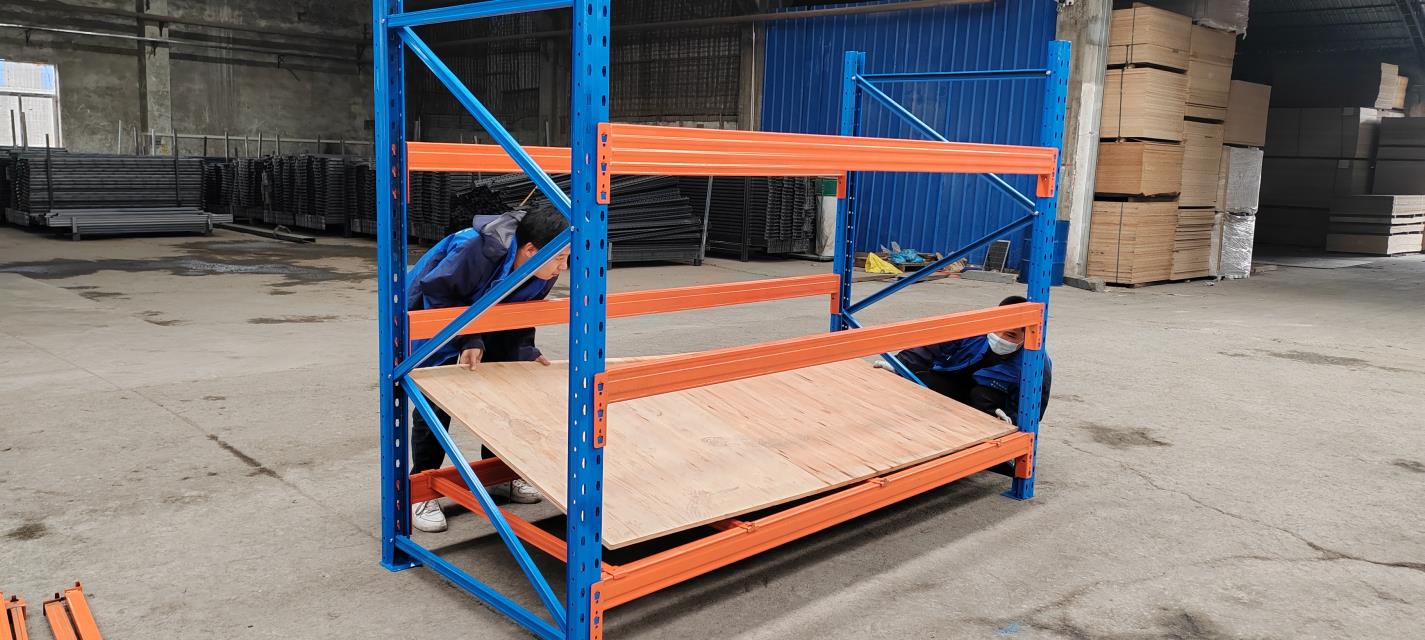
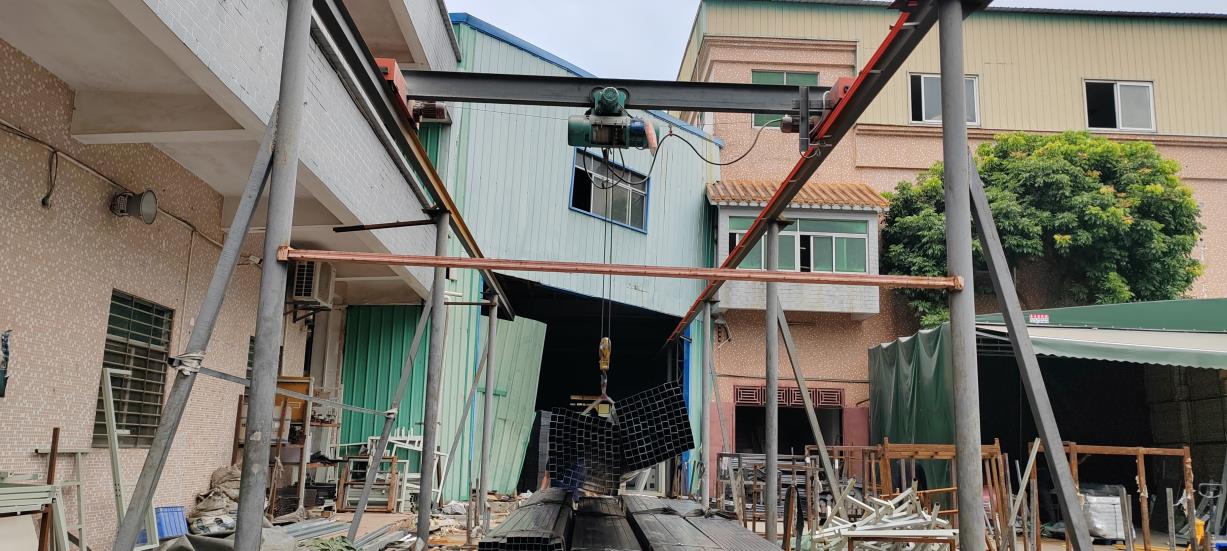
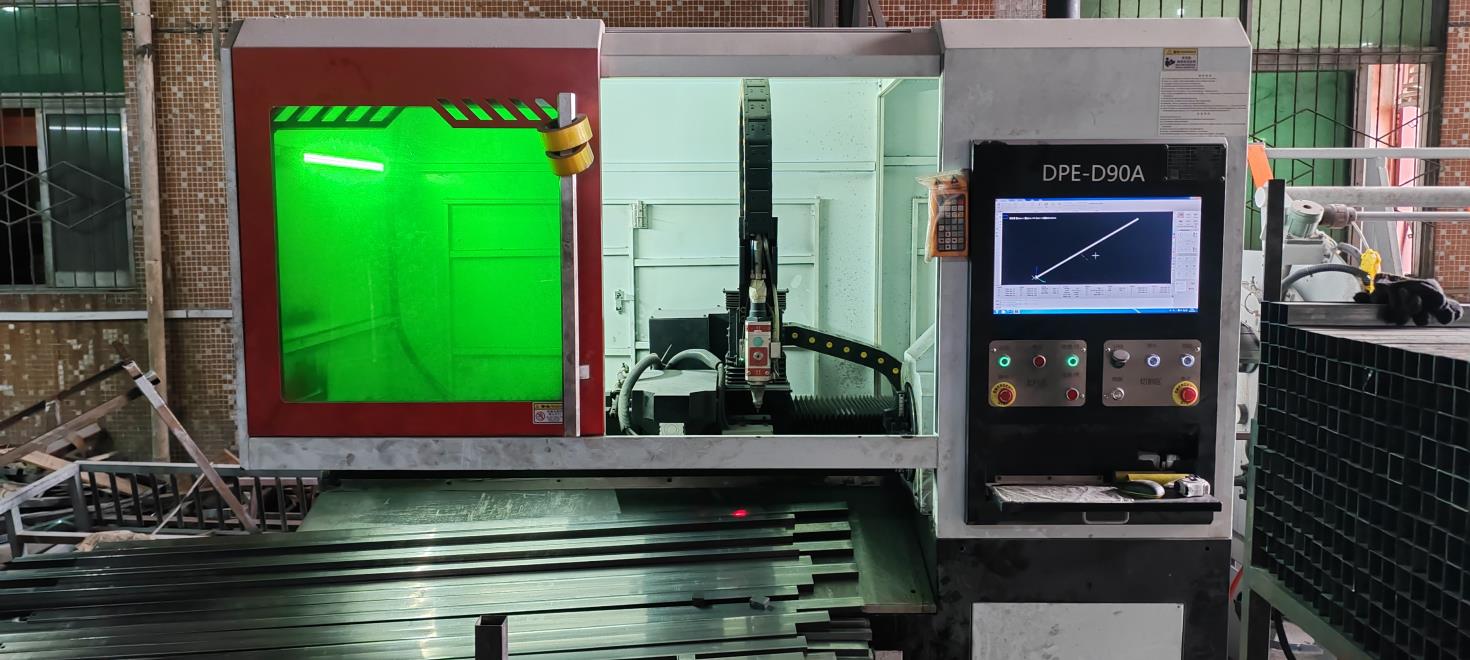
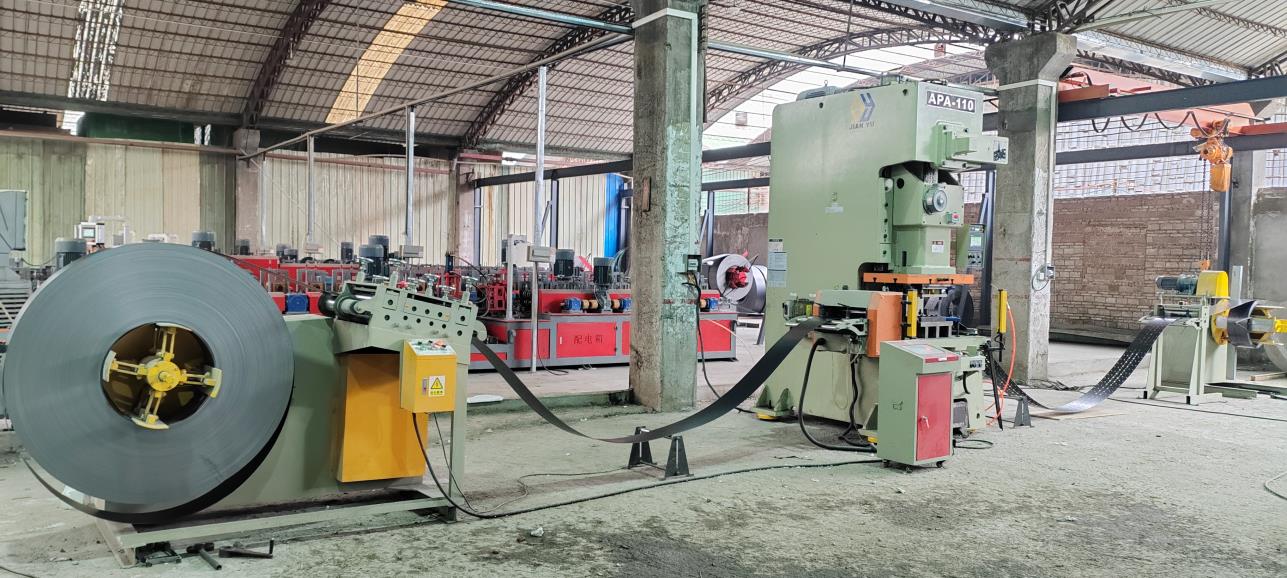
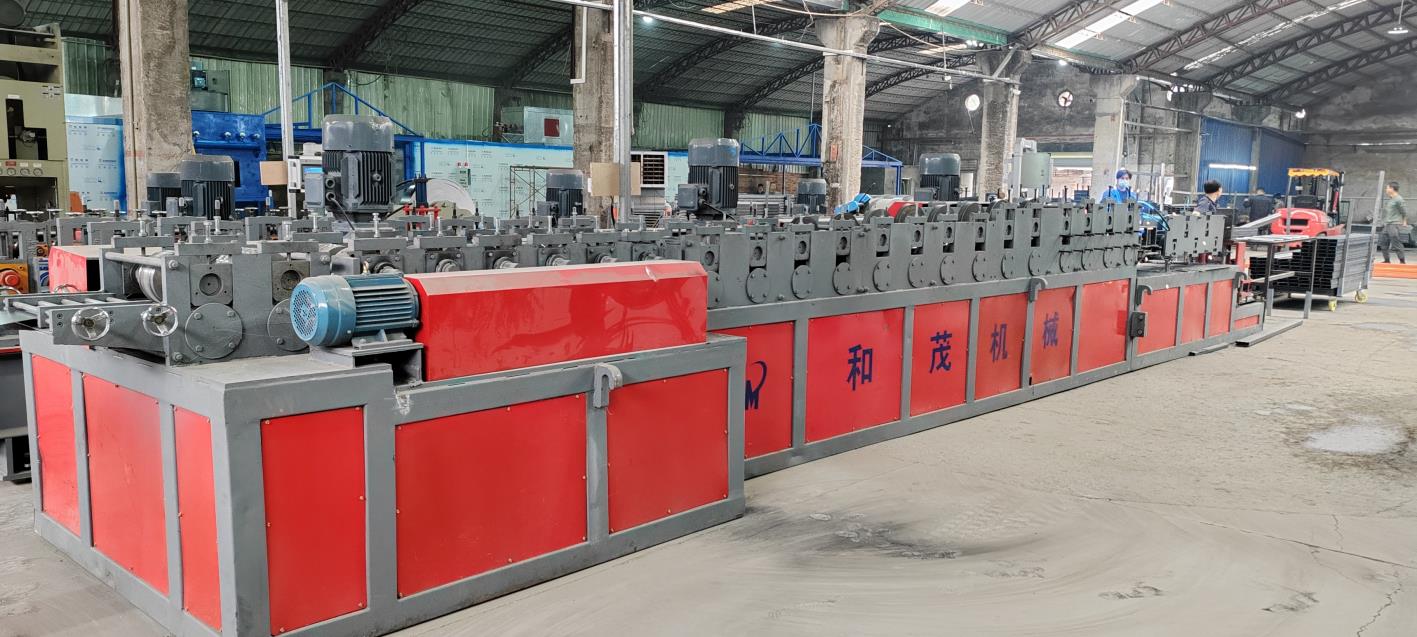
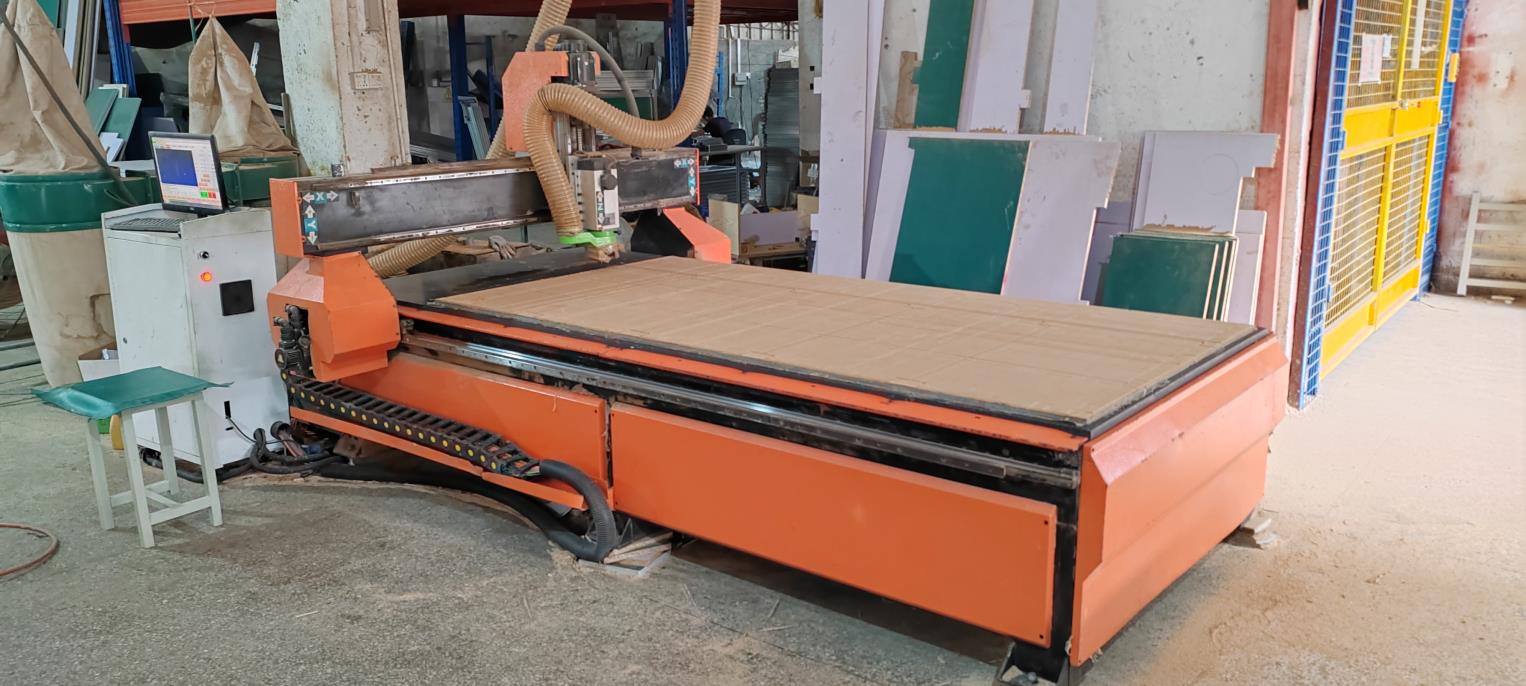
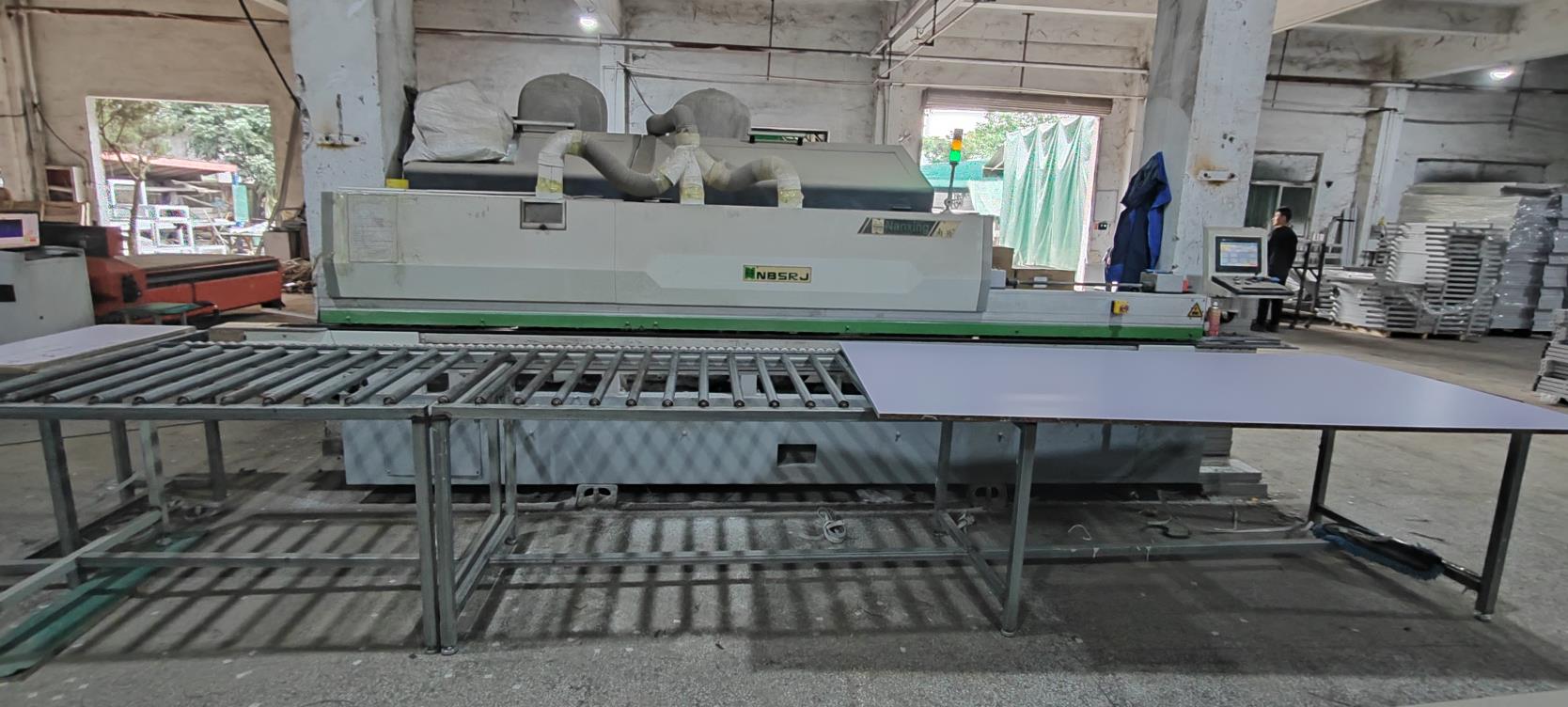
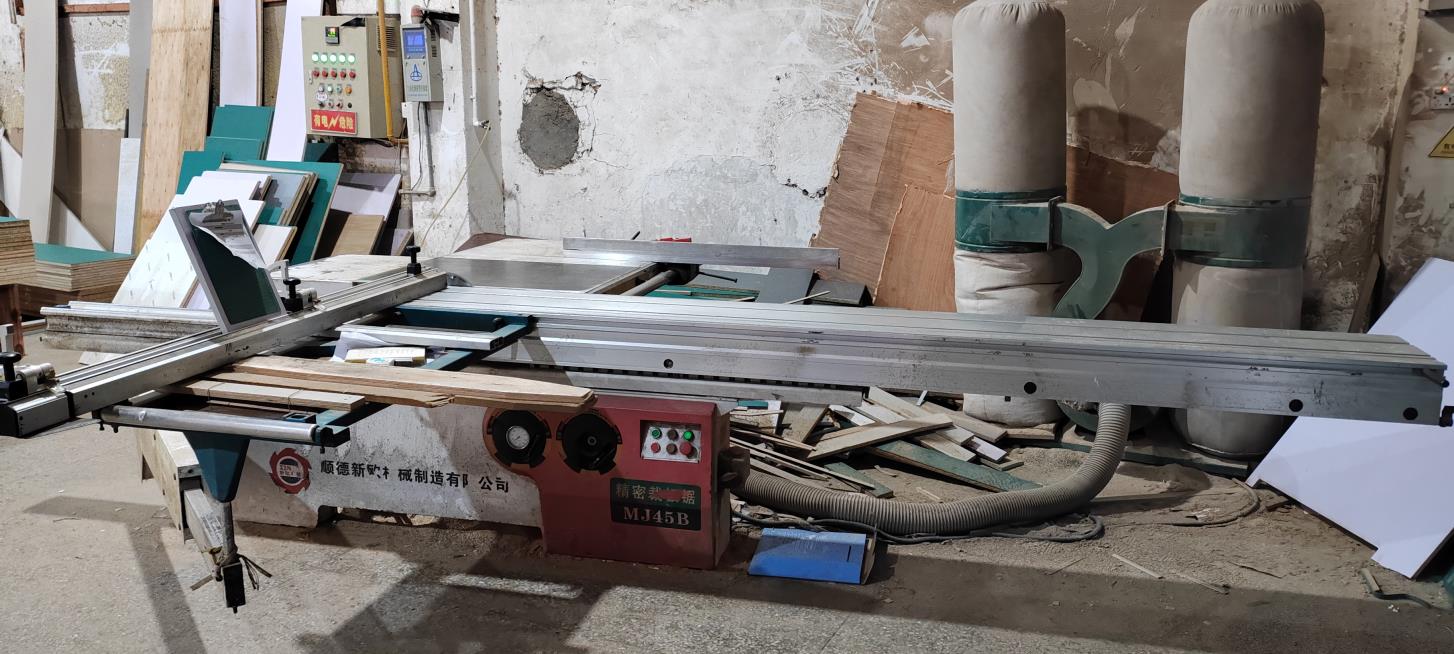
Our manufacturing line integrates sheet metal automation, laser cutting, structural welding, and advanced paint application. We maintain quality control through ISO14001 and TUV standards, performing automated CMM dimensional inspections and salt spray corrosion testing with 62 full-time QA personnel. Below is the step-by-step layout of our production chain.
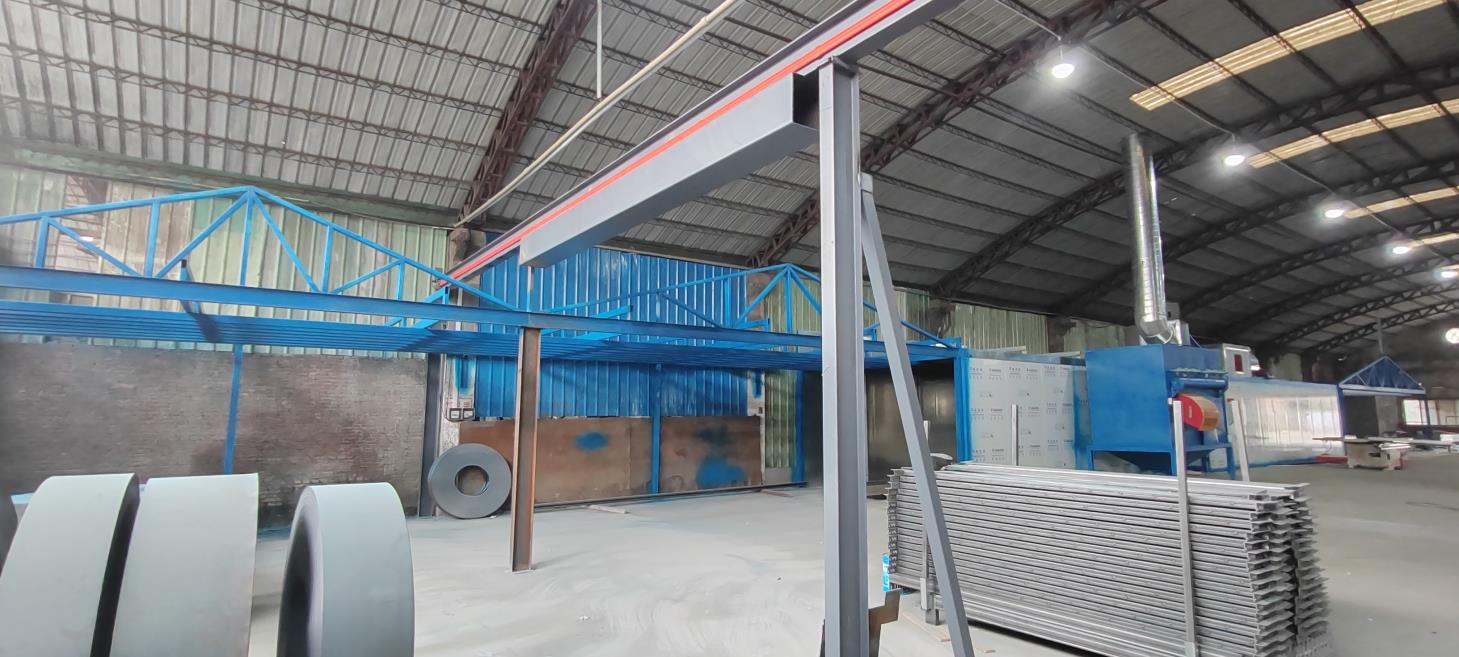
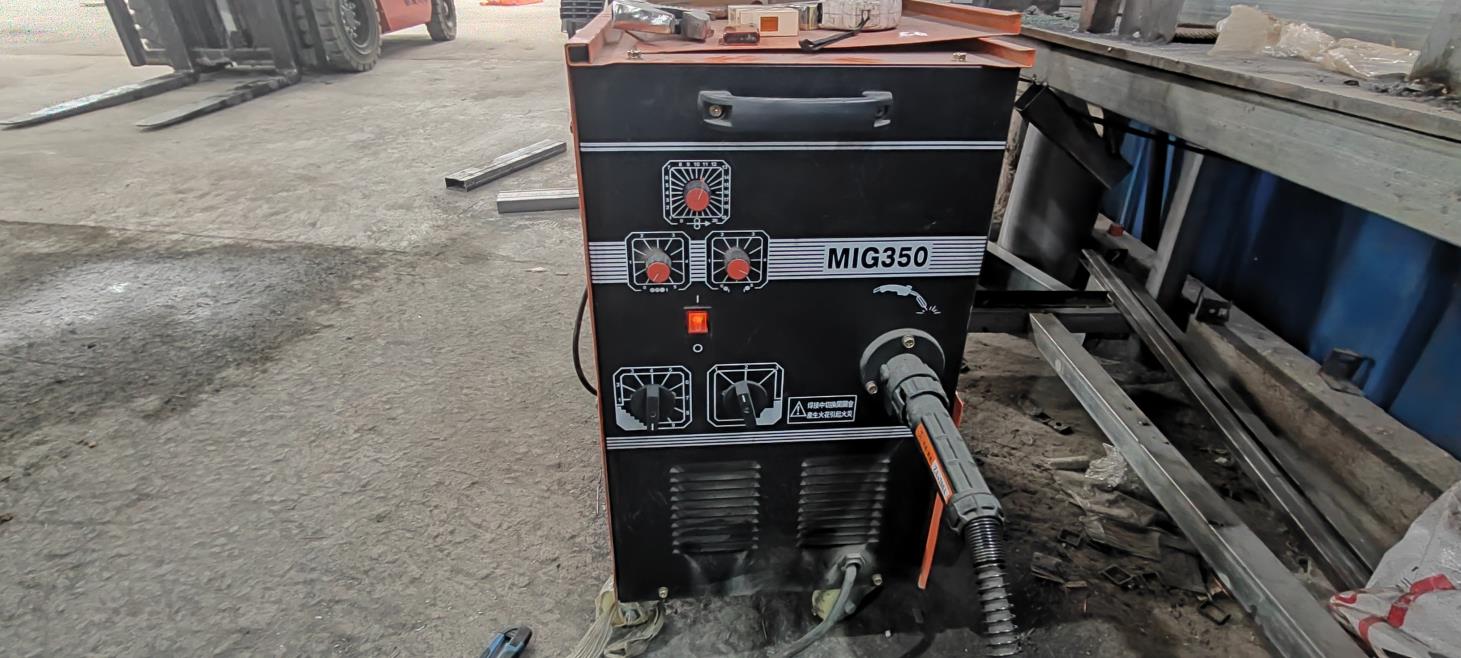
For retail chain procurement teams, total cost of ownership (TCO) is a critical metric. Commercial deli display cases represent high-load utility nodes that draw continuous electrical power. Choosing high-efficiency OEM displays directly affects operational expenditures.
Nanjing Fortis integrates high-density polyurethane structural insulation panels (minimum 40kg/m³ density) to eliminate heat bypass channels. Combined with EC (electronically commutated) energy-efficient fan motors, our systems achieve a 22% reduction in daily electricity consumption compared to standard AC-motor setups.
Additionally, structural customization allows for modular linear runs. Our engineering team design-matches structural supports to integrate seamless electrical connection paths, integrated structural bumper guards, and unified LED control runs that reduce on-site installation setup times.
Our display components are chosen to minimize thermal load and electrical consumption, lowering operating costs across high-density store profiles.
We adapt shell geometry, shelving types, finishes, and refrigeration parameters to integrate with your existing store layouts.
Built with scratch-resistant finishes, impact-resistant bumpers, and heavy-duty hinges to withstand frequent commercial use.
Our commercial deli display products are certified to meet structural, chemical, and electrical safety standards across all major international jurisdictions.
Operating across global markets requires compliance with localized electrical grids and regulatory environments. We supply tailored wiring and electrical configurations, including 220V/50Hz, 115V/60Hz, and 3-phase setups, to ensure compatibility with local infrastructure.
We also assist clients during the customs process. Our logistics team provides complete documentation, including Certificates of Origin, custom HS classification indexing (Chapter 8418), and bill-of-lading clearances, helping to reduce transit delays.
Each shipment is packed in heavy-duty export crates with shock-watch sensors and anti-humidity desiccants to protect the equipment during maritime transit.
 FortisRack