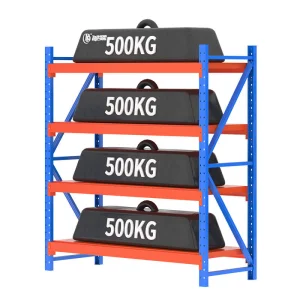
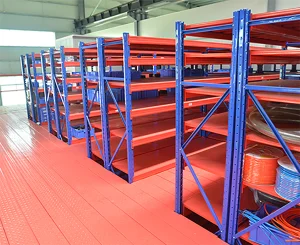
Engineered for durability, modular optimization, and international structural code compliance.
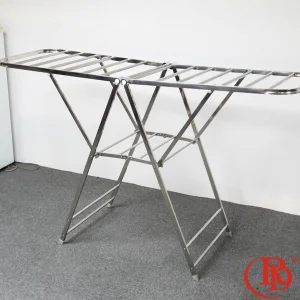
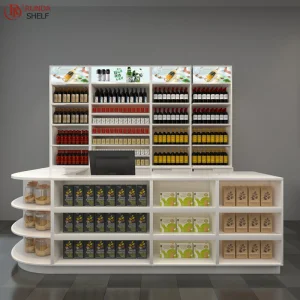
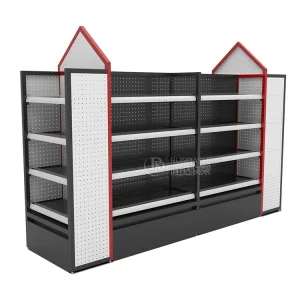
Analyzing structural engineering standards, steel material dynamics, and macro-supply chain risk management.
In the contemporary global distribution and retail ecosystems, the integration between storefront aesthetics and warehouse fulfillment logistics has reached unprecedented convergence. Procuring Retail Staging Units and heavy-duty storage racks from China is no longer merely a cost-reduction activity; it is a highly calculated exercise in structural engineering compliance, supply chain scalability, and material technology. Multinational retail networks, third-party logistics (3PL) providers, and industrial developers demand structural fixtures that can survive continuous load variations while conforming to international standards such as EN 15512, RMI, and FEM 10.2.02.
As micro-fulfillment centers (MFCs) and dark stores proliferate in high-density urban environments, space utilization parameters have changed. Standard shelving no longer suffices. Modern enterprises require modular staging equipment capable of fast redeployment, rapid check-out throughput, and high static load resistance. Nanjing Fortis Storage Equipment Manufacturing Co., Ltd. addresses these demands by combining raw structural reliability with bespoke engineering innovations, creating staging and racking frameworks that optimize both front-end retail presence and back-end inventory operations.
Tailored engineering strategies covering dense warehousing, temperature-controlled facilities, and omnichannel storefronts.
Cold environments demand raw materials with high yield strength under low temperatures. Our cold chain solutions leverage structural grade Q355B steel, treated with epoxy-polyester powder coatings designed specifically to prevent micro-cracking and standard paint delamination down to -30°C.
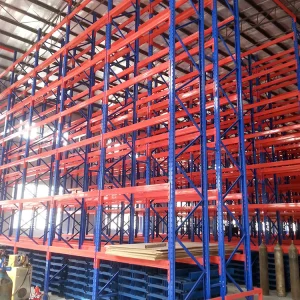
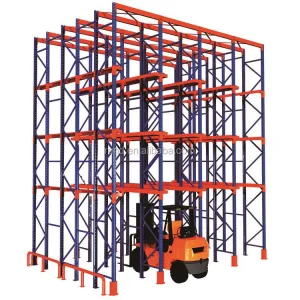
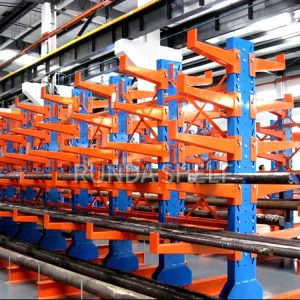
Maximizing vertical cube utilization is the primary focus of urban retail supply hubs. By integrating high-tolerance Narrow Aisle Racking (VNA) and automated stacker systems, we allow logistics operators to maximize storage density while maintaining 100% item accessibility.
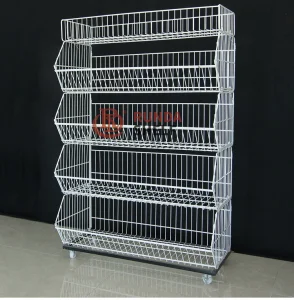
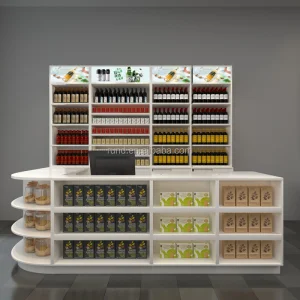
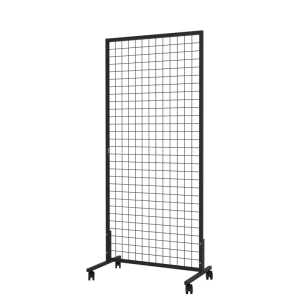
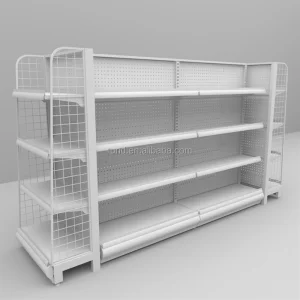
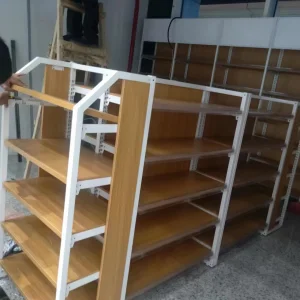
Modern shopping settings require staging units that balance customer-facing aesthetics with rear-guard replenishment efficiency. Our modular shop displays and heavy-duty cash checkout systems are structurally customized to manage heavy transactional volumes while supporting rapid product rotation.
Inside our 48,000 m² advanced facility: From certified steel coils to fully cured, corrosion-resistant staging units.
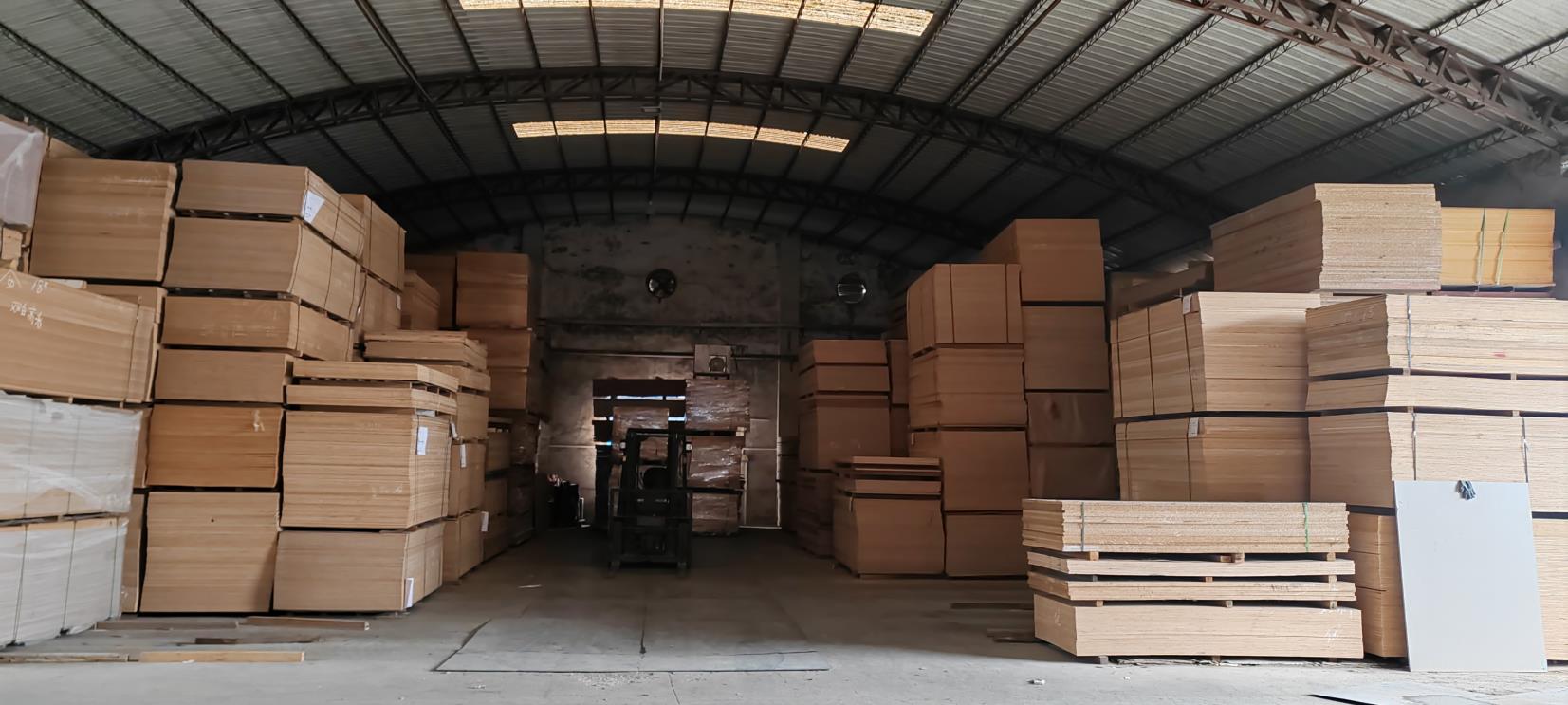
1. Raw Material
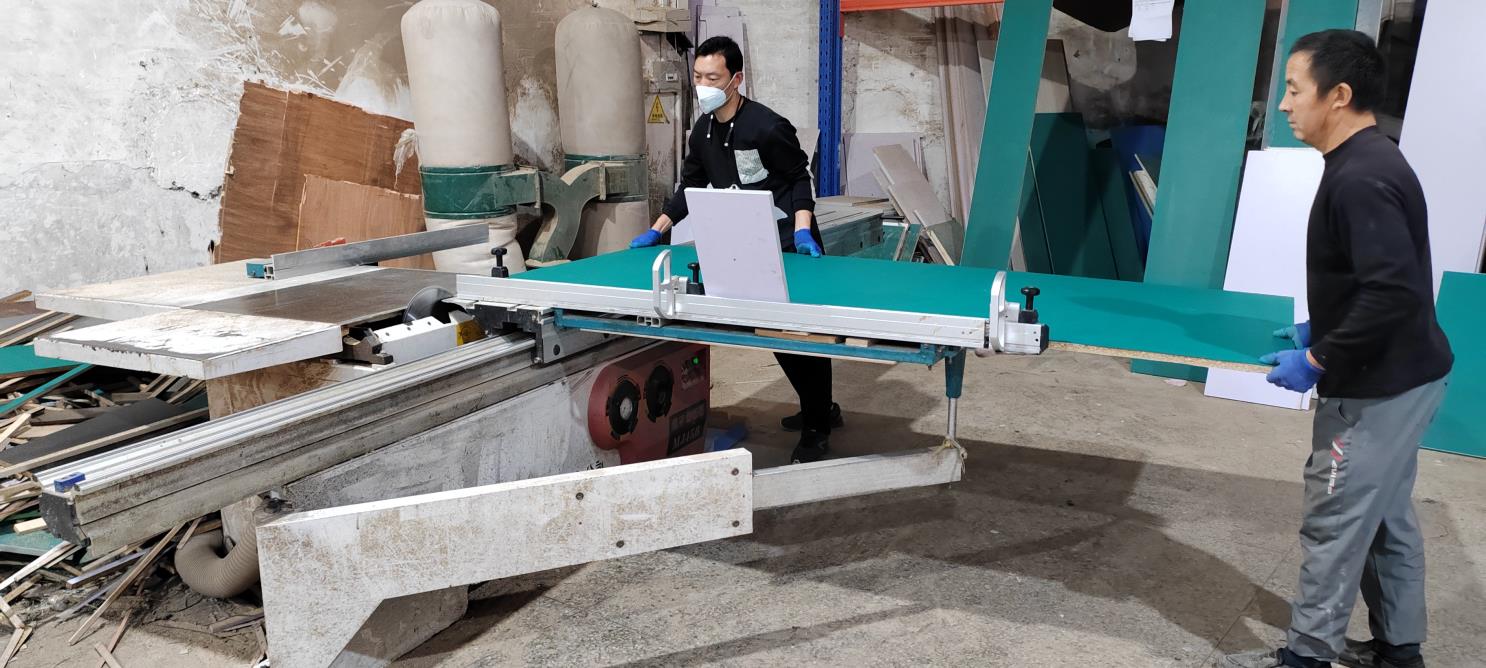
2. Board Cutting
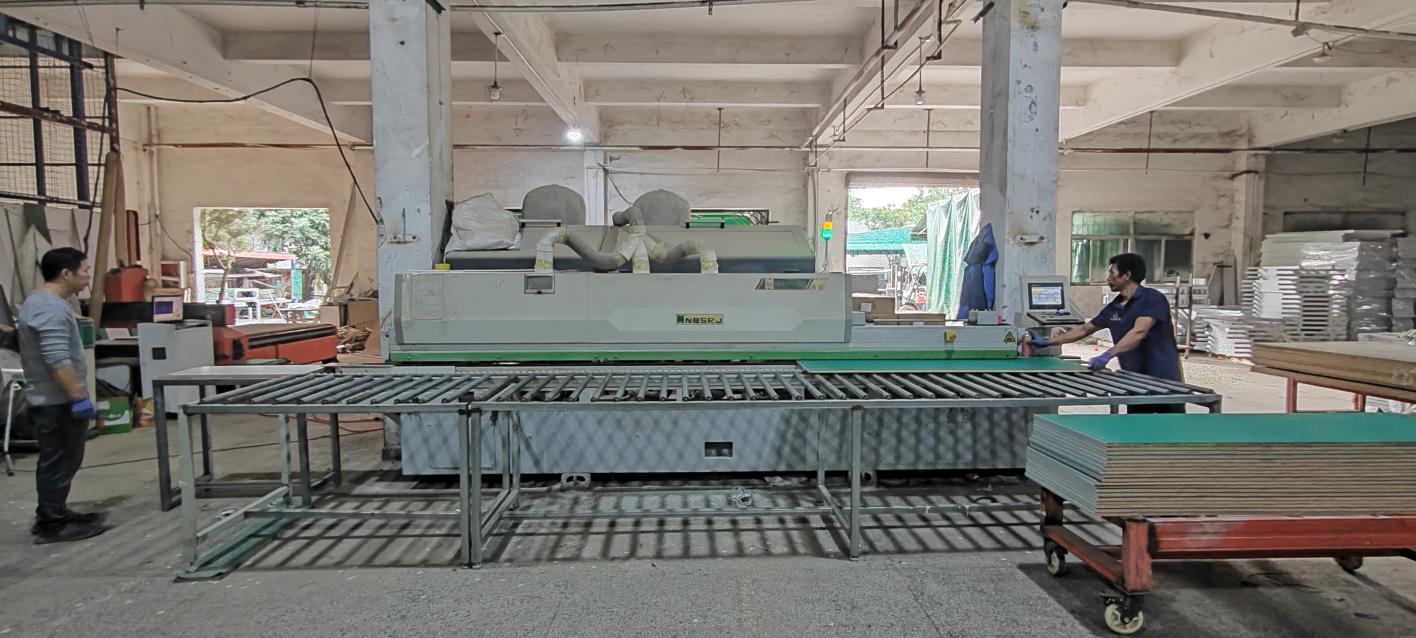
3. Edge Sealing
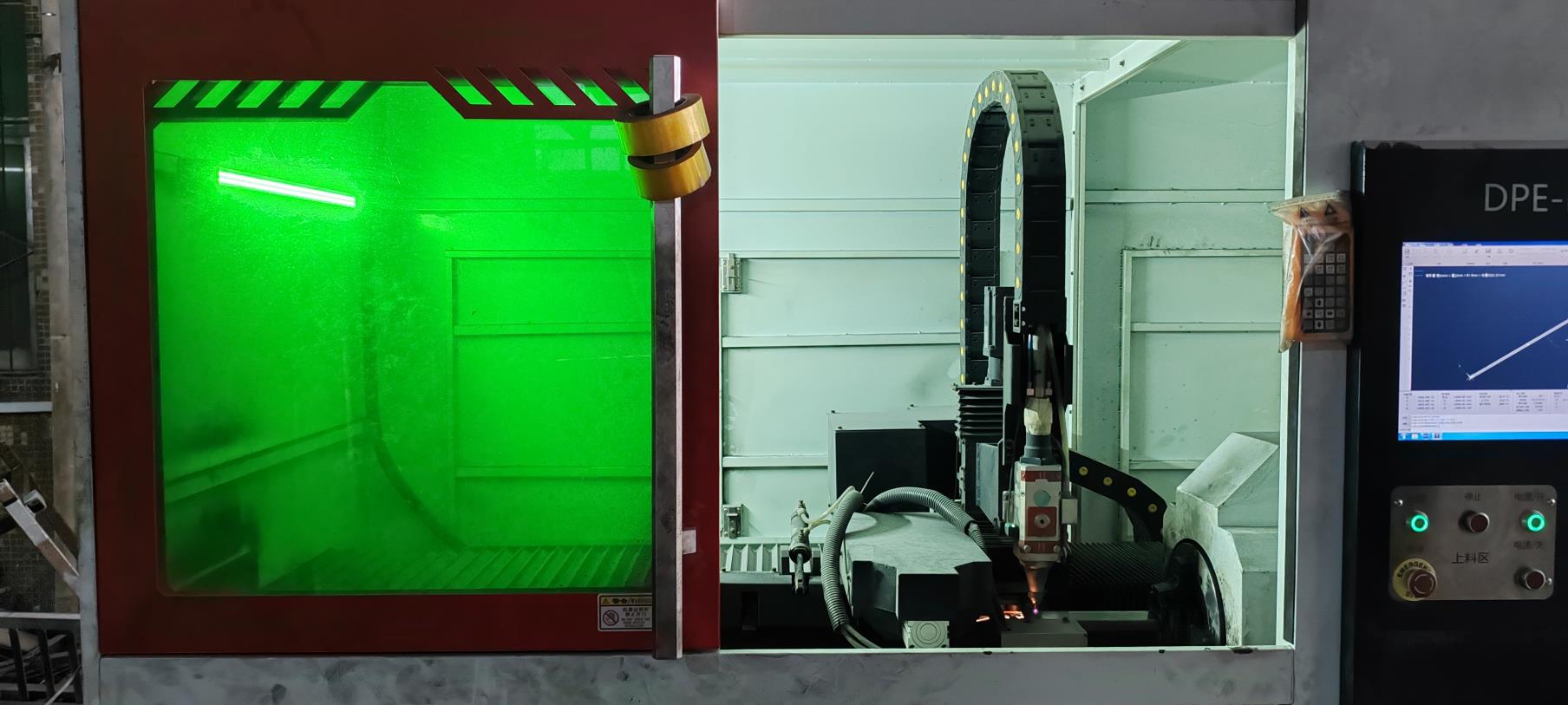
4. Laser Cutting
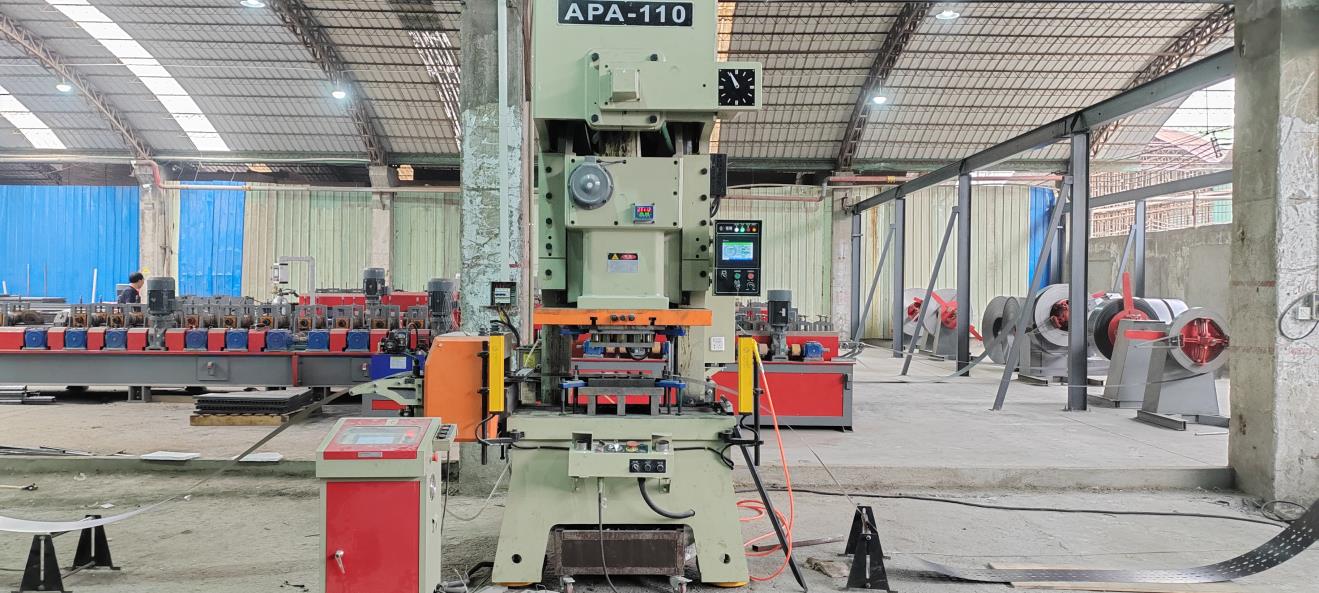
5. Punching
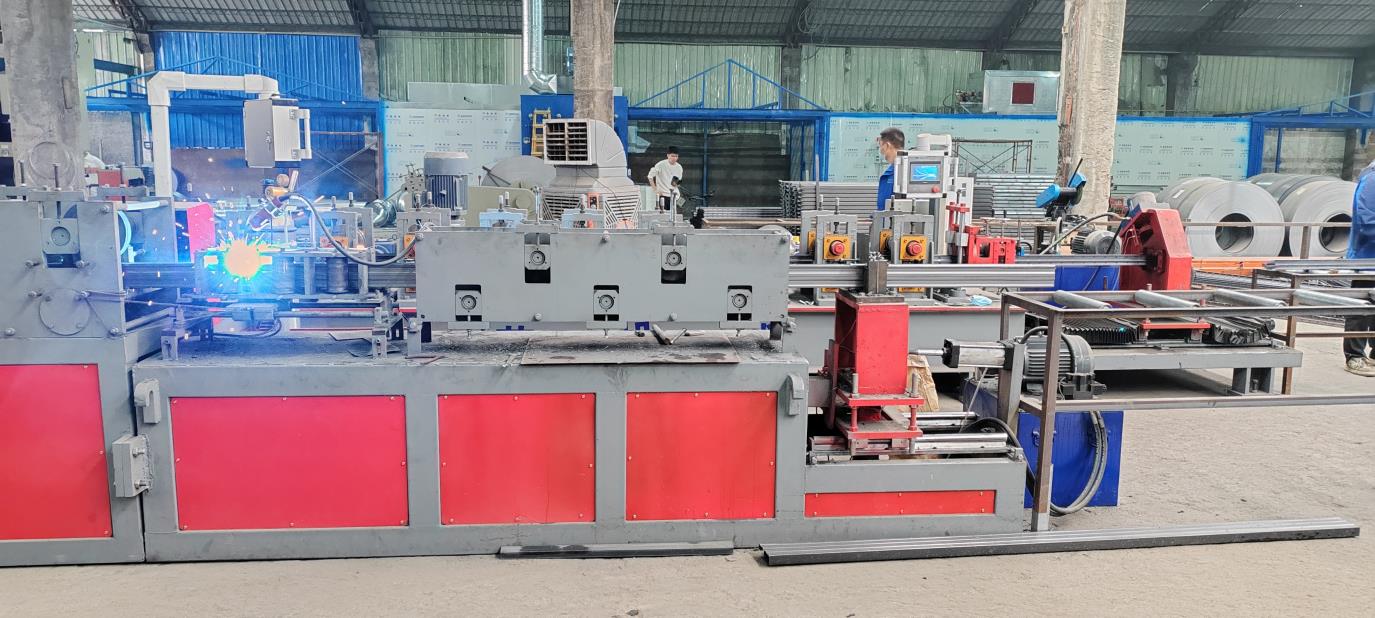
6. Roll Forming
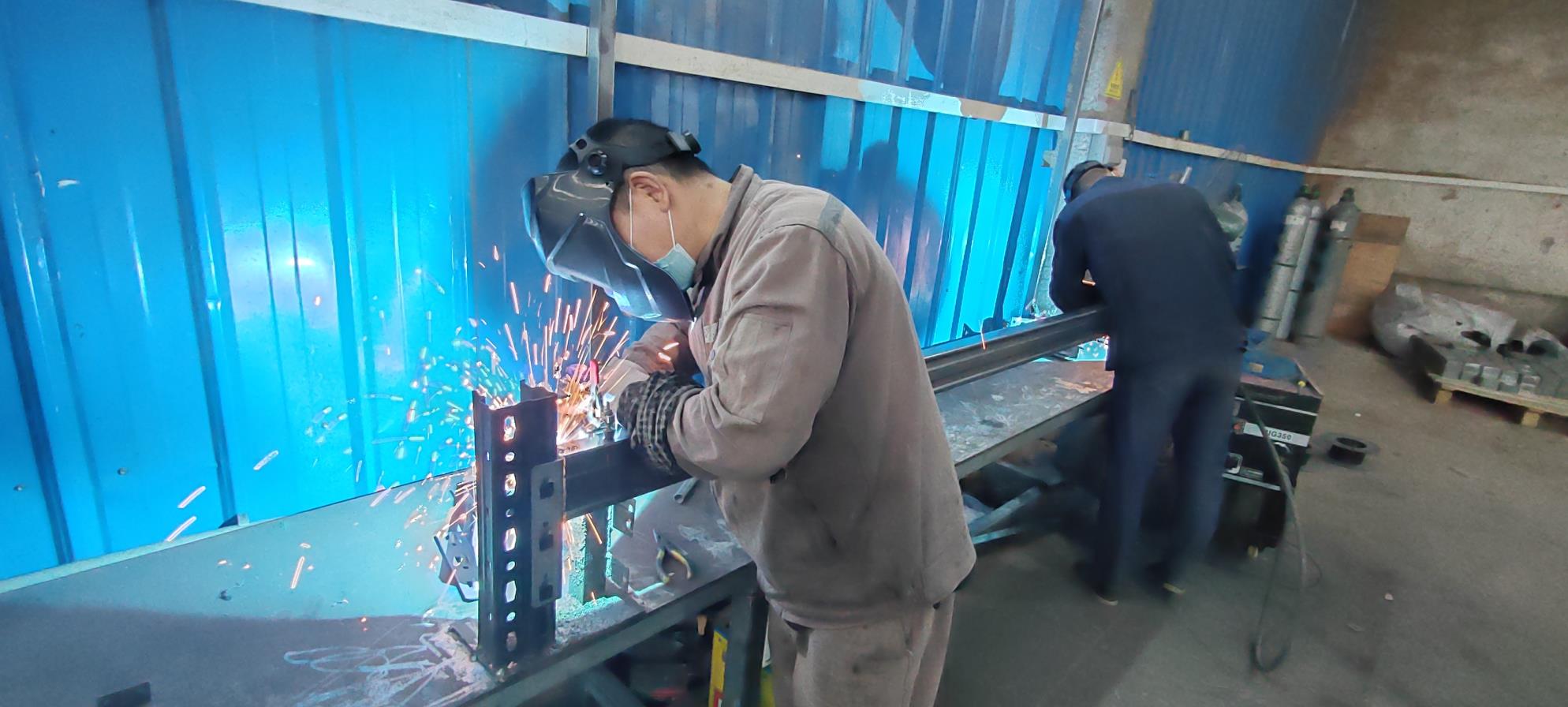
7. Robot Welding
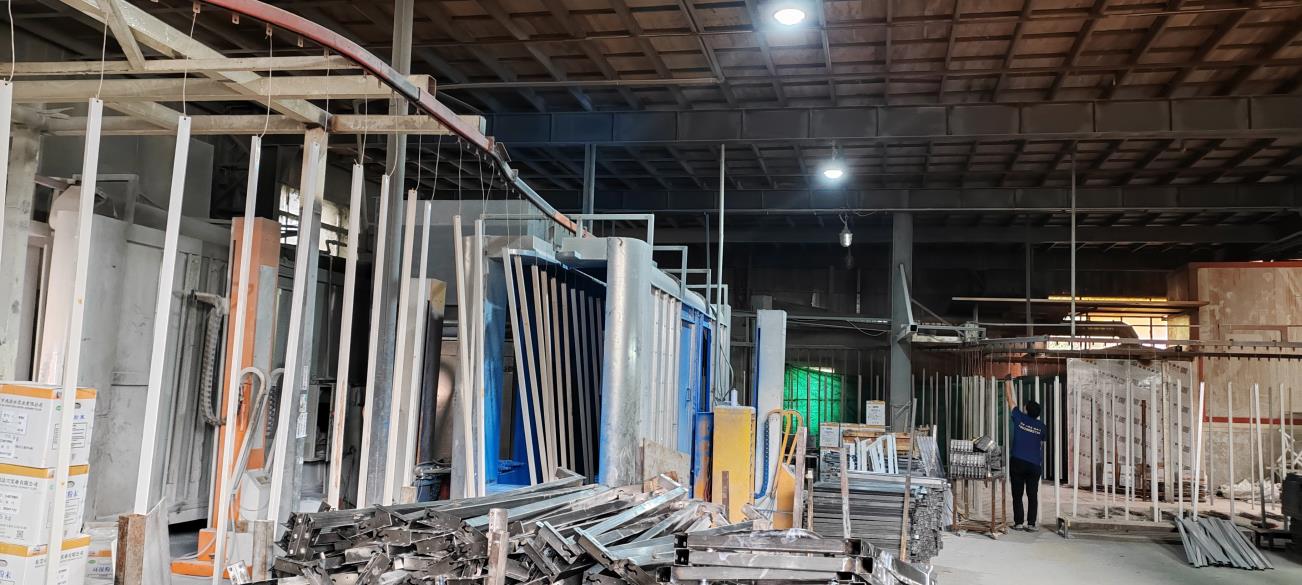
8. Baking Paint
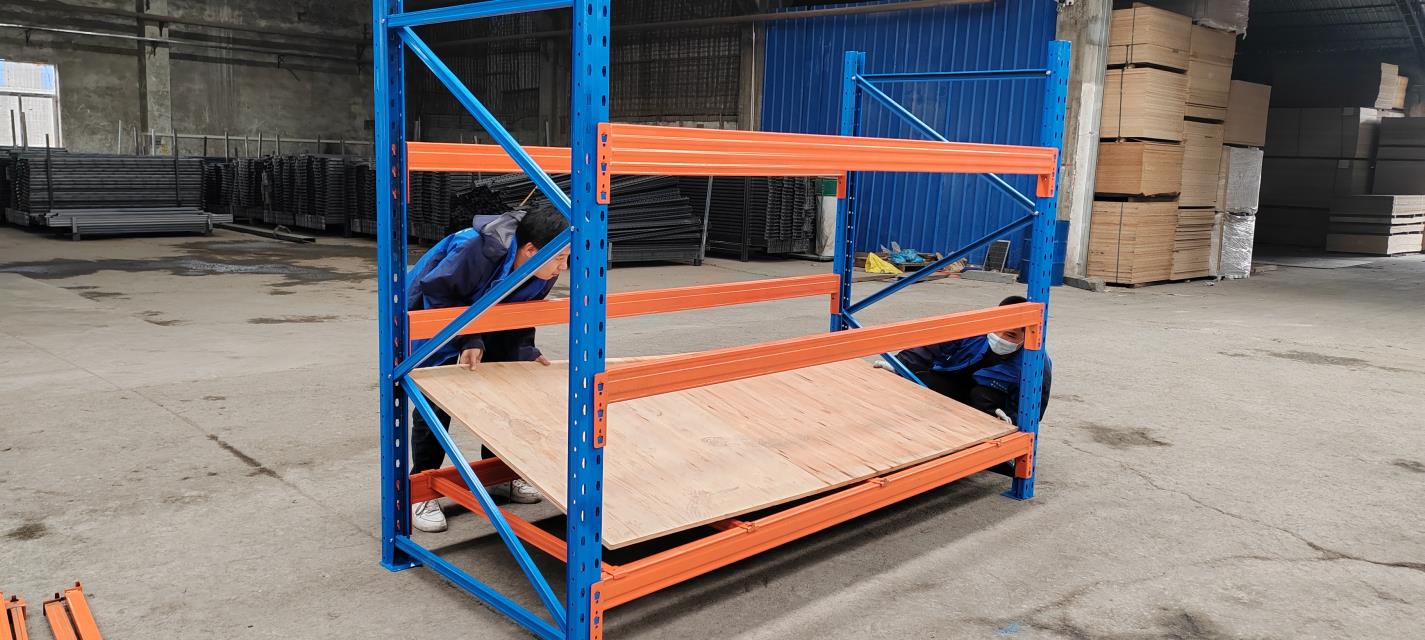
9. Quality Assembly
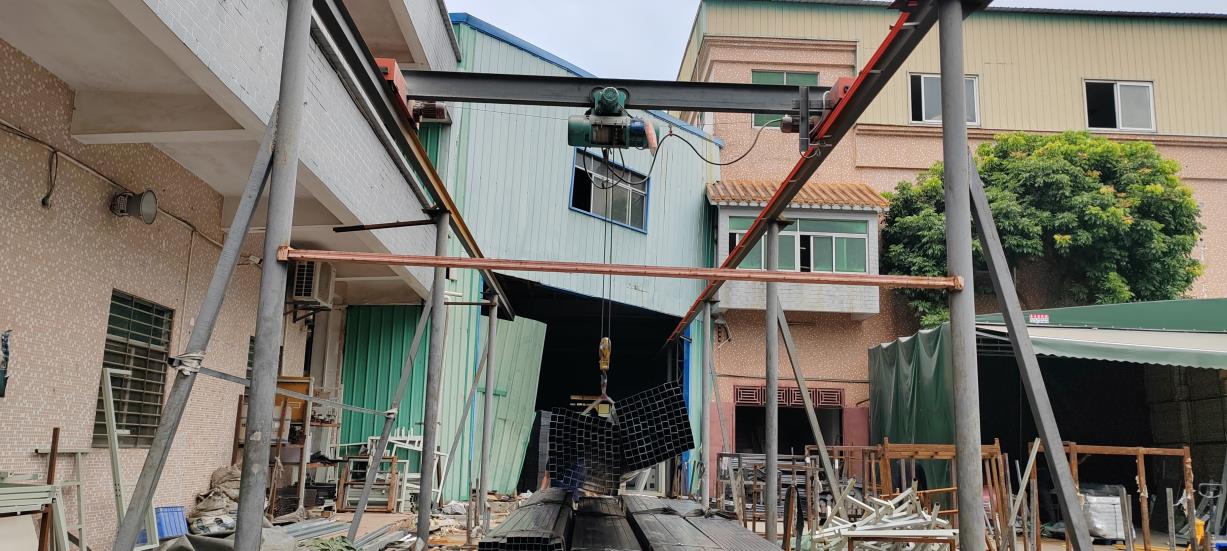
10. Line Hoisting
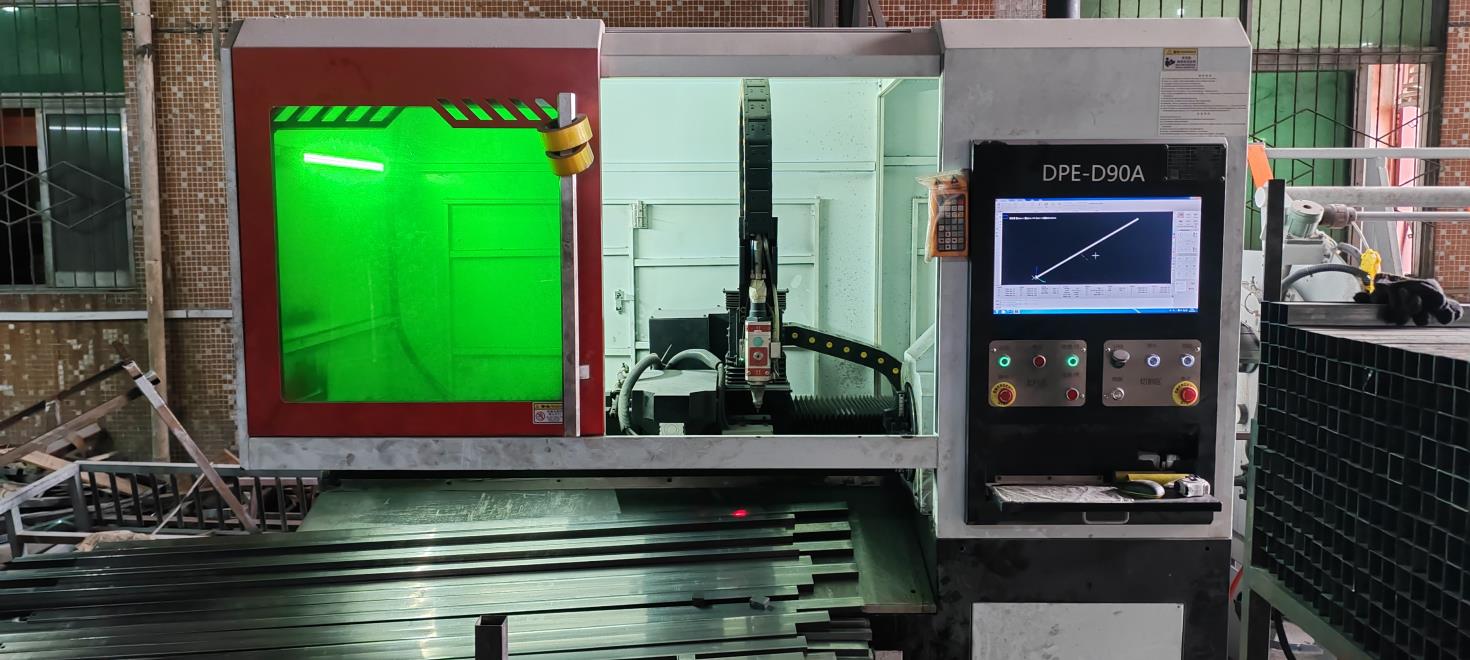
11. Laser Systems
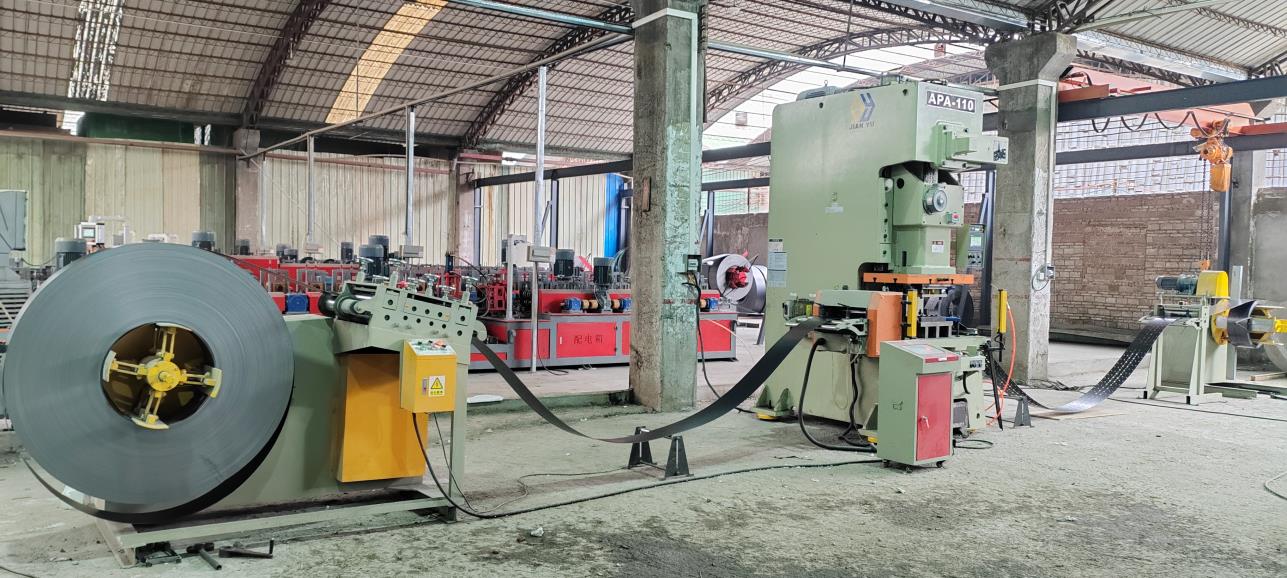
12. CNC Punching
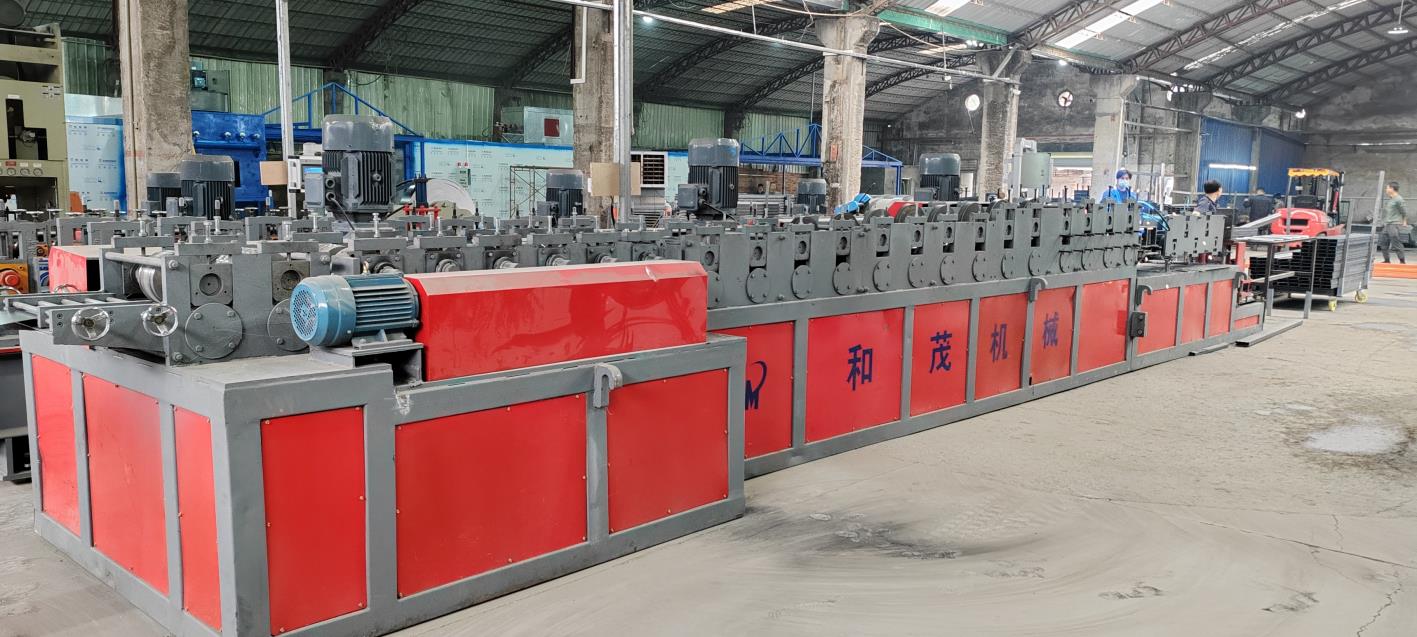
13. Auto-Forming
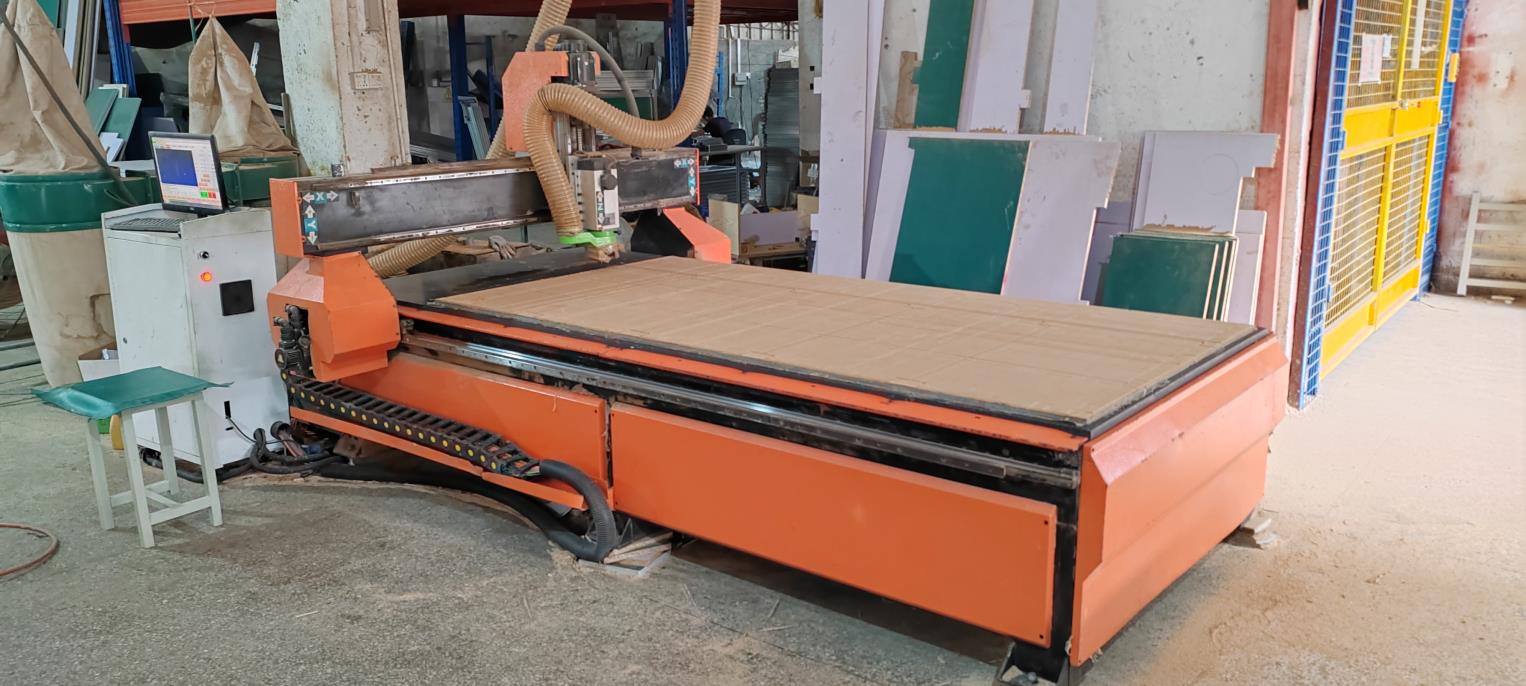
14. 3D Engraving
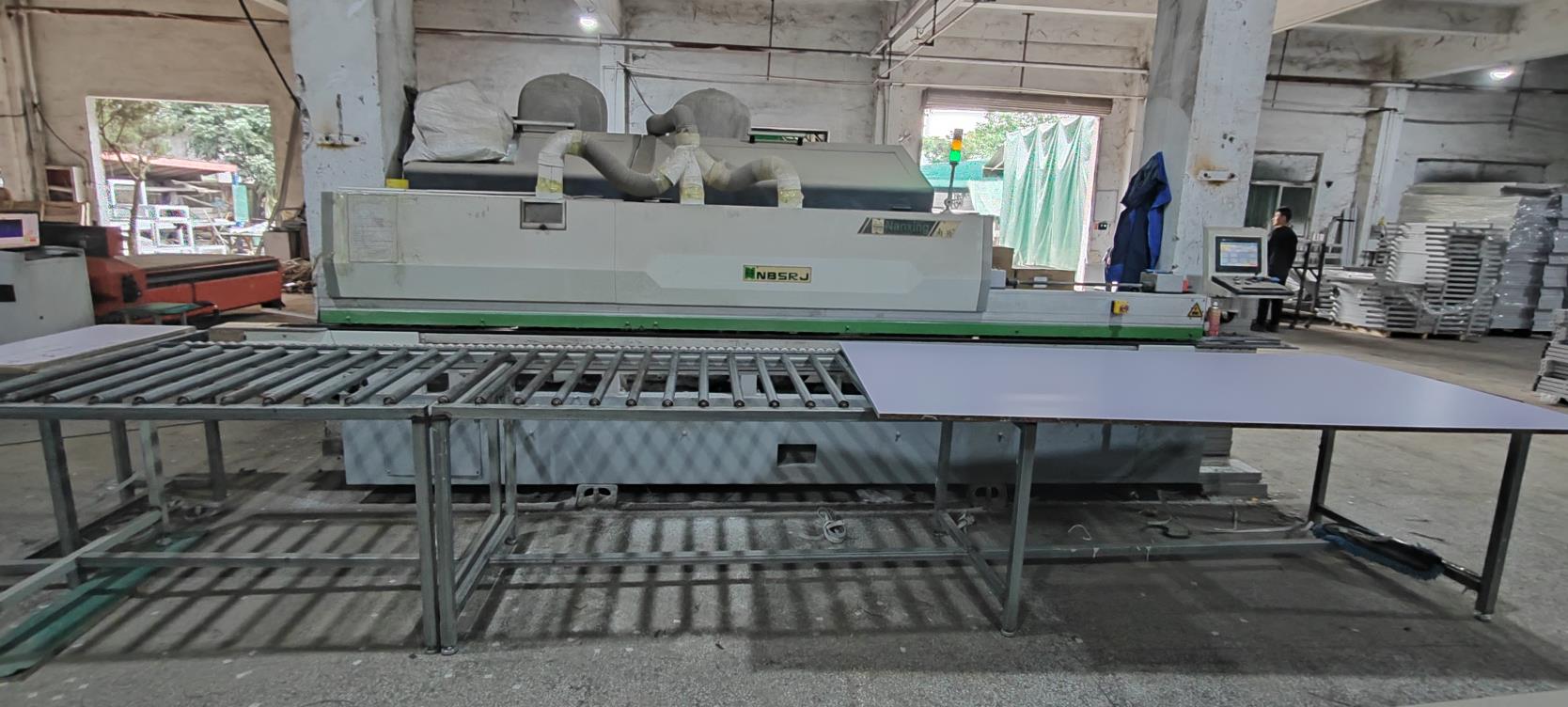
15. Edge Sealing
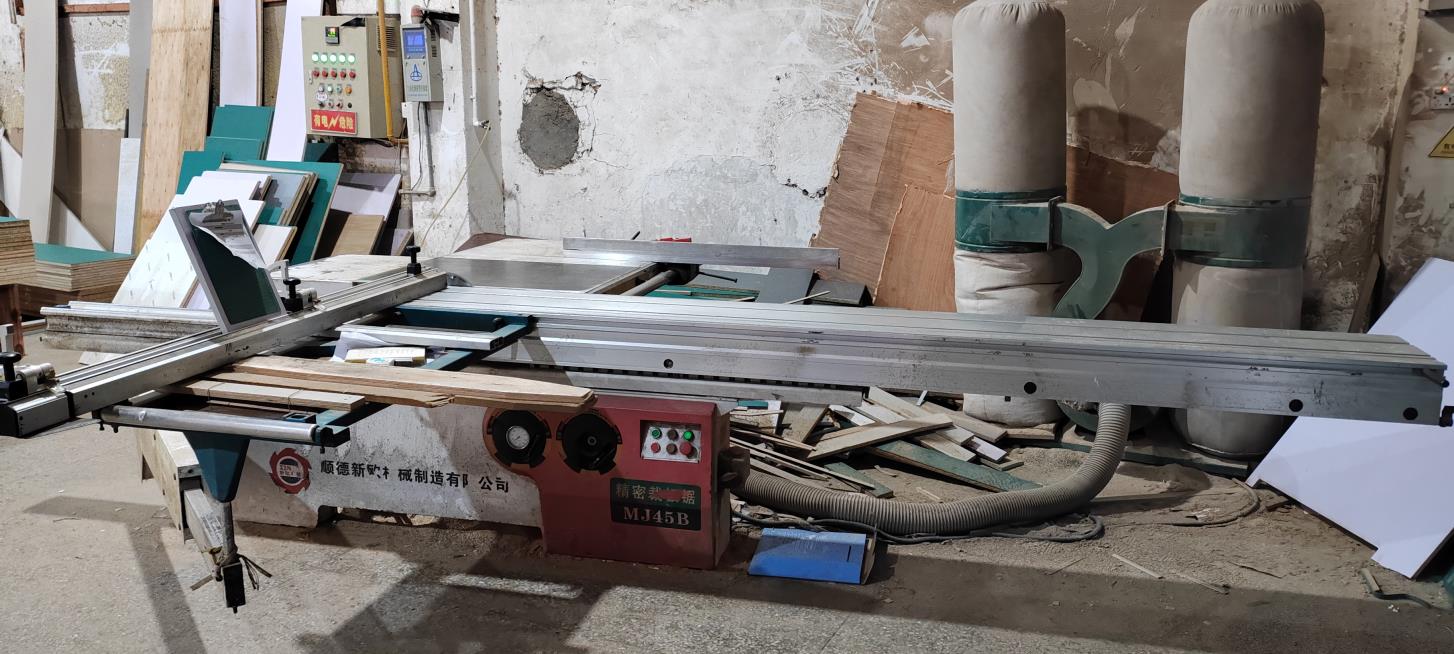
16. Precision Sawing
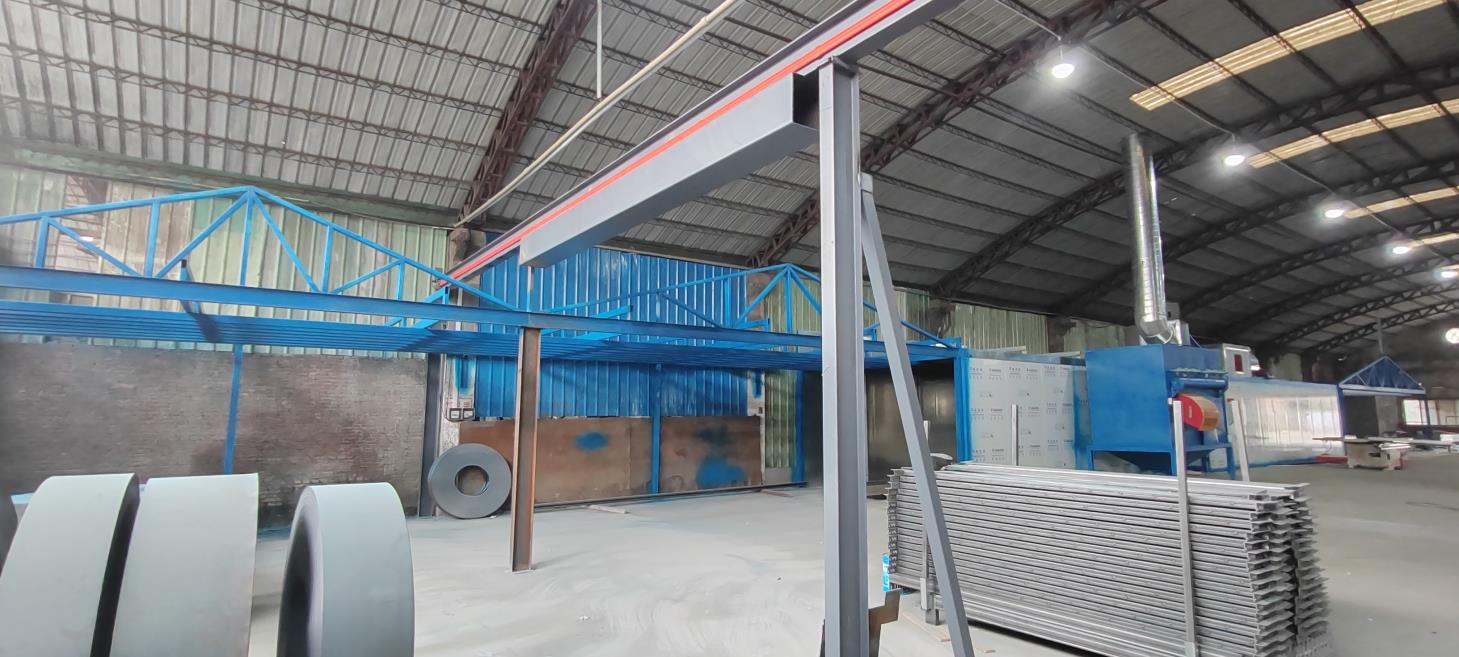
17. Powder Coating
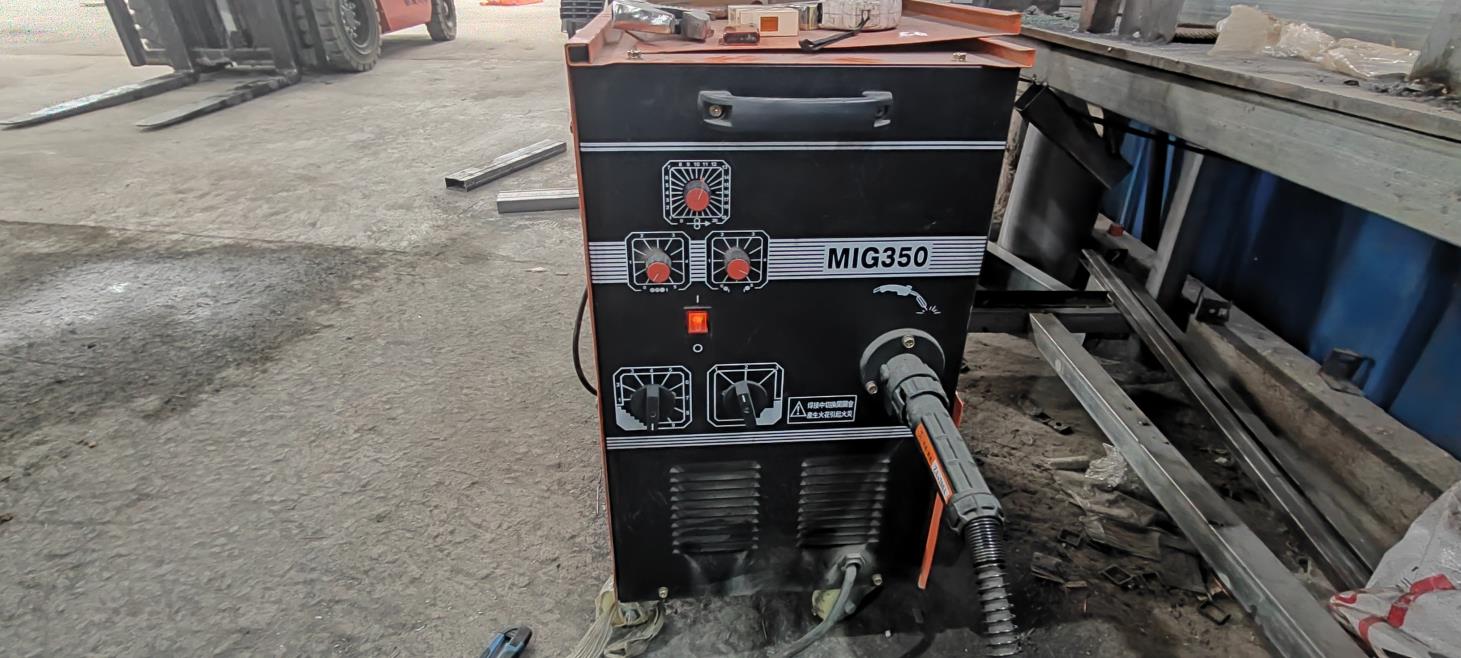
18. Spot Welding
Understanding our raw material standards and molecular protection technology for high-performance steel structures.
The structural integrity of all heavy-duty racks starts at the chemical composition of the steel. We utilize premium hot-rolled and cold-rolled carbon steel coils, primarily grades Q235B and Q355B. These grades are chosen for their optimal ratio of yield strength to ductility, guaranteeing that under unexpected stress or seismic conditions, the structures undergo controlled elastic deformation rather than sudden structural failure.
To achieve lasting surface resistance in variable environments, our structural components undergo a 9-stage pre-treatment wash. This includes acid pickling, alkaline cleaning, zinc phosphating, and final DI-water rinses. Following pre-treatment, a dry electrostatic powder coating of thermosetting epoxy-polyester is applied at a thickness of 60 to 90 microns, followed by baking at 200°C. This delivers a finish that achieves Grade 0 adhesion (ISO 2409) and resists scratch degradation.
Meeting strict international standard parameters to guarantee smooth site compliance globally.
A key factor in selecting a long-term commercial racking and retail display supplier is structural compliance with regional building and safety codes. Our engineering team routinely collaborates with global inspection firms, including TÜV Rheinland, SGS, and Bureau Veritas, to certify structural load capacities and material traceabilities. From the initial steel melt shop run to final container packing, every batch is recorded for chemical, yield, and dimensional verification.
Our environmental and operational procedures strictly conform to the ISO 14001 Environmental Management standard. We minimize our carbon footprint through integrated waste heat reclamation in our paint lines, wastewater neutralization processing, and direct sorting of off-cuts for scrap steel recycling. For large-scale infrastructure projects across Western Europe, North America, and the Middle East, our compliance document packages simplify final site sign-offs by local building inspectors and health-and-safety officials.
Technical answers to key structural, architectural, and logistics procurement questions.
We use high-grade structural carbon steel, primarily Q235B and Q355B (equivalent to S235JR and S355JR under European standard EN 10025). Every production run utilizes steel sourced from major state-operated mills, complete with Mill Test Certificates (MTC) detailing carbon equivalent values, yield strength, and elongation statistics.
Standard mild steels can become brittle in low temperatures. For cold chain applications (-18°C to -30°C), we design systems using fine-grain structural steels certified for impact energy resistance at sub-zero levels. Our specialized polyester powder formulations are applied under precise humidity parameters to prevent micro-fissuring and rust under thermal cycle fluctuations.
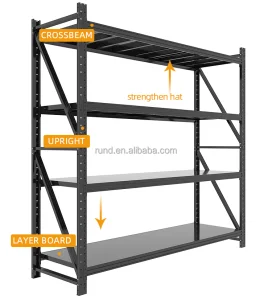
Our structural engineers use specialized CAD and finite element analysis (FEA) software to model dynamic seismic forces based on localized geographic parameters (acc. to IBC, FEMA, or Eurocode 8). Structural reinforcements, such as oversized heavy-duty baseplates, floor anchors, and diagonal bracing, are incorporated to handle lateral shear loads during seismic activity.
Our automated line uses advanced electrostatic spray guns to ensure even coating. Adhesion is verified using the cross-cut tape method (ISO 2409 / ASTM D3359), while thickness is monitored using dry-film electromagnetic gauges. This process ensures the paint layer remains impact-resistant during forklift operations and material contact.
Custom B2B engineering structures usually require 30 to 45 days from engineering schematic approval to container loading. This allows time for custom tool preparation, automated roll-forming line adjustments, multi-stage coating processes, and CMM quality audits.
Commercial storage systems engineered for high weight capacities and rapid material flow.
 FortisRack