Engineered structural systems tailored for high-density logistics hubs, mega retail chains, and heavy industrial storage operations.
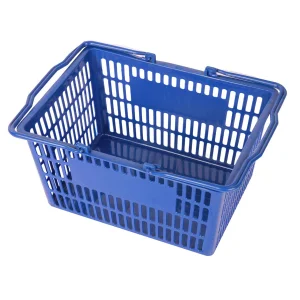
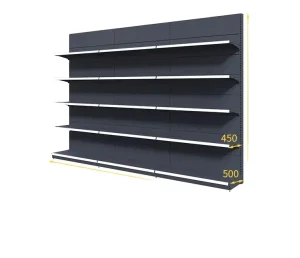
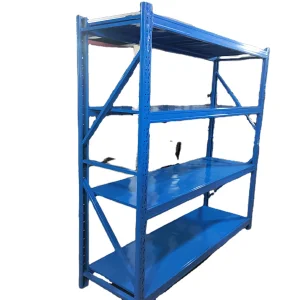
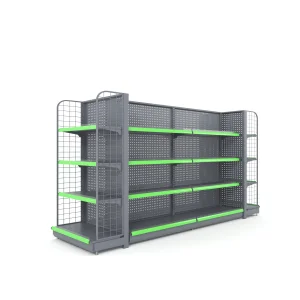
Analyzing Nanjing Fortis's Manufacturing Paradigm and Global Value Chain Engineering.
Established in 2016, Nanjing Fortis Storage Equipment Manufacturing Co., Ltd. commands a modern industrial plant covering 48,000 m². Driven by 10 years of deep industry expertise and 7 years of global trade experience, our annual export turnover reaches $35 million. We uphold strict quality control through ISO14001 and TUV standards, performing automated CMM dimensional inspections and salt spray corrosion testing with 62 full-time QA personnel. As a direct factory exporter, our key commercial footprints span Western Europe, South America, and the Middle East, integrated with a network of over 1,400 supply chain partners. Our client base mainly includes mega-warehouse developers, cold chain storage operators, and global retail chains. Our robust R&D team of 80 engineers specializes in bespoke structural adaptations, special surface coating treatments, and high-density racking configurations, introducing 350 innovative products to the global market last year.
The manufacturing landscape for display cases, retail gondolas, and industrial racking has transitioned from traditional manual fabrication to highly integrated Industry 4.0 environments. China's industrial clusters, particularly in manufacturing corridors like Nanjing, offer unprecedented supply chain resilience. This resilience is characterized by immediate proximity to high-grade steel mills, automated surface finish processing facilities, and integrated packaging logistics hubs.
For global procurement departments, this structural synergy ensures stable material pricing, accelerated prototyping timelines, and highly predictable manufacturing schedules. Nanjing Fortis leverages over 1,400 upstream and downstream supply chain partners. This vast network allows us to secure premium-grade raw materials (such as cold-rolled steel coils, architectural glass, and specialized timber boards) at stabilized rates, insulation from spot-market fluctuations, and guaranteed fulfillment schedules even during peak global shipping seasons.
Modern commercial racking and custom display cases require precise structural calculations. Factors like static load limits, dynamic flex ratios, and seismic resistance ratings dictate product safety and long-term durability. Our engineering team utilizes Finite Element Analysis (FEA) to simulate load distributions on heavy-duty systems like the RD-33 Steel Storage Rack and heavy-duty supermarket gondolas. This virtual stress-testing allows us to optimize metal thickness and reinforcement ribs, providing maximum capacity while minimizing unnecessary weight and transport costs.
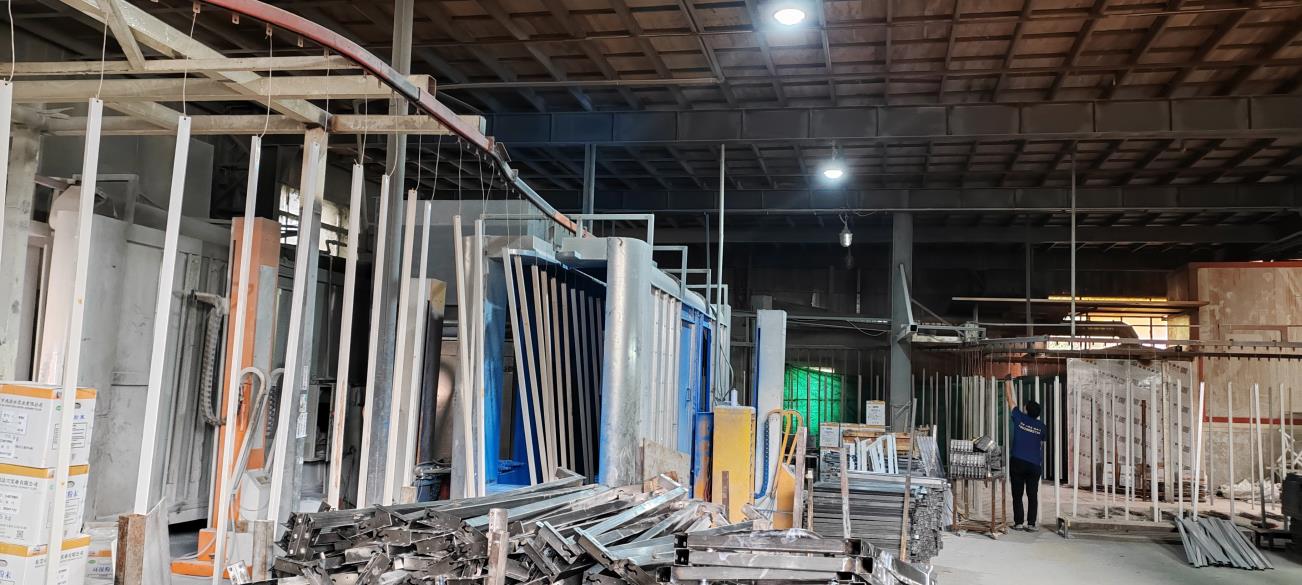
Corrosion resistance is another critical engineering benchmark. The application of automated powder coating lines, utilizing high-grade thermoplastic and thermosetting powders, ensures a uniform coating thickness of 60 to 110 microns. We submit our finished structural components to rigorous salt spray testing in our laboratory, simulating years of operation in humid maritime climates or high-traffic commercial environments. This scientific approach guarantees that metal components remain structural and aesthetically pristine, preventing surface degradation and mechanical failures.
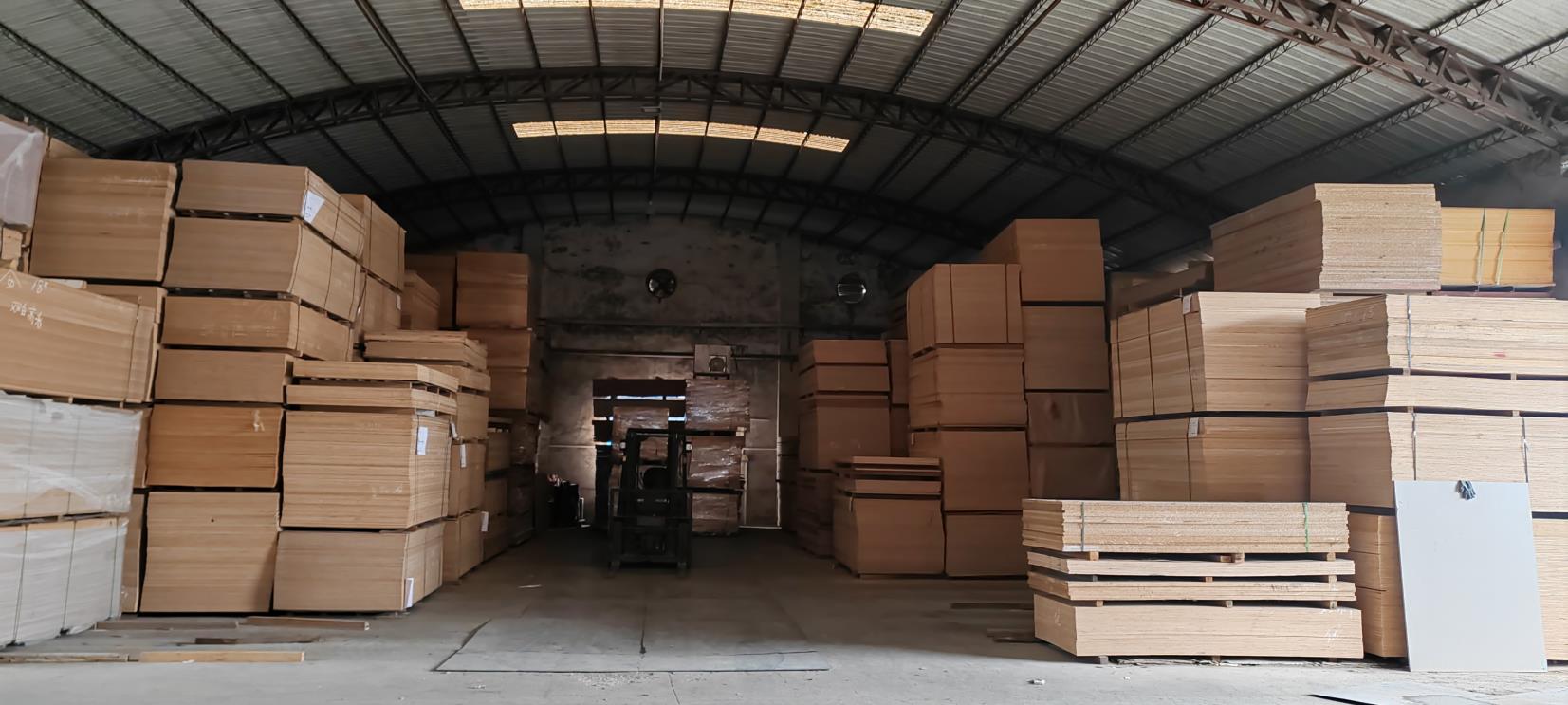
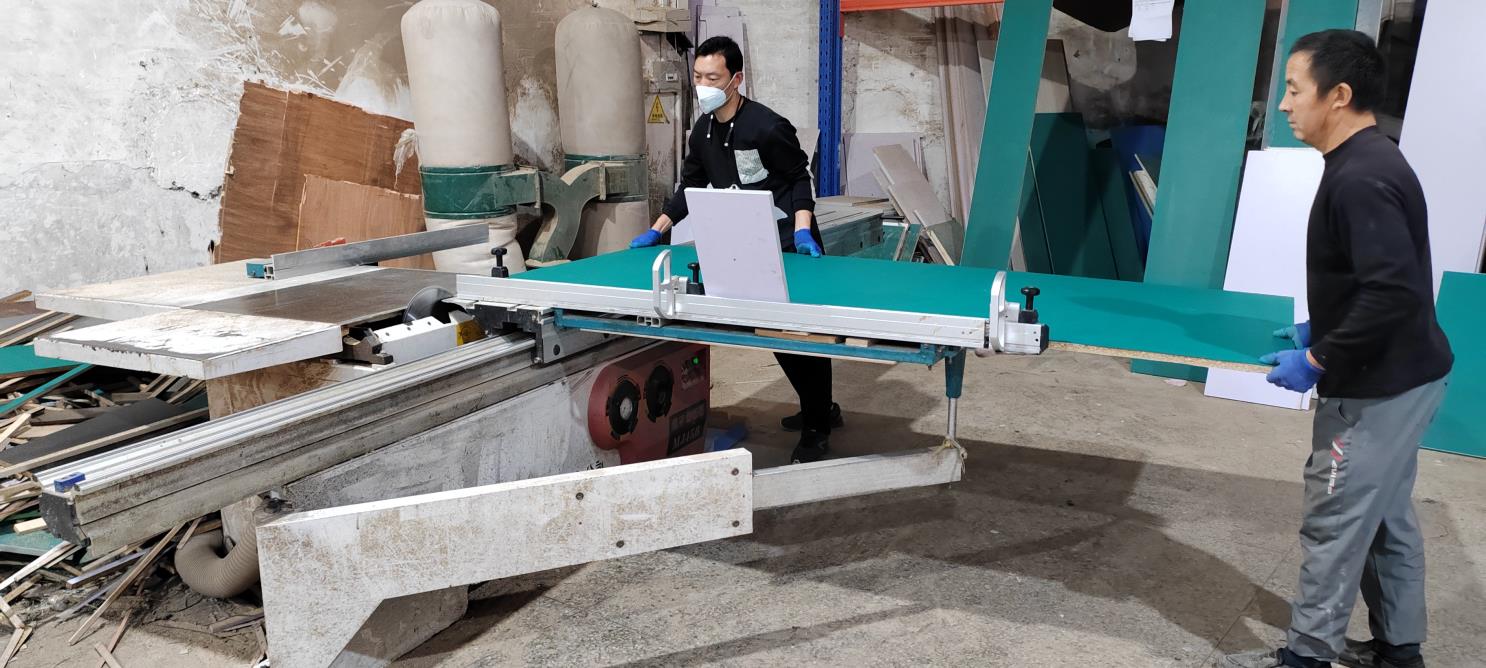
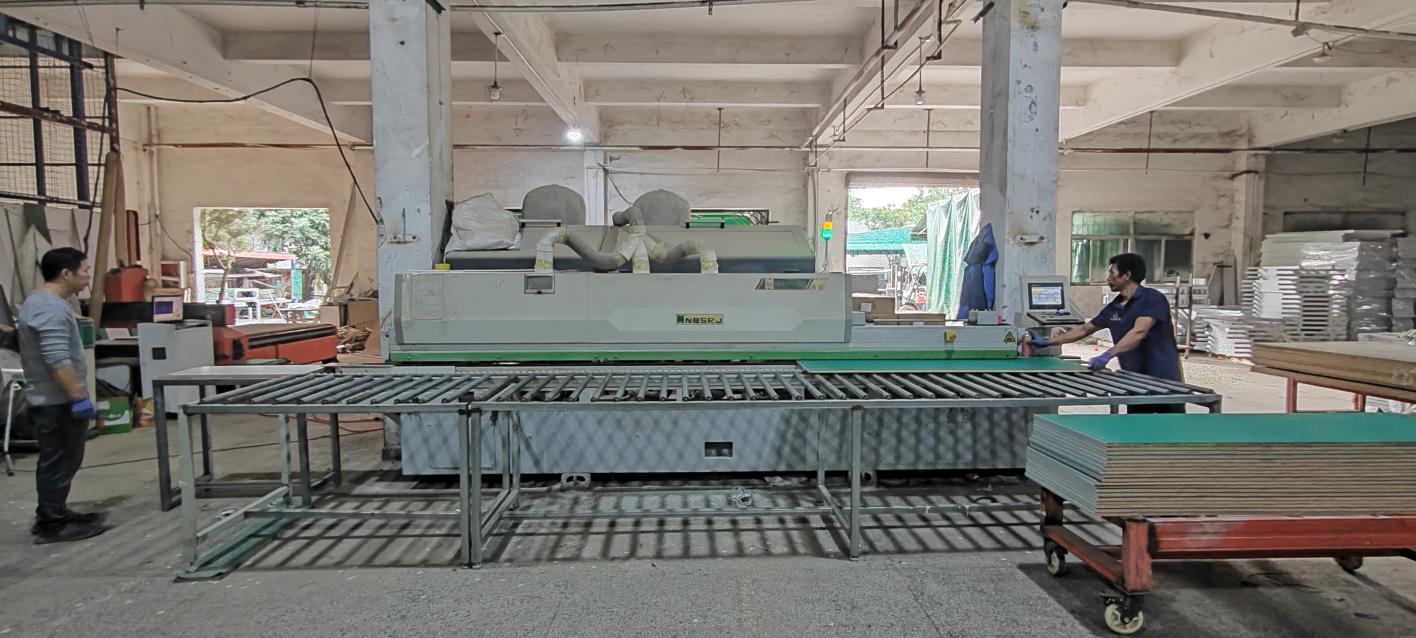
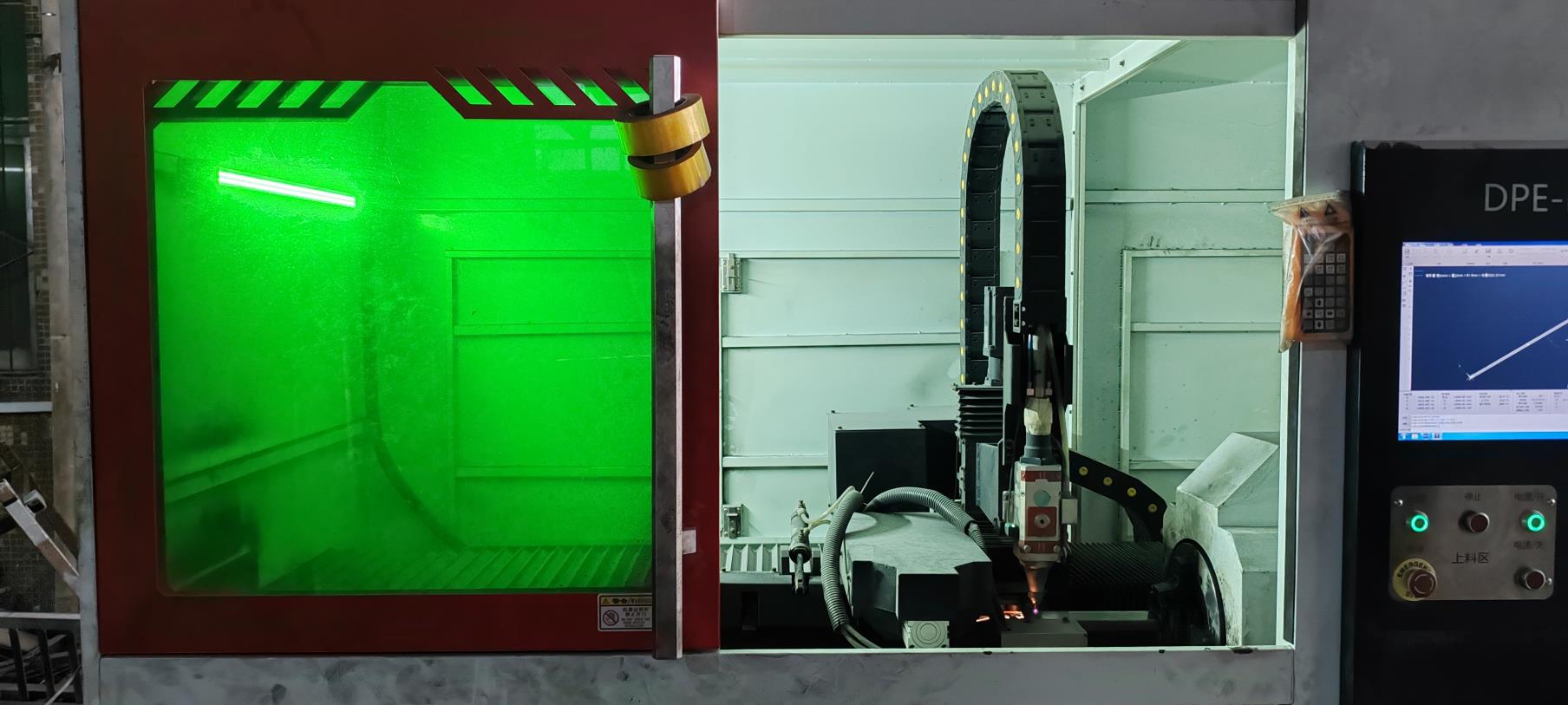
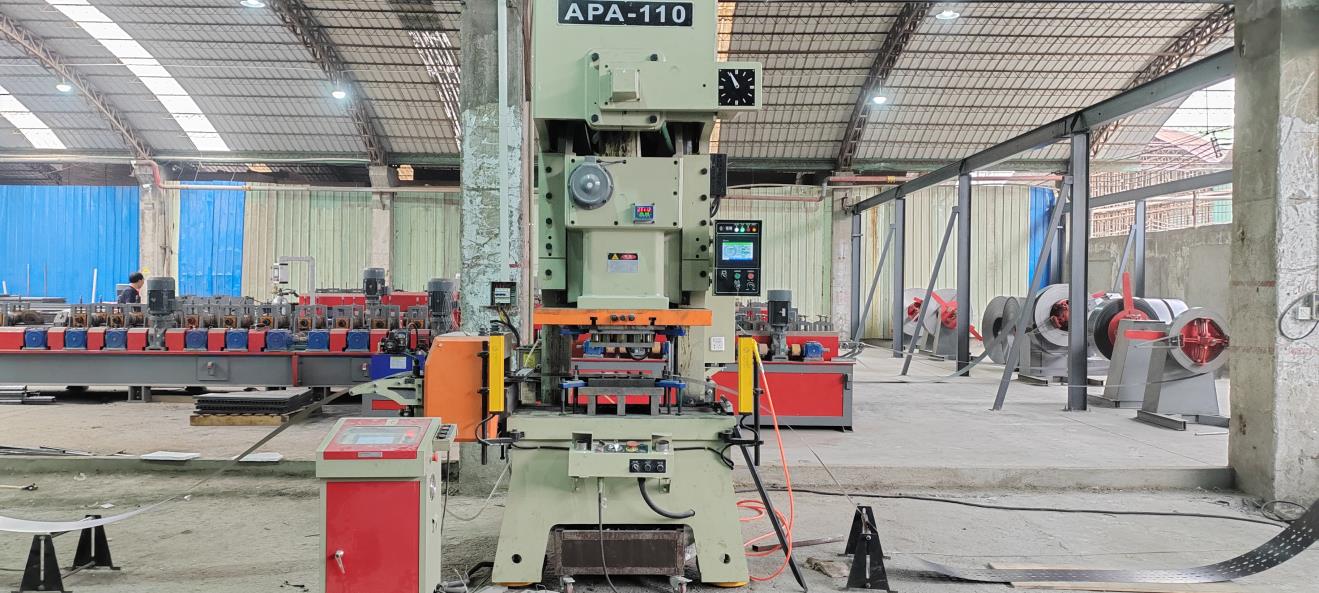
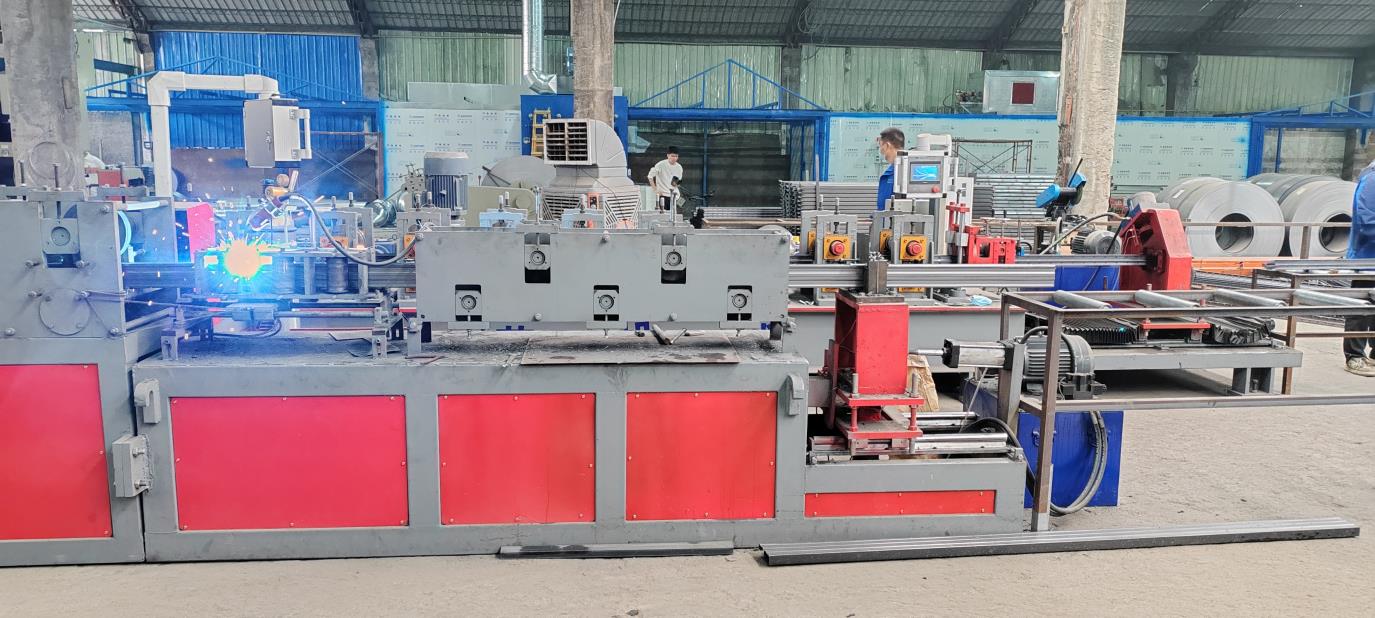
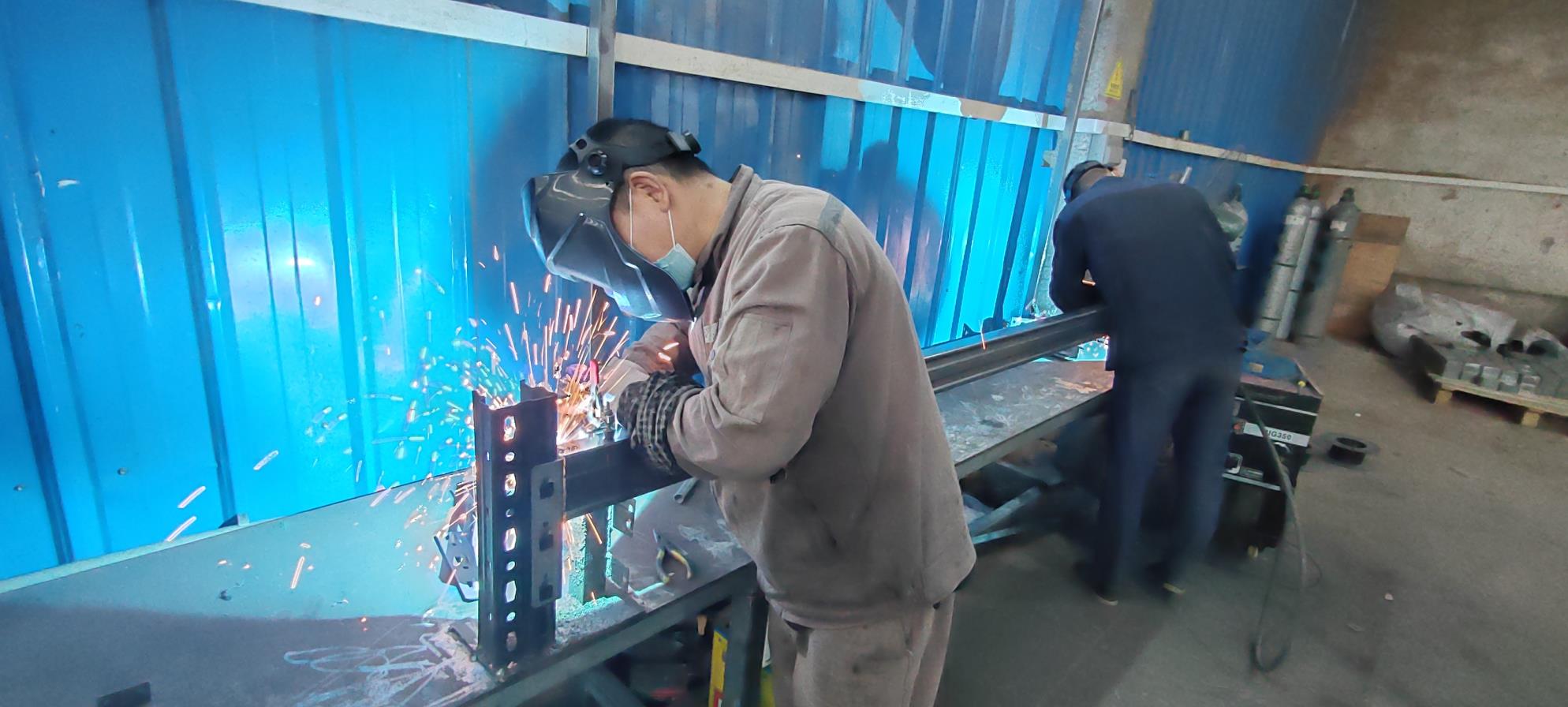
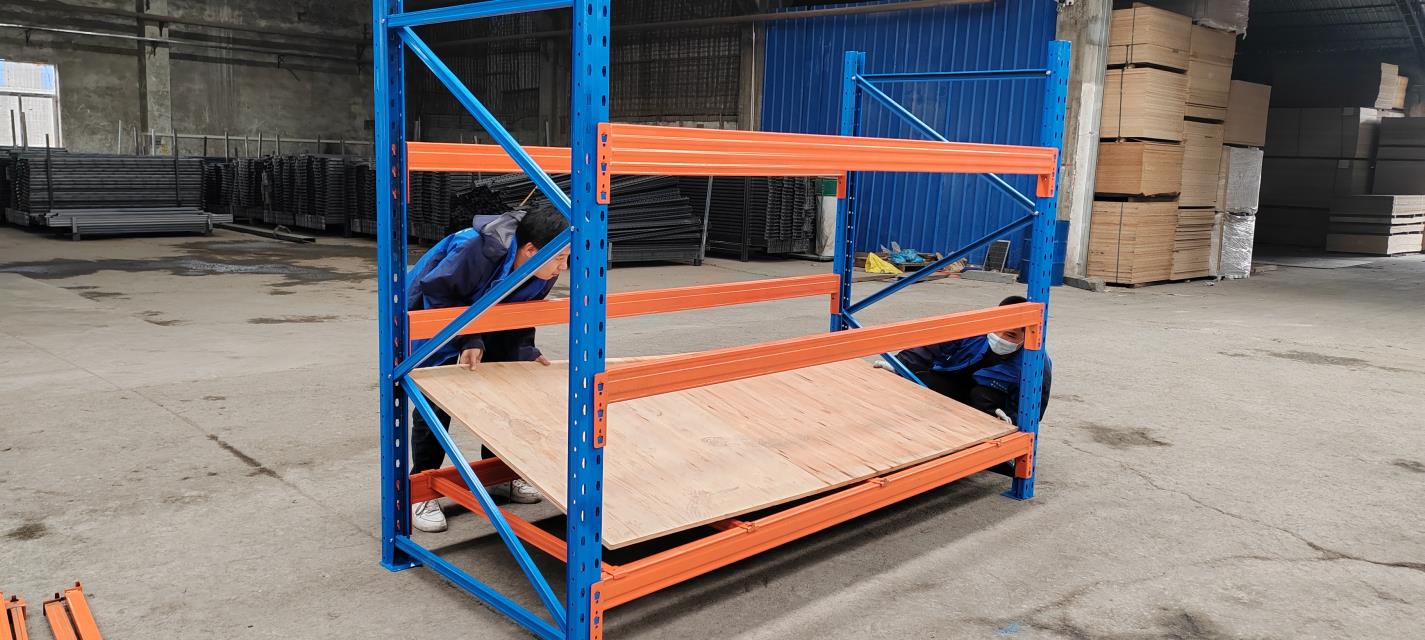
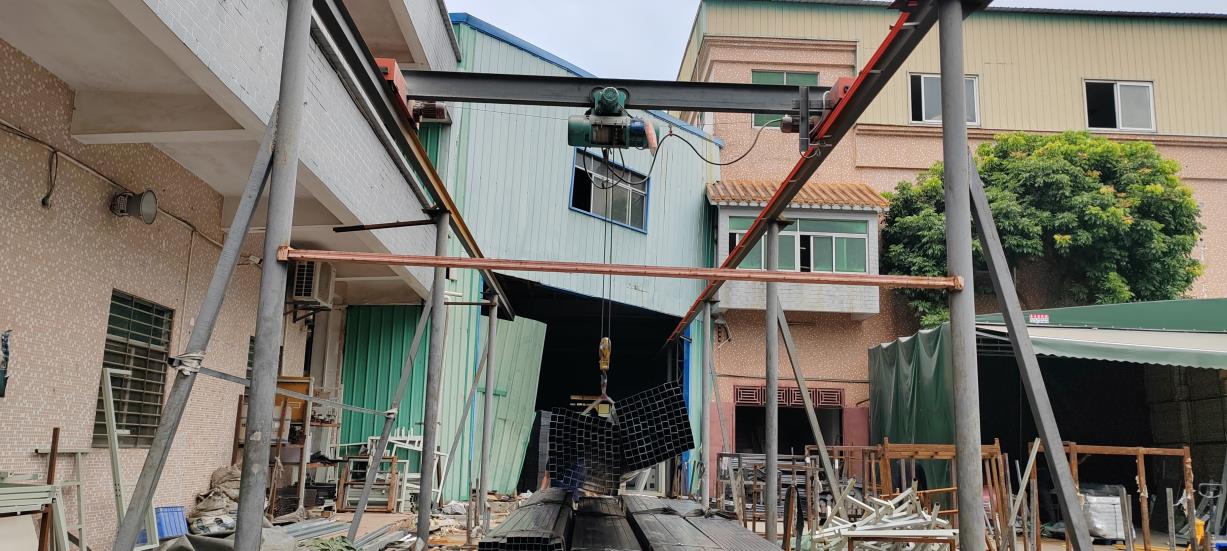
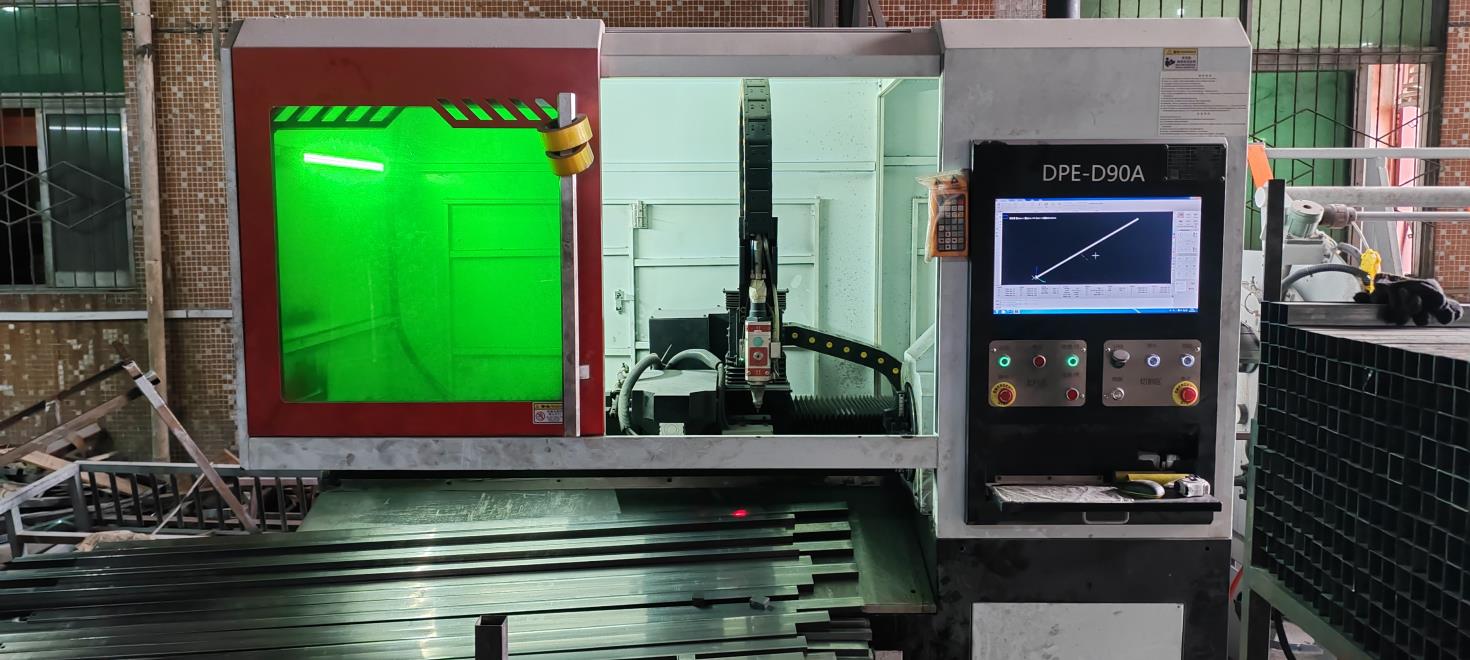
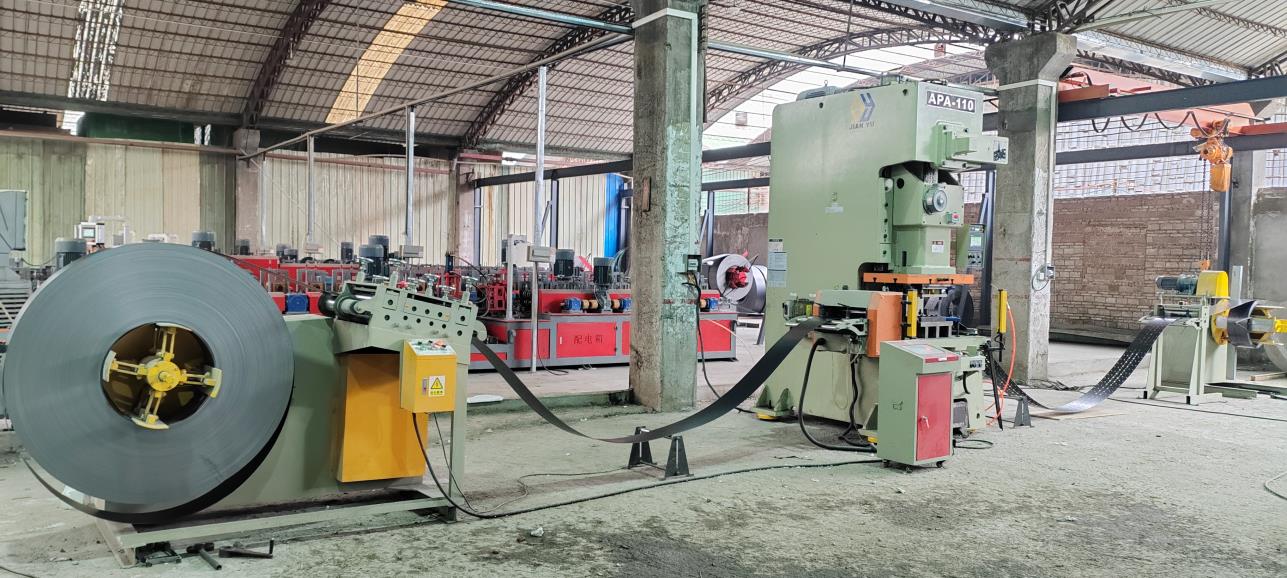
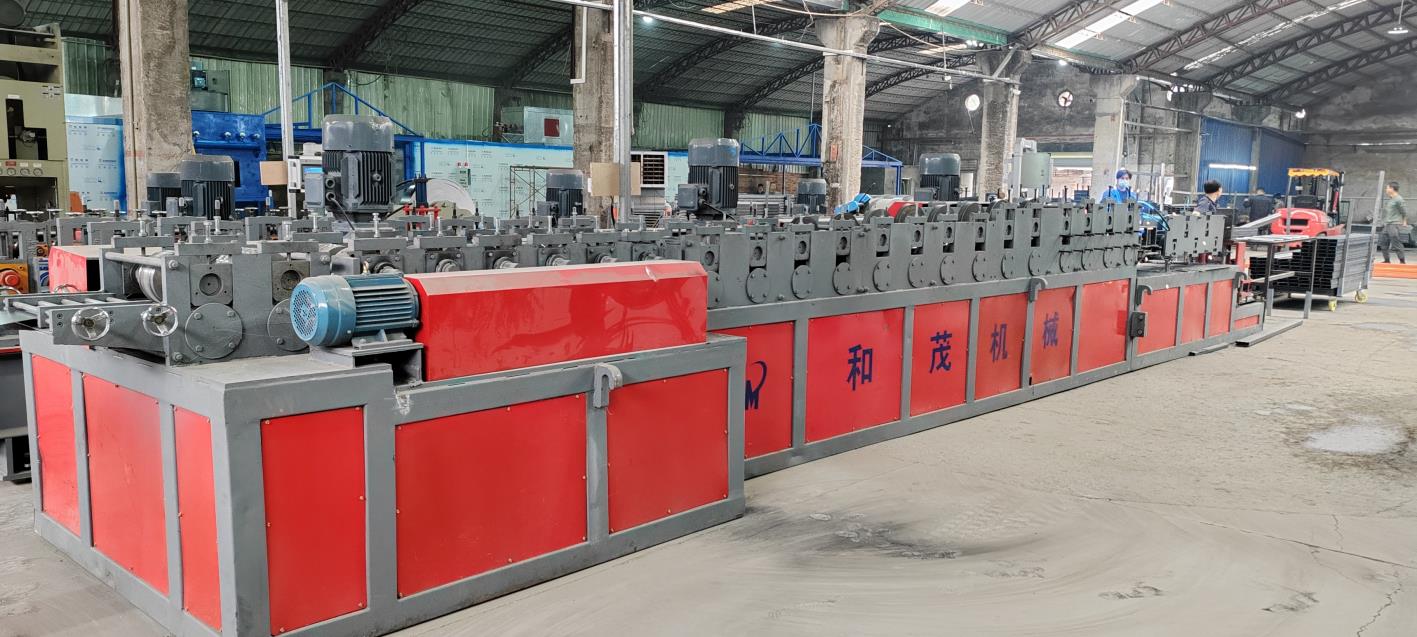
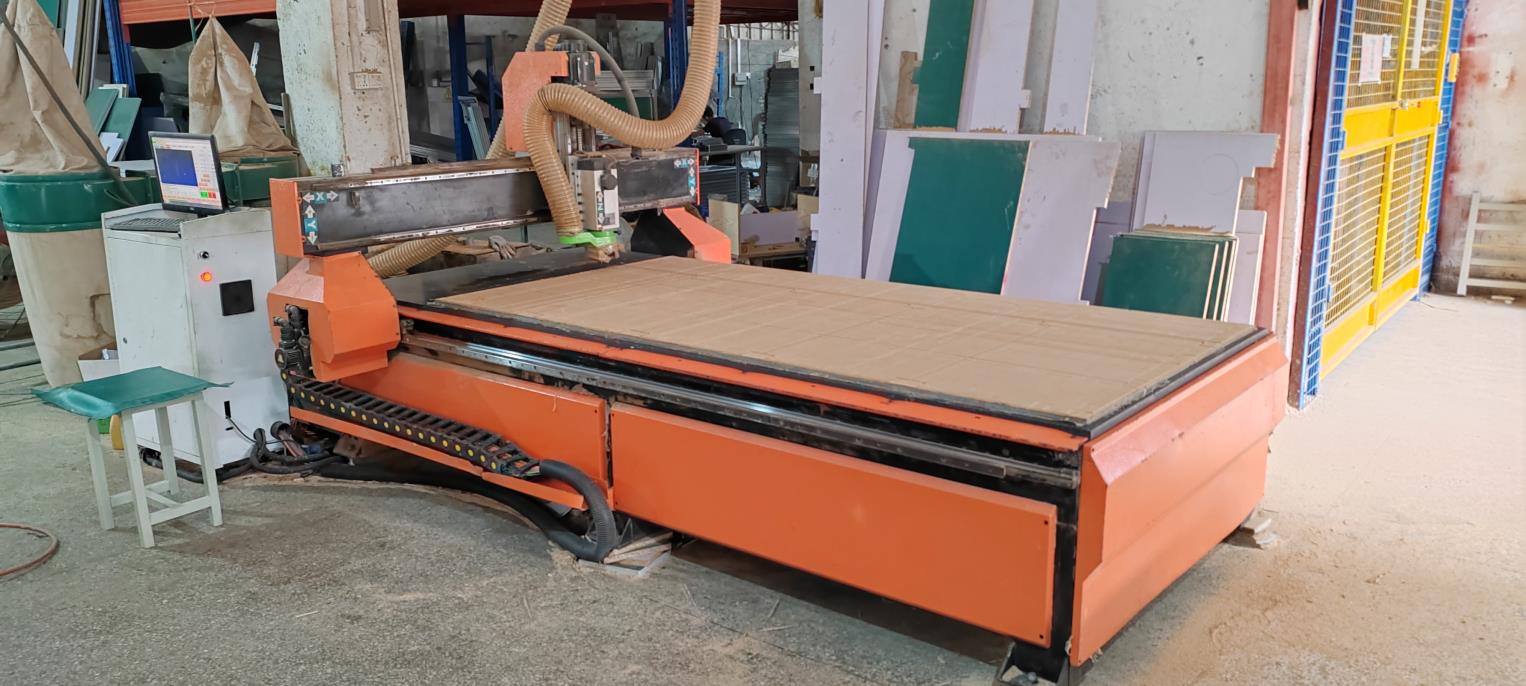
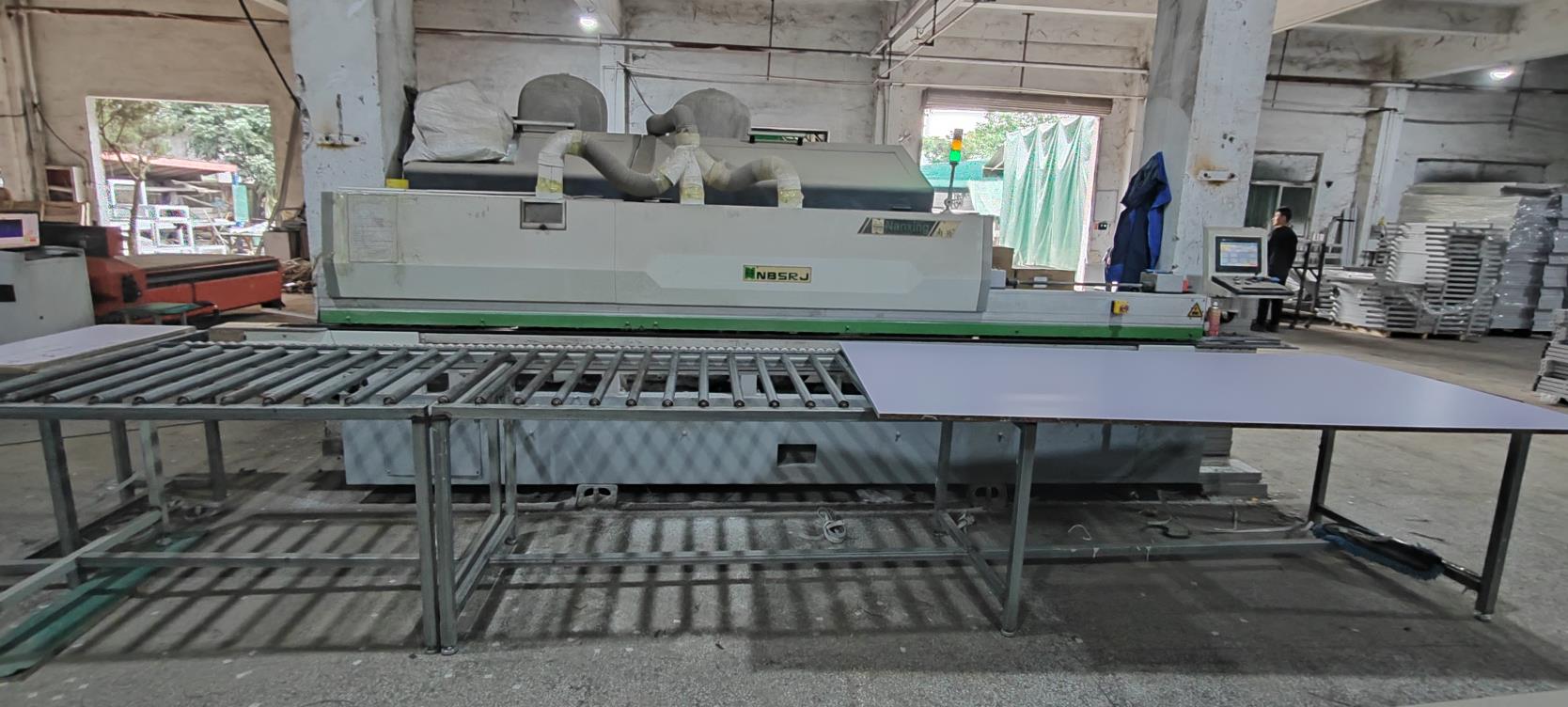
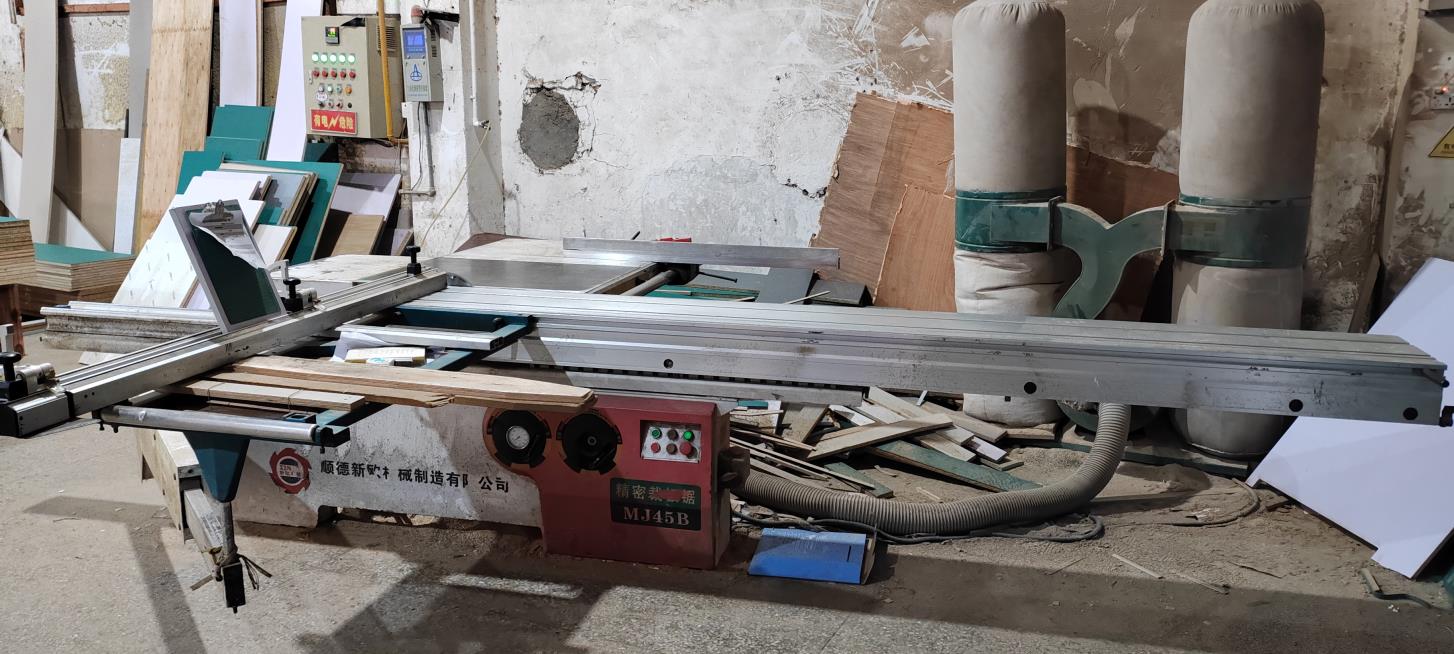
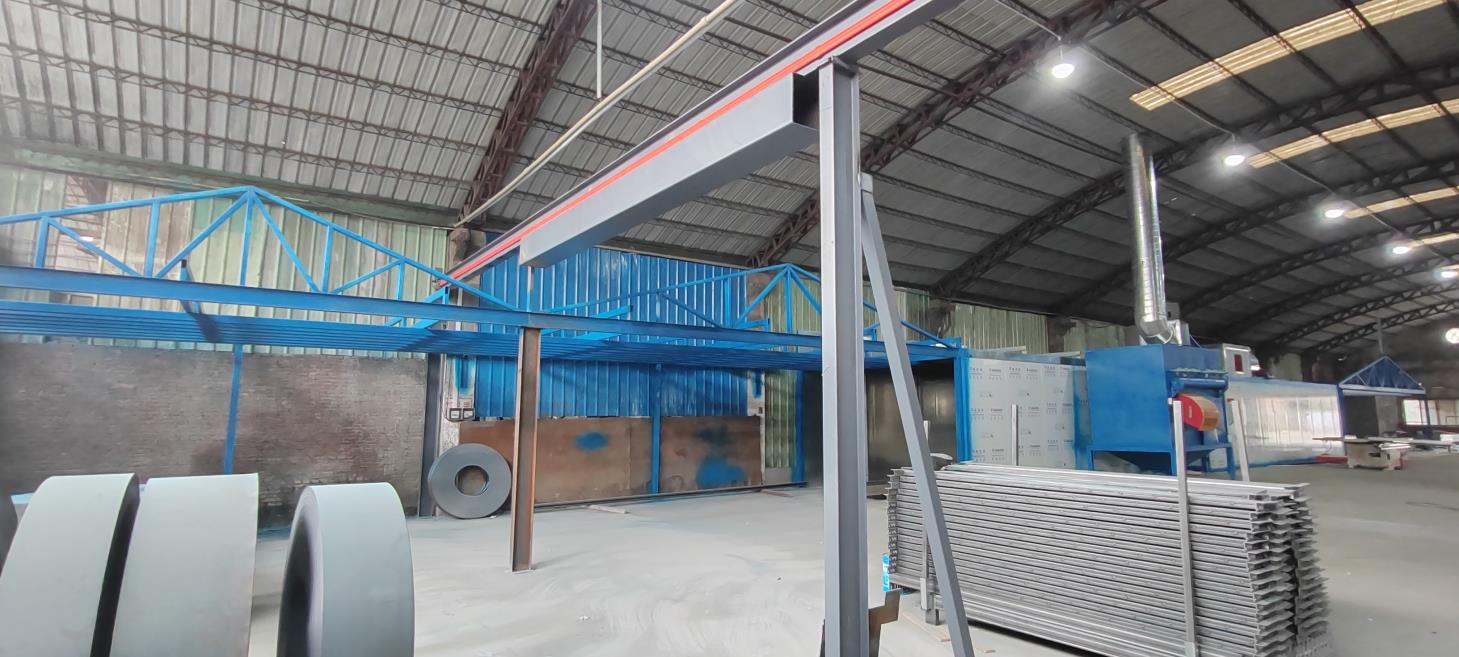
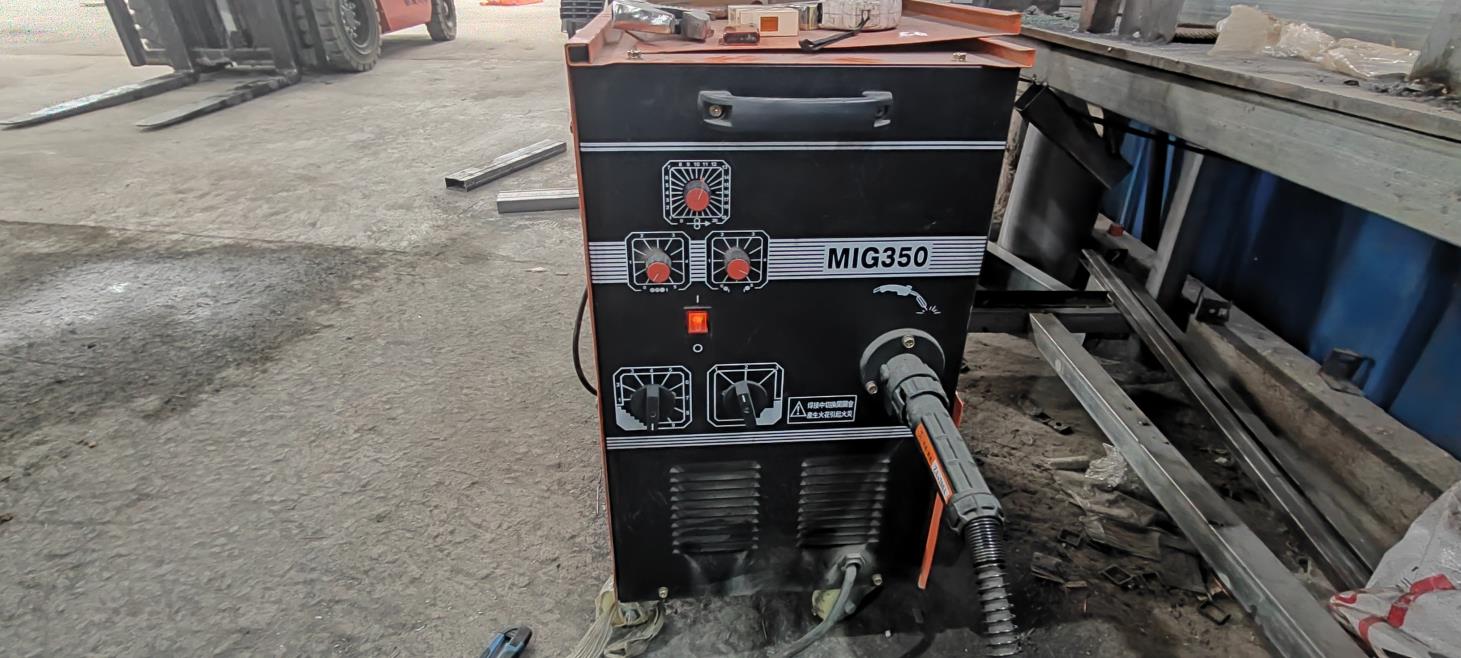
Touring the production floor: From certified raw material procurement to advanced CNC forming, automated robotic welding, and final precision assembly.
Designing the next generation of smart, carbon-neutral, and modular retail & warehousing systems.
The future of display fixtures lies at the intersection of structural engineering and digital integration. As smart retail concepts expand globally, physical display racks are becoming interactive data points. Our R&D roadmap focuses on embedding low-power sensor arrays, dynamic LED controllers, and Electronic Shelf Label (ESL) tracks directly into the shelving structures. This enables real-time inventory tracking, heat-mapping of customer engagement, and dynamic pricing adjustments controlled via centralized ERP interfaces.
Similarly, for high-capacity warehouse racks, integrated load-cell sensors can actively monitor load distributions, alerting warehouse managers to capacity violations or structural shifts before mechanical failure occurs. By designing channels for wire routing, sensor housing, and magnetic power distribution rails, we ensure our structures are ready for tomorrow's technology.
Global consumer brands and multinational logistics operators face stringent sustainability mandates. We are actively reducing the carbon footprint of our manufacturing process. Our roadmap outlines the integration of recycled alloy matrix steel, sustainably sourced FSC wood panels, and bio-based powder coatings. The paint baking line at Nanjing Fortis has transitioned to high-efficiency, zero-VOC electrostatic powder applications. This aligns our products with international environmental standards like LEED, BREEAM, and DGNB, ensuring global buyers achieve their environmental objectives.
| Technology Dimension | Current Industry Standard | Nanjing Fortis Technical Target (2025-2027) | Strategic Benefit for Global Buyers |
|---|---|---|---|
| Structural Steel Grades | Q235B Standard Yield | Q355B & High-Tensile Micro-Alloyed Steel | 15-20% weight reduction without load capacity loss. |
| Surface Protection | Standard Polyester Powder | Graphene-enhanced Anti-Corrosive Coating | Salt spray resistance upgraded from 500h to 1000h+. |
| Modular Adjustability | Standard 50mm pitch punch | Variable Micro-pitch (25mm/38.1mm) configuration | Improves vertical space utilization efficiency by up to 12%. |
| Digital Readiness | Analog steel profiles | Built-in RFID and ESL power track channels | Seamless integration with Automated Retail Systems. |
The rise of e-commerce delivery hubs and rapid grocery networks has shifted urban logistics toward micro-fulfillment centers. These facilities require ultra-compact, high-durability racking configurations that handle rapid cycle times and low temperatures. We have designed specialized structural treatments for cold-chain environments (operating at -30°C to -40°C). Under these conditions, standard steel is susceptible to low-temperature embrittlement. By utilizing specially treated steel alloys containing micro-alloying elements like vanadium and titanium, our racking systems retain their impact resistance, ductility, and structural integrity, preventing catastrophic material failures in sub-zero environments.
Tailored structural configurations engineered for various enterprise commercial and industrial environments.
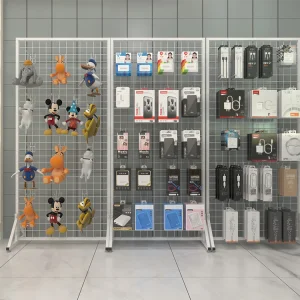
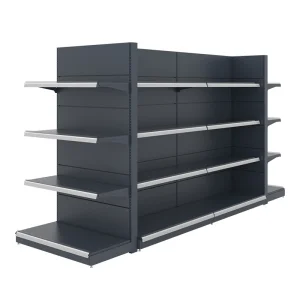
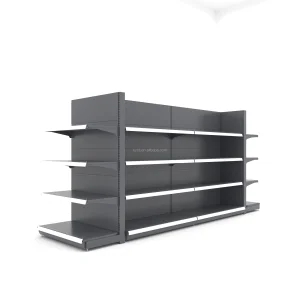
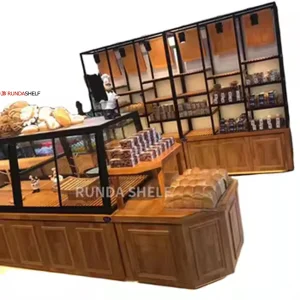
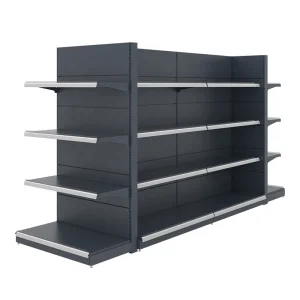
Our heavy-duty single and double-sided gondola display racks feature modular configurations, integrated wooden trims, and high-load capacities. Engineered to withstand high foot-traffic and heavy commercial products, these systems maximize product visibility and space utilization.
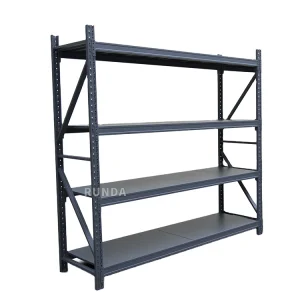
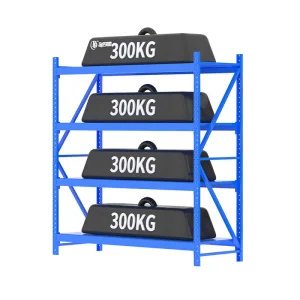
Utilizing high-tensile steel and automated welding, our structural racking systems (like the RD-33 and high-density industrial racking) support up to 300kg-1000kg per level. We provide engineered solutions for mega-distribution hubs and low-temperature cold-storage logistics.
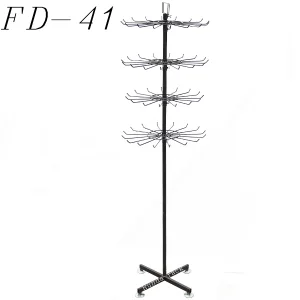
Designed for premium jewelry, high-end bakeries, and custom apparel shops. Our R&D team integrates metal, wood, and glass elements to create aesthetically striking showcases (like the FV-05 bakery rack and metal rotating jewelry stands) with dynamic lighting and secure lockouts.
Ensuring compliance with international structural codes, environmental standards, and cross-border customs regulations.
Industrial storage and retail displays must comply with regional structural safety laws. At Nanjing Fortis, we align our product engineering with major global standards:
Logistics costs are a critical component of total procurement expenditures. Poor packaging can result in in-transit deformation, paint scratching, or moisture damage. Nanjing Fortis implements a three-tier protection packaging standard:
With an annual export turnover of $35 million, our logistics department is experienced with customs protocols in Western Europe, South America, and the Middle East. We provide full documentation suites, including Certificate of Origin (Form A/Form E), SGS third-party inspection certificates, Bill of Lading, detailed packing lists, and TUV certificates. This ensures fast customs clearance and avoids port demurrage charges.
A data-driven methodology for retail operations managers and warehouse developers evaluating manufacturing partners.
Selecting a manufacturing partner in China requires looking beyond base unit pricing. Strategic sourcing directors evaluate suppliers based on total cost of ownership (TCO), quality consistency, engineering capabilities, and financial stability. Below is our procurement checklist for evaluating display case and storage racking exporters:
Ensure the manufacturer has an active R&D team and uses state-of-the-art design tools. A manufacturer with engineering depth should be able to provide:
Request clear documentation regarding quality assurance practices. Verifiable quality control systems should include:
Evaluate the supplier's financial stability and production capacity. High-volume buyers should verify:
Explore our full range of customizable, high-performance display fixtures, industrial warehouse shelving, and store accessories.
Expert answers to critical engineering, customization, and logistics questions from procurement managers.
 FortisRack