In the rapidly evolving landscape of logistics, choosing the right Warehouse Storage Systems is crucial for efficiency. Many global buyers are exploring options in China, a leader in manufacturing and innovation. This article highlights the top 10 warehouse storage solutions available in the Chinese market, showcasing their features and benefits.
These systems cater to diverse needs, from small businesses to large corporations. Efficient space utilization and adaptability are critical factors in selecting a system. Various types, such as pallet racking, shelving units, and automated storage, offer flexibility. However, it is essential to reflect on your specific operational requirements.
As international demand grows, buyers must navigate challenges like quality assurance and supplier reliability. Many systems impress with cutting-edge technology, yet some may lack after-sales support. Understanding these nuances can guide better decisions and enhance overall logistics performance in a competitive market.
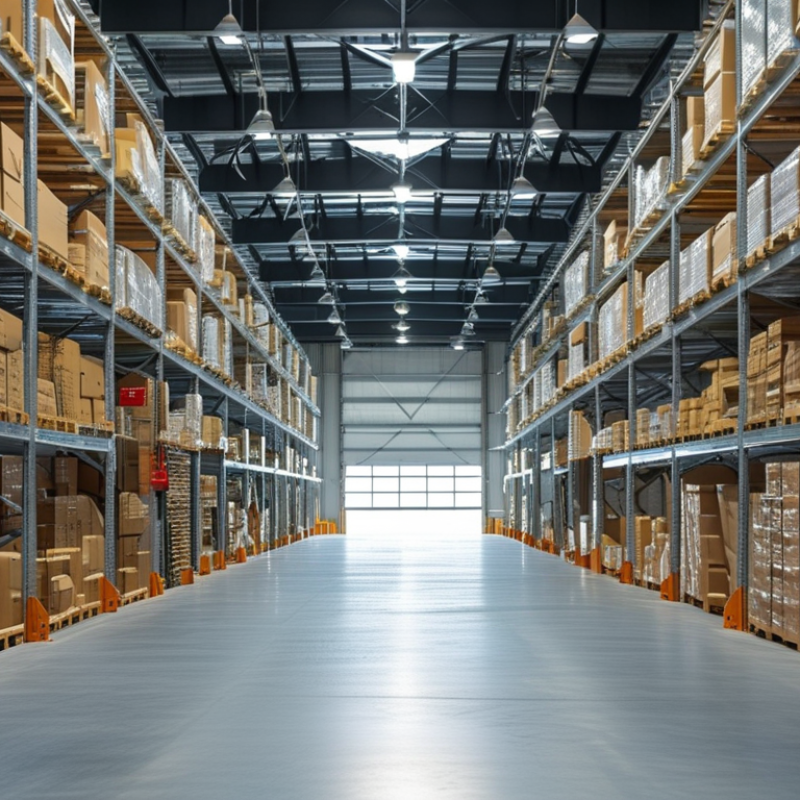
Overview of Warehouse Storage Systems in China
China's warehouse storage systems have evolved significantly over recent years, driven by rapid industrialization and e-commerce growth. According to industry reports, the warehousing market in China is projected to reach a value of approximately $300 billion by 2025. This expansion reflects the increasing demand for efficient storage solutions to accommodate a diverse range of products.
Factors such as urbanization and rising consumer expectations contribute to this demand. Automated storage systems are gaining traction. They enhance efficiency and optimize space utilization. Additionally, traditional shelving methods remain essential, providing a balance between cost and functionality. Data indicates that facilities with advanced storage systems can reduce retrieval times by up to 30%, underscoring the importance of selecting appropriate systems.
However, challenges persist. Many facilities struggle to integrate advanced technologies while managing rising operational costs. Additionally, older buildings may not support modern equipment, limiting their capabilities. As the industry shifts, awareness of these obstacles is crucial for global buyers seeking effective warehouse solutions. Making informed decisions in this landscape requires not only understanding current methodologies but also recognizing areas for improvement and adaptation.
Top 10 Warehouse Storage Systems in China
Key Features of Efficient Warehouse Storage Solutions
Efficient warehouse storage solutions are essential for maximizing space and operational efficiency. Many companies are transitioning to vertical storage systems. These systems can increase storage capacity by up to 50%. A recent industry report highlights the rise of automation, with 70% of warehouses expected to adopt automated solutions by 2025. This shift aims to reduce labor costs and enhance accuracy in inventory management.
Flexibility is another key feature of modern storage systems. Adjustable shelving allows companies to adapt storage layouts based on fluctuating inventory levels. This versatility is crucial, as it helps maintain efficient operations amid changing market demands. Moreover, optimized layout design can reduce picking time by 30%.
However, not all warehouse solutions fit every business. Some organizations face challenges when integrating new systems with existing infrastructure. Prioritizing employee training is vital to ensure smooth transitions. Additionally, implementation costs can be substantial, requiring careful financial planning. Despite these challenges, the potential benefits of streamlined logistics and improved efficiency remain compelling for global buyers in China.
Top 10 Warehouse Storage Systems in China for Global Buyers
| Storage System Type |
Key Features |
Load Capacity (kg) |
Ideal Use Case |
Cost Estimate (USD) |
| Selective Pallet Racking |
High Accessibility, Versatile Layouts |
1,500 - 3,000 |
General Warehousing |
1,000 - 2,500 |
| Drive-In Racking |
High Density, Space Efficient |
1,000 - 2,500 |
Bulk Storage |
2,000 - 4,000 |
| Mobile Shelving |
Compact Design, Efficient Use of Space |
500 - 2,000 |
Document Storage |
800 - 1,800 |
| Push Back Racking |
LIFO Storage, High Density |
1,500 - 3,000 |
FIFO and LIFO Storage |
1,500 - 3,500 |
| Cantilever Racks |
Long Items Storage, Adjustable |
1,000 - 5,000 |
Pipe, Lumber Storage |
1,000 - 2,500 |
| Mezzanine Floors |
Increased Storage Area, Versatile |
N/A |
Multi-Level Storage |
5,000 - 10,000 |
| Automated Storage Retrieval Systems (AS/RS) |
High Efficiency, Integrated Technology |
1,000 - 3,000 |
High-Volume, Fast-Paced Operations |
20,000 - 100,000 |
| Bin Storage Systems |
Modular Design, Flexible Usage |
100 - 500 |
Small Parts Storage |
500 - 1,200 |
| Flow Racking |
FIFO System, Dynamic Storage |
500 - 1,000 |
Perishable Goods Storage |
1,200 - 2,000 |
| Gravity Racking |
Simple Design, Cost-Effective |
500 - 1,500 |
Buffer Storage |
800 - 1,800 |
Top 10 Warehouse Storage Systems for Various Industries
Warehouse storage systems play a crucial role in various industries. In the e-commerce sector, for example, efficient shelving units and automated storage solutions can significantly enhance order fulfillment speed. These systems optimize space and allow for quick access to products. Similarly, in the manufacturing industry, heavy-duty racks are essential for storing raw materials safely. They ensure that production lines remain unblocked and efficient.
Retail environments benefit from flexible storage options. Modular shelving can easily adapt to changing inventory levels. This adaptability is key for seasonal stock fluctuations. Cold storage systems are vital for the food industry, requiring specialized designs to maintain temperature control. The complexity of these needs highlights the importance of selecting the right storage solution.
However, not every system fits every application. Businesses may struggle with scalability as they grow. It's important to regularly assess storage needs and make adjustments. This reflection ensures that the chosen systems remain effective and support overall operational efficiency. The right warehouse storage can make a significant difference, but it requires thoughtful consideration.
Comparative Analysis of Storage Systems: Pros and Cons
When analyzing storage systems for warehouses, understanding their pros and cons is crucial. Different systems serve various needs. For instance, selective racking allows easy access. It is flexible but can waste space. On the other hand, narrow aisle racking maximizes storage capacity, yet it may require specialized equipment for navigation.
Mobile shelving systems optimize space even further. They are adaptable but can be costly to implement. On the contrary, pallet flow racking supports high-volume storage. However, it presents challenges in inventory management. The complexities of balancing space efficiency and accessibility must be considered. Each system presents unique trade-offs that can impact overall operations.
Global buyers need to evaluate local factors. The available workforce, equipment, and warehouse layout are important. Additionally, cost limitations can vary regionally. Integrating these insights can enhance decision-making. Assessing the nuances of each storage option will lead to more informed choices.
Future Trends in Warehouse Storage Technologies in China
The landscape of warehouse storage technologies in China is evolving rapidly. Advanced automation is becoming common. Automated Guided Vehicles (AGVs) streamline operations, reducing labor costs. Robotics enhance picking efficiency, allowing a faster response to market demands. However, these systems are expensive to implement. Smaller warehouses may struggle with these costs.
Smart technology integration is another trend. Internet of Things (IoT) devices provide real-time data on inventory levels. This helps in optimizing stock management. But, data security can be a concern. Many companies are still figuring out how to secure their systems effectively.
Sustainability is gaining attention as well. Eco-friendly materials and energy-efficient systems are on the rise. Yet, the balance between cost and sustainability is delicate. Some businesses may prioritize short-term savings over long-term green benefits. As industry players innovate, these challenges and opportunities will shape the future of warehouse storage in China. The key will be finding the right mix of technology, cost-effectiveness, and environmental responsibility.
FAQS
: Vertical storage systems can increase storage capacity by up to 50%. They maximize space effectively.
Automation aims to reduce labor costs and improve inventory management accuracy. Many warehouses will adopt it by 2025.
Flexibility allows companies to adjust storage layouts based on changing inventory levels. This adaptability is crucial during market fluctuations.
Integrating new systems with existing infrastructure can be difficult. Employee training and substantial implementation costs must be considered.
Efficient shelving units and automated storage enhance order fulfillment speed. Quick access to products is vital for customer satisfaction.
Modular shelving adapts to changing inventory levels. This adaptability is essential for managing seasonal stock fluctuations.
Cold storage systems are necessary to maintain temperature control. Proper design is critical to ensure food safety.
Regular assessments ensure chosen systems remain effective. Reflecting on current needs can guide necessary adjustments for scalability.
Selective racking allows easy access to products. However, it may waste some space in the warehouse.
Local workforce capabilities and equipment can affect storage solution effectiveness. Cost limitations can also vary by region.
Conclusion
The article "Top 10 Warehouse Storage Systems in China for Global Buyers" provides a comprehensive overview of the various warehouse storage systems available in China, catering to diverse industries. It highlights the key features that contribute to the efficiency of warehouse storage solutions, such as space optimization, accessibility, and adaptability. By examining the top 10 warehouse storage systems, the article outlines how different solutions meet the unique demands of sectors such as e-commerce, manufacturing, and retail.
Furthermore, a comparative analysis offers insights into the pros and cons of each storage system, enabling buyers to make informed decisions based on their specific requirements. As the article concludes, it addresses future trends in warehouse storage technologies in China, emphasizing the importance of innovation and sustainability in enhancing operational efficiency. Overall, this resource serves as a valuable guide for global buyers seeking effective warehouse storage systems.

 FortisRack