The retail landscape in China is rapidly evolving. To compete effectively, brands need eye-catching strategies at the Point Of Purchase Displays. These displays can greatly influence consumer behavior and drive sales. Renowned retail analyst, Jane Chen, emphasizes, "Effective Point Of Purchase Displays can turn a casual shopper into a loyal customer."
In a market where attention spans are short, the design and placement of these displays matter. Brands must be creative yet practical. The right display can capture consumer interest instantly. However, there are challenges. Not all displays resonate with the target audience. Some may even deter potential buyers if they are cluttered or uninviting.
Experts suggest that the key lies in understanding consumer preferences. It's essential to continually evaluate the effectiveness of these displays. Feedback from shoppers can provide insights into what works and what doesn't. By embracing this iterative process, brands can refine their strategies. This not only boosts engagement but also maximizes sales potential.
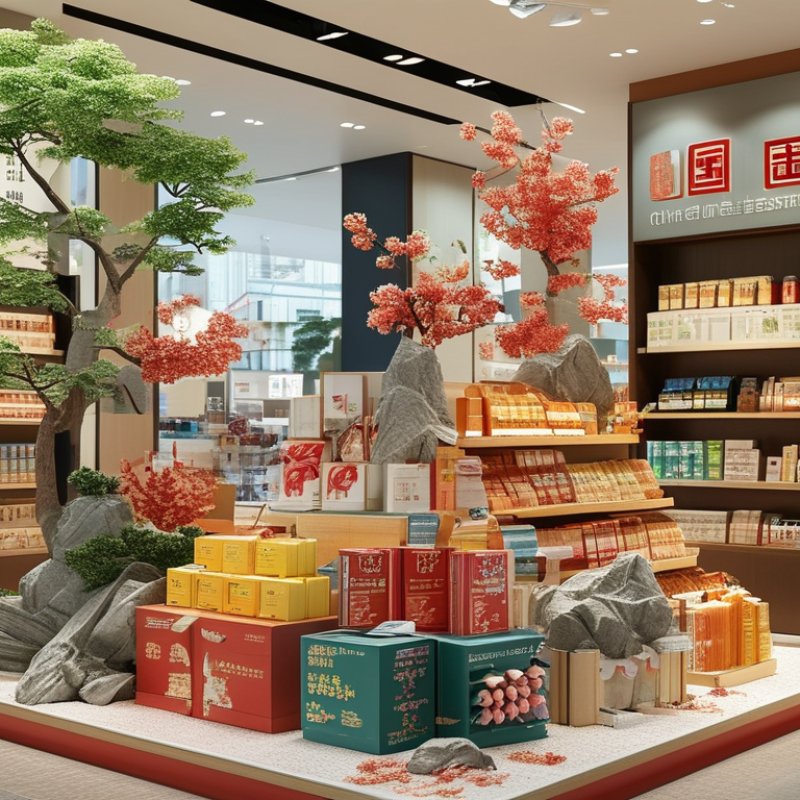
Point of purchase (POP) displays in China are evolving with innovative materials. Brands increasingly rely on eco-friendly options to attract consumers. For example, recyclable paper and biodegradable plastics are becoming popular. These materials not only reduce environmental impact but also enhance brand image.
Another trend involves the use of digital screens, which can display dynamic content. These screens often feature motion graphics that catch the eye. However, the reliance on technology can lead to challenges. Digital displays require consistent maintenance and updates to remain effective. Without proper management, they may become outdated quickly.
The use of augmented reality (AR) is gaining traction, too. AR can create immersive shopping experiences that draw customers in. Yet, it’s crucial for marketers to ensure usability. If AR functionalities confuse users, they may abandon the interaction. Understanding consumer preferences is vital to the success of these innovative displays.
Visual merchandising plays a crucial role in retail, especially in China. Engaging displays can transform a simple shopping trip into an exciting experience. Attractive designs grab attention and lure customers in. Bright colors and unique layouts invite people to explore more. However, it's not just about being visually appealing. The effectiveness of these displays relies on storytelling. Each display should convey a message that resonates with the target audience.
Incorporating local culture and trends can enhance relevance. A display featuring traditional elements can evoke nostalgia. However, it must be done tastefully. There is a risk of misrepresenting cultural symbols. Retailers should invest time in research to avoid these pitfalls. Combining innovation with respect for local values often leads to better customer engagement. It’s essential to test different strategies. Gather feedback regularly to understand what resonates best with customers. Adapting displays based on this feedback can create a more dynamic shopping environment.
Point Of Purchase (POP) displays play a crucial role in driving sales in China. Recent studies show that well-designed POP displays can increase sales by up to 30%. These displays attract attention and guide customer behavior. For example, a visually appealing end-cap display can entice shoppers to make impulse purchases, significantly impacting overall sales.
One effective strategy is to use vivid colors and dynamic designs. Reports indicate that consumers are 65% more likely to notice bright and engaging displays. However, not all displays achieve intended results. Some may overcrowd shelves or confuse customers. Simplicity often creates clarity, leading to higher engagement.
Tip: Test different designs for effectiveness. Conduct surveys or focus groups to gather consumer feedback before finalizing designs. Another tip is to keep displays updated regularly. Stale displays can lead to decreased foot traffic. Fresh content keeps your brand relevant and appealing. Regular assessment of POP strategies is essential for sustained success.
In the evolving landscape of retail, point of purchase (POP) displays play a crucial role in influencing consumer behavior. Recent reports reveal that effective POP strategies can increase sales by up to 30%. This highlights the need for businesses to innovate in their display tactics. Trends indicate that interactive and digitally integrated displays are gaining traction. They engage customers more effectively than traditional static designs.
One exciting trend is the adoption of augmented reality (AR) in displays. This technology allows customers to visualize products in their own environments, significantly enhancing their purchasing experience. Moreover, research shows that 60% of consumers prefer shopping in stores that offer immersive experiences. This suggests a shift towards engaging consumers at the moment of decision.
Tips for creating impactful POP displays include focusing on visual appeal and clear messaging. Use vibrant colors and concise text to attract attention and convey value quickly. Additionally, consider sustainability in materials, as 70% of consumers prefer eco-friendly products. Remember, capturing attention is just the first step; the display must resonate with values and emotions for lasting impact. Aim for displays that not only draw customers in but also tell a story.
Designing eye-catching and functional point of purchase (POP) displays requires creativity and strategy. Start by embracing vibrant colors that attract attention. Neon shades or contrasting palettes can make products stand out. Use clear, bold typography for text. It should be easy to read from a distance. This helps messages resonate with customers swiftly.
Incorporate various textures and materials. Wood, metal, or acrylic can create visual interest. Additionally, consider the layout carefully. Ensure items are accessible and placed at eye level. This enhances visibility and encourages interaction. However, avoid cluttered designs. They can overwhelm customers and dilute the message. Aim for a clean presentation that conveys the brand's identity.
Functionality is crucial. Displays should be easy to assemble and disassemble. Consider the weight of the products showcased. If displays are too heavy, they can become impractical. There can be flaws in the design that may need improvement. Encourage feedback from potential users. This insight can refine the design process and enhance overall effectiveness. Engaging potential customers in the design can lead to better alignment with their preferences.
| Display Type | Material | Dimensions (cm) | Design Features | Average Cost (CNY) | Ideal Product Type |
|---|---|---|---|---|---|
| Floor Display | Cardboard | 180 x 60 x 30 | Interactive QR code | 300-500 | Beverages |
| Counter Display | Acrylic | 30 x 30 x 15 | LED lighting | 200-400 | Cosmetics |
| End Cap Display | Wood | 150 x 50 x 60 | Rotating shelves | 400-600 | Snacks |
| Palett Display | Plastic | 120 x 80 x 40 | Bold graphics | 500-800 | Beverages |
| Dump Bin | Cardboard | 60 x 60 x 90 | Easy access | 150-300 | Confectionery |
| Shelf Talker | Paper | 20 x 10 | Promotional messaging | 50-100 | General merchandise |
| Popup Display | Fabric | 200 x 100 x 30 | Portable design | 600-900 | Seasonal items |
| Wall Display | Wood | 100 x 200 | Custom branding | 500-700 | Clothing |
| Hanging Display | Plastic | Varied sizes | 360-degree visibility | 250-450 | Toys |
: Eco-friendly materials like recyclable paper and biodegradable plastics are popular choices.
Digital screens showcase dynamic content and motion graphics, attracting customer attention effectively.
They require regular maintenance and updates. Without this, they may quickly become outdated.
AR creates immersive experiences that enhance customer engagement but must be user-friendly.
Using vivid colors and dynamic layouts can increase visibility and attract consumer interest significantly.
Overly complicated designs can confuse customers. Simple, clear displays often lead to higher engagement.
Conducting surveys or focus groups can gather valuable consumer feedback on design effectiveness.
Regularly update the displays with fresh content to maintain foot traffic and customer interest.
About 70% of consumers prefer eco-friendly products, making sustainable materials essential for brand appeal.
Displays should resonate with consumers emotionally and convey a story for lasting impact.
The article "Top 10 Point Of Purchase Displays in China to Boost Sales" delves into the essential elements that make Point Of Purchase Displays (POP Displays) effective in enhancing retail sales. It highlights the innovative materials that can be utilized to make these displays stand out, emphasizing the importance of visual merchandising in creating customer engagement. By analyzing successful case studies from various sectors in China, the article illustrates how effective POP Displays can significantly impact consumer behavior and drive sales.
Furthermore, it discusses current trends shaping the future of POP display strategies, showcasing the need for adaptability and creativity in design. The article offers practical tips for creating eye-catching yet functional displays, ensuring that businesses can effectively attract and retain customer attention at the point of purchase. Overall, it serves as a comprehensive guide for retailers looking to maximize the effectiveness of their POP Displays in an increasingly competitive market.

FortisRack