What are Merchandising Units and How Do They Benefit Buyers?

Time:2026-08-07 Author:Aria
0%

In the dynamic world of retail, understanding the concept of Merchandising Units is crucial for buyers. Sarah Johnson, a leading expert in retail strategy, states, "Merchandising Units transform how buyers see product value." These units represent a way to organize and present products, enhancing visibility and accessibility.

Merchandising Units provide retailers with a structured method to exhibit their offerings. They help to boost sales by drawing customer attention. Properly designed units can simplify the shopping experience. This, in turn, encourages consumer interaction and increases purchase likelihood. However, not every merchandising unit meets its potential. Some might lack creativity or fail to align with the store's brand identity.

The effectiveness of Merchandising Units heavily relies on thoughtful execution. Buyers often overlook the importance of placement and design. When done right, these units can become a powerful tool to drive revenue. Yet, there’s a fine line between innovation and chaos in retail presentation. Reflecting on past experiences is vital for improvement.
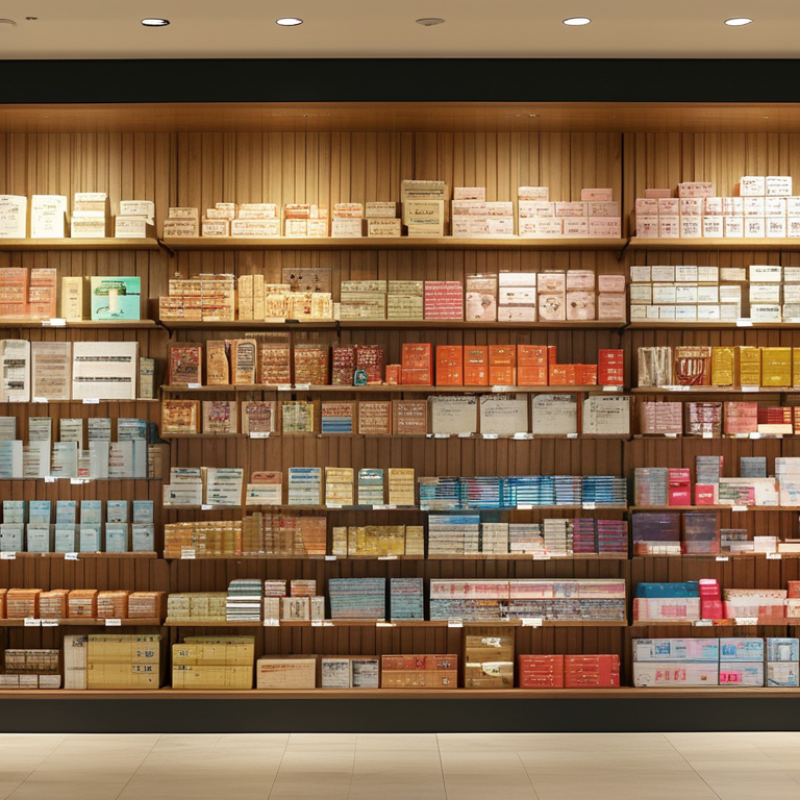
What are Merchandising Units and How Do They Benefit Buyers?

What Are Merchandising Units? Definition and Overview

Merchandising units are essential tools in retail that define how products are presented and sold. They are often categorized into units that include individual items, product bundles, or displays. A well-structured merchandising unit enhances visibility and encourages purchases. For example, placing popular items at eye level can significantly boost sales.

When buyers understand merchandising units, they can make informed decisions. Effective use of these units can create a favorable shopping experience. However, not all merchandising strategies yield success. Sometimes, misjudged placement or cluttered displays can detract from sales. Buyers must analyze data and customer feedback to find what works best.

There's room for improvement in understanding customer behavior. Retailers often rely on assumptions rather than facts. This can lead to ineffective merchandising units that fail to attract buyers. Continuous testing and adaptation are necessary for optimizing product displays and meeting consumer needs. By focusing on a buyer-centric approach, retailers can enhance their merchandising strategies effectively.

What are Merchandising Units and How Do They Benefit Buyers?

Merchandising Unit Type Description Benefits to Buyers Examples
Point-of-Sale (POS) Units Units placed at checkout areas to encourage impulse purchases. Increases visibility and accessibility of products, enhancing buyer convenience. Candy displays, magazines, or small gadgets at checkout.
Endcap Displays Promotional displays located at the end of aisles in a retail store. Captures customer attention and encourages them to explore new products. Seasonal items, limited-time offers, or discounts on bulk items.
Planograms Visual representations of how products should be arranged on shelves. Helps maintain product organization, improving shopping experience. Grocery store shelf placements, fashion retail hangers.
Cross-Merchandising Units Displays combining complementary products together. Enhances the shopping experience by suggesting related items. Pizza kits including dough, sauce, and toppings.

The Role of Merchandising Units in Retail Strategy

Merchandising units play a pivotal role in retail strategy. They are not just products on shelves; they are strategically arranged displays crafted to attract buyers. Retailers use merchandising units to enhance product visibility and create a compelling shopping experience. This careful placement draws customers in and encourages them to explore.

Tip: Use bright colors and clear signage in merchandising units to capture attention. Keep products grouped by theme to simplify the shopping journey.

The design of merchandising units can significantly impact purchasing decisions. When customers see well-organized displays, they feel more at ease. An effective unit can tell a story, linking products together in a way that resonates with shoppers. It’s intriguing how a slight change in layout can influence consumer behavior.

Tip: Regularly assess your merchandising units for effectiveness. Gather feedback from staff and customers to identify areas for improvement. Sometimes, a fresh perspective leads to valuable insights.

Key Benefits of Merchandising Units for Buyers

Merchandising units, often viewed as pivotal tools in retail, offer multiple benefits for buyers. These units streamline the shopping experience by clearly displaying products. According to a report from the Collaborative Association of Merchandising Executives, effective merchandising strategies can boost sales by up to 30%. This data underscores how crucial these units are in driving consumer decisions.

One of the key advantages of merchandising units is their ability to enhance product visibility. Research indicates that strategic placement can significantly impact buyer behavior. For instance, when products are positioned at eye level, sales can increase by as much as 20%. Buyers often appreciate having items organized in an accessible manner. However, reliance on standard layouts may lead to missed opportunities, as unique placements can drive even more engagement.

Additionally, merchandising units foster an informative shopping environment. They allow buyers to compare products easily. Yet, buyers should be aware of the risk of overwhelming choices. Too many options can lead to decision fatigue. Balancing variety with clarity is essential. Ensuring that merchandising units do not clutter the viewing space can help maintain focus on key items. This balance is crucial for optimizing the shopping experience and enhancing buyer satisfaction.

Industry Statistics on Sales Impact of Effective Merchandising Units

Effective merchandising units play a crucial role in driving sales across industries. According to a study by the Retail Feedback Group, stores that employ effective merchandising units can see a 20% increase in impulse purchases. This statistic highlights the power of visibility and accessibility in influencing buyer behavior.

Moreover, a report from the National Retail Federation indicates that well-organized merchandising displays can improve sales by up to 30%. This improvement can stem from better product placement and eye-catching displays. Retailers often notice that when products are grouped together or featured prominently, customers are more likely to buy them.

However, not all merchandising strategies hit the mark. Some displays, while visually appealing, may not communicate value effectively. A mismatch between the product presentation and customer expectations can lead to lost sales. This irony emphasizes the need for continuous analysis and adjustment of merchandising tactics. Retailers must ensure that their units convey clear information and align with consumer preferences to maximize effectiveness.

Trends in Merchandising Units: Adapting to Consumer Behavior

The landscape of merchandising units is shifting, driven by changing consumer behavior. Recent data shows that 70% of shoppers now prefer personalized experiences. They seek products that resonate personally rather than generic ones. Brands are adapting to this trend by utilizing data analytics to understand preferences better.

Consumers now expect a seamless integration of online and offline shopping. A report from the National Retail Federation indicates that 90% of purchases are influenced by online interactions. This trend pushes brands to innovate their merchandising units. Interactive displays, augmented reality, and tailored recommendations are becoming the norm. Yet, not every brand adapts effectively. Some struggle with the balance between innovation and complexity, risking customer engagement.

Incorporating sustainability into merchandising units is also crucial. A 2023 survey found that 60% of consumers prioritize eco-friendly choices. However, many brands find it challenging to source sustainable materials and implement effective strategies. They must reflect on their processes and consider genuine commitment over superficial changes. The challenge is clear: align merchandising strategies with consumer values while maintaining operational efficiency.

FAQS

: What are merchandising units?

: Merchandising units are attractive product displays designed to enhance visibility and create a compelling shopping experience.

How can merchandising units affect buying decisions?

Well-organized displays create comfort for shoppers. A slight change in layout can influence consumer behavior.

What tips can improve merchandising units?

Use bright colors, clear signage, and group products by theme to simplify the shopping journey.

What benefits do merchandising units offer to buyers?

They streamline the shopping experience, make product comparisons easier, and can boost sales significantly, up to 30%.

How can too many choices impact buyers?

Overwhelming options can lead to decision fatigue. It's crucial to balance variety and clarity without clutter.

What current trends affect merchandising units?

Consumers favor personalized experiences and expect a blend of online and offline shopping. Brands are adapting accordingly.

What role does sustainability play in merchandising?

Many consumers prioritize eco-friendly choices, but brands often struggle to implement sustainable strategies effectively.

How important is feedback for merchandising units?

Regular feedback from staff and customers is vital. It helps in identifying improvement areas for better engagement.

Can layout changes improve customer engagement?

Yes, unique layouts can drive more engagement, but relying solely on traditional setups can miss out on opportunities.

What challenges do brands face in modern merchandising?

Balancing innovation with complexity is tough. Some brands fail to engage customers while trying to adapt to new trends.

Conclusion

Merchandising Units are essential components in retail that facilitate the presentation and promotion of products to customers. They serve as strategic tools that enhance the shopping experience, encouraging purchases through thoughtful arrangement and appealing displays. By integrating merchandising units effectively into retail strategies, businesses can optimize product visibility and appeal, thereby increasing overall sales.

The key benefits of merchandising units for buyers include improved product accessibility, enhanced consumer engagement, and the ability to drive impulse purchases. Industry statistics reveal the significant positive impact of effective merchandising units on sales, highlighting their crucial role in influencing consumer decisions. Furthermore, as consumer behavior evolves, staying abreast of trends in merchandising units will be vital for retailers to adapt and maintain relevance in a competitive marketplace.

Aria

Aria

Aria is a dedicated marketing professional with a deep passion for innovative strategies and a keen understanding of our company's product offerings. With a wealth of experience in the industry, Aria excels at crafting engaging content that highlights the unique features and benefits of our......