What is the Importance of Retail Displays for Businesses?

Time:2026-08-07 Author:Mason
0%

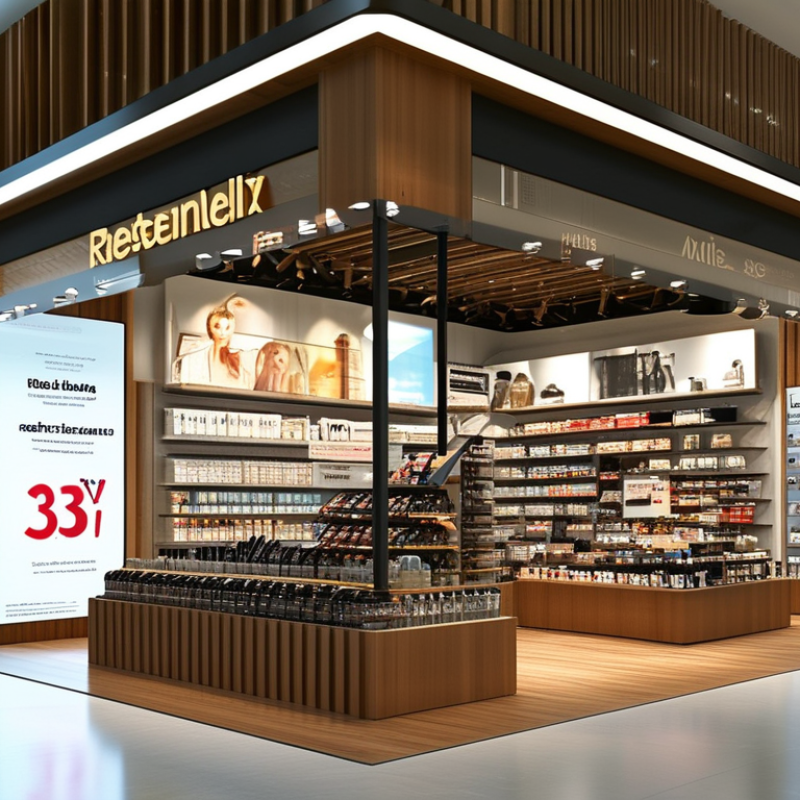
Retail Displays are a crucial component of business strategy. They significantly influence consumer purchasing decisions. According to a study by the Center for Retail Research, effective retail displays can increase sales by up to 33%. This highlights the undeniable role these displays play in attracting customers and enhancing the shopping experience.

Expert David Johnson, a renowned figure in retail marketing, states, “A well-designed display captivates attention and draws customers in.” His insight reflects the importance of strategic retail design. The appeal of visual merchandising can make or break a sale. However, not all displays are effective. Some businesses overlook key principles, leading to wasted resources and missed opportunities.

Understanding the psychology behind consumer behavior is crucial. Retail Displays should not just be visually appealing; they must align with brand messaging. Focusing solely on aesthetics can dilute impact. Realizing this balance is an ongoing challenge for many retailers today. Investing in thought-provoking, innovative displays requires constant evaluation and adaptation to market trends.
What is the Importance of Retail Displays for Businesses?

Understanding the Role of Retail Displays in Business Success

Retail displays play a crucial role in the success of businesses. According to the Point of Purchase Advertising International (POPAI), nearly 70% of consumer buying decisions are made in-store. This statistic underscores the importance of visually engaging displays. They can attract customers’ attention and influence their purchasing choices. An appealing retail environment fosters brand loyalty and enhances the shopping experience.

Tip: Use colors and lighting wisely. For instance, warm colors can create a welcoming atmosphere. Bright lights can highlight featured products. In addition, arranging items at eye level can significantly increase sales. Candles, signage, and artwork can also enhance the appeal of displays.

Moreover, poor display setups can lead to missed opportunities. If products are disorganized or hard to find, customers may leave without purchasing. A cluttered display can convey a sense of chaos, deterring shoppers. Regularly assessing and updating display strategies based on customer feedback is essential. Retailers should consider seasonal trends and customer preferences when designing displays.

Tip: Engage with your audience. Use social media to share customer stories and experiences related to your displays. Encouraging feedback can refine your approach. It’s a continuous process of learning and adapting to market changes.

Types of Retail Displays and Their Unique Benefits

Retail displays play a crucial role in attracting customers. They serve as the first impression of a store and can significantly influence purchasing decisions. There are various types of retail displays, each with unique benefits to enhance the shopping experience.

Endcap displays are highly effective in capturing shopper attention. Positioned at the end of aisles, they often feature seasonal items or promotions. This placement encourages impulse buys. Use colorful signage and highlight discounted products to draw customers in.

Another type is window displays, which showcase products outside the store. This visual merchandising can entice passersby to enter and explore. Ensure your display tells a story or conveys a theme. Incorporate motion or lighting for added interest.

Tips: Always consider the flow of customer traffic in your store. Keep key displays clear from obstacles to improve visibility. Regularly change your displays to keep the store fresh and engaging. Test different arrangements to find what resonates with your audience. Pay attention to customer response; adapt as necessary.

Psychological Impact of Retail Displays on Consumer Behavior

Retail displays play a crucial role in influencing consumer behavior. Studies suggest that visually appealing displays can increase sales by up to 20%. Bright colors, creative designs, and strategic placement catch shoppers' attention. This impact is not merely anecdotal; research indicates that approximately 70% of purchasing decisions are made in-store. Therefore, businesses need to invest in effective retail displays to stand out.

Creating a sensory experience is key. Engaging multiple senses can enhance the shopping experience. For instance, incorporating scents or sounds can evoke emotions, encouraging consumers to linger longer. Display organization also matters. A cluttered display can confuse shoppers, while a well-organized layout can foster ease and efficiency.

Tips for effective displays:
- Use clear signage to guide consumers.
- Rotate displays regularly to maintain freshness.
- Experiment with lighting to highlight products.

However, it’s vital to consider that not all strategies work universally. Some displays may not resonate with specific demographics. Regularly gathering customer feedback can help businesses refine their approach. Keeping abreast of trends is essential. Even the most well-designed displays may need adjustment over time. Understanding what sparks interest is crucial for continuous improvement.

The Importance of Retail Displays for Businesses

Best Practices for Designing Effective Retail Displays

Retail displays play a crucial role in attracting customers. They can influence buying decisions significantly. According to a study by the Point of Purchase Advertising International, nearly 70% of purchasing decisions occur in-store. This highlights the need for effective retail display design.

To create effective retail displays, businesses must consider visual appeal. Bright colors and compelling images can draw customers in. A study from the Visual Merchandising Association found that well-designed displays can increase sales by 30%. However, simplicity is also key. Overly cluttered displays can be overwhelming and deter customers. A balance between creativity and clarity is necessary.

Engagement through interactivity can enhance the shopping experience. Incorporating touchpoints, like product samples, can stimulate customer interest. Nevertheless, it is vital to keep the design aligned with the brand identity. Misalignment can confuse shoppers and harm brand perception. Regularly assessing and updating display strategies is crucial. Retailers should stay informed of changing trends and customer preferences.

Measuring the Effectiveness of Retail Displays in Driving Sales

Effective retail displays significantly influence sales performance. According to a study by the Point of Purchase Advertising Institute, nearly 70% of buying decisions are made in-store. This statistic underscores how vital strategic display placement is for driving impulse purchases. Retailers invest in creative and engaging displays to catch customers' attention and boost sales. An eye-catching display can lead to a significant increase in foot traffic, which is essential for retail success.

To measure the effectiveness of these displays, businesses should analyze conversion rates following changes. Retail analytics tools can track how display alterations impact sales performance. Monitoring customer engagement, such as dwell time and interaction, provides insight into which displays resonate with shoppers. A report from RetailDive noted that interactive displays can increase retention rates by up to 50%. This highlights the importance of continuously testing display strategies to maximize their impact.

Tip: Regularly update displays to keep them fresh and relevant. Seasonal themes or trending products can attract repeat customers. Also, consider customer feedback to refine your display approaches. Reflecting on what works and what doesn’t can lead to better designs in the future.

Creating effective retail displays is an ongoing learning process. Keep experimenting with new ideas while maintaining a strong focus on what appeals to your target audience. This adaptability will help drive sustained sales growth over time.

FAQS

: Why are retail displays important for businesses?

: Retail displays attract customer attention and influence buying decisions. They contribute significantly to brand loyalty and the shopping experience.

What can enhance the appeal of retail displays?

Using colors and lighting effectively can enhance displays. Warm colors create a welcoming vibe, while bright lights highlight featured products.

How can product placement affect sales?

Arranging items at eye level can significantly increase visibility and sales. Customers are more likely to notice what they can easily see.

What happens with poorly arranged displays?

Cluttered or disorganized displays can drive customers away. Such setups can give a chaotic impression, leading to missed sales opportunities.

How should retailers adapt their display strategies?

Regular assessments based on customer feedback are essential. Seasonal trends and customer preferences should guide display updates and changes.

What role do endcap displays play?

Endcap displays capture shopper attention effectively. They often feature seasonal items or promotions, leading to increased impulse buys.

How do window displays impact foot traffic?

Window displays showcase products outside the store, enticing passersby. A well-crafted display can encourage people to enter and explore.

How often should retail displays be updated?

Regularly changing displays keeps the store engaging and fresh. Testing different arrangements can help find what resonates with customers.

How can social media assist in retail display success?

Engaging with customers on social media can provide valuable feedback. Sharing customer experiences helps refine display strategies continuously.

Is it important to consider customer flow in a store?

Yes, considering customer traffic flow improves display visibility. Key displays should be clear of obstacles to maximize customer engagement.

Conclusion

Retail displays play a crucial role in the success of businesses by enhancing the visual appeal of products and attracting customers' attention. Different types of retail displays offer unique benefits, catering to various marketing strategies and consumer preferences. Understanding the psychological impact of these displays can significantly influence consumer behavior, encouraging impulse purchases and fostering brand loyalty.

To maximize their effectiveness, it is essential to follow best practices in designing retail displays, such as considering customer flow and product placement. Additionally, measuring the effectiveness of retail displays in driving sales can provide valuable insights, allowing businesses to optimize their strategies continuously. Ultimately, well-designed retail displays not only enhance the shopping experience but also contribute significantly to business profitability and growth.

Mason

Mason

Mason is a seasoned marketing professional with a deep expertise in the company's offerings and a passion for driving brand awareness. With a strong background in digital marketing strategies, he has an innate ability to connect with diverse audiences and effectively communicate product benefits.......