How to Choose the Right Adjustable Shelving?

Time:2026-09-17 Author:Amelia
0%

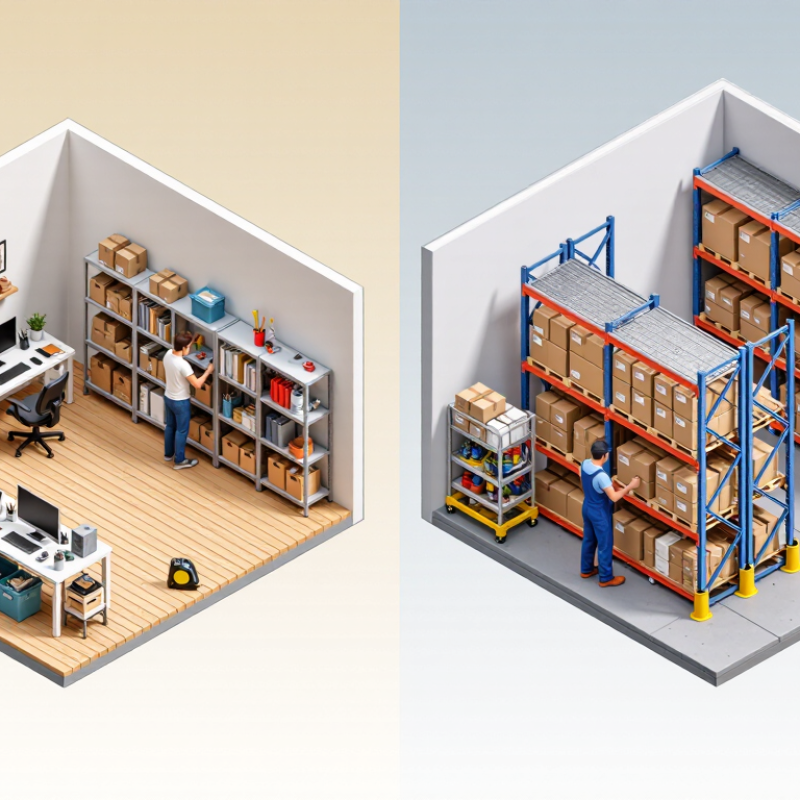
Choosing the right Adjustable Shelving begins with understanding how a space will actually be used. A quiet home office needs different storage than a busy stockroom. Measure the wall, floor depth, ceiling height, and walking space before comparing products. Small errors matter.

Look closely at load capacity, shelf spacing, frame material, and adjustment methods. Steel uprights can support demanding storage, while wire shelves improve airflow around boxes and equipment. For books, tools, kitchen supplies, or retail inventory, each shelf should match the weight and shape of its contents. Never rely only on a product photograph. Check the manufacturer’s tested load rating and installation instructions. A shelf that looks strong may still become unstable when loaded unevenly.

Safety deserves practical attention. Place heavier items on lower levels, secure tall units where appropriate, and inspect fasteners after installation. Adjustable Shelving should remain level, even when shelves move frequently. Experienced installers also consider damp areas, cleaning routines, and future changes in stock. These details are easy to miss. They should not be.

There is no perfect system for every room. A highly adjustable design may cost more or require careful assembly. A budget option may work well, but only under lighter loads. This guide compares those trade-offs through real-use considerations, technical guidance, and dependable selection criteria. It also leaves room for honest reconsideration. Storage needs change. The best choice today may need expansion tomorrow.
How to Choose the Right Adjustable Shelving?

Define Your Storage Needs and Available Space

How to Choose the Right Adjustable Shelving?

Define Your Storage Needs and Available Space

Choosing adjustable shelving starts with an honest inventory, not a product photo. List what you store, from folded towels to paint cans. Record each item’s height, width, weight, and frequency of use. A 30-centimetre-deep shelf may suit books, but it wastes space for shallow containers. Heavy boxes need stronger supports and shorter shelf spans.

Measure the room twice. Note wall width, ceiling height, door swing, skirting boards, pipes, and nearby switches. Leave clearance for opening doors and carrying bulky items. My first sketch is usually too optimistic. Real walls are rarely perfectly square. The U.S. National Association of Home Builders reported in 2024 that 76% of buyers considered a walk-in pantry desirable or essential. That preference shows how strongly households value dedicated storage zones.

Use the available space by dividing it into zones. Place daily-use items between waist and shoulder height. Store lighter seasonal items higher up. Keep a small safety margin below the ceiling and around each container. The 2024 Self Storage Association Demand Study reported 14.5 million U.S. households used self-storage during 2023. That figure reflects changing household needs, but it also reveals a planning problem: people often store items before measuring them. Adjustable shelves can correct that mistake, though frequent repositioning may become inconvenient. Test shelf spacing with actual bins, not empty estimates.

Compare Adjustable Shelving Materials and Weight Capacities

How to Choose the Right Adjustable Shelving?

When comparing adjustable shelving materials, consider moisture, load type, and daily handling. Powder-coated steel offers strong support for tools, storage bins, and boxed files. It usually resists scratches better than painted surfaces. Aluminum is lighter and resists corrosion, making it useful in damp rooms. However, it may flex under heavy, concentrated loads. Wood shelves create a warmer appearance and handle books well, but humidity can cause swelling or warping. Wire shelves improve airflow around shoes, laundry, and pantry containers. Small items may need liners.

Weight capacity requires more than reading one number. Check whether the rating applies per shelf or to the entire unit. Also confirm the load is evenly distributed. A shelf holding 100 kilograms in the center faces more stress than one holding evenly spaced boxes. Shelf width, bracket spacing, wall anchors, and frame thickness all affect performance. Ratings can change when shelves are moved upward or downward.

Test the layout with real objects.

During one garage setup, a shelf seemed stable until heavy boxes were placed at the front edge. The frame remained upright, but the shelf visibly bowed. That warning changed the spacing and reduced the load. I now leave a safety margin below the stated capacity, especially for books or metal parts. Manufacturer test data is useful, but installation quality still matters. A level shelf, secure fasteners, and regular inspections prevent small movements from becoming serious problems.

Choose the Right Shelf Dimensions and Adjustment Range

How to Choose the Right Adjustable Shelving?

Choose the Right Shelf Dimensions and Adjustment Range

Start with the items you actually store, not the empty wall. Measure their height, width, and depth. Add clearance for easy handling. A shelf that fits tightly may waste usable space. Leave room.

For everyday storage, choose shelf depths that support items without creating hidden gaps. Small containers often need less depth than boxes or equipment. Check the shelf’s rated load, then compare it with the weight of each stored group. Heavy items need stronger shelves and shorter spans. Do not rely on appearance alone.

Adjustment range matters when your storage needs change. Look for multiple height positions, with enough vertical movement for tall and short items. A fine adjustment pattern can reduce wasted space. Large adjustment intervals may leave awkward gaps. Measure your tallest item with its lid, handle, or packaging attached. These details are easy to miss.

I once measured the shelves but forgot the door swing nearby. That mistake reduced access and forced a poor layout. Now I mark the floor area with tape before installation. It reveals blocked paths, uneven spacing, and inconvenient reach distances. Check the wall, floor level, and fixing points as well. An adjustable system is only reliable when installed on a suitable surface. Recheck the measurements after assembly, because small errors can become visible once every shelf is loaded.

Evaluate Installation Methods, Stability, and Safety Features

Choosing adjustable shelving requires more than comparing load ratings. Installation determines how the unit behaves under real use. Freestanding shelves need wide feet, level flooring, and anti-tip anchoring. Wall-mounted systems require suitable anchors, not simply screws driven into plasterboard. Track-mounted shelves should engage every bracket fully and evenly. Fit matters.

Stability depends on load placement and frame geometry. Put heavier items on lower levels, keep loads centered, and avoid exceeding the lowest component rating. The U.S. Consumer Product Safety Commission’s Furniture Tip-Over Report estimated 71,300 emergency-department-treated injuries from furniture tip-overs between 2018 and 2022. That figure is not specific to shelving, but it shows why restraint hardware deserves serious attention. OSHA’s material-storage rule, 29 CFR 1910.176(b), also requires stored materials to remain secure and free from hazards. Inspect joints, clips, anchors, and floor contact after installation. I have found that a shelf can feel rigid while its rear fixing is already loosening.

Tips: Check the wall material before choosing anchors. Test each shelf with a gradual load, not one heavy box. Leave clearance around doors and walkways. Recheck fasteners after the first week. If the instructions conflict with the room conditions, pause and obtain qualified advice. Small gaps matter. Safety labels should remain visible, and damaged components should be replaced rather than improvised.

Select Shelving Based on Budget, Durability, and Future Flexibility

How to Choose the Right Adjustable Shelving?

Budget should guide the purchase, but it should not decide everything. A low-cost unit may look attractive in a quotation. However, thin posts can bend under repeated heavy loading. Check the stated load rating for each shelf, not only the entire unit.

Also examine the steel thickness, joint design, coating, and included hardware. A shelf holding paint cans needs different strength from one holding folded linens. Leave some budget for wall anchors, leveling feet, and installation. These small items are often forgotten.

Durability matters most in busy storage areas.

Look for corrosion-resistant finishes when shelves face moisture, dust, or frequent cleaning. Adjustable holes should remain clean after repeated changes. I once moved shelves too quickly and damaged a locking clip. That mistake showed me that easy adjustment still requires careful handling.

Future flexibility deserves equal attention. Choose shelves with several height positions and enough clearance for taller boxes. Consider whether extra shelves or replacement parts are available later. Measure your current containers, then imagine larger equipment arriving next year. Do not fill every level today. Empty space can be useful. Review the specifications carefully, and compare them with your actual load pattern. A strong shelf is not automatically the right shelf if it cannot adapt to changing work.

FAQS

How should I measure my storage area?

Measure wall width, ceiling height, door swings, pipes, and nearby switches. Measure twice. Mark the floor with tape before installation. Remember that real walls may not be perfectly square.

Which items should go on adjustable shelves?

Store daily-use items between waist and shoulder height. Place lighter seasonal items on higher shelves. Keep bulky boxes away from doorways. Leave clearance around handles, lids, and containers.

How do I choose the correct shelf depth?

Measure each item’s depth, then add space for easy handling. Shallow containers usually need less depth than large boxes. A shelf that is too deep can create hidden gaps. Measure real items, not empty estimates.

Which shelving material suits different rooms?

Steel suits tools, files, and heavy storage bins. Aluminum is lighter and performs well in damp areas. Wood offers a warmer appearance but may swell with humidity. Wire shelves improve airflow around shoes and laundry.

How can I check the real weight capacity?

Confirm whether the rating applies per shelf or the whole unit. Check shelf width, bracket spacing, anchors, and frame thickness. Distribute boxes evenly across the surface. Leave a safety margin below the stated limit.

Why do heavy items need shorter shelf spans?

Heavy loads create more stress across wide spans. Books and metal parts can cause visible bending. Place dense items near supports. Test the arrangement with actual boxes before final installation.

What adjustment range should I look for?

Choose shelves with several height positions. Measure tall items with lids, handles, and packaging attached. Fine spacing reduces wasted vertical space. Large gaps can remain awkward.

What installation mistakes should I avoid?

Check wall strength, floor level, and fixing points before assembly. Secure fasteners properly. A level shelf matters. Recheck measurements after loading every shelf. I once forgot a nearby door swing, and access became poor.

Conclusion

Choosing the right Adjustable Shelving begins with understanding what you need to store and how much space is available. Consider the size, quantity, and weight of your items, then compare materials such as metal, wood, or composite options according to their durability and weight capacities. Select shelf dimensions that fit your room efficiently while leaving enough clearance for access. An appropriate adjustment range will also allow the system to adapt to items of different heights.

Before purchasing, evaluate the installation method, overall stability, and safety features, including secure connections, level supports, and reliable anchoring when necessary. Finally, balance your budget with long-term durability rather than focusing only on the initial price. A well-designed shelving system should remain useful as your storage needs change, offering flexible shelf placement and the possibility of adding or rearranging components in the future.

Amelia

Amelia

Amelia is a seasoned marketing professional with a wealth of expertise in our company’s core offerings. With an unwavering passion for driving growth and innovation, she plays a pivotal role in shaping our marketing strategies and enhancing brand visibility. A key aspect of her responsibilities......