Choosing the right Floor Stand Displays can shape how shoppers notice, understand, and trust your products. A well-positioned display may guide customers from the entrance toward a featured offer. A weak one can block movement, create clutter, or make premium products appear ordinary.
Store conditions should lead the decision. Measure aisle width, ceiling height, lighting, and customer traffic before comparing designs. A busy supermarket may need a weighted, durable stand with rounded edges. A boutique could prefer a slim wood or metal frame that supports its visual identity. Consider shelf capacity, viewing height, mobility, and cleaning requirements. Small details matter. A display that wobbles near a checkout area will quickly lose credibility.
Product weight matters too. Confirm load limits instead of relying on appearance. Check whether printed graphics can be replaced without specialist tools. Ask suppliers about materials, finish quality, assembly instructions, and warranty coverage. These questions reflect practical experience, not just showroom presentation.
There is no universal best option. A tall stand may improve visibility but reduce sightlines across the store. A compact unit may fit tight spaces but hold fewer products. Test a sample in the real shopping environment when possible. Observe where customers stop, what they touch, and which shelves remain ignored.
Your first choice may be imperfect. That is useful. Review sales movement, restocking time, and customer feedback after installation. Then adjust the location, message, or structure. Reliable Floor Stand Displays should support both retail performance and a safe, comfortable shopping experience.
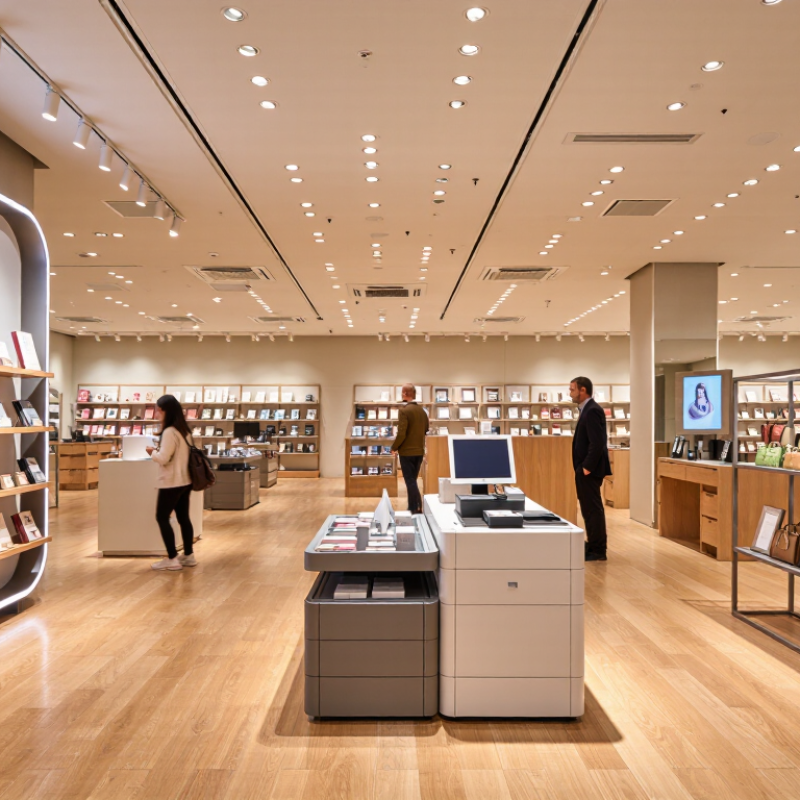
How to Choose the Best Floor Stand Displays for Your Store?
Understanding your store’s display goals starts with the customer journey. A display may promote new products, explain features, or guide shoppers toward a checkout area. Define one primary goal before choosing its size or shape. A crowded display often tries to do too much.
Measure the available floor space carefully. Record wall distances, aisle widths, ceiling height, and nearby fixtures. A simple floor plan can reveal blocked pathways that are easy to miss. Traffic matters. Watch how customers move during busy hours. Note where they pause, turn, or avoid narrow spaces. Leave breathing room. The display should attract attention without making the store feel difficult to navigate. Always check applicable accessibility and fire-safety requirements before installation.
Practical store-planning experience also shows the value of testing a display temporarily. Mark its footprint with tape for several days. Ask staff whether restocking feels easy and whether customers can reach products comfortably. My first layout was too crowded, even though every product fit. That mistake changed the way I evaluate floor displays. Product capacity is not the same as display effectiveness. Consider sightlines from the entrance, lighting changes, and the height of the displayed items. A stable, well-positioned unit supports the shopping experience better than an oversized structure. Reassess the layout after seasonal changes, because yesterday’s successful placement may obstruct today’s busiest path.
Understanding your store’s display goals and available floor space starts with comparing the typical footprint of each display format. Use this planning reference to match display capacity with the space available on your sales floor.
Planning insight: Narrow tower displays suit limited floor areas, while gondola and island displays provide more presentation capacity but require significantly more floor space and customer circulation room.
Choosing a floor stand display starts with the product, not the display trend. POPAI’s Mass Merchant Shopper Engagement Study reported that 82% of purchase decisions happen inside stores. That makes visibility, reach, and message clarity commercial priorities.
A snack pack needs shallow shelves and strong front-facing angles.
Bottled products need deeper steel trays and stable weight distribution.
Small accessories often perform better on peg hooks.
Material changes performance. Powder-coated steel supports heavier stock and survives frequent restocking. Wire improves visibility but can let small items fall through. Acrylic creates a clean, premium view, though it scratches more easily. Corrugated board is lightweight and recyclable, but it may weaken near condensation or loading areas.
The EPA’s Sustainable Materials Management data shows paper and paperboard remain major components of municipal waste, so material recovery deserves attention. Check local recycling rules. They vary.
Configuration should match store movement. A narrow, two-sided unit suits aisle ends and reduces blocked sightlines. A wheeled frame helps seasonal teams reposition displays quickly. Modular shelves allow different pack sizes, but loose fittings can create uneven rows.
Measure the footprint, viewing height, refill time, and shopper approach before ordering.
Keep the strongest message at eye level.
Test one location for two weeks, then compare unit sales and replenishment effort. The first layout may be wrong. That is useful evidence. Display decisions should be adjusted, not defended.
Selecting the right floor stand starts with product size, not appearance. Measure the tallest package, add hand clearance, and leave space for restocking. A display that holds 40 units may be inefficient if staff cannot refill it safely. I have seen attractive stands become unstable when heavy products sit too high. Weight distribution matters.
Capacity should match sales velocity and replenishment routines. Fast-selling items need deeper shelves, while premium or fragile products often need fewer facing positions.
POPAI’s Mass Merchant Shopper Engagement Study reported that 82% of purchase decisions occurred in stores. That older benchmark still highlights the importance of clear, immediate product access. However, shopper behavior changes, so retailers should test rather than trust one statistic.
Product layout should guide the eye from the main offer to supporting items. Keep best sellers between waist and eye level, where shoppers can compare them quickly. Use clear price labels and avoid crowded shelves.
NielsenIQ’s 2023 in-store research shows that physical stores remain important for product discovery and experience. Leave visible breathing room. Too much empty space looks weak, but excessive stock creates visual friction.
A practical trial with two layouts may reveal more than a perfect plan on paper.
How to Choose the Best Floor Stand Displays for Your Store?
A floor stand must survive daily handling, restocking, cleaning, and occasional knocks from shopping carts. Choose powder-coated steel, reinforced joints, and shelves rated above the expected load. Ask suppliers for cycle-testing results, not attractive promises. A display that bends after three months damages trust and wastes budget. The perfect unit does not exist. I still question displays that look strong but lack replaceable parts.
Mobility affects both operations and customer attention. Locking casters allow staff to reposition displays during promotions, while stabilizing feet prevent movement during browsing. POPAI shopper engagement research reports that roughly four in five purchase decisions occur in stores, although results vary by category and market. That makes placement important. Measure the aisle. Keep graphics facing the main customer path, but avoid blocking product views or emergency access. Nielsen’s Global New Product Innovation Survey found that 59% of consumers prefer buying new products from familiar brands. Use a clear logo area, consistent colors, and short benefit-led messages to build recognition without covering the merchandise.
Accessibility requires practical testing, not assumptions. The U.S. Access Board’s ADA Standards specify a 36-inch minimum clear width for accessible routes. Treat that as a baseline, not a design target. Leave enough space for turning, browsing, and two-way traffic. Shelves should place popular items within comfortable reach, with readable lettering and strong contrast. Move it slowly. Ask wheelchair users, older shoppers, and store staff to test the display before production. Their feedback may expose a flaw that a polished showroom never reveals.
Choosing the best floor stand display starts with safety, not appearance. A stable base should resist tipping when customers brush past it or remove the last product. Check load capacity, edge protection, and wheel locks before installation. The U.S. Bureau of Labor Statistics recorded 2.6 million nonfatal workplace injuries in private industry during 2023. Displays are not the only cause, but poor placement can create preventable risks.
Maintenance affects the real cost. Dust collects around lower shelves, while loose screws can appear after busy weekends. Choose powder-coated metal or durable board surfaces that tolerate daily cleaning. Ask suppliers for replacement parts, inspection instructions, and a written warranty. A supplier who answers quickly is valuable when one damaged panel blocks a sales area. The 2024 Deloitte Global Chief Procurement Officer Survey highlights resilience and supplier collaboration as important purchasing priorities. That lesson applies to retail fixtures too. Cheap units may become expensive through repairs, delays, and staff time. I have seen attractive displays fail because nobody checked their fasteners.
Tips: Measure the aisle before ordering. Leave clear walking space. Request a sample or assembly video. Compare total ownership cost, not only the unit price. Ask how often the supplier recommends inspections. Record delivery damage with photographs. One detail is easy to miss: confirm whether replacement shelves are actually available. Budget pressure is real, but saving a little upfront may create awkward compromises later.
Choose one primary goal, such as promoting new products or guiding shoppers. A crowded display often communicates too much. Keep the main message clear.
Measure wall distances, aisle widths, ceiling height, and nearby fixtures. Draw a simple floor plan. It can reveal blocked pathways.
Observe shoppers during busy hours. Note where they pause, turn, or avoid narrow spaces. Leave breathing room. A display should attract attention without disrupting movement.
Mark the display footprint with floor tape for several days. Ask staff about restocking and customer access. The first layout may still be wrong.
Powder-coated steel supports heavier stock and frequent restocking. Wire improves visibility but may let small items fall through. Acrylic looks clean but scratches more easily.
Peg hooks often work well for small accessories. Keep products visible and easy to reach. Loose fittings can create uneven rows.
It suits aisle ends and helps reduce blocked sightlines. A wheeled frame supports quick seasonal changes. Check stability before moving it.
Compare unit sales and replenishment effort after testing one location for two weeks. Check viewing height, refill time, and shopper approach. Product capacity is not effectiveness.
Review applicable accessibility and fire-safety requirements before installation. Keep aisles clear. Reassess the layout after seasonal changes. Yesterday’s successful placement may obstruct today’s busiest path.
Choosing the right Floor Stand Displays begins with understanding your store’s goals, available floor space, and the products you want to highlight. Consider whether the display is intended for promotions, everyday organization, product education, or impulse purchases. Compare different styles, materials, and configurations to find an option that matches your store layout and visual identity. The display should offer suitable dimensions, capacity, and product arrangement so customers can browse easily without creating clutter or blocking walkways.
Before making a decision, evaluate the display’s durability, mobility, branding opportunities, and customer accessibility. Strong construction is important for frequent use, while wheels or a lightweight design can make repositioning easier. Check safety features, cleaning requirements, expected maintenance, and overall cost to ensure long-term value. Finally, choose a dependable supplier that can provide accurate product information, customization options, replacement support, and timely communication. A well-planned display can improve organization, attract attention, and create a more convenient shopping experience.

FortisRack