Choosing the right China supplier for Endcap Displays can influence visibility, durability, and retail performance across multiple markets. A well-designed endcap can turn an ordinary aisle into a clear buying destination. It may hold packaged food, cosmetics, electronics, or seasonal products. Each category demands different materials, load capacities, and finishing standards.
This guide examines China’s top Endcap Displays suppliers through practical sourcing criteria. It considers manufacturing experience, design capability, quality control, export communication, and after-sales support. Factory visits, sample reviews, and production-line photographs can reveal details that catalogs often hide. Look closely at weld points, edge finishing, powder-coating consistency, shelf adjustment, and carton protection. Small weaknesses can become expensive problems during long-distance shipping.
Reliable suppliers should explain their steel grades, board options, hardware systems, and testing procedures. They should also provide clear drawings, prototypes, inspection records, and realistic production timelines. Certifications may matter when displays enter regulated retail environments. Buyers should verify each document rather than accepting polished claims without evidence.
The strongest supplier is not always the cheapest. Price matters, but replacement rates and delayed launches matter too. Some factories communicate well before receiving an order, then become slower afterward. That risk deserves attention. This comparison aims to help global buyers ask sharper questions and build more dependable supplier relationships. Still, rankings are never permanent. Capacity, service quality, and export performance can change, so independent verification remains essential.
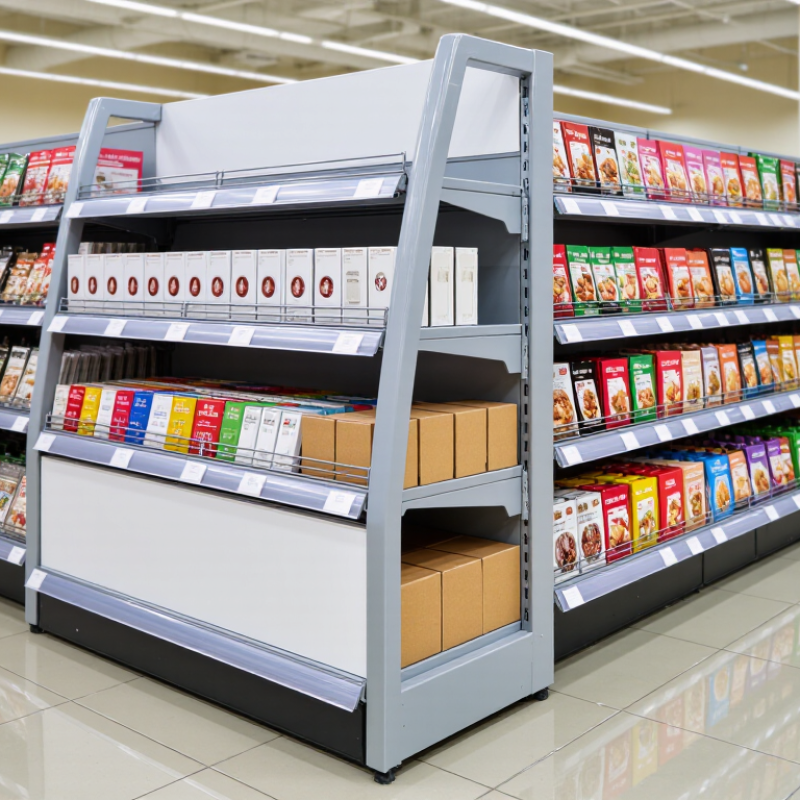
Endcap displays are freestanding or shelf-end fixtures placed at aisle intersections. They face shoppers during routine store visits. Unlike ordinary shelves, they present a small product story from three sides. A strong unit can show price, use, size, and availability within seconds. That matters when buyers compare displays for supermarkets, pharmacies, convenience stores, and home-improvement retailers.
Global buyers need endcap displays because retail space is expensive and attention is brief. A well-planned endcap can guide traffic, support seasonal campaigns, and improve product visibility without expanding the store.
From practical sourcing experience, buyers should check load capacity, carton dimensions, assembly time, surface finish, and replacement-part access. These details affect shipping cost and daily maintenance. A display may look attractive in a catalog but wobble on a busy sales floor. That mistake is avoidable.
Materials also deserve close review. Powder-coated steel suits heavier goods, while laminated board can reduce weight and shipping volume. Recyclability claims need evidence, not attractive wording. Buyers should request drawings, test reports, sample units, and clear quality tolerances.
Regional safety requirements, fire standards, and packaging rules can differ. Factory communication is another risk. Precise specifications with photos, measurements, and color references prevent expensive assumptions. Not every impressive prototype performs well after repeated handling. That is worth testing.
Evaluating China’s endcap display suppliers requires more than comparing catalogue prices. A polished showroom can hide weak production controls. Request recent factory photos, process records, and a live video tour. Check cutting, edge finishing, welding, printing, and packing areas. Ask who owns quality decisions. This matters.
A useful sample should match the proposed materials, dimensions, and hardware. Measure panel thickness with calipers. Test shelf loading with the intended products for 24 hours. Look for wobbling, sharp edges, uneven color, and loose fasteners. One sample is not enough. A second unit may reveal assembly variation. I have seen attractive prototypes fail during repeated loading, so testing should include transport vibration and store-floor handling.
Supplier reliability also appears in documents and conversations. Request material specifications, inspection checklists, carton details, and a written production schedule. Confirm whether steel, acrylic, wood-based panels, and lighting components come from approved sources. Ask for batch traceability. It is easy to overlook. Compare quoted costs with tooling, packaging, spare parts, and replacement terms. A low price may exclude export-safe packaging or inspection. Clarify minimum order quantities, sample fees, payment stages, and response times. Use drawings with tolerances, color references, and load requirements. Avoid verbal assumptions. Independent pre-shipment inspection can verify quantity, dimensions, finish, and carton labels. Keep dated photos and signed records. Stay skeptical. No factory is perfect, including the most organized one.
China’s endcap display supply base is concentrated in several manufacturing regions. Guangdong supports acrylic forming, metal fabrication, LED integration, and rapid prototype production. Dongguan and Shenzhen are useful for complex structures and electronic components. Zhejiang is stronger in wire displays, printed materials, and cost-efficient volume production. Jiangsu offers reliable sheet-metal processing, powder coating, and automated assembly.
The regional structure matches China’s large retail demand. The National Bureau of Statistics reported retail sales of consumer goods at approximately RMB 48.8 trillion in 2024. Physical online retail sales reached about RMB 13.1 trillion. These figures encourage suppliers to improve speed, packaging, and modular design. The China Packaging Federation also continues to highlight lightweight materials and efficient logistics as important manufacturing trends.
A capable supplier should provide drawings, load testing, sample approval, and carton-drop testing. Look for clear tolerances, material certificates, and documented quality checks. Some factories offer CNC cutting, laser welding, color matching, and flat-pack packaging under one roof. Others outsource critical steps. That difference matters.
Ask for production photos.
Factory visits can reveal crowded workspaces, weak labeling, or inconsistent finishing. These details rarely appear in a quotation. Supplier capability is not only machine capacity. It includes communication, corrective action, and honest delivery planning. Still, even experienced buyers can misjudge a factory after one successful sample. Regional expertise helps, but verification remains necessary.
China’s endcap display suppliers support global retail projects with practical material choices and flexible production.
Powder-coated steel provides strength for heavy cartons and repeated store handling. MDF offers a warmer appearance and accepts printed panels or painted surfaces. Acrylic creates clear product windows, while corrugated board keeps temporary campaigns lighter and more economical. Material selection should follow product weight, campaign length, humidity, and shipping conditions.
Design decisions affect both sales visibility and installation time.
A slotted back panel can hold adjustable shelves, hooks, or bins. Locking casters help staff move larger units safely. Flat-pack structures may reduce freight volume, but they require accurate assembly instructions.
Small details matter.
Rounded edges improve handling. Stable feet prevent wobbling on uneven floors. Some suppliers can combine metal frames, wood panels, lighting, and printed graphics within one display.
Customization usually includes dimensions, colors, logos, shelf spacing, packaging, and assembly methods.
Buyers should request drawings, material samples, load tests, and a finished prototype before mass production. I have found that photographs alone can hide weak joints or uneven printing.
The first prototype is rarely perfect. That is normal, but corrections should be recorded clearly.
Production samples need checking for color consistency, surface quality, hardware accuracy, and carton protection. A reliable supplier also explains limitations instead of promising every design without testing.
Comparing endcap display suppliers starts with landed cost, not factory price. Ex-works pricing is rarely the real price. Ask for tooling, packaging, spare parts, testing, freight, duties, and installation separately. UNCTAD’s Review of Maritime Transport 2024 states that over 80% of global merchandise trade by volume moves by sea. That makes carton strength and container loading important cost factors. Request a packing diagram and a damage-rate record from previous export shipments.
Quality needs physical evidence. Check weld consistency, edge finishing, coating thickness, shelf load performance, and color matching under store lighting. Require a production sample before approving a large order. A polished prototype can still hide weak joints. I would use a weighted scorecard, but I would not trust it completely. Factory audits and random inspections can reveal different realities. Record defects with photographs, measurements, and corrective-action dates.
Compliance should match the destination market and the exact materials. Request product specifications, chemical declarations, fire-related test documents where relevant, and traceable material records. Generic certificates are not enough. The World Bank’s 2023 Logistics Performance Index evaluates customs, infrastructure, shipment arrangements, logistics competence, tracking, and timeliness. Ask suppliers to provide export references, HS-code support, commercial invoices, packing lists, and clear Incoterms. Confirm who handles port delays, insurance, and replacement parts. Small omissions become expensive. Suppliers that explain limitations openly are often more dependable than those promising perfect delivery.
Recommended weighting model for comparing China-based endcap display suppliers on pricing, quality, compliance, and export capability.
The weighting emphasizes total commercial value rather than unit price alone. Quality and compliance help reduce replacement, inspection, and market-access risks, while export services reflect documentation, packaging, logistics coordination, and delivery reliability.
Request recent factory photos, process records, and a live video tour. Check cutting, welding, printing, finishing, and packing areas. Ask who controls quality decisions. A polished showroom proves very little.
The sample should match the proposed materials, dimensions, hardware, and colors. Measure panel thickness with calipers. Check fasteners, edges, joints, and surface finish. One sample can mislead me.
Load shelves with the intended products for 24 hours. Watch for wobbling, loose screws, bending, or uneven feet. Repeat loading several times. Add transport vibration and store-floor handling tests.
Powder-coated steel supports heavy cartons and repeated handling. MDF creates a warmer appearance with printed or painted panels. Acrylic provides clear product windows. Corrugated board suits lighter, temporary campaigns. Consider weight, humidity, campaign length, and shipping conditions.
Slotted back panels support adjustable shelves, hooks, or bins. Locking casters help staff move larger units safely. Rounded edges improve handling. Stable feet reduce wobbling on uneven floors. Small details matter.
Confirm dimensions, colors, graphics, shelf spacing, packaging, and assembly methods. Request technical drawings with tolerances and load requirements. Review material samples and a finished prototype. Photographs may hide weak joints.
Request material specifications, inspection checklists, carton details, and a written production schedule. Confirm approved material sources and batch traceability. Clarify minimum order quantities, sample fees, payment stages, and response times. Written records prevent expensive assumptions.
Confirm export-safe packaging, spare parts, replacement terms, and carton labels. Use dated photos and signed inspection records. An independent pre-shipment inspection can verify quantity, dimensions, finish, and packaging. No factory is perfect.
Endcap Displays are effective retail fixtures placed at the ends of store aisles to improve product visibility, organize merchandise, and encourage impulse purchases. For global buyers, sourcing from China can provide access to flexible production capacity, competitive costs, and extensive customization. However, selecting the right supplier requires careful evaluation of manufacturing experience, design capability, quality control systems, communication, production lead times, and export support.
China’s major manufacturing regions offer different strengths, from metal fabrication and injection molding to wood processing, lighting integration, and large-scale assembly. Buyers should compare materials, structural durability, finishes, modular designs, branding areas, packaging, and installation requirements. A complete supplier assessment should also consider pricing transparency, sample quality, production consistency, certifications, responsible manufacturing practices, and the ability to meet destination-market requirements. By balancing cost, quality, customization, compliance, and logistics services, buyers can develop reliable Endcap Displays that suit different retail environments and support long-term merchandising goals.

FortisRack