2026 Best Retail Shelving Units for Your Business Needs?

Time:2026-08-28 Author:Ethan
0%

In today's competitive retail landscape, choosing the right Retail Shelving Units is crucial for success. These units not only display products but also optimize space and enhance customer experience. Many business owners struggle with this selection process. They need to balance aesthetics and functionality, which can be complex.

Retail Shelving Units come in various designs and materials. Each option has its own advantages and challenges. Some units may look appealing but may not support heavier items effectively. Others may be sturdy but could clash with store decor. It is vital to understand the specific needs of your business when making a choice.

Investing in quality shelving can lead to long-term benefits. Quality units can withstand daily use and adapt to changing inventory. However, some retailers overlook this aspect, opting for cheaper alternatives. Reflecting on past decisions can lead to better choices in the future. Ultimately, selecting the best Retail Shelving Units requires thoughtful consideration, balancing style, strength, and the intended customer experience.
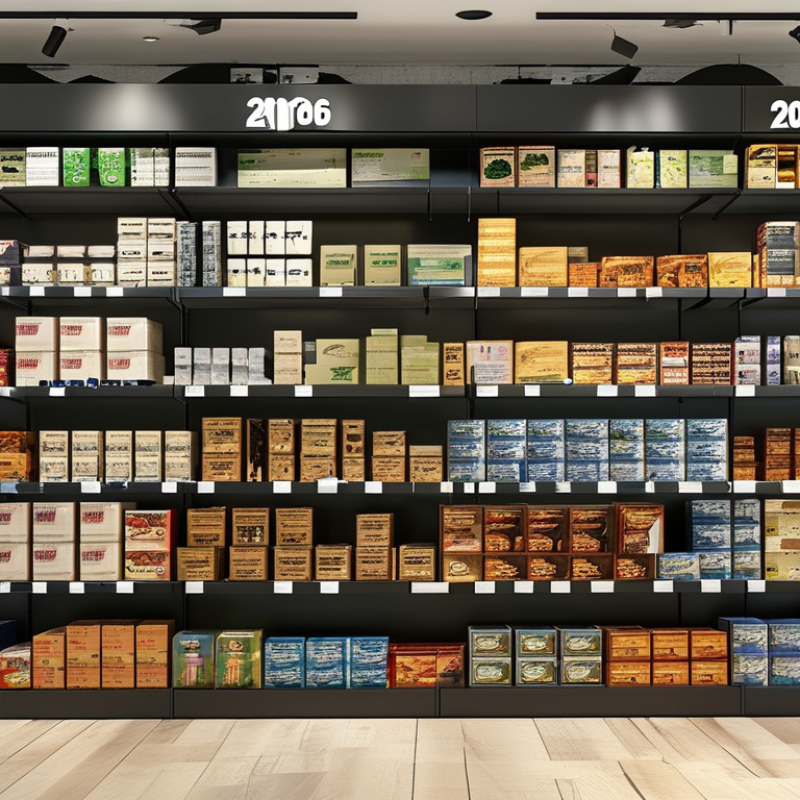
2026 Best Retail Shelving Units for Your Business Needs?

Top Trends in Retail Shelving Units for 2026: A Market Overview

As we approach 2026, the landscape of retail shelving units is evolving. A recent report by Grand View Research indicates that the global retail shelving market is expected to grow at a CAGR of 5.2% through 2026. Retailers are increasingly focusing on aesthetic appeal and functionality. This shift is driven by consumer demand for immersive shopping experiences.

In 2026, flexible shelving units designed for diverse product placements will be paramount. Retailers are experimenting with modular designs. This allows for easy reconfiguration based on seasonal trends. The integration of technology is also noteworthy. Smart shelving that tracks inventory in real time is gaining traction. However, the transition to these advanced systems has its challenges. Some retailers struggle with the initial investment and the learning curve associated with new technology.

Sustainability is another critical trend emerging in retail shelving. According to a report from Mordor Intelligence, eco-friendly materials are becoming a priority. Retailers are seeking units made from recycled or sustainably sourced materials. This aligns with consumers' growing preference for sustainable brands. Yet, sourcing these materials can be complex and costly, requiring thoughtful planning. As retailers adapt, the push for both functionality and sustainability will reshape the retail environment.

Key Features to Consider When Selecting Retail Shelving for Your Business

When selecting retail shelving for your business, key features are essential. You need versatility in design. Shelving units should adapt to your changing inventory. For example, adjustable shelves allow you to customize space for various products. This flexibility enhances your store layout over time.

Consider storage capacity as well. If you sell a diverse range of items, your shelving must accommodate different sizes. A unit that fails in this aspect may create clutter. Ensure materials are durable yet lightweight, especially if you need to rearrange often.

Finally, aesthetics play a crucial role. Your shelving should reflect your brand’s identity. It should attract customers, not distract them. Think about color, finish, and style. A cohesive look can enhance the shopping experience. However, it's easy to lose sight of practicality. Don't let a sleek design overshadow usability. Balancing form and function is vital for effective retail shelving.

Comparative Analysis of Metal, Wood, and Plastic Shelving Units

When considering shelving units for retail, the material choice is crucial. Metal shelving is often praised for its durability and strength. It holds heavy items effortlessly and withstands daily wear. This makes it ideal for stock rooms or environments where products may be stacked high. However, its cold aesthetic may not suit every retail space, making it feel uninviting.

Wood shelving offers a warm and welcoming appearance. It can enhance the overall ambiance of a store. Retailers often choose wood for its aesthetic value. Various finishes allow for customization, connecting with the brand’s image. Yet, wood can be susceptible to moisture damage and may require regular maintenance.

Plastic shelving is a lightweight alternative. It’s easy to move and often more affordable. This style suits smaller stores or temporary setups. However, concerns arise around its strength and longevity compared to metal and wood. Retailers need to consider the trade-offs. Each option has benefits and drawbacks that must align with specific business needs. An informed choice requires evaluating both product types and the store environment.

Cost-Benefit Analysis: Investing in Shelving Units for Increased Sales

Investing in quality retail shelving units is a strategic move for any business. Effective shelving increases visibility and accessibility of products, driving sales. Consider the layout of your store; well-placed displays can elevate customer experience. Sturdy, attractive shelves create an inviting atmosphere. This impacts how often customers return.

A cost-benefit analysis reveals that good shelving saves money in the long run. Durable units reduce replacement costs and can adapt to changing inventory. Evaluate the materials used in shelving; metal and wood can last years with proper care. It's essential to analyze your space and customer flow, ensuring shelving maximizes product exposure.

However, not all shelving solutions fit every business. Some designs might clash with your brand aesthetic. Consider the time involved in setting them up. Reflect on how shelving affects buying behavior. The right units can lead to impulse buys, but ineffective designs may frustrate customers. Balancing cost and effectiveness is crucial for sustained growth.

Impact of Effective Shelving on Customer Purchase Behavior and Store Layout

Effective shelving plays a crucial role in retail settings. Studies show that well-designed shelving units can increase customer engagement. According to a report by the Point of Purchase Advertising International (POPAI), about 68% of buying decisions occur at the point of sale. This indicates that the way products are organized can significantly influence what customers choose to buy.

When shelves are strategically placed, they enhance product visibility. For instance, using vertical space effectively can draw customer attention to high-demand items. A Nielsen study highlights that products placed at eye level sell 20% better than those on lower or higher shelves. Visual merchandising also contributes to this effect. Items arranged in attractive displays can lead to impulse buying, creating opportunities for increased sales.

However, not all shelving designs are successful. It's essential to evaluate how consumers interact with displays. Cluttered or poorly organized shelves can deter shoppers, leading to frustration. Retailers need to regularly analyze shopper behavior and adjust their layouts accordingly. Continuous feedback is vital for improvement. This approach encourages businesses to adapt and evolve, ensuring they meet customer expectations effectively.

FAQS

: What is the expected growth rate of the retail shelving market by 2026?

: The retail shelving market is expected to grow at a CAGR of 5.2% through 2026.

What factor is driving changes in retail shelving design?

Consumer demand for immersive shopping experiences is driving changes in retail shelving design.

Why are flexible shelving units important?

Flexible units allow for diverse product placements and easy reconfiguration based on trends.

What technology is becoming popular in retail shelving?

Smart shelving that tracks inventory in real time is gaining popularity among retailers.

What challenges do retailers face when integrating new shelving technology?

Some face challenges like initial investments and a steep learning curve with new systems.

How important is sustainability in choosing retail shelving?

Sustainability is critical, with a focus on eco-friendly materials affecting retailer choices.

What should retailers consider when selecting shelving for their business?

They need versatility, storage capacity, and durability, along with aesthetic appeal.

What is a downside of overly sleek shelving designs?

A sleek design can overshadow practicality, making usability a vital consideration.

What issues do wood shelving units present?

Wood can be prone to moisture damage and may require regular maintenance.

How do plastic shelving units compare to metal and wood?

Plastic is lightweight and affordable but may lack strength and longevity compared to others.

Conclusion

The article "2026 Best Retail Shelving Units for Your Business Needs" provides a comprehensive overview of the latest trends and considerations in the retail shelving market. It highlights key features that businesses should evaluate when selecting retail shelving units, including durability, versatility, and aesthetic appeal. A comparative analysis of metal, wood, and plastic shelving units is presented to help retailers make informed decisions based on their specific needs and budget.

Additionally, the article discusses the cost-benefit analysis of investing in quality shelving units, emphasizing their potential to boost sales through effective product presentation. The impact of well-designed shelving on customer purchase behavior and store layout is also explored, revealing how retail shelving units can significantly enhance the shopping experience and optimize space utilization in retail environments.

Ethan

Ethan

Ethan is a seasoned marketing professional with a deep expertise in our company's innovative product line. With a passion for sharing knowledge and insights, he takes the lead in regularly updating our corporate blog, where he explores industry trends, product features, and effective marketing......