What Is the Best Metal Shelving Supplier in China?

Time:2026-09-12 Author:Henry
0%

Choosing the best Metal Shelving supplier in China requires more than comparing catalog prices. A reliable supplier should provide stable steel quality, accurate dimensions, durable coatings, and clear production communication. Buyers should examine factory experience, welding details, load testing, packaging, and export records. A polished website proves little. Factory evidence matters more.

Warehouse systems consultant David Chen says, “The best shelf is not the cheapest shelf; it is the shelf that performs safely every day.” This practical view is important when evaluating Chinese manufacturers. A strong supplier should explain material thickness, beam capacity, surface treatment, and installation requirements without hiding technical limits. Ask for samples. Check the corners, holes, welds, and powder coating closely. Small defects can become expensive problems after thousands of units are installed.

This article compares key suppliers through product quality, customization, certifications, delivery control, and after-sales support. It also considers factory audits and customer feedback, rather than relying only on online claims. Some suppliers may offer excellent prices but weak documentation. Others may communicate well yet lack consistent production capacity. That is where the decision becomes difficult. There is no perfect shortlist. Even a careful review can miss changes in raw material quality or management. Readers should verify current factory information before signing a contract. The best Metal Shelving supplier is the one that combines dependable manufacturing with honest technical advice, responsive service, and measurable performance. Reliability shows itself over time. Not in promises.
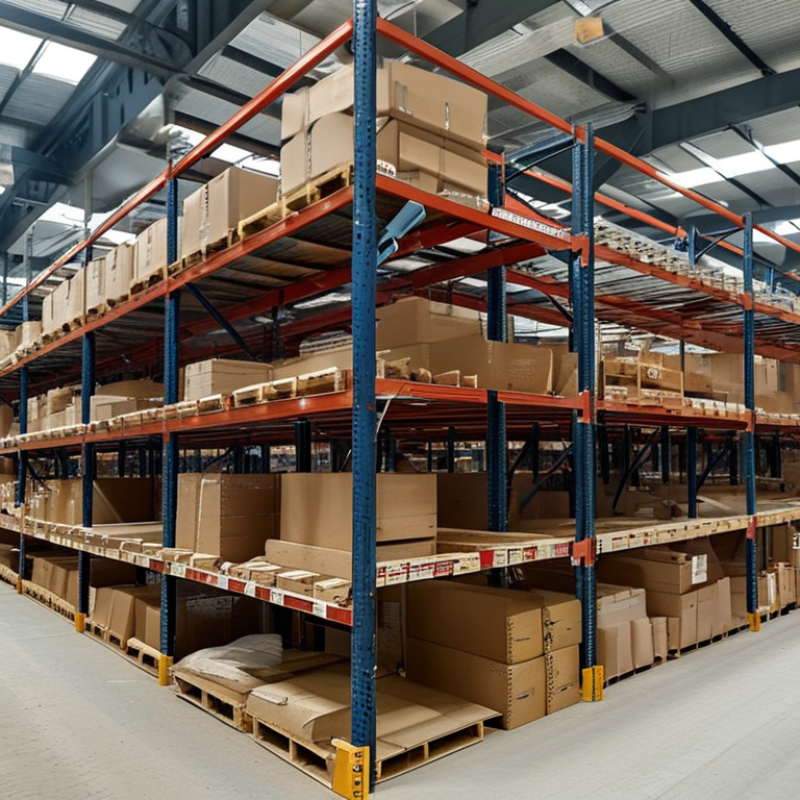
What Is the Best Metal Shelving Supplier in China?

What Defines a Reliable Metal Shelving Supplier in China?

A reliable metal shelving supplier in China is defined by controlled production, not attractive catalog photos. The International Organization for Standardization’s ISO Survey 2022 recorded more than 1.2 million ISO 9001 certificates worldwide. However, certification alone cannot prove dependable shelving. It only shows that a quality system exists. Buyers should inspect material certificates, welding procedures, coating thickness, and load-testing records. A serious factory can explain steel grades, beam dimensions, shelf tolerances, and corrosion resistance without avoiding technical questions.

Look for measurable evidence. Each shelving unit should carry a clear load rating based on an agreed test method, with samples tested before mass production. Factory audits should review incoming steel, laser cutting, forming, powder coating, packaging, and final inspection. The 2023 World Bank Logistics Performance Index highlights how customs, infrastructure, and shipment reliability affect international supply chains. Therefore, a capable supplier should provide carton dimensions, pallet plans, export documents, and realistic lead times. Details matter.

Small mistakes can become expensive.

Experience also matters during installation. Ask whether the supplier has handled uneven floors, narrow aisles, humid warehouses, or frequent access requirements. Request drawings, installation guidance, spare-part plans, and traceability codes for each batch. Independent inspection is wise, even when communication feels smooth. A weakness remains: many buyers compare unit prices before comparing steel thickness and testing depth. That habit can create unstable shelves, delayed projects, and replacement costs. Reliable sourcing requires evidence, not confidence alone.

How to Compare China’s Metal Shelving Manufacturers

What Is the Best Metal Shelving Supplier in China?

Comparing China’s metal shelving manufacturers requires more than checking price lists. Start with steel grade, load capacity, welding quality, coating thickness, and dimensional tolerance. China produced about 1.02 billion tonnes of crude steel in 2024, according to the World Steel Association. Strong material availability does not guarantee reliable shelving. A supplier should provide mill certificates, inspection records, and repeatable test results. I learned this the hard way: an attractive sample can hide inconsistent welds or thin uprights.

Ask manufacturers for a live factory video, production photographs, and a sample assembled under load. Check whether their stated capacity includes an even load or a concentrated load. Request third-party testing when storage safety is critical. The World Bank’s 2023 Logistics Performance Index ranked China 19th globally, but shipment performance still varies by region and season. Therefore, compare realistic lead times, export packaging, port options, and replacement-part support.

Tips: Build a comparison sheet with at least five suppliers. Record steel thickness, coating method, testing standards, warranty terms, minimum order quantity, and delivery history. Use the same technical drawing for every quotation. Do not compare vague “heavy-duty” claims. MHI’s 2024 Annual Industry Report highlights rising pressure for supply-chain visibility and automation, so ask whether the supplier can support barcode labels, modular expansion, or digital inspection records. Small details matter. A low quotation may become expensive after rework, damaged cartons, or missing components.

Which Materials and Production Standards Should You Check?

What Is the Best Metal Shelving Supplier in China?

Material selection should match the load, humidity, and cleaning routine—not only the lowest quotation. For dry warehouses, cold-rolled steel with a tested powder coating may be sufficient. Near wash areas, galvanized steel can offer better corrosion resistance. Ask the factory to state the steel grade, thickness tolerance, zinc coating mass, and paint film thickness. ASTM A653 covers hot-dip galvanized sheet, while EN 10130 addresses cold-rolled steel for forming. These references make supplier comparisons more precise.

Production controls matter as much as the material. For welded frames, ISO 3834 provides quality requirements for fusion welding. EN 16121 and EN 16122 can support testing for non-domestic storage furniture.

Request load-test records showing each tier’s uniformly distributed load, deflection, and safety factor. Do not accept one photograph as evidence. A real report should identify the sample, test date, equipment, and failure result. The World Steel Association reported 1,888.2 million tonnes of crude steel production in 2023, but global volume does not prove one factory’s consistency.

Paperwork can look perfect.

ISO 9001 certification helps verify documented processes, yet it does not guarantee shelf capacity. The ISO Survey 2022 recorded 1,265,216 ISO 9001 certificates worldwide, so certification alone is not a strong differentiator.

During an audit, inspect coil labels, coating thickness records, weld beads, corner sharpness, and carton protection. I would also repeat a small load test before a large order. This costs time. It may prevent an expensive assumption.

How Do Customization, Quality Control, and Delivery Work?

The best metal shelving supplier in China is not chosen by price alone. It is tested through customization, quality control, and delivery discipline. A reliable factory should convert your storage needs into clear drawings, load ratings, material grades, and surface-finish samples. Ask for a prototype before mass production. A 0.2-millimeter mismatch can affect hole alignment and assembly speed.

Quality evidence must be practical. The ISO Survey reported more than 400,000 ISO 9001 certificates in China in 2022. However, certification alone does not guarantee consistent shelving. Request incoming-material records, weld inspection results, coating thickness checks, and final load tests. Independent inspections can verify dimensions before shipment. Small details matter. Also, examine how defects are handled. A supplier that records corrective actions is more trustworthy than one promising perfection. Real factories make mistakes; disciplined factories learn from them.

Delivery depends on more than production capacity. The World Bank’s 2023 Logistics Performance Index ranked China 19th globally, showing strong logistics capability, but delays still occur at ports and during peak seasons. Confirm production milestones, packaging standards, container plans, and shipping documents in writing. Heavy shelves need corner protection, moisture barriers, and stable palletizing. Ask for carton photos and loading records before departure. One overlooked document can delay customs clearance. Delivery dates should include a realistic buffer, not optimistic language.

What Questions Should You Ask Before Choosing a Supplier?

What Is the Best Metal Shelving Supplier in China?

Before choosing a supplier, ask questions that expose real manufacturing capability. What steel grade and thickness does the shelving use? Is the load rating tested on a complete unit? Request test records, not only a catalogue figure. The World Steel Association reported 1.89 billion tonnes of crude steel production in 2023. This scale does not guarantee quality, so verify the material certificate and batch traceability.

Ask whether the factory controls cutting, welding, coating, and final inspection internally. Can it provide a production sample? Measure its posts with a caliper, inspect weld seams, and load one shelf gradually. Ask about salt-spray testing, coating thickness, packaging, replacement parts, and delivery performance. The 2024 MHI Annual Industry Report highlights continuing supply-chain pressure, making backup materials and realistic lead times important. A low quotation may hide thinner steel or weaker packaging.

Tips: Ask for three recent inspection reports and one customer reference. Confirm whether the quoted capacity includes evenly distributed weight. Clarify minimum order quantities and payment stages in writing. Visit the factory if possible. Inspect the sample. Also ask what happens after a failed inspection. A supplier that answers clearly is useful; one that promises everything may still disappoint. I would not rely on photos alone, because polished images can conceal uneven coating, sharp edges, or unstable feet.

What Is the Best Metal Shelving Supplier in China? - What Questions Should You Ask Before Choosing a Supplier?

A practical supplier-evaluation framework for comparing quality, compliance, production capability, logistics, and total cost.

Evaluation Dimension Questions to Ask the Supplier Evidence or Data to Request Recommended Acceptance Criteria Suggested Weight
Product Design and Load Capacity How is the load capacity calculated for each shelf, bay, and complete unit? Is the rated load for uniformly distributed or point loading? Engineering drawings, load tables, calculation notes, and test reports showing shelf spacing and loading conditions. The supplier provides a clearly defined rated load, test conditions, safety factor, and maximum allowable deflection instead of using an unsupported maximum figure. 20%
Material Specification What steel grade, thickness, and coating system will be used? Can the material be changed only with written approval? Material certificates, thickness records, approved drawings, and incoming-material inspection procedures. All critical materials and thicknesses are stated in the quotation or technical specification and are traceable to production records. 12%
Manufacturing Quality Control Which inspections are completed during cutting, forming, welding, coating, and final assembly? Inspection and Test Plan, dimensional reports, nonconformance records, corrective-action reports, and sample inspection forms. There are documented incoming, in-process, and final inspections with measurable acceptance limits and retained records. 15%
Surface Treatment and Corrosion Resistance What surface preparation and finishing process is used? Which corrosion-resistance test standard and duration apply to the product? Coating technical data sheet, coating-thickness results, adhesion results, and relevant salt-spray or cyclic-corrosion test reports. The coating type, target thickness, test method, exposure duration, and acceptance criteria are defined before mass production. ASTM B117 may be used for salt-spray testing when appropriate, but it should not be treated as a direct prediction of field life. 12%
Safety and Stability How does the shelving prevent tipping, accidental disengagement, sharp-edge injuries, and unsafe overloading? Assembly instructions, stability-test results, anchoring details, safety labels, and risk-assessment documentation. The design includes positive shelf retention, deburred edges, visible load labels, and anchoring guidance suitable for the intended installation. 10%
Standards and Compliance Which product, workplace-safety, environmental, and chemical requirements apply in the destination market? Applicable test reports, declarations, restricted-substance documentation, audit certificates, and compliance matrix. The supplier identifies the correct destination-market requirements and provides documents that match the exact product configuration and materials. 10%
Factory Capability and Capacity Which processes are performed in-house, what is the monthly capacity, and how are peak-season orders controlled? Production-flow chart, equipment list, capacity calculation, staffing plan, and recent production schedule with sensitive information removed. The claimed capacity is supported by identifiable equipment, production steps, realistic lead times, and a documented capacity-reservation process. 7%
Sample Approval and Change Control Will mass production follow an approved golden sample and controlled drawing? How are design or material changes communicated? Signed sample-approval record, revision-controlled drawings, change-notification procedure, and pre-production checklist. No critical change is made without written approval, and the approved sample identifies dimensions, finish, hardware, packaging, and load requirements. 5%
Packaging and Export Logistics How are parts protected from abrasion, moisture, deformation, and missing hardware during international transport? Packaging specification, carton dimensions, drop-test or transport-test evidence where applicable, packing list, and container-loading plan. Packaging is validated for the shipping route, units are protected against metal-to-metal damage, and every package has clear identification and hardware control. 4%
Commercial Terms and Total Cost What is included in the price, and how do tooling, packaging, inspection, freight, taxes, spare parts, and warranty claims affect the total landed cost? Itemized quotation, Incoterms® 2020 term, payment schedule, tooling ownership clause, warranty terms, and replacement-part pricing. Quotes are compared on the same specification and delivery basis, with all exclusions, payment milestones, and quality-claim responsibilities stated in writing. 5%
Total Suggested Evaluation Weight 100%
Selection Note: Compare suppliers using identical drawings, load conditions, finish requirements, packaging specifications, and delivery terms. A low unit price should not outweigh unresolved safety, traceability, testing, or quality-control risks.

FAQS

Which material should be used for metal shelving in a dry warehouse?

Cold-rolled steel with tested powder coating may suit dry storage areas. Check steel grade, thickness tolerance, and paint film thickness. Do not choose only by price.

What material works better near washing or humid areas?

Galvanized steel can provide stronger corrosion resistance near wash zones. Ask for zinc coating mass and coating records. Humidity changes everything.

Which production standards should a supplier provide?

Request documented welding controls and storage-furniture performance tests. Relevant standards may cover welding quality, forming steel, and shelf safety. Standards help comparisons.

What should a proper load-test report include?

The report should identify the sample, test date, equipment, and failure result. It should show each tier’s distributed load, deflection, and safety factor. One photograph is weak evidence.

Does quality certification guarantee strong shelving?

No. Certification can show documented processes, but it does not prove shelf capacity. Inspect coil labels, weld beads, coating records, and sharp corners. Paperwork can mislead.

How can customization problems be reduced before mass production?

Request clear drawings, load ratings, material grades, and surface-finish samples. Approve a prototype before production begins.

How should factory quality control be checked?

Ask for incoming-material records, weld inspections, coating checks, and final load tests. An independent inspection can verify dimensions before shipment. No factory is flawless.

What delivery details should be confirmed before shipment?

Confirm production milestones, packaging, container plans, and shipping documents in writing. Heavy shelves need corner protection, moisture barriers, and stable palletizing. Allow a realistic time buffer.

How should defects and delays be evaluated?

Ask how the supplier records defects and corrective actions. Request carton photographs and loading records before departure. I would repeat a small load test, despite the extra time.

Conclusion

Choosing the best Metal Shelving supplier in China requires more than comparing prices. A reliable supplier should demonstrate stable manufacturing capacity, clear communication, consistent product quality, and a proven ability to meet agreed specifications. Buyers should compare manufacturers by reviewing their experience, production equipment, material options, certifications, quality standards, and customer service. Important checks include the type and thickness of steel, surface treatments, load-bearing performance, corrosion resistance, welding quality, and compliance with applicable safety requirements.

Customization, quality control, and delivery arrangements are also essential. Before placing an order, confirm whether the supplier can provide accurate drawings, samples, packaging solutions, inspection reports, and realistic production schedules. Ask how raw materials are tested, how defects are handled, what warranties are offered, and how shipping documents and after-sales support are managed. By evaluating these factors systematically and requesting clear written answers, buyers can reduce risks, control costs, and select a dependable long-term Metal Shelving manufacturing partner.

Henry

Henry

Henry is a dedicated marketing professional with a profound expertise in the company's offerings. With years of experience in the industry, he possesses an impressive understanding of the market dynamics and consumer behaviors that drive success. Henry is committed to sharing his insights through......